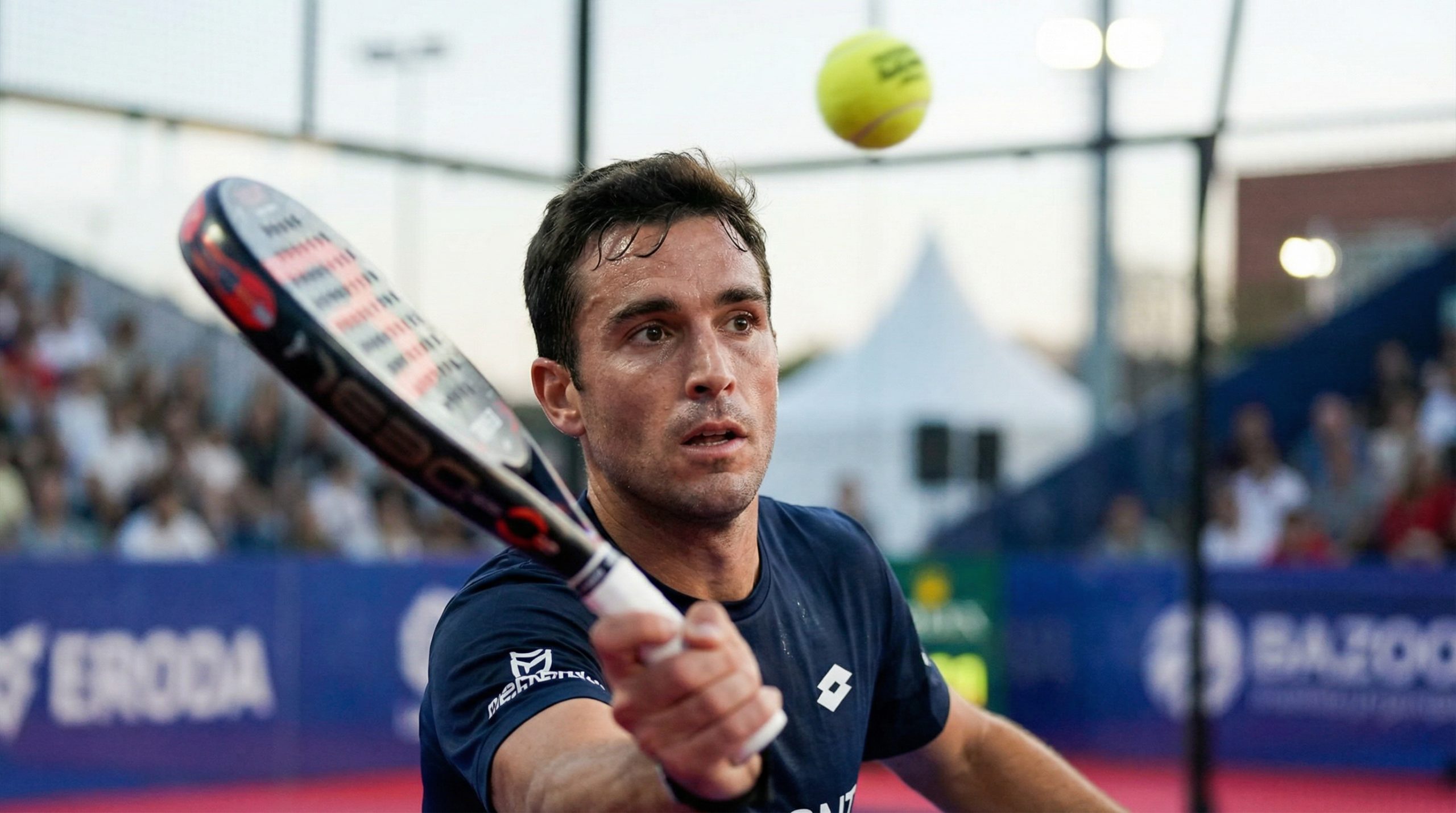
Being a successful padel player is a combination of mastering technical court movements and developing the strategic mindset required to build a winning game through consistent practice and optimized equipment selection. You step onto the blue turf with high hopes, but your shots lack depth and your positioning feels reactive rather than proactive. It is incredibly frustrating to feel like a passenger in your own match, watching balls fly past while you struggle to find a rhythm. By studying how top-tier padel players structure their performance, you can bridge the gap between amateur effort and professional-grade execution.
How does Arturo Coello lead professional padel players?
He leads through a combination of extreme vertical dominance at the net and a high-intensity offensive strategy. Many amateur padel players often struggle with “air space” control, but learning how to analyze Coello padel style and technique provides the blueprint for net dominance.
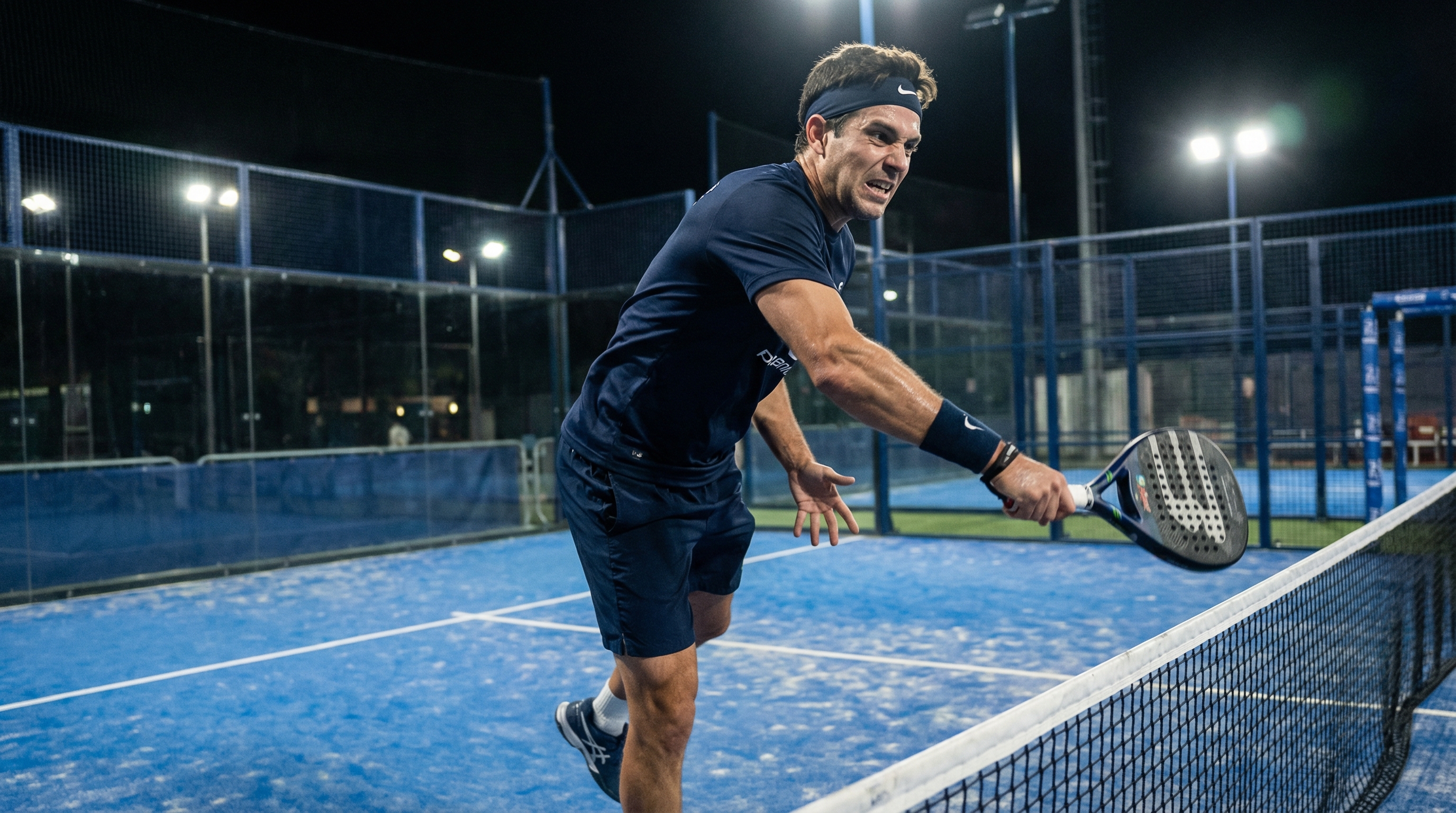
Vertical reach and net dominance
Look at this:
- Dominating the air space requires a tall frame and explosive jumping ability.
- Offensive players focus on cutting off lobs before they reach the back glass.
The best part?
- Mastering the “vibora” allows you to maintain pressure without losing your position at the net.
- Constant aggression forces opponents into making hasty, unforced errors.
High-balance power mechanics
Generating power is not just about muscle, but leverage.
- Using a diamond-shaped frame with a high balance point increases the speed of the racket head.
- This setup is ideal for players who want to finish points with a powerful smash.
Key Takeaway: True net dominance is achieved by combining physical reach with equipment that maximizes the leverage of your overhead swings.
| Attribute | Impact on Play |
|---|---|
| Vertical Reach | Controls the air space and prevents effective lobs |
| High-Balance Racket | Increases leverage for high-velocity smashes |
Effective offensive strategies rely on the synergy between a player’s physical height and the technical specifications of their gear to maintain a relentless attacking rhythm.
What makes Agustín Tapia unique among padel players?
His uniqueness stems from an unparalleled level of creativity and tactical intelligence that allows him to execute acrobatic, non-traditional shots. Professional padel players respect the way he changes rhythms mid-point to keep opponents off balance.
Creative shots and tactical intelligence
The best part?
- Unpredictable lobs and drop shots can break the rhythm of even the most stable defenders.
- Tactical cunning allows a player to thrive even when they are outmatched physically.
Look at this:
- Acrobatics on the court are not just for show; they provide recovery options during difficult transitions.
- Intelligence in shot selection often trumps raw power in high-stakes rallies.
Versatile equipment for playmaking
Creative players often prefer teardrop-shaped frames.
- This shape offers a medium-hard touch that balances power and precision.
- A versatile frame allows for both defensive lobs and aggressive volleys without sacrifice.
Key Takeaway: Creativity on the court requires a blend of mental agility and versatile equipment that supports a wide variety of shot types.
| Skill Type | Benefit |
|---|---|
| Creative Playmaking | Disrupts opponent rhythm with unexpected shot placement |
| Teardrop Shape | Provides a balanced sweet spot for versatile performance |
A player’s ability to innovate during a match is directly linked to their understanding of court geometry and their confidence in their equipment’s feedback.
Can shorter padel players like Federico Chingotto win?
Yes, shorter athletes achieve victory by leveraging a lower center of gravity to enhance agility and court coverage. Many padel players believe height is a prerequisite for victory, but understanding how to choose between padel shoes vs tennis shoes ensures the traction needed for this fast-paced style.
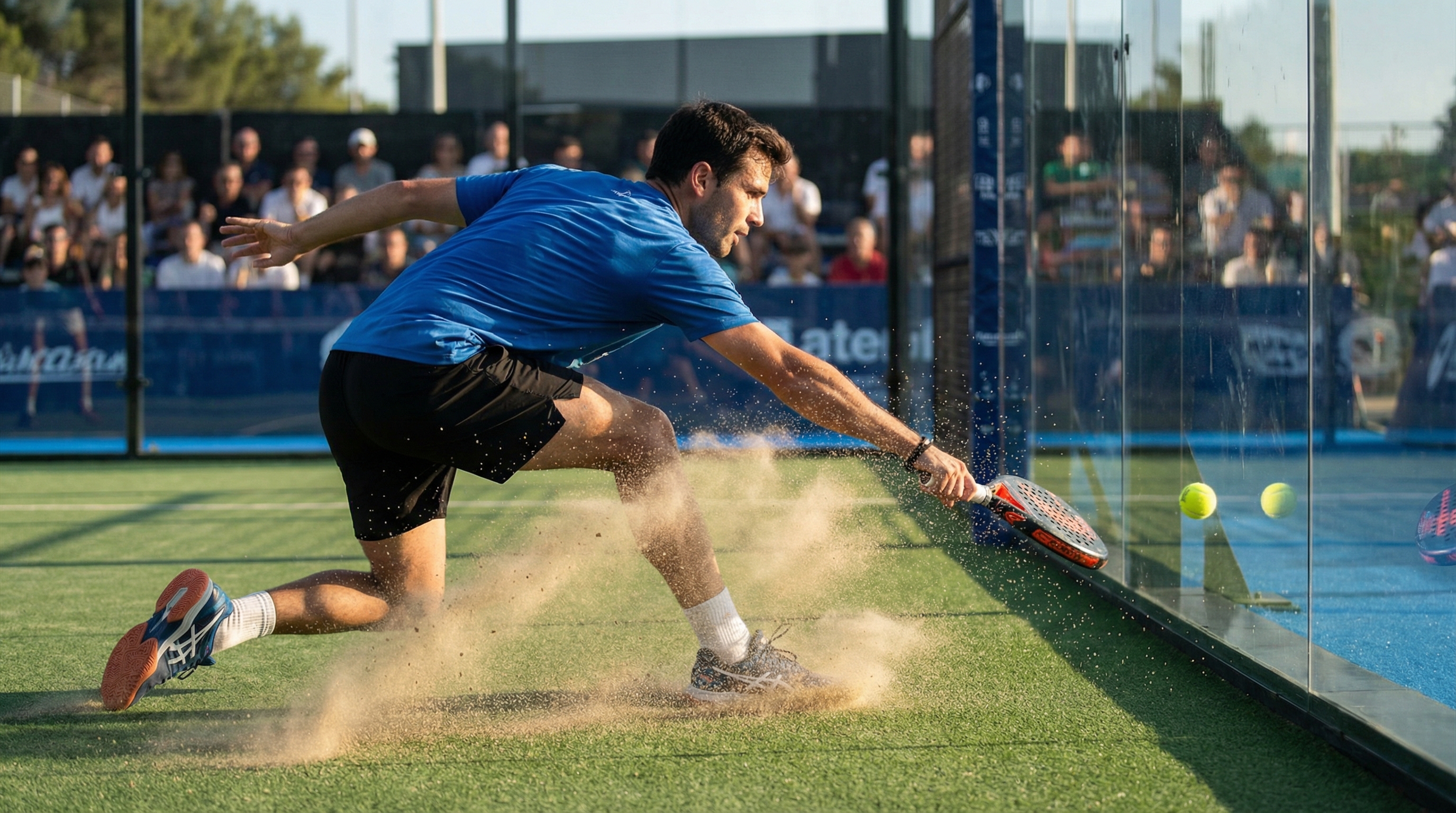
Agility and speed on the court
Look at this:
- Speed allows a defender to retrieve balls that would normally be point-enders.
- A low center of gravity makes lateral pivots much faster and safer for the joints.
The best part?
- Agile players can turn a defensive situation into a counter-attack in seconds.
- Footwork is often more important than the actual swing when playing at high speeds.
Defensive speed and specialized gear
Proper footwear is the foundation of an agile game.
- Padel-specific outsoles provide the grip needed for sand-filled turf surfaces.
- Using the right shoes prevents slipping during the sudden stops required in the “corners.”
Key Takeaway: Agility is a weapon that can neutralize power, provided the player has the specialized gear to support rapid movement.
| Advantage | Player Outcome |
|---|---|
| Low Center of Gravity | Superior stability and faster lateral transitions |
| Specialized Footwear | Maximum traction for defensive saves and pivots |
Success for smaller players is built upon the mastery of efficient movement patterns and the selection of high-grip equipment that facilitates sudden changes in direction.
Why is Alejandro Galán a model for elite padel players?
He is considered a model because he pairs a powerful athletic frame with exceptionally fast footwork and technical versatility. Aspiring padel players often look to his backhand transition as the gold standard for moving from a defensive lob into an offensive overhead.
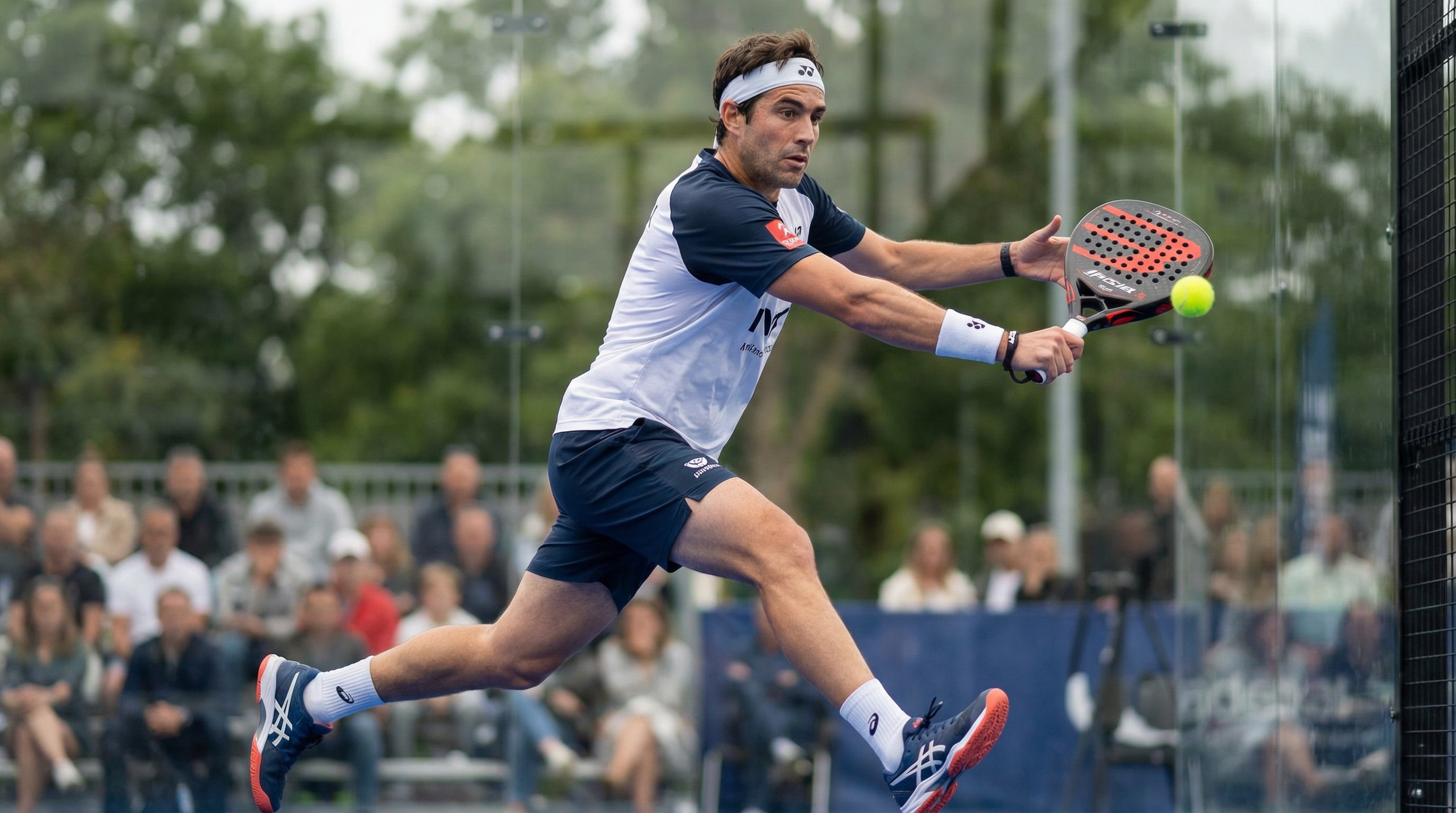
Physicality and fast footwork
The best part?
- A powerful physique allows for high-velocity shots from anywhere on the court.
- Fast footwork ensures the player is always behind the ball, maximizing control.
Look at this:
- Physicality must be balanced with flexibility to avoid muscle-bound stiffness.
- Covering the backhand side requires specific lunging techniques and core strength.
Mastering the transition game
Elite play is defined by how quickly you move from defense to attack.
- High-stiffness rackets provide immediate energy transfer for precise overheads.
- Professional movement patterns focus on minimizing the steps taken between the glass and the net.
Key Takeaway: Elite performance is the result of combining raw physical power with the technical discipline of efficient footwork and stiff equipment.
| Metric | Professional Standard |
|---|---|
| Frame Stiffness | High stiffness for immediate power transfer |
| Transition Speed | Rapid movement from backcourt to net dominance |
The “total player” archetype is constructed through rigorous physical conditioning and the use of technical tools that do not dampen the energy of the swing.
How do technical padel players like Franco Stupa play?
These specialists rely on defensive resilience and high maneuverability to grind down opponents through long, tactical rallies. Effective padel players must understand padel regler before your first match to exploit the nuances of net positioning and defensive resets.
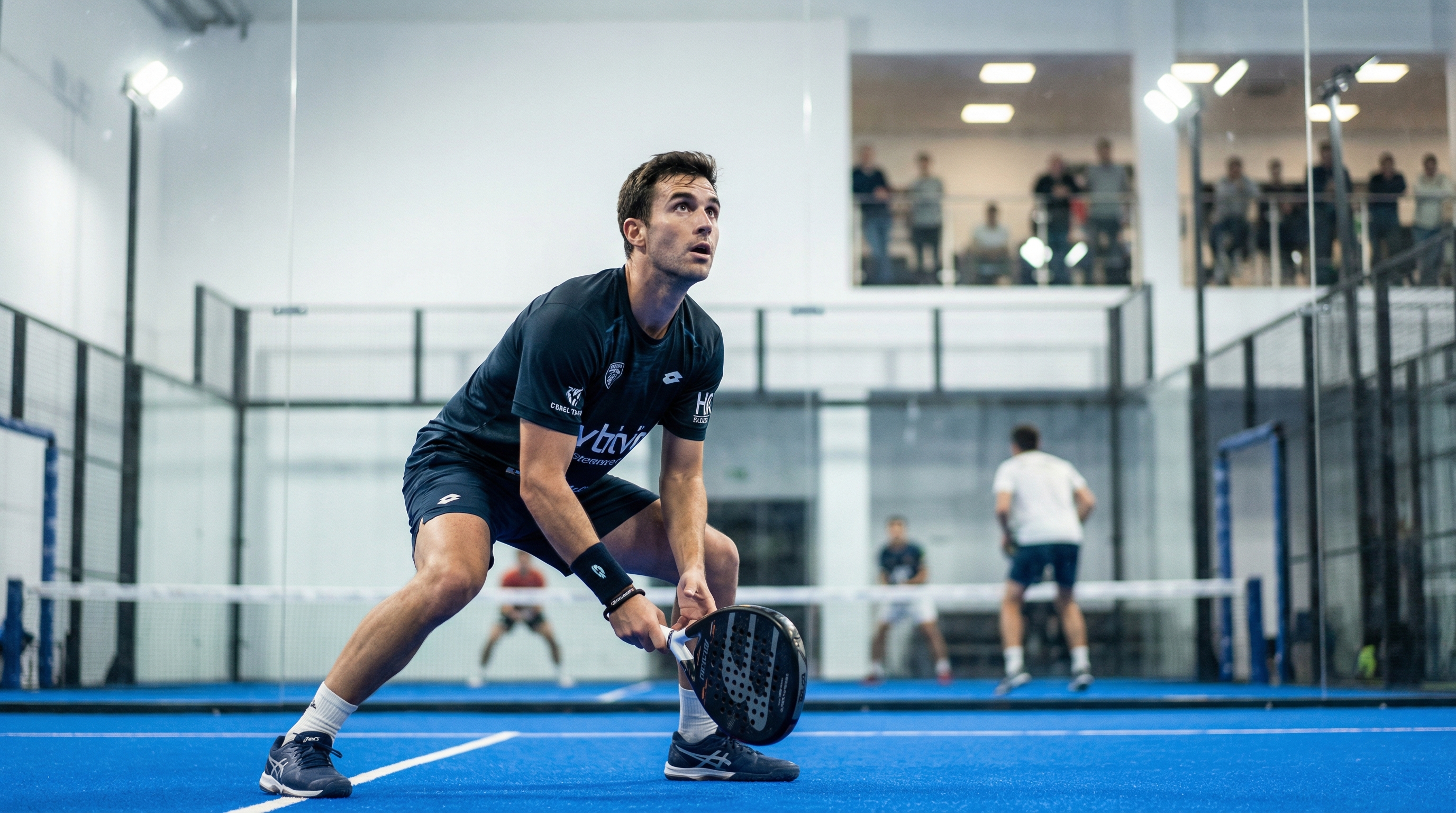
Resilient defense and court maneuverability
Look at this:
- A “never give up” mentality is essential for winning long, tiring points.
- Maneuverability allows you to adjust your racket face at the last millisecond.
The best part?
- Defensive players win by frustrating their opponents into taking unnecessary risks.
- Precision placement of the ball is often more effective than raw speed.
Tactical lobs and net transitions
Transitions are the heart of the technical game.
- Deep lobs force opponents away from the net, creating an opening to attack.
- Rackets with a medium-hard touch provide the “feel” necessary for delicate placement.
Key Takeaway: Technical mastery involves using defensive patience and high-maneuverability equipment to dictate the flow and rhythm of the match.
| Strategic Focus | Tactical Result |
|---|---|
| Defensive Resilience | Forces opponent errors through consistency |
| Tactical Lobs | Resets point position and secures the net |
Developing a technical style requires a deep understanding of ball physics and the ability to utilize gear that prioritizes maneuverability over pure impact force.
What defines legacy for veteran padel players like Lebrón?
A veteran legacy is built on the ability to adapt an aggressive offensive style to various partners while maintaining technical precision. Young padel players often study the adaptability of seasoned veterans to learn how to sustain a high-level career across multiple seasons.
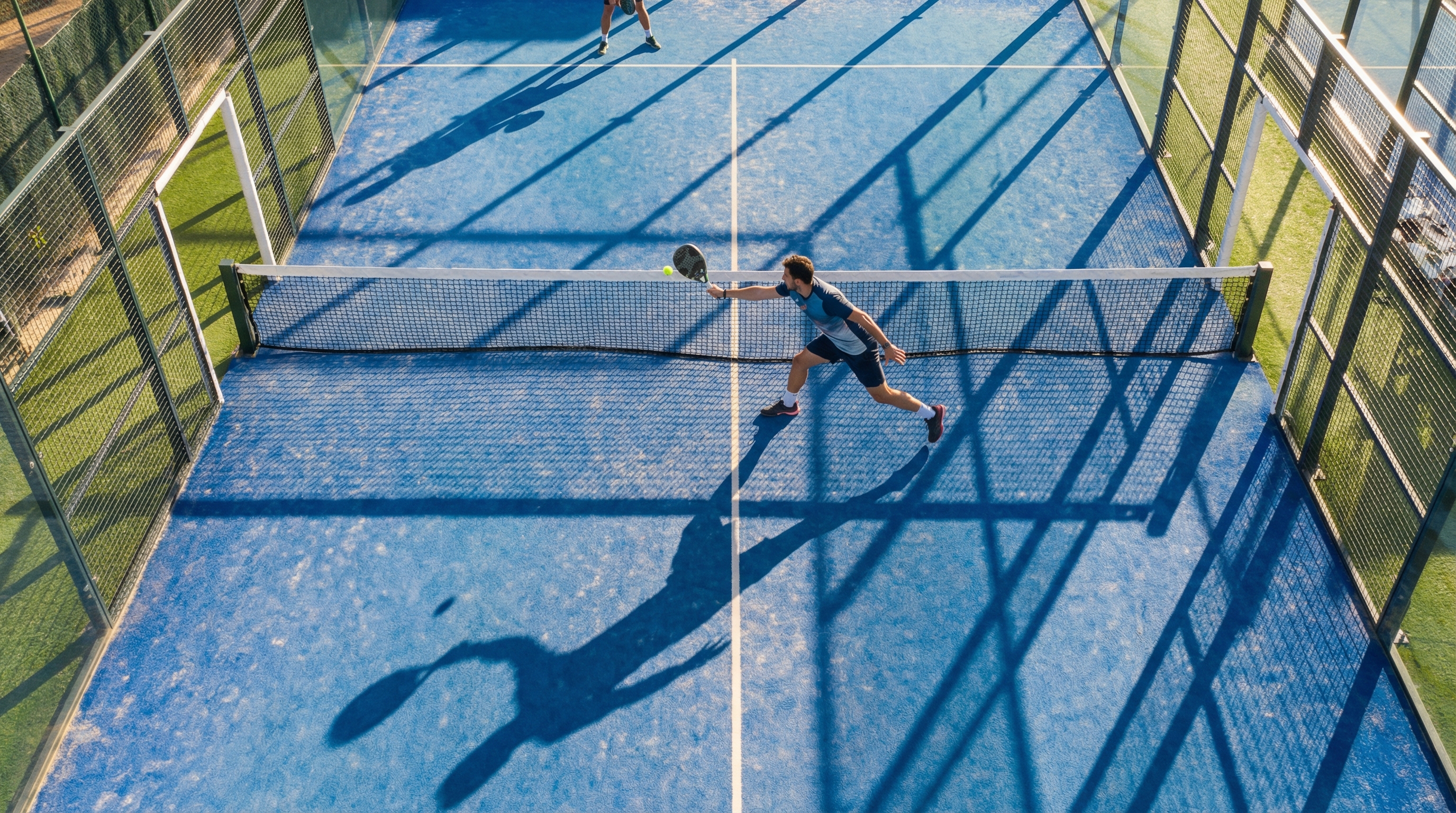
Offensive versatility and adaptability
The best part?
- Versatile players can change their role based on their partner’s strengths.
- Adaptability is the key to remaining at the top of the rankings for years.
Look at this:
- Technical precision ensures that even high-speed shots remain within the court lines.
- Legends focus on the “small details” of the game that others might overlook.
Personalized gear for elite performance
Veterans often use highly customized equipment.
- High-balance diamond frames support a profile that is eminently offensive.
- Customization allows the gear to feel like an extension of the player’s own arm.
Key Takeaway: A lasting legacy is created through the fusion of technical adaptability and the use of personalized, high-performance equipment.
| Performance Factor | Veteran Approach |
|---|---|
| Style Adaptability | Adjusts aggression based on match dynamics |
| Custom Gear | Tailors racket balance to specific swing weights |
The longevity of a top-tier career depends on the player’s capacity to evolve their tactical approach while using tools that are perfectly tuned to their physical capabilities.
How are young padel players like Mike Yanguas rising?
The next generation is rising by embracing high-risk, bold offensive maneuvers and extreme technical pressure on the drive side. New padel players should investigate how to choose the best padel racket for intermediate players to find the hardness levels needed for such aggressive play.
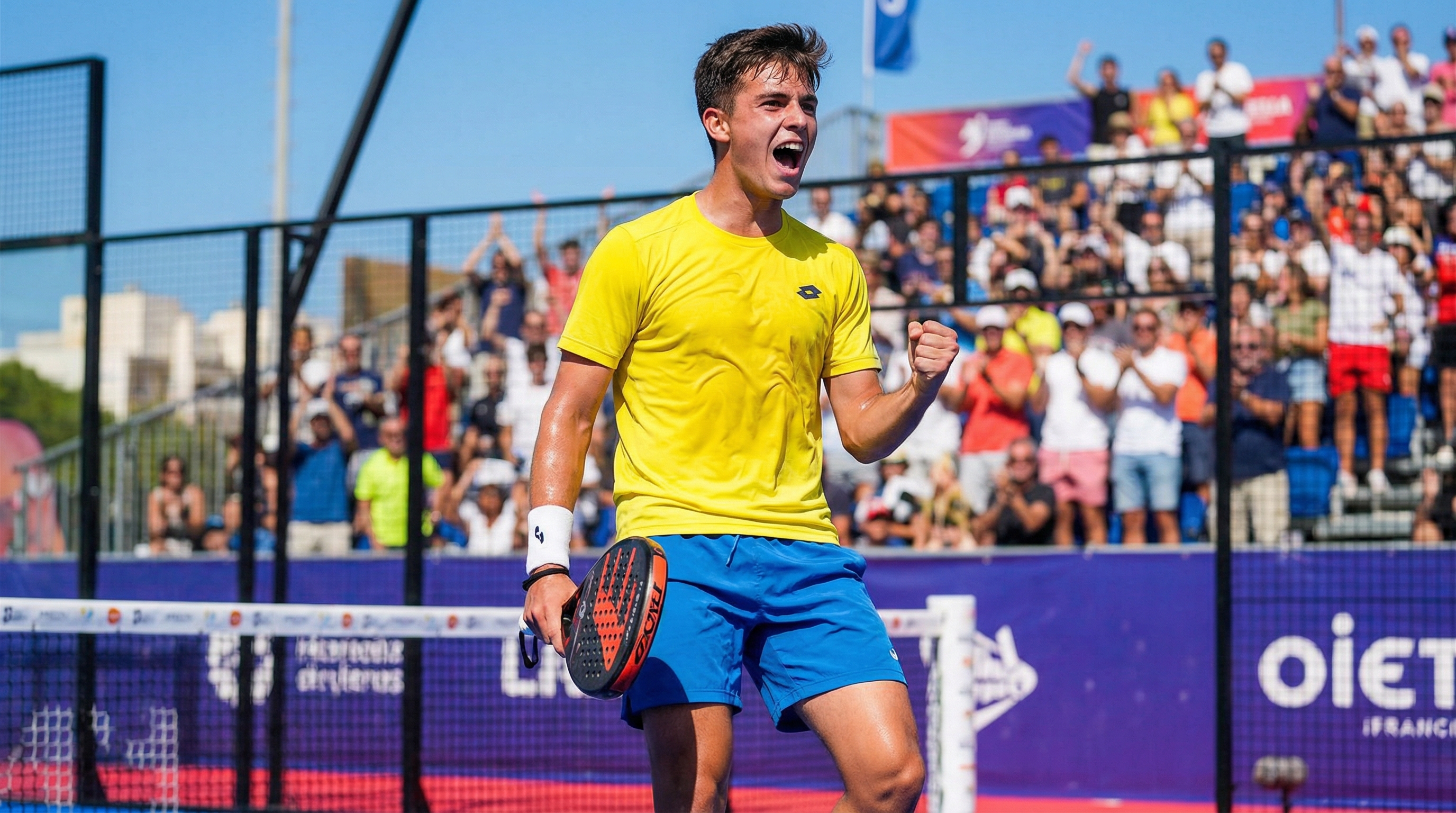
Boldness and incisive attacking
Look at this:
- Young players often play with a level of boldness that intimidates veterans.
- Incisive attacks on the drive side can catch defenders out of position.
The best part?
- High-intensity performance requires both physical stamina and mental focus.
- Taking risks at the net is the fastest way to shorten a point and save energy.
Hard-touch equipment requirements
Modern play favors an “extra hard” racket feel.
- A hard touch provides a dry, immediate response for high-paced exchanges.
- This equipment rewards players who have the strength to generate their own power.
Key Takeaway: Rising stars achieve success by applying extreme pressure through bold tactics and using equipment that provides an immediate, powerful response.
| Modern Trend | Technical Need |
|---|---|
| High-Risk Offense | High mental confidence and tactical boldness |
| Extra Hard Touch | Rackets that provide immediate ball feedback |
The rapid ascent of new talent is fueled by a willingness to challenge established norms using high-speed mechanics and uncompromisingly stiff technical gear.
What can we learn from defensive padel players like Nieto?
We learn that consistent tactical reading and anticipation can effectively neutralize the power of much more aggressive opponents. Successful padel players focus on reading body language to predict ball trajectory before the opponent even completes their swing.
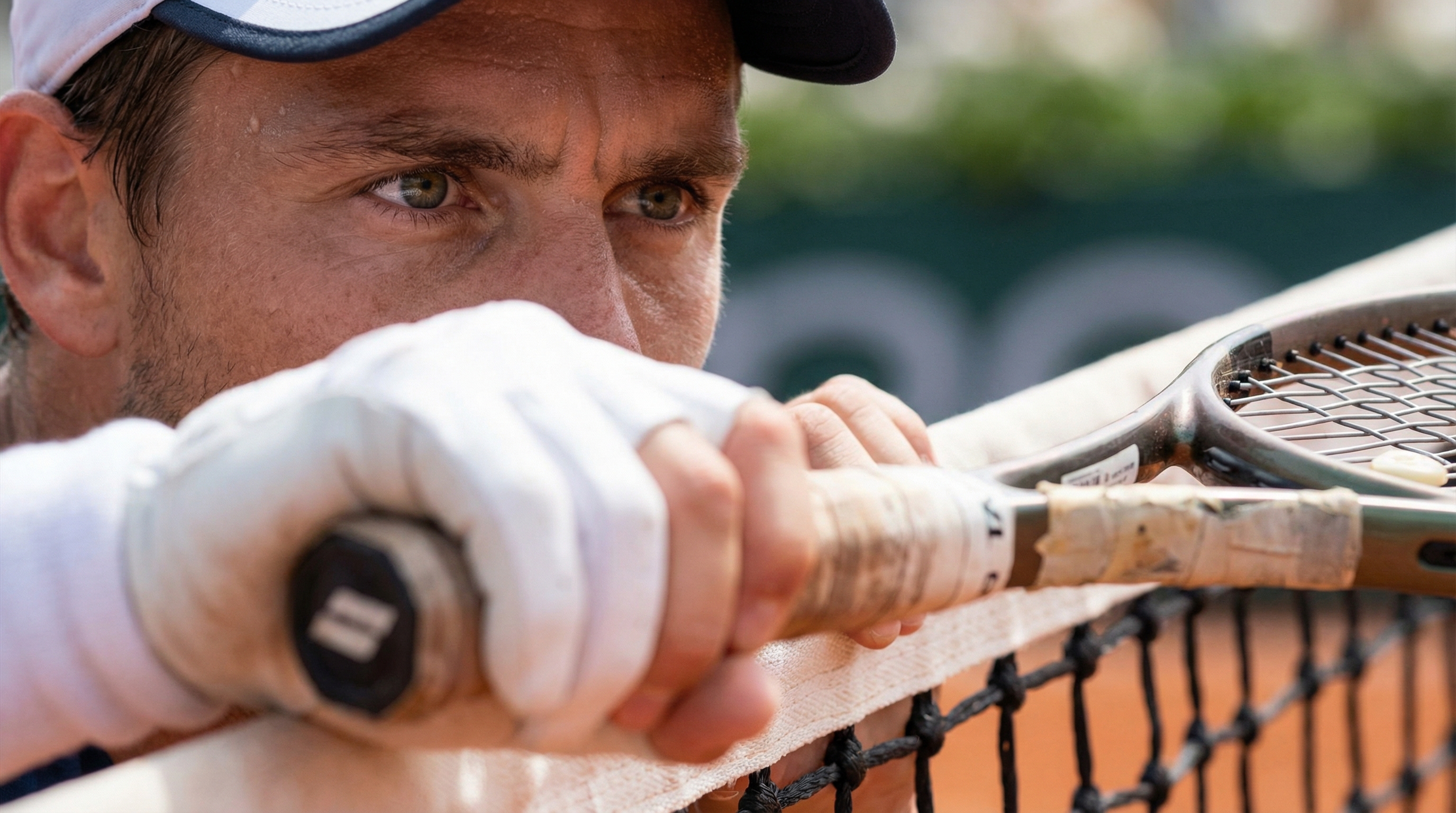
Tactical reading and anticipation
The best part?
- Anticipation allows you to reach the ball earlier, giving you more time to choose your shot.
- Reading the opponent’s body language reveals where they intend to hit the ball.
Look at this:
- Reaction speed can be trained through specific drills and high-repetition practice.
- Consistency is the most undervalued skill in the amateur levels of the sport.
Benefits of high-maneuverability gear
Control-oriented players prioritize the weight of the racket.
- A well-balanced, maneuverable frame allows for “dry” control during fast volleys.
- Lower weight reduces the strain on the arm during long defensive rallies.
Key Takeaway: Defensive excellence is built on the foundation of elite anticipation skills and the use of highly maneuverable equipment for precise ball control.
| Skill Focus | Defensive Outcome |
|---|---|
| Anticipation | Reduces travel time to the ball for better resets |
| Control Racket | Maximizes maneuverability in tight defensive spots |
A successful defensive strategy is rooted in the player’s ability to remain calm under pressure while utilizing gear that facilitates subtle, precise movements.
Do strategic padel players like Di Nenno use power?
Strategic players use power selectively, prioritizing drive-side stability and rotational logic to act as a resilient anchor for their team. Understanding how to score and rotate teams in Americano padel can help padel players grasp the complex movement patterns used by professional anchors.
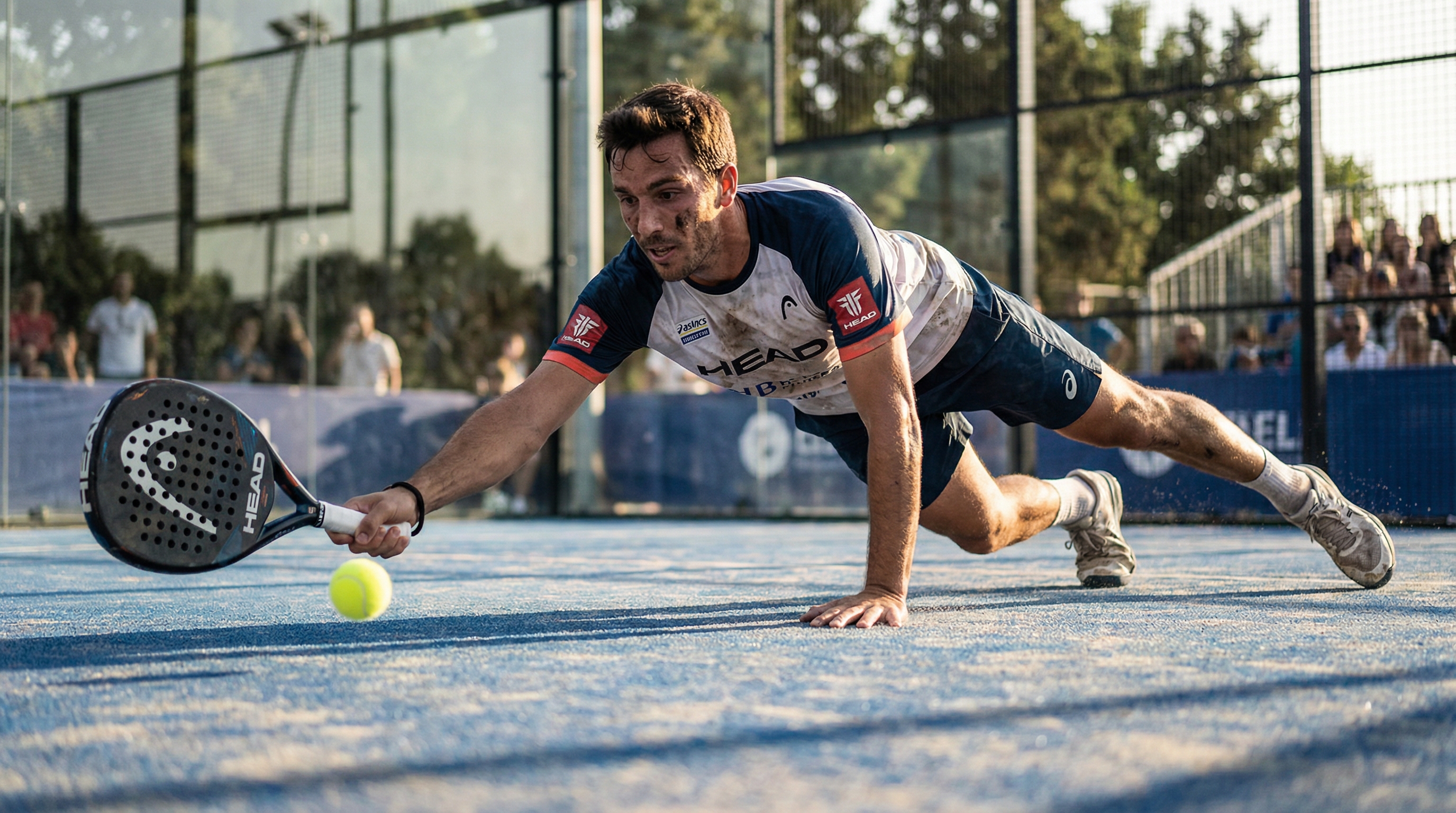
Resilience and drive-side stability
Look at this:
- The “drive” position is often about maintaining the rhythm and setting up the point.
- Resilience is necessary to overcome mid-match adversity and physical fatigue.
The best part?
- Strategic anchors provide the security that allows their partners to attack freely.
- Stability in positioning is more valuable than occasional flashy winners.
Balancing power and control
Even strategic players need a way to finish the point.
- Geometric frames with a high balance can provide power when it is truly needed.
- Power is used as a tool for rhythm changes rather than a constant state of play.
Key Takeaway: Strategic success is found in the balance between drive-side stability and the selective use of power-focused equipment for finishing points.
| Role Feature | Strategic Value |
|---|---|
| Team Anchor | Provides stability and consistent ball placement |
| Selective Power | Uses high-balance frames for decisive point finishes |
A player’s effectiveness as a strategic anchor is determined by their positional discipline and their ability to deploy power only when the tactical advantage is secured.
Why do rising padel players like Jon Sanz favor hardness?
Rising talents favor harder racket surfaces because they provide a dry, immediate response that rewards high swing speeds during aggressive exchanges. For many padel players, selecting a high-hardness frame is the final step in transitioning from a developing game to a professional-style power profile.
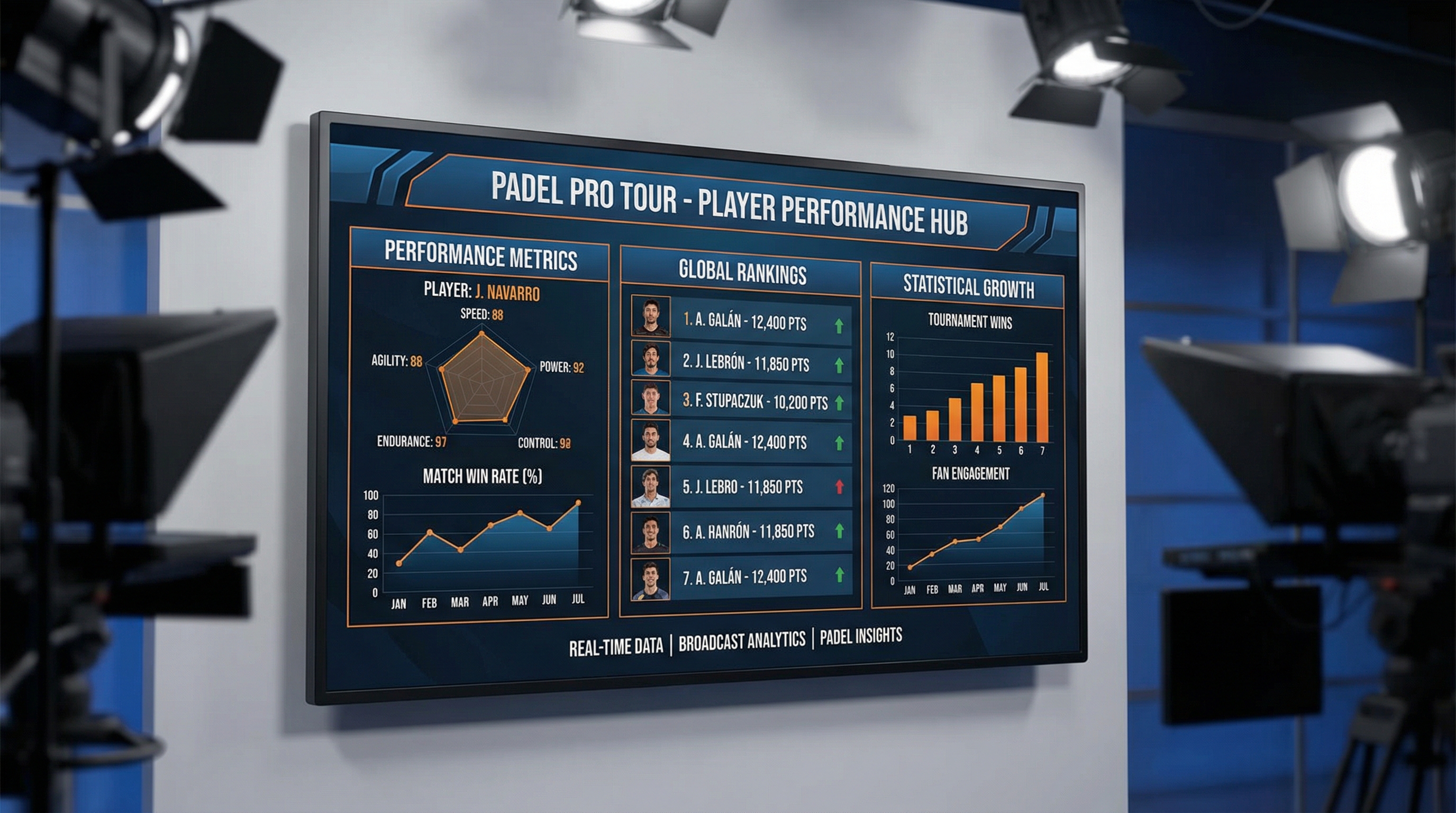
Racket hardness and swing speed
The best part?
- Harder rackets do not absorb the energy of the ball, sending it back with more speed.
- Players with high swing speeds get the most “output” from stiff materials.
Look at this:
- Hardness is often a preference for players who play in warmer climates.
- Stiff frames provide the most feedback, allowing for better “feel” of the ball.
Consistency in ranking ascent
Rising in the global rankings requires a repeatable playing style.
- Consistency in equipment choice allows the player to master their specific gear.
- High-intensity performance must be sustainable across multiple tournament rounds.
Key Takeaway: The use of high-hardness equipment is a strategic choice for players who want to maximize their power output and maintain a consistent competitive edge.
| Performance Metric | Hardness Impact |
|---|---|
| Ball Output | Increases at high swing speeds with stiff frames |
| Tactical Feedback | Provides “dry” immediate response for precision |
The transition to elite-level play is often marked by the adoption of harder, more demanding equipment that rewards the physical strength and technical speed of the player.
*
Frequently Asked Questions
- Can I use professional rackets as a beginner?
It is generally not recommended because professional frames are often too stiff and heavy, which can hinder the learning process and potentially lead to injuries like “padel elbow.” - What’s the best racket shape for power?
The diamond shape is the industry standard for power, as its top-heavy balance creates more leverage and head speed during offensive overhead shots. - Can I play padel at a high level with tennis shoes?
While you technically can, it is highly discouraged for safety reasons; the grip patterns on tennis shoes are not designed for the specific pivots and sand-filled turf of a padel court. - What’s the best way to improve my tactical game?
The most effective way is to study the positioning of professional “drive-side” anchors and focus on their movement relative to their partner’s position rather than just the ball. - How do professional players choose their racket hardness?
Pros select hardness based on a combination of their physical strength, the ambient temperature of the court, and the level of “trampoline effect” they desire for ball control.
To discover the professional-grade tools that will elevate your performance to the next level, or to receive personalized gear recommendations, contact us today. We believe that every athlete deserves equipment that matches their ambition on the court.