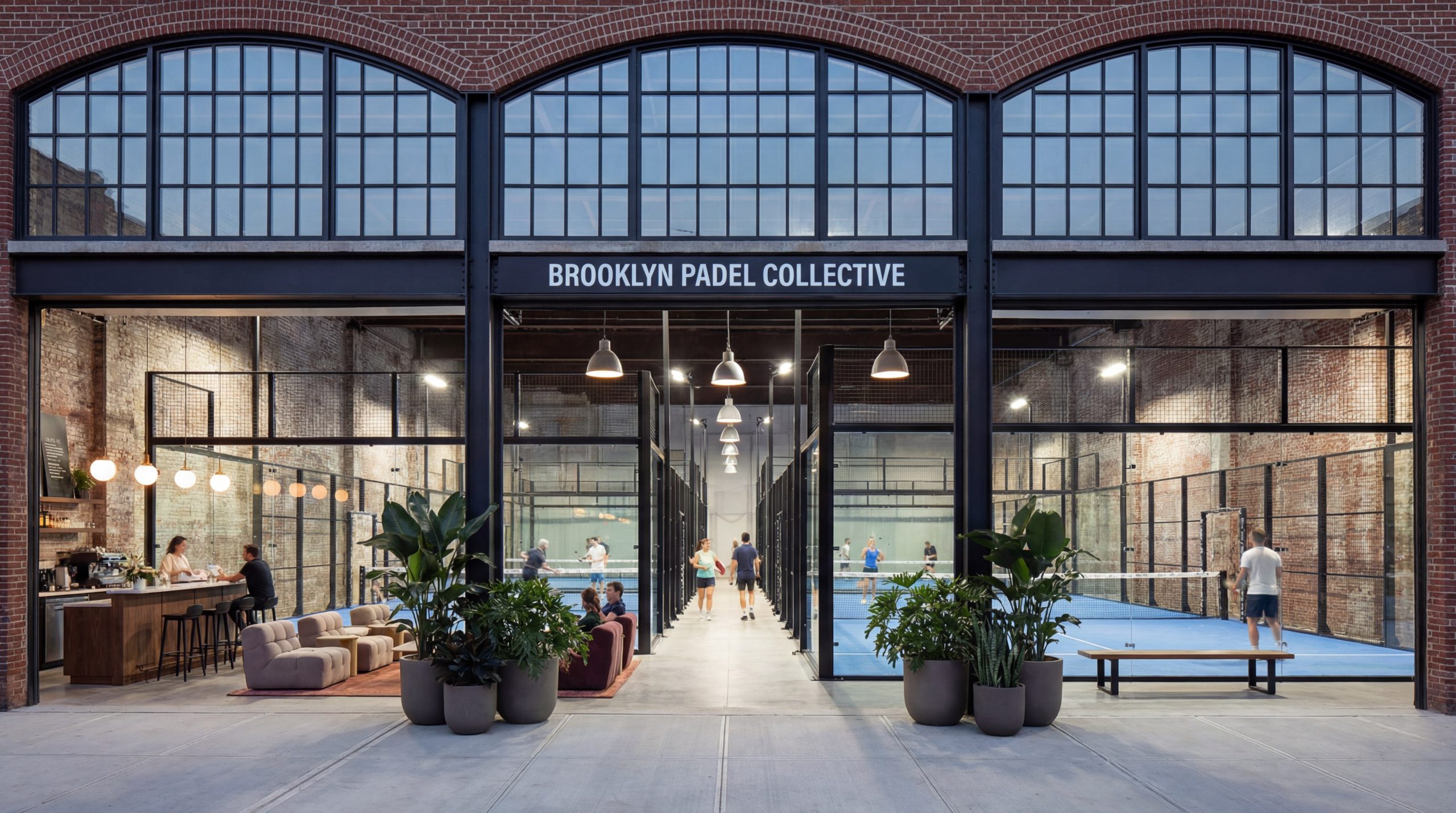
Padel was invented in Acapulco, Mexico in 1969. While the high cost of traditional sports infrastructure often deters facility owners, the space constraints of modern urban environments make expansion even more difficult. You can solve these growth hurdles by installing compact padel courts that maximize player density and revenue. Discover more about where was padel invented here to understand why this efficient footprint revolutionized the industry.
Where was padel invented and who first designed it?
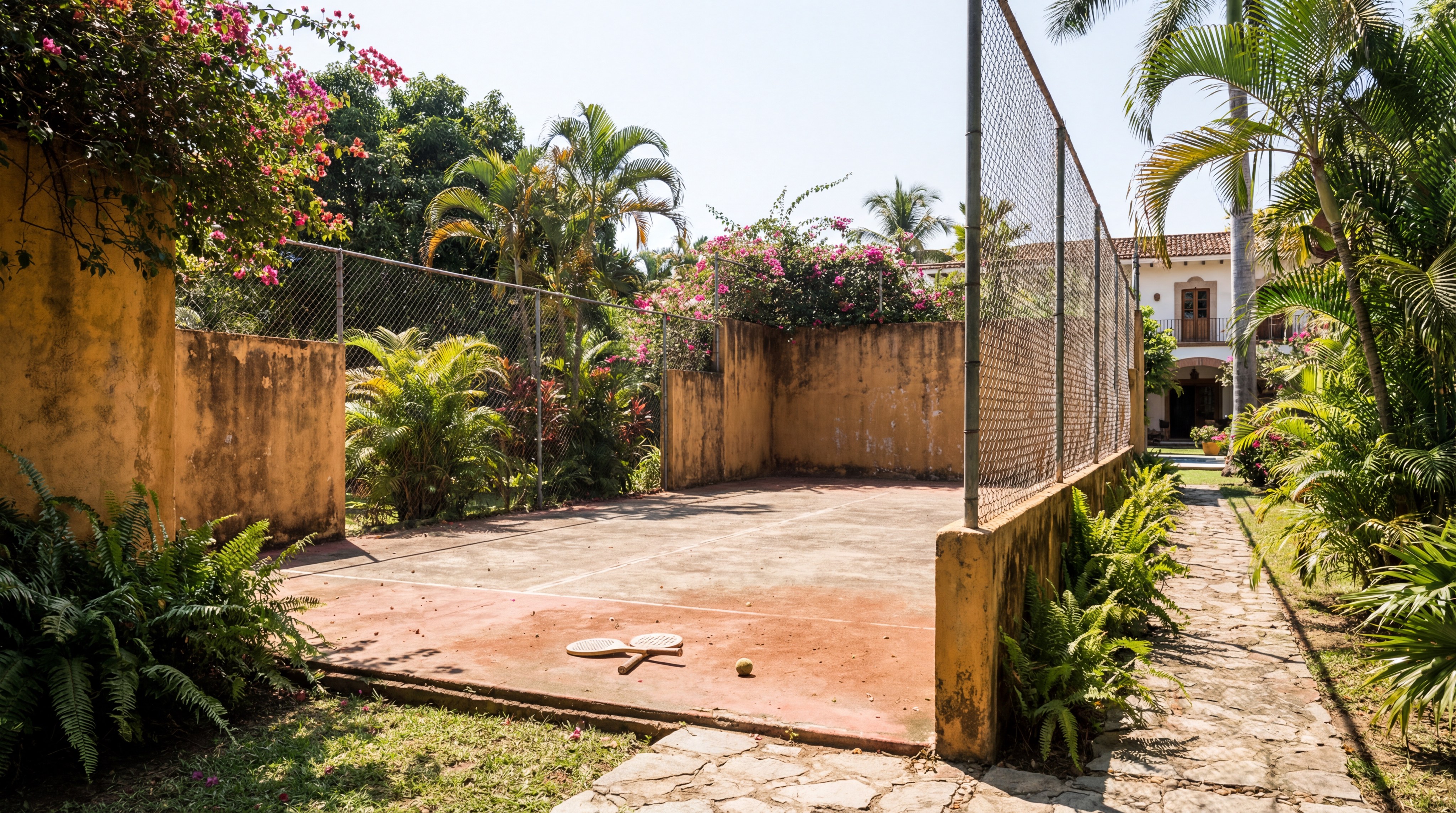
Padel was first designed and built by Enrique Corcuera in the backyard of his holiday home. Understanding where was padel invented is essential because it explains why the court is smaller than a tennis court—Corcuera simply did not have enough room for a full-sized setup. He adapted his passion for fronton by adding walls to keep the balls within his private property limits.
How did the original design evolve?
Why should you care about a backyard hobby? Think about it; the original constraints of a private Mexican residence created a sport that now fits perfectly into high-value urban real estate.
- Compact footprint: Only 200 square meters required.
- Walled play: Utilizes boundaries to increase ball-in-play time.
- Family focus: Designed for social engagement across all ages.
Key Takeaway: The origin of padel in a confined private space is the reason for its massive commercial viability in modern sports clubs today.
| Feature | Original Design | Modern Standard |
|---|---|---|
| Wall Material | Stone/Concrete | Tempered Glass |
| Primary Goal | Private Recreation | Commercial ROI |
Use this comparison to evaluate how much the sport has professionalized since its humble Mexican beginnings.
How did the climate where was padel invented shape it?
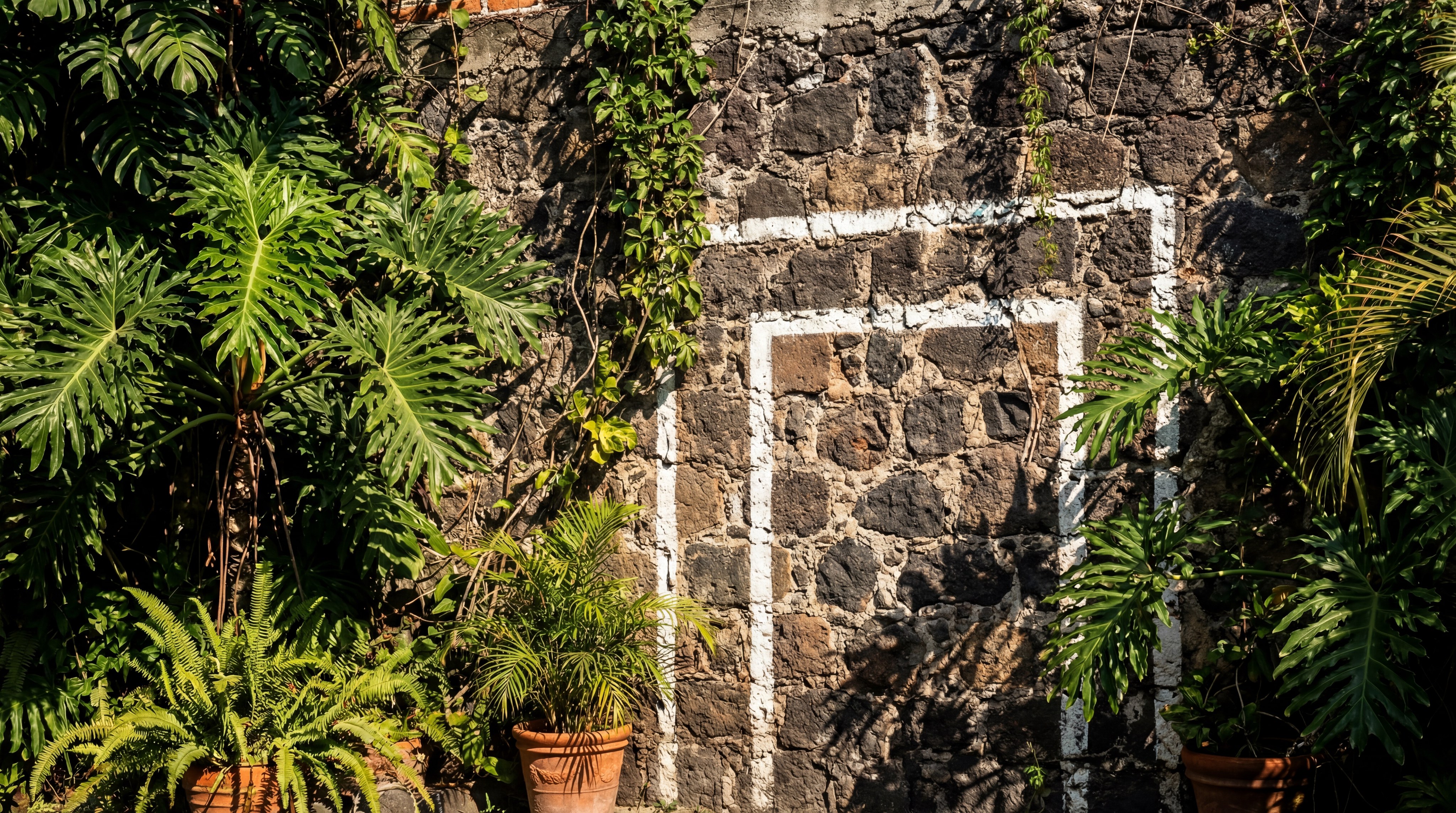
The tropical, lush environment of Acapulco directly influenced the inclusion of high walls to protect the court from invasive vegetation and lost equipment. When you investigate where was padel invented, you see that the high humidity and thick plants made traditional open courts impractical. These walls eventually became a core mechanic of the game, allowing players to hit the ball after it bounced off the perimeter.
Why did walls become part of the rules?
Did you know that the walls were originally just a barrier? But that’s not all; players soon realized that using the back wall added a strategic layer of depth that tennis lacked.
- Ball recovery: High walls prevented balls from disappearing into the jungle.
- Rebound tactics: The back-wall bounce allows for slower, more tactical points.
- Safety: The enclosure protects spectators and nearby facilities from stray hits.
Key Takeaway: The physical environment of the first court turned a simple barrier into the sport’s most defining technical feature.
| Environmental Factor | Influence on Court | Modern Benefit |
|---|---|---|
| Tropical Vegetation | High perimeter walls | Multi-directional play |
| Limited Land | Smaller court size | Lower construction costs |
This table illustrates how specific environmental challenges in Mexico created the unique structural advantages you see in today’s clubs.
Why did Spain adopt the game where was padel invented?
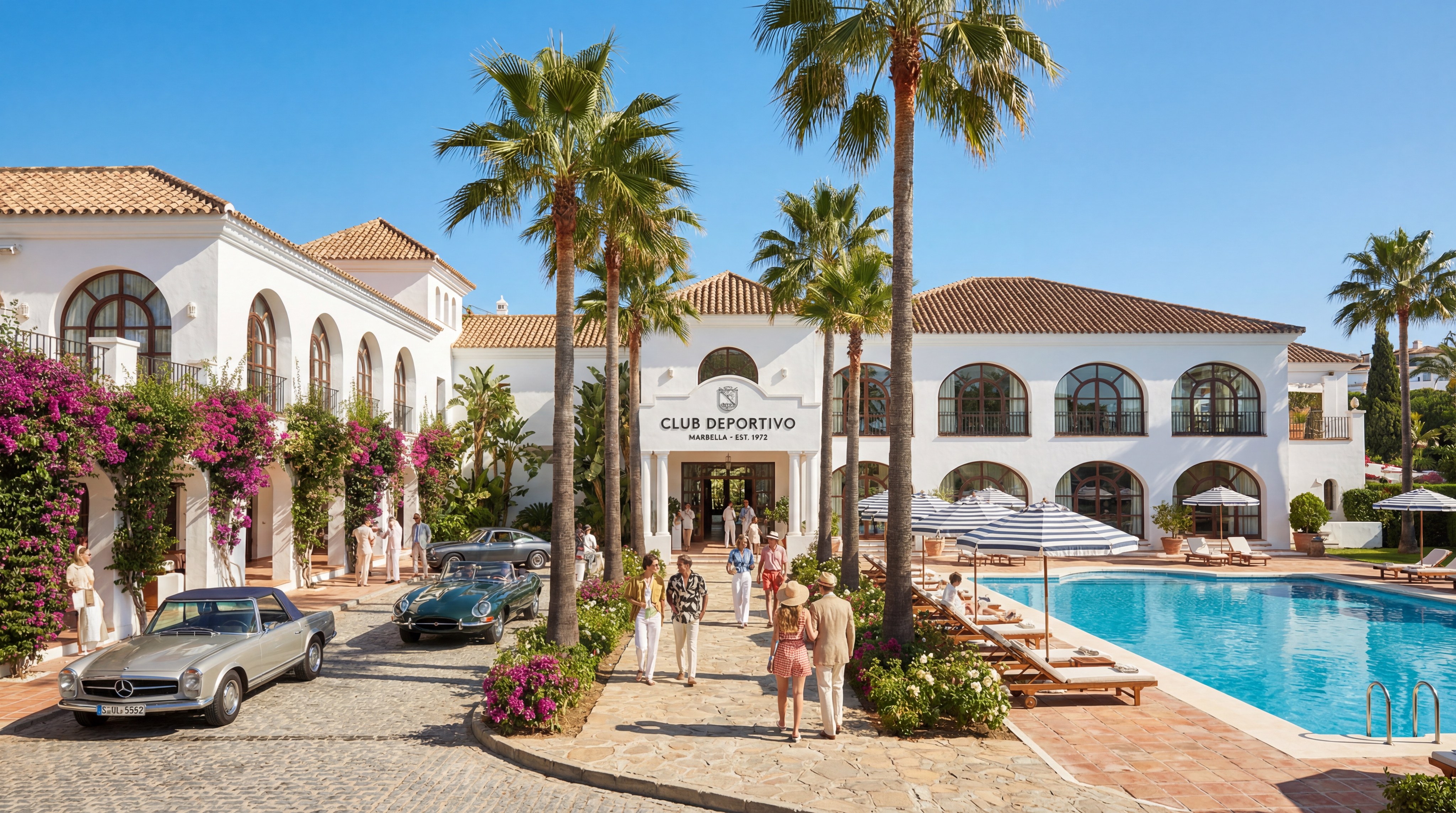
Spain adopted the game after Prince Alfonso de Hohenlohe visited Mexico and fell in love with the court at Corcuera’s home. The transition from where was padel invented to the luxury clubs of Marbella in 1975 happened because the sport appealed to the European elite’s desire for social, low-impact exercise. Spanish royalty and tennis legends like Manolo Santana quickly became ambassadors, fueling a rapid national expansion.
How did the sport go mainstream?
Can a sport survive on elite popularity alone? Believe it or not, the “Marbella effect” was just the spark that eventually led to over 1,000 clubs opening across Spain by the early 2000s.
- Royal endorsement: King Juan Carlos de Borbón played regularly.
- Social dynamics: The doubles-only format makes it a networking goldmine.
- Ease of entry: Beginners can enjoy long rallies almost immediately.
Key Takeaway: Spain’s adoption transformed padel from a private Mexican curiosity into a professionalized European powerhouse.
| Expansion Phase | Key Driver | Outcome |
|---|---|---|
| 1975–1990 | Elite Social Circles | Brand prestige and exclusivity |
| 1990–Present | Mass Market Clubs | Global professionalization |
Analyze these phases to see how your facility can move from a niche offering to a community staple.
What makes the sport where was padel invented so unique?
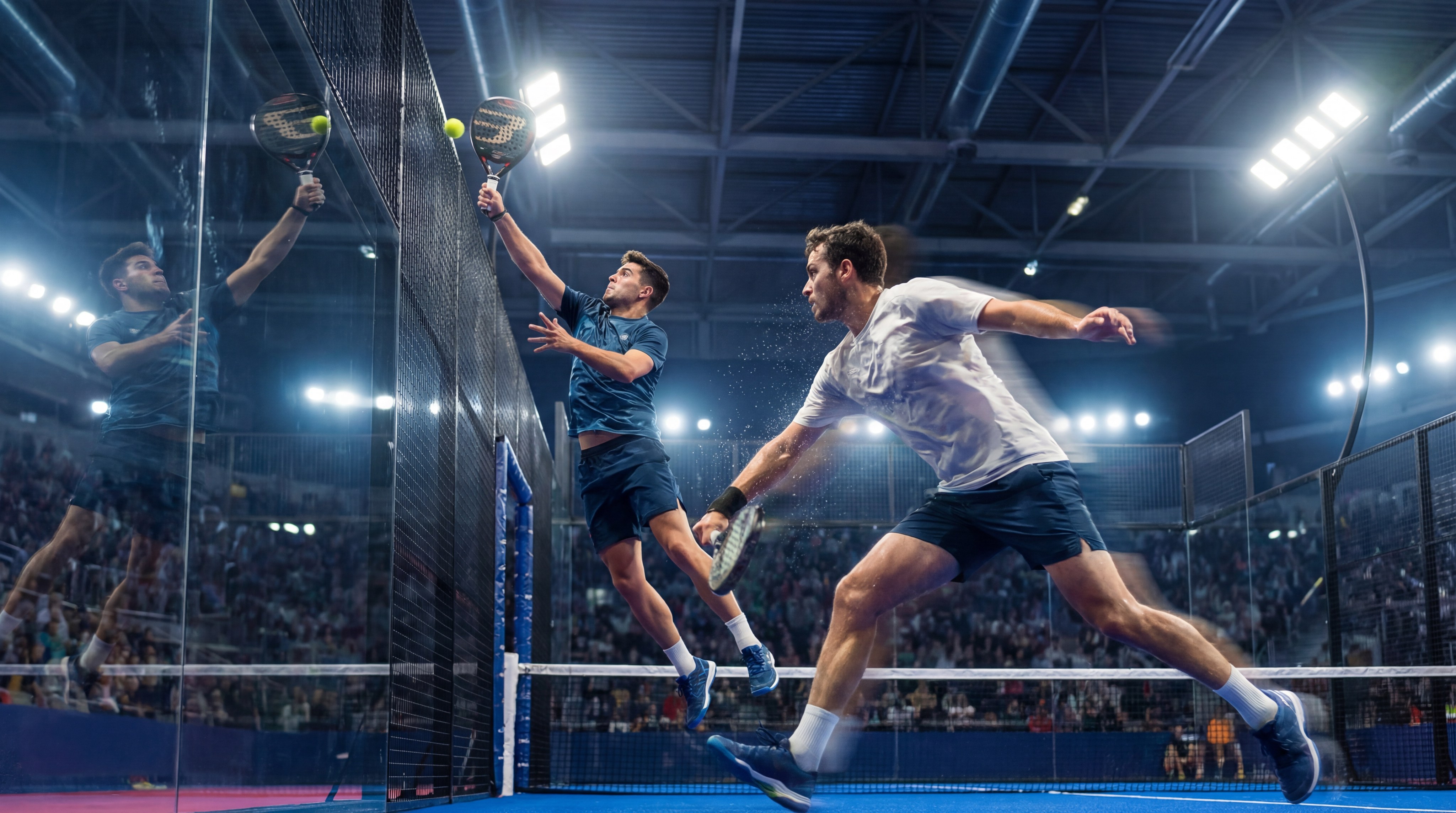
Padel is unique because it combines the best elements of tennis and squash into a social, doubles-focused format. The tactical nature of where was padel invented relies on positioning and patience rather than raw power. Because the court is enclosed, the ball stays in play longer, providing more aerobic value and entertainment for players of all skill levels.
What are the main mechanical differences?
Is it just “tennis in a box”? Actually, it’s quite the opposite; the use of glass walls and stringless rackets changes the physics of every single point you play.
- Elastic Rebound: Balls bounce off glass, requiring 360-degree awareness.
- Underhand Serve: Reduces the advantage of height and pure strength.
- Solid Rackets: Carbon fiber plates with holes offer superior control over strings.
Key Takeaway: Padel’s uniqueness lies in its low barrier to entry and high ceiling for strategic mastery, making it an ideal investment for clubs.
| Sport | Playing Area | Primary Mechanic |
|---|---|---|
| Tennis | 260 sqm (Open) | Power/Serve dominance |
| Padel | 200 sqm (Closed) | Position/Rebound strategy |
Review these differences to market the sport effectively to potential members who find traditional tennis too difficult.
Can you build a court like where was padel invented?
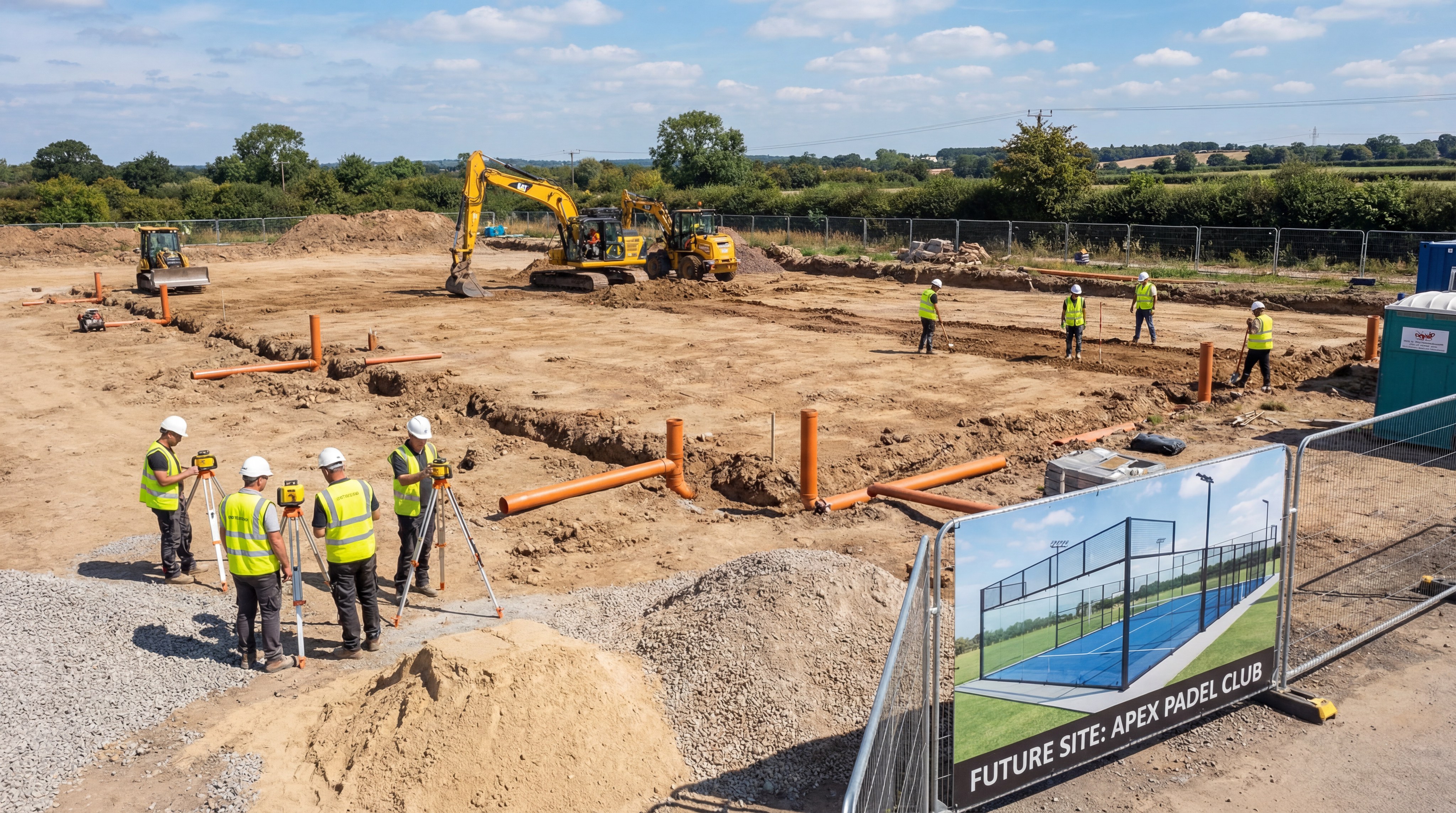
You can certainly build a court modeled after the original concept, though modern engineering has made the process far more efficient and safe. When considering where was padel invented, you should look for a flat surface of at least 11×21 meters to allow for the structure and necessary clearance. Modern builds use galvanized steel and tempered glass instead of the original stone walls to ensure longevity and better visibility.
What are the first steps for your facility?
How do you start a construction project from scratch? Here is the deal: site preparation is the most critical phase for ensuring your court doesn’t crack or flood over time.
- Soil Analysis: Ensure the ground can support the weight of the glass.
- Drainage: Install porous concrete or sub-surface pipes.
- Permitting: Check local zoning laws for permanent sports structures.
Key Takeaway: Building a court today requires a balance between the original compact Mexican design and high-tech structural materials.
| Step | Focus Area | Requirement |
|---|---|---|
| Foundation | Concrete Slab | 15cm reinforced thickness |
| Leveling | Surface Flatness | Max 3mm deviation over 3 meters |
Consult this table during your initial site survey to avoid costly structural errors later in the project.
What are the court specs since where was padel invented?
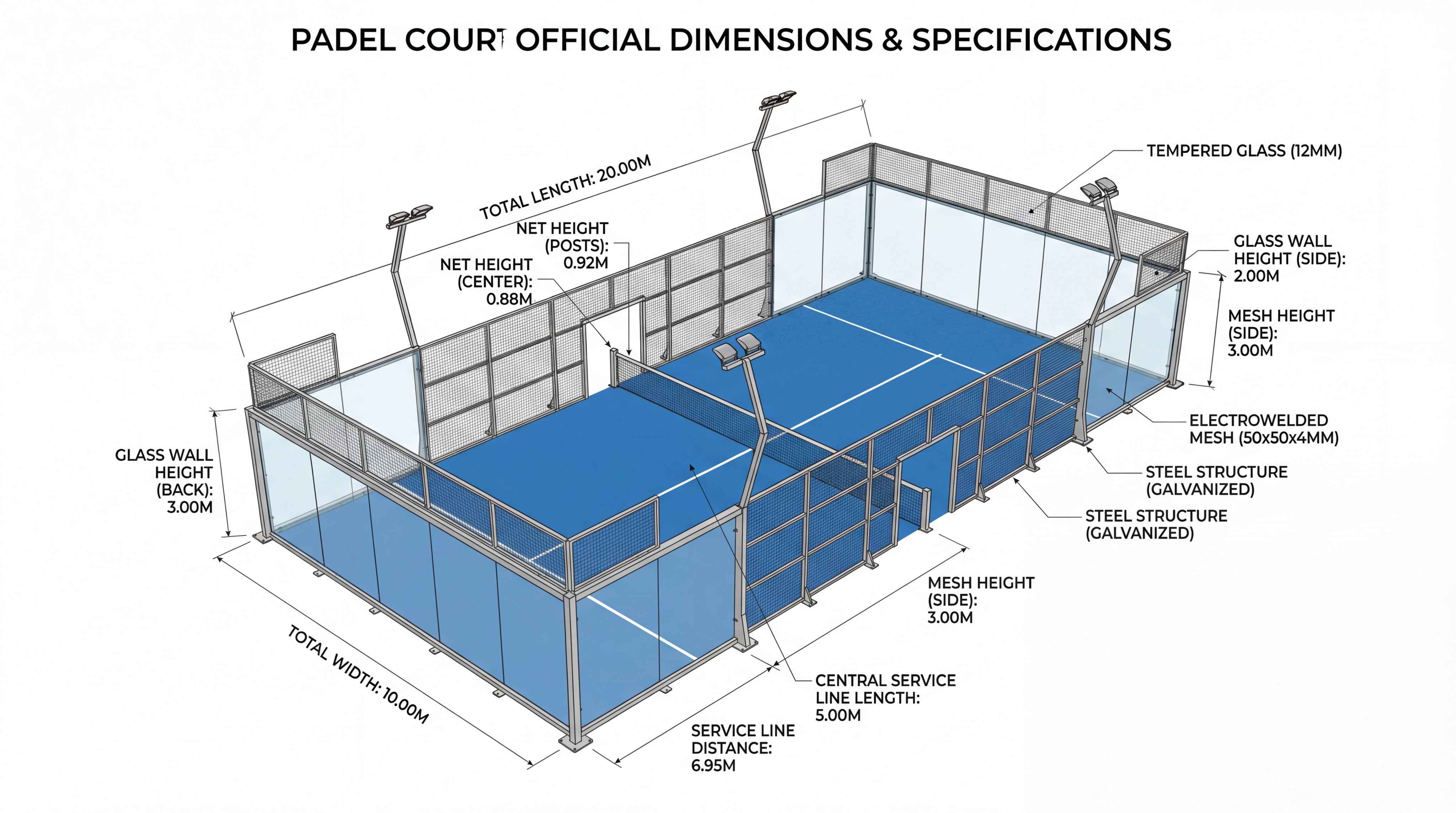
Modern court specifications are strictly governed by the International Padel Federation to maintain consistency with the standards set where was padel invented. A regulation court must measure exactly 10 meters wide and 20 meters long, enclosed by a combination of glass and metallic mesh. The back walls must be 3 meters high, with an additional meter of mesh on top to prevent balls from leaving the area.
What materials provide the best ROI?
Why settle for standard materials when you can build for the future? Listen to this; using Hot-Dip Galvanized (HDG) steel is the only way to prevent rust in outdoor or humid environments.
- 12mm Tempered Glass: Essential for safety and consistent ball bounce.
- FIP-Approved Turf: Monofilament grass with silica sand infill.
- LED Lighting: 200W-300W fixtures for optimal nighttime visibility.
Key Takeaway: Following official dimensions and using premium materials like HDG steel ensures your court remains a profitable asset for decades.
| Component | Industry Standard | Why It Matters |
|---|---|---|
| Glass | 12mm EN12150 | Prevents shattering during impact |
| Steel | Q235 or Q355 HDG | Stops corrosion in coastal climates |
Refer to these technical benchmarks when reviewing quotes from construction partners to ensure quality compliance.
Is a panoramic court better than where was padel invented?
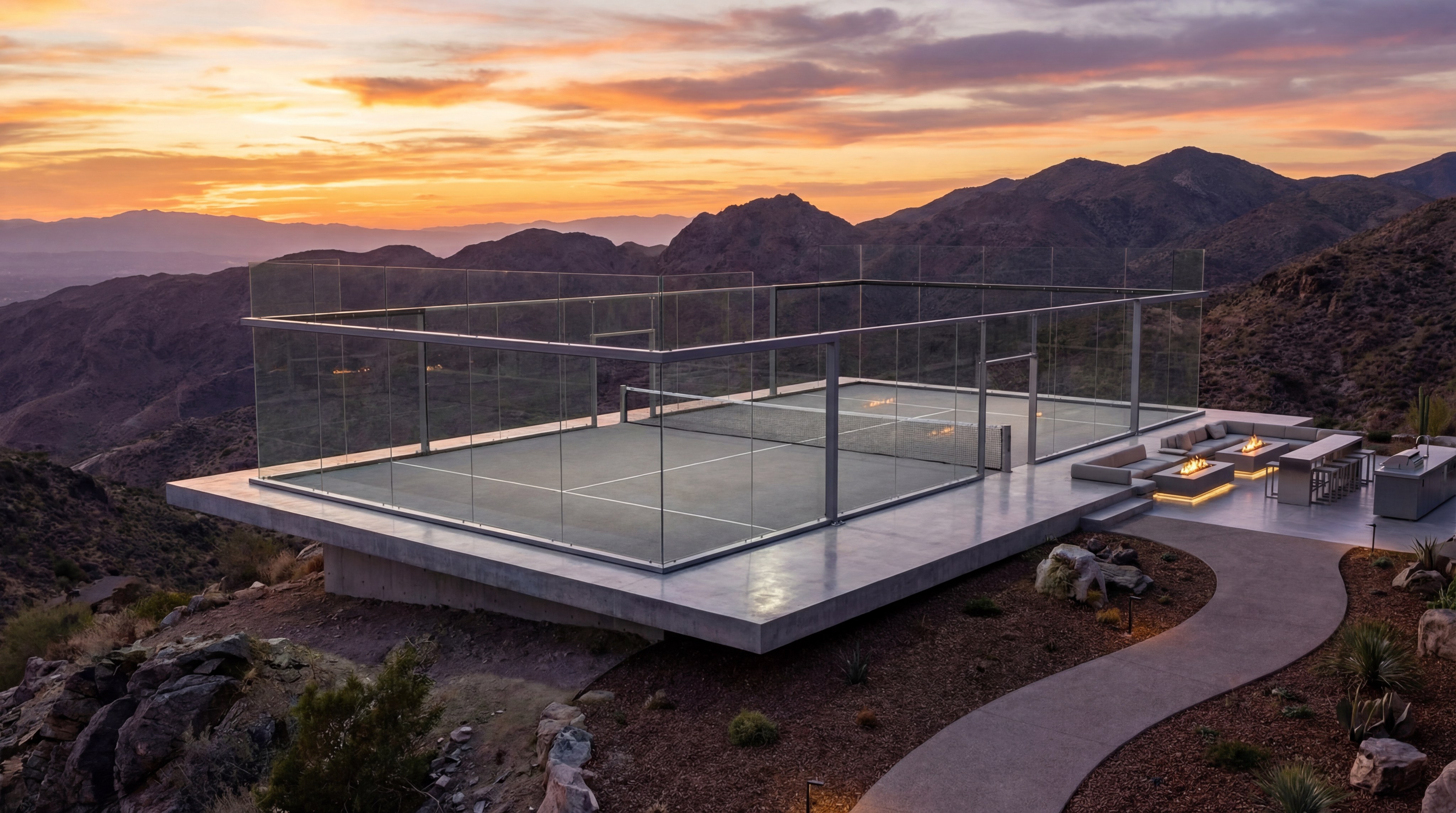
A panoramic court offers a significant aesthetic and functional upgrade over the walled enclosures found where was padel invented. By removing the vertical steel pillars from the back and side glass sections, these courts provide an unobstructed view for spectators and cameras. This design is increasingly popular for high-end clubs and tournament venues where the “wow factor” is a primary business driver.
Should you invest in the panoramic design?
Are you looking to host tournaments or attract high-value members? But wait, there’s more; panoramic courts offer a “floating” look that significantly increases the perceived value of your club.
- Maximum Visibility: Perfect for broadcasting and coaching observation.
- Enhanced Aesthetics: Looks stunning in marketing photos and social media.
- Structural Integrity: Uses thicker steel frames to compensate for fewer posts.
Key Takeaway: While more expensive than standard models, panoramic courts provide a superior spectator experience and better brand positioning.
| Court Type | Visibility | Best Use Case |
|---|---|---|
| Standard | Good (Post-heavy) | Training/General Club use |
| Panoramic | Excellent (Clear-view) | Tournament/Premium facilities |
Use this comparison to decide if the increased investment in panoramic views aligns with your club’s target demographic.
How do roofed courts improve where was padel invented?
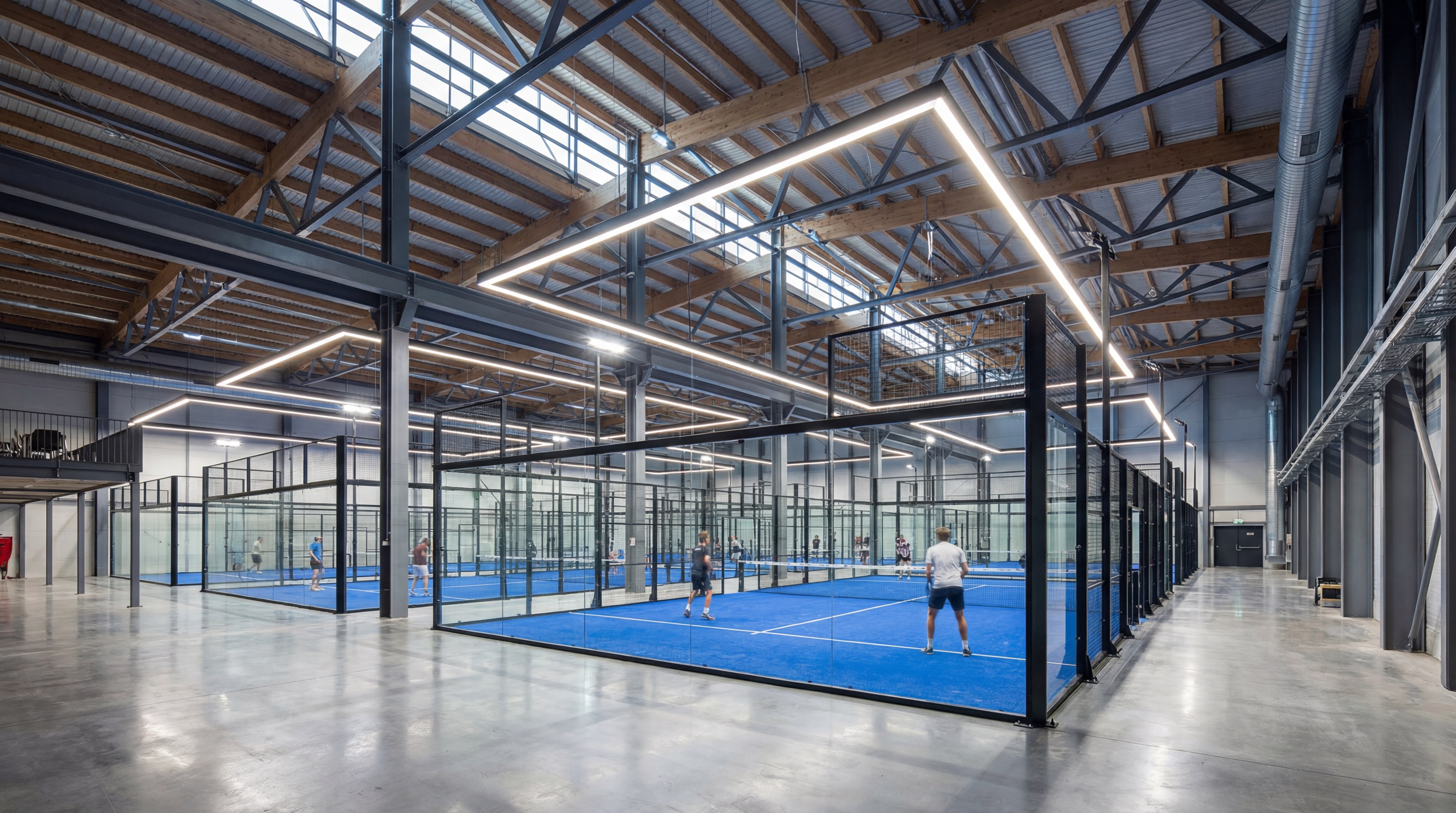
Roofed courts protect your investment from the elements, a major evolution from the open-air backyard where was padel invented. Adding a roof allows for year-round operation, ensuring that rain, snow, or extreme UV rays do not interrupt your revenue stream. Modern roofing solutions often use translucent materials that block heat while allowing natural light to illuminate the court.
How does weatherproofing impact your bottom line?
Can you afford to lose 30% of your booking hours to bad weather? It gets better; an indoor or roofed facility can operate 18 hours a day, 365 days a year, regardless of the season.
- UV Protection: Extends the life of the artificial turf and glass seals.
- Climate Control: Keeps players comfortable during peak summer heat.
- Noise Reduction: Enclosures can help mitigate sound complaints in residential areas.
Key Takeaway: Integrating a roof structure is the most effective way to guarantee consistent booking revenue and protect your court components.
| Benefit | Impact | ROI Value |
|---|---|---|
| 365-Day Play | Zero weather cancellations | High |
| Turf Longevity | Lower replacement frequency | Medium |
Consider a roofed solution if your local climate frequently experiences rain or extreme temperatures that would otherwise deter players.
Who are the top stars since where was padel invented?
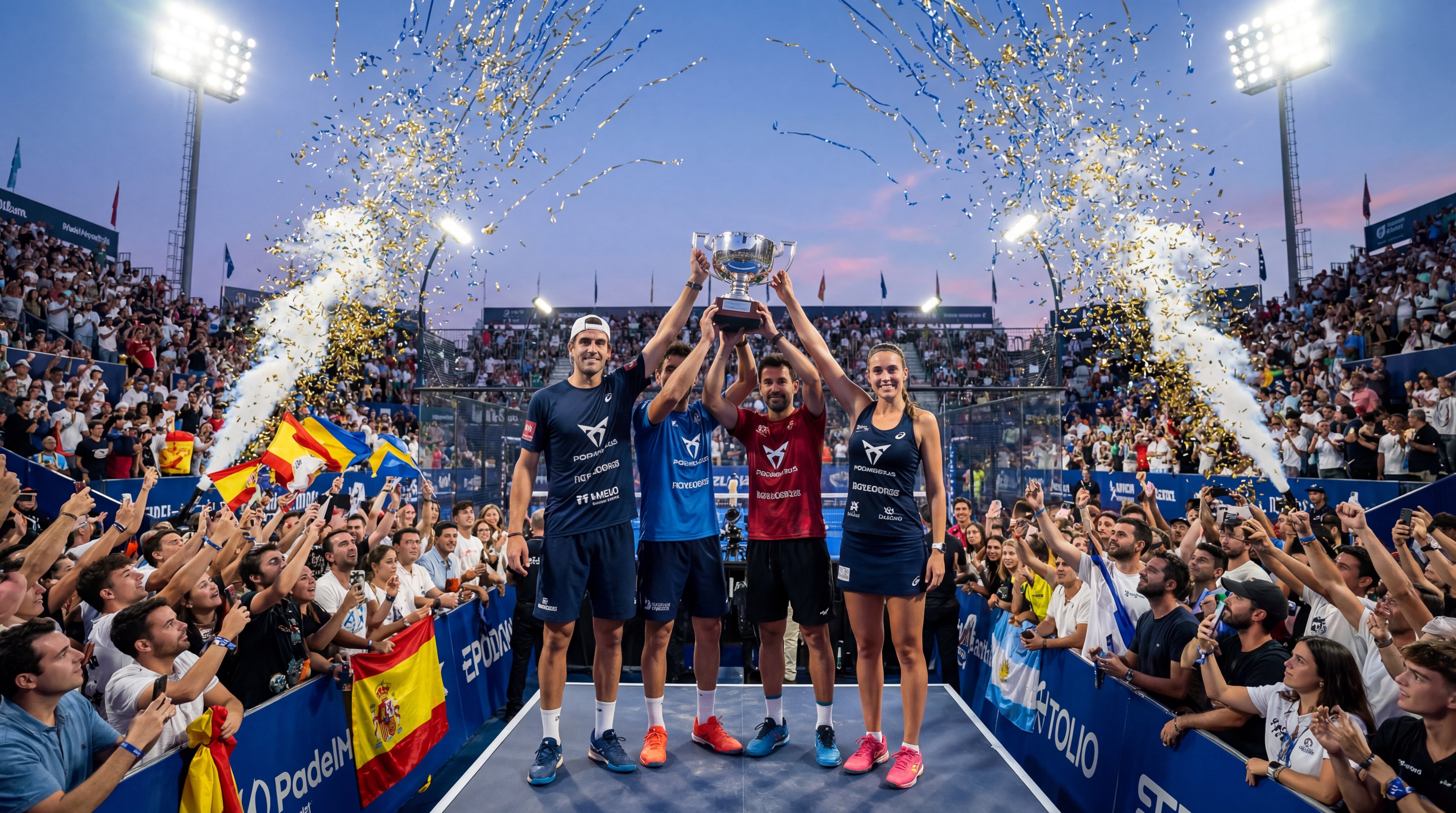
Since the era of where was padel invented, the sport has produced global icons like Fernando Belasteguín and Alejandro Galán who have professionalized the game. These athletes have moved the sport from private Mexican gardens to sold-out arenas in Sweden, Spain, and the UAE. Their high-speed, acrobatic style of play has inspired millions of new players to take up the racket.
How do professional stars drive club growth?
Why should a club owner care about the pro tour? Think about it; when fans see their idols performing “out-of-court” shots, they are much more likely to book a lesson at your facility.
- Equipment Sales: Stars drive the demand for specific racket models.
- Coaching Demand: Beginners want to learn the “Vibora” or “Bandeja” techniques.
- Event Hosting: Pro clinics can draw hundreds of visitors to your club.
Key Takeaway: The rise of professional stars has turned padel into a spectator sport, creating new revenue streams for club merchandise and events.
| Player | Nationality | Impact |
|---|---|---|
| Fernando Belasteguín | Argentina | 16 years as World Number 1 |
| Gemma Triay | Spain | Pioneer for the women’s professional game |
Study these profiles to understand the level of athleticism that your facility’s coaching programs should aim to emulate.
What is the future for where was padel invented?
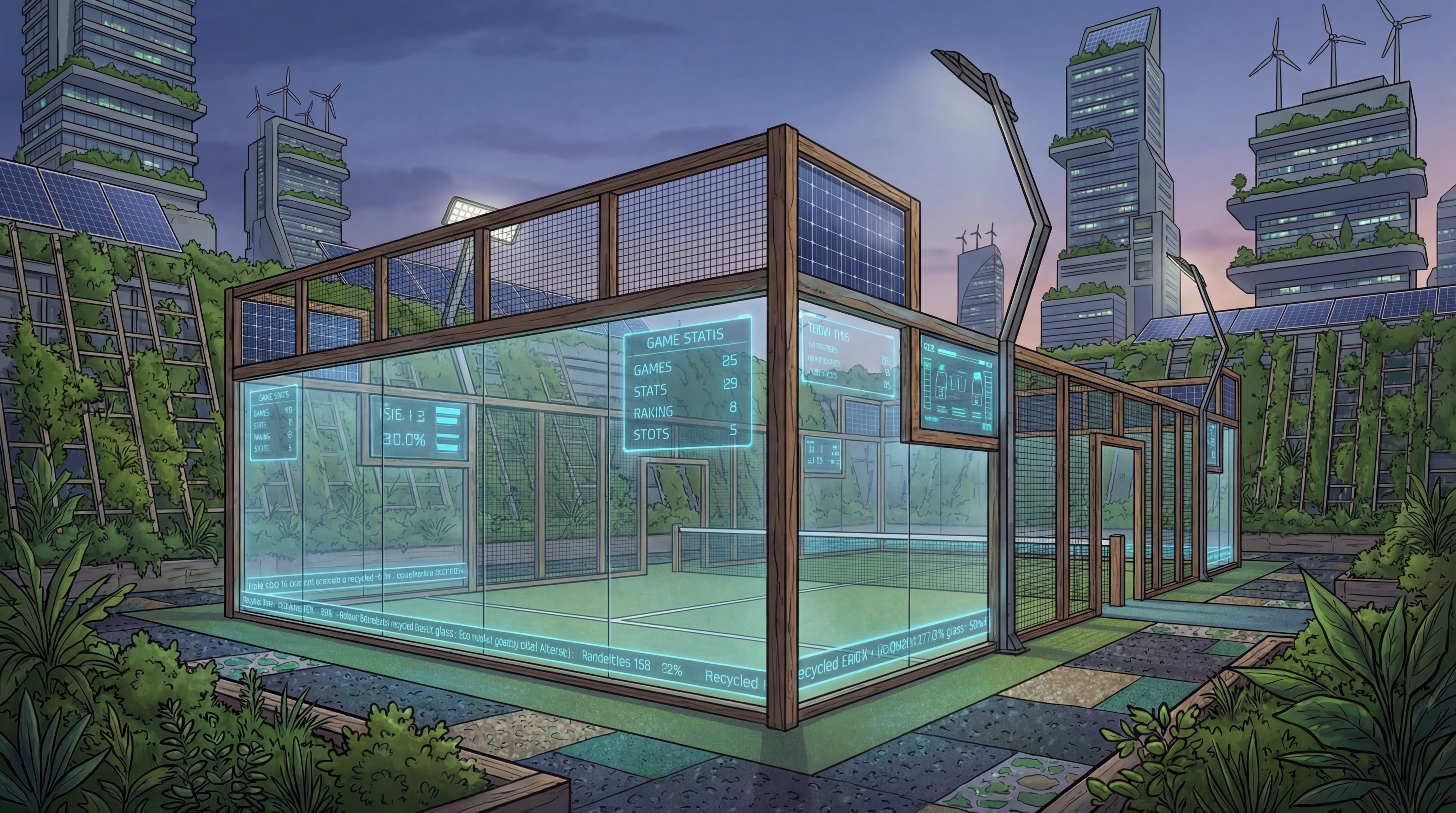
The future of the sport is focused on global Olympic recognition and the implementation of sustainable building practices that honor where was padel invented. As the sport expands into North America and Asia, the emphasis is shifting toward eco-friendly materials and smart-court technologies. We are seeing a move toward recycled steel, energy-efficient LED systems, and integrated video analysis tools.
What innovations are coming to your club?
Are you ready for the digital transformation of padel? And that is just the start; future courts will feature automated booking, instant replay screens, and performance tracking sensors.
- Sustainability: Recycled artificial turf and solar-powered lighting.
- Connectivity: IoT sensors that track ball speed and player movement.
- Global Reach: Expansion into the US market is currently the biggest growth opportunity.
Key Takeaway: Staying ahead of the curve means investing in sustainable materials and digital integrations that appeal to the next generation of players.
| Trend | Benefit | Business Impact |
|---|---|---|
| Smart Courts | Player data/Analysis | Higher member retention |
| Eco-Materials | Lower carbon footprint | Better brand reputation |
Evaluate these upcoming trends to ensure your new court installation remains competitive and technologically relevant for the next decade.
*
Summary of Padel History and Construction
By exploring the roots of padel in Acapulco and tracing its journey through the professional clubs of Spain, we have solved the mystery of its compact design and strategic complexity. Building a successful padel facility today requires a deep understanding of these historical constraints combined with modern engineering standards to ensure safety, visibility, and high ROI.
At Superb Padel, our vision is to empower club owners with world-class infrastructure that honors the sport’s heritage while embracing the technology of tomorrow. We are committed to providing durable, FIP-compliant courts that turn any space into a thriving sports community. If you are ready to bring this global phenomenon to your facility, contact us today for a custom consultation.
*
FAQ
Can I build a padel court on an existing tennis court?
Yes, you can typically fit two and a half padel courts into the space of one tennis court, significantly increasing your revenue per square meter.
What’s the best material for the court frame?
Hot-Dip Galvanized Q355 steel is the gold standard, as it provides the necessary structural integrity while offering the best protection against rust and corrosion.
How do I know if my soil is suitable for a padel court?
You should conduct a professional soil compaction test to ensure the ground won’t shift, as 12mm glass panels require a perfectly stable and level foundation.
Can I install a padel court indoors?
Absolutely; indoor installations are ideal for regions with harsh weather, provided you have a minimum ceiling height of 6 meters (though 8 meters is preferred for pro play).
What’s the best way to maintain the artificial turf?
Regularly brushing the sand infill and removing debris will prevent the fibers from flattening and ensure a consistent ball bounce for your players.