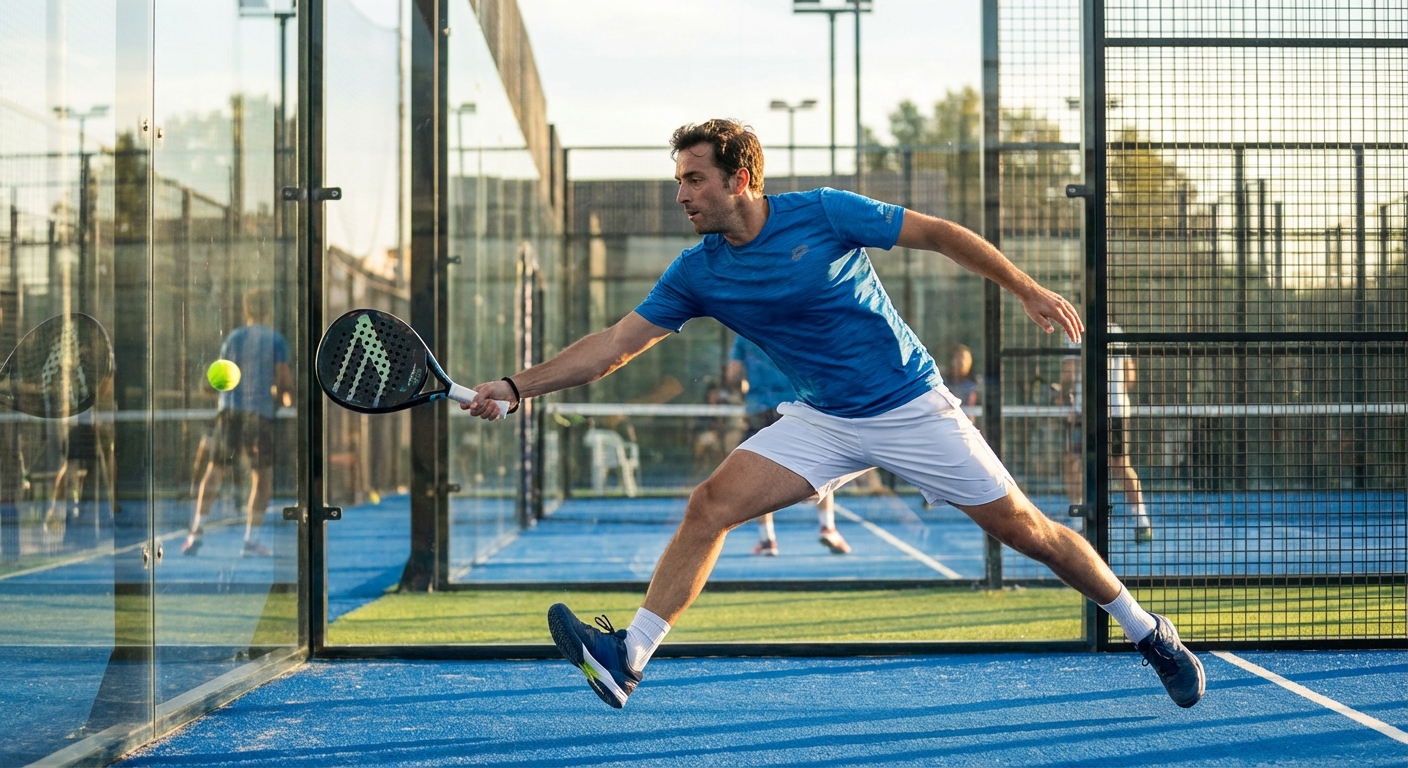
Padel is a dynamic, social racket sport played in doubles on a specialized enclosed court that is significantly smaller than a traditional tennis court. You might be noticing the explosion of glass-walled courts in your city and wondering if this trend is a passing fad or a goldmine for your facility. If you fail to understand the technical requirements and player expectations, you risk investing in a club that remains empty while competitors thrive. We provide the complete guide on what is padel sport and how you can construct high-performance facilities that maximize player retention and business revenue.
What is padel sport and its historical origin?
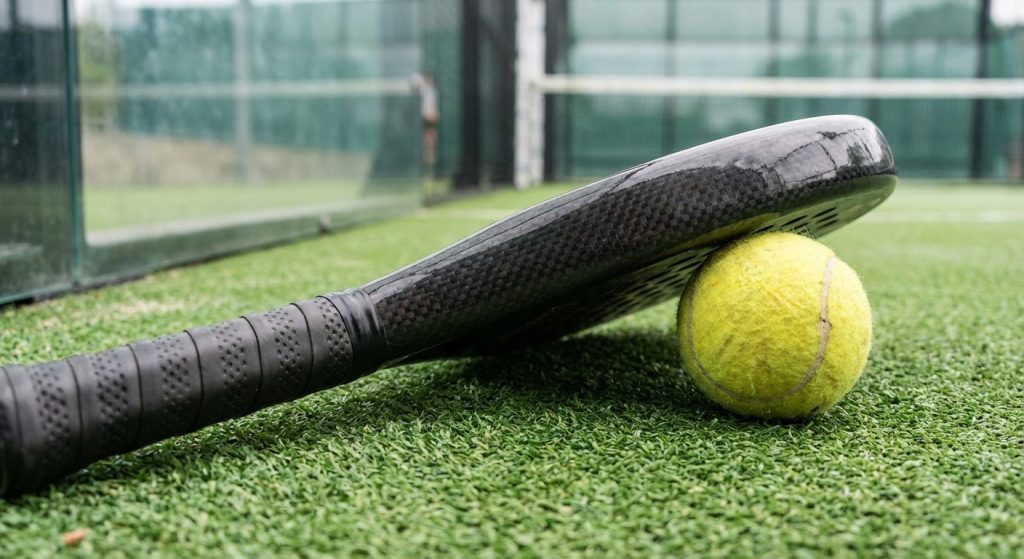
The historical origin of what is padel sport dates back to 1969 when Enrique Corcuera modified his backyard in Mexico to accommodate a smaller racket game. By building walls around his court to prevent balls from flying into his neighbor’s garden, he accidentally created a new sport. This innovation combined elements of tennis and squash, focusing on tactical play rather than raw power.
The Mexican Roots of the Game
In the late 60s, the game was essentially a variation of “Platform Tennis” adapted for a private residence. It was designed to be inclusive, allowing players of different skill levels to compete on a balanced playing field.
- Invention Year: 1969
- Location: Acapulco, Mexico
- Original Format: Private backyard play
But that’s not all… the sport’s jump to Spain in 1974 is what truly triggered the global phenomenon we see today in the about us section.
Global Expansion and Commercial Success
Spain adopted the sport with massive enthusiasm, turning it into the second most popular game in the country after football. The professionalization of the circuit and the standardization of court materials helped it scale across Europe and the Middle East.
Key Takeaway: Padel’s history as a modified version of tennis in Mexico created a unique, social-first athletic culture that transitions perfectly into modern commercial fitness environments.
| Period | Milestone | Commercial Impact |
|---|---|---|
| 1969 | Enrique Corcuera invention | Birth of the walled court concept |
| 1974 | Introduction to Marbella, Spain | Foundation of the European boom |
| 2020s | Rapid global scaling | Massive demand for high-end facilities |
The transition from a private home game to a global phenomenon highlights the sport’s inherent scalability and mass appeal for modern developers.
What is padel sport court design and layout?
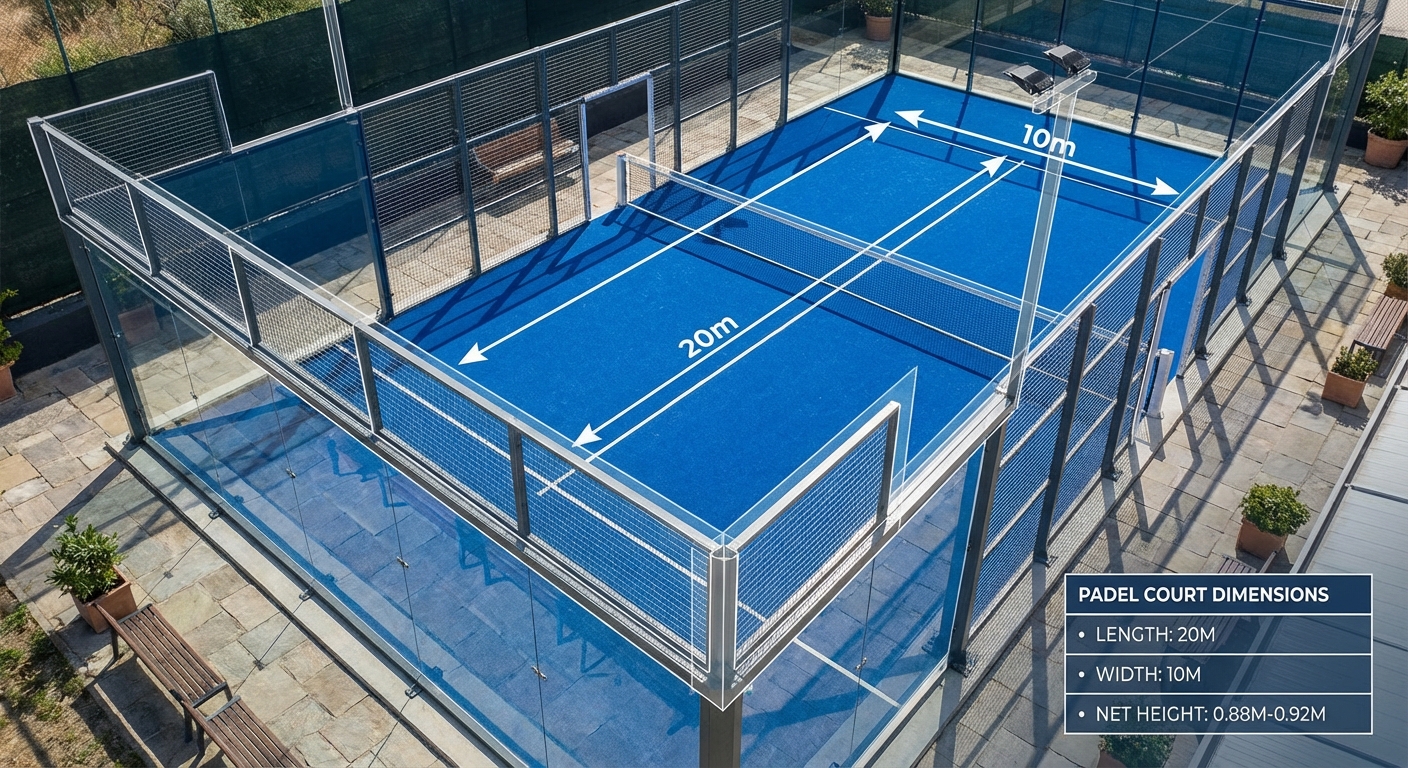
Understanding what is padel sport court design involves looking at the specific 10-meter by 20-meter dimensions enclosed by a combination of tempered glass and metallic mesh. The court is divided by a central net, and unlike tennis, the boundaries are vertical walls that remain active during play. This layout ensures that the ball stays in motion for longer periods, increasing the physical intensity for participants.
The Significance of the 10×20 Dimension
The compact size of the court is one of the primary reasons investors love this sport. You can fit approximately three padel courts in the space required for a single tennis court, tripling your revenue potential per square meter.
- Total Width: 10 Meters
- Total Length: 20 Meters
- Wall Height: 3 to 4 Meters
Here’s the kicker: the precision of the concrete base is the most critical part of the construction to ensure an even ball bounce.
Standard vs Panoramic Layouts
Modern facilities often choose between a Standard Padel Court with visible structural posts and a panoramic version for better visibility. Panoramic designs are especially popular for center courts where spectator viewing is a priority for tournaments.
Key Takeaway: Padel is defined by smaller court dimensions and a unique use of surrounding walls that keep the ball in play longer, allowing for higher density in sports facilities.
| Component | Standard Dimension | Importance |
|---|---|---|
| Playing Area | 200 Square Meters | Compact footprint for high ROI |
| Glass Height | 3 Meters (Back), 4 Meters (Sides) | Defines the rebound strategy |
| Mesh Type | Electro-welded metallic | Provides the secondary bounce |
By reducing court size and incorporating walls, padel creates a more tactical and less physically punishing environment than traditional tennis.
What is padel sport gear and equipment needed?
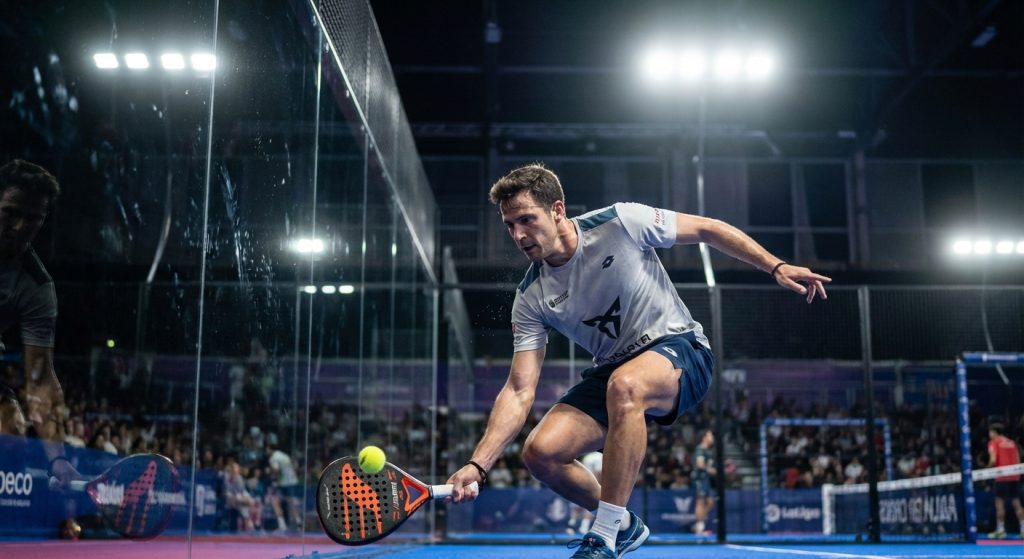
When exploring what is padel sport, the gear and equipment needed consist of a solid carbon-fiber racket with holes, pressurized balls, and high-traction footwear. Unlike tennis rackets, padel “bats” have no strings, which provides a much more forgiving sweet spot for beginners. For facility owners, providing high-quality rental gear is a significant secondary revenue stream.
Racket Anatomy and Selection
Padel rackets come in three main shapes: round for control, teardrop for balance, and diamond for power. Most clubs stock teardrop shapes as they provide the best experience for the widest range of players.
- Material: Carbon Fiber or Fiberglass
- Core: EVA Foam or Polyethylene
- Weight: 350g to 380g
You might be wondering… do you really need special balls? Yes, padel balls have less pressure than tennis balls to account for the smaller court size.
Choosing the Right Footwear
The turf used on courts requires specific “clay” or “omni” outsoles to prevent slipping and injury. As an operator, ensuring your players use the right shoes protects your Padel Grass from premature wear and tear.
Key Takeaway: The sport’s growth is driven by its low barrier to entry and the accessibility of its equipment, which makes it easy for newcomers to pick up and play.
| Equipment | Key Feature | Player Benefit |
|---|---|---|
| Racket | Stringless solid surface | Easier to hit the ball correctly |
| Balls | Lower internal pressure | Slower play for better rallies |
| Shoes | Specialized grip pattern | Lateral stability and safety |
The specialized yet accessible nature of padel gear ensures that players can reach a satisfying level of play within their first few sessions.
What is padel sport rules and basic gameplay?
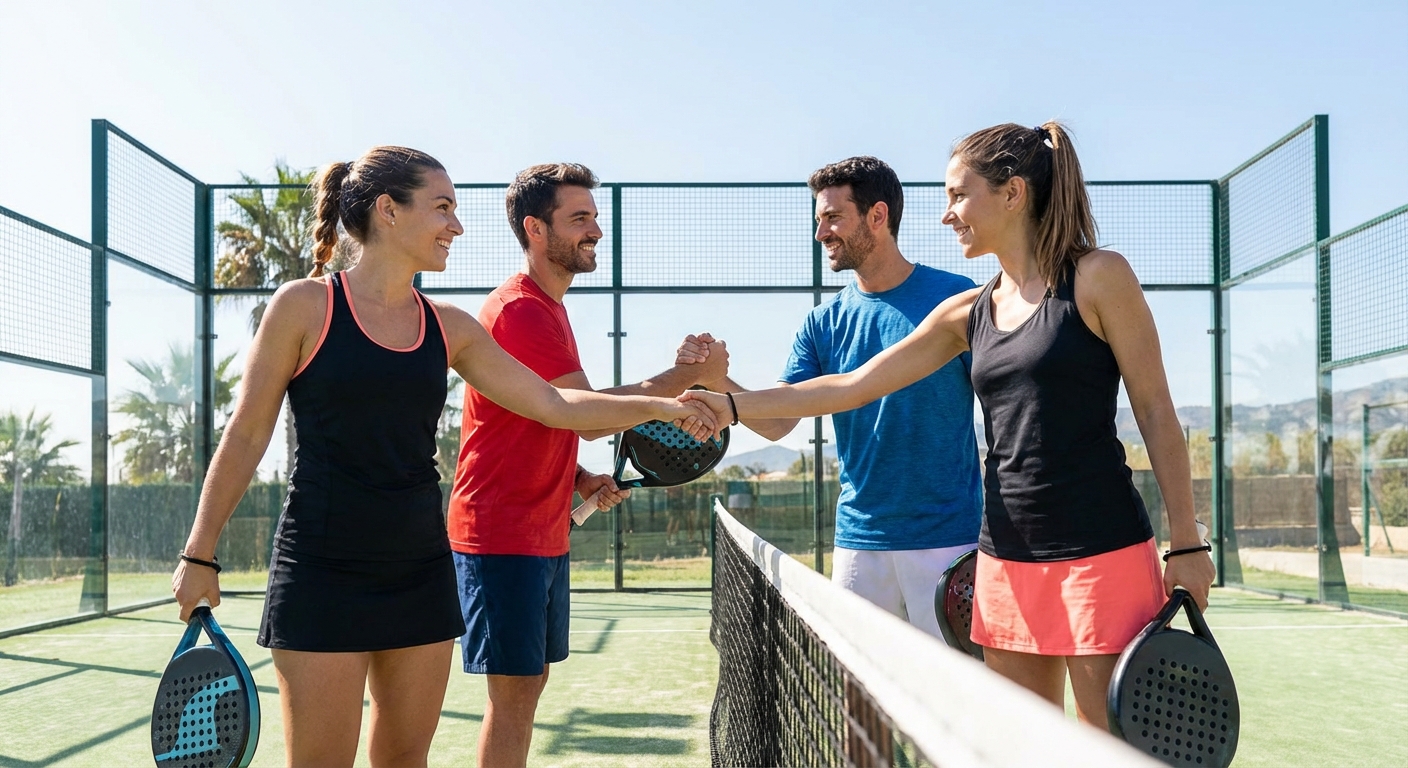
In terms of what is padel sport rules and basic gameplay, the most important factor is that the ball must hit the ground before touching any of the surrounding walls. Players serve underhand from below the waist, and the ball must bounce in the opponent’s service box. This rule set encourages longer rallies and emphasizes strategy over the serve-and-volley dominance seen in other racket sports.
The Underhand Service Rule
Serving is meant to start the point rather than end it, which keeps the game competitive for all ages. You must bounce the ball once behind the service line before striking it diagonally into the opposing box.
- Contact Point: Below the waist
- Double Faults: Same as tennis
- First Serve: Right side of the court
Truth be told, once the ball is in play, the walls become your best friend and your worst enemy depending on your positioning.
Wall Play and Rebounds
The ball remains “in” if it bounces on the ground and then hits the glass or the mesh. However, if the ball hits the wall directly without bouncing on the turf first, the point is lost.
Key Takeaway: While the scoring structure mirrors tennis, the strategic use of the perimeter walls is the defining technical rule that creates padel’s unique identity.
| Action | Result | Rule Applied |
|---|---|---|
| Ground then Glass | Ball is in play | Standard rebound rule |
| Direct Wall Hit | Out (Point lost) | Boundary rule |
| Ground then Mesh | Ball is in play | Erratic bounce rule |
Mastering the “wall bounce” is the primary technical hurdle that separates casual players from competitive enthusiasts in your club.
What is padel sport scoring and match system?
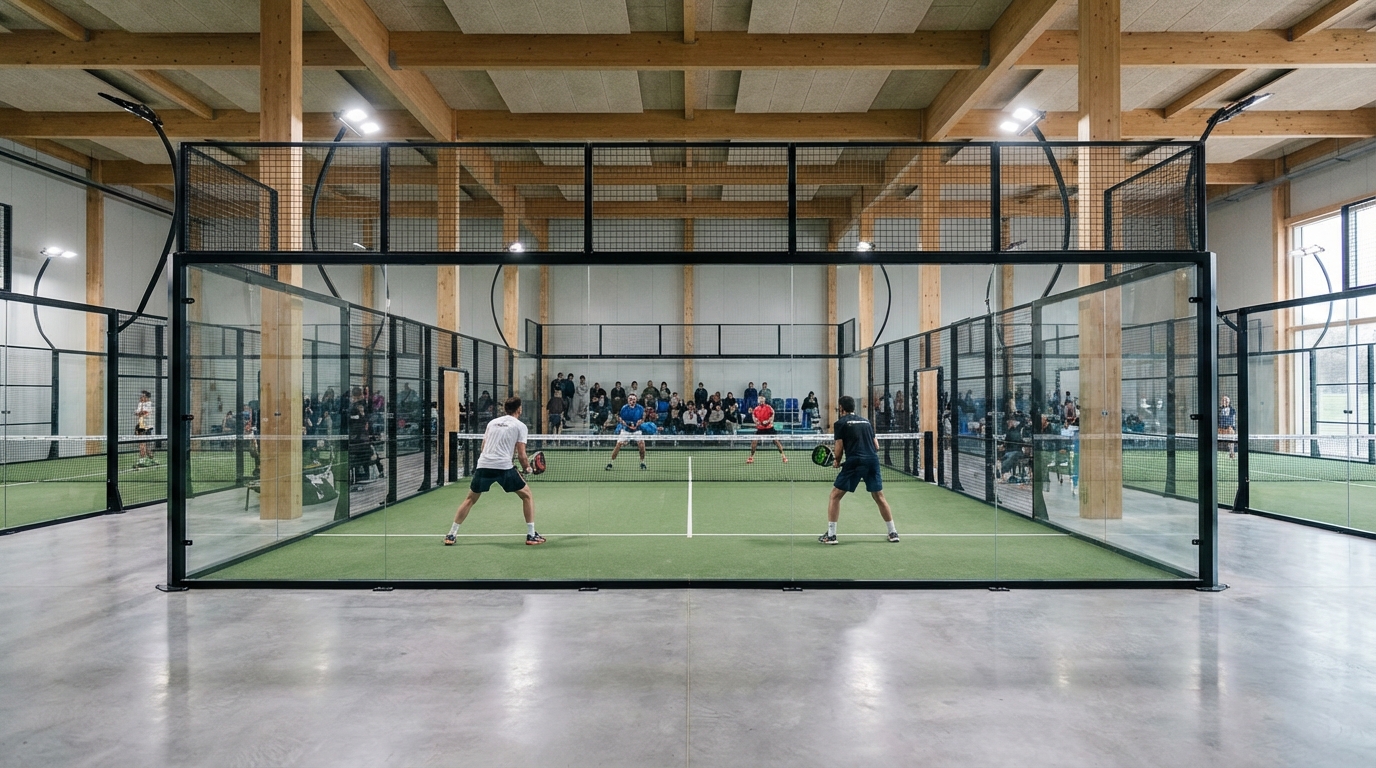
The technical definition of what is padel sport scoring and match system follows the traditional tennis format of 15, 30, 40, and Game. Matches are typically played as the best of three sets, with a six-game set requirement and a tie-break at six games all. Many commercial clubs also implement a “Golden Point” rule to speed up matches and increase court turnover during peak hours.
Understanding the Set Structure
A set is won by the first pair to reach six games with a two-game advantage. If the score reaches five games all, players play two more games; if it reaches six all, a tie-break decides the winner.
- Game Points: 15, 30, 40, Deuce
- Tie-break: First to 7 points
- Match length: Approximately 60 to 90 minutes
The best part? The “Golden Point” at deuce removes long advantage battles, which is perfect for managing booking schedules in a busy facility.
The Advantage of the Golden Point
In professional and many amateur leagues, a single point is played at deuce to decide the game. The receiving team chooses which side they want to return the serve from, adding a layer of high-stakes drama to every match.
Key Takeaway: Padel’s scoring system is familiar to tennis players but offers modern variations like the Golden Point to ensure games remain fast-paced and club schedules stay on track.
| Score | Terminology | Outcome |
|---|---|---|
| 40-40 | Deuce / Golden Point | Deciding point of the game |
| 6-6 | Tie-break | Decide the set winner |
| 2 Sets Won | Match over | Winning team determined |
The predictable match duration of padel makes it a highly efficient sport for club owners to manage from a digital booking perspective.
What is padel sport technique for the glass?
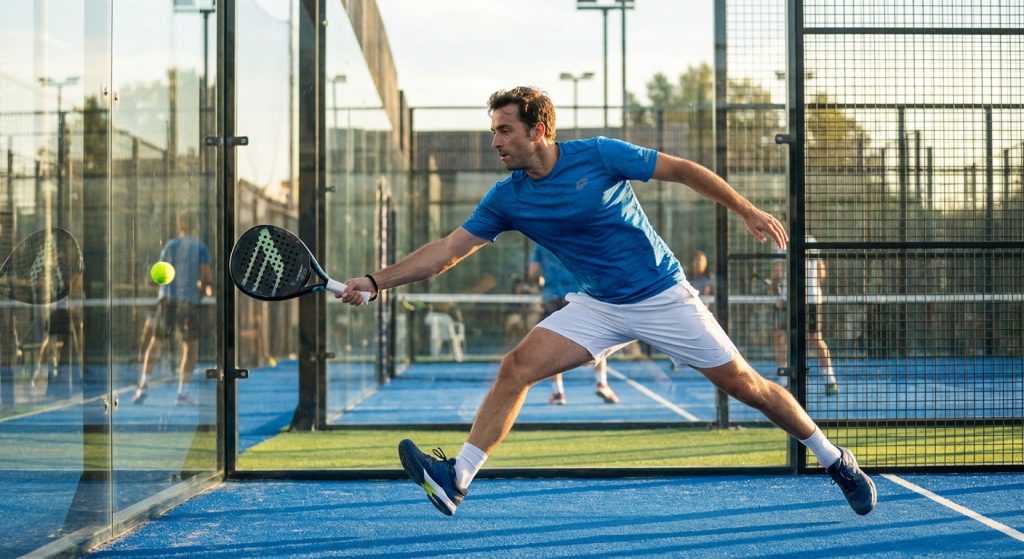
Mastering what is padel sport technique for the glass requires learning how to read the ball’s speed and angle as it approaches the rear of the court. Instead of running away from the wall, players are taught to move with the ball and let it pass them before hitting it on the rebound. This “second chance” mechanic is what makes padel significantly easier to learn than tennis for beginners.
Positioning and Footwork
Proper positioning involves staying behind the ball’s trajectory so you can strike it as it moves away from the glass. You must maintain a low center of gravity to adjust to the varying heights of the rebound.
- Wait for the ball: Let it hit the glass first
- Distance: Keep an arm’s length from the wall
- Swing: Short, controlled motions are best
You might be surprised to learn that the glass actually gives you more time to react, provided you don’t panic.
Attacking via the Glass
Advanced players can hit the ball against their own glass wall to send it over the net. This “Contrapared” shot is a defensive desperation move that can often catch opponents off guard at the net.
Key Takeaway: High-quality Padel Glass is essential for a consistent rebound, which is the foundation of all advanced defensive techniques in the sport.
| Technique | Description | Strategic Goal |
|---|---|---|
| Defending Glass | Hitting after the bounce | Resetting the point |
| Contrapared | Hitting into your own glass | High-lob defensive recovery |
| Reading Angles | Anticipating the exit | Gaining court position |
Investing in certified safety glass reduces long-term maintenance costs and protects the facility from structural failure during intense play.
What is padel sport benefit for your health?
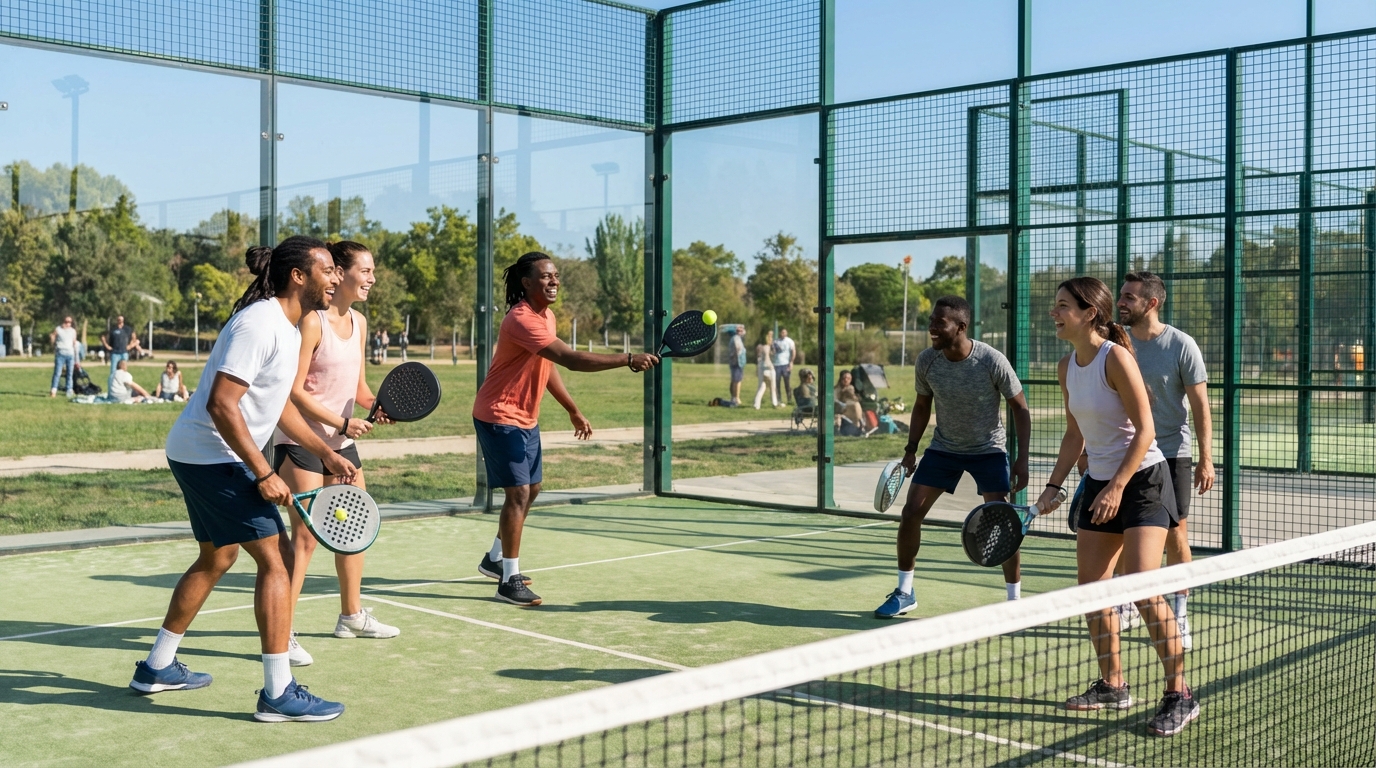
The core appeal of what is padel sport benefit for your health lies in its high-intensity cardiovascular workout combined with low impact on the joints. Because the court is smaller, there is less explosive sprinting compared to tennis, but the rallies are much longer, keeping the heart rate elevated for the duration of the match. It is a full-body workout that improves coordination, reflexes, and mental agility.
Cardiovascular and Muscular Gains
Playing padel for one hour can burn between 600 and 1,000 calories depending on the intensity. The constant lateral movement strengthens the core and lower body while the overhead shots engage the shoulders and back.
- Average Calories Burned: 700/hour
- Major Muscle Groups: Glutes, Quads, Shoulders
- Mental Health: Significant stress reduction
Here is the kicker: the social nature of the doubles-only format makes it far more likely that players will stick to their fitness routine long-term.
The Social Connection Factor
Loneliness and isolation are modern health crises that padel directly addresses. By requiring four players, the sport fosters a community atmosphere that turns individual exercise into a regular social event.
Key Takeaway: The health benefits of padel extend beyond physical fitness into social well-being, creating a high-retention environment for fitness center members.
| Health Metric | Padel Benefit | Long-term Result |
|---|---|---|
| Heart Rate | Zone 3-4 aerobic work | Improved cardio health |
| Joint Impact | Lower than running/tennis | Fewer chronic injuries |
| Social | 4-person interaction | Better mental health |
The democratization of racket sports through padel has shifted the focus from elite athleticism to inclusive, high-frequency social fitness.
What is padel sport construction cost breakdown?
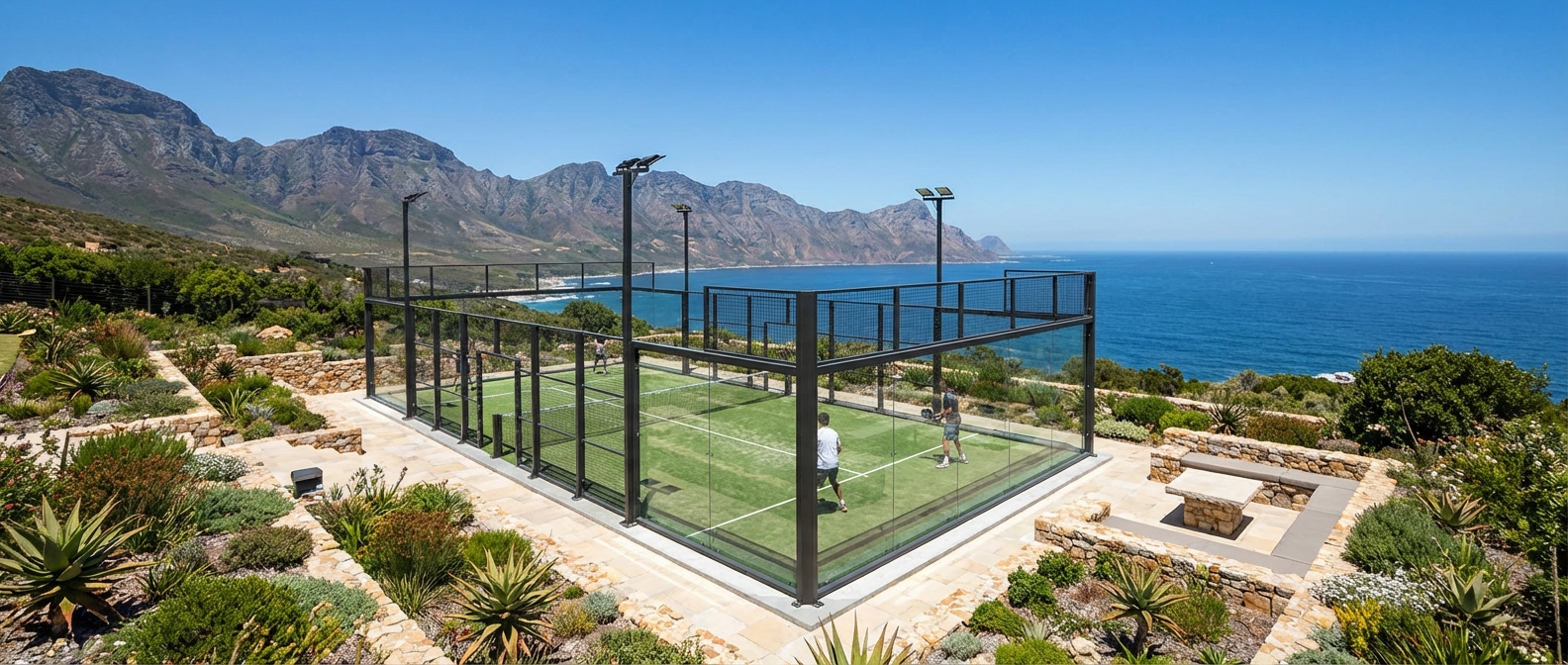
A realistic what is padel sport construction cost breakdown starts with the Padel Structure and glass, which typically account for 60% of the total investment. You also need to budget for the concrete foundation, specialized turf, and LED lighting systems. Buying directly from a manufacturer can save you up to 30% on procurement costs compared to local distributors.
Primary Capital Expenditure (CAPEX)
The structural steel and tempered glass are the most expensive components. For outdoor courts, hot-dip galvanization is a mandatory expense to prevent rust and ensure a 20-year lifespan for your investment.
- Steel Frame: High-durability galvanized steel
- Glass: 12mm Tempered Safety Glass
- Lighting: Padel LED Lighting (IP66 Rated)
But that’s not all… the groundworks and concrete base often cost as much as the court itself depending on your location.
Operational Costs and Revenue
Once installed, padel courts have very low overhead. Unlike swimming pools or large gyms, you don’t need constant staff supervision, and the electricity for LED lights is minimal when using high-efficiency units.
Key Takeaway: Selecting the right court design directly influences both the initial capital expenditure and the long-term rental value of the facility for business owners.
| Expense Category | Percentage | Optimization Strategy |
|---|---|---|
| Court Hardware | 50% – 60% | Source factory-direct |
| Groundworks | 30% – 40% | Ensure local contractor quality |
| Lighting/Turf | 10% | Use high-efficiency LED/Fibrillated turf |
The business model for padel is highly efficient, turning small land areas into high-frequency revenue streams with very low monthly overhead.
What is padel sport maintenance for facilities?
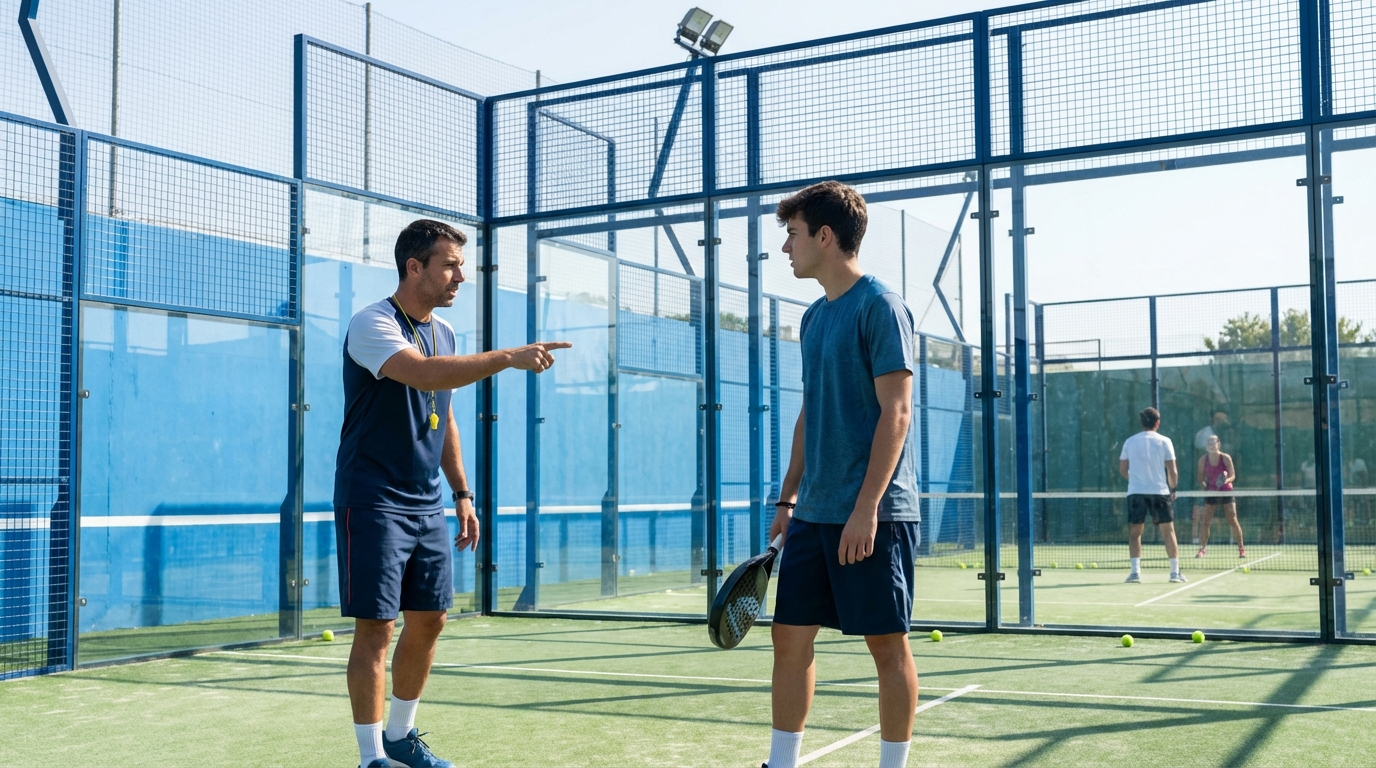
Effective what is padel sport maintenance for facilities focuses primarily on keeping the sand distribution even across the turf and ensuring the glass remains clean. Over time, the silica sand used to stabilize the grass fibers can migrate to the corners, leading to slippery spots and uneven ball bounces. Regular brushing and bolt tightening are the two pillars of a long-lasting court.
Weekly Maintenance Routine
Your staff should spend about 30 minutes per week per court on basic upkeep. This prevents the turf from matting down and keeps the playing surface professional and safe for your members.
- Turf Brushing: Once or twice a week
- Glass Cleaning: Weekly for aesthetics and visibility
- Sand Levels: Top up every 6 months
You might be wondering… what happens if you neglect the glass? Dust and sweat buildup can make the glass slippery, causing the ball to “slide” rather than rebound correctly.
Structural Integrity Checks
Every quarter, it is vital to inspect the tension of the metallic mesh and the tightness of the structural bolts. High-intensity play creates vibrations that can slowly loosen connections over several years.
Key Takeaway: Proactive maintenance cycles are critical to maintaining court uptime and ensuring a premium player experience that justifies higher booking fees.
| Frequency | Task | Benefit |
|---|---|---|
| Weekly | Brushing the turf | Even sand and better bounce |
| Monthly | Glass/Frame inspection | Safety and liability protection |
| Annually | Professional deep clean | Extends turf life by 3-5 years |
Efficient installation and proactive maintenance cycles are critical to maintaining court uptime and ensuring a premium player experience in competitive markets.
What is padel sport future in global markets?
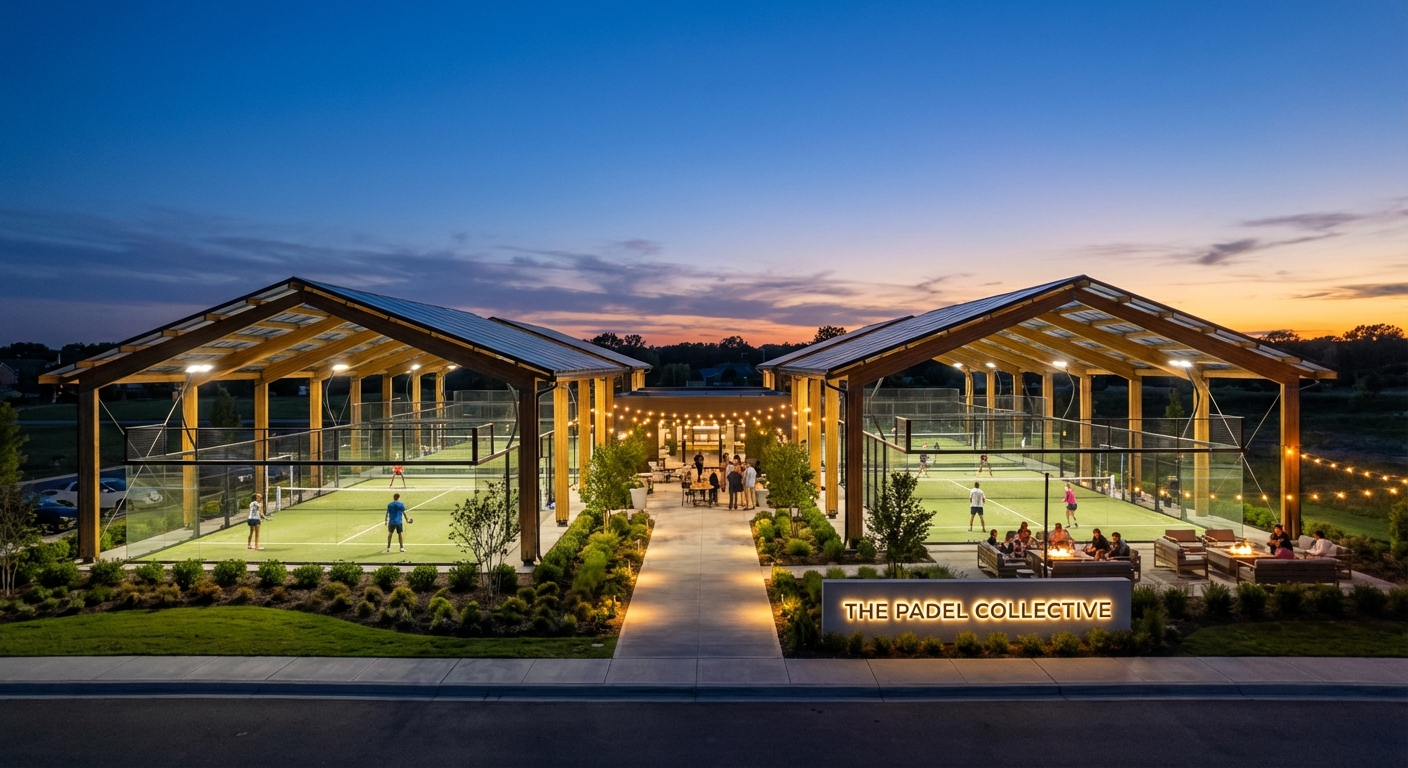
The future of what is padel sport in global markets looks incredibly strong as the US and Asian markets begin to mirror the explosive growth seen in Europe. Investors are now looking at Panoramic Padel Court designs as standard requirements for high-end real estate developments and luxury resorts. The integration of “Padel-Tech” and automated booking systems is making these facilities easier to manage remotely than ever before.
Emerging Markets: USA and China
While Spain and Argentina were the early adopters, the next wave of growth is coming from North America and East Asia. Huge investments are being made in massive indoor “Padel Hubs” that combine sports with high-end food and beverage services.
- Market Growth: 25% CAGR projected
- Key Focus: High-end social club models
- New Segments: Corporate wellness and luxury hotels
Here is the kicker: as the sport professionalizes, the demand for “TV-ready” panoramic courts is skyrocketing globally.
Sustainability in Court Construction
The next decade will focus on eco-friendly materials and energy-efficient lighting. Manufacturers are developing 100% recyclable turf fibers and solar-integrated roofing systems for all-weather play.
Key Takeaway: Padel courts provide a high-yield amenity for real estate projects and fitness centers due to their small footprint and massive global popularity.
| Market Trend | Future Impact | Strategic Advice |
|---|---|---|
| Modular Hubs | Faster deployment | Build scalable 4+ court centers |
| Luxury Resorts | Higher premium fees | Invest in Panoramic designs |
| Corporate Play | High weekday traffic | Target office-park developments |
Understanding the technical and commercial nuances of padel is the first step toward building a successful facility in the rapidly expanding global market.
*
Conclusion
Building a successful padel facility requires more than just clearing some land; it demands a deep understanding of structural quality, player dynamics, and commercial efficiency. We have solved the confusion surrounding court specifications and procurement hurdles by offering factory-direct access to world-class equipment. What we can do for you is provide a turn-key solution—from custom OEM branding to remote installation guidance—that ensures your club stands out in a crowded market. Our vision is to empower developers to create the next generation of social sports hubs with zero compromise on safety or performance. Contact us today to receive your custom quote and detailed project consultation within 24 hours.
FAQ
Can I build a padel court in my backyard?
Yes, provided you have a flat 10×20 meter concrete base and meet local height zoning requirements. Most private residential projects use a standard court design that integrates seamlessly with existing home landscaping.
What’s the best glass for a commercial court?
12mm tempered safety glass is the industry standard because it offers the necessary impact resistance for high-frequency public use. It complies with European safety standards like EN 12150 to ensure player protection.
How do I know if the turf is high quality?
You should look for high-density fibrillated turf that is EU-standard compliant. This type of grass offers superior wear resistance and consistent ball bounce, which are essential for commercial clubs with high foot traffic.
Can I customize the court colors for branding?
Absolutely, professional manufacturers offer full RAL color customization for the steel structure. This allows you to match the courts to your club’s logo and overall aesthetic for a premium, branded experience.
What is the average ROI for a new padel club?
Most clubs see a full return on investment within 18 to 24 months depending on location and court density. Because you can fit four players on a small footprint, the hourly revenue per square meter is much higher than tennis.