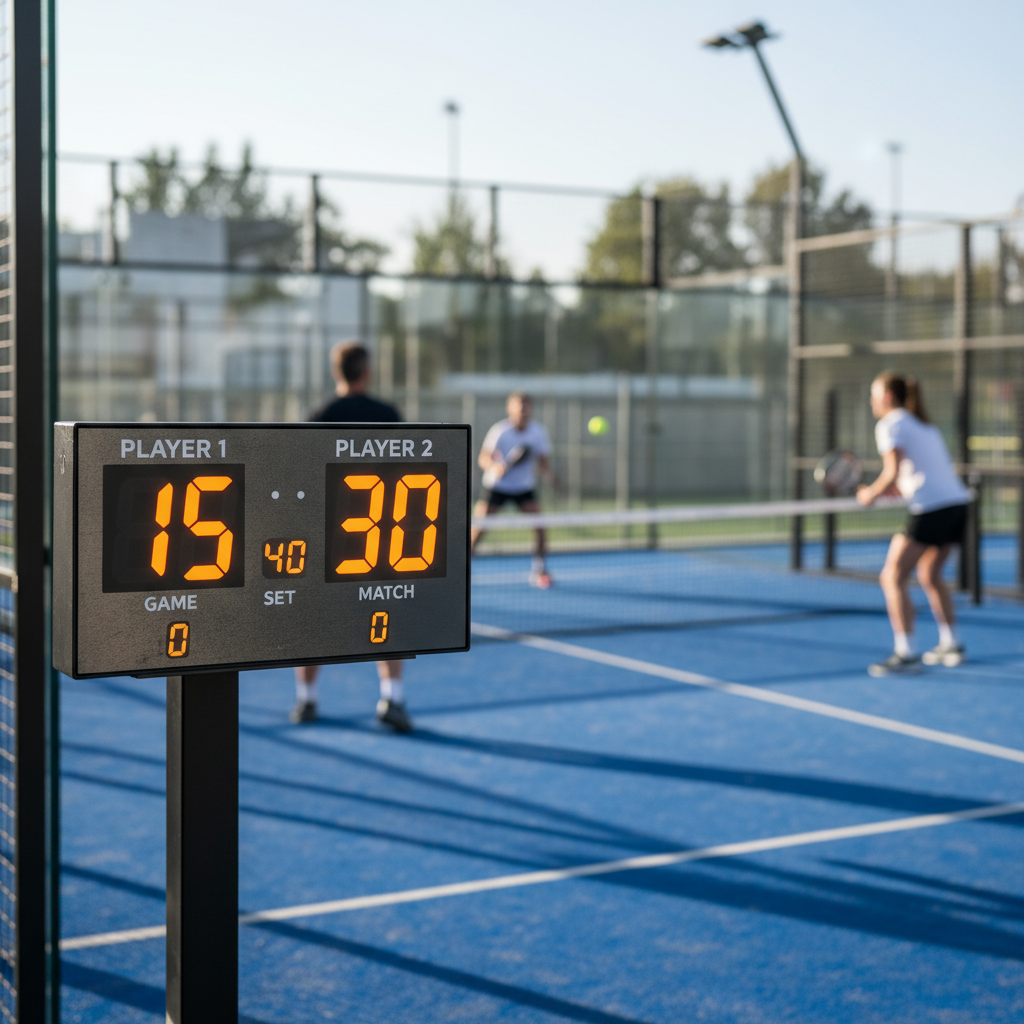
Padel sport represents a social racket game played on enclosed courts where walls facilitate continuous action. You see growing demand for racket facilities yet traditional tennis courts require massive land footprints. Building wrong structures leads toward maintenance nightmares plus empty slots during off-peak hours. Understanding what is padel sport allows you build high-density venues that maximize player engagement.
1. Why is the history of what is padel sport important?
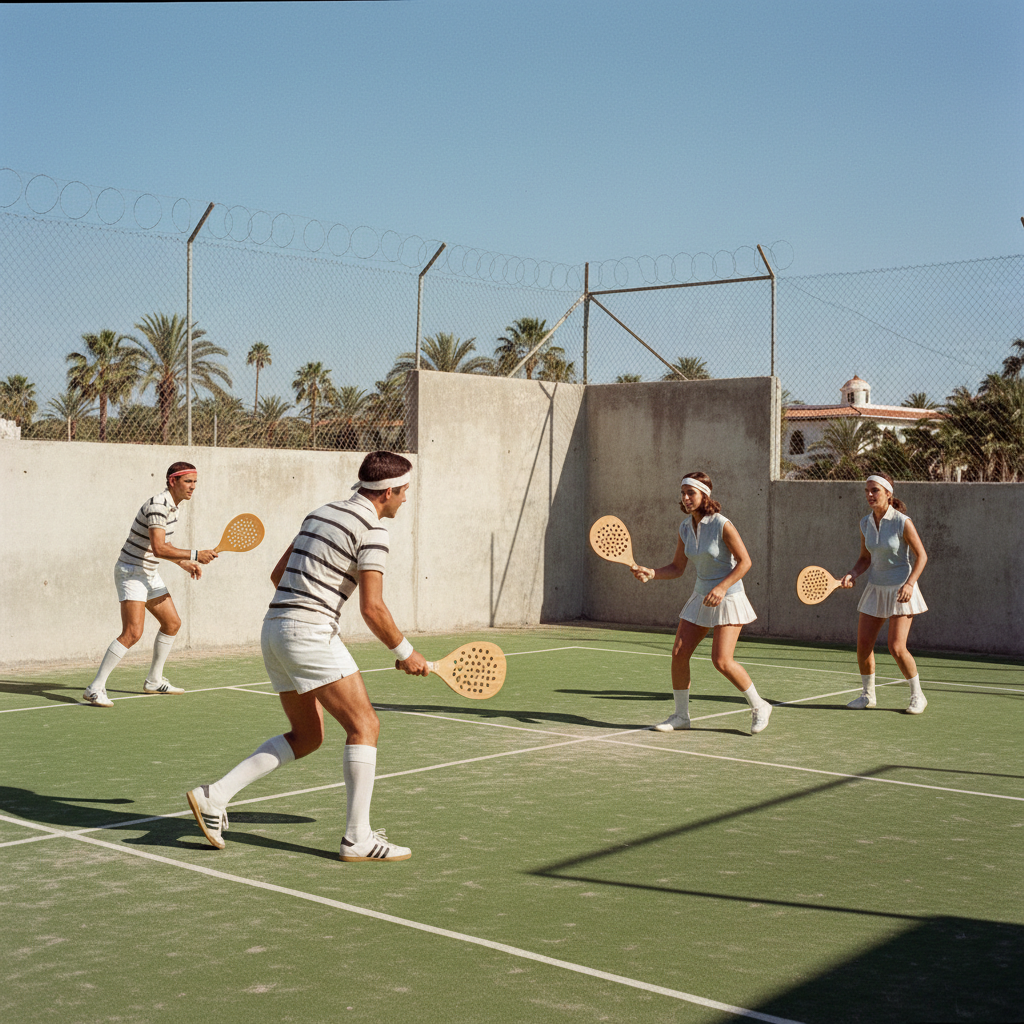
Knowing origins of what is padel sport helps you market this game as an accessible social experience. Enrique Corcuera created this game during 1969 inside his Mexican backyard. This founder lacked space for a full tennis court so he built walls around a smaller plot. These residential roots define why modern clubs prioritize community over pure competition.
How did a backyard project become global?
But here’s the kicker… space constraints birthed a revolution. Players enjoyed how walls kept balls inside play longer. This format reached Spain via Prince Alfonso de Borbón.
- Mexican backyard invention (1969).
- Marbella Club introduction (1974).
- Global Federation formation (1991).
| Milestone | Year | Impact on Growth |
|---|---|---|
| Mexican Invention | 1969 | Court size standardized |
| Spanish Introduction | 1974 | European expansion began |
| Pro Tour Launch | 2005 | Commercial interest surged |
Key Takeaway: Understanding that this game originated from residential space constraints proves its high profitability per square meter for your facility.
This historical data suggests that small footprints drive higher social interaction compared toward traditional sports.
2. What is padel sport versus tennis regarding rules?
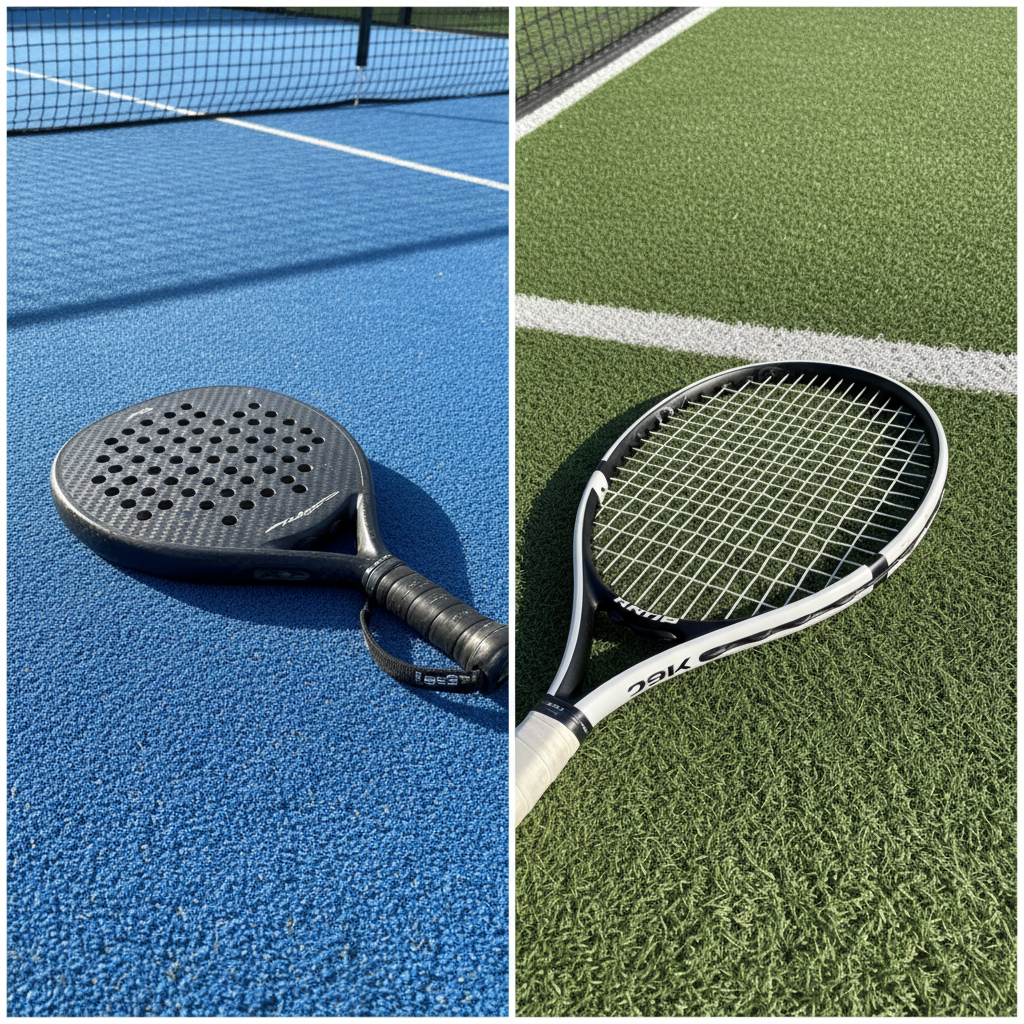
Technically what is padel sport differs from tennis through court size and wall usage. Courts measure ten meters wide. Tennis courts require much larger areas without perimeter bounce options. You use solid carbon fiber rackets instead of stringed frames.
Can beginners learn faster than tennis?
What’s the real story? Underhand serves simplify entry. New players rarely struggle with complex overhead motions. This accessibility keeps your booking calendar full.
- Mandatory underhand serves.
- Glass wall rebounds allowed.
- Doubles play format standard.
| Feature | Padel Sport | Tennis |
|---|---|---|
| Serve Style | Underhand | Overhand |
| Boundary | Glass/Mesh Walls | Lines Only |
| Racket | Solid/Perforated | Stringed |
Key Takeaway: Lower technical barriers mean you can attract wider demographics including seniors and children for your club.
A simplified technical requirement leads toward faster player retention and lower attrition rates for new members.
3. How does the scoring work in what is padel sport?
Scoring for what is padel sport follows traditional tennis sets but incorporates modern speed features. You play three sets total. Games count through 15, 30, and 40 increments. Many professional matches now use “Golden Point” rules for faster finishes.
Why do matches feel so intense?
You might be wondering… why crowds prefer this rhythm. Shorter courts mean more ball contact per minute. This high frequency creates constant excitement.
- Best of three sets.
- Deuce or Golden Point.
- Tie-break at six games.
| Scoring Unit | Standard Rule | Variations |
|---|---|---|
| Point | 15, 30, 40 | Pro Tour Golden Point |
| Game | 4 points | Must win by two |
| Set | 6 games | Tie-break at 6-6 |
Key Takeaway: Rapid scoring cycles allow you schedule more matches per day and increase your daily turnover.
Frequent scoring changes maintain high spectator engagement and drive beverage sales during match breaks.
4. Why is what is padel sport gaining global popularity?
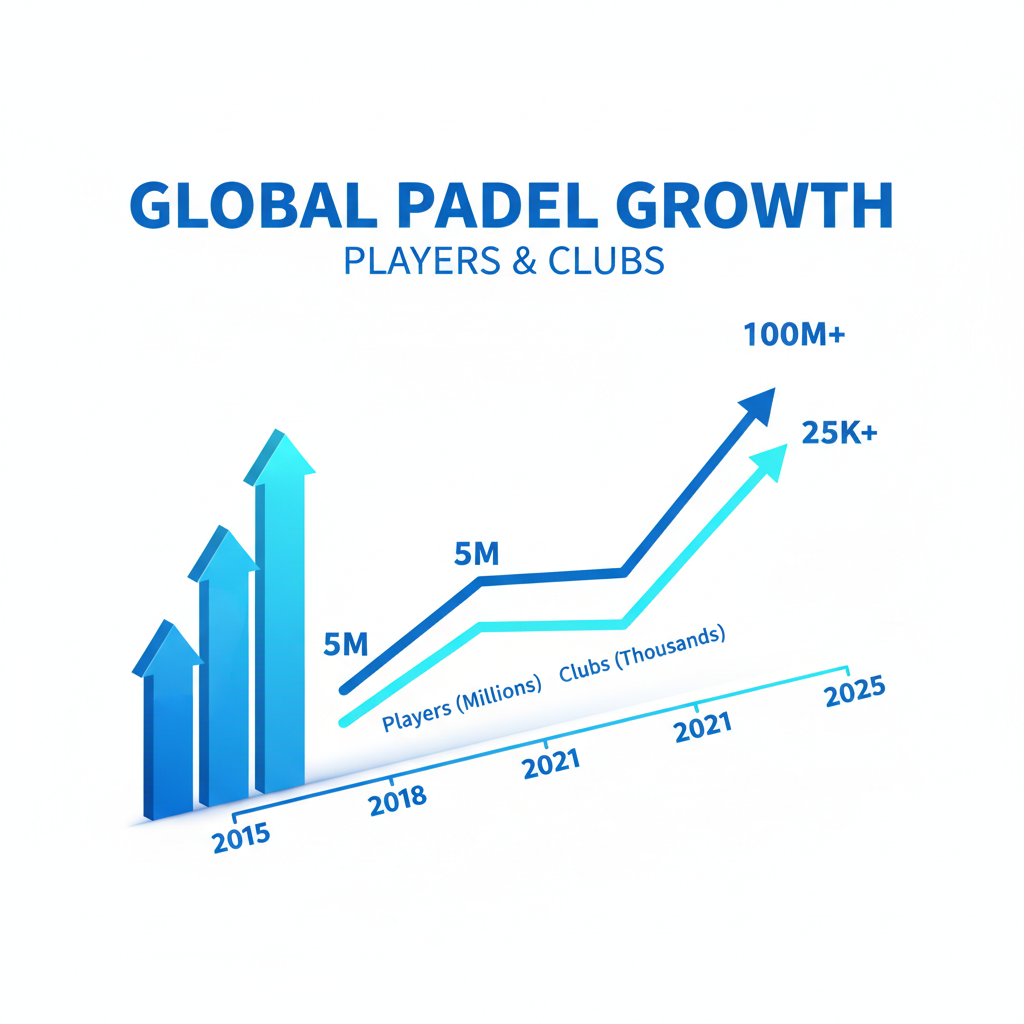
Global demand regarding what is padel sport stems from its unique social doubles structure. Four players share a small cage. This proximity encourages conversation and laughter throughout every match. You see communities forming around these courts very quickly.
Is the ROI better than tennis?
Ready for the good part? You can fit three courts inside one tennis court footprint. This density triples your revenue potential immediately. More players per square meter equals higher profits.
- High social engagement.
- Low physical strain.
- Urban space efficiency.
| Metric | Padel Facility | Tennis Facility |
|---|---|---|
| Players/m² | High Density | Low Density |
| Build Cost | Moderate | High |
| Social Factor | Extreme | Moderate |
Key Takeaway: Maximizing player density per square meter makes this sport the most financially viable racket option today.
High density layouts ensure that your land costs remain low while player volume stays consistently high.
5. What is padel sport equipment for professional clubs?
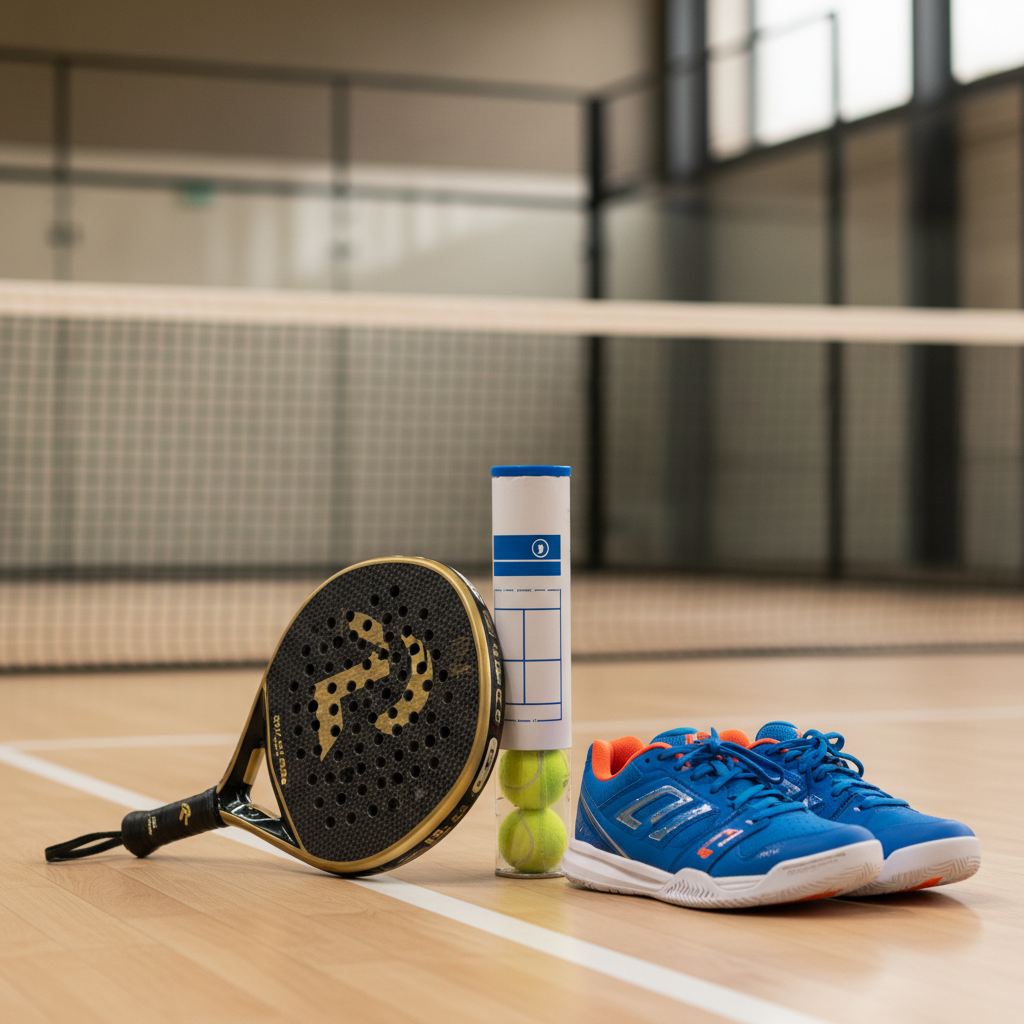
Selecting equipment for what is padel sport requires focusing on durability and player safety. Professional clubs need high-quality rental rackets. These tools feature EVA foam cores with carbon faces. You also need specific low-pressure balls for consistent bounces.
How to manage rental fleets?
This is where it gets interesting… rental income often covers monthly utility bills. High-end gear improves the customer experience significantly. Players feel better using professional rackets.
- Carbon fiber frames.
- Specific padel shoes.
- Pressurized ball cans.
| Item | Lifespan | Rental Value |
|---|---|---|
| Racket | 12-18 months | High |
| Balls | 3-5 matches | Low (Resale) |
| Footwear | 6-12 months | Retail only |
Key Takeaway: Providing premium equipment rentals increases player satisfaction and generates a reliable secondary revenue stream for you.
Proper fleet rotation ensures that players always use fresh gear which reduces potential for arm injuries.
6. What is padel sport installation for a standard court?
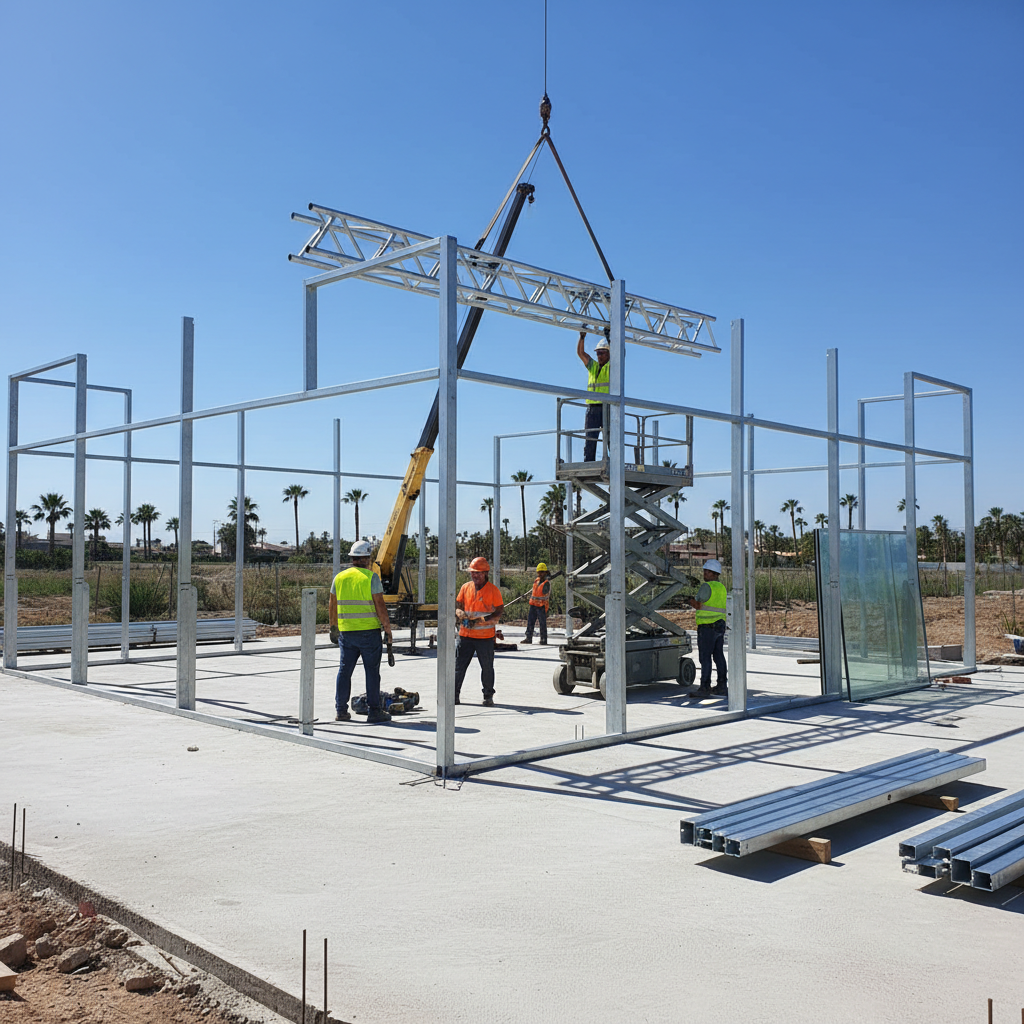
Installing what is padel sport infrastructure involves heavy engineering and glass alignment. You must pour a reinforced concrete slab first. This base supports the massive steel frame. Precision bolting prevents frame movement during high-intensity games.
Why do foundations matter most?
Here’s the deal… a weak slab causes glass panels to crack. You want 12mm tempered glass for maximum safety. Poor installation leads toward expensive repairs later.
- Reinforced concrete base.
- Galvanized steel pillars.
- Tempered safety glass.
| Phase | Duration | Focus Area |
|---|---|---|
| Groundwork | 7-10 days | Leveling/Drainage |
| Slab Pouring | 3-5 days | Curing/Flatness |
| Assembly | 4-6 days | Glass/Turf/Lights |
Key Takeaway: Investing in a professional foundation saves you thousands in structural maintenance over the court’s lifetime.
Solid groundwork ensures that the glass walls remain perfectly vertical during heavy wind or player impact.
7. What is padel sport panoramic court construction like?
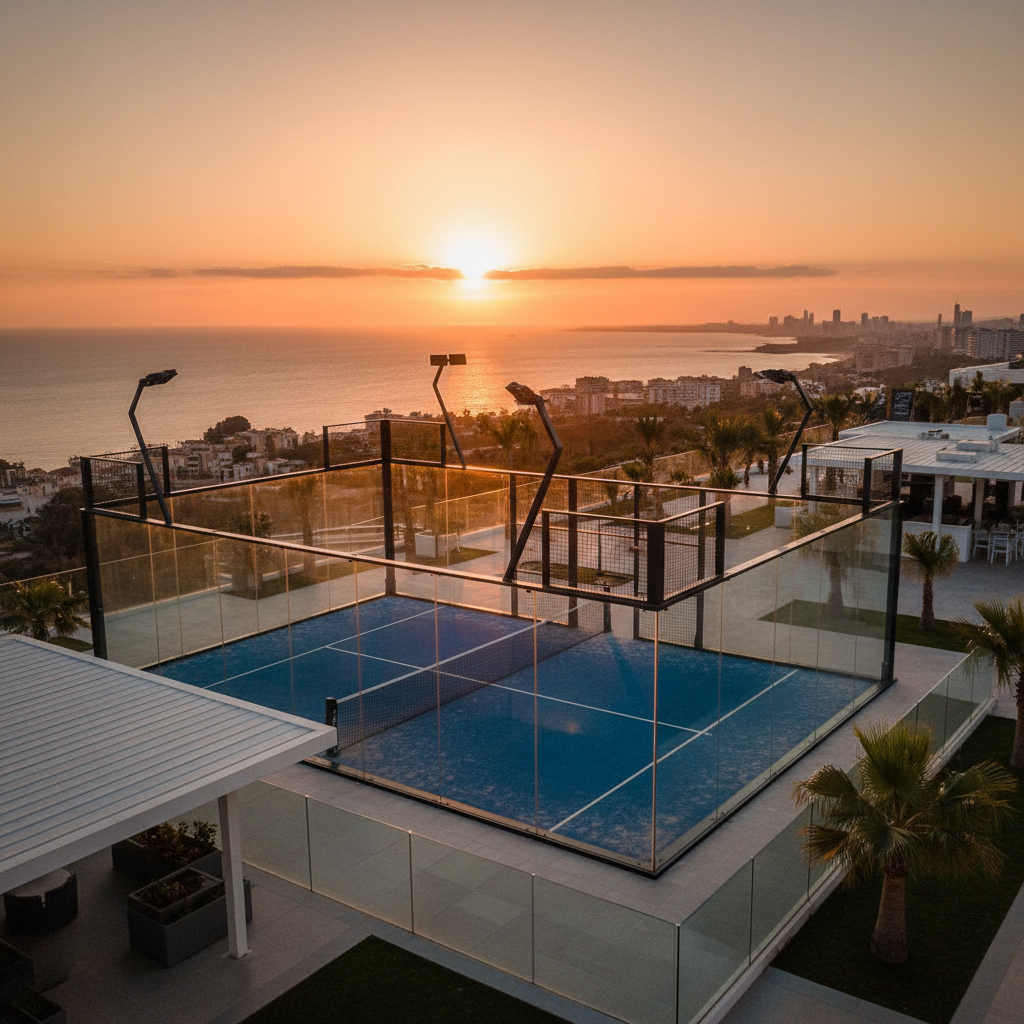
The design of what is padel sport panoramic courts removes corner pillars for better visibility. You offer spectators a crystal clear view of the action. This Panoramic Padel Court style appears inside elite clubs and televised tournaments. It uses thicker glass to maintain structural integrity.
Do viewers prefer panoramic designs?
But wait, there’s more… these courts act as your club’s centerpiece. They attract high-level players who want a professional feel. Better visibility also helps coaches analyze movement.
- Column-free back walls.
- 12mm toughened glass.
- LED stadium lighting.
| Feature | Standard Court | Panoramic Court |
|---|---|---|
| Corner View | Obstructed | Unobstructed |
| Glass Type | 10mm-12mm | 12mm Premium |
| Visual Appeal | Functional | Luxury |
Key Takeaway: Panoramic courts serve as marketing magnets that differentiate your club from basic local competitors.
A premium visual experience increases the perceived value of your facility and justifies higher hourly booking rates.
8. What is padel sport turf selection for high performance?
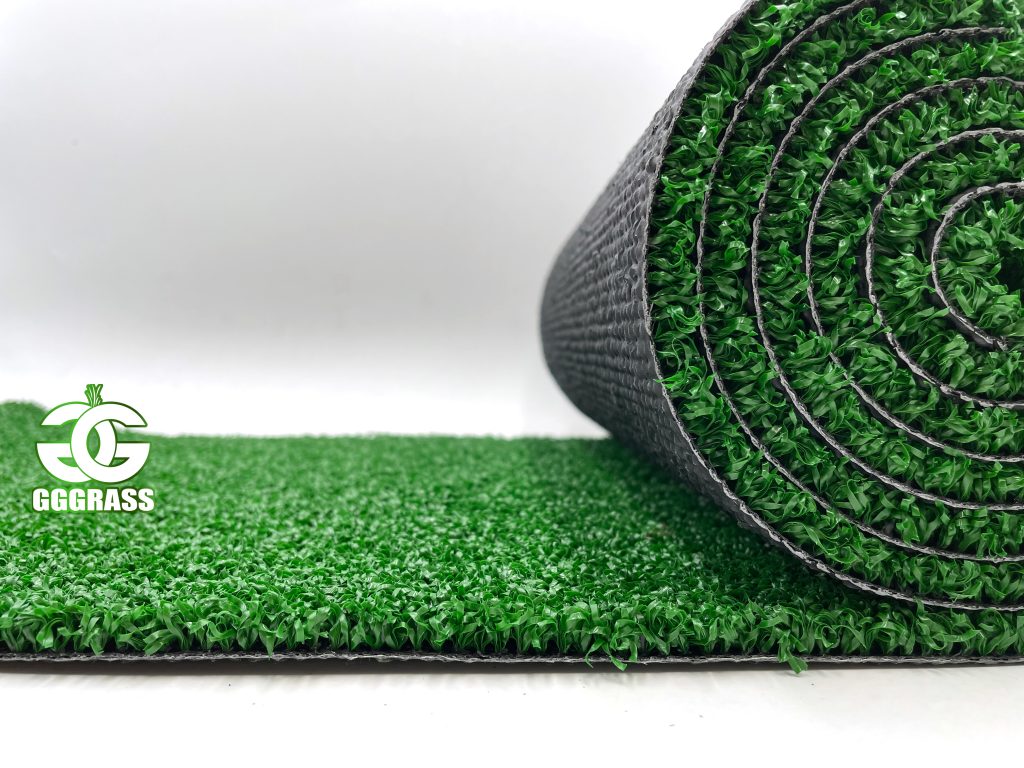
Performance turf for what is padel sport determines ball speed and player comfort. You should choose monofilament or textured fibrillated grass. These fibers hold sand infill better than cheap alternatives. Correct Padel Grass prevents slips and joint fatigue.
Why is sand infill necessary?
What’s the catch? Too much sand makes courts slippery. You need uniform distribution for consistent bounces. High-performance turf requires less frequent brushing.
- Monofilament fibers.
- Kiln-dried silica sand.
- UV resistant coating.
| Turf Type | Durability | Play Speed |
|---|---|---|
| Monofilament | High | Fast |
| Fibrillated | Moderate | Balanced |
| Non-Infill | Emerging | Experimental |
Key Takeaway: High-quality synthetic grass reduces player injuries and extends the time between expensive resurfacing projects.
The right turf choice ensures that ball bounces remain predictable across the entire court surface for years.
9. What is padel sport roofed court planning for clubs?
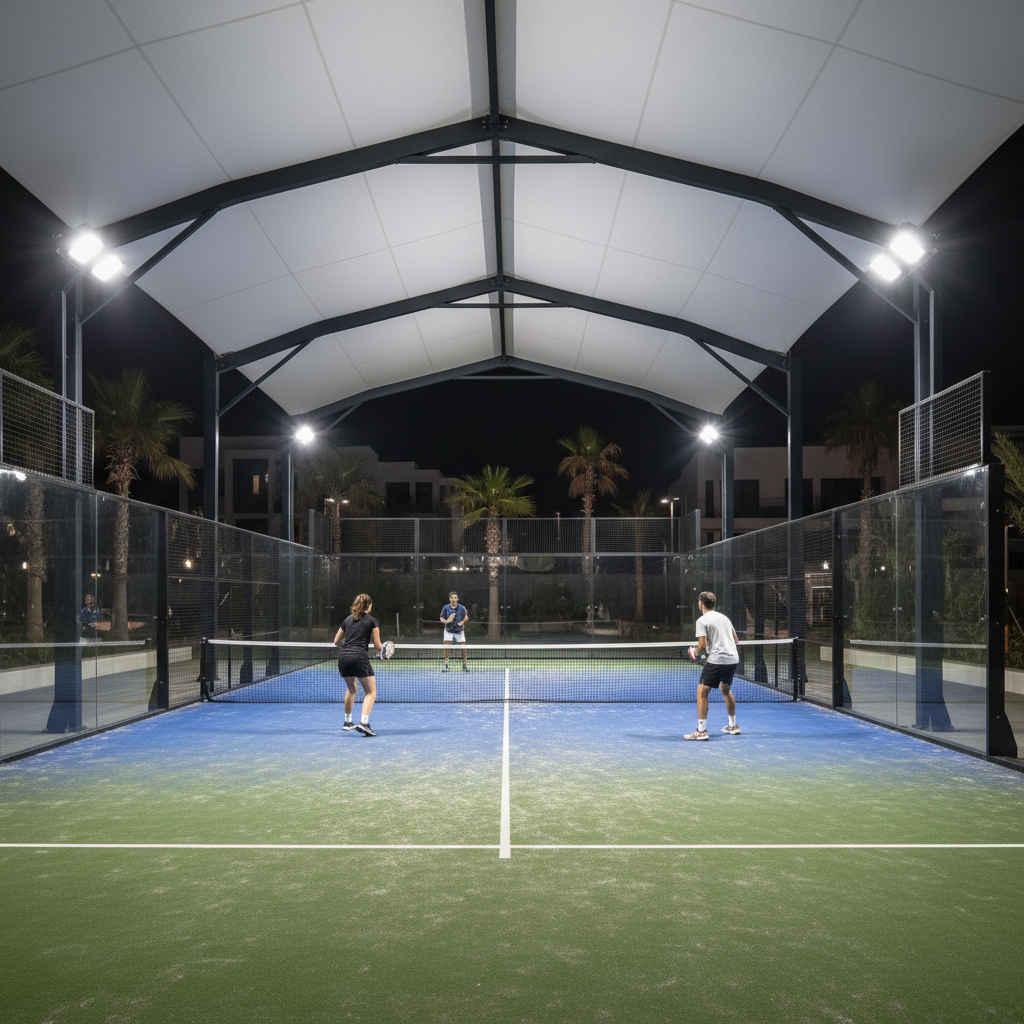
Designing what is padel sport indoor facilities requires a minimum ceiling height of seven meters. You must allow space for high lobs during matches. Many owners choose a Roofed Padel Court setup to guarantee year-round revenue. Weather protection keeps your courts active every day.
Should you build indoors or outdoors?
This is the part that matters… rain cancels outdoor bookings instantly. Roofed structures protect your steel and glass from corrosion. You enjoy a more stable cash flow.
- 7m minimum clearance.
- Ventilation systems.
- Steel canopy structures.
| Factor | Outdoor Court | Roofed Court |
|---|---|---|
| Booking Risk | Weather Dependent | 100% Guaranteed |
| Maintenance | High (Sun/Rain) | Low (Protected) |
| Initial Cost | Lower | Higher |
Key Takeaway: Adding a roof is the most effective way to eliminate seasonal revenue drops and protect your investment.
Indoor environments allow for controlled lighting and temperature which significantly enhances the premium player experience.
10. How to manage the budget for what is padel sport builds?
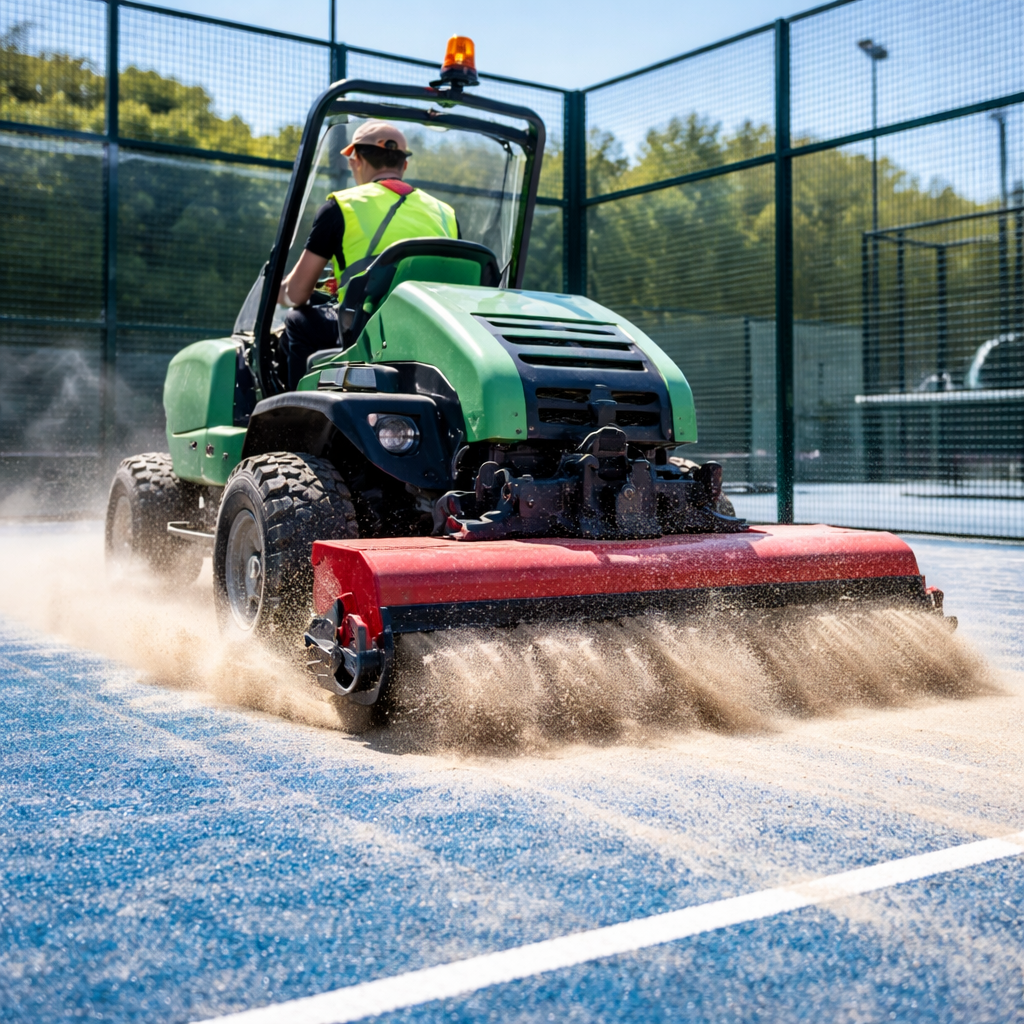
Budgeting for what is padel sport projects involves balancing construction costs against operational efficiency. You must account for land clearing and lighting. Smart owners invest in automated booking systems toward reducing staff overhead. Long-term profitability depends on low maintenance costs.
How to maximize your ROI?
Think about it… a court that lasts twenty years is cheaper than one requiring repairs every five. Quality materials reduce your total cost of ownership. Marketing your off-peak hours fills the gaps.
- Capital construction cost.
- Automated gate access.
- Energy-efficient LED lights.
| Expense Category | % of Budget | Impact on Profit |
|---|---|---|
| Civil Works | 40% | Foundation Safety |
| Court Structure | 35% | Play Quality |
| Tech & Lights | 25% | Operating Costs |
Key Takeaway: Focus your initial budget on structural quality to ensure low operating expenses and high long-term returns.
Strategic financial planning allows you to scale your facility from two courts toward ten as demand grows.
FAQ
Can I play padel sport solo?
No, this game requires four players in a doubles format because the court size and wall mechanics make singles play impractical. You will find that the social interaction of doubles is the primary reason for the sport’s massive popularity.
What’s the best racket for a beginner?
A round-shaped racket is best because it offers a larger sweet spot and better control. You should avoid diamond-shaped rackets initially as they are designed for power-hungry professional players who possess advanced technique.
How do I know if my court needs more sand?
The turf appears flat or shows shiny fibers when the sand levels drop too low. You must maintain uniform infill to ensure consistent ball bounce and to protect the grass fibers from premature wear.
Can I build a court on asphalt?
Yes, but you must ensure the asphalt is perfectly level and has proper drainage systems beneath it. Reinforced concrete remains the superior choice for professional installations due to its better stability and resistance to ground movement.
How long does a court last?
A high-quality galvanized steel frame can last over twenty years with minimal maintenance. You will likely need to replace the synthetic turf every five to seven years depending on how many hours per day your players use the court.
Conclusion
Building a world-class facility requires a deep understanding of what constitutes a high-performance environment. We explored the historical roots, technical rules, and the essential construction steps for standard, panoramic, and roofed courts. By prioritizing structural integrity and player comfort, you can create a sports destination that generates consistent revenue for decades.
Our brand stands for engineering excellence and uncompromising quality in every padel build. We provide the technical expertise and premium materials needed to transform your vision into a profitable reality. If you are ready to dominate the local market with a superior racket club, contact us today for a professional consultation.