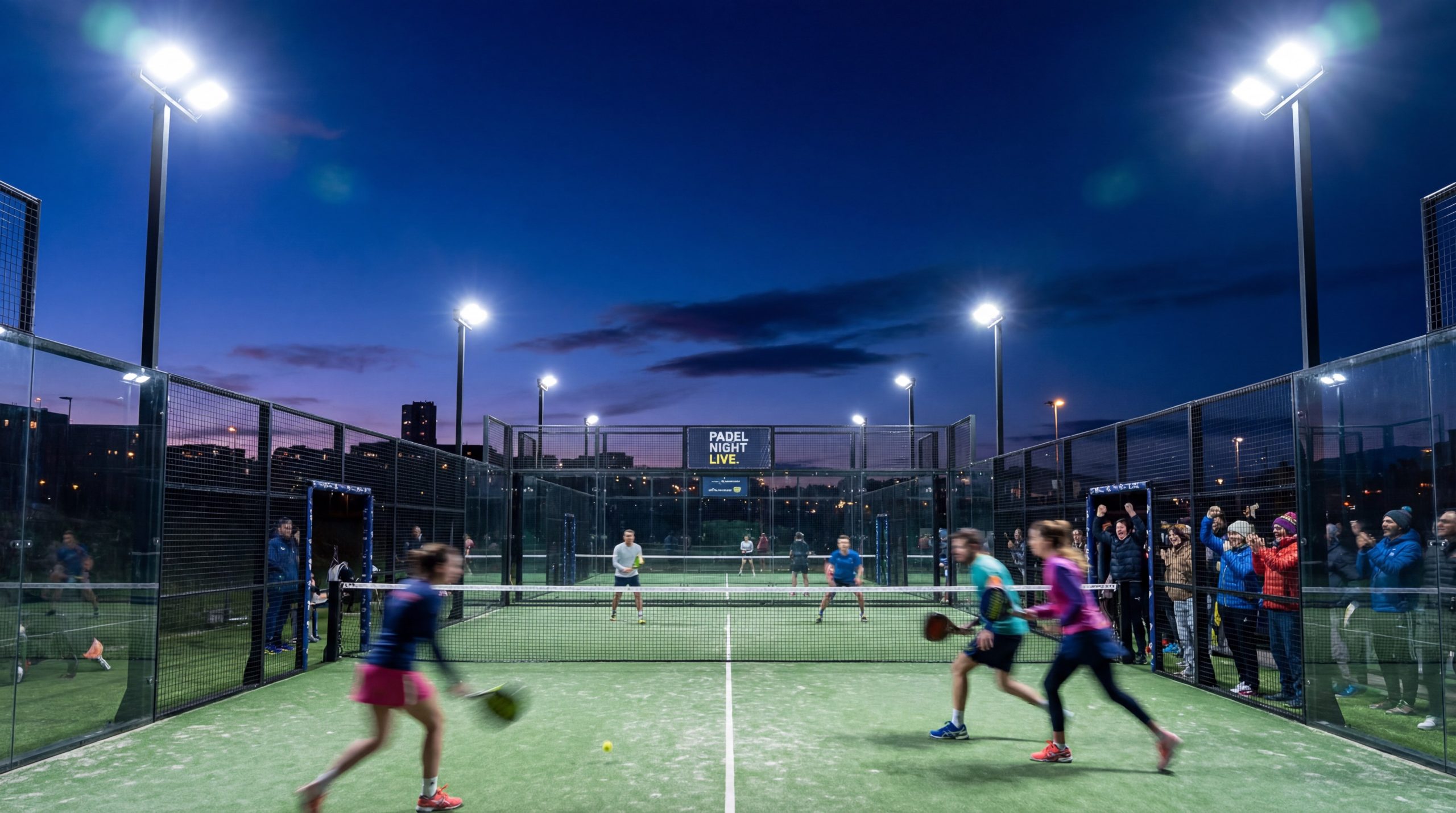
Padel Fort Lauderdale is a high-growth racquet sport investment involving the construction of specialized glass-walled courts that combine elements of tennis and squash. You might be noticing the massive surge in court demand across Florida but lack the technical blueprint to capitalize on it. Without a professional facility design, your project risks falling behind the high standards expected by the elite athletic community.
What is the current demand for padel fort lauderdale?
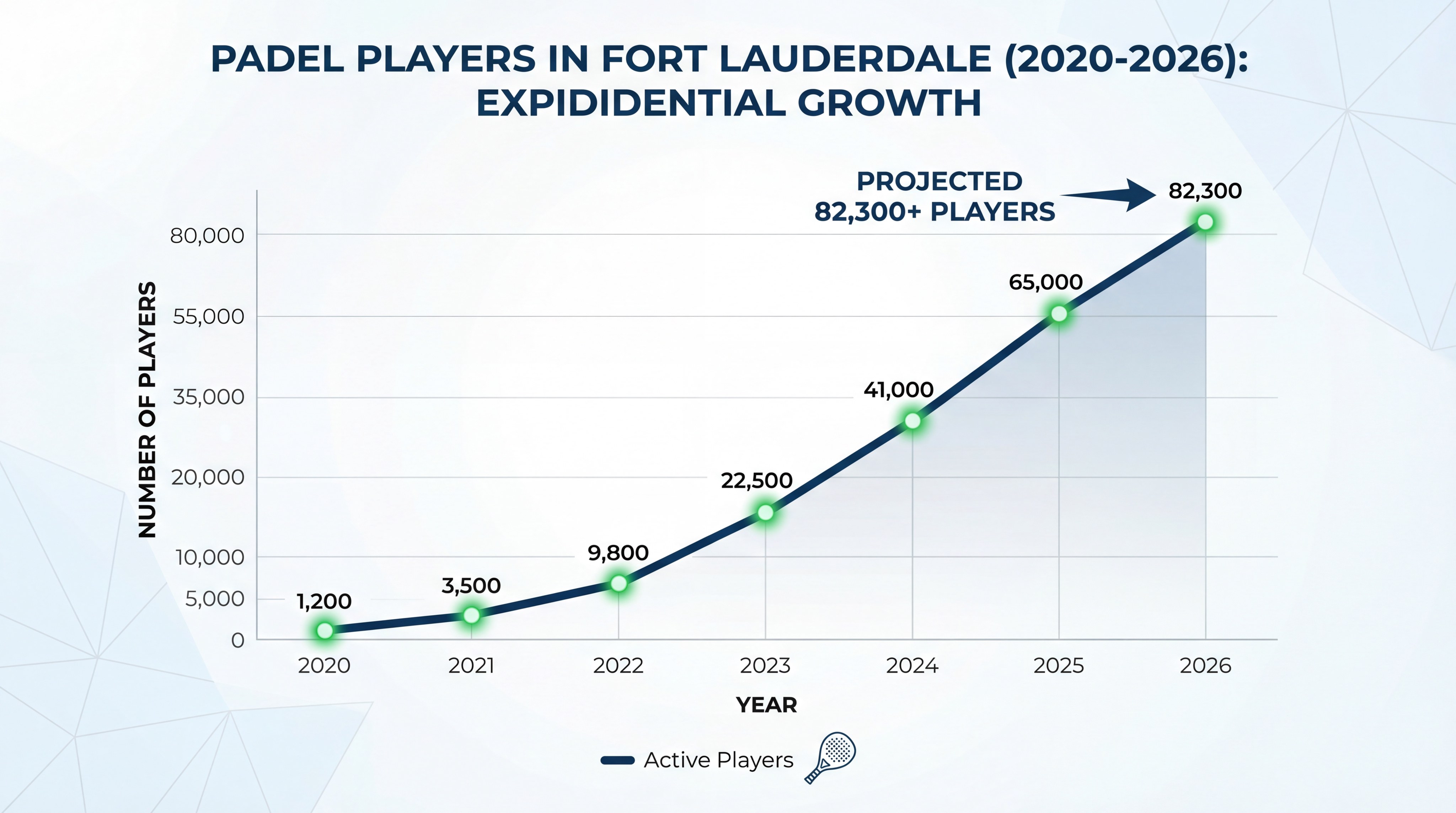
The current demand for padel fort lauderdale is driven by a sophisticated demographic looking for social, fast-paced sports within modern urban facilities. Investors are seeing a significant gap between the number of active players and the available professional-grade courts.
Is the market growing fast?
The growth is nothing short of explosive as more residents discover the social benefits of the game. You will find that enthusiasts are willing to travel significant distances to play on high-quality surfaces.
Think about it:
- High player retention rates compared to tennis.
- Social atmosphere that encourages group bookings.
- Growing interest from corporate wellness programs.
What makes this location unique?
Local demand is particularly high due to the year-round playing climate and the presence of a health-conscious population. The regional preference for luxury amenities means your facility must offer more than just courts.
Key Takeaway: The local market is underserved and rewards developers who prioritize high-end design and community-focused spaces.
| Market Driver | Impact Level | Strategy |
|---|---|---|
| Demographic Wealth | High | Premium Pricing |
| Climate | High | Indoor/Outdoor Mix |
| Competition | Medium | Superior Amenities |
Where did the concept of padel fort lauderdale originate?
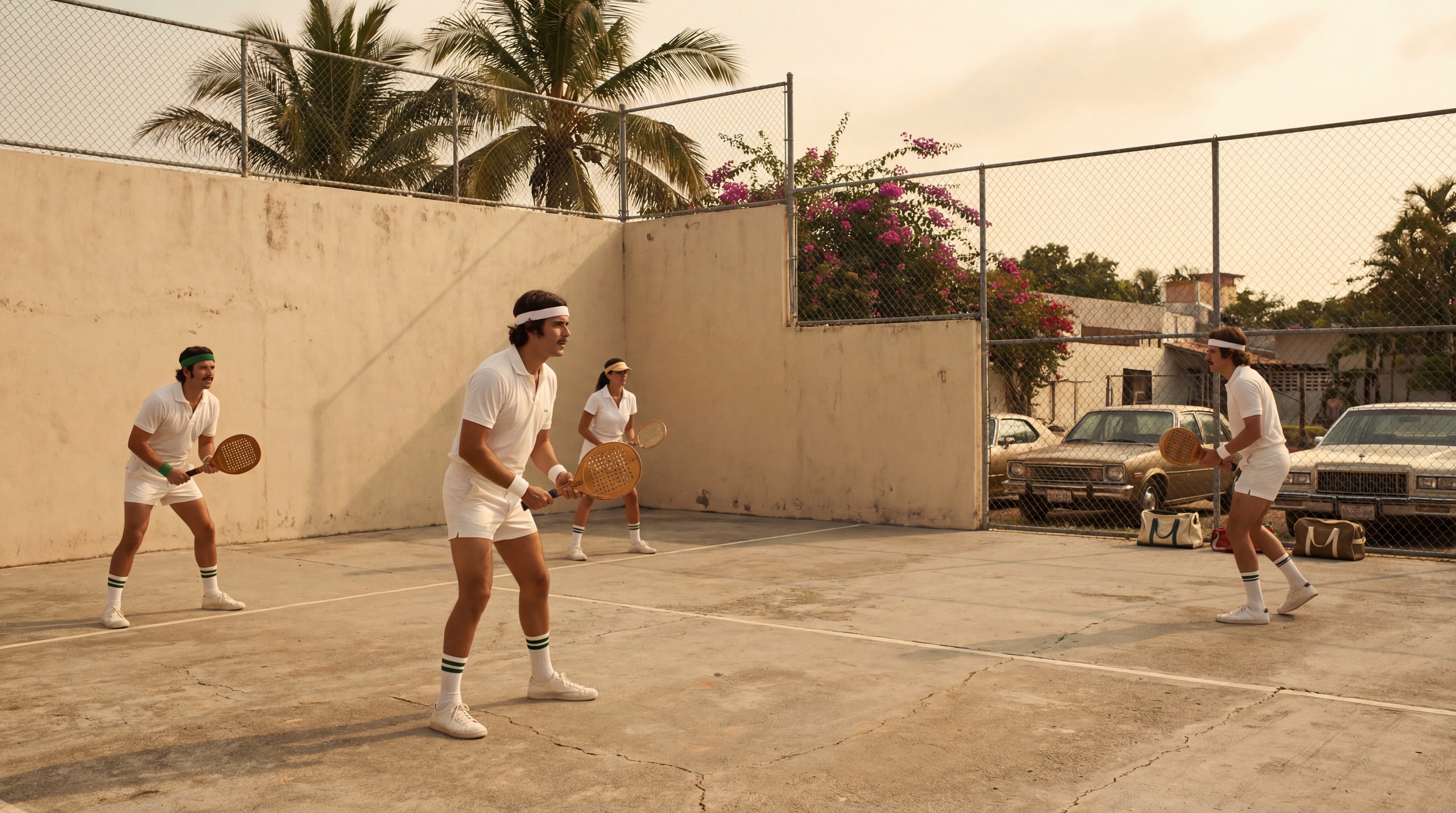
The history of padel fort lauderdale traces back to a global evolution that began with a single private court in North America. Understanding these roots helps you market the sport’s heritage to a new audience of passionate players.
Who invented the sport?
Padel was originally created in Acapulco, Mexico, in 1969 by Enrique Corcuera. He wanted a racquet sport for his home but didn’t have enough space for a full-sized tennis court.
But wait, there’s more:
- It utilized 20m x 10m dimensions.
- Enclosed walls were used to keep the ball in play.
- It quickly spread to Spain and Argentina.
How did it reach Florida?
The sport gained a foothold in Florida via international travelers and residents with ties to Latin America and Europe. Today, it is evolving into a professional industry requiring significant infrastructure.
Key Takeaway: Padel’s origins in compact, social play make it the perfect fit for modern urban development in Florida.
| Historical Phase | Era | Key Development |
|---|---|---|
| Invention | 1969 | First court in Mexico |
| European Boom | 1990s | Mass adoption in Spain |
| Florida Expansion | 2020s | Luxury facility growth |
How do you design a facility for padel fort lauderdale?
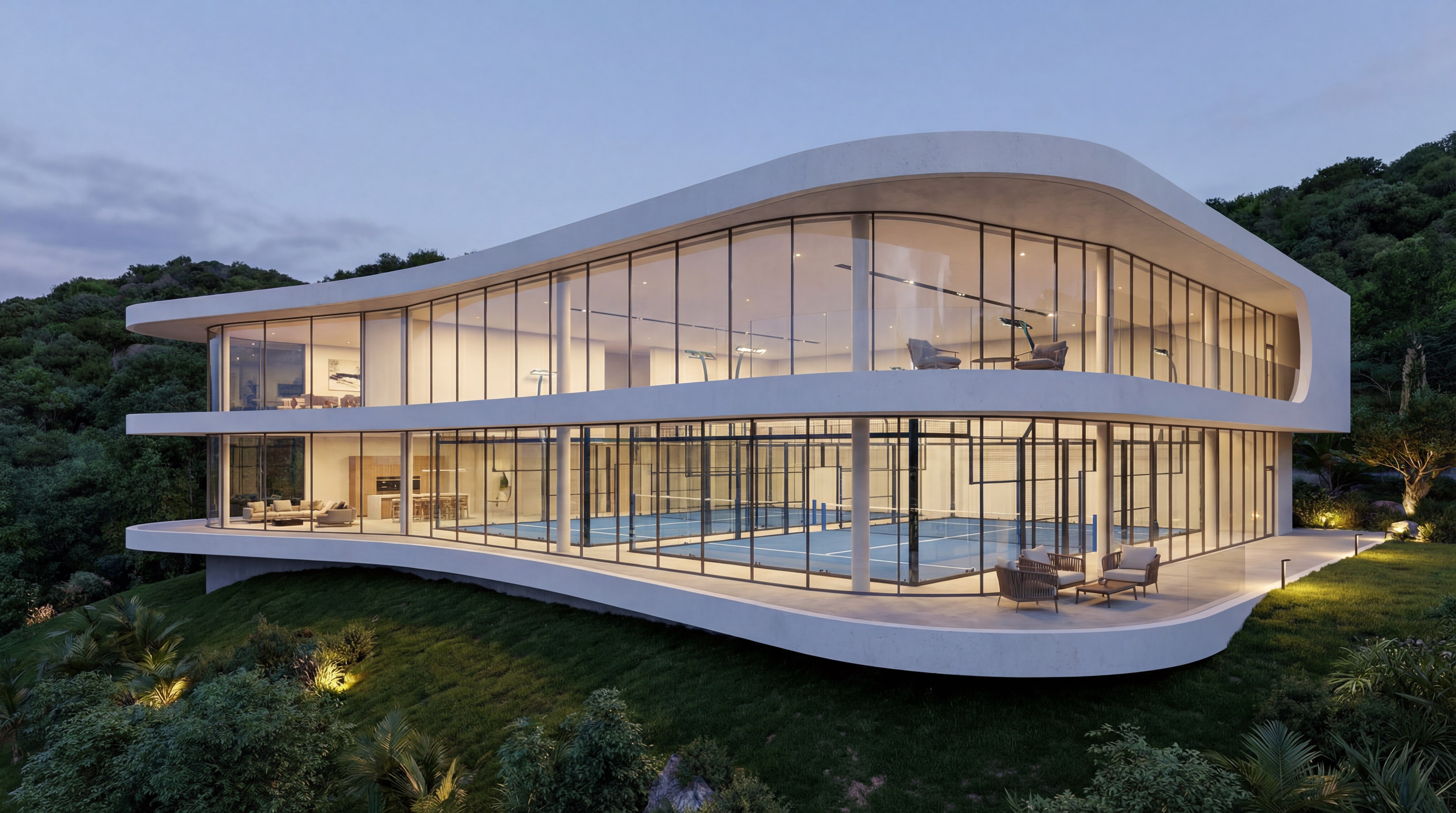
Designing a facility for padel fort lauderdale requires a focus on verticality and multi-functional spaces to maximize the return on high-value land. Modern blueprints often utilize a two-story approach to accommodate both play and social areas.
What are the building dimensions?
A professional facility typically features an 80-foot tall structure to allow for necessary indoor ceiling clearances. This height ensures that “lobs” can be played without hitting the roof structure.
Here is the deal:
- Total square footage often exceeds 59,404 sq ft.
- Ground floor usually houses the courts and parking.
- Upper levels provide viewing decks and lounges.
Should you include indoor courts?
Roofed padel courts are essential for ensuring year-round revenue regardless of Florida’s heat or seasonal rain. You can maintain a consistent climate that protects both the players and the court materials.
Key Takeaway: Height and climate control are the two most critical architectural factors for a successful indoor padel center.
| Design Element | Specification | Purpose |
|---|---|---|
| Ceiling Height | 30ft+ Clear | Allow lobs |
| Structure | 2-Story | Space efficiency |
| Cooling | Industrial HVAC | Player comfort |
What amenities define padel fort lauderdale projects?
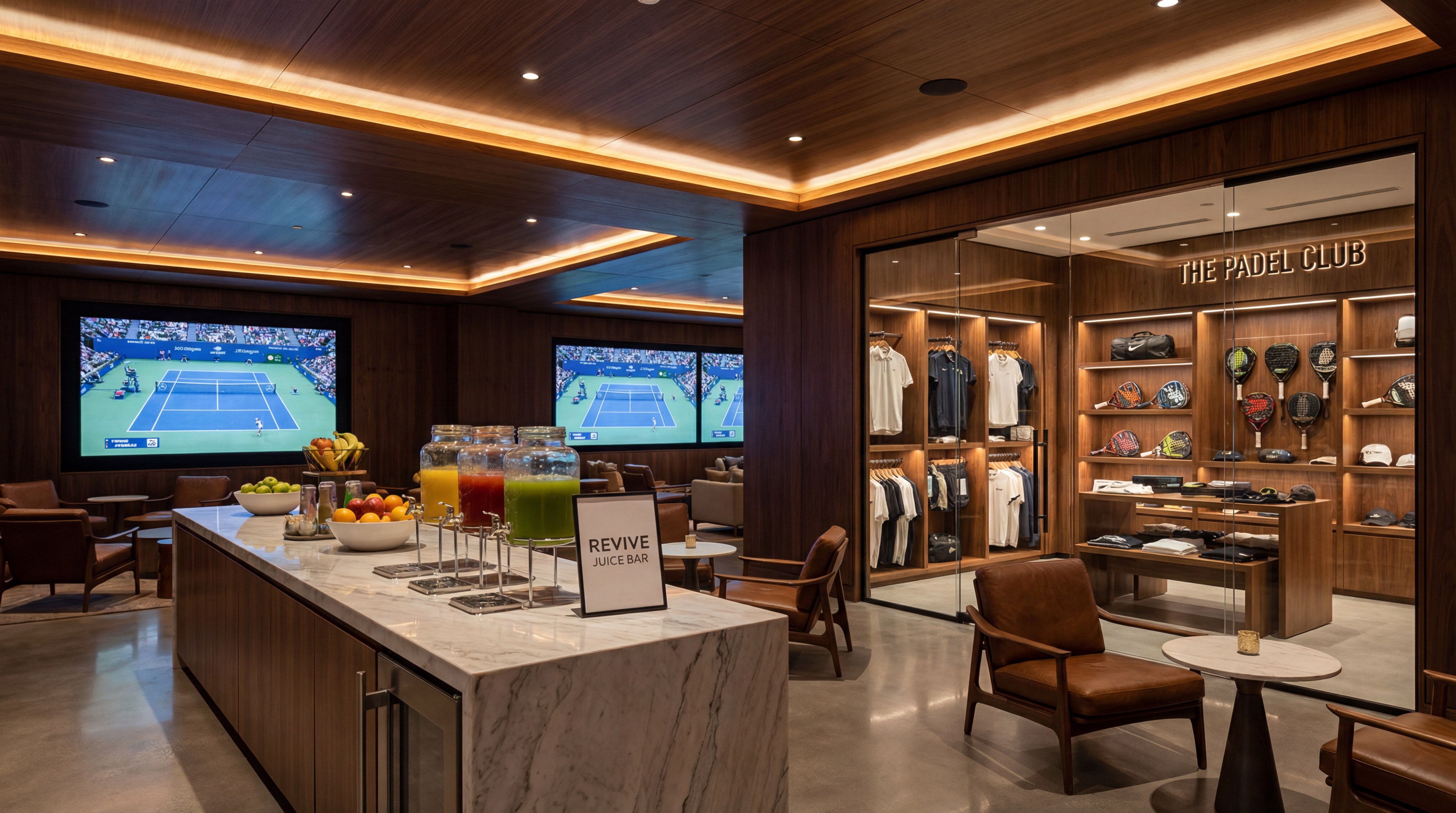
The amenities that define a premier padel fort lauderdale project focus on the “post-game” experience which keeps members on-site longer. You aren’t just building a sports court; you are building a lifestyle destination.
Is a juice bar necessary?
A dedicated juice bar of approximately 984 square feet serves as the social heart of the facility. It provides a space for players to hydrate and network after their matches.
Consider this:
- Healthy refreshment options align with player goals.
- It provides a steady secondary revenue stream.
- It increases the average time spent at the facility.
What should the pro shop offer?
A pro shop of roughly 1,098 square feet is vital for providing players with the specialized gear they need. Selling high-quality rackets and apparel establishes your facility as an industry authority.
Items to stock include:
- Professional-grade padel rackets.
- Specialized court shoes.
- Performance moisture-wicking apparel.
- High-altitude padel balls.
Key Takeaway: Secondary amenities like cafes and shops can account for a significant percentage of your total monthly profit.
| Amenity Type | Size (Approx) | Revenue Potential |
|---|---|---|
| Juice Bar | 984 sq ft | High (Recurring) |
| Pro Shop | 1,098 sq ft | Medium (Retail) |
| Lounge Area | 500+ sq ft | Indirect (Retention) |
What are the specs for a padel fort lauderdale court?
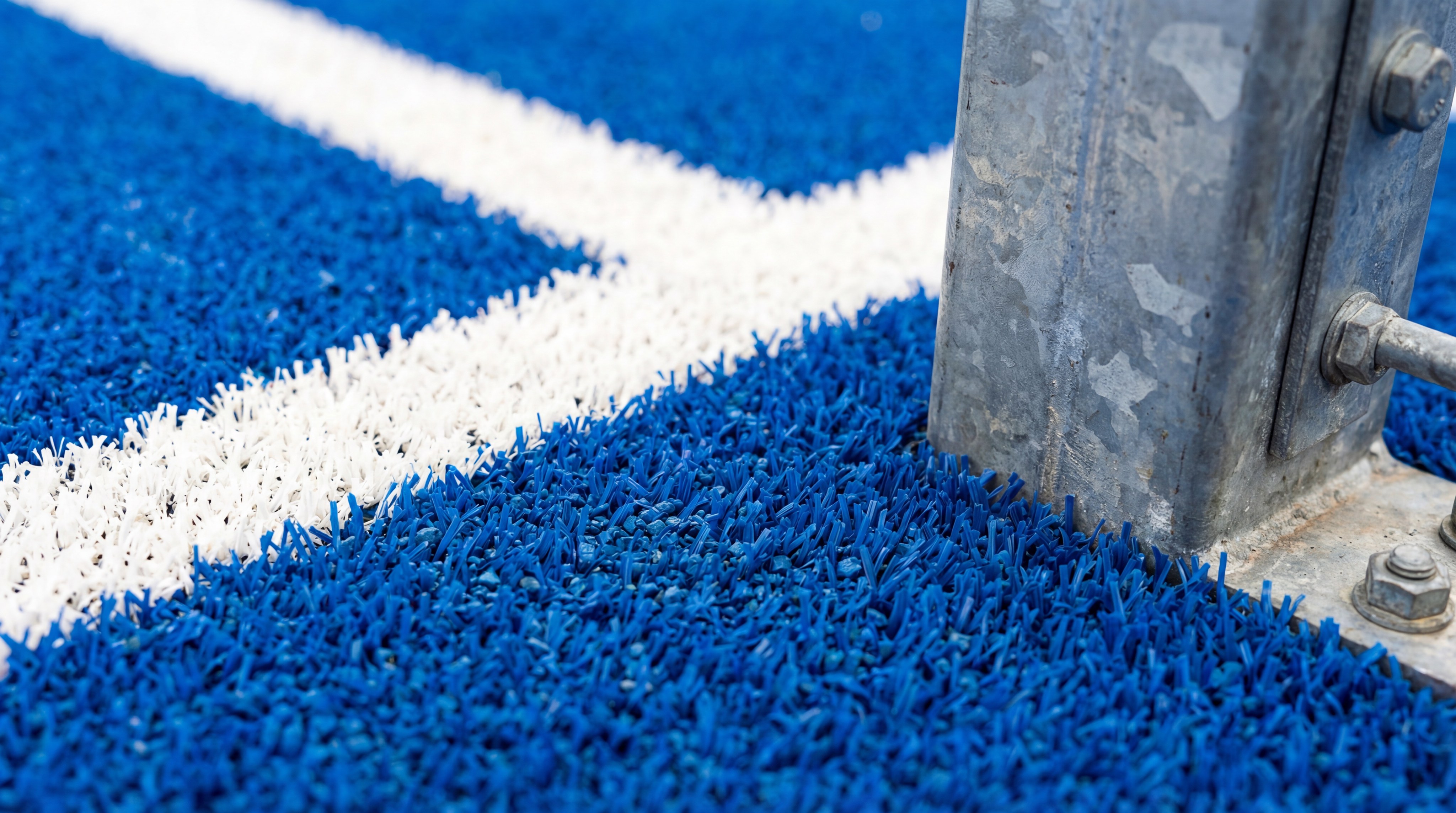
The technical specs for a padel fort lauderdale court involve a precise mix of tempered glass and specific turf densities. Adhering to international standards is non-negotiable if you want to host sanctioned tournaments.
Are standard dimensions required?
Standard dimensions for a court are 20 meters long by 10 meters wide. You must ensure the surrounding clearance allows for safe “out of court” play during high-level matches.
Believe it or not:
- The net height is 88cm at the center.
- Back walls must be 4 meters high.
- Side walls can transition to 3 meters.
What materials are used?
The padel structure typically uses galvanized steel frames and 10mm to 12mm tempered safety glass. The turf is usually a texturized monofilament designed to hold silica sand for ball bounce.
Standard components include:
- Hurricane-rated glass panels.
- Anti-corrosion steel pillars.
- LED lighting (minimum 400 lux).
Key Takeaway: Quality materials reduce long-term maintenance costs and provide the premium feel that local players expect.
| Component | Standard | Benefit |
|---|---|---|
| Glass | 12mm Tempered | Safety & Durability |
| Turf | Monofilament | Joint protection |
| Lights | 200W-300W LED | Night visibility |
How is a padel fort lauderdale facility approved?
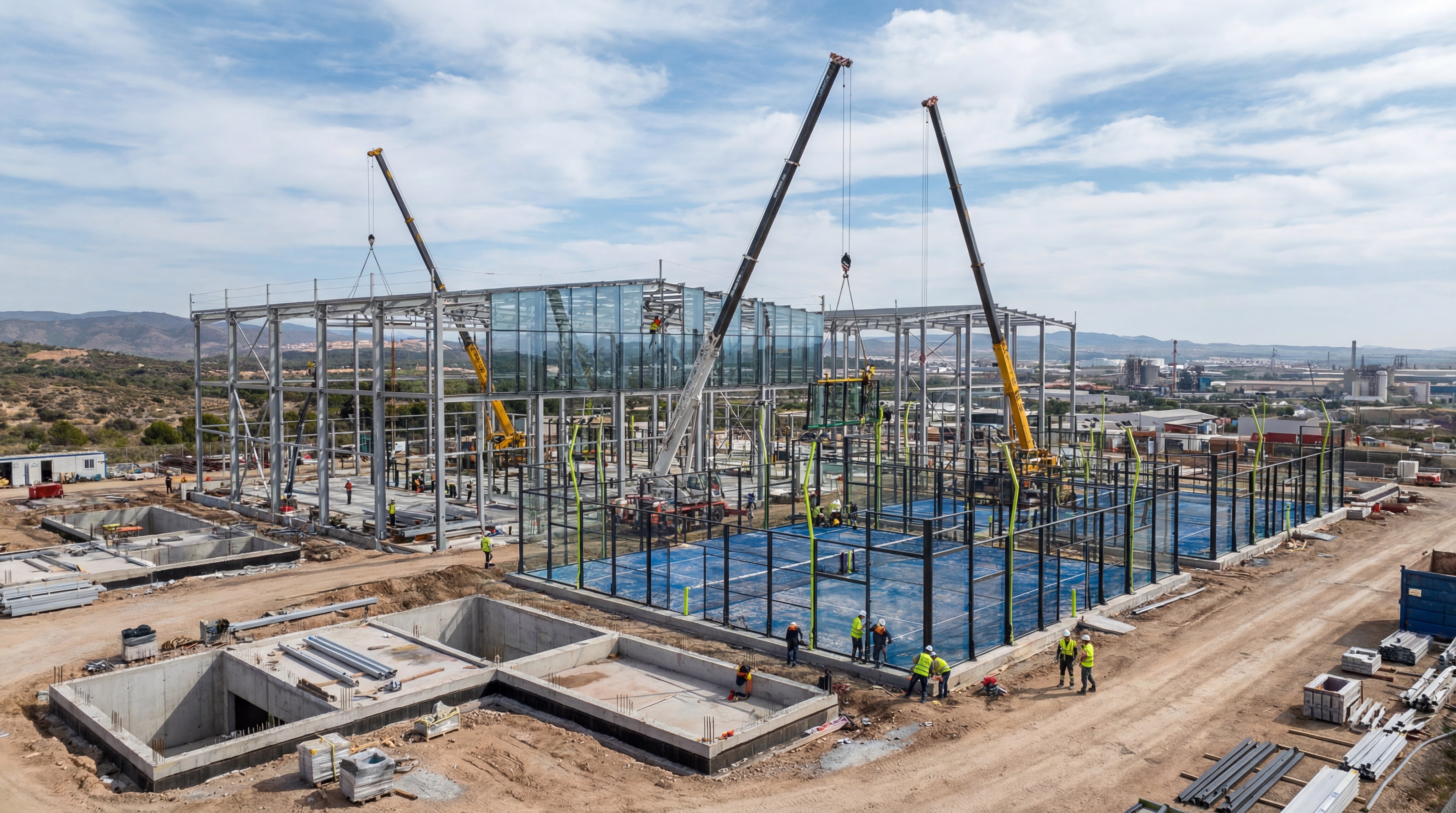
The approval process for padel fort lauderdale involves navigating the Development Review Committee and meeting strict zoning codes. You must present a comprehensive plan that addresses both land use and neighborhood impact.
What is the review process?
Your team must file detailed site plans that cover everything from architectural elevations to landscaping. The committee reviews these to ensure the 80-foot structure doesn’t negatively impact the local skyline.
The best part?
- Professional architects can streamline the filing.
- Clear signage plans help speed up visual approvals.
- Zoning for “sports facility” is generally favorable.
Does traffic impact matter?
Traffic studies are a mandatory part of the filing to predict the daily vehicle trips to the site. For a standard facility at 4000 N Federal Highway, you might project around 489 daily trips.
Traffic factors include:
- Peak hour arrival times.
- Ride-share drop-off zones.
- Surrounding street capacity.
Key Takeaway: Proactive traffic and zoning studies are the most effective way to avoid delays in the city approval process.
| Approval Step | Focus Area | Responsibility |
|---|---|---|
| Site Plan | Zoning/Usage | Developer |
| Traffic Study | Congestion | Engineer |
| Design Review | Aesthetics | Architect |
Can you build padel fort lauderdale on a small plot?
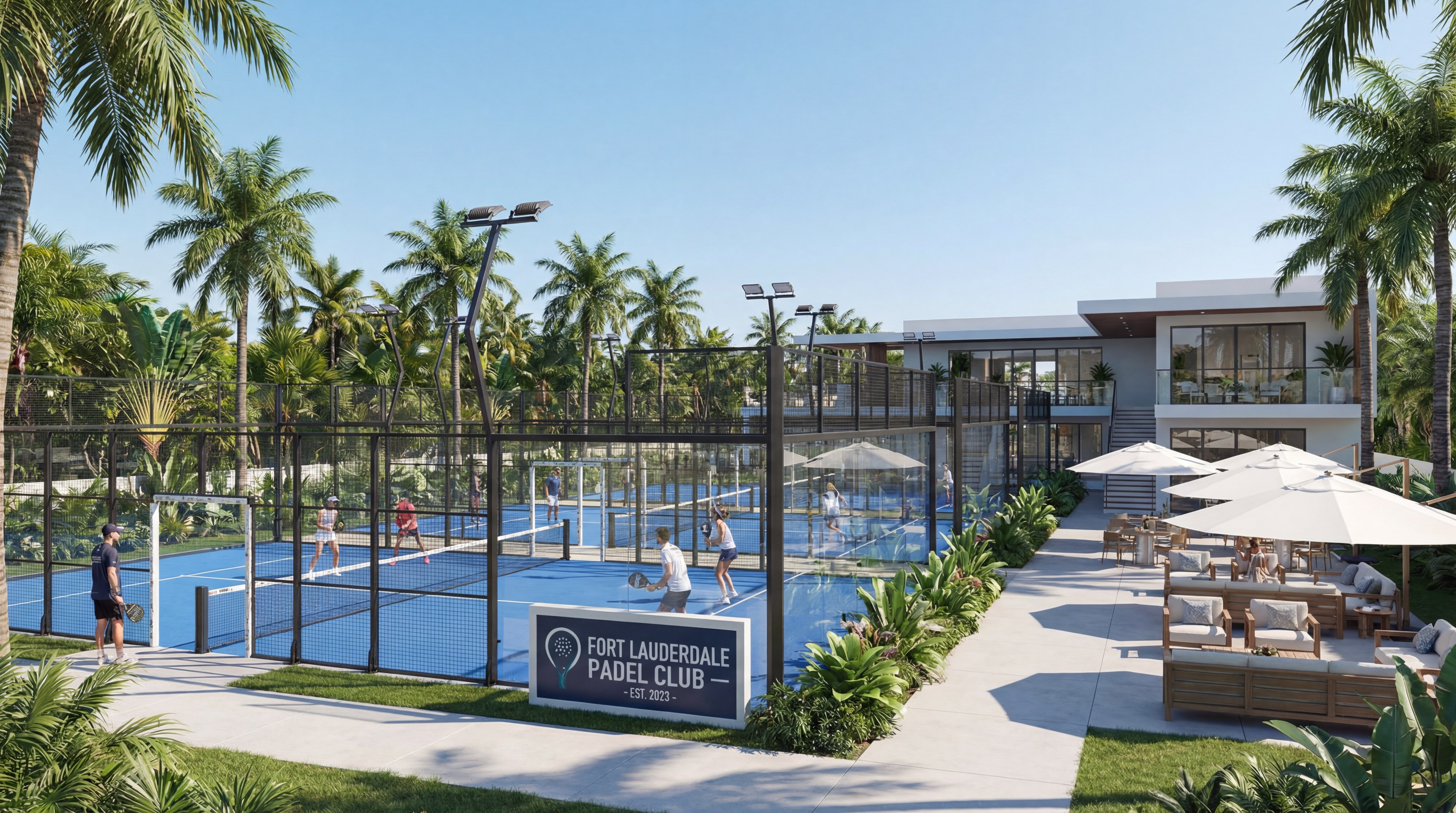
You can build padel fort lauderdale on a relatively small plot by utilizing smart parking and multi-story court stacking. A 1.01-acre assemblage is often sufficient for a mid-sized professional club.
What is the minimum acreage?
While 1.01 acres is an ideal size, the layout must be meticulously planned to fit eight courts and six pickleball courts. Every square foot of the assemblage must be optimized for player flow.
Check this out:
- Stacking courts vertically saves footprint.
- Using the roof for signage increases visibility.
- Shared zones reduce wasted hallway space.
How do you handle parking?
Providing ground-level parking for at least 65 vehicles is a common requirement for a facility of this scale. You must balance the number of spaces with the physical footprint of the building.
Parking solutions often include:
- Compact car stalls.
- Integrated lighting for safety.
- Efficient entry and exit points.
Key Takeaway: Land efficiency is the key to making an urban sports project financially viable in high-cost areas.
| Plot Metric | Value | Outcome |
|---|---|---|
| Land Area | 1.01 Acres | Optimized capacity |
| Parking Spots | 65 | Sufficient for peak |
| Daily Trips | 489 | Manageable flow |
What is the ROI for padel fort lauderdale centers?

The ROI for padel fort lauderdale centers is exceptionally high due to the low overhead of court maintenance and high hourly rental rates. Unlike gyms, you are selling specific time slots on high-demand equipment.
Are membership models effective?
Membership models provide a stable recurring revenue base that covers your monthly operational costs. You can offer tiered access that includes pro shop discounts or priority court bookings.
But wait, there’s more:
- Guest fees provide high-margin “top-up” income.
- Tournament entry fees boost weekend revenue.
- Corporate sponsorships offer annual lump sums.
Does the two-story design help?
A two-story design significantly increases your ROI by allowing you to host twice as many activities on the same land. You can run clinics on the ground floor while hosting social events on the second level.
Key Takeaway: Diversity of revenue—from court rentals to juice bars—protects the business against seasonal fluctuations.
| Revenue Stream | Margin | Frequency |
|---|---|---|
| Court Rental | Very High | Hourly |
| Juice Bar | High | Per Visit |
| Retail Shop | Medium | Per Sale |
How do you choose glass for padel fort lauderdale?
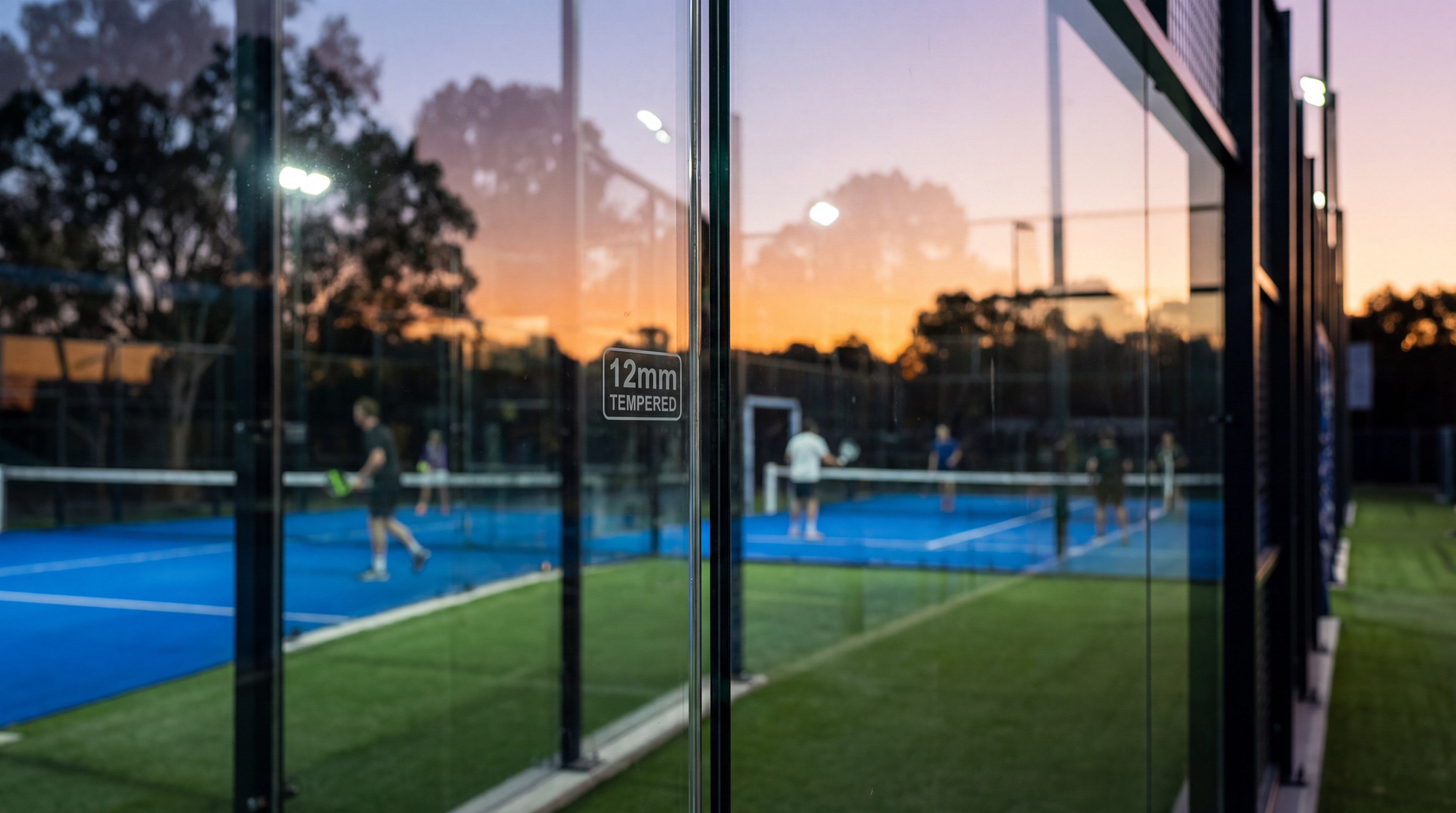
Choosing glass for padel fort lauderdale involves selecting panels that can withstand both ball impacts and regional weather events. Safety and visibility are the two most important factors for player satisfaction.
Is panoramic glass better?
Panoramic courts remove the vertical metal pillars between the panels, providing an unobstructed view for spectators. This is the preferred choice for center courts where “show” matches are held.
Here is the kicker:
- It enhances the luxury feel of the club.
- It makes the space feel larger and more open.
- It allows for better video recording of matches.
What about safety ratings?
All glass must be heat-soaked and tempered to meet international safety standards. For super panoramic installations in Florida, it is also wise to ensure the frames are hurricane-rated.
Safety features to check:
- 12mm thickness for high-impact zones.
- Polished edges to prevent cuts.
- Certified installation to avoid stress fractures.
Key Takeaway: Premium glass is an investment in both player safety and the long-term aesthetic of your brand.
| Glass Type | View Quality | Durability |
|---|---|---|
| Standard | Good | High |
| Panoramic | Excellent | High |
| Hurricane Rated | Good | Extreme |
Who can help build your padel fort lauderdale venue?
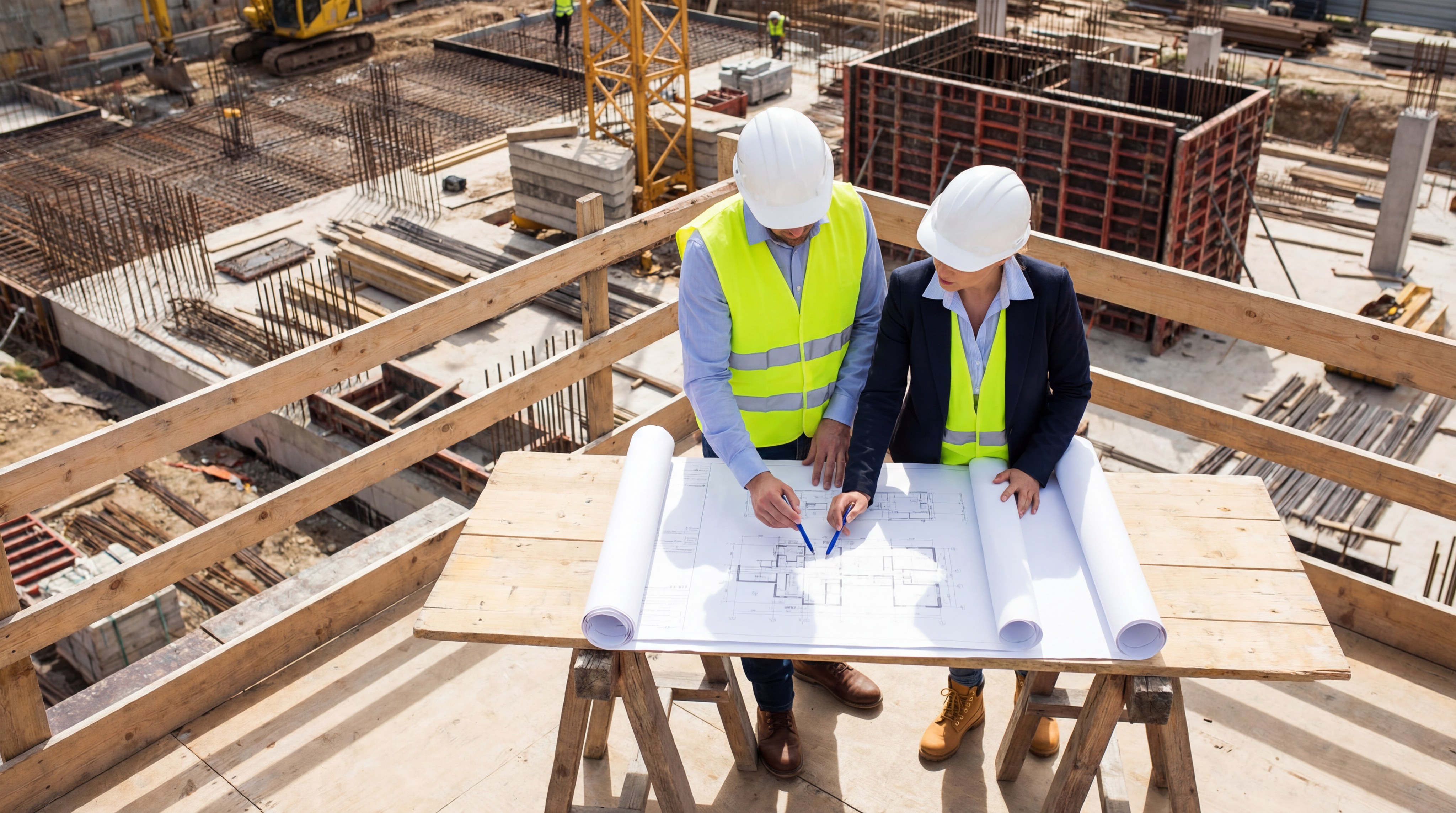
Finding the right partners to build your padel fort lauderdale venue is the difference between a successful launch and a stalled project. You need a team that understands both technical requirements and Florida’s building codes.
Should you hire an architect?
Hiring an architect who specializes in sports facilities is essential for managing the 59,404 square feet of total construction. They will ensure the decorative banding and glass-paneled sections are executed perfectly.
You should look for:
- Experience with 2-story sports structures.
- Knowledge of Fort Lauderdale Development Review.
- Ability to integrate pro shops and cafes.
What is the next step?
The next step is to finalize your site assemblage and begin the engineering phase. Once the floor plans for the 8 padel courts are set, you can begin the permitting process.
Key Takeaway: A specialized team reduces the risk of design errors that could make your courts unplayable for professionals.
| Partner Role | Primary Task | Key Output |
|---|---|---|
| Architect | Design & Aesthetics | Blueprints |
| Engineer | Structural Integrity | Site Approvals |
| Manufacturer | Court Components | Professional Turf/Glass |
Padel Development FAQ
How do I know if my ceiling is high enough?
Yes, you generally need at least 8 to 10 meters of clear height. This ensures that defensive lobs do not hit the structure, which is a common requirement for professional play.
What’s the best way to handle high traffic?
You should implement a digital booking system and ensure your 65 parking spaces are managed efficiently. A traffic study during the planning phase will help you identify potential bottlenecks.
Can I include other sports like pickleball?
Absolutely, many successful facilities combine 8 padel courts with 6 indoor pickleball courts. This diversifies your user base and ensures the facility remains active throughout the day.
What’s the best material for outdoor courts?
Galvanized steel with an anti-corrosion coating is best. This prevents rust in Florida’s humid climate and ensures the structure remains safe for years.
How do I know if the glass is safe?
You should only use 10mm or 12mm tempered safety glass that has been heat-soak tested. This ensures the panels can handle player impact and the force of the game.
Building a world-class padel fort lauderdale facility is a strategic move into the future of sports real estate. By focusing on professional-grade materials, luxury amenities, and architectural excellence, you create a destination that stands the test of time. At Superb Padel, we are dedicated to helping you realize this vision with precision-engineered court solutions. Contact us today to start your journey toward developing the next iconic sports landmark in Florida.