
Padel tennis is a high-energy racket sport played in doubles within a glass enclosure, and you build it by layering synthetic turf over a reinforced concrete foundation surrounded by tempered glass walls. Stepping onto the court without understanding the specific padel tennis rules can be incredibly frustrating for any newcomer. You might find yourself constantly second-guessing your shots or, even worse, losing critical matches because of avoidable fouls and technicalities. This guide solves those hurdles by providing a clear, professional breakdown of the game’s mechanics and construction requirements at superbpadel.com/.
What are the primary padel tennis rules?
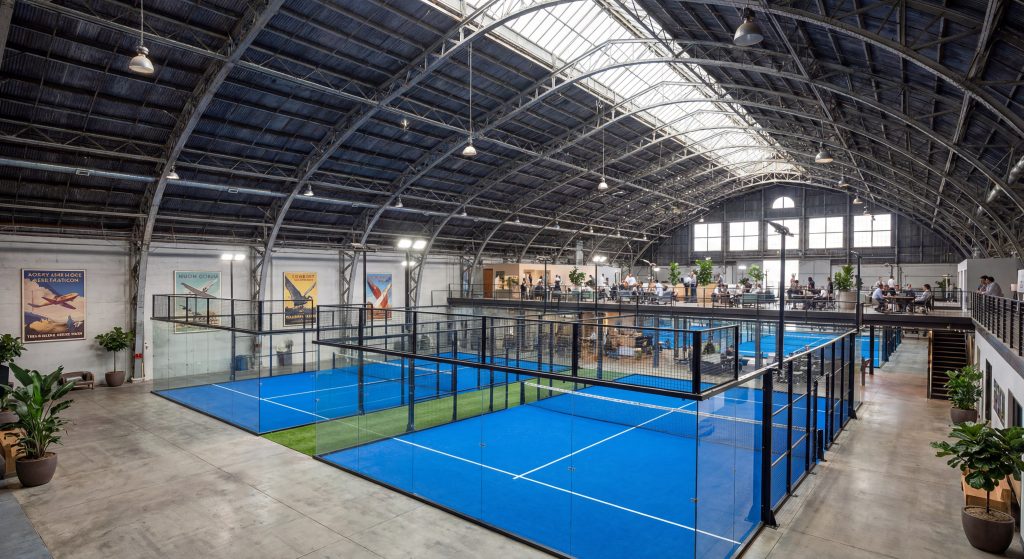
The primary padel tennis rules mandate that the game is played in a doubles format on a court enclosed by glass and wire mesh. This unique structure allows players to play the ball off the walls, provided it bounces once on the ground first. These regulations ensure a fast-paced environment where strategy often outweighs brute strength.
How to explain the game to others?
You can describe the sport as a strategic fusion of tennis and squash. To effectively explain what is padel tennis to new players, focus on the social nature of the doubles format.
Here is the thing:
- The court is roughly 25% smaller than a standard tennis court.
- Rackets are solid with holes rather than strings.
- The perimeter walls are active participants in every rally.
What is the history of the sport?
Understanding the origins helps you grasp padel meaning and its origin in modern sport more effectively. The game was invented in Mexico in 1969 as a way to enjoy racket sports in a confined residential space.
Think about this:
- It began as a backyard variation of fronton.
- The enclosed design was meant to keep balls from entering neighbor’s yards.
- It evolved into a global phenomenon starting in Spain and Argentina.
Key Takeaway: Grasping the basic structure of the sport allows you to transition from a confused beginner to a strategic player who utilizes the court’s unique dimensions.
| Rule Category | Description |
|---|---|
| Format | 2 vs 2 (Doubles only) |
| Wall Play | Allowed after one ground bounce |
| Ball Type | Low-pressure tennis-style ball |
Analyzing the primary structure shows that padel rewards consistent positioning over the high-speed serves found in traditional tennis.
How does the serve work under padel tennis rules?
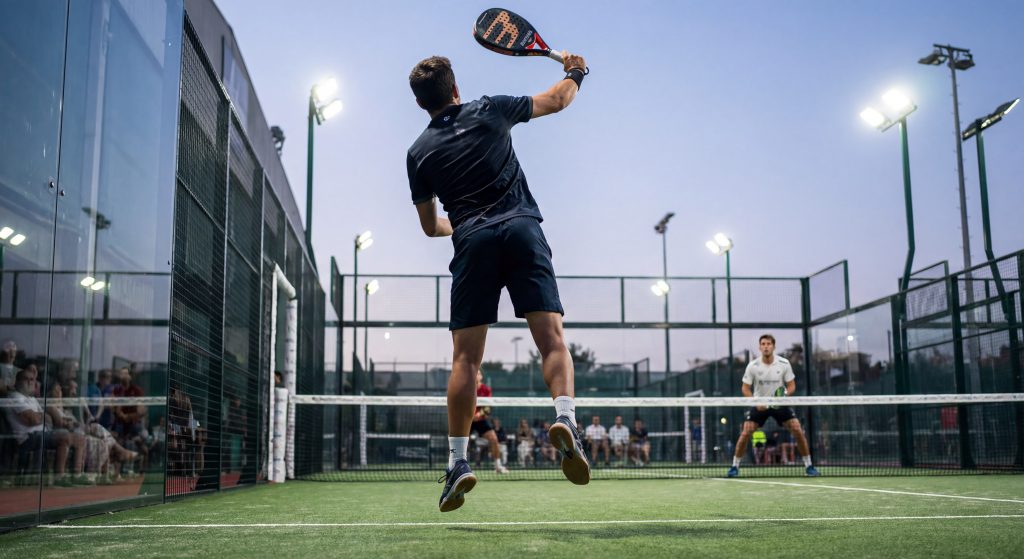
The serve must be performed underhand after a single bounce behind the service line according to padel tennis rules. The player must strike the ball at or below waist level while keeping both feet behind the line. This approach ensures that the point starts with a manageable rally rather than an unreturnable ace.
Where should the ball land?
The serve must travel diagonally across the net and land within the opponent’s service box. If the ball bounces in the box and then hits the glass, it is considered a valid play.
Here is the kicker:
- The ball cannot hit the wire mesh fence after the initial bounce on a serve.
- You must serve into the box diagonally opposite your position.
- The server alternates sides after every point in the game.
When do you get a second chance?
Padel allows for a second serve if the first attempt results in a fault. A fault occurs if the ball fails to reach the service box or hits the net without crossing.
Wait, there is more:
- A “let” is called if the ball hits the net and lands in the box.
- Let serves do not count as faults and are simply replayed.
- Missing both serves results in a “double fault” and loss of the point.
Key Takeaway: Mastering the underhand serve is the first step to controlling the tempo of the match and avoiding unnecessary point losses.
| Serve Outcome | Action Required |
|---|---|
| Hits Net then Box | Let (Replay) |
| Hits Mesh after Box | Fault |
| Hits Glass after Box | Good Serve |
The serving mechanics are designed to initiate play fairly, placing more emphasis on the subsequent tactical rally.
How is scoring handled in padel tennis rules?
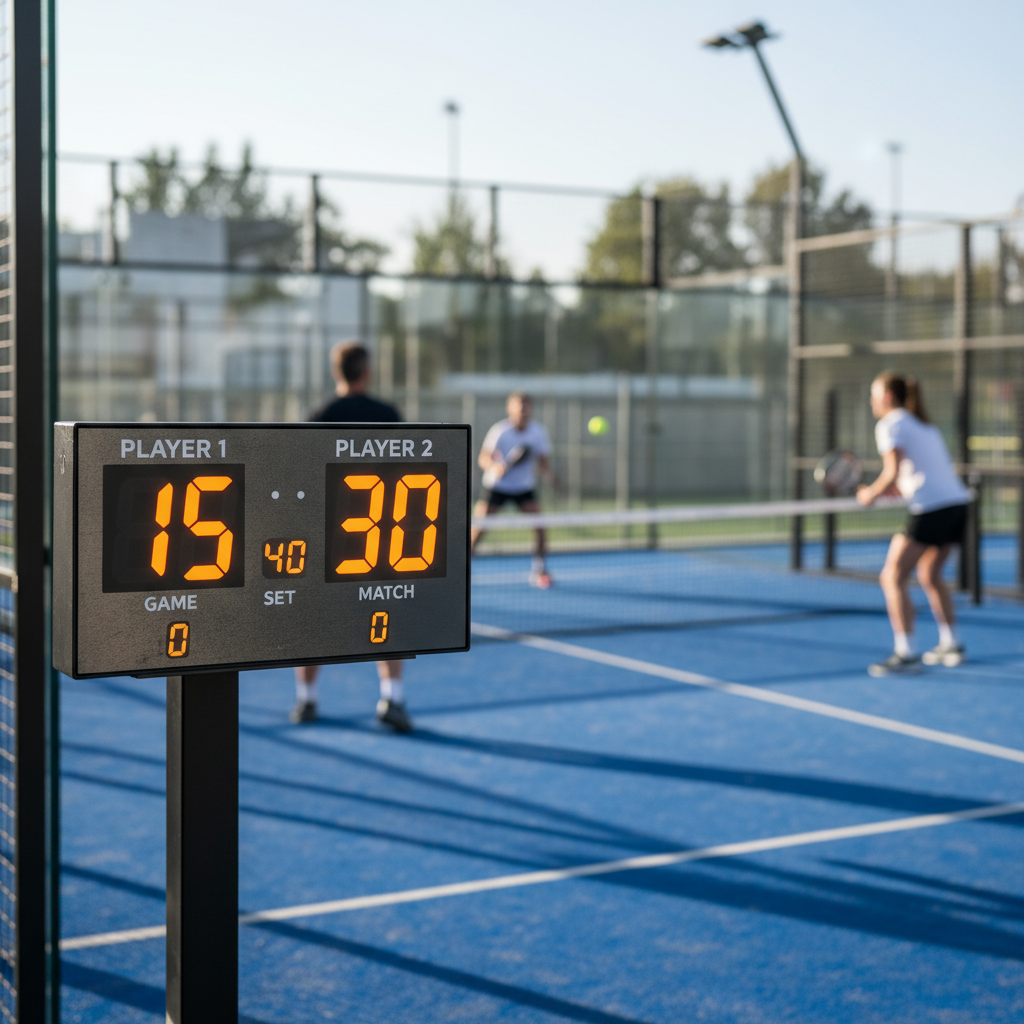
Scoring follows the traditional tennis sequence of 15, 30, 40, and Game under official padel tennis rules. Most matches are played as the best of three sets, requiring six games to win a set. This familiar system makes it easy for athletes from other racket disciplines to adapt quickly.
How to track points correctly?
You win a point whenever the opponent fails to return the ball within the legal boundaries. To score a padel point under official match rules, the ball must bounce twice on the other side or be hit out of bounds by the rival.
Look:
- 15 represents the first point won.
- 30 is the second point.
- 40 is the third point.
- The fourth point wins the game unless there is a deuce.
What is the golden point rule?
The “Punto de Oro” or Golden Point is often used in professional play to decide a game tied at 40-40. Instead of playing for an advantage, the next single point determines the winner.
Check this out:
- The receiving team chooses which side the serve comes from.
- It eliminates long, repetitive deuce cycles.
- This rule adds immense pressure and excitement to the match.
Key Takeaway: Understanding the scoring system ensures you can maintain focus on your strategy rather than being distracted by the scoreboard.
| Score Threshold | Padel Terminology |
|---|---|
| 0 | Love |
| 40 – 40 | Deuce / Golden Point |
| 6 Games | Set (with 2-game lead) |
The use of the Golden Point highlights padel’s focus on high-stakes, fast-moving gameplay that appeals to modern audiences.
What are the padel tennis rules for using walls?
The walls are an integral part of the field of play, but the ball must bounce on the turf before touching the glass according to padel tennis rules. If a player hits the ball directly into the opponent’s glass without it touching the ground first, the ball is considered “out.” This distinction is the most important rule for beginners to internalize.
Can you hit your own glass?
You are legally allowed to hit the ball against your own glass wall to send it over the net. This is often used as a defensive maneuver when you are out of position.
Believe it or not:
- You cannot hit the ball against your own wire mesh fence.
- Using the back glass allows for high, defensive lob shots.
- The ball must still cross the net and land in the opponent’s court.
How does the wire mesh behave?
The wire mesh creates unpredictable bounces that can catch even experienced players off guard. It is strategically used to make returns more difficult for the opposing team.
Here is the secret:
- During a rally, hitting the mesh after a ground bounce is legal.
- It is often used to “deadness” the ball’s momentum.
- You cannot use your own mesh to help the ball over the net.
Key Takeaway: Learning to read the rebounds off the glass and mesh will turn the court’s enclosure into your greatest competitive advantage.
| Wall Type | Bounce Requirement | Strategy |
|---|---|---|
| Back Glass | Must hit ground first | Use for defensive lobs |
| Side Glass | Must hit ground first | Use for sharp angles |
| Wire Mesh | Must hit ground first | Use for irregular bounces |
Strategic wall play effectively increases the “size” of the court by providing extra time to reach difficult shots.
How to build a court using padel tennis rules?
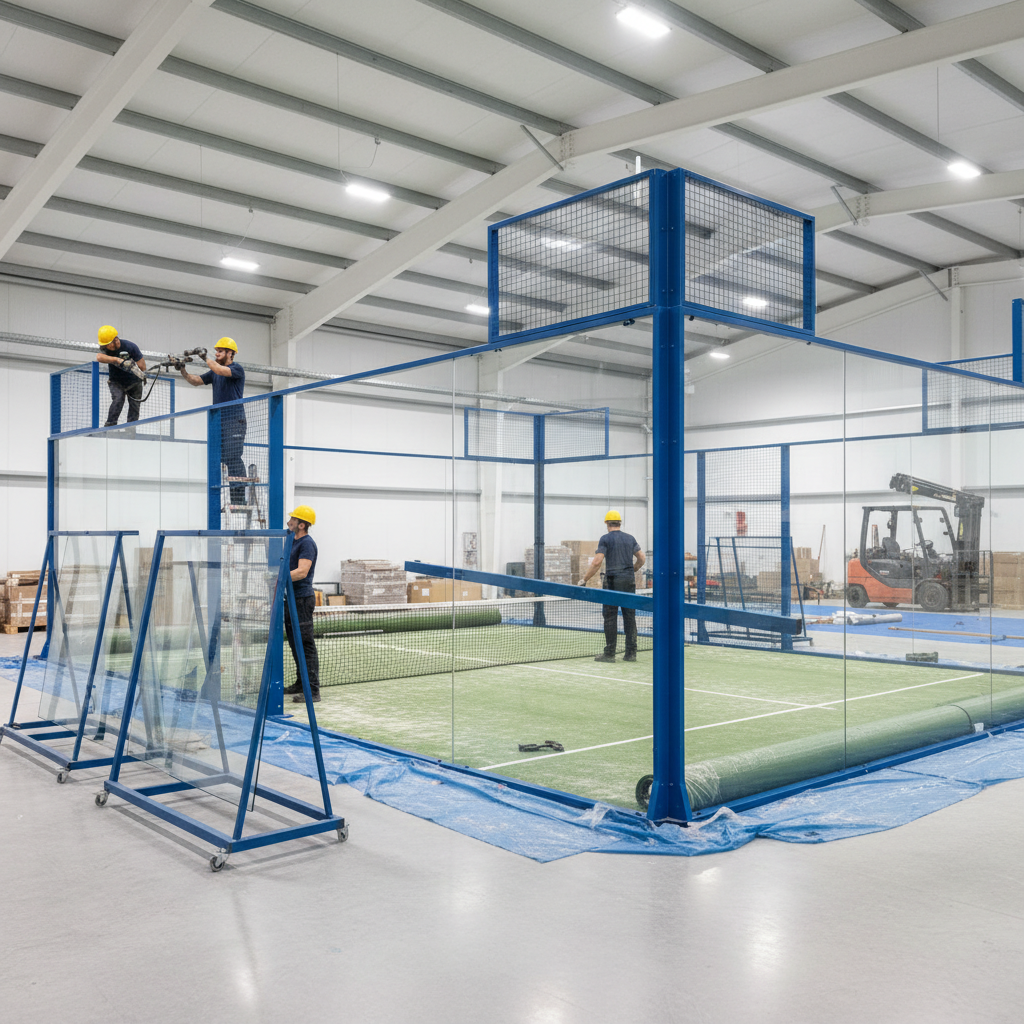
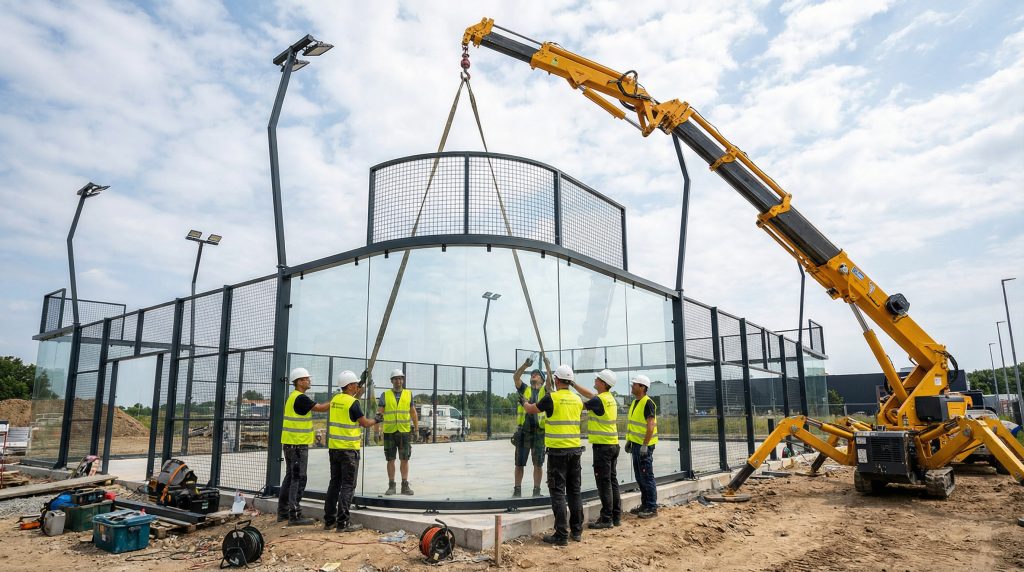
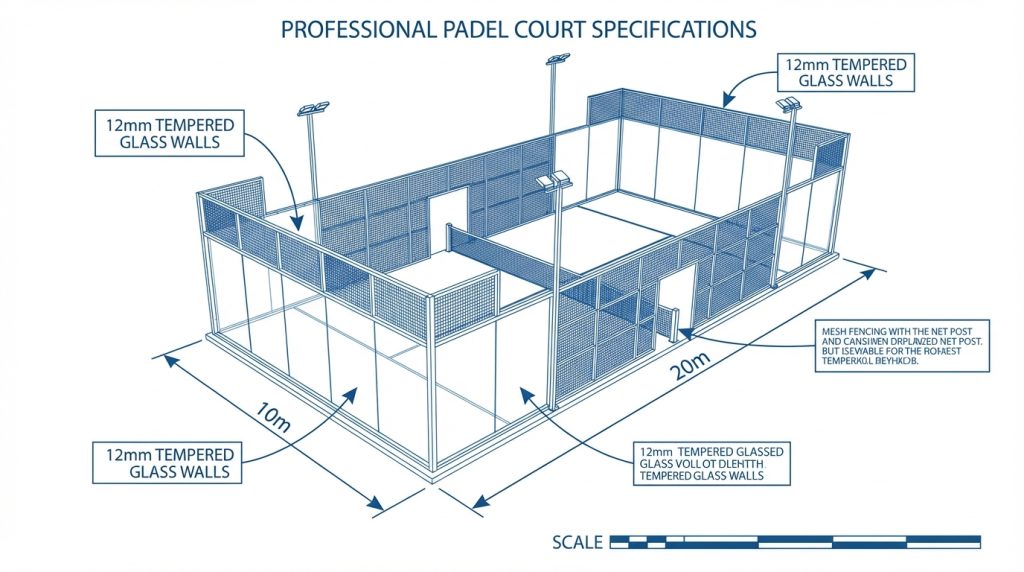
You build a professional court by ensuring the internal dimensions are exactly 10 meters wide and 20 meters long as per padel tennis rules. The construction requires a specialized combination of tempered glass, steel frames, and high-quality synthetic turf. Ensuring these specifications are met is vital for official tournament certification and player safety.
What are the layout requirements?
The layout must include a net in the center and service lines located 6.95 meters from the net. To compare padel tennis vs pickleball court size and layout, one must note that padel requires significantly more vertical clearance.
Think about this:
- A minimum height of 6 meters is required for the ceiling.
- The net height is 88cm at the center and 92cm at the posts.
- Lighting must be evenly distributed to avoid shadows on the glass.
Which materials are best?
Selecting the right materials determines the longevity and playability of your court. The glass panels must be tempered to withstand the impact of players and balls.
The bottom line is this:
- Tempered glass should be 10mm or 12mm thick.
- Synthetic turf is typically filled with fine silica sand.
- The steel structure must be treated for corrosion resistance.
Key Takeaway: Investing in high-grade materials and precise dimensions ensures your court provides a professional-level experience for years.
| Construction Element | Specification | Importance |
|---|---|---|
| Dimensions | 10m x 20m | Standardized gameplay |
| Glass Type | Tempered Safety Glass | Player protection |
| Turf Infill | Silica Sand | Consistent ball bounce |
Proper construction focus ensures that the court remains a safe and profitable asset for private or club use.
What equipment meets official padel tennis rules?
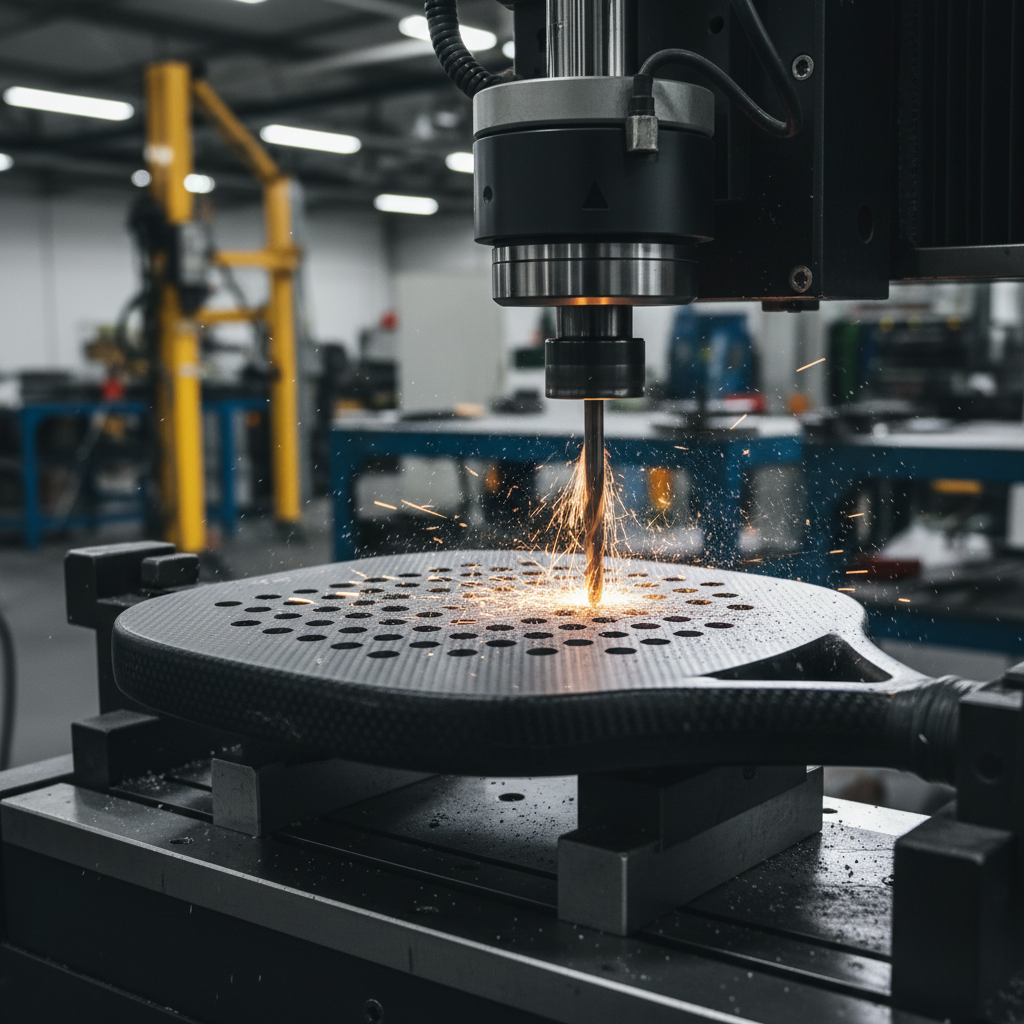
Official equipment must include a stringless racket and low-pressure balls that satisfy the technical criteria of padel tennis rules. The racket features a thick profile and a perforated surface to reduce air resistance and improve control. Using the wrong gear can significantly alter the game’s dynamics and may even lead to injury.
What defines a legal racket?
A legal racket cannot exceed 45.5 centimeters in length or 38 millimeters in thickness. These constraints prevent players from gaining an unfair reach or power advantage.
Here is the thing:
- Every racket must have a safety wrist strap.
- The core is usually made of EVA foam or foam rubber.
- The face is typically carbon fiber or fiberglass.
Why are the balls different?
While they look like tennis balls, padel balls are specifically pressurized to a lower level. This creates a slower game that is more suited to the smaller, enclosed court.
It gets better:
- Padel balls have a pressure of about 10 to 11 psi.
- They are slightly smaller than standard tennis balls.
- Lower pressure allows for more manageable rebounds off the glass.
Key Takeaway: Using certified equipment is essential for maintaining the intended speed and safety of the sport.
| Equipment Item | Primary Requirement | Critical Feature |
|---|---|---|
| Racket | Stringless / Perforated | Safety Wrist Strap |
| Balls | Low Pressure (10 psi) | Consistent Rebound |
| Footwear | Clay/Omni Soles | Sand Traction |
High-quality carbon fiber equipment provides the durability needed for the intense impact characteristic of competitive padel.
How do tie-breaks function in padel tennis rules?

A tie-break is triggered when a set reaches a 6-6 score in games, according to the standard padel tennis rules. The tie-break is a race to seven points, and the winning team must have a margin of at least two points. This format ensures that sets are decided by skill rather than endless game cycles.
How is serving rotated?
Serving in a tie-break follows a specific pattern to ensure fairness for both teams. The first player to serve only performs one serve from the right side.
Now:
- Subsequent servers perform two serves each.
- The rotation moves from right side to left side.
- Teams switch ends of the court every six points.
What happens at 7-7?
If the score reaches seven points each, the tie-break continues until one team gains a two-point lead. This sudden-death atmosphere is often the highlight of professional matches.
Think about this:
- The pressure shifts with every single point.
- Communication between partners is vital during these moments.
- The winner of the tie-break wins the set 7-6.
Key Takeaway: Mastering the tie-break logic allows you to remain calm and focused during the most high-pressure moments of a tournament.
| Tie-break Score | Result |
|---|---|
| 7 – 5 | Set Over |
| 6 – 6 | Continue Play |
| 8 – 6 | Set Over |
Tie-breaks are the ultimate test of a team’s mental resilience and tactical coordination under extreme pressure.
What are common fouls within padel tennis rules?
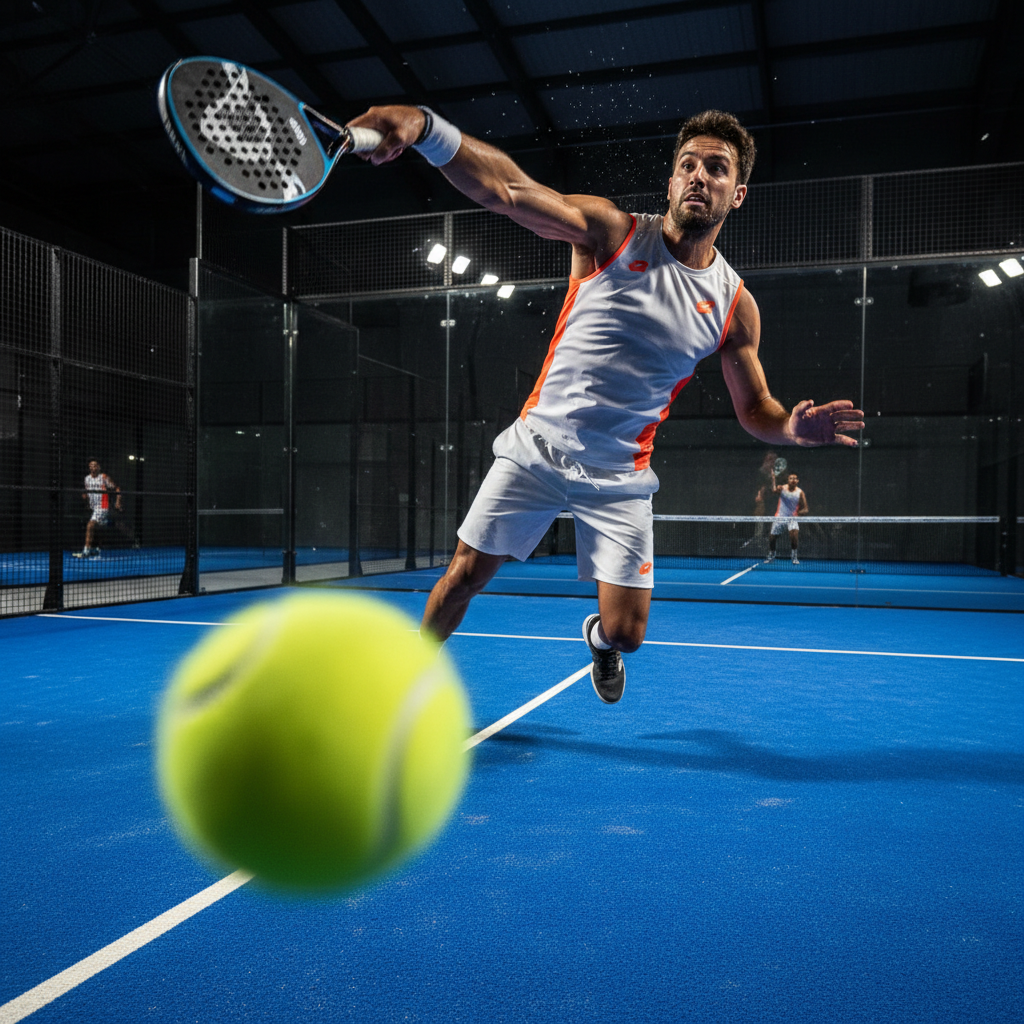
Touching the net or hitting the ball twice are among the most common fouls penalized by padel tennis rules. If any part of your body, clothing, or racket touches the net while the ball is in play, the point is immediately awarded to the opponent. Maintaining physical awareness of your surroundings is just as important as your hitting technique.
What is a double hit?
A double hit occurs if the ball strikes the racket face twice during a single swing or if both partners hit it. This is strictly prohibited in competitive play.
Here is the secret:
- The strike must be one continuous motion.
- You cannot “carry” the ball on the racket.
- If the ball hits the frame and then the face, it is usually a foul.
Can you reach over the net?
Players are generally not allowed to reach over the net to strike the ball. However, there is one specific exception that every player should know.
Wait, there is more:
- You can reach over if the ball has bounced on your side and is spinning back.
- You cannot touch the net even during this exception.
- Your racket can cross the plane of the net after a follow-through.
Key Takeaway: Avoiding technical fouls is the easiest way to prevent “giving away” points to your opponents.
| Foul Type | Penalty | Prevention |
|---|---|---|
| Net Touch | Loss of Point | Stay 1 foot away from net |
| Double Hit | Loss of Point | Clean, single strikes |
| Out of Bounds | Loss of Point | Aim for the turf first |
Strict adherence to foul regulations maintains the integrity of the sport and rewards players with superior body control.
How to manage positioning using padel tennis rules?
Effective positioning involves a constant transition between the net and the back wall to follow the flow of padel tennis rules. The general strategy is for both partners to move in unison, either attacking the net or defending from the baseline. This “mirroring” technique ensures that there are no open gaps for the opponents to exploit.
How to improve your court control?
You should strive to apply padel tips to improve control and positioning by dominating the net area whenever possible. Controlling the net allows you to hit downward volleys that are much harder to return.
Here is the thing:
- The “Transition Zone” is the middle of the court where you are most vulnerable.
- Staying too far back allows opponents to drop the ball short.
- Good positioning requires constant communication with your partner.
Where do you stand for tournaments?
In a competitive setting, you must organize a padel tournament that attracts top players by ensuring players understand court etiquette. Most players start points in a “one up, one back” formation during the serve.
Think about this:
- The server stays back while the partner guards the net.
- After the return, the server quickly moves forward to join their partner.
- Defensive positioning requires standing behind the service line.
Key Takeaway: Mastering the art of movement and partner synchronization will allow you to control the pace of the game regardless of your opponent’s power.
| Player State | Ideal Position | Objective |
|---|---|---|
| Attacking | 1-2 meters from Net | Aggressive volleys |
| Defending | Behind Service Line | Reading wall rebounds |
| Transition | Moving between zones | Closing the gap |
Consistent positioning is the hallmark of advanced play, as it minimizes the distance you need to travel to reach the ball.
Where can I find more on padel tennis rules?
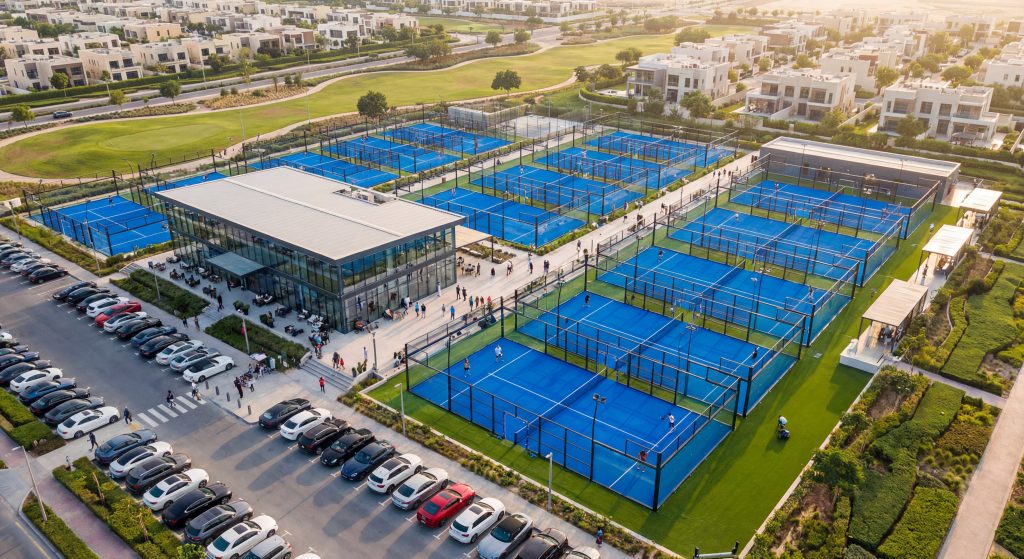
Finding comprehensive data on padel tennis rules is essential for anyone looking to build a court or enter their first tournament. Official organizations provide the most up-to-date regulations regarding court dimensions, equipment standards, and match conduct. By staying informed, you ensure that your play remains fair and your court construction meets international standards.
Can I play padel singles?
Official rules are designed for doubles, but you can play singles on a specialized, narrower court. Standard 10×20 courts are generally too wide for a balanced 1v1 game.
What’s the best surface for a new court?
Textured monofilament synthetic turf is the gold standard for professional play. It provides the best balance of grip and player joint protection when filled with silica sand.
How do I know if the ball is “in” or “out”?
The ball is “in” if it touches the turf first, even if it subsequently hits the wall or fence. It is “out” if it hits any part of the enclosure before touching the ground.
Can I use a regular tennis racket?
No, because padel rackets must be stringless and satisfy specific size requirements. Using a tennis racket is dangerous in an enclosed court and violates all official regulations.
What’s the best way to handle a ball hitting the back glass?
Wait for the ball to pass you and bounce off the glass before striking it. This “letting it through” technique gives you more time and better leverage for your return.
Padel is more than just a game; it is a lifestyle that combines athletic rigor with social connection. By mastering the rules and understanding the requirements of court construction, you are setting yourself up for success in one of the world’s most exciting sports. We are here to help you navigate every step of your padel journey, from your first serve to the construction of your own private facility. Our brand stands for quality, precision, and the growth of the global padel community. To take the next step in your sporting journey, contact us today.