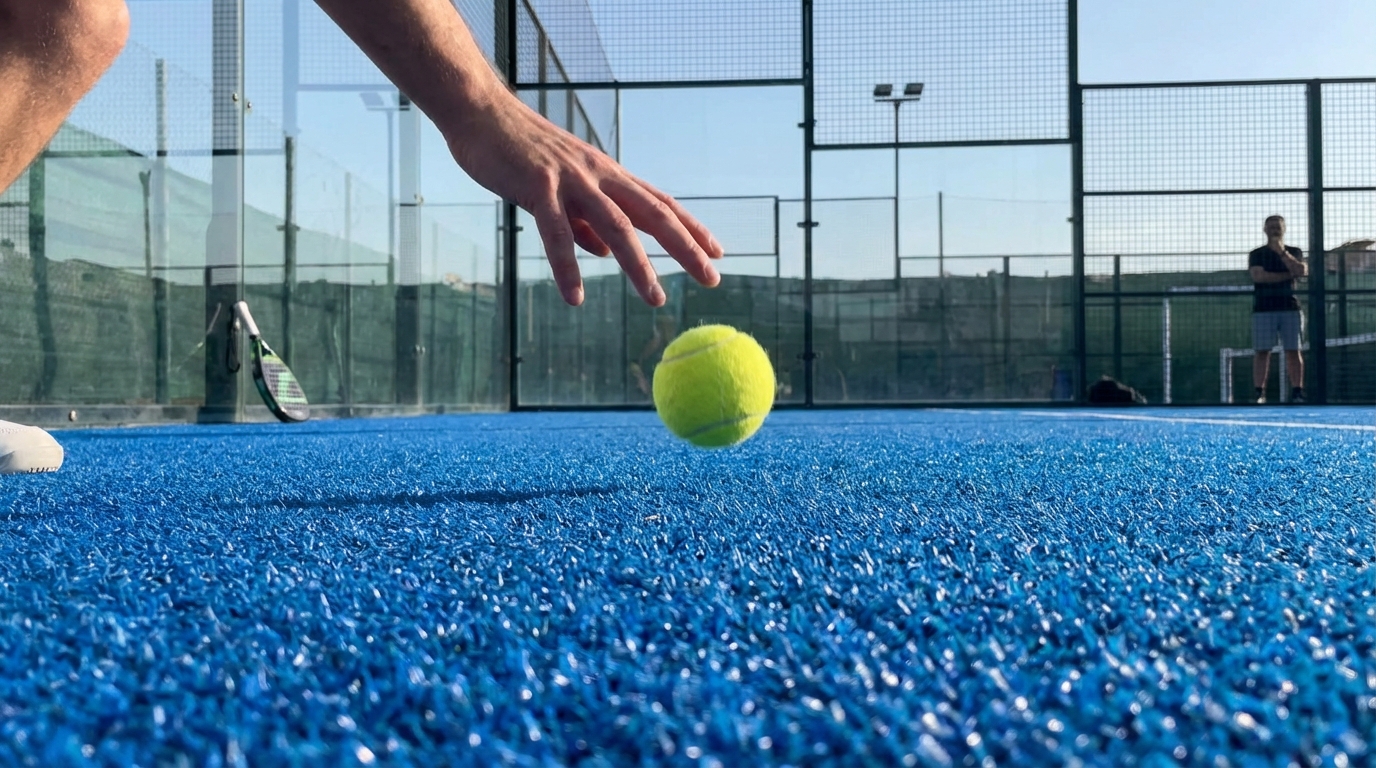
A padel ball is a specialized, pressurized rubber sphere encased in synthetic felt that is engineered specifically for the dimensions and glass-walled environment of a padel court. Many club owners and facility managers struggle with rapid equipment wear and inconsistent court performance that frustrates players. If you provide low-quality spheres to your members, you risk damaging expensive racquets and degrading the overall professional experience of your venue. By understanding the technical construction of a padel ball, you can optimize your procurement strategy and ensure your facility maintains elite gameplay standards year-round.
What defines a professional padel ball?
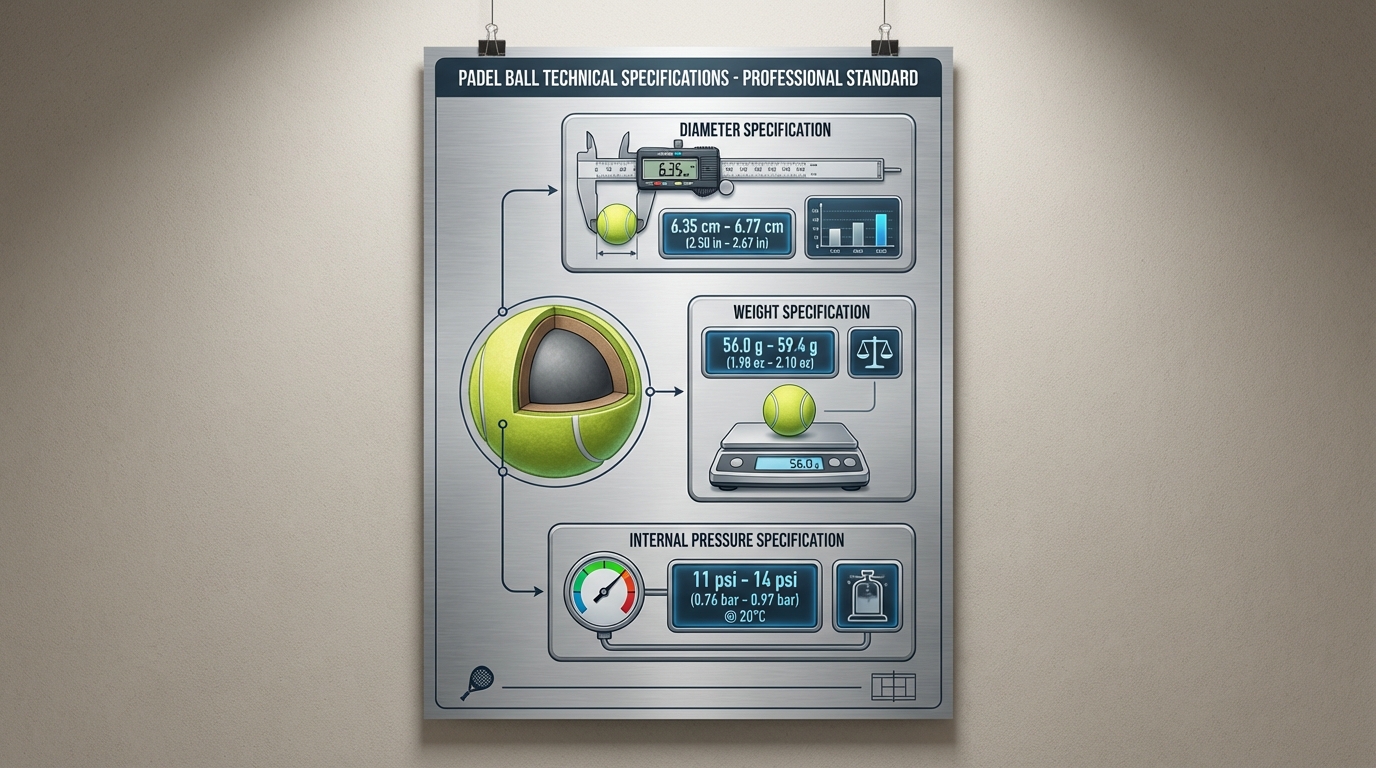
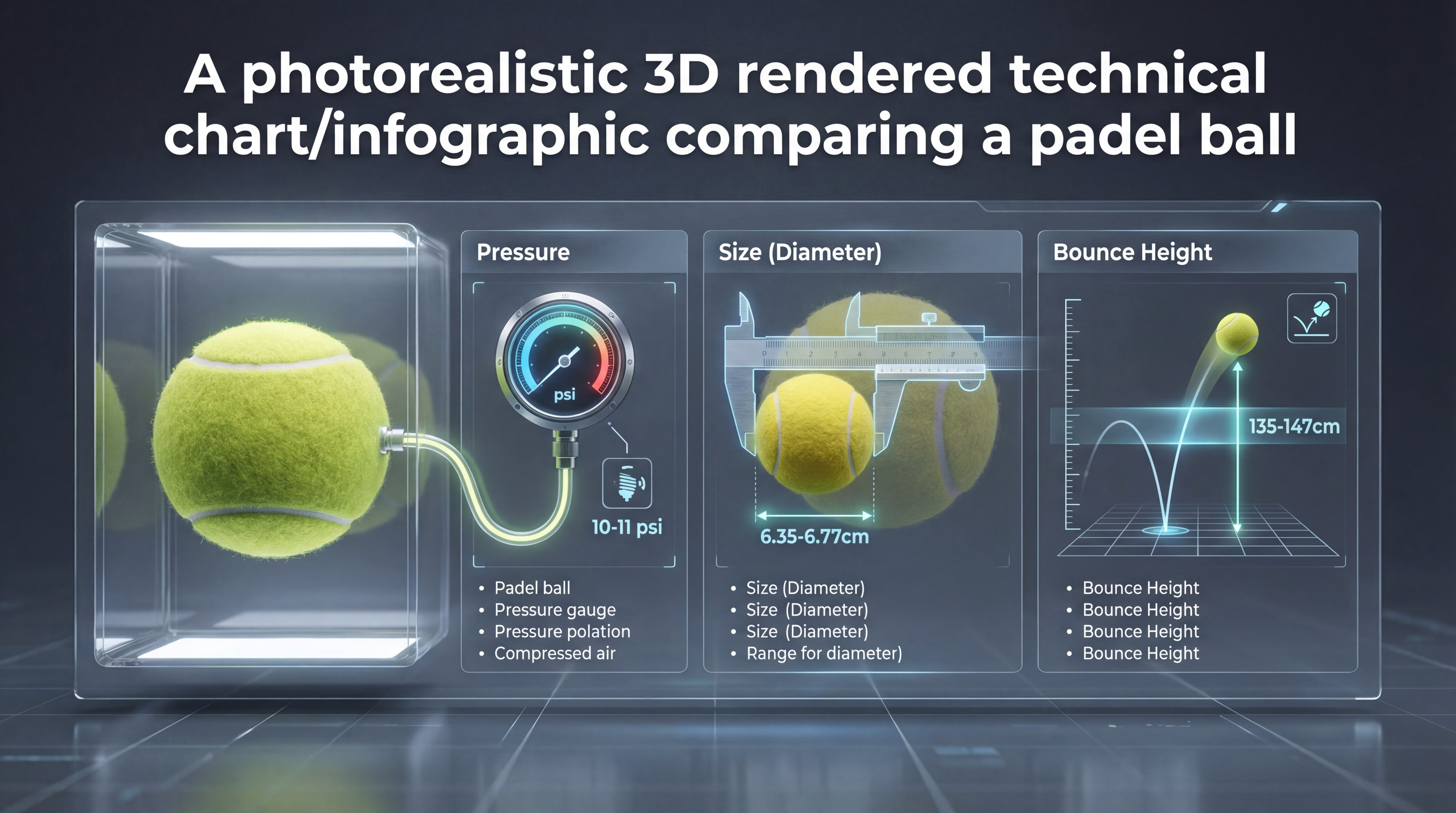
A professional padel ball is defined by its strict adherence to international standards regarding weight, diameter, and internal pressure. You must ensure that any sphere used in a professional setting falls between 56.0 and 59.4 grams to maintain fair play.
Technical Size and Weight Specs
You need to verify that your inventory meets the narrow dimensional constraints required for sanctioned tournament play.
- Diameter: Must be between 6.35 cm and 6.77 cm.
- Weight: Each unit must strictly weigh between 56.0g and 59.4g.
- Material: High-density felt is required for uniform air resistance.
Look:
Even a few grams of variation can completely alter the speed of a match and frustrate high-level players.
Does color affect visibility?
You will typically find these in optic yellow, though white is technically permissible under the official sport regulations.
- High-visibility yellow is the industry standard for televised matches.
- Uniform felt distribution prevents the sphere from “wobbling” during flight.
Here is the kicker:
Standardized coloring allows your players to track the sphere against various court backgrounds with ease.
Key Takeaway: Professional spheres must adhere to specific weight, size, and high-visibility standards to be considered valid for club or tournament use.
| Feature | Specification |
|---|---|
| Diameter | 6.35 – 6.77 cm |
| Weight | 56.0 – 59.4 grams |
| Internal Pressure | 10 – 11 psi |
| Bounce Height | 135 – 147 cm |
Analyzing these specifications reveals that even minor deviations can significantly impact the game’s pace and equipment longevity.
How is a high-quality padel ball built?
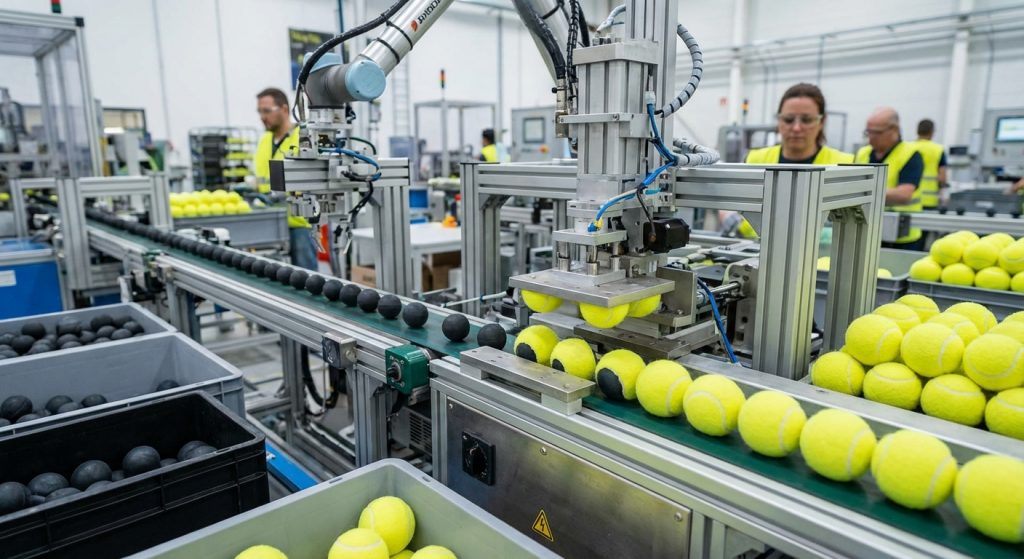
The construction of a high-quality padel ball involves molding two rubber half-shells, injecting them with nitrogen, and bonding a durable felt cover. When you investigate the manufacturing process, you see a complex industrial sequence designed for maximum rebound consistency.
The Rubber Core Molding
You start with raw natural rubber that is processed into a specific compound for high elasticity and air retention.
- Half-spheres are molded under high heat and pressure.
- The two halves are then fused together using industrial adhesives.
But there is more:
The quality of this core determines how long the sphere will retain its bounce after high-impact hits against the glass.
How is the felt applied?
You will observe that two dog-bone shaped pieces of felt are glued to the core using a specialized vulcanization process.
- The seams must be perfectly sealed to prevent peeling during aggressive play.
- Felt thickness varies to create different ball “speeds” for various climates.
Look:
If the bonding process is flawed, the felt will fluff up too quickly, slowing down the game prematurely.
Key Takeaway: The manufacturing process relies on precision-molded rubber cores and vulcanized felt bonding to deliver a consistent, professional-grade product.
| Process Stage | Key Action | Benefit |
|---|---|---|
| Core Molding | Fusion of rubber halves | Structural integrity |
| Pressurization | Gas injection | Consistent rebound |
| Felt Bonding | Vulcanization | Surface durability |
Modern manufacturing facilities utilize automated quality control to minimize the defect rate in high-volume production runs.
Why is internal pressure in a padel ball vital?
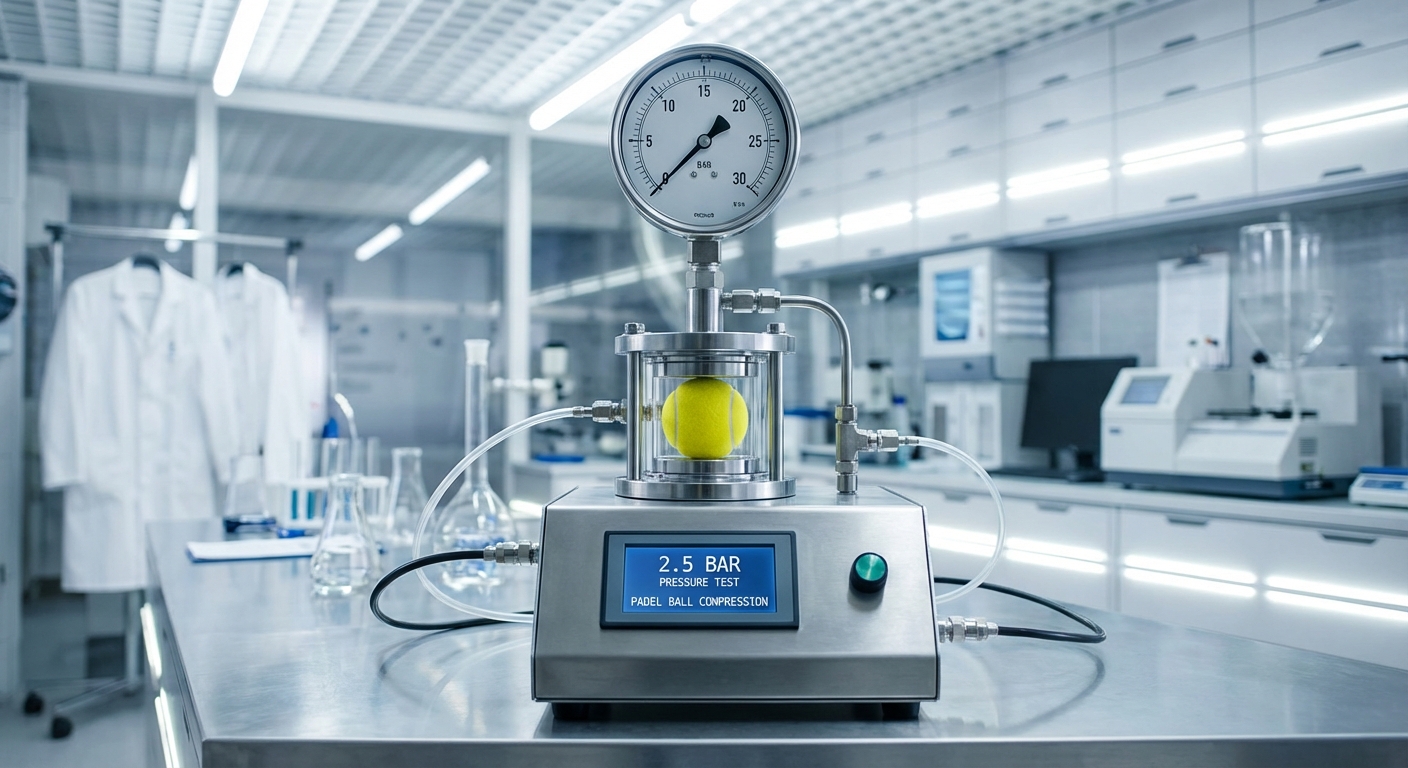
Internal pressure is vital because it determines the speed, rebound height, and overall responsiveness of the sphere during a rally. A sphere relies on its internal gas to counteract the force of the racquet and the court surface effectively.
Rebound Control on Walls
You need consistent pressure so that the sphere behaves predictably when it strikes the back glass wall.
- High pressure causes the sphere to fly off the wall too fast.
- Low pressure makes the sphere “die” against the glass, ending points early.
But there is more:
Predictable wall rebounds are what make the unique defensive play of the sport possible for your members.
Impact on Player Health
You will find that balls with the correct pressure absorb shock better, protecting the player’s elbow and wrist.
- Dead balls require more physical force to move, leading to strain.
- Over-pressurized balls can feel like hitting a stone on impact.
Here is the thing:
Maintaining fresh, pressurized equipment reduces the risk of common sports injuries like epicondylitis.
Key Takeaway: Proper internal pressure is the primary factor in ensuring consistent rebound dynamics and protecting the long-term health of your players.
| Condition | Effect on Pressure | Playability Impact |
|---|---|---|
| High Altitude | Higher relative pressure | Faster gameplay |
| High Temperature | Increased gas activity | More bounce |
| Old Age | Pressure leakage | Slow, “dead” ball |
Facility managers must account for local climate conditions when selecting the appropriate pressure rating for their club inventory.
What core materials comprise a padel ball?
The core materials of a padel ball consist of a specialized natural rubber compound and a blend of wool and synthetic fibers for the outer felt. To build a product that lasts, you must source materials that can withstand thousands of high-velocity impacts.
High-Elasticity Rubber Compounds
You will notice that the best cores use a high percentage of natural rubber combined with chemical stabilizers.
- Natural rubber provides the elasticity required for professional speed.
- Synthetic additives prevent the rubber from becoming brittle over time.
Look:
The thickness of the rubber shell is precisely calibrated to balance total weight and shell durability.
What is the best felt blend?
You need to choose the right fiber blend to control how the sphere interacts with the air and racquet strings.
- Wool provides a premium feel and better grip for spin.
- Polyester and nylon increase the overall wear resistance of the felt.
But there is more:
Higher wool content usually signifies a “pro” grade sphere, while higher synthetic content is ideal for training sessions.
Key Takeaway: A balance of natural rubber for elasticity and synthetic fibers for durability is essential for professional-grade construction.
| Material | Function | Primary Benefit |
|---|---|---|
| Natural Rubber | Core elasticity | High rebound |
| Synthetic Fibers | Felt reinforcement | Abrasion resistance |
| Wool | Surface grip | Spin control |
Analyzing material composition helps facility owners choose between high-performance tournament balls and durable training variants.
How does a padel ball differ from tennis balls?
A padel ball differs from a tennis ball primarily through its lower internal pressure and slightly smaller diameter. While they may look identical, using a tennis ball on your court can actually damage your expensive racquets.
Pressure and Speed Variations
You will find that the internal pressure of these spheres is approximately 2 psi lower than their tennis counterparts.
- Lower pressure slows the game down for the smaller court dimensions.
- Tennis balls are too lively for the enclosed glass environment.
Here is the kicker:
If you use a tennis ball, the game becomes too fast to play tactically, ruining the “chess-like” nature of the sport.
Dimensional Differences
You should note that the size specifications are slightly more narrow for this sport than for tennis.
- Padel Range: 6.35 cm to 6.77 cm.
- Tennis Range: 6.54 cm to 6.86 cm.
Look:
Even a millimeter difference in diameter affects how the sphere travels through the air and bounces off the turf.
Key Takeaway: Lower pressure and smaller dimensions distinguish these spheres from tennis balls, ensuring they suit the specific geometry of the court.
| Characteristic | Padel Ball | Tennis Ball |
|---|---|---|
| Standard Pressure | 10 – 11 psi | 14 – 15 psi |
| Diameter Range | 6.35 – 6.77 cm | 6.54 – 6.86 cm |
| Target Speed | Slow / Medium | Fast |
This comparison highlights why using the correct sport-specific ball is critical for maintaining the intended dynamics of the game.
Is the vertical bounce of a padel ball unique?
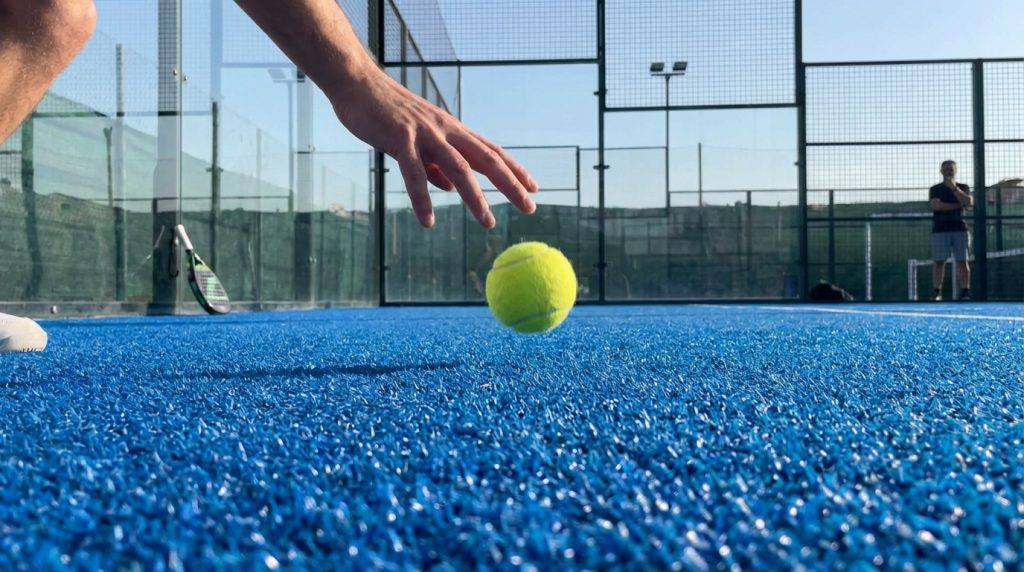
The vertical bounce of a padel ball is unique because it is designed to react consistently with artificial turf while remaining within a specific height window. You can measure this by dropping the sphere from 2.54 meters onto a hard surface.
Interaction with Artificial Turf
You will see that the felt is designed to “grab” the sand-filled turf to allow for aggressive spin and slice.
- Dense felt helps the sphere sit higher on the Padel Grass.
- Thin felt can cause the sphere to skid or skate on the surface.
But there is more:
The interaction between the sphere and the turf determines whether a player can execute a successful drop shot.
How does the wall rebound work?
You need the sphere to maintain its shape during impact so that it bounces off the glass at a predictable angle.
- High-quality rubber cores prevent the sphere from “pancaking” on impact.
- Consistent bounce height ensures that defensive lobs remain accurate.
Look:
The internal pressure works in tandem with the glass to return energy to the sphere for continuous play.
Key Takeaway: The bounce is a calibrated interaction between the internal pressure, the rubber core, and the specific characteristics of the court surface.
| Surface Type | Bounce Characteristic | Strategy |
|---|---|---|
| Sand-filled Turf | High friction, slower | Use more slice |
| Clean Glass | High energy return | Focus on positioning |
| Metal Fence | Unpredictable | Avoid hitting directly |
Understanding these bounce dynamics allows coaches and players to better predict ball movement during high-speed rallies.
How should you store a padel ball properly?
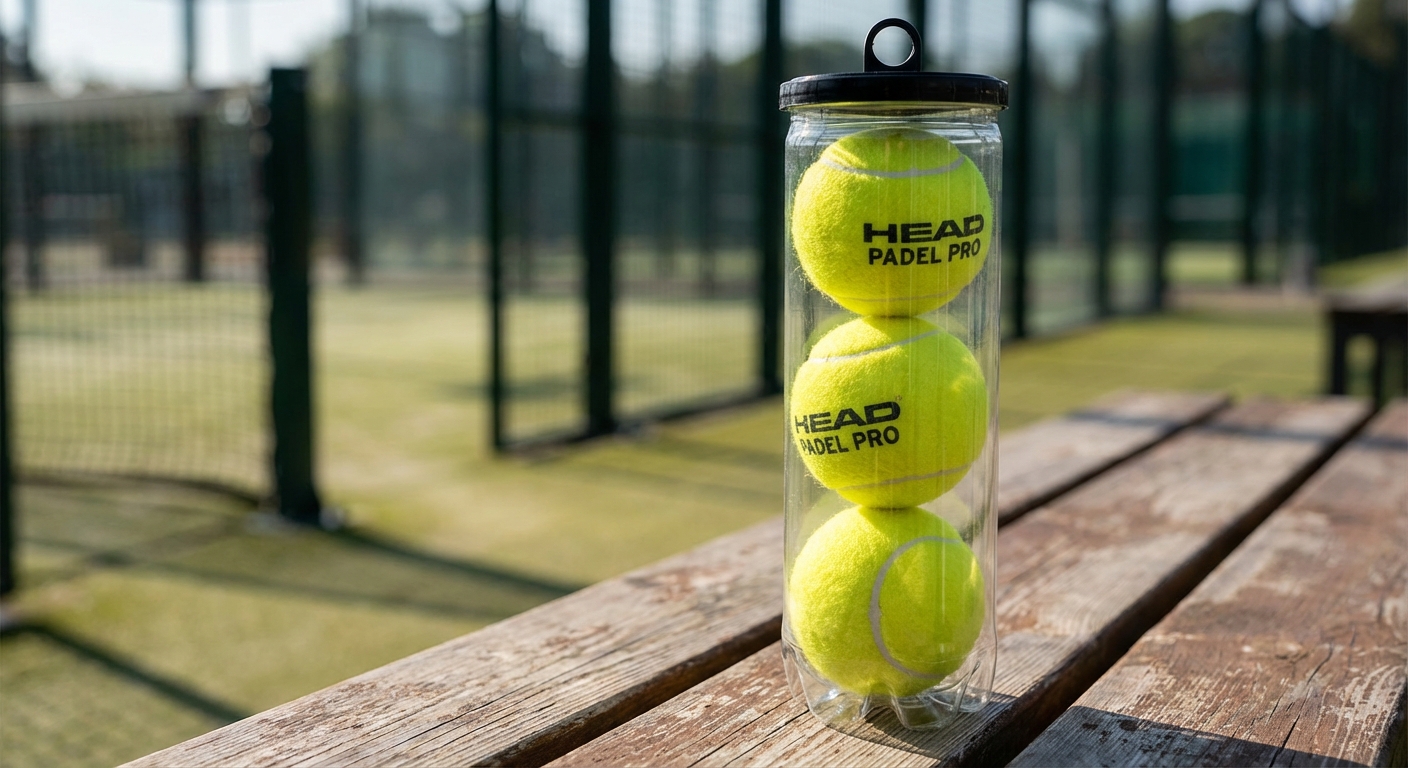
You should store a padel ball in a pressurized tube or a cool, dry place to prevent the internal gas from leaking. Since the sphere is a pressurized vessel, it is constantly trying to reach equilibrium with the outside air.
Use of Pressure Tubes
You can extend the life of your equipment by using tubes that maintain an internal environment of 11-14 psi.
- These containers force gas back into the sphere through the rubber pores.
- They can effectively double the lifespan of a set of balls.
Here is the thing:
As a club manager, investing in pressure-retention storage can save you thousands in replacement costs annually.
Does temperature affect storage?
You should never leave your equipment in a hot car or under direct sunlight for extended periods of time.
- High heat increases internal pressure and accelerates gas leakage.
- Extreme cold makes the rubber brittle and less responsive during play.
Look:
A single afternoon in a hot trunk can render a brand-new can of balls completely dead.
Key Takeaway: Pressurized storage and climate control are the most effective ways to preserve the playability and lifespan of your equipment.
| Storage Method | Lifespan Extension | Cost Efficiency |
|---|---|---|
| Pressurized Tube | 2x – 3x longer | High |
| Original Sealed Can | Until opened | Medium |
| Loose in Bag | 1 – 2 weeks | Low |
Proper storage protocols are a hallmark of a well-managed professional sports facility and ensure member satisfaction.
Can a used padel ball be recycled safely?
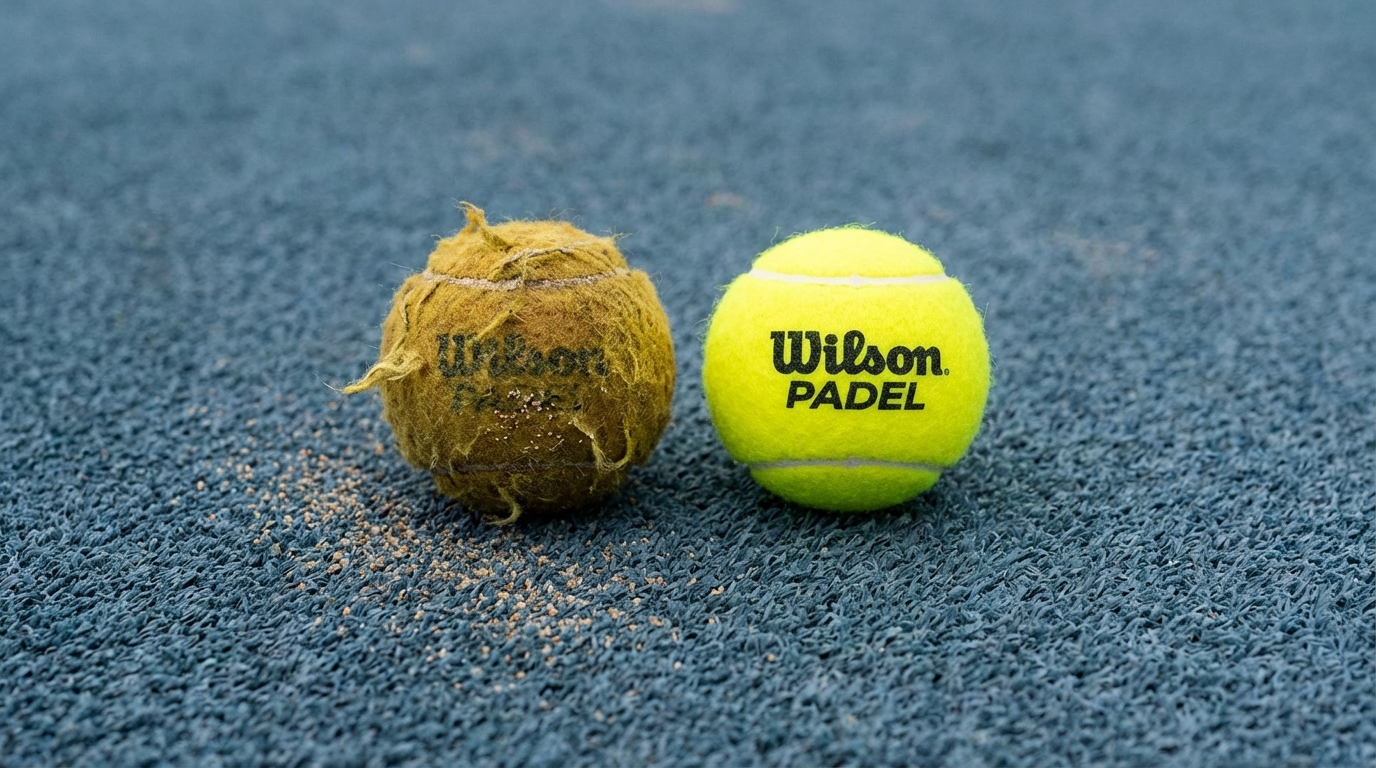
Yes, a used padel ball can be recycled safely by grinding the rubber core into granules for use in construction or playground projects. As you look to make your facility more sustainable, finding a second life for your equipment is vital.
Rubber Granulation Processes
You will find that the rubber from old cores is highly sought after for various athletic construction projects.
- It can be used as infill for new artificial turf projects.
- It is frequently repurposed into rubber mats for gym floors.
But there is more:
Recycled rubber maintains most of its shock-absorption properties even after it loses its internal pressure.
How is the felt repurposed?
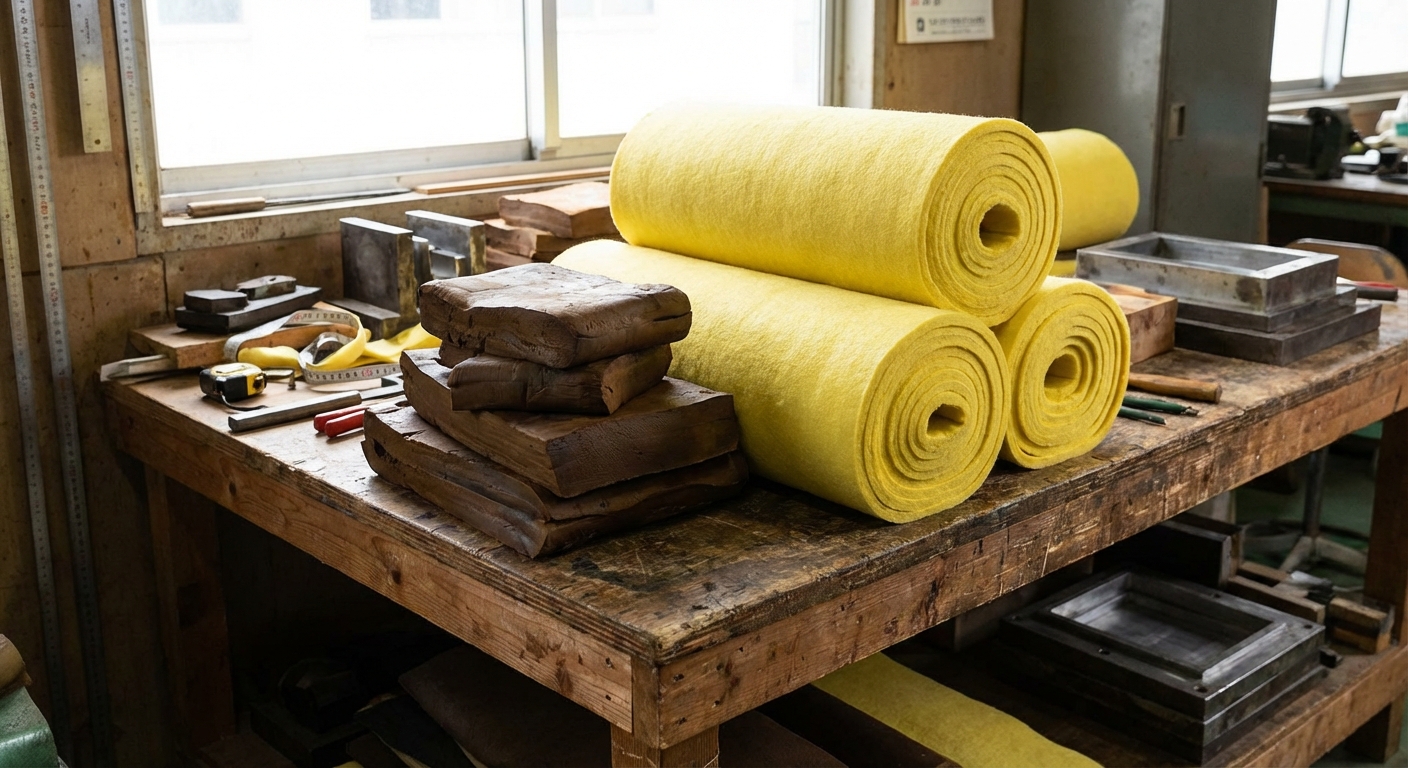
You can also see the felt being used in the automotive and furniture industries as effective insulation material.
- The fibers are cleaned and pressed into acoustic soundproofing panels.
- Felt scraps are often used as padding in high-end shipping containers.
Here is the kicker:
While you cannot “re-grow” the felt, the raw materials remain valuable long after the sphere is unfit for play.
Key Takeaway: Sustainability is achievable through rubber granulation and felt upcycling, turning sports waste into valuable industrial resources.
| Recycled Product | Source Material | Application |
|---|---|---|
| Turf Infill | Rubber Core | Playground / Sports Fields |
| Acoustic Panels | Synthetic Felt | Office soundproofing |
| Protective Mats | Rubber Core | Gyms / Warehouses |
Developing a recycling program at your club not only helps the environment but also enhances your brand’s reputation for responsibility.
Where can you source a padel ball in bulk?
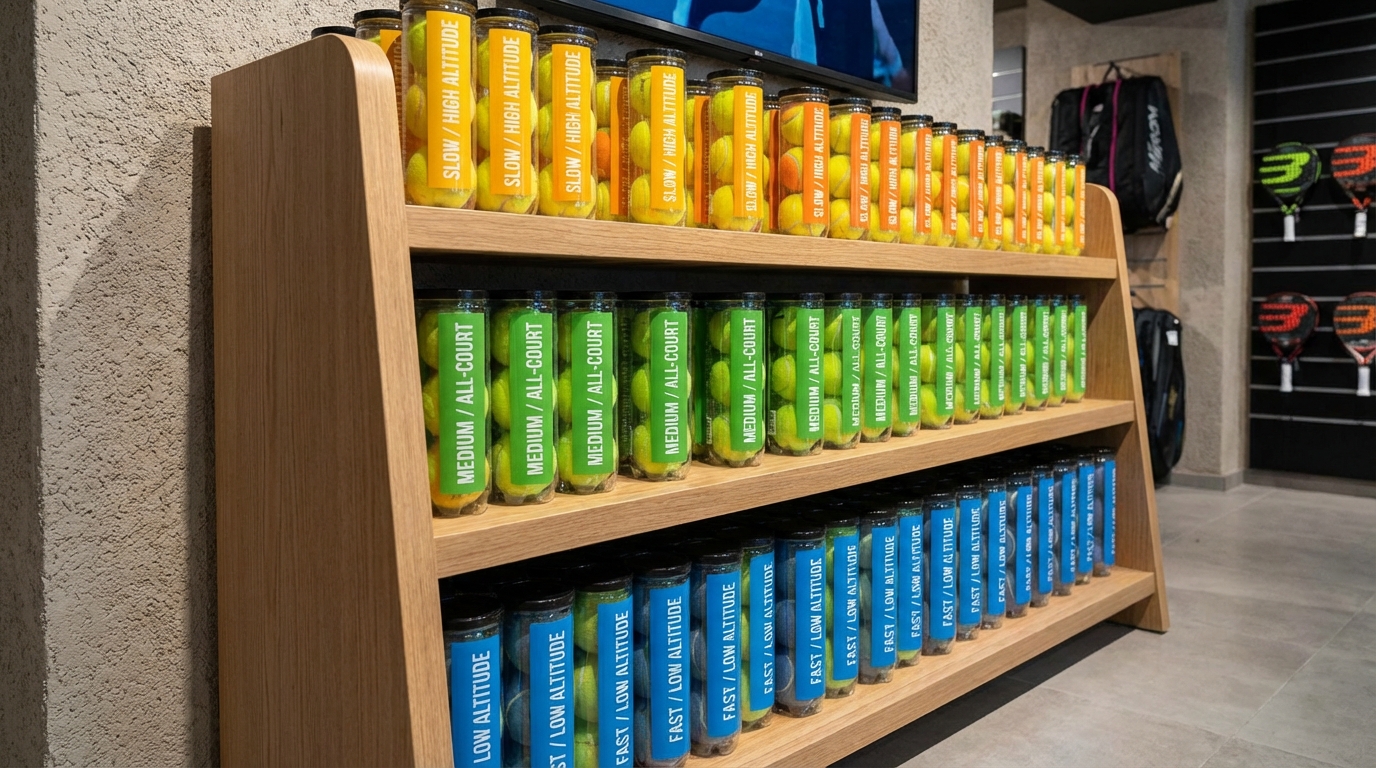
You can source a padel ball in bulk directly from manufacturers or specialized B2B distributors to ensure the best pricing. When you buy in large quantities, you bypass retail markups and gain access to fresher, high-performing stock.
Factory-Direct Procurement
You should look for suppliers who can offer OEM branding and customized packaging for your specific sports club.
- Buying from the source ensures the balls have not been sitting on a shelf for months.
- Large orders allow you to negotiate better shipping rates and delivery timelines.
Look:
Direct sourcing often gives you access to the latest “pro-grade” felt technologies before they hit the retail market.
What about local distributors?
You will find that established distributors provide the benefit of local logistics and much faster delivery times for restocking.
- They often carry multiple ball “speeds” to suit different seasons.
- Volume discounts are usually available for orders over 24 dozen.
But there is more:
Reliable delivery is just as important as the price per unit when you are running a busy facility.
Key Takeaway: Direct factory sourcing or professional B2B distributors offer the best balance of cost-efficiency and product freshness for facilities.
| Sourcing Channel | Volume Benefit | Lead Time |
|---|---|---|
| Factory Direct | Maximum savings | 4 – 8 weeks |
| Local Distributor | Fast restocking | 1 – 3 days |
| Wholesale Online | High variety | 2 – 4 weeks |
Strategic procurement ensures your club always has high-quality equipment available without overextending your operational budget.
How to test a padel ball for durability?
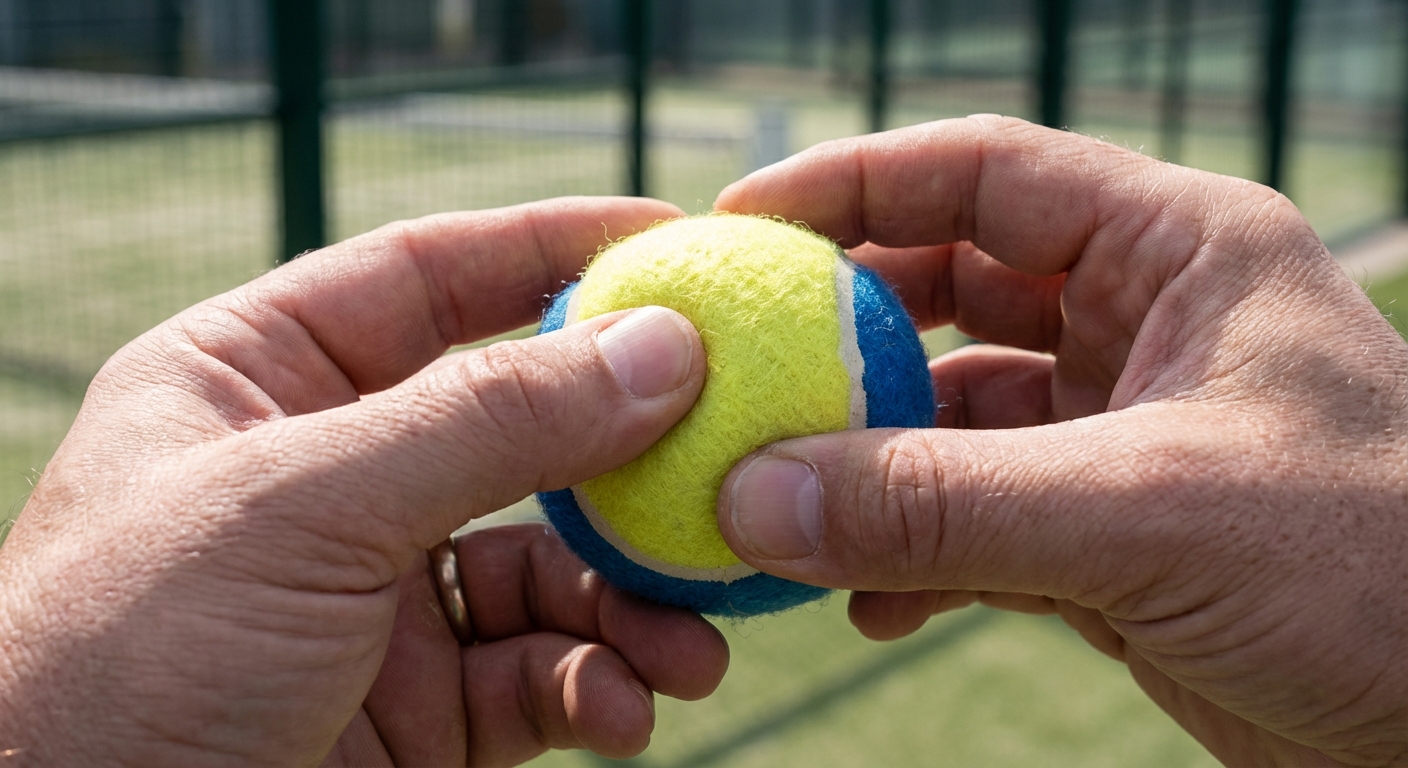
You test a padel ball for durability by monitoring its weight loss, felt thickness, and rebound height over several hours of play. As a club owner, you must know when it is time to rotate your stock to keep gameplay fair.
The Compression Test
You can use a simple compression tool to see how much the rubber core deforms under a specific weight.
- A “tired” core will deform too easily, indicating the rubber has lost its structural memory.
- New cores should resist compression and return to their original shape instantly.
Look:
Even if a ball feels pressurized, the rubber core itself can fatigue, leading to an inconsistent bounce.
How to analyze felt wear?
You should inspect the “fluff” level of the felt after 90 minutes of match play on a sand-filled court.
- High-quality felt remains tight and dense throughout the match.
- Low-quality felt will become excessively fuzzy, which dramatically slows the ball down.
Here is the thing:
Spotting high-quality felt early on helps you choose the best brand for your specific Padel LED Lighting and court setup.
Key Takeaway: Regular testing of core compression, felt wear, and rebound height ensures you provide only the best equipment to members.
| Test Type | Failure Sign | Action Required |
|---|---|---|
| Drop Test | Bounce < 135 cm | Replace set |
| Visual Check | Bald patches or “fluff” | Retire to training |
| Squeeze Test | Soft / Mushy feel | Discard |
Analyzing these performance metrics allows for a data-driven approach to equipment management and total member satisfaction.
Frequently Asked Questions
Can I use tennis balls for my padel matches?
No, you should avoid this because tennis balls have higher pressure and different dimensions that can damage your padel racquet.
What’s the best way to know if the ball is “dead”?
You can perform a simple drop test from 2.54 meters; if it doesn’t bounce back to at least 135 cm, the pressure has leaked.
How do I know if I should buy in bulk?
Buy in bulk if you manage more than two courts, as this significantly lowers your per-unit cost and ensures you always have fresh inventory.
Can I repressurize balls that have gone flat?
Yes, but only if the rubber core is still structurally sound; use a pressurized tube to force gas back into the sphere over time.
How do I know if the felt is high quality?
High-quality felt will remain dense and tight after a full match, whereas low-quality felt will “bloom” and become excessively fuzzy and slow.
Conclusion
Understanding the intricate construction and technical requirements of the padel ball is essential for any professional facility manager. From the vulcanized rubber core to the precision-blended felt, every component plays a vital role in the quality of the game. By implementing proper storage protocols and choosing the right bulk sourcing partners, you ensure your players enjoy a premium experience every time they step onto the court. At Superbpadel, we are dedicated to advancing the sport by providing world-class court solutions and technical expertise. We believe that professional-grade equipment is the foundation of any successful club’s growth. To ensure your facility meets the highest international standards, contact us today to speak with our expert team about your next project. This article has detailed the specifications, manufacturing, and maintenance of the padel ball to solve your concerns regarding equipment performance and player satisfaction.