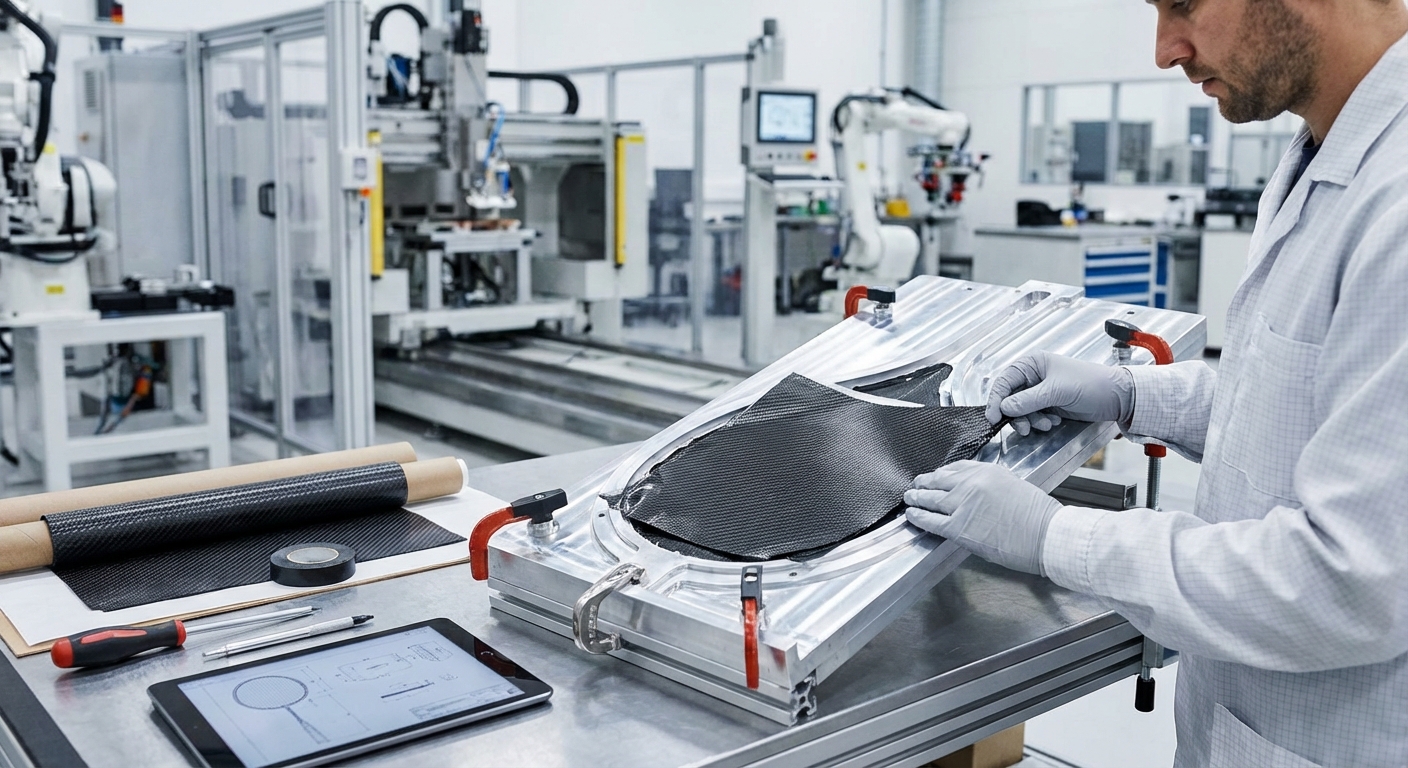
What is a padel paddle and how does it function?
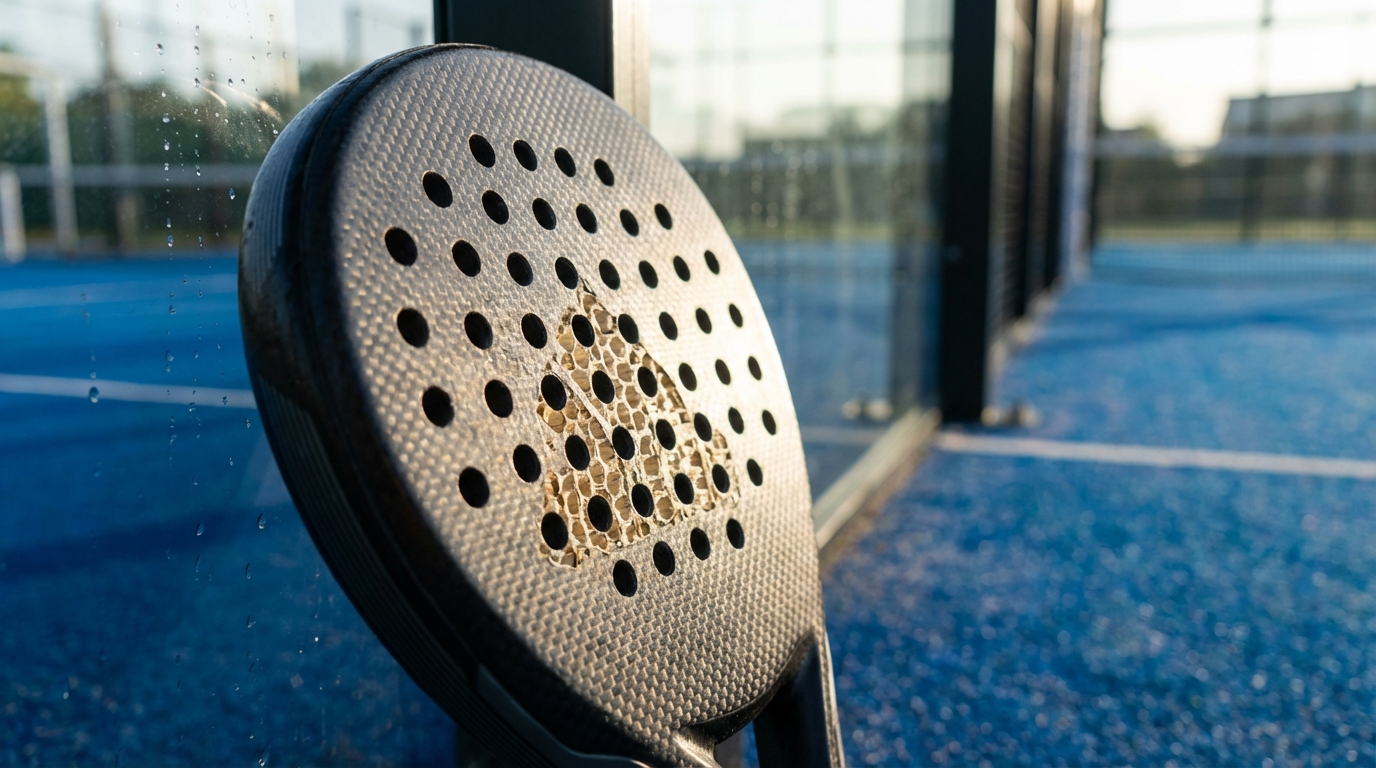
A padel paddle is a specialized racket with a foam core and a perforated surface designed to absorb impact while providing a large sweet spot. It functions by utilizing the elasticity of its internal rubber and the stiffness of its outer shell to rebound the ball with precision. This unique construction differentiates it from traditional tennis rackets, which rely on string tension. You will find that this design facilitates a game focused on strategy and placement over raw speed.
The Strike Face Dynamics
The striking surface of the racket is engineered to manage the high-speed impact of the ball.
But that’s not all.
Modern faces are built with multiple layers to ensure a consistent response across the entire surface area.
- Perforated holes for airflow.
- Resilient composite materials.
- Optimized impact distribution.
You will notice that a well-designed face significantly reduces the “trampoline effect” for better accuracy.
Safety and Handle Features
Every professional racket must include a safety wrist strap to prevent the tool from slipping during a swing.
Here is the kicker: this strap is a mandatory safety requirement in all official tournaments.
- Adjustable nylon wrist cord.
- Ergonomic grip base.
- Reinforced handle attachment.
You should check your strap regularly to ensure it remains securely attached to the handle during intense play.
Key Takeaway: The functional core of the racket relies on the synergy between the perforated strike face and the mandatory safety wrist cord.
| Component | Primary Function | Standard Material |
|---|---|---|
| Strike Face | Ball Rebound | Carbon/Fiberglass |
| Perforations | Aerodynamics | CNC Drilled |
| Wrist Strap | Safety | Nylon Cord |
The integration of these physical features creates a tool that is perfectly balanced for the dimensions of a Standard Padel Court environment.
Which shape is optimal for your padel paddle?
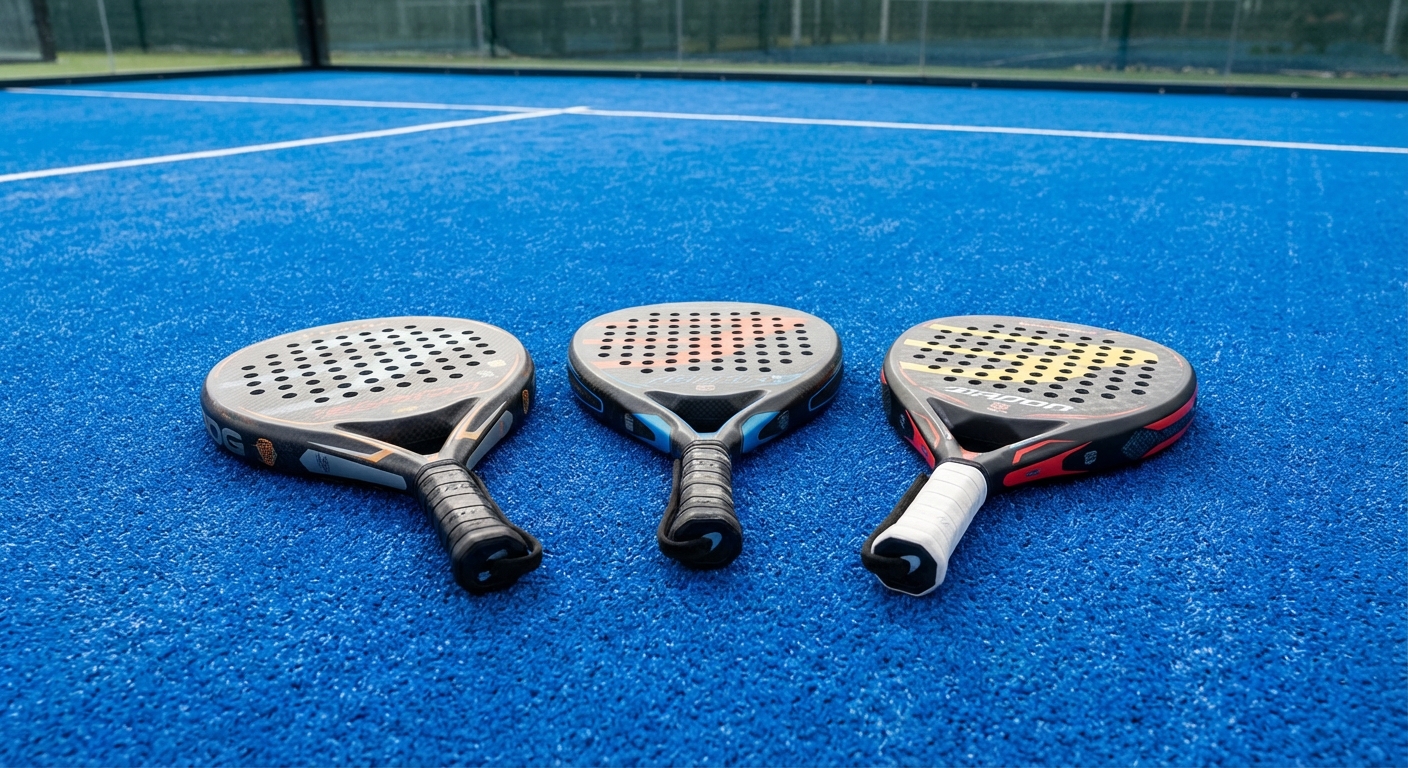
Choosing the right shape for your padel paddle depends on whether you prioritize defensive control, offensive power, or a hybrid balance. Most manufacturers offer three distinct geometries that cater to different skill levels and playstyles. Round shapes are typically recommended for beginners, while diamond shapes are preferred by aggressive, advanced players. Understanding these silhouettes is the first step in optimizing your on-court performance.
Round Shapes for Control
The round geometry is characterized by a center-balanced weight distribution and a wide sweet spot.
Believe it or not, this is the most forgiving shape for newcomers to the sport.
- Low balance near the handle.
- Maximum strike zone area.
- Enhanced defensive maneuverability.
You can rely on this shape to maintain consistent rallies without worrying about off-center hits.
Diamond Shapes for Power
Diamond-shaped rackets feature a head-heavy balance that provides massive leverage for overhead smashes.
It gets better.
This shape is designed for players who dominate the net and want to end points quickly with high-velocity shots.
- High balance point.
- Top-heavy weight distribution.
- Increased swing momentum.
You will find that while it offers explosive power, it requires significant skill to handle effectively.
Teardrop Hybrid Versatility
The teardrop shape acts as a middle ground between the control of a round head and the power of a diamond.
Here is the deal: it is the perfect choice for intermediate players seeking a versatile game.
- Medium-high balance.
- Balanced power and precision.
- Adaptable for all situations.
You will appreciate how this shape transitions seamlessly between defensive lobs and aggressive volleys.
Key Takeaway: Racket shape dictates the location of the sweet spot and the overall balance point of your equipment.
| Shape | Skill Level | Primary Benefit |
|---|---|---|
| Round | Beginner | High Control |
| Teardrop | Intermediate | Versatility |
| Diamond | Advanced | Maximum Power |
Selecting the correct geometry ensures your equipment complements your natural movements rather than working against them during play.
Why is weight vital for a padel paddle?
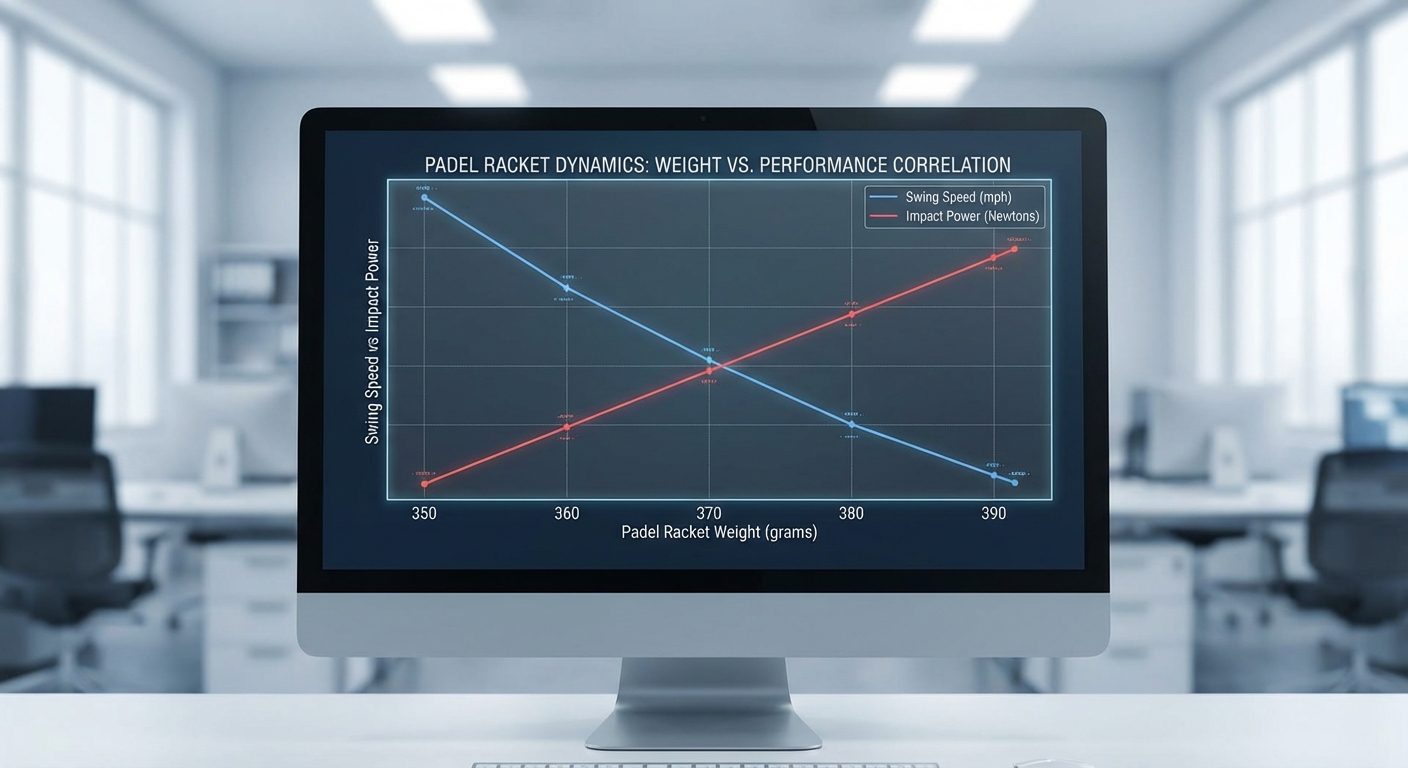
The weight of a padel paddle dictates how quickly you can react at the net and how much power you can generate. Most professional models fall within the 360g to 375g range, though lighter options exist for juniors and those prone to injury. Heavier rackets provide more stability and power but can lead to faster arm fatigue if you are not physically conditioned. Finding the “goldilocks” weight is essential for sustained high-level performance throughout a match.
Lightweight Maneuverability
Lighter rackets are exceptionally easy to move during rapid exchanges at the net.
The truth is, a lighter racket significantly reduces the risk of developing “tennis elbow” or shoulder strain.
- 350g to 360g weight range.
- Faster reaction times.
- Reduced physical fatigue.
You will find that these models are ideal for defensive players who rely on speed and positioning.
Heavyweight Stability
Heavier rackets offer a solid feel that translates into more mass behind every strike.
But wait, there is more.
The added mass prevents the racket from twisting in your hand when you make contact with high-speed balls.
- 370g to 385g weight range.
- Increased ball velocity.
- Better shock absorption.
You can use a heavier model to overpower opponents if you have the arm strength to maintain a high swing speed.
Key Takeaway: Weight is a trade-off between the ease of movement found in lighter models and the raw power of heavier ones.
| Weight Class | Range | Best For |
|---|---|---|
| Light | < 360g | Quick Reactions |
| Medium | 360g – 370g | Balanced Play |
| Heavy | > 375g | Power Smashes |
Balancing weight with your physical strength is the most effective way to prevent long-term injury and improve your longevity in the sport.
How do internal foam cores affect a padel paddle?
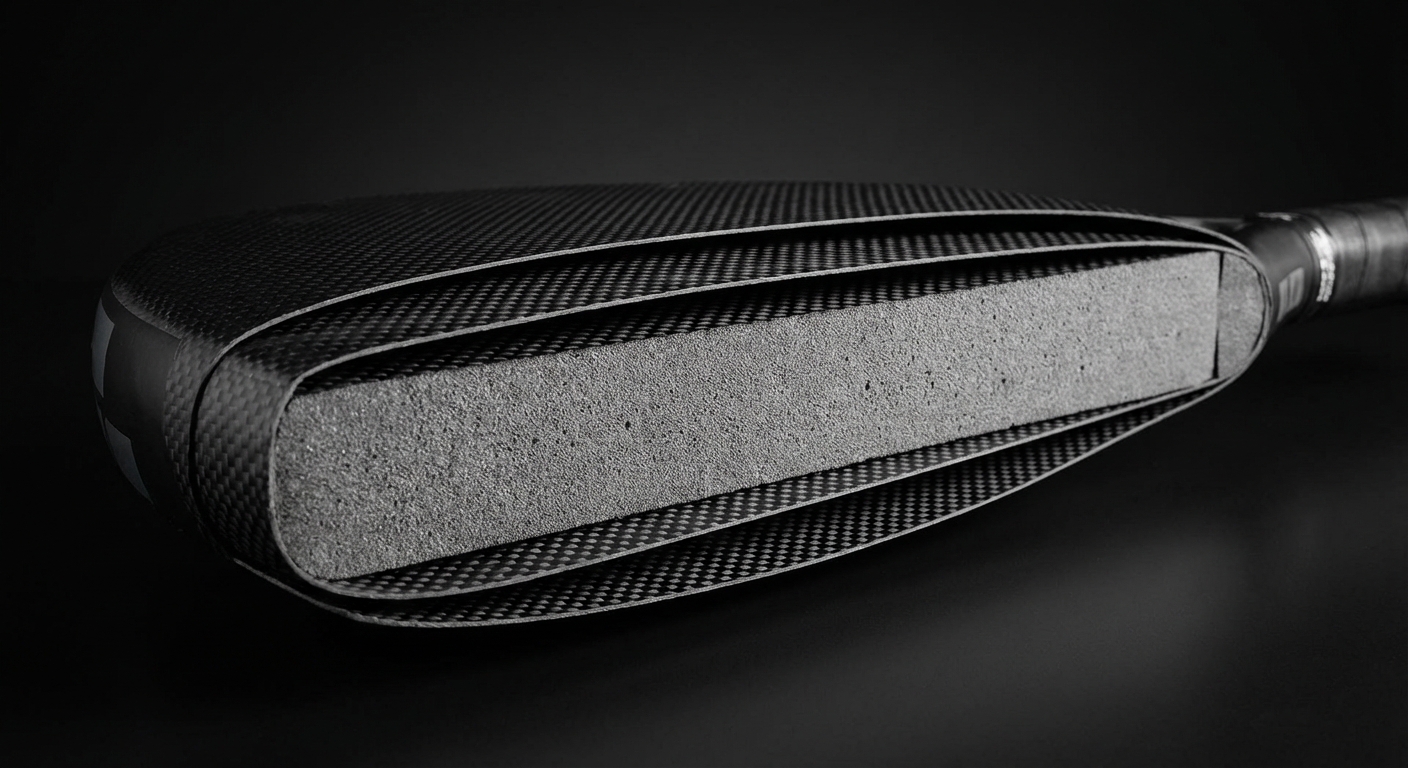
Internal foam cores in a padel paddle determine the racket’s “touch” and its ability to absorb high-impact vibrations. Manufacturers primarily use two types of materials: EVA rubber and Polyethylene foam. EVA is denser and provides a more direct, powerful feel, while Polyethylene is softer and prioritizes comfort. The core acts as the engine of the racket, transforming the kinetic energy of the swing into the rebound of the ball. You must understand these differences to match the racket’s response to your preferred style.
EVA Rubber Density
EVA rubber is the most common core material due to its durability and memory effect.
Here is the kicker: it comes in various densities to provide different levels of stiffness.
- High impact resistance.
- Superior energy transfer.
- Long-lasting core shape.
You will find that high-density EVA is perfect for players who want a “dry” hit with maximum feedback.
Polyethylene Foam Comfort
Polyethylene cores are known for their high elasticity and excellent vibration dampening.
But that’s not all.
This material is often recommended for players who suffer from joint pain or want a softer feel on impact.
- Maximum shock absorption.
- Softer ball touch.
- Easier ball exit speed.
You can learn more about these material variations in our latest blog posts regarding equipment longevity.
Key Takeaway: The core material dictates the internal physics of the racket, balancing power output with player comfort.
| Core Type | Material | Principal Attribute |
|---|---|---|
| EVA Soft | Rubber | Good Balance |
| EVA Hard | Rubber | High Power |
| Polyethylene | Foam | Maximum Comfort |
Choosing the right core ensures that every shot feels natural and consistent, regardless of the intensity of the rally.
What materials define a durable padel paddle?
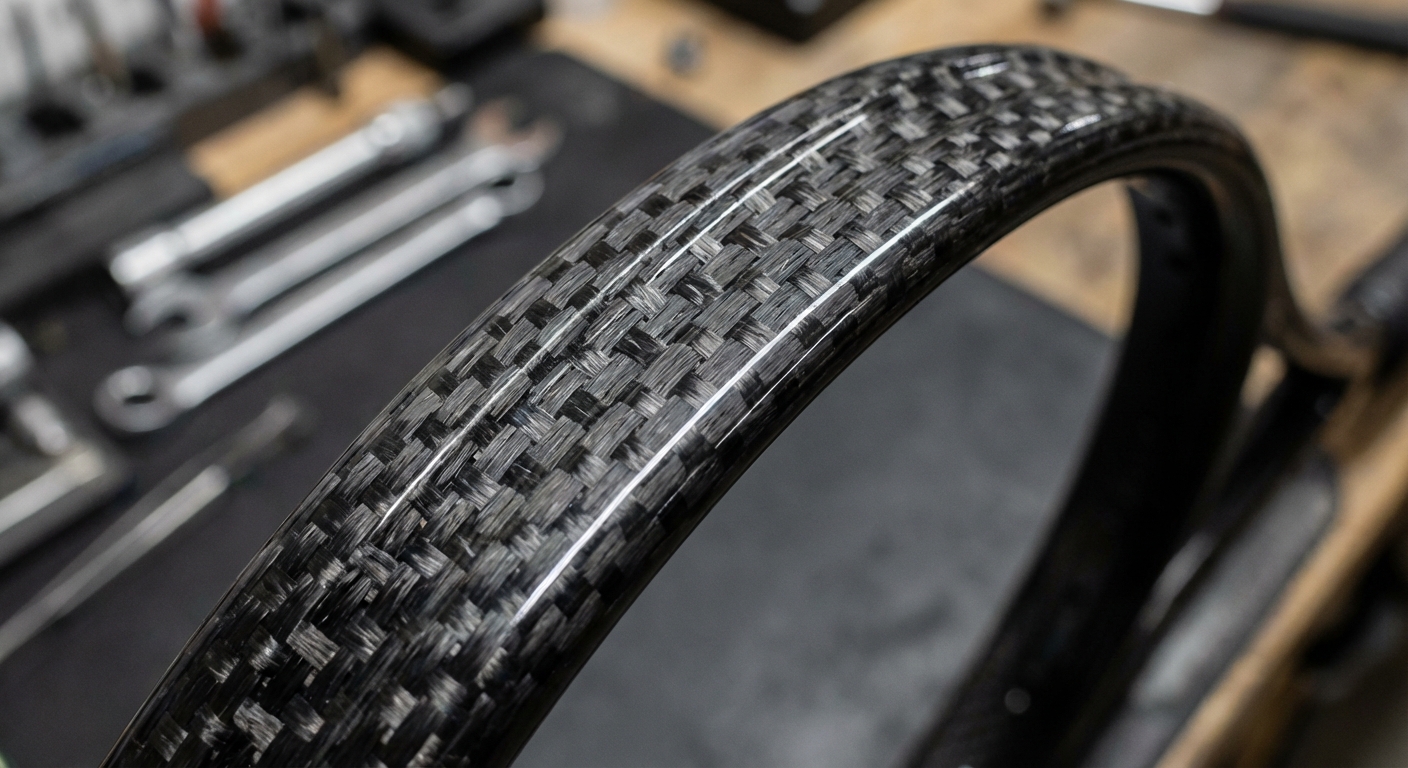
Modern materials like carbon fiber and fiberglass define the durability and performance of a premium padel paddle. Carbon fiber is the gold standard for high-end rackets because of its exceptional strength-to-weight ratio and rigidity. Fiberglass is a more affordable and flexible alternative that offers a softer touch and better ball exit at low speeds. Most top-tier models utilize a hybrid approach, layering these materials to achieve a specific performance profile. You should look for a frame that uses reinforced carbon for the best lifespan.
Carbon Fiber Excellence
Carbon fiber provides the structural rigidity necessary for high-level competitive play.
Believe it or not, the “K” rating on rackets refers to the number of filaments in each weave.
- 3K, 12K, and 24K options.
- Highest torsional stiffness.
- Premium aesthetics and finish.
You will find that a 12K carbon face offers a perfect balance between stiffness and responsiveness.
Fiberglass Flexibility
Fiberglass is prized for its elasticity, making it easier for players to return deep balls with less effort.
It gets better.
This material is more forgiving on off-center hits, providing a wider effective sweet spot.
- Increased ball “pop.”
- Better for beginners.
- Cost-effective production.
You can read about our commitment to quality materials by visiting our corporate overview page.
Key Takeaway: The combination of carbon and glass fibers determines both the price point and the performance characteristics of the racket.
| Material | Stiffness | Durability | Player Level |
|---|---|---|---|
| 24K Carbon | Very High | Superior | Professional |
| 12K Carbon | High | Excellent | Advanced |
| Fiberglass | Medium | Good | Beginner |
Investing in high-grade materials significantly extends the life of your equipment and prevents the core from softening prematurely.
How is a professional padel paddle manufactured?
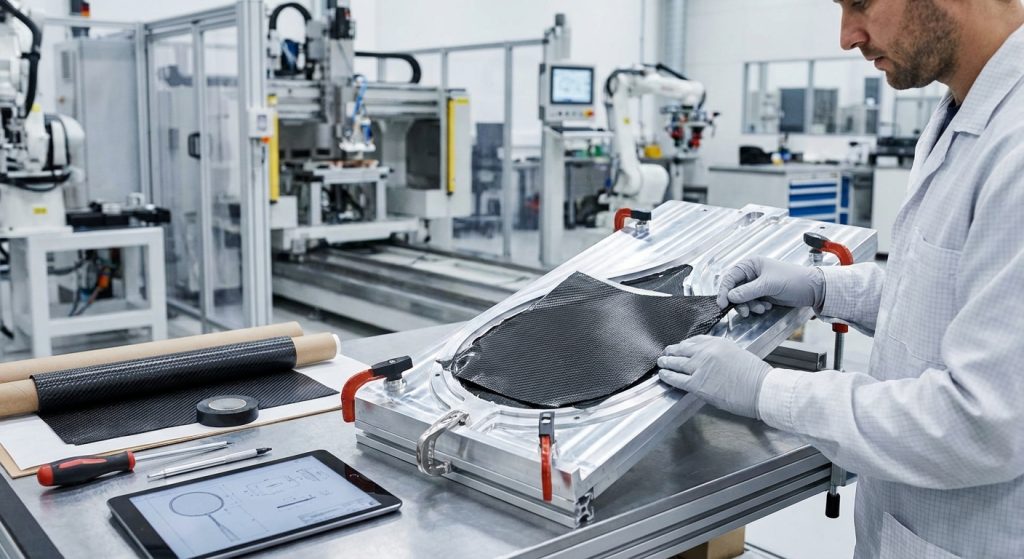
Manufacturing a professional padel paddle involves precise layering of composites and vacuum-molding techniques. The process begins with the preparation of the foam core, which is then wrapped in multiple sheets of resin-impregnated carbon or glass fiber. These components are placed in a high-temperature mold where pressure is applied to bond the layers into a single, cohesive unit. This labor-intensive process ensures that every racket meets strict weight and balance specifications. You can see how this expertise translates to our court builds in our case studies.
Vacuum Molding Precision
The vacuum molding process removes air bubbles and ensures a perfect bond between the core and the skin.
The truth is, this step is critical for preventing internal delamination during high-intensity play.
- Controlled heat application.
- Uniform pressure distribution.
- Consistent wall thickness.
You will find that rackets made with this technique have a much more predictable rebound.
CNC Drilling Accuracy
Once the racket is molded, a computer-controlled machine drills the specific hole pattern into the face.
But wait, there is more.
The pattern and size of these holes are calculated to optimize the aerodynamics of the swing.
- Precision hole alignment.
- Burr-free finishing.
- Strategic stress relief.
You should look for clean drilling as a sign of high-quality industrial manufacturing.
Key Takeaway: Professional manufacturing combines manual artisan layering with high-tech automated finishing to ensure quality.
| Process Stage | Technology | Objective |
|---|---|---|
| Layering | Manual Hand-Layup | Structural Build |
| Molding | Thermo-Compression | Material Bonding |
| Drilling | CNC Automation | Airflow & Weight |
A disciplined manufacturing process is what separates a world-class racket from a low-cost imitation that will fail after a few matches.
Why does texture matter on a padel paddle?
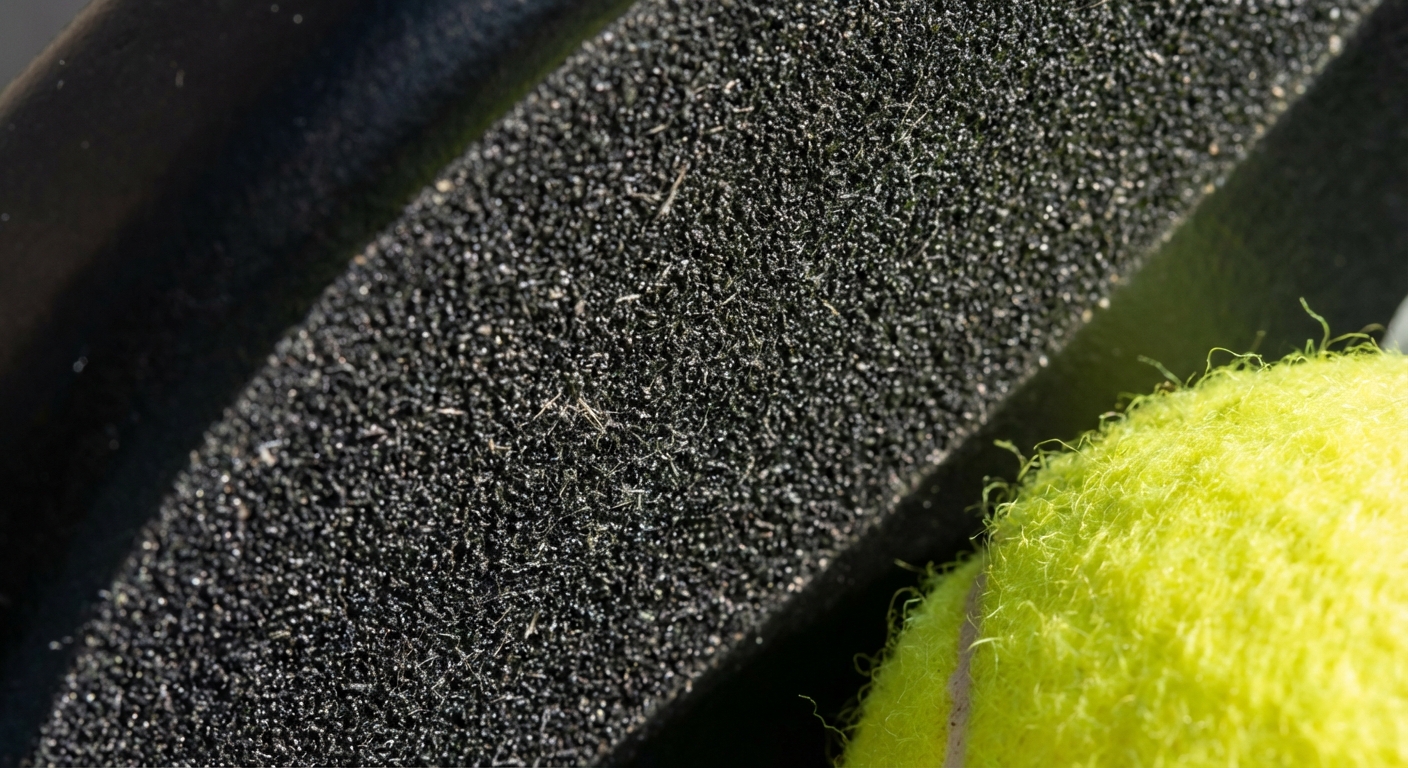
Surface texture on a padel paddle is essential for players who want to apply more spin to the ball. Manufacturers use various methods to create a rough surface, including integrated 3D patterns or a “sandpaper” finish applied after molding. A rougher surface increases the friction between the ball and the racket, allowing you to execute “cut” or “topspin” shots with greater efficiency. While beginners might not notice the difference, advanced players rely on texture to keep the ball low after hitting the glass.
Integrated 3D Relief
3D relief patterns are molded directly into the carbon face during the production process.
Here is the deal: these patterns are permanent and will not wear off over time.
- Hexagonal or linear patterns.
- Increased ball grip.
- Permanent performance.
You will find that these patterns help you control the ball even in humid or wet conditions.
Sandpaper and Rough Finishes
A sandpaper finish involves applying a granular resin layer to the racket’s strike zone.
But that’s not all.
This type of finish provides the highest level of friction, though it may smooth out with heavy use.
- Extreme spin potential.
- Aggressive ball bite.
- Matte aesthetic finish.
You will notice that these finishes are particularly effective for “bandeja” and “vibora” shots.
Key Takeaway: Racket texture is a tactical feature designed to enhance the technical effects you apply to the ball.
| Texture Type | Longevity | Spin Potential | Best For |
|---|---|---|---|
| Smooth | Eternal | Low | Beginners |
| Sandpaper | Limited | High | Expert Spin |
| 3D Molded | Permanent | Medium | All-rounders |
Choosing a texture that fits your technical ability will give you an edge in tactical placement during competitive rallies.
How should you wrap a padel paddle grip?
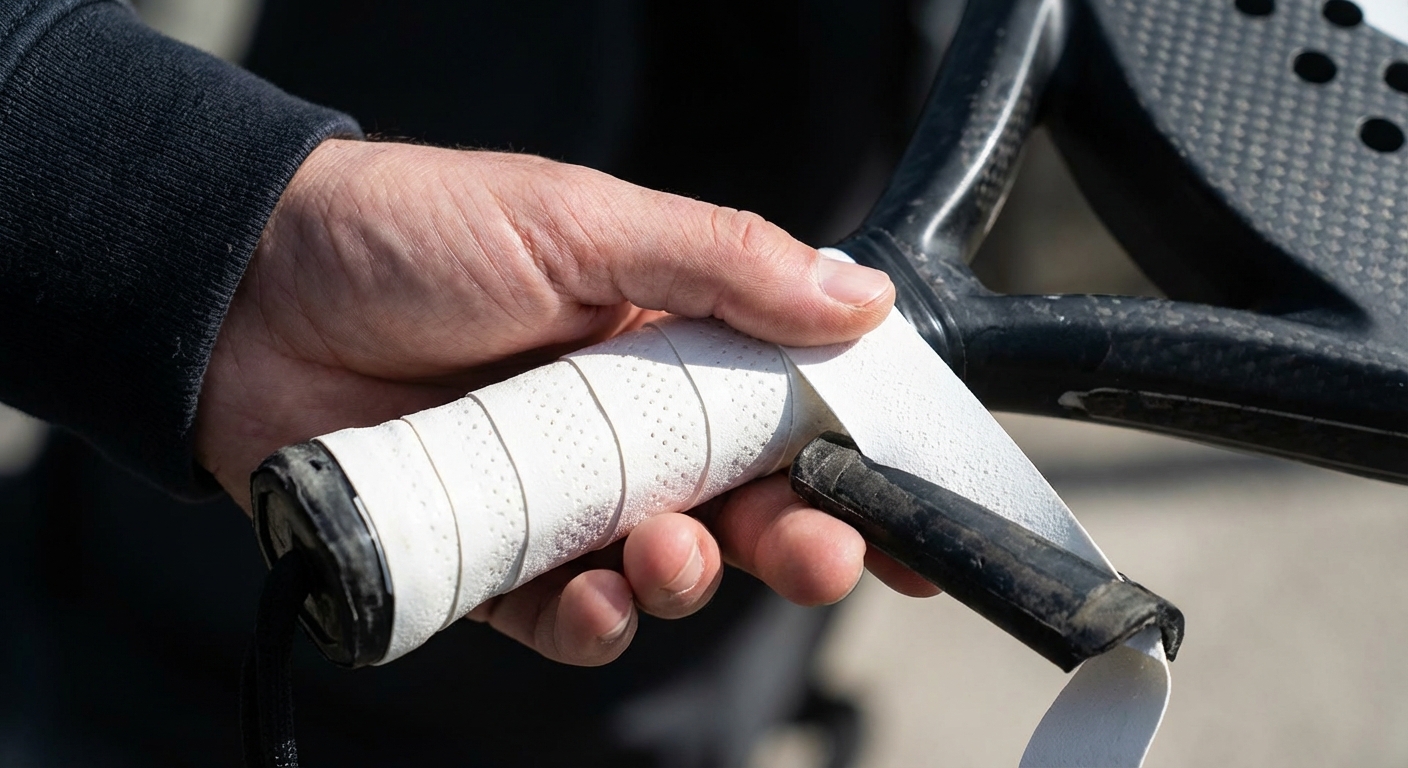
Wrapping a padel paddle grip correctly ensures you maintain control and prevent the racket from slipping. Most players use an “overgrip,” which is a thin layer of absorbent material wrapped over the factory grip to customize the handle thickness. A proper wrap starts at the bottom of the handle and overlaps slightly as it moves toward the racket head. This simple maintenance task also improves vibration dampening and sweat absorption. You should replace your overgrip every few matches to maintain a tacky, secure feel.
Overgrip Application Technique
Applying the overgrip requires a steady hand and consistent tension to avoid bunching or gaps.
Believe it or not, the number of overgrips you use can change the balance of the entire racket.
- Tensioned spiral wrapping.
- Overlap for thickness control.
- Secured with finishing tape.
You will find that a fresh overgrip significantly reduces the grip strength required to hold the racket.
Ergonomic Handle Customization
Some players prefer specialized ergonomic grips that fit the contours of the hand better than standard tape.
It gets better.
These products help distribute the pressure of the grip across the entire palm to reduce fatigue.
- Shock-absorbing materials.
- Reduced muscular tension.
- Improved finger positioning.
You will appreciate how a customized handle prevents long-term wrist strain during long tournaments.
Key Takeaway: The quality and thickness of your grip are vital for both comfort and technical precision.
| Grip Layer | Material | Primary Goal |
|---|---|---|
| Base Grip | Synthetic Leather | Foundation |
| Overgrip | Polyurethane | Tackiness & Sweat |
| Finishing Tape | Adhesive PVC | Security |
Maintaining a fresh grip is the easiest and most cost-effective way to keep your equipment feeling like new.
Where is a quality padel paddle officially tested?
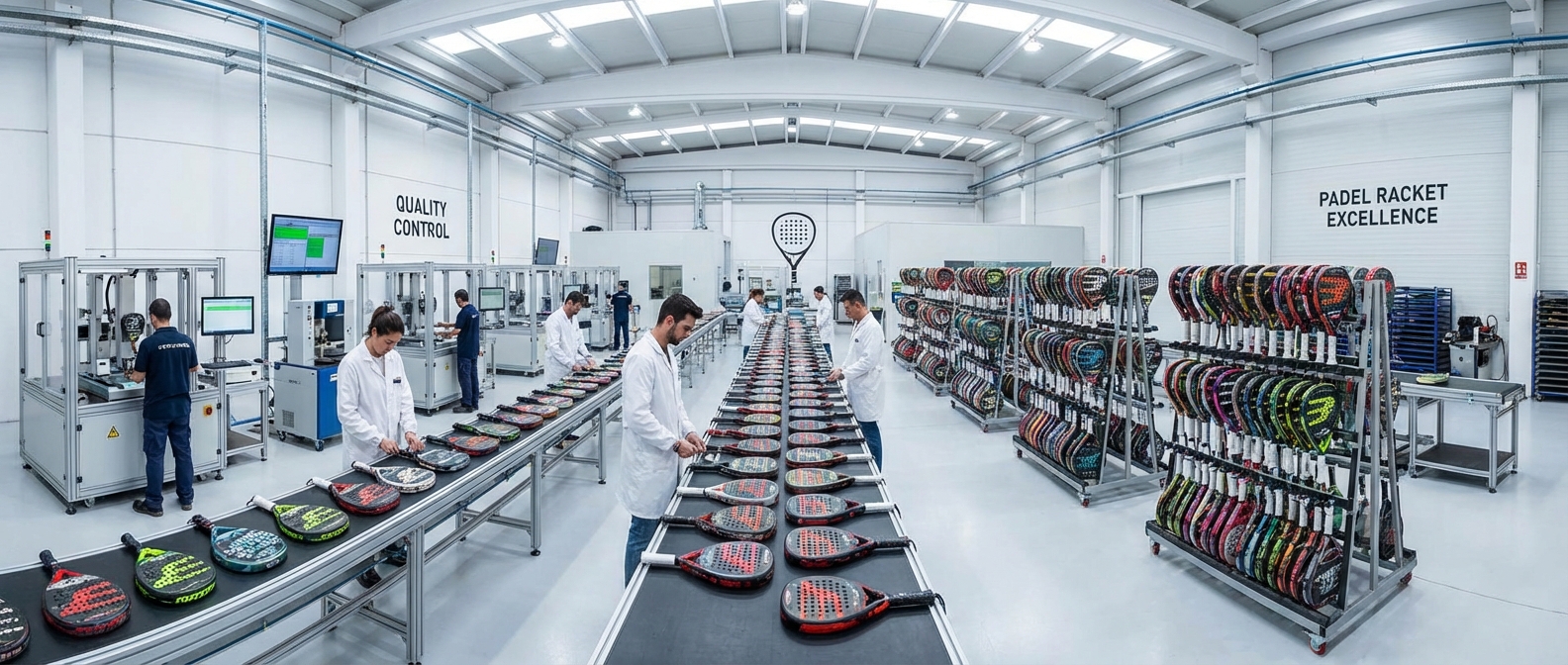
High-end quality control for a padel paddle occurs in specialized facilities where stress and impact tests are conducted. These labs use mechanical arms to strike balls thousands of times to check for core fatigue and frame cracks. Professional brands also employ elite players to field-test prototypes in real-game conditions to refine the balance and “feel.” Every unit that passes these tests is a testament to rigorous industrial standards. You can trust our engineered solutions because we follow similar protocols for our court installations.
Mechanical Stress Labs
Mechanical testing ensures that the materials can withstand the repetitive force of a thousand smashes.
The truth is, these tests identify weak points in the composite layup before the product hits the market.
- Impact velocity testing.
- Frame flex analysis.
- Resin bonding verification.
You will find that certified rackets have a much lower failure rate during competitive matches.
Professional Field Evaluation
Field testing by professional athletes provides the subjective feedback that machines cannot measure.
But wait, there is more.
Athletes provide data on how the racket handles during “viboras,” lobs, and low-speed touch shots.
- Elite player feedback.
- Real-world durability checks.
- Balance and feel refinement.
You will notice the difference in a racket that has been tuned for high-level competitive play.
Key Takeaway: Rigorous lab and field testing are the hallmarks of a premium, reliable padel product.
| Test Type | Metric | Desired Outcome |
|---|---|---|
| Impact Lab | Joules Absorbed | Core Durability |
| Flex Test | Millimeters of Bend | Frame Rigidity |
| Field Test | Player Perception | Optimized Feel |
A tested racket provides the peace of mind that your equipment will not fail when you need it most on the court.
How can you store a padel paddle correctly?
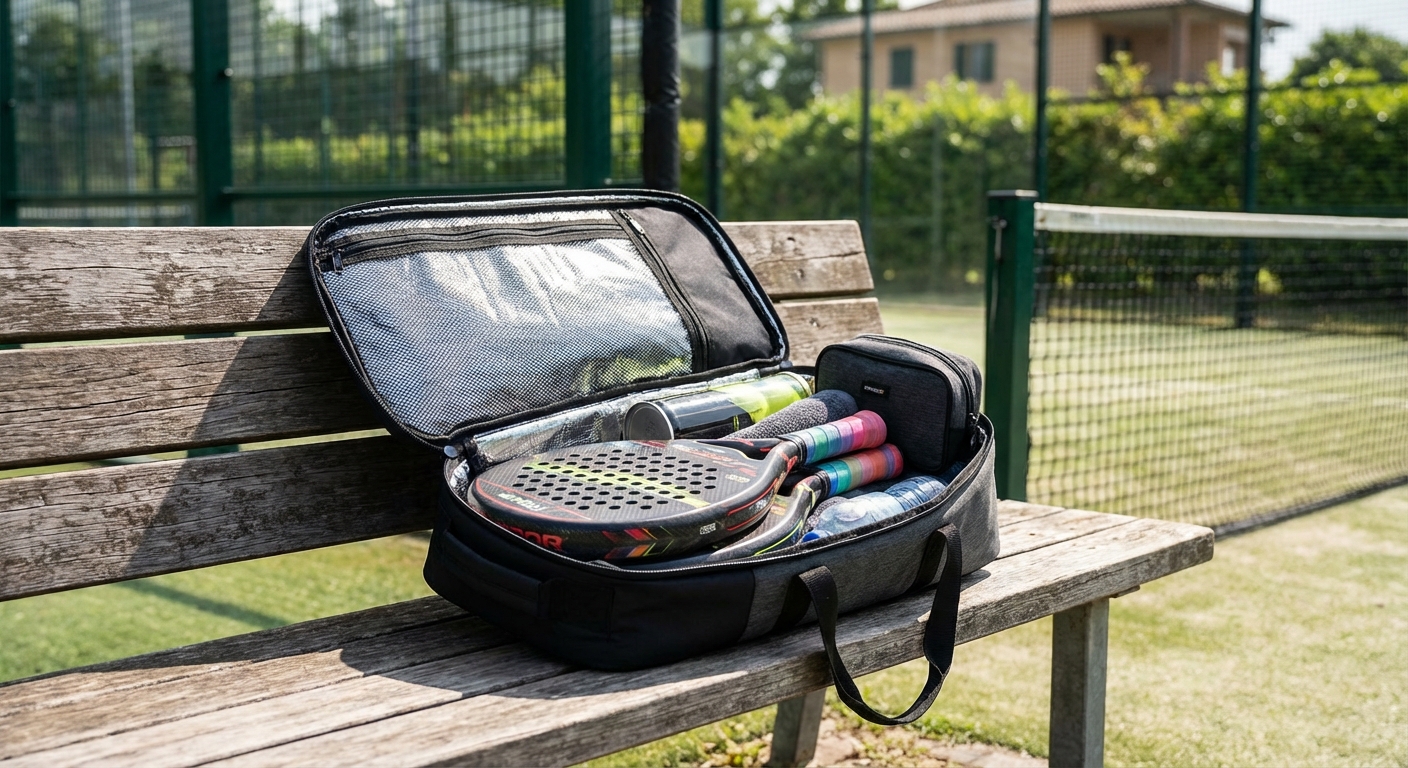
Correct storage of a padel paddle involves using thermal bags to protect materials from extreme temperature shifts. Both the foam core and the epoxy resins used in the frame are sensitive to heat, which can cause them to soften and lose their rebound properties. Storing your racket in a cool, dry place inside a padded bag prevents accidental scratches and structural damage. You should treat your racket as a precision instrument to ensure it maintains its performance characteristics for years.
Thermal Protection Benefits
Thermal-lined bags reflect external heat and maintain a stable internal environment for your gear.
Here is the kicker: leaving your racket in a hot car for just one afternoon can permanently ruin the core.
- Aluminized lining layers.
- UV radiation shielding.
- Consistent foam density.
You will find that a temperature-stable racket feels more consistent every time you step onto the court.
General Maintenance Habits
Regularly cleaning the surface of your racket prevents the buildup of dust and sand from the court turf.
But that’s not all.
Wiping the face with a damp cloth after play keeps the texture effective and the graphics looking sharp.
- Gentle surface wiping.
- Check for frame chips.
- Replace protectors regularly.
You should inspect the edge of your racket for any hairline cracks after any contact with the glass walls.
Key Takeaway: Protective storage and regular inspection are the keys to maximizing the lifespan of your investment.
| Storage Rule | Tool | Rationale |
|---|---|---|
| Heat Shielding | Thermal Bag | Core Integrity |
| Scratch Defense | Padded Cover | Aesthetic Quality |
| Cleaning | Microfiber Cloth | Texture Grip |
Investing in a high-quality thermal bag is just as important as choosing the racket itself for long-term satisfaction.
*
Mastering the Game
Mastering your equipment is the foundation of becoming an elite player. By understanding the differences in shapes, weights, and internal core materials, you can select a tool that perfectly aligns with your competitive goals. Proper manufacturing, rigorous testing, and disciplined maintenance ensure that your gear remains a reliable extension of your arm. Our brand stance is built on the vision that every player deserves professional-grade equipment and infrastructure. If you are ready to take your facility or your game to the next level, contact us today for expert consultation.
*
Frequently Asked Questions
Can I use a tennis racket to play padel?
No, tennis rackets are prohibited because they are too long and have strings. Padel requires a stringless, perforated paddle that is shorter and more maneuverable for the unique court dimensions.
What’s the best shape for a complete beginner?
The best shape for a beginner is the round head. It offers a large, centered sweet spot and a low balance point, which makes it much easier to control the ball consistently.
How often should I replace my overgrip?
You should replace your overgrip every 3 to 5 matches. As it absorbs sweat and dirt, it loses its “tacky” feel, which can cause the racket to slip during a heavy swing.
Is carbon fiber better than fiberglass?
Carbon fiber is superior for advanced players because it is stiffer and more durable. Fiberglass is better for beginners as it is softer, more flexible, and more affordable while learning the game.
Why does my racket have a mandatory wrist strap?
The strap is a safety requirement to prevent the racket from flying out of your hand and injuring another player. It is mandatory in all competitive and recreational play settings.