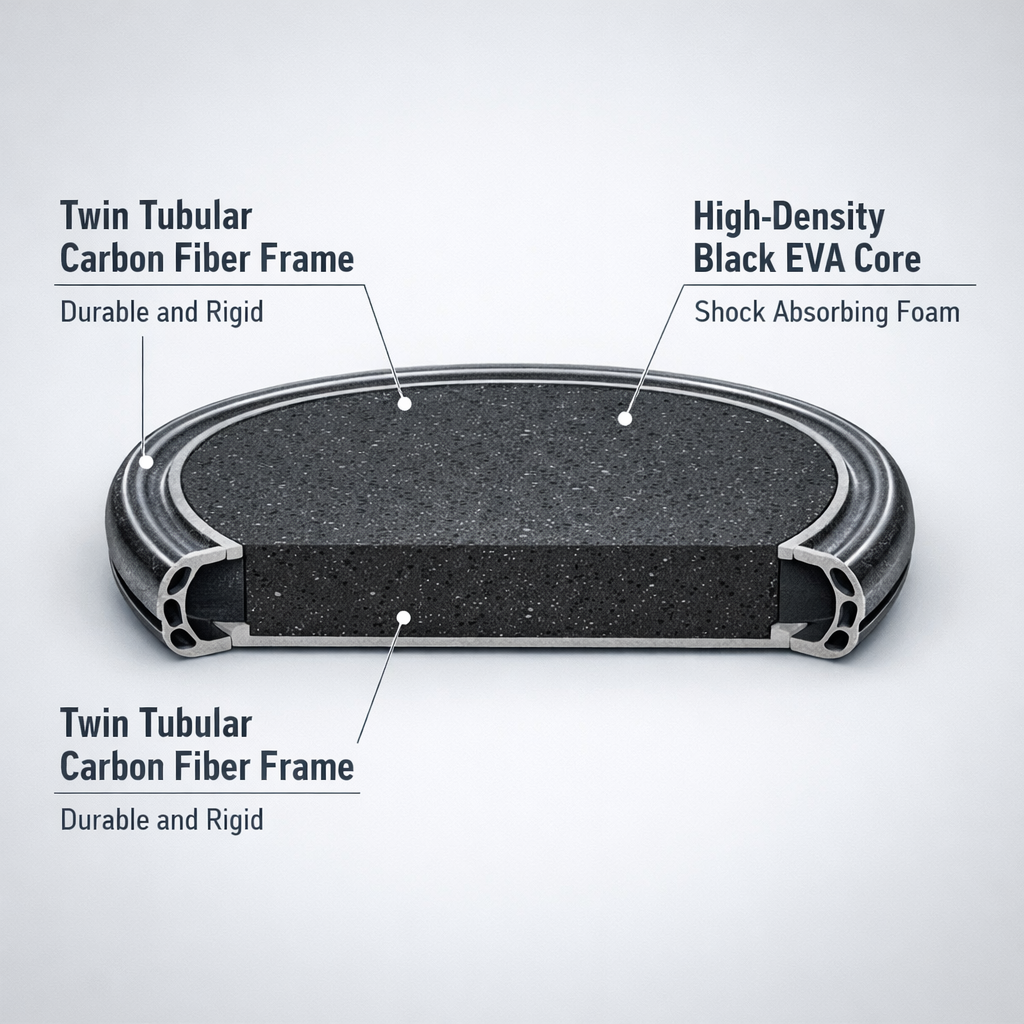
A padel tennis racket is a solid-faced hitting tool used in court sports, manufactured by bonding carbon fiber or fiberglass layers around an EVA or FOAM core through a high-pressure thermal molding process. Procuring high-performance athletic equipment creates immense pressure for commercial officers because poor inventory decisions lead to stagnant capital. Staggering losses often occur when club members demand professional gear but receive low-quality designs which damage your reputation among serious athletes. By understanding the structural blueprints of a premium padel tennis racket, you can source hardware capable of withstanding constant physical impact. This is where it gets interesting. Reliability remains the primary focus while evaluating industrial sporting goods that last through intense competitive matches. Quality control dictates your future success in this rapidly growing market as players seek technical feedback. Manufacturers must utilize aerospace-grade materials to satisfy these demanding professional requirements. Hardware needs superior vibration dampening to protect athletes from chronic injuries. But here’s the kicker. A single structural fracture ruins long-term customer relationships during high-stakes games.
1. What makes a professional padel tennis racket stand out?
A professional padel tennis racket stands out through its use of aerospace-grade materials and precise frame reinforcement techniques. You must prioritize structural integrity to ensure equipment survives the rigors of daily competitive play. What’s the real story? Cheap fiberglass alternatives simply lack the structural memory required for high-stakes matches. Elite manufacturing relies on twin tubular systems and integrated protectors to prevent frame fractures. These components ensure every strike remains consistent regardless of impact velocity. When you evaluate gear, look for laser-drilled hole patterns that maintain uniform surface tension. Industrial buyers should focus on carbon fiber weave density during procurement phases. Professional faces typically utilize 12K or 18K carbon filaments providing stiff responses. This stiffness allows for maximum energy transfer during offensive shots. You might be wondering why. Lower-quality resins often fail under stress, leading to a “dead” feel after only a few weeks. High-density EVA cores provide the necessary rebound for fast-paced rallies. You should examine bridge designs for the ability to reduce torsion. Stable bridges translate to better accuracy for athlete performance. Skilled manual labor remains mandatory during construction cycles. Every component must align with global standards. Reliability defines your success in this padel tennis racket market.
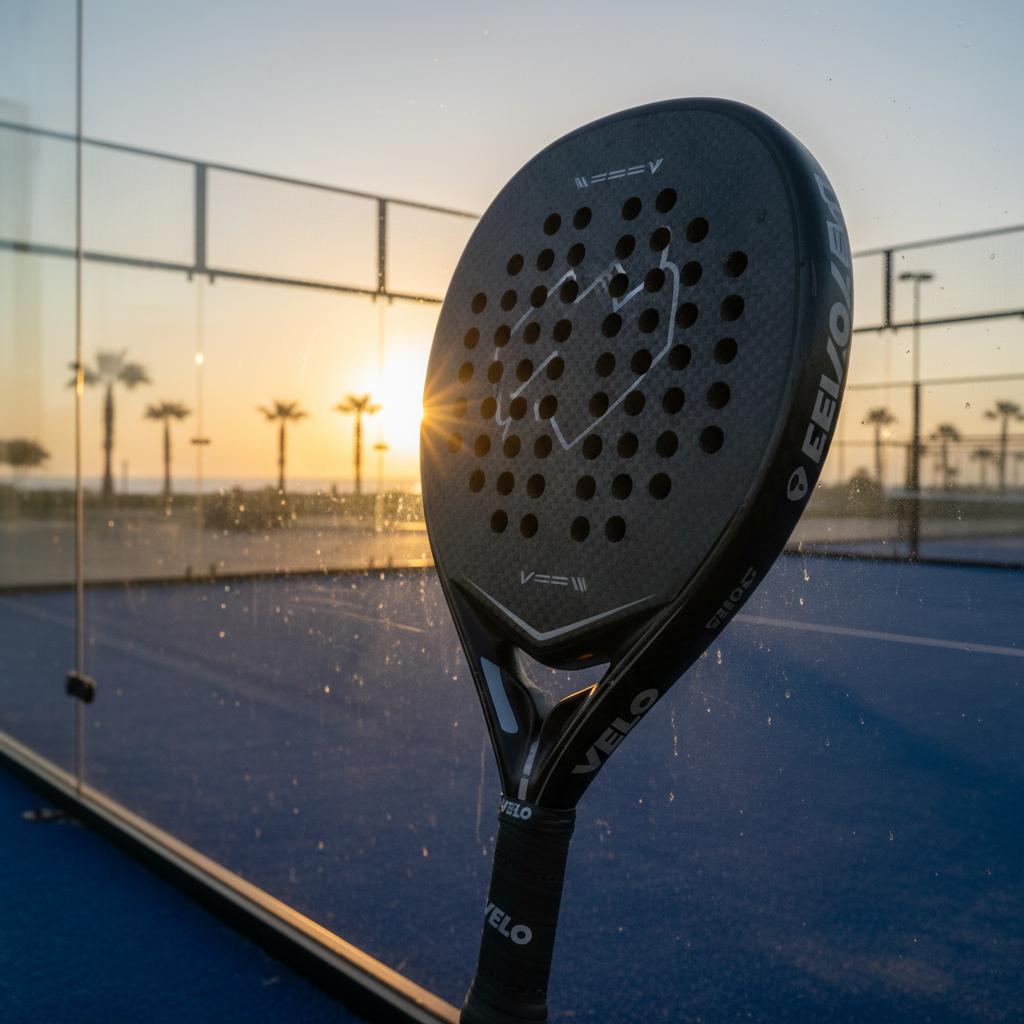
Summary of professional face components
Industrial buyers should focus on carbon fiber weave density during procurement phases. Professional faces typically utilize 12K or 18K carbon filaments providing stiff responses. This stiffness allows for maximum energy transfer during offensive shots. You might be wondering why. Lower-quality resins often fail under stress, leading to dead feels after only a few weeks. High-density EVA cores provide necessary rebound for fast-paced rallies. You should examine bridge designs for the ability to reduce torsion. Stable bridges translate to better accuracy for athlete performance. Skilled manual labor remains mandatory during construction cycles. Every component must align with global standards.
| Component | Professional Standard | Benefit for B2B Clients |
|---|---|---|
| Surface Material | 18K Carbon Fiber | Maximum durability and power |
| Core Type | High-Density EVA | Consistent rebound and feel |
| Frame | Twin Tubular System | Enhanced structural integrity |
| Finish | Rough Sandpaper Texture | Increased ball spin control |
| Weight | 360g – 375g | Balanced maneuverability |
2. How do you select the right padel tennis racket shape?
Selecting the right racket shape depends entirely on the playstyles and skill levels of your target demographic. You must understand that geometry dictates the location and size of sweet spots. Here’s the deal. Diamond-shaped rackets shift weight toward the top sections of frames for maximum power. Conversely, round rackets feature centralized sweet spots for maximum forgiveness. This helps beginners avoid frustrating mishits during early training sessions. Teardrop shapes offer hybrid approaches balancing power with defensive agility. You should stock all three shapes to satisfy full club needs. Proper shape selection improves overall player satisfaction significantly. Retailers should educate staff on these geometric differences. Diamond-shaped models feel clumsy in the hands of novices. Conversely, round units lack the punch needed for tournament play. Examine bridge designs as they connect to these shapes. Stronger bridges reduce torsion during off-center hits. Procurement should reflect local player demographics and skill levels. High-performance units always combine structural power with tactical finesse. Your inventory must accommodate every athlete’s unique physical requirements.
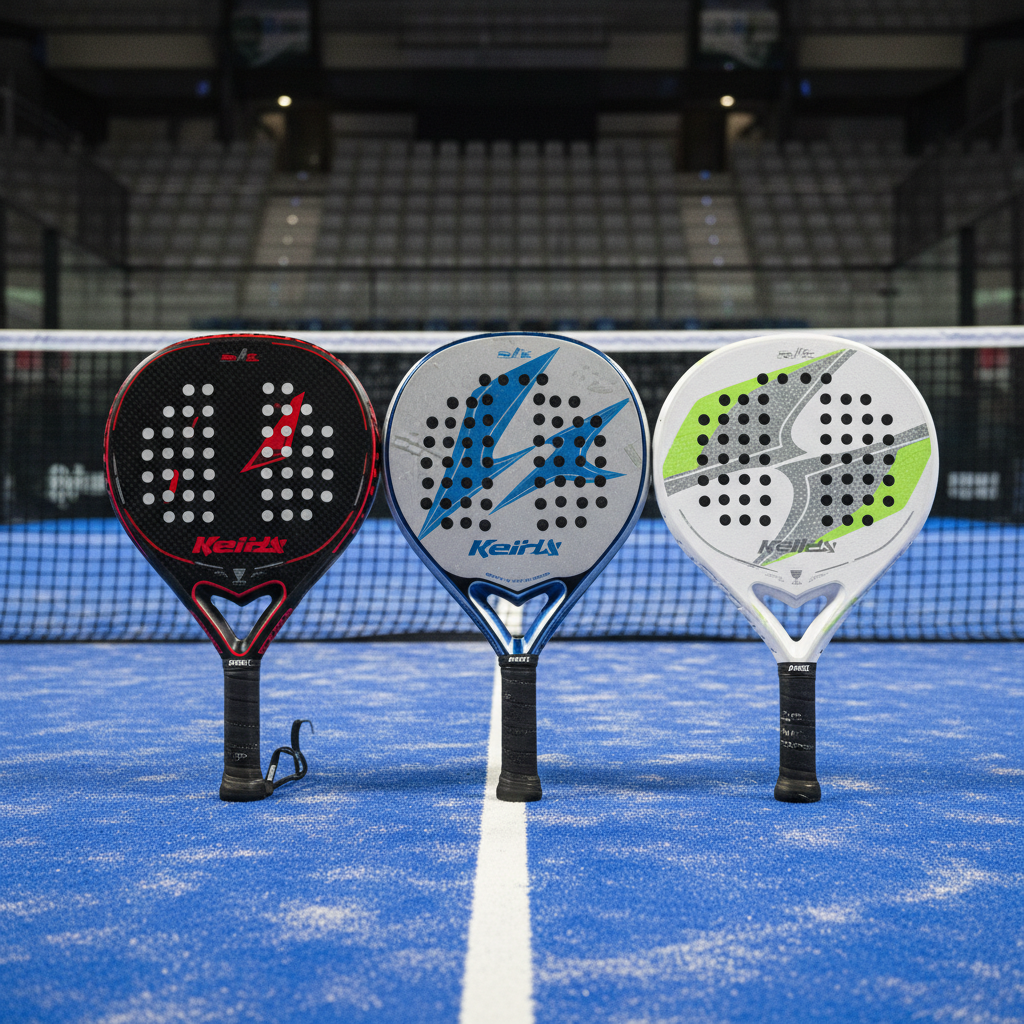
Summary of geometric performance metrics
Diamond-shaped rackets remain primary choices for aggressive professional players dominating net positions. High balance points create hammer effects during overhead smashes. But wait, there’s more. This shape requires significant forearm strength to maneuver effectively during quick transitions. If your clients are experienced tournament athletes, this geometry remains mandatory for offensive strategies. You must ensure frames have reinforced throats handling increased leverage of this design. It remains the ultimate tool for those looking to finish points quickly. Advanced carbon weaves support high-impact leverage points. Professional power hitters demand this specific architectural response.
| Shape | Sweet Spot Location | Player Profile | Performance Focus |
|---|---|---|---|
| Round | Center | Beginner/Defensive | Control and Forgiveness |
| Teardrop | Middle-Top | Intermediate/All-round | Versatile Balance |
| Diamond | Top | Professional/Aggressive | Maximum Power |
3. Why is carbon fiber used in a padel tennis racket?
Carbon fiber is used in a padel tennis racket because it offers unparalleled strength-to-weight ratios that fiberglass cannot match. You will find that material standards in the industry revolve around the “K” count of carbon weaves. Higher counts like 18K indicate eighteen thousand filaments per tow, resulting in stiffer hitting surfaces. But here’s the kicker. Carbon fiber maintains structural memory through thousands of impact cycles. This longevity reduces replacement frequency for club rental fleets, saving you significant capital long-term. Professional procurement requires a deep understanding of these composite materials. Modern technology relies heavily on advanced composites for peak performance. Carbon provides durability exceeding traditional materials by wide margins. What’s the real story? Cheap resins often fail under extreme summer temperatures. Premium carbon remains stable despite fluctuating weather conditions. This stability ensures predictable ball bounce for customers every time. Higher carbon counts like 18K offer crisp hitting sounds. Auditory feedback satisfies experienced players looking for quality gear. Avoid models using excessive fiberglass layers. Those absorb too much energy and feel “mushy.”
Summary of carbon fiber specifications
Carbon fiber frames remain stable despite fluctuating weather conditions and repeated high-velocity impacts. This stability ensures predictable ball bounce for customers every time they step on courts. What’s the real story? Cheap resins and fillers often create weak points leading to sudden snapping during play. You should demand transparency regarding carbon sourcing from manufacturers ensuring purity. High-grade materials define elite market segments and justify premium price points. Carbon frames also resist thermal expansion which remains critical for outdoor facilities. Resilience prevents frame warping during intense summer heat. Professional players trust this consistency for tournament play.
| Weave Type | Filament Count | Feel | Target User |
|---|---|---|---|
| 3K Carbon | 3,000 | Soft/Flexible | Intermediate |
| 12K Carbon | 12,000 | Medium/Firm | Advanced |
| 18K Carbon | 18,000 | Very Stiff | Professional |
| 24K Carbon | 24,000 | Maximum Stiffness | Power Hitters |
4. What is inside the core of a padel tennis racket?
The internal core material defines the soul of every padel tennis racket and determines how it handles vibrations. You have two primary options: Ethylene-vinyl acetate (EVA) or polyethylene FOAM. Here’s the deal. EVA is a rubber-like material offering high durability and a firm feel. It returns to original shapes quickly after every hard strike, providing consistent rebounds. FOAM cores are much softer and offer excellent vibration absorption for players with joint issues. You should stock both to cater to the diverse physical needs of club members. Core density directly influences ball speed and impact comfort. Professionals usually prefer higher density for offensive power. What’s the catch? Softer cores generally have shorter lifespans than EVA counterparts. You must balance the need for comfort with the expected durability of your inventory. Hybrid cores combining layers of different densities offer sophisticated playing experiences. They provide soft touches for slow shots and firm responses for power play. Consistency in core manufacturing prevents “soft spots” from developing on the faces. Check for multi-layered cores combining different densities.
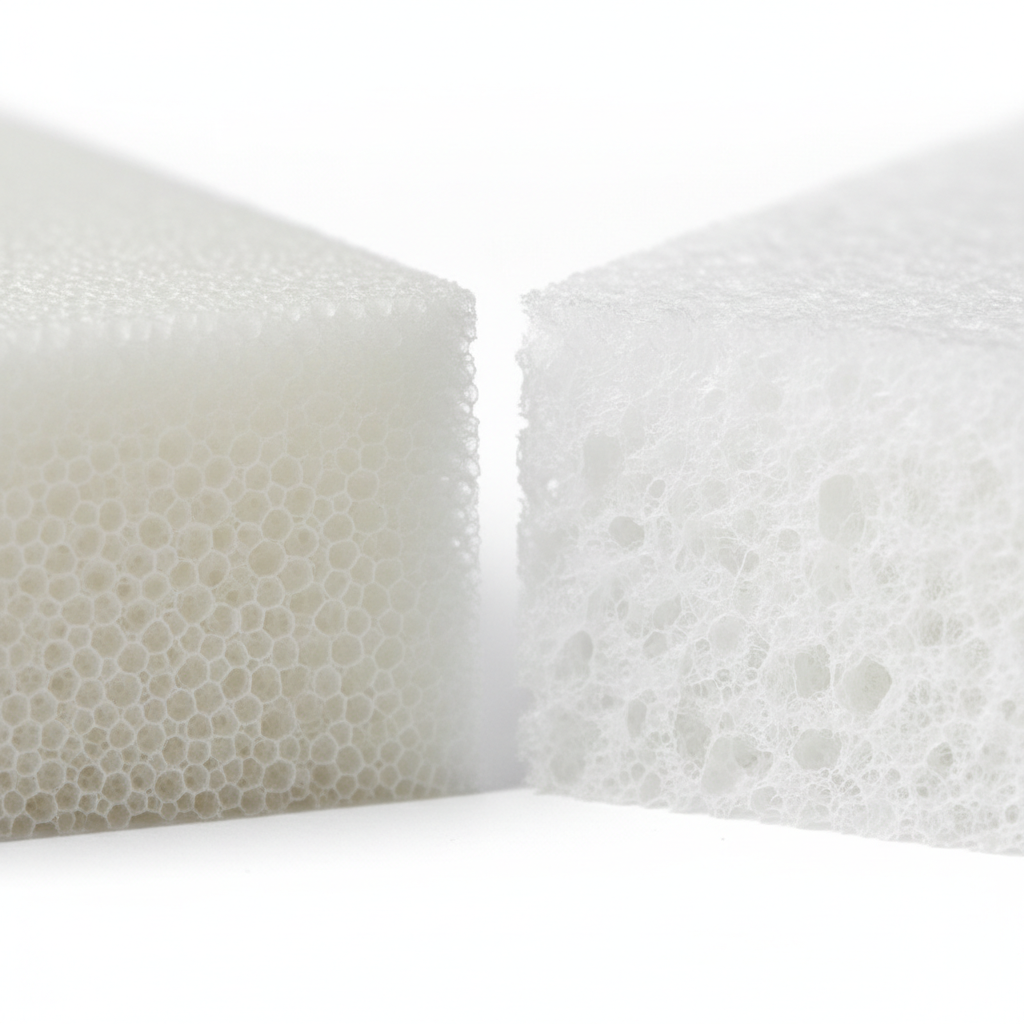
Summary of core material performance
EVA cores come in various densities ranging from Soft EVA to Black EVA. High-density variants remain preferred by professional players for power potential. You might be wondering. How does density affect the game? Denser cores do not “bottom out” during high-impact smashes, allowing for more ball speed. Procurement specialists must verify the density of internal cores, ensuring they don’t lose elasticity over time. Consistency in manufacturing prevents soft spots from developing on racket faces. Quality EVA maintains its bounce through thousands of matches. This material provides the crisp response athletes demand.
| Material | Hardness Level | Durability | Best For |
|---|---|---|---|
| Black EVA | High | Excellent | Professional Power |
| Soft EVA | Medium | Good | Balanced Play |
| Polyethylene | Low | Fair | Injury Prevention |
| Hybrid Core | Variable | Great | Technical Versatility |
5. How do you build a padel tennis racket frame?
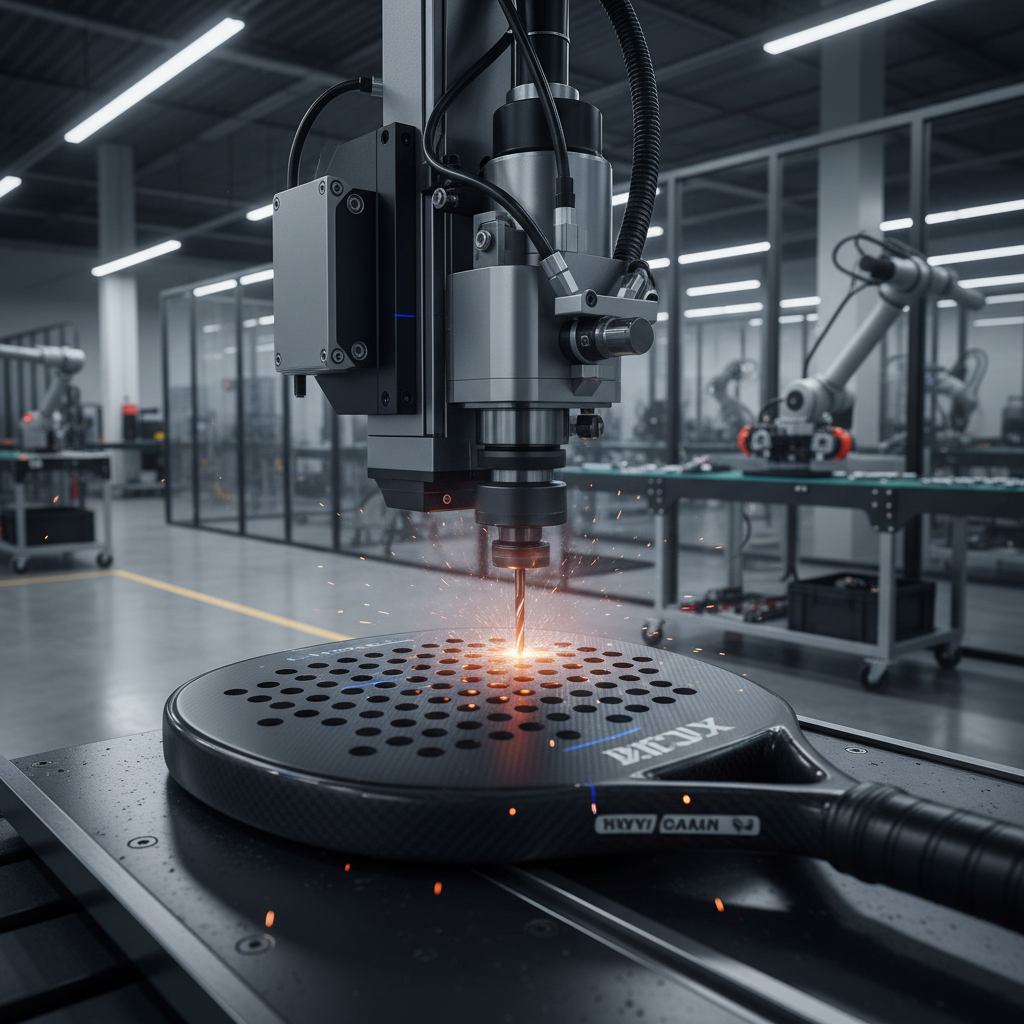
Building a padel tennis racket frame involves a complex molding process that integrates carbon fiber with advanced resins. You should know that professional equipment relies on twin tubular systems for maximum stability. This design involves two carbon tubes running parallel through the frames and bridges. But here’s the kicker. Resin blends used for bonding these fibers are just as mandatory as the fibers themselves. High-quality resins prevent frames from becoming brittle when exposed to UV radiation or extreme temperatures. You must ensure suppliers use vacuum-pressure molding processes to eliminate air bubbles. Raw carbon fiber gets layered into precision molds along with the internal core material. Once the molds seal, they get heated and pressurized, bonding components into single structural units. Ready for the good part? Industrial processes create seamless frames resisting warping through thousands of matches. You should look for frames featuring continuous fiber layouts for better stress distribution. This reduces the likelihood of cracks forming at bridge or handle connection points. Skilled manual labor remains required during this stage to ensure even resin application. Symmetrical alignment defines elite production standards.
Summary of frame construction standards
After the frames cure, hole patterns get drilled using high-speed CNC machines for perfect symmetry. Professional designs use specific hole diameters and layouts, optimizing sweet spots and aerodynamics. Here’s the deal. Poorly drilled holes lead to frayed carbon edges, causing premature surface failure. Final steps involve applying UV-resistant topcoats and any technical textures. You should verify that wrist straps stay securely anchored deep within handles. This small detail is a common failure point in budget-grade manufacturing. Smooth edges prevent ball felt from wearing prematurely. Aerodynamic efficiency improves when drilling is mathematically precise. Quality finishes protect graphics from fading under the sun.
| Process Stage | Quality Metric | B2B Importance |
|---|---|---|
| Fiber Layup | Zero Voids | Structural Longevity |
| Curing | Temperature Precision | Prevents Brittleness |
| CNC Drilling | Symmetrical Alignment | Consistent Performance |
| Coating | UV Resistance | Color and Integrity Retention |
6. Which weight is best for a padel tennis racket?
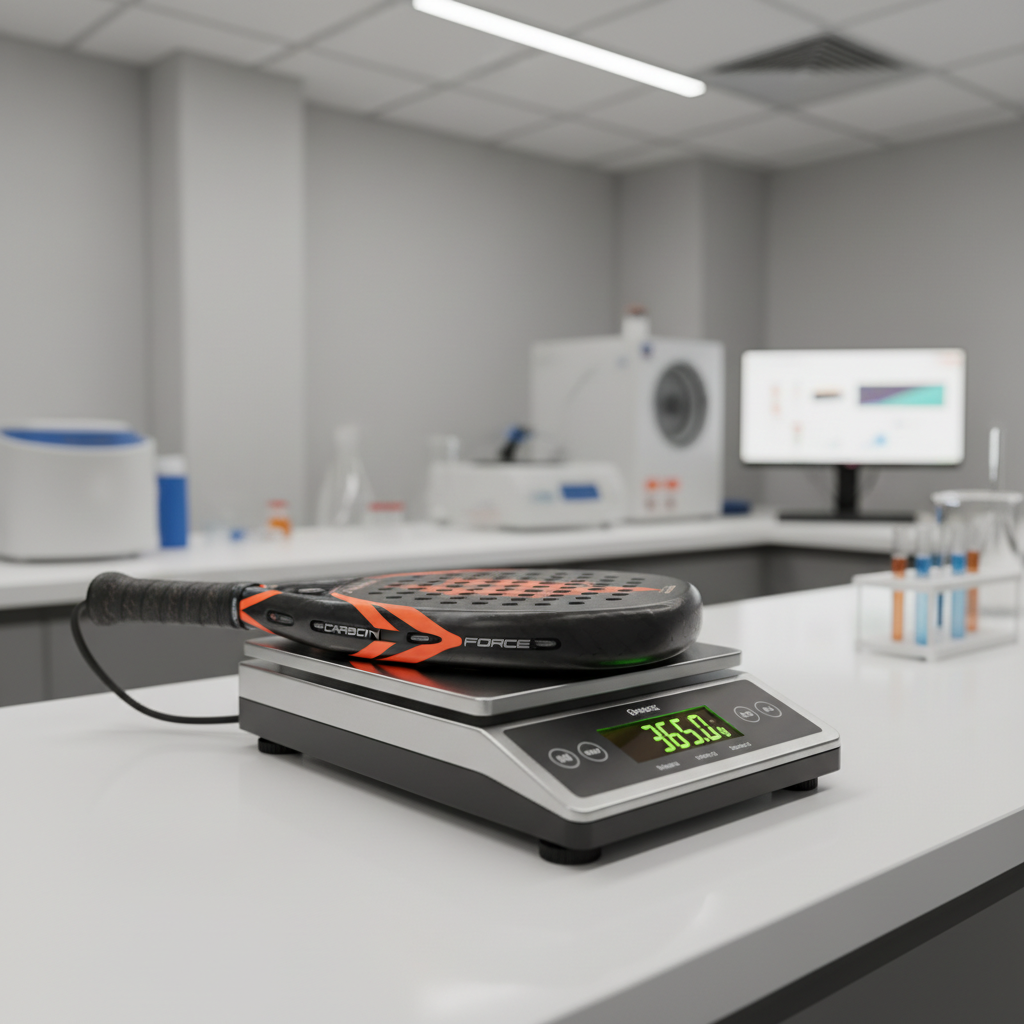
The best weight for a professional racket usually falls between 360 and 375 grams for average adult players. You must understand that even five-gram differences significantly change the “swing weight” of units. What’s the real story? Total static weight stays less mandatory than where the weight is distributed. Rackets with high balance points feel heavier and provide more power but stay harder to move at the net. Conversely, low-balance rackets feel lighter and stay much easier to maneuver during defensive blocks. You should provide options catering to the physical strength of your club demographics. Total static mass matters less than rotational inertia. But wait, there’s more. Improper balance remains a leading cause of wrist strain among amateur players. You should prioritize “Even Balance” models for general inventory, satisfying the widest range of players. This distribution sits approximately 270mm from the grip base, offering a versatile playing experience. Testing prototypes helps you understand tactile responses before placing bulk orders. Consistency across batches builds brand trust. Elite models feel like extensions of the arm.
Summary of weight and balance distribution
Lightweight rackets weighing around 350 to 355 grams suit female players or juniors ideally. They allow for faster reaction times and reduce the risk of muscle fatigue during long matches. This is where it gets interesting. Heavier units reaching 380 grams stay the preferred tools for power-hitting specialists. These rackets offer more stability during heavy impacts but require higher levels of fitness. Procurement managers should specify balance tolerances in purchase orders to ensure consistency. Batches should not vary by more than five grams from the specification. Agile players demand lighter frames for net play. Stability improves with mass during high-speed returns.
| Category | Weight Range | Balance Point | Player Profile |
|---|---|---|---|
| Lightweight | 350g – 355g | Low (<265mm) | Beginners / Women |
| Standard | 360g – 370g | Medium (270mm) | Intermediate / All-round |
| Professional | 370g – 380g | High (>275mm) | Advanced / Power |
7. How does texture improve a padel tennis racket?
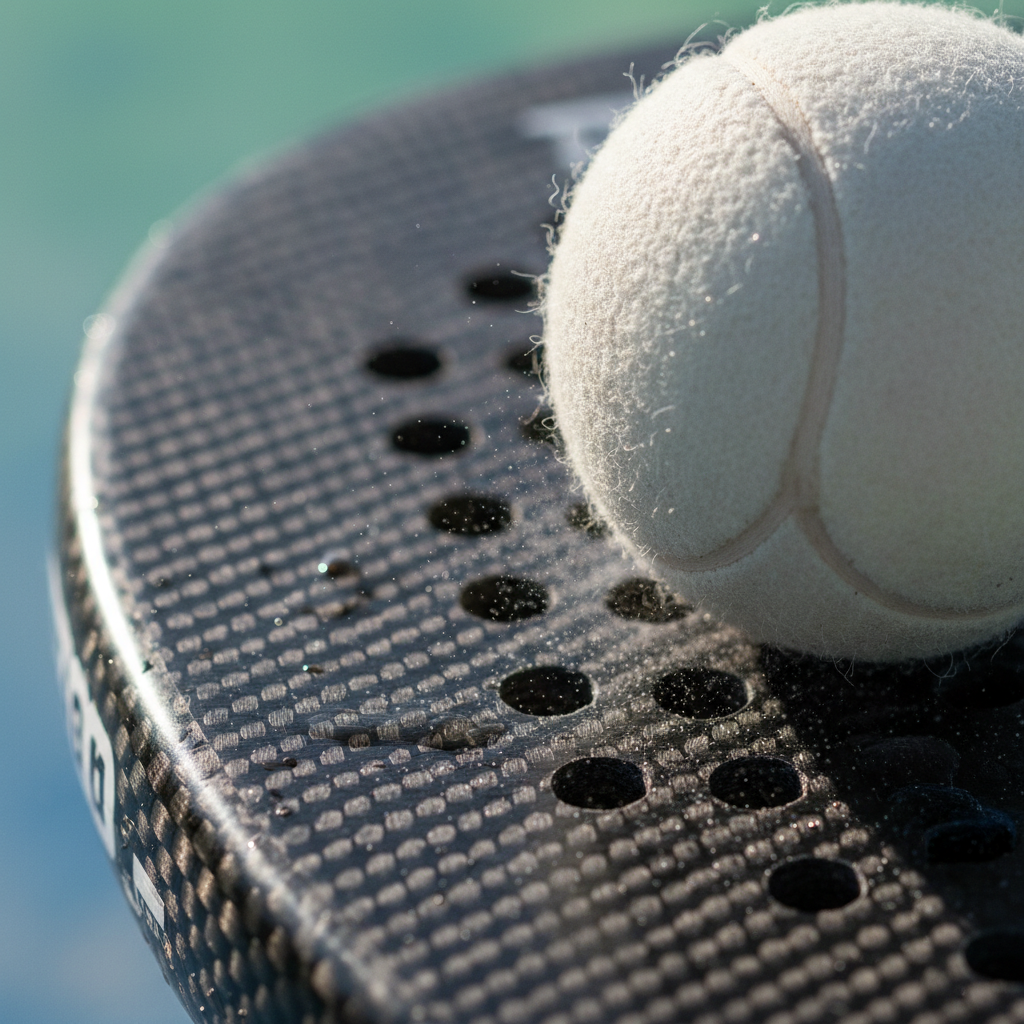
Texture improves a padel tennis racket by increasing friction between the face and the ball during technical rallies. You will find that modern surfaces often feature molded 3D hexagonal patterns or sand-grit rough finishes. But here’s the kicker. These textures allow players to apply extreme slice or topspin, making balls behave unpredictably after hitting the glass. Professional athletes rely on this spin to keep the ball low and difficult to return. You should look for integrated textures staying part of the mold rather than simple surface stickers. Proper friction prevents the ball from slipping during high-speed impacts. You might be wondering. Is sandpaper grit better? Sandpaper finishes provide even more “bite” and spin potential but tend to wear down faster. For club rental fleets, 3D molded textures are usually the more cost-effective choice. If you sell to high-end competitive players, stocking sandpaper grit models satisfies their need for maximum performance. Surface finish also affects how rackets move through the air. Matte finishes reduce glare on sunny days while gloss provides a premium look. Texture helps players control trajectory during delicate drop shots.
Summary of surface texture analysis
Molded 3D patterns stay part of the carbon fiber face and offer excellent durability over time. They provide a consistent grip that never wears off, even after months of heavy use. You might be wondering. Is sandpaper grit better? Sandpaper finishes provide even more “bite” and spin potential but tend to wear down faster. For club rental fleets, 3D molded textures are usually the more cost-effective choice. If you sell to high-end competitive players, stocking sandpaper grit models satisfies their need for maximum performance. Integrated patterns maintain aesthetics much longer. Rough surfaces bite into felt for extra rotation.
| Texture Type | Grip Level | Durability | Spin Potential |
|---|---|---|---|
| Molded 3D | Medium | High | Consistent |
| Sandpaper Grit | Very High | Moderate | Maximum |
| Smooth Gloss | Low | High | Minimal |
| Hexagonal Groove | High | High | Technical |
8. Does climate damage your padel tennis racket?
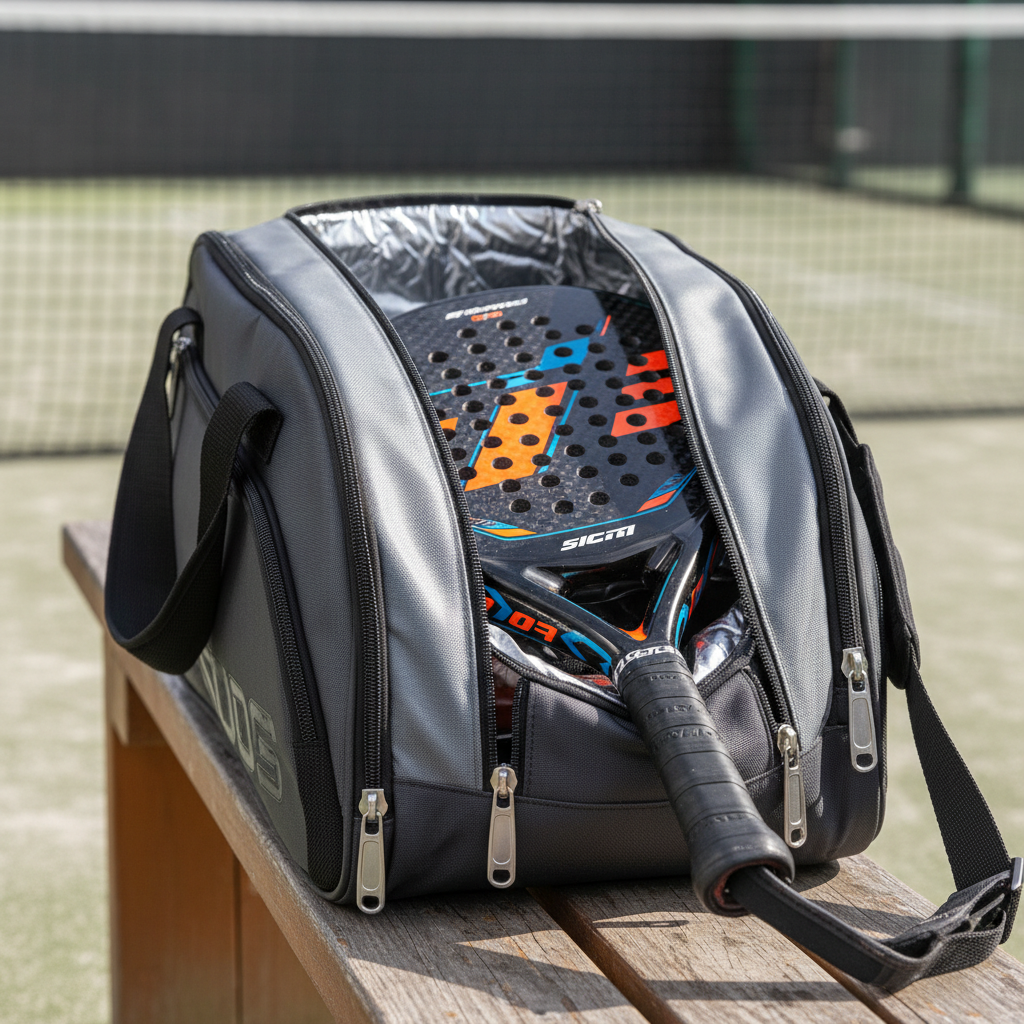
Climate can significantly damage a racket’s structural health by affecting the internal core and resin bonds. High humidity makes internal EVA cores feel heavier and softer, changing ball bounces. What’s the real story? Extreme heat remains the biggest enemy of high-performance rackets. Sunlight and high temperatures make carbon fiber brittle and soften internal resins. This leads to permanent structural warping or a loss of “pop” during play. You should advise clients to use thermally lined bags, protecting their investments from the elements. Humidity also causes ball felt to soak up moisture, adding weight. Now for the best part. Professional-grade models use UV-resistant topcoats to mitigate some environmental risks. If your club stays located in high-altitude or humid areas, source rackets specifically tested for those conditions. Some manufacturers offer winter and summer versions with different core densities. This ensures players have consistent experiences regardless of the season. Moisture can seep into handles and cores if not stored correctly after rain.
Summary of environmental impacts
Thermal expansion causes micro-cracks in composite layers over time, especially if rackets stay left in hot cars. These cracks eventually lead to full frame failures during matches. Now for the best part. Professional-grade models use UV-resistant topcoats to mitigate some environmental risks. If your club stays located in high-altitude or humid areas, source rackets specifically tested for those conditions. Some manufacturers offer winter and summer versions with different core densities. This ensures players have consistent experiences regardless of the season. Heat destroys molecular bonds within resins. Protective storage remains mandatory for longevity.
| Condition | Effect on Racket | Mitigation Strategy |
|---|---|---|
| High Heat | Softens Core / Weakens Resin | Thermal Protective Bag |
| Humidity | Increases Ball Weight Feel | High-Density EVA Selection |
| UV Exposure | Brittle Frame / Fading | UV-Resistant Topcoat |
| Cold Weather | Hardens Core / Less Power | Soft Core Racket Option |
9. When should you replace a padel tennis racket?
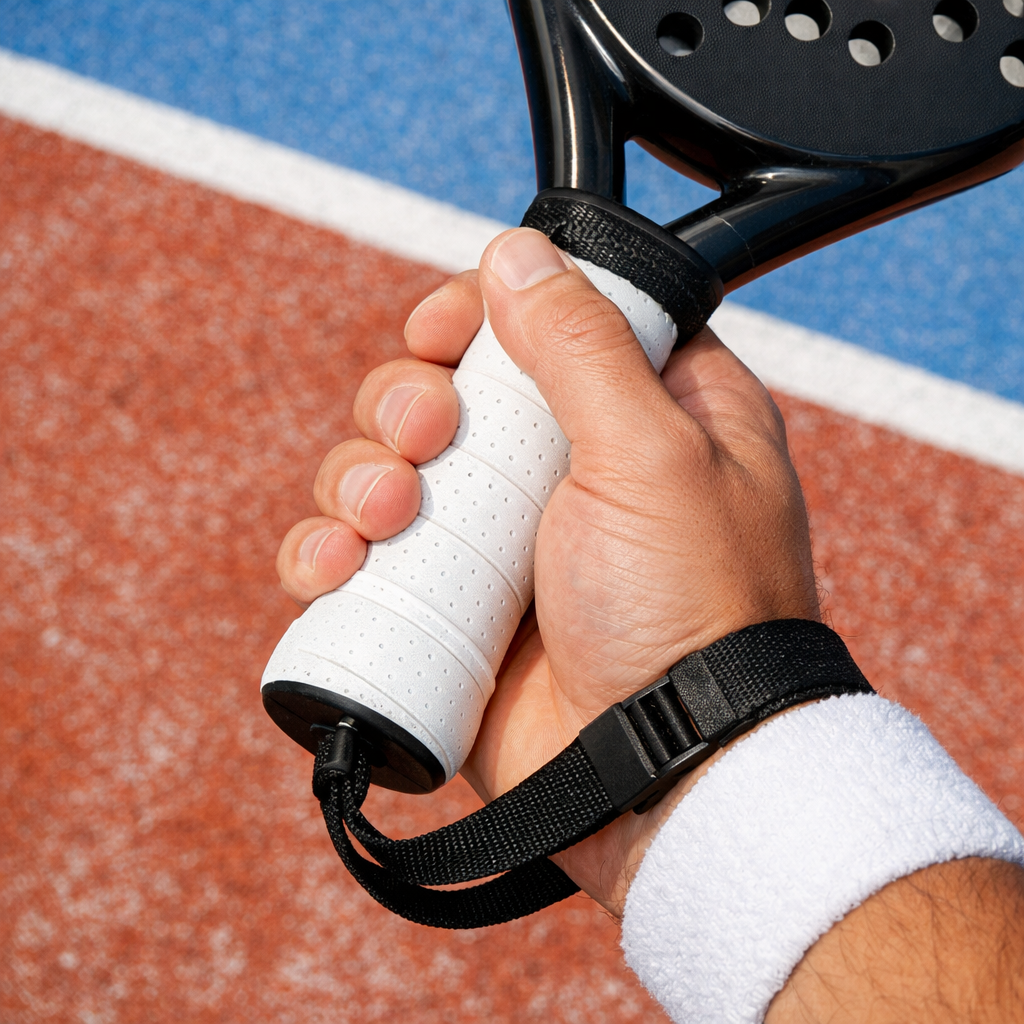
You should replace a padel tennis racket when internal cores lose elasticity or frames develop structural fatigue. Professional players might replace gear every three months due to the intensity of play. But here’s the kicker. Most club players expect equipment to last at least one year. You can identify “dead” rackets by the change in sound during impact. If the crisp “pop” turns into a dull “thud,” the internal EVA has reached the end of its lifecycle. You must educate staff to recognize these signs, preventing member dissatisfaction. Fatigue occurs invisibly within composite layers. You might be wondering. Is there a way of testing this? You can check frame flexibility by applying light pressure to the head; a “dead” racket will feel significantly softer. You should also look for micro-cracks around the hole patterns, as these stay early indicators of total failure. Replacing equipment before it breaks prevents on-court injuries and maintains quality experiences. For replacement solutions, feel free to contact us.
Summary of racket lifecycle indicators
Structural fatigue stays not always visible to the naked eye. While carbon fiber looks intact, resin bonds can fail after thousands of impacts. You might be wondering. Is there a way of testing this? You can check frame flexibility by applying light pressure to the head; a “dead” racket will feel significantly softer. You should also look for micro-cracks around the hole patterns, as these stay early indicators of total failure. Replacing equipment before it breaks prevents on-court injuries and maintains quality experiences. Micro-fractures spread rapidly during aggressive matches. Professional inspection ensures player safety.
| Indicator | Symptom | Action Required |
|---|---|---|
| Sound Change | Dull “Thud” | Immediate Replacement |
| Vibration | Increased Hand Sting | Check Core Integrity |
| Surface Cracks | Visible Lines Near Holes | Stop Use / Replace |
| Loss of Power | Ball Doesn’t Rebound | Core Fatigue Reached |
10. How do factories audit a padel tennis racket?
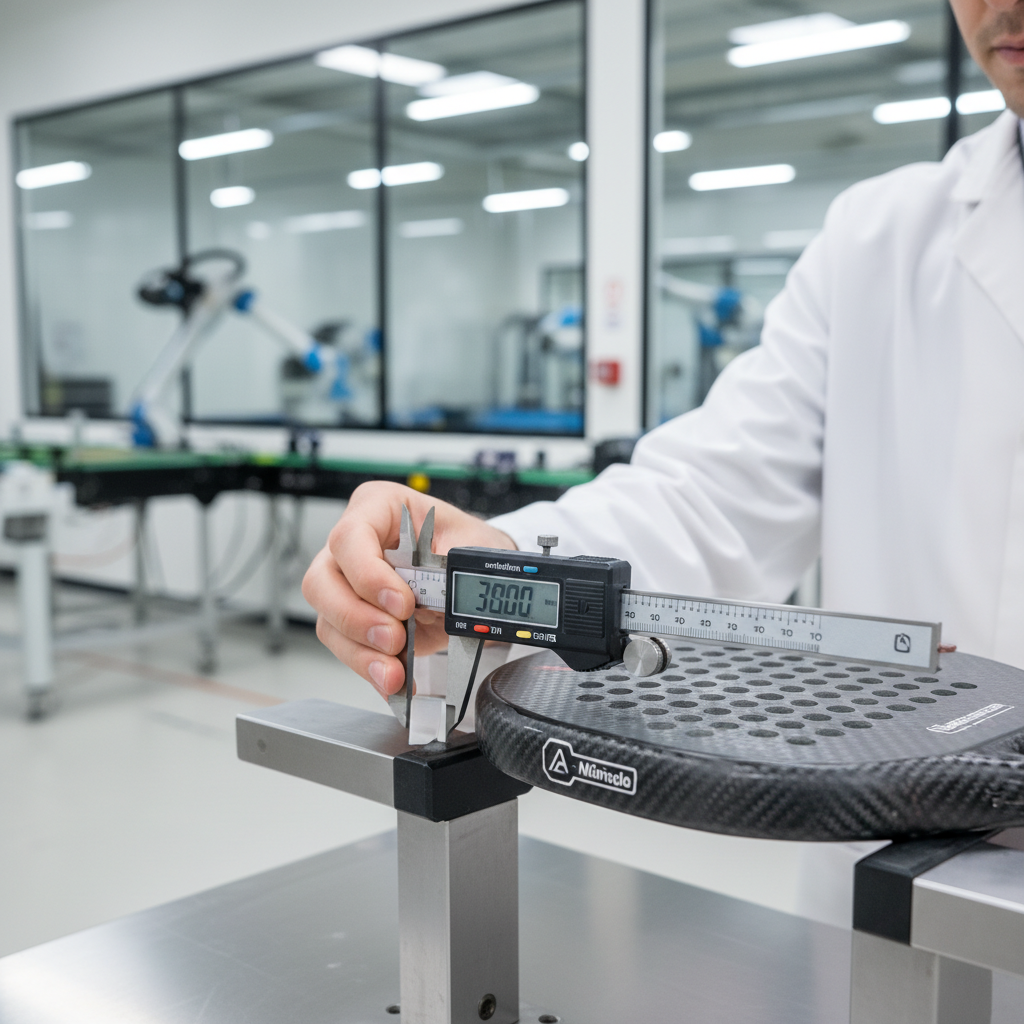
Factories audit a high-end racket through rigorous stress testing protocols and material purity certifications. You should demand ISO-standard documentation from any potential supplier, ensuring quality control stays consistent. What’s the real story? Many low-cost manufacturers claim to be using 18K carbon but use cheap overlays instead. You must request cross-section samples of frames to check for internal voids or uneven resin distribution. Factory visits reveal the true quality of finishing processes and the skill levels of manual laborers. Stress testing machines simulate thousands of ball impacts at high speeds. Ready for the good part? They also conduct drop tests and bridge torsion tests, ensuring units won’t snap under pressure. You should look for suppliers providing weight and balance certificates for every single unit. This level of precision ensures identical replacements for players. High-end production involves significant manual labor, ensuring resin gets applied evenly across the fibers. Purity certificates ensure no recycled materials get used. Establishing long-term partnerships with factories welcoming independent audits remains paramount for B2B success.
Summary of quality audit metrics
Professional factories use machines simulating thousands of ball impacts at high speeds, testing the durability of frames and cores. Ready for the good part? They also conduct drop tests and bridge torsion tests, ensuring units won’t snap under pressure. You should look for suppliers providing weight and balance certificates for every single unit. This level of precision ensures identical replacements for players. High-end production involves significant manual labor, ensuring resin gets applied evenly across fibers. Fatigue life testing determines product limits. Automated sensors detect structural failure instantly. Safety margins exceed normal playing conditions.
| Metric | Target Standard | Verification Method |
|---|---|---|
| Material Purity | 100% Carbon (No Glass) | Lab Analysis / Burn Test |
| Weight Variance | +/- 5 grams | Digital Scale Sampling |
| Balance Variance | +/- 3 millimeters | Balance Board Testing |
| Impact Strength | 50kg Force Resistance | Stress Machine Test |
Professional procurement of high-performance gear requires a deep technical understanding of composite materials and racket geometry. You must prioritize high-density EVA cores and 18K carbon fiber, satisfying the demands of modern athletes. Here’s the deal. Quality gear stays not just an expense; it remains an investment in club reputations and long-term profitability. By focusing on reinforced frames and precise weight distribution, you reduce replacement costs and improve member retention. I recommend conducting thorough factory audits to ensure structural integrity across all production batches. Reliability remains the most valuable asset in the professional sporting goods industry.
FAQ
Q1: What is a padel tennis racket?
A padel tennis racket is a solid-faced hitting tool used in padel sports, featuring a stringless surface made of composite materials like carbon fiber or fiberglass with an internal foam or EVA core.
Q2: How does the carbon fiber K-count work?
The “K” refers to the number of carbon filaments in each tow (e.g., 3K, 12K, 18K); higher numbers generally indicate a wider, flatter weave that provides a stiffer and more durable hitting surface for advanced play.
Q3: Is a diamond shape better than a round shape?
It depends on the player’s skill; diamond shapes provide more power for advanced players by shifting weight to the head, while round shapes offer a larger sweet spot and better control for beginners and defensive specialists.
Q4: How often should a club replace its rental rackets?
Commercial clubs should typically replace rental inventory every 6 to 12 months, depending on the frequency of use, to ensure the internal cores still provide a safe and responsive playing experience without structural fatigue.
Q5: Can environmental heat ruin a carbon fiber racket?
Yes, extreme heat can soften the internal resin and the EVA core, leading to permanent structural warping or a loss of “pop,” which is why professional players use thermally insulated bags for storage in vehicles or hot courts.