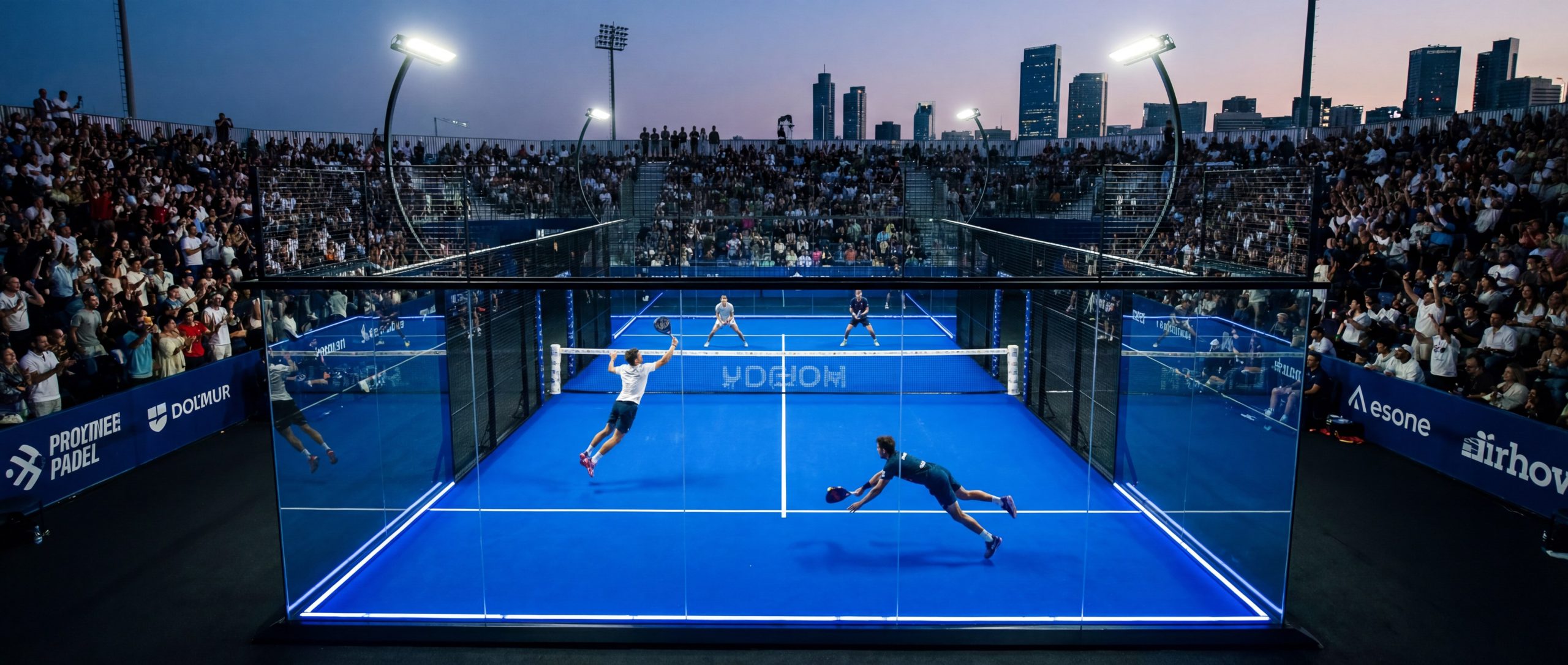
Mastering the asics padel ecosystem involves integrating high-performance construction standards with equipment designed for explosive lateral agility. The sun hits the glass enclosure of a pristine court while you are mid-sprint, eyes locked on a ball ricocheting at an unpredictable angle. However, the excitement fades when a poorly constructed surface causes a slip or inferior gear leads to a missed overhead. By combining elite arena standards with footwear and rackets built for precision, you create a foundation for victory. This guide explores the technical blueprint of the sport and the steps required to build a professional-grade asics padel environment.
What is the history of asics padel?
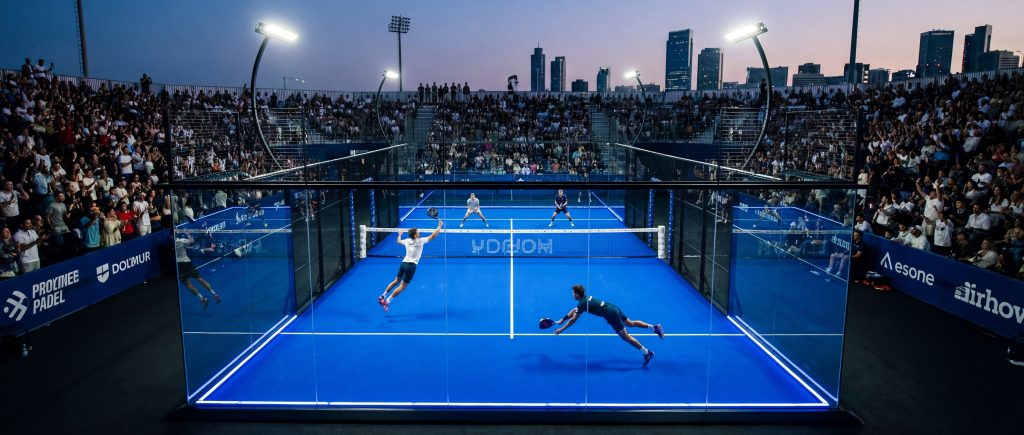
The history of asics padel tracks back to the need for superior lateral stability on a court that combines elements of tennis and squash. From its inception in 1969, the sport has demanded specific structural requirements to support its unique “off the wall” playstyle.
Where did padel sport originate?
Let’s dive in: the sport was born in Acapulco, Mexico, when a businessman decided to adapt his backyard for a racket game that utilized walls.
- Origin: 1969 Acapulco.
- Founder: Enrique Corcuera.
- Evolution: From wood to tempered glass.
How did the gear evolve?
Here is the deal: equipment has shifted from heavy wooden paddles to sophisticated carbon fiber frames designed for maximum shock absorption.
- Materials: Carbon fiber and EVA foam.
- Focus: Reducing elbow strain.
- Grip: Enhanced traction patterns.
Key Takeaway: The sport’s evolution from a private backyard pastime to a global professional circuit highlights the increasing importance of specialized court engineering.
| Era | Primary Material | Key Innovation |
|---|---|---|
| 1960s | Concrete & Wood | Enclosed court walls |
| 1990s | Steel Mesh | Increased ball visibility |
| 2020s | Panoramic Glass | High-definition spectator views |
The transition toward high-impact glass has fundamentally changed how players interact with the court perimeter during professional matches.
Why is asics padel growing so fast?
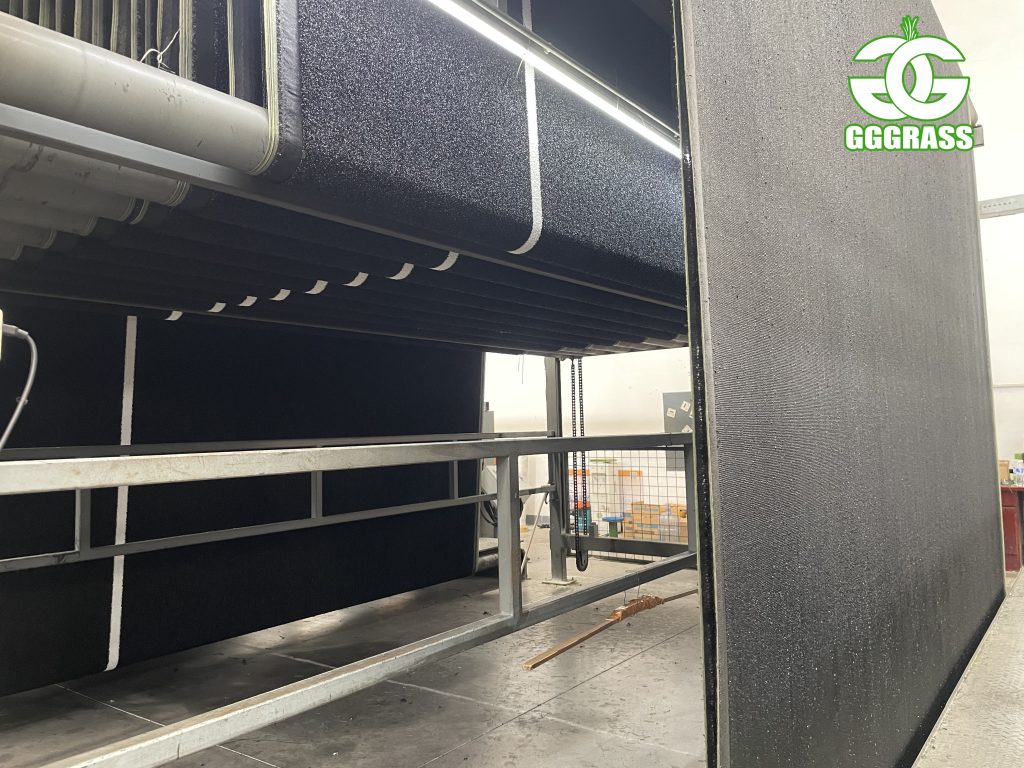
The surge in asics padel popularity is driven by its incredible accessibility and the highly social nature of its doubles-only format. Because the court is smaller than a tennis court, the learning curve is significantly shorter for beginners.
Is it easier than tennis?
Think about it: the underhand serve and the ability to play the ball off the walls make the game more forgiving for new enthusiasts.
- Rally length: Typically longer than tennis.
- Learning curve: Basics mastered in one hour.
- Physicality: High-intensity but lower impact.
What attracts new players?
But that is not all: the community aspect of four players in a confined space creates a vibrant atmosphere that traditional sports often lack.
- Social interaction: Doubles format is mandatory.
- Fitness: Burns up to 600 calories per hour.
- Global reach: Massive growth in Europe and Middle East.
Key Takeaway: Rapid adoption is linked to the sport’s ability to provide a high-intensity workout without the steep technical barrier of entry found in other racket games.
| Factor | Padel Impact | Tennis Comparison |
|---|---|---|
| Difficulty | Low-Medium | High |
| Social Factor | High (4 players) | Medium (2-4 players) |
| Space Needed | 200 sqm | 600+ sqm |
The compact nature of the court allows for higher player density in urban sports clubs, maximizing both social engagement and facility revenue.
How do you build the asics padel base?
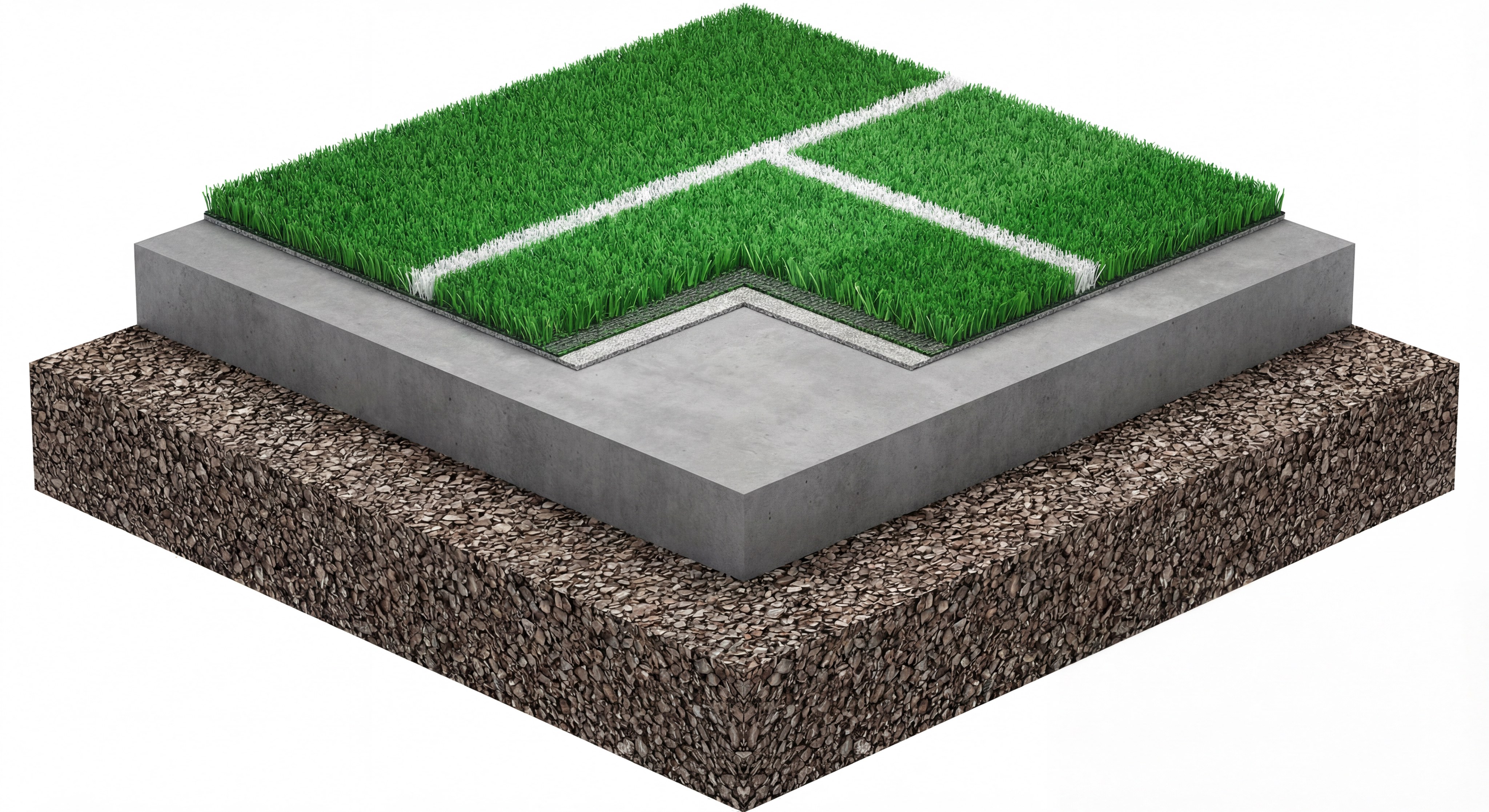
Building the foundation of an asics padel court requires a multi-layered approach to ensure perfect drainage and surface flatness. A professional installation begins with a deep excavation followed by layers of compacted aggregate.
What are the base layers?
Look: the structural integrity of your court depends entirely on the quality of the concrete slab and the drainage systems beneath it.
- Layer 1: Compacted gravel.
- Layer 2: Porous concrete or asphalt.
- Layer 3: Leveling screed.
Why is drainage critical?
But wait, there’s more: without proper water evacuation, the synthetic turf will bubble and the adhesive will fail over time.
- Slope: 0.5% to 1% gradient.
- Drainage: Perimeter channels.
- Longevity: Prevents mold and decay.
Key Takeaway: A precision-engineered base is the most critical investment in court construction, as it dictates the bounce quality and long-term durability.
| Component | Minimum Spec | Purpose |
|---|---|---|
| Sub-base | 15-20cm Gravel | Stability and drainage |
| Slab | 10-15cm Concrete | Surface flatness |
| Tolerance | < 3mm over 3m | Consistent ball bounce |
An uneven base can lead to “dead spots” where the ball fails to rise correctly, significantly impacting the competitive quality of the game.
What footwork defines asics padel?
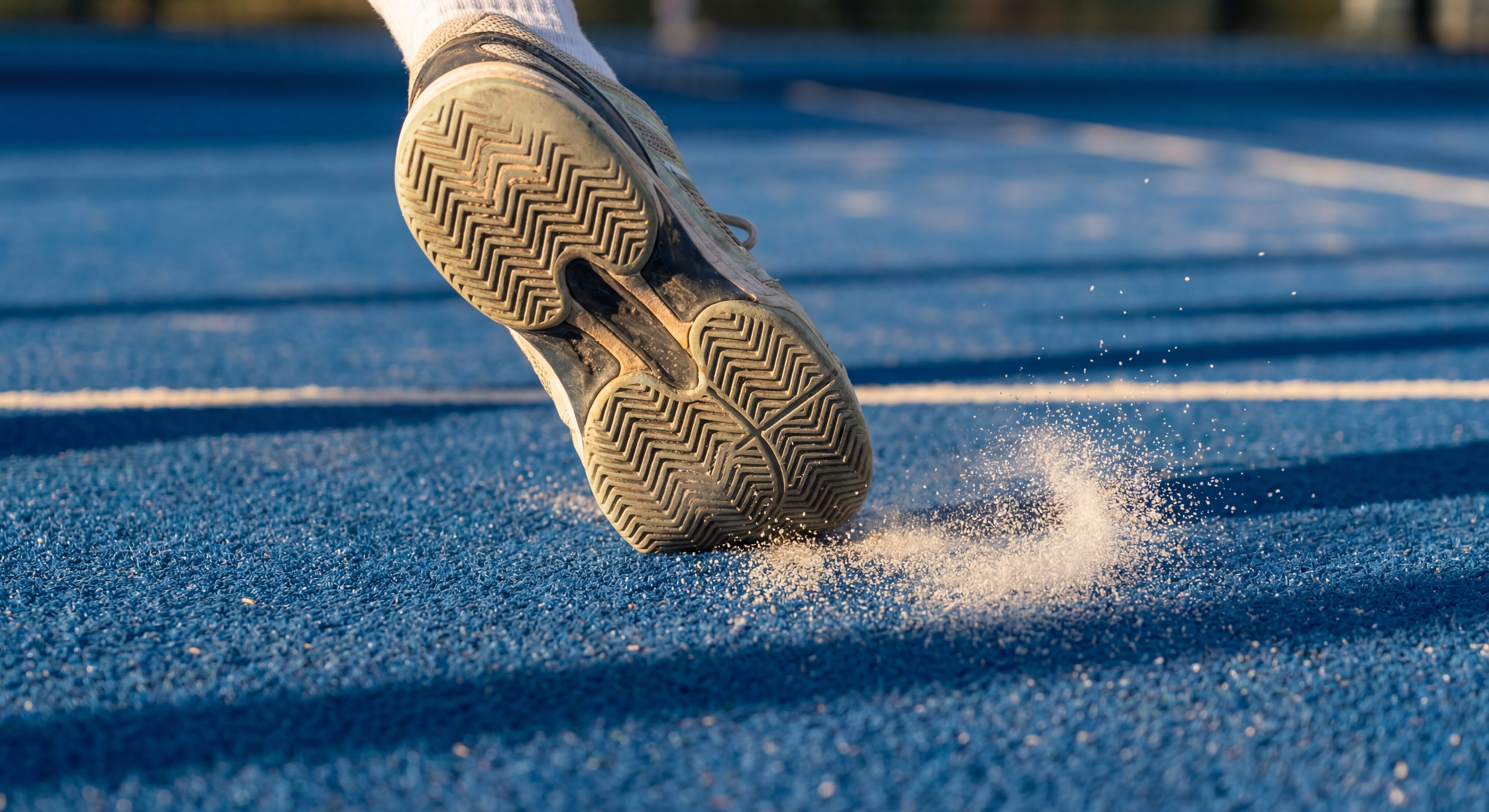
The footwork in asics padel is defined by rapid lateral slides and vertical leaps that require footwear with exceptional grip and support. You need outsoles that can handle the silica sand dispersed throughout the synthetic turf fibers.
How to manage lateral movement?
Here is the secret: specialized pivot points in the sole allow you to rotate your body quickly without putting excess strain on your knees.
- Pivot points: Circular patterns in the sole.
- Lateral wrap: Reinforced sides for stability.
- Cushioning: Gel or foam for impact.
Why does grip matter?
Understand this: the presence of sand on the court means you need a deep herringbone pattern to maintain traction during a sprint.
- Pattern: Deep grooves.
- Durability: High-abrasion rubber.
- Flex: Forefoot flexibility for lunging.
Key Takeaway: Footwear is the most important piece of personal equipment, acting as the interface between the athlete and the technical court surface.
| Motion | Shoe Requirement | Benefit |
|---|---|---|
| Sliding | Controlled Friction | Joint protection |
| Jumping | Vertical Cushioning | Energy return |
| Turning | Pivot Discs | Agility improvement |
Choosing the wrong shoes can lead to slips on sandy patches or “sticky” movements that increase the risk of ankle rolls during high-speed play.
Which glass suits an asics padel court?
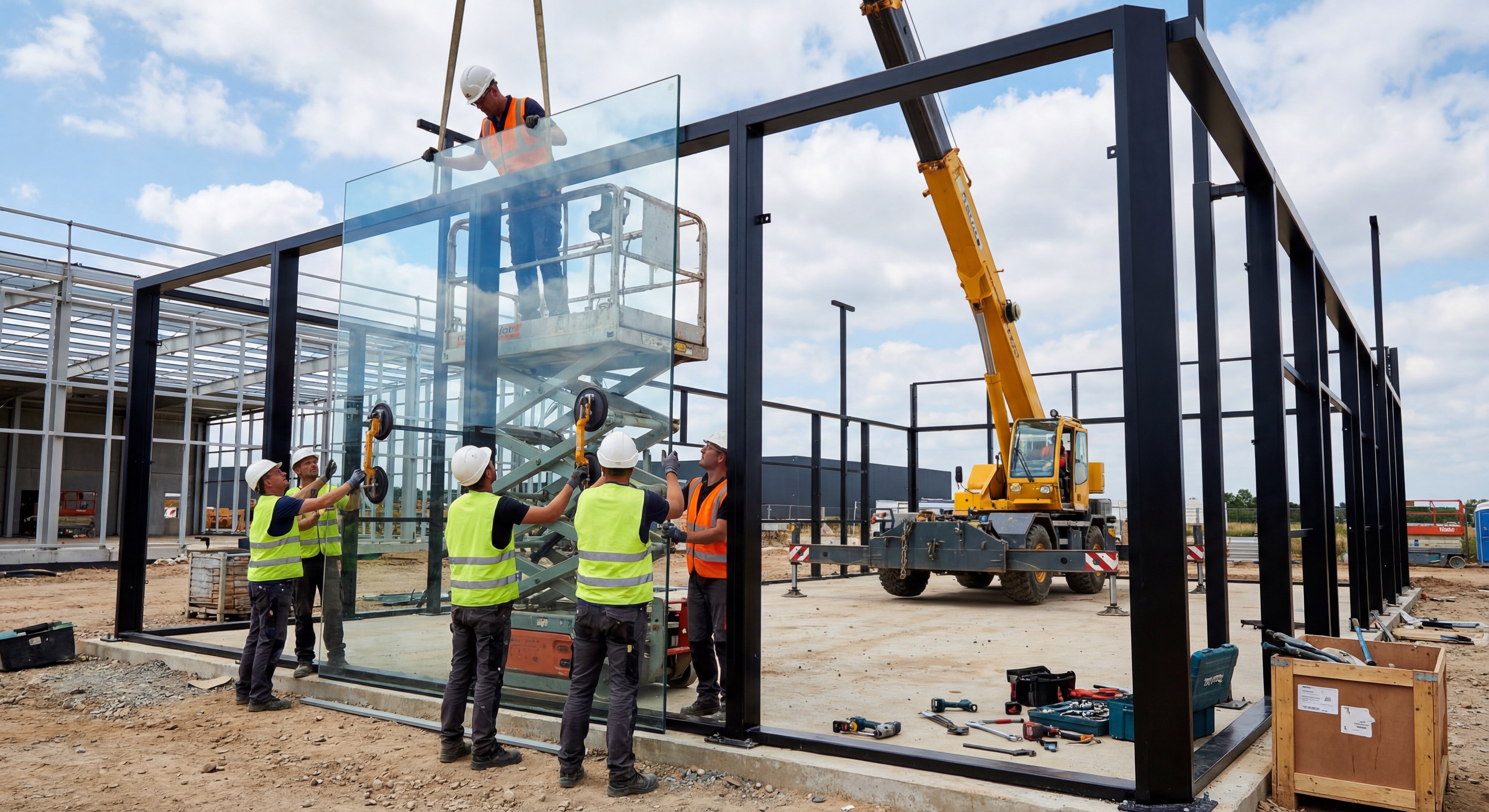
The specific glass used in asics padel must be tempered to withstand high-velocity ball impacts and occasional player collisions. Most professional circuits utilize 10mm to 12mm thickness to ensure maximum safety and ball response.
What is tempered safety glass?
You might be wondering: tempered glass is four to five times stronger than standard glass and shatters into small, blunt pieces if broken.
- Thickness: 10mm or 12mm.
- Processing: Heat-treated.
- Safety: Minimized injury risk.
Are panoramic walls better?
But that is not all: removing the corner pillars in a panoramic design provides an unobstructed view that is perfect for professional broadcasting.
- Visibility: 360-degree views.
- Aesthetic: Modern, high-end look.
- Structure: Heavy-duty steel beams.
Key Takeaway: Glass quality determines both the safety of the facility and the predictability of the ball’s bounce off the court’s rear walls.
| Glass Type | Thickness | Recommended Use |
|---|---|---|
| Standard | 10mm | Private or indoor use |
| Professional | 12mm | High-traffic clubs |
| Panoramic | 12mm+ | Tournament centers |
The choice between 10mm and 12mm glass often comes down to the wind load requirements for outdoor installations versus the aesthetic goals of the club.
What racket technology powers asics padel?
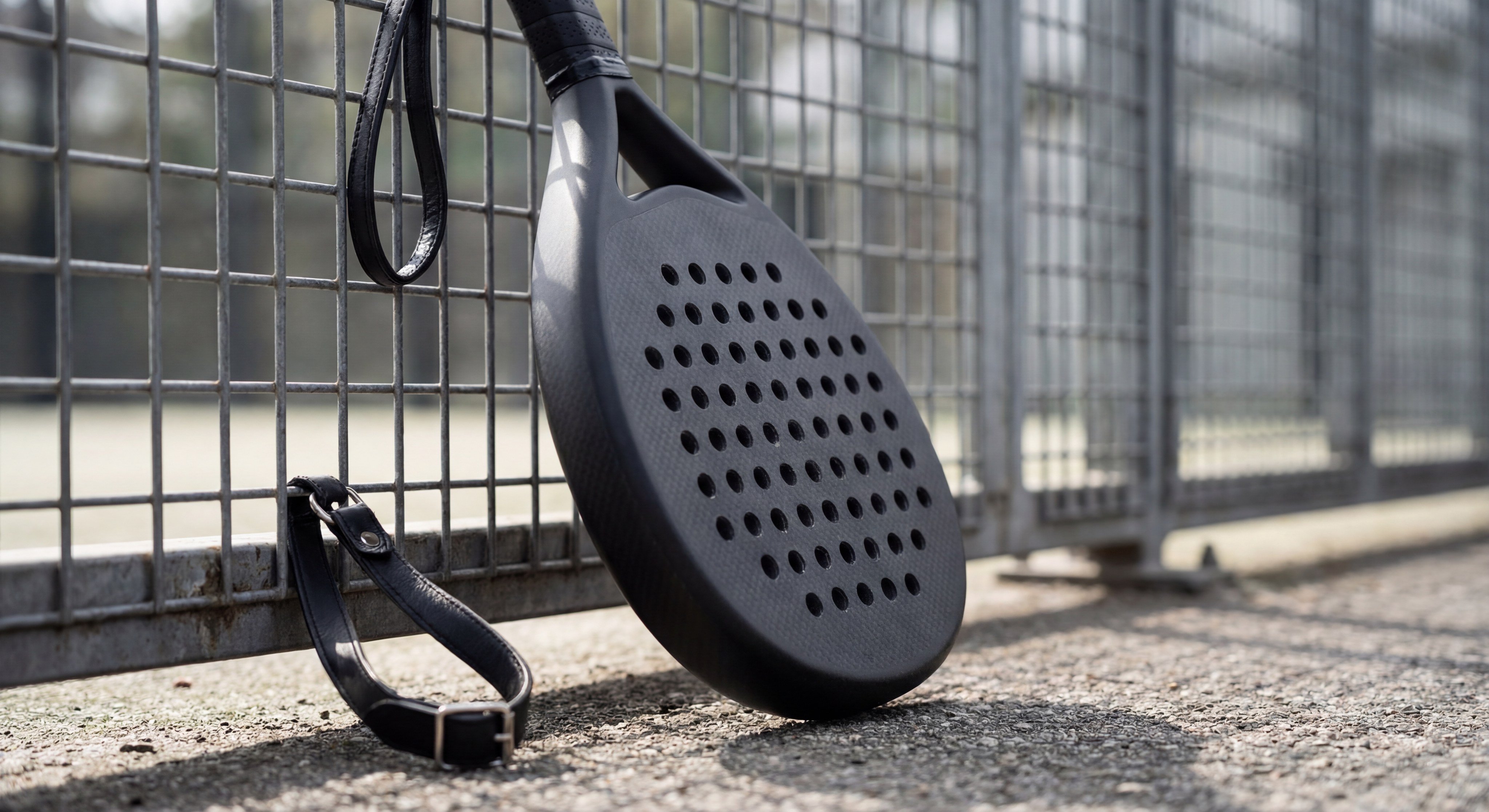
The racket technology used in asics padel focuses on balancing weight, power, and the “sweet spot” size to accommodate different player styles. Most modern rackets utilize a sandwich construction of carbon fiber and a core of elastic foam.
How to choose a shape?
Here is the deal: round rackets offer the most control for beginners, while diamond shapes provide the leverage needed for professional-level power.
- Round: Large sweet spot.
- Teardrop: Balanced power and control.
- Diamond: High balance for smashing.
What is inside the racket?
Look: the density of the internal EVA foam determines how much vibration is transferred to your arm during a heavy volley.
- Soft foam: More comfort.
- Hard foam: More precision.
- Carbon frame: Structural rigidity.
Key Takeaway: Selecting a racket that matches your skill level and physical strength is essential for preventing common injuries like tennis elbow.
| Racket Shape | Balance Point | Player Level |
|---|---|---|
| Round | Low (Handle) | Beginner |
| Teardrop | Middle | Intermediate |
| Diamond | High (Head) | Advanced |
Advanced players often prefer harder rackets because they allow for more “work” on the ball, enabling complex spin and faster ball speeds.
How to install lights for asics padel?
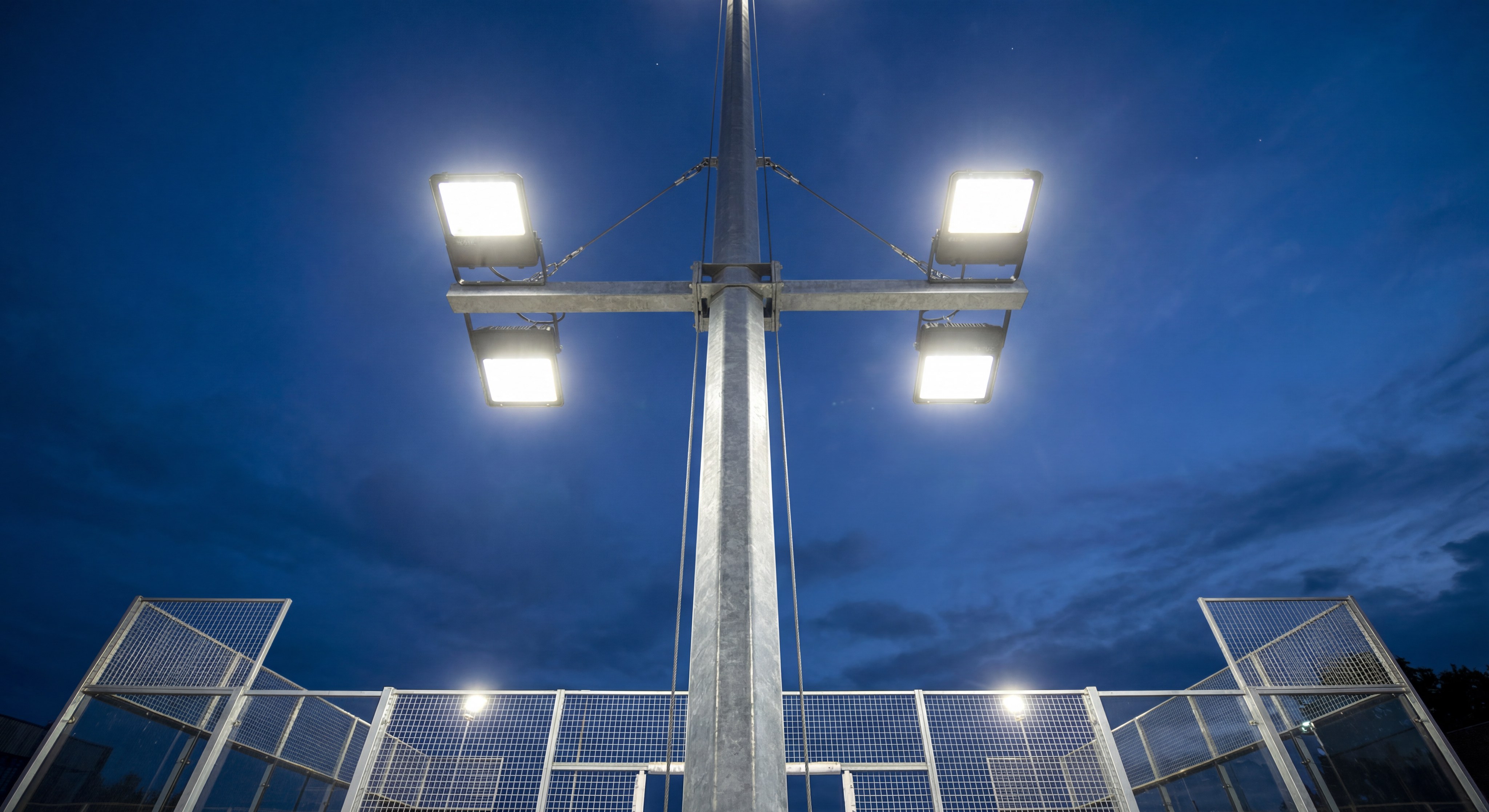
Proper illumination for asics padel prevents shadows and ensures that players can track the ball during high-speed overhead exchanges. For competitive play, you should aim for a minimum of 500 to 750 lux across the entire surface.
What are LED requirements?
Think about it: LED technology is now the industry standard because it provides instant-on capability and significantly lower energy consumption.
- Lux levels: 500 (Club), 750 (Pro).
- Flicker: Zero-flicker for cameras.
- Optics: Asymmetric beam patterns.
Where should poles sit?
But wait, there’s more: lighting masts must be positioned outside the court perimeter to ensure they do not become a safety hazard for players.
- Height: Usually 6 meters.
- Placement: Mid-court or corners.
- Durability: Wind-resistant steel.
Key Takeaway: High-quality lighting extends the usable hours of a facility and is vital for providing a professional experience during evening sessions.
| Facility Type | Min Lux Level | Uniformity |
|---|---|---|
| Recreational | 300 | 0.5 |
| Competition | 500 | 0.7 |
| TV Broadcast | 1000+ | 0.8 |
Uniformity is just as important as brightness, as it prevents “blind spots” where the ball might disappear from the player’s view mid-flight.
How to brush the asics padel surface?
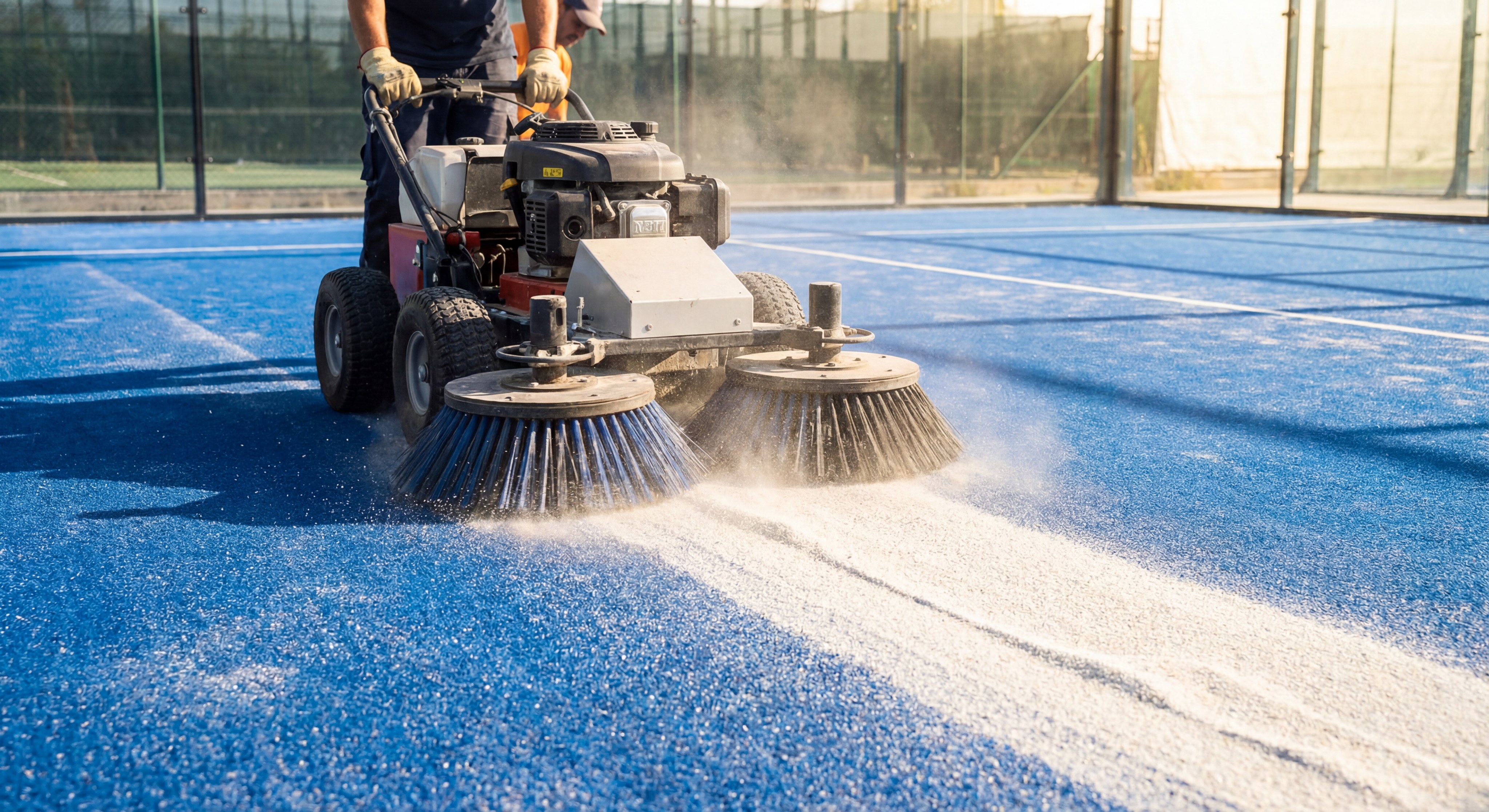
Maintaining an asics padel court involves regular brushing to redistribute the silica sand that keeps the synthetic fibers upright and functional. Without this maintenance, the sand accumulates in the corners, leaving the high-traffic areas slippery and dangerous.
Why is brushing essential?
The best part? Regular grooming only takes fifteen minutes but can double the lifespan of your synthetic turf and improve player safety.
- Redistribution: Moves sand to high-wear areas.
- Fiber health: Prevents matting.
- Drainage: Keeps pores open.
How often should you groom?
But that is not all: high-traffic clubs should brush their courts daily to ensure the surface remains consistent for every single match.
- Frequency: Daily or weekly.
- Equipment: Wide-bristled brushes.
- Direction: Circular and longitudinal.
Key Takeaway: Proper sand management through brushing is the most cost-effective way to maintain a high-performance playing environment over several years.
| Activity | Frequency | Benefit |
|---|---|---|
| Brushing | Weekly | Even sand levels |
| Debris Removal | Daily | Prevents fiber rot |
| Deep Clean | Annually | Restores drainage |
Neglecting the sand distribution leads to uneven wear on the turf fibers, which eventually requires expensive full-surface replacements.
What design trends shape asics padel?
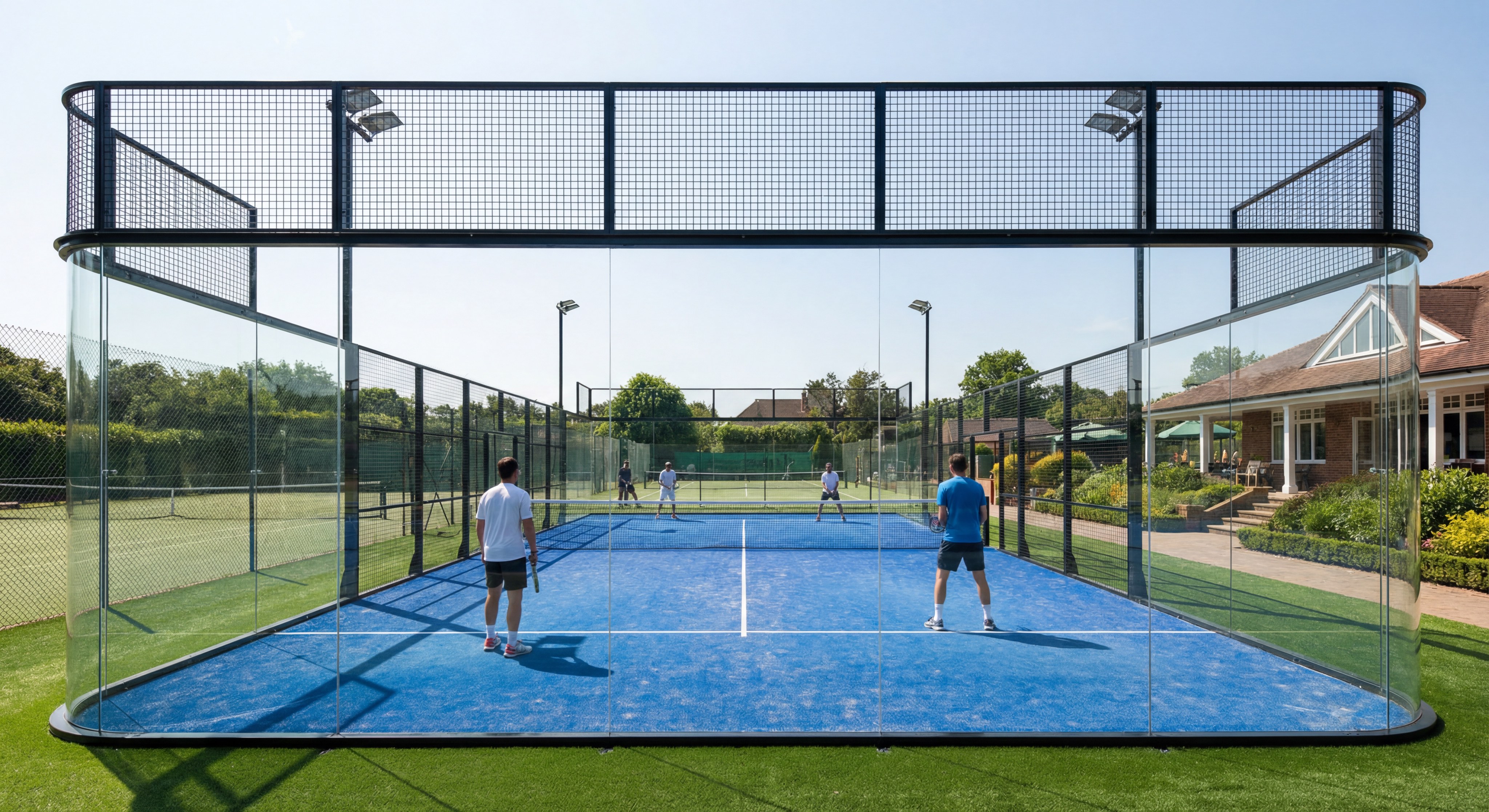
Modern design trends in asics padel are moving toward seamless architecture and integrated technology for player tracking and match recording. You will see more facilities opting for aesthetic glass colors and customized frame finishes to stand out.
What are smart courts?
Look: many new arenas are being built with integrated cameras that allow you to analyze your footwork and stroke production instantly.
- Tech: AI-driven analysis.
- Social: Instant highlights for sharing.
- Training: Heat maps of player movement.
Is indoor play better?
Understand this: building a roofed facility allows for year-round revenue regardless of weather conditions, which is crucial for commercial success.
- Clearance: 6 to 9 meters high.
- Climate: AC and ventilation.
- Surface: Guaranteed dry play.
Key Takeaway: The integration of digital technology and high-end architecture is transforming padel courts into premium lifestyle destinations.
| Trend | Benefit | Cost Impact |
|---|---|---|
| Smart Cameras | Player engagement | Moderate |
| Indoor Roofs | 365-day play | High |
| Custom Colors | Brand identity | Low |
Architectural choices, such as using black powder-coated frames versus traditional green, can significantly impact the “premium” feel of a sports club.
How do players excel in asics padel?
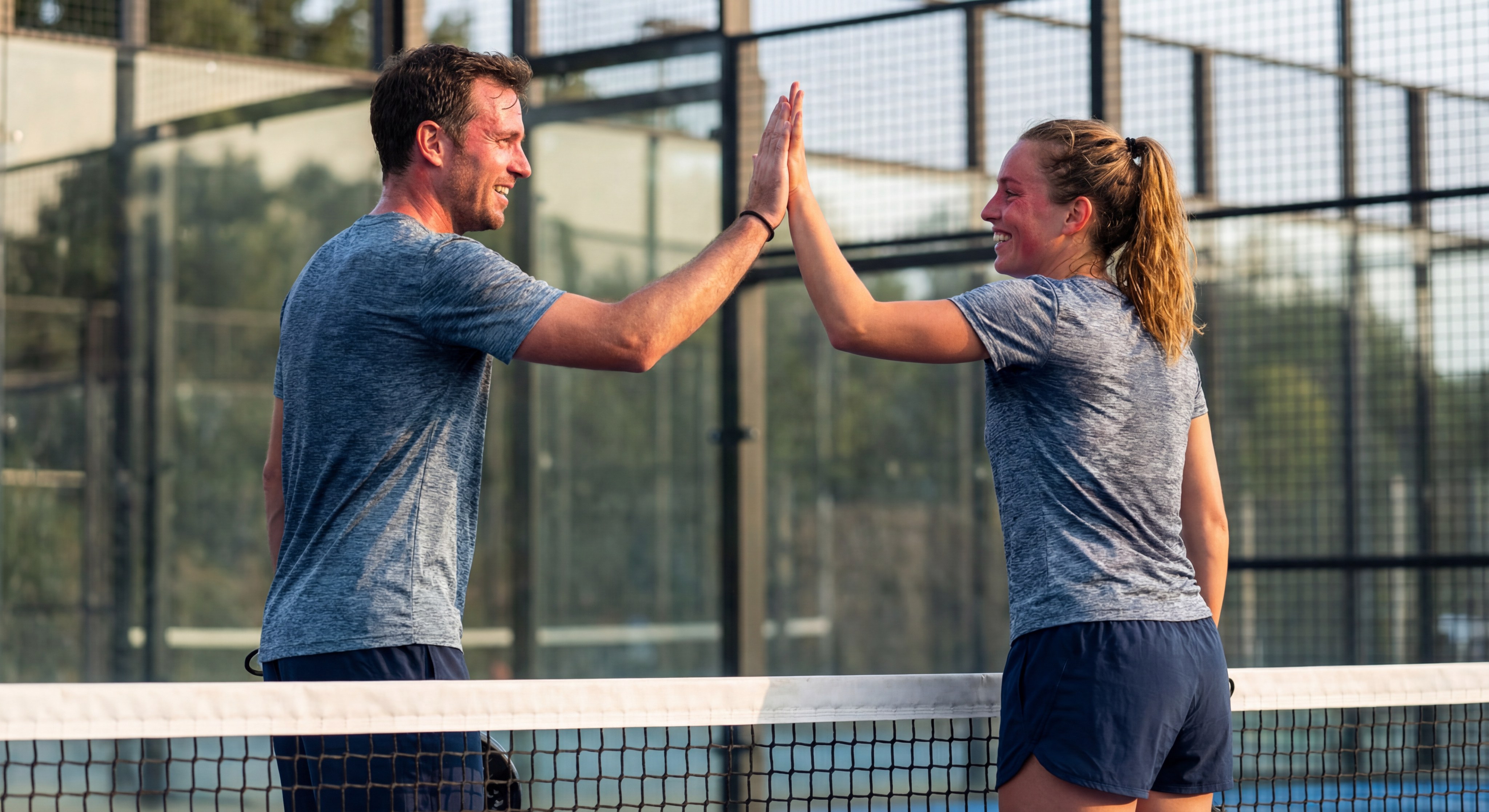
Excelling in asics padel requires a combination of strategic positioning, patience, and the ability to work seamlessly with your doubles partner. Victory is rarely achieved through power alone; it is a game of angles and consistency.
Why is partnership key?
Here is the secret: you and your partner must move like a single unit to cover the net and defend the back glass effectively.
- Communication: Constant verbal cues.
- Coverage: Closing the middle gap.
- Strategy: Targeted “refrigerator” plays.
How to use the walls?
But wait, there’s more: the back glass is not just a boundary but a tool that you can use to reset the point when you are under pressure.
- Defense: Playing the ball after it hits the wall.
- Offense: Using the side fence to create weird bounces.
- Patience: Waiting for the right lob.
Key Takeaway: High-level performance is a synergy between the player’s tactical intelligence and the technical quality of the arena they inhabit.
| Skill | Focus | Objective |
|---|---|---|
| The Lob | Depth and height | Take the net |
| The Bandeja | Spin and control | Maintain position |
| Wall Play | Timing and angles | Extend the rally |
Mastering the walls turns a defensive struggle into a strategic advantage, allowing you to turn the opponent’s power against them.
FAQ
Can I build a court in my backyard?
Yes, provided you have a flat 200-square-meter space and local permits for the structure. You must also consider the noise of the ball hitting the glass, which may affect close neighbors.
What’s the best turf color for visibility?
Blue is the standard judgment for professional play because it provides the highest contrast with the yellow ball. While green is traditional, blue is preferred for television broadcasts and high-speed tracking.
Can I use tennis shoes for this sport?
No, because standard tennis shoes lack the specific pivot points and herringbone depth needed for sandy artificial turf. Using incorrect footwear increases your risk of joint injury and reduces your agility on the court.
How long does a court installation take?
Typically four to six weeks once the concrete base has fully cured and leveled. The assembly of the steel frame and glass panels usually takes less than ten days with a professional crew.
What is the minimum ceiling height for indoor play?
A minimum of six meters is required, though eight to nine meters is the standard judgment for professional facilities. Low ceilings prevent players from using lobs, which is a fundamental part of the game’s strategy.
Building a professional environment for the sport requires more than just space; it demands an understanding of the technical synergy between the court and the athlete. By following these elite construction and gear standards, you can ensure a high-performance experience that minimizes injury and maximizes playability. If you are ready to elevate your facility or start your construction journey, please contact us today to speak with our expert consultants.