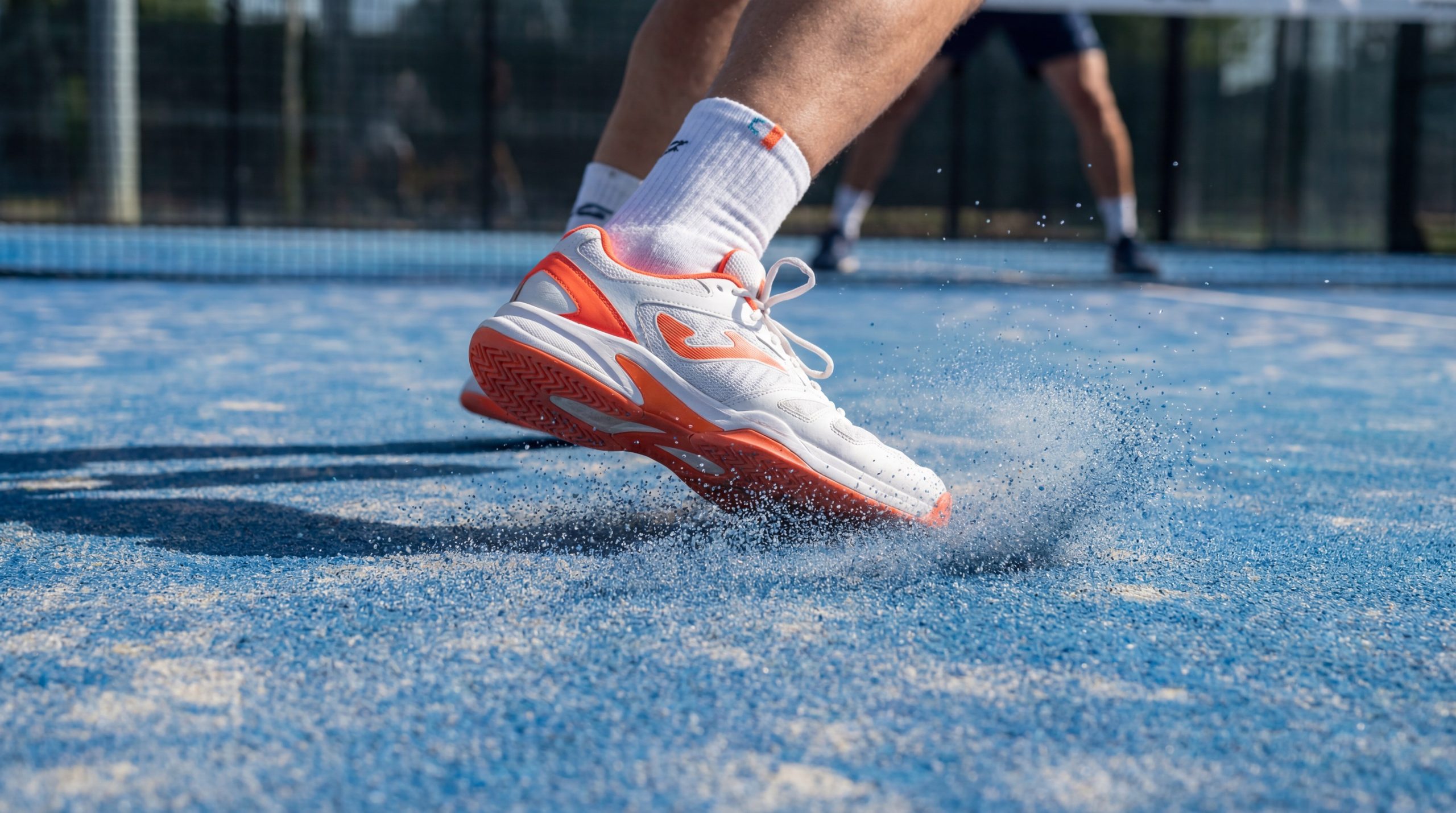
The best padel shoes are specialized footwear engineered with high-traction outsoles and lateral reinforcements to facilitate the explosive, multi-directional movements required on artificial turf. Entering a padel court with standard sneakers often leads to dangerous slips and long-term joint strain as you fight against the Super Panoramic Padel Court surface rather than your opponents.
The lack of specific grip and support in non-specialized footwear puts unnecessary stress on your ankles and knees during rapid transitions. Without the right equipment, you are sacrificing your physical longevity and match performance to a game defined by instability. Investing in professional gear ensures you can move with complete confidence while protecting your body from common court-related injuries.
Why do you need the best padel shoes for your game?
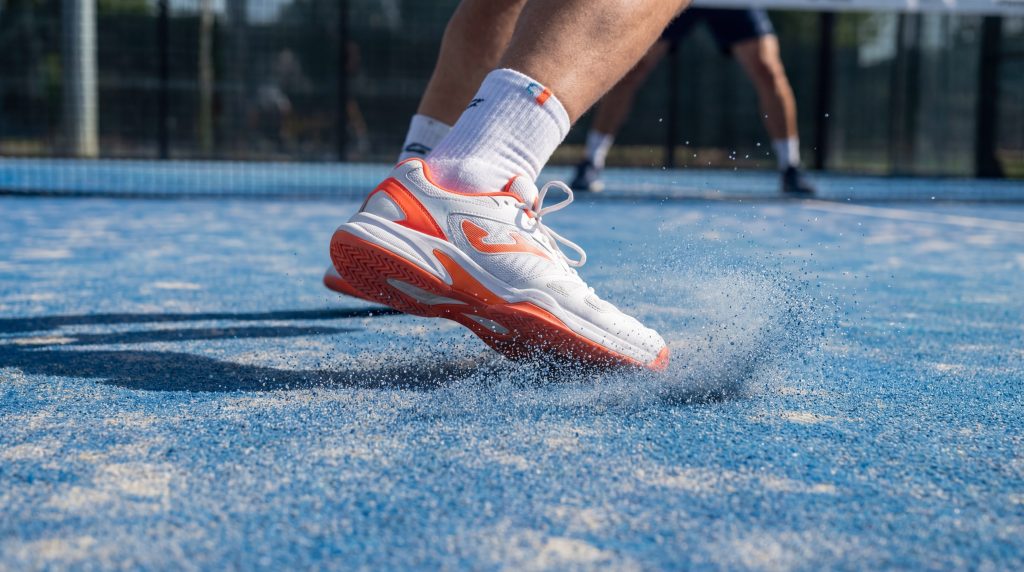
Padel-specific footwear is essential because the sport involves constant short bursts, frequent vertical jumps, and extreme lateral shifts that require specialized Padel Grass interaction. High-quality footwear is designed to handle these specific kinetic patterns without losing structural integrity or causing you to lose your footing.
Understanding the dynamic movement of the sport
Dynamic movement in padel is characterized by a high frequency of “stop-and-go” actions that place immense pressure on the outer edges of the foot. Unlike tennis, the smaller court size means you are almost always in a state of acceleration or deceleration.
- Constant lateral lunges to reach low volleys.
- Vertical propulsion for overhead smashes and blocks.
- Rapid 180-degree pivots during defensive transitions.
- Controlled glides toward the glass walls.
Think about this. Without the correct lateral support, your foot can “roll” inside the shoe, leading to severe ligament damage. This is why the engineering of the upper and midsole must prioritize torsional rigidity above all else.
Reducing injury risk is the primary benefit of selecting footwear that aligns with the specific friction levels of modern courts. The best padel shoes provide a predictable level of grip, allowing your muscles to anticipate the load during a sudden stop.
- Prevention of acute ankle sprains during side-to-side shifts.
- Reduction in patellar tendonitis through superior heel cushioning.
- Elimination of plantar fasciitis via structured arch support.
- Protection against metatarsal stress fractures during jumps.
Here is the kicker. Most injuries occur when a shoe “sticks” too hard to the surface or slips unexpectedly, causing the joints to absorb the kinetic energy. Proper footwear acts as a mechanical fuse, managing that energy before it reaches your skeletal system.
Key Takeaway
Specialized footwear is the most critical piece of safety equipment a player can own to navigate the high-intensity biomechanics of the sport.
| Feature | Impact on Game | Benefit |
|---|---|---|
| Lateral Reinforcement | Stability | Prevents ankle rolling |
| Padel-Specific Outsole | Traction | Optimized grip on sand |
| Midsole Cushioning | Shock Absorption | Protects knees and lower back |
What defines the traction in the best padel shoes?
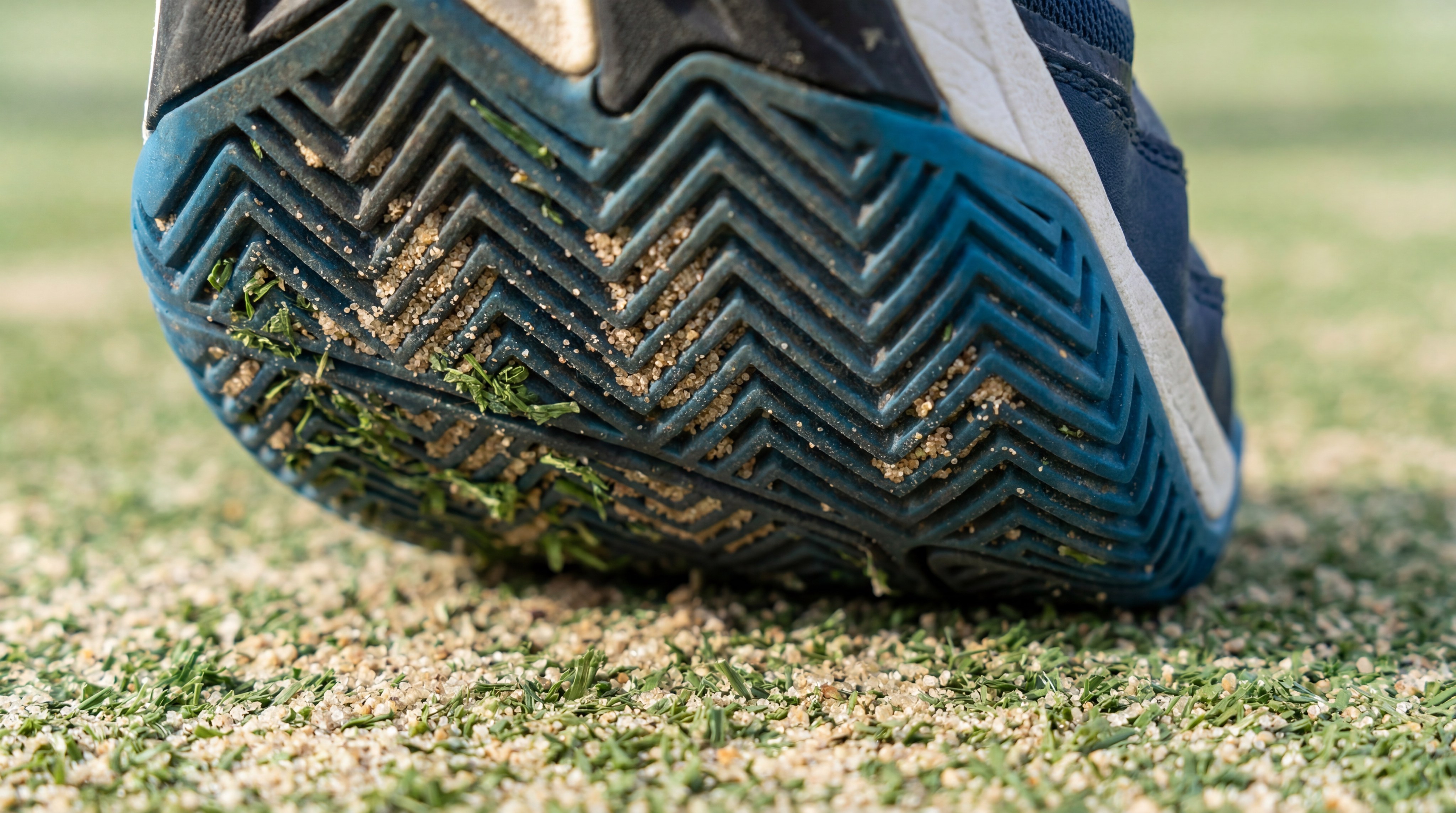
Traction is defined by the outsole’s ability to penetrate the sand layer on a court to find a firm “bite” on the underlying carpet fibers. The best padel shoes utilize specific geometry in their tread patterns to manage the interaction between the rubber and the synthetic turf.
The mechanics of sand and surface grip
Sand management is the core function of a high-performance outsole, as the grains act like ball bearings that can cause unpredictable sliding. The grooves must be deep enough to displace sand while maintaining enough surface area to grip the Standard Padel Court turf.
- Deep zig-zag patterns for maximum sand evacuation.
- Circular pivot points to assist in rotational movements.
- Varied rubber densities for durability and tactile feel.
- Sharp edges on the tread to “cut” into the surface.
In other words, your traction should feel consistent regardless of whether you are playing on a brand-new court or a heavily sanded older facility. Engineering the rubber compound to be slightly “tacky” further enhances this connection.
Achieving the perfect balance for controlled sliding
Controlled sliding allows players to reach difficult balls by gliding into a shot and coming to a safe, rhythmic stop. The best padel shoes offer a “slide-to-grip” ratio that prevents the foot from stopping too abruptly, which would otherwise jar the knees.
- Optimized friction coefficients for synthetic turf.
- Smooth transition zones in the forefoot of the outsole.
- High-wear resistant rubber at the slide initiation points.
- Flex grooves that allow the sole to mimic the foot’s natural curve.
The best part? When you master the slide, you can cover more ground with less effort, making your defensive game significantly more formidable. This technical advantage is only possible when the outsole is calibrated for the sport.
Key Takeaway
The engineering of the outsole determines your ability to accelerate and stop safely, making tread design the most important technical factor.
| Traction Element | Function | Court Type |
|---|---|---|
| Deep Herringbone | Sand Evacuation | High-sand traditional courts |
| Pivot Points | Rotational Freedom | All court types |
| Micro-studs | Surface Contact | Modern “Mondo” style turf |
How do the best padel shoes protect your joints?
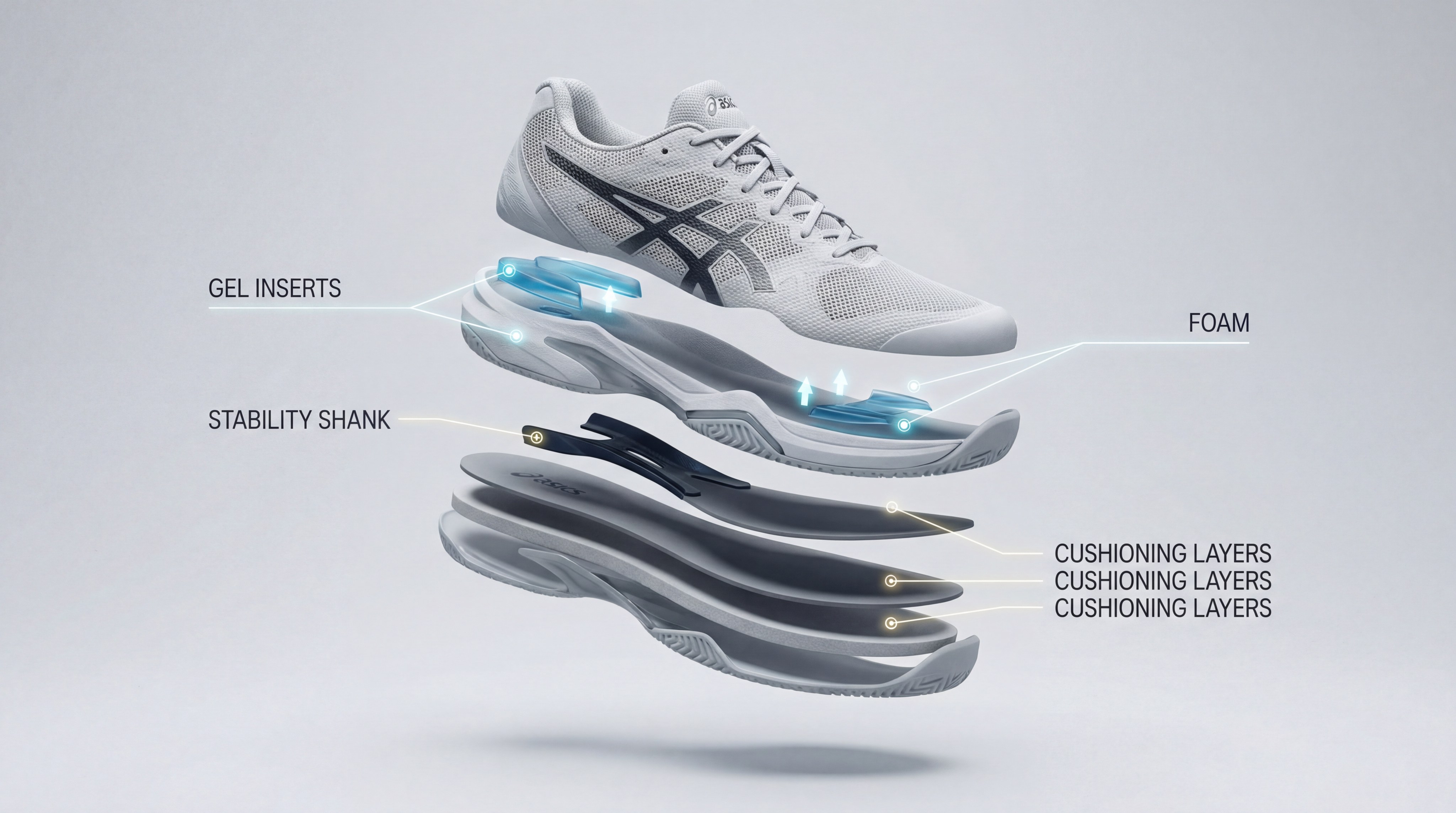
Joint protection is achieved through advanced multi-layered midsole technologies that dampen the impact of landing on hard concrete bases. Because the Padel LED Lighting allows for late-night intensity, your footwear must maintain its protective qualities through long sessions.
Advanced shock absorption in the heel and forefoot
Shock absorption systems utilize specialized foams or gel inserts to dissipate the vertical energy generated during jumps and lunges. The best padel shoes feature “energy return” materials that not only protect the joints but also help propel the player into their next move.
- Gel capsules for localized high-impact protection.
- Expanded polyurethane foams for consistent long-term cushioning.
- Air-pockets or chambers that compress and rebound during steps.
- Carbon-fiber shanks for torsional stability and energy transfer.
Wait, there’s more. The placement of these materials is scientifically determined to match the strike patterns of a professional player, ensuring protection where it is needed most. This reduces the systemic fatigue that often leads to errors in the final set.
Supporting the arch and metatarsal regions
Proper arch support prevents the foot from over-pronating or collapsing during the high-torque movements typical of a competitive match. This structural integrity ensures that the entire kinetic chain—from the foot to the hip—remains aligned and functional.
- Rigid midfoot bridges to prevent painful twisting.
- Contoured footbeds that distribute weight evenly across the sole.
- Padded tongues to reduce pressure from tight lacing.
- Anatomically shaped heel cups to lock the rearfoot in place.
Believe it or not, most knee pain in padel can be traced back to poor foot support. By “building” a shoe with a stable foundation, manufacturers ensure that the player’s body can withstand the rigors of the sport.
Key Takeaway
Superior cushioning and internal architecture act as the first line of defense against the chronic vibration and impact damage of court play.
| Protection Zone | Component | Benefit |
|---|---|---|
| Heel | High-density gel/foam | Reduces impact on lower back |
| Midfoot | Torsional shank | Prevents arch collapse and twisting |
| Forefoot | Responsive foam | Increases comfort during sprints |
Which sole types exist in the best padel shoes?
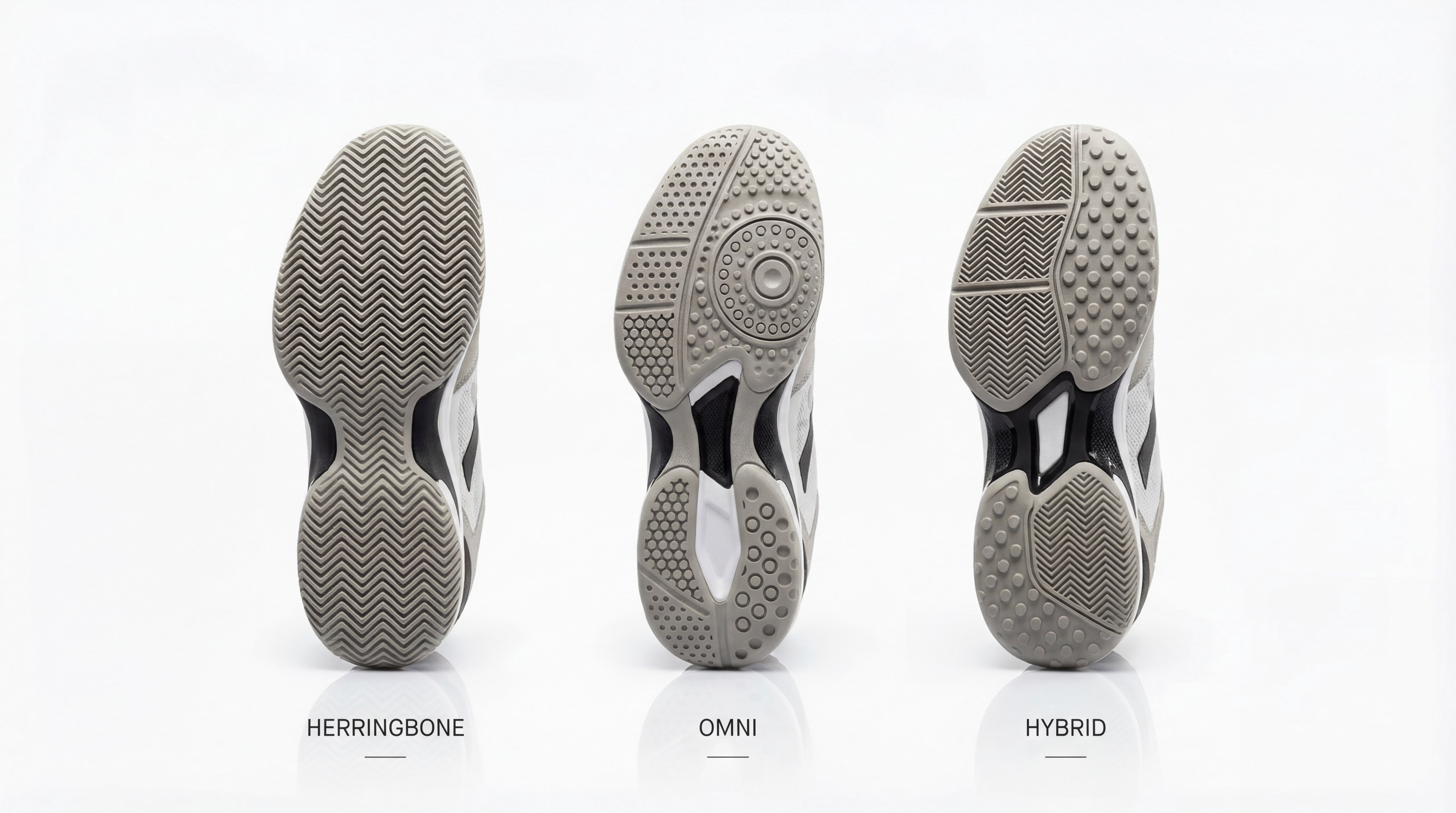
There are three primary sole types—herringbone, omni, and hybrid—each designed to perform optimally on different variations of the padel court. Understanding these differences is crucial when selecting the best padel shoes for your specific local club conditions.
The dominance of the deep herringbone pattern
The herringbone or “clay” sole is the most widely used design because its deep, parallel grooves are exceptionally efficient at clearing sand. This ensures that the rubber always makes direct contact with the carpet, providing the most aggressive grip available.
- Parallel zig-zag grooves that run the length of the sole.
- High-durability rubber compounds designed for abrasive surfaces.
- Exceptional “stop” power for sudden changes of direction.
- Best performance on courts with high sand content.
Let’s dig a little deeper. While this sole offers the most grip, it can sometimes feel “too sticky” on brand new, high-quality turf, which is why professional players often carry different options. It is the gold standard for reliability in varying club environments.
Exploring omni and hybrid sole versatility
The omni sole, characterized by its pattern of small dots or studs, provides excellent multi-directional grip on modern, low-sand surfaces. Hybrid soles combine elements of both patterns to offer a versatile solution for players who frequent multiple facilities.
- Small studs for maximum surface area on high-quality turf.
- Pivot circles to reduce friction during rotation.
- Combination patterns for balanced sliding and stopping.
- Lightweight construction for increased foot speed.
You might be wondering which one is right for you. If you primarily play on professional-grade “Mondo” turf, the hybrid or omni sole will offer a smoother, more fluid experience without the excessive “bite” of a full herringbone.
Key Takeaway
Selecting the correct sole type is a matter of matching the shoe’s tread geometry to the specific sand and turf density of the courts you play on.
| Sole Type | Best Surface | Key Advantage |
|---|---|---|
| Herringbone | Sandy/Traditional | Maximum grip and sand clearance |
| Omni | Low-sand/Modern | Fluid multi-directional movement |
| Hybrid | Mixed/Professional | Versatility across all environments |
How do you choose the best padel shoes for your level?
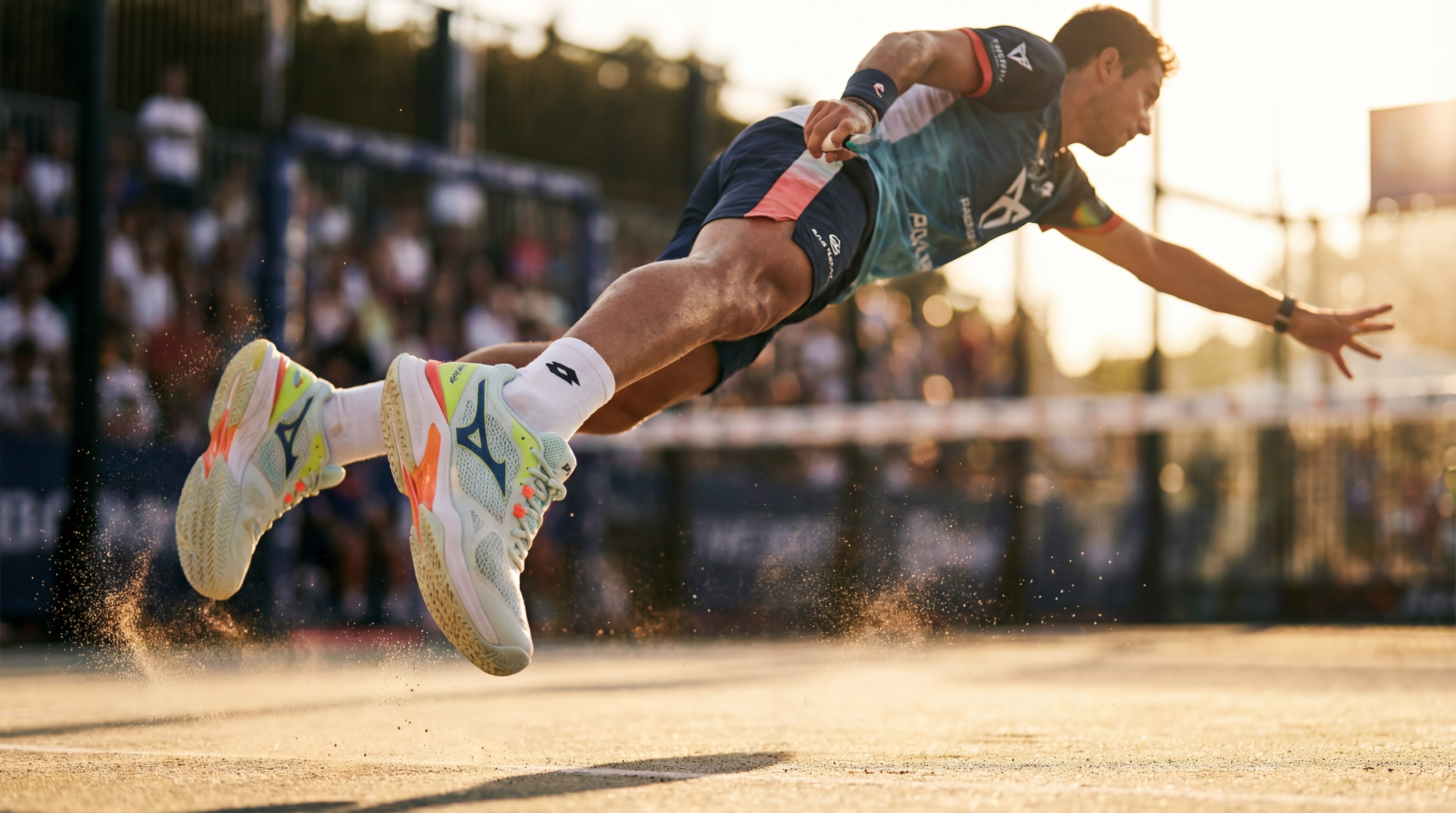
Choosing the right footwear requires a balance between your playing frequency, budget, and the technical demands of your current skill level. Beginner players may prioritize comfort, while advanced athletes require high-performance features found in the best padel shoes to sustain intense match play.
Considerations for the entry-level enthusiast
For those just starting, the focus should be on basic stability and finding a comfortable fit that encourages proper movement on the Standard Padel Court. You don’t need the most expensive carbon-reinforced models, but you must avoid using running shoes at all costs.
- Sufficient cushioning to protect unconditioned joints.
- A durable outsole that can withstand the learning curve.
- Forgiving upper materials that don’t require a “break-in” period.
- Affordable price points for occasional weekly use.
It’s worth noting that even a basic padel shoe is significantly safer than the most expensive cross-trainer. Starting with the right foundation prevents early injuries that could derail your progress in the sport.
What professional and high-frequency players require
Professional and intensive players need shoes that can withstand three or more sessions per week without the materials breaking down or losing their supportive properties. These athletes require maximum lateral rigidity and the most advanced ventilation systems available.
- Reinforced toe caps to protect against “dragging” during serves.
- Premium moisture-wicking liners to keep feet dry during long matches.
- Maximum torsional support for high-speed defensive play.
- Lightweight construction to reduce muscle fatigue over time.
Think about this. At a high level, the difference between winning a point and losing it often comes down to a split-second transition. The best padel shoes are built to provide that competitive edge through superior energy return and responsiveness.
Key Takeaway
Aligning your footwear choice with your playing intensity ensures you get the best return on investment while maintaining optimal foot health.
| Player Level | Focus Area | Recommended Feature |
|---|---|---|
| Beginner | Comfort & Safety | Standard herringbone sole |
| Intermediate | Durability | Reinforced upper and toe |
| Professional | Performance | Carbon shank & hybrid sole |
What stability features are in the best padel shoes?
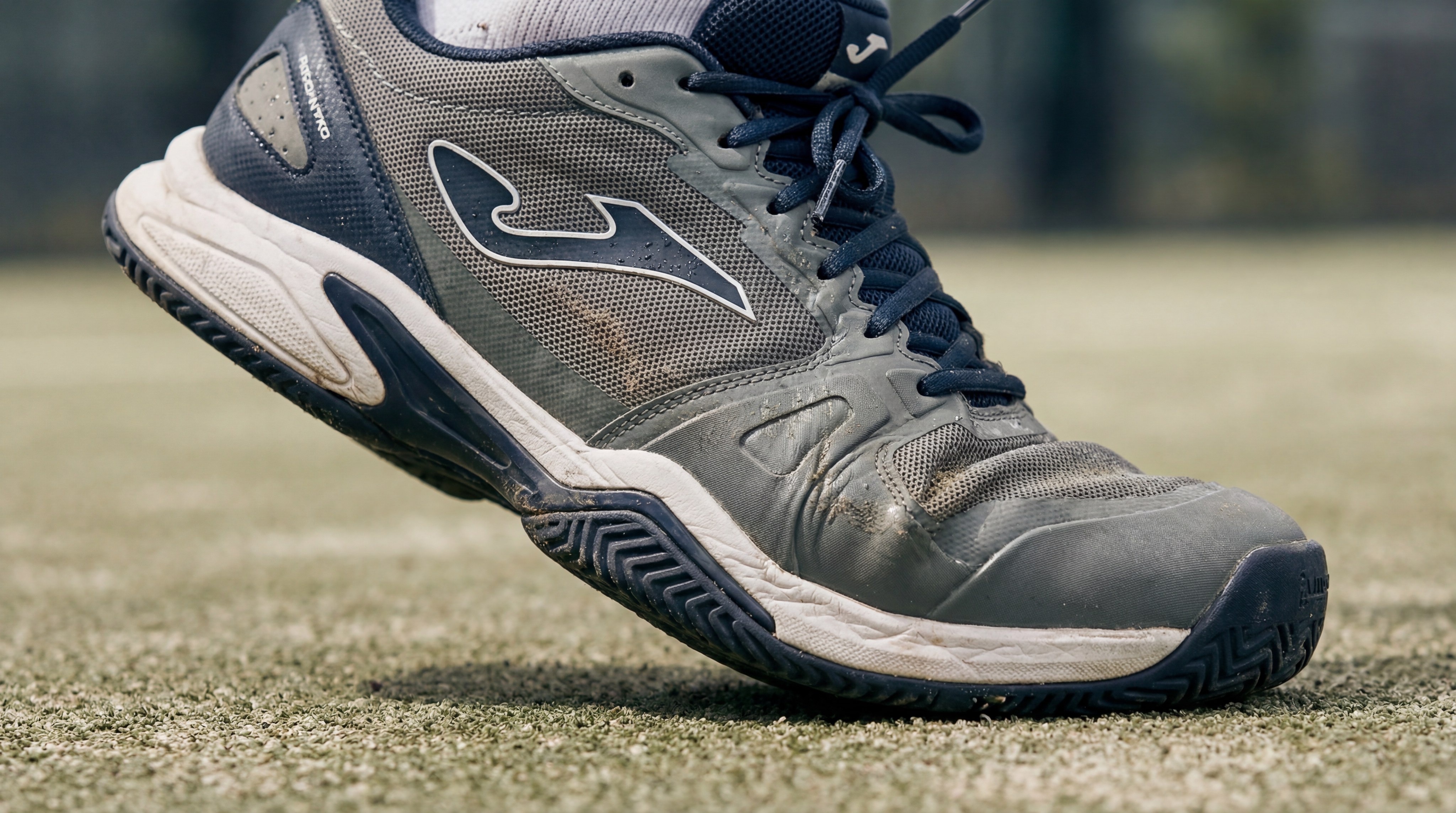
Stability is built into the shoe through a combination of rigid lateral walls and secure lacing systems that lock the foot onto the footbed. The best padel shoes are designed to prevent the foot from sliding sideways, which is the most common cause of instability during a match.
The role of lateral outriggers and reinforcements
Lateral outriggers are small extensions of the sole on the outer edge of the shoe that provide a wider base for better balance. These reinforcements act as a “kickstand,” making it physically much harder for the ankle to roll outward during a sharp turn.
- Hard plastic or TPU inserts on the lateral side of the upper.
- Flared outsoles in the forefoot area for a wider stance.
- Reinforced heel counters to prevent internal slipping.
- Torsional bridges that keep the sole flat during lunges.
In other words, these features allow you to commit 100% to a movement without the subconscious fear of your shoe failing you. This mental confidence is just as important as the physical protection the shoe provides.
Secure lacing and internal lockdown systems
Internal lockdown is achieved through specialized eyelet configurations and “wings” that pull the upper material snugly around the midfoot. The best padel shoes ensure that the foot and the footwear move as a single unit, eliminating the friction that causes blisters.
- Dual-eyelet systems for a personalized “heel lock” fit.
- Internal straps that wrap around the arch for extra support.
- Non-stretch laces that maintain tension throughout the match.
- Padded collars that grip the ankle without causing irritation.
The best part? When your foot is perfectly locked in, every ounce of power you generate from your legs is transferred directly into your movement on the court. This efficiency is the hallmark of a well-built sports shoe.
Key Takeaway
Stability features transform a standard sneaker into a high-performance tool capable of handling the extreme lateral loads of competitive padel.
| Stability Element | Function | Result |
|---|---|---|
| Lateral Outrigger | Wide base of support | Prevents ankle rolling |
| Heel Counter | Rearfoot lockdown | Eliminates internal sliding |
| TPU Midsole Shank | Torsional rigidity | Maintains foot alignment |
Why is breathability vital for the best padel shoes?
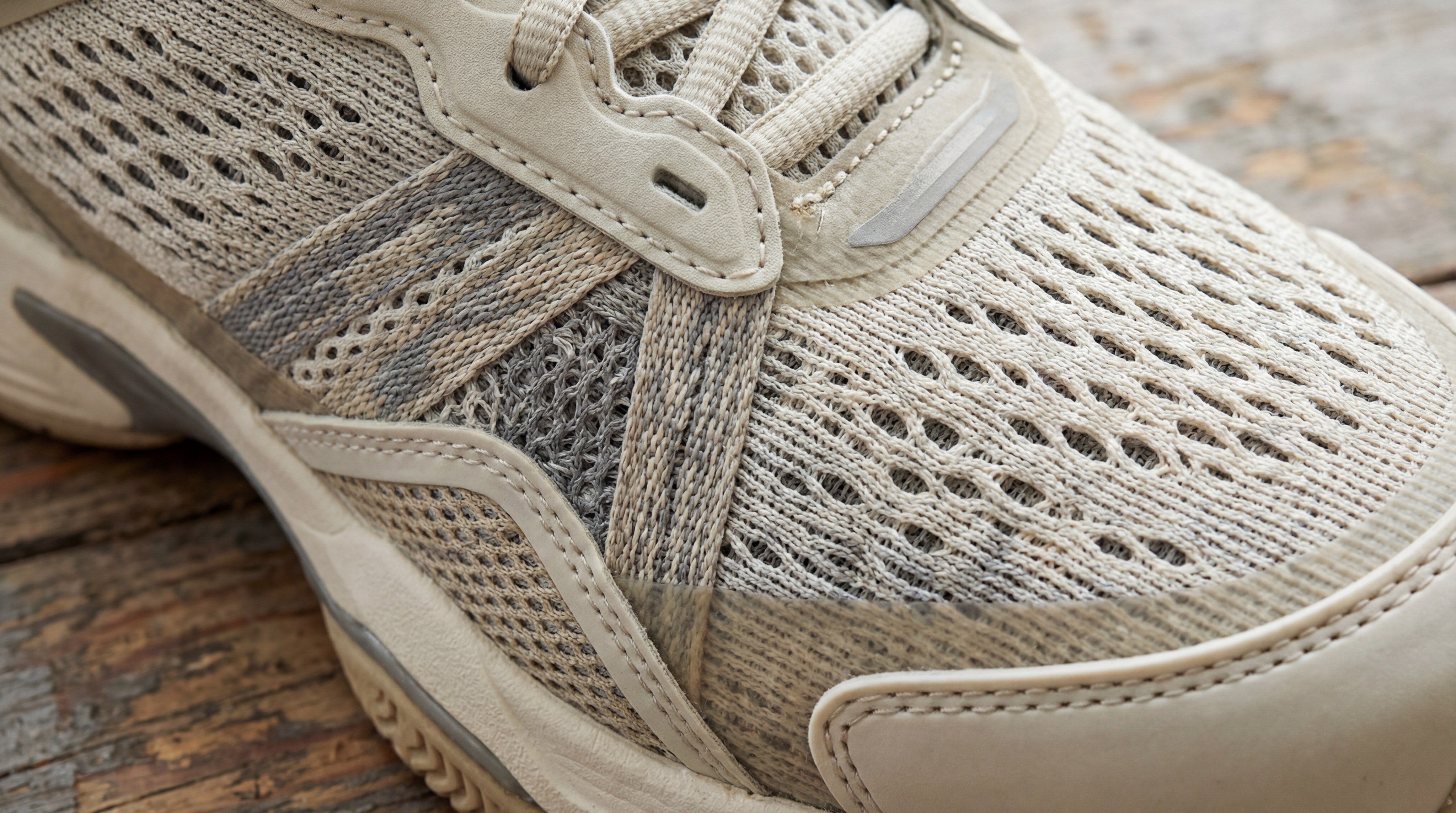
Breathability is a critical performance factor because padel is an intense cardiovascular workout that generates significant heat and moisture inside the footwear. Ensuring that the Padel Glass environment remains comfortable is only possible if your feet remain cool and dry.
Managing heat dissipation and moisture
Effective moisture management uses technical mesh and perforated synthetics to allow hot air to escape while drawing cool air in. The best padel shoes prevent the “sauna effect,” which can lead to skin softening and painful friction blisters.
- Large-cell mesh panels in the forefoot and midfoot.
- Perforated tongues to enhance airflow over the top of the foot.
- Moisture-wicking interior fabrics that dry rapidly.
- Antimicrobial treatments to prevent odor buildup.
Here is the kicker. A shoe that becomes heavy with sweat not only feels uncomfortable but also loses its structural integrity and grip. Keeping the interior dry is essential for maintaining the shoe’s performance over the course of a two-hour match.
Balancing ventilation with structural durability
The challenge for manufacturers is to provide enough airflow without compromising the support required for lateral movements. The best padel shoes solve this by using a hybrid construction where structural synthetics are strategically placed over a lightweight mesh base.
- Overlays in high-stress areas like the toe and lateral wall.
- Heat-pressed reinforcements that provide support without extra weight.
- Dynamic fit systems that move with the foot while remaining porous.
- Reinforced eyelet stays to handle the tension of tight lacing.
Think about this. If a shoe was 100% mesh, it would breathe perfectly but offer zero protection during a lunge. The engineering of the upper is a delicate dance between airflow and safety.
Key Takeaway
Advanced ventilation systems are not just for comfort; they are a functional necessity for preventing blisters and maintaining the shoe’s weight.
| Ventilation Feature | Material | Primary Benefit |
|---|---|---|
| Engineered Mesh | Polyester/Nylon | Maximum heat escape |
| Perforated Overlays | Synthetic Leather | Structured airflow |
| Wicking Liner | Technical Fabric | Blister prevention |
How long should the best padel shoes actually last?
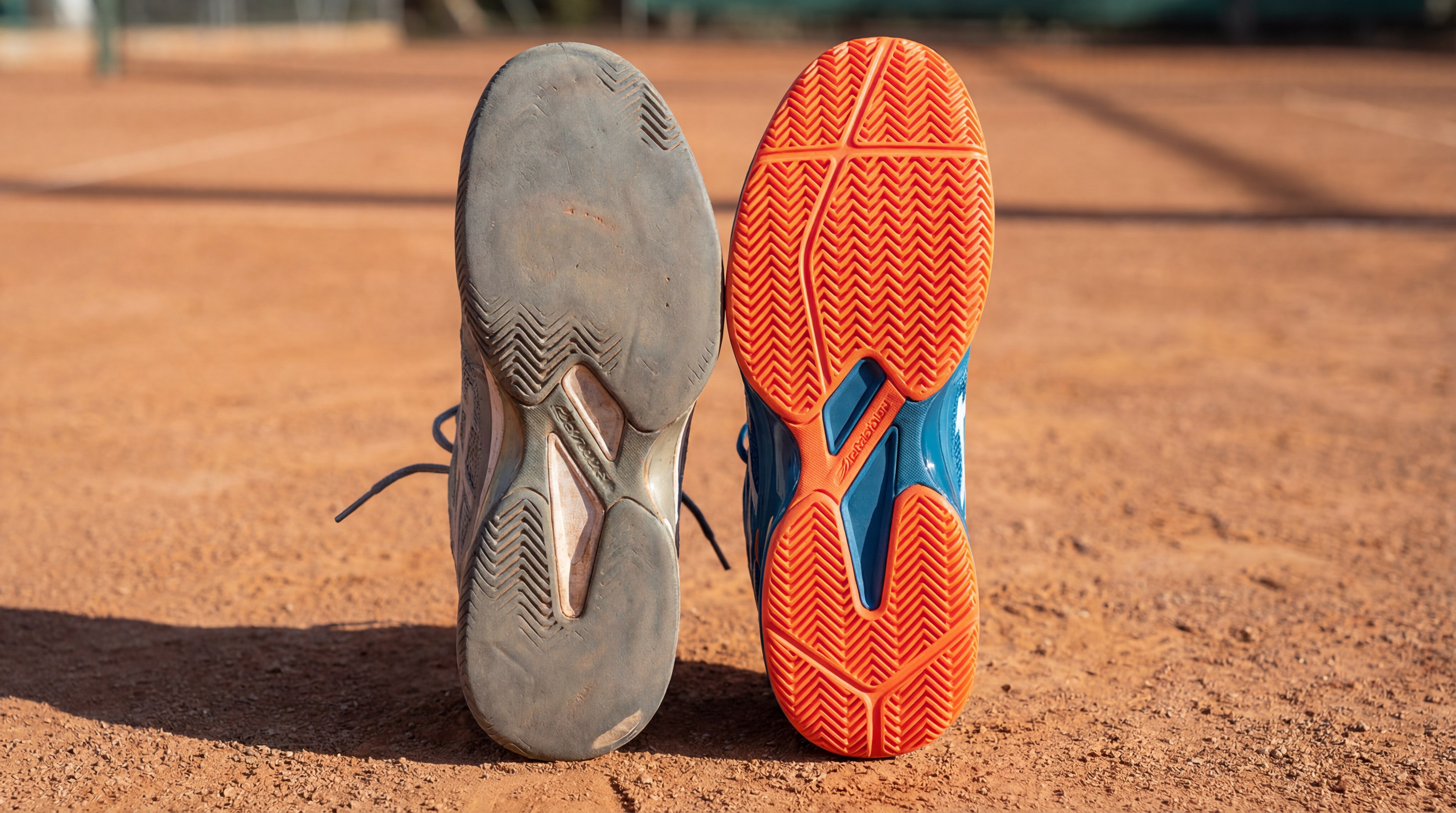
The lifespan of high-performance footwear typically ranges from six to twelve months, depending on your playing frequency, body weight, and the abrasiveness of the court surface. Recognizing when the best padel shoes have reached the end of their functional life is vital for maintaining your safety.
Identifying signs of outsole and tread wear
Tread wear is the most obvious indicator that it is time for a replacement, as a smooth sole provides zero traction on a sandy court. Once the herringbone pattern begins to disappear in the ball of the foot, your risk of a catastrophic slip increases exponentially.
- Smoothing of the grooves in the forefoot and heel areas.
- Cracking or peeling of the rubber away from the midsole.
- Visible “balding” patches where the tread has worn flat.
- Reduced grip during acceleration and braking.
Wait, there’s more. Even if you only play once a week, the rubber compounds can oxidize and harden over time, losing the “tackiness” that provides grip on modern turf. If your shoes feel like plastic rather than rubber, they need to be replaced.
Internal foam degradation is often invisible but arguably more dangerous, as it leads to a loss of impact protection for your joints. The best padel shoes utilize foams that eventually “bottom out,” losing their ability to rebound and absorb shock.
- Increased knee or lower back pain after a match.
- A visible compression or “wrinkling” of the midsole foam.
- The shoe feeling “flat” or less responsive during jumps.
- Permanent indentations in the footbed or insole.
Believe it or not, many players continue to use shoes that look brand new on the outside but have zero internal support left. Monitoring the “mileage” of your shoes is the only way to ensure your joints remain protected.
Key Takeaway
Regularly inspecting both the external tread and the internal cushioning is the only way to ensure your footwear remains a safety asset rather than a liability.
| Wear Indicator | Location | Action Required |
|---|---|---|
| Balding Tread | Outsole | Immediate replacement |
| Midsole Wrinkles | Outer side of shoe | Monitor for joint pain |
| Heel Collapse | Internal cup | Replace to avoid sprains |
What fit is necessary for the best padel shoes?
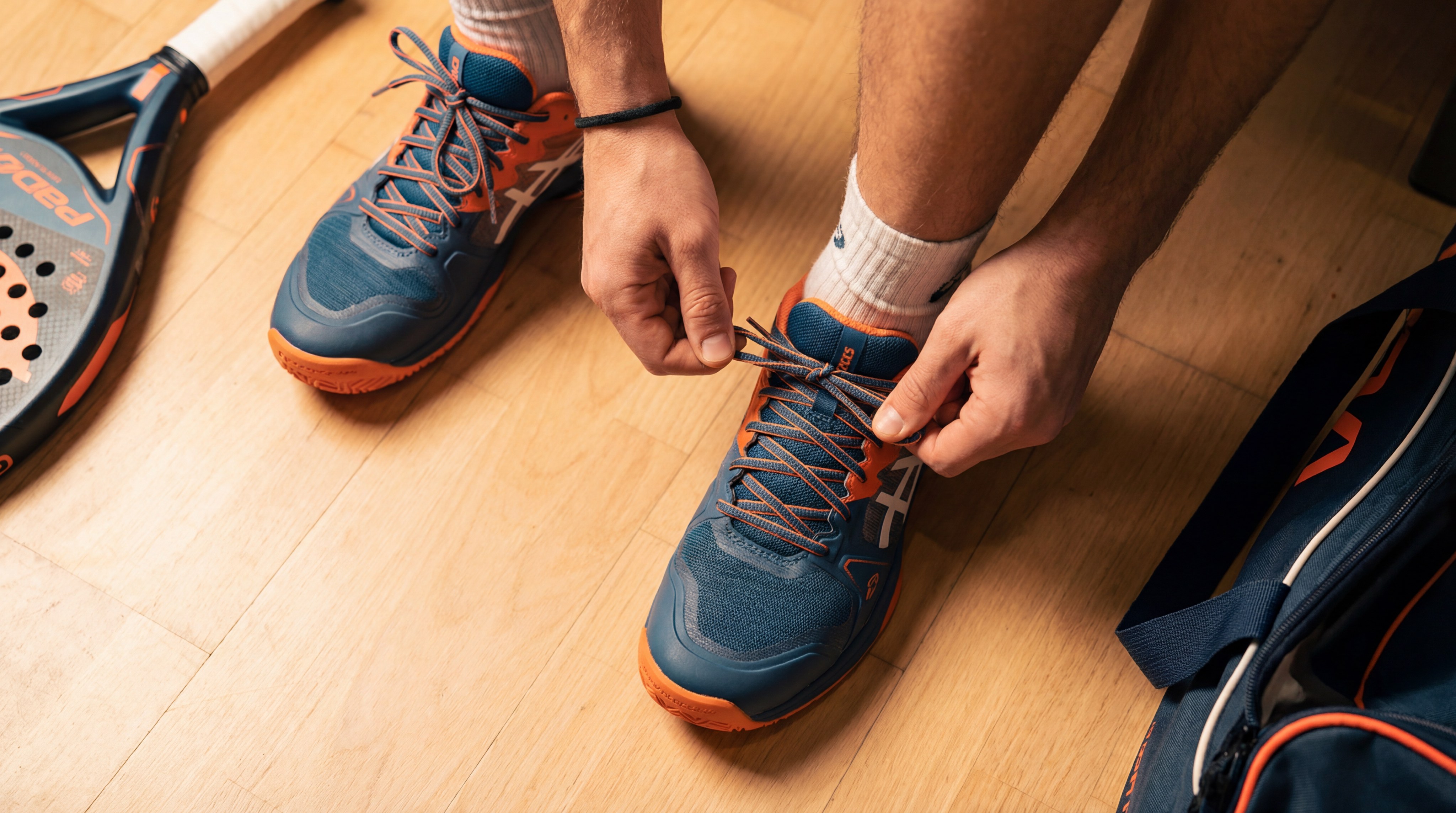
A proper fit requires a snug lockdown in the heel and midfoot while leaving enough room in the toe box to prevent bruising during sudden stops. Whether you play on an outdoor or Roofed Padel Court, the way the shoe interacts with your foot determines your overall comfort and performance.
The importance of the “half-centimeter” rule
You need approximately a half-centimeter of space between your longest toe and the front of the shoe to account for the foot’s natural forward slide. The best padel shoes are designed to accommodate this movement, preventing the dreaded “black toenail” associated with undersized footwear.
- Enough space to wiggle your toes freely.
- A secure lock that prevents the heel from lifting.
- No “hot spots” or pressure points on the sides of the foot.
- Room for your feet to swell slightly during intense matches.
In other words, a shoe that feels “perfectly tight” in the store will likely be painful after thirty minutes of play. Always try on new footwear in the afternoon when your feet are at their largest.
Selecting the right width and volume
Foot volume and width vary significantly between players, making it essential to find a last that matches your unique foot shape. The best padel shoes come in various “cuts” to ensure that both narrow and wide-footed players can achieve a secure lockdown.
- Wide forefoot designs for players with broad feet.
- Narrow, athletic cuts for maximum responsiveness.
- Adjustable lacing systems that can be customized for high arches.
- Removable insoles to accommodate custom orthopedic inserts.
The best part? When you find the right fit, the shoe disappears on your foot, allowing you to focus entirely on the ball and your strategy. This synergy between player and equipment is what defines a professional setup.
Key Takeaway
The correct fit is a balance between extreme lockdown for safety and enough internal volume to allow for the dynamic physiological changes of the foot during play.
| Fit Criteria | Ideal Sensation | Potential Issue |
|---|---|---|
| Toe Box | 5-8mm of space | Black toenails if too small |
| Heel | Zero lift/slip | Blisters if too loose |
| Midfoot | Snug/Locked | Numbness if too tight |
How do you maintain the best padel shoes effectively?
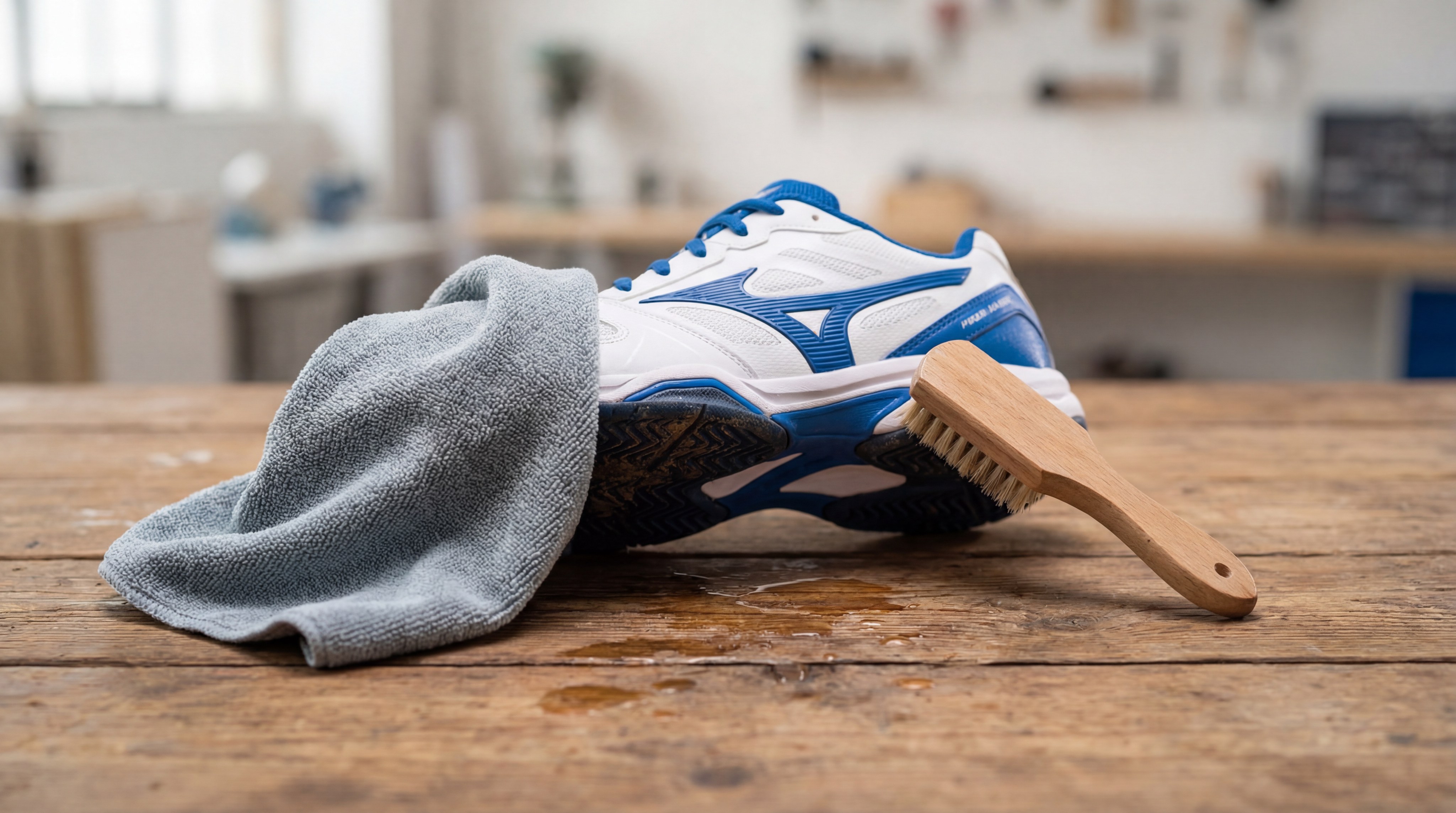
Maintenance involves regular cleaning of the outsole to remove sand buildup and proper storage to preserve the integrity of the technical adhesives and foams. Taking care of the best padel shoes will significantly extend their lifespan and ensure they remain safe to use for every match.
Cleaning techniques for court footwear
After every session, you should use a soft brush to remove sand and debris from the grooves of the outsole. This prevents the grains from grinding down the rubber and ensures your traction remains optimal for the next time you step on the court.
- Use a damp cloth for the upper materials.
- Avoid harsh chemicals that can degrade synthetic fibers.
- Remove the insoles to allow them to air out separately.
- Clean the laces regularly to maintain a strong grip.
Here is the kicker. Never, under any circumstances, should you put your shoes in a washing machine. The high heat and mechanical agitation will destroy the delicate glues and cushioning systems that you paid a premium for.
Storage and rotation strategies
Storing your gear in a cool, dry place away from direct sunlight is essential for preventing the rubber from becoming brittle. If you play frequently, rotating between two pairs of the best padel shoes allows the foam to fully recover its shape between sessions.
- Keep shoes out of hot cars to prevent glue failure.
- Use cedar shoe trees to maintain the shape and absorb moisture.
- Ensure the shoes are completely dry before placing them in a bag.
- Rotate pairs if playing more than three times per week.
Think about this. The simple act of letting your shoes “rest” for 24 hours can increase the life of the cushioning by up to 30%. It is a small investment in time that pays major dividends in foot health and financial savings.
Key Takeaway
A disciplined maintenance routine protects your investment and ensures that the shoe’s technical features perform as intended until the day they are retired.
| Maintenance Task | Frequency | Benefit |
|---|---|---|
| Sand Removal | After every match | Maintains traction levels |
| Air Drying | Daily | Prevents odor and mold |
| Rotation | Every other session | Extends cushioning life |
*
FAQ Section
Can I use tennis shoes for padel?
Tennis shoes can be used if they feature a full herringbone (clay) sole, but they are often heavier and lack the specific pivot points required for the tighter turns in padel. Using hard-court tennis shoes on a sandy padel court is dangerous because the flatter tread will not provide sufficient grip.
What’s the best way to test the fit?
The best way to test the fit is to wear your actual playing socks and perform several lateral lunges and short sprints in the store. You should feel zero movement in the heel and your toes should not touch the front of the shoe when you come to a sudden stop.
Can I wash my padel shoes in a machine?
No, you should never wash padel shoes in a machine because the heat and water saturation can permanently damage the technical foams and dissolve the adhesives holding the sole together. Manual cleaning with a soft brush and a damp cloth is the only recommended method.
What’s the best sole for very sandy courts?
The deep herringbone sole is the best choice for very sandy courts because its zig-zag grooves are designed specifically to expel sand and maintain direct contact with the carpet. It provides the most consistent and predictable grip in high-sand environments.
Can I replace the insoles of my shoes?
Yes, replacing the standard insoles with high-quality sports orthotics is highly recommended if you have specific arch requirements or need extra cushioning. This can improve the overall fit and provide an additional layer of protection for your joints.
Professional footwear is the foundation of a successful and safe padel experience. By understanding the mechanics of traction, the necessity of joint protection, and the importance of a precise fit, you can select equipment that elevates your game. If you are looking to provide the ultimate playing environment for your members or project, please feel free to contact us to discuss our professional court solutions and technical specifications. Consistent maintenance and proper selection are not just about style; they are about ensuring every move you make on the court is backed by engineering excellence.