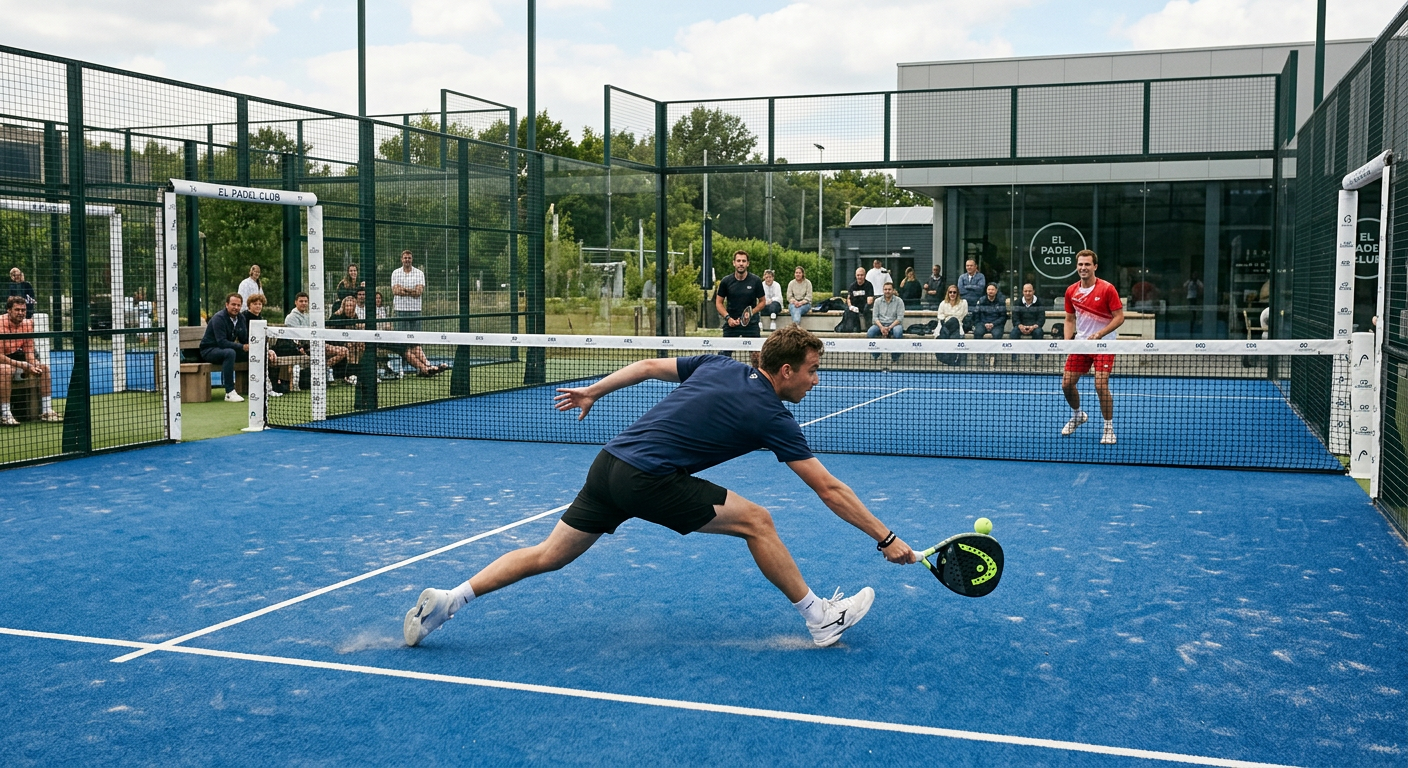
A padel serve is an underhand shot used to start every point, required by regulation to be struck at or below waist level after a single bounce.
Starting a match with a weak delivery often feels like handing your opponent an immediate advantage, leaving you scrambling at the back of the court. When your opening shot lacks depth or spin, aggressive receivers will capitalize on the high bounce to pin you down with a powerful return. The good news is that mastering a strategic padel serve transforms this simple restart into a tactical weapon that dictates the entire flow of the game.
What are the official rules of the padel serve?
The official rules dictate that you must strike the ball underhand at or below the waist after it has bounced once behind the service line. Every padel serve must be hit diagonally into the opponent’s service box, alternating sides after each point. You are required to keep both feet behind the service line until the ball is struck, with at least one foot maintaining contact with the ground during the motion.
How do you position your feet?
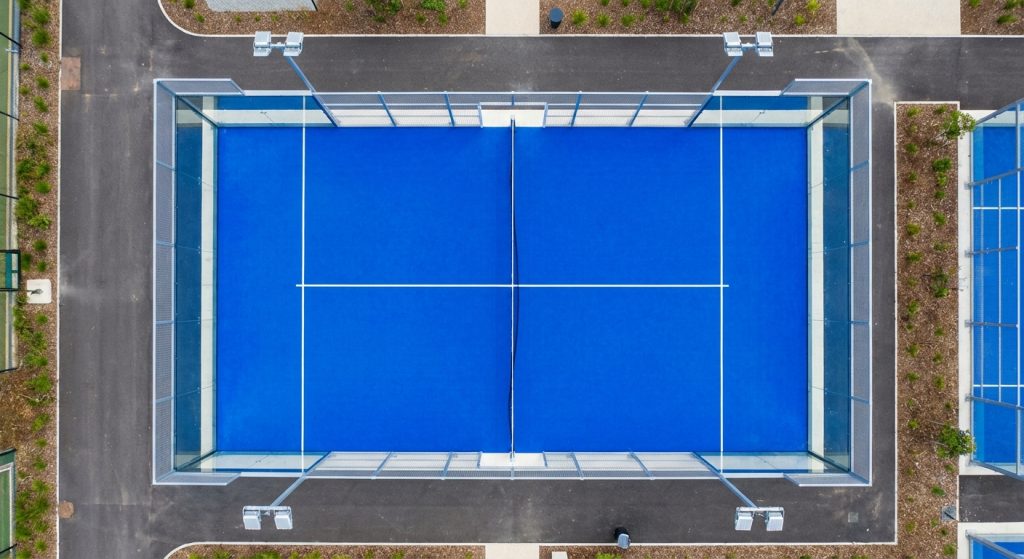
Proper footwork is the foundation of a legal and effective start. You must ensure your stance remains behind the white line to avoid a foot fault.
- Keep your lead foot pointed toward the net post.
- Ensure your trailing foot is stable for weight transfer.
- Maintain ground contact throughout the swing.
Look:
Maintaining a legal stance prevents unnecessary lost points. This stability allows you to focus entirely on the ball’s trajectory.
Where must the ball bounce?
The ball is required to hit the diagonal service box on the receiver’s side to be considered valid. If it clips the net and lands in the box, it is called a “let” and must be replayed.
- The ball must land within the white lines of the box.
- It cannot hit the wire fence after the bounce.
- Hitting the glass after a valid bounce is legal.
Here’s the deal:
Understanding the boundaries helps you target high-pressure zones. If you miss the box, you are forced into a risky second attempt.
What is the correct height for contact?
Regulation requires that the point of contact between the racket and the ball remains below your waistline. This prevents players from using overhand tennis-style motions that would be too aggressive for the court size.
- Drop the ball from a consistent shoulder height.
- Wait for the bounce to settle at hip level.
- Swing in a controlled, underhand arc.
The best part?
A consistent contact point builds muscle memory. This makes your delivery reliable even during high-stakes tiebreaks.
| Regulation Category | Rule Requirement | Player Benefit |
|---|---|---|
| Contact Height | At or below waist level | Ensures fair play and consistency |
| Foot Position | Behind the service line | Avoids foot faults and penalties |
| Target Zone | Opposite diagonal box | Maximizes tactical court geometry |
Key Takeaway: Master the legal basics of the serve to ensure every point starts with a solid foundation and no penalties.
A thorough understanding of the rules ensures you never gift your opponent free points through technical violations.
How do you master the padel serve mechanics?
Mastering mechanics involves using a continental grip and a smooth pendulum motion to generate consistent power. You can apply these technical principles on a Standard Padel Court to see immediate improvements in your accuracy. The goal of a professional padel serve is to combine a reliable ball drop with a fluid weight transfer that carries you toward the net.
Why use the continental grip?
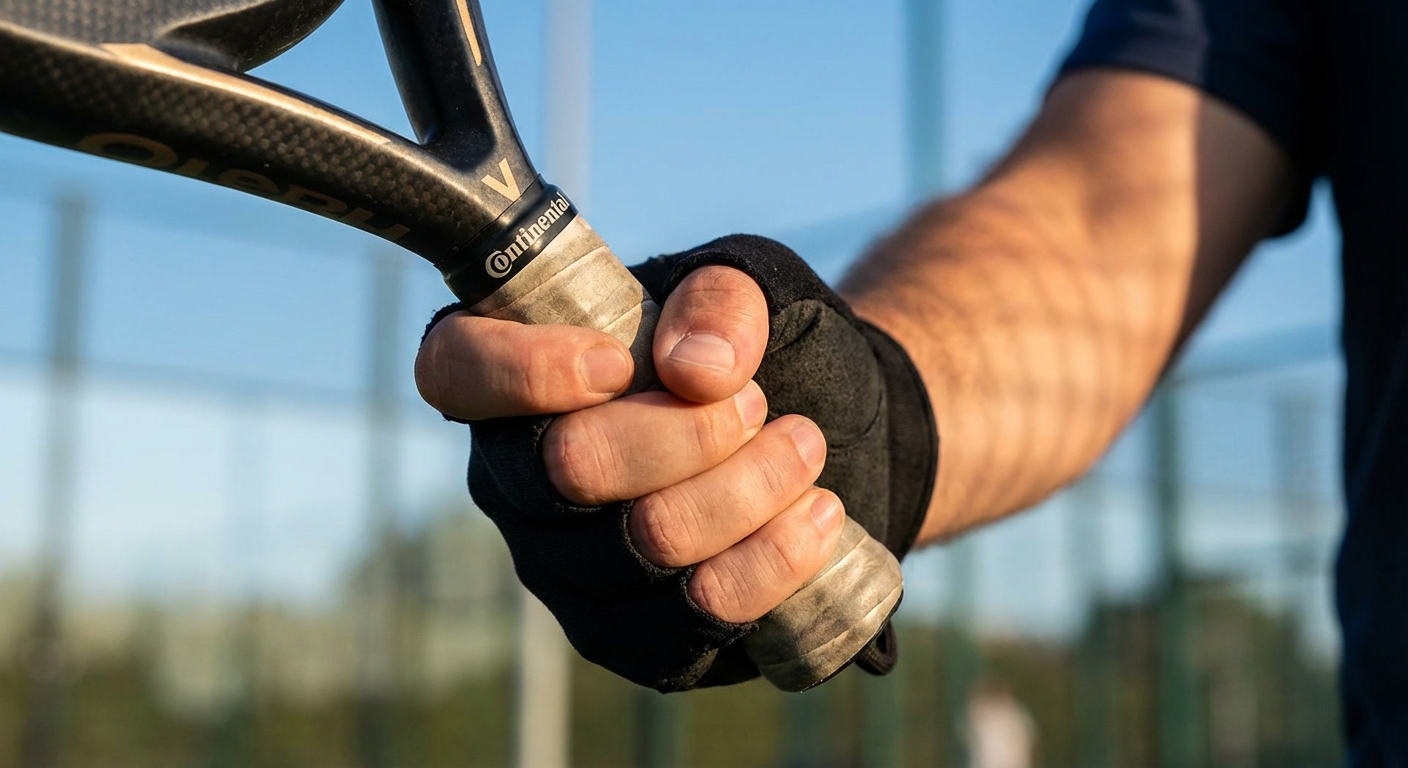
The continental grip, often called the “hammer grip,” is the most versatile choice for all service types. It allows you to switch between flat and sliced shots without adjusting your hand during the motion.
- Align the “V” of your hand with the racket frame.
- Keep your wrist firm but not overly tense.
- Allow for a natural snap at the point of contact.
Think about it:
A single grip simplifies your entire game. You won’t have to fumble with your hand position between first and second serves.
How do you drop the ball correctly?
A consistent ball drop is the secret to a repeatable swing. You should release the ball from a fixed height every time to ensure the bounce reaches the same level for your racket.
- Hold the ball with your fingertips, not the palm.
- Release it without adding any spin or toss.
- Let gravity do the work for a predictable bounce.
Bottom line:
Consistency starts with the hand that isn’t holding the racket. If the bounce varies, your contact point will never be the same.
What is the pendulum swing?
The swing should feel like a pendulum moving from back to front in a smooth, low-to-high or level arc. This motion minimizes errors and allows you to use your body weight for power instead of just your arm.
- Start with the racket head slightly behind your hip.
- Step forward as you initiate the forward swing.
- Follow through toward your target in the opposite box.
The best part?
This fluid motion naturally prepares you to move forward. You will find yourself at the net much faster after the hit.
| Mechanical Element | Technical Focus | Success Metric |
|---|---|---|
| Grip Choice | Continental / Neutral | Versatility in spin selection |
| Ball Release | Passive drop (no toss) | Bounce height consistency |
| Body Weight | Back-to-front transfer | Speed of net transition |
Key Takeaway: Build your mechanics around a “drop-and-swing” rhythm that relies on body weight rather than raw arm strength.
Consistency in your physical setup leads directly to a more predictable and controllable service game.
Why is the slice vital for your padel serve?
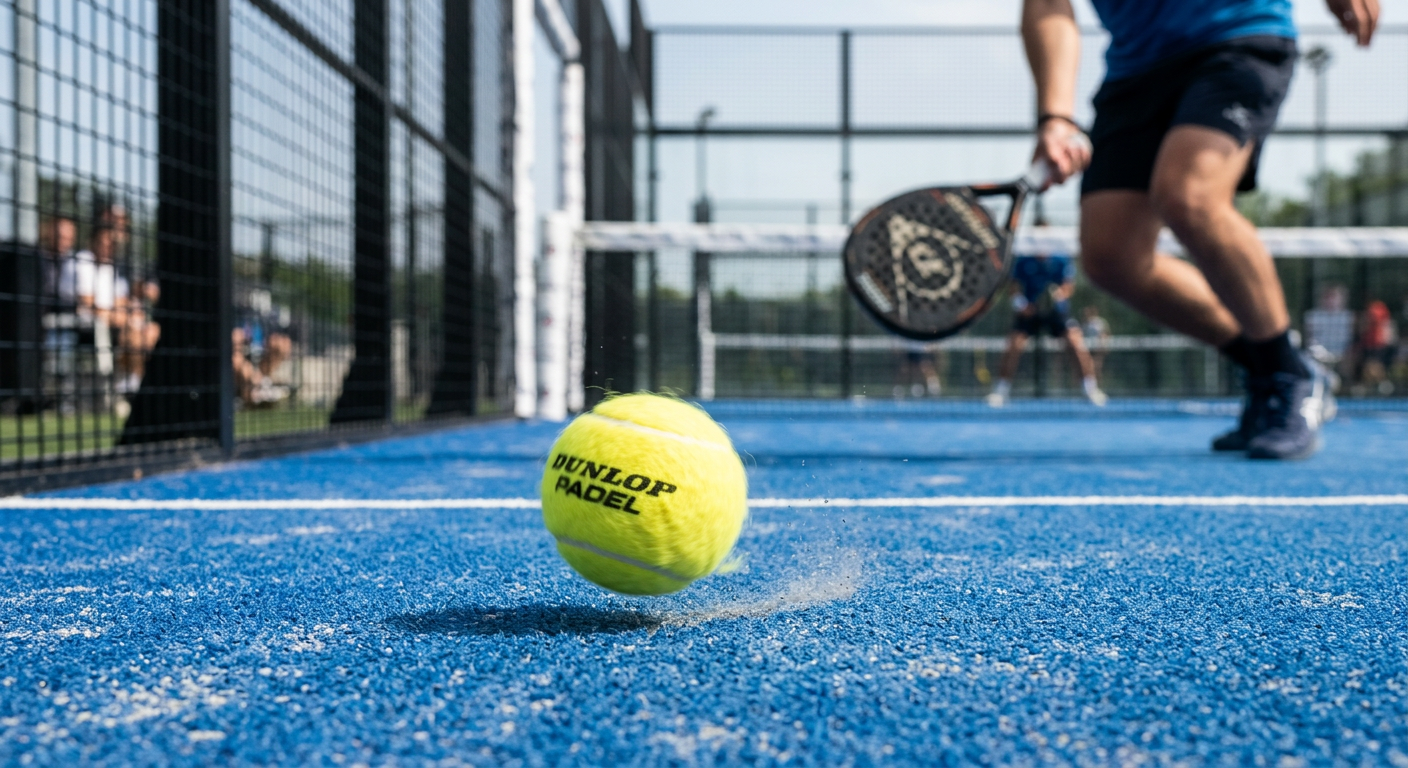
The slice is vital because it creates a low-skidding bounce that is extremely difficult for opponents to return aggressively. By brushing the ball from high to low, you ensure the padel serve stays close to the turf after impact. This spin limits the receiver’s options, often forcing them to lift the ball and give you an easy volley at the net.
How do you generate backspin?
Generating backspin requires you to strike the ball with an open racket face, moving the frame from a high position to a lower one. This cutting motion creates the rotation needed to keep the ball low.
- Tilt the racket face slightly upward before contact.
- Brush the back and bottom of the ball.
- Ensure a sharp, fast movement of the wrist.
Look:
The ball will appear to “float” slightly before diving. Once it hits the ground, it will slide forward rather than jumping up.
What are the tactical benefits of slice?
The primary benefit is control over the height of the return. When the ball stays low, your opponent cannot hit “down” on the ball, which prevents them from executing a powerful passing shot.
- Forced upward returns from the opponent.
- Slower ball flight gives you more time to reach the net.
- Increased unpredictability when the ball hits the glass.
Here’s the deal:
A sliced ball creates a nightmare for the receiver. They have to get their knees low and work twice as hard to stay in the point.
When should you avoid too much spin?
While slice is effective, over-spinning the ball on a second serve can lead to unforced errors. You should prioritize a deeper, flatter shot when you are under pressure to get the ball in play.
- Prioritize depth on high-pressure points.
- Reduce spin if the court surface is very fast.
- Use a flat shot to catch the receiver off-guard.
Think about it:
Variety is what keeps your opponent guessing. If you slice every single time, they will eventually adjust their footwork to match.
| Spin Type | Ball Behavior | Receiver Impact |
|---|---|---|
| Heavy Slice | Low, skidding bounce | High (requires lifting the ball) |
| Light Slice | Controlled, predictable height | Medium (allows for neutral return) |
| Flat Shot | Faster pace, standard bounce | Low (easier to time and attack) |
Key Takeaway: Use the slice as your primary service tool to keep the ball low and force defensive returns from your rivals.
The rotation of a sliced ball is the most effective way to neutralize an aggressive returner.
Where should you aim your next padel serve?
You should aim for the side glass or the center “T” line to maximize the receiver’s discomfort. A well-placed padel serve on a Panoramic Padel Court utilizes the transparent walls to create unpredictable bounces. By varying your targets, you prevent the opponent from settling into a comfortable rhythm and force them to move laterally.
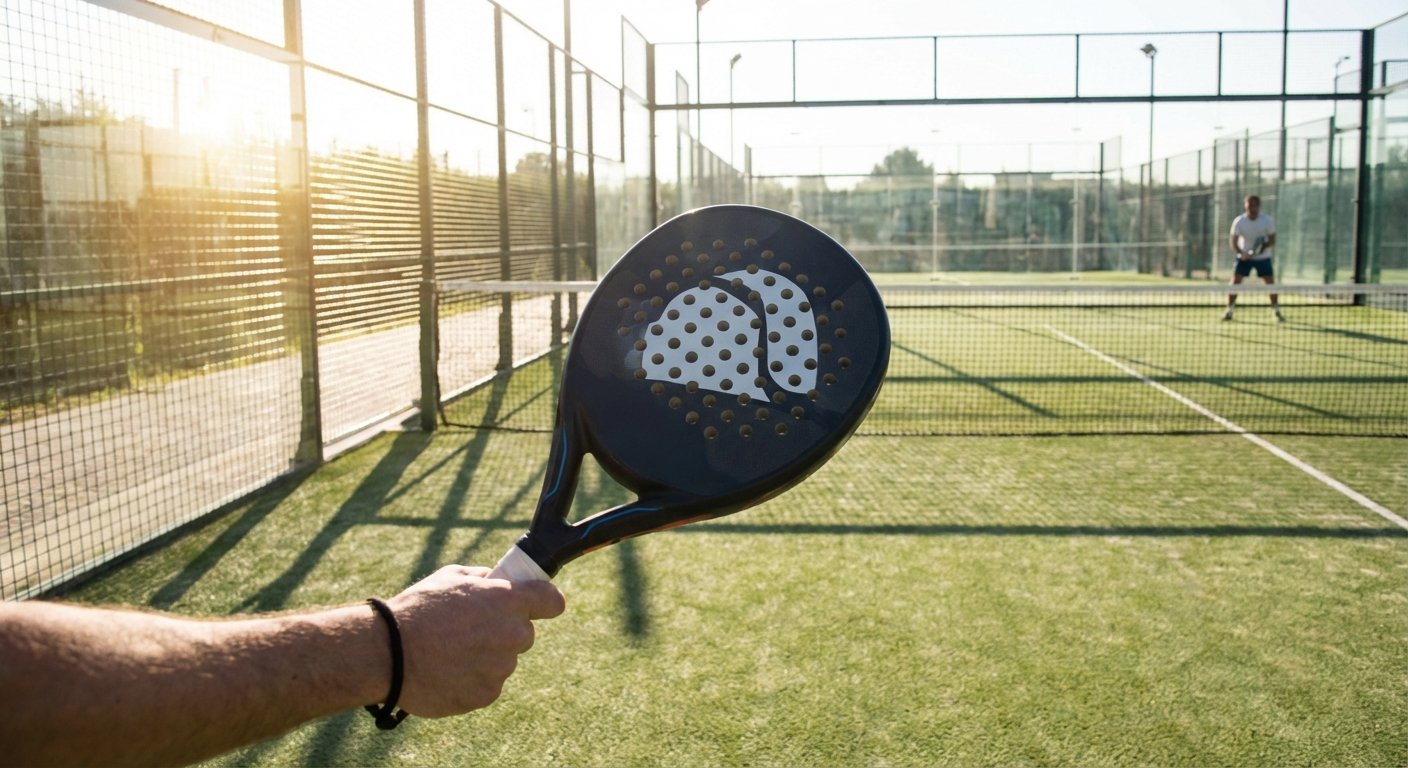
Why target the side glass?
The side glass is the most difficult area for a receiver to defend. If the ball bounces in the box and immediately hits the glass, the angle of the rebound is often tight and hard to read.
- Aim for the junction where the glass meets the turf.
- Force the receiver to step into the corner.
- Use slice to make the ball die against the wall.
Look:
Most players struggle with balls that “cramp” them near the glass. It limits their backswing and forces a panicked response.
How does the “T” line create openings?
Targeting the center “T” line pulls the receiver away from the side walls and toward the middle of the court. This creates a large gap on the wings for your first volley once you reach the net.
- Aim for the white line separating the boxes.
- Force a backhand return for right-handed players.
- Open up the court for a wide second shot.
The best part?
A center-line target is the safest high-percentage play. It has the lowest risk of hitting the side wire fence by mistake.
Can you aim at the receiver’s body?
Serving directly at the receiver’s feet can jam their movement and prevent them from taking a full swing. This “body serve” is particularly effective against tall players who take longer to adjust their stance.
- Aim for the lead foot of the opponent.
- Vary the pace to catch them flat-footed.
- Follow up with a deep volley to the opposite corner.
Here’s the deal:
Unexpectedly hitting toward the body disrupts their timing. They won’t know whether to use a forehand or a backhand until it’s too late.
| Target Zone | Strategic Goal | Difficulty Level |
|---|---|---|
| Side Glass | Create unpredictable rebounds | High (Technical) |
| Center “T” | Open up the court angles | Low (Safe) |
| Body / Feet | Disrupt movement and timing | Medium (Tactical) |
Key Takeaway: Consistently rotate your targets between the side glass and the “T” to keep the receiver guessing and off-balance.
Strategic placement is often more important than raw speed when looking to win points on your delivery.
How can speed variation improve your padel serve?
Speed variation improves your game by disrupting the receiver’s timing and allowing you more time to transition to the net. A fast padel serve can catch an opponent by surprise, but a slower, more tactical delivery often yields better long-term results. By mixing paces, you ensure that the opponent can never anticipate the force of the ball.
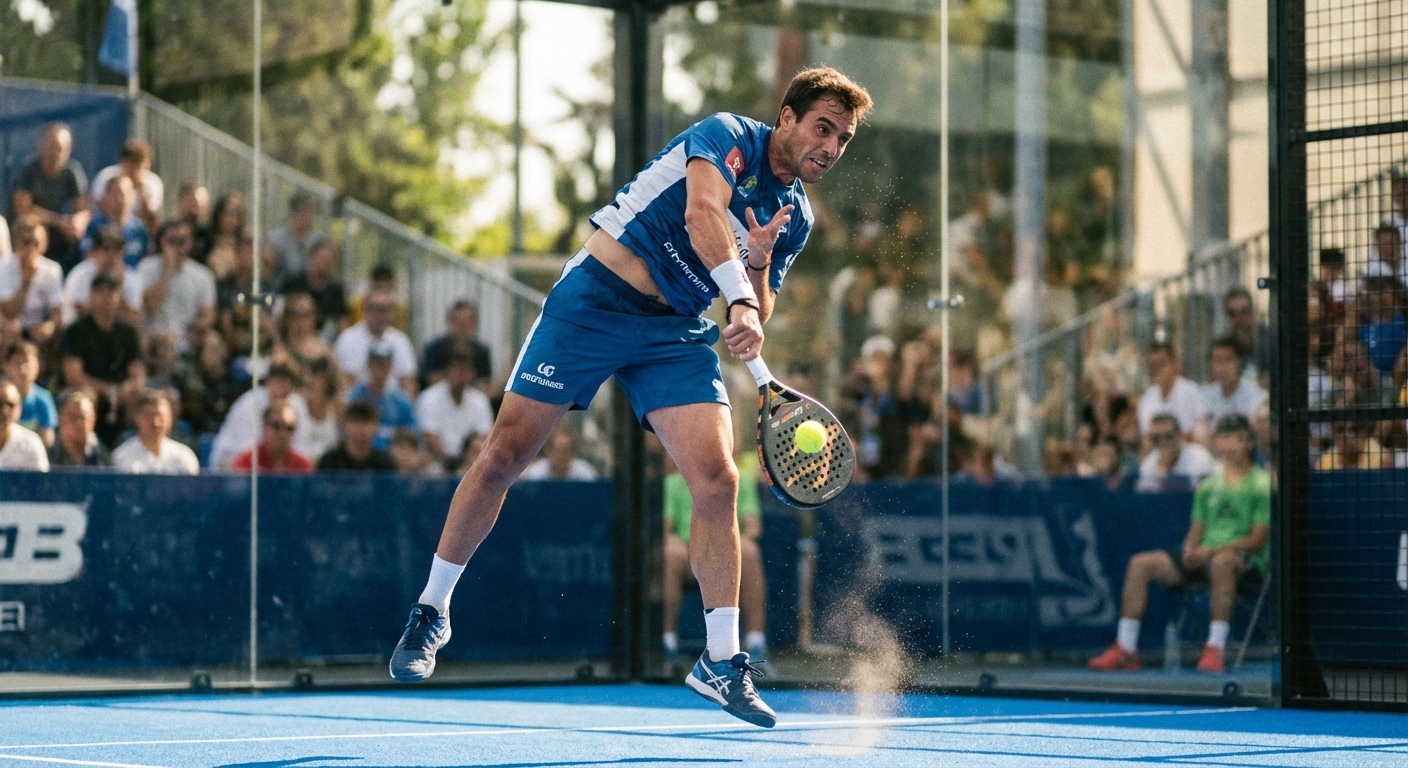
When is a fast serve effective?
A high-velocity serve is best used as a “change-up” shot. If you have been hitting slow, sliced serves all game, a sudden flat blast toward the glass can result in an immediate ace or a forced error.
- Use on big points to catch them off-guard.
- Aim for the glass to maximize the speed of the rebound.
- Ensure you have a high first-serve percentage.
Think about it:
Speed alone isn’t a strategy; it’s a tool. Overusing it will only make your opponent sharper as they get used to the pace.
Why is a slow serve safer?
Slower serves allow you to focus more on spin and placement. More importantly, they give you the necessary seconds to reach a dominant position at the net before the ball is returned.
- Maximize the time you have to move forward.
- Focus on heavy rotation and low bounce.
- Minimize the risk of double faults.
Look:
You aren’t just hitting a ball; you are buying time. The slower the ball travels, the better your positioning will be.
How do you disguise your speed?
The key to effective speed variation is keeping your preparation identical for every shot. The opponent should not be able to tell if a fast or slow ball is coming based on your backswing.
- Maintain the same body posture for all serves.
- Accelerate the racket head only at the point of contact.
- Vary the height of your follow-through.
The best part?
Deception is a mental game. When your motion is identical, the receiver has to react purely to the ball’s flight.
| Speed Profile | Transition Time | Risk Level |
|---|---|---|
| High Velocity | Minimal (Rushed) | High (Potential Faults) |
| Tactical Slow | Maximum (Stable) | Low (Safe Consistency) |
| Mid-Range | Balanced | Medium (Reliable) |
Key Takeaway: Use speed as a secondary tool to your placement; focus on variation to prevent the receiver from finding their rhythm.
A smart player uses pace as a weapon of surprise, not a standard operating procedure.
When should you use a backhand padel serve?
A backhand serve should be used when you want to create a different angle of attack or more natural sidespin away from the receiver. Leveraging high-quality materials found in a professional Padel Structure allows you to practice these unique angles with confidence. The backhand padel serve is an excellent way to keep your opponents guessing and can be easier to execute for players with a strong backhand wing.
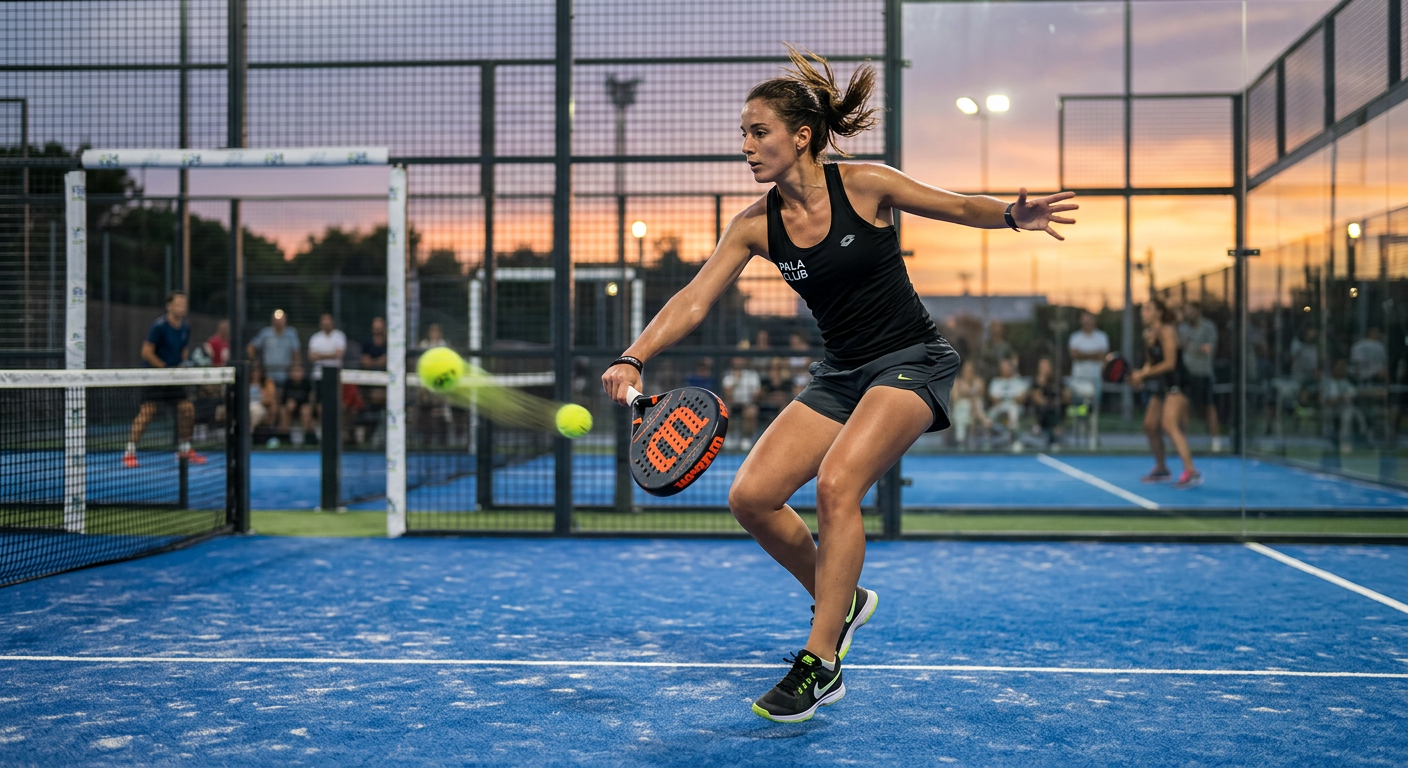
Is it harder to read the backhand?
For many receivers, the backhand motion is less familiar and therefore harder to anticipate. The way the ball leaves the racket face creates a different trajectory that can catch even experienced players off-balance.
- The racket face points toward the side wall initially.
- The follow-through pulls the ball “outward.”
- It creates a natural slice that curves away from the body.
Here’s the deal:
Unfamiliarity is a massive advantage in sports. If they don’t see backhand serves often, they won’t know how to move.
Can it improve your slice?
Some players find it more natural to generate heavy rotation using a backhand motion. The mechanics of pulling the racket across your body often result in a sharper “cut” than a traditional forehand.
- Engage your core for extra rotation.
- Keep the swing path wide and flat.
- Focus on “brushing” the side of the ball.
Bottom line:
If your forehand slice is struggling, try the backhand. You might find the mechanical leverage much easier to handle.
When is the best time to switch?
Switching to a backhand delivery is most effective in the middle of a set to break the opponent’s momentum. It forces them to reset their mental map of your service game and adjust their baseline positioning.
- Switch when the receiver is returning your forehand easily.
- Use it to target the opponent’s weaker wing.
- Keep it as a surprise for critical deuce points.
The best part?
You become a two-dimensional threat. Most servers only have one “look,” but you will have two distinct styles.
| Serve Side | Natural Spin Direction | Tactical Benefit |
|---|---|---|
| Forehand | Curves into the body (usually) | Easier for depth and power |
| Backhand | Curves away from the body | Better for wide angles and slice |
Key Takeaway: Integrate the backhand serve into your repertoire to provide a unique “look” that forces receivers to adjust their footwork.
The backhand option is a sophisticated tactical choice that adds depth to your overall service strategy.
How do you avoid common padel serve faults?
You can avoid common faults by maintaining contact below the waist and ensuring the ball does not hit the wire fence after its first bounce. A standard padel serve becomes a fault if it lands outside the designated box or if you commit a foot fault during the motion. Understanding these boundaries prevents you from giving away free points and keeps you in control of the game’s momentum.
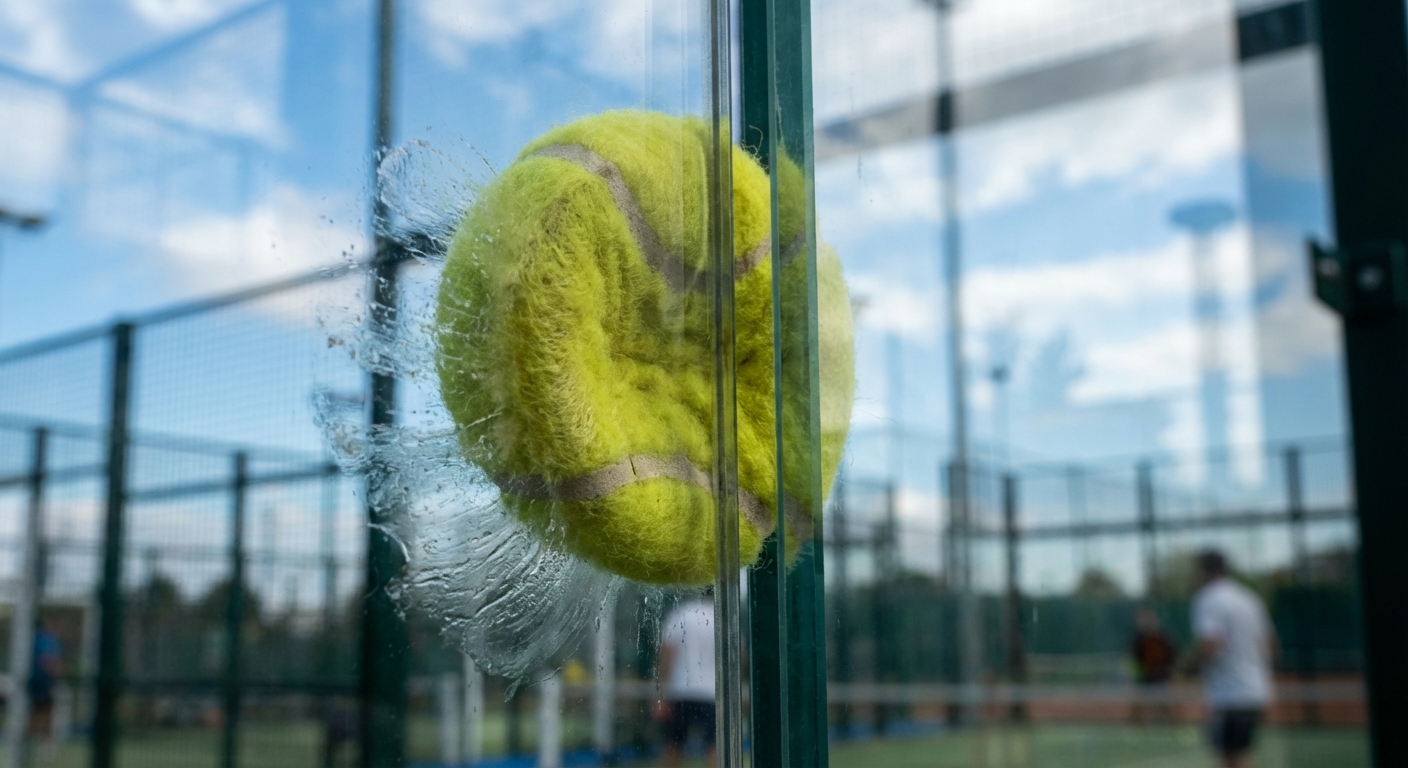
What is a “let” serve?
A “let” occurs when the ball hits the net cord but still lands in the correct service box. In this scenario, the serve is replayed without any penalty to the server.
- The ball must touch the net first.
- It must land in the diagonal service box.
- It cannot hit the wire fence after the bounce.
Look:
A let is a “free pass” to try again. Don’t let it rattle your focus; just reset and repeat your ritual.
Why is the wire fence a danger?
While hitting the glass wall after a bounce is legal and encouraged, hitting the wire mesh fence is an immediate fault. The fence creates erratic, unplayable bounces that are banned during the service phase.
- Aim slightly away from the extreme side corners.
- Use more slice to keep the ball away from the mesh.
- Avoid high-velocity shots that lack directional control.
Here’s the deal:
The fence is your enemy on the serve. Even if it hits the box perfectly, a single touch of the wire ends the point for you.
How do you prevent foot faults?
Foot faults happen when any part of your foot touches the service line or the court area before you hit the ball. This is often the result of being in too much of a hurry to rush the net.
- Stand six inches behind the white line.
- Stabilize your weight on your back foot.
- Strike the ball before initiating your forward step.
Bottom line:
Slow down your preparation. A foot fault is a mental error, not a physical one, and is easily fixed with focus.
| Fault Type | Cause | Prevention Strategy |
|---|---|---|
| Fence Contact | Poor directional control | Aim for the glass, not the wire |
| Foot Fault | Rushing the net too early | Step after the racket contact |
| Height Fault | Striking ball above waist | Lower your ball drop height |
Key Takeaway: Focus on controlled placement and legal contact to eliminate unforced errors and double faults from your game.
Clean execution of the rules is the first step toward becoming a feared server in any club.
Is the second padel serve your biggest weapon?
The second serve is your biggest weapon for maintaining consistency and avoiding “free points” for the opponent. Practicing on high-density Padel Grass ensures you understand how your safe delivery will react on professional surfaces. While the first padel serve is for aggression, the second is for reliability, ensuring the point actually starts so you can win it through rallying.
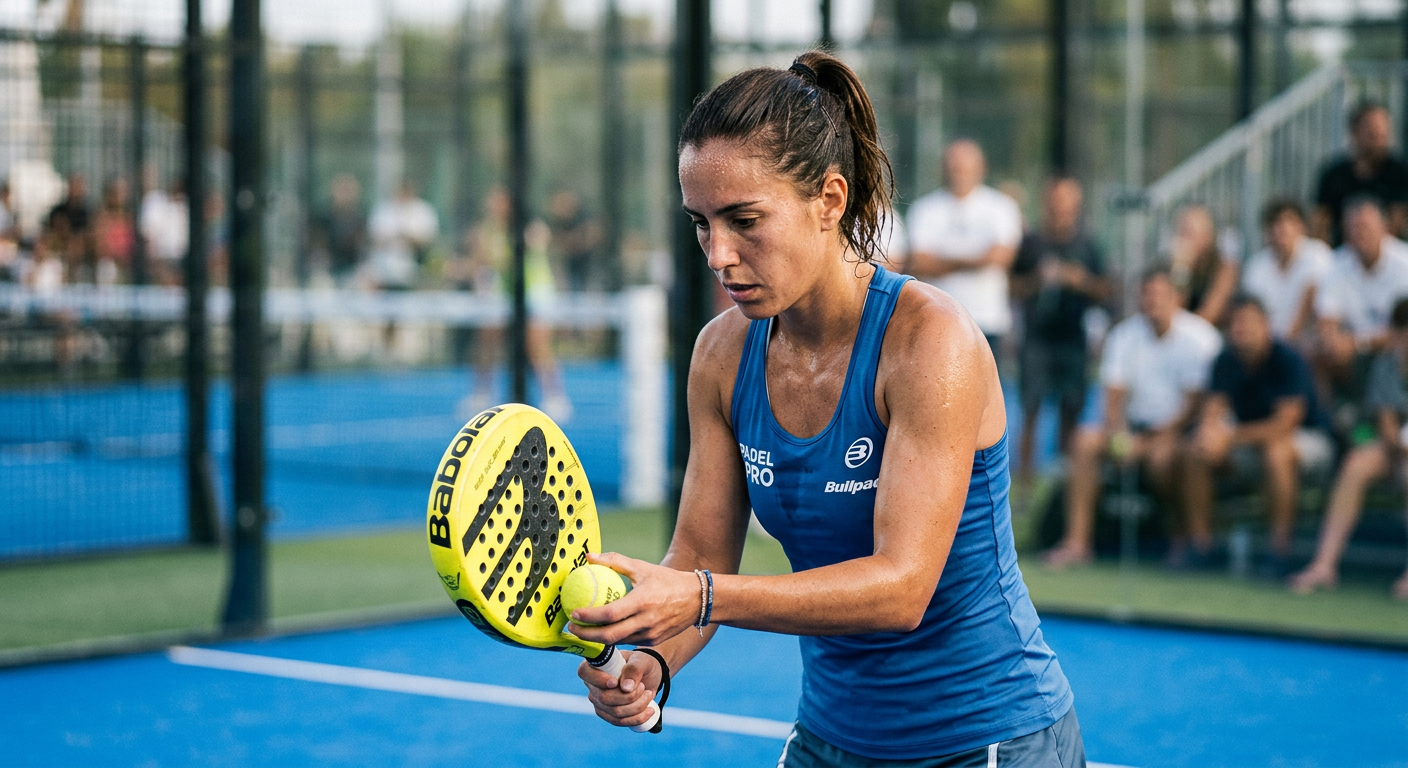
Why prioritize safety on the second?
A double fault is the only way to lose a point without a single rally occurring. Prioritizing safety means hitting a deeper ball with less pace to guarantee it lands within the box boundaries.
- Use a flatter shot for a higher margin of error.
- Aim for the center of the service box.
- Reduce the intensity of your swing.
Think about it:
You can’t win a point you don’t start. A “safe” serve is always better than a double fault.
How do you maintain depth under pressure?
When you are nervous, you tend to shorten your swing, which leads to “short” serves that are easy to attack. Focus on following through completely to keep the ball deep in the opponent’s box.
- Aim for the back third of the service box.
- Keep your swing path long and smooth.
- Avoid “poking” at the ball with a short motion.
Here’s the deal:
A deep second serve is much harder to attack than a fast short one. Depth pushes the receiver back and keeps you safe.
Can you still be tactical?
Even a safe serve can be tactical if you place it toward the opponent’s weaker side. You don’t need speed to be effective; you only need to make the receiver move out of their comfort zone.
- Target the opponent’s backhand.
- Vary the placement slightly within the box.
- Focus on a low, consistent bounce.
The best part?
A reliable second serve builds your confidence. When you know your second is solid, you can take more risks on your first.
| Serve Attempt | Primary Objective | Risk Tolerance |
|---|---|---|
| First Serve | Offensive advantage / Force error | High |
| Second Serve | Reliability / Starting the point | Zero |
Key Takeaway: Treat the second serve as a strategic reset; prioritize depth and placement over power to ensure the point begins.
The mark of a great player is a second serve that is just as consistent as their groundstrokes.
How can you add deception to your padel serve?
You add deception by using identical body language for every delivery, regardless of where or how fast you are hitting. A deceptive padel serve keeps the receiver guessing until the final millisecond, often leading to late reactions. By mastering the “look” of your swing, you turn every point into a psychological battle that you are positioned to win.
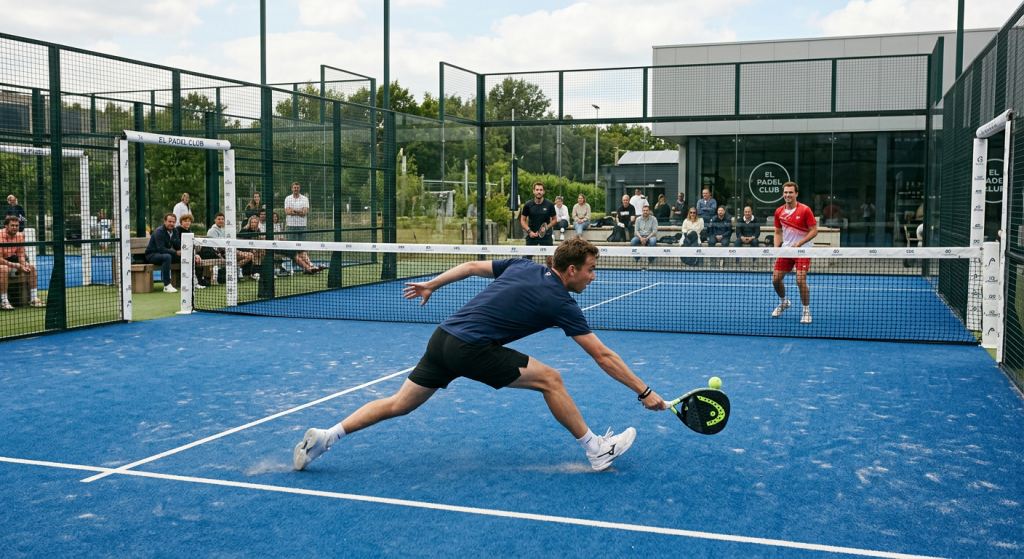
Why hide your targets?
If you look at the corner you are aiming for, a smart receiver will move early. Deception involves looking toward the center of the court while using your wrist to guide the ball toward the side glass.
- Keep your eyes on the ball, not the target.
- Use a neutral body orientation for all shots.
- Vary the angle of the racket face at the last moment.
Look:
If they can’t read your eyes, they can’t predict the ball. This split-second delay is all you need.
How do you use the “short serve” surprise?
Most serves are aimed deep. Occasionally dropping a very short, high-spin serve catches the opponent deep behind the baseline, forcing them to sprint forward in a panic.
- Reduce the power significantly on contact.
- Apply maximum downward slice.
- Aim for the ball to bounce just past the net.
Here’s the deal:
The “drop serve” is a psychological weapon. It forces the receiver to stay on their toes and never feel truly comfortable at the back.
What is the “fake speed” technique?
Deception can also involve varying the rhythm of your ritual. Sometimes serving quickly after the previous point, and sometimes taking your time, prevents the opponent from settling into a steady return rhythm.
- Change the timing of your ball bounce.
- Vary the speed of your backswing.
- Keep the opponent waiting or rush them slightly.
The best part?
You control the tempo of the match. When you control the time, you control the player across the net.
| Deception Tactic | Method | Desired Outcome |
|---|---|---|
| Eye Disguise | Looking away from the target | Late reaction from receiver |
| Depth Variation | Switching deep and short balls | Disrupted baseline positioning |
| Rhythm Change | Varying the pre-serve ritual | Broken return momentum |
Key Takeaway: Use identical preparation for every shot to hide your intentions and force the receiver into a reactive state.
The best servers are the ones who are impossible to read, making every delivery a surprise.
What are the best drills for your padel serve?
The best drills focus on target precision and net transition speed, which you can practice effectively on a Roofed Padel Court regardless of the weather. Building a great padel serve requires thousands of repetitions hitting specific markers like ball cans or cones. By simulating match conditions during practice, you ensure that your delivery remains sharp when the pressure is at its highest.
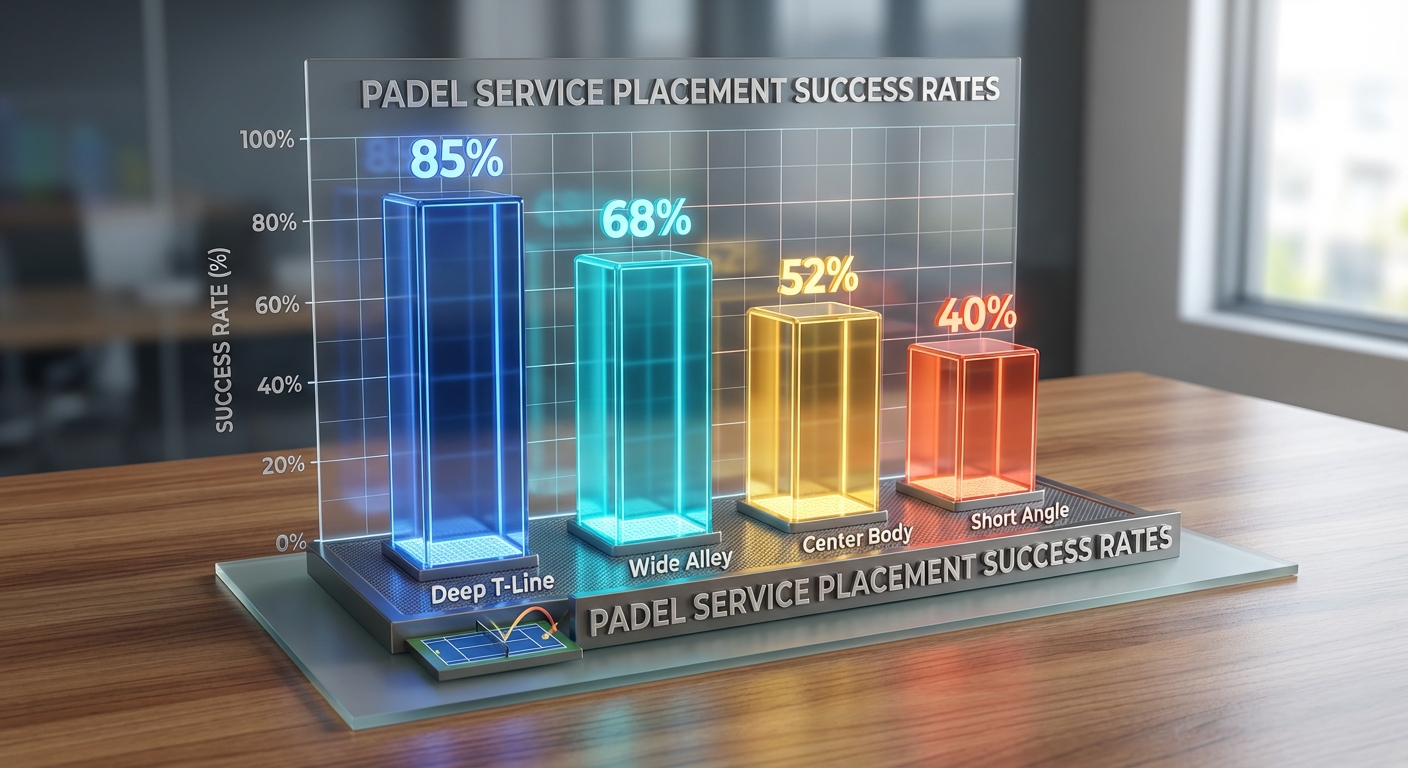
How do you practice the “corner hunt”?
Set up three markers in the service box: one near the “T,” one in the center, and one near the side glass. Try to hit each marker in sequence to build lateral control.
- Place markers 12 inches from the lines.
- Hit 10 serves to each target in a row.
- Track your success rate to see improvement.
Look:
Visual targets make the court feel smaller and your focus sharper. You’ll find the lines much easier to hit during a real game.
What is the transition drill?
This drill involves hitting a serve and immediately sprinting to the net to touch the cord or play a shadow volley. It trains your brain to treat the serve and the net rush as a single, continuous movement.
- Strike the ball and take three fast steps.
- Maintain a low center of gravity while moving.
- Finish in a ready “split-step” position.
Here’s the deal:
The serve is only half the battle. If you stay at the back, you’ve wasted the advantage of serving.
Why use a “second serve marathon”?
In this drill, you hit 50 serves in a row with the goal of never missing the box once. It builds the mental stamina required to avoid double faults during a long, grueling three-set match.
- Prioritize consistency over everything else.
- Focus on a deep, safe placement.
- Reset your ritual if you feel your focus slipping.
Bottom line:
Consistency is a muscle you have to train. A “marathon” drill makes a standard game feel easy by comparison.
| Drill Name | Primary Focus | Repetition Goal |
|---|---|---|
| Corner Hunting | Lateral Precision | 30 Successful Hits |
| Net Rush Sprint | Transition Speed | 20 Repetitions |
| Accuracy Marathon | Mental Reliability | 50 In-Box Serves |
Key Takeaway: Spend dedicated time on target-based drills to turn your service game from a mere restart into a precision instrument.
Practice with purpose to ensure that your muscle memory takes over when the match is on the line.
*
Conclusion
Building a dominant service game is more than just learning to hit the ball over the net; it is about mastering the blend of regulation, technical precision, and tactical deception. We have explored how to navigate official rules, the importance of the continental grip, and the power of speed variation to keep your rivals off-balance. By focusing on low-skidding slices and strategic placement near the side glass, you can neutralize even the most aggressive opponents from the very first shot.
At our facility, we are dedicated to providing the high-performance environments and professional equipment needed to elevate every aspect of your game. Our mission is to empower players and club owners worldwide with the infrastructure that reflects the elite standards of the sport. To take the next step in optimizing your facility or your personal training setup, contact us today and join our global community of padel excellence.
*
Frequently Asked Questions
Can I serve the ball directly into the side glass?
No. The ball must always bounce in the opponent’s service box first before it makes contact with the glass. If it hits the glass before the turf, it is considered a fault.
What’s the best way to handle a “let” call?
Immediately reset your ritual. A let is not a penalty; it is simply a replay of the serve attempt, so take a deep breath and repeat your standard motion without rushing.
Can I jump during my service motion?
No. According to the rules, at least one foot must remain in contact with the ground at the moment you strike the ball. Jumping would constitute a foot fault.
How often should I change the speed of my serve?
Frequently. You should aim to vary your pace every 2-3 points to prevent the receiver from getting comfortable with your rhythm and timing.
Is it legal to serve with a two-handed backhand?
Yes. As long as the ball is struck below waist level and you follow all other service regulations, using two hands for a backhand delivery is perfectly legal.