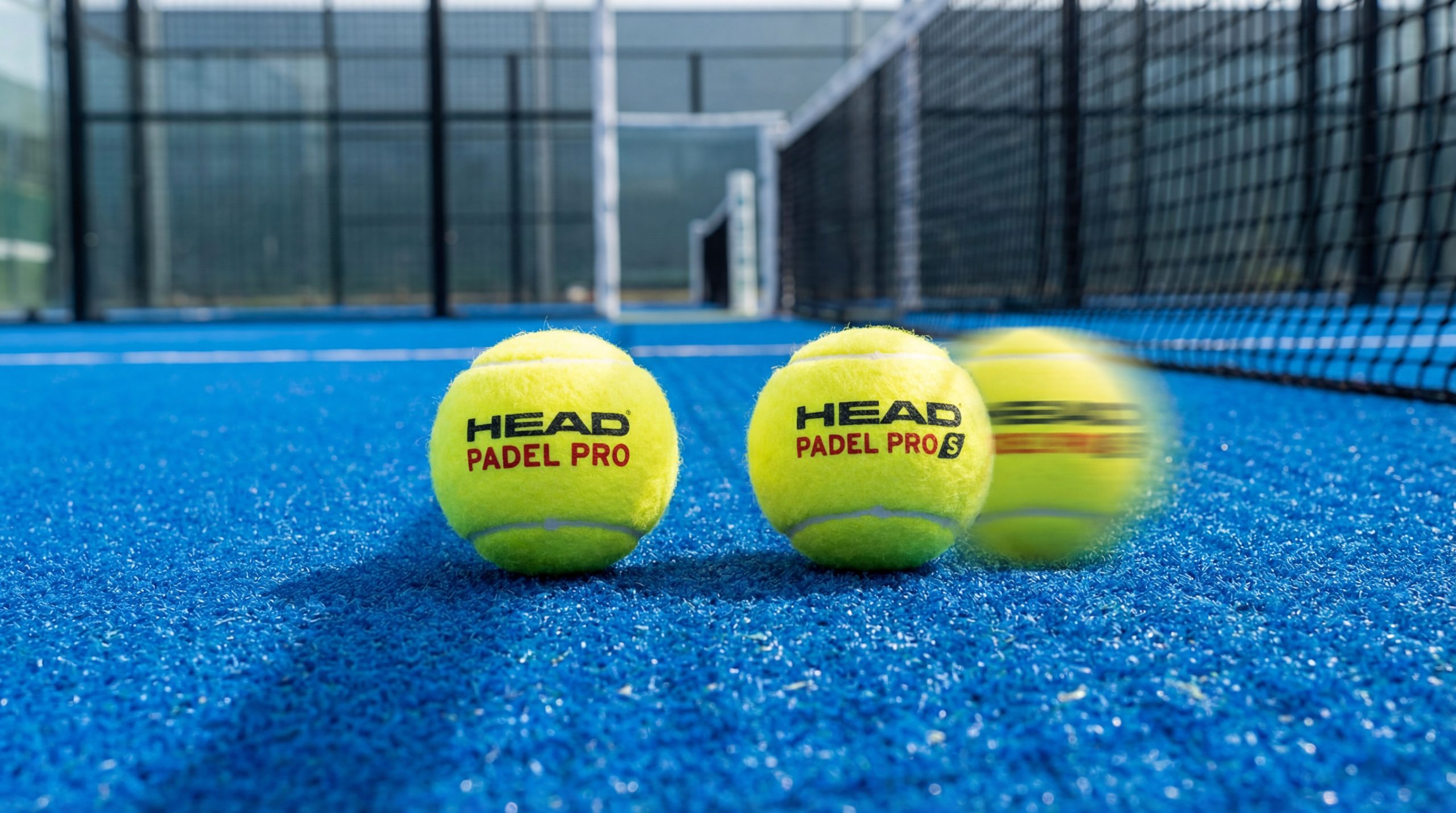
The head padel pro is a high-performance pressurized ball specifically engineered for the professional circuit, utilizing a high-density synthetic felt and a reinforced rubber core to deliver maximum control. Many players struggle with equipment that reacts inconsistently to environmental changes. This lack of reliability leads to unforced errors and a drop in confidence during critical match points. By integrating the head padel pro into your setup, you gain a tool that offers a predictable trajectory regardless of the climate or court surface.
What defines the performance of the head padel pro?
The performance of this equipment is defined by its certification for professional play and its high-density fiber blend that ensures aerodynamic stability. These technical specifications allow the ball to maintain a consistent speed during high-velocity exchanges.
The outer layer uses a sophisticated blend of natural and synthetic fibers to manage drag. This material ensures that the ball “grips” the air effectively during its flight path.
- High-density felt weave.
- Synthetic fiber reinforcement.
- Consistent aerodynamic drag.
Think about it: without high-quality felt, your technical skill is wasted on an unpredictable bounce.
Aerodynamic stability in high-speed rallies
Structural integrity is maintained through a balanced weight distribution that prevents wobbling during flight. This stability is crucial for players performing precision shots like the bandeja or vibora.
| Feature | Technical Impact |
|---|---|
| Weight Distribution | Optimized for flight |
| Fiber Density | Reduced air turbulence |
The data confirms that specialized fiber blends significantly reduce unpredictable deviations during long-distance lobs.
Key Takeaway
Professional performance relies on the synergy between fiber density and weight distribution, ensuring that every stroke results in a predictable and stable ball flight across the court.
Why does the core of the head padel pro matter?
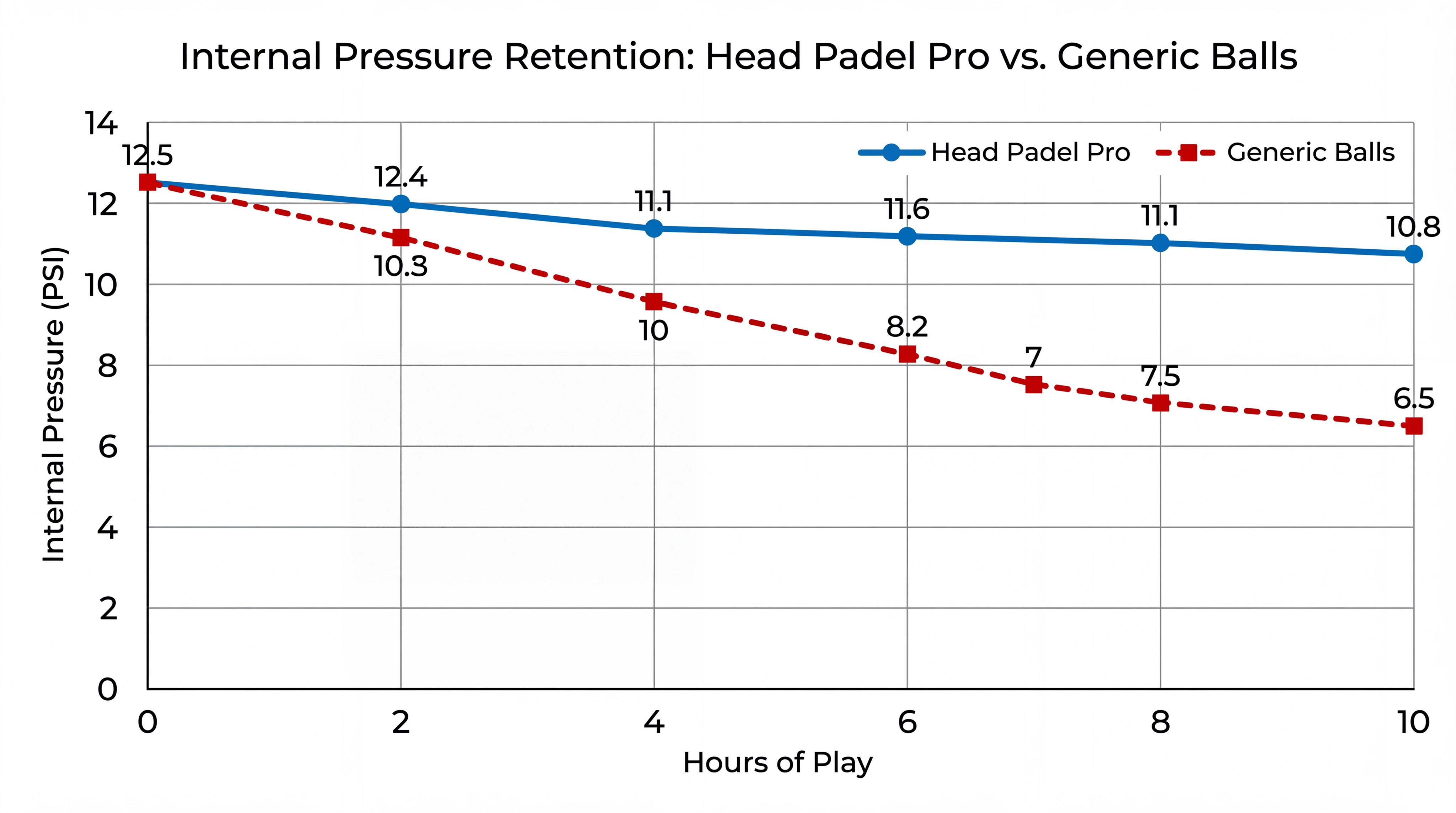
The core of the head padel pro matters because it utilizes a refined rubber compound that balances elasticity with long-term pressure retention. This internal engineering ensures the ball does not become “dead” after just a few games.
Pressure retention technology
A specialized gas mixture is sealed inside the rubber shell to resist the natural permeation that occurs in lower-quality balls. This keeps the internal PSI within the professional range for the duration of a full match.
- Proprietary gas blend.
- Low-permeability rubber.
- Sustained rebound height.
Here is the deal: a pressurized core is the only way to ensure the fast-paced transitions required in modern play.
Rubber compound elasticity
The ratio of natural rubber used in the core allows for a sharp energy return upon impact with the racket. This translates your physical power directly into ball velocity without losing energy to excessive deformation.
| Component | Function |
|---|---|
| Natural Rubber | Elasticity and snap |
| Synthetic Additives | Durability and shape |
The interaction between the rubber’s elasticity and the internal gas pressure creates the distinctive “pop” heard during professional matches.
Key Takeaway
The internal core serves as the engine of the ball, where high-quality rubber and pressurized gas work together to provide a consistent energy return and bounce.
How does felt quality impact the head padel pro?
Felt quality determines the friction-control properties of the ball, directly affecting how much spin you can apply and how the ball reacts to the court surface. High-tier felt allows the racket to “bite” the surface of the ball for advanced tactical play.
Friction and spin potential
A denser felt surface increases the contact time between the ball and the racket face. This allows players to impart heavy slice or topspin, forcing difficult returns for the opponent.
- Increased surface friction.
- Enhanced spin responsiveness.
- Better grip on the glass.
The best part? You can control the pace of the game much more effectively when the felt responds to your wrist movements.
Strategic wear patterns
As the fibers wear down over time, the ball naturally becomes faster and less responsive to spin. Monitoring these changes allows you to adjust your tactical approach mid-set as the equipment evolves.
| Wear Stage | Game Impact |
|---|---|
| New (Fluffy) | High spin, slower |
| Used (Bald) | Low spin, faster |
Analyzing the surface texture throughout a match helps professionals decide when to increase the power of their smashes.
Key Takeaway
Premium felt is a strategic surface that dictates spin potential and speed, making it essential to monitor wear to maintain tactical control over the match.
Can weather change how the head padel pro bounces?
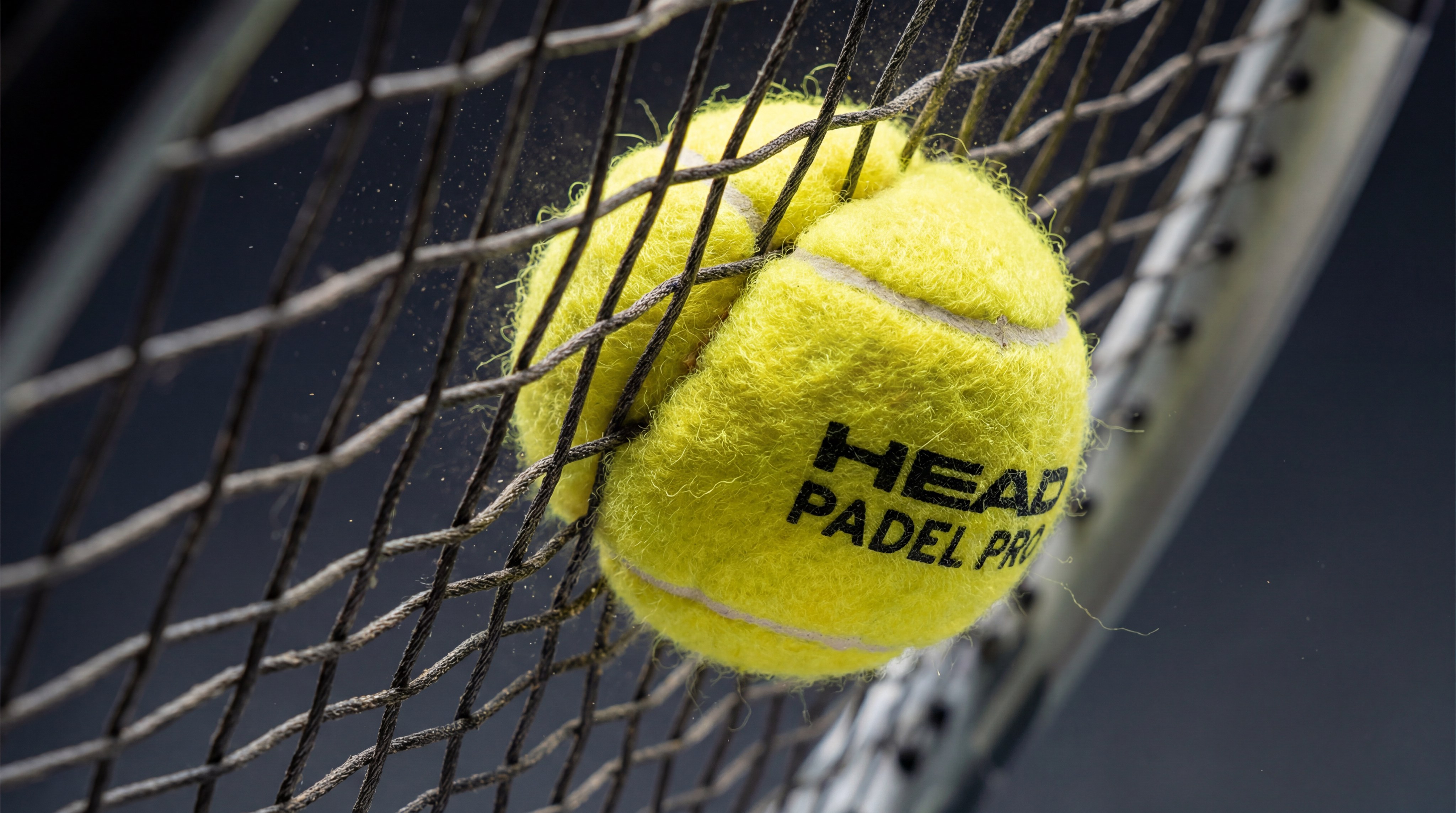
Weather significantly alters the performance of the head padel pro by impacting the internal gas expansion and the external air resistance. High temperatures and varying altitudes are the most influential environmental factors on the court.
Performance in high temperatures
In heat, the gas inside the pressurized core expands, which increases the internal pressure and makes the ball bounce significantly higher. This requires you to use more controlled strokes to prevent the ball from hitting the back fence.
- Internal gas expansion.
- Increased rebound height.
- Lower air density.
Make no mistake: heat turns a standard match into a high-speed battle that rewards finesse over raw power.
Behavior in low-altitude environments
At sea level, the air is much denser, which creates more drag on the ball and slows it down. This often leads to longer rallies as the ball is harder to “hit out” of the court.
| Environment | Ball Reaction |
|---|---|
| High Altitude | Faster, higher bounce |
| Sea Level | Slower, heavier feel |
Research into atmospheric conditions proves that air density is a primary variable in equipment performance and player fatigue.
Key Takeaway
Environmental variables like heat and altitude dictate the physical behavior of the ball, requiring players to adapt their technique to the current atmospheric conditions.
What makes the speed version of the head padel pro?
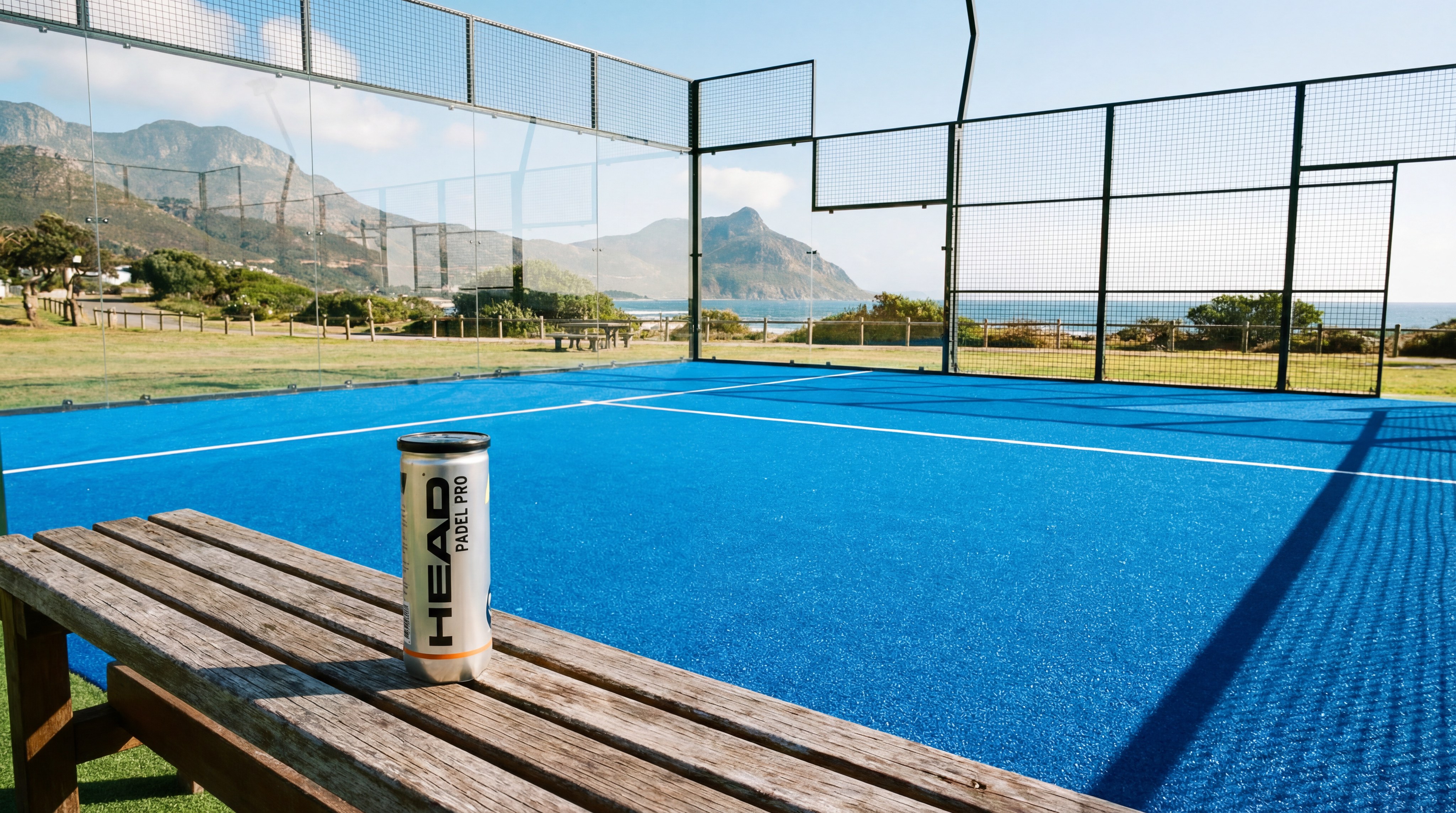
The speed version is defined by an increased internal PSI and a slightly stiffer core designed specifically for slow playing conditions. It serves as a necessary alternative when the standard model feels too sluggish.
Increased internal pressure for velocity
By increasing the pressure inside the can and the ball, the “Speed” variant compensates for the heavy air found in cold or coastal climates. This ensures the game remains dynamic even in suboptimal weather.
- Higher internal PSI.
- Faster flight trajectory.
- Crisper sound on impact.
Believe it or not, the right pressure can completely change the rhythm of a defensive game.
Modified core responsiveness
The core is engineered to be more responsive, allowing the ball to fly through the air with less energy loss. This is a critical component of a professional padel structure where speed is a key tactical advantage.
| Version | Best Use Case |
|---|---|
| Standard | High heat / Altitude |
| Speed (S) | Cold / Sea level |
A comparative analysis shows that the Speed version maintains its velocity longer in damp or humid conditions.
Key Takeaway
The Speed variant is a specialized tool that uses higher pressure to maintain a fast-paced game in environments where air density would otherwise slow the play.
How do pros choose the right head padel pro?
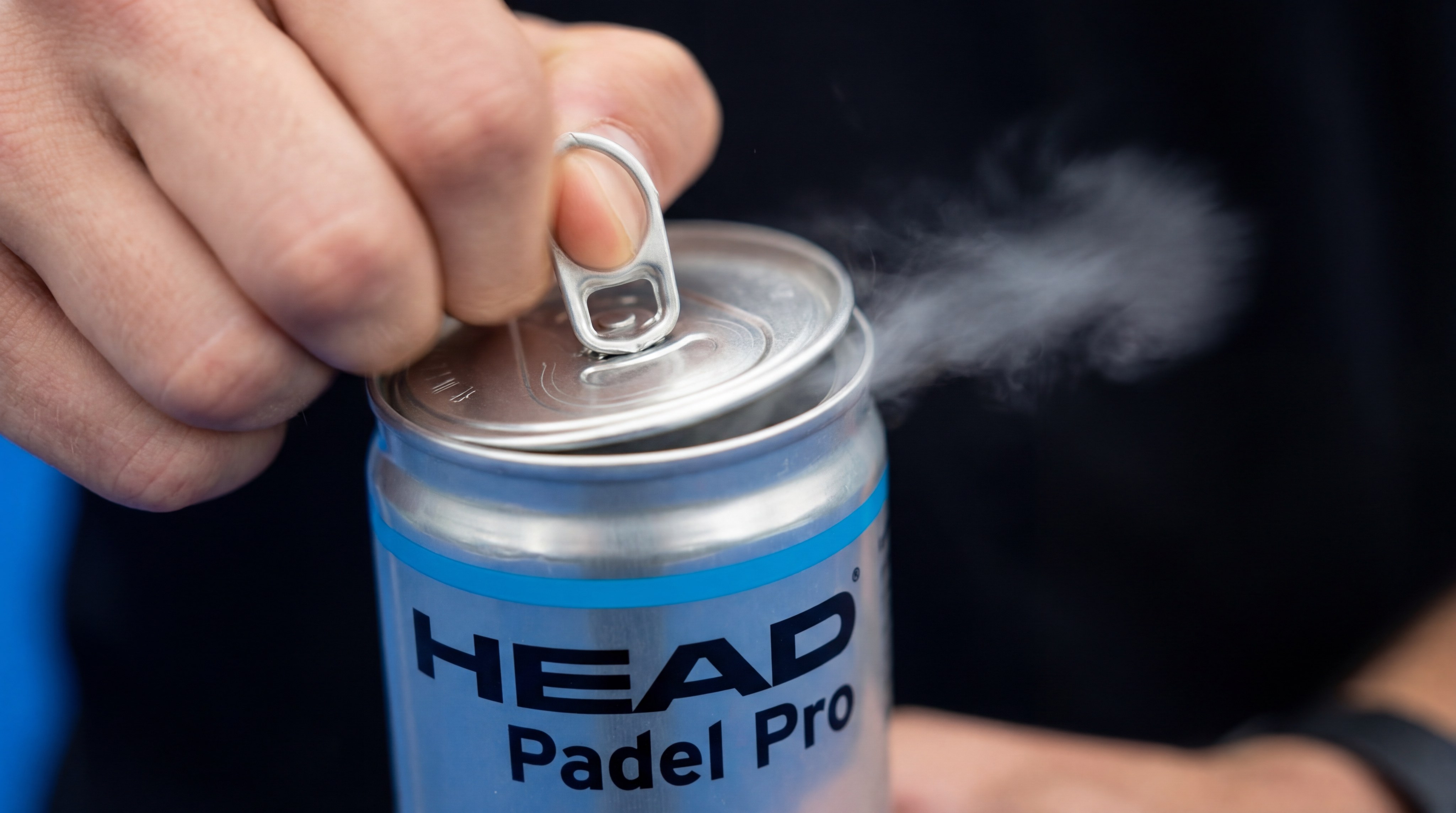
Professional players choose the head padel pro based on a calculated assessment of the venue’s altitude and the speed of the court carpet. This selection process ensures that the equipment complements the intended tactical pace of the tournament.
Altitude-based selection criteria
In high-altitude cities, pros almost always choose the standard model to maintain control in the thin air. Using the speed version at high altitudes would make the ball nearly impossible to control.
- Thin air assessment.
- Bounce height testing.
- Control vs. Power balance.
The logic is simple: the higher you are, the more control you need.
Tactical matching to player style
Aggressive players who rely on winning points quickly often prefer the faster variant to maximize the impact of their smashes. Conversely, defensive specialists might choose the standard version to extend rallies and tire out opponents.
| Player Style | Preferred Variant |
|---|---|
| Aggressive Attacker | Speed (S) |
| Tactical Defender | Standard Pro |
Matching equipment to a specific player’s strengths is a hallmark of professional preparation.
Key Takeaway
Selection is never random; it is a strategic decision that factors in geographic location and individual playing styles to optimize performance outcomes.
Is the internal pressure of the head padel pro stable?
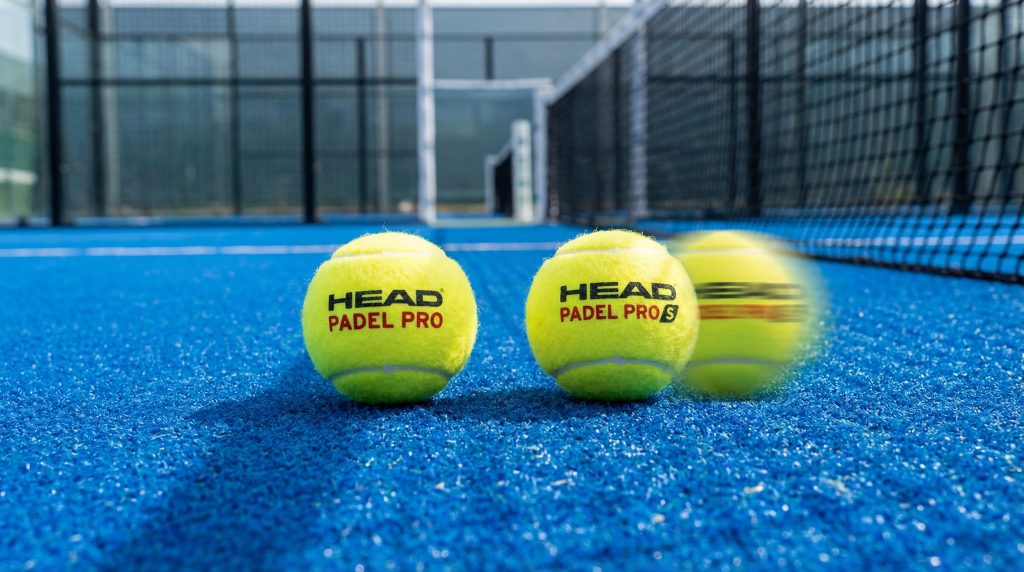
Internal pressure is exceptionally stable due to rigorous manufacturing standards and pressurized packaging that prevents gas leakage before the can is opened. This consistency ensures that every set of balls performs identically from the first serve.
Vacuum-sealed packaging standards
The metal cans are pressurized to exactly match the internal pressure of the balls themselves. This creates an equilibrium that stops the gas from escaping through the porous rubber shell during storage.
- Nitrogen-enriched environment.
- Equilibrium pressure sealing.
- Extended shelf life.
Think about it: the “psst” sound when you open a can is the sound of professional-grade quality being released.
Consistency across production batches
Every batch undergoes automated testing to ensure that the rebound height and weight meet the strict requirements of international federations. This removes the variable of equipment failure from the competitive equation.
| Quality Check | Tolerance Level |
|---|---|
| Weight | +/- 0.5 grams |
| Bounce | +/- 2.0 centimeters |
Consistent manufacturing processes guarantee that the ball you use in practice reacts the same way as the one used in a tournament.
Key Takeaway
Pressure stability is maintained through advanced packaging and strict quality control, ensuring a reliable experience for players at all levels.
How can you store the head padel pro effectively?
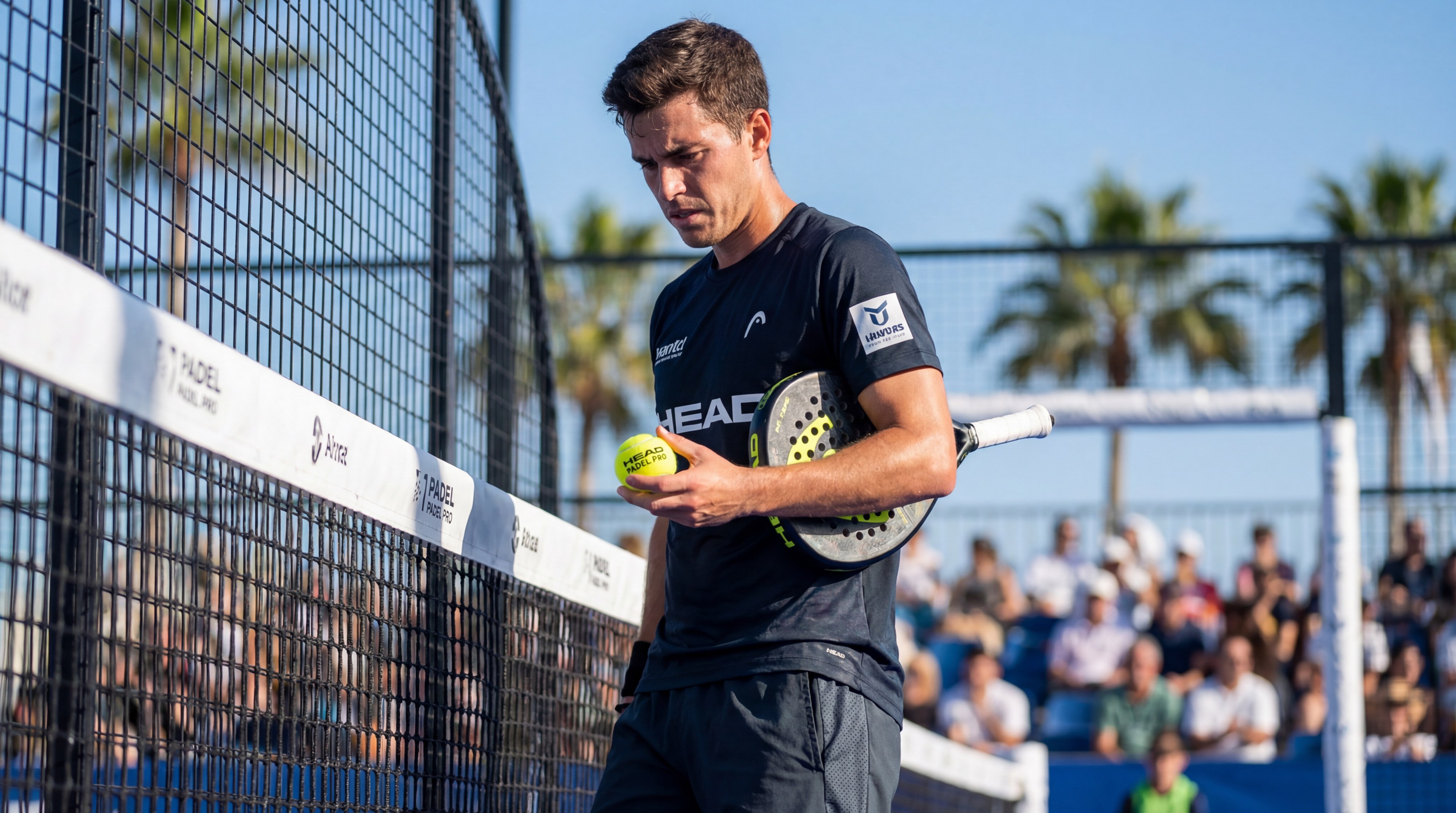
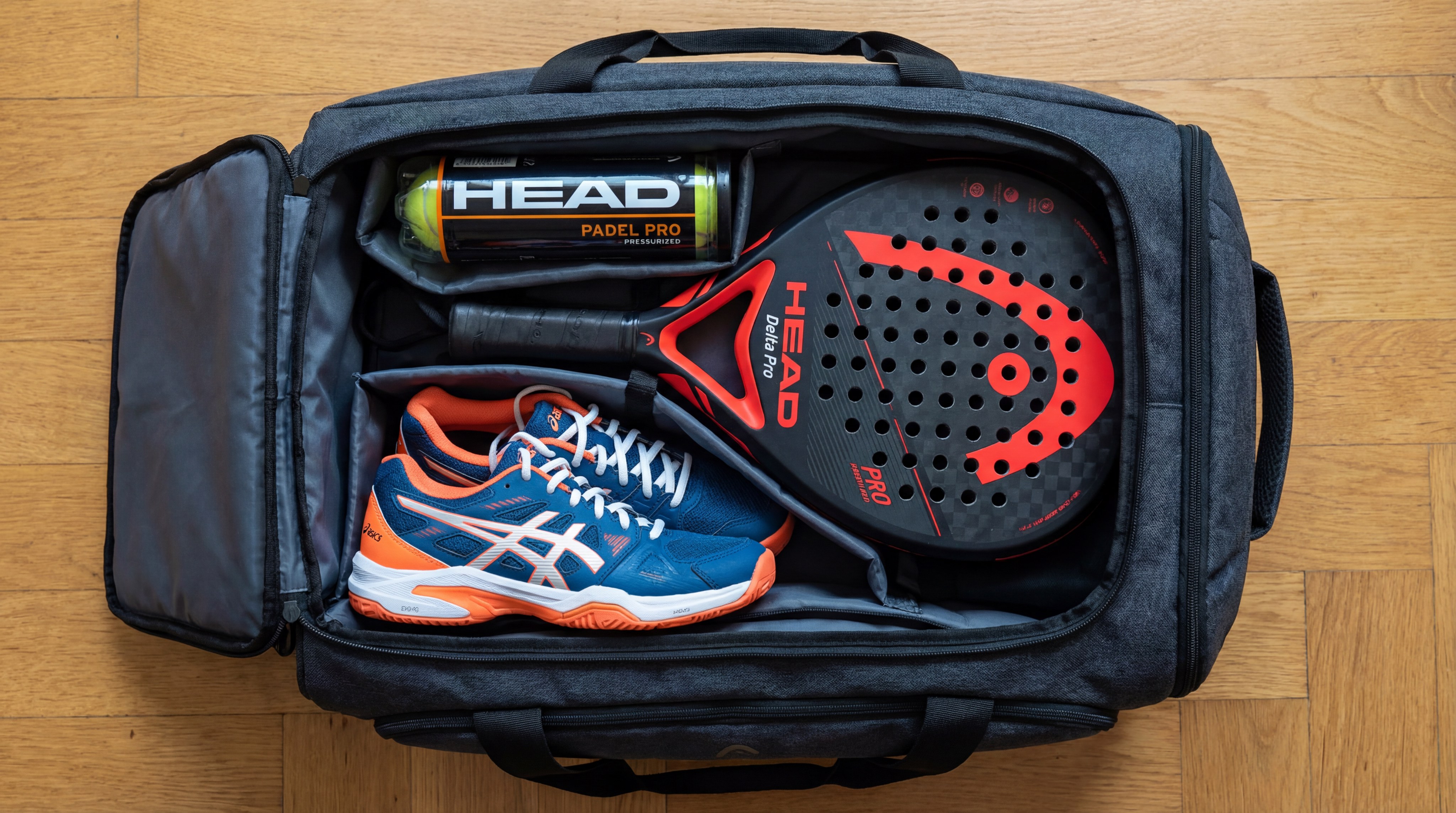
You can store the head padel pro effectively by keeping it in a temperature-controlled environment and using specialized pressure-saving equipment. Proper storage prevents the rubber from degrading and the gas from leaking prematurely.
Temperature-controlled storage solutions
Fluctuating temperatures in a car trunk can destroy the elasticity of the rubber core. It is vital to keep your gear in a cool, dry place to maintain the structural integrity of the balls.
- Avoid direct sunlight.
- Store at room temperature.
- Keep away from damp areas.
The bottom line? Heat is the enemy of pressure.
Utilizing pressure-saving tubes
For frequent players, using a re-pressurizing tube can significantly extend the life of a set. These devices force air back into the balls between sessions, keeping the bounce consistent for multiple matches.
| Storage Method | Expected Longevity |
|---|---|
| Open Bag | 1-2 Matches |
| Pressure Tube | 4-6 Matches |
Investing in a pressure-saving solution is both cost-effective and beneficial for maintaining a high standard of play.
Key Takeaway
Effective storage involves protecting the balls from extreme temperatures and utilizing pressure tubes to maintain the internal PSI over time.
When should you replace your head padel pro set?
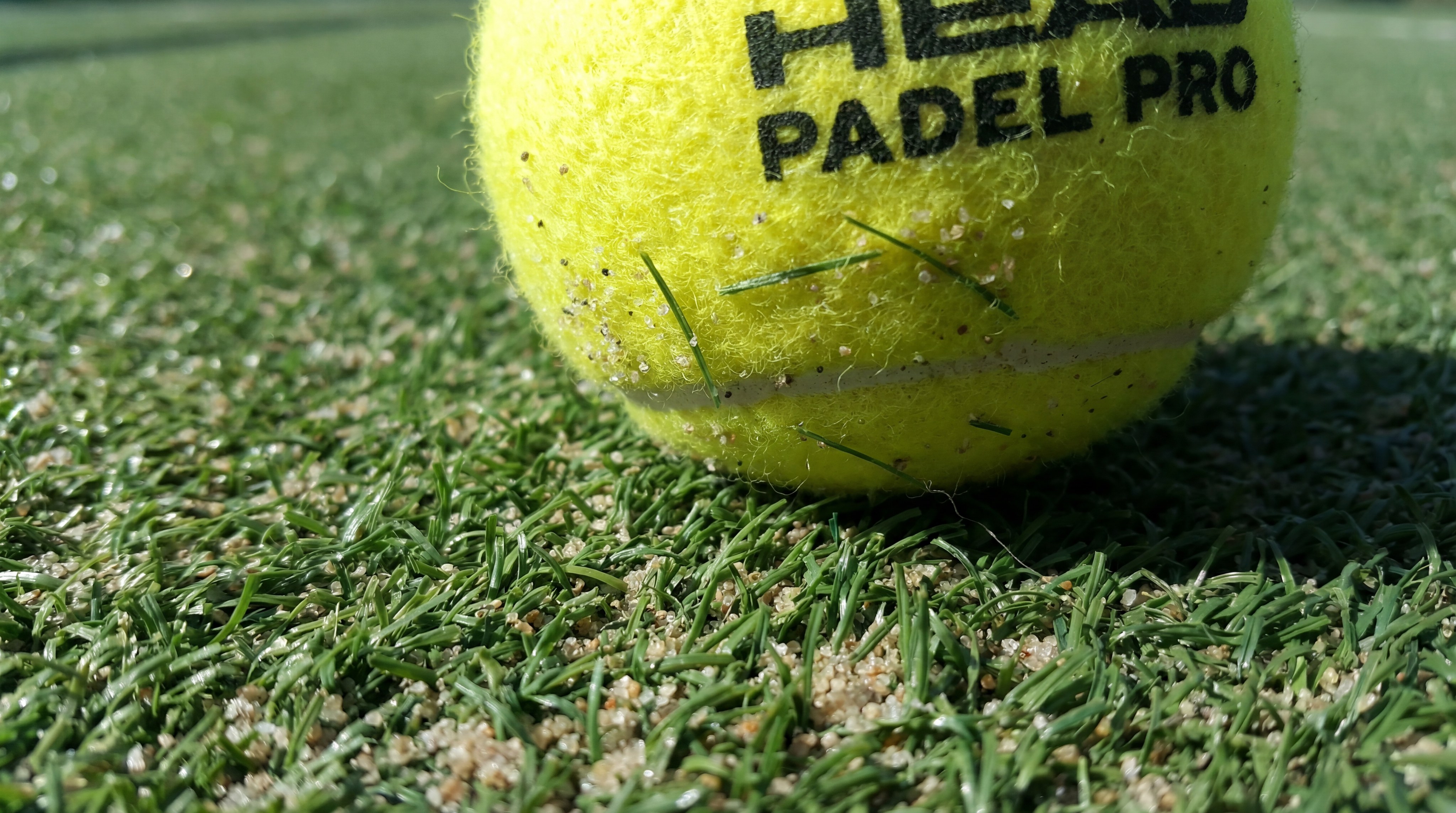
You should replace the set when the “squeeze test” indicates a loss of core resistance or when the felt has become visibly bald and smooth. Playing with degraded equipment can lead to poor habits and an increased risk of elbow injuries.
The “Squeeze Test” vs. bounce height
If you can easily compress the ball with your thumb, the internal pressure has dropped below the functional threshold. A more objective test is dropping the ball from shoulder height and checking if it reaches the required mark on the glass.
- Manual compression check.
- Standardized bounce test.
- Auditory “pop” analysis.
Let’s face it: a dead ball makes for a dead game.
Evaluating felt baldness
Once the yellow fibers have worn away, the ball will skid across the turf rather than gripping it. This change in friction makes the ball behave unpredictably, especially when hitting the glass walls.
| Visual Cue | Performance Impact |
|---|---|
| Pilling (Fuzz) | Consistent spin |
| Smooth Surface | Unpredictable skidding |
Regularly inspecting the felt texture ensures you are always playing with equipment that rewards your technical skill.
Key Takeaway
Timely replacement of equipment is necessary to maintain the integrity of the game and ensure that your tactical shots behave as expected.
Does court type affect the head padel pro performance?
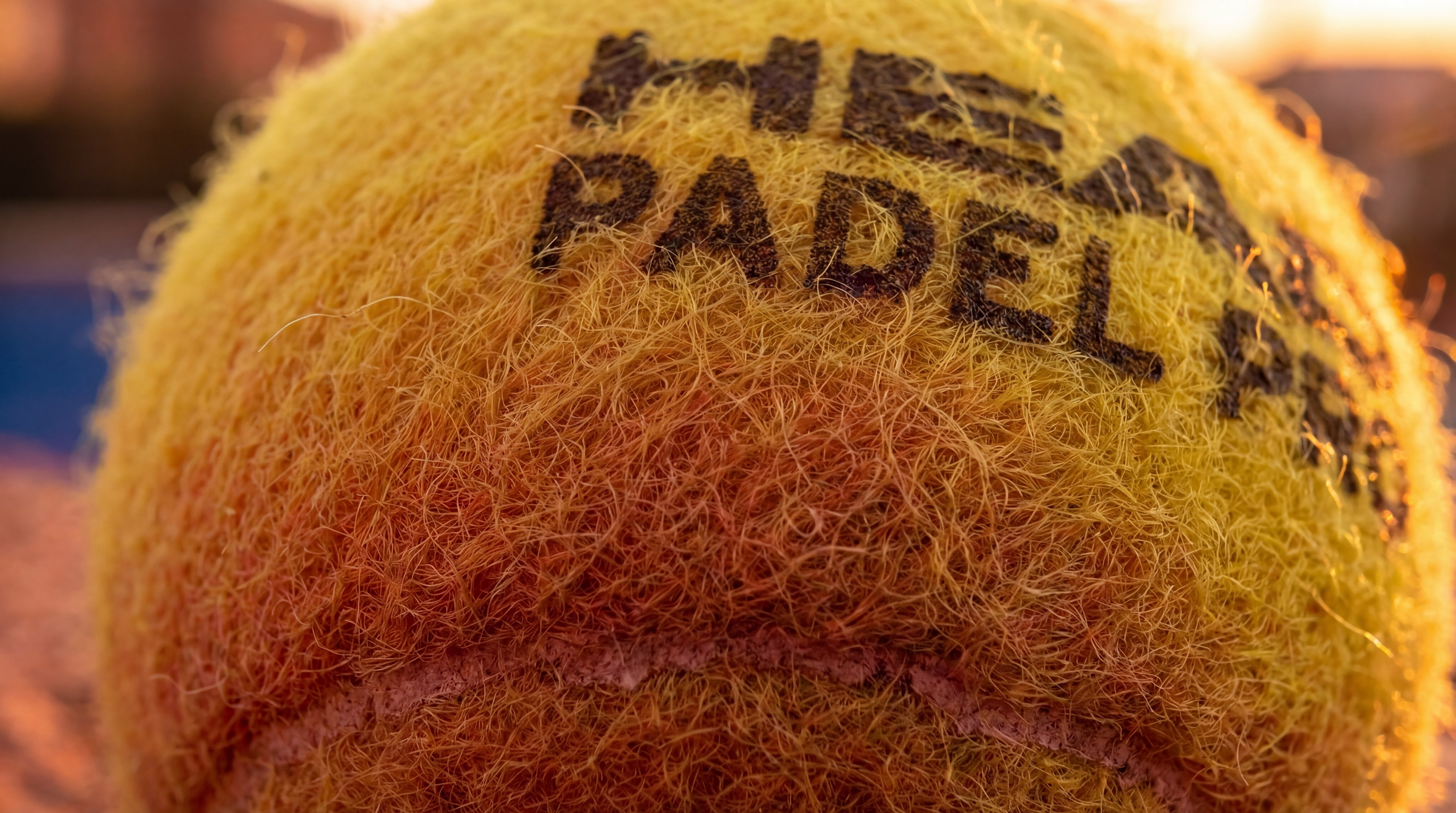
The court type affects performance by changing the rate of felt wear and the height of the rebound. Different turf textures and the amount of silica sand on the court will interact differently with the ball’s surface.
Impact on monofilament vs. fibrillated turf
On modern monofilament turf, the ball tends to sit higher and maintain its felt fluffiness for a longer period. On older, sandy courts, the abrasive sand acts like sandpaper, wearing down the felt much faster.
- Monofilament: Lower wear.
- Sandy Courts: High abrasion.
- Turf Grip: Spin dependent.
Here is the truth: the court surface is the silent partner in every bounce.
Rebound dynamics on glass walls
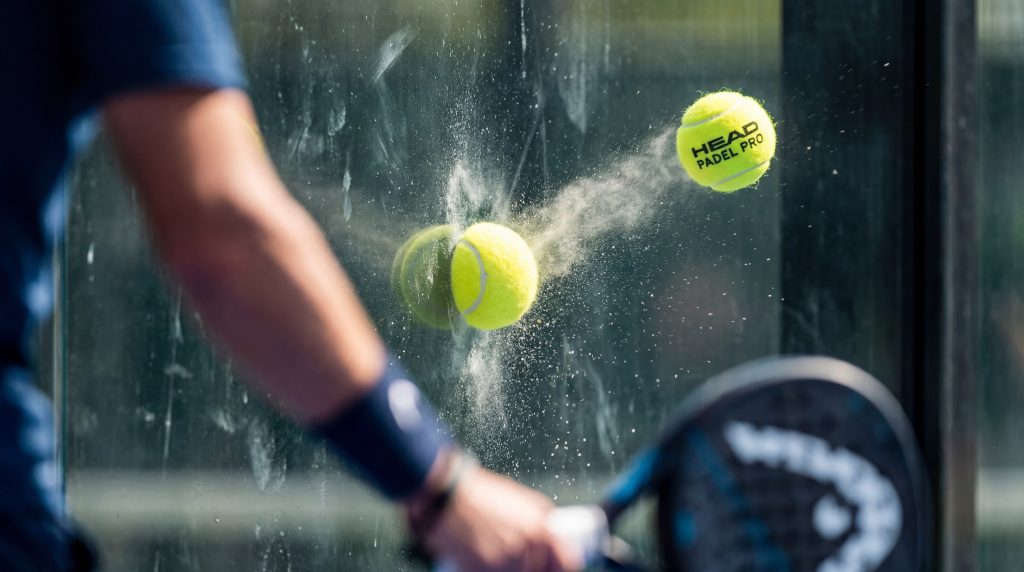
The friction between the felt and the glass determines how the ball “climbs” the wall during a defensive play. A high-quality ball ensures that the exit angle remains predictable even during high-impact shots.
| Surface Type | Friction Level |
|---|---|
| Clean Glass | High / Predictable |
| Dusty/Wet Glass | Low / Slippery |
Understanding how your equipment interacts with the court structure is essential for mastering defensive lobs.
Key Takeaway
The court surface and glass walls significantly influence the lifespan and behavior of the ball, necessitating adjustments in playstyle depending on the venue.
Frequently Asked Questions (FAQ)
- How many matches do these balls typically last?
Directly speaking, they last 1 to 2 matches in competitive settings. For recreational use, you can extend this to 3 or 4 sessions if you store them in a pressurized tube. - What’s the best way to tell if the pressure is gone?
The best way is the shoulder-drop test. If the ball does not bounce back to roughly your waist height on a hard surface, the internal pressure has failed. - How do I know if I need the Speed version?
You need the Speed version if you are playing at sea level or in temperatures below 15 degrees Celsius. If the game feels slow and it is difficult to smash the ball out of the court, the Speed variant is the solution. - Can I use these balls for a standard tennis match?
No, you should not use them for tennis because they have a lower internal pressure and a different diameter. This would result in a sluggish tennis game and could affect your swing timing. - How do I know if the felt is too worn?
You know the felt is too worn when the ball looks “bald” or shiny. If the ball starts to skid on the turf instead of bouncing cleanly, it is time to open a new can.
Actionable Summary
Achieving a professional-grade experience on the court requires a deep understanding of how your equipment reacts to the world around it. By selecting the correct version of the ball and maintaining it through proper storage, you ensure that your technical skills are never undermined by faulty gear. We are committed to providing the insights you need to build a superior game. If you are ready to enhance your court performance or need expert guidance on infrastructure, contact us today to consult with our specialists.