
A padel tournament is a structured competitive event where players face off in a bracket-style format to determine a champion, serving as a powerful tool for community building and club growth.
Imagine walking into your club on a Tuesday morning only to find empty courts and a silent lounge. The lack of engagement is more than just a quiet room; it is a signal that your community is drifting away and your revenue is stagnating. But there is a way to ignite the spark again. A well-organized tournament transforms a standard facility into a high-energy hub where rivalries are born and memberships are renewed.
What defines a successful padel tournament in 2026?
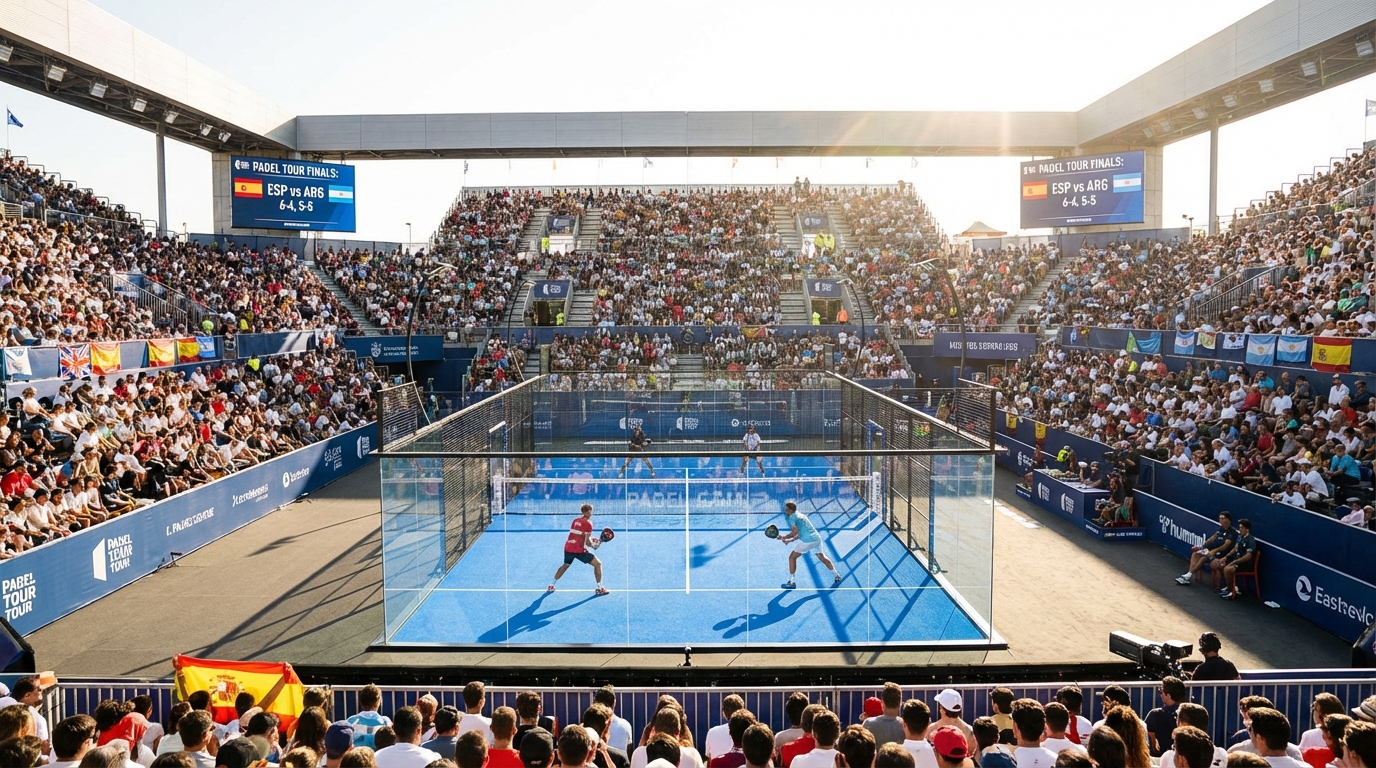
Success in the modern era requires a deep understanding of rule compliance and athlete expectations. You must ensure every participant understands how to score a padel point under official match rules to maintain the integrity of the competition. But that’s not all.
Professional Standards and Growth
A premier event leverages the momentum of professional circuits to attract top-tier talent and sponsorship. Here is why:
- High organizational standards elevate the sport’s status locally.
- Alignment with national schedules ensures maximum player turnout.
- Professional officiating reduces on-court disputes and enhances the player experience.
Key Takeaway: Success in a padel tournament is a synthesis of rule compliance, professional scheduling, and community engagement.
| Success Factor | Metric |
|---|---|
| Player Satisfaction | Survey scores and re-registration rates |
| Rule Compliance | Minimal disputes and official certification |
| Visibility | Social media reach and spectator attendance |
Why is planning a padel tournament essential for growth?
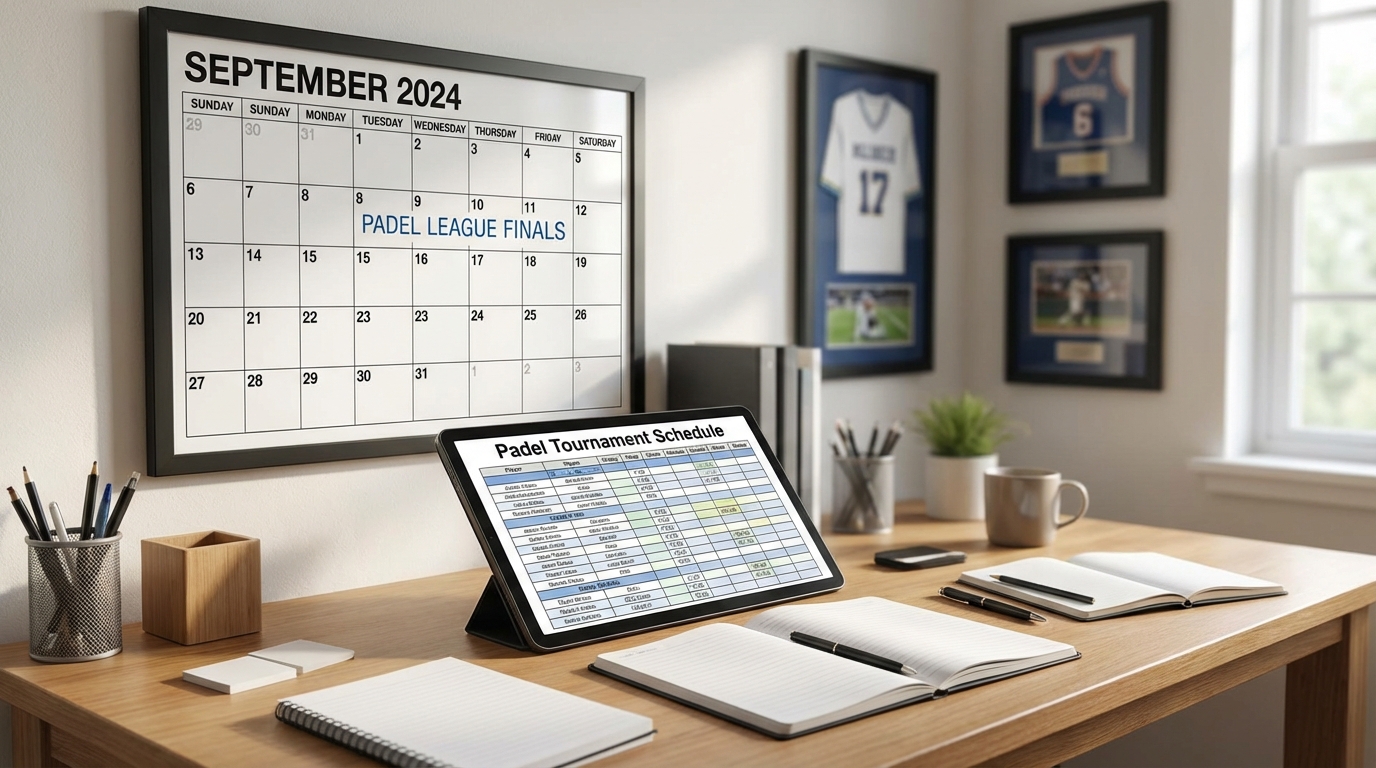
A well-structured calendar allows your players to plan their training and travel months in advance. Strategic foresight is the difference between a local meetup and a landmark event on the national circuit. It gets better.
Strategic Scheduling for Players
Early schedule releases build trust between governing bodies and the athlete community. Think about it:
- Players can secure partnerships and set long-term performance goals.
- Advance notice allows for better travel logistics and lower costs.
- Consistency in scheduling creates a reliable “season” for fans to follow.
Increasing Club Revenue Streams
Hosting a sanctioned event is a massive business opportunity for any facility owner. The best part?
- It drives membership sales through increased visibility and foot traffic.
- Pro-shop sales spike as players upgrade their gear for the competition.
- Sponsorship deals provide a significant injection of capital for club improvements.
Key Takeaway: Strategic planning for a padel tournament maximizes player participation and optimizes club resource allocation.
| Planning Stage | Priority Action |
|---|---|
| 6 Months Out | Date selection and USPA sanctioning |
| 3 Months Out | Marketing and sponsorship outreach |
| 1 Month Out | Logistics, brackets, and staff training |
How do you start building a padel tournament facility?
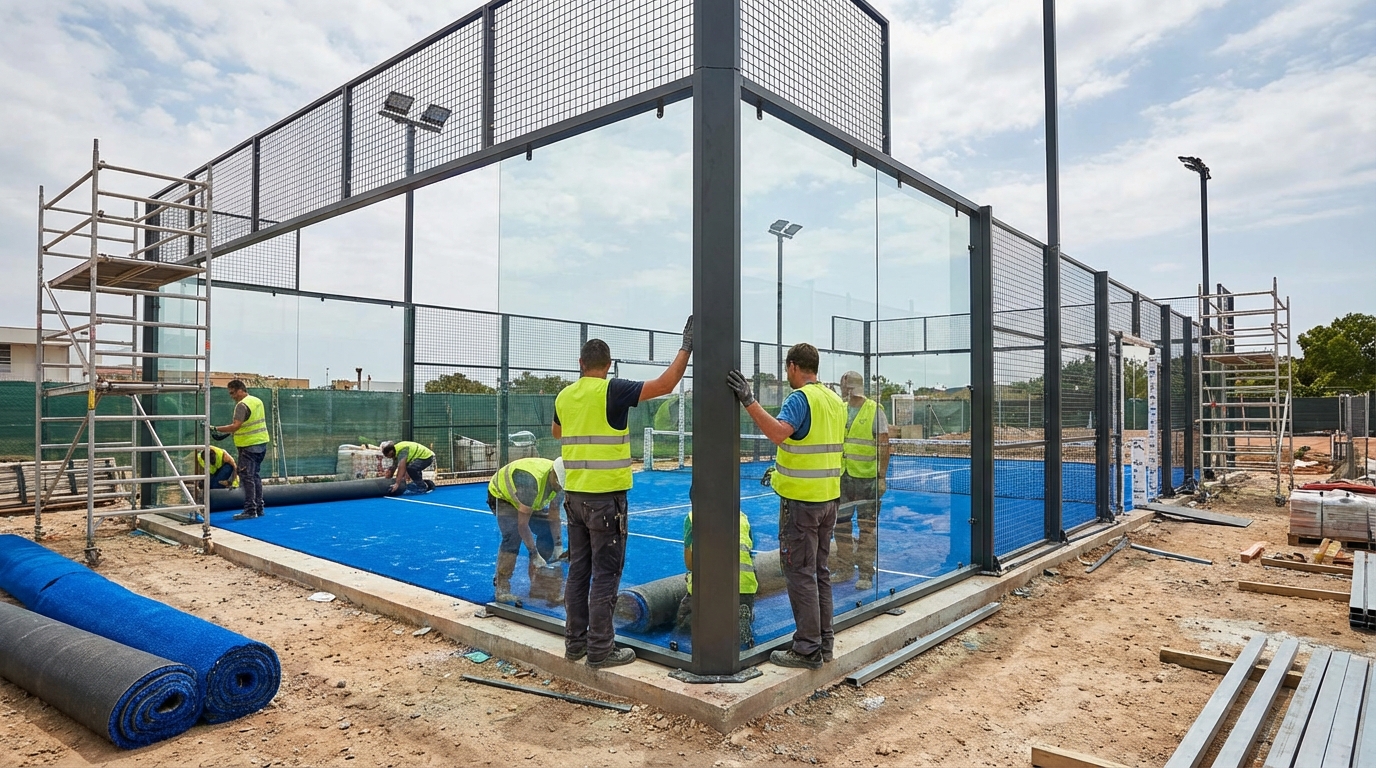
The foundation of any great competition is the venue itself. Learning how to build a professional facility for padel tennis near me is the first step for any club owner looking to host sanctioned events. Here is why:
Site Selection and Infrastructure
Choosing the right location involves assessing soil stability and accessibility for large crowds. You need a robust infrastructure that supports more than just the match.
- High-quality locker rooms and lounges are essential for player recovery.
- Accessible parking and spectator stands are required for high-stakes events.
- Stable soil foundations prevent court warping over time.
Key Takeaway: Tournament-ready facilities require a blend of professional-grade court construction and comprehensive spectator amenities.
| Requirement | Tournament Specification |
|---|---|
| Surface | High-density monofilament turf |
| Lighting | Minimum 500-750 lux for competitive play |
| Amenities | Sufficient parking and player recovery zones |
What are the official rules for a padel tournament?
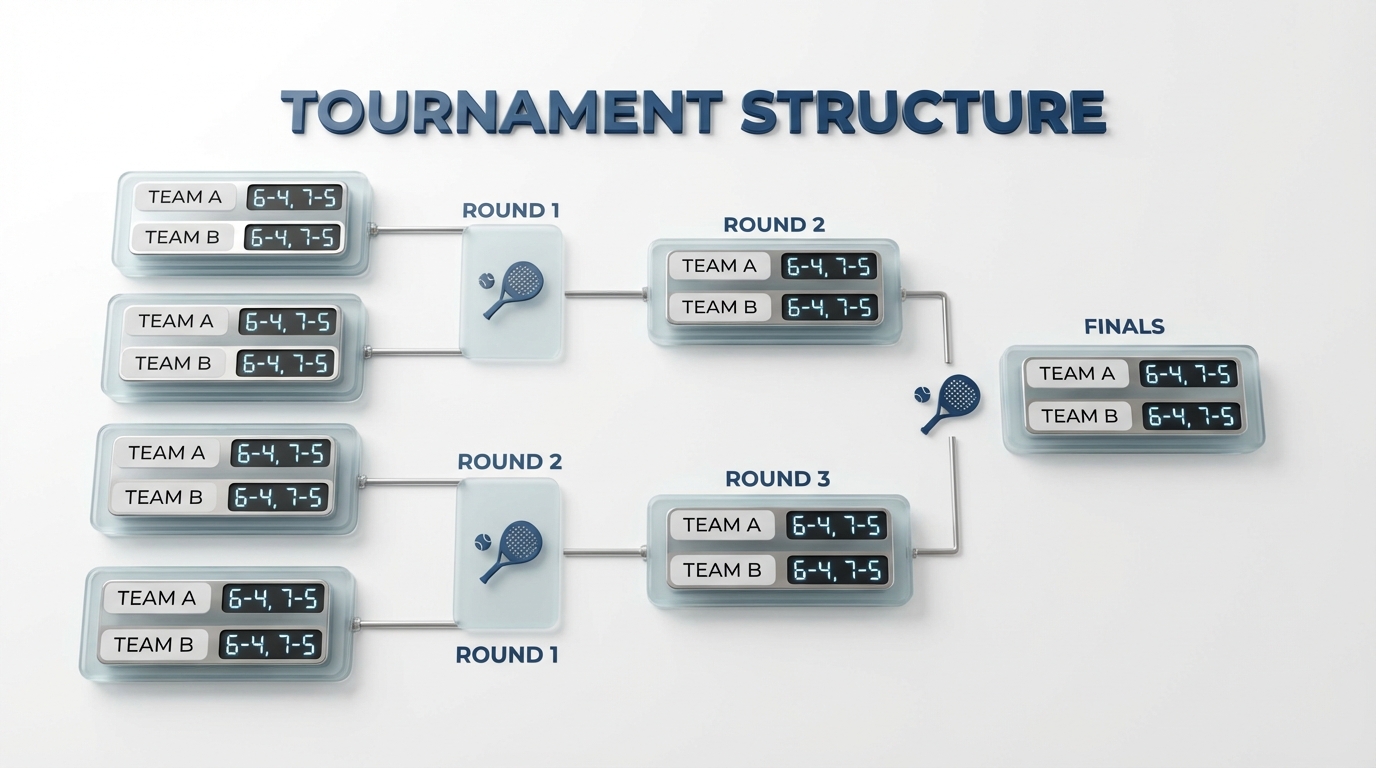
Adherence to standardized rules ensures a level playing field for every athlete. Sanctioned events must follow specific regulations to maintain the integrity of national rankings. But that’s not all.
USPA Sanctioning Guidelines
To be officially recognized, your event must meet criteria regarding court quality and officiating. Here is how it works:
- Brackets must be structured according to sanctioned regional standards.
- Certified officials must be present to handle technical disputes.
- Match results must be reported promptly to the governing body.
Key Takeaway: Strict adherence to official rules and codes of conduct is the backbone of a sanctioned padel tournament.
| Rule Category | Primary Focus |
|---|---|
| Technical | Court dimensions and equipment specs |
| Behavioral | Player etiquette and official interventions |
| Administrative | Entry requirements and ranking points |
How do you design a padel tournament court layout?
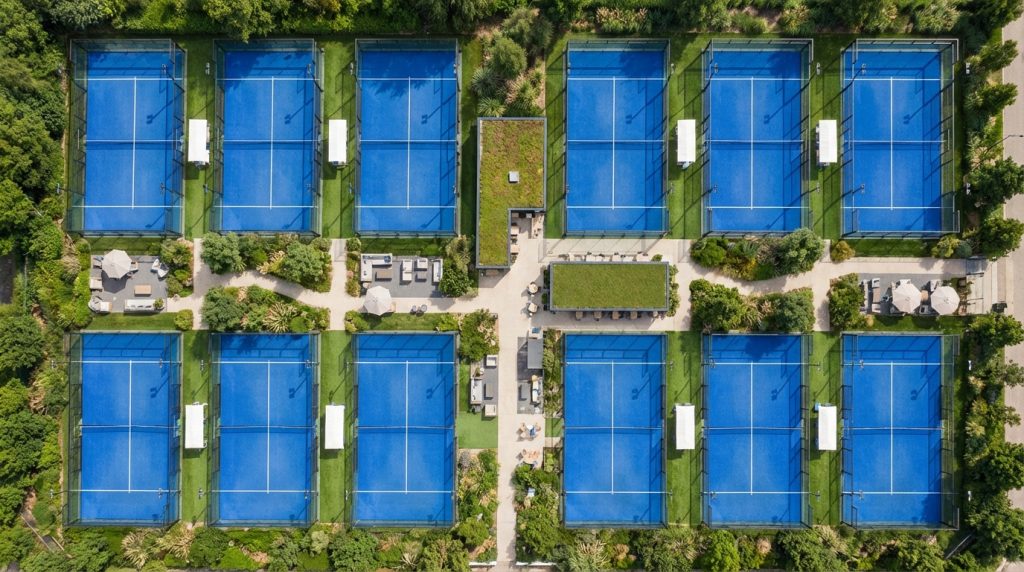
Layout design significantly impacts the flow and atmosphere of your event. It is often helpful to learn how to convert your court layout to support padel pickleball if you wish to run multi-sport events. Think about it.
Maximizing Spectator Capacity
For a premier event, courts should be arranged to allow for maximum visibility. Here is the secret:
- Centralizing “Show Courts” with tiered seating creates an electric atmosphere.
- Modular layouts allow you to adapt the space for finals and high-profile matches.
- Clear signage and wide pathways improve the flow of spectators between matches.
Key Takeaway: Optimized court layouts balance technical play requirements with spectator accessibility and safety.
| Design Element | Optimization Strategy |
|---|---|
| Court Spacing | Minimum 2-4 meters between courts |
| Spectator Flow | Clearly marked pathways and viewing hubs |
| Multi-Sport Use | Modular layouts for flexible programming |
Who should participate in a sanctioned padel tournament?
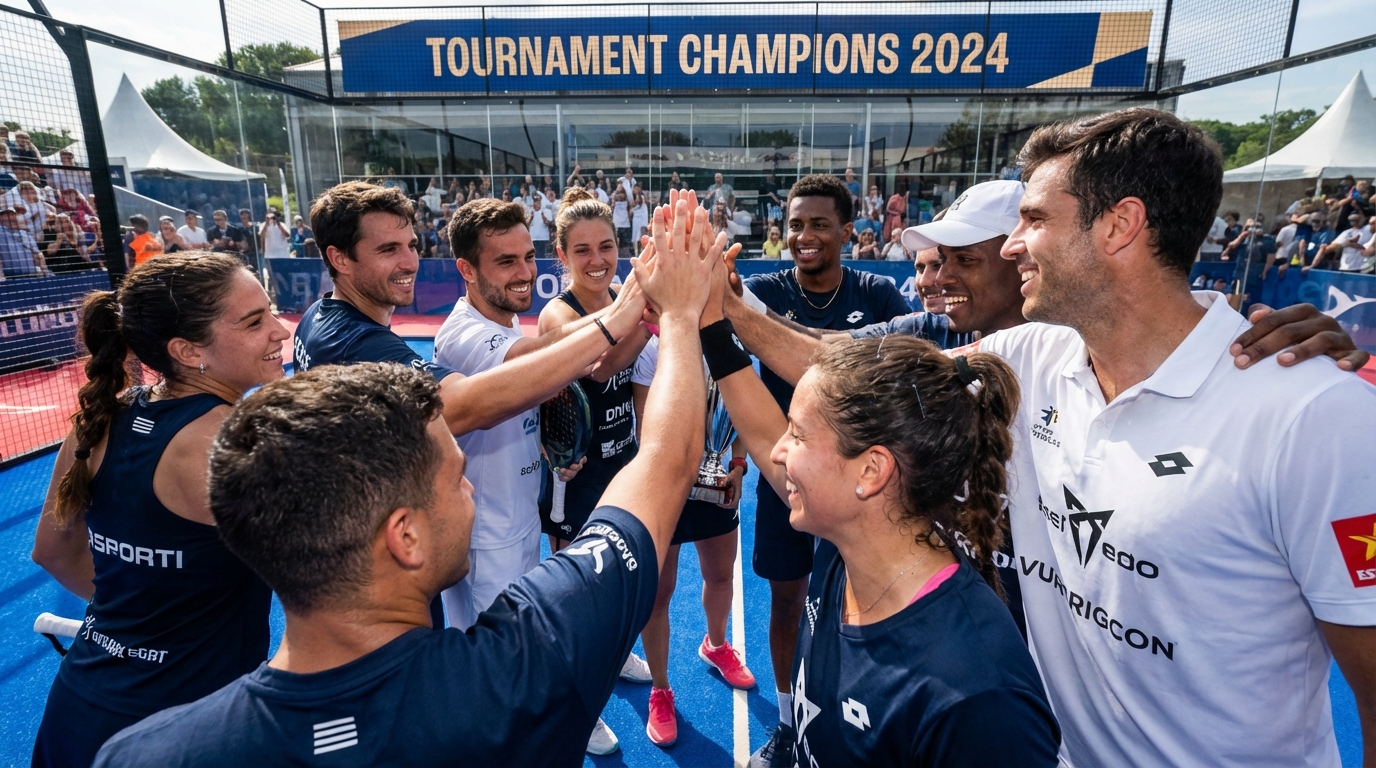
Diversity in skill levels keeps the sport growing and inclusive. By offering various categories, you ensure that the competition is accessible to everyone from beginners to elite professionals. It gets better.
Categorizing Player Skill Levels
Dividing players into specific categories ensures competitive and fair matches. Here is why it works:
- Using a standardized rating system prevents “sandbagging.”
- Clear tiers allow players to see a path for their own progression.
- Grouping by skill keeps the intensity high and the matches entertaining.
Key Takeaway: A broad range of participation categories ensures a healthy, inclusive, and competitive padel tournament environment.
| Tier | Target Demographic |
|---|---|
| Open Division | Professional and elite-level athletes |
| Age Groups | Master (35+) and Junior categories |
| Social/Amateur | Recreational players and club members |
What space is required for a padel tournament court?
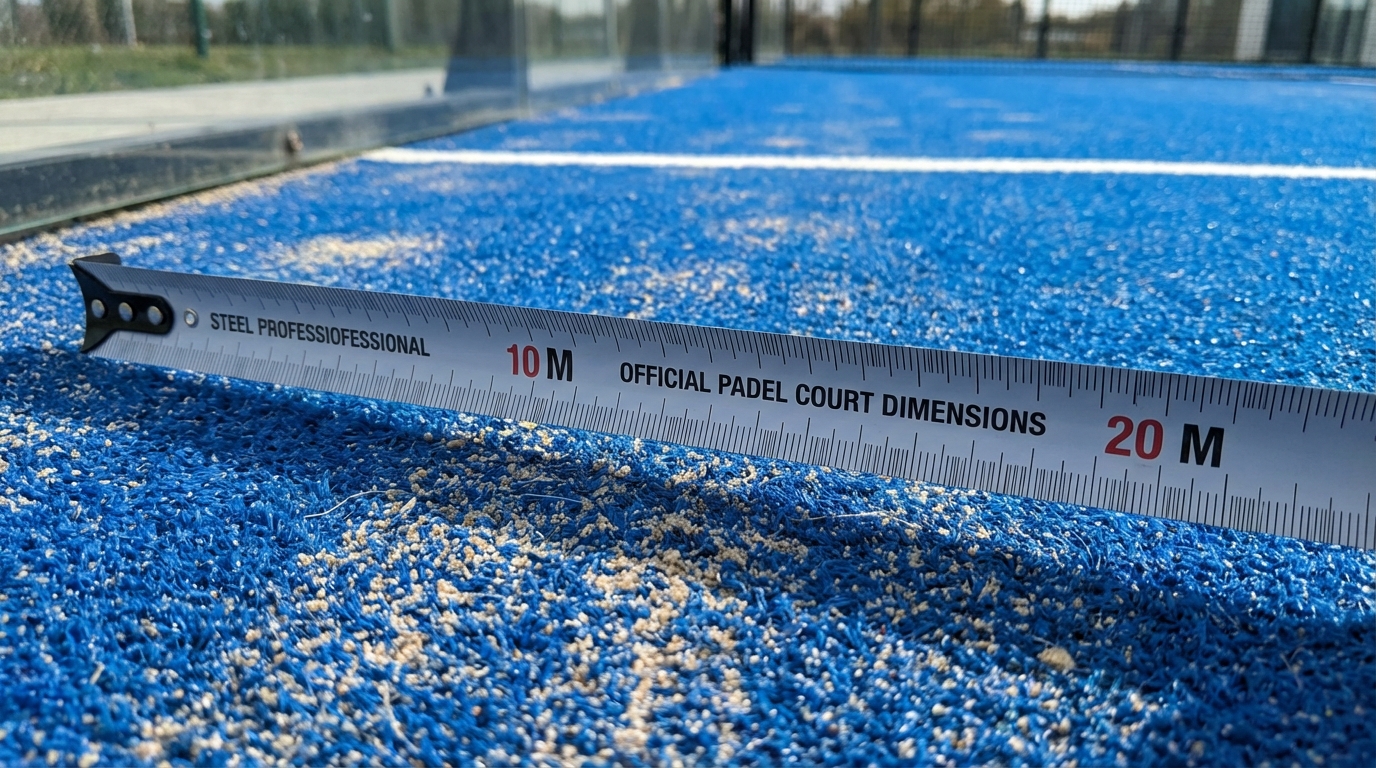
Space constraints are often the biggest hurdle in facility development. You must ensure you have a Standard Padel Court that meets international technical specifications. Here is why:
Dimensions for Competitive Play
A standard court is 10×20 meters, but tournament play demands more. Here is the breakdown:
- You need at least 6 to 8 meters of vertical height for lobs.
- Safety zones must exist outside the glass for “out-of-court” play.
- Clearances between courts are vital to prevent interference during matches.
Key Takeaway: Accurate spatial planning for a padel tournament must include play area dimensions, vertical clearance, and safety buffer zones.
| Spatial Element | Required Dimension |
|---|---|
| Play Area | 200 square meters (10m x 20m) |
| Vertical Space | 6m (Minimum) to 8m (Ideal) |
| Total Footprint | ~300 sq meters per court (inc. buffers) |
How can clubs apply to host a padel tournament?
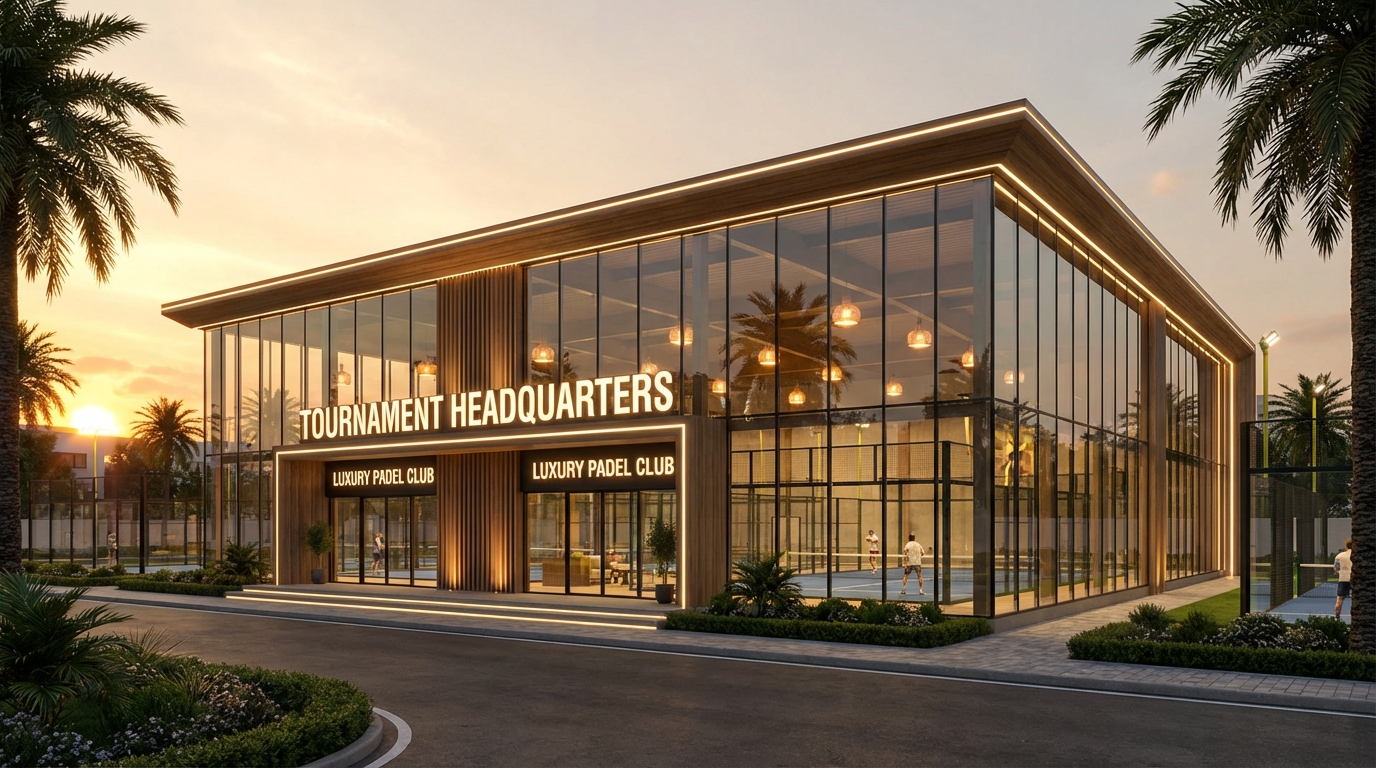
Becoming a host venue is a prestigious milestone for any facility. The application process ensures that your club can handle the logistical demands of a national event. Here is how to start:
The Application and Approval Process
Clubs must submit detailed audits of their facilities to governing bodies. Think about it:
- Proof of court quality and lighting specifications is mandatory.
- You must hold active membership in the relevant national association.
- Deadlines for applications typically fall several months before the season begins.
Key Takeaway: Club hosting for a padel tournament requires early application and a commitment to meeting national facility standards.
| Application Step | Requirement |
|---|---|
| Membership | Active USPA Member Club status |
| Facility Audit | Proof of court quality and amenities |
| Deadline | Typically 3-4 months prior to event |
What equipment is needed for a padel tournament?
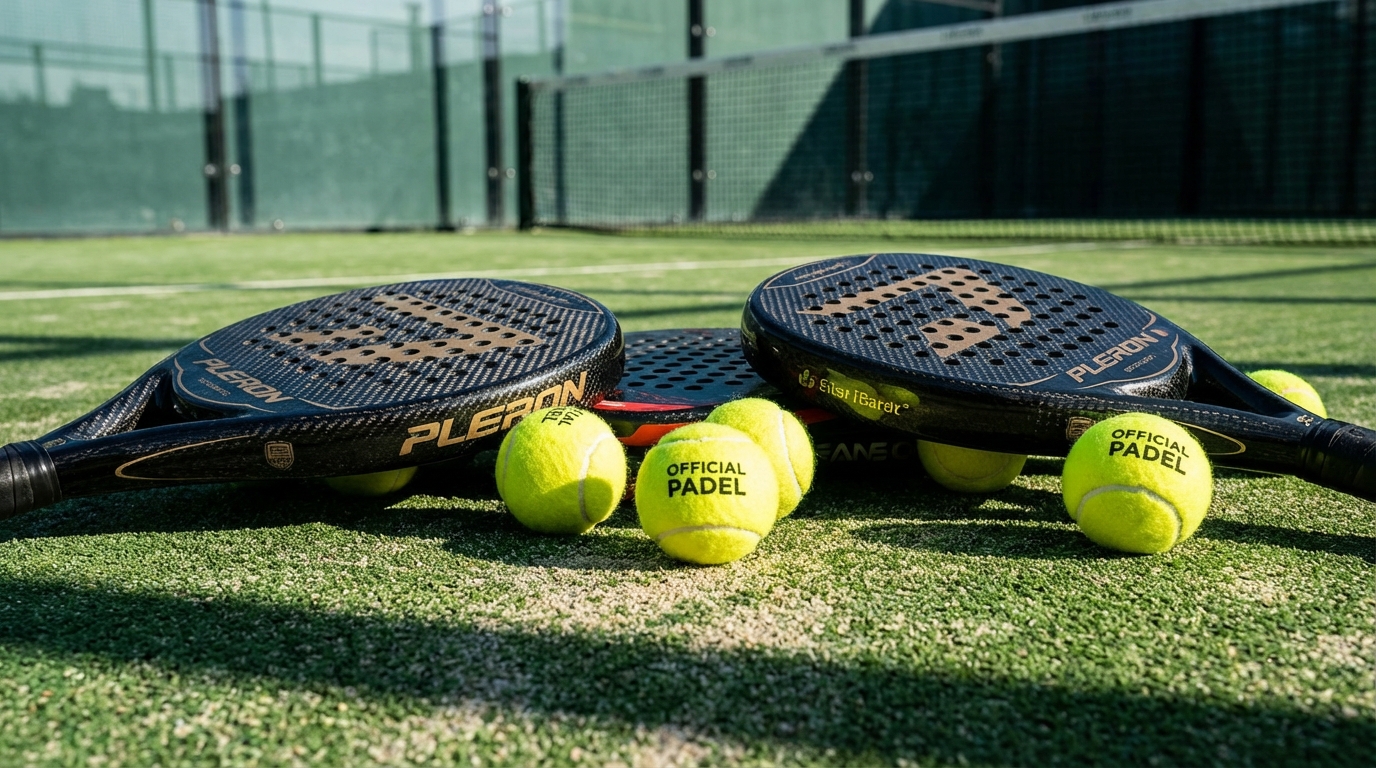
High-quality equipment is essential for maintaining a professional image. You should guide players on how to choose the best shape for your padel board to match their style and the court conditions. But that’s not all.
Racket Selection and Board Shapes
While players bring their own gear, having high-quality rentals is a major advantage. Here is why:
- Diamond shapes provide power for elite offensive players.
- Round shapes offer more control for defensive-minded athletes.
- Providing demo equipment allows players to test new technology.
Key Takeaway: Providing and regulating high-quality equipment is vital for the professional execution of a padel tournament.
| Equipment Item | Standard Specification |
|---|---|
| Balls | Official pressurized tournament grade |
| Nets | Standard height (center 0.88m, posts 0.92m) |
| Rackets | Professional grade available for trial/rental |
What is the future outlook for a padel tournament?

The landscape of the sport is evolving rapidly with technology and global investment. The next era will see a seamless integration between digital tools and physical play. Here is what to expect:
Technology Integration in Matches
Live streaming and digital scoreboards are becoming the new standard. Think about it:
- AI-driven analytics provide players with deep insights into their performance.
- Interactive court lighting enhances the spectator experience during night matches.
- Global broadcasts allow local tournaments to reach a worldwide audience.
Key Takeaway: The future of the padel tournament lies in the intersection of technological innovation, sustainability, and global professionalization.
| Innovation Trend | Expected Impact |
|---|---|
| AI Analytics | Deeper player insights and training data |
| Broadcast Tech | Global reach via professional live streams |
| Eco-Courts | Sustainable facility development |
FAQ
What is a padel tournament?
A padel tournament is a competitive event where players compete in doubles matches within a structured bracket system. These events range from local club socials to sanctioned professional circuits that award national ranking points.
How do I build a padel tournament facility?
You start by securing a site with enough space for multiple standard 10x20m courts and high vertical clearance. You must use professional builders who adhere to USPA or FIP standards for glass, turf, and lighting.
What is the best padel tournament format?
The most common and effective format is the “Knockout Bracket” with a “Consolation Draw.” This ensures that even if a team loses their first match, they get to play at least one more time, maximizing court usage and player enjoyment.
Who can join a padel tournament?
Anyone can join, provided they enter the correct category for their skill level. Sanctioned tournaments offer divisions for Open (Pro), Senior (35+), Junior, and various amateur levels (A, B, C).
Why host a padel tournament?
Hosting a tournament increases your club’s prestige and creates a significant spike in revenue. It serves as the ultimate marketing tool to attract new members and showcase your facility to the wider sporting community.
If you are ready to transform your club into a premier destination for competitive play, contact us today to start your journey.