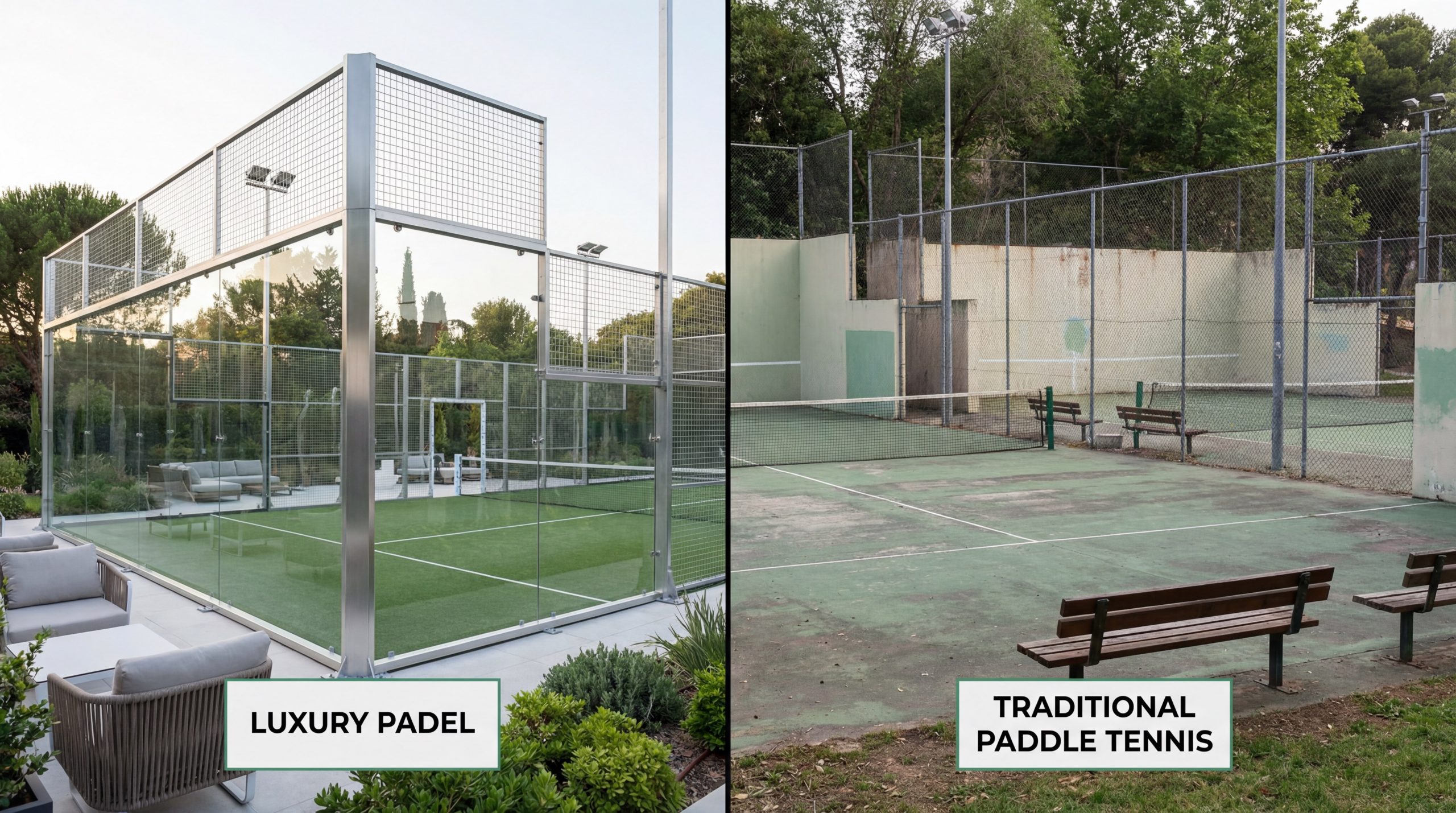
You are likely noticing the explosive growth of social racket sports in your local area and wondering about the investment potential. Deciding between padel vs paddle is the first step toward developing a high-yield sports facility. Here is the kicker: while they share a similar name, the structural requirements and revenue models differ significantly.
What is the core difference in padel vs paddle?
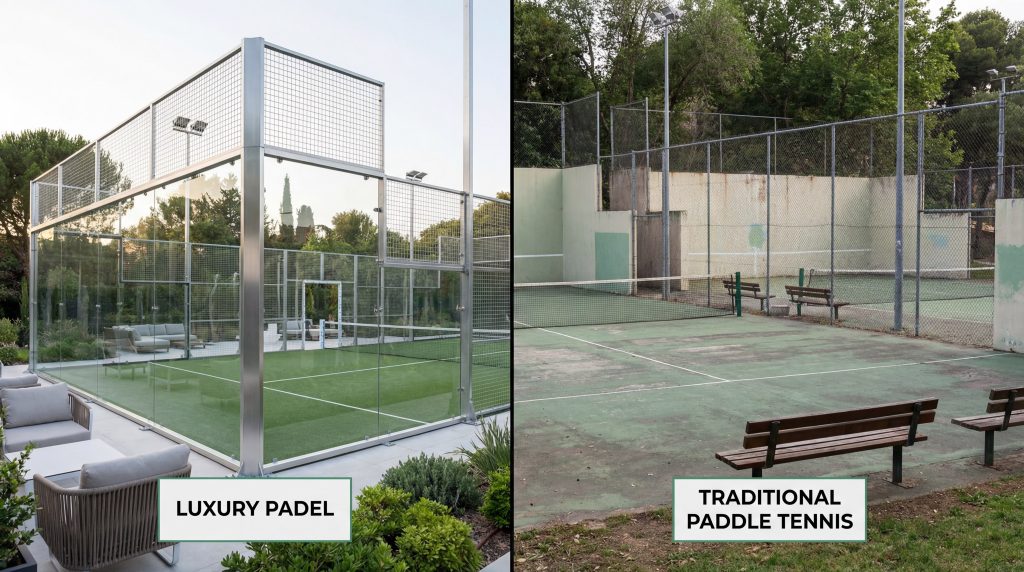
Padel is defined by its 10×20 meter glass-walled enclosure, whereas paddle tennis typically refers to platform tennis played on a smaller court with wire fencing. Understanding the nuances of padel vs paddle is essential for any developer looking to capture the modern athletic market.
Defining the Play Style
Padel utilizes a solid, perforated stringless bat and a low-compression ball. This combination creates a strategic, fast-paced game that appeals to all ages.
- Controlled rebound off glass walls.
- Doubles-only format for social engagement.
- Focus on placement rather than raw power.
Structural Integrity
Wait, there is more: the enclosure for Padel must withstand high-impact ball strikes and player collisions. Choosing the right materials ensures longevity and safety for your clients.
Key Takeaway
| Feature | Padel Court | Paddle Tennis |
|---|---|---|
| Wall Material | Tempered Glass | Wire Mesh / Wood |
| Court Size | 10m x 20m | 15.2m x 6.1m |
The structural rigidity of Padel glass provides a premium aesthetic that traditional wire-fenced courts simply cannot match.
Is court dimension different in padel vs paddle?
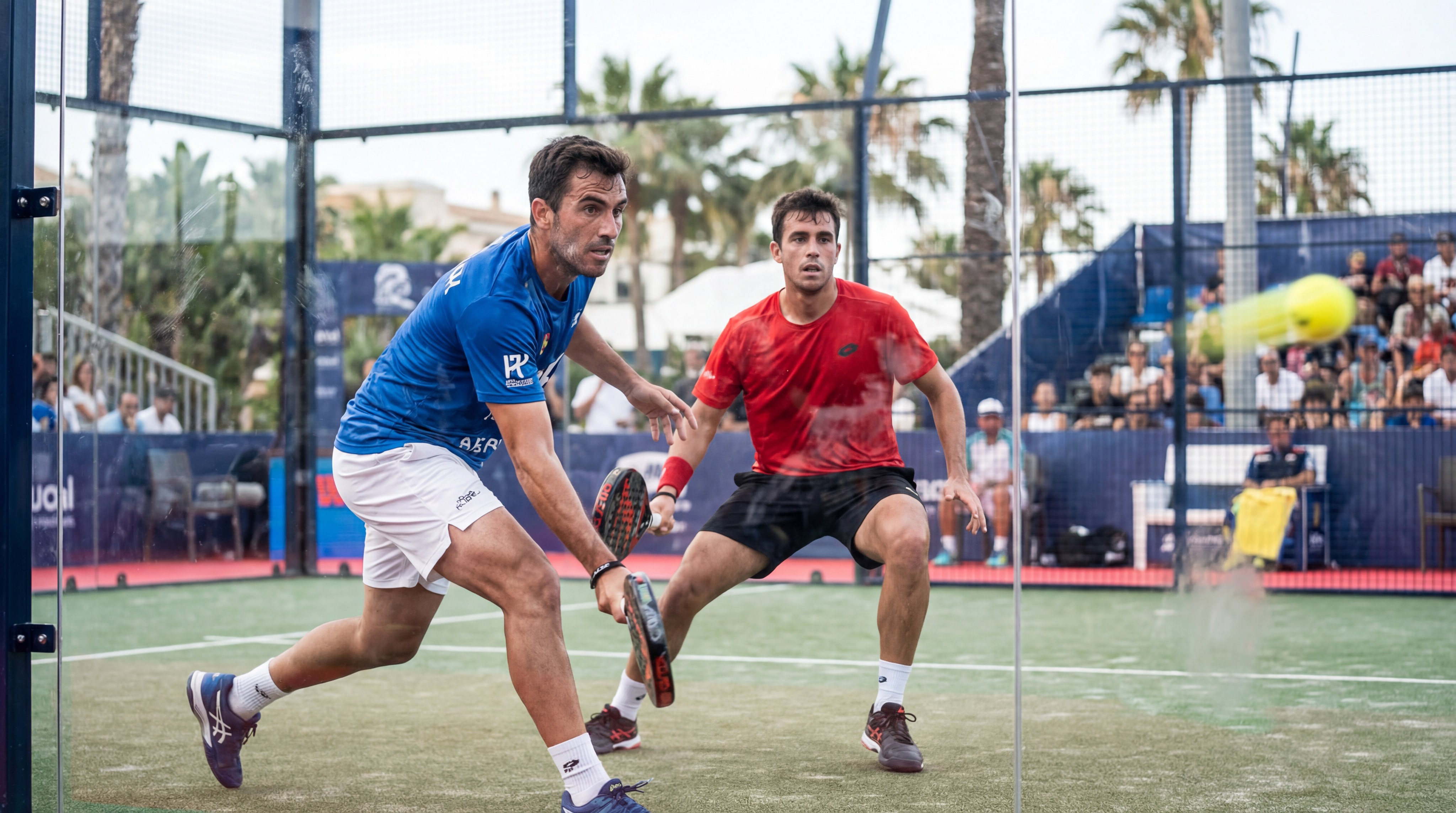
Yes, Padel courts strictly adhere to a 10×20 meter footprint, while traditional paddle tennis courts are much narrower. When you evaluate padel vs paddle, you must account for the specific zoning and space allocation required for these dimensions.
Maximizing Land Use
You can fit approximately three Padel courts into the space required for one single tennis court. This efficiency is the primary driver for club owners transitioning their facilities.
- Higher player density per square foot.
- Increased hourly rental potential.
- Streamlined facility management.
Clearance Requirements
You must also consider the height clearance for lobs, which is a critical part of the game. Professional standards usually require at least 6 to 8 meters of unobstructed overhead space.
Key Takeaway
| Dimension Type | Padel Standard | Paddle Standard |
|---|---|---|
| Width | 10 Meters | 6.1 Meters |
| Length | 20 Meters | 15.2 Meters |
Strategic spacing allows you to host four players in a compact area, effectively doubling your revenue compared to traditional racket sports.
How do foundations vary for padel vs paddle?
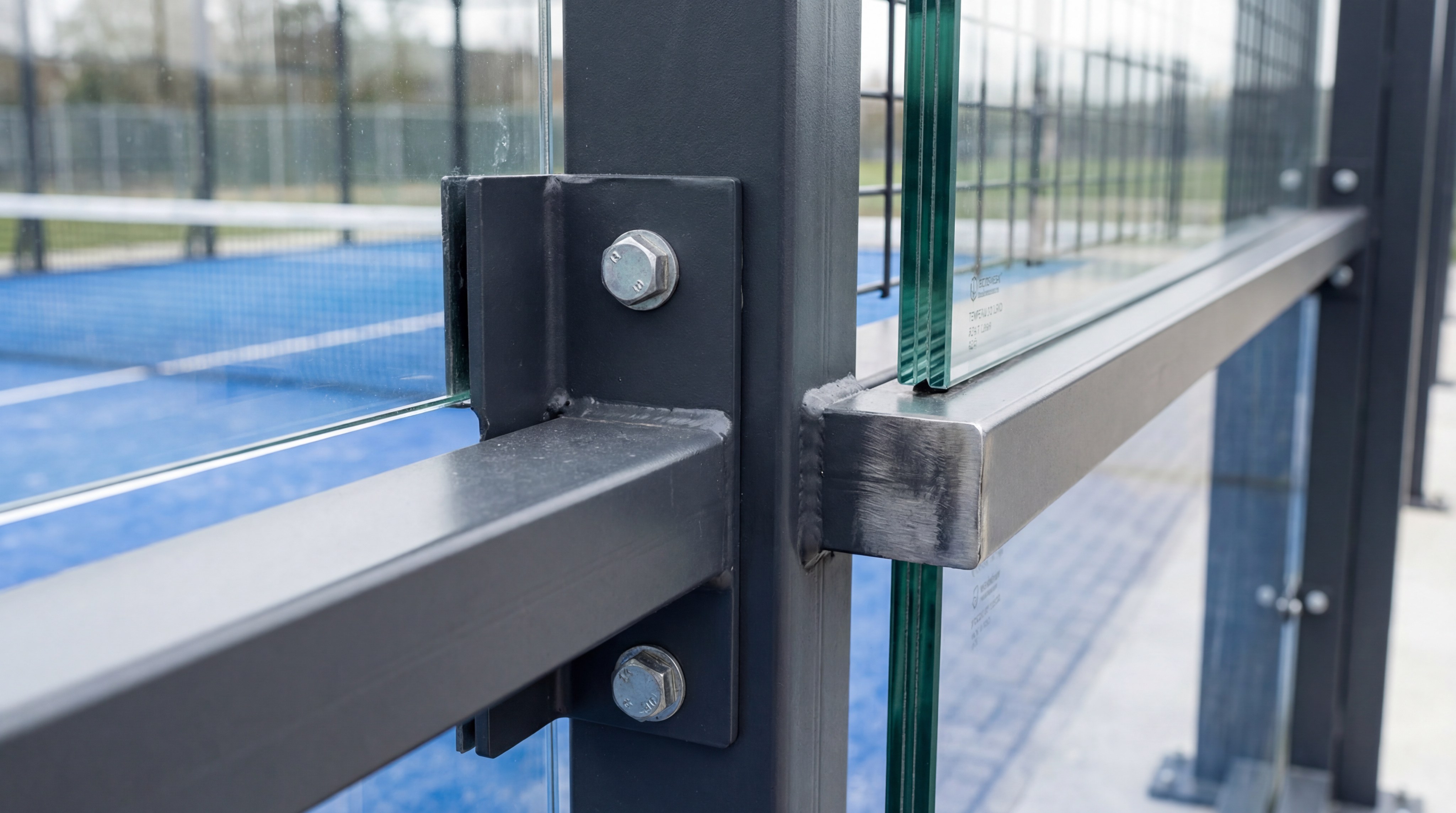
Padel requires a reinforced concrete slab or a porous asphalt base to support heavy glass panels, whereas paddle tennis often utilizes raised wooden or metal platforms. The foundation is the most expensive part of the padel vs paddle construction process.
Sub-base Preparation
The ground must be leveled with extreme precision to prevent water pooling or turf inconsistencies. Here is the kicker: even a 3mm deviation can affect the ball’s bounce and frustrate competitive players.
- Excavation and soil stabilization.
- Drainage pipe installation.
- Dual-layer concrete pouring.
Anchor Bolt Systems
Wait, there is more: the steel pillars holding the glass must be anchored deep into the foundation. This prevents the structure from shifting during extreme weather or heavy usage.
Key Takeaway
| Foundation Element | Requirement | Impact |
|---|---|---|
| Slab Thickness | 15cm – 20cm | Structural Stability |
| Drainage | 0.5% Slope | Playability after rain |
A robust foundation ensures that your court remains a “set it and forget it” asset for the next twenty years.
Which provides higher ROI, padel vs paddle?
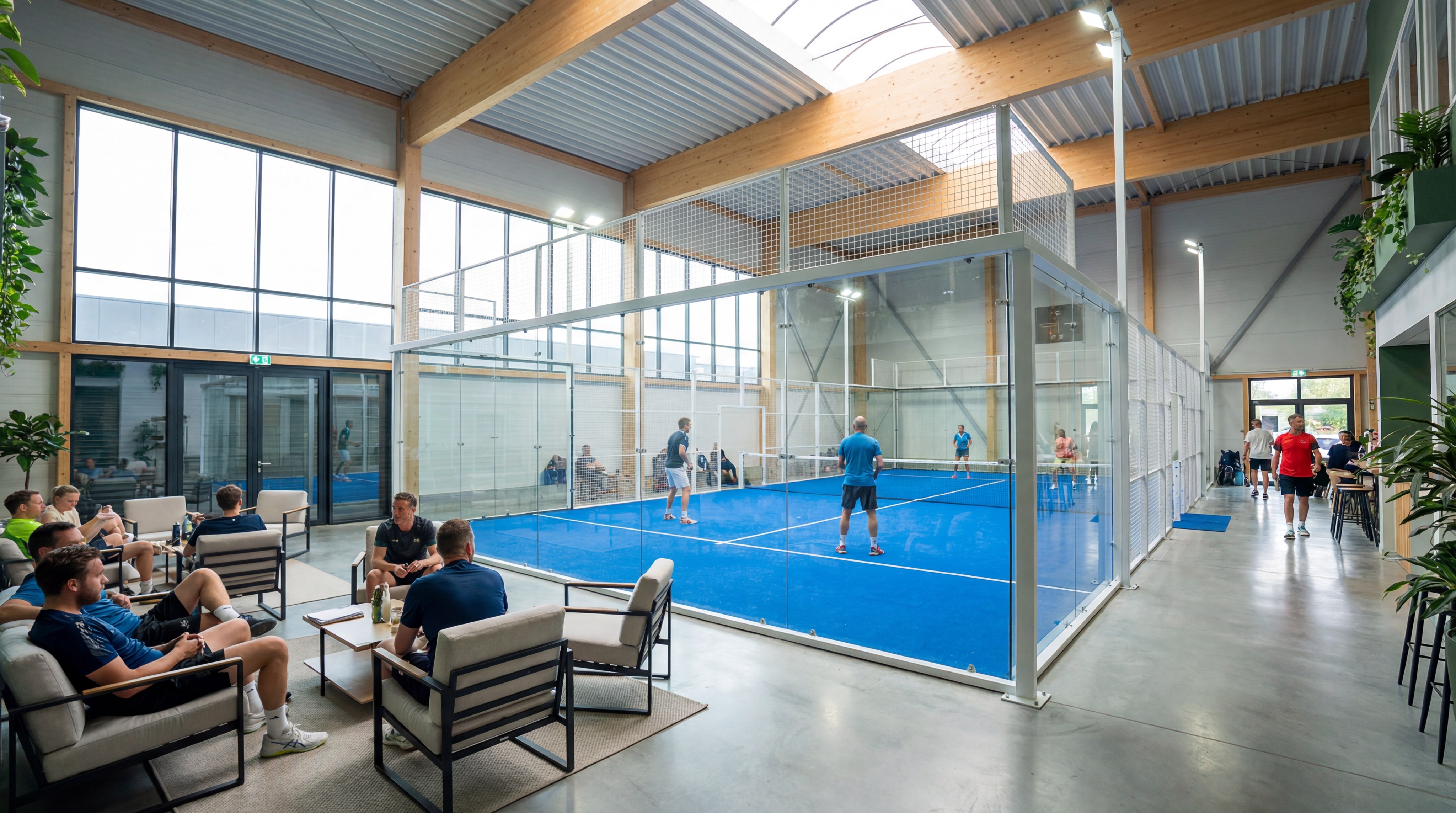
Padel consistently provides a higher ROI due to its surging global popularity and the ability to charge premium rates for padel vs paddle court rentals. Modern athletes are willing to pay more for the high-end experience that a panoramic glass court provides.
Monetization Strategies
You can monetize your facility through court rentals, coaching clinics, and retail sales of rackets and apparel. The social nature of the sport also drives significant food and beverage revenue.
- Membership tiers for recurring income.
- Corporate tournament hosting.
- In-app booking system integration.
Operating Costs
Wait, there is more: Padel has remarkably low overhead once construction is complete. Unlike swimming pools or gyms, the electricity and staffing requirements are minimal.
Key Takeaway
| Revenue Driver | Padel Potential | Paddle Potential |
|---|---|---|
| Hourly Rate | $60 – $120 | $40 – $70 |
| Players per Session | 4 | 2 or 4 |
The higher turnover and higher price point per hour make Padel the superior choice for commercial development.
Where are best locations for padel vs paddle?
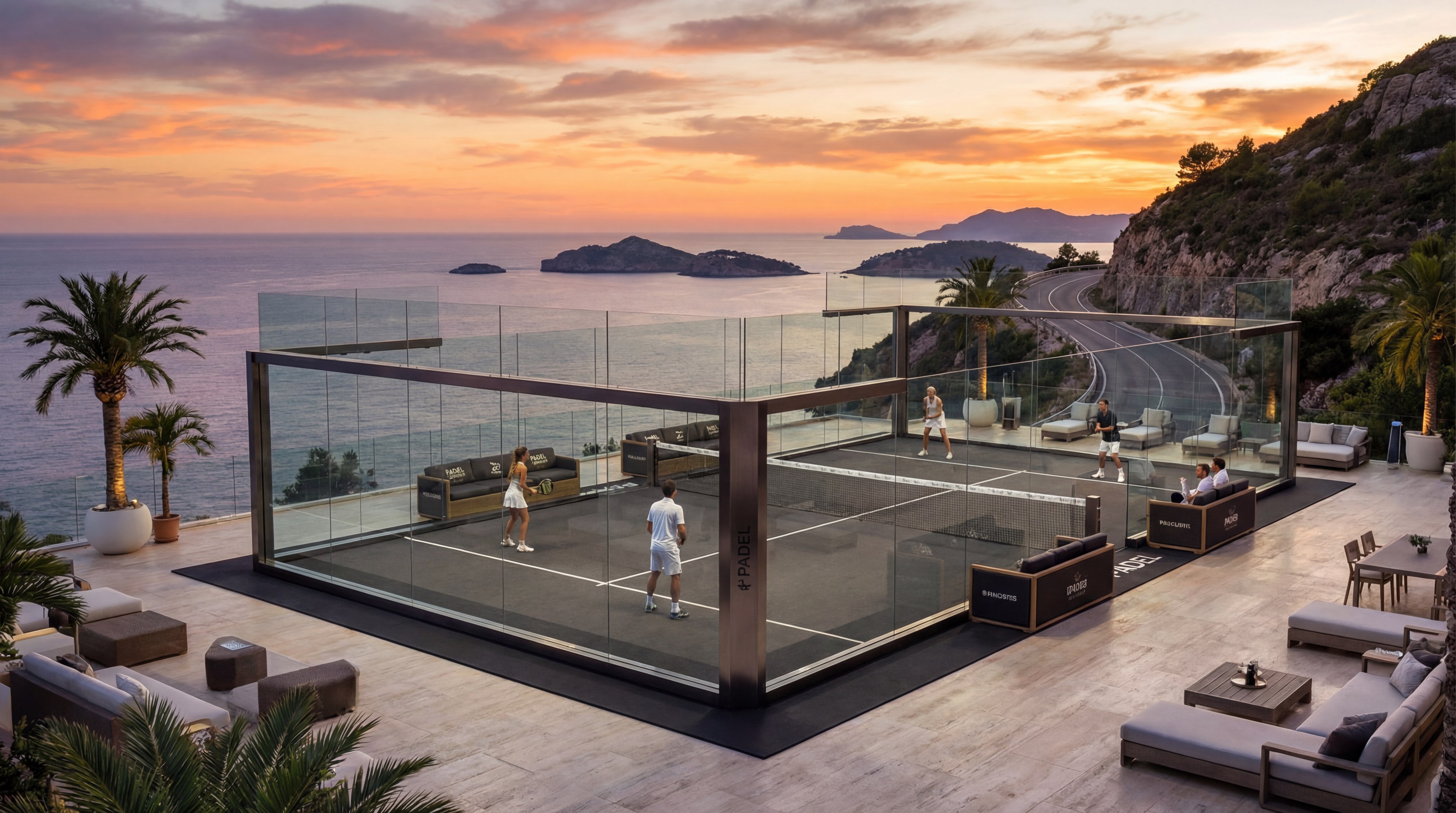
High-density urban areas, luxury resorts, and existing sports clubs are the ideal locations for installing padel vs paddle facilities. You want to place your courts where social visibility is high and accessibility is easy for the target demographic.
Site Selection Criteria
You should prioritize locations with existing amenities like parking and locker rooms to reduce initial capital expenditure. Here is the kicker: visibility from the street acts as free marketing for your new club.
- Proximity to residential hubs.
- Zoning for sports and recreation.
- Availability of three-phase power for lighting.
Landscape Integration
Wait, there is more: panoramic courts can be integrated into beautiful landscapes to create a “wow” factor. This aesthetic appeal helps your facility go viral on social media.
Key Takeaway
| Location Type | Benefit | Risk |
|---|---|---|
| Residential | High local loyalty | Noise complaints |
| Commercial | High walk-in traffic | Higher land cost |
Selecting a site with high natural foot traffic ensures your courts are booked during off-peak hours by casual players.
How does climate affect padel vs paddle?
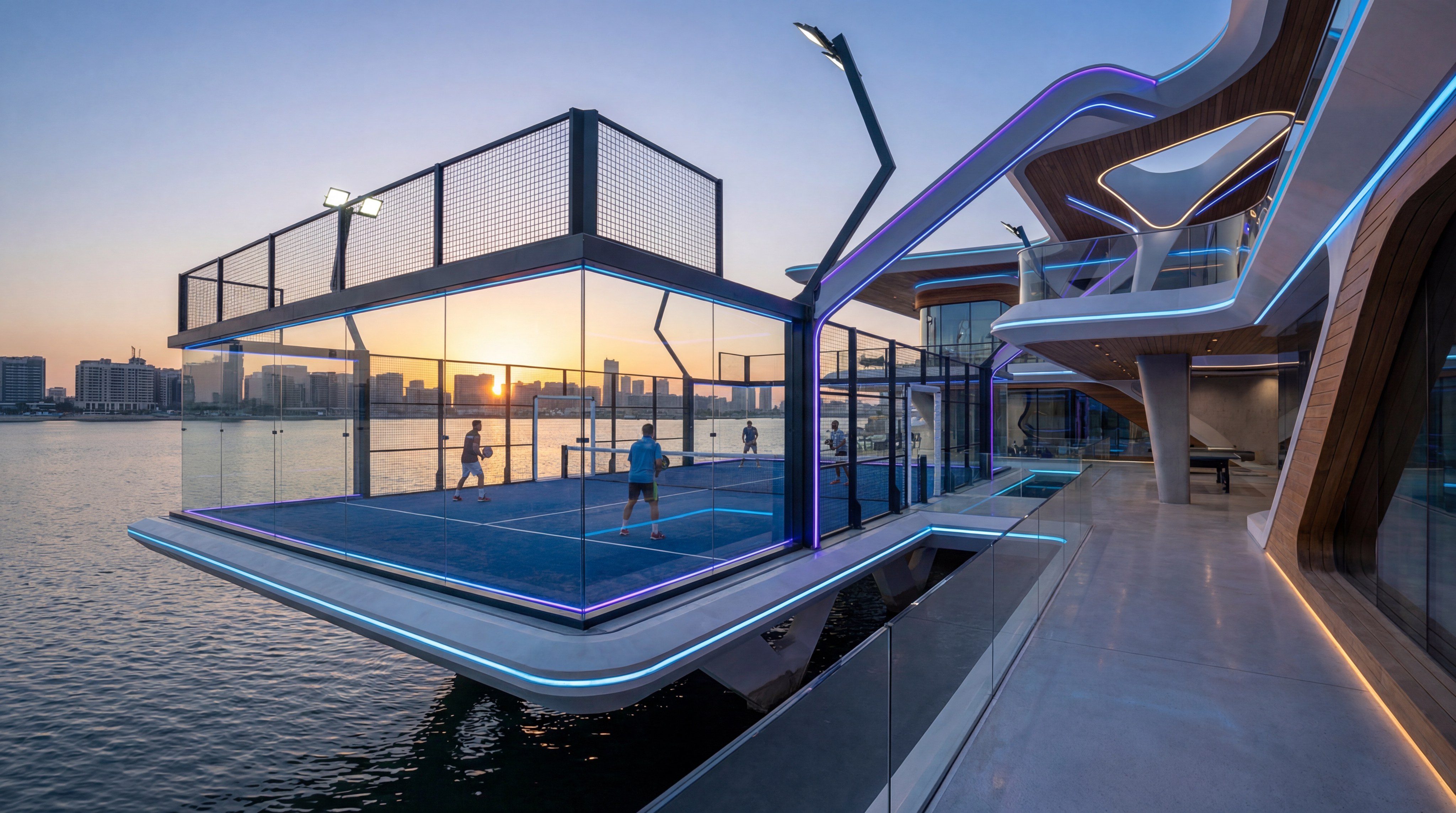
Extreme heat or humidity requires specific glass treatments and turf choices, which is a major consideration in the padel vs paddle debate. Indoor facilities are becoming the gold standard for year-round revenue in climates with harsh winters or monsoon seasons.
UV and Heat Resistance
You must ensure your steel frames are galvanized and powder-coated to prevent rust in coastal environments. The turf also needs UV inhibitors to prevent the blue or green color from fading over time.
- Anti-corrosive hardware.
- High-grade tempered safety glass.
- Specialized drainage for heavy rain.
Indoor vs Outdoor
Wait, there is more: building a roofed facility allows you to offer climate-controlled play. This guarantees bookings regardless of the weather forecast, stabilizing your monthly cash flow.
Key Takeaway
| Climate Factor | Solution | Result |
|---|---|---|
| High Wind | Reinforced Pillars | Structural Safety |
| Direct Sun | UV Turf Treatment | Color Longevity |
Planning for your specific local climate during the design phase saves thousands in premature repair costs.
What surface is best for padel vs paddle?
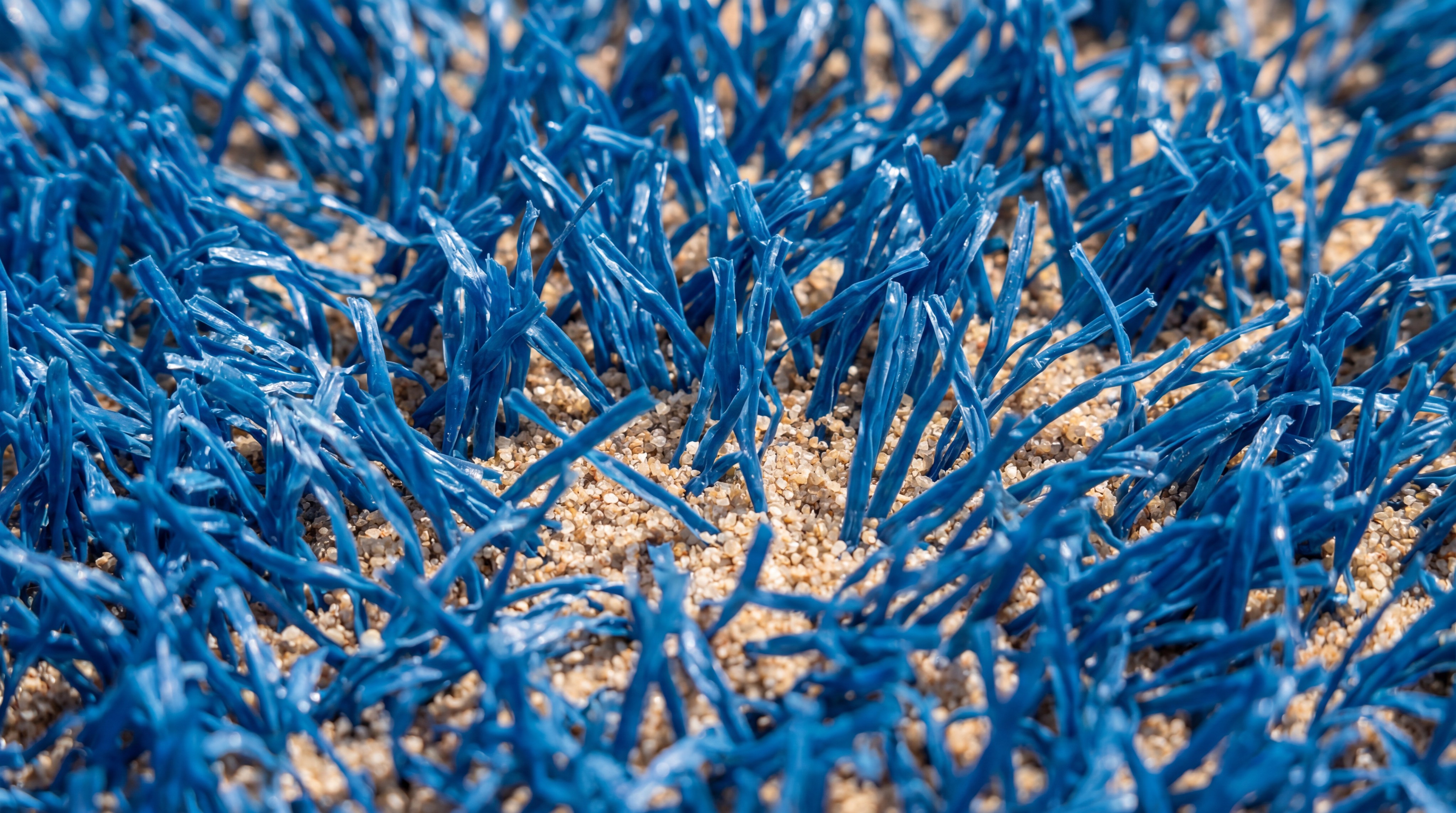
Monofilament artificial turf is the industry standard for Padel, providing a consistent bounce and injury prevention that differs from the harder surfaces often used in padel vs paddle comparisons. You want a surface that balances player grip with the ability to slide safely.
Turf Fiber Technology
Textured monofilament fibers hold the silica sand infill more effectively, reducing the “bald spots” seen on cheaper courts. This leads to a more professional playing experience and lower maintenance needs.
- High stitch density for durability.
- 10mm to 12mm pile height.
- Specific sand-to-fiber ratio.
Infill Management
Wait, there is more: the type of sand you use matters. Kiln-dried, rounded silica sand prevents the turf from becoming abrasive and protects the players’ joints.
Key Takeaway
| Turf Type | Performance | Longevity |
|---|---|---|
| Monofilament | Elite | 5-7 Years |
| Fibrillated | Standard | 3-5 Years |
Investing in premium monofilament turf reduces the frequency of sand redistribution and extends the life of the court surface.
What is the upkeep for padel vs paddle?
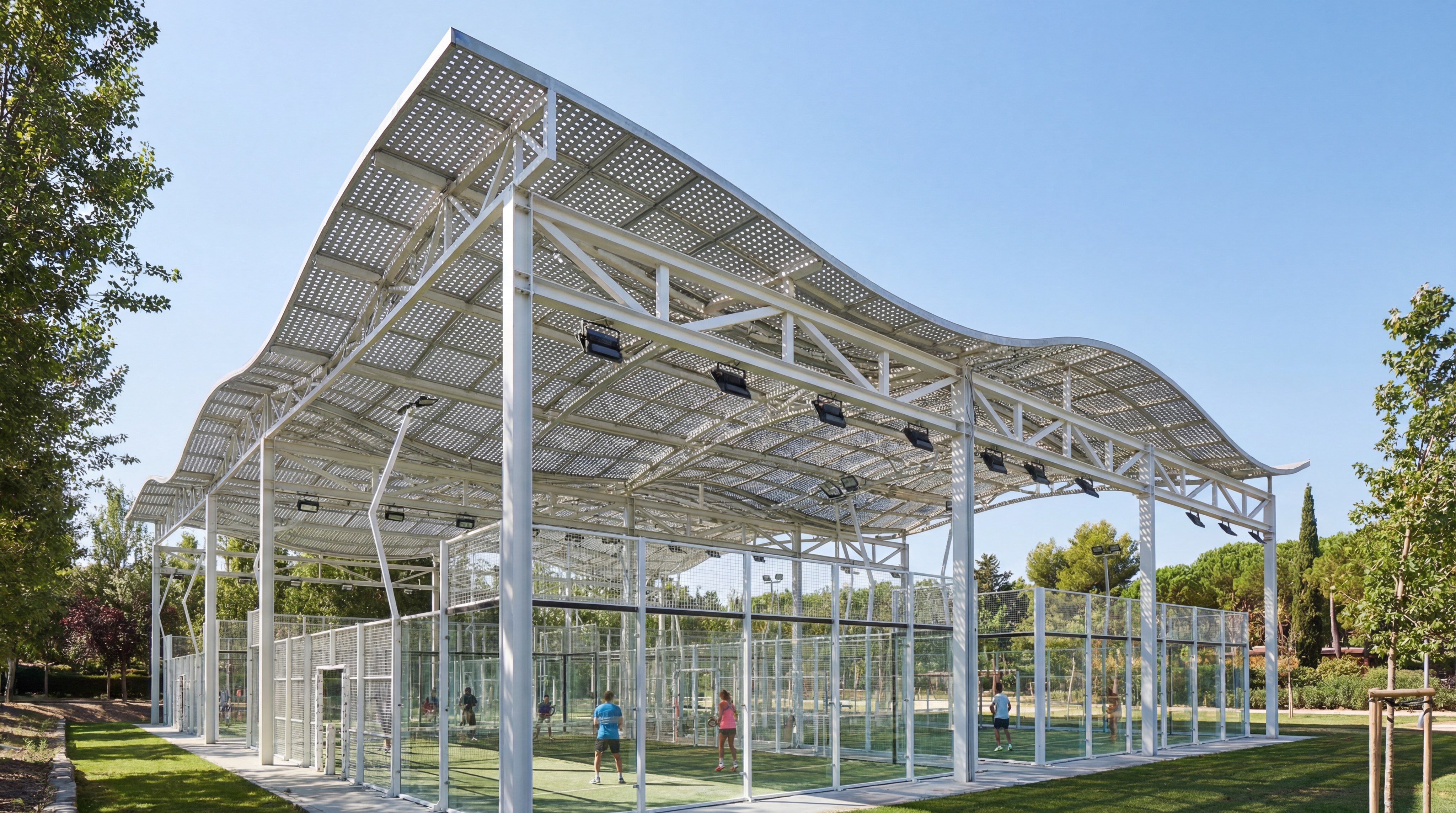
Maintenance for Padel focuses on glass cleaning and sand brushing, which is quite different from the painting and net repairs required for padel vs paddle facilities. You can keep your courts in top condition with just a few hours of weekly attention.
Weekly Maintenance Routine
You should brush the turf weekly to ensure the sand is evenly distributed across the playing surface. This prevents the carpet from flattening and maintains the correct ball bounce speed.
- Glass cleaning with non-abrasive tools.
- Removing debris from the perimeter.
- Checking net tension and hardware.
Annual Inspections
Wait, there is more: once a year, you should have a professional check the torque on the anchor bolts. Ensuring the glass panels are perfectly aligned prevents spontaneous breakage due to vibration.
Key Takeaway
| Task | Frequency | Cost |
|---|---|---|
| Sand Brushing | Weekly | Low (DIY) |
| Glass Cleaning | Daily/Weekly | Low |
A well-maintained court not only looks better but also attracts higher-paying competitive players who value a perfect surface.
Why is demand surging for padel vs paddle?
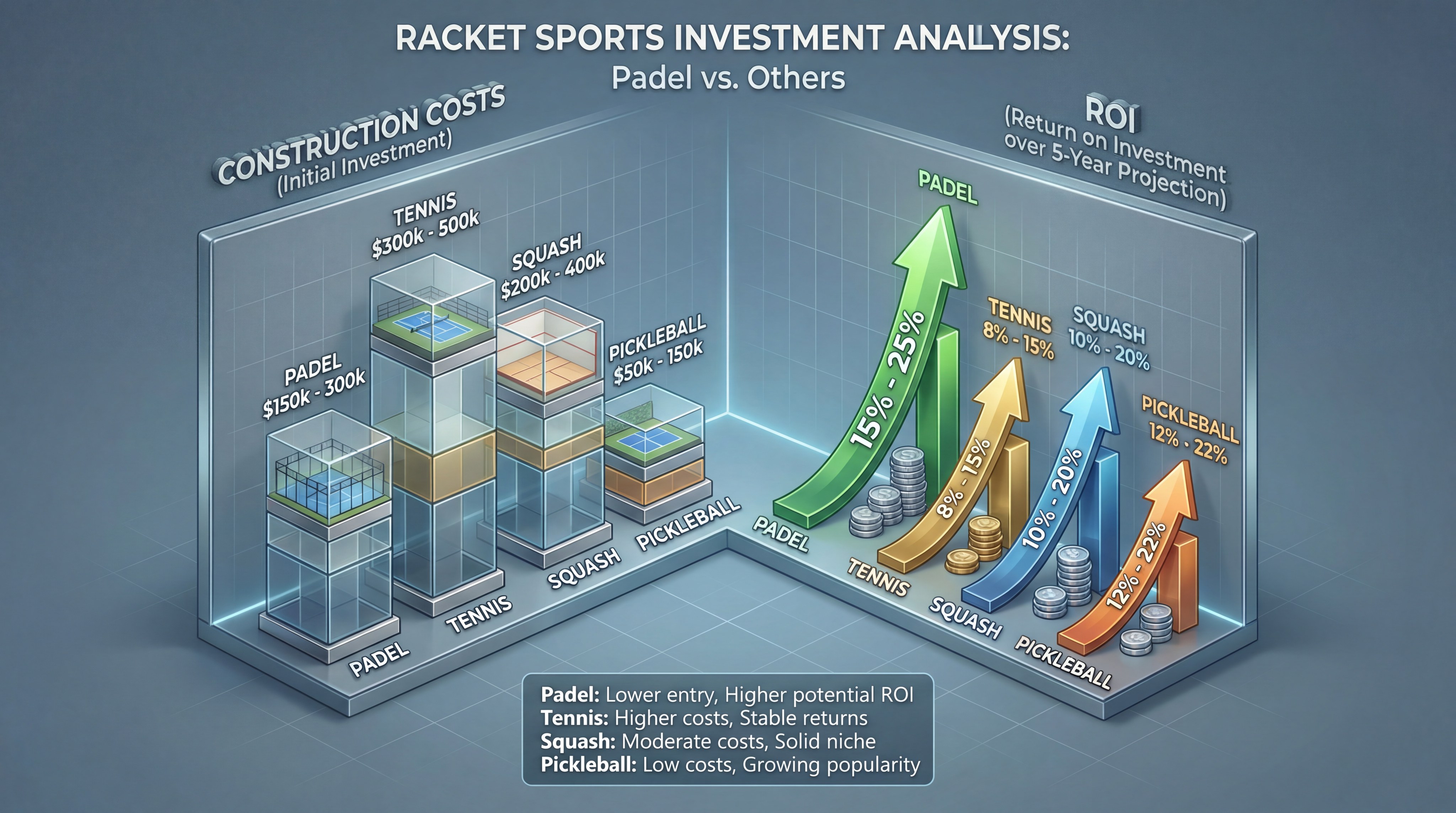
The social ease of Padel makes it far more accessible than tennis, driving the massive surge in padel vs paddle inquiries globally. You will find that beginners can enjoy a rally within minutes, leading to high player retention rates.
The Social Flywheel
Because the sport is played almost exclusively in doubles, every player brings three friends. This naturally creates a community-centric environment that keeps your courts full throughout the day.
- Easy to learn, hard to master.
- Reduced physical strain on knees.
- High “Instagrammability” of the courts.
Corporate Appeal
Wait, there is more: businesses are increasingly using Padel for team-building events. The manageable court size allows for easy conversation and inclusive play for employees of all fitness levels.
Key Takeaway
| Sport | Learning Curve | Social Level |
|---|---|---|
| Padel | Low | High |
| Tennis | High | Medium |
The combination of low entry barriers and high social engagement makes Padel the most “sticky” sport for facility members.
How to begin building padel vs paddle?
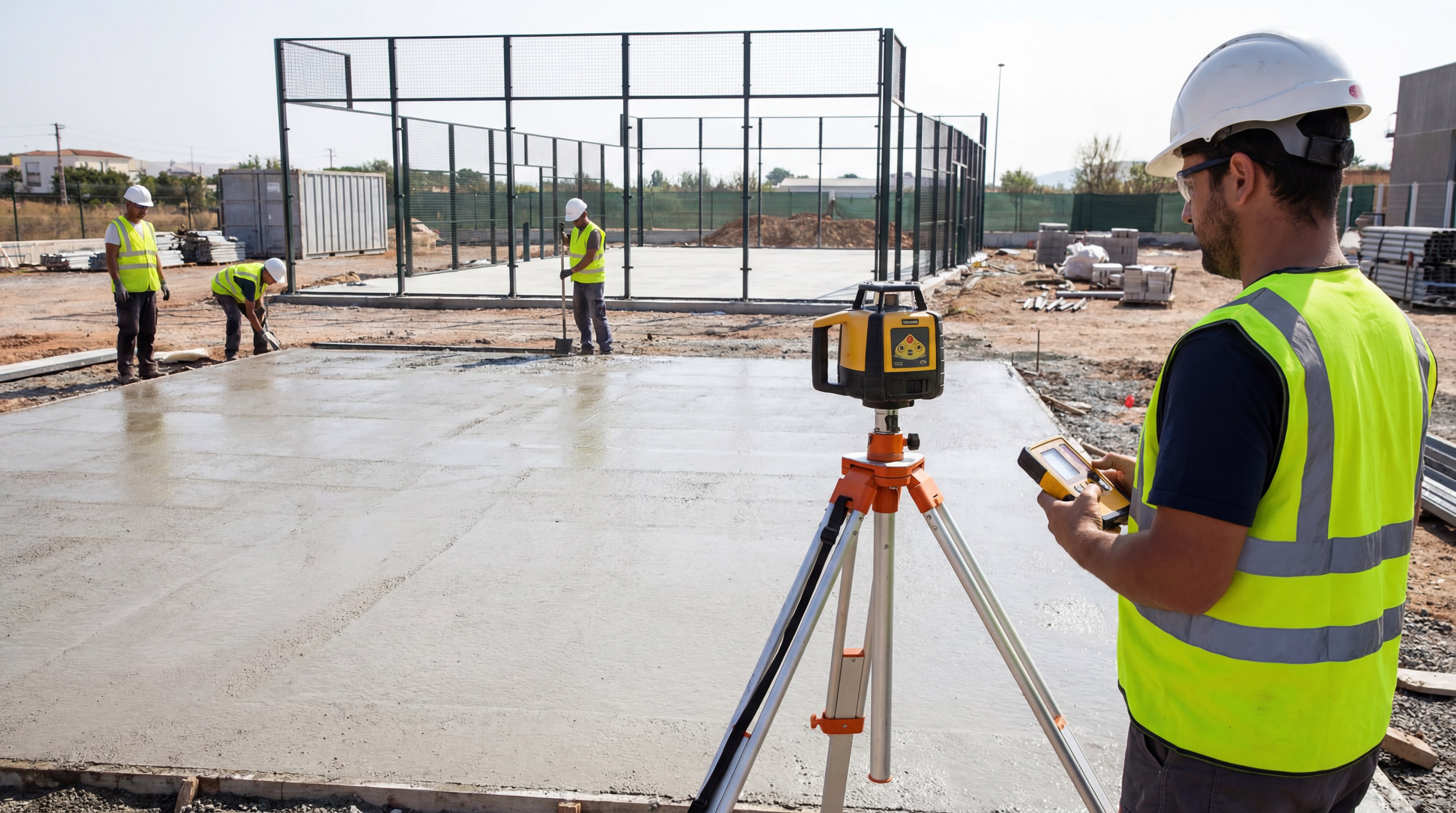
Starting your project requires a detailed feasibility study and selecting a manufacturer that specializes in international padel vs paddle standards. You should start by defining your budget and choosing between a standard or panoramic court design.
Finding a Partner
You need a construction partner who understands the specific wind-load requirements and drainage standards for your region. Here is the kicker: a specialized builder can often navigate the permit process faster than a general contractor.
- Requesting architectural blueprints.
- Finalizing the color scheme.
- Scheduling the foundation pour.
Final Installation
Wait, there is more: the actual assembly of the steel and glass usually takes less than 10 days once the foundation is cured. This fast turnaround means you can start generating revenue quickly.
Key Takeaway
| Phase | Duration | Focus |
|---|---|---|
| Planning | 2-4 Weeks | Permits & Design |
| Construction | 4-6 Weeks | Foundation & Install |
Starting with a clear project timeline ensures your facility opens on schedule to capture the peak playing season.
*
Summary of Padel Installation
Building a premium sports facility is a significant investment that requires expert guidance and precision engineering. If you are ready to transform your space into a high-revenue Padel club, contact us today for a custom consultation.
FAQ
Padel is… an enclosed racket sport played on a 10x20m court with glass walls that allow for strategic ball rebounds.
You can… build a Padel court on most flat surfaces, provided you install a reinforced concrete foundation to support the heavy glass structure.
The cost… of a Padel court typically ranges from $20,000 to $50,000 depending on the model (standard vs. panoramic) and local shipping.
Construction takes… approximately 4 to 8 weeks in total, including the necessary time for the concrete foundation to cure properly.
Building a… Padel facility offers one of the highest ROIs in the sports industry due to high player density and low maintenance requirements.