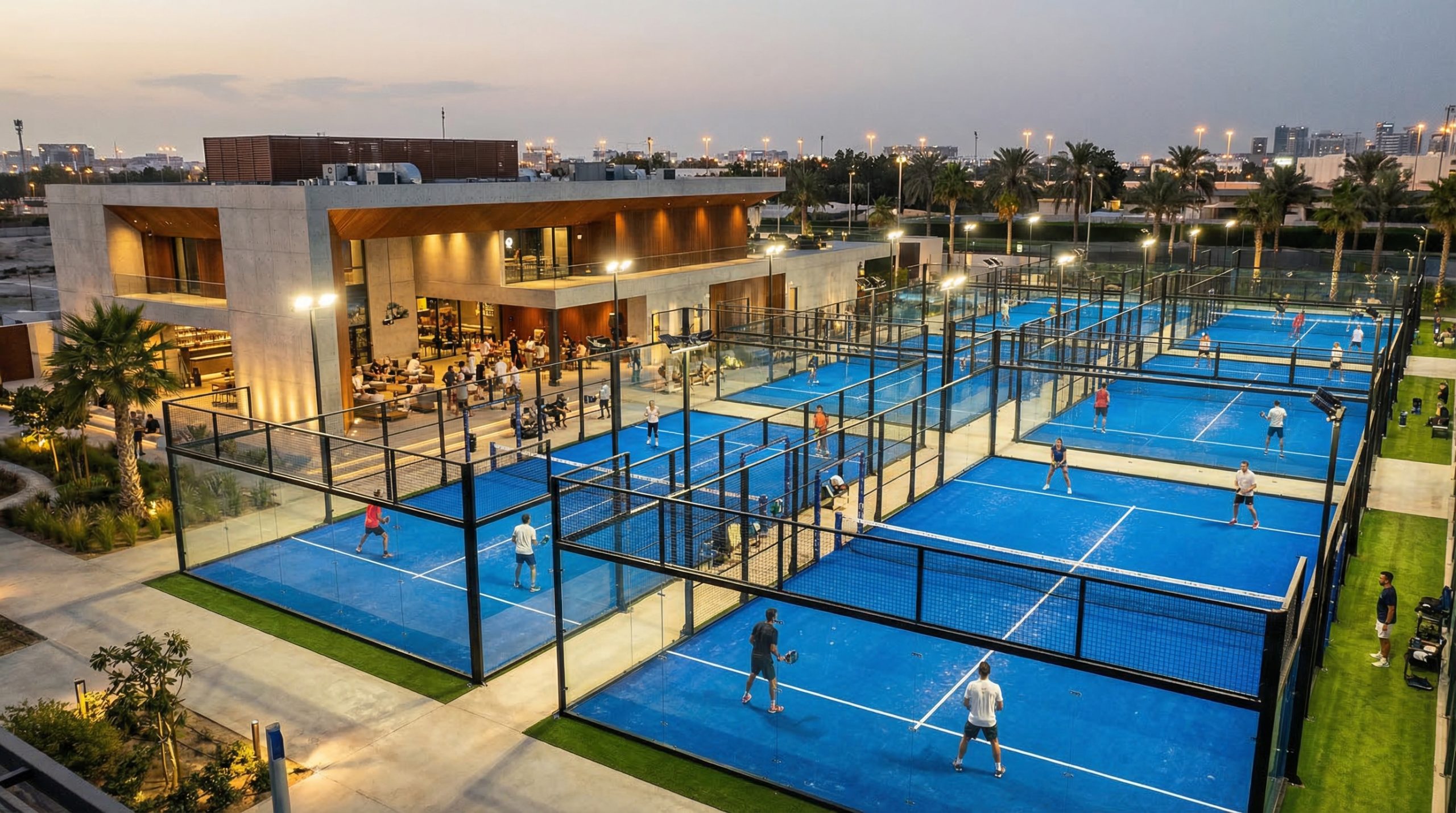
On average, you can expect to pay between $43,000 and $96,100 to build a high-quality padel court in the United States. You are likely watching the massive growth of padel and realizing that building a court could be your most profitable business move yet. The challenge is that confusing quotes and hidden installation fees can quickly turn your dream project into a financial nightmare. By mastering how much does it cost to build a padel court, you can confidently invest in a durable, world-class facility that attracts loyal players and generates consistent returns.
why is how much does it cost to build a padel court rising?
The surge in interest regarding how much does it cost to build a padel court is driven by the sport’s incredible revenue potential per square meter. Padel courts take up significantly less space than tennis courts, allowing you to fit more players into a smaller footprint. This efficiency makes it a top choice for club owners looking to maximize land use.
As more entrepreneurs enter the market, the demand for specialized construction expertise has increased. You need to understand the nuances of the court to ensure your investment stands out. High-quality facilities are the only way to retain a discerning player base in a competitive environment.
Understanding the Padel Tennis Phenomenon
Padel combines the best elements of tennis and squash, creating a highly social and addictive game. This unique blend makes it accessible to beginners while remaining challenging for experts. Here is the catch: because it is played in doubles, it naturally fosters a community atmosphere that keeps people coming back.
- High social engagement leads to increased court bookings.
- Doubles-only play doubles your revenue per hour.
- A smaller footprint allows for more courts in urban centers.
The Growing Demand for Specialized Facilities
Investors are increasingly asking about the specifics of court construction to meet professional standards. Providing a venue that meets International Padel Federation (IPF) regulations is critical for hosting sanctioned events. You must prioritize high-grade materials to ensure the facility can handle heavy daily usage.
| Factor | Impact on Cost | Importance |
|---|---|---|
| Player Capacity | High | Primary Revenue Driver |
| Facility Type | Variable | Determines Market Reach |
| Technical Specs | High | Influences Player Retention |
The rapid expansion of the sport necessitates a clear understanding of build requirements to avoid future retrofitting costs.
Key Takeaway: Investing in a padel court is a strategic move to maximize revenue-per-square-foot by capitalizing on the sport’s social nature and compact dimensions.
how much does it cost to build a padel court for your club?
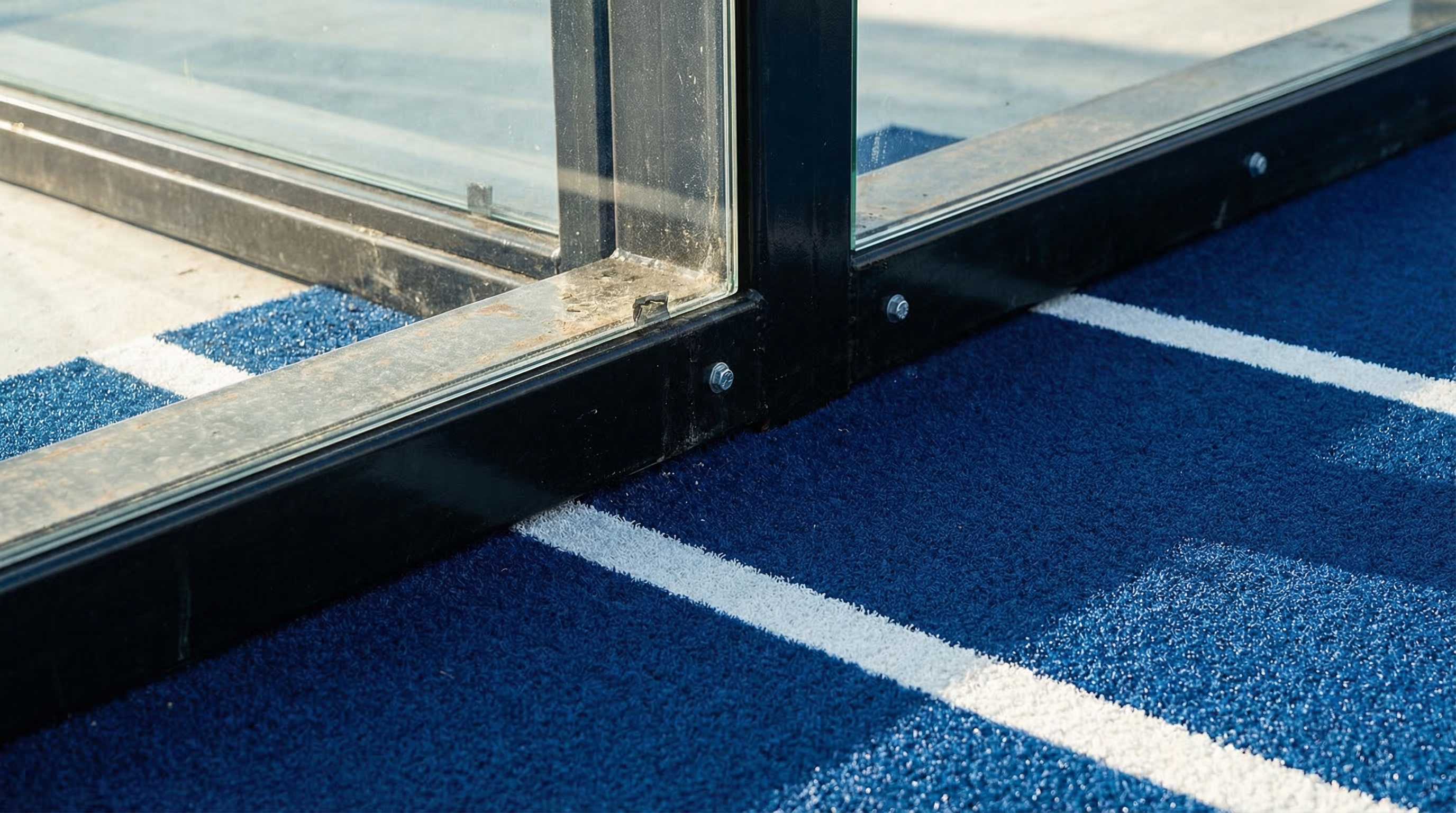
Determining how much does it cost to build a padel court depends heavily on whether you are targeting recreational players or professional competitors. A standard recreational setup typically starts at approximately $43,000, covering the essentials for a functional game. However, a commercial-grade court designed for high traffic can easily exceed $90,000 once amenities are added.
You must account for the specific needs of your target audience when setting your budget. Recreational courts might utilize more affordable mesh fencing, whereas commercial facilities require thick tempered glass. Balancing these choices will define your final expenditure and your facility’s long-term reputation.
Average Pricing for US-Based Construction
In the United States, logistics and labor often push the entry price for a single court into the $45,000 range. This price point usually includes the core structure, the turf, and basic lighting. Think about this: shipping heavy glass and steel components from overseas manufacturers can add significant “hidden” costs to your initial quote.
- Basic Court Package: $43,000 – $55,000.
- Professional Installation: $65,000 – $96,000.
- Logistics and Fees: $8,000 – $22,000.
Total Investment Estimates for 2024
Market fluctuations in steel and glass pricing make early 2024 a critical window for finalizing construction plans. You should set aside a contingency fund of at least 10% to cover unexpected site preparation issues. Most successful projects focus on a “mid-to-high” tier to ensure the materials last over a decade.
| Tier | Price Range | Target Audience |
|---|---|---|
| Economy | $43k – $55k | Private Homes / Low Traffic |
| Premium | $65k – $80k | Commercial Clubs |
| Tournament | $85k – $96k+ | Professional Facilities |
Analyzing the budget early prevents project stalls and ensures you have enough capital for essential player amenities.
Key Takeaway: Your budget should reflect your business goals, with a $65,000 starting point being realistic for a commercial-grade court that minimizes long-term maintenance.
what materials determine how much does it cost to build a padel court?
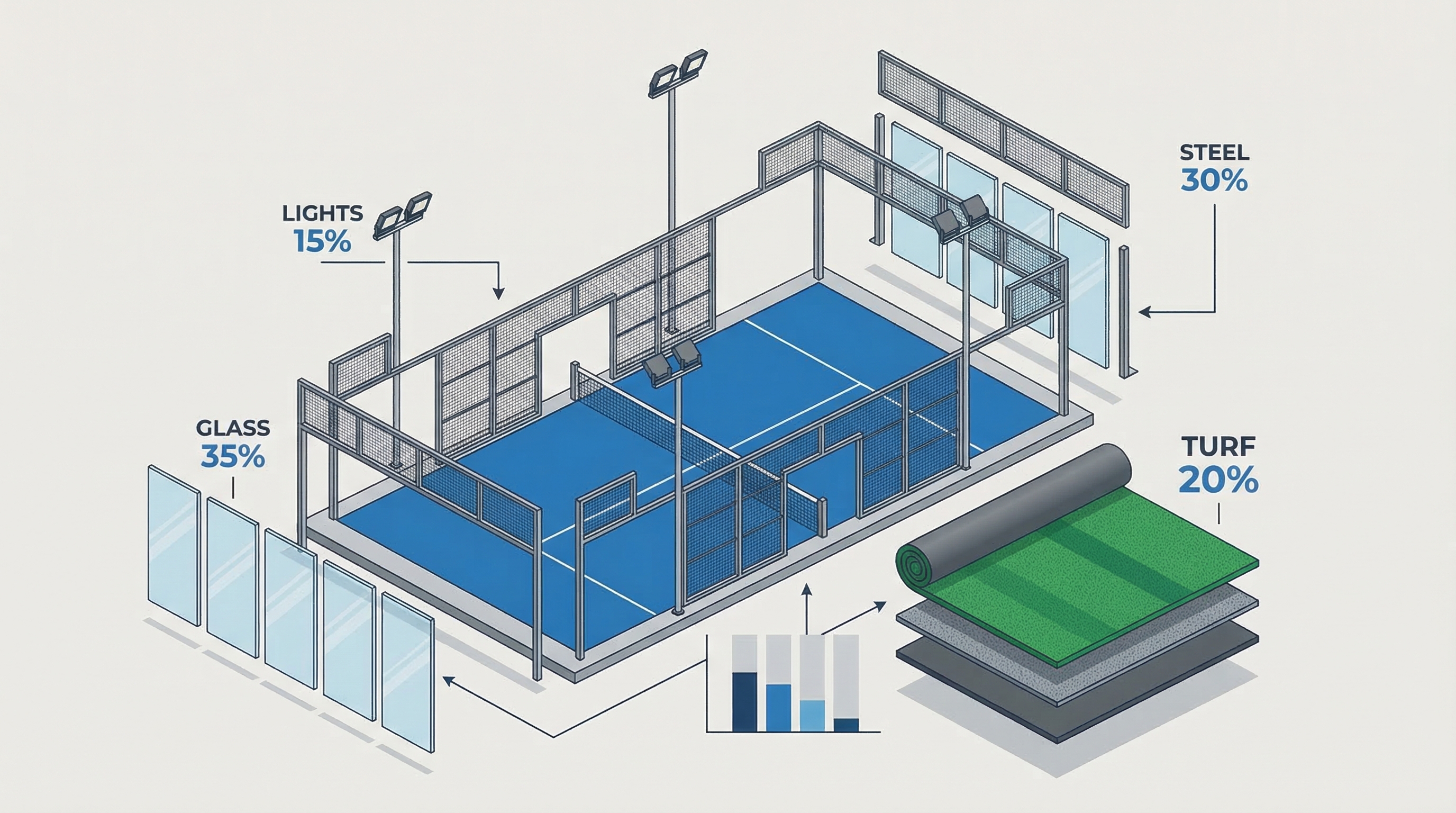
The primary materials that influence how much does it cost to build a padel court are the structural steel frame and the tempered glass walls. These components represent the largest portion of your budget because they ensure the safety and structural integrity of the facility. You cannot afford to cut corners on the quality of the glass, as it must withstand constant high-velocity impact.
Furthermore, the lighting system and artificial turf significantly affect the overall playing experience. While it is tempting to choose cheaper alternatives, low-quality turf wears out within two years under heavy use. High-end materials provide a better bounce and reduced injury risk, which players will notice immediately.
Steel and Tempered Glass Infrastructure
The frame must be galvanized to prevent rust, especially if you are building an outdoor facility. Tempered glass walls usually range from 10mm to 12mm in thickness, with the latter being the industry standard for commercial clubs. Here is the catch: thicker glass not only offers better safety but also provides a more consistent ball rebound during play.
- Galvanized Steel Frame: $22,500 – $38,000.
- 12mm Tempered Glass: Included in structure costs.
- Anti-injury mesh systems: Critical for player safety.
LED Lighting and Electrical Requirements
A professional lighting system ensures your courts are usable during evening peak hours, which are often the most profitable. High-quality LED fixtures reduce glare and provide uniform light distribution across the entire surface. This is vital because players need to track the ball’s movement through the air and off the glass walls.
| Material | Cost Range | Durability |
|---|---|---|
| Steel/Glass | $22.5k – $38.3k | High (Galvanized) |
| LED System | $2.8k – $10k | 50,000+ Hours |
| Turf Surface | $5.6k – $13.5k | 5-8 Years |
Carefully selecting your material vendors is the most effective way to control costs without sacrificing the safety of your athletes.
Key Takeaway: Prioritize high-grade steel and 12mm tempered glass to ensure structural longevity and a premium player experience that justifies higher booking fees.
how does quality affect how much does it cost to build a padel court?
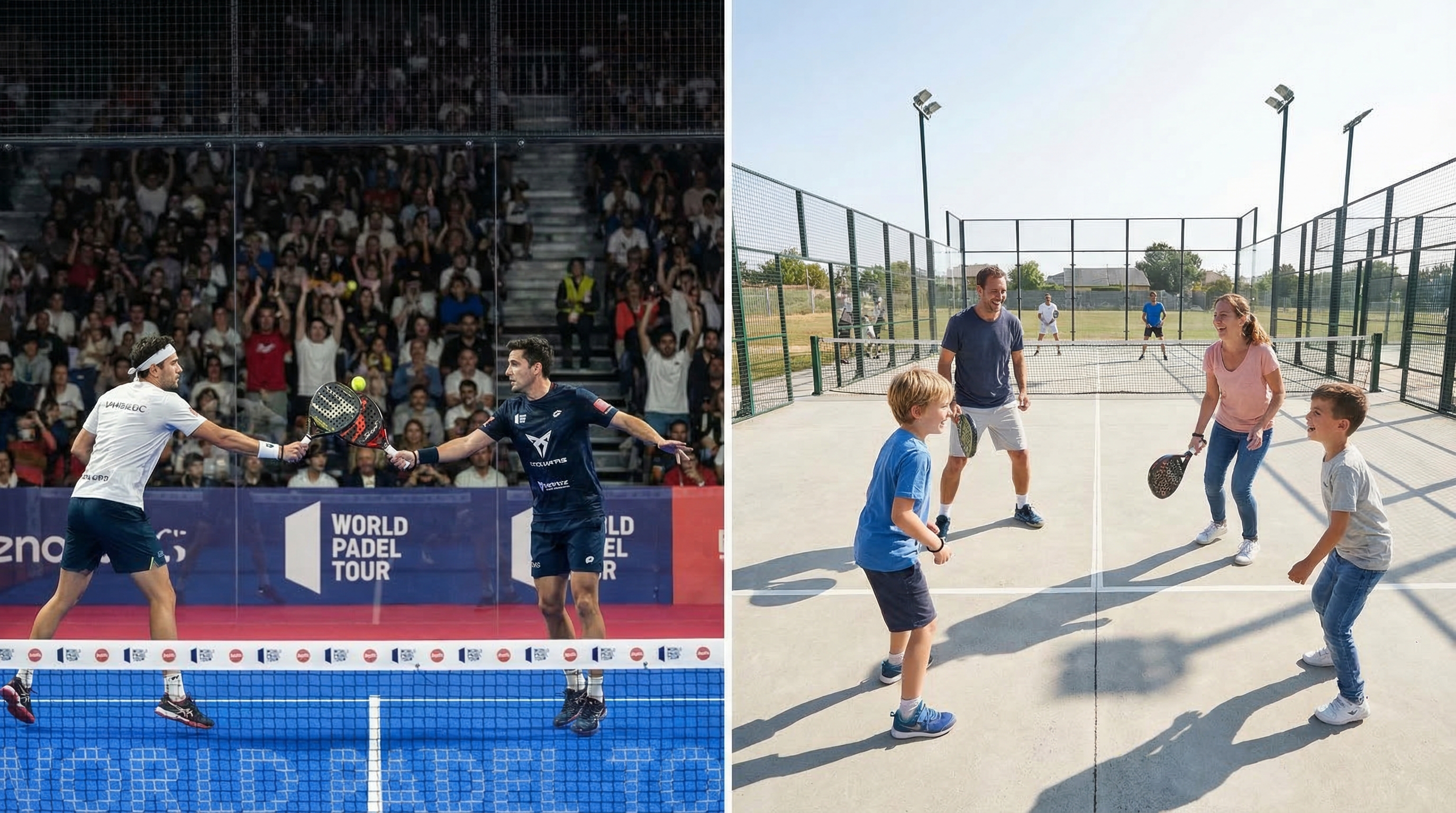
Determining how much does it cost to build a padel court requires a decision on whether you want a recreational or a tournament-ready spec. Professional-grade courts must meet strict International Padel Federation standards, which mandate specific dimensions and material tolerances. These requirements naturally increase the price but allow you to host official competitions and attract elite players.
In contrast, recreational courts offer more flexibility in material choice, potentially lowering the initial investment. However, if you plan to scale your business, starting with a lower-quality build can be a mistake. Players who experience a professional court will rarely settle for a sub-standard one, affecting your long-term retention.
Professional vs Recreational Court Standards
Professional courts feature panoramic glass views without vertical pillars, creating a better experience for spectators. This design is significantly more expensive than standard “pillar” designs because it requires stronger glass and specialized bracing. The reality is: that the “wow factor” of a panoramic court often pays for itself through social media visibility and premium branding.
- Panoramic Glass: Highest visual appeal and cost.
- Pillar Design: Most cost-effective for private use.
- IPF Compliance: Mandatory for all commercial clubs.
Regulatory Dimensions for Tournament Play
A regulation padel court must be exactly 10 meters wide and 20 meters long. Any deviation from these dimensions will disqualify your facility from hosting official tournaments. You must work with an installer who understands these precise measurements to ensure your lines and net heights are perfectly calibrated.
| Spec | Recreational | Tournament (IPF) |
|---|---|---|
| Glass Thick | 10mm | 12mm |
| Net Quality | Standard | Heavy Duty / Pro |
| Side Walls | Mesh Panels | Glass / Mesh Mix |
High-spec courts offer a faster return on investment because they allow you to charge premium rates for a superior athletic experience.
Key Takeaway: Choosing professional-grade standards ensures your facility is future-proof, allowing you to host tournaments and attract the highest-paying player segments.
do location choices change how much does it cost to build a padel court?
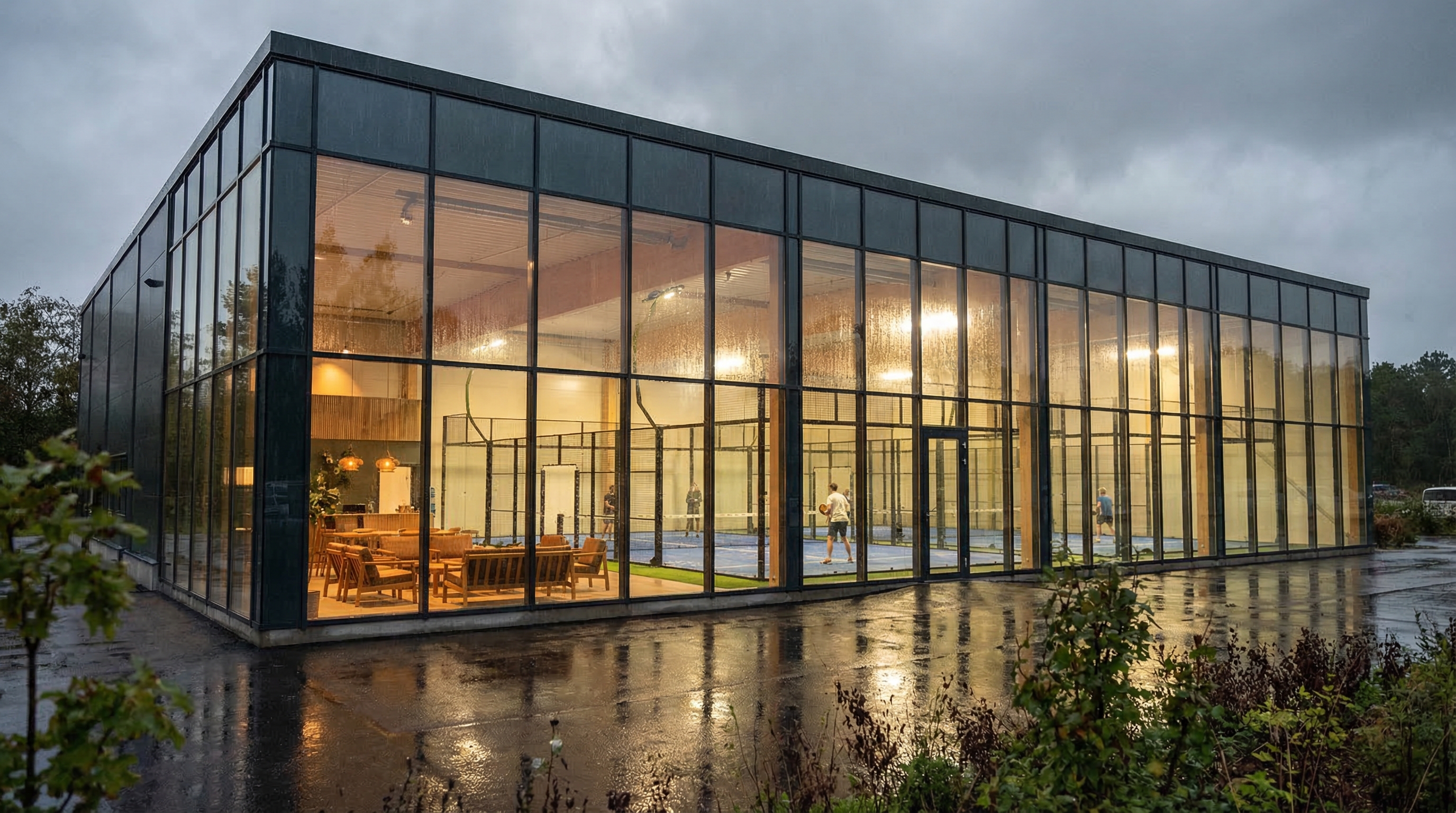
The specific environment where you build directly impacts how much does it cost to build a padel court due to varying structural and climate requirements. Indoor courts require significant vertical clearance, often necessitating a ceiling height of at least 7 to 8 meters. If your existing building doesn’t meet this, the costs of structural modification can be prohibitive.
Outdoor courts, while avoiding ceiling constraints, must contend with weather-related challenges like wind loads and drainage. You will need a more robust foundation and potentially wind-resistant mesh fencing to protect the structure. These environmental adaptations are essential for preventing long-term damage and ensuring the court remains playable year-round.
Indoor vs Outdoor Structural Differences
Outdoor courts require advanced drainage systems underneath the subfloor to prevent water from pooling on the turf. This adds a layer of complexity to the excavation and site preparation phase. Keep this in mind: indoor courts benefit from a controlled environment, meaning your turf and glass will likely last much longer than their outdoor counterparts.
- Outdoor Drainage: Critical for year-round play.
- Indoor Climate Control: Adds to operational costs.
- Wind Load Bracing: Mandatory for exterior builds.
Long-Term Maintenance for Exterior Courts
Sun exposure and temperature fluctuations can cause the turf fibers to degrade over time. You will need to invest in high-quality UV-resistant artificial grass to mitigate this risk. Additionally, outdoor courts require more frequent cleaning to remove debris and maintain the sand infill levels for consistent ball bounce.
| Factor | Indoor Court | Outdoor Court |
|---|---|---|
| Base Cost | Lower (No Roof) | Higher (Site Prep) |
| Weather Risk | Minimal | High |
| Longevity | Excellent | Moderate |
Choosing the right location involves balancing the lower initial cost of outdoor builds against the higher longevity and playability of indoor facilities.
Key Takeaway: Indoor courts offer better long-term value through protection from the elements, while outdoor courts are more accessible if you have existing land and proper drainage.
which turf types impact how much does it cost to build a padel court?
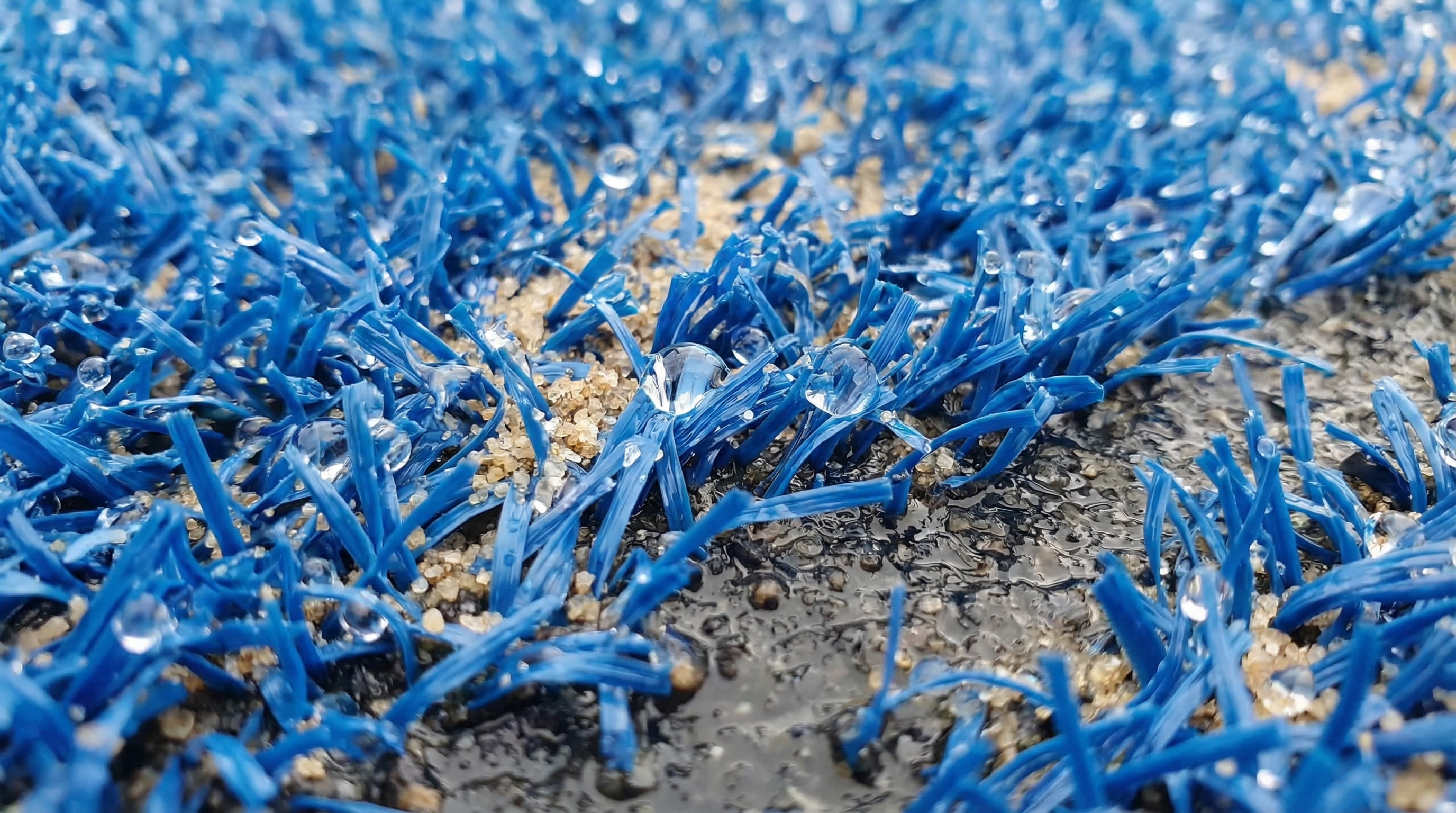
Selecting the right playing surface is a major factor in how much does it cost to build a padel court. Artificial turf is the industry standard, but the quality of the fibers and the density of the weave can vary greatly in price. High-performance monofilament turf is more expensive upfront but offers superior durability and player comfort compared to fibrillated options.
You must also consider the cost of the sand infill, which is necessary for stabilization and proper ball bounce. Using the wrong type of sand can lead to premature wear of the turf and increased risk of player injury. Investing in premium turf ensures that your court remains a favorite among local athletes for years to come.
Advantages of Professional Artificial Turf
Monofilament turf fibers are designed to bounce back after being stepped on, maintaining the court’s aesthetics and playability. This type of surface also requires less frequent brushing and maintenance than cheaper alternatives. Now, consider this: the friction level of the turf directly affects how players move, making high-quality surfaces essential for preventing knee and ankle injuries.
- Monofilament: Best for durability and pro play.
- Fibrillated: More affordable but wears faster.
- Texturized: Offers the most consistent bounce.
Durable Alternatives for Casual Play
While turf is standard, some private residences use modular tiles or acrylic surfaces to save on initial costs. However, these surfaces do not mimic the true padel experience and can be quite slippery when wet. If you are building a commercial facility, sticking to high-density artificial turf is the only way to ensure market competitiveness.
| Turf Type | Estimated Cost | Lifespan |
|---|---|---|
| Monofilament | $8,000 – $13,500 | 7+ Years |
| Fibrillated | $5,600 – $8,000 | 3-5 Years |
| Texturized | $10,000 – $15,000 | 8+ Years |
The playing surface is the part of the court players interact with most, so spending more here yields the highest satisfaction.
Key Takeaway: Invest in high-density monofilament artificial turf to minimize maintenance and provide the premium playing experience that high-end club members expect.
why do subfloors influence how much does it cost to build a padel court?
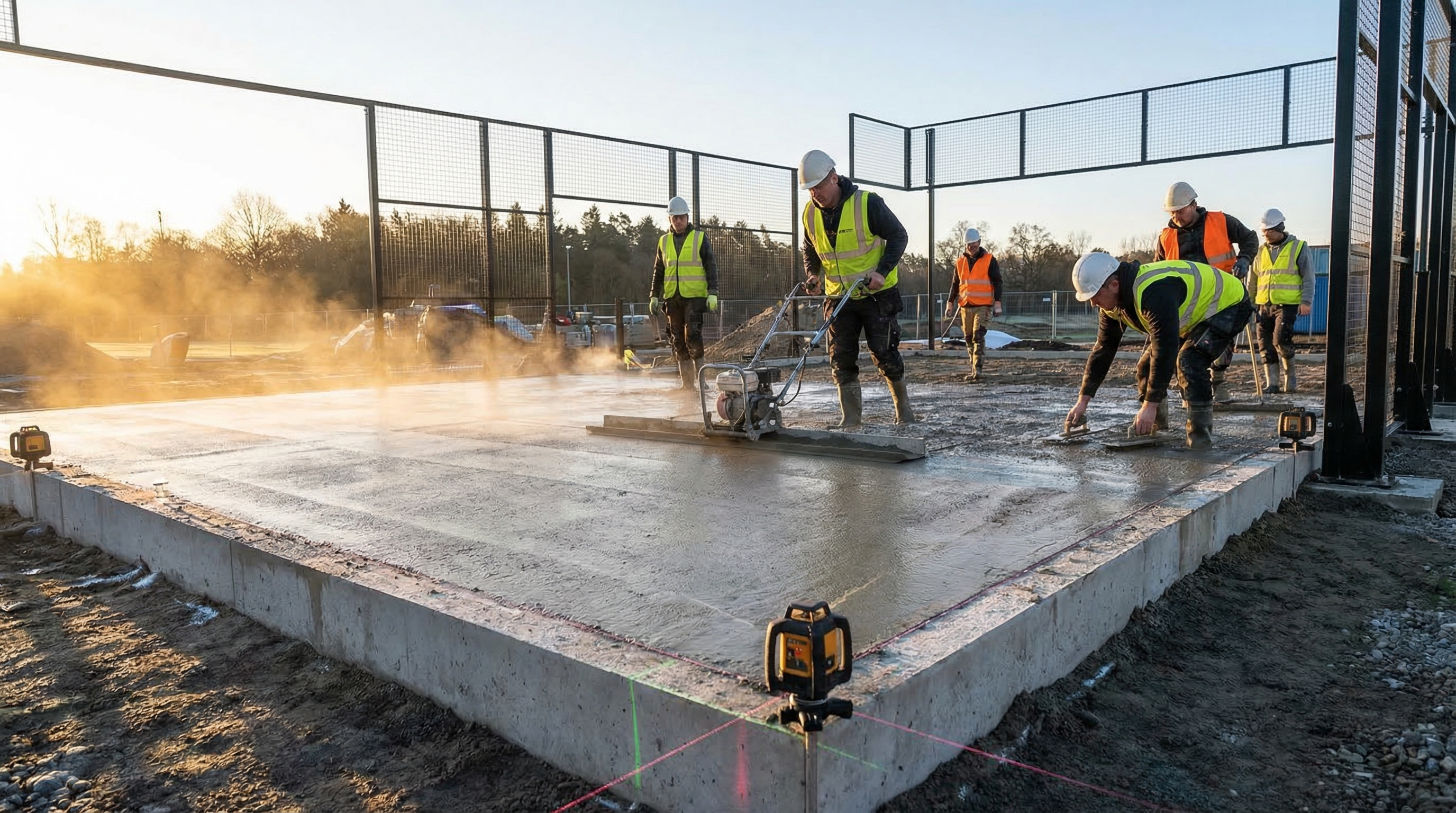
The foundation of your project is a critical component in how much does it cost to build a padel court. A perfectly level subfloor is non-negotiable for a professional court, as even a minor slope can ruin the ball’s bounce. You typically have the choice between concrete and asphalt, with concrete being the preferred option for long-term stability and precision.
While asphalt is often cheaper to install, it is prone to softening in high heat and may require more frequent repairs over time. Concrete, although more expensive, provides a rock-solid base that prevents the glass walls from shifting or cracking. This structural reliability is essential for maintaining the safety standards of a high-traffic commercial facility.
Comparing Asphalt and Concrete Foundations
Concrete foundations offer the best longevity and are less susceptible to the “root heave” or shifting that can plague asphalt. It also allows for more precise installation of the structural anchors that hold the steel frame in place. Simply put: starting with a concrete base is the best insurance policy against future structural failures.
- Concrete Base: $15,000 – $35,000 (Site dependent).
- Asphalt Base: $10,000 – $25,000.
- Porous Concrete: Excellent for outdoor drainage.
Regional Labor Rates and Sourcing Logistics
Your geographic location will significantly impact the labor costs for excavation and foundation pouring. In urban areas, getting heavy machinery to the site can be complicated and expensive. You should always source local contractors who are experienced with laser-leveling to ensure the subfloor meets the strict tolerances required for padel play.
| Subfloor | Cost Factor | Stability |
|---|---|---|
| Reinforced Concrete | High | Excellent |
| Standard Asphalt | Medium | Moderate |
| Porous Concrete | High | Best for Outdoor |
The quality of your subfloor dictates the lifespan of every other component you install on top of it.
Key Takeaway: Use reinforced or porous concrete for your subfloor to ensure a perfectly level playing surface and maximum structural longevity for your court frame.
what steps manage how much does it cost to build a padel court?
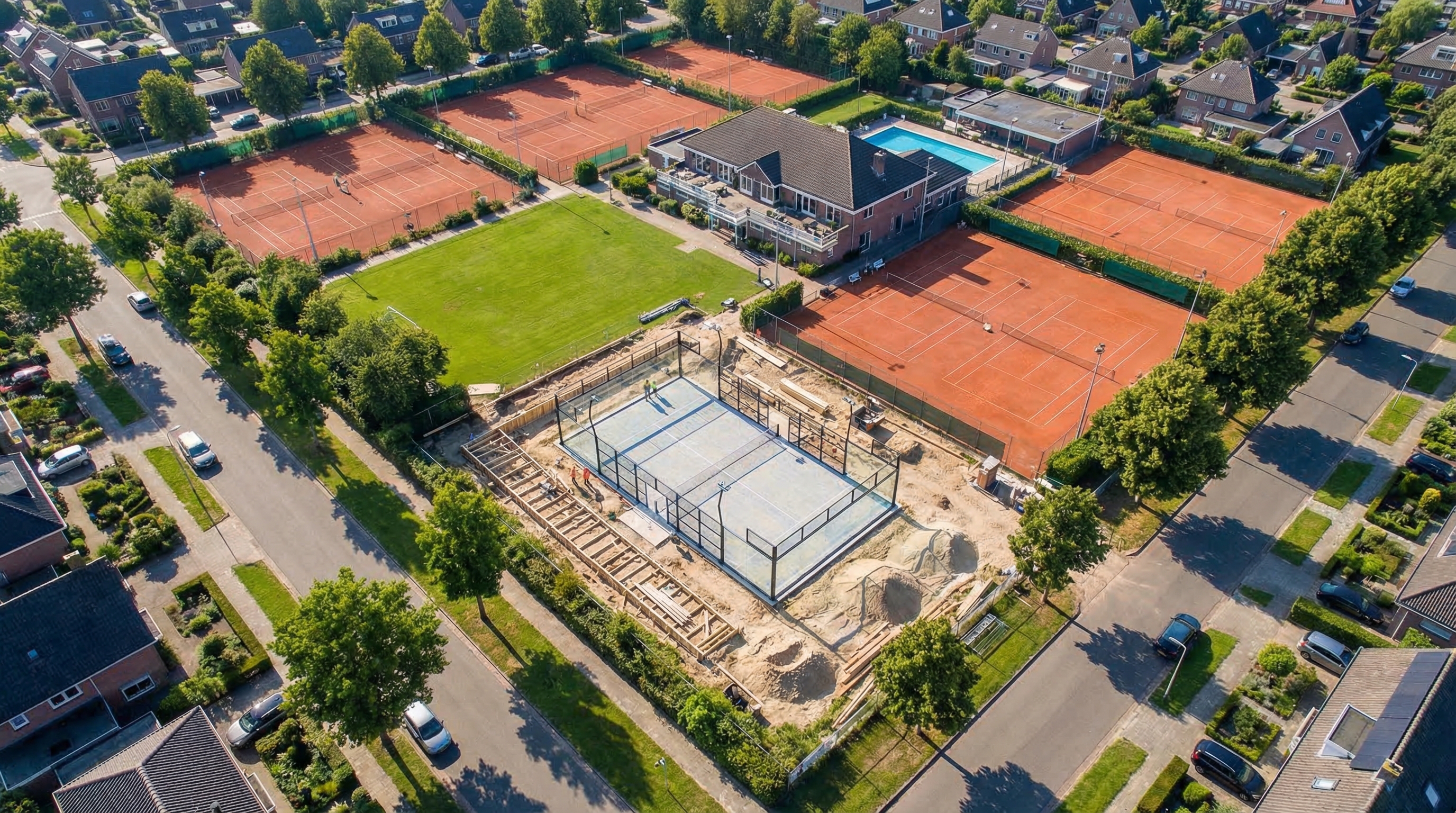
Managing how much does it cost to build a padel court requires a structured approach to the planning and execution phases. You must start with a comprehensive site feasibility study to identify any underground utility lines or soil issues before breaking ground. Ignoring these early steps can lead to massive cost overruns if you hit an unexpected obstacle during excavation.
Once the site is cleared, navigating the local permitting process is your next major hurdle. Depending on your municipality, you may need zoning approvals, environmental impact reports, and structural permits. It gets better: many regions offer sports development grants that can help offset some of the initial construction costs if you provide community access.
Site Feasibility and Location Scouting
Choosing a site with existing flat terrain can save you thousands in excavation and grading fees. You should also consider the proximity to existing amenities like parking and restrooms to minimize the need for additional construction. A well-scouted location reduces the complexity of logistics and makes the site more attractive to potential club members.
- Feasibility Study: 2-4 weeks.
- Permit Approval: 4-12 weeks.
- Construction: 2-3 weeks (once prepped).
Navigating Permits and Local Regulations
Each city has its own set of rules regarding light pollution and noise, which are particularly relevant for padel courts. You may need to invest in noise-reducing glass or specific lighting angles to comply with local residential codes. Proactively addressing these regulations during the design phase prevents costly legal delays later in the project.
| Milestone | Duration | Primary Focus |
|---|---|---|
| Feasibility | 3 Weeks | Soil & Utilities |
| Permitting | 8 Weeks | Legal Compliance |
| Construction | 2 Weeks | Assembly & Turf |
Diligent planning and early engagement with local authorities are the best ways to keep your project on schedule and within budget.
Key Takeaway: Perform a rigorous feasibility study and secure all legal permits early to avoid expensive delays and ensure your facility meets all local building codes.
can you avoid errors in how much does it cost to build a padel court?
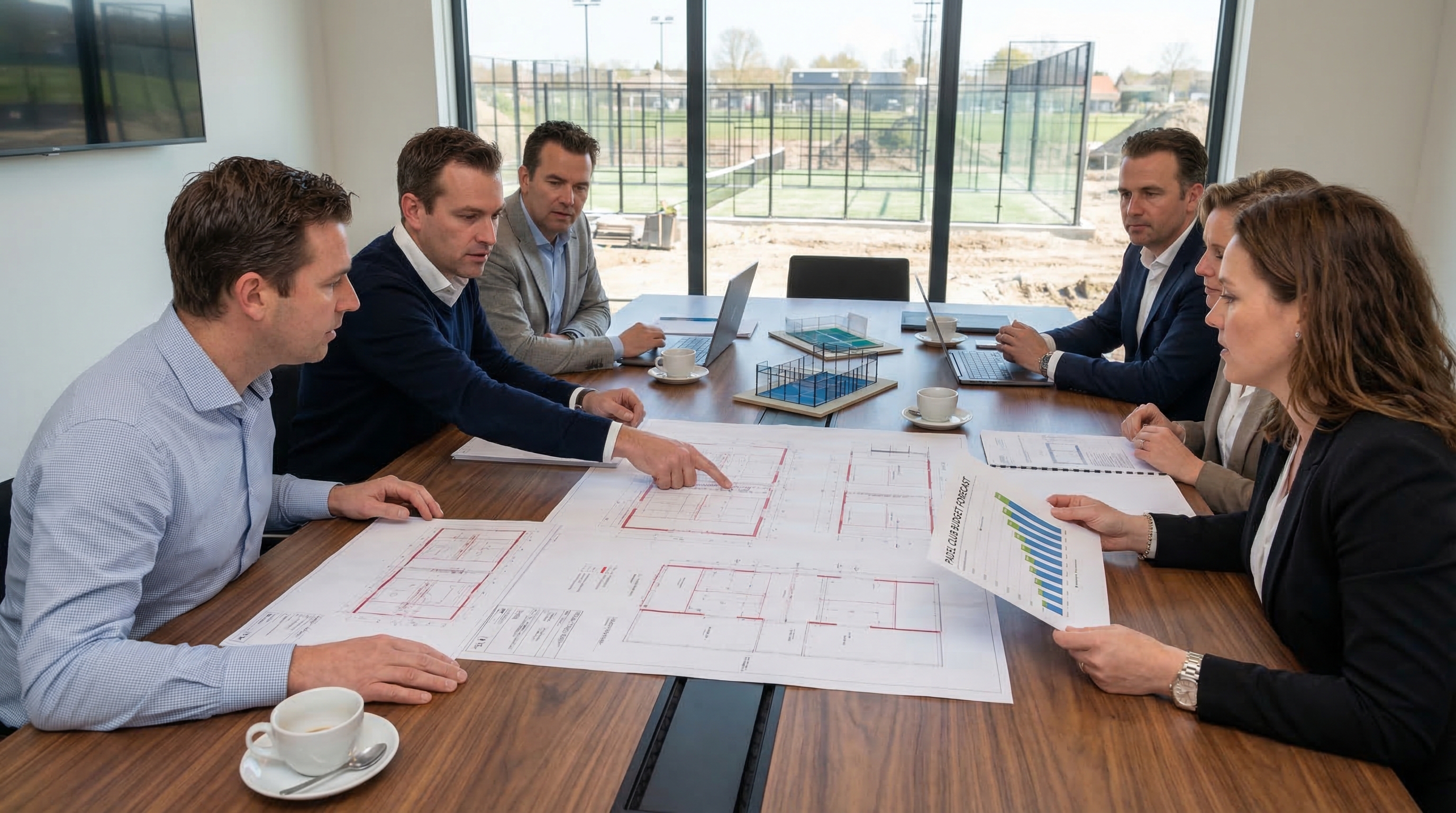
Avoiding common mistakes is the most effective way to control how much does it cost to build a padel court. One of the most frequent errors is underestimating the total project cost by focusing only on the court kit while ignoring site preparation. You must look at the project as a whole, including lighting, fencing, and player access paths, to get a realistic final number.
Another major pitfall is failing to adhere to the standard dimensions required by the International Padel Federation. If your court is even slightly off-size, you will struggle to attract competitive players and will be unable to host official events. Look at the numbers: retrofitting a court to correct size errors is often more expensive than the original build itself.
Avoiding Pitfalls and Design Errors
Poor lighting is a common complaint that can drive players away from your facility during peak evening hours. Ensure your LED system is designed specifically for padel, with fixtures that avoid direct glare into players’ eyes. Additionally, cutting corners on the glass thickness can lead to safety hazards that expose your business to significant liability risks.
- Inadequate Lighting: Causes eyestrain and safety risks.
- Non-Standard Size: Ruins club reputation and utility.
- Cheap Glass: Increases long-term breakage risks.
Standard Dimensions and Specifications
A regulation court is 10m x 20m, with a net height of 0.88m at the center. Every structural element, from the post placement to the tension of the mesh, must be exact. Working with a specialist installer who has a proven track record in padel construction is the only way to guarantee these results.
| Potential Error | Financial Impact | Solution |
|---|---|---|
| Bad Lighting | High | Use Sport-Specific LEDs |
| Wrong Size | Extreme | Use Professional Installers |
| Poor Subfloor | High | Prioritize Level Concrete |
Using expert guidance throughout the design phase ensures your facility is safe, compliant, and built for maximum profitability.
Key Takeaway: Partner with an experienced padel specialist to avoid standard dimension errors and poor material choices that could lead to expensive future repairs.
what is the final word on how much does it cost to build a padel court?
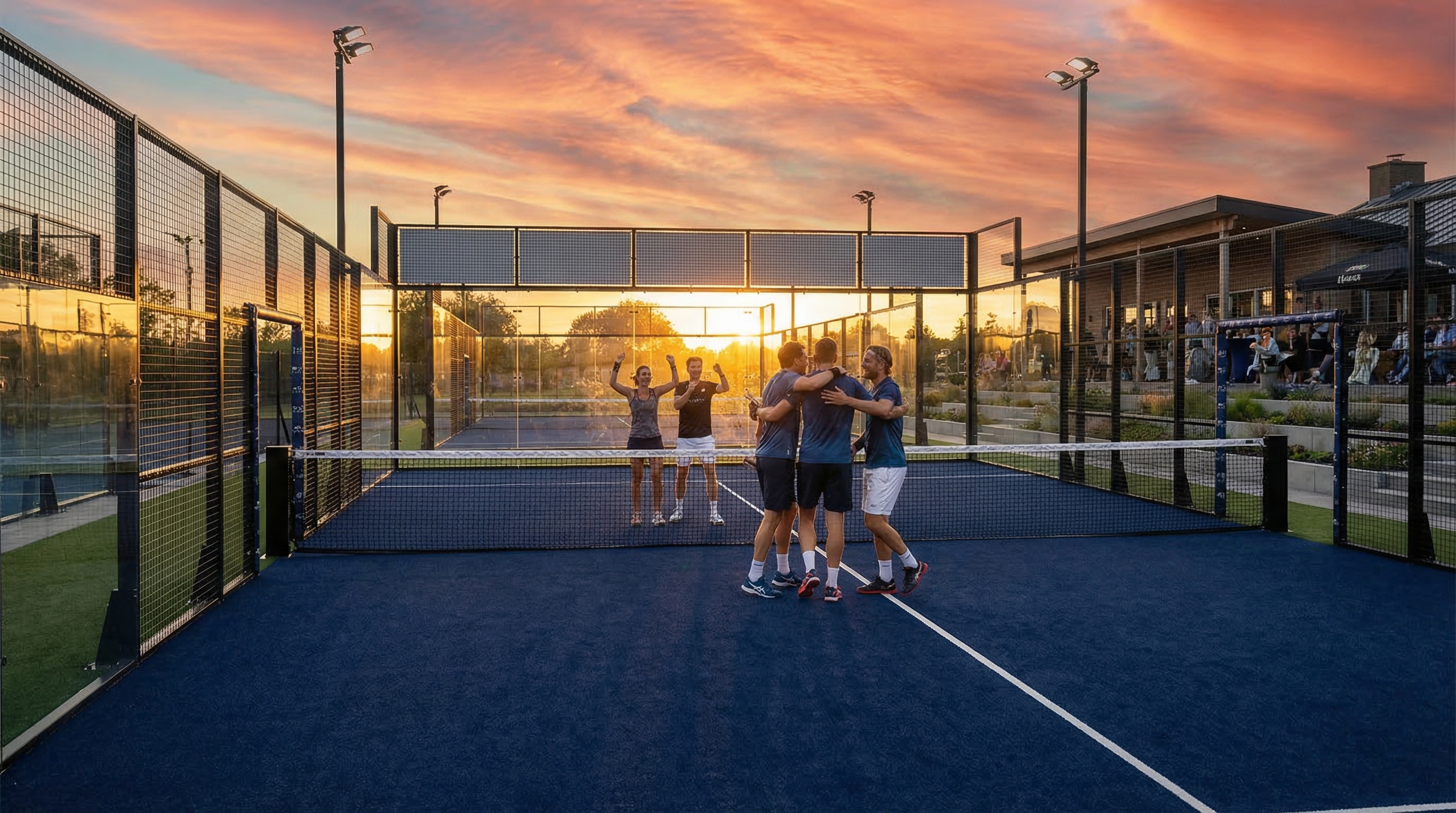
The final determination of how much does it cost to build a padel court comes down to your commitment to quality and player safety. While you can find budget-friendly options, the most successful commercial clubs are those that invest in premium materials and professional installation. This approach ensures a facility that lasts for decades and provides the high-performance experience that players demand.
Your final steps should involve a thorough inspection of the glass anchors, turf seams, and lighting calibration. Bottom line: a well-executed padel court is not just a sports facility; it is a high-yield asset that builds community and generates long-term wealth. Finishing the project with a focus on excellence will set you apart in this rapidly growing market.
Final Checklists for Project Success
Before opening your doors, you should conduct several “test games” to ensure the ball bounce and lighting are perfect. Check that all glass panels are properly aligned and that there are no gaps where a ball could get stuck. These small details are what separate a world-class facility from a mediocre one.
- Verify all glass safety certifications.
- Test lighting uniformity at night.
- Inspect turf seams for perfect bonding.
Investment Success and ROI
A successful court installation can see a return on investment within two to three years if managed correctly. By offering a premium environment, you can justify higher booking rates and attract corporate sponsorships. Your vision for the facility should always prioritize the athlete’s experience to ensure long-term business viability.
| Component | Final Check | Goal |
|---|---|---|
| Structure | Bolt Tightness | Maximum Safety |
| Lighting | Lux Levels | Playability |
| Turf | Sand Distribution | Consistent Bounce |
Analyzing the final build against your original business plan ensures that every dollar spent contributes to the facility’s success.
Key Takeaway: Complete your project with a focus on premium finishing and strict safety checks to ensure your padel court becomes a highly profitable and respected local landmark.
Conclusion
Building a professional padel court is a transformative investment that combines athletic excellence with high-yield business potential. We have explored the critical costs of materials, the importance of professional standards, and the logistical steps needed for a successful build. Our vision is to empower project owners to create world-class environments that foster community and health. If you are ready to take the next step in your sports development journey, contact us today to receive expert guidance and a customized quote for your facility.
FAQ
Can I build a padel court on a standard tennis court base?
Yes, but you will need to modify the structural anchors and ensure the subfloor is perfectly level for padel specifications. Tennis bases often have a slight slope for drainage that may need to be corrected with a specialized leveling compound before turf installation.
What’s the best way to reduce the initial cost of construction?
Choosing a “pillar” design instead of a panoramic one and sourcing local labor for the concrete work are the most effective strategies. However, you should never compromise on the quality of the 12mm tempered glass or the galvanized steel frame, as these are critical for safety.
How do I know if my ceiling height is sufficient for an indoor court?
A minimum height of 6 meters is required, but 8 meters is highly recommended for professional play and a better player experience. Padel involves many “lob” shots, and a low ceiling will significantly disrupt the game and frustrate your club members.
Can I install a padel court myself to save money?
No, professional installation is mandatory because of the extreme weight of the glass panels and the precision required for the frame alignment. Attempting a DIY installation poses severe safety risks and will likely void any warranties on the materials.
What’s the best surface for an outdoor court in a rainy climate?
Porous concrete is the superior subfloor choice because it allows water to drain directly through the surface rather than running off to the sides. This ensures that your artificial turf dries much faster after a rainstorm, maximizing your court’s billable hours.