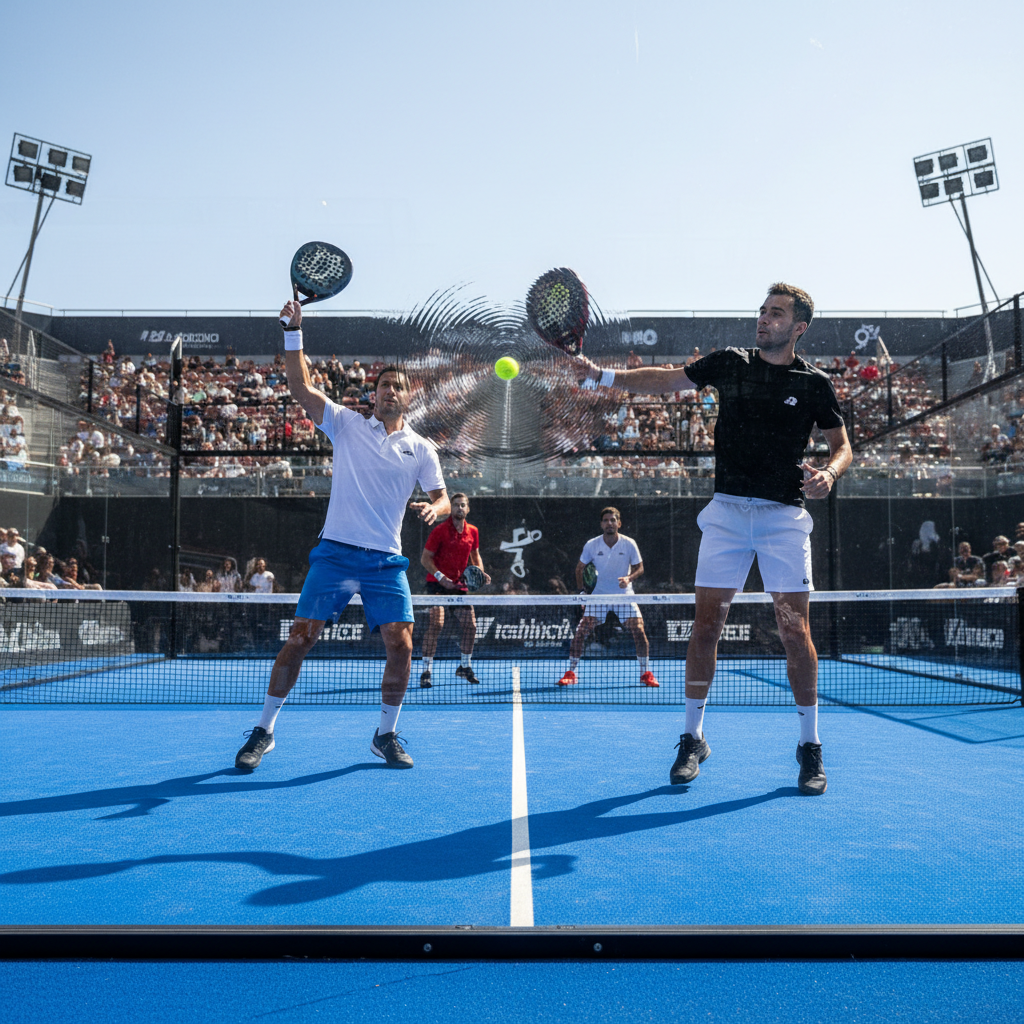
To understand how to play pad, you must first recognize it as a dynamic fusion of tennis and squash played within a glass-enclosed court that permits the ball to bounce off the walls. You might find yourself frustrated by the steep learning curve of traditional tennis or the high maintenance of older sports facilities. This lack of accessibility often prevents newcomers from engaging with racket sports, while facility owners struggle to find high-ROI additions to their properties. But here is the deal. This comprehensive guide provides the definitive solution by breaking down the official regulations and providing a professional blueprint for high-performance court construction.
1. What are the basic rules for how to play pad?
How to play pad requires you to master the unique interaction between the racket, the ball, and the surrounding glass walls.
How does the scoring and serving work?
You might be wondering. Matches are played in the best of three sets, following the 15, 30, 40, and game format. Serves must be delivered underhand at or below waist level, and the ball must bounce in the opponent’s service box.
When is a ball considered out of bounds?
Here is the kicker. The ball is out if it hits the fence or wall before hitting the ground. You can hit the ball after it bounces off your own glass wall. A ball is “good” if it hits the opponent’s ground first.
Key Takeaway: The game prioritizes strategy over raw power due to the rebound mechanics.
| Rule Category | Requirement | Benefit |
|---|---|---|
| Players | 4 (Doubles only) | High social engagement |
| Serve Style | Underhand | Easy for beginners |
| Wall Usage | Legal after ground bounce | Longer, tactical rallies |
2. Is how to play pad different from traditional tennis?
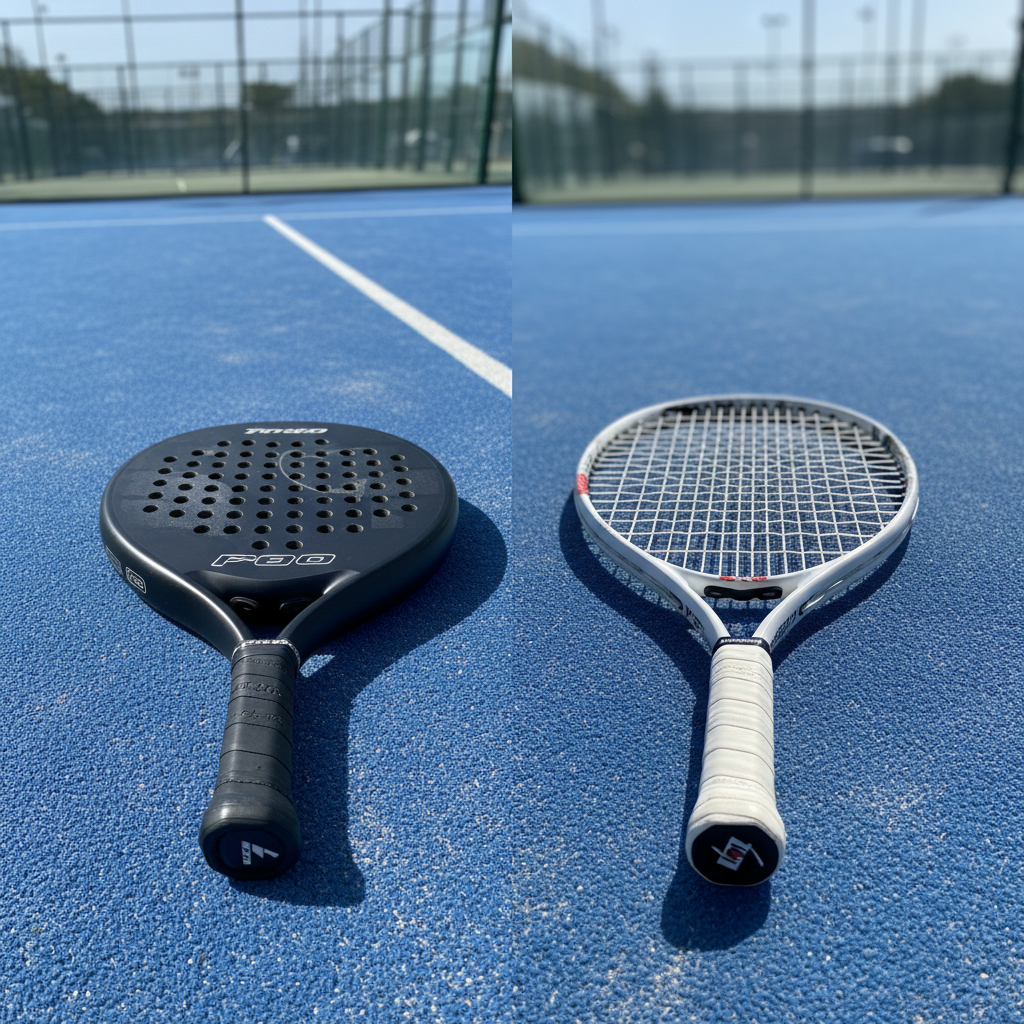
How to play pad differs significantly from tennis in terms of court dimensions, equipment, and the “live” nature of the perimeter walls.
How do court sizes compare?
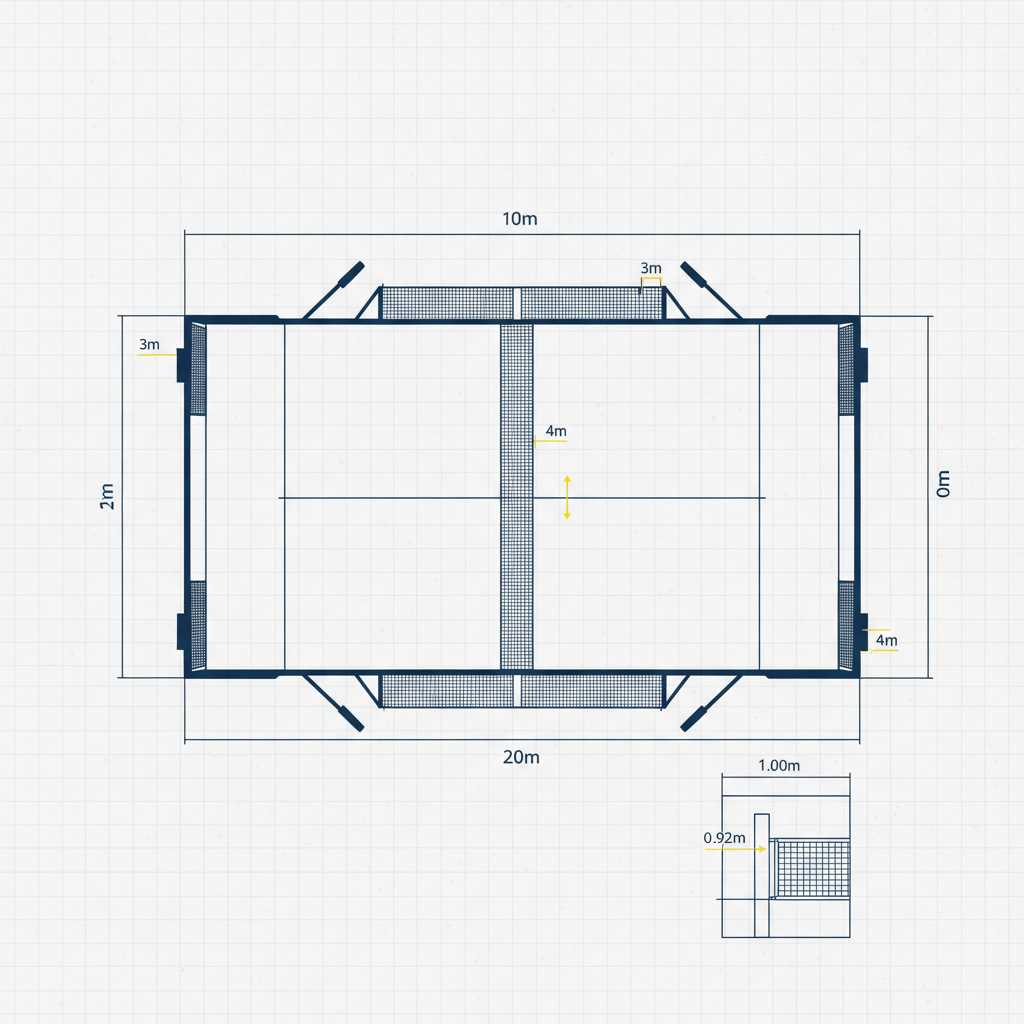
Wait, there is more. Tennis courts are 23.77m x 10.97m, while padel courts are a compact 20m x 10m. Padel requires a 4-meter high enclosure to keep the ball in play during high lobs and wall rebounds.
What are the differences in ball physics?
This is where it gets interesting. Padel balls have slightly less pressure than tennis balls, resulting in a lower bounce to accommodate the smaller court. Rackets are solid with holes rather than strings, allowing for intense spin control.
Key Takeaway: The smaller court size increases the speed of play and social interaction.
| Feature | Padel | Tennis |
|---|---|---|
| Court Area | 200 sqm | ~260 sqm |
| Wall Play | Yes | No |
| Racket | Carbon Fiber/EVA | Stringed |
3. What equipment do you need for how to play pad?
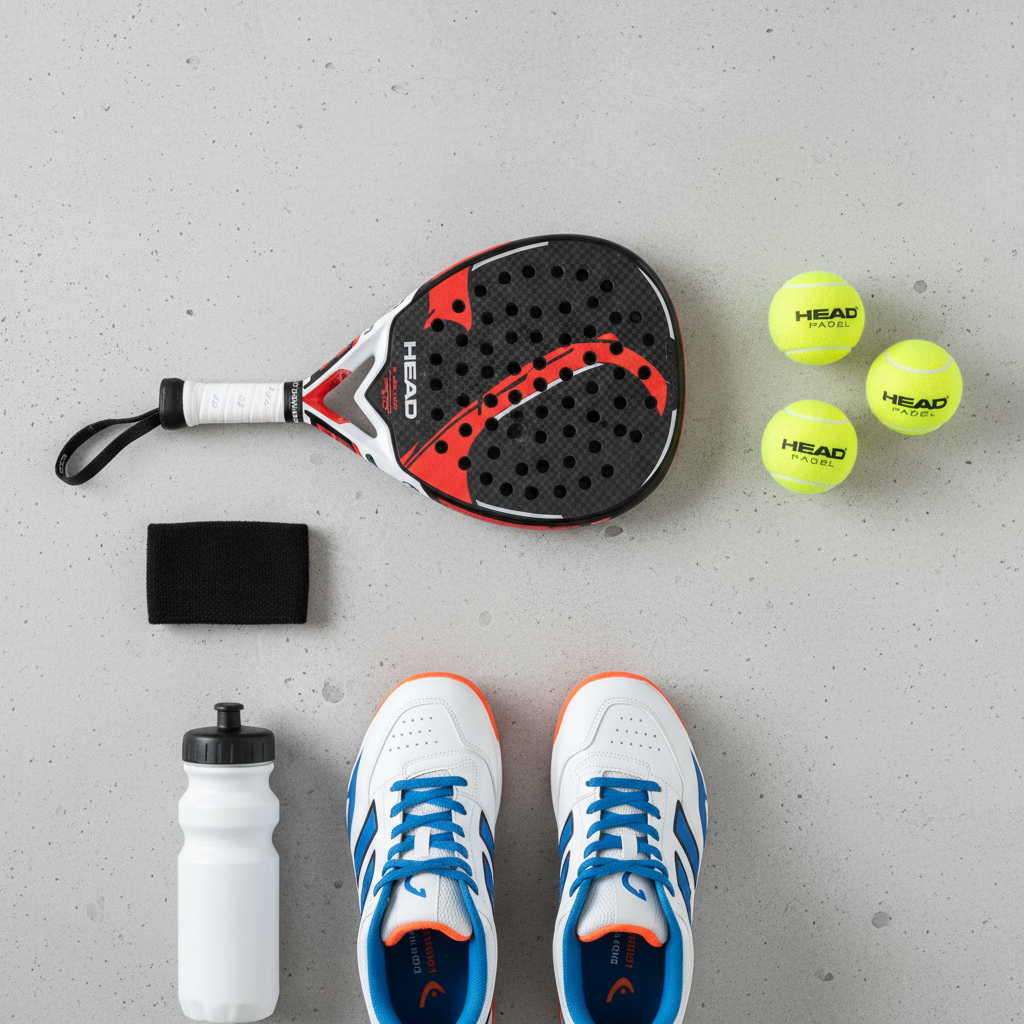
How to play pad efficiently depends on selecting gear designed for high-impact lateral movement and precision rebounds.
How do you choose the right racket?
Check this out. Round rackets offer more control for beginners, while tear-drop shapes provide a balance of power. Diamond rackets are intended for advanced, aggressive play due to their high balance.
What footwear is necessary for safety?
Believe it or not. Herringbone or “Omni” patterns offer the best grip on sand-filled turf. Lateral support is vital to prevent ankle injuries during the frequent side-to-side shuffling required in professional matches.
Key Takeaway: Specialized equipment is mandatory to handle the unique surface and ball speed.
| Gear Item | Recommended Feature | Impact |
|---|---|---|
| Racket Core | EVA Rubber | Vibration reduction |
| Shoe Sole | Clay/Omni Grip | Traction on sand |
| Ball Type | High-Visibility Yellow | Visibility in fast play |
4. How do you choose a location for how to play pad?
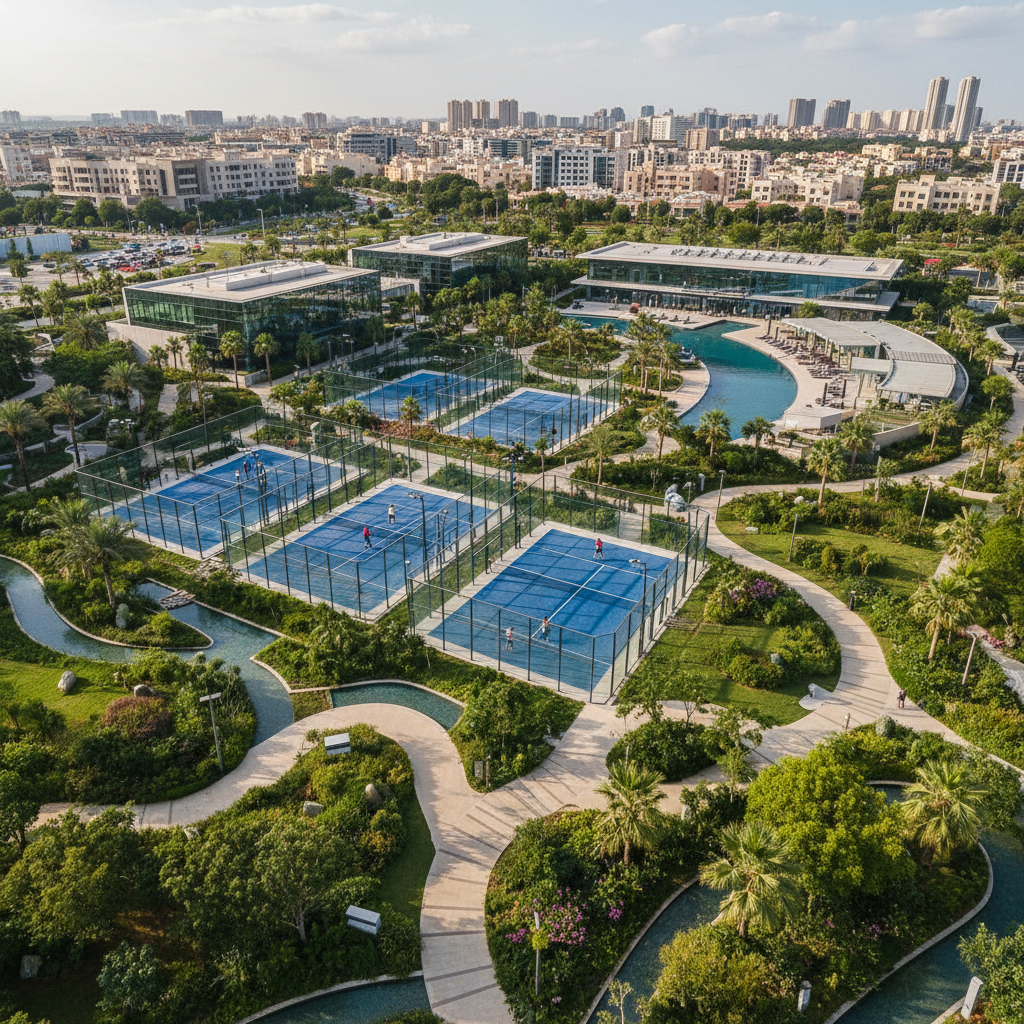
How to play pad facility planning begins with identifying a flat, stable surface that can support the heavy structural load of glass and steel.
What are the ideal ground conditions?
But that is not all. Reinforced concrete slabs are the gold standard for court foundations. Proper drainage slopes are essential for outdoor courts, and soil stability tests prevent future glass misalignment or structural shifting.
How do you optimize court orientation?
Think about it. A North-South orientation prevents sun blindness during peak play hours. High ceilings (minimum 6m) are required for indoor venues to allow for the high lobs that define tactical padel play.
Key Takeaway: Ground preparation is the most critical factor in the court’s 20-year lifespan.
| Site Factor | Specification | Strategic Value |
|---|---|---|
| Slab Thickness | 15cm – 20cm | Foundation longevity |
| Ceiling Height | 6m (minimum) | Vertical playability |
| Orientation | North-South | Visual comfort |
5. What are the technical specs for how to play pad courts?
How to play pad courts must meet International Padel Federation (FIP) standards to ensure fair play and athlete safety.
What are the structural steel requirements?
Keep this in mind. Pillars must be hot-dip galvanized steel with a frame thickness of at least 3mm. Electrostatic powder coating is applied to prevent rust, especially in humid or coastal environments.
What are the glass safety standards?
You might be wondering. Tempered safety glass is mandatory, with thicknesses of 10mm or 12mm. Anti-explosion film is a recommended add-on to mitigate liability and ensure player safety during high-impact wall collisions.
Key Takeaway: FIP compliance ensures your court can host official tournaments and events.
| Component | Standard | Material Detail |
|---|---|---|
| Net Height | 88cm (Center) | Heavy-duty PVC |
| Wall Height | 3m Glass + 1m Mesh | Tempered Safety |
| Steel Grade | Q235B Carbon | Hot-dip Galvanized |
6. How much does it cost to build a court for how to play pad?
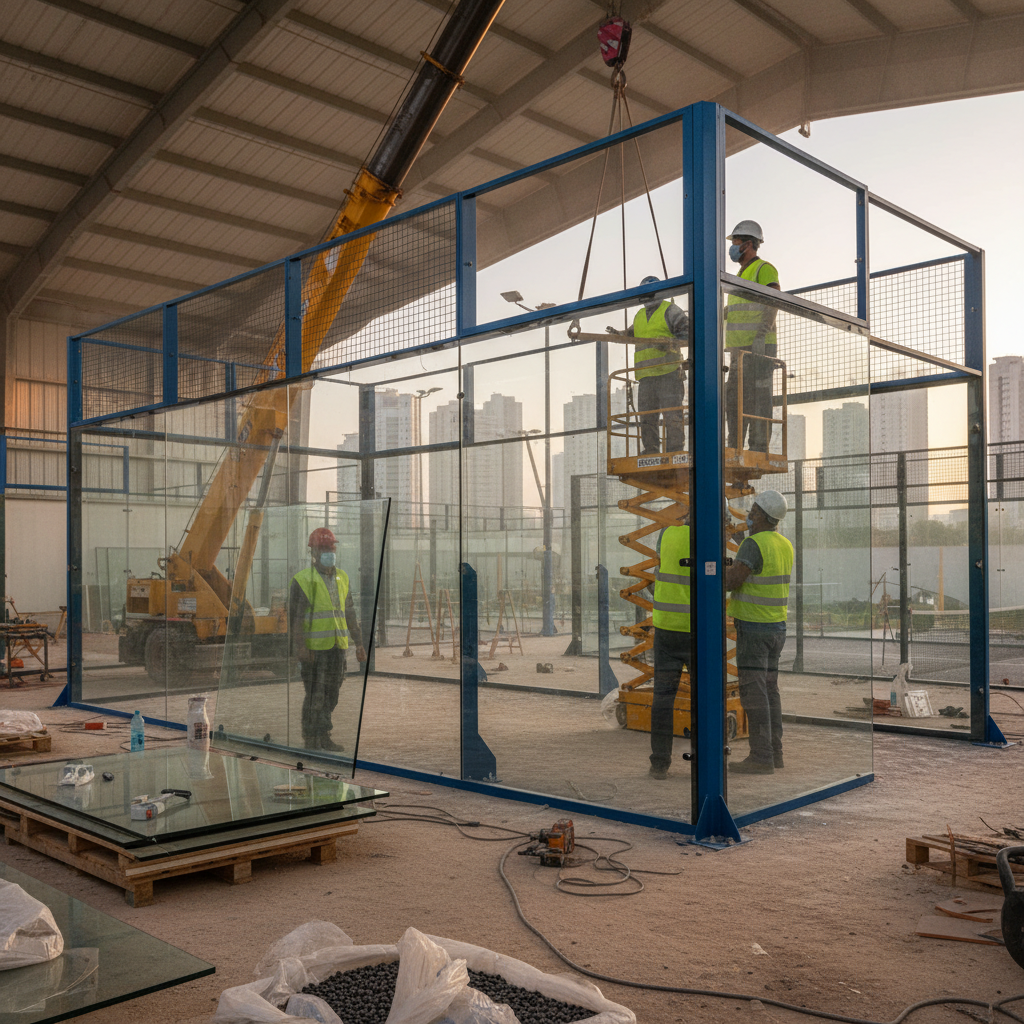
How to play pad court construction costs vary based on whether you choose a standard, panoramic, or roofed design for your facility.
What are the primary cost drivers?
Let’s look at the facts. Panoramic glass increases the price but improves the viewing experience for spectators. LED lighting systems vary by wattage and IP rating, while shipping and installation labor are variable factors.
How can you save on procurement?
Here is the secret. Buying factory-direct saves up to 30% on initial costs. Ordering multiple courts reduces shipping per unit, and choosing modular designs lowers on-site labor costs significantly.
Key Takeaway: Standard courts offer the best ROI for high-traffic public sports clubs.
| Court Type | Relative Cost | Best For |
|---|---|---|
| Standard | Low | Training/Clubs |
| Panoramic | Medium | TV Matches/Specators |
| Roofed | High | All-Weather Revenue |
7. What materials are used for how to play pad structures?
How to play pad structural integrity relies on the quality of raw materials used in the pillars, mesh, and glass panels.
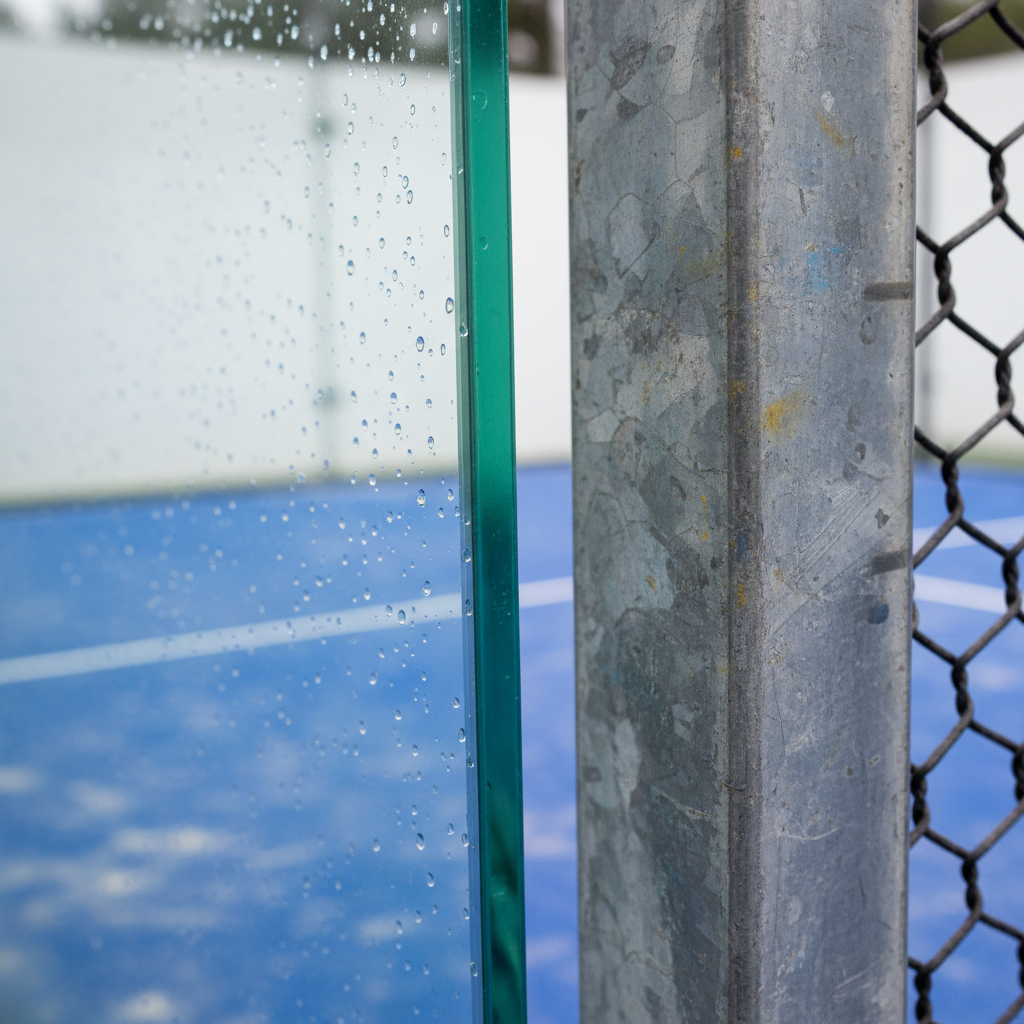
Why is hot-dip galvanization vital?
It gets better. It provides a triple layer of corrosion protection, ensuring the structure remains stable for over 15 years. It prevents the unsightly “red rust” that often appears on cheaper mesh joins within months.
What makes the mesh “anti-injury”?
Notice the difference. Flush-mounted mesh prevents skin abrasions during play. Welded intersections must be smooth to the touch, and vibration-dampening washers reduce noise during intense wall impacts.
Key Takeaway: High-quality mesh and galvanization reduce long-term maintenance overhead.
| Material | Property | Benefit |
|---|---|---|
| Steel | Q235B Carbon | Structural Rigidity |
| Glass | Tempered | Impact Resistance |
| Finish | Powder Coat | UV Protection |
8. How do you install turf for how to play pad?
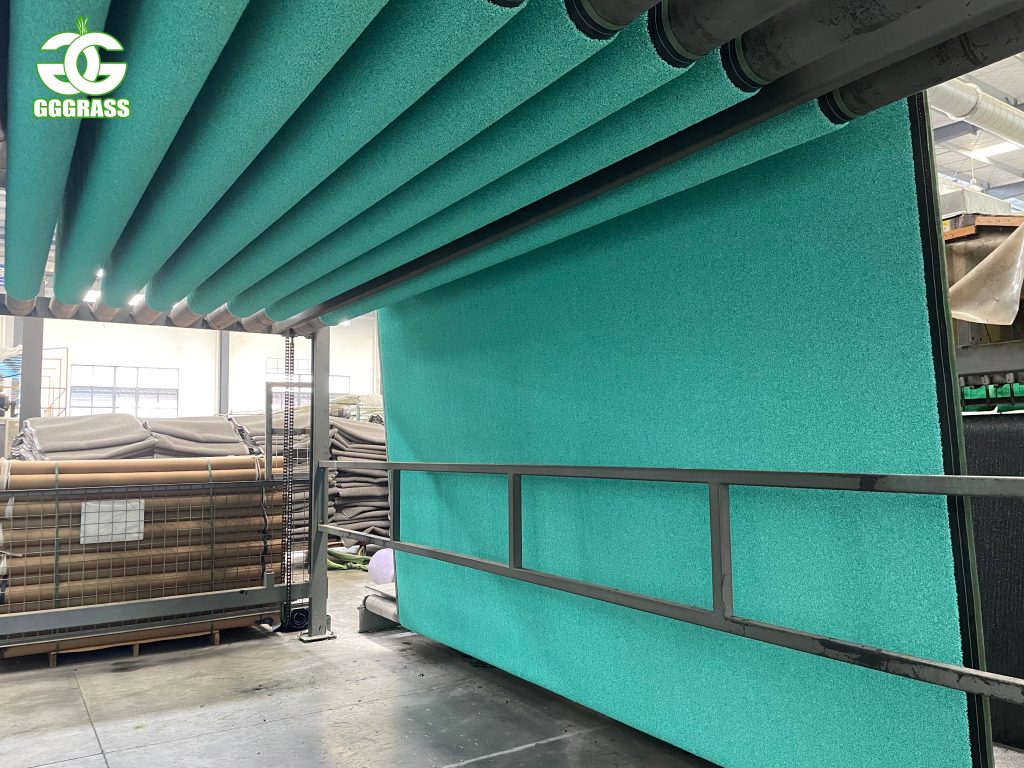
How to play pad requires a specific type of artificial grass that facilitates the “glide” while maintaining consistent ball bounce.
Monofilament vs. Fibrillated Turf
The truth is simple. Monofilament is more durable for high-frequency use, whereas fibrillated turf holds sand better for even play. Textured (curly) turf is the current pro-circuit standard for aesthetics and performance.
How much sand infill is required?
Don’t miss this. Kiln-dried silica sand is the only recommended infill, requiring 10-15kg per square meter. Sand must be brushed regularly to prevent compaction and maintain a professional playing surface.
Key Takeaway: The “curly” textured turf requires less sand and offers better aesthetics.
| Turf Detail | Specification | Result |
|---|---|---|
| Fiber Height | 10mm – 12mm | Fast ball speed |
| Sand Type | 0.4mm – 0.8mm Silica | Consistent bounce |
| Stitch Rate | 42,000+ /sqm | Surface density |
9. What are the lighting requirements for how to play pad?
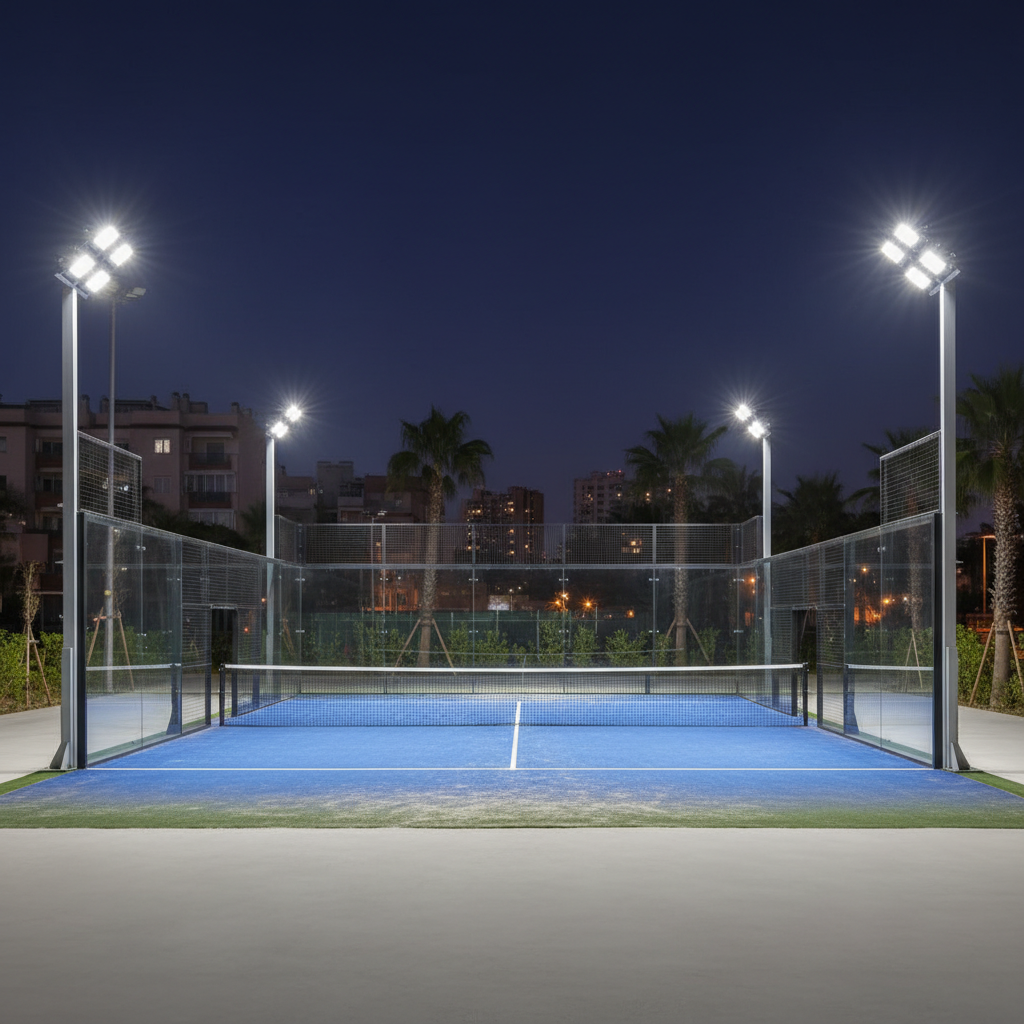
How to play pad at a professional level requires uniform, flicker-free illumination that does not blind the players during high lobs.
How many lumens do you need?
Here is the deal. 300-500 lux is standard for recreational play, while 750+ lux is required for televised matches. LED floodlights should be at least 200W per pole to ensure full court coverage.
How do you prevent player glare?
You might be wondering. Asymmetric lenses direct light to the court center, away from players’ eyes. Instant-on capability and IP66 waterproof ratings are essential for smart-club management and outdoor protection.
Key Takeaway: IP66-rated LED fixtures are mandatory for outdoor moisture protection.
| Light Feature | Requirement | Benefit |
|---|---|---|
| Wattage | 8 x 200W LED | Power efficiency |
| Waterproofing | IP66 Rating | Weather resistance |
| Color Temp | 5000K – 6000K | Daylight clarity |
10. How do you maintain a court for how to play pad?
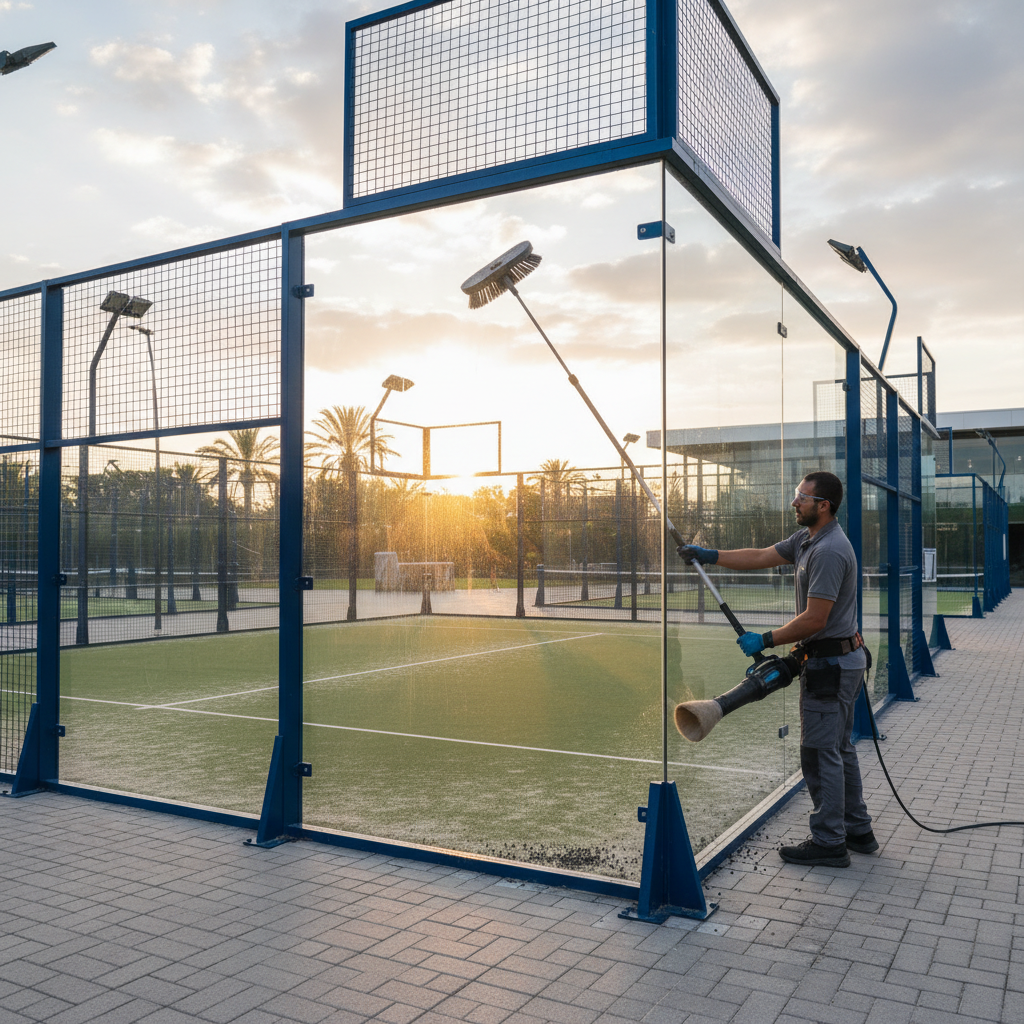
How to play pad maintenance is relatively low, but regular checks are necessary to ensure the safety of the glass and the longevity of the turf.
Weekly Maintenance Checklist
Wait, there is more. Clean glass walls with water and mild detergent to maintain transparency. Remove leaves and debris from the turf and check net tension for a consistent 88cm center height.
Structural Inspections
This is crucial. Monthly checks on bolt tightness are mandatory to prevent structural failure. Professional sand redistribution should occur bi-annually to prevent the turf fibers from flattening and breaking prematurely.
Key Takeaway: Proactive maintenance doubles the lifespan of your artificial turf.
| Maintenance Task | Frequency | Objective |
|---|---|---|
| Glass Cleaning | Weekly | Visual clarity |
| Sand Brushing | Bi-Weekly | Fiber protection |
| Bolt Tightening | Quarterly | Safety assurance |
*
FAQs
Can I build a padel court in my backyard?
Yes, provided you have a 20mx10m flat area and local zoning approval for a 4-meter high structure.
What’s the best surface for a padel court?
A reinforced concrete slab (15-20cm) topped with high-density monofilament or textured artificial turf is the industry standard.
Can I play padel with a tennis racket?
No, the physics of the game require a solid, stringless padel racket to handle the low-pressure balls and wall rebounds.
How long does it take to install a court?
Once the concrete base is ready, a professional team can assemble the steel and glass structure in 3 to 5 days.
What’s the best way to prevent glass breakage?
Ensure you use 12mm tempered safety glass and have a professional installer verify that no steel is touching the glass edges directly.
Conclusion
Building a facility for how to play pad is a high-yield investment that combines community engagement with robust durability. By following the FIP technical specifications for steel, glass, and turf, you ensure a safe and professional environment for players of all levels. Ready to start your project? Contact us today for a factory-direct quote and expert guidance on your court installation.