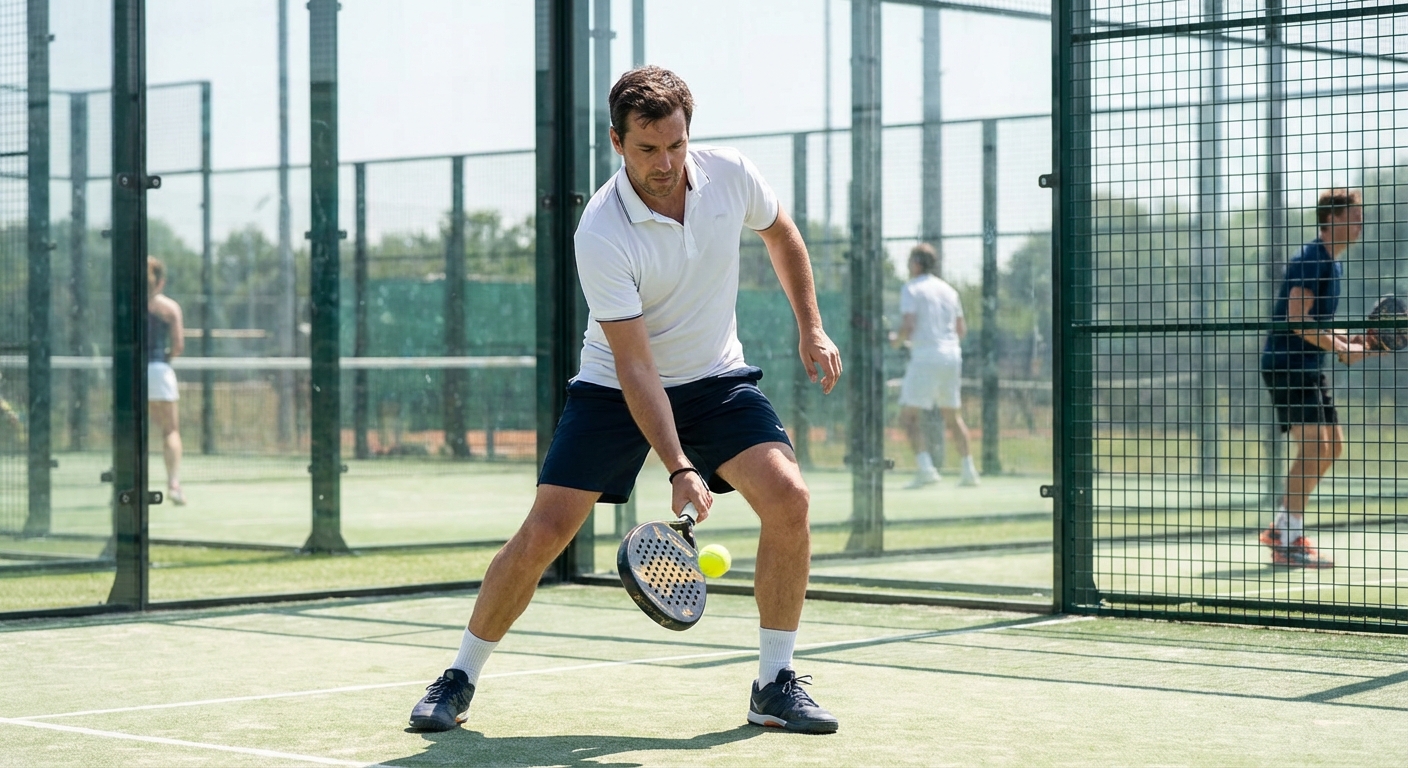
Padel singles is a one-on-one version of the traditional racket sport played on a narrower court designed specifically for solo competition. You find yourself at the club with only one partner available, yet the massive doubles court feels impossible to cover alone. The game loses its rhythm, you spend more time chasing balls than hitting them, and the physical strain eventually saps the fun out of your session. Investing in a dedicated padel singles court solves this by providing the perfect geometry for high-intensity, technical play that keeps you engaged and moving.
What exactly is padel singles?
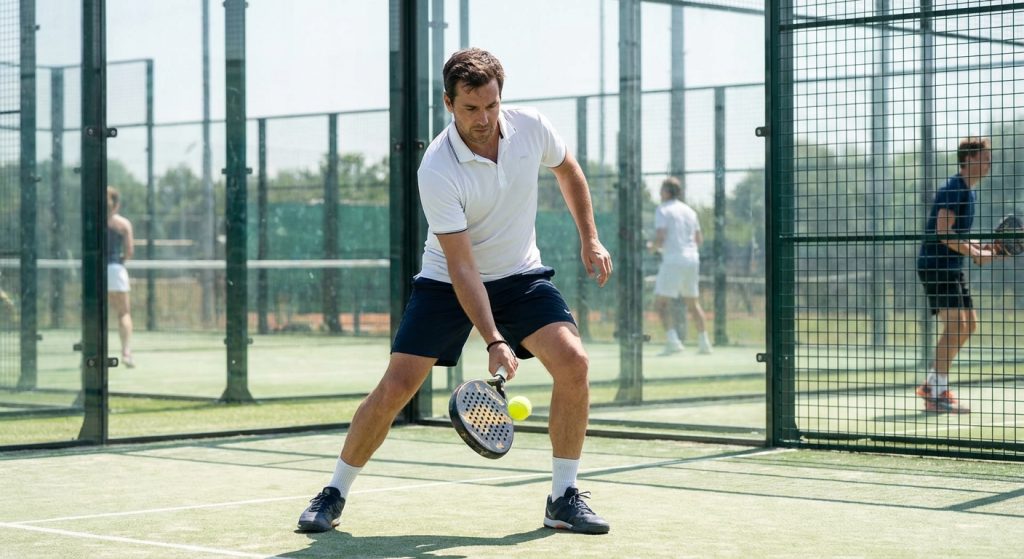
Padel singles is a specific game format where two players compete against each other on a court that is significantly narrower than the standard doubles layout. This version of padel singles focuses heavily on technical precision and individual court coverage. It has gained massive traction in Europe as an effective way to train when four players aren’t available.
Defining the one-on-one game format
The game follows the same general rules as doubles but eliminates the need for a partner. It forces you to take full responsibility for every shot, from the serve to the final volley.
Think about it:
In doubles, you cover 50% of the space, but here, the responsibility is 100% yours.
- Requires specialized court markings.
- Increases the number of ball touches per player.
- Shifts the focus toward individual strategy.
The growing popularity of solo play
More facilities are installing these courts to maximize land use and cater to players seeking a workout. Many athletes prefer the high-cardio nature of playing solo.
Key Takeaway
Padel singles provides a high-intensity alternative to doubles that maximizes player development and court efficiency.
| Feature | Description |
|---|---|
| Player Count | 2 Players (1 vs 1) |
| Primary Focus | Technical skill and endurance |
| Market Trend | Increasing in urban sports clubs |
The rising demand for solo play is driving club owners to reconsider their facility layouts for better space optimization.
How does padel singles differ from doubles?
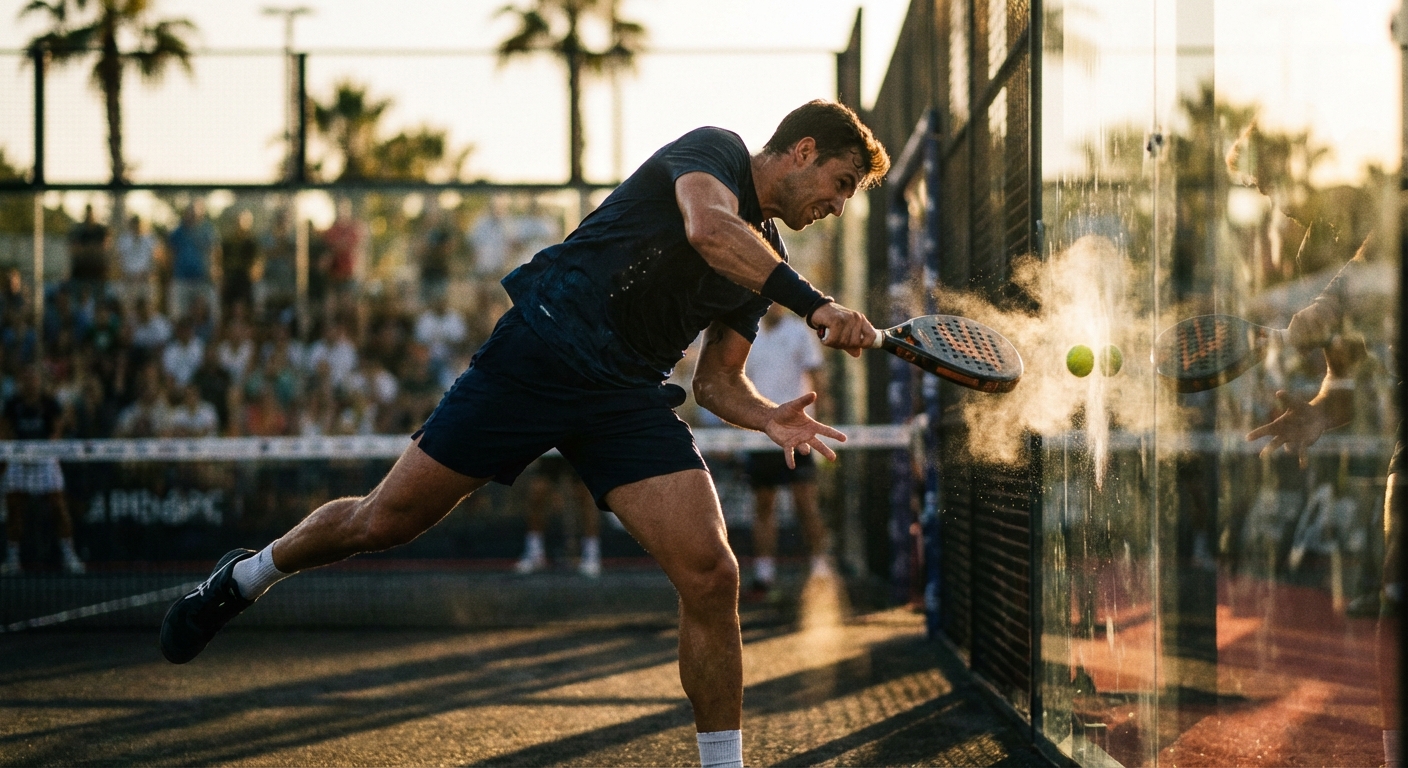
The primary difference lies in the court width and the strategic approach required to defend the space effectively. While padel singles uses the same wall-play mechanics, the absence of a teammate means you cannot rely on someone else to cover the net or the “fridge” area. This creates a much faster pace where positioning becomes the deciding factor in every rally.
Strategic shifts for solo players
In a solo match, you must be much more conservative with your shot placement to avoid being caught out of position. Deep lobs and controlled volleys are your best friends.
Here is the truth:
You cannot afford to be lazy with your recovery steps because there is no one to back you up.
- Focus on center-court positioning.
- Use the glass to reset the point’s tempo.
- Target the opponent’s feet more frequently.
Physical demands and court coverage
Playing alone on a 6-meter wide court is a grueling cardiovascular challenge. You will find yourself sprinting and pivoting much more than in a standard doubles match.
Key Takeaway
The lack of a partner transforms padel singles into a masterclass in individual endurance and tactical discipline.
| Aspect | Doubles | Singles |
|---|---|---|
| Tactical Reliance | Teamwork & Communication | Individual Positioning |
| Cardio Intensity | Moderate to High | Very High |
| Ball Touches | Shared | Frequent |
The shift from cooperative play to total individual accountability makes the singles format a superior training tool for competitive players.
What are the dimensions for padel singles?
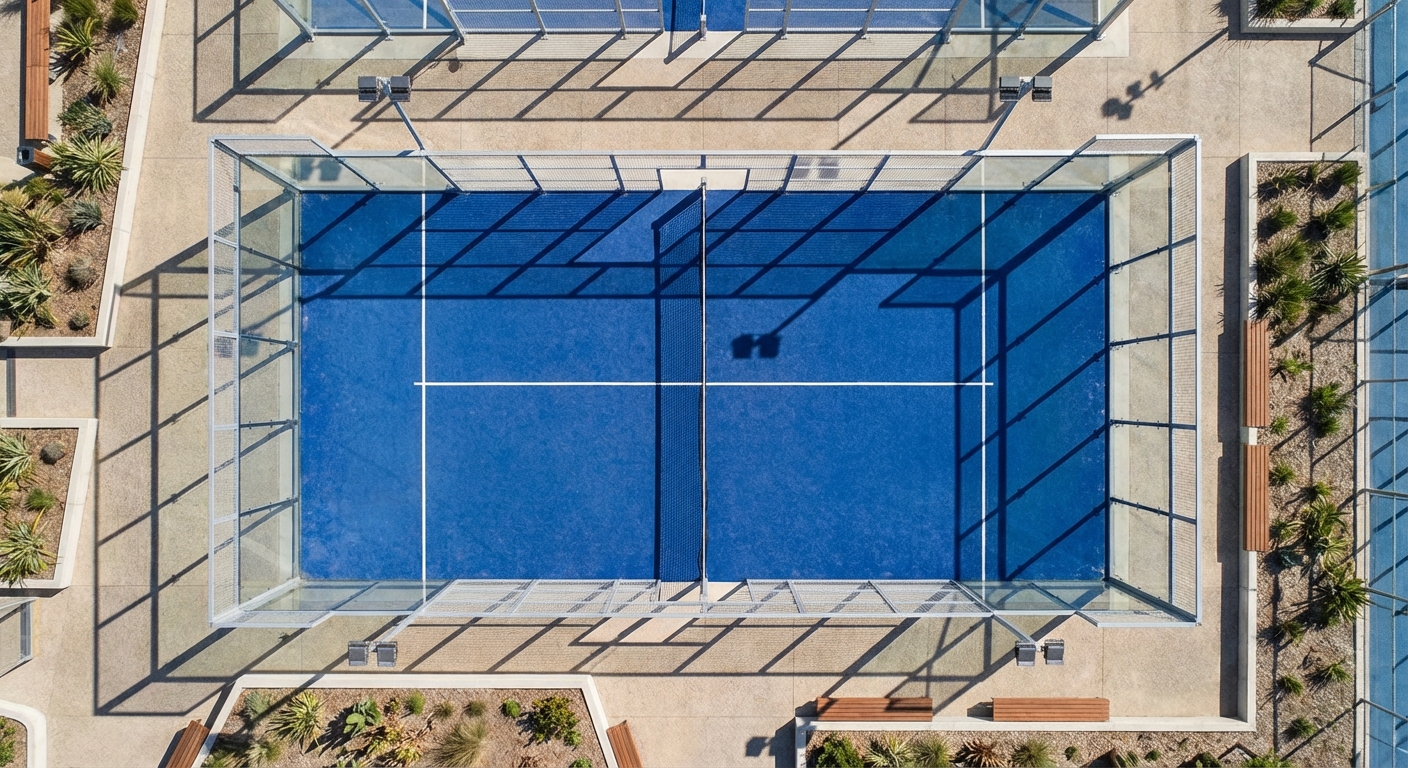
A standard court for padel singles measures 20 meters in length by 6 meters in width, compared to the 10-meter width of a doubles court. Utilizing the correct padel singles dimensions is critical to ensure the game remains balanced and playable for two individuals. The reduction in width preserves the traditional padel “feel” while making the entire surface reachable.
Comparing the 20x6m and 20x10m layouts
The 6-meter width is the industry standard for dedicated solo courts. This specific geometry ensures that cross-court shots are still viable without making the court too easy to defend.
The best part?
You can fit nearly two singles courts in the space of one and a half doubles courts, increasing potential revenue.
- Length: 20 meters.
- Width: 6 meters.
- Service Lines: Placed at 6.95 meters from the net.
Total land area required for building
When planning your facility, you must account for the structural footprint of the glass and metallic pillars. Usually, a total area of about 140 to 150 square meters is sufficient for one unit.
Key Takeaway
Adhering to the 20x6m standard is essential for authentic gameplay and efficient facility planning.
| Specification | Dimension |
|---|---|
| Total Length | 20 Meters |
| Playing Width | 6 Meters |
| Post Height | 0.92 Meters |
Precise dimensions are the foundation of a high-quality court build that meets international playing standards.
Can you play padel singles on a doubles court?
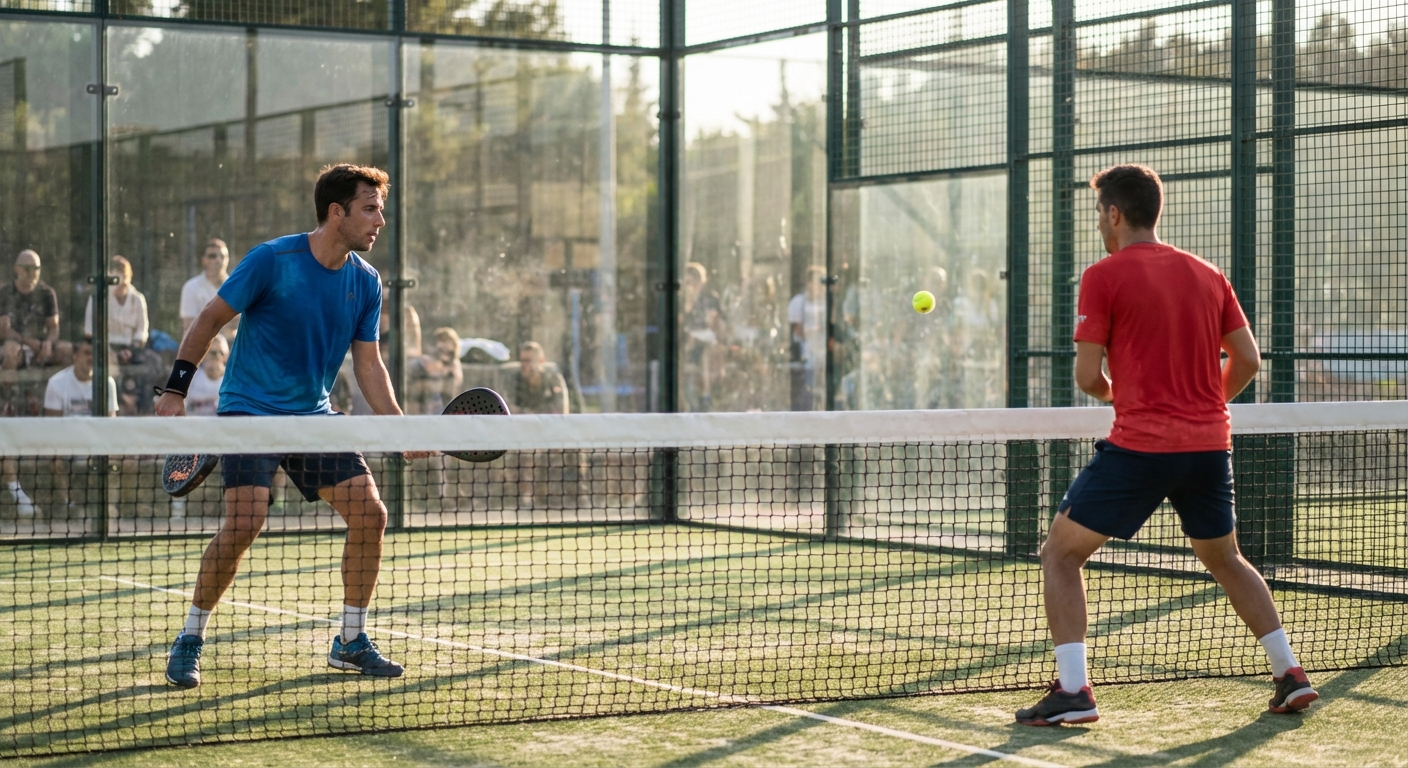
Yes, you can play padel singles on a standard doubles court by utilizing specific “cross-drill” rules that limit the playable area. Many players use the 10-meter wide court for practice sessions when a dedicated 6-meter court is unavailable. However, playing “full court” solo is generally discouraged as the space is too large for a fair match.
Mastering the diagonal cross-drill
The most common way to play solo on a doubles court is to play exclusively in the diagonal service boxes. If the ball lands in the “longline” or straight-ahead half of the court, it is considered out.
You might be wondering:
How do I keep track of the lines during a fast rally?
- Stay within the diagonal boundaries.
- The center line acts as the side boundary.
- Serve must land in the correct box every time.
Using longline drills for technique
While diagonals are more realistic, longline play helps you practice your straight-ahead drives and wall exits. It is a fantastic way to sharpen your backhand and forehand consistency.
Key Takeaway
While possible on a doubles court, the experience is best served through disciplined diagonal or longline drills rather than open play.
| Practice Style | Focus Area | Court Usage |
|---|---|---|
| Diagonal Cross | Match Realism | Half Court |
| Longline Drill | Stroke Precision | Straight Strip |
| Full Court | Pure Cardio | Entire Court |
Training on a doubles court requires self-imposed boundaries to maintain the tactical integrity of the sport.
What is the cost to build padel singles courts?
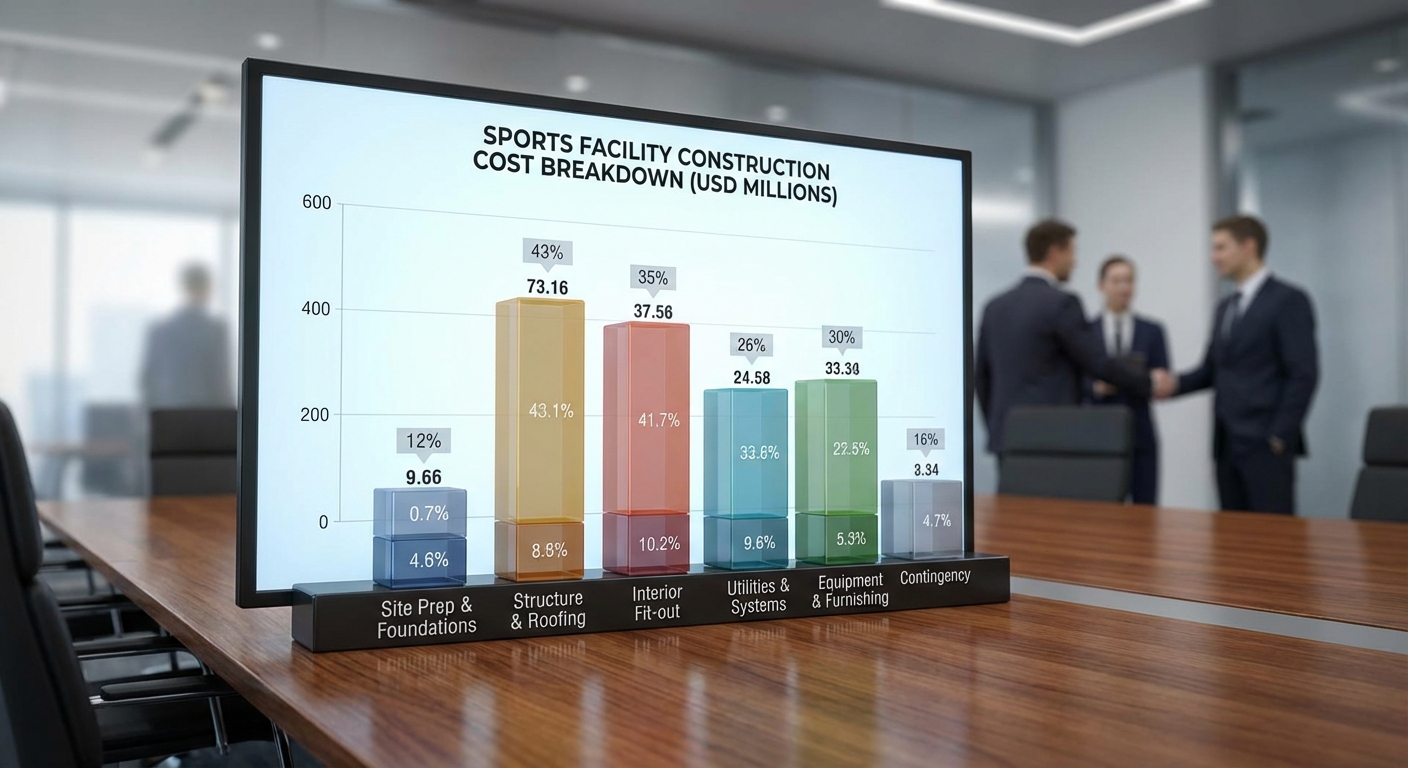
The cost to build a dedicated court for padel singles typically ranges from €15,000 to €25,000 depending on materials and site preparation. Because the padel singles structure requires less glass and turf than a doubles court, the initial investment is lower. However, foundation costs and lighting systems remain relatively constant across both formats.
Estimating materials and labor
The primary expenses include the galvanized steel frame, tempered glass panels, and high-quality synthetic turf. Labor costs vary by region but usually account for 20-30% of the total project budget.
It gets better:
Maintaining a smaller court is cheaper over time because there is less surface area to brush and fewer panels to clean.
- Steel Structure: High-durability powder coating.
- Glass: 10mm or 12mm tempered safety glass.
- Surface: Monofilament or textured synthetic grass.
Long-term maintenance considerations
Regular maintenance ensures player safety and preserves the aesthetic appeal of your facility. You should budget for annual sand leveling and glass tension checks.
Key Takeaway
Lower material costs make singles courts an attractive option for clubs looking to diversify their offerings on a budget.
| Cost Category | Estimated Percentage |
|---|---|
| Groundwork | 35% |
| Steel & Glass | 45% |
| Turf & Lighting | 20% |
Smart financial planning involves balancing high-quality initial materials with a realistic long-term maintenance schedule.
How do you plan a padel singles court build?
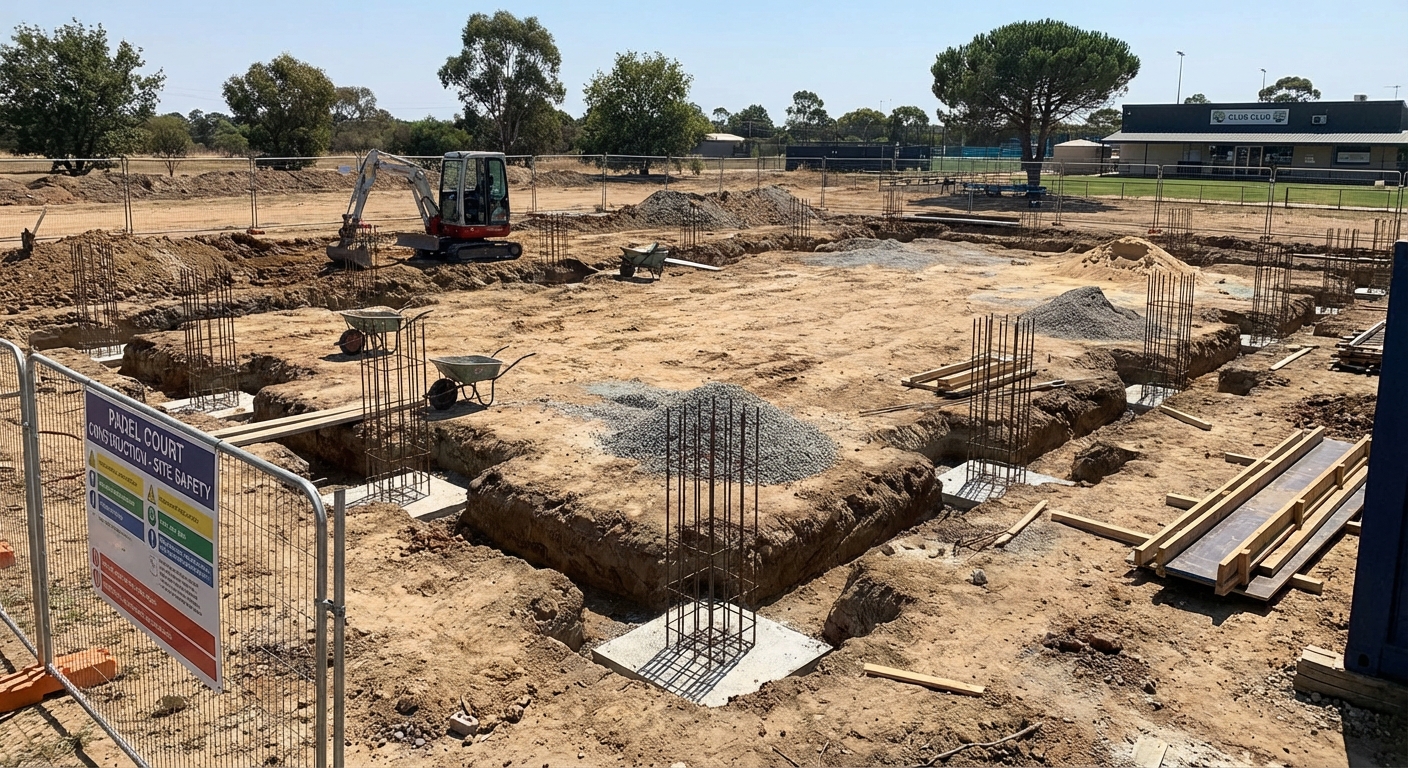
Planning a court build involves selecting a level site, ensuring proper drainage, and verifying that the ceiling height meets professional standards. When building for padel singles, you must prioritize the foundation to prevent the glass panels from shifting over time. A professional site assessment is the first step toward a successful installation.
Selecting the ideal construction site
Your site should be easily accessible and have a solid base, such as reinforced concrete or a porous asphalt layer. Poor ground preparation is the leading cause of court degradation and safety issues.
Let’s dive in:
The quality of your base dictates the quality of the ball bounce for years to come.
- Ensure 100% level ground.
- Install a peripheral concrete beam.
- Verify local zoning laws for sports structures.
Orientation and ceiling height needs
For outdoor courts, a North-South orientation is best to minimize sun glare during peak playing hours. For indoor setups, a minimum height of 6 meters is required, though 8 to 10 meters is preferred.
Key Takeaway
A successful build starts with meticulous site selection and a focus on long-term structural stability.
| Planning Factor | Requirement |
|---|---|
| Foundation | Reinforced Concrete or Asphalt |
| Minimum Height | 6.0 Meters |
| Orientation | North-South (Outdoor) |
Investing time in the planning phase prevents costly corrections during the actual construction process.
Which surface is best for padel singles?
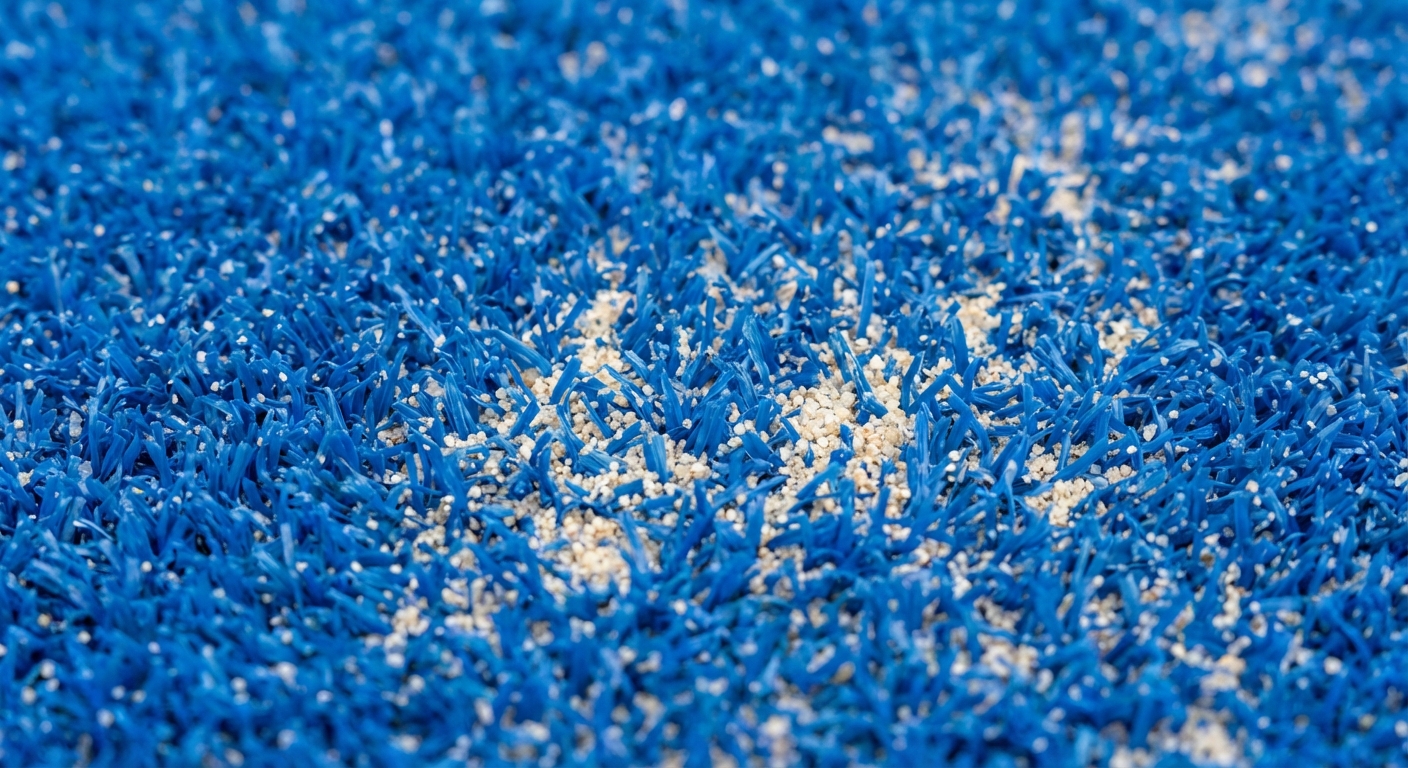
The best surface for padel singles is a high-density synthetic turf filled with specialized silica sand for optimal grip and slide. This playing surface provides the necessary shock absorption for the constant pivoting and sprinting inherent in the 1v1 format. Choosing a professional-grade turf ensures consistent ball speed and reduces the risk of joint injuries.
Synthetic turf with silica sand
Monofilament or textured turf fibers are the industry standard because they hold the sand infill more evenly. This prevents “dead spots” on the court where the ball might bounce irregularly.
Here is the thing:
The color of the turf—whether blue, green, or clay—is largely aesthetic, but blue offers the best contrast for television and spectator viewing.
- Fiber Height: 10mm to 12mm.
- Sand Type: Rounded silica sand (0.5 – 1.0mm).
- Permeability: High drainage capacity for outdoor courts.
Drainage systems for outdoor builds
Proper drainage is essential to prevent water from pooling on the turf after rain. A porous sub-base allows water to pass through the grass and into the ground quickly.
Key Takeaway
Quality synthetic turf and a porous sub-base are the most important factors for a premium playing experience.
| Surface Type | Durability | Grip Level |
|---|---|---|
| Fibrillated Turf | High | Standard |
| Monofilament | Very High | Excellent |
| Textured (Mondo) | Exceptional | Professional |
Selecting the right surface involves weighing the initial cost against the expected foot traffic and weather conditions.
Why should you practice padel singles?
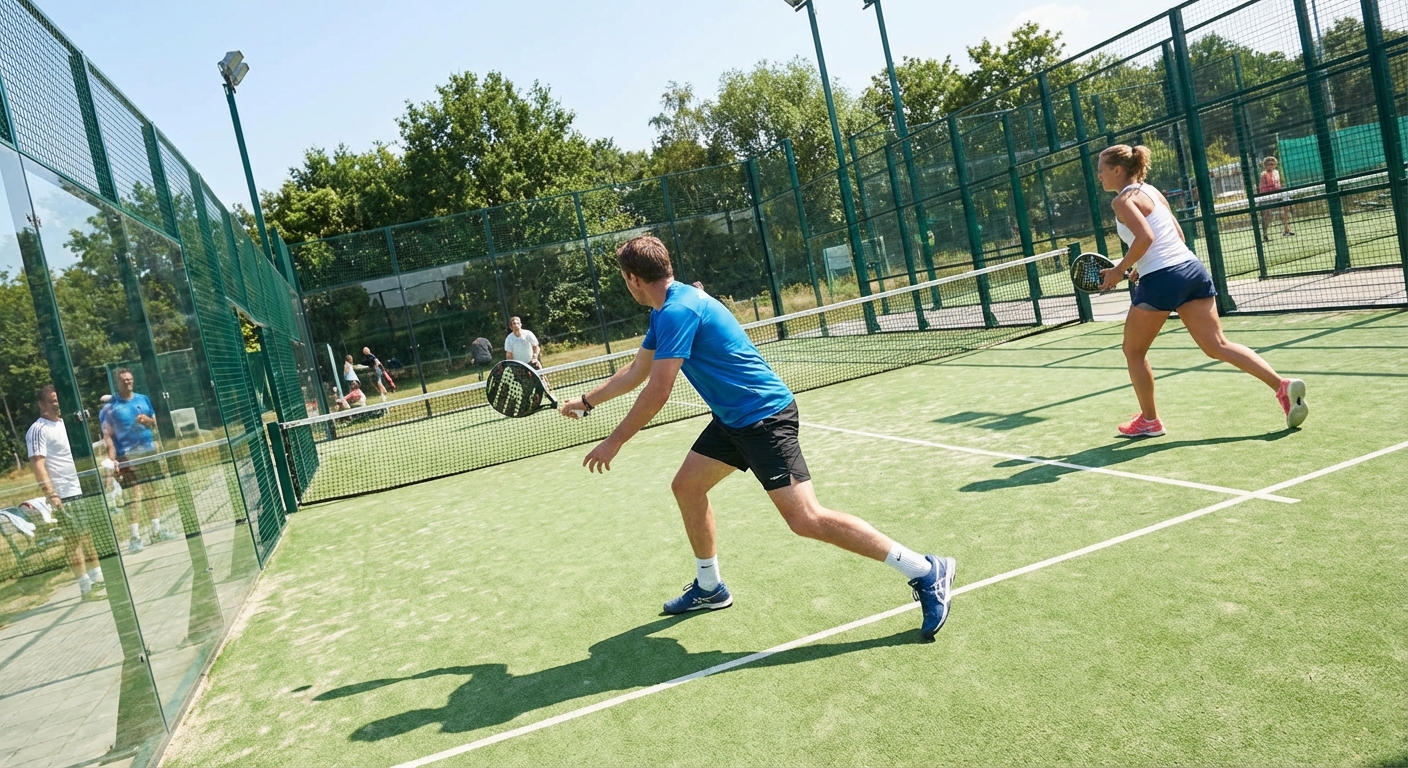
Practicing singles is one of the fastest ways to improve your overall padel singles game by forcing you to master every stroke without assistance. Because you hit the ball twice as often as you do in doubles, your muscle memory develops at an accelerated rate. Many professional coaches use the singles format to highlight a player’s technical weaknesses and footwork flaws.
Improving your technical ball control
Without a partner to bail you out, you must learn to hit accurate lobs, volleys, and smashes every time. This precision translates directly back to your doubles performance.
The result?
You become a much more reliable partner because you have mastered the “tough” shots under pressure.
- Better feel for the ball.
- Improved “bandeja” and “vibora” accuracy.
- Increased confidence in defensive lobs.
Boosting cardiovascular endurance
The 1v1 format is an incredible workout that builds the stamina needed for long, grueling tournament matches. It keeps your heart rate high and tests your recovery speed between points.
Key Takeaway
Solo practice is the ultimate “cheat code” for improving your technical skills and physical conditioning rapidly.
| Training Benefit | Impact on Doubles |
|---|---|
| Higher Repetitions | Faster Skill Acquisition |
| Solo Responsibility | Better Decision Making |
| High Cardio | Improved Late-Match Energy |
By stripping away the support of a partner, you are forced to confront and fix the gaps in your own game.
What are the official padel singles rules?
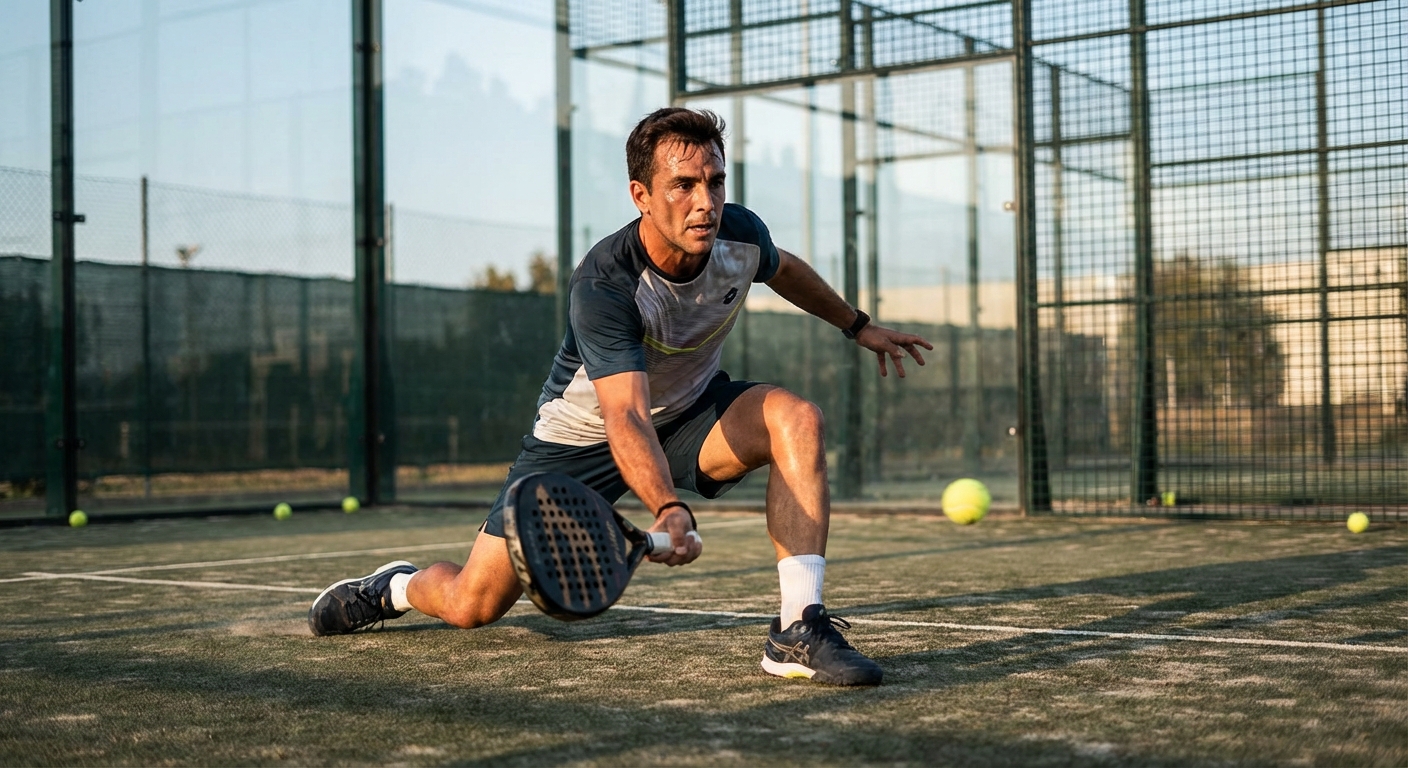
The official rules for padel singles are virtually identical to the doubles format, including the underhand serve and scoring system. The most notable difference is the court width, which dictates how you position yourself relative to the net and walls. Most official tournaments follow the FIP (International Padel Federation) standards adapted for the 20x6m geometry.
Serving techniques and requirements
Just like in doubles, you must serve underhand and the ball must bounce in the diagonal service box of the opponent. You get two serves, and the ball must not hit the metallic fence after the first bounce.
It gets better:
The serve is actually more dangerous in singles because there is more open court for the returner to exploit.
- Contact below waist level.
- Both feet behind the service line.
- Serve alternates sides after every point.
Scoring and valid ball placements
The scoring follows the traditional tennis-style system (15, 30, 40, Game). Balls that hit the glass directly are out, while balls that hit the turf first and then the glass are valid.
Key Takeaway
Consistency with standard rules makes transitioning between singles and doubles seamless for most players.
| Rule Category | Requirement |
|---|---|
| Serve Height | Below the waist |
| Scoring | 15, 30, 40, Deuce/Advantage |
| Change of Ends | Odd numbered games |
Understanding the formal rules ensures that your practice sessions and friendly matches maintain a competitive edge.
What materials define padel singles walls?
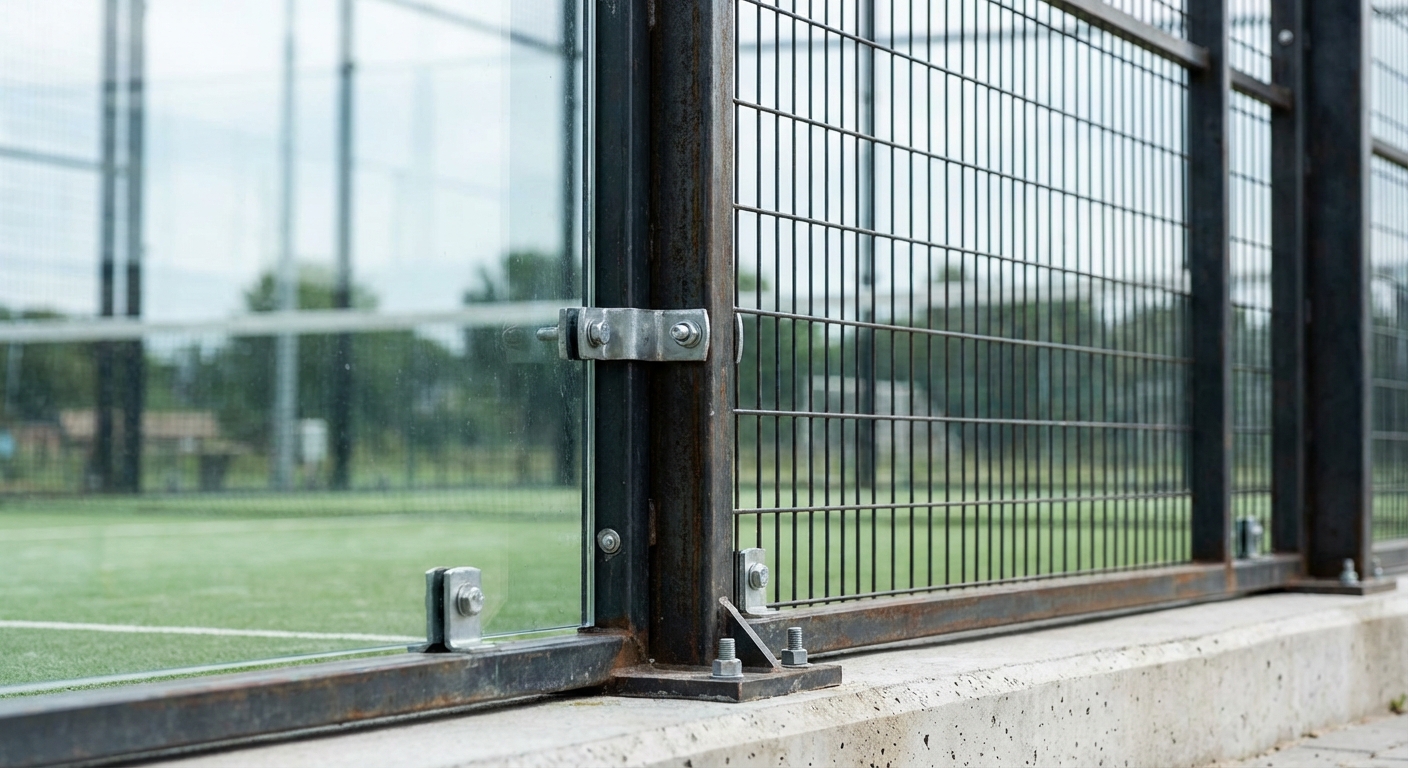
The walls of a court for padel singles are constructed using a combination of 10-12mm tempered glass and electro-welded metallic mesh. These materials must meet strict safety standards to withstand the high-impact nature of the sport and provide a consistent rebound. High-quality materials not only improve playability but also ensure the longevity of the facility.
Tempered glass and metallic mesh
Glass panels are designed to be transparent for visibility while offering a predictable bounce for defensive play. The metallic mesh is used on the sides to create the characteristic “unpredictable” rebound that padel is known for.
Think about it:
The quality of the padel court materials you choose is the single biggest factor in player safety.
- Tempered glass (10mm or 12mm thickness).
- Galvanized steel frame with anti-corrosion treatment.
- High-resistance metallic mesh panels.
Structural frame and safety standards
The frame must be robust enough to support the weight of the glass and withstand heavy winds if installed outdoors. Every bolt and connector should be recessed or protected to prevent player injury.
Key Takeaway
Using certified glass and steel is non-negotiable for creating a safe, professional-grade singles environment.
| Material | Standard | Function |
|---|---|---|
| Glass | Tempered Safety | Visibility & Rebound |
| Steel | Galvanized S235 | Structural Integrity |
| Mesh | 50x50x4mm | Side Defense |
The combination of transparency and durability is what gives padel courts their iconic and functional design.
FAQ
Can I play singles on a standard doubles court?
Yes, but it is best practiced as a “cross-drill” where you only play in the diagonal halves of the court. Playing the full 10-meter width alone is physically overwhelming and lacks tactical depth.
What’s the best dimensions for a singles court?
The official standard is 20 meters long by 6 meters wide. This 6-meter width is perfectly balanced to allow one person to cover the net and baseline effectively.
Can I build a padel singles court in my backyard?
Yes, provided you have a flat space of approximately 11×21 meters to account for the court and its structural supports. You should also check local building codes regarding noise and light.
Is padel singles harder than doubles?
Technically, yes, because you are responsible for 100% of the movement and shot selection. It requires significantly more cardiovascular endurance and individual discipline.
What is the minimum ceiling height for indoor singles?
A minimum of 6 meters is required, but professional facilities aim for 8 to 10 meters. Higher ceilings allow for more strategic lobs, which are a vital part of the singles game.
Conclusion
Padel singles solves the common problem of “player scarcity” while offering an unparalleled training ground for technical and physical development. By building a dedicated 20x6m court, you can maximize your available land, reduce maintenance costs, and provide a high-intensity option for your community. Whether you are practicing diagonal drills on a doubles court or planning a full facility build, the focus must always be on precision, quality materials, and proper planning.
At Superb Padel, we believe that the future of the sport lies in its versatility. We are committed to helping you design and install world-class courts that meet the highest international standards of safety and performance. If you are ready to elevate your facility with a custom singles solution, contact us today to begin your journey.