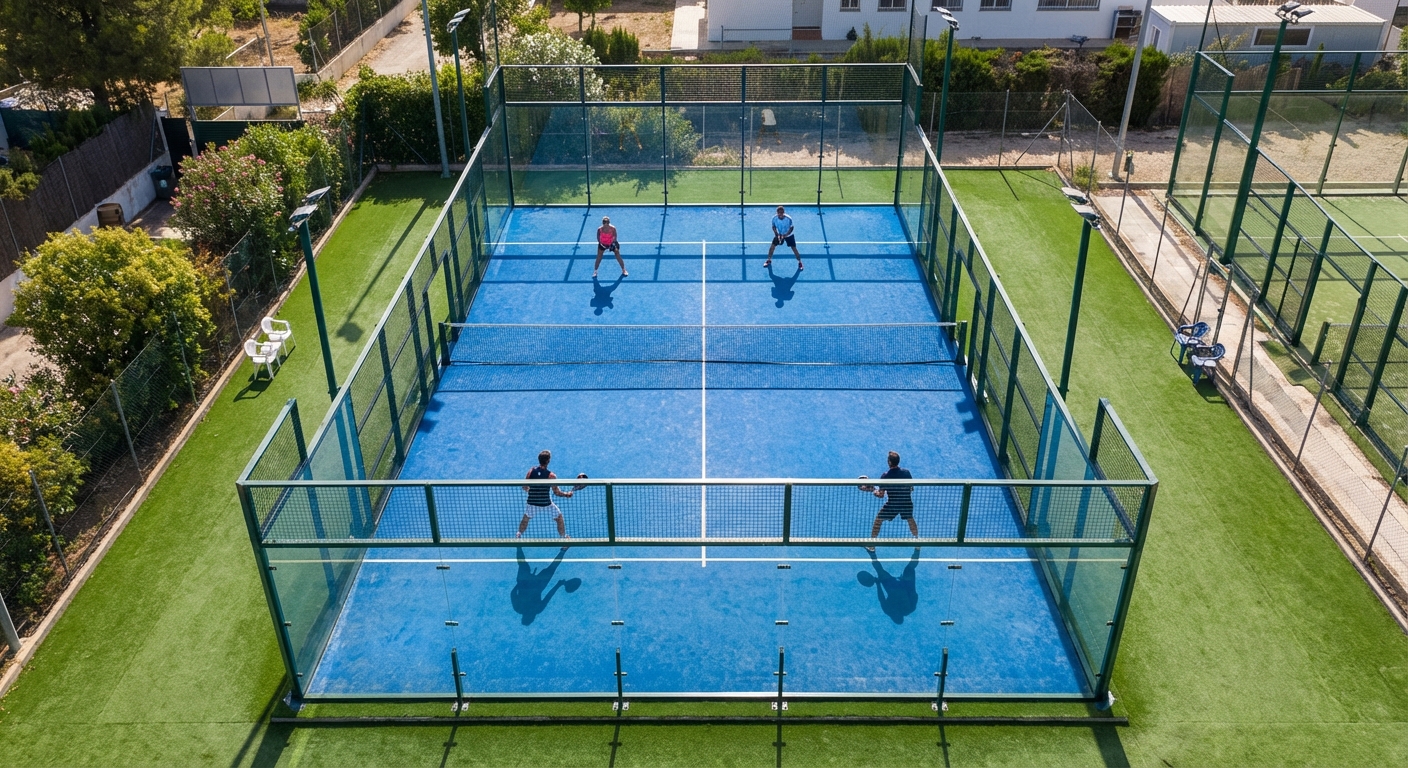
Padel is a social, doubles-based racket sport played on a 10×20 meter enclosed court that utilizes glass walls and metallic fences for rebounds. Are you finding yourself frustrated with the steep learning curve of tennis or the solitary nature of the gym? High-impact sports can often lead to joint fatigue and a lack of community engagement. Fortunately, discovering how to play padel provides a dynamic solution that combines easy-to-learn mechanics with intense tactical depth.
What are the basic equipment needs for how to play padel?
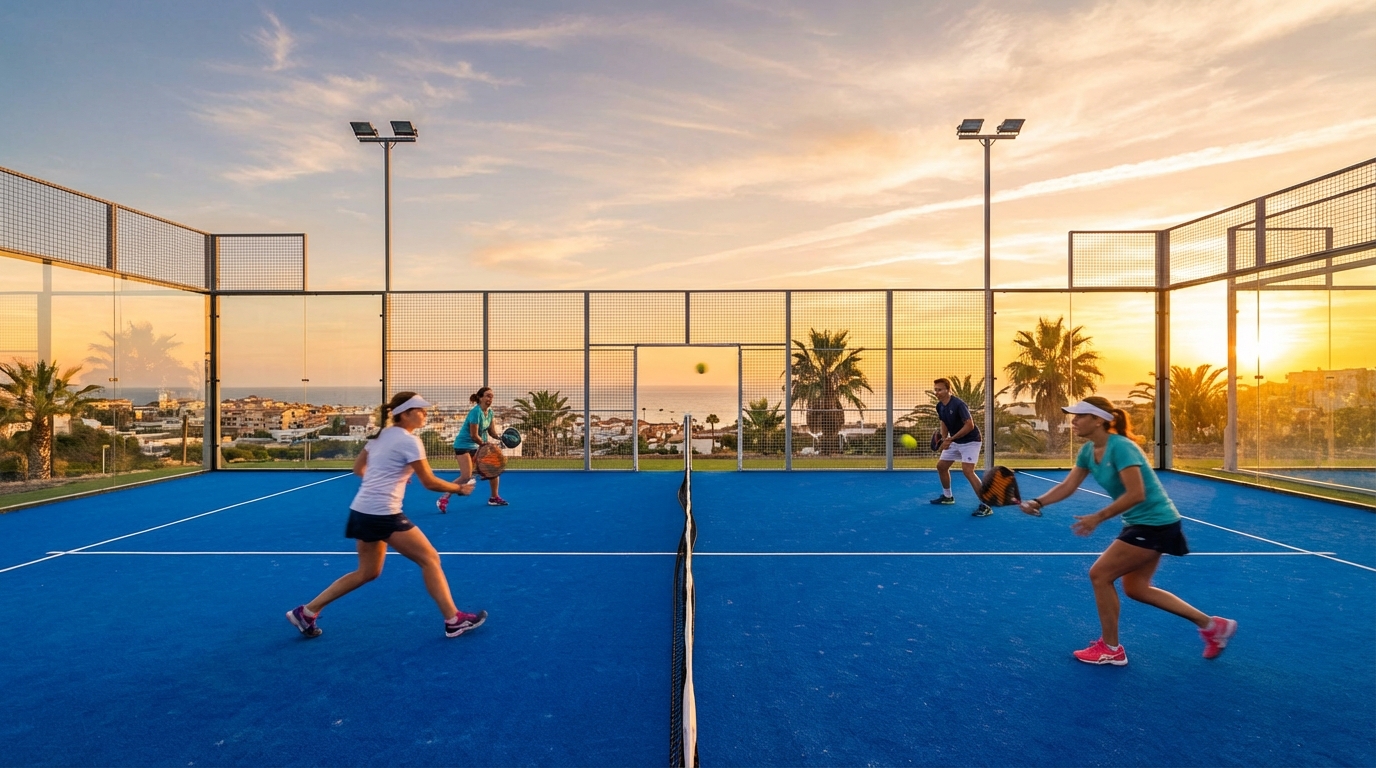
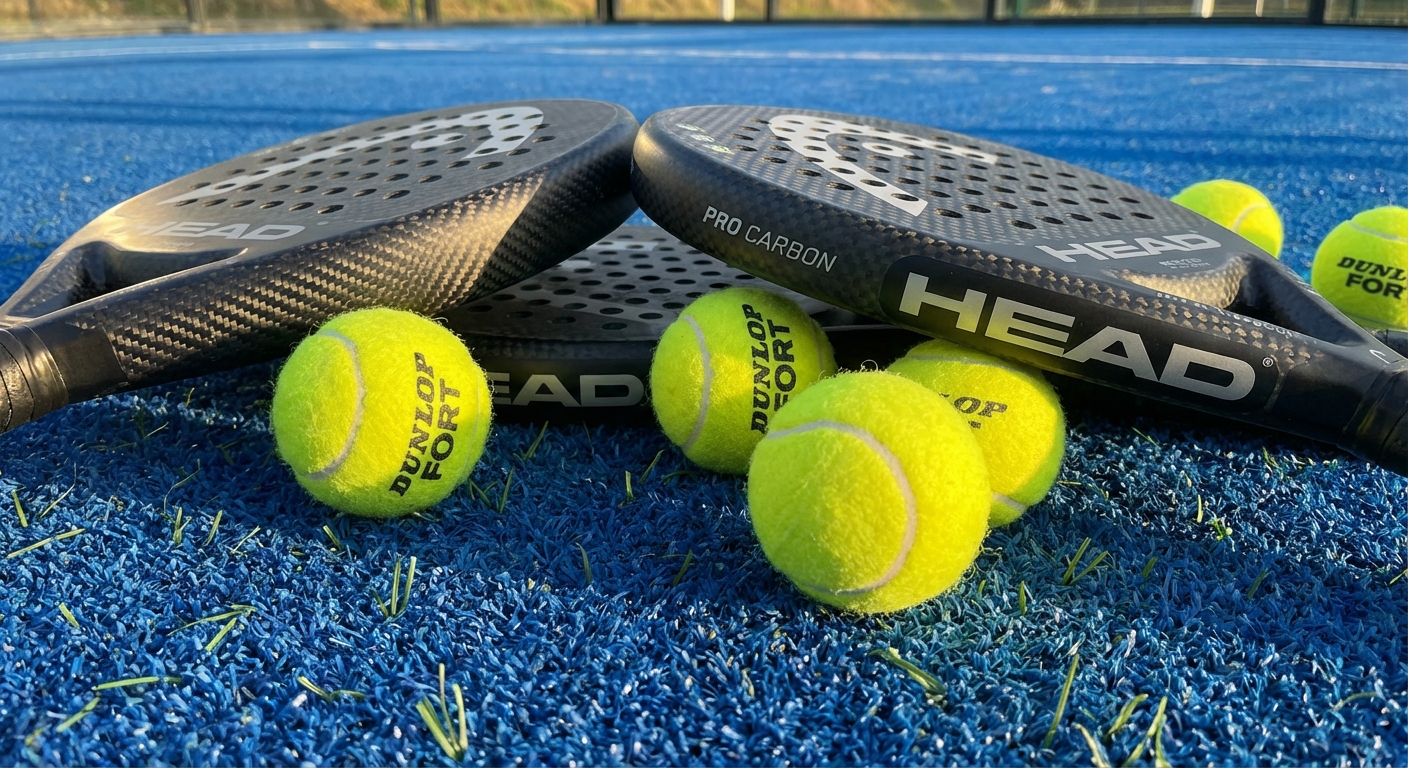
The primary equipment includes a stringless carbon-fiber racket, low-pressure balls, and specialized court shoes designed for synthetic turf. When you first explore how to play padel , you will notice that the gear is quite distinct from other sports.
Think about this:
- Racket: A solid, perforated paddle with a safety wrist strap.
- Balls: Similar to tennis balls but with slightly less internal pressure.
- Footwear: Clay-court or specific padel shoes with a herringbone grip.
- Safety Cord: A mandatory strap to prevent the racket from flying out of your hand.
Why do you need a stringless racket?
Padel rackets are made of composite materials like carbon fiber or fiberglass with an EVA foam core. Because there are no strings, you get more control and a larger sweet spot for defensive play. This design allows you to absorb high-velocity impacts easily.
What makes the ball different?
While they look identical to tennis balls, these balls are smaller and have a lower bounce rating. This encourages longer rallies because the ball stays in the air and in play for more time. You will find that managing the slower pace is key to strategy.
Which shoes should you wear?
You need shoes that provide excellent lateral support and grip on the sand-filled turf. Most players opt for a “clay” sole because it prevents slipping while allowing for controlled slides. Proper footwear is your best defense against ankle injuries.
Key Takeaway: Professional equipment focuses on control and safety to enhance the social rally experience.
| Equipment | Standard | Benefit |
|---|---|---|
| Racket | Carbon/EVA | High Control |
| Ball | Low Pressure | Long Rallies |
| Shoes | Clay/Omni | Superior Grip |
High-quality equipment ensures that your entry into the sport is both safe and performance-oriented.
How do the enclosure rules change how to play padel?
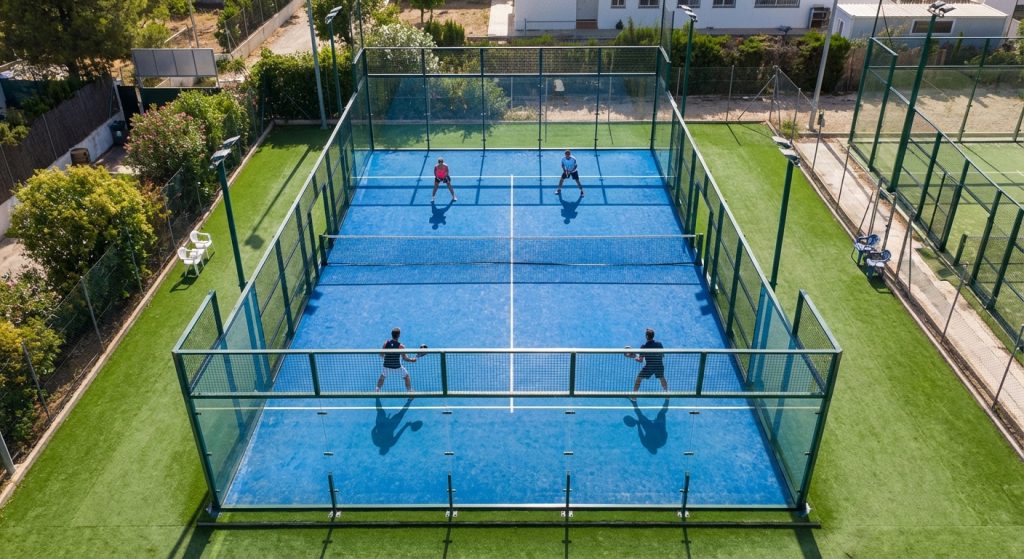
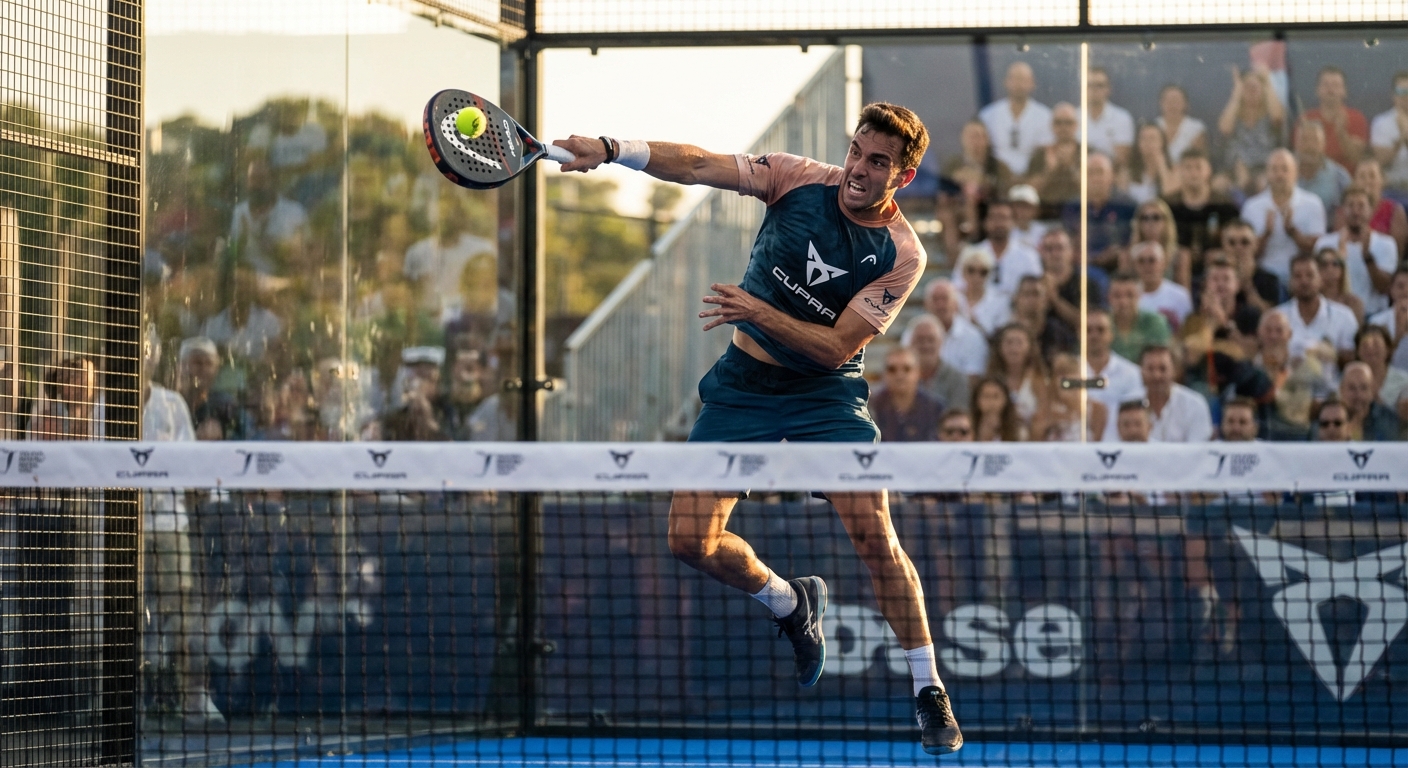
The enclosure allows the ball to be hit after it bounces off the glass walls, effectively keeping the ball in play within the 10×20 meter perimeter. Learning how to play padel requires a mindset shift where the walls are treated as teammates rather than obstacles.
Here is the kicker:
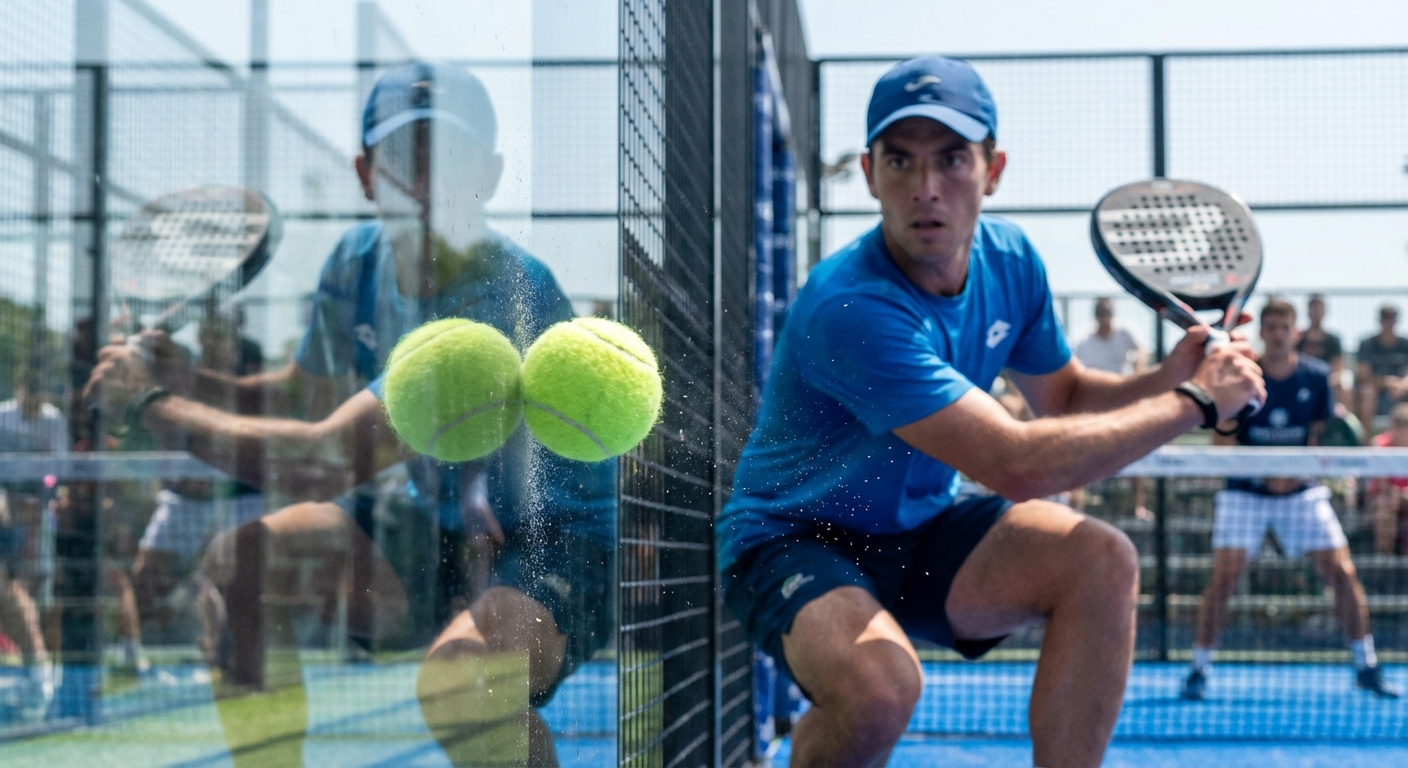
- Glass Bounce: The ball must bounce on the floor before hitting a wall to be “in.”
- Fence Hit: Hitting the side fence after a bounce is legal and creates unpredictable spins.
- Double Bounce: If the ball bounces twice on the floor, the point is over.
- The Net: Touching the net with your body or racket results in an immediate loss of point.
Can you hit the glass?
Yes, you can actually hit the ball against your own glass wall to send it over the net. This is a vital defensive maneuver when the ball has already passed your body. You should practice the angle of the rebound to ensure it clears the net successfully.
When is the fence out of bounds?
The fence is considered “out” if the ball hits it directly without bouncing on the floor first. However, once the ball has bounced in the opponent’s court, hitting the fence makes the rebound erratic and difficult to return. Use the fence to force errors from your opponents.
How do you use rebounds strategically?
Wait for the ball to hit the back glass to gain more time for your shot preparation. By allowing the ball to come off the wall, you can strike it from a better position. This tactic turns a defensive situation into an offensive opportunity.
Key Takeaway: The glass walls and metallic fences are tactical tools that reward strategic positioning over raw power.
| Wall Type | Rule | Strategy |
|---|---|---|
| Glass | Floor bounce first | Use for defensive lobs |
| Fence | Floor bounce first | Create erratic bounces |
| Own Wall | Direct hit allowed | Clear defensive pressure |
Understanding the geometry of the enclosure is what separates beginners from advanced tactical players.
What is the proper serving technique for how to play padel?
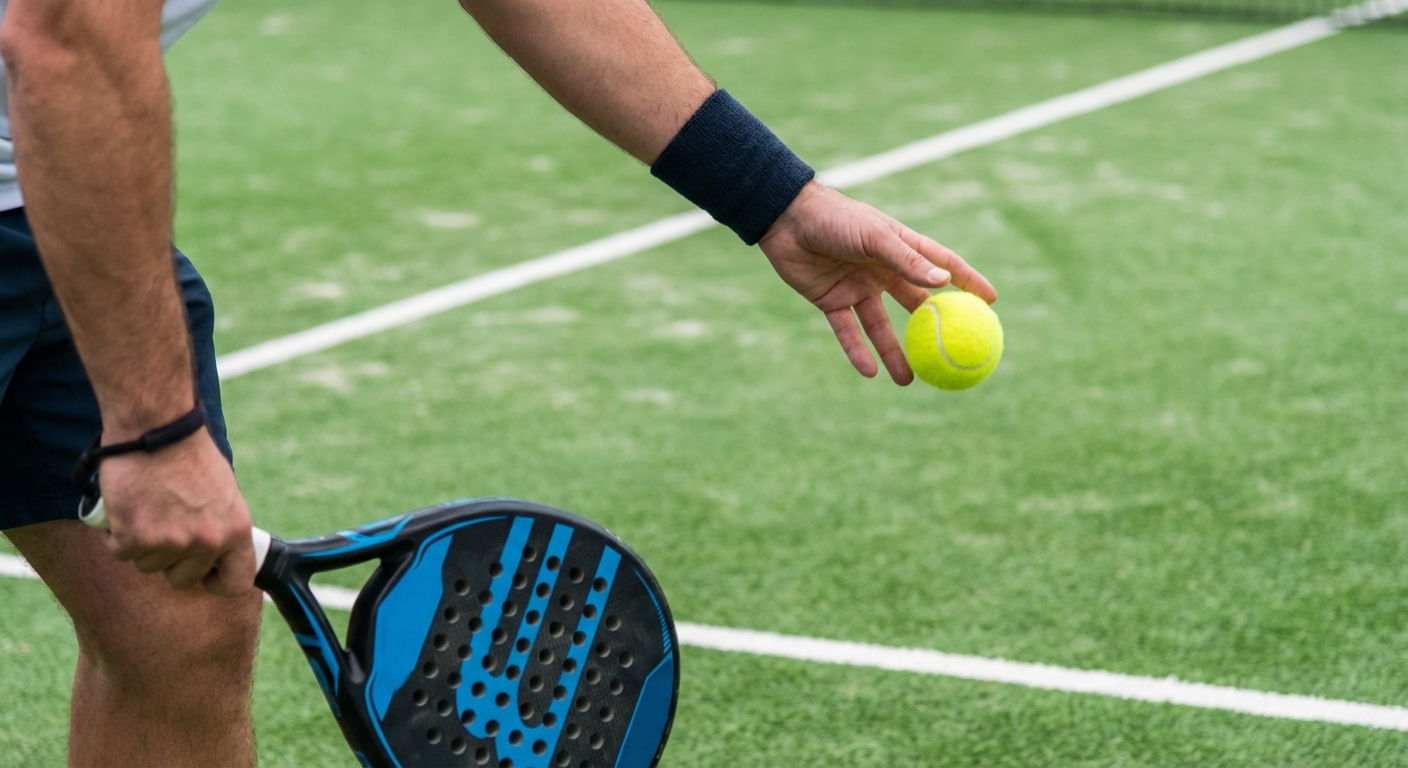
The serve must be hit underhand, at or below waist level, after bouncing the ball once behind the service line. Mastering the serve is a fundamental part of how to play padel because it dictates the rhythm of the entire point.
Believe it or not:
- Underhand Only: No overhead serves are allowed in this sport.
- Cross-Court: The ball must land in the diagonal opponent service box.
- Two Chances: You get a first and second serve just like in tennis.
- The Net: If the ball clips the net and lands in the box, it is a “let” and must be replayed.
Why must the serve be underhand?
The underhand rule keeps the game balanced and prevents servers from dominating with high-speed aces. This ensures that most points start with a rally, maintaining the sport’s social and inclusive nature. You should focus on placement rather than speed.
Where should the ball bounce?
Your serve must land in the service quadrant diagonally opposite to your standing position. It cannot hit the metallic fence after the bounce, though it can hit the glass walls. Aiming for the “T” or the side glass is a classic tactic.
Can you serve into the fence?
No, the ball is considered a fault if it hits the side metallic fence after bouncing in the service box. This rule forces you to be precise with your angles. You want the ball to stay close to the glass to make the return difficult.
Key Takeaway: A legal serve focuses on placement and spin rather than overwhelming speed.
| Serve Aspect | Regulation | Purpose |
|---|---|---|
| Height | Below waist | Balance play |
| Target | Diagonal box | Consistency |
| Rebound | Glass allowed | Tactical depth |
A consistent underhand serve allows you to start the point with a strategic advantage without exhausting yourself.
How does the scoring system work for how to play padel?
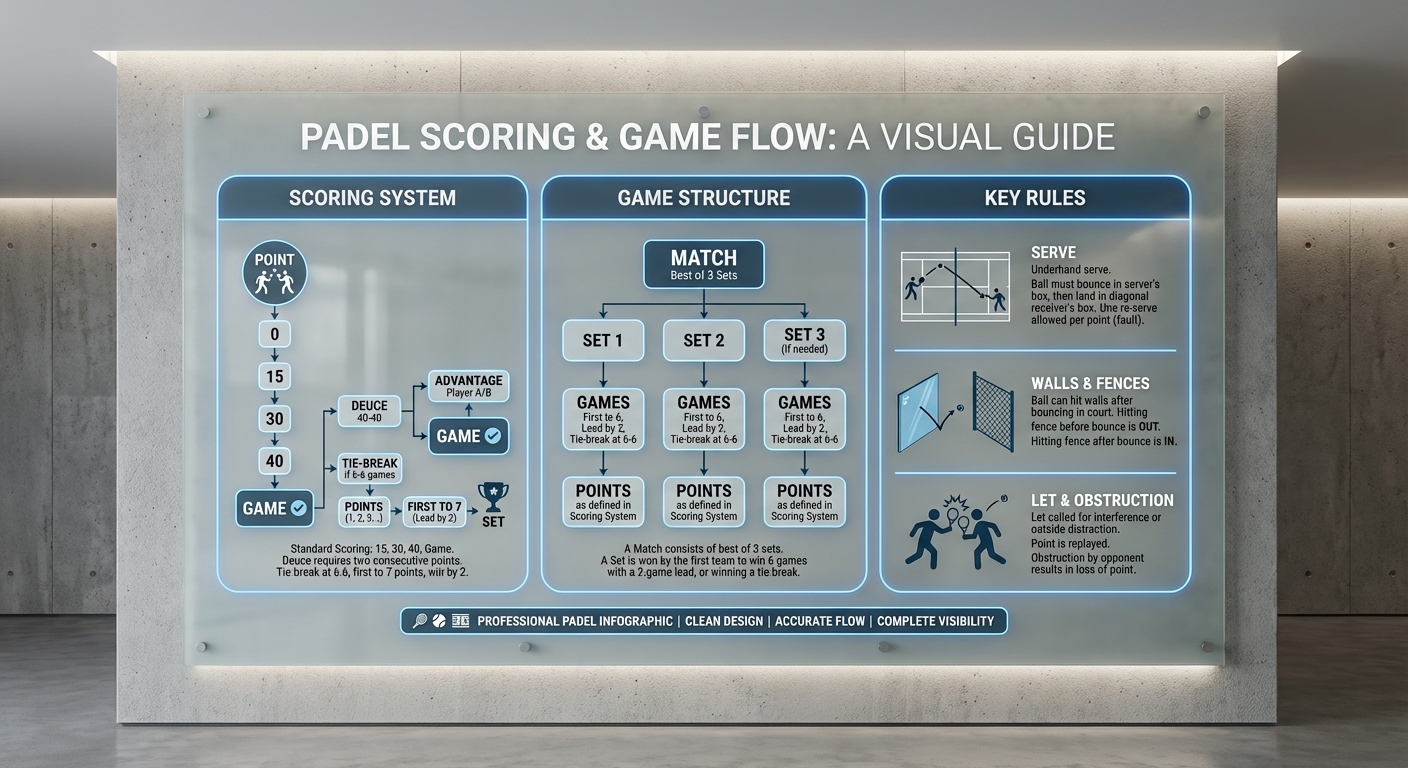
The scoring follows the traditional tennis format of 15, 30, 40, and game, often utilizing a “Golden Point” at deuce. When you understand the flow of how to play padel , you will notice the intensity peaks during deuce situations.
Wait, there’s more:
- Match Format: Usually the best of three sets.
- Games: You must win six games to win a set, with a two-game lead.
- Tie-Break: Played if the score reaches 6-6 in a set.
- Side Changes: Teams switch sides on odd game totals (1, 3, 5, etc.).
Is scoring identical to tennis?
Mostly yes, but the pacing is often faster due to the smaller court and lack of long breaks. The progression from 15 to 40 builds pressure quickly. You must stay mentally focused during the “critical points” to maintain your lead.
What is the golden point?
The “Golden Point” is a deciding point played when the score reaches 40-40. The receiving team chooses which side they want to receive the serve from, and the winner of that point wins the game. This avoids long, drawn-out deuce cycles and keeps matches on schedule.
How are sets won?
A set is secured when a team reaches six games, provided they are leading by at least two. If it hits 5-5, you play to 7. If it reaches 6-6, a 7-point tie-break decides the set winner. Consistency is the secret to winning sets.
Key Takeaway: Scoring is familiar but incorporates modern rules like the Golden Point for faster match play.
| Score | Points Earned | Scenario |
|---|---|---|
| 15 | 1 Point | Early Lead |
| 30 | 2 Points | Control |
| 40 | 3 Points | Game Point |
| Deuce | 40-40 | Golden Point |
Efficient scoring knowledge helps you manage your energy and strategy throughout a competitive match.
What are the official court dimensions for how to play padel?
A standard court is a rectangle 10 meters wide and 20 meters long, divided by a net in the center. Knowing the exact padel court dimensions is essential for anyone learning how to play padel or planning a construction project.
Check this out:
- Width: Exactly 10 meters of internal playing space.
- Length: 20 meters divided into two 10-meter halves.
- Service Lines: Located 6.95 meters from the net on both sides.
- Wall Height: Back walls are typically 4 meters high, with side walls tapering down.
How big is the playing area?
The 200-square-meter area is significantly smaller than a tennis court, which creates a high-speed environment. This compact space means you spend less time running long distances and more time reacting to quick shots. You will find that reflexes are more important than lung capacity.
What is the net height?
The net is 10 meters long and has a height of 88 centimeters at the center, rising slightly to 92 centimeters at the posts. This lower profile compared to tennis makes the “down-the-line” shots very effective. You should aim to keep your shots low over the net tape.
Why are zones marked this way?
The service line is the only internal line used during the serve. Once the point is live, the entire 10×10 half becomes your playground. The markings are designed to clearly define the legal landing zone for the initial serve.
Key Takeaway: The 10x20m layout is optimized for doubles play and creates a fast-paced, high-engagement zone.
| Measurement | Dimension | Component |
|---|---|---|
| Length | 20 Meters | Total Court |
| Width | 10 Meters | Total Court |
| Net Center | 88 cm | Net Height |
The precise dimensions of the court are regulated internationally to ensure a consistent experience across all facilities.
How do you choose the right surface for how to play padel?
The best surface is high-density artificial turf with a specialized sand infill to ensure consistent ball bounce and player safety. Selecting the surface for how to play padel impacts everything from ball speed to joint longevity.
It gets better:
- Material: Usually polyethylene (PE) or polypropylene (PP).
- Texture: Monofilament or fibrillated fibers.
- Infill: Fine silica sand is spread evenly across the turf.
- Drainage: Porous backing allows water to pass through for outdoor courts.
Why use artificial grass?
Artificial grass provides the perfect balance between grip and slide. It mimics the behavior of natural grass but offers much higher durability for commercial use. You will appreciate the uniform bounce that synthetic turf provides throughout the day.
Does sand infill matter?
Absolutely, the silica sand weighs down the turf and allows players to slide into shots without sticking to the floor. Without enough sand, the surface becomes too “grippy,” increasing the risk of knee injuries. You should ensure the sand is distributed evenly every week.
How does color affect play?
While blue is the most common color for professional visibility on camera, green and terracotta are also popular. The color doesn’t change the physics of the game, but it can affect how easily you track the yellow ball. Bright blue offers the best contrast for most lighting conditions.
Key Takeaway: High-quality monofilament turf with silica sand is the industry standard for safe and professional play.
| Feature | Specification | Benefit |
|---|---|---|
| Fiber | Monofilament PE | High Durability |
| Infill | Silica Sand | Controlled Slide |
| Backing | Polyurethane | Easy Drainage |
A well-chosen surface ensures that the court remains playable in various weather conditions while protecting your joints.
What structural components are required for how to play padel?
A professional court requires a hot-dip galvanized steel frame and 12mm tempered safety glass to withstand player impact and environmental stress. Every component involved in how to play padel must meet strict engineering standards.
Don’t overlook this:
- Steel Frame: Modular pillars and frames for structural integrity.
- Glass Panels: Thick, anti-explosion glass for the surrounding walls.
- Metallic Mesh: Electro-welded wire mesh for the side walls.
- Fasteners: Stainless steel bolts and rubber gaskets to prevent glass breakage.
Is galvanized steel necessary?
Yes, hot-dip galvanization is the only way to prevent rust in outdoor environments. This process involves dipping the steel into molten zinc, creating a protective layer that lasts over 20 years. You want your investment to stay structurally sound regardless of the weather.
Why use tempered glass?
Tempered glass is five times stronger than regular glass and shatters into small, blunt pieces if broken. 12mm glass is the preferred thickness because it provides a more consistent rebound for the ball. It ensures that the court is safe for high-speed player collisions.
How strong is the mesh?
The side mesh must be rigid enough to provide a predictable bounce but flexible enough to absorb impact. Most professional courts use a 50x50mm or 48x48mm grid. The mesh allows for ventilation and visibility while keeping the ball within the court.
Key Takeaway: Industrial-grade steel and certified safety glass are non-negotiable for court longevity and safety.
| Component | Material | Quality Standard |
|---|---|---|
| Framework | Galvanized Steel | Anti-Corrosion |
| Walls | 12mm Tempered | EN 12150 Safety |
| Mesh | Electro-welded | Rigid Rebound |
Structural excellence guarantees that the court remains a safe environment for competitive matches for decades.
How do lighting standards influence how to play padel?
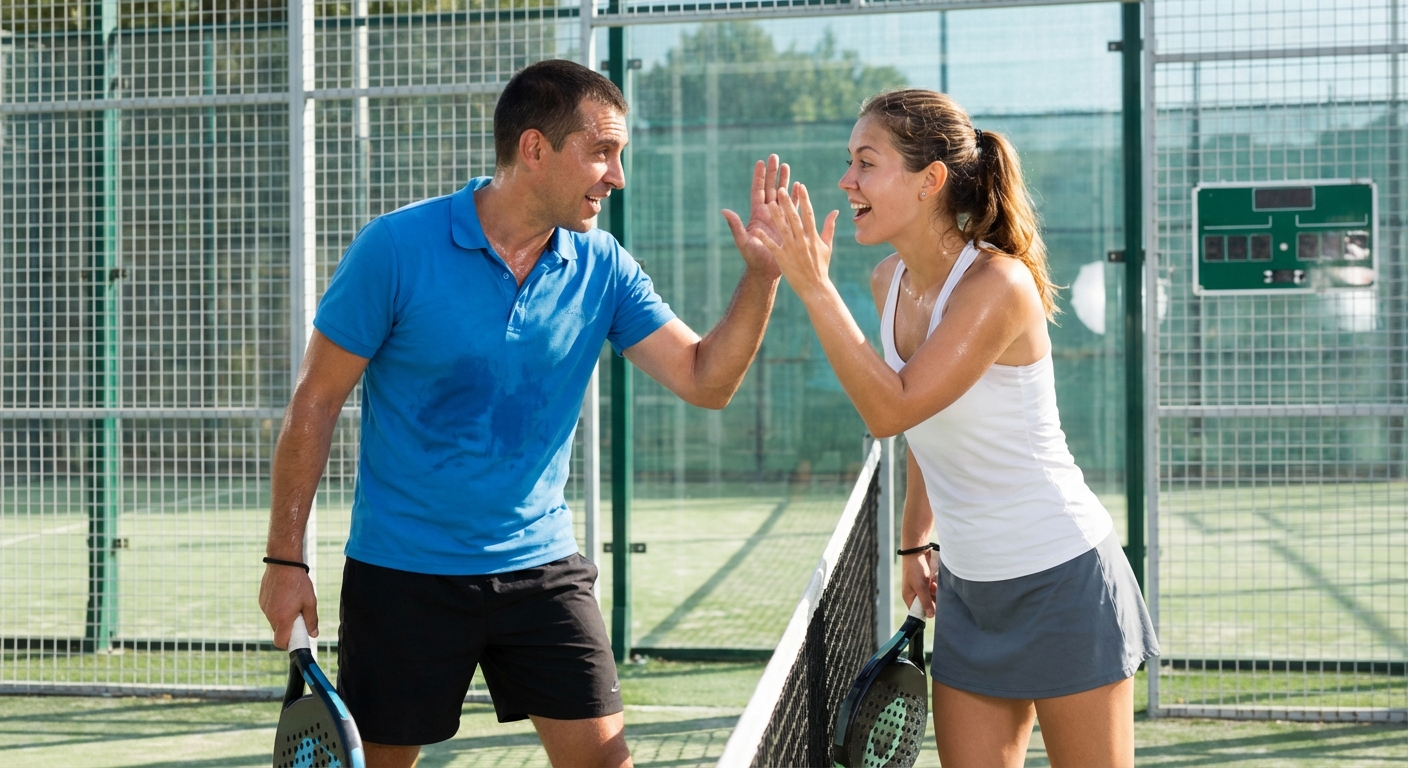
High-efficiency LED floodlights with a minimum of 300 lux are required to ensure clear visibility during night matches. Visibility is a cornerstone of how to play padel effectively, as the ball moves at very high speeds.
You should know:
- Luminance: 300 lux for recreational play, 500+ for competition.
- Uniformity: Even light distribution across the entire 200m2 surface.
- Height: Lights are usually mounted on 6-meter poles.
- Energy: Modern LEDs reduce electricity costs by up to 60%.
How many lux are required?
For a local club, 300 lux is the standard to ensure players can see the ball clearly from all angles. For professional tournaments or televised games, this increases to 750 lux. Insufficient light can lead to timing errors and accidental injuries.
Why use LED floodlights?
LEDs reach full brightness instantly and do not flicker, which is crucial for tracking a moving ball. They also have a much longer lifespan than traditional metal halide lamps. You will save significant money on maintenance and bulb replacements over time.
Does uniform light prevent glare?
Yes, using asymmetric lenses on the LEDs ensures the light is directed onto the court rather than into the players’ eyes. This prevents “blind spots” when you are looking up for an overhead smash. Uniformity prevents eye strain during long evening sessions.
Key Takeaway: Proper LED lighting extends playing hours and ensures player safety through maximum visibility.
| Lighting Feature | Requirement | Impact |
|---|---|---|
| Intensity | 300 – 750 Lux | Better Reaction |
| Type | IP66 LED | Weatherproof |
| Height | 6 Meters | No Obstruction |
High-quality lighting turns your court into a 24-hour revenue generator and a safer place for athletes.
What are the primary steps to build a court for how to play padel?
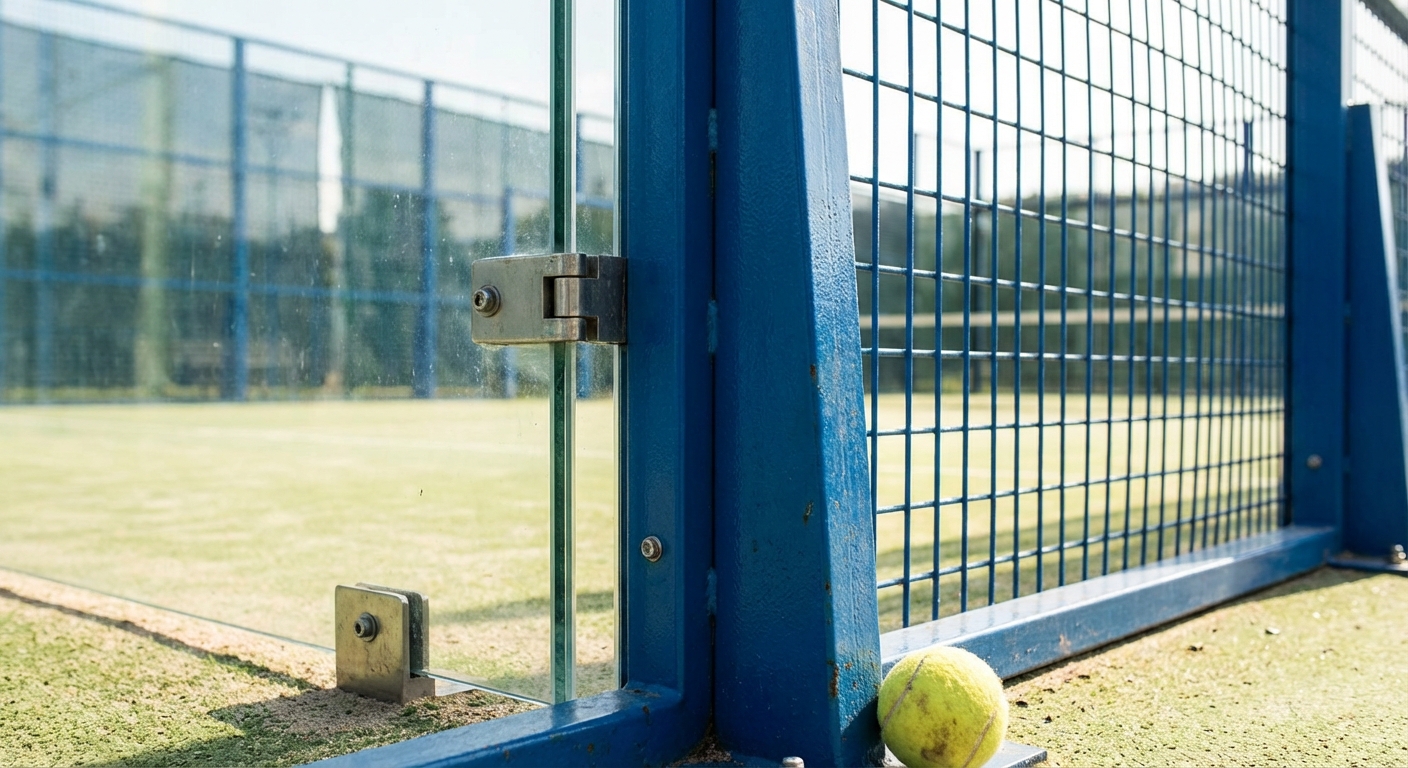
The construction process involves ground leveling, foundation pouring, steel framework assembly, and the final installation of glass and turf. When calculating the padel court cost, you must account for both materials and specialized labor.
Here is the deal:
- Site Prep: Clearing the land and ensuring a perfectly level base.
- Foundation: A reinforced concrete slab or porous asphalt layer.
- Framework: Bolting the galvanized steel structure to the base.
- Finishings: Installing the tempered glass, net, and artificial turf.
Is the foundation critical?
A perfectly level foundation is the most important step in the entire build. If the slab is uneven, the glass panels will not align, and the ball will bounce inconsistently. You should use laser-leveling technology during the concrete pour to ensure precision.
How is the frame assembled?
The steel structure is modular, meaning it is bolted together on-site rather than welded. This allows for thermal expansion and makes the structure easier to maintain or repair. You must use high-strength chemical anchors to secure the pillars to the concrete.
What is the final cost?
The total investment varies based on the court type (Standard vs. Panoramic) and shipping logistics. While the initial price might seem high, the low maintenance costs and high booking demand usually lead to a fast ROI. You should consult with experts to get an accurate quote for your specific site.
Key Takeaway: Professional construction requires a laser-leveled foundation and modular assembly for structural longevity.
| Step | Focus | Tool/Material |
|---|---|---|
| Groundwork | Leveling | Laser Level |
| Base | Foundation | Reinforced Concrete |
| Assembly | Structure | Chemical Anchors |
A step-by-step professional approach prevents future structural issues and ensures the court meets international play standards.
How do you maintain a court used for how to play padel?
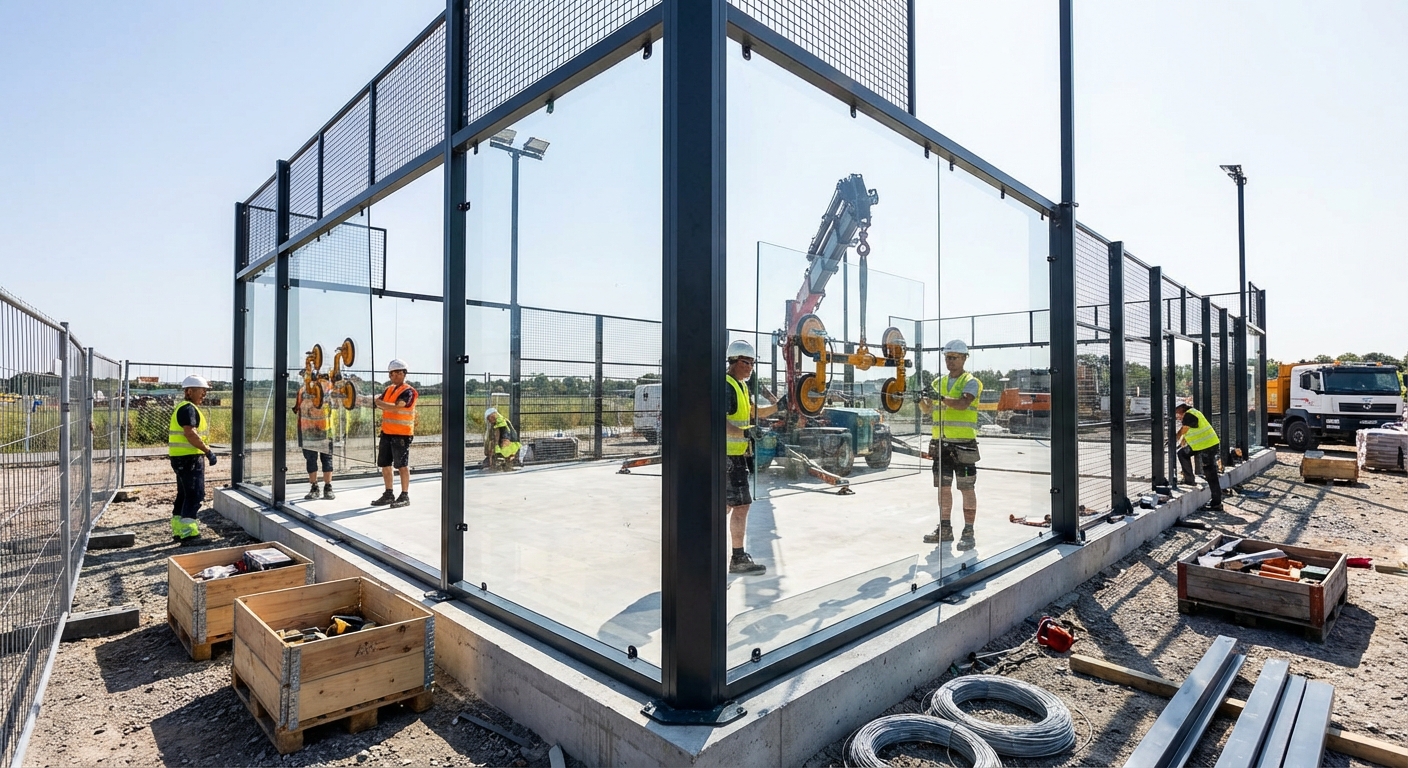
Regular maintenance involves brushing the turf, cleaning the glass, and checking the structural bolts every six months. Maintaining the facility for how to play padel is surprisingly simple but requires consistency to prevent long-term damage.
Think about this:
- Turf Care: Redistributing the silica sand to prevent bald spots.
- Glass Cleaning: Keeping the walls transparent for spectators and safety.
- Debris: Removing leaves and trash that can clog the drainage.
- Net Tension: Ensuring the net remains at the correct height (88cm).
Should you brush the grass?
Yes, you should brush the artificial turf once a week using a specialized power brush or a manual rake. This lifts the fibers and redistributes the sand that gets pushed to the edges by player movement. Regular brushing keeps the ball bounce consistent and safe.
How do you clean the glass?
Standard glass cleaner and a squeegee are usually sufficient for removing sweat marks and dust. You should avoid abrasive chemicals that could damage the aluminum frames or the safety gaskets. Clean glass is essential for the aesthetic appeal of your club.
Is bolt tightening mandatory?
Every six months, a technician should check and tighten all structural bolts, especially those holding the glass. Vibration from ball impacts and thermal changes can cause fasteners to loosen over time. This simple check is your primary defense against glass breakage.
Key Takeaway: Consistent weekly brushing and semi-annual structural checks ensure court safety and longevity.
| Task | Frequency | Purpose |
|---|---|---|
| Brushing | Weekly | Consistent Bounce |
| Cleaning | As needed | Visibility |
| Bolt Check | Bi-annually | Structural Safety |
Proper maintenance protects your investment and provides a premium playing experience for all club members.
*
Summary of Padel Mastery
By combining the strategic use of enclosure walls with a refined underhand serve and professional-grade infrastructure, you create the ultimate environment for this social sport. Padel bridges the gap between high-intensity competition and accessible community play. Whether you are aiming to improve your technical game or looking to invest in a world-class sports facility, focusing on quality materials and official regulations is the path to success.
Are you ready to solve the problem of underutilized space and provide a high-demand fitness solution? At Superbpadel, we design and manufacture premium courts that meet international standards, helping you build a thriving sports community. contact us today to transform your vision into a reality with our factory-direct expertise and comprehensive support.
*
Frequently Asked Questions
Can I play padel individually?
No, official padel is exclusively a doubles sport played 2-on-2. The court size and tactical rules are specifically designed for four players to ensure balanced rallies and strategic team positioning.
What’s the best way to prevent injuries?
The best way is to wear proper clay-court shoes and ensure the court has enough silica sand infill. This combination allows for controlled sliding, which significantly reduces the strain on your knees and ankles during quick turns.
How do I know if a court is built correctly?
Check for a perfectly level floor, clear 12mm tempered glass walls, and a hot-dip galvanized frame. If the ball bounces irregularly or the structure shows signs of rust, the court likely does not meet professional construction standards.
How long does it take to build a court?
Once the foundation is ready, the actual assembly of the steel structure and glass usually takes about 3 to 5 days. However, the entire project, including ground preparation and shipping, can take 4 to 8 weeks depending on your location.
Can I build a court on an old tennis court?
Yes, you can often fit two or even three padel courts into the space of one standard tennis court. This is a highly efficient way to increase your facility’s revenue and provide more variety for your members.