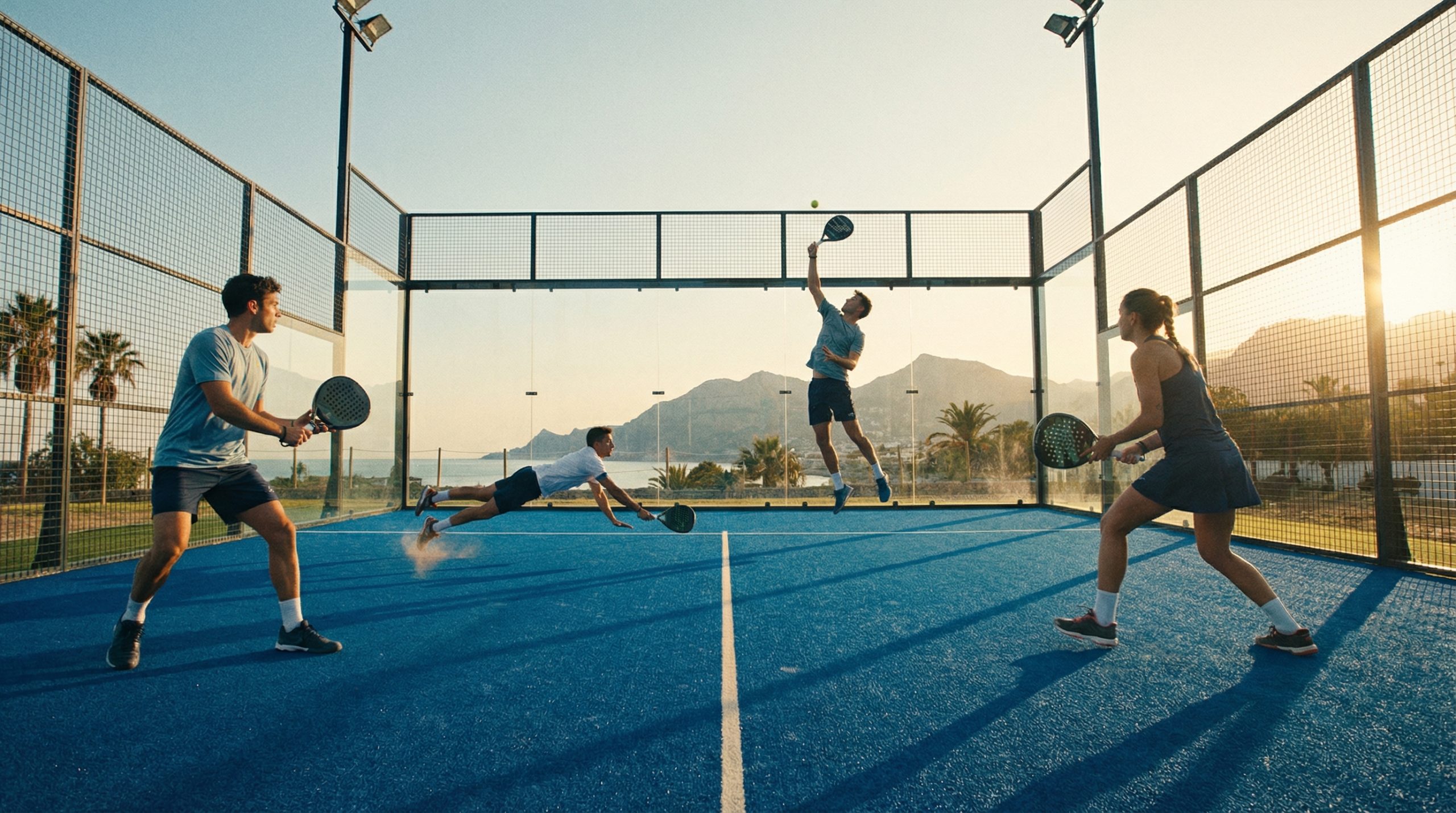
The global surge in racquet sports has brought one particular game to the forefront of athletic recreation. If you are asking yourself, how do you play padel, you are not alone. This guide serves as a comprehensive roadmap, transitioning from the fundamental mechanics of the game to the technical specifications required to build a professional-grade facility.
What is the sport and how do you play padel today?
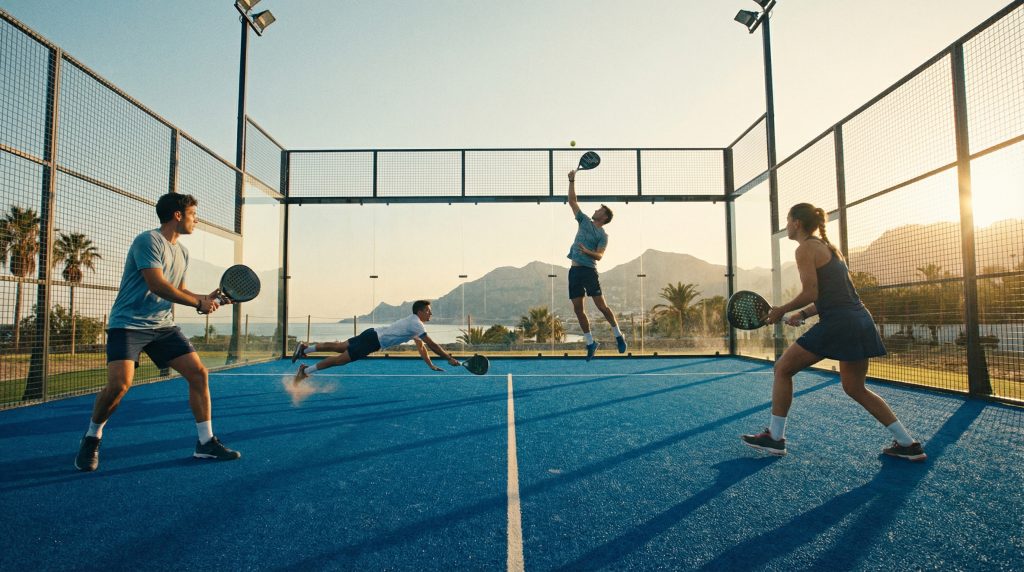
Why has this sport captured the attention of millions globally? Padel is a high-energy hybrid, combining the technical finesse of tennis with the strategic spatial awareness of squash. Played exclusively in doubles on a court enclosed by glass and mesh, it prioritizes quick reflexes and team synergy over raw power.
Think about this: padel is the fastest-growing sport for a reason. Its accessibility is its greatest strength. While tennis can take years to master the serve, a beginner can learn how do you play padel in a single afternoon. The shorter racket and underarm serve lower the barrier to entry significantly.
Key Takeaways: The Padel Phenomenon
- Social Integration: Played in pairs, fostering high levels of interaction.
- Physical Accessibility: Less demanding on the arm than tennis; focuses on positioning.
- Strategic Depth: Use of walls adds a chess-like dimension to every rally.
How do you play padel scoring like a professional?
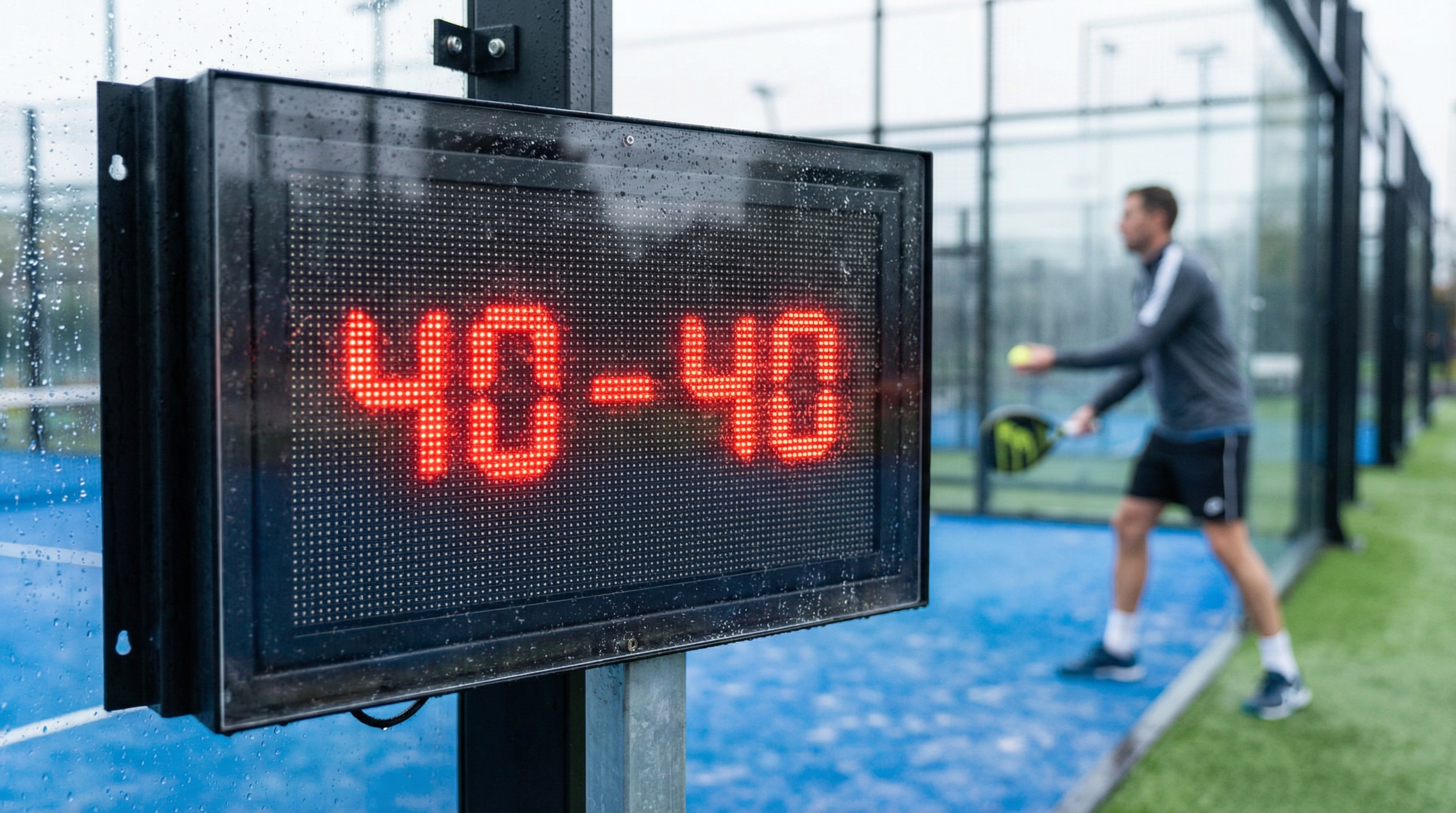
Now, how do you track success on the court? If you are familiar with tennis, you are already halfway there. Padel utilizes the traditional “15, 30, 40, Game” sequence. However, the intensity of the point often leads to frequent deuce scenarios.
But here’s the kicker: the “Golden Point” is becoming increasingly common in professional circuits to speed up play. Understanding the nuances of the deuce and advantage system is critical for maintaining competitive rhythm.
| Point Sequence | Terminology | Professional Context |
|---|---|---|
| 1 Point | 15 | Opening the scoreboard. |
| 2 Points | 30 | Establishing momentum. |
| 3 Points | 40 | Game point opportunity. |
| 4 Points | Game | Closing the frame. |
| Tie (3-3) | Deuce | Requires a 2-point lead or Golden Point. |
How do you play padel serves and start the point?
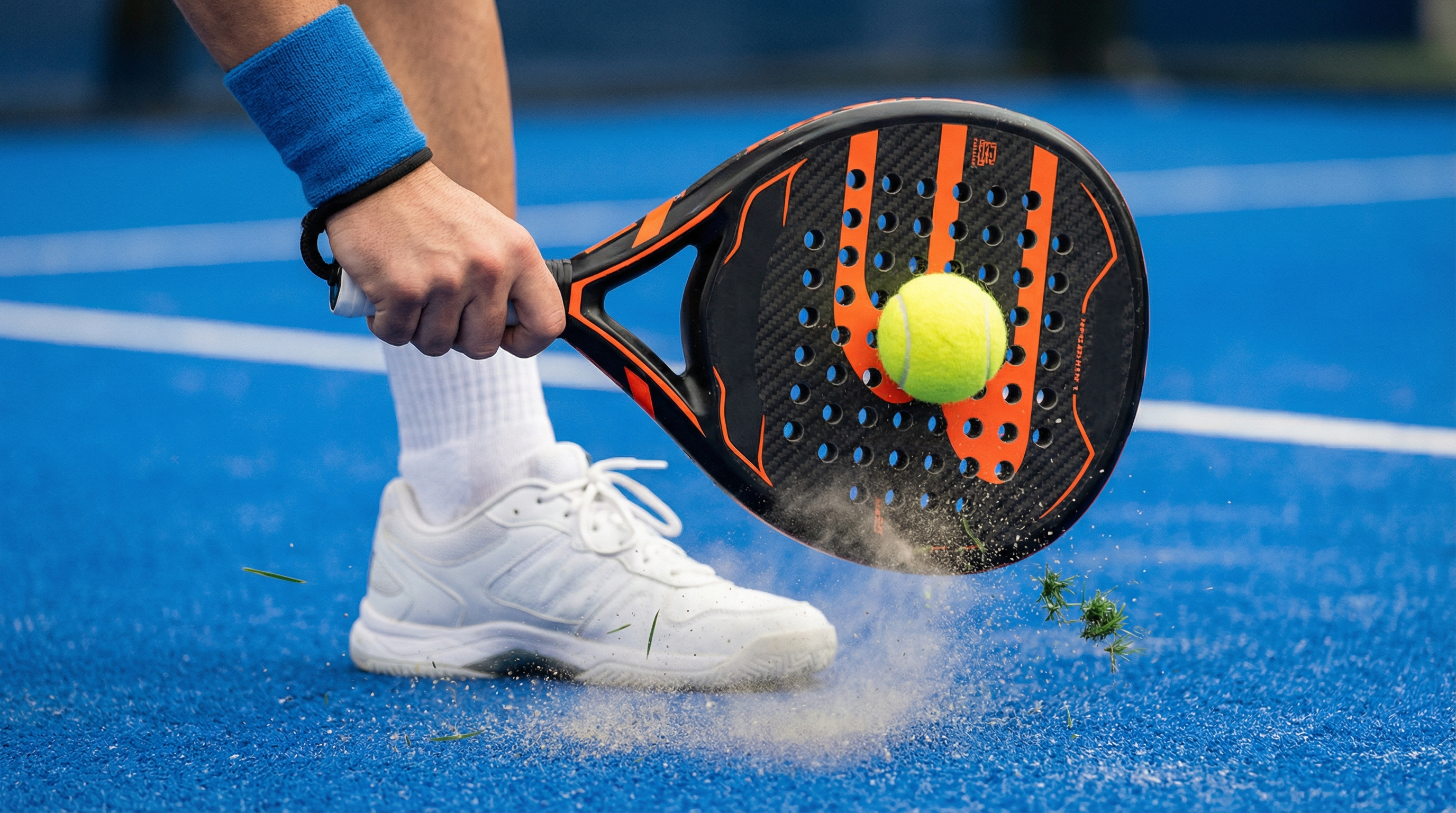
Does the serve define the game? In padel, unlike tennis, the serve is a tool for initiation rather than a weapon for immediate aces. All serves must be delivered underarm and hit at or below waist height.
Look, the rules for the bounce are very specific. The ball must bounce once behind the service line before the racket makes contact. It must then travel diagonally into the opponent’s service box. If it hits the metal mesh after the bounce, it is a fault; however, hitting the glass is perfectly legal.
How do you play padel using the glass walls effectively?
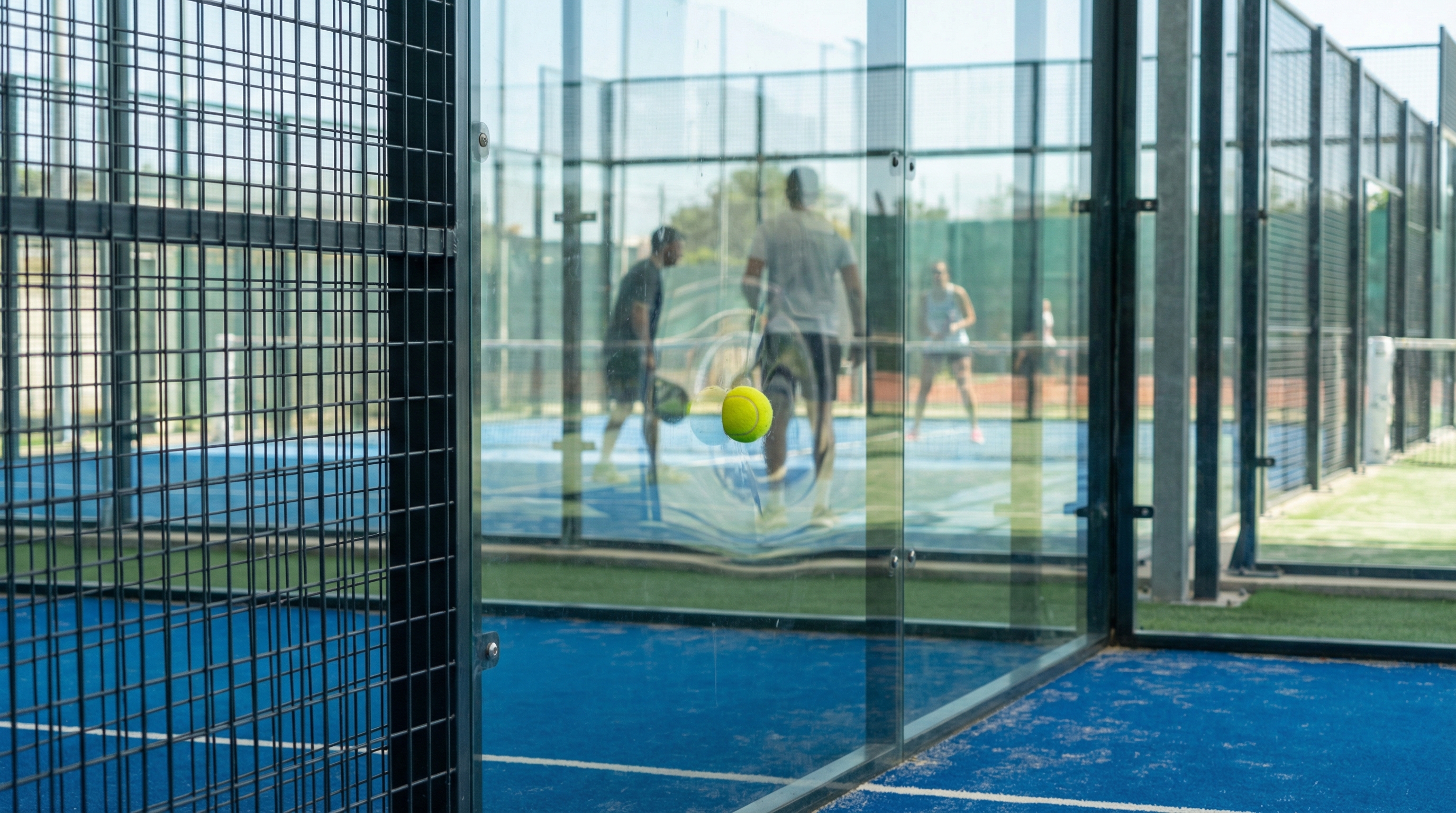
Wait, there’s more to the court than just the floor. The tempered glass walls are your greatest allies. In a standard rally, you can allow the ball to hit the glass after one bounce on your side, giving you more time to react.
Strategic mastery involves understanding that the walls are not obstacles, but teammates. For more tactical insights, visit our blog.
You can even hit the ball against your own glass wall to send it over the net. This “contrapared” shot is an advanced defensive maneuver that can turn a desperate situation into a winning point.
How do you play padel doubles and court positioning?
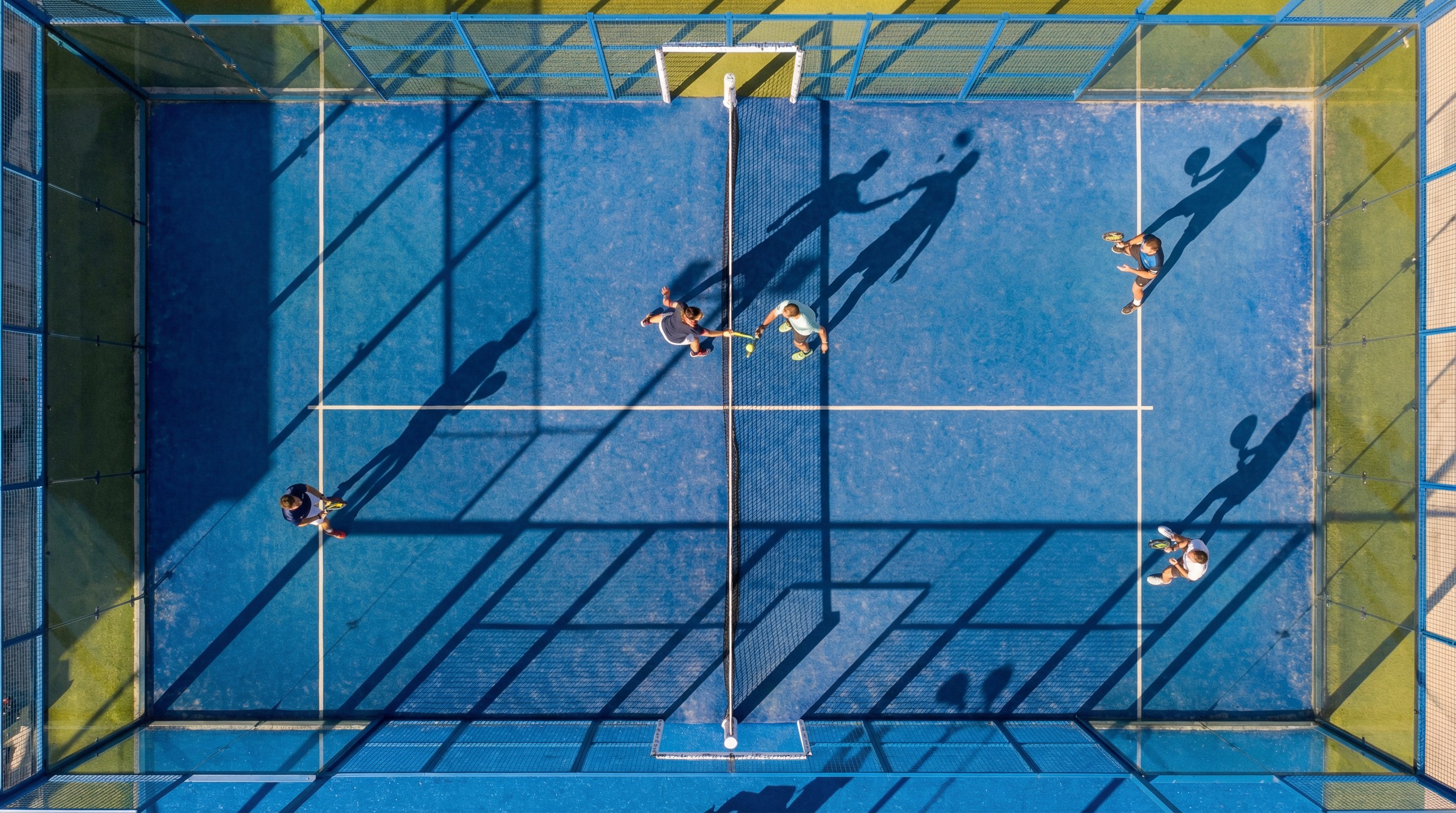
Have you ever wondered why singles padel is so rare? The court dimensions and the speed of the ball make it nearly impossible for one person to cover the ground effectively. Padel is a game of angles, and having a partner is essential for closing the “gaps” at the net.
Positioning is a constant dance. When one player moves forward to attack the net, the other should follow to maintain a horizontal line of defense. This “net-dominance” is the primary objective of any high-level pair.
How do you play padel equipment and what do you need?
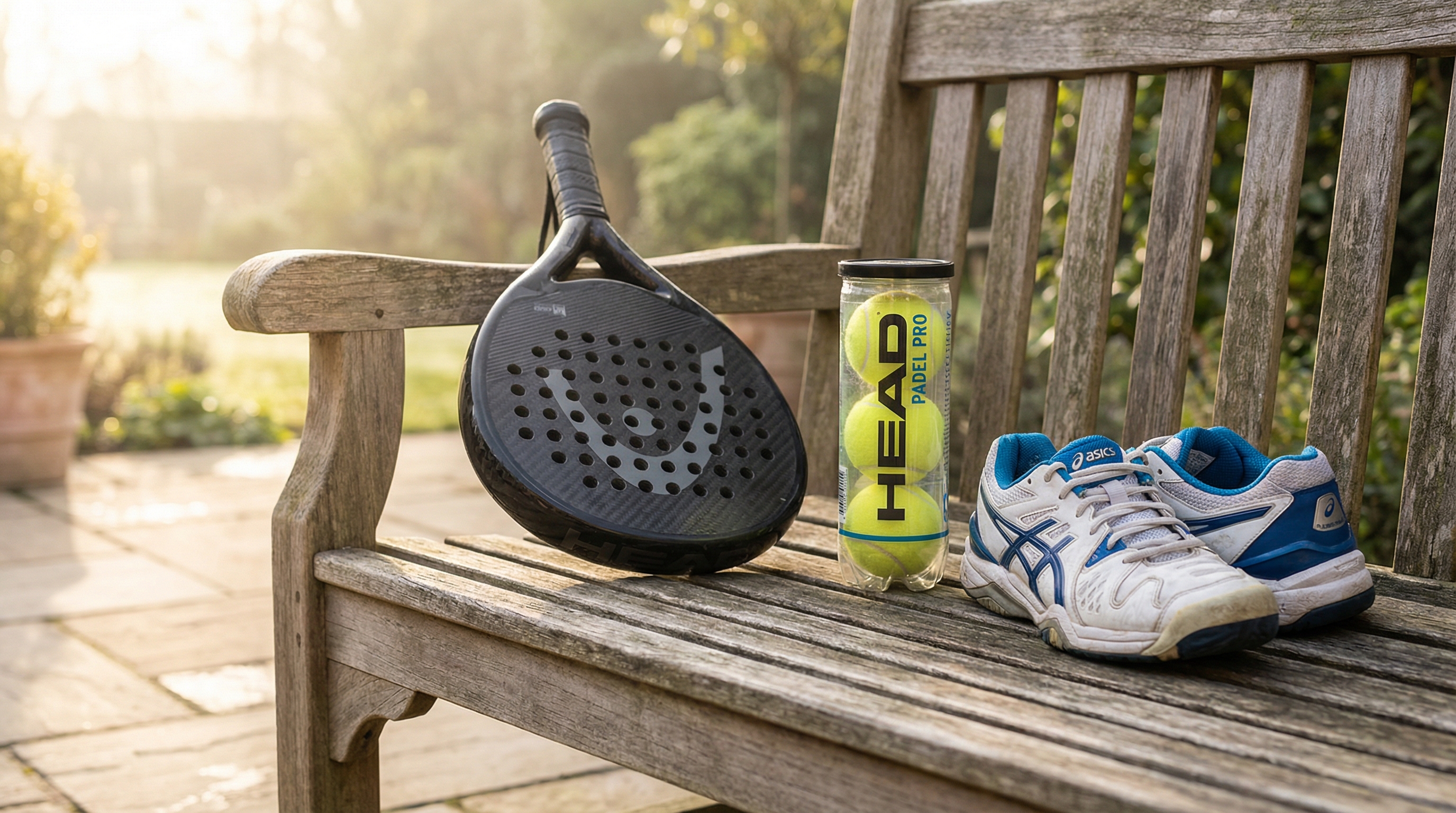
What makes the gear unique? To learn more about our commitment to quality gear and court standards, visit our about page. Unlike the stringed rackets of tennis, a padel racket is a solid, composite structure with a perforated surface.
You also need specific footwear. Standard running shoes lack the lateral support and grip required for the sandy turf of a padel court. Professional court shoes feature an “omni” or “herringbone” sole pattern to ensure you can slide safely without losing traction.
How do you play padel court construction and building?
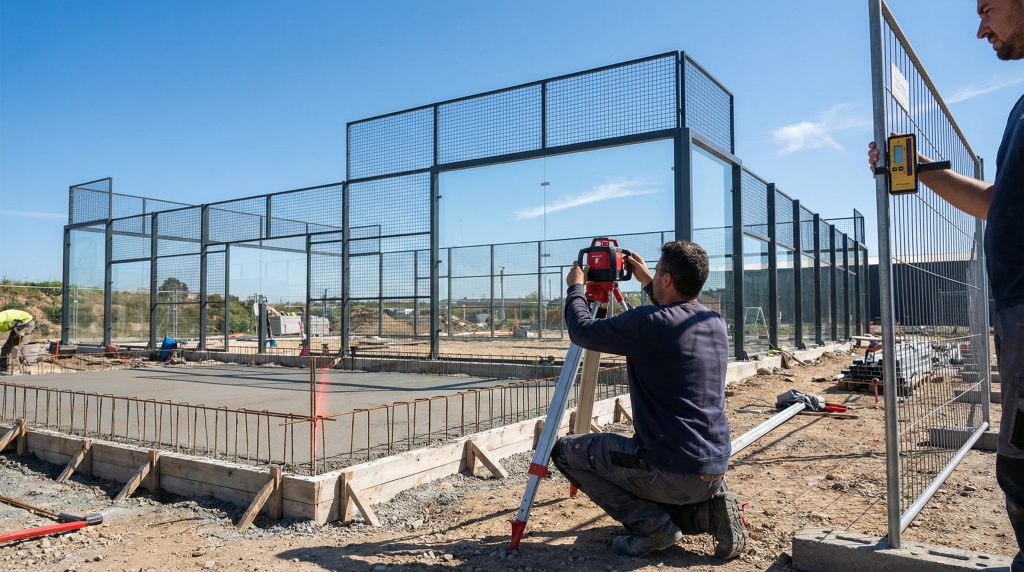
So, you want to build a facility? The foundation is everything. A professional padel court requires a perfectly level reinforced concrete slab or porous asphalt base. Even a 1% deviation in level can affect ball bounce and drainage.
Construction involves high-precision engineering. The steel frame must withstand significant wind loads, especially if the court is outdoors. Furthermore, the glass panels are typically 10mm to 12mm thick tempered safety glass, designed to absorb the impact of players crashing into them during intense rallies.
How do you play padel surface selection and grass?
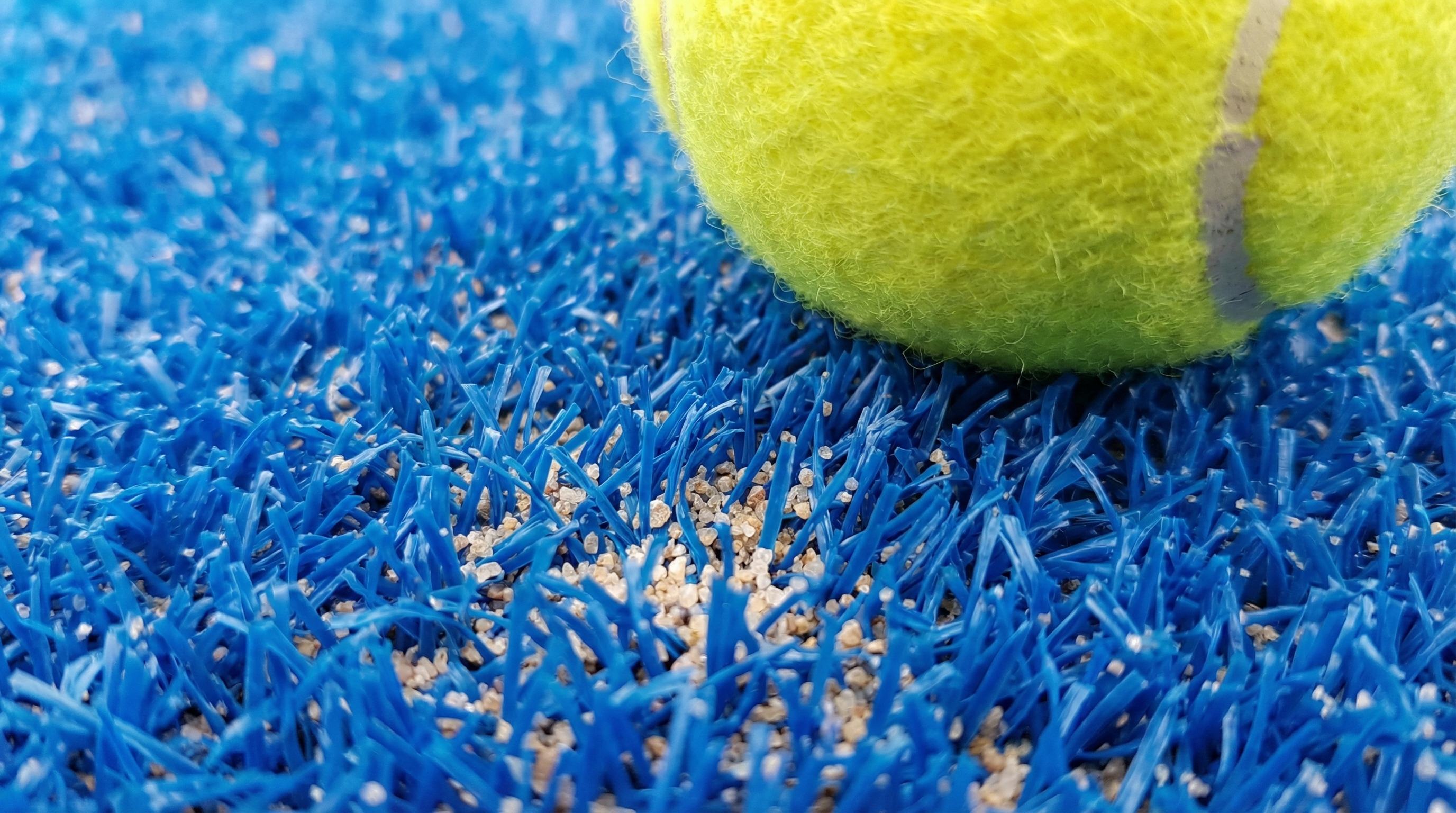
Why does the floor feel different? The choice of Padel Grass is the most critical factor in determining the speed and safety of the game. Modern courts use monofilament or textured synthetic turf filled with fine silica sand.
The sand is not there for aesthetics; it keeps the carpet fibers upright and allows players to perform controlled slides. Without the correct infill, the turf wears down rapidly, and the risk of knee injuries increases significantly.
How do you play padel layouts for standard courts?
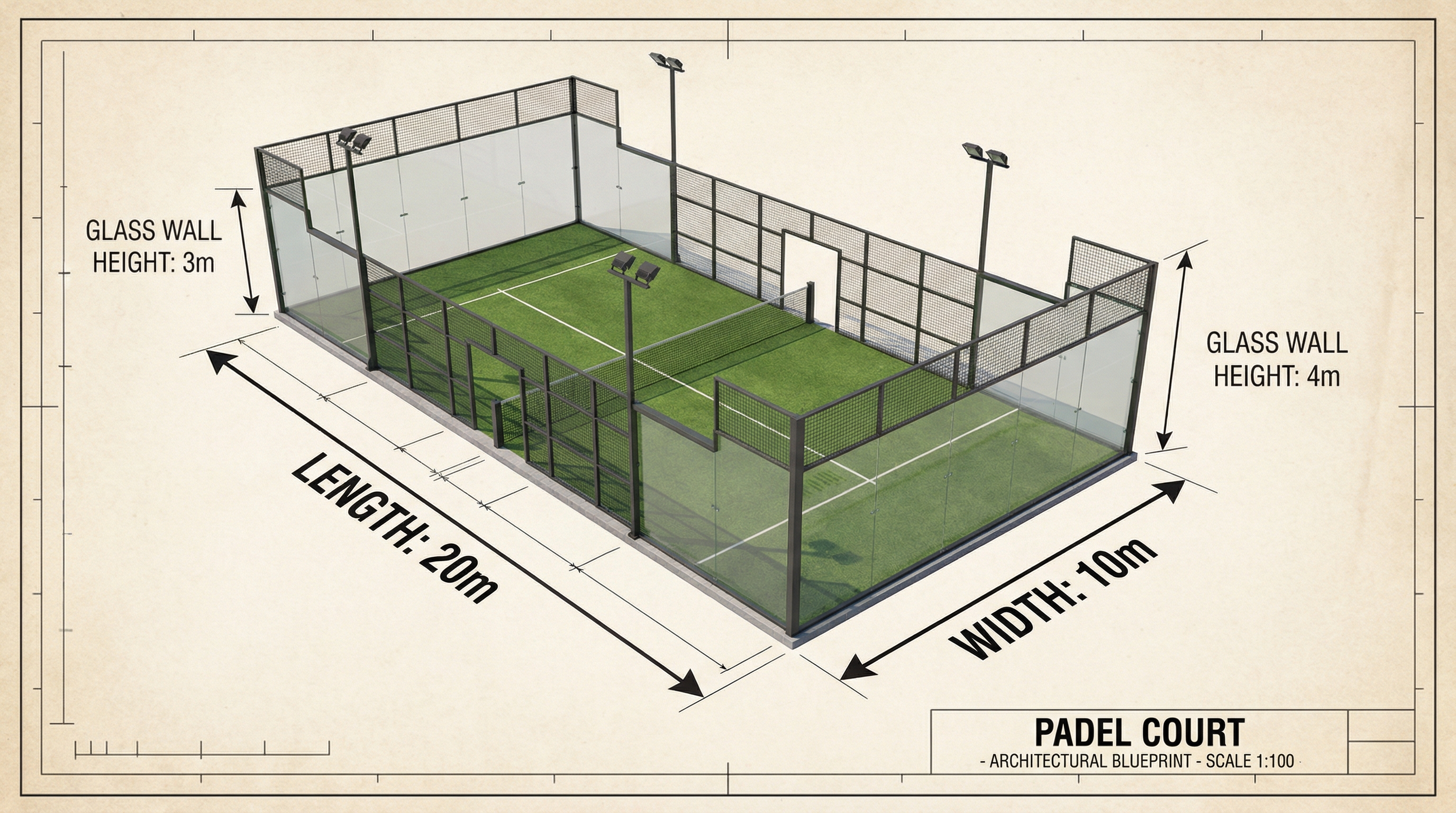
What are the exact numbers? A Standard Padel Court follows precise measurements to ensure fair play and structural integrity. The rectangular playing area is exactly 10 meters wide and 20 meters long.
Standard Court Specifications:
- Dimensions: 20m (length) x 10m (width).
- Wall Height: 3m high glass on the sides, rising to 4m at the back.
- Net Height: 88cm at the center, increasing to 92cm at the posts.
- Service Lines: Located 6.95m from the net.
How do you play padel project planning and case studies?

How long does it take to go from a vision to a finished club? Typically, a court installation takes between 2 to 4 weeks once the foundation is ready. Reviewing a successful case study can provide the blueprint for your own club’s development.
From lighting systems to perimeter landscaping, every detail contributes to the player experience. High-end clubs now focus on LED floodlighting and “scenic” panoramic back walls that offer spectators an unobstructed view of the action.
FAQ: Mastering the Essentials
What is the minimum height required for an indoor padel court?
Indoor facilities should ideally have a clear ceiling height of at least 6 meters, though 8 meters is preferred for professional competitive play to allow for high lobs.
Can I play padel on a standard tennis court surface?
While possible, it is not recommended. Padel requires specific synthetic turf and a sand infill to allow for the correct slide and bounce mechanics unique to the sport.
How do the metal mesh sections differ from the glass sections?
The metal mesh (or “cage”) creates unpredictable bounces and is typically used on the sides of the court. Unlike the glass, you cannot hit your own shot against the mesh to send it over the net.
Who should I consult for a professional court installation?
Always consult with specialized engineers who understand the wind-load requirements for glass panels and the drainage needs of the sub-base.
Why is the underarm serve mandatory in padel?
The underarm serve is designed to start the point defensively, ensuring that the rally—rather than the serve—remains the focus of the game.
Conclusion
Understanding the rules and the physical requirements of the court is the first step toward joining this global phenomenon. Whether you are looking to improve your technique or develop a world-class facility, expert guidance is essential. To begin your journey or start your construction project, contact us today.