Problem: Many newcomers find the fast-paced nature of padel confusing, leading to lost points simply because they don’t understand the rules or the physical boundaries of the court.
Agitation: There is nothing more frustrating than losing a hard-fought rally on a technicality or playing on a poorly constructed court where the ball bounce is unpredictable.
Solution: This comprehensive guide clarifies exactly how to win a padel point and provides the technical blueprint required to build a professional-grade court that ensures every game is played to the highest standard. To win a padel point, the ball must bounce once on the opponent’s side and cannot be returned before its second bounce, or the opponent must hit the ball into the net or out of bounds. Visit SuperbPadel to explore professional solutions for your next project.
How is a padel point scored in a professional match?
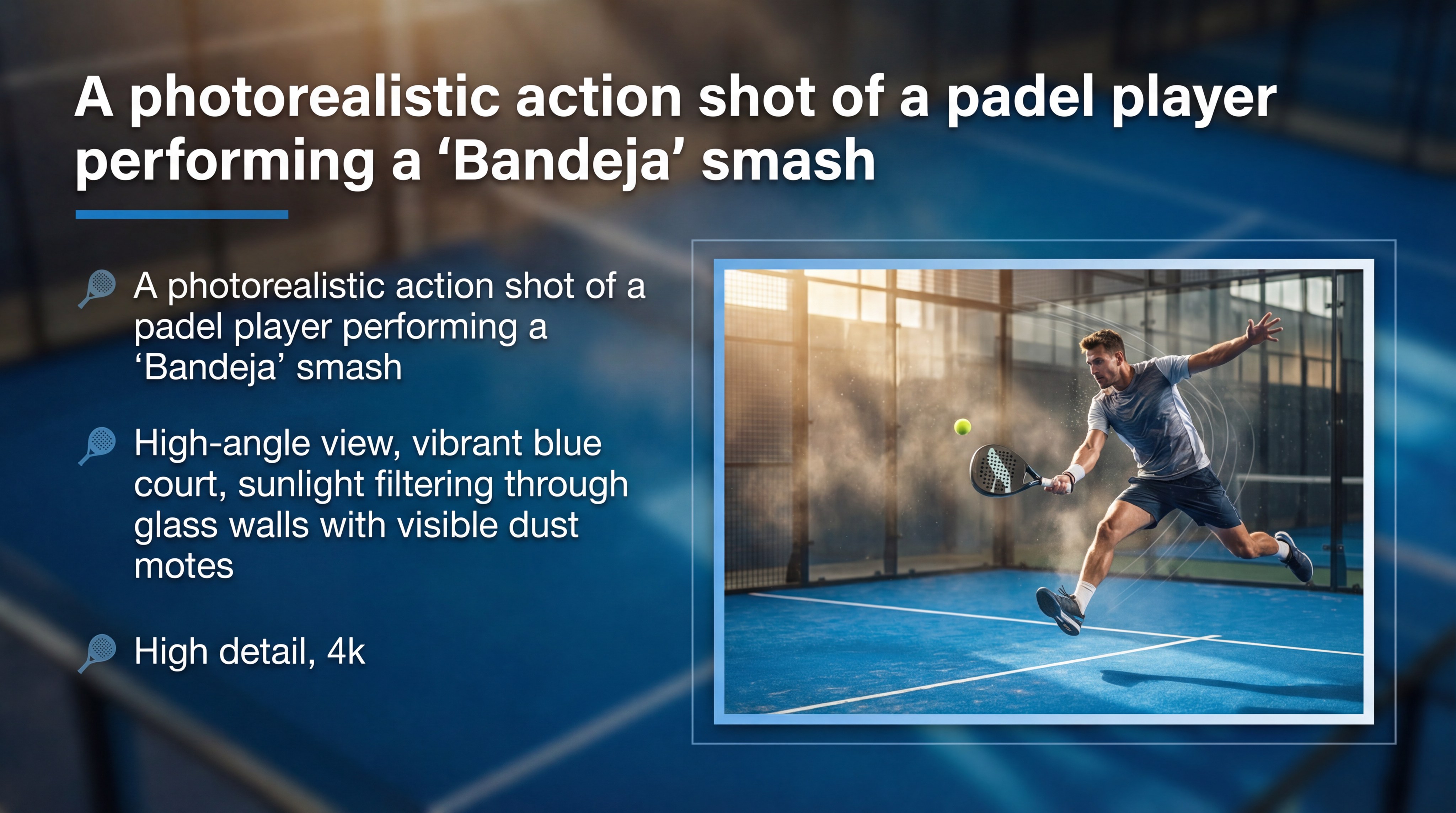
The progression of a padel point follows the traditional scoring system of 15, 30, 40, and Game. This hierarchical structure ensures that individual rallies aggregate into games and eventually sets.
To win a match, a team generally needs to win two out of three sets. This scoring logic keeps the intensity high and the match pace consistent for spectators and players alike.
Understanding the scoring hierarchy
- Point: The smallest unit of scoring.
- Game: Won after four points (with a two-point lead at deuce).
- Set: Won by the first team to reach six games with a lead of two.
- Match: Usually decided by the best of three sets.
Summary of scoring milestones
| Milestone | Requirement | Lead Needed |
|---|---|---|
| Game | 4 Points | 2 Points (at deuce) |
| Set | 6 Games | 2 Games |
| Match | 2 Sets | Best of three |
What are the rules for serving a padel point?
The serve is the foundation of every padel point and has strict technical requirements to ensure a fair start to the rally. Unlike tennis, the serve in padel must be hit underhand at or below waist level.
The server must bounce the ball once behind the service line before making contact. The ball must then travel diagonally across the net and land within the opponent’s service box.
Essential serving mechanics
- Underhand Contact: Ball must be hit at or below waist height.
- The Bounce: You must bounce the ball behind the line before hitting.
- Diagonal Path: The ball must land in the diagonally opposite service box.
- Let Serve: If the ball hits the net and lands in the box, it is retaken.
Service rule summary
| Rule Type | Action | Consequence |
|---|---|---|
| Correct Serve | Lands in box | Rally continues |
| Fault | Hits fence after bounce | Point to receiver |
| Let | Hits net then box | Re-serve |
How does the golden padel point rule affect the game?
The “Golden Point” is a modern variation used in professional tours to speed up matches and increase intensity. When the score reaches 40-40, a single padel point decides the entire game immediately.
This eliminates long deuce-advantage cycles and increases television and spectator engagement. It forces aggressive play from both the server and receiver to secure the game.
Sudden death dynamics
- Choosing Sides: The receiving team chooses which side to receive from.
- No Advantage: The traditional “Advantage” scoring is skipped entirely.
- High Pressure: One single rally determines the outcome of the game.
- Game Speed: Matches move faster without repetitive deuce cycles.
Golden point comparison
| Score | Traditional Rule | Golden Point Rule |
|---|---|---|
| 40 – 40 | Advantage / Deuce cycle | One sudden death point |
| Receiver | No choice of side | Chooses side of serve |
| Tempo | Potentially slow | Fast-paced |
What dimensions define a standard padel point area?
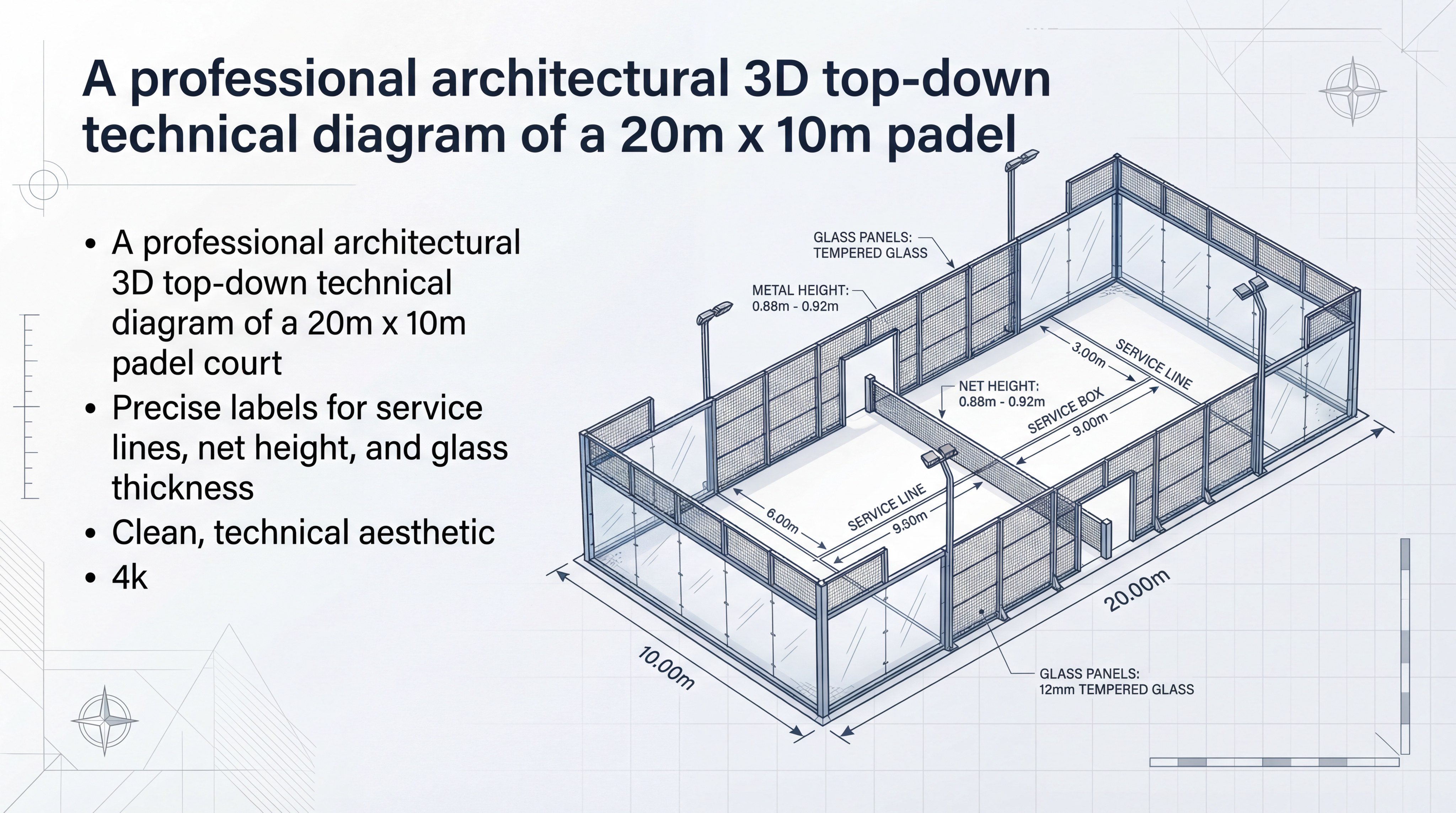
Building a court requires precision to ensure a valid padel point can be played according to international standards. The playing area is a rectangle 10 meters wide and 20 meters long.
It is divided in the middle by a net, creating two equal 10m x 10m squares. Precise dimensions are critical; even small deviations can alter the ball’s trajectory and the fairness of a point.
Court metric breakdown
- Width: Exactly 10.00 meters.
- Length: Exactly 20.00 meters.
- Service Lines: Located 6.95 meters from the net.
- Net Height: 0.88 meters at the center.
Standard dimension specifications
| Component | Standard Dimension | Tolerance |
|---|---|---|
| Total Length | 20.00m | +/- 0.10m |
| Total Width | 10.00m | +/- 0.05m |
| Net Center | 0.88m | Fixed |
How do glass walls influence a padel point rally?
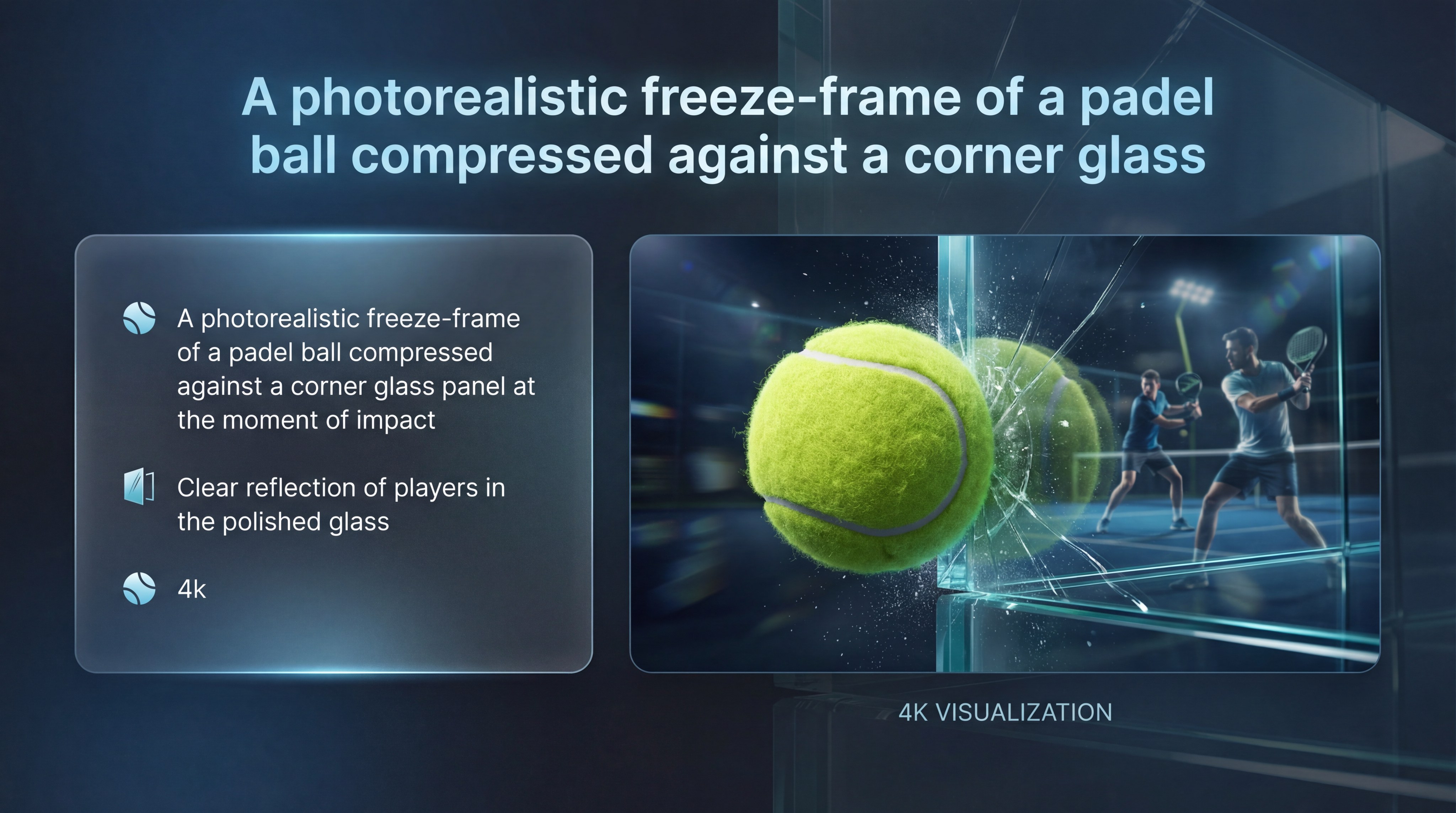
The walls are not just boundaries; they are active participants in every padel point and must be built using tempered safety glass. A ball is “in” if it bounces on the ground first and then hits the glass wall.
Players can also hit the ball against their own glass wall to send it over the net. Understanding the rebound angles is essential for defensive and offensive play.
Wall interaction rules
- Valid Rebound: Ground bounce then glass hit.
- Direct Hit: Ball hitting glass without ground bounce is “out.”
- Self-Wall Shot: Using your own wall to clear the net is legal.
- Double Glass: Ball hitting two glass panels after a bounce is live.
Wall interaction summary
| Ball Path | Wall Type | Status |
|---|---|---|
| Ground -> Glass | Back/Corner | In (Live) |
| Direct -> Glass | Back/Corner | Out |
| Ground -> Fence | Side Mesh | In (Live) |
Which surface is best for a consistent padel point?
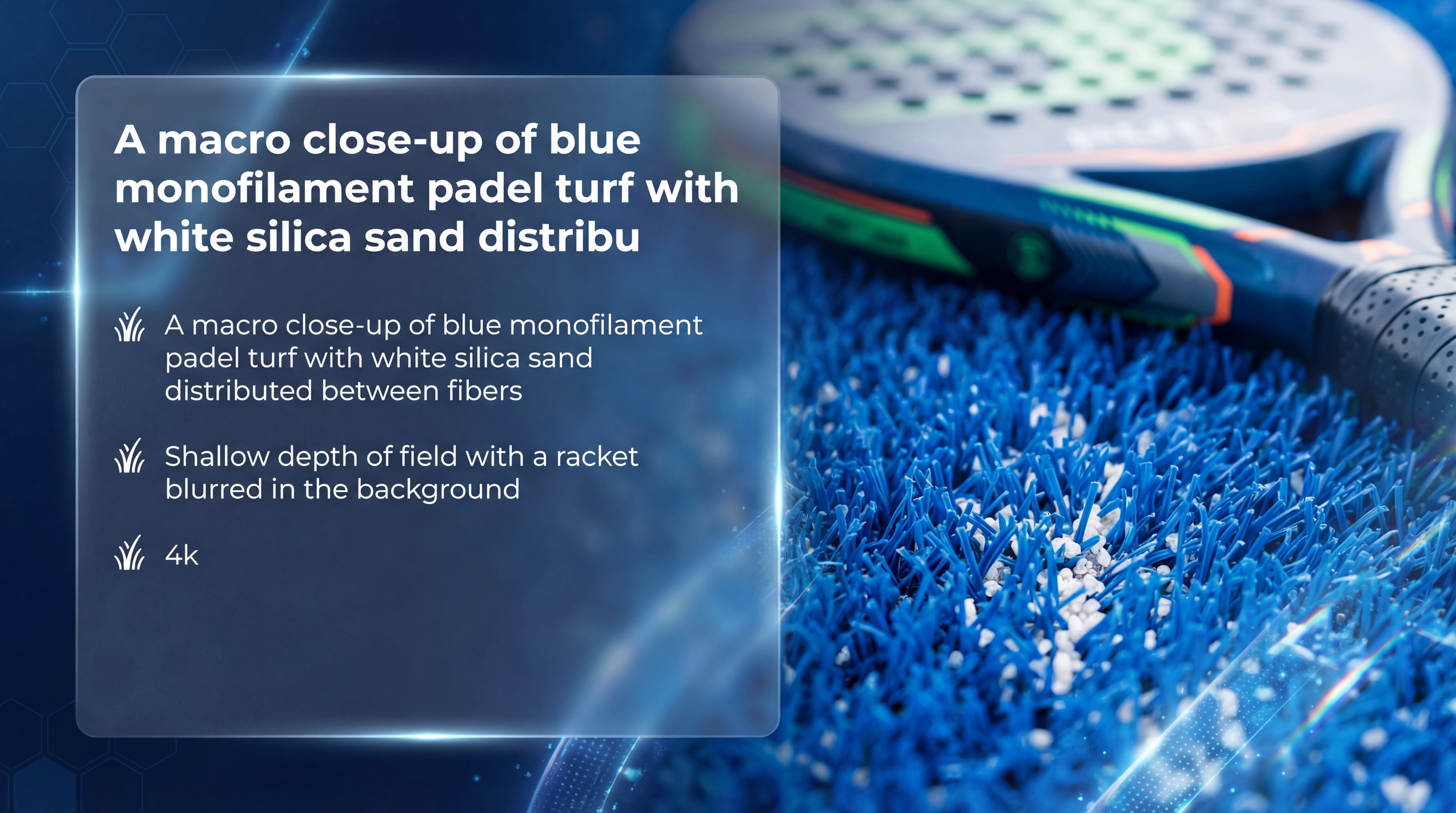
The quality of the turf determines the predictability of the ball’s bounce during a padel point. Most modern courts use monofilament synthetic grass because it offers a consistent grip.
Silica sand is distributed between the fibers to allow players to slide safely. It also keeps the turf fibers upright, ensuring the ball doesn’t “die” upon impact.
Surface performance factors
- Uniformity: Prevents “dead spots” for a true bounce.
- Traction: Allows controlled sliding and sudden pivots.
- Durability: Withstands high-intensity matches and weather.
- Drainage: Porous designs allow for play immediately after rain.
Synthetic turf specifications
| Material Type | Primary Benefit | Sand Requirement |
|---|---|---|
| Monofilament | Resilience & Grip | High (Silica) |
| Fibrillated | Lower Maintenance | Medium |
| Texturized | Low Sand Visibility | Low |
What equipment is needed to win a padel point?
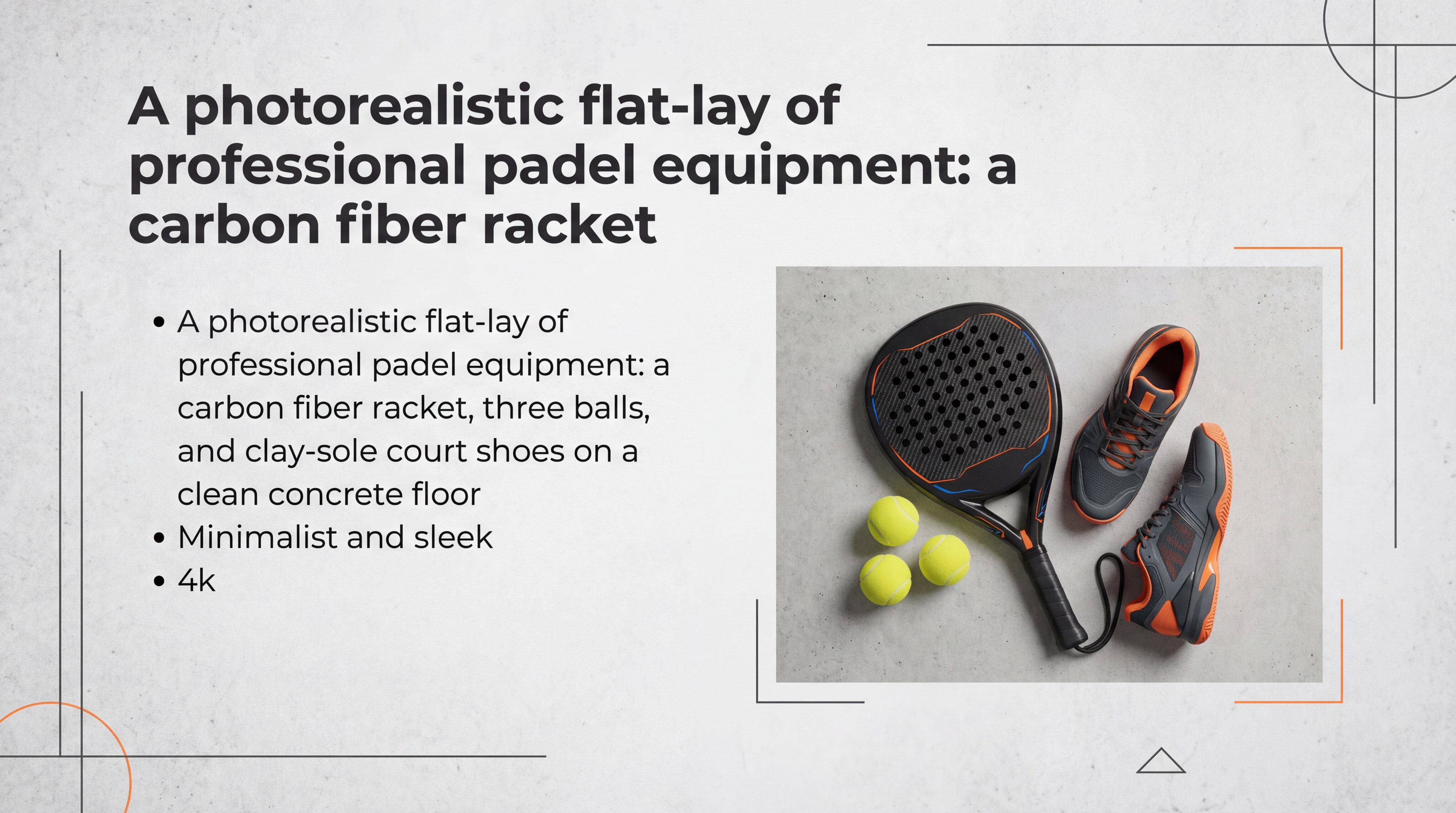
You cannot effectively win a padel point without the right tools. Padel rackets, known as “pales,” are solid and stringless with perforated holes to reduce wind resistance.
Padel balls have less internal pressure than tennis balls, making them slightly slower. This slower speed is better suited for the smaller court dimensions and glass wall rebounds.
Essential player gear
- Racket: Carbon fiber or fiberglass with EVA foam.
- Balls: Pressurized but softer than tennis balls.
- Shoes: Specific “Clay” or “Omni” soles for turf grip.
- Wrist Straps: Mandatory for safety during the match.
Equipment comparison
| Item | Padel Version | Tennis Version |
|---|---|---|
| Racket | Solid with holes | Strung frame |
| Ball | Lower pressure | Higher pressure |
| Court Size | 20m x 10m | 23.77m x 10.97m |
Is the cage essential for a valid padel point?
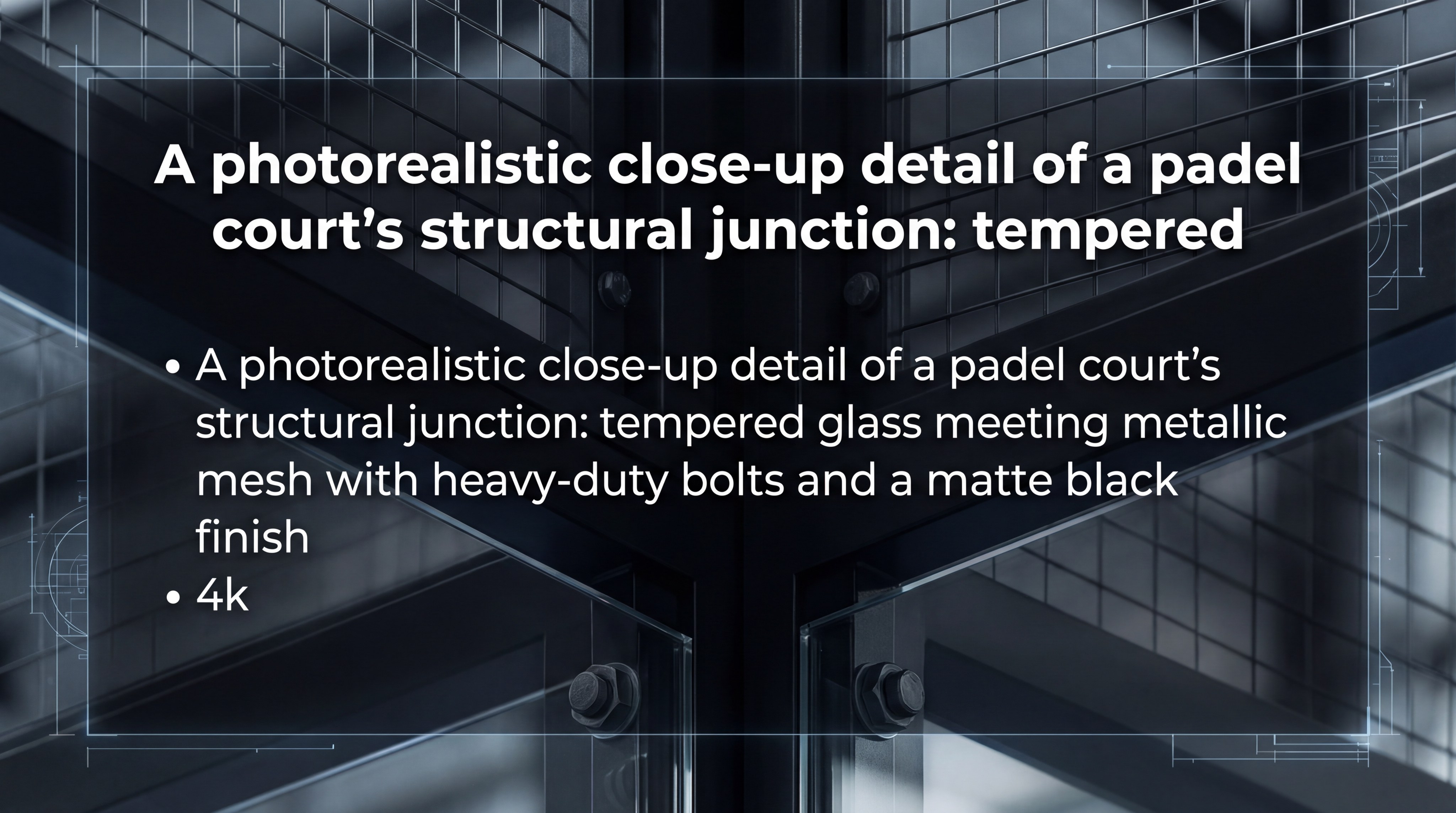
The enclosure is what makes the sport unique, and the structure must be robust enough for every padel point. The metallic mesh creates unpredictable rebounds that players must anticipate during long rallies.
If a ball hits the mesh directly without bouncing, it is out. However, if it bounces and then hits the mesh, the point remains live and active.
Structural requirements
- Stability: Posts must be bolted deeply to prevent vibration.
- Uniformity: Mesh must be flush to avoid irregular kicks.
- Safety: All junctions must be smooth to prevent injury.
- Visibility: Glass must be clear for player and spectator sight.
Enclosure components
| Component | Material | Function |
|---|---|---|
| Back Walls | Tempered Glass | Predictable Rebound |
| Side Walls | Metallic Mesh | Tactical Complexity |
| Frame | Galvanized Steel | Structural Integrity |
How do you strategically build a winning padel point?
Winning a padel point is more about patience and positioning than raw power. The team that controls the net usually dictates the pace and wins the rally.
Strategic use of the “lob” pushes opponents away from the net. Once you take the net position, volleys and smashes can be used to end the rally.
Tactical building blocks
- Net Control: Moving forward to dominate the attacking zone.
- The Lob: Defensive shot to reset the opponent’s position.
- Chiquita: A soft shot to the feet to force an error.
- Communication: Constant dialogue between doubles partners.
Strategic shot outcomes
| Shot Type | Objective | Risk Level |
|---|---|---|
| Smash | End the point | High |
| Lob | Reposition | Low |
| Volley | Maintain Pressure | Medium |
How does lighting impact every single padel point?
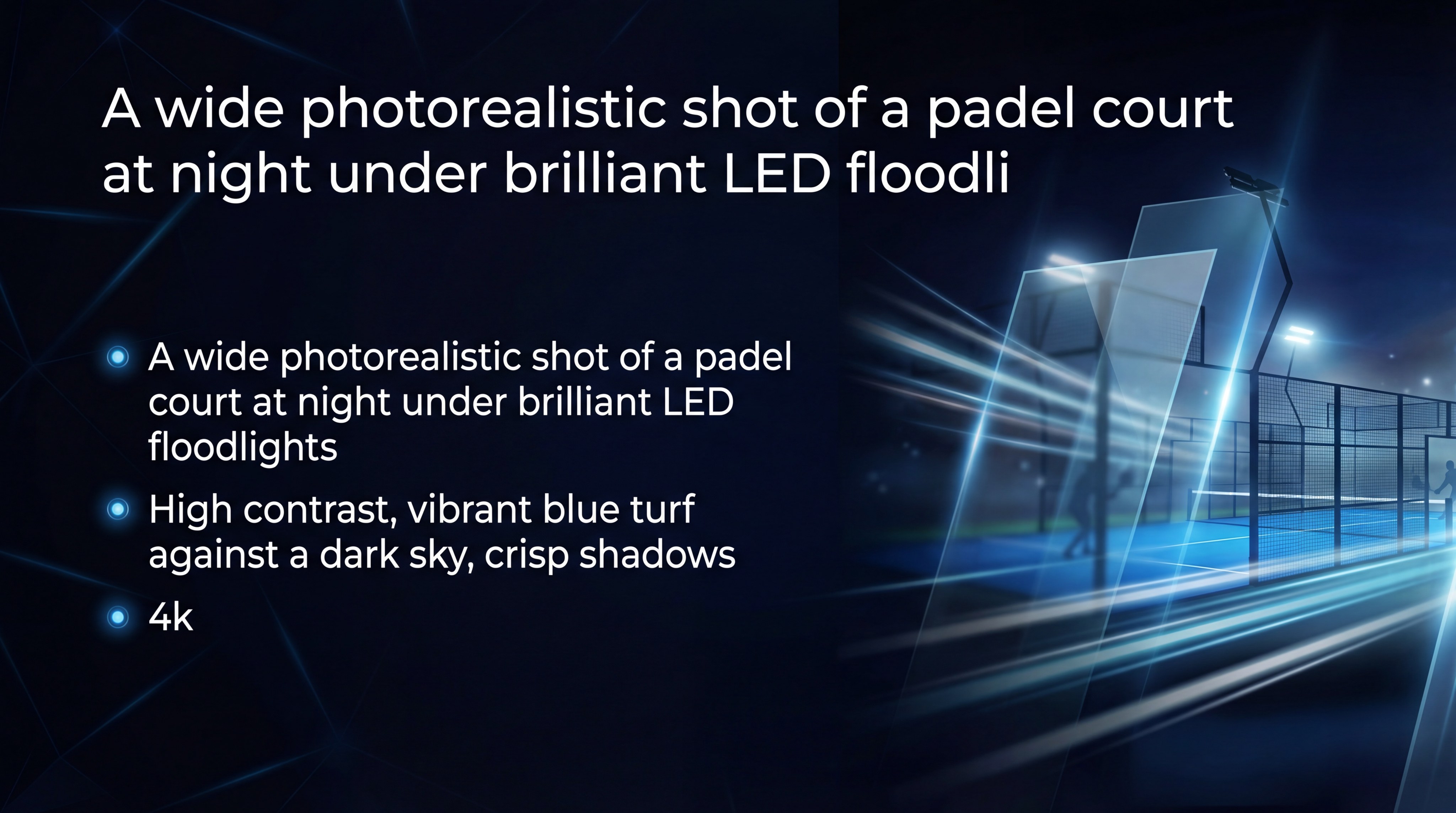
Visibility is paramount, especially during night matches where shadows can hide a padel point. Modern courts use high-efficiency LED floodlights to ensure uniform brightness.
For professional play, lighting must reach at least 500-750 lux. This level of brightness allows players and cameras to track the ball’s spin perfectly.
Professional lighting standards
- Lux Level: Minimum 500 lux for club play.
- Uniformity: No dark spots or glare on the glass.
- Height: Lights must be high enough to avoid player distraction.
- Efficiency: LED systems reduce heat and power consumption.
Maintenance checklist
| Action | Frequency | Purpose |
|---|---|---|
| Sand Brushing | Weekly | Consistent Bounce |
| Glass Cleaning | Monthly | Clarity & Visibility |
| Bolt Inspection | Quarterly | Structural Safety |
FAQ: Understanding Padel Rules
- What happens if the ball hits the net cord during a serve?
If the ball clips the net but lands in the correct service box without touching the fence, it is a “let” and the serve is retaken. If it hits the fence after the bounce, it is a fault. - Can I hit the ball after it bounces off the glass?
Yes, as long as the ball has only bounced once on the ground. You must hit it before it bounces on the ground a second time, even if it has hit the glass wall. - Is it legal to run outside the court to save a ball?
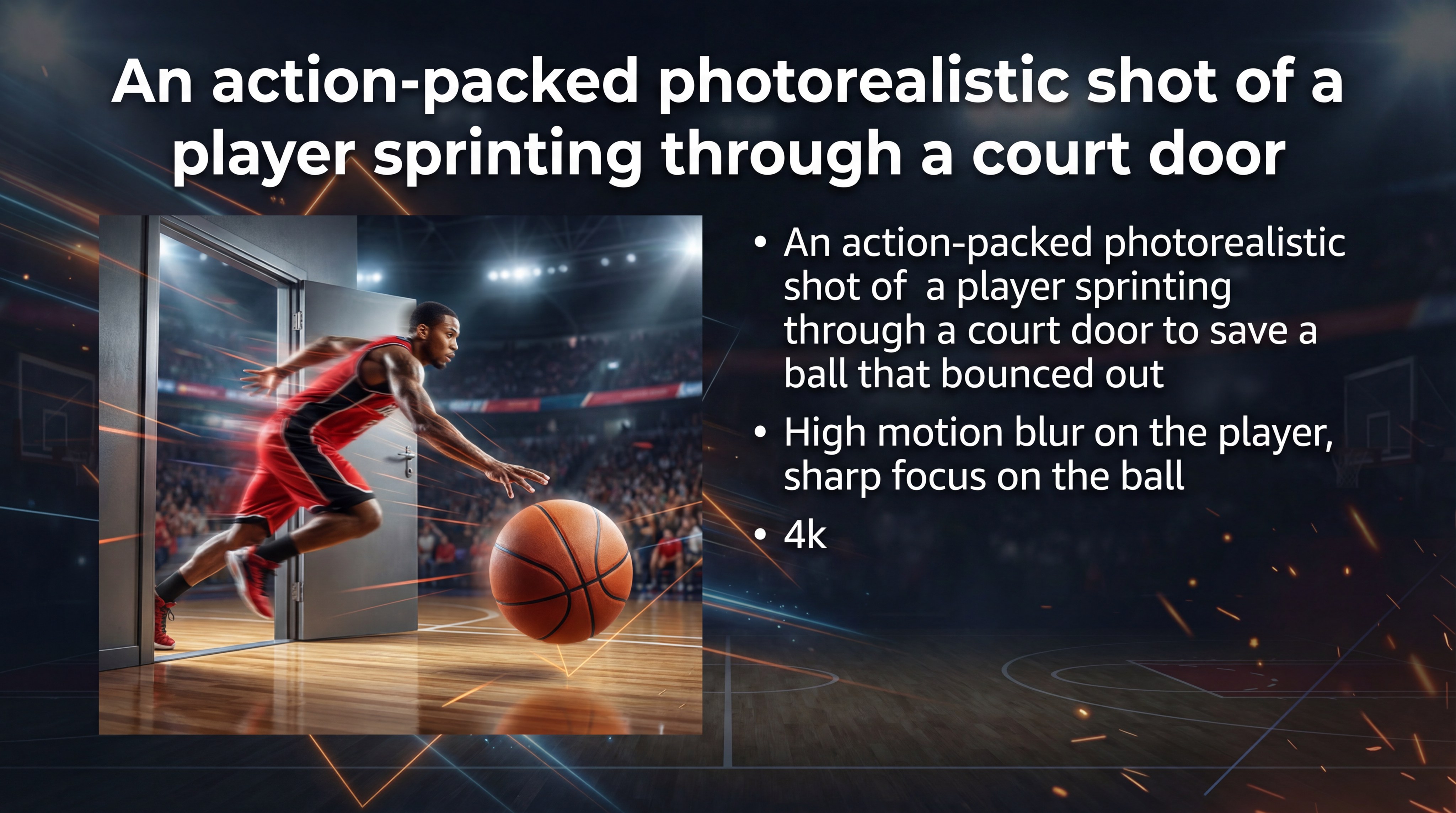
In professional setups with proper door clearances, players can exit through the side doors to return a ball that has bounced out of the court’s perimeter. - How many serves am I allowed per point?
Just like tennis, you are allowed a first and second serve. If both are faults, you lose the point. - What is the difference between a padel ball and a tennis ball?
Padel balls are slightly smaller and have lower internal pressure. This makes them slower and better suited for the tactical, rebound-heavy nature of the sport.
Final Note: A successful game starts with a perfect court. If you are looking to build a professional facility or upgrade your existing infrastructure, contact us today.