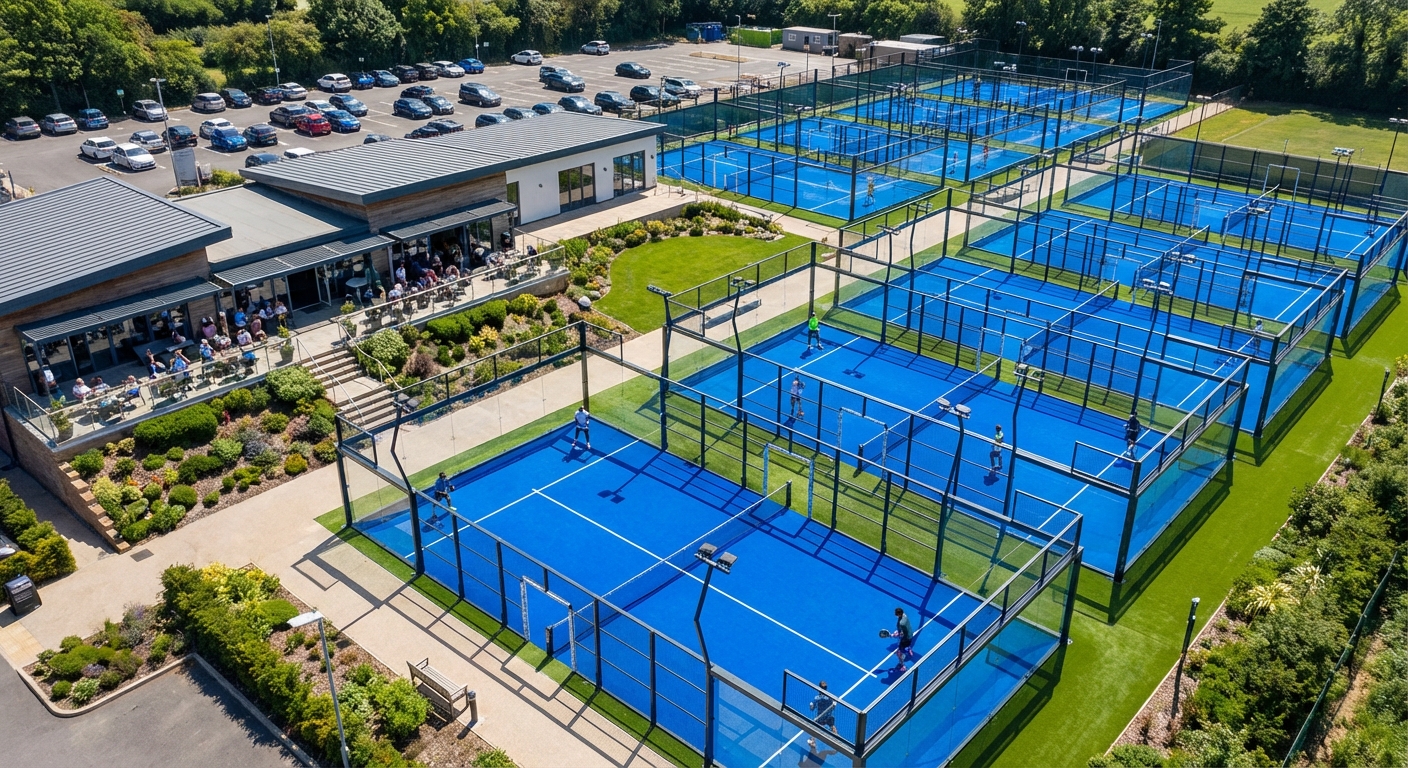
A padel court supplier is a specialized partner that provides the engineering, materials, and technical guidance required to construct high-performance racket sports facilities from the ground up. You are likely seeing the explosion of padel’s popularity, but the prospect of navigating complex structural requirements and international safety standards can feel overwhelming. It is exhausting to manage multiple vendors only to end up with a court that suffers from rapid rust or poor turf playability. By working with a factory-direct expert, you gain a streamlined, turn-key solution that ensures your facility is built to professional standards while maximizing your return on investment.
Why should you choose a specialized padel court supplier?
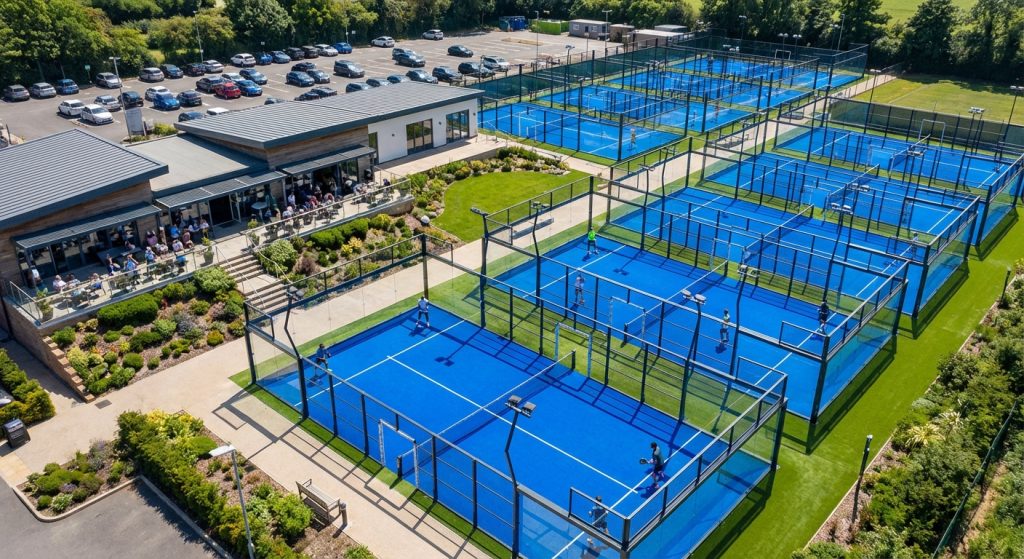
Choosing a specialized padel court supplier provides you with a single point of accountability for the engineering, safety, and aesthetic quality of your sports facility. These experts understand the specific load-bearing requirements for glass walls and the exact fiber density needed for a professional bounce. By eliminating middlemen, you gain direct access to factory-grade materials that are often 30% more cost-effective. This partnership ensures that your court is not just a playing surface, but a long-term commercial asset.
Accessing Factory-Direct Pricing
Buying directly from the source significantly lowers your procurement costs by cutting out distributor markups. This allows you to allocate more budget toward premium amenities or additional courts.
Here is the deal:
When you save on the initial build, your project reaches profitability much faster.
Ensuring International Safety Standards
Professional suppliers ensure that all components, from the anti-explosion glass to the hot-dip galvanized steel, meet FIP and European EN standards. This mitigates liability and protects your players.
- Certified 12mm tempered safety glass.
- Wind resistance ratings up to 100 km/h.
- Fire-resistant synthetic turf materials.
Key Takeaway: A specialized supplier reduces financial risk while guaranteeing a product that meets global competitive standards for safety and performance.
| Benefit | Impact on Project |
|---|---|
| Factory-Direct | Reduces total procurement costs by up to 30% |
| FIP Compliance | Ensures the facility can host official tournaments |
| Expert Design | Maximizes playability and player safety |
This strategic choice allows you to focus on club management rather than troubleshooting construction defects.
How does a padel court supplier start the building process?
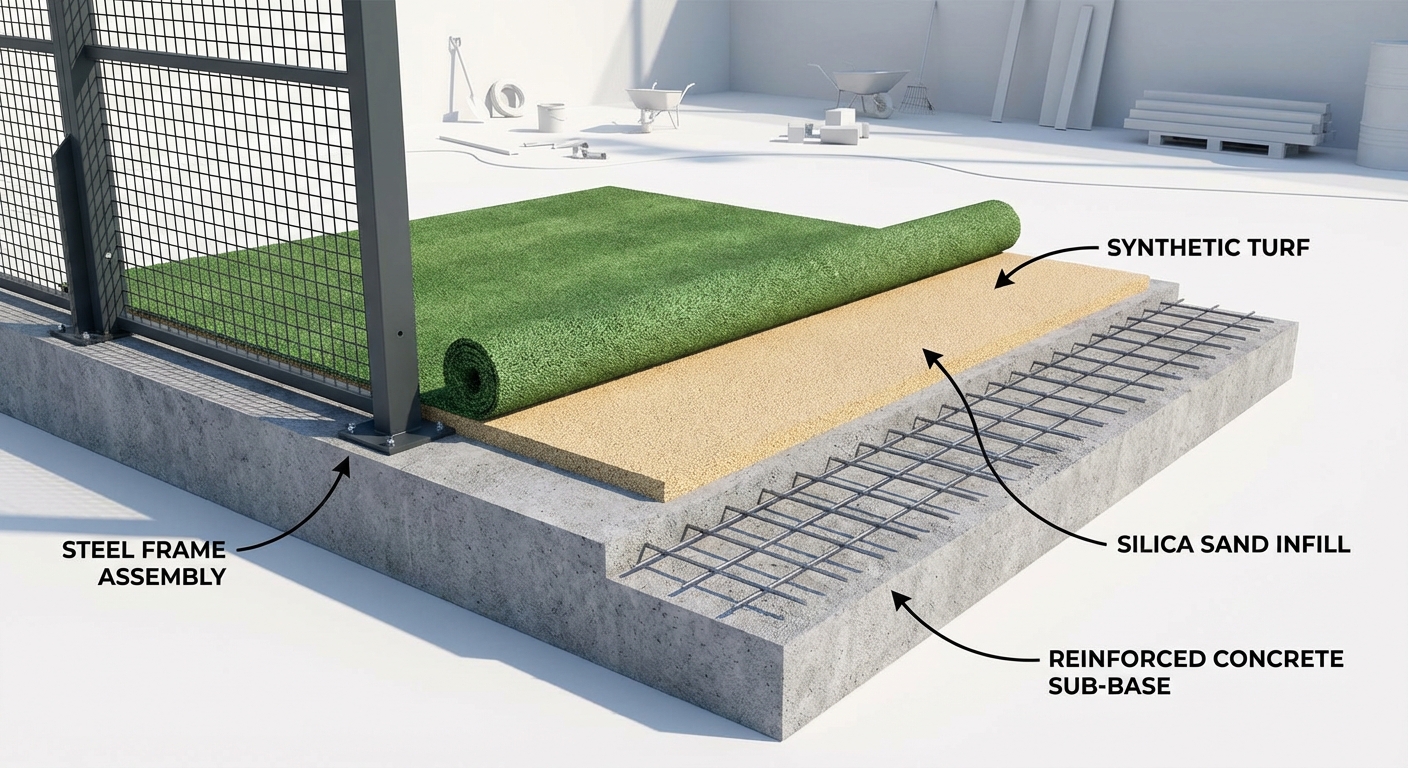
A professional padel court supplier begins the process with a comprehensive site analysis and feasibility study to ensure the ground can support the structural weight of the court. They evaluate the sub-base requirements, often recommending reinforced concrete to prevent shifting over time. This phase includes drafting technical blueprints that account for drainage, access points, and spectator flow. Proper planning at this stage prevents costly modifications during the actual assembly.
Site Analysis and Technical Mapping
The engineering team assesses the topography and soil density to determine the best foundation type. They provide detailed CAD drawings that your local contractors can use to prepare the site.
Think about it:
A court is only as stable as the ground it sits on, making this initial data critical.
Sub-base and Foundation Preparation
A solid sub-base is essential for maintaining a perfectly level playing surface and ensuring the glass panels align correctly. The supplier provides the exact specifications for concrete thickness and anchor point positioning.
- Reinforced concrete slab installation.
- Integrated drainage channel placement.
- Precision leveling for consistent ball bounce.
Key Takeaway: Starting with a rigorous technical analysis ensures that the physical installation proceeds without structural hitches or leveling issues.
| Step | Objective |
|---|---|
| Site Survey | Identify ground stability and drainage needs |
| Blueprinting | Create a technical roadmap for the build |
| Sub-base Prep | Establish a level foundation for steel and glass |
This foundational work is what separates a professional facility from a temporary recreational setup.
What is the design role of a modern padel court supplier?
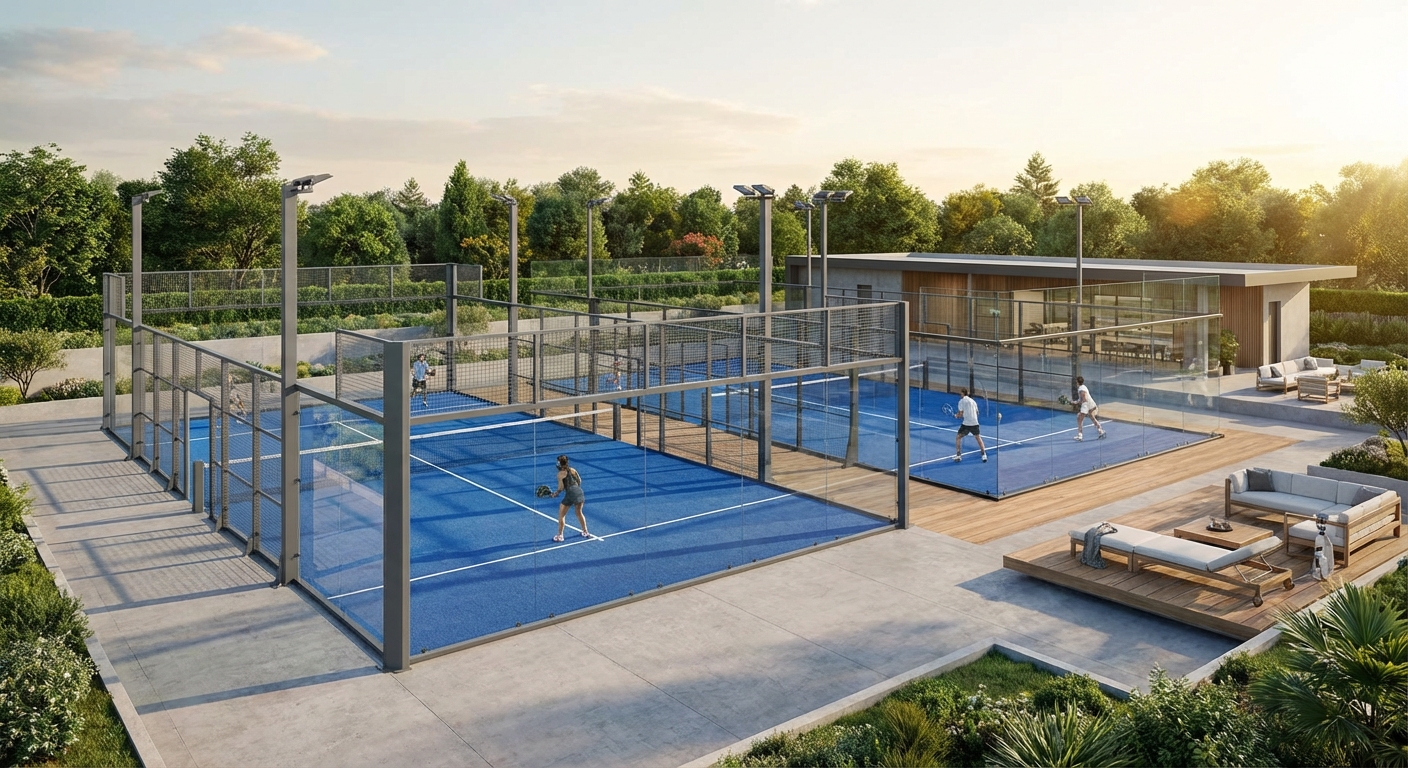
The design role of a modern padel court supplier involves balancing the aesthetic appeal of the facility with the functional needs of both players and spectators. They help you select between standard, panoramic, or super-panoramic models based on your club’s goals and budget. High-end suppliers offer full customization, allowing you to integrate brand colors and logos directly into the court structure and turf. This design phase ensures your facility stands out in a competitive market as a premium destination.
Choosing the Right Court Model
Suppliers offer various models, such as the Panoramic Court, which removes rear structural posts to provide a 360-degree view for spectators. This model is ideal for high-profile clubs looking to host showcase matches.
The best part?
A more attractive court allows you to command higher booking fees from your members.
Custom Branding and Aesthetic Finish
You can customize the RAL colors of the steel frame to match your brand identity perfectly. Suppliers also offer custom-printed logos on the turf and net for a truly professional look.
- Custom steel frame color coatings.
- Logo integration on the playing surface.
- Sleek, modern lighting mast designs.
Key Takeaway: Innovative design increases the “vibe” of your club, making it more marketable and attractive to elite players and sponsors.
| Model | Visibility Level | Best Application |
|---|---|---|
| Standard | Good | High-traffic community centers |
| Panoramic | Excellent | Professional clubs and tournaments |
| Super-Panoramic | Superior | Flagship courts and showcase events |
Investing in superior design creates a visual centerpiece that serves as a powerful marketing tool for your business.
How can a padel court supplier adapt to your local climate?
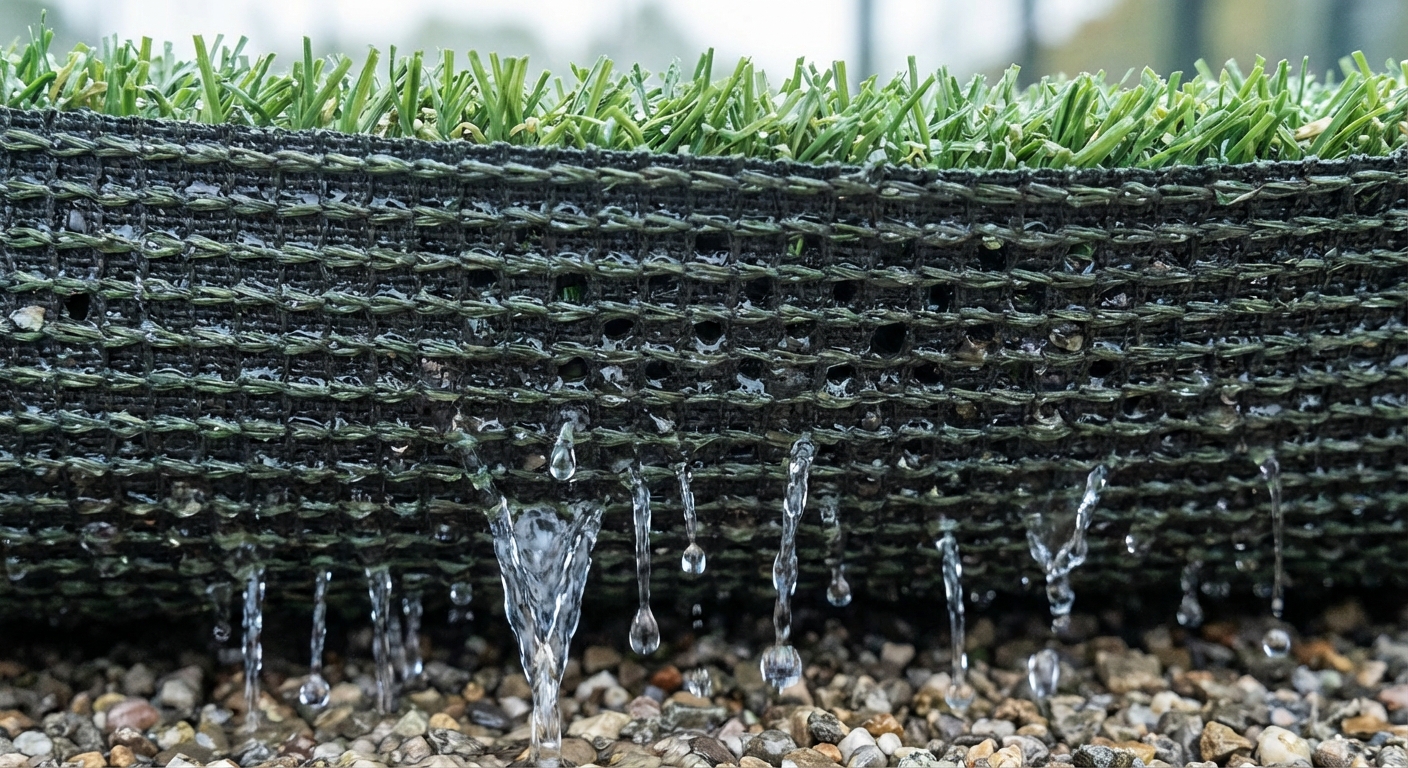
An expert padel court supplier analyzes your local weather patterns to recommend specific material treatments that prevent environmental degradation. In coastal areas, they might suggest enhanced hot-dip galvanizing to protect the steel frame from salt-air corrosion. For regions with high rainfall, they prioritize advanced drainage systems that keep the turf playable minutes after a storm. This climate-specific approach ensures your courts remain in top condition regardless of the local environment.
Weather-Resistant Material Selection
Suppliers use thermo-hardened powder coatings that resist UV fading in sunny climates and prevent rust in humid ones. This protects your investment from the elements and reduces long-term maintenance costs.
Look:
Coastal humidity can destroy a standard court in months, but a treated one lasts decades.
High-Performance Drainage Engineering
The turf and sub-base are designed with specific permeability rates to handle heavy downpours efficiently. This prevents water pooling, which can damage the grass fibers and create safety hazards for players.
- UV-stabilized grass fibers.
- Rapid-drain turf backing.
- Anti-corrosive hardware and bolts.
Key Takeaway: Climate adaptation extends the lifespan of your courts and ensures they are available for play more days out of the year.
| Climate Type | Material Solution | Benefit |
|---|---|---|
| Coastal/Humid | Hot-dip galvanizing | Prevents rust and structural failure |
| Tropical/Rainy | High-flow drainage turf | Ensures quick recovery after rain |
| Arid/High UV | UV-treated polyethylene | Prevents turf fading and brittleness |
Selecting the right materials for your specific location minimizes downtime and preserves the court’s aesthetic appeal for years.
Why does a padel court supplier focus on structural steel?
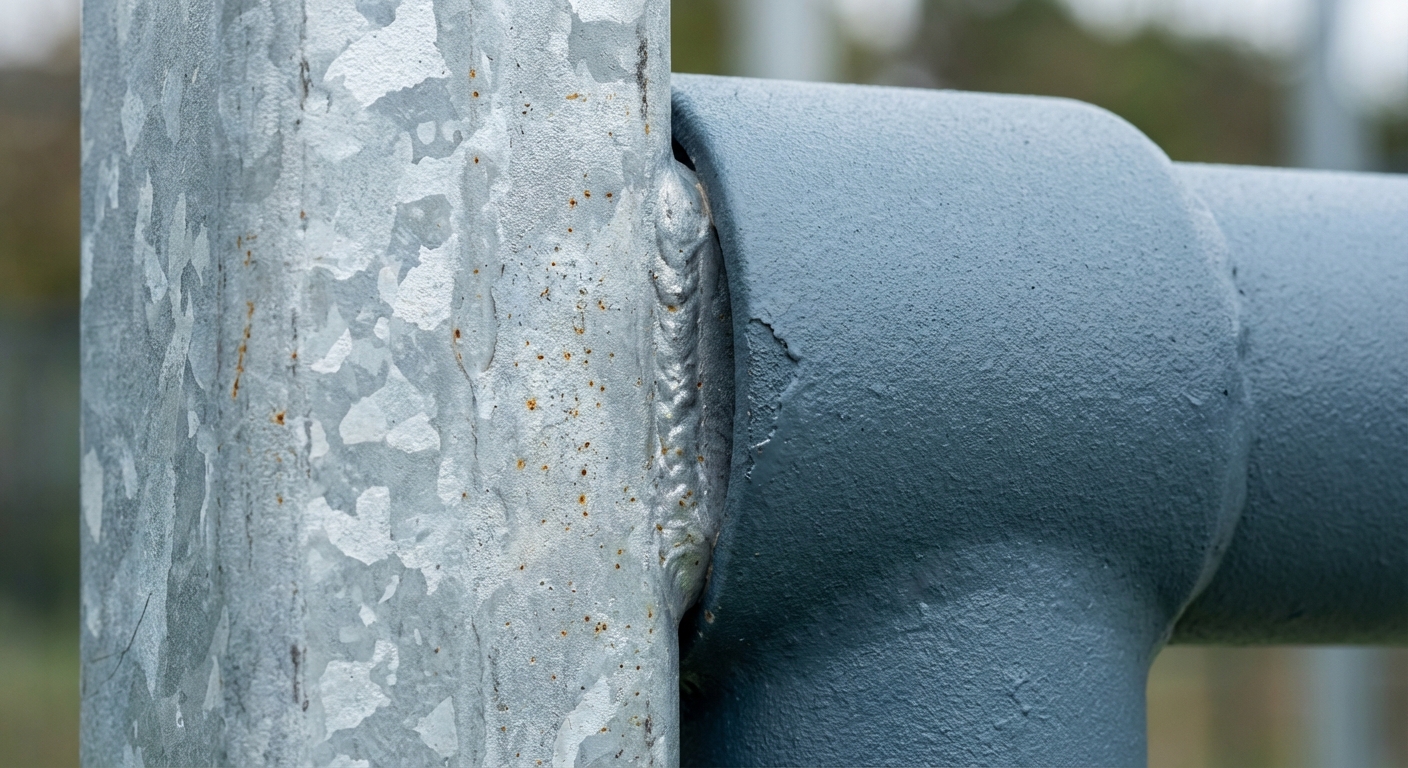
A reliable padel court supplier focuses on structural steel because it forms the skeleton that must safely support tons of tempered glass and withstand high wind loads. The use of hot-dip galvanized steel is the industry standard for preventing rust and ensuring a 20-year design life. This heavy-duty frame must be perfectly modular to allow for straightforward assembly while remaining rigid enough to absorb player impact. Focusing on the “bones” of the court ensures the long-term safety of your facility.
The Importance of Hot-Dip Galvanizing
Galvanizing involves coating the steel in molten zinc to create a permanent barrier against corrosion. This process is far superior to simple painting, which can flake off and lead to structural weakening.
Bottom line:
Structural failure is not an option when you have massive glass panels involved.
Modular Design for Precision Assembly
Modular frames are engineered to fit together with extreme precision, reducing the risk of human error during the installation process. This ensures that the glass panels sit perfectly in their tracks without tension.
- Hot-dip galvanized internal and external surfaces.
- Precision-drilled modular bolt points.
- Heavy-duty base plates for foundation anchoring.
Key Takeaway: Superior steelwork provides the rigid foundation necessary for glass safety and consistent ball-off-the-wall playability.
| Feature | Standard Steel | Premium Structural Steel |
|---|---|---|
| Protection | Painted | Hot-dip galvanized |
| Longevity | 3-5 years before rust | 20+ years design life |
| Wind Rating | Low/Variable | Up to 100 km/h certified |
Choosing high-grade steel is a one-time investment that prevents the nightmare of future structural repairs or replacements.
What grass types does a professional padel court supplier use?
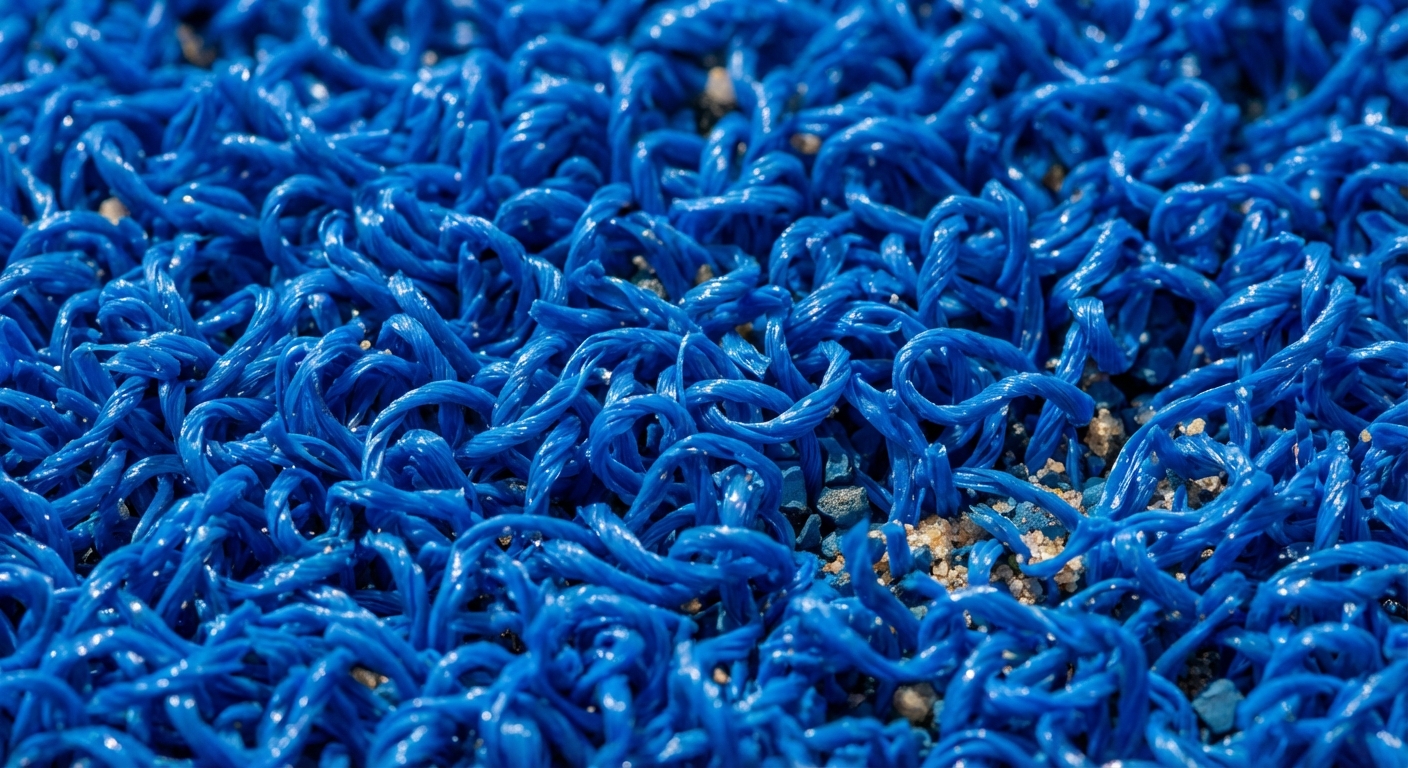
A professional padel court supplier typically offers high-density, fibrillated or textured turf that is specifically engineered for the unique demands of racket sports. Unlike standard artificial grass, padel turf must provide a consistent vertical ball bounce and allow for controlled foot sliding. Most top-tier courts utilize 10mm to 12mm textured polyethylene fibers that hold sand infill evenly across the surface. This ensures that the playing characteristics remain uniform even after thousands of hours of heavy use.
Textured vs. Fibrillated Turf
Textured turf is often preferred for elite play because it traps the silica sand better, leading to less maintenance and a more “natural” feel. Fibrillated turf is a durable, cost-effective option often used for community and school facilities.
Truth is:
The right grass determines whether a player leaves with a smile or a knee injury.
UV Stability and Wear Resistance
High-quality grass is treated with UV stabilizers to prevent the fibers from becoming brittle and breaking under intense sunlight. The backing must also be robust enough to withstand the friction and torsion of quick lateral movements.
- 10mm-12mm fiber height.
- High-density polyethylene construction.
- UV-resistant coloring for longevity.
Key Takeaway: The grass is the most replaced component of a court; choosing premium turf now reduces your replacement frequency in the future.
| Turf Type | Best For | Key Feature |
|---|---|---|
| Textured | Pro Clubs | Better sand retention and lower maintenance |
| Fibrillated | High Traffic | Superior durability and cost-efficiency |
| High-Density | Tournament Courts | Optimized ball bounce and player grip |
Selecting a surface that balances grip and slide will make your facility the preferred choice for regular players in your area.
How does a padel court supplier handle night play lighting?
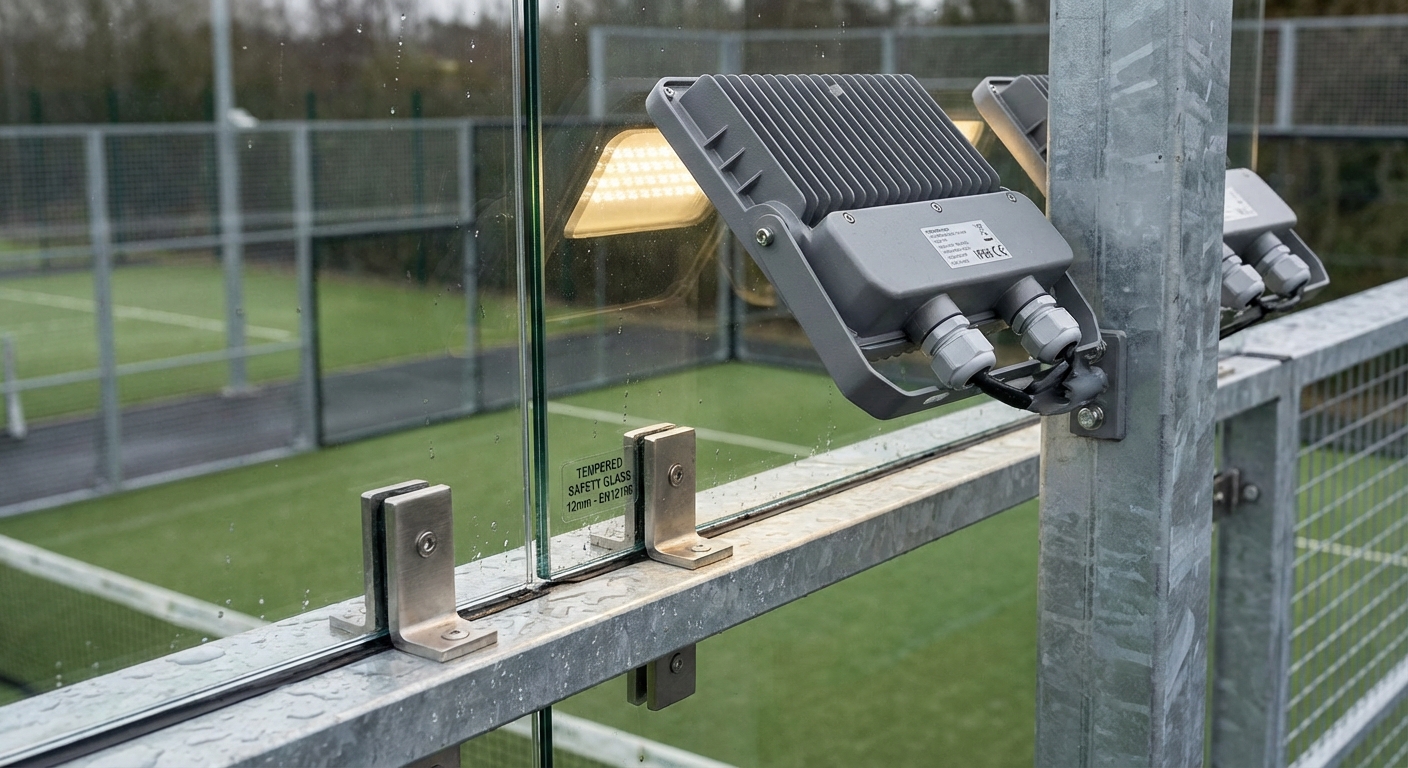
An experienced padel court supplier handles night play by installing high-efficiency LED lighting systems that provide uniform illumination without blinding the players. They position 200W to 300W floodlights on 6-meter masts to ensure that there are no shadows on the playing surface. These systems are typically IP66 waterproof rated, allowing them to function reliably in all weather conditions. Proper lighting design can double your revenue potential by allowing for court bookings well into the evening hours.
Achieving Uniform Illumination
The goal is to provide at least 300 to 500 lux across the entire court to meet international tournament standards. This allows players to track the fast-moving ball clearly from any angle on the court.
Check this out:
Poor lighting leads to player complaints and missed bookings, costing you money every night.
Energy Efficiency and Cost Savings
Modern LED fixtures use significantly less power than older metal-halide lights, leading to lower monthly utility bills. They also have a much longer lifespan, meaning you won’t need to hire lift equipment for frequent bulb changes.
- IP66 waterproof rating for outdoor use.
- High-lumen output with low glare technology.
- Instant-on capability for immediate play.
Key Takeaway: Investing in professional-grade LED lighting maximizes your court’s availability and ensures a high-quality experience during peak evening hours.
| Feature | Old Metal-Halide | Modern LED System |
|---|---|---|
| Energy Usage | High | Low (Save 60%+) |
| Lifespan | Short (6,000 hrs) | Long (50,000 hrs) |
| Warm-up Time | 5-10 minutes | Instant-on |
By providing a brilliantly lit environment, you ensure your club remains the top choice for the “after-work” crowd.
Which glass safety specs will a padel court supplier follow?
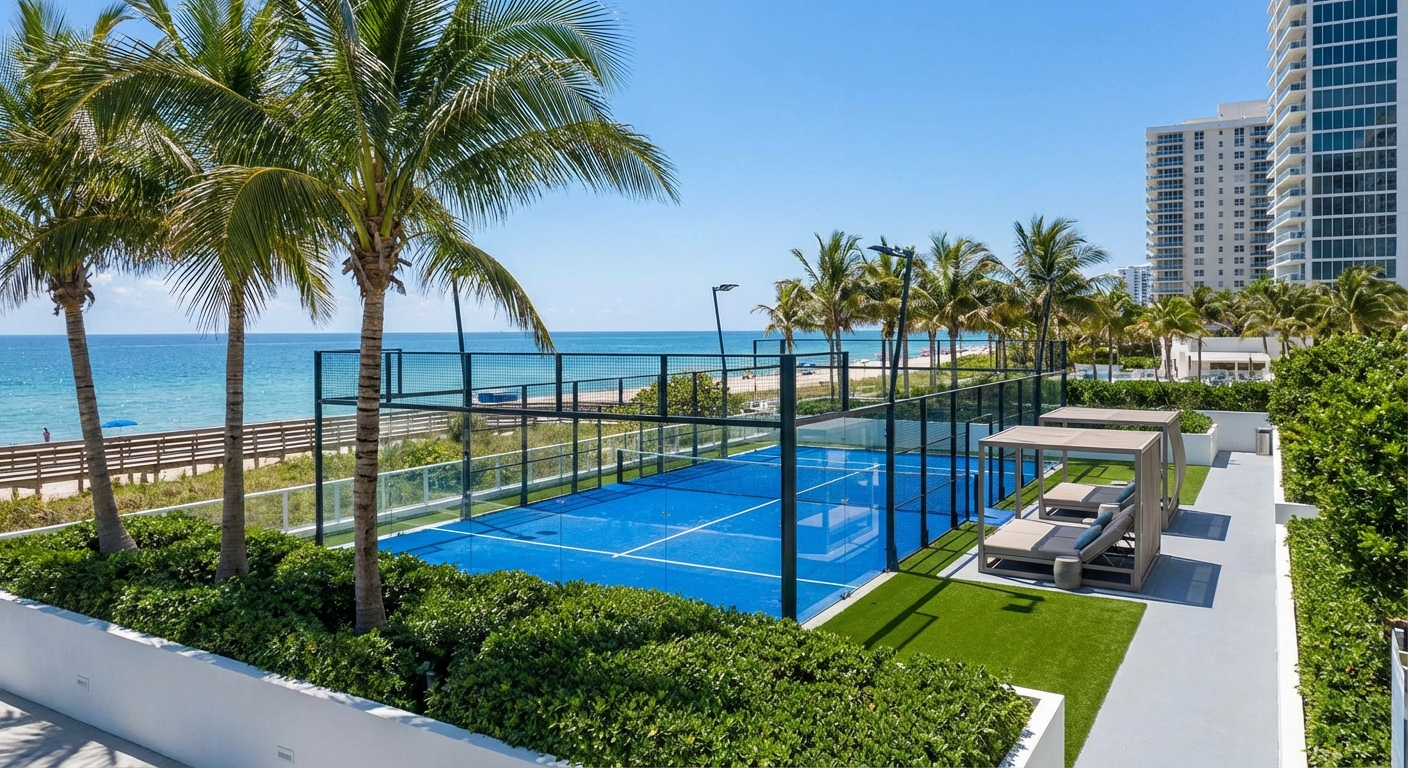
Your padel court supplier should strictly follow European EN 12150-1 standards, which mandate the use of tempered safety glass for all wall panels. Commercial-grade courts typically use 10mm or 12mm glass, with 12mm being the standard for high-traffic or professional facilities due to its superior impact resistance. In the rare event of a break, this glass is designed to shatter into tiny, blunt pieces rather than sharp shards. This safety feature is non-negotiable for mitigating liability and protecting your club’s members.
Why 12mm Tempered Glass is the Standard
While 10mm glass is lighter, 12mm glass provides a better ball-off-the-wall response and is much harder to break during high-impact play. Most premium suppliers now recommend 12mm for all commercial installations to ensure maximum durability.
Why does this matter?
One shattered panel can shut down your court for weeks; thicker glass prevents this downtime.
Precision Mounting and Hardware
The glass panels must be mounted with specialized EPDM gaskets to prevent direct contact with the steel frame, which could cause stress fractures. All bolts and fasteners should be countersunk to ensure player safety and a sleek finish.
- 12mm anti-explosion tempered safety glass.
- EPDM protective gaskets on all edges.
- Polished edges for maximum safety.
Key Takeaway: Glass is the most critical safety component of the court; never compromise on thickness or certification to save a few dollars.
| Specification | 10mm Glass | 12mm Glass (Recommended) |
|---|---|---|
| Impact Strength | Standard | High (Professional Grade) |
| Ball Rebound | Good | Excellent/Consistent |
| Safety Rating | EN 12150 | EN 12150 (Superior Stability) |
Using certified, heavy-duty glass ensures that your facility can handle the most aggressive play styles without safety concerns.
What support does a padel court supplier offer during assembly?
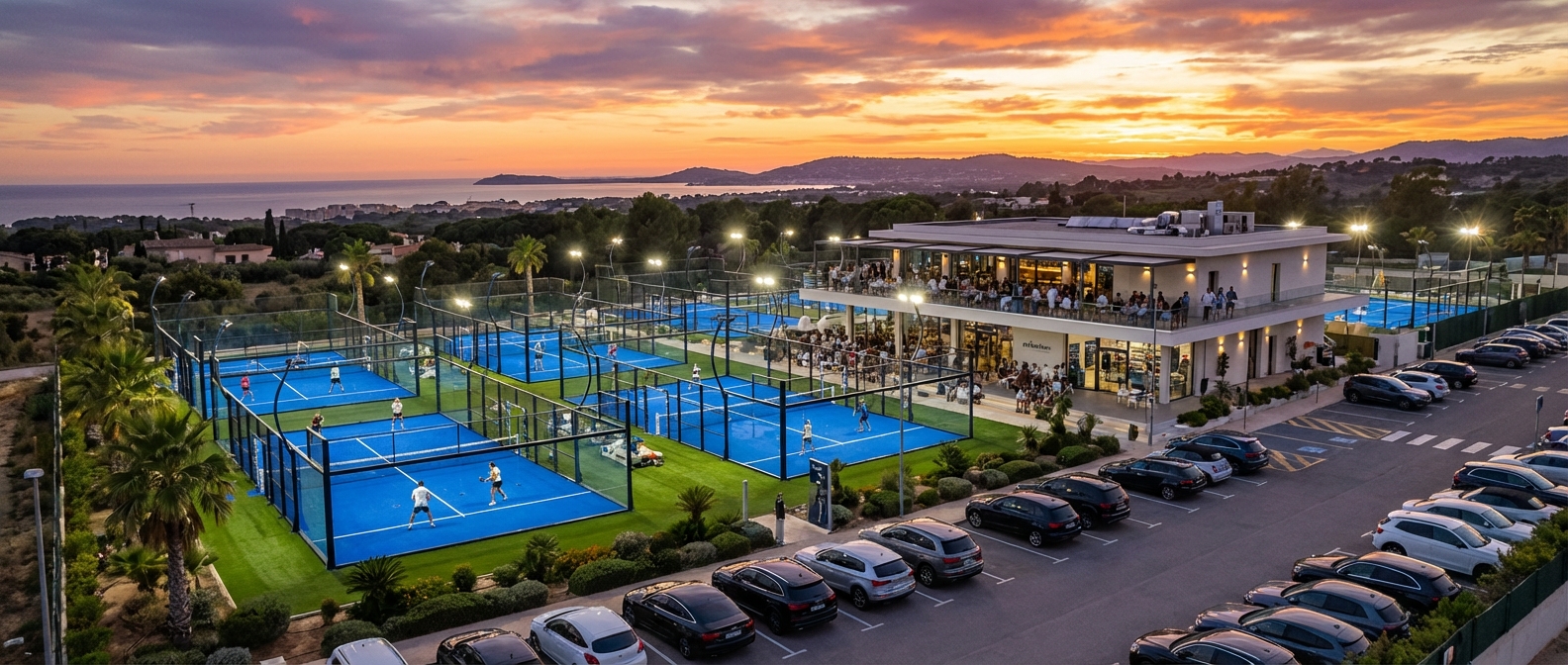
A top-tier padel court supplier offers comprehensive technical support during the assembly phase, ranging from detailed installation manuals to remote video guidance. They ensure that your local construction team understands the sequence of mounting the steel frame, leveling the glass, and seaming the turf. Some suppliers also provide on-site supervisors to oversee the most technical aspects of the build. This support minimizes the risk of installation errors that could compromise the court’s safety or playability.
Detailed Installation Documentation
You receive a full package of technical drawings and step-by-step manuals that demystify the assembly process. This documentation is essential for your local building permits and ensuring the court is built exactly to spec.
Fact is:
A modular court is only “easy to build” if you have the right instructions in hand.
Remote and On-site Technical Assistance
Modern suppliers use video calls and digital messaging to provide real-time troubleshooting for your installation crew. This instant access to engineering experts prevents small mistakes from becoming permanent structural issues.
- Complete CAD assembly drawings.
- Remote video support via WhatsApp or Zoom.
- Detailed material checklists for quality control.
Key Takeaway: Technical support is the “insurance policy” for your construction project, ensuring that the finished court meets factory standards.
| Support Level | Description | Best For |
|---|---|---|
| Documentation | Manuals and CAD drawings | Experienced local crews |
| Remote Support | Real-time video guidance | General contractors |
| On-site Supervision | Expert supervisor on-site | Large-scale multi-court projects |
Reliable support during the build phase ensures that your project stays on schedule and meets all local safety regulations.
How do you vet a padel court supplier for a large project?
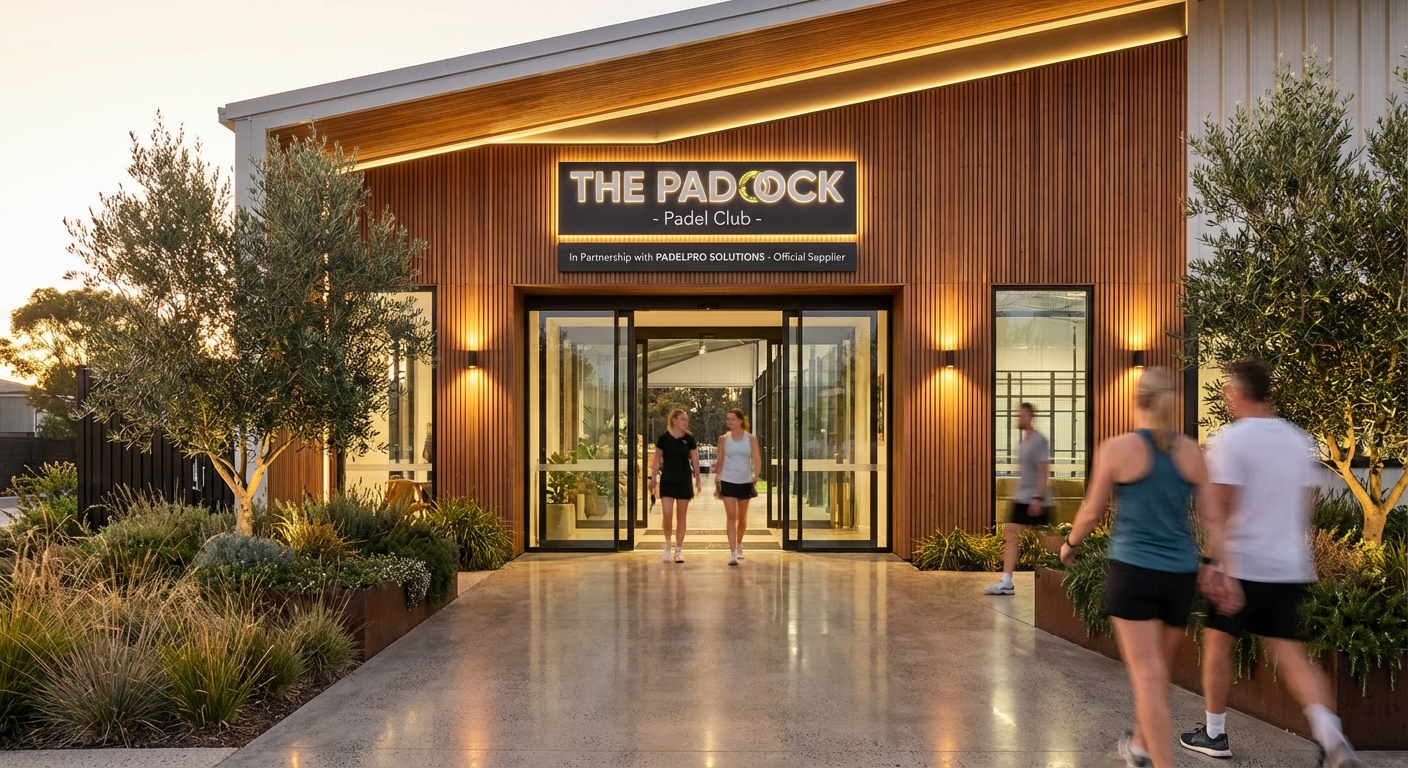
Vetting a padel court supplier for a large project requires verifying their previous installation history and checking for international quality certifications. You should ask for references from sports club owners who have used their courts for more than two years to see how the materials have aged. It is also critical to confirm that they provide a comprehensive warranty on the structural steel and synthetic turf. A transparent supplier will be happy to show you their manufacturing facility or provide real photos of their container loading process.
Verifying Certifications and Portfolios
Ensure the supplier holds ISO 9001 certifications and that their glass and turf products meet FIP standards. Reviewing their portfolio of completed projects in your region can give you confidence in their logistical capabilities.
You see:
A supplier with a 15-year history is much less likely to disappear if you need a spare part.
Evaluating Logistical and Support Capabilities
A good supplier should be able to provide a formal quotation within 24 hours and clearly explain their shipping and customs procedures. Their ability to handle global shipments professionally is a sign of a mature and reliable business.
- Check for 500+ satisfied clients worldwide.
- Verify ISO