what is padel?: what it is and how to build it
Padel is a dynamic racquet sport played in an enclosed court that combines elements of tennis and squash, requiring specialized construction including galvanized steel frames and tempered glass walls. You have likely seen the vibrant blue courts appearing in your city and felt a mix of curiosity and confusion about the rules. It is frustrating to watch others engage in such a high-energy social activity while you remain unsure of how the scoring works or what it takes to launch a club. This comprehensive guide provides the definitive answer to what is padel? and outlines the exact technical requirements for professional court installation.
1. What is padel and how do you play it?
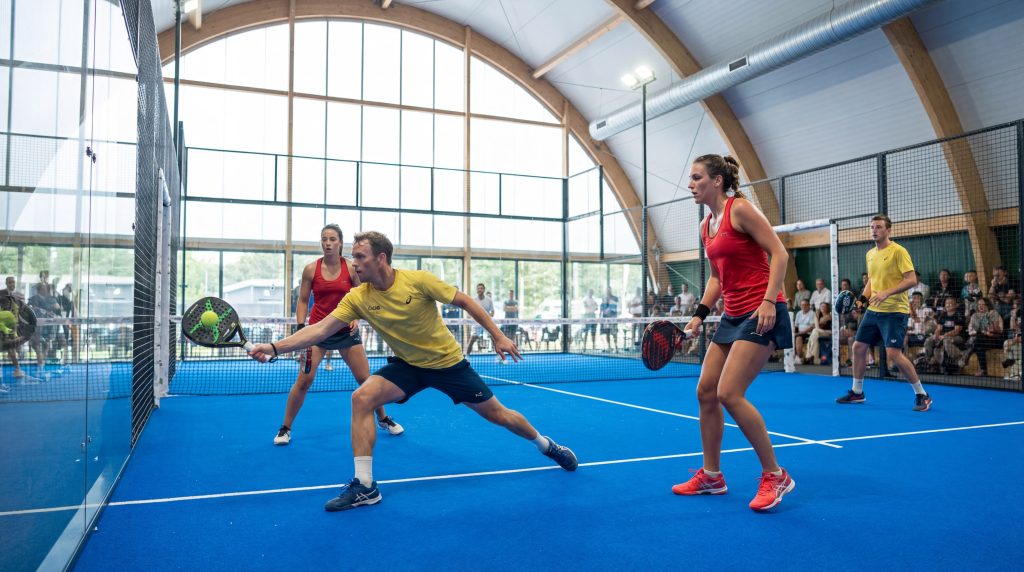
Padel is a racquet sport played almost exclusively in doubles on a court that is significantly smaller than a tennis court and surrounded by glass walls. When investigating what is padel?, you will find that the game emphasizes strategy, positioning, and reflexes rather than raw serving power. The enclosed environment means the ball rarely goes “out,” leading to much longer and more engaging rallies for players of all skill levels.
Is it just tennis with walls?
You might be wondering:
Is this just a modified version of the lawn game we already know? While it shares the same scoring system, the presence of glass and mesh walls creates a completely different tactical landscape. Players must learn to anticipate the ball’s trajectory after it rebounds off the back or side glass.
How do the dimensions affect the game?
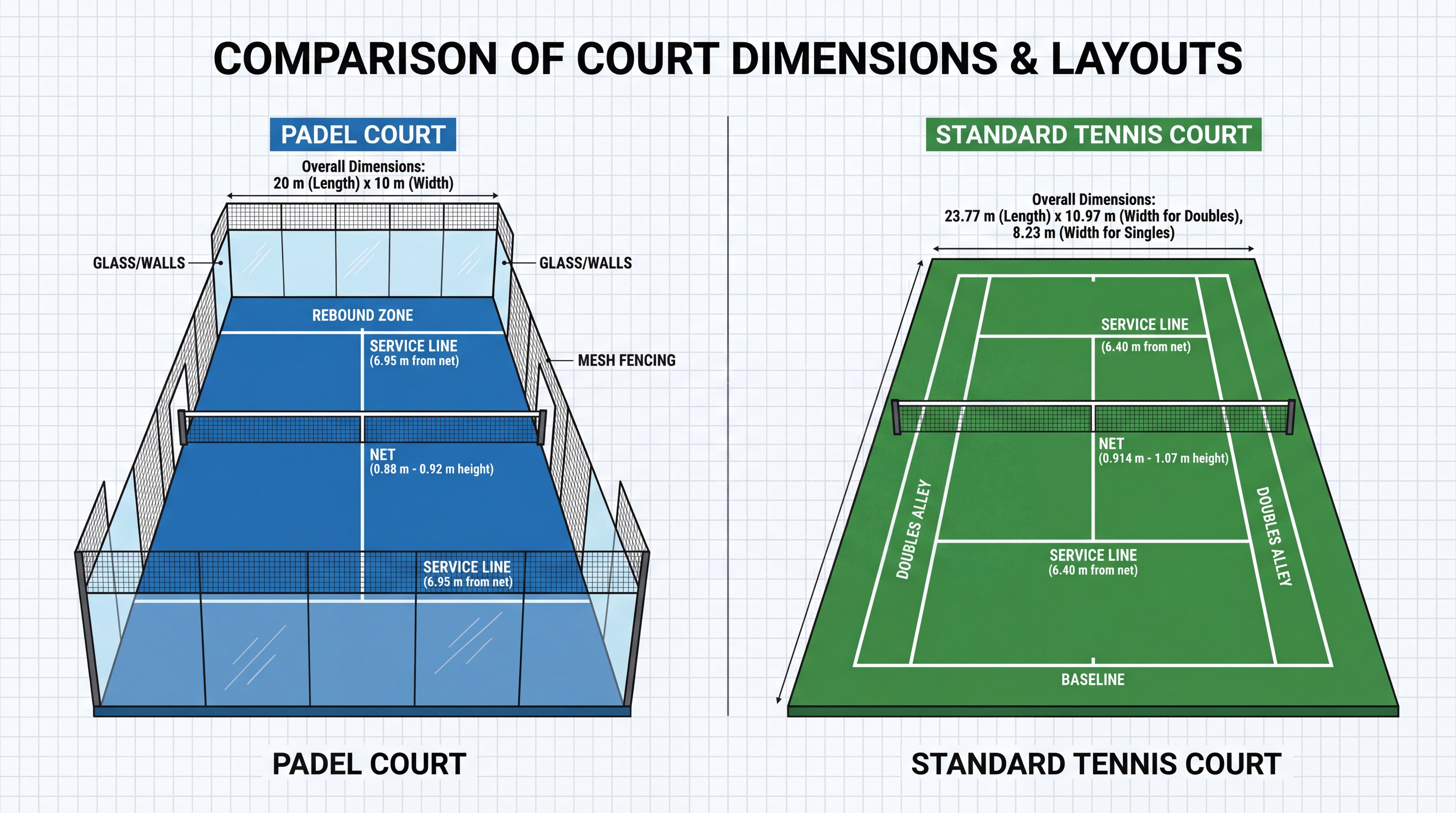
The court measures 10 meters wide by 20 meters long, which is roughly one-third the size of a traditional tennis court. This compact space forces players to communicate constantly and move in tandem to cover the net.
- The net is slightly lower in the center.
- There are no “singles” alleys on the sides.
- The service boxes are used for every point.
The close proximity of the four players makes the sport inherently social and conversational. Most matches are followed by a “third half” where players socialize at the club cafe, which is a core pillar of the sport’s global culture. This community-focused atmosphere is what drives the high retention rates seen in modern sports facilities.
Key Takeaway
Padel is an accessible, doubles-centric sport that uses walls to keep the ball in play, making it more about strategy and social interaction than physical dominance.
| Feature | Padel Standard | Tennis Standard |
|---|---|---|
| Court Size | 10m x 20m | 23.77m x 10.97m |
| Primary Mode | Doubles (2v2) | Singles or Doubles |
| Wall Usage | Mandatory for play | Out of bounds |
The smaller court footprint allows for higher player density, making it a favorite for urban club developers.
2. Where did the sport of padel originate?
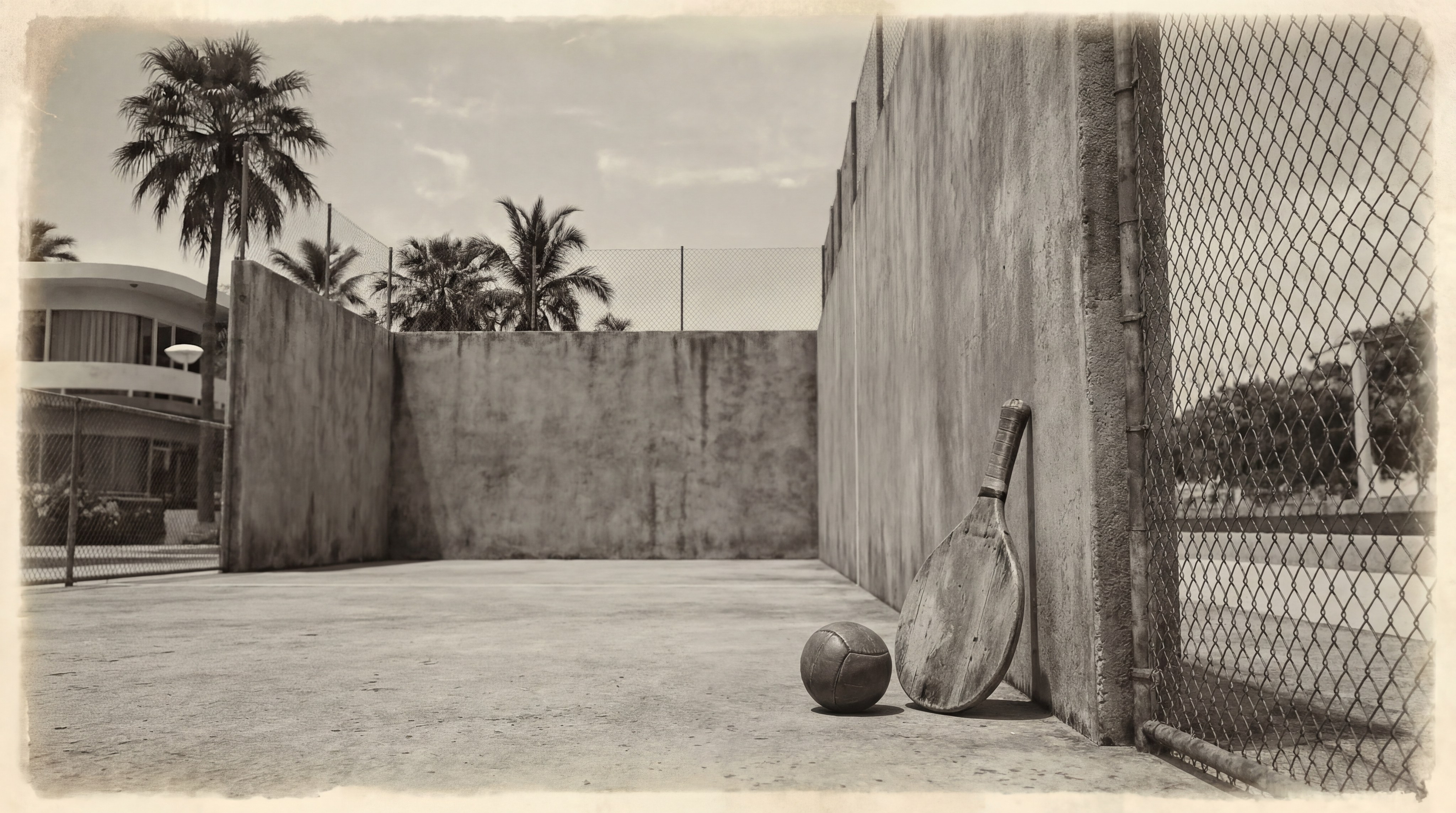
The sport was officially invented in 1969 by a resident of Acapulco, Mexico, who built a smaller version of a tennis court surrounded by walls at his private home. To understand the history behind what is padel?, one must look at how a lack of space led to a global revolution. The inventor wanted to prevent the ball from flying into his neighbor’s yard, unintentionally creating the world’s first padel court.
How did a Mexican invention reach Europe?
The story gets interesting here. In 1974, a Spanish nobleman visited the original court in Mexico and was so impressed that he brought the concept back to Marbella. He built the first European courts at his private club, which quickly became a hub for high-society athletes.
What role did South America play in its growth?
- Argentina became the first country where the sport truly exploded in popularity.
- During the 1980s, it became the second most practiced sport in the country after football.
- Thousands of courts were built in a very short period to meet the massive demand.
How did the court design evolve over time?
Originally, courts were built with solid cement walls which blocked the view for spectators. The introduction of tempered glass in the late 20th century transformed the game into a spectator sport. This change allowed for television broadcasts and led to the creation of the professional world tours we see today.
Key Takeaway
Padel grew from a private solution for a small backyard in Mexico into a global phenomenon through Spanish high society and Argentinian mass adoption.
| Milestone | Year | Country |
|---|---|---|
| First Court Built | 1969 | Mexico |
| Arrival in Europe | 1974 | Spain |
| Professional Tour Start | 1990s | Global |
The evolution from cement to glass was the single most important factor in making the sport commercially viable for media.
3. What are the official rules of padel?
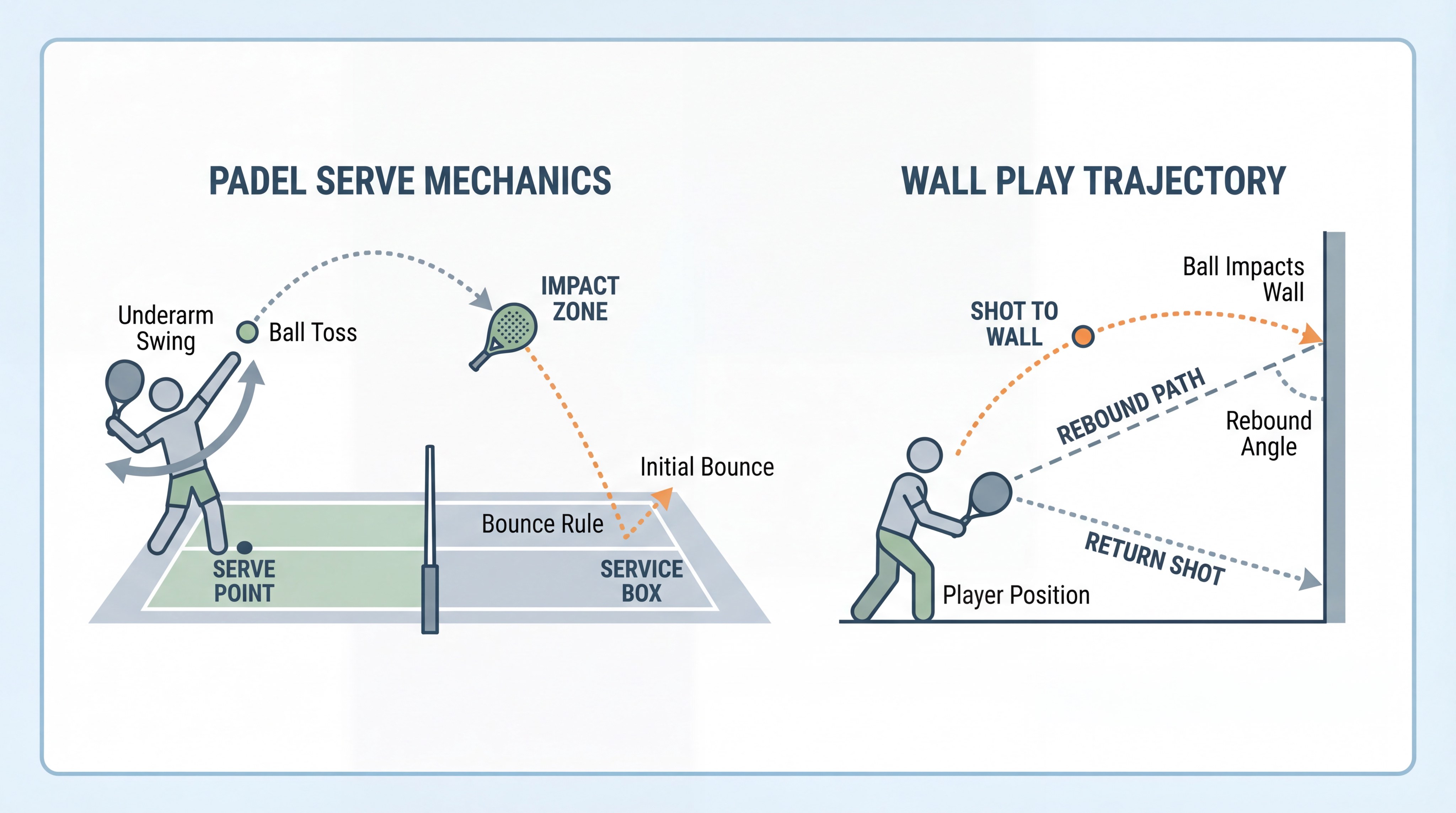
The primary rule that defines the game is that the ball must bounce on the ground before hitting a wall, though it can be hit against one’s own glass wall to pass over the net. When people ask what is padel?, they are often fascinated by the “second chance” the walls provide. The scoring follows the tennis format of 15, 30, 40, and game, but the tactical execution is entirely unique.
How do you serve correctly?
Unlike tennis, all serves in this sport must be hit underhand and at or below waist level. The ball must bounce once in the opponent’s service box diagonally across the net to start the point.
- The server must keep at least one foot on the ground.
- The ball cannot hit the wire mesh fence after the serve.
- If the ball hits the net and lands in the box, it is a let.
How do the walls work during a rally?
Wait, it gets better. Once the ball is in play, it can hit any number of walls after bouncing on the opponent’s side. If a player hits the ball directly into the opponent’s wall without it bouncing on the ground first, the ball is considered out.
What are the rules for the wire mesh?
- The ball can hit the side mesh after a bounce.
- Hitting the mesh creates an unpredictable rebound.
- Players cannot hit the ball against their own mesh to send it over.
Key Takeaway
Mastering the rules requires an underhand serve and an understanding that the walls are your friends, while the mesh is an unpredictable obstacle.
| Action | Rule |
|---|---|
| Serve | Underhand, diagonal, below waist |
| Ball Hits Wall Directly | Out |
| Ball Hits Mesh After Bounce | In play |
Rallies are significantly longer than in other racquet sports because the walls keep the ball within the reach of the players.
4. What equipment is needed to play padel?
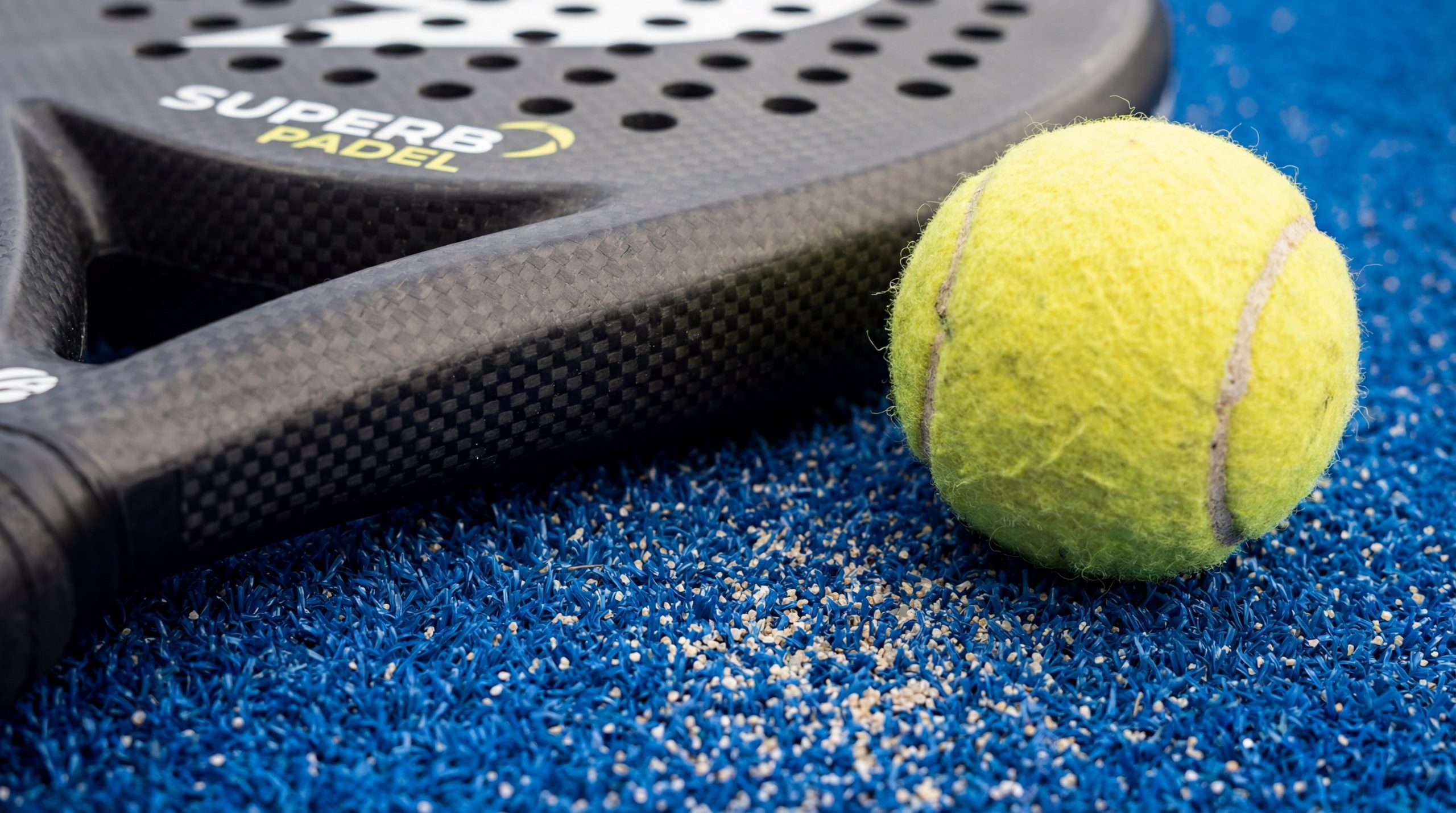
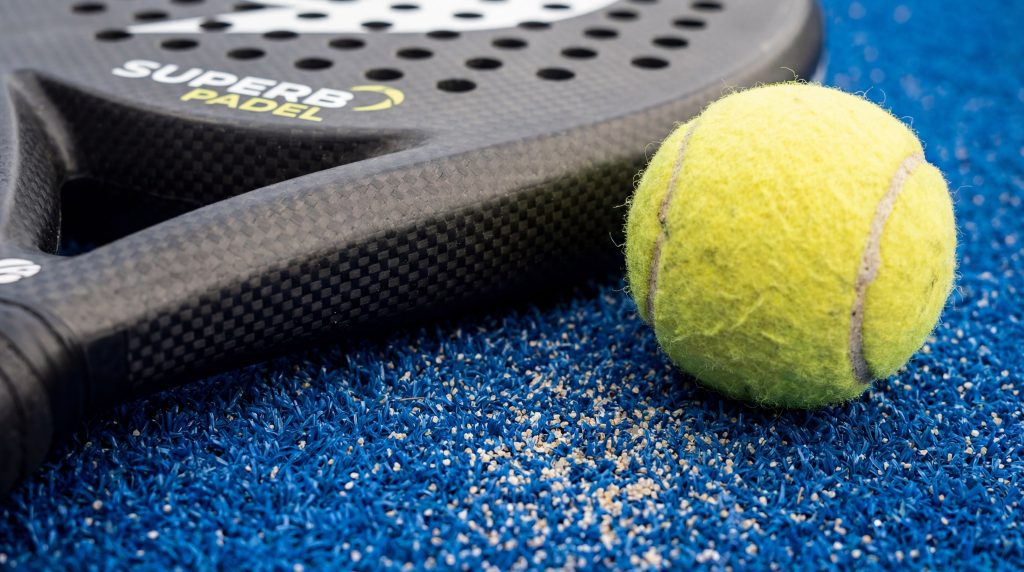
The sport requires a specialized stringless racquet made of composite materials and balls that have slightly less pressure than those used in tennis. Identifying what is padel? is easiest by looking at the “paddle” racquet, which features a solid surface with holes to reduce air resistance. These racquets are typically 38mm thick and come in round, teardrop, or diamond shapes to suit different playing styles.
Are the balls different from tennis balls?
Think they are the same? Although they look identical, they have a lower internal pressure to account for the smaller court size and the presence of walls. If you used a standard tennis ball, it would bounce far too high and move too fast for the enclosed space.
What should you wear on the court?
Proper footwear is the most important part of a player’s outfit.
- Shoes must have an “omni” or “clay” sole for grip.
- The sandy surface requires specialized traction.
- Breathable sportswear is recommended due to the high intensity of the sport.
What materials are used for the court surface?
The playing surface is almost always a high-quality synthetic turf filled with fine silica sand. This sand allows players to slide safely without losing their footing and ensures the ball bounces consistently across the entire 200-square-meter area.
Key Takeaway
Specialized equipment including stringless carbon fiber racquets and low-pressure balls is essential to maintain the intended pace and strategy of the game.
| Equipment | Standard Specification |
|---|---|
| Racquet Thickness | 38mm |
| Racquet Material | Carbon Fiber / EVA Foam |
| Ball Pressure | 10lb – 11lb per sq inch |
High-performance gear is designed to maximize control and spin rather than just providing raw power.
5. Why is padel becoming so popular globally?
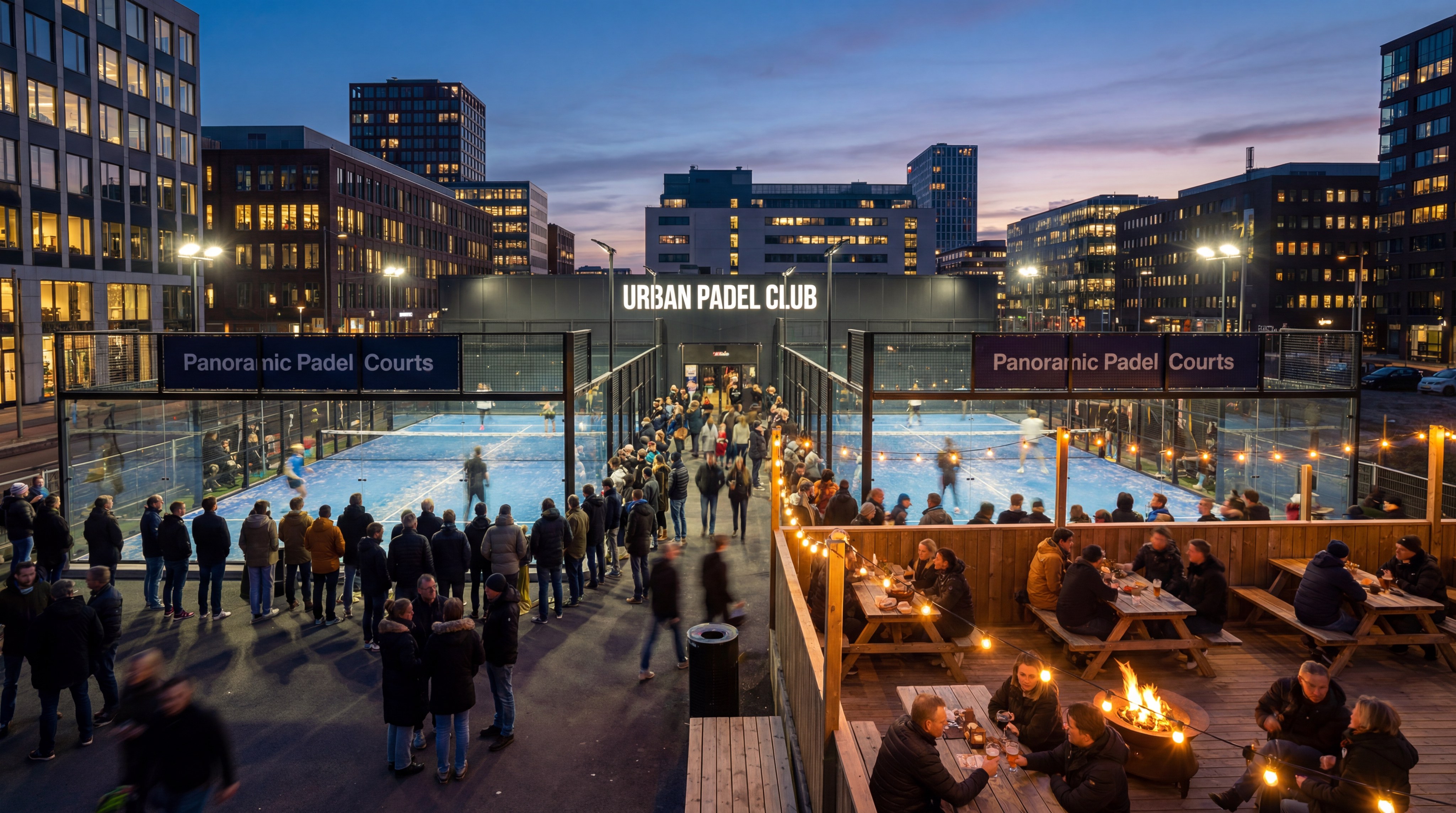
The rapid growth of the sport is attributed to its low learning curve, high social engagement, and the efficient use of space for club owners. When analyzing what is padel? in terms of market trends, it is currently the fastest-growing racquet sport in the world. Thousands of new courts are being installed annually across Europe, the Middle East, and North America to keep up with the 30 million active players worldwide.
Why is it so easy for beginners?
Here is the real secret. Unlike tennis, which can take months of lessons to enjoy a full rally, most beginners can start playing competitive matches within their first hour on the court. The underhand serve eliminates the most difficult technical barrier found in other racquet sports.
Is it suitable for all ages?
The sport is remarkably low-impact, making it a lifelong activity for many.
- Children develop coordination and teamwork early.
- Seniors appreciate the smaller court and reduced running.
- Families can play together across different generations.
How does player density affect clubs?
Because you can fit three of these courts in the footprint of a single tennis court, the revenue potential is tripled. This “player density” allows urban clubs to operate in expensive real estate areas while remaining profitable.
Key Takeaway
Global popularity is driven by the fact that the sport is easy to learn, highly social, and provides a superior return on investment for facility owners.
| Growth Driver | Impact |
|---|---|
| Ease of Entry | Rallies start on day one |
| Space Efficiency | 3 courts per 1 tennis court |
| Demographics | All ages (5 to 80+) |
The combination of social interaction and physical activity creates a “sticky” user base that returns to the club frequently.
6. Which famous athletes and celebrities play padel?
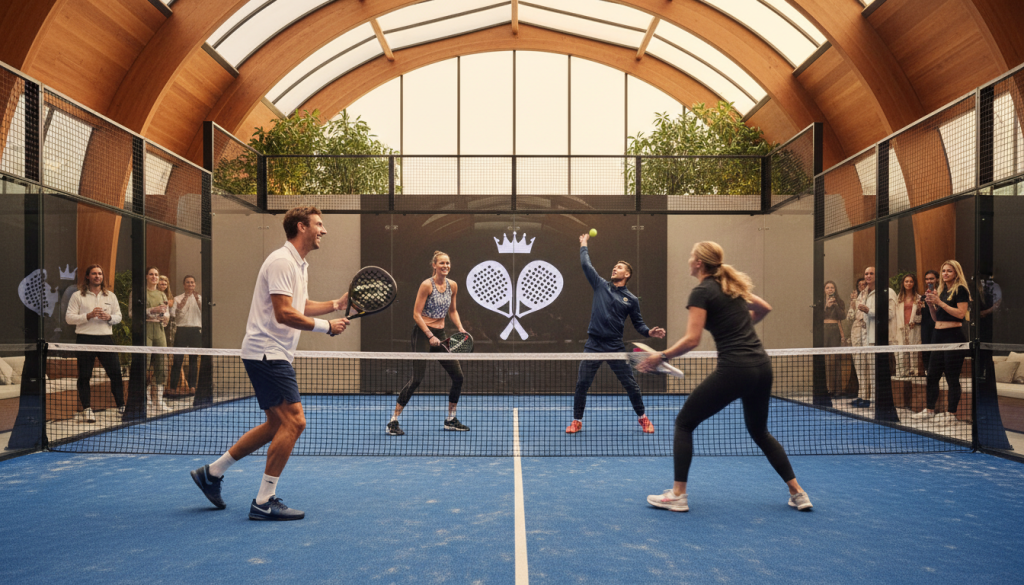
High-profile endorsements from global football legends and Hollywood stars have significantly boosted the public perception of what is padel?. Iconic figures like David Beckham and Lionel Messi are known to be avid players, often installing private courts at their residences. This celebrity “buy-in” has turned a niche activity into a prestigious lifestyle brand associated with fitness and luxury.
Why do football stars love this sport?
It’s no coincidence. Many professional footballers use the game as a low-impact recovery tool during their off-season. It maintains their cardiovascular fitness and sharpens their reflexes without the high risk of injury associated with other contact sports.
Which other celebrities have been spotted?
- Many Formula 1 drivers use it for reflex training.
- Global tennis legends often switch to this format in retirement.
- Even world leaders have been photographed on the court.
How does celebrity influence affect the market?
When fans see their idols playing, the demand for local court bookings skyrockets. This has led to the development of luxury “boutique” clubs that offer high-end amenities, coaching, and networking opportunities for a premium clientele.
Key Takeaway
Celebrity involvement has accelerated the sport’s move into the mainstream, positioning it as the preferred leisure activity for the world’s elite athletes.
| Notable Player | Sport/Field |
|---|---|
| David Beckham | Football |
| Zinedine Zidane | Football |
| Maria Sharapova | Tennis |
The presence of global icons ensures that the sport remains trendy and continues to attract high-net-worth investors.
7. Will padel be included in the Olympic Games?
The sport is currently on a fast track toward Olympic recognition as it meets the requirements for global participation and gender equality. To determine what is padel? on the world stage, international federations are working tirelessly to standardize rules and anti-doping protocols. It has already been featured in major continental multi-sport events, which is typically the final step before being considered for the Summer Games.
What are the criteria for Olympic entry?
But here is the kicker: a sport must be widely practiced in at least 75 countries across four continents for men, and 40 countries across three continents for women. The sport already surpasses these numbers in terms of participation and national federations.
How soon could we see it in the Games?
- Most experts point toward a debut in the early 2030s.
- The high television viewership numbers are a major draw for organizers.
- The sport’s growing popularity in Asia and the USA is the final hurdle.
Does it compete with tennis for space?
While they are often compared, they serve different niches in an Olympic program. This sport provides a faster-paced, more “compact” broadcast format that appeals to younger audiences who prefer high-intensity highlights and quick game cycles.
Key Takeaway
Olympic inclusion is a matter of “when” rather than “if,” as the sport already boasts the global infrastructure and viewership required for the highest level of competition.
| Requirement | Status |
|---|---|
| Global Practice | 90+ Countries |
| Continental Games | Featured since 2023 |
| Projected Debut | 2032 |
Standardization of court dimensions and manufacturing quality is essential for the sport’s Olympic aspirations.
8. How do you build a professional padel court?
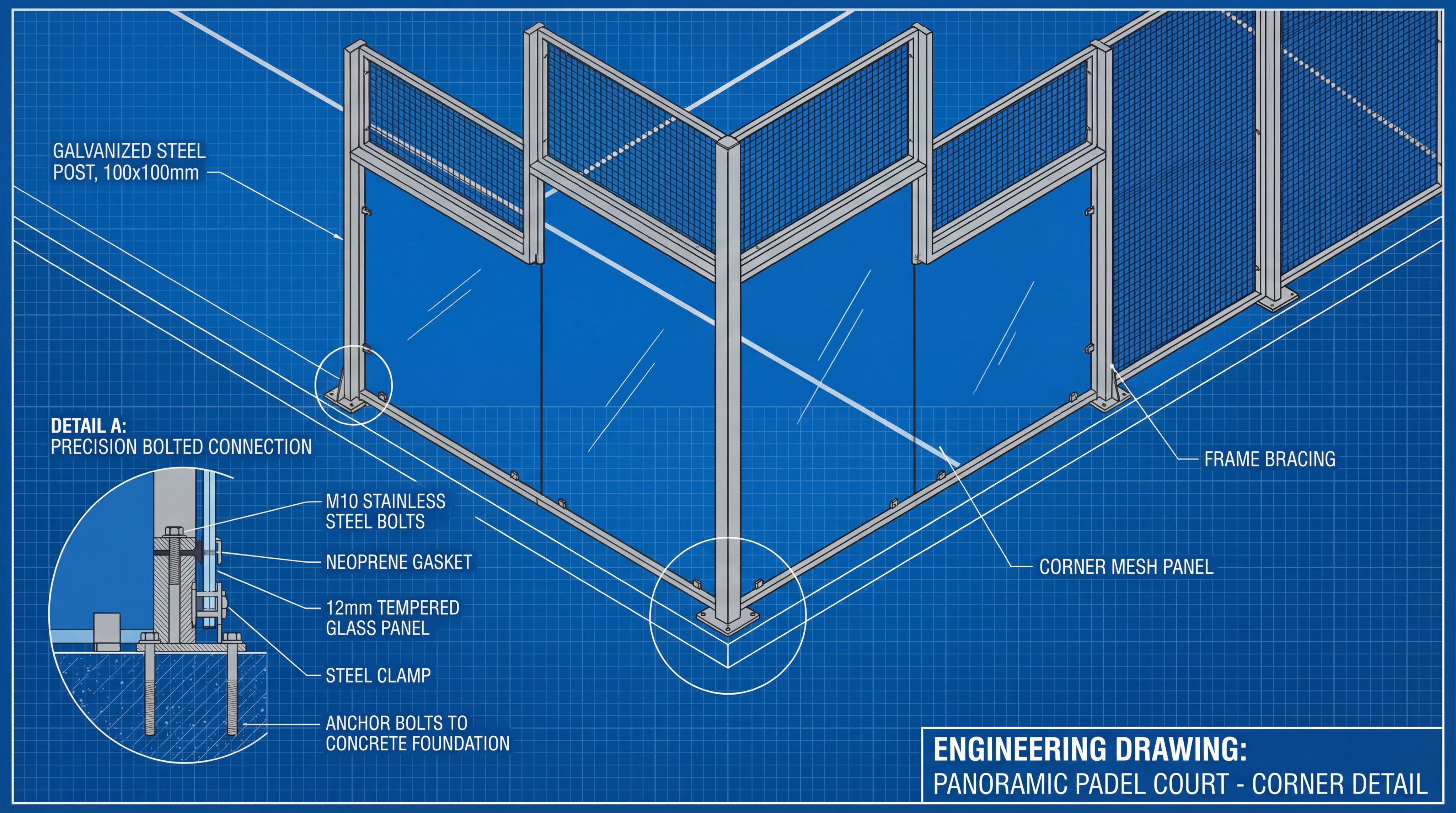
Building a court requires a high-precision approach involving a flat concrete foundation, a modular steel structure, and 12mm tempered safety glass. For those asking what is padel? from a construction standpoint, the process begins with site preparation and ensuring perfect drainage. A professional-grade court must be perfectly level to ensure a consistent ball bounce and player safety.
What are the foundation requirements?
The most critical step is the base, which should be a 15cm-20cm reinforced concrete slab.
- It must extend at least 50cm beyond the court perimeter.
- A slight slope (0.5% to 1%) is needed for outdoor water runoff.
- Indoor courts require a minimum ceiling height of 6 to 8 meters.
Which one is right for you?
You must choose between a standard frame and a panoramic design. Standard courts use more steel pillars and are more cost-effective, while panoramic courts offer unobstructed views for spectators and are ideal for high-end clubs or televised events.
How is the glass and lighting installed?
- The 12mm tempered glass panels are bolted into the steel frame using specialized gaskets.
- LED lighting poles are integrated into the structure, usually providing 200W to 300W of power.
- The synthetic turf is laid last, with several tons of silica sand distributed evenly.
Key Takeaway
Professional construction demands high-quality materials like hot-dip galvanized steel and certified safety glass to ensure a 20-year lifespan.
| Component | Professional Standard |
|---|---|
| Glass Type | 12mm Tempered Safety |
| Steel Treatment | Hot-dip Galvanization |
| Turf Density | High-density Fibrillated |
Using high-grade materials during construction significantly reduces the long-term maintenance costs for club owners.
9. Is a padel court a good business investment?
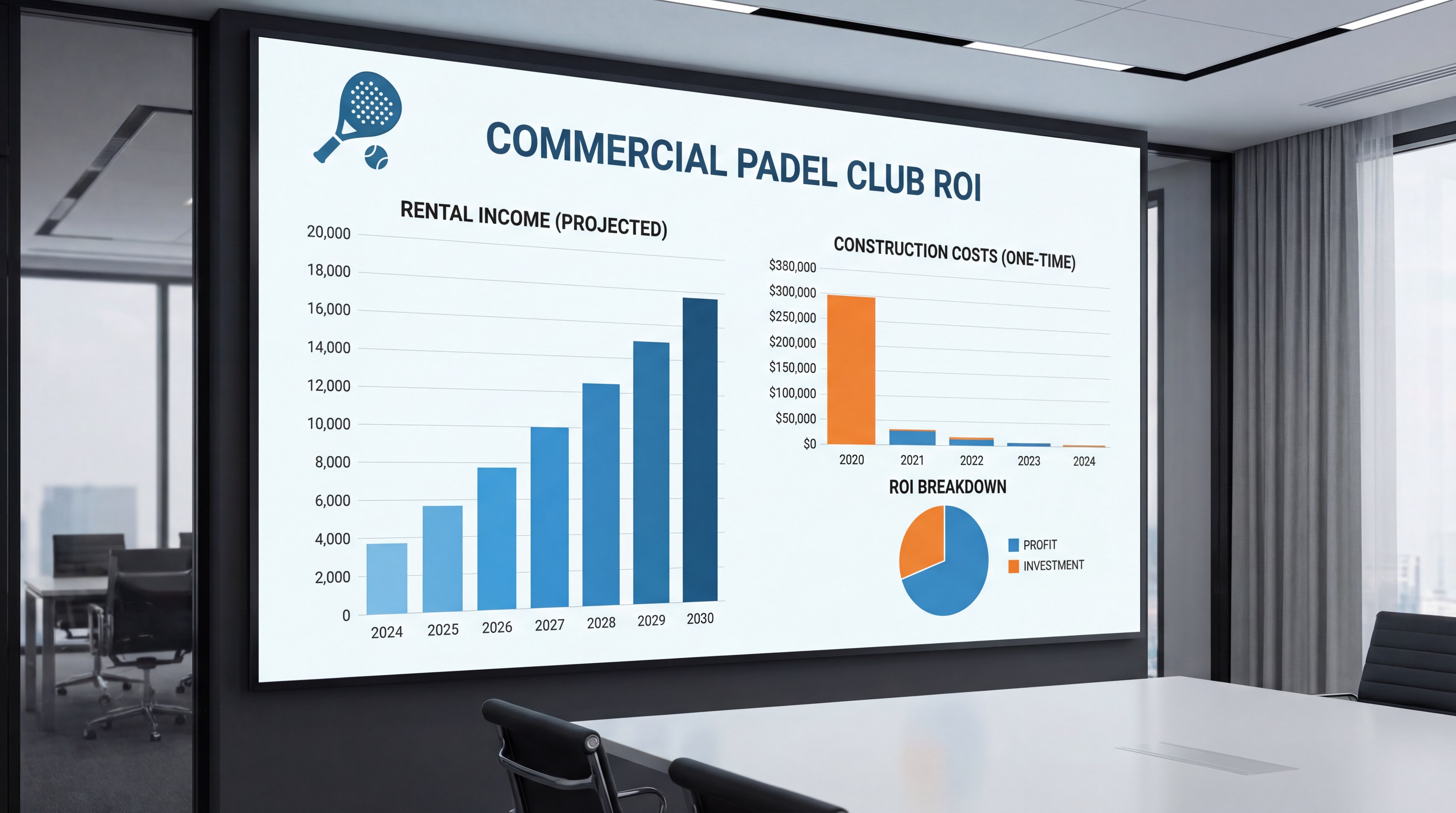
Investing in these facilities offers one of the highest returns in the sports industry due to low overhead and high hourly rental rates. When a developer asks what is padel? in terms of finance, they are usually looking at a breakeven point that can occur in as little as 18 to 24 months. The ability to charge premium rates for a social, 4-player game makes this a highly efficient use of commercial real estate.
What are the main revenue streams?
Beyond simple court rentals, successful clubs generate significant income from auxiliary services.
- Racquet rentals and ball sales provide steady daily cash flow.
- Coaching programs and organized tournaments drive recurring traffic.
- On-site cafes and bars capitalize on the social nature of the players.
Is it built to last?
Modern courts are engineered for durability. With proper maintenance, a galvanized steel structure can last for over two decades, meaning your initial capital expenditure pays off many times over the life of the asset.
How do membership models work?
- Most clubs utilize a “Pay and Play” model to attract casual users.
- Monthly memberships can provide a stable floor for monthly revenue.
- Digital booking apps allow owners to manage occupancy with zero staff intervention.
Key Takeaway
The business model is highly resilient, offering high margins and multiple revenue streams that appeal to both private investors and real estate developers.
| Metric | Estimated Value |
|---|---|
| Initial Investment | $15,000 – $25,000 per court |
| Utilization Target | 40% – 60% |
| Payback Period | 1.5 – 2 Years |
High occupancy rates are common because the sport is addictive and requires four people per booking.
10. How to choose the right padel manufacturer?
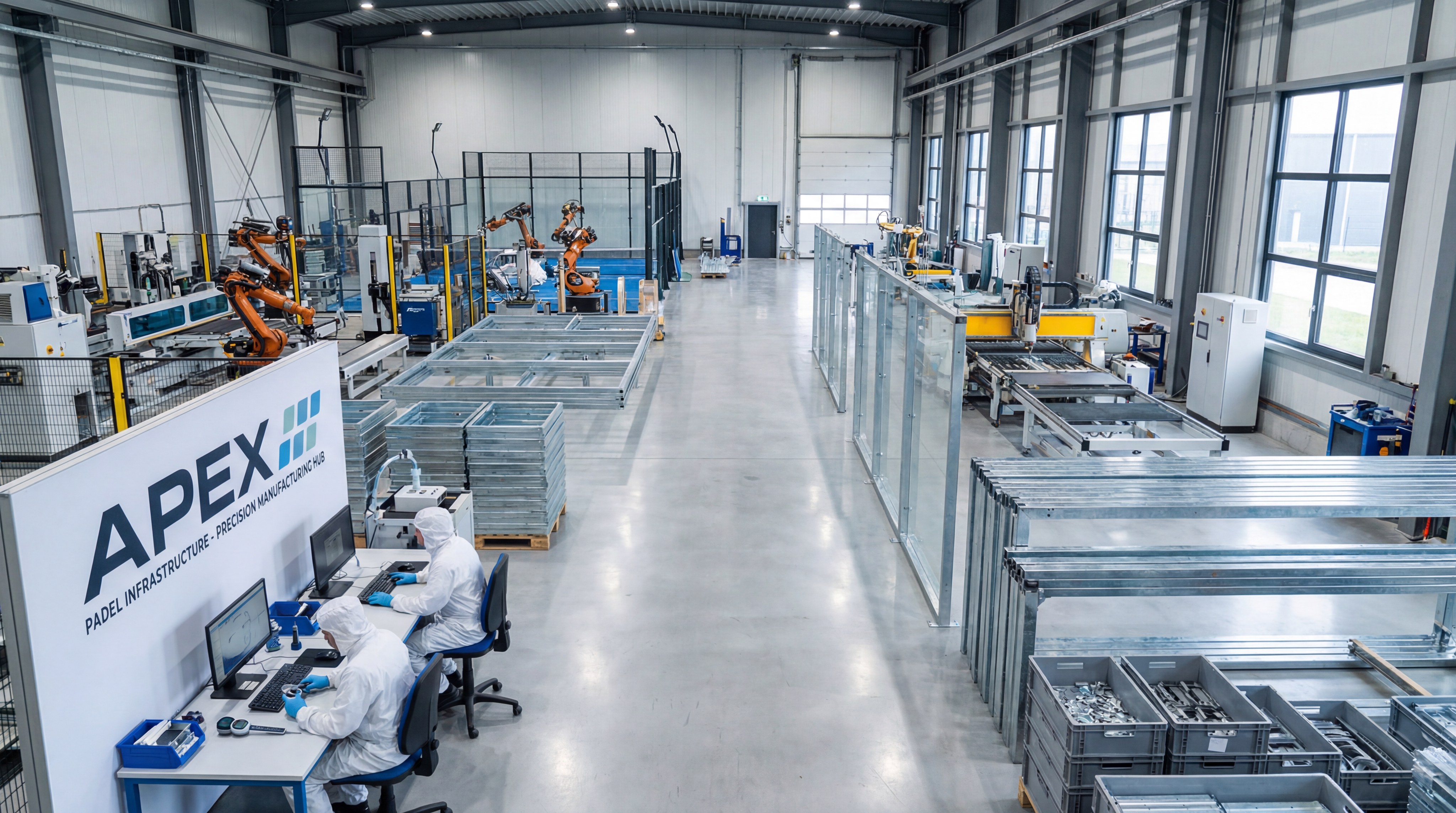
Selecting a manufacturer is a critical decision that impacts the safety, durability, and certification of your facility. To finalize your understanding of what is padel?, you must evaluate suppliers based on their factory-direct pricing, engineering expertise, and global logistics capability. Working directly with a manufacturer allows for full customization and ensures that the materials meet international safety standards like EN 12150 for glass.
Why is factory-direct pricing important?
You might be surprised: middlemen can add up to 40% to the cost of a court without providing any technical value. Buying directly from the source allows you to allocate more budget toward premium features like panoramic walls or high-efficiency LED lighting.
What quality certifications should you look for?
- Glass must be tempered and anti-explosion certified.
- Steel should have a hot-dip galvanization certificate for rust prevention.
- The synthetic turf should be UV-resistant and high-density.
Can the manufacturer support international shipping?
A professional partner should handle the entire logistical chain, from precision loading into containers to providing remote installation support. This ensures that your court arrives in perfect condition and can be assembled efficiently by your local team using detailed manuals and video guidance.
Key Takeaway
The best manufacturers provide a one-stop solution that combines industrial-scale production with personalized engineering support for your specific site.
| Selection Criteria | What to Verify |
|---|---|
| Customization | OEM support for logos and colors |
| Durability | Hot-dip galvanized frame |
| Support | 24-hour technical response |
Choosing a partner with over a decade of experience ensures your project avoids the common pitfalls of poor-quality materials and late deliveries.
Frequently Asked Questions
Can I build a padel court in my backyard?
Yes, provided you have a flat area of at least 11m x 21m and the necessary local planning permissions. It is a premium amenity that adds significant value to residential properties.
What’s the best way to maintain the synthetic turf?
Regularly brushing the grass once a week is essential to redistribute the silica sand. This prevents the turf from flattening and ensures the ball bounce remains consistent for players.
Can I play padel if I have never played tennis?
Absolutely. The underhand serve and the smaller court make it much easier for non-athletes to start rallying immediately compared to traditional racquet sports.
What’s the best material for outdoor court frames?
Hot-dip galvanized steel is the gold standard for outdoor environments. It provides maximum resistance against rust and corrosion, even in high-humidity or coastal locations.
Can I customize the color of the court structure?
Yes. Professional manufacturers offer custom RAL colors for the steel frame and various colors for the turf, allowing you to match the facility to your branding.
Start Your Professional Project Today
Launching a successful sports facility requires a partner who understands the intersection of quality engineering and commercial viability. At SuperbPadel, we deliver factory-direct solutions that help you save on procurement while providing a world-class experience for your players.
Contact us today to receive a custom quote and technical consultation for your project.