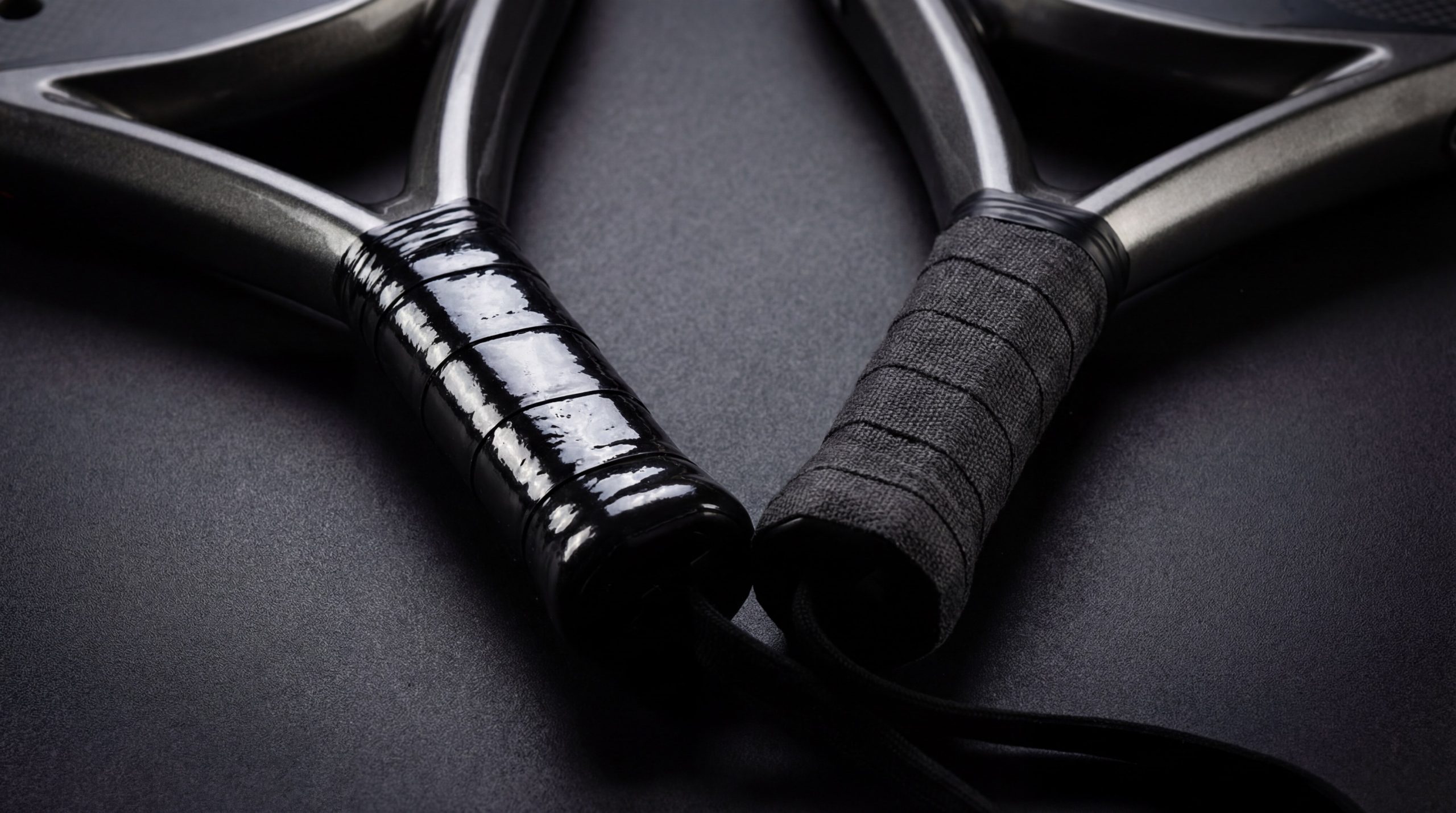
grips padel refers to the specialized layered wrap system applied to a racket handle to ensure maximum traction, sweat absorption, and vibration dampening during play. You often face the problem of your racket twisting during high-speed volleys, leading to inconsistent shots and lost points. It is incredibly frustrating to feel the handle slip just as you prepare for a winning smash, potentially causing painful blisters or joint strain. This guide provides the perfect solution by teaching you how to build a professional handle setup using high-quality grips padel for total court dominance.
How do you start building custom grips padel?
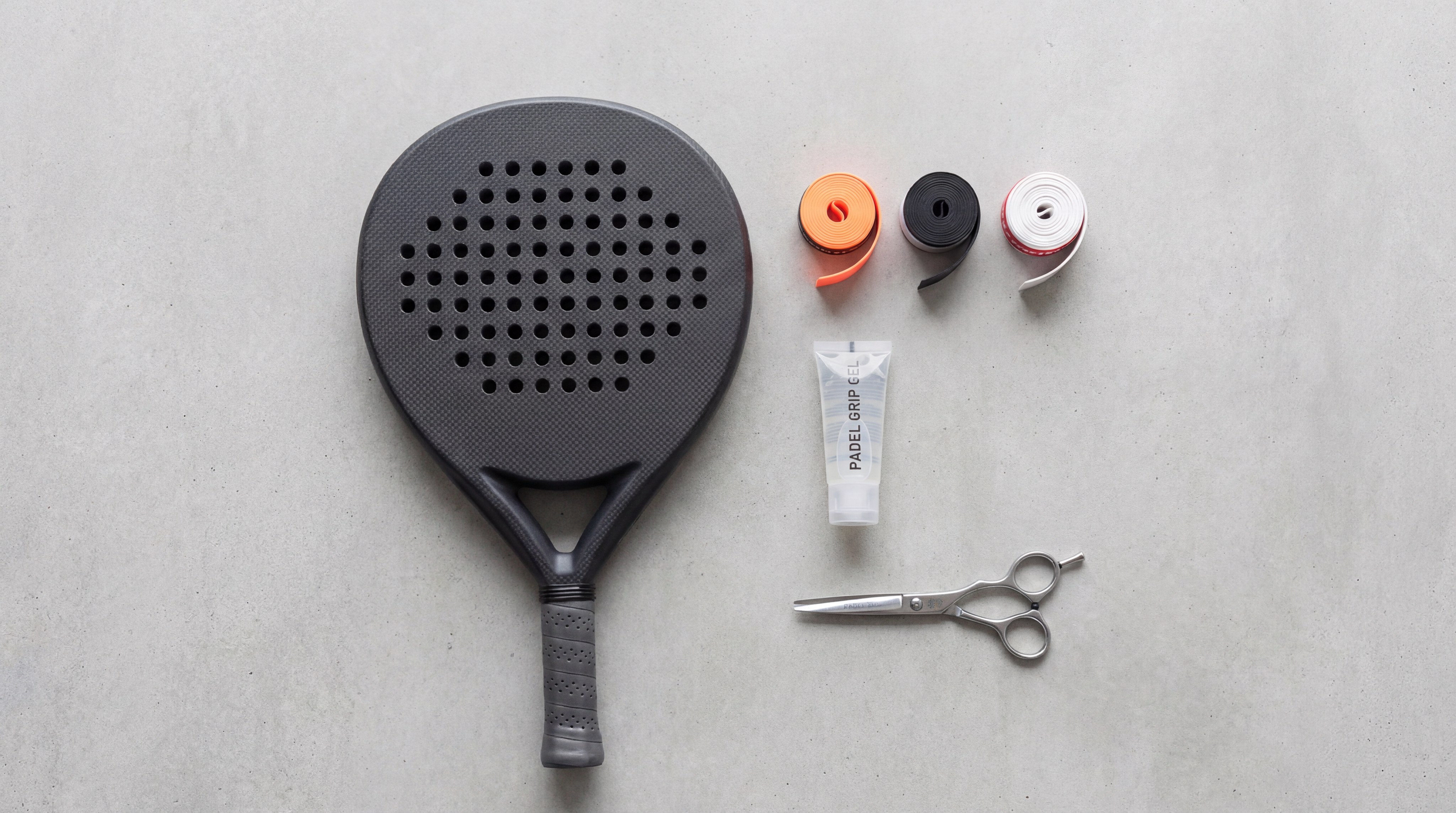
You start building a custom setup by gathering the necessary layers and tools to modify the handle’s circumference and texture. Preparing your equipment properly ensures that your grips padel build remains durable throughout intense matches. You might even find that optimizing your gear is as important as playing on a Standard Padel Court for consistent results.
What tools are required for a perfect build?
You need a clean workspace and specific components to ensure the application is smooth and professional. Having everything ready prevents mid-process errors that could lead to uncomfortable lumps in the handle.
Check this out:
- High-quality scissors for clean edges.
- Finishing tape to secure the top.
- A replacement base grip.
- Multiple overgrip options.
Key Takeaway: A successful build requires meticulous preparation of both the racket surface and the specialized wrapping materials.
| Tool | Purpose | Importance |
|---|---|---|
| Scissors | Trimming excess material | High |
| Finishing Tape | Sealing the top edge | Critical |
| Cleaning Cloth | Removing old adhesive | Medium |
The right preparation ensures that the adhesive bond between layers remains strong during rapid movements.
What layers make up professional grips padel?
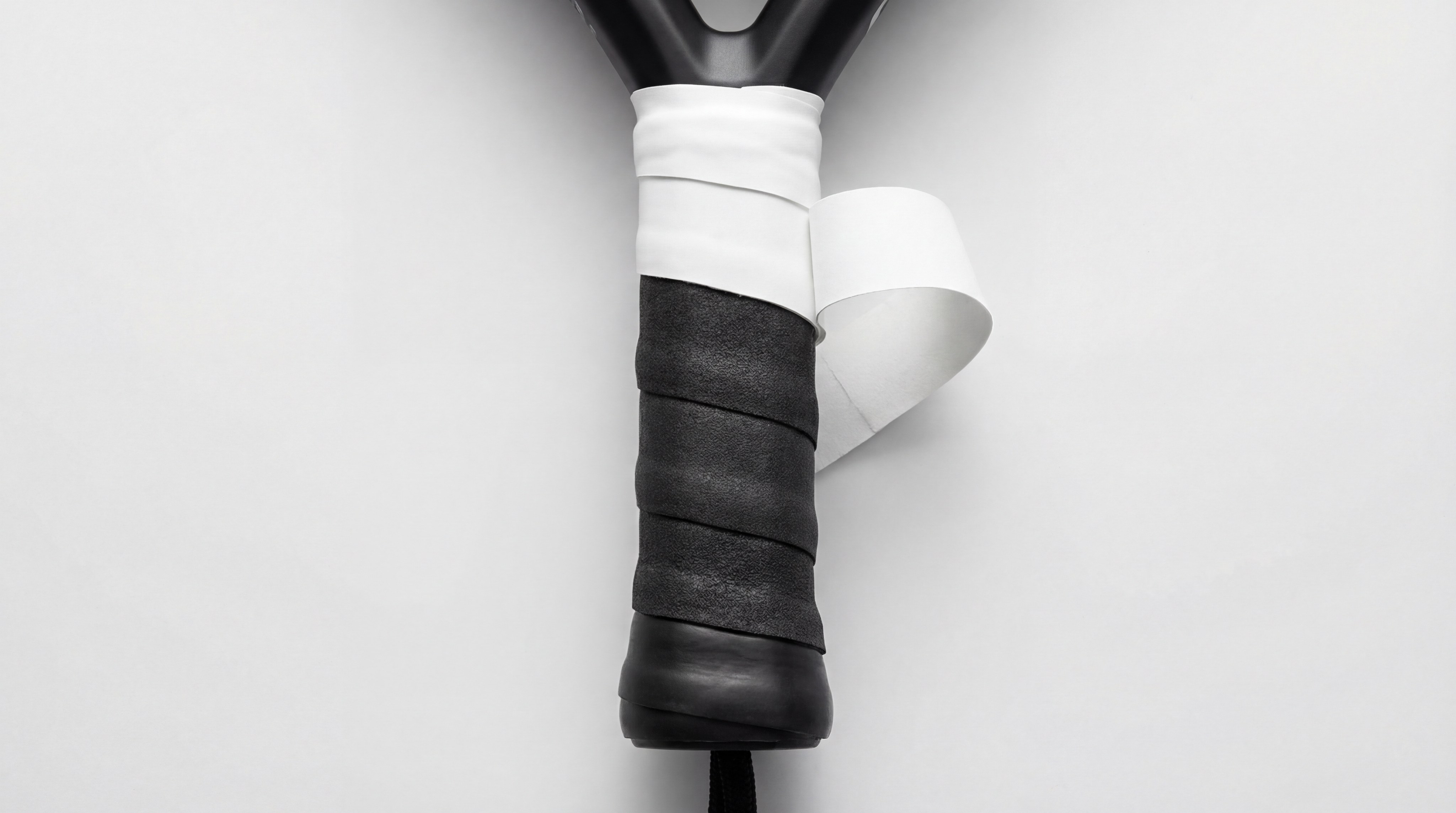
Professional grips padel typically consist of a three-part system including a base replacement layer, an optional ergonomic undergrip, and a final overgrip. You can find the best materials for these layers in our grips padel collection. Understanding how these components interact allows you to fine-tune the feel of your racket handle.
Does the base layer impact vibration?
The base layer serves as the primary cushion that sits directly against the carbon fiber or wooden frame of the handle. It is designed to absorb the initial shock of ball impact before it travels up your arm.
Believe it or not:
- Thick bases reduce hand fatigue.
- Thin bases provide better “ball feel.”
- Synthetic materials offer high durability.
- Leather bases provide a classic, firm edge.
Key Takeaway: Choosing the correct base layer is the foundation for preventing common injuries like padel elbow.
| Layer Type | Benefit | Feel |
|---|---|---|
| Synthetic Base | High cushioning | Soft |
| Leather Base | Defined handle edges | Firm |
| Rubber Undergrip | Maximum vibration damping | Ergonomic |
Selecting a base layer is a balance between wanting comfort and needing to feel the handle’s hexagonal shape.
How do you achieve precise winding for grips padel?
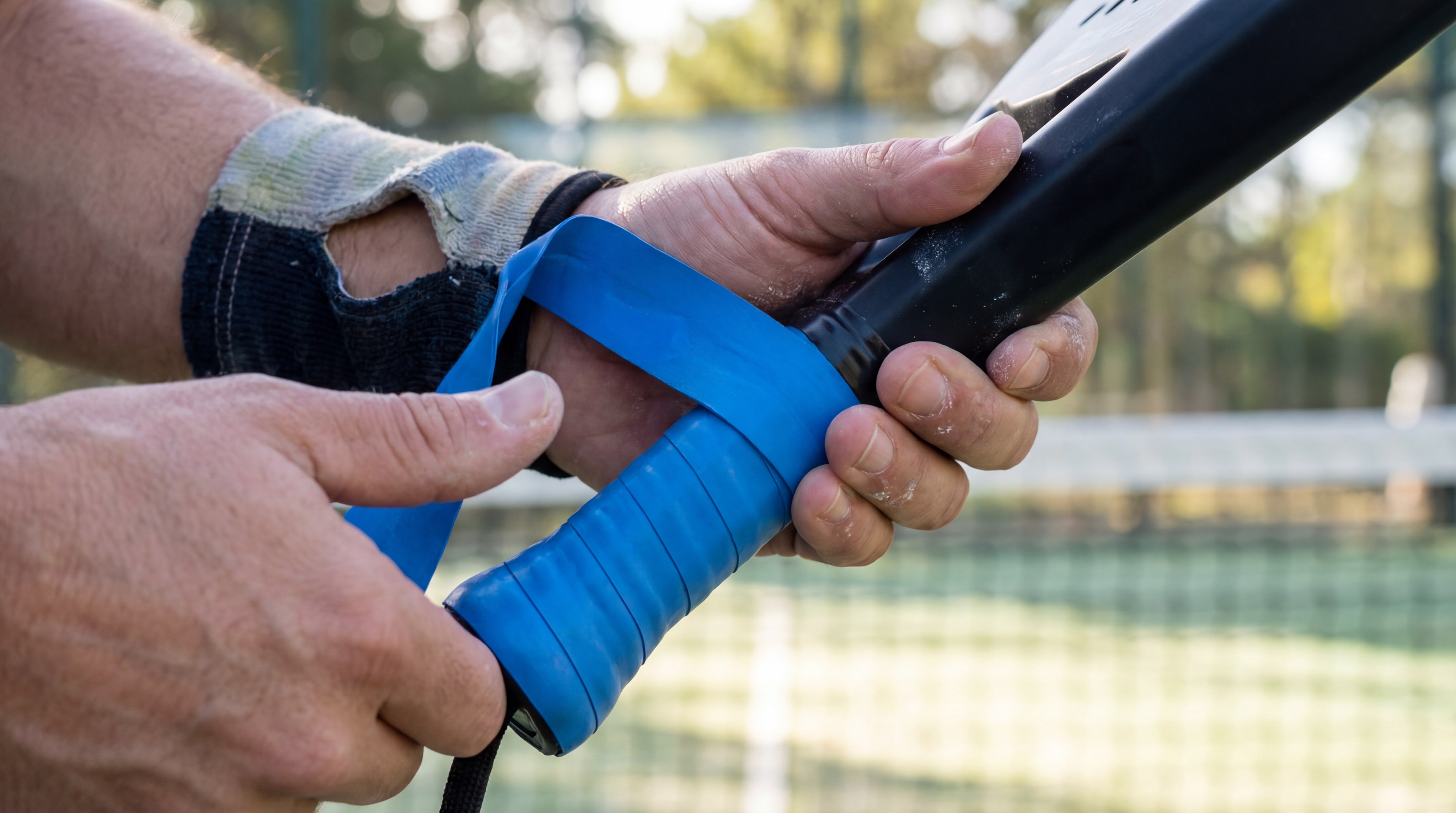
You achieve precise winding by starting at the butt cap and spiraling the material upward with consistent tension and overlap. This technique ensures that your grips padel do not unravel or shift while you are hitting powerful overhead shots. Proper winding is a skill that every serious player should master to maintain their equipment.
Should you overlap the material significantly?
The amount of overlap you choose directly determines the final thickness and texture of the handle. A 50/50 overlap creates a ridged, thicker feel, while a minimal overlap keeps the handle slim and smooth.
The best part?
- Minimal overlap maximizes surface area.
- Heavy overlap increases cushioning.
- Consistent spacing prevents lumps.
- Angled starts ensure a flush bottom.
Key Takeaway: Overlap density is the primary way you can customize handle thickness without changing the underlying racket frame.
| Overlap Style | Thickness Added | Surface Texture |
|---|---|---|
| Minimal (2mm) | Low | Smooth |
| Moderate (5mm) | Medium | Balanced |
| Heavy (50%) | High | Ridged |
Mastering the spiral tension allows you to create a handle that feels like a natural extension of your arm.
What is the internal anatomy of grips padel?
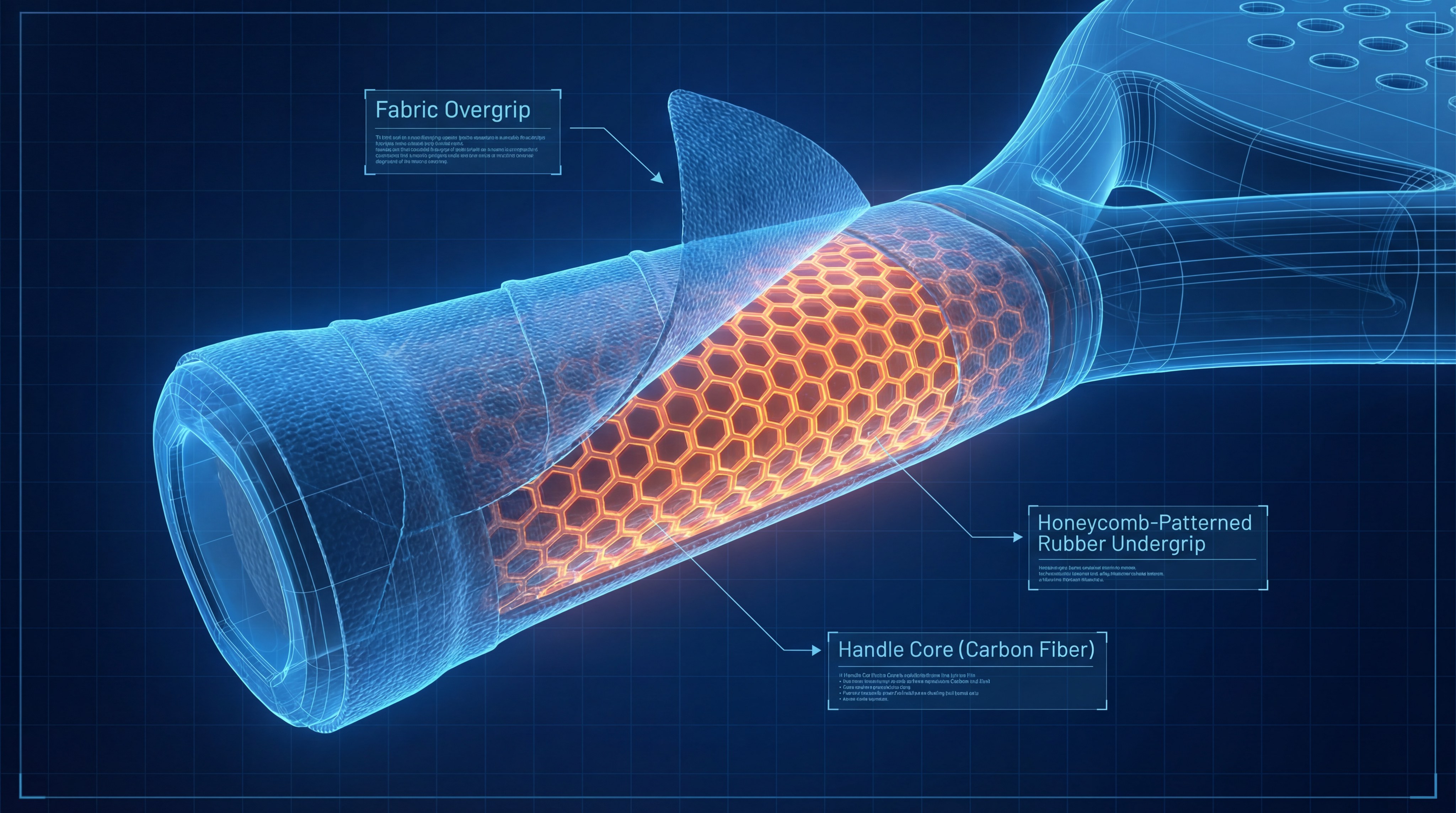
The internal anatomy of grips padel involves the structural core of the handle and the dampening materials that protect the player’s joints. Modern technology allows you to integrate advanced components from our grips padel range to optimize energy transfer. You might also want to check our blog for deeper insights into racket construction.
Can undergrips prevent long-term injury?
Specialized undergrips use honeycomb patterns or vibration-filtering silicones to stop harmful frequencies from reaching your elbow. They replace the standard factory grip to provide a more ergonomic shape that fits the contours of your hand.
Want to know more?
- Silicones absorb 30% more shock.
- Ergonomic shapes reduce grip pressure.
- Patterned surfaces prevent internal slipping.
- Lightweight materials maintain racket balance.
Key Takeaway: Investing in a high-tech undergrip is a proactive step toward extending your playing career and reducing pain.
| Material | Shock Absorption | Weight |
|---|---|---|
| Standard Foam | Moderate | Very Light |
| Silicone Gel | Excellent | Heavy |
| Rubber Honeycomb | High | Moderate |
Understanding what lies beneath the surface helps you build a handle that balances performance with physical safety.
When should you begin replacing your grips padel?
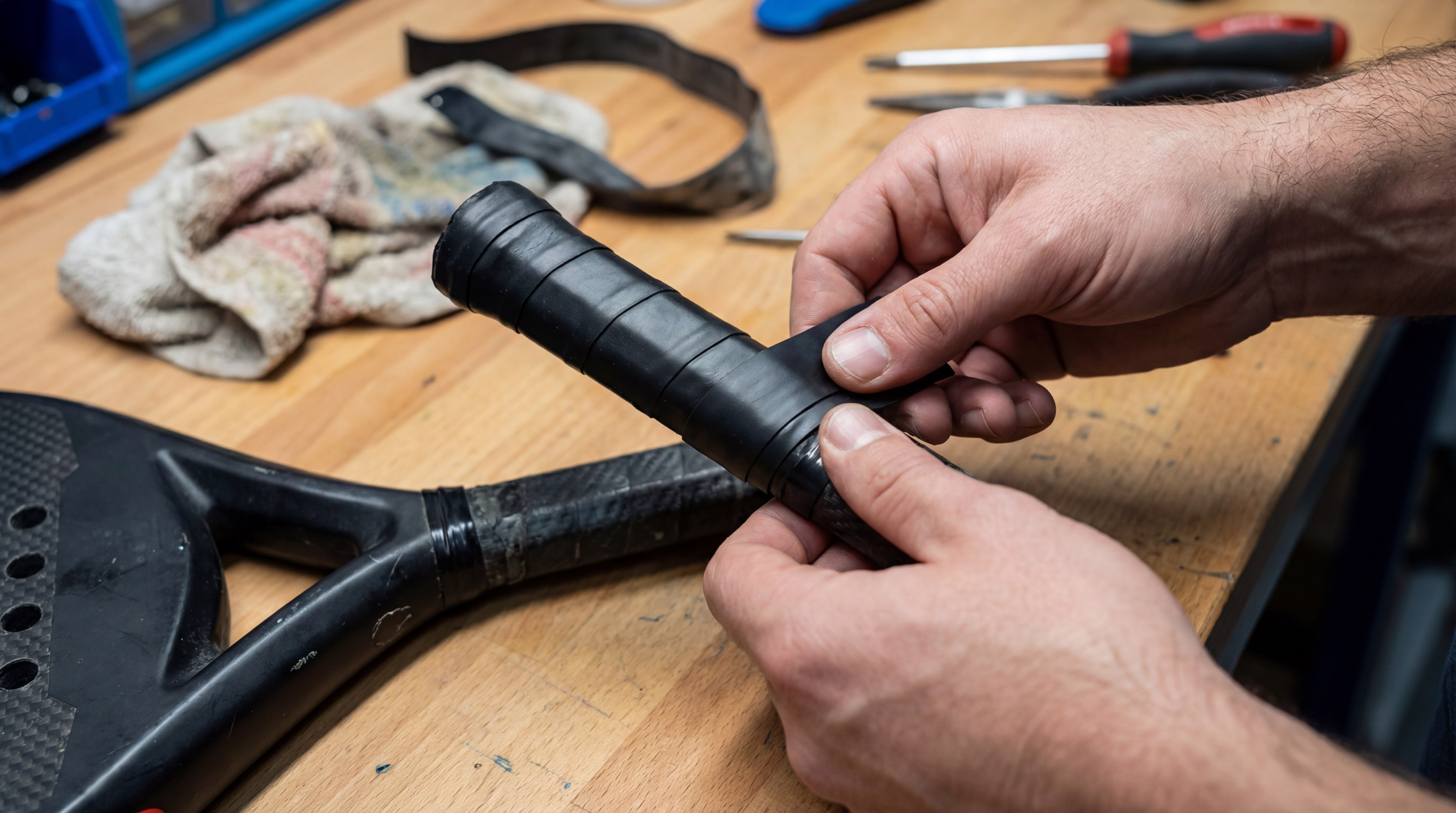
You should begin replacing your grips padel as soon as the surface loses its tackiness or begins to show visible signs of fraying. Playing with worn materials forces you to squeeze the handle harder, which can lead to arm fatigue and decreased accuracy. Maintaining fresh gear is just as vital as playing on high-quality Padel Grass for a professional experience.
What are the visual signs of material decay?
Visual cues like discoloration, peeling, or a “glazed” look indicate that the material can no longer absorb sweat effectively. Once the pores of the overgrip are clogged with oils and salt, the friction levels drop significantly.
Here is the kicker:
- Dark spots indicate heavy sweat saturation.
- Peeling edges show lost structural integrity.
- A shiny surface means the tack is gone.
- Reduced thickness suggests compressed foam.
Key Takeaway: Frequent replacement is the most cost-effective way to maintain high levels of ball control and shot precision.
| Sign | Meaning | Action |
|---|---|---|
| Discoloration | Sweat buildup | Replace immediately |
| Smooth Texture | Lost friction | Replace soon |
| Unraveling | Poor installation | Rewrap or replace |
Regular maintenance ensures that your equipment never becomes the reason for a missed opportunity on the court.
How does play duration affect your grips padel?
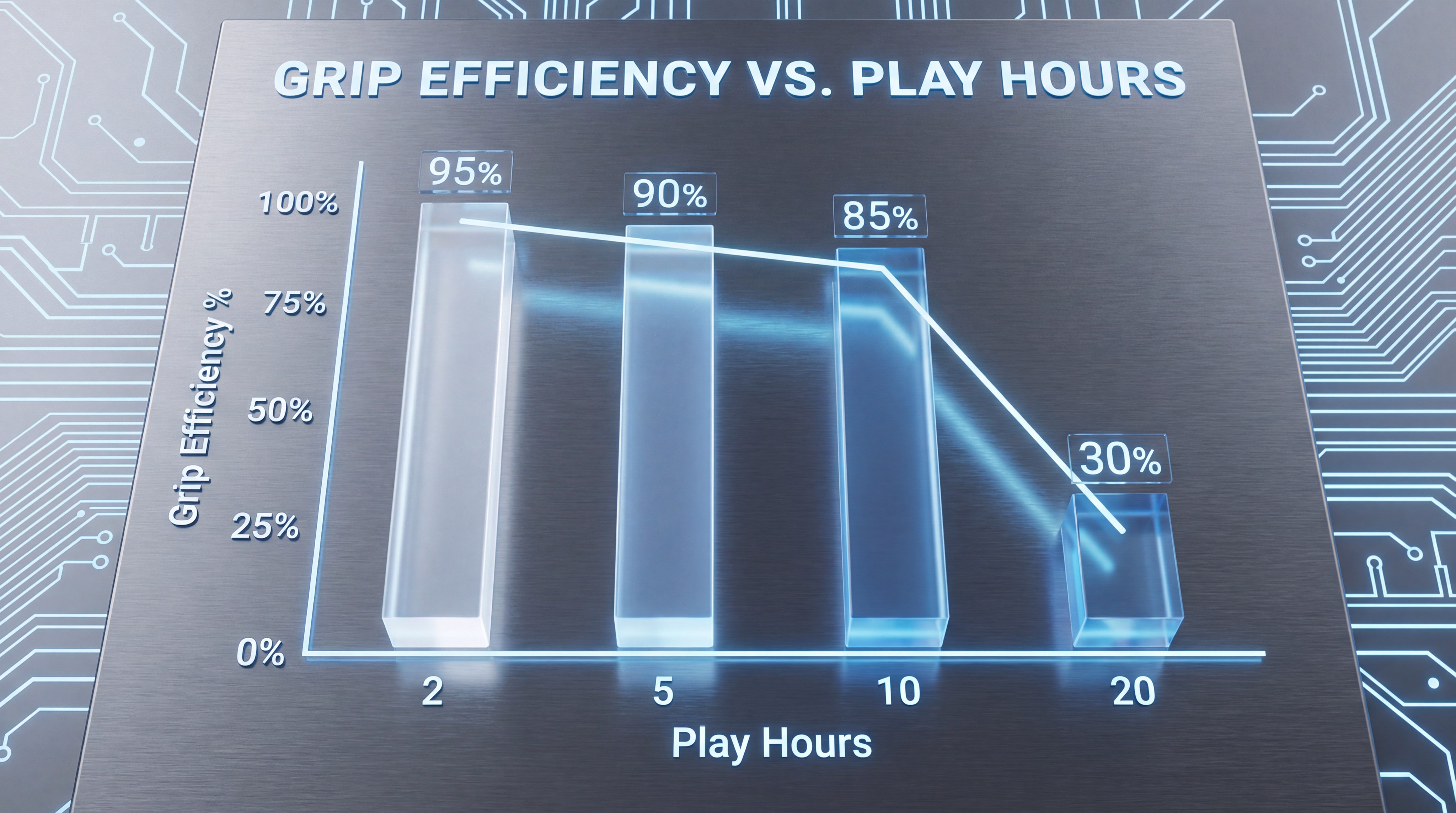
Play duration causes a linear decline in the performance of grips padel as the friction-enhancing chemicals wear off and moisture builds up. You can find replacement options in our grips padel shop to keep your performance high. Consistency in your grip feel is crucial for developing reliable muscle memory for every shot.
Is there a specific hour-limit for performance?
Most professional players recommend changing the outermost layer every 5 to 10 hours of active play to ensure peak performance. In humid conditions or for players with very sweaty hands, this interval may need to be even shorter.
Bottom line:
- 2 hours: Maximum tackiness.
- 5 hours: Noticeable friction loss.
- 10 hours: Critical replacement window.
- 20 hours: High risk of racket slipping.
Key Takeaway: Tracking your hours of play helps you schedule maintenance before your game starts to suffer from gear failure.
| Play Hours | Efficiency % | Player Feel |
|---|---|---|
| 0-5 | 95% | Perfect |
| 6-10 | 80% | Acceptable |
| 11-20 | 50% | Slippery |
The data shows a sharp drop in safety and control once the material passes the ten-hour usage mark.
Can chemical aids improve your grips padel?
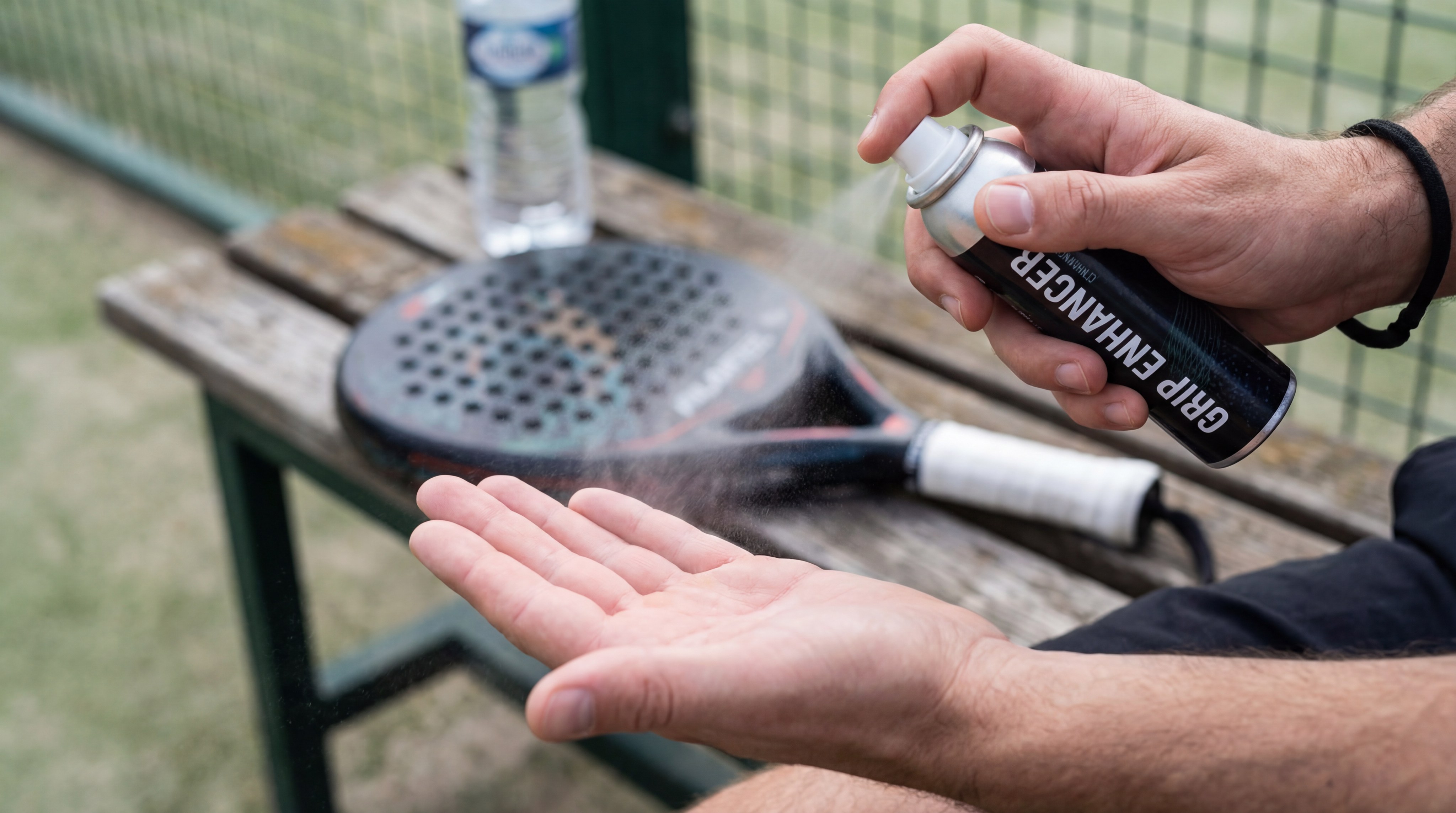
Chemical aids like sprays, resins, and gels can significantly improve the tackiness of your grips padel during long matches. These products are particularly useful when playing under intense Padel LED Lighting which can increase court temperatures and hand perspiration. You apply these enhancers directly to your palm or the handle to create a temporary, high-friction bond.
Are sprays better than traditional towels?
Sprays offer a more precise application and longer-lasting effect compared to traditional resin towels or chalk. They create a thin, invisible film that repels moisture while providing an aggressive “sticky” feel that many pros prefer.
Think about it:
- Sprays reach deep into handle pores.
- Gels act as an antibacterial barrier.
- Resin cloths provide instant, dry tack.
- Liquid chalk prevents sliding in heat.
Key Takeaway: Utilizing chemical enhancers allows you to maintain a secure hold even when your overgrip is reaching the end of its life.
| Enhancer Type | Best Use Case | Duration |
|---|---|---|
| Grip Spray | High humidity matches | Long |
| Resin Cloth | Quick mid-set touch-ups | Short |
| Anti-Sweat Gel | Heavy perspirers | Medium |
Adding an enhancer to your bag gives you a tactical advantage when external conditions become challenging.
How do you measure hand fit for grips padel?
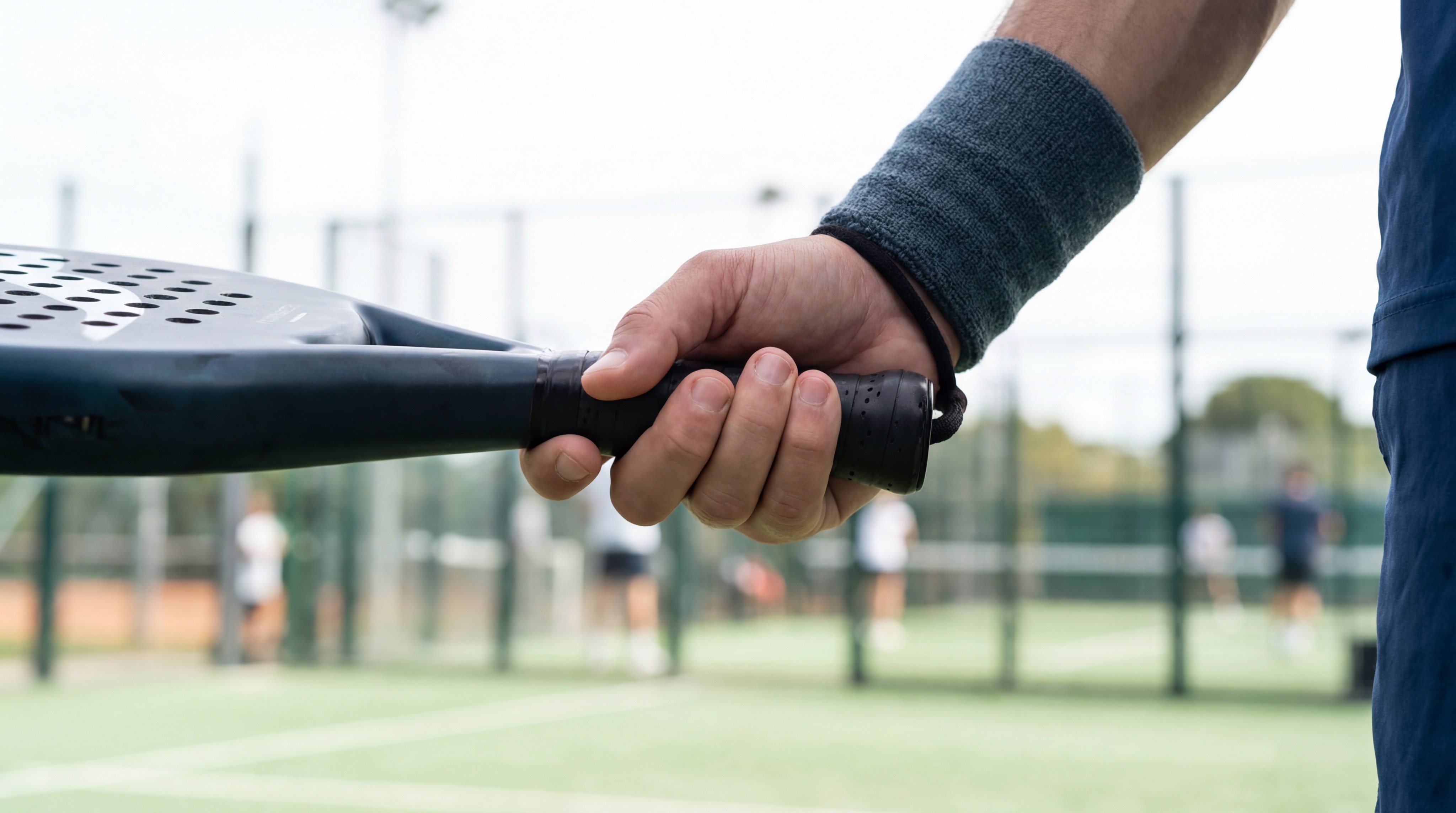
You measure hand fit for grips padel by using the “pinky finger rule” to ensure the handle circumference matches your hand size. Finding the right fit through our grips padel selection is essential for maintaining wrist mobility. If the handle is too large or too small, you increase your risk of developing chronic tendonitis.
Is the pinky finger rule accurate for everyone?
The rule suggests that when you hold the racket normally, there should be enough space for your other hand’s pinky finger to fit between your fingertips and your palm. While this is a great starting point, former tennis players often prefer a slightly thicker feel for stability.
Let’s dive in:
- Small gap: Increases wrist snap.
- Large gap: Stabilizes heavy shots.
- No gap: Causes over-tightening.
- Too much gap: Reduces control.
Key Takeaway: Ergonomic fit is a personal preference that must be balanced with the anatomical requirements of the sport.
| Hand Size | Recommended Layers | Fit Goal |
|---|---|---|
| Small | Base + 1 Overgrip | Maximum agility |
| Medium | Base + 1-2 Overgrips | Balanced power |
| Large | Base + 2-3 Overgrips | Maximum stability |
Achieving the correct diameter allows your muscles to stay relaxed, resulting in smoother and more powerful strokes.
Which textures work best for grips padel?
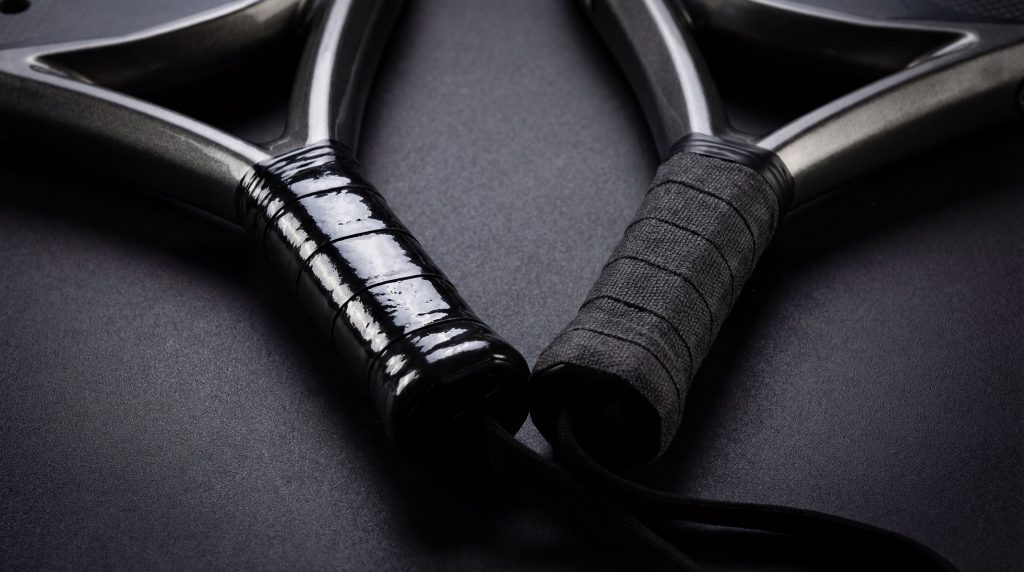
The best textures for grips padel depend on whether you prefer a “tacky” sticky feel or a “dry” velvet-like surface. You can experiment with different finishes in our grips padel range to see what suits your climate. Some textures are specifically engineered to provide better results in rainy or high-humidity environments.
Should you choose tacky or dry surfaces?
Tacky surfaces are ideal for players who want the racket to feel “glued” to their hand for maximum security. Dry-feel surfaces are better for heavy sweaters because they act like a towel, absorbing moisture without becoming slimy.
It gets better:
- Tacky grips work well in cold weather.
- Dry grips excel in tropical heat.
- Smooth textures offer a classic feel.
- Perforated textures enhance airflow.
Key Takeaway: Texture selection is the final step in customizing your racket to perform in specific environmental conditions.
| Texture | Best Climate | Feel Description |
|---|---|---|
| High-Tack | Dry / Cold | Sticky and secure |
| Dry-Feel | Humid / Hot | Soft and absorbent |
| Textured | Variable | High-friction ridges |
Matching your grip texture to your local playing conditions is a hallmark of an advanced player.
Why is airflow critical for modern grips padel?
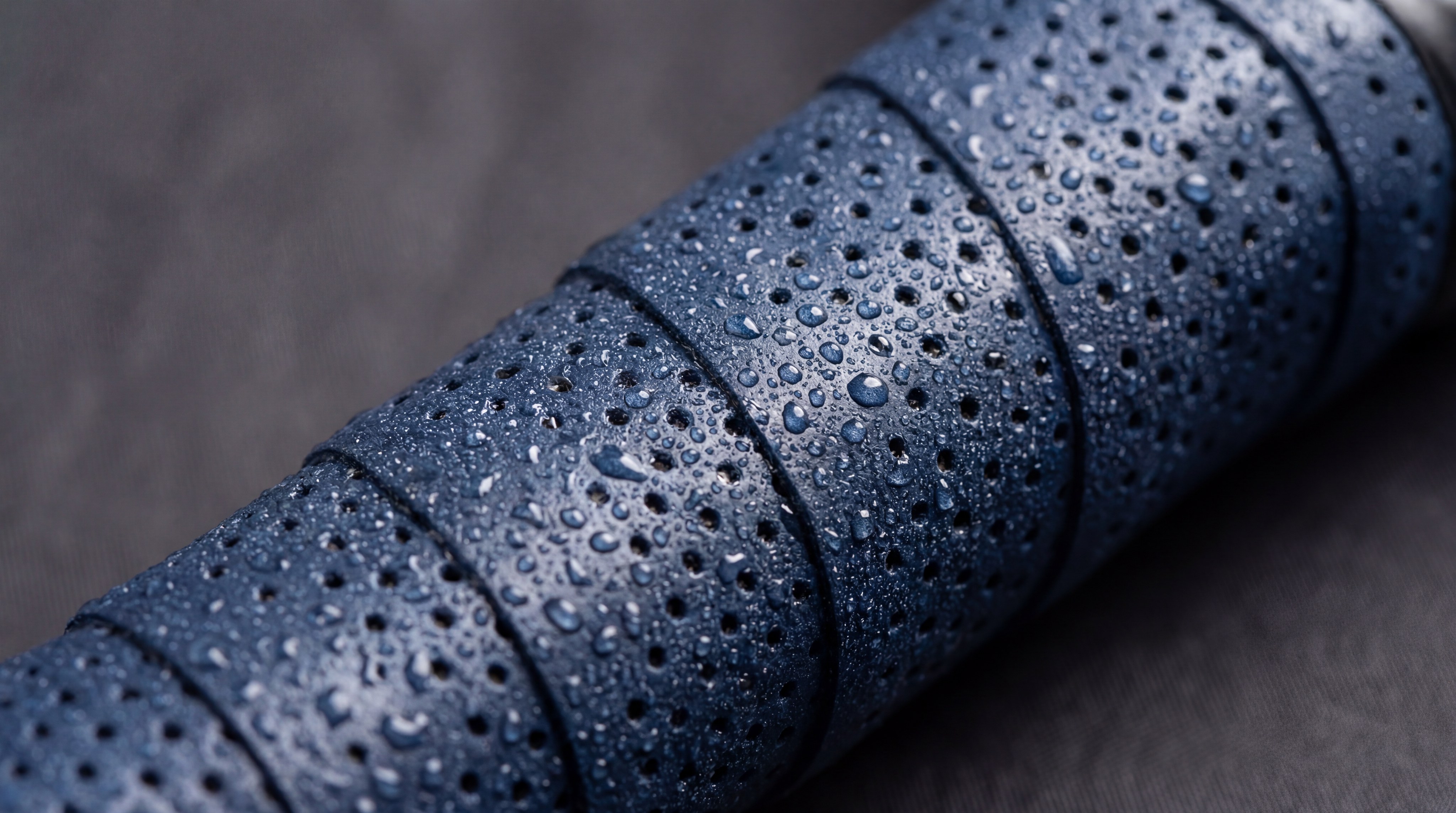
Airflow is critical for modern grips padel because it allows moisture to evaporate quickly, keeping the surface dry and functional. You can find high-performance perforated options in our grips padel catalog. Using materials that breathe ensures that your hand stays cool during the most intense tie-breakers.
Do perforations really help with moisture?
Yes, macro-perforations increase the surface area available for evaporation and provide “channels” for sweat to move away from the contact point. This technology prevents the hydroplaning effect where a layer of sweat causes the racket to spin in your hand.
Listen to this:
- Holes increase ventilation by 40%.
- Moisture wicking is near-instant.
- Perforated grips are lighter.
- They offer a unique “pitted” texture.
Key Takeaway: Advanced material science in perforated grips provides a significant advantage for players in high-performance environments.
| Feature | Benefit | Tech Level |
|---|---|---|
| Macro-Holes | Rapid evaporation | Advanced |
| Micro-Pores | Internal absorption | Standard |
| Moisture Channels | Directional wicking | Pro |
Strategic airflow management is the secret to maintaining a consistent grip throughout a three-set match.
*
Frequently Asked Questions
- Can I apply an overgrip directly to the bare handle frame?
No, you should always have a base replacement grip or an undergrip as a foundation to protect your hand from the hard edges of the racket frame. - What’s the best way to prevent padel elbow?
The most effective method is using a vibration-dampening undergrip and ensuring your total grip thickness allows for a relaxed hand position. - How do I know if my overgrip is worn out?
You will notice a loss of tackiness, visible dark sweat stains, or the material will feel thin and “dead” compared to when it was new. - Can I reuse an overgrip by flipping it over?
It is not recommended because the underside usually lacks the specific friction coating and adhesive needed for a secure and comfortable fit. - What’s the best grip for very humid climates?
In high humidity, a perforated dry-feel overgrip is usually the best choice as it manages moisture better than standard tacky versions.
Build Your Game Today
Mastering your equipment is the first step toward professional excellence on the court. By understanding the science behind handle construction and maintenance, you gain the confidence to play more aggressively and safely. Whether you are a beginner or a seasoned pro, the right handle configuration is your most direct connection to the game. Elevate your performance and contact us today to find the perfect tools for your padel journey.