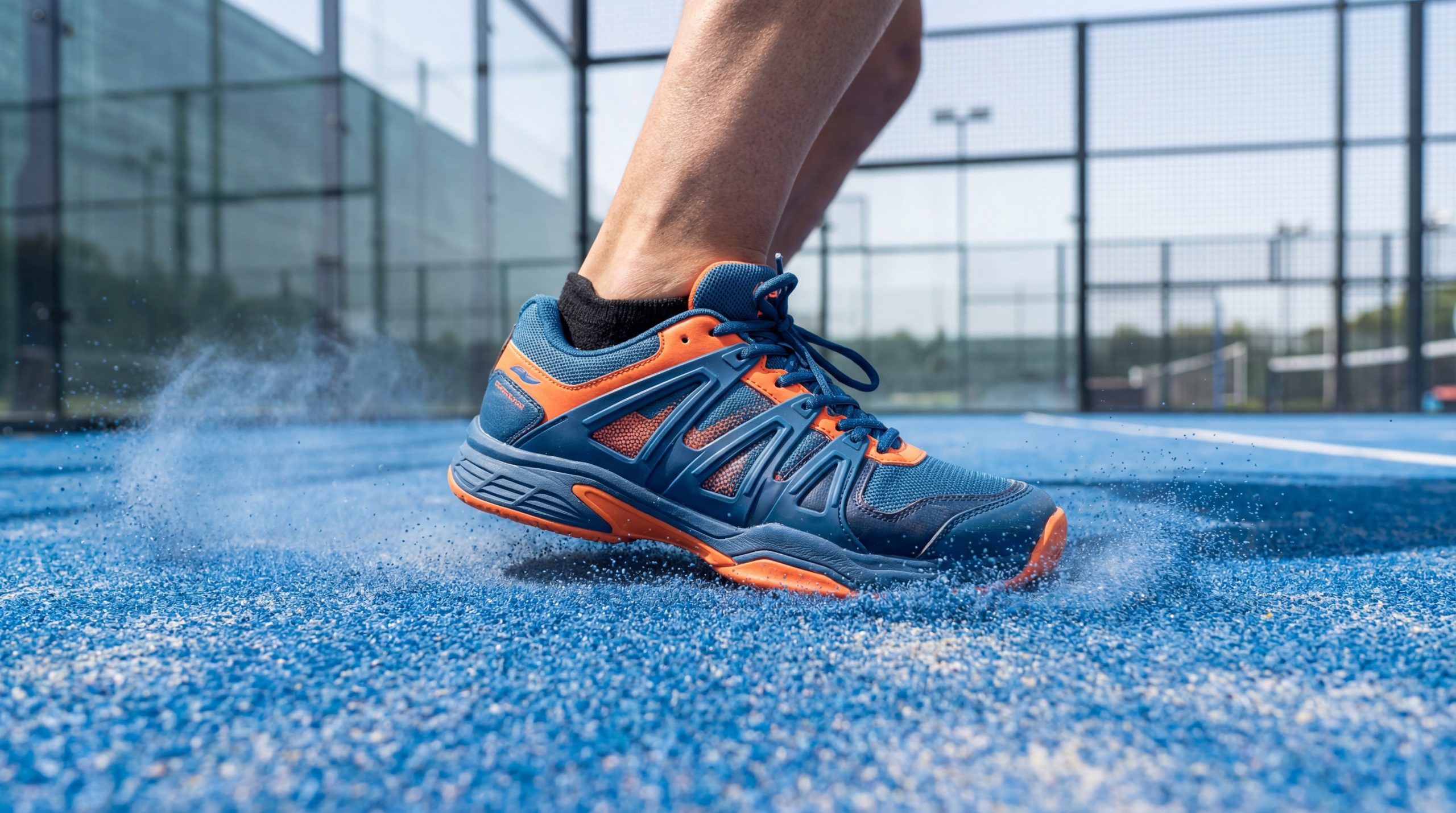
Padel tennis shoes are specialized athletic footwear engineered with deep-tread outsoles and reinforced lateral stabilizers to manage the specific multi-directional movements on sand-filled artificial turf. You may experience frequent slipping or joint discomfort if you attempt to play this high-intensity sport in standard running gear. This lack of specific support can lead to dangerous ankle rolls and significant performance drops during competitive rallies. Choosing professional padel tennis shoes allows you to maintain peak agility while protecting your long-term musculoskeletal health on the court.
Why do you need dedicated padel tennis shoes?
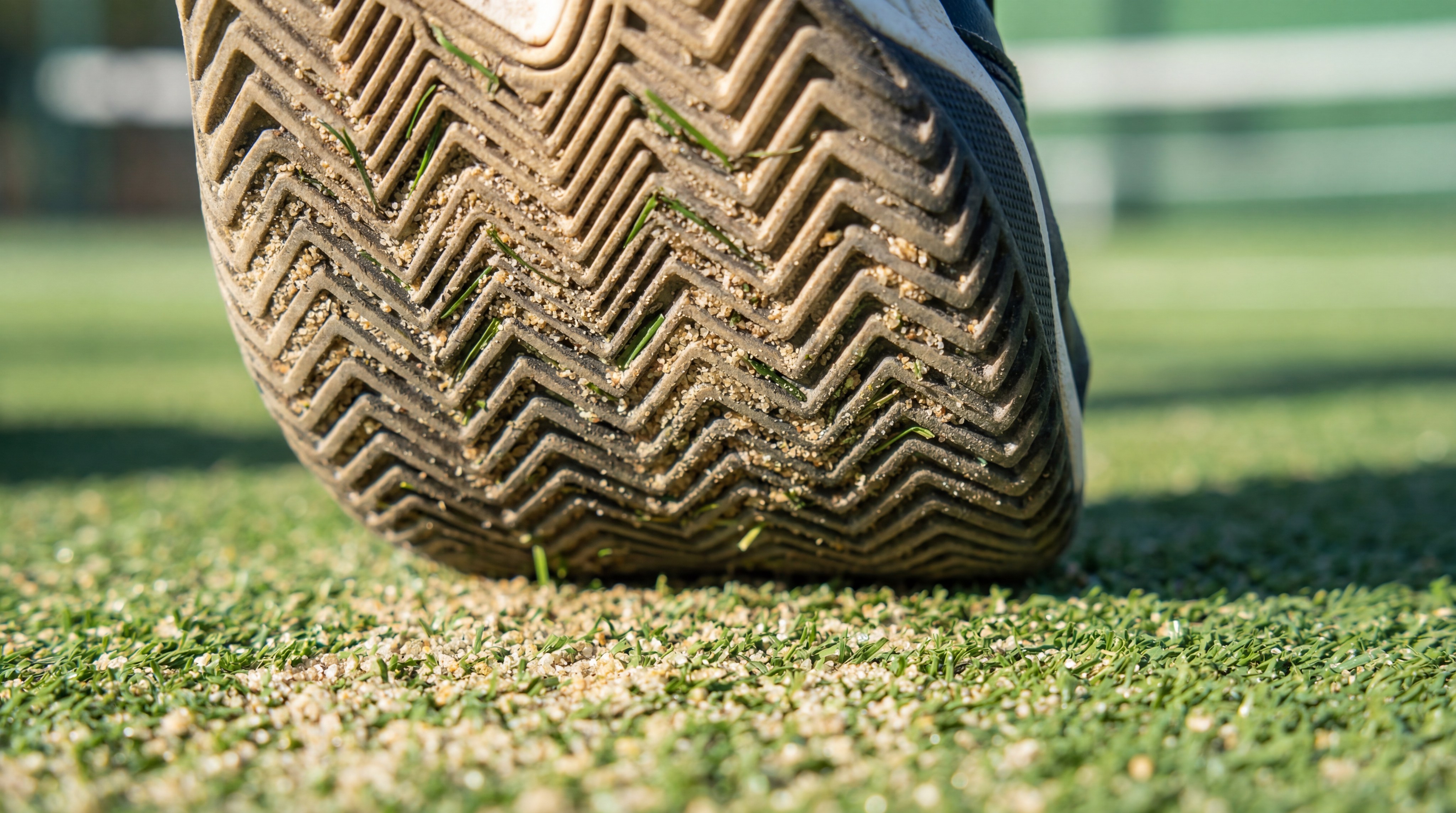
Dedicated padel tennis shoes are essential because they provide the specific grip required for the unique sand-filled turf found in modern facilities. Standard running shoes lack the tread depth to penetrate the sand layer, leading to unpredictable and dangerous slides. Without the proper footwear, your efficiency in fast-paced transitions will drop significantly.
Does court traction matter for your safety?
The specific traction offered by these shoes prevents the foot from slipping during high-intensity pivots and sprints. Proper grip allows for predictable sliding mechanics, which is a core part of advanced defensive play.
- Enhanced friction on synthetic fibers.
- Controlled sliding on sand-heavy zones.
- Reduced risk of ligament strains.
Key Takeaway: Specialized outsoles are your primary defense against court-related injuries and performance bottlenecks.
| Feature | Impact on Play |
|---|---|
| Tread Pattern | Controls the balance between grip and slide. |
| Sand Penetration | Prevents hydroplaning on the artificial surface. |
How do padel tennis shoes differ from tennis shoes?
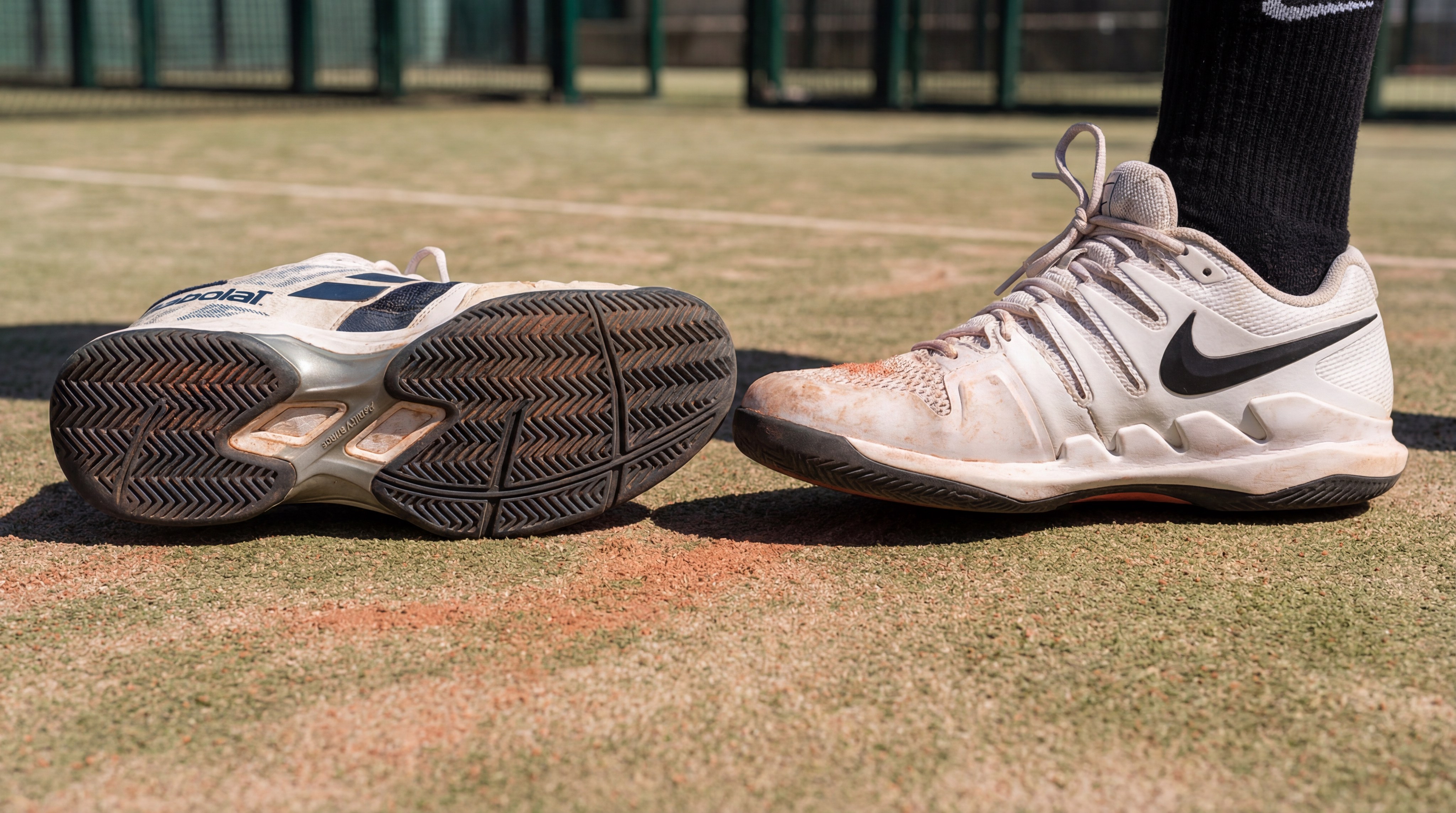
Padel tennis shoes differ from tennis shoes primarily in the configuration of the outsole and the location of the stability bridge in the midsole. While tennis shoes focus heavily on heel stability for side-to-side baseline movement, padel footwear prioritizes the midfoot. This shift reflects the vertical and forward-reaching nature of padel tennis shoes during fast rallies.
Is the movement profile truly different?
Padel involves significantly more vertical jumping and backward movement compared to traditional tennis. Here is the kicker. Because the court is smaller and enclosed, the frequency of sudden stops is much higher.
- Midfoot stability for rapid changes of direction.
- Forefoot flexibility for overhead smashes.
- Pivot points in the sole for rotational ease.
Key Takeaway: The structural engineering of the shoe must match the specific biomechanical demands of the sport’s vertical movement patterns.
| Component | Padel Focus | Tennis Focus |
|---|---|---|
| Primary Stability | Midfoot/Bridge | Heel/Lateral Edge |
| Movement Bias | Vertical and Diagonal | Lateral/Side-to-Side |
Which grip should your padel tennis shoes have?
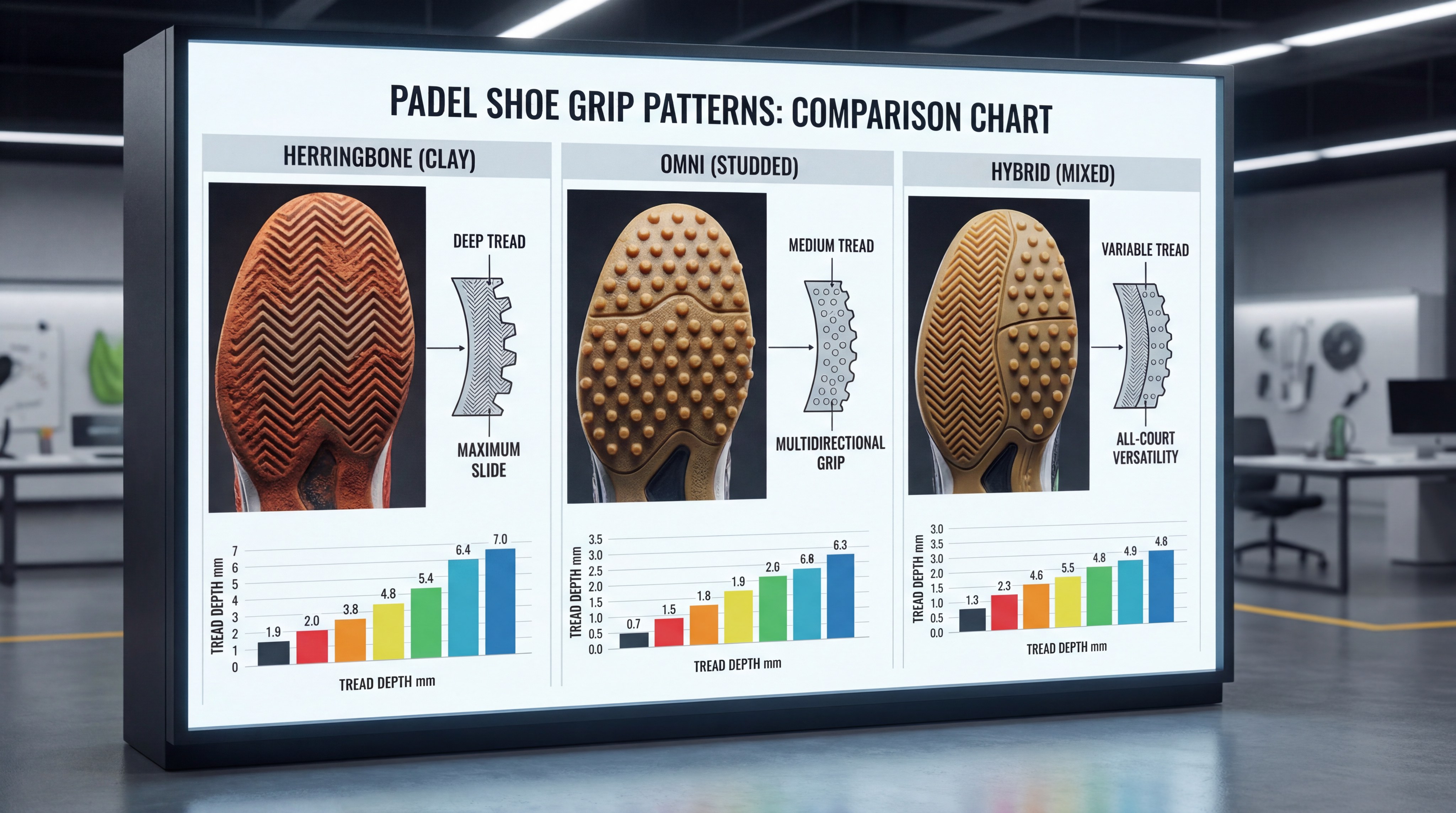
The ideal grip for padel tennis shoes is typically a deep herringbone pattern, often referred to as a “clay” sole, which effectively manages the sand on the court. Some modern designs also utilize “omni” soles with small circular studs for better traction on newer, sand-less turf. Choosing the wrong pattern can result in either too much grip, causing knee strain, or too little, leading to falls.
How do you choose between clay and omni soles?
Your choice depends entirely on the type of court maintenance and the amount of sand visible on the surface. Think about it. A clay sole is the universal choice for most clubs, but omni soles excel on dry, clean grass surfaces.
- Clay/Herringbone: Best for heavy sand.
- Omni/Studded: Best for maximum traction on sand-less turf.
- Hybrid: A mix for varying court conditions.
Key Takeaway: Matching your sole pattern to the specific court surface is the most effective way to optimize your movement speed.
| Sole Type | Best Surface Condition |
|---|---|
| Herringbone | Visible sand layers or “sandy” courts. |
| Omni | High-quality, clean artificial grass. |
Why is lateral support in padel tennis shoes vital?
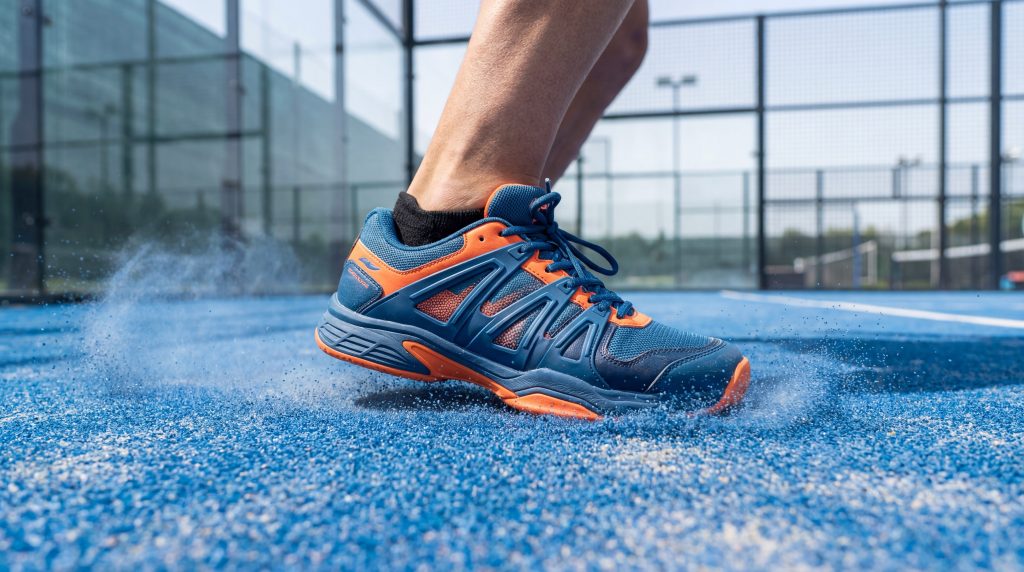
Lateral support in padel tennis shoes is vital because the game consists of constant side-to-side lunges and sudden reaches near the glass walls. Without reinforced sidewalls, the foot can roll over the edge of the sole during a hard stop. This support is usually achieved through TPU stabilizers or “flaps” on the outer edge of the shoe.
Can lateral reinforcement prevent ankle sprains?
Strong lateral support locks the foot in place, ensuring that the shoe and the foot move as a single unit. It gets better. Modern materials allow for this rigidity without adding significant weight to your footwear.
- TPU lateral stabilizers.
- Reinforced toe caps for dragging.
- High-wrap midsoles for containment.
Key Takeaway: Lateral stability is the structural insurance policy that allows you to move at 100% intensity without fear of injury.
| Support Feature | Function |
|---|---|
| Lateral Flaps | Prevents the foot from sliding off the footbed. |
| Heel Counter | Keeps the rear foot locked during pivots. |
How does cushioning in padel tennis shoes prevent injury?
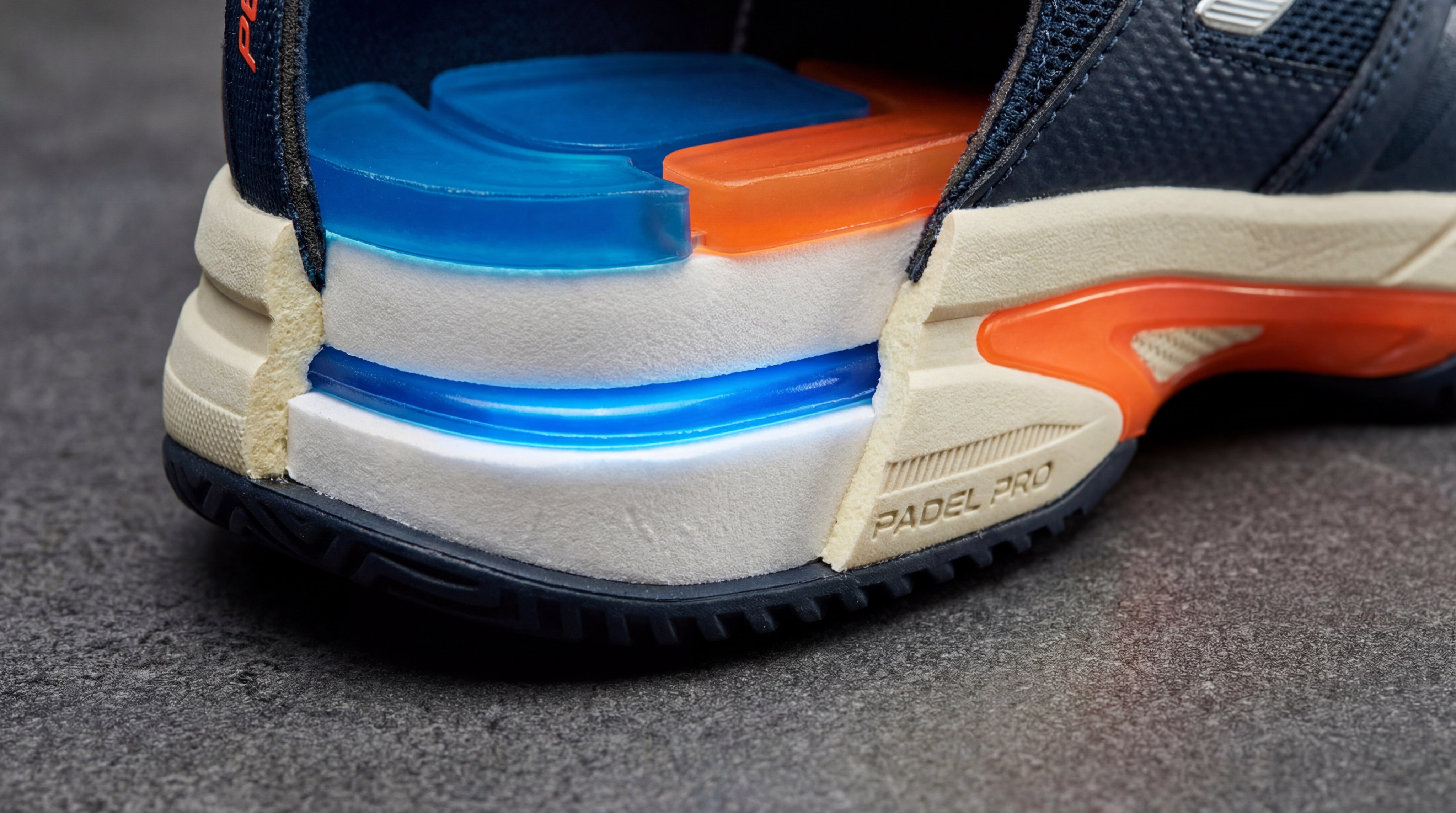
Cushioning in padel tennis shoes prevents injury by absorbing the high-impact forces generated by frequent jumps and explosive sprints. Because padel is often played on concrete-based courts covered in thin turf, the impact on joints is higher than on natural grass. Professional models use gel or specialized foam to dissipate this energy before it reaches your knees.
Is more cushioning always better for you?
While cushioning is essential, too much can reduce your court feel and make the shoe feel unstable. Believe it or not. The goal is a responsive balance that protects the body while keeping you connected to the ground.
- Gel inserts in the heel and forefoot.
- High-rebound EVA foam midsoles.
- Impact-resistant insoles.
Key Takeaway: Balanced cushioning protects your joints without sacrificing the reactive speed needed for quick volleys.
| Cushioning Type | Benefit |
|---|---|
| Rearfoot Gel | Absorbs impact during landing from overheads. |
| Forefoot Foam | Provides energy return for the next sprint. |
Are padel tennis shoes designed for flexibility?
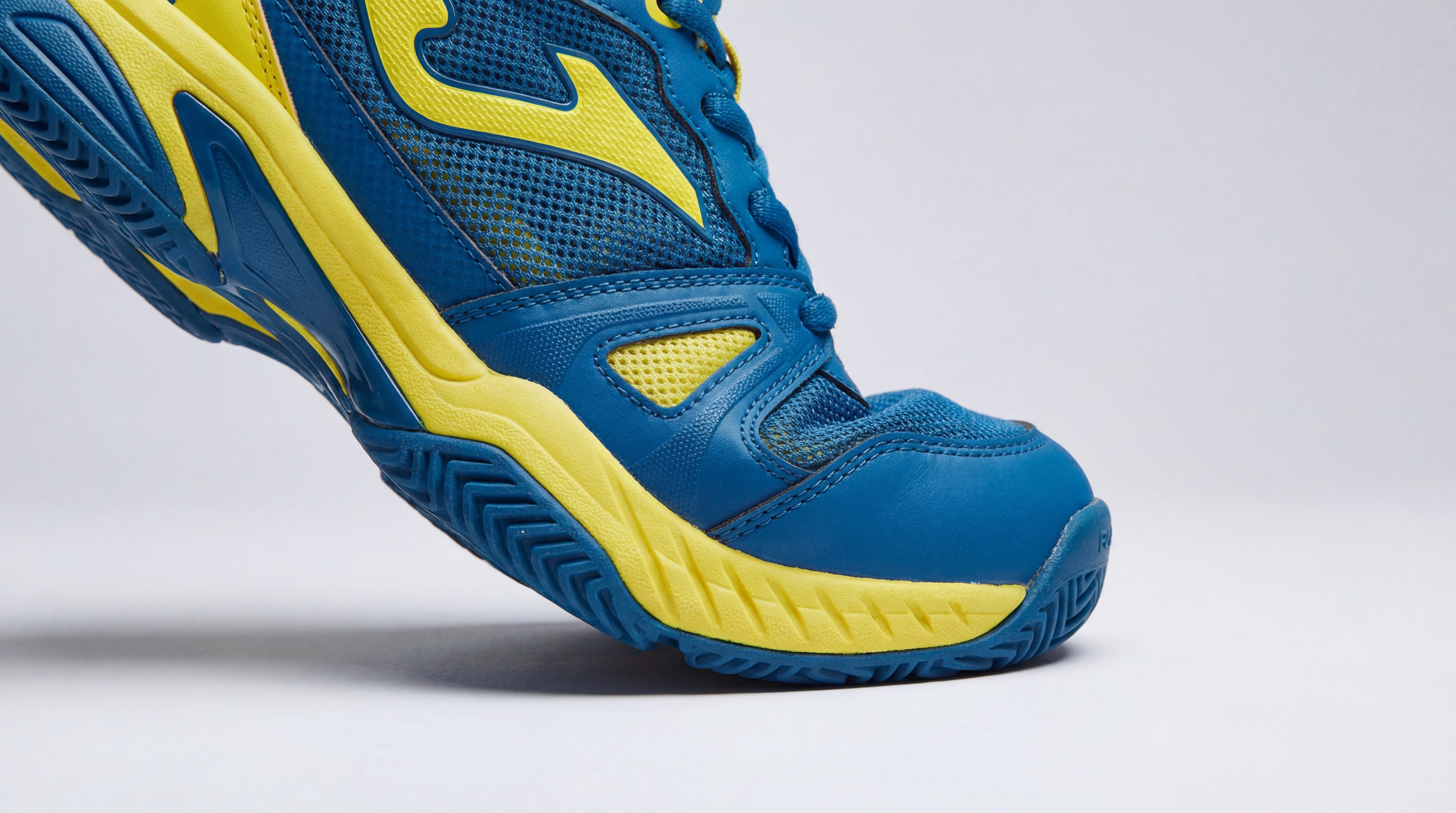
Modern padel tennis shoes are designed with targeted flexibility in the forefoot to allow for the natural rotation required during quick turns. Unlike running shoes which flex across the whole sole, padel shoes have specific flex grooves. This ensures the shoe bends only where the foot naturally does, maintaining support elsewhere.
Why is forefoot flexion critical for your game?
A flexible forefoot allows you to stay on your toes, which is the standard ready-position for every padel point. Here is the kicker. If the shoe is too stiff, you will experience premature calf fatigue and slower reaction times.
- Deep flex grooves in the outsole.
- Breathable, soft upper materials.
- Split-sole designs for independent movement.
Key Takeaway: Flexibility should be localized to the front of the shoe to facilitate agility while keeping the midfoot rigid.
| Flexibility Zone | Purpose |
|---|---|
| Forefoot | Allows for springing and quick rotations. |
| Midfoot | Must remain stiff to prevent arch strain. |
Can I play with regular shoes instead of padel tennis shoes?
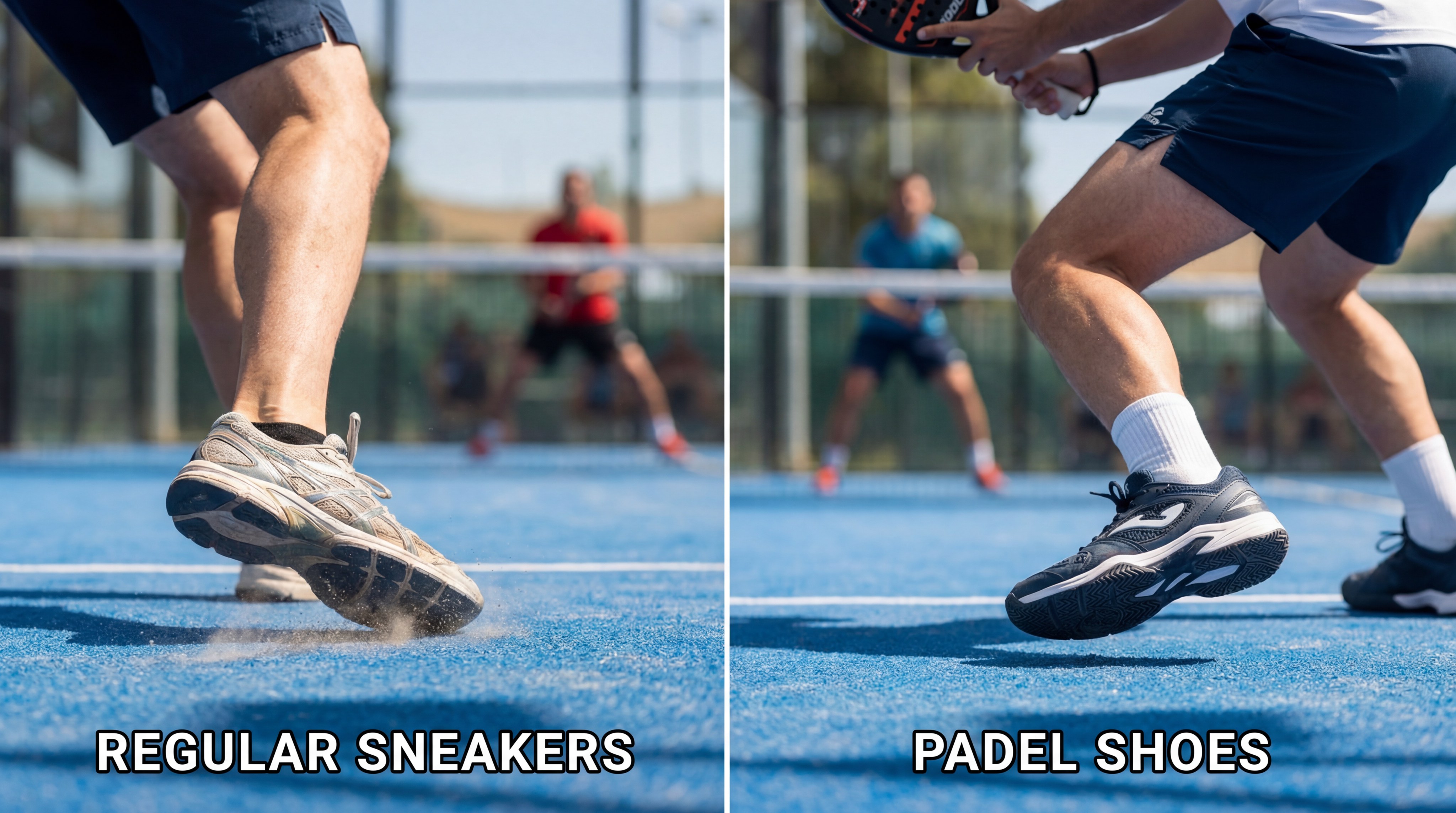
You should not play with regular sneakers instead of padel tennis shoes because they lack the necessary outsole traction and specialized lateral containment. Running shoes are designed for linear movement and will likely cause you to slip or roll your ankle during a side-lunge. Furthermore, the friction of the court surface will destroy the soft rubber of standard shoes quickly.
What are the risks of using the wrong gear?
Using non-specific shoes creates a significant performance gap and a higher probability of long-term joint damage. Make no mistake. The investment in specialized gear pays for itself by preventing lost playing time due to injury.
- Inadequate grip on sand.
- Poor lateral stability leading to rolls.
- Rapid degradation of the shoe upper.
Key Takeaway: Professional padel requires professional equipment to ensure player safety and consistent performance levels.
| Shoe Type | Risk Level | Performance |
|---|---|---|
| Running Shoe | High (Ankle Rolls) | Poor (Slipping) |
| Padel Shoe | Low (Court Specific) | High (Maximum Agility) |
How to choose the right size for padel tennis shoes?
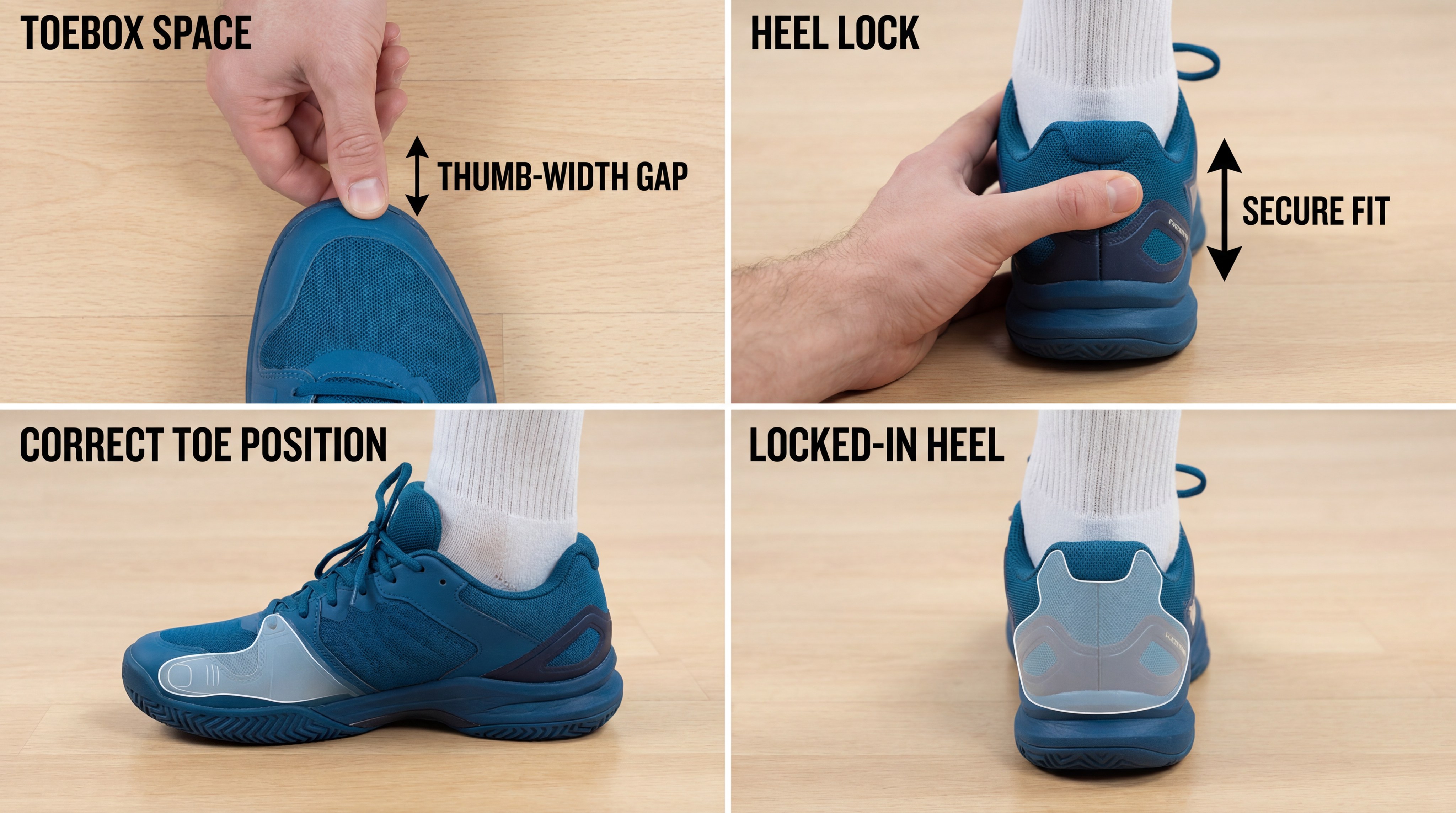
Choosing the right size for padel tennis shoes often requires going up a half size compared to your standard casual footwear. This extra space prevents your toes from hitting the front of the shoe during many sudden, hard stops. You should aim for about a thumb’s width of space at the front while keeping the heel locked.
How should the shoe feel when you try it on?
The shoe should feel snug around the midfoot but never restrictive or painful. Think about it. Your feet will swell slightly during an hour-long match, so a perfect fit in the store might be too tight later.
- Half-size up for toe protection.
- Snug midfoot for stability.
- Zero heel slippage when walking.
Key Takeaway: A slightly larger shoe with a locked heel provides the best protection against black toenails and blisters.
| Fit Zone | Ideal Sensation |
|---|---|
| Heel | Tight and secure (no lifting). |
| Toebox | Roomy enough to wiggle toes. |
When should you replace your padel tennis shoes?
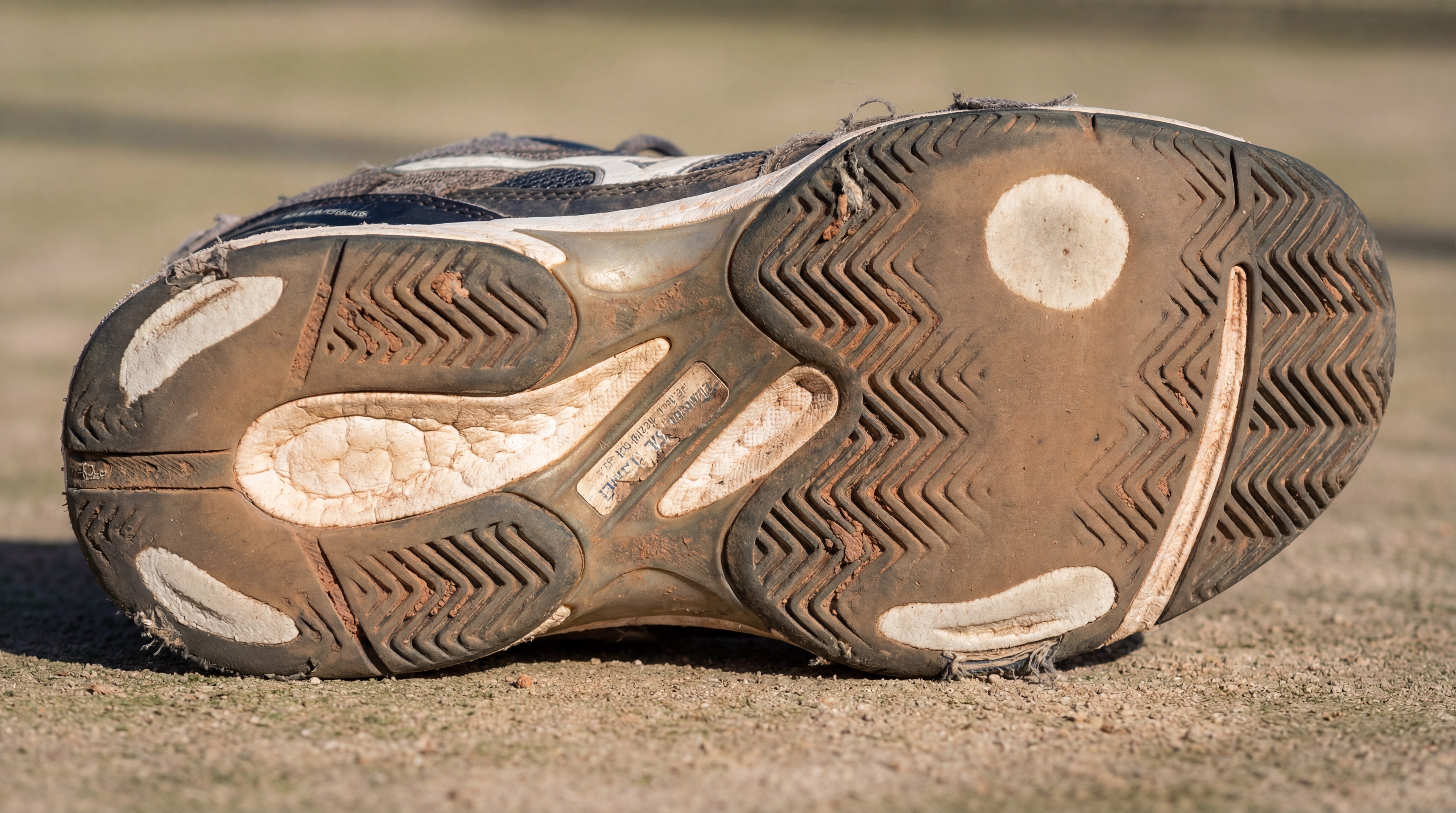
You should replace your padel tennis shoes when the outsole tread has worn smooth or the midsole cushioning no longer provides a bouncy feel. Even if the shoe looks fine on the outside, the internal foams can collapse after several months of regular play. Playing in worn-out shoes significantly increases the strain on your knees and decreases your ability to stop.
Can you tell when the cushioning is dead?
If you start feeling unusual soreness in your arches or knees after a game, it is likely the shoe has lost integrity. It gets better. Replacing them early ensures you always play at your peak potential while staying safe.
- Loss of tread depth (smooth spots).
- Compression wrinkles in the midsole.
- Reduced lateral stiffness.
Key Takeaway: Regular replacement is a proactive measure for injury prevention and maintaining a high level of play.
| Sign of Wear | Immediate Action |
|---|---|
| Smooth Outsole | Replace immediately (slipping risk). |
| Midsole Creasing | Plan replacement within a month. |
What materials make padel tennis shoes durable?
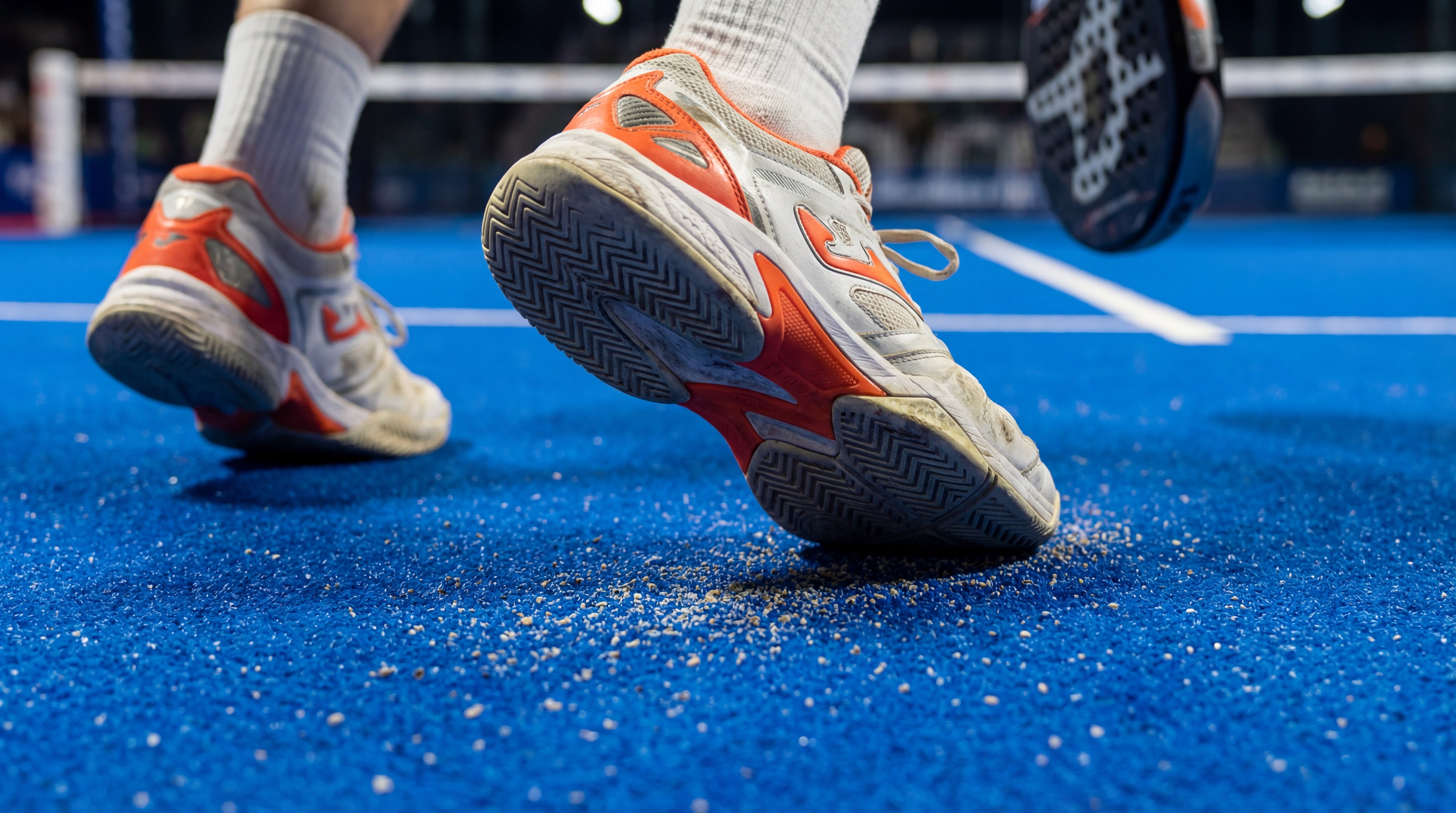
High-quality padel tennis shoes are made from reinforced synthetic uppers and high-abrasion rubber outsoles that withstand constant court friction. The toe box is often reinforced with extra rubber to prevent wear from dragging the foot during explosive serves. Interior linings are typically moisture-wicking to handle the high heat and sweat generated during a professional match.
Does material quality affect the lifespan?
The durability of your shoes depends on the density of the rubber and the strength of the upper mesh. But that’s not all. Heat-pressed overlays provide necessary structure without adding the weight of traditional leather materials.
- High-abrasion rubber outsoles.
- Breathable 3D mesh uppers.
- Protective rubber toe guards.
Key Takeaway: Durable materials extend the life of the shoe’s performance features, not just its aesthetic appearance.
| Material | Primary Benefit |
|---|---|
| Synthetic Mesh | Breathability and light weight. |
| Dense Rubber | Resists wear from abrasive turf. |
*
FAQ
Can I use these shoes for other court sports?
Ideally, no, because the specific grip pattern is optimized for artificial grass and might be too aggressive on hard courts.
What’s the best way to clean my shoes?
A damp cloth and mild soap are best for maintaining synthetic materials without damaging the technical adhesives used in construction.
Can I wear thick socks with my padel shoes?
Yes, and you should, as thick athletic socks provide additional cushioning and help fill the half-size gap recommended for safety.
What’s the best way to prevent shoe odor?
Removing the insoles and allowing them to air dry after every match is the most effective method for active players.
Can I play padel in clay tennis shoes?
Yes, since clay tennis shoes use the same herringbone pattern, they are the most compatible alternative if specific gear is unavailable.
*
Selecting the right equipment is the foundation of a successful and sustainable athletic career in this fast-growing sport. If you are looking to upgrade your facility or need expert advice on the latest court technologies, contact us today to speak with a professional consultant. Your performance on the court is only as good as the support beneath your feet.