
Many sports facility investors struggle to find a high-growth activity that maximizes square footage while ensuring constant player engagement. Traditional tennis courts occupy vast footprints and often suffer from low occupancy during off-peak hours. Understanding what is the sport padel reveals a fast-paced, social, and space-efficient solution that is currently revolutionizing the global athletic market for savvy developers.
What exactly is the sport of padel?
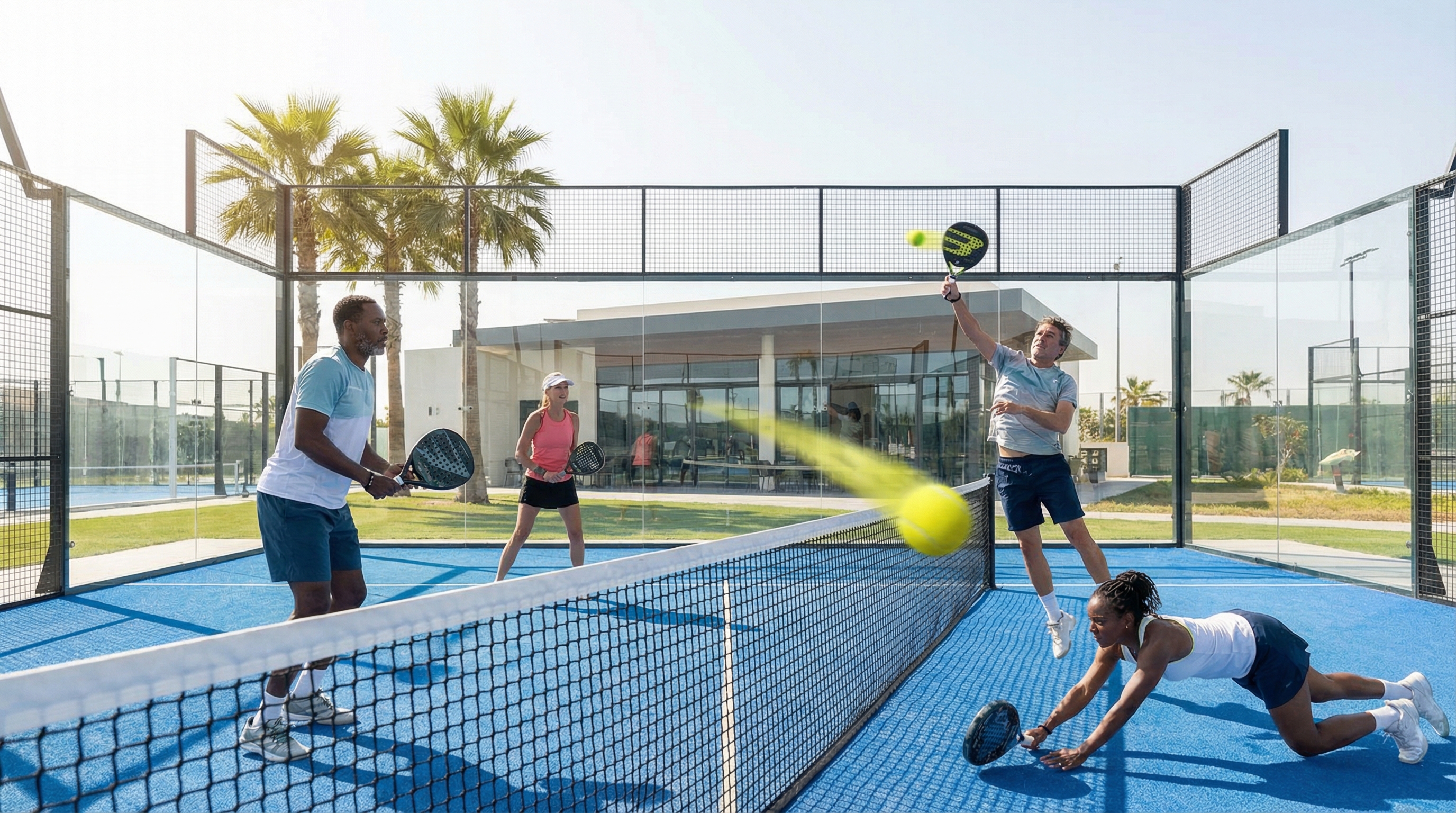
Padel is a dynamic racket sport typically played in a doubles format on an enclosed court where the walls are used as active play surfaces. When exploring what is the sport padel, you will find it combines the best elements of tennis and squash. This unique combination makes it easy to learn for beginners but incredibly deep for competitive athletes.
Is padel always played in doubles?
Think about it: while singles versions exist for training, the official game is almost exclusively a two-on-two experience. This social structure allows you to foster a vibrant community atmosphere within your sports club.
- Facilitates high social interaction.
- Ideal for corporate networking events.
- Encourages longer booking times by groups.
How did the sport evolve from Mexico?
Look: the game originated in 1969 when a private court was modified with walls to keep the ball within the property. It eventually traveled to Spain and Argentina, where it became a dominant cultural phenomenon before spreading globally.
- Global governing bodies now standardize all play.
- Popularity is surging in the UK, USA, and Middle East.
- Modern construction utilizes high-tech materials for better ball bounce.
Key Takeaway: Padel is a fast-growing, social racket sport played in doubles that utilizes tempered glass walls as active parts of the game area.
| Aspect | Description |
|---|---|
| Origin | Acapulco, Mexico (1969) |
| Primary Format | 2 vs 2 (Doubles) |
| Defining Feature | Enclosed glass and mesh walls |
| Skill Curve | Easy to start, high mastery ceiling |
How big is a standard padel court?
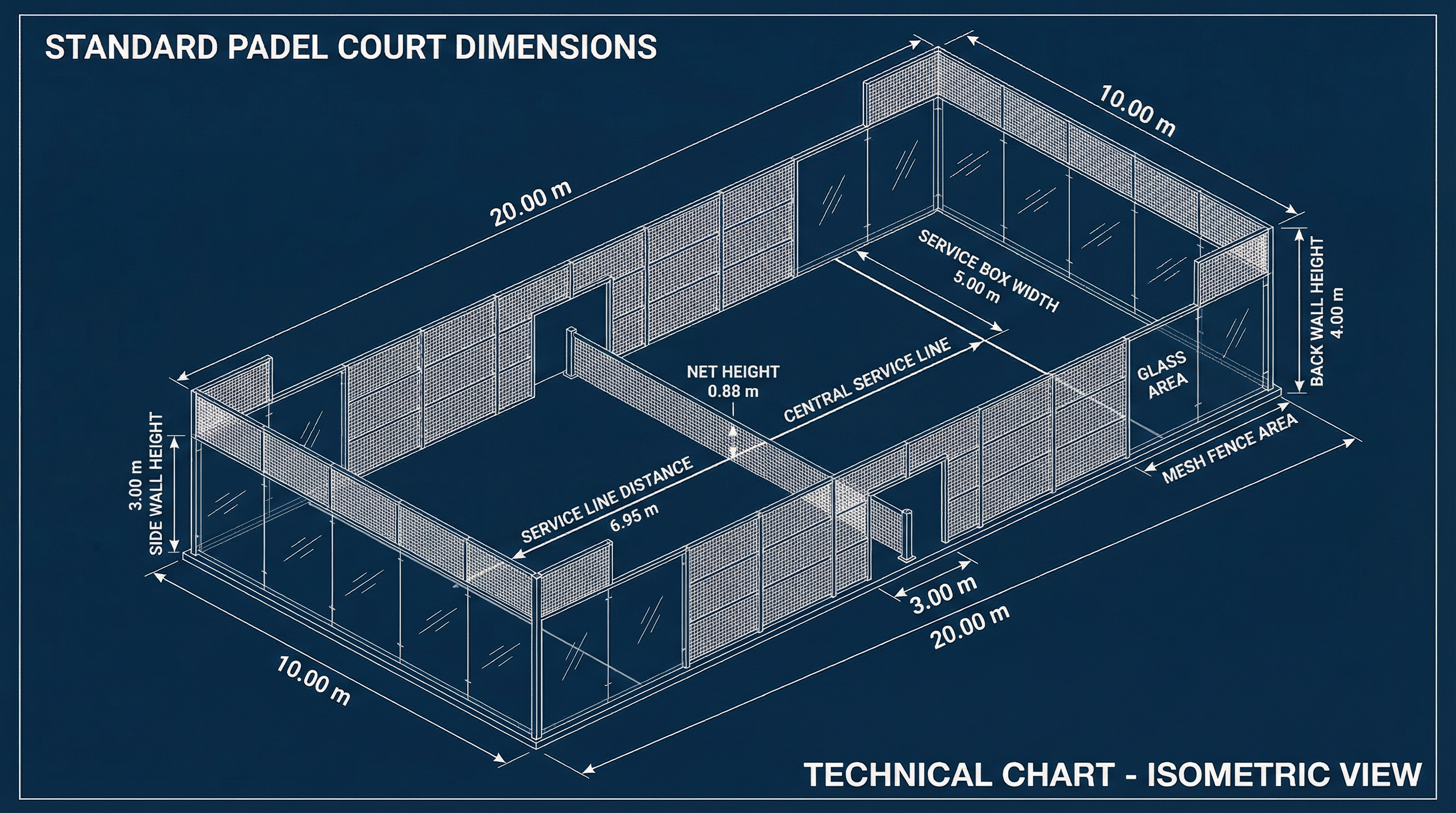
A regulation court measures exactly 10 meters wide by 20 meters long, making it significantly smaller than a traditional tennis court. When you are planning your facility layout and considering what is the sport padel, this compact size allows you to fit three padel courts in the space of one tennis court. This efficiency is a primary driver for its high return on investment in urban environments.
What are the exact dimensions?
Here is the deal: the rectangle is divided by a net in the center, with service lines situated 6.95 meters from the net. You must ensure the surrounding area is clear to allow for professional-level “out-of-court” play during high-level matches.
- Length: 20 meters.
- Width: 10 meters.
- Net height: 88cm at the center, 92cm at the posts.
Which wall materials are required?
The best part? The walls are a mix of 10mm or 12mm tempered glass and metallic mesh panels that provide varied bounce physics. You should prioritize high-quality steel frames to support the tension of the mesh and the weight of the glass.
- Tempered safety glass for back walls.
- Electro-welded mesh for side panels.
- Hot-dip galvanized steel for structural integrity.
Key Takeaway: A professional court requires a precise 10x20m footprint enclosed by structural glass and mesh to facilitate unique “off-the-wall” gameplay.
| Component | Standard Specification |
|---|---|
| Total Area | 200 Square Meters |
| Wall Height | 3 Meters (Glass) to 4 Meters (Mesh) |
| Tolerance | Minimal deviation allowed for FIP standards |
| Clearance | Recommended 3m additional height for indoor play |
What are the official rules of play?
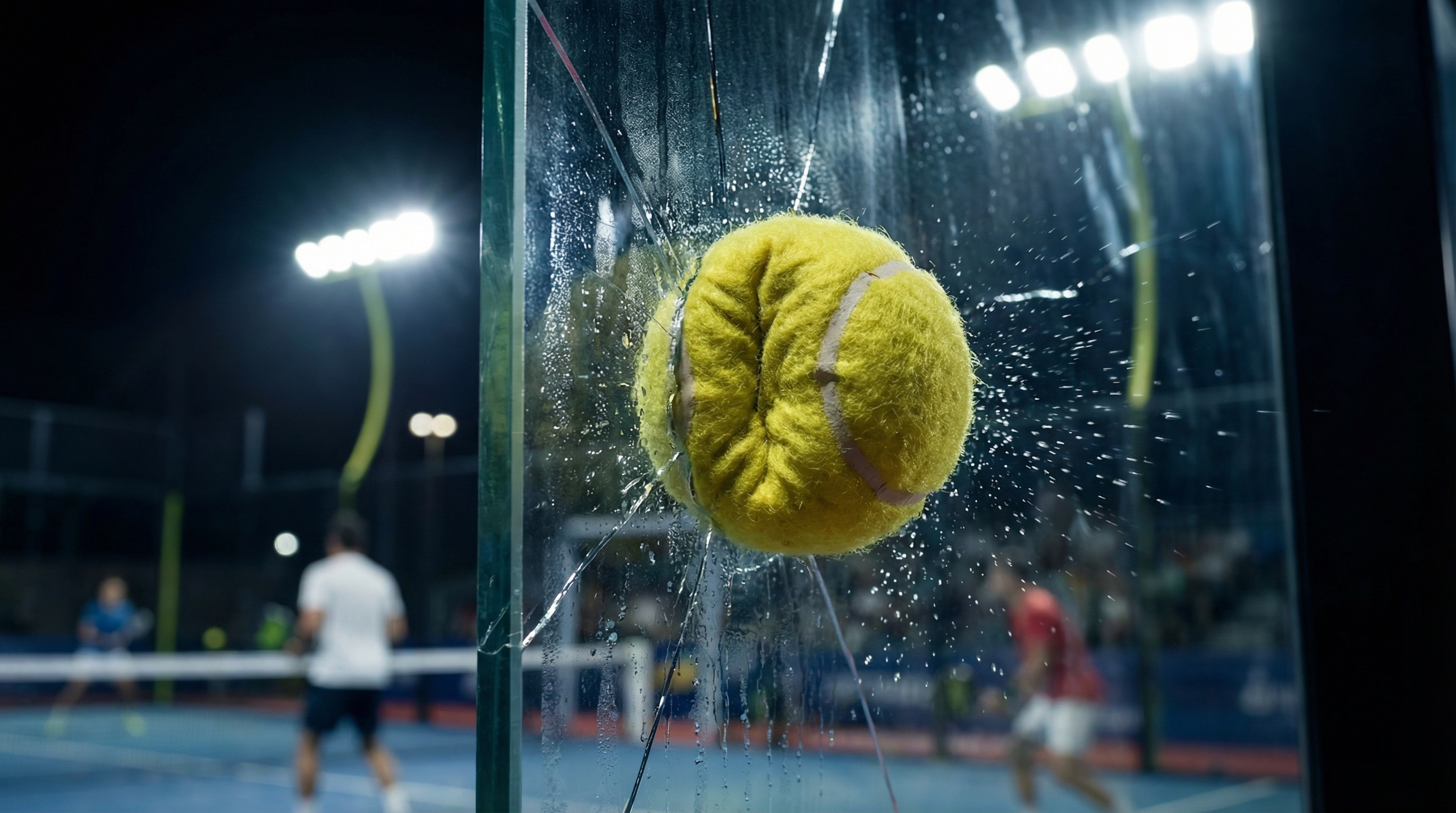
The official rules mandate an underhand serve and allow the ball to be played off the walls after an initial ground bounce. Understanding these mechanics is vital when explaining what is the sport padel to new club members. The use of the walls keeps the ball in play longer, resulting in more intense rallies than traditional racket sports.
How do you serve correctly?
Wait, there’s more: unlike tennis, you must bounce the ball once and strike it at or below waist level. The serve must land diagonally in the opponent’s service box to be considered valid.
- Serve must be underhand.
- Ball must hit the ground before the wall.
- Second serves are allowed if the first is a fault.
Is the scoring same as tennis?
It gets better: the scoring follows the 15, 30, 40, and game sequence that most athletes already recognize. However, the strategy changes entirely once you realize you can hit the ball against your own glass wall to pass it over the net.
- Uses sets and games format.
- “Golden Point” (No-Ad) often used in professional tours.
- Tie-breaks are played at 6-6 in a set.
Key Takeaway: Mastery of the underhand serve and the tennis-style scoring system is essential for any player entering the competitive circuit.
| Rule Category | Regulation Detail |
|---|---|
| Serve Style | Underhand (waist level) |
| Wall Contact | Allowed after one floor bounce |
| Scoring | 15, 30, 40, Deuce, Game |
| Ball Out | If it hits the wall before the ground |
What equipment do you need to start?
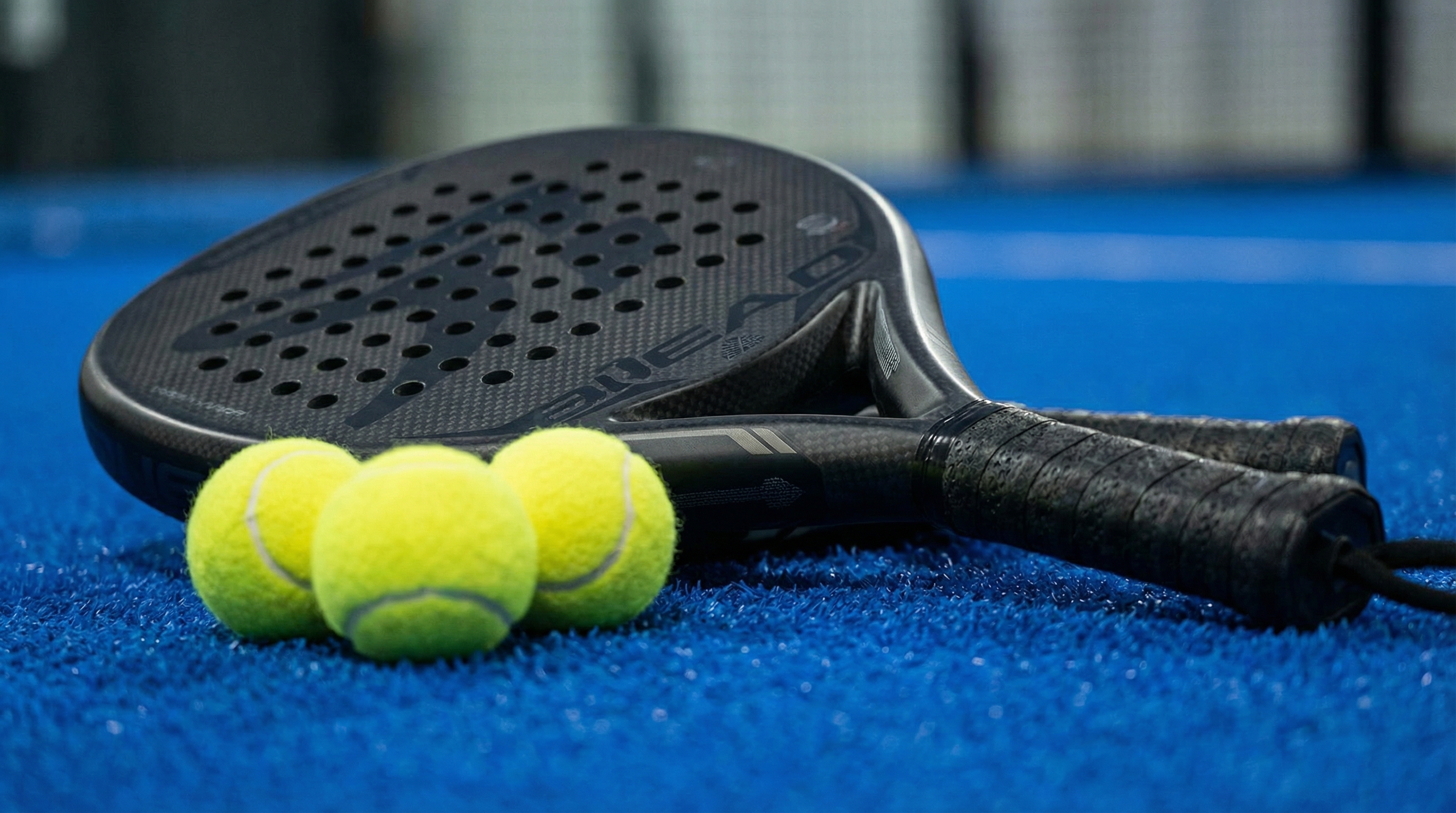
To play effectively, you need a specialized stringless racket, low-compression balls, and court shoes designed for artificial turf. When you invest in a facility and teach others what is the sport padel, providing high-quality rental gear can be a significant secondary revenue stream. The right equipment ensures player safety and enhances the overall “feel” of the game.
Why is breathable fabric essential?
Think about it: the high-intensity nature of the rallies means players generate significant body heat very quickly. You should stock your pro-shop with moisture-wicking apparel that allows for a full range of motion during overhead smashes.
- Lightweight polyester blends.
- UV protection for outdoor play.
- Ergonomic seams to prevent chafing.
What footwear provides the best grip?
Check this out: regular sneakers can cause slips or ankle injuries on the sand-dressed turf used on these courts. You need shoes with a herringbone (clay) sole pattern to provide the necessary traction for quick lateral movements.
- Omnicourt or herringbone sole patterns.
- Reinforced toe caps for durability.
- Lateral stability technology for quick pivots.
Key Takeaway: High-performance gear focuses on heat management and specialized traction to support the rapid multi-directional movements of the sport.
| Gear Item | Primary Function |
|---|---|
| Racket | Solid composite with EVA core |
| Court Shoes | Lateral support and turf grip |
| Balls | Low-pressure for controlled bounce |
| Wristbands | Sweat management and grip stability |
Who governs professional padel play?
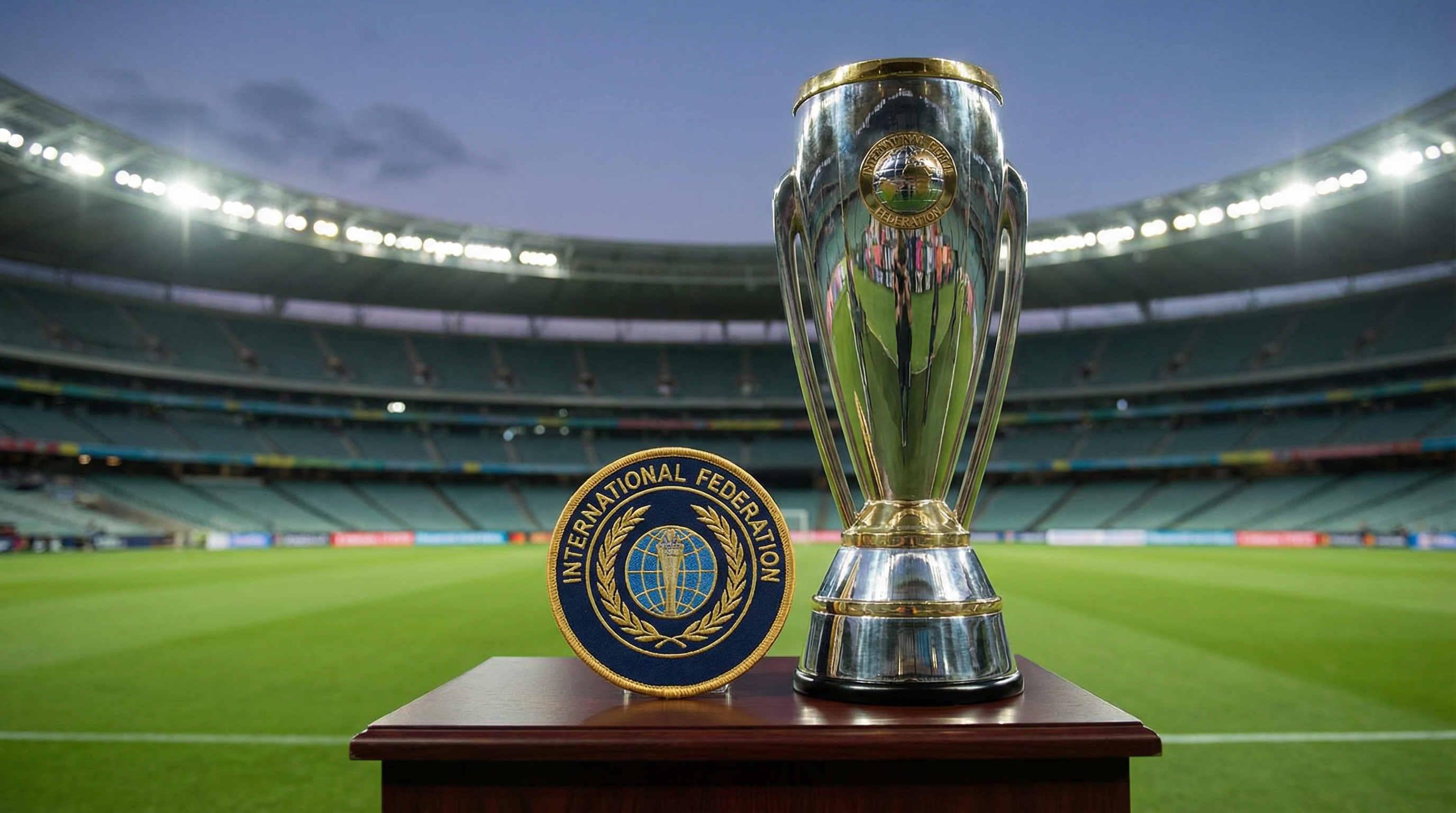
The International Padel Federation (FIP) is the global governing body that sets the technical standards and laws for the sport. When researching what is the sport padel, you will see that FIP ensures consistency across equipment, court construction, and tournament structures. This centralization provides a stable framework for investors looking to host sanctioned events.
What is the International Federation?
Look: founded in 1991, the FIP works to get the sport recognized by the Olympic Committee while managing world rankings. They provide the certification standards that your court manufacturer must follow to be considered professional-grade.
- Defines technical court dimensions.
- Certifies official ball and racket weights.
- Organizes the World Padel Championships.
How is the world tour structured?
The truth is: the professional circuit features elite athletes competing globally for significant prize pools. This visibility drives local demand, making it essential for your club to stay aligned with the latest professional trends.
- Global rankings for male and female players.
- Televised events increase sport awareness.
- Sponsorship opportunities for local club owners.
Key Takeaway: Global regulation by the FIP ensures that professional play remains consistent across different continents and tournament tiers.
| Governing Aspect | Role of the Federation |
|---|---|
| Rules | Maintains official “Laws of the Game” |
| Certification | Approves court and turf manufacturers |
| Rankings | Manages the professional point system |
| Strategy | Leads the push for Olympic recognition |
What makes a padel racket unique?
Unlike tennis rackets, these are made of solid composite materials without strings and feature a perforated surface to reduce air resistance. When you explain what is the sport padel to customers, highlighting the racket technology helps them understand the control-oriented nature of the game. The solid construction allows for a much shorter handle, giving you better maneuverability in tight spaces.
Why are the rackets stringless?
Believe it or not: the absence of strings is what gives the sport its distinct “pop” sound and tactile feedback. The rackets use an EVA foam core wrapped in carbon fiber or fiberglass to absorb vibration and provide power.
- Perforated holes reduce wind drag.
- Foam cores vary in density for power or control.
- Safety straps are mandatory to prevent accidents.
How does ball pressure affect play?
Bottom line? While padel balls look like tennis balls, they have slightly less internal pressure to slow down the game’s pace. This allows you to react to balls bouncing off the back glass without the game becoming uncontrollably fast.
- Slower speed increases rally length.
- Lower bounce height compared to tennis.
- Specific felt weight for turf interaction.
Key Takeaway: The combination of a foam-core racket and a low-compression ball creates a unique tactile experience focused on control and placement.
| Feature | Specification |
|---|---|
| Racket Material | Carbon Fiber or Fiberglass |
| Core Material | EVA Foam (Soft or Hard) |
| Ball Pressure | 10 to 11 psi |
| Racket Thickness | Maximum 38mm |
How do you choose the right court type?
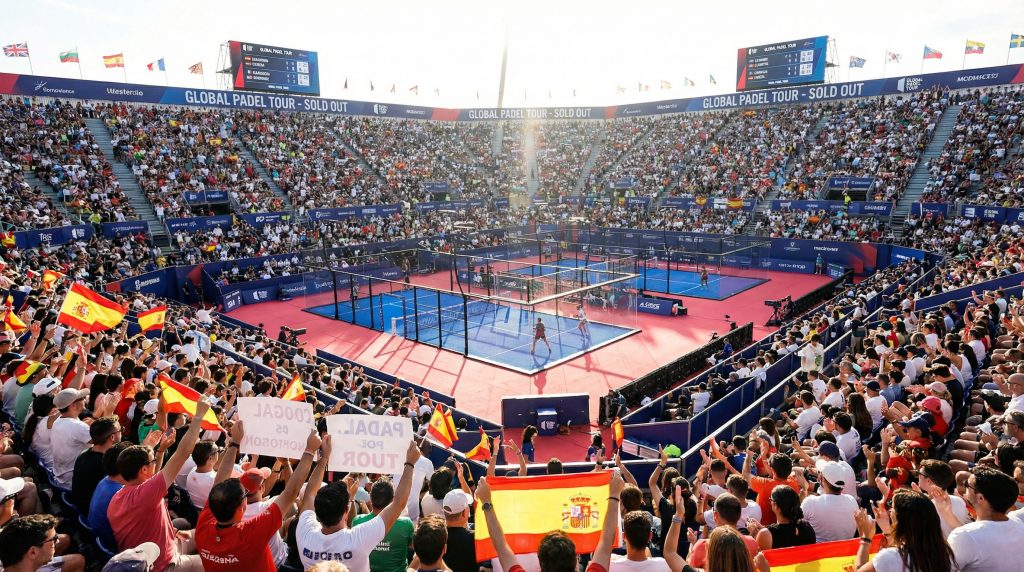
Selecting a court depends on your facility’s specific goals, ranging from heavy-duty training models to luxury aesthetic designs. When you are establishing your brand and explaining what is the sport padel, the visual appeal of your courts can be a major selling point. You must decide if your priority is high-volume public use or hosting high-end televised matches.
When is a panoramic court better?
The best part? If you want to offer a premium experience, a panoramic padel court removes structural pillars from the back glass to provide 360-degree visibility. This is perfect for championship courts where you expect a large audience or want to film high-quality content.
- Unobstructed views for spectators.
- Sleek, modern aesthetic for luxury clubs.
- High-strength tempered glass (12mm) is standard.
Should you stick to standard models?
Here is why: for schools, public parks, or high-traffic sports centers, a traditional reinforced structure offers maximum durability at a lower price point. These models use more steel support, which can withstand heavy daily use and accidental impacts more effectively.
- Reinforced steel pillars for stability.
- Easier to maintain and repair.
- Cost-effective for multi-court installations.
Key Takeaway: Choose your court based on the intended audience; panoramic models favor spectators, while standard models favor high-frequency training.
| Court Model | Best Use Case | Visibility |
|---|---|---|
| Classic/Standard | Public parks and training | Moderate |
| Panoramic | Luxury clubs and finals | Maximum |
| Mobile/Portable | Temporary events | Variable |
Why should you consider a roofed court?
A covered facility protects your investment from rain and sun, ensuring that your booking revenue remains consistent throughout the year. When you promote what is the sport padel in regions with unpredictable weather, having a roof becomes a massive competitive advantage. You can guarantee your players a dry court and a cool environment regardless of the outside climate.
Can you play regardless of weather?
But wait: rain or extreme heat can quickly result in cancelled bookings and lost revenue for outdoor facilities. Investing in a roofed padel court allows you to operate 24/7, even during the winter months or peak summer afternoons.
- Zero cancellations due to rain.
- Protection from UV rays for players.
- Extended turf lifespan by avoiding water damage.
How does lighting impact evening play?
It gets better: a roofed environment allows you to install professional LED arrays directly onto the ceiling structure for uniform illumination. This eliminates the harsh shadows often created by outdoor pole-mounted lights, providing a superior playing experience at night.
- Consistent, shadow-free lighting.
- Reduced light pollution for neighboring areas.
- Lower energy costs with integrated LED systems.
Key Takeaway: Roof structures are a strategic investment that maximizes court “up-time” and provides a premium, climate-controlled experience for players.
| Feature | Outdoor Court | Roofed Facility |
|---|---|---|
| Operational Days | ~200-250 days | 365 days |
| Maintenance | High (debris/water) | Low (protected) |
| Player Comfort | Weather dependent | Climate controlled |
| Revenue Potential | Variable | Stable/Predictable |
How do successful club projects look?
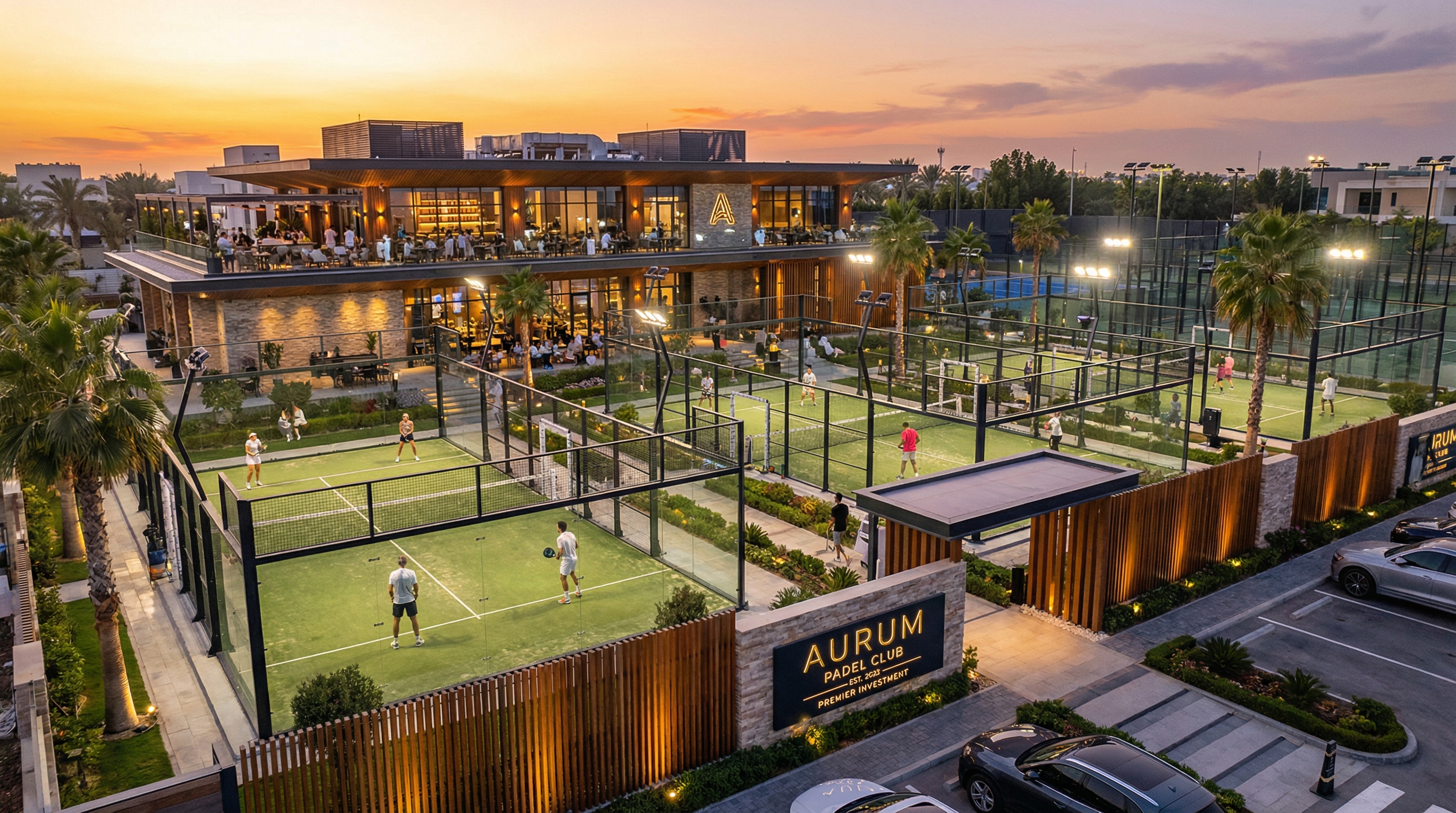
High-performing facilities integrate premium courts with social hubs like cafes and lounges to create a true community atmosphere. By investigating what is the sport padel through the lens of a successful case study, you can see how layout affects player retention. Successful projects treat the court as the centerpiece of a larger lifestyle destination.
What can we learn from case studies?
Here’s the deal: the most profitable clubs are those that prioritize the “apres-padel” experience as much as the game itself. You should look for designs that include comfortable seating areas where players can watch matches while enjoying refreshments.
- Integrated pro-shops for gear sales.
- Social lounges to encourage community.
- Professional branding throughout the facility.
How do you plan for profitability?
The best part? Because padel courts are small, you can often fit more revenue-generating amenities around them than you could with a tennis-only club. You should analyze the player flow from the parking lot to the changing rooms to the court to maximize efficiency.
- Multiple revenue streams (rentals, cafe, coaching).
- High turnover due to 60-90 minute match times.
- Scalable designs that allow for future expansion.
Key Takeaway: A successful facility launch requires a holistic approach that combines premium court construction with thoughtful club-style amenities.
| Project Phase | Focus Area | Success Metric |
|---|---|---|
| Site Prep | Leveling and drainage | Foundation longevity |
| Installation | Glass and turf precision | Consistent ball bounce |
| Operation | Booking software and social | High occupancy rate |
How do you build a high-quality court?
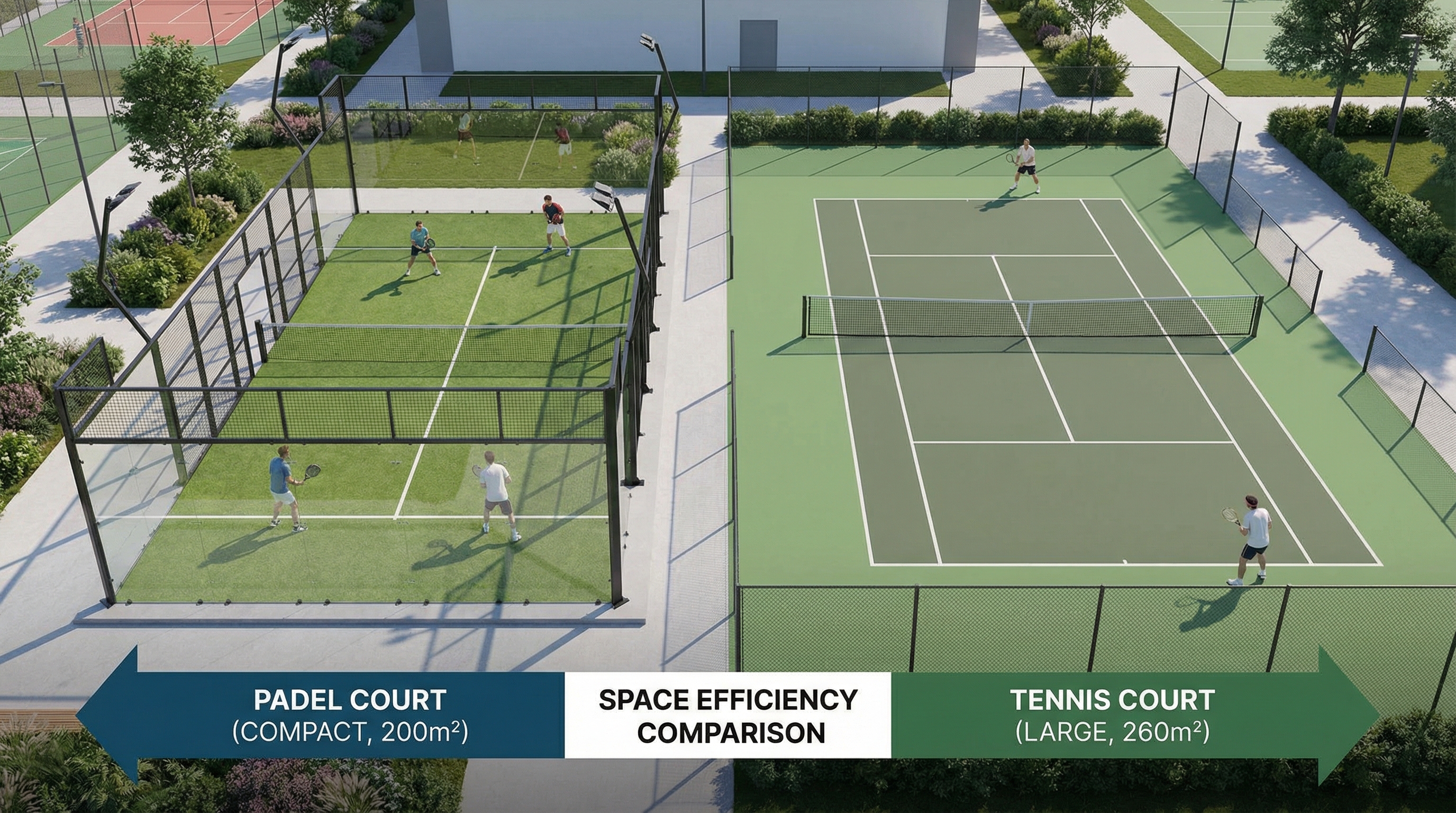
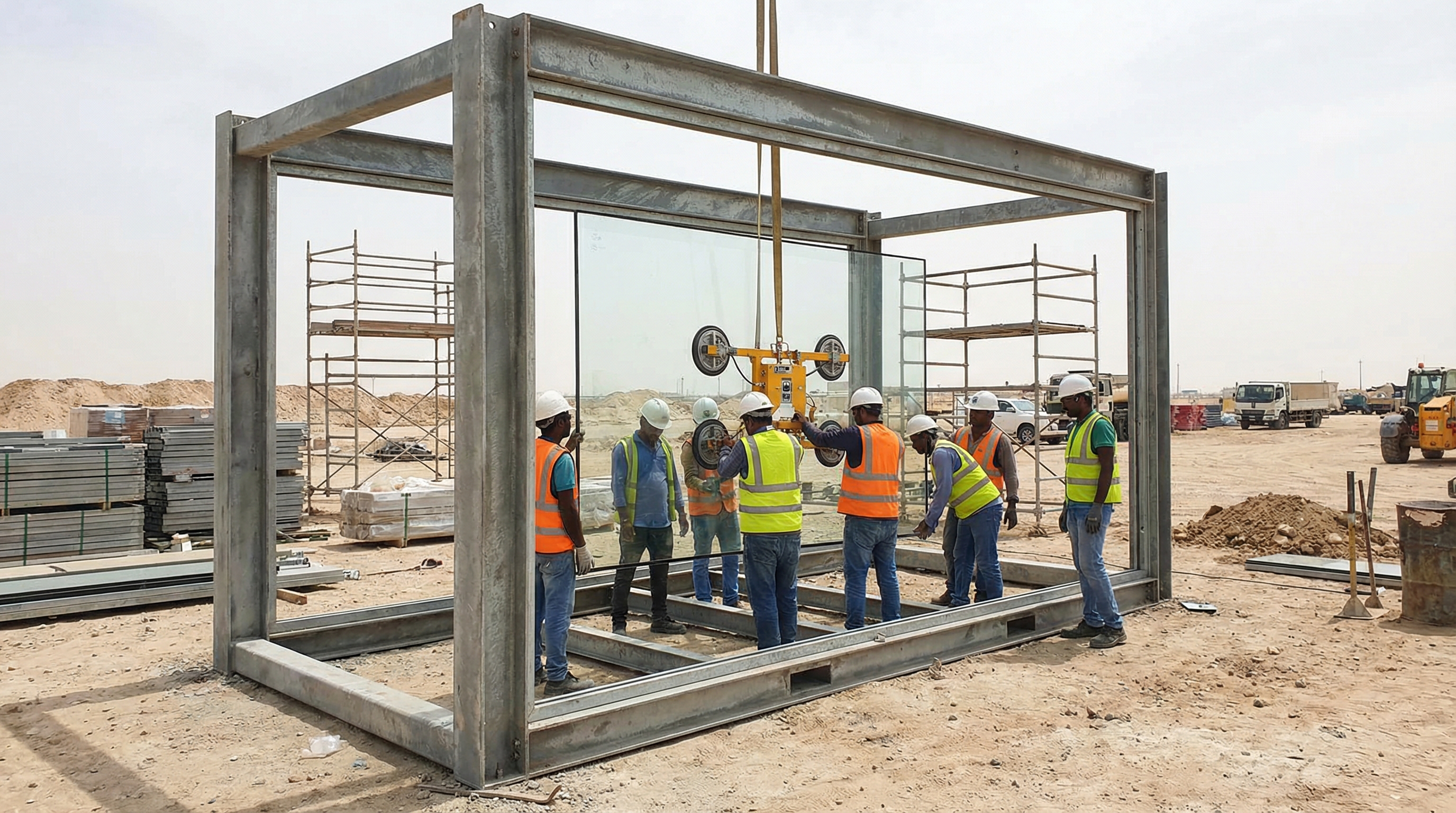
Building a premium court involves meticulous site preparation, galvanized steel installation, and the expert application of tempered glass. When you are ready to implement what is the sport padel at your location, the quality of the foundation is just as important as the glass walls. You must ensure the sub-base is perfectly level to prevent “dead spots” in the ball bounce.
What materials are used in construction?
Look: you should only use hot-dip galvanized steel to prevent rust, especially if your facility is near the coast or outdoors. The glass must be certified tempered safety glass to withstand the force of players accidentally running into the walls.
- 12mm tempered safety glass.
- Monofilament artificial turf.
- 200W LED stadium lighting.
Why is professional installation necessary?
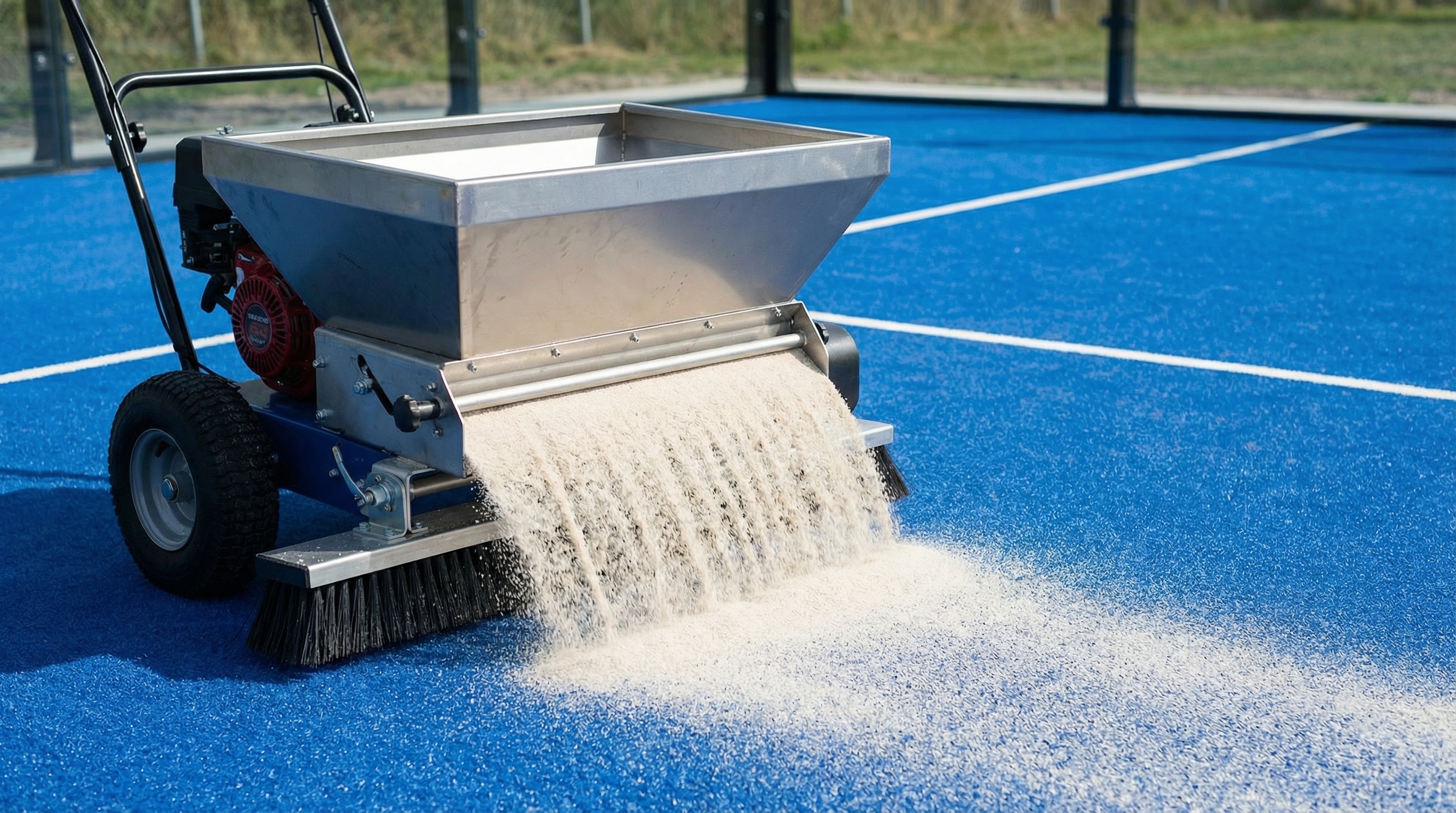
Think about it: even the best materials will fail if the glass isn’t aligned perfectly or the turf isn’t tensioned correctly. You should hire specialized installers who understand how to distribute silica sand evenly across the grass for optimal sliding.
- Ensures structural safety and warranty.
- Precise alignment for consistent glass bounce.
- Correct sand infill for player joint protection.
Key Takeaway: Investing in high-grade tempered glass and professional installation is the only way to ensure long-term player safety and court durability.
| Construction Element | Quality Requirement | Benefit |
|---|---|---|
| Steel Frame | Hot-dip galvanization | 10+ years rust protection |
| Glass | Heat-soaked tempered | Maximum impact safety |
| Turf | Texturized Monofilament | Reduced maintenance |
| Infill | Kiln-dried silica sand | Perfect player traction |
Frequently Asked Questions
Can I convert a tennis court into padel courts?
Absolutely, this is a very common and profitable strategy for many sports clubs. Because of the size difference, you can typically fit three regulation padel courts into the footprint of a single traditional tennis court.
What’s the best surface for a padel court?
Artificial turf specifically designed for padel is the undisputed industry standard. You should choose a monofilament or texturized fiber that holds silica sand well to ensure a consistent bounce and safe sliding for the players.
Can I build a padel court in my backyard?
Yes, provided you have the required 200 square meters of flat space and comply with local zoning laws. You will need a solid concrete or asphalt foundation to support the steel structure and the heavy tempered glass panels.
What’s the most expensive part of court construction?
The high-quality tempered glass and the galvanized steel frame represent the largest portions of the initial investment. However, these are the components you should never cut corners on, as they define the safety and longevity of your facility.
How long does it take to install a court?
Typically, the physical installation of the court structure takes between 5 to 7 days once the foundation is ready. You should account for additional time for site preparation, concrete curing, and the installation of lighting or roofing structures.
Ready to transform your facility with the world’s fastest-growing racket sport? Whether you are looking for technical advice or a complete installation quote, our team of experts is here to guide you through every step of the process. To start your journey and see how we can help you build a world-class club, contact us today for a professional consultation.