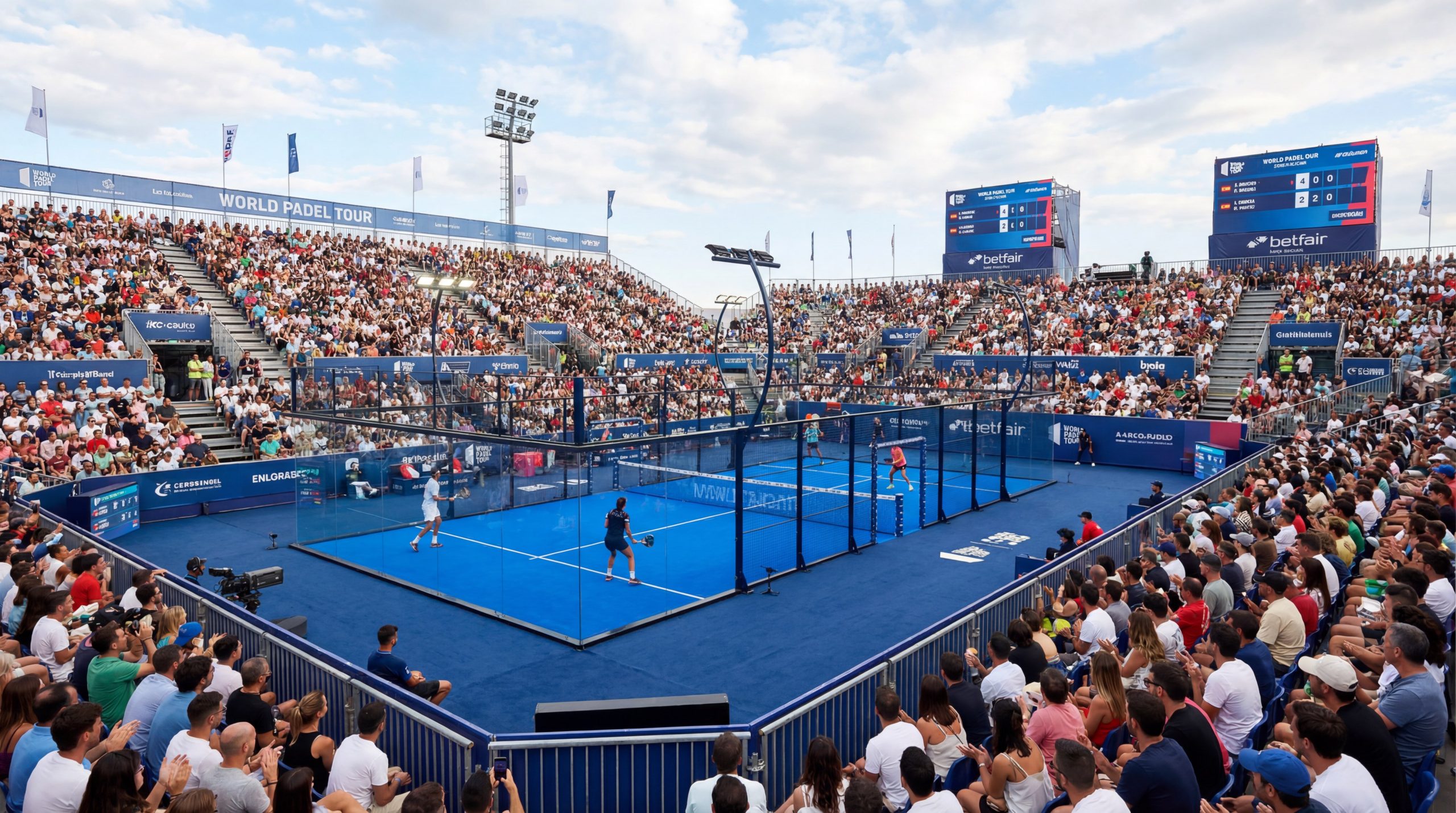
Padel is a dynamic racquet sport that has captured the attention of millions worldwide. It combines the speed of tennis with the strategic wall-play of squash, making it both accessible and challenging. playing padel is primarily a social activity, usually played in doubles on a specialized enclosed court. This guide explores the essential components of the game and the technical requirements for constructing a professional facility.
1. What is the global appeal of playing padel today?
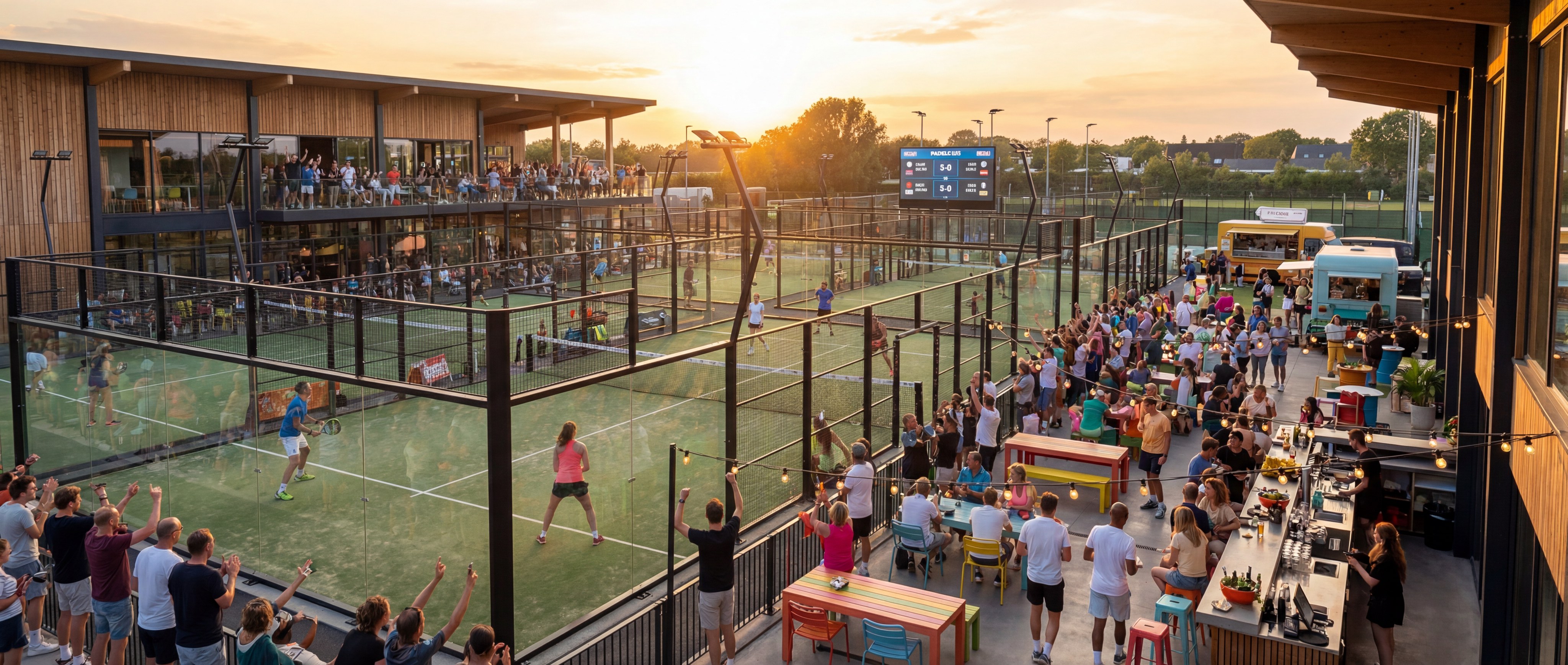
The global surge in this sport stems from its low barrier to entry and high social engagement. Unlike traditional racquet sports, beginners can enjoy long rallies almost immediately due to the underhand serve and rebound walls. This creates an inclusive environment for players of all ages and fitness levels.
Social and Physical Benefits
Playing in a doubles format fosters communication and teamwork on the court. The smaller court size means less running than tennis, yet the constant movement ensures a high-intensity cardiovascular workout. It has become a preferred choice for corporate networking and community building.
Key Takeaway: The sport’s success is built on its ability to combine genuine physical exercise with a fun, social atmosphere.
| Benefit | Description |
|---|---|
| Accessibility | Easy for beginners to learn the basic strokes. |
| Social | Played in pairs, encouraging constant interaction. |
| Physical | Provides a full-body workout with less joint strain. |
2. Is playing padel best on a standard court design?
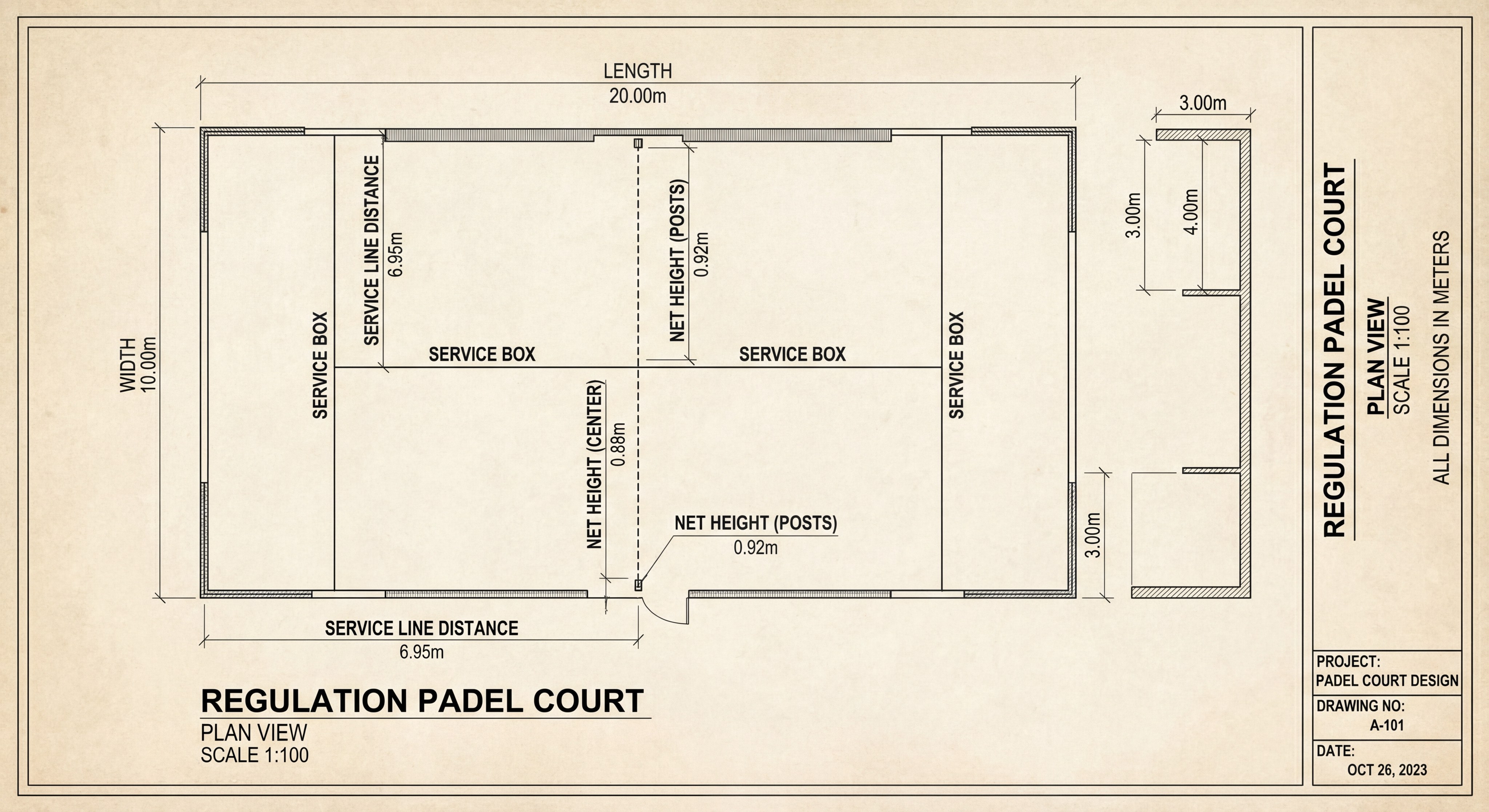
A standard court is the foundation of the game, providing a consistent environment for competitive play. When you are playing padel, the regulation dimensions of 10 meters by 20 meters ensure that every match feels professional. These courts utilize a combination of steel frames, mesh, and glass walls.
Structural Requirements and Layout
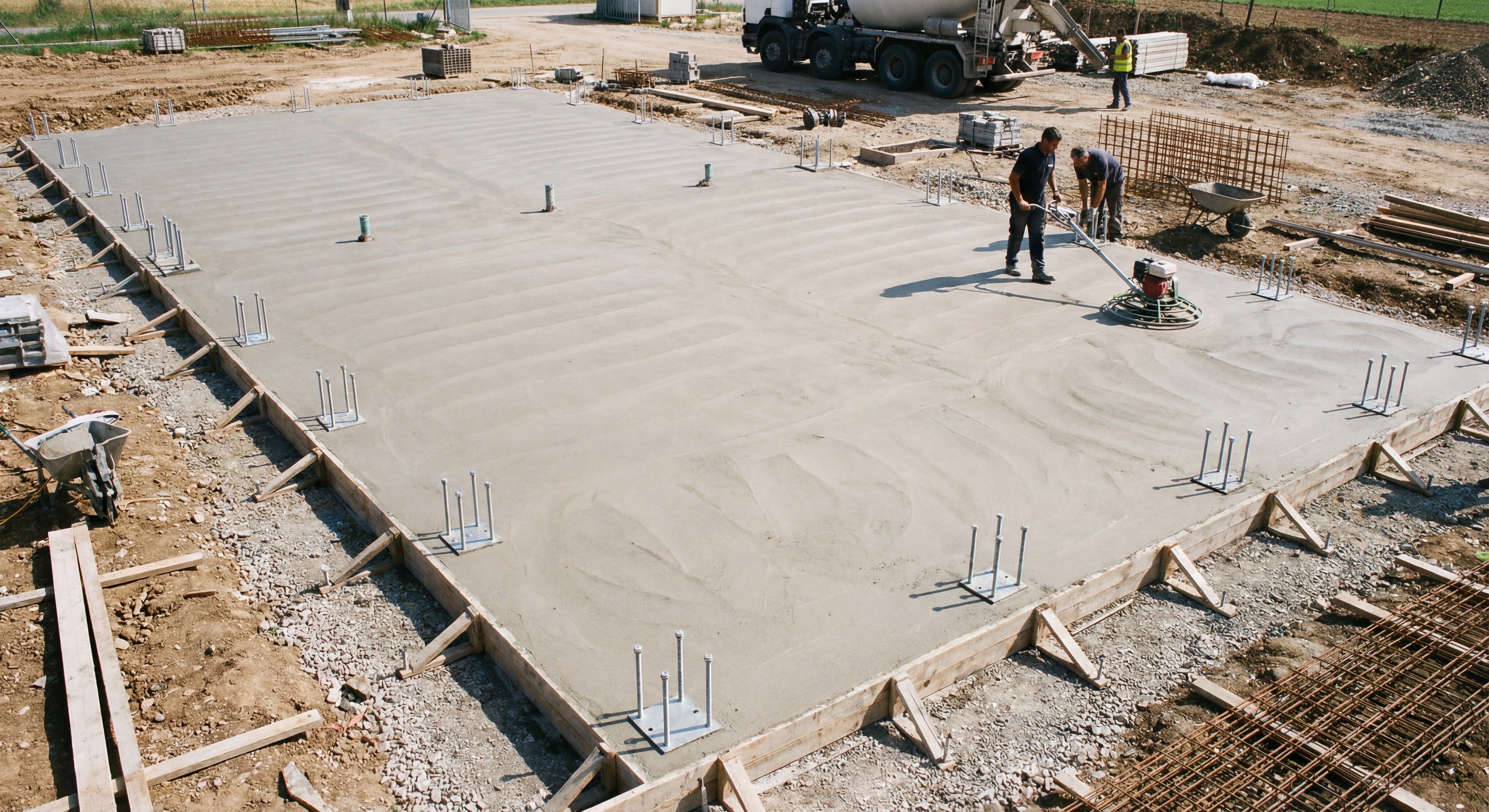
The layout includes a central net and specific service lines located 6.95 meters from the net. High-quality steel pillars support the structure, ensuring it can withstand the impact of players and balls. Proper installation of the steel framework is critical for the court’s long-term stability and safety.
Key Takeaway: Adhering to standard dimensions is vital for commercial viability and player skill development.
| Component | Specification |
|---|---|
| Dimensions | 10m x 20m |
| Net Height | 88cm (center) to 92cm (sides) |
| Wall Height | 3m to 4m depending on section |
3. Can playing padel equipment involve tennis gear?
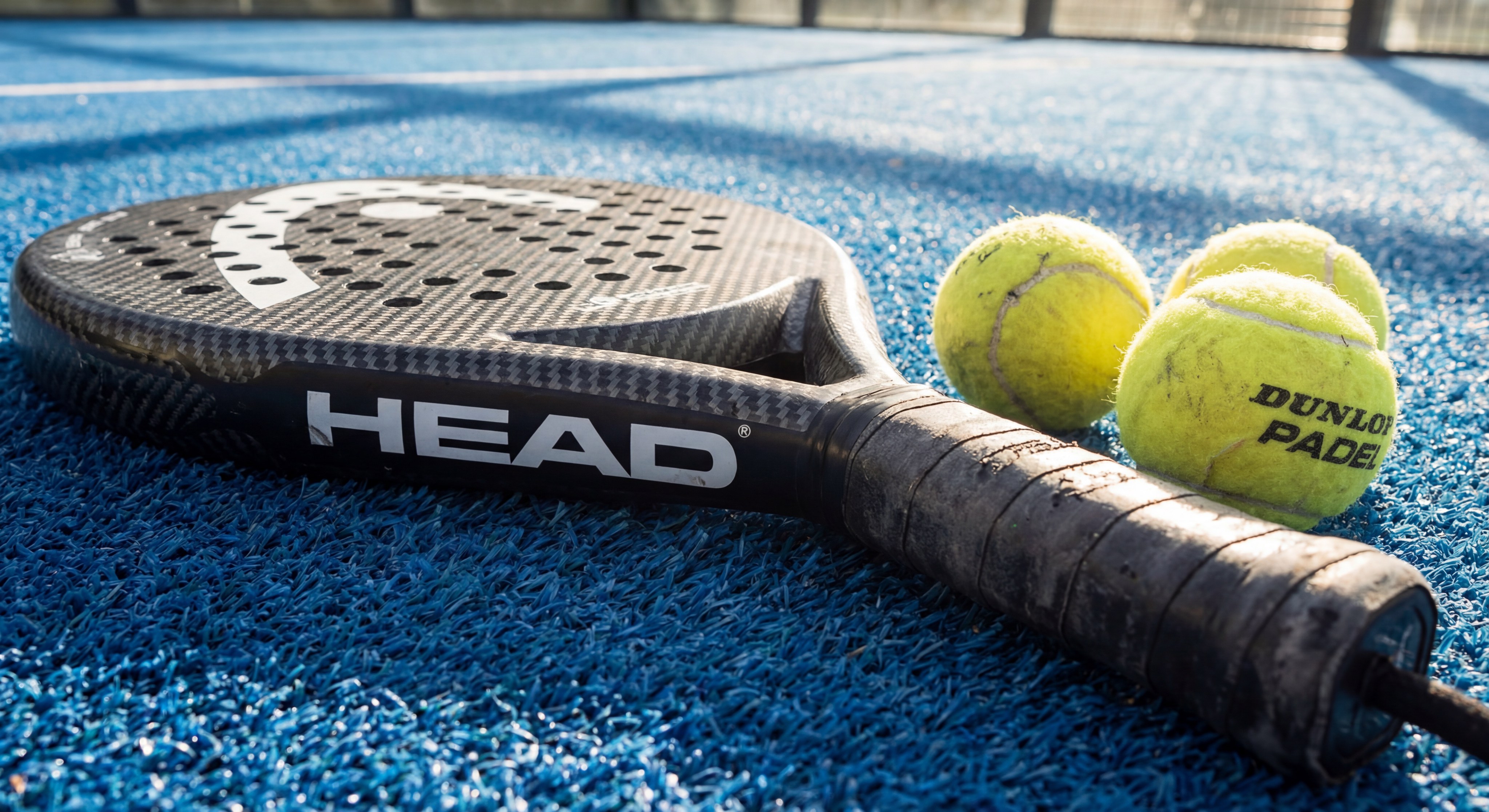
Using tennis gear for this sport is not recommended because the physics of the game are fundamentally different. Padel rackets are solid, stringless paddles made of composite materials like carbon fiber. They are shorter and easier to handle, which is essential for the fast-paced volleys near the net.
Ball and Racket Differences
Padel balls look identical to tennis balls but have a lower internal pressure. This lower pressure ensures a slower bounce, giving players more time to react to shots hitting the walls. Using high-pressure tennis balls would make the game too fast and potentially dangerous on a small court.
Key Takeaway: Specialized equipment is necessary to maintain the strategic and safe nature of the sport.
| Equipment | Padel Feature | Tennis Difference |
|---|---|---|
| Racket | Solid with holes | String mesh |
| Ball | Lower pressure | Higher pressure |
| Surface | Carbon/Fiberglass | Woven strings |
4. How does playing padel feel on panoramic courts?
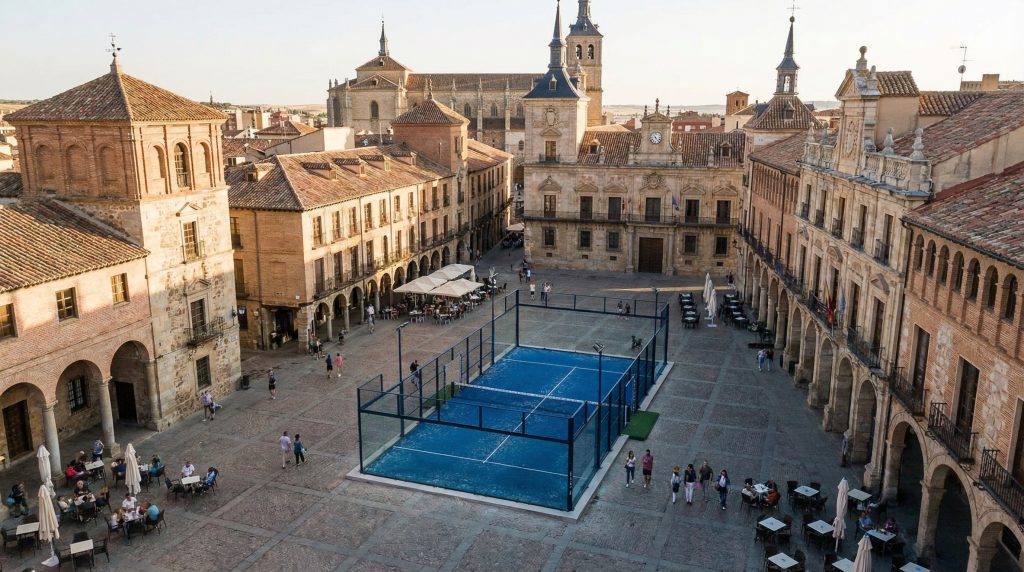
Panoramic designs provide a premium aesthetic by removing the vertical structural posts from the back walls. When playing padel on these courts, spectators enjoy a completely unobstructed view of the action. This design is the gold standard for tournament play and high-end sports clubs.
Enhanced Visibility and Experience
The lack of rear pillars creates a more open feel for the players and improves the quality of video recordings. These courts use thicker tempered glass to maintain structural integrity without the extra metal support. It transforms a standard match into a visually stunning experience for everyone involved.
Key Takeaway: Panoramic courts elevate the prestige of a facility and improve the viewing experience for fans.
| Feature | Advantage |
|---|---|
| Frameless Glass | 360-degree visibility for spectators. |
| 12mm Glass | Superior safety and consistent rebound. |
| Aesthetic | Modern, high-end look for luxury clubs. |
5. What are the scoring rules when playing padel?
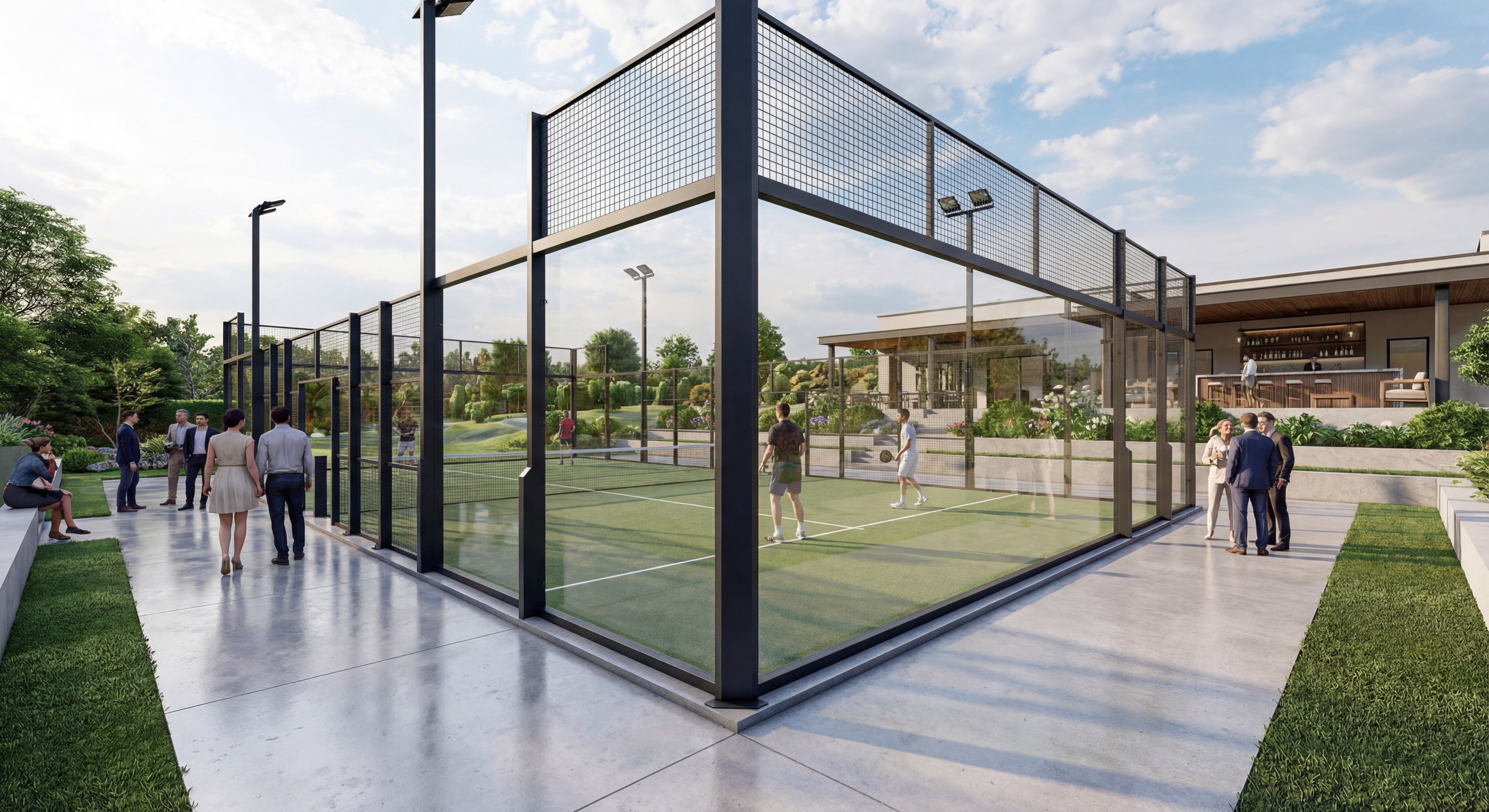
The scoring system mirrors tennis, using 15, 30, 40, and game points. Matches are typically decided in a best-of-three-sets format. If a game reaches a 40-40 tie, many professional circuits now utilize the “Golden Point” to decide the winner immediately.
Set and Match Mechanics
A set is won by the first pair to reach six games with a two-game lead. If the score reaches 6-6, a tie-break to seven points determines the set winner. This structure keeps matches exciting and ensures a fair conclusion to high-pressure situations.
Key Takeaway: The scoring system is familiar to tennis fans but often faster due to the Golden Point rule.
| Score Term | Value |
|---|---|
| 15, 30, 40 | Standard point progression. |
| Deuce | Tied at 40-40. |
| Golden Point | Sudden death point to win the game. |
6. Why is turf essential for playing padel safely?
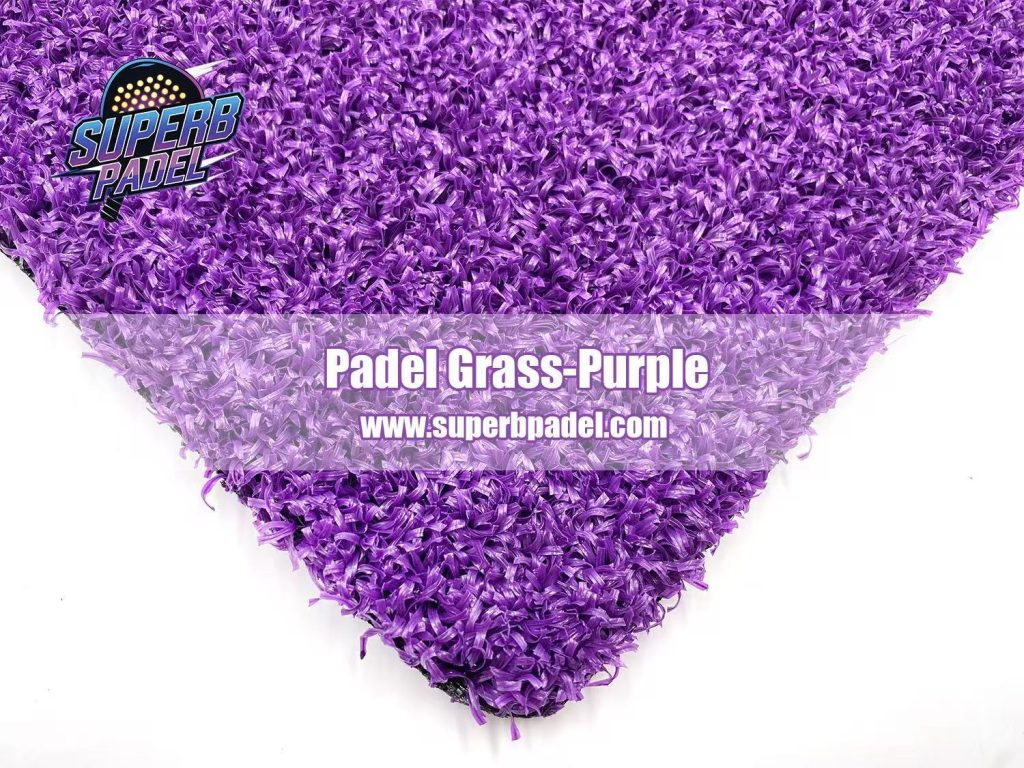
High-quality artificial turf is the only surface that provides the necessary grip and slide for the sport. When playing padel, the turf cushions the impact on joints during quick changes of direction. It prevents the chronic knee and ankle injuries that would occur on harder surfaces.
Turf Types and Performance
Most courts use monofilament or fibrillated grass with a fine silica sand infill. The sand allows players to slide safely without losing their footing entirely. Professional-grade turf also ensures a consistent ball bounce across the entire surface.
Key Takeaway: Investing in premium turf is the best way to protect players and ensure a high-quality game.
| Turf Feature | Benefit |
|---|---|
| Sand Infill | Controls the level of slide and grip. |
| UV Resistance | Prevents fading and material degradation. |
| Drainage | Allows for play immediately after rain. |
7. Can playing padel shots utilize the back walls?
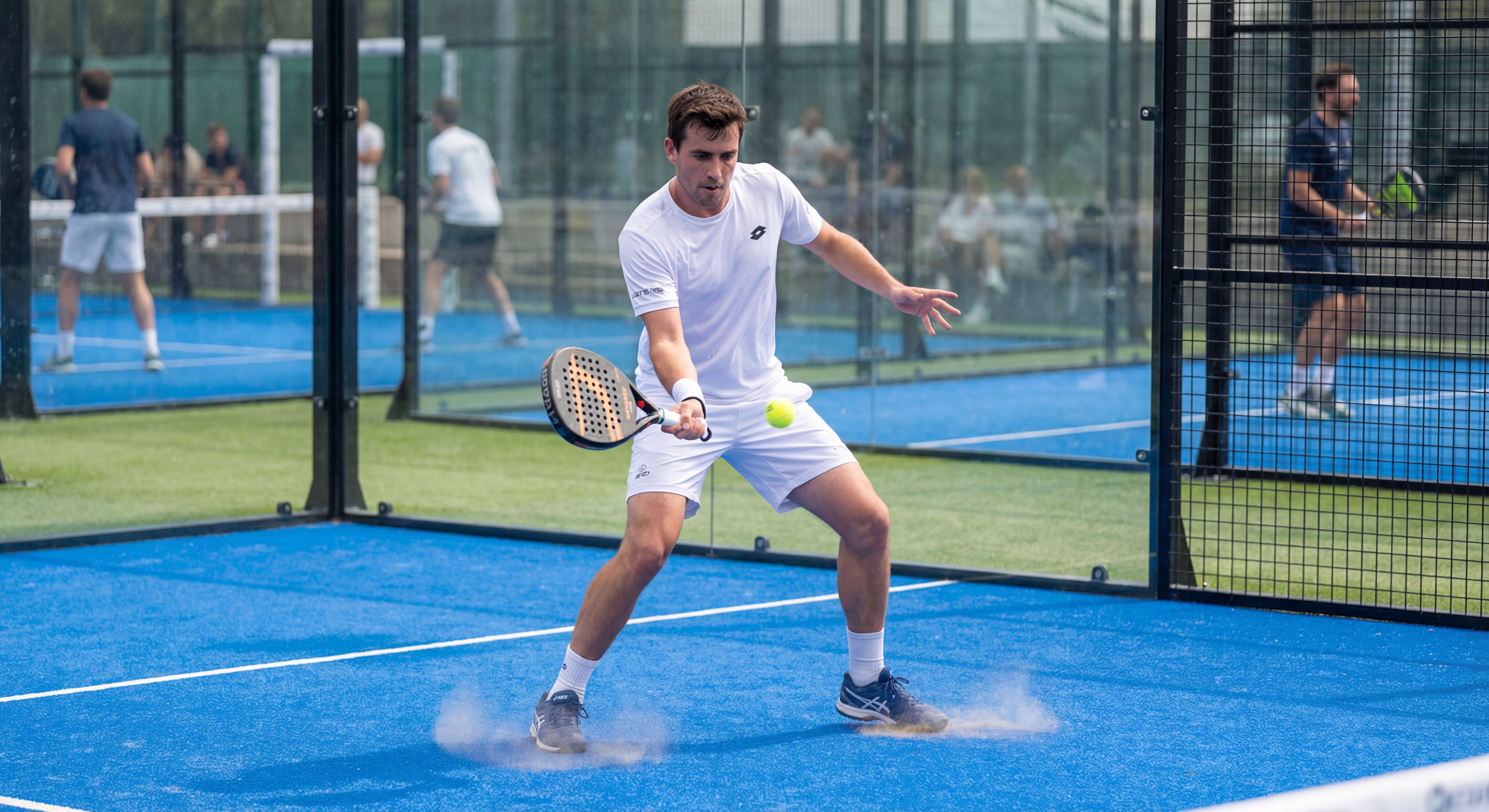
The use of back and side walls is what defines the unique strategy of this sport. Players can let the ball hit the back glass and then return it, provided it has only bounced once on the ground. This adds a defensive layer that allows for spectacular recoveries during intense rallies.
Strategic Rebounds
Advanced players use the walls to change the pace of the ball or create difficult angles. You can even hit the ball against your own glass wall to send it over the net. Mastering the “egg” or corner rebound is essential for moving beyond the beginner level.
Key Takeaway: The walls are not boundaries; they are active tools for offensive and defensive strategy.
| Wall Play | Technique |
|---|---|
| Defensive Rebound | Waiting for the ball to hit the glass to gain time. |
| Offensive Angle | Using the corner to create an unpredictable bounce. |
| Self-Glass Hit | Hitting your own glass to lob the ball over the net. |
8. How does glass impact safety when playing padel?
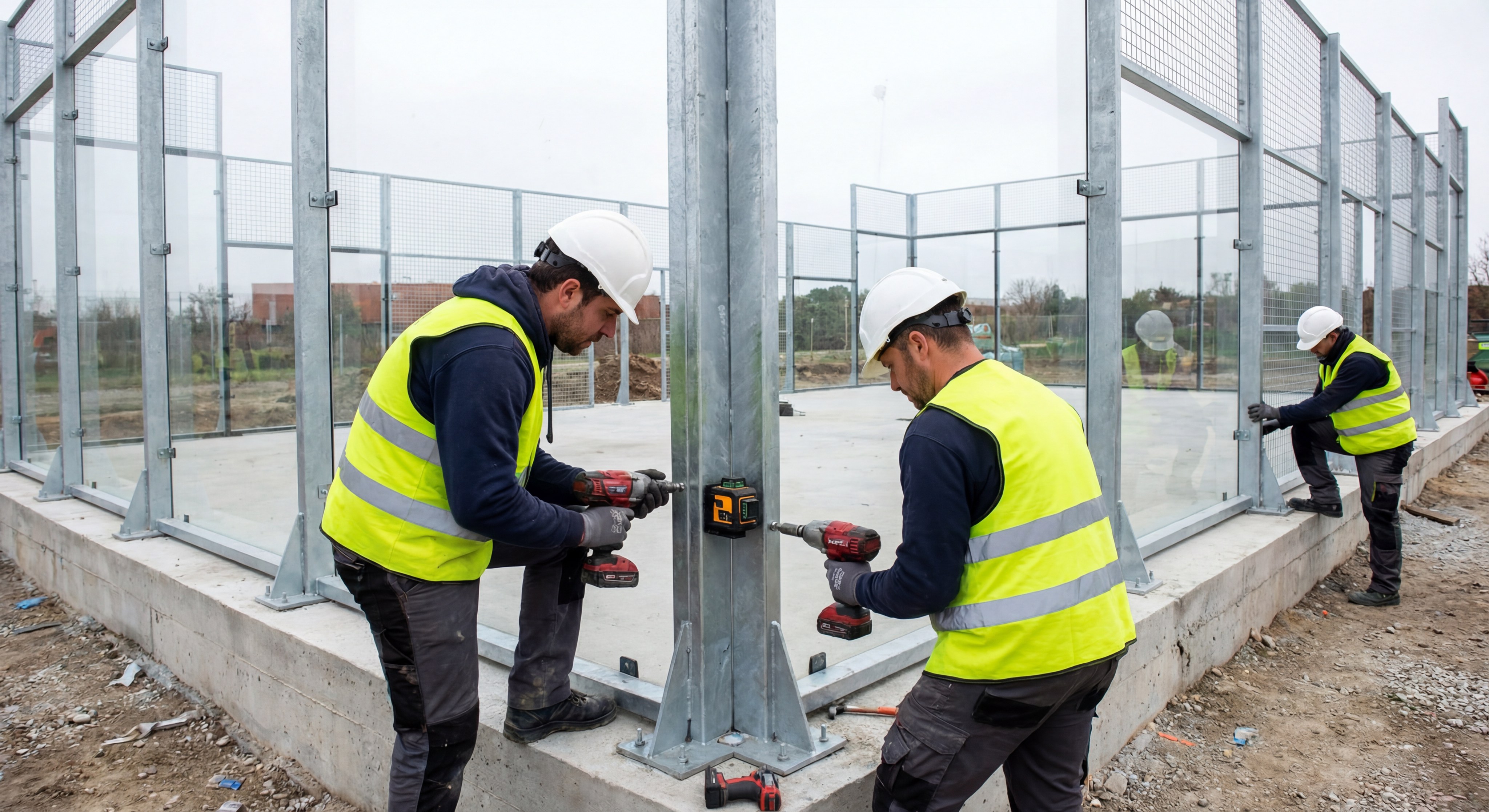
Glass panels are arguably the most critical component for both gameplay and safety. When playing padel, the glass must be tempered to withstand high-velocity impacts from both balls and players. This heat-treatment process ensures that if the glass breaks, it shatters into blunt, harmless pieces.
Durability and Installation
Panels are typically 10mm or 12mm thick, depending on whether the court is indoors or a panoramic model. The glass must be perfectly aligned with the steel structure to prevent rattling or stress fractures. Proper maintenance involves regular checks of the fastening hardware and gaskets.
Key Takeaway: Safety-certified tempered glass is mandatory to prevent serious injury during physical play.
| Glass Standard | Requirement |
|---|---|
| Tempering | High-temperature treatment for safety. |
| Thickness | 12mm is standard for outdoor safety. |
| Mounting | Specialized rubber gaskets to absorb vibration. |
9. What are the serve rules for playing padel points?
The serve must be performed underhand, which is a major reason for the sport’s high accessibility. The ball must be struck at or below waist height after a single bounce behind the service line. It must then travel diagonally into the opponent’s service box.
Service Faults and Limits
If the ball hits the side fence after the bounce in the service box, it is considered a fault. However, if it hits the glass wall, the serve is valid. This encourages a tactical serve that targets the corners rather than a power-based serve.
Key Takeaway: The underhand serve simplifies the game for beginners while remaining a tactical weapon for experts.
| Serve Rule | Description |
|---|---|
| Impact Point | Must be at or below the waist. |
| Bounce | Must occur behind the service line. |
| Target | Diagonal box on the opponent’s side. |
10. Is lighting needed for playing padel at night?
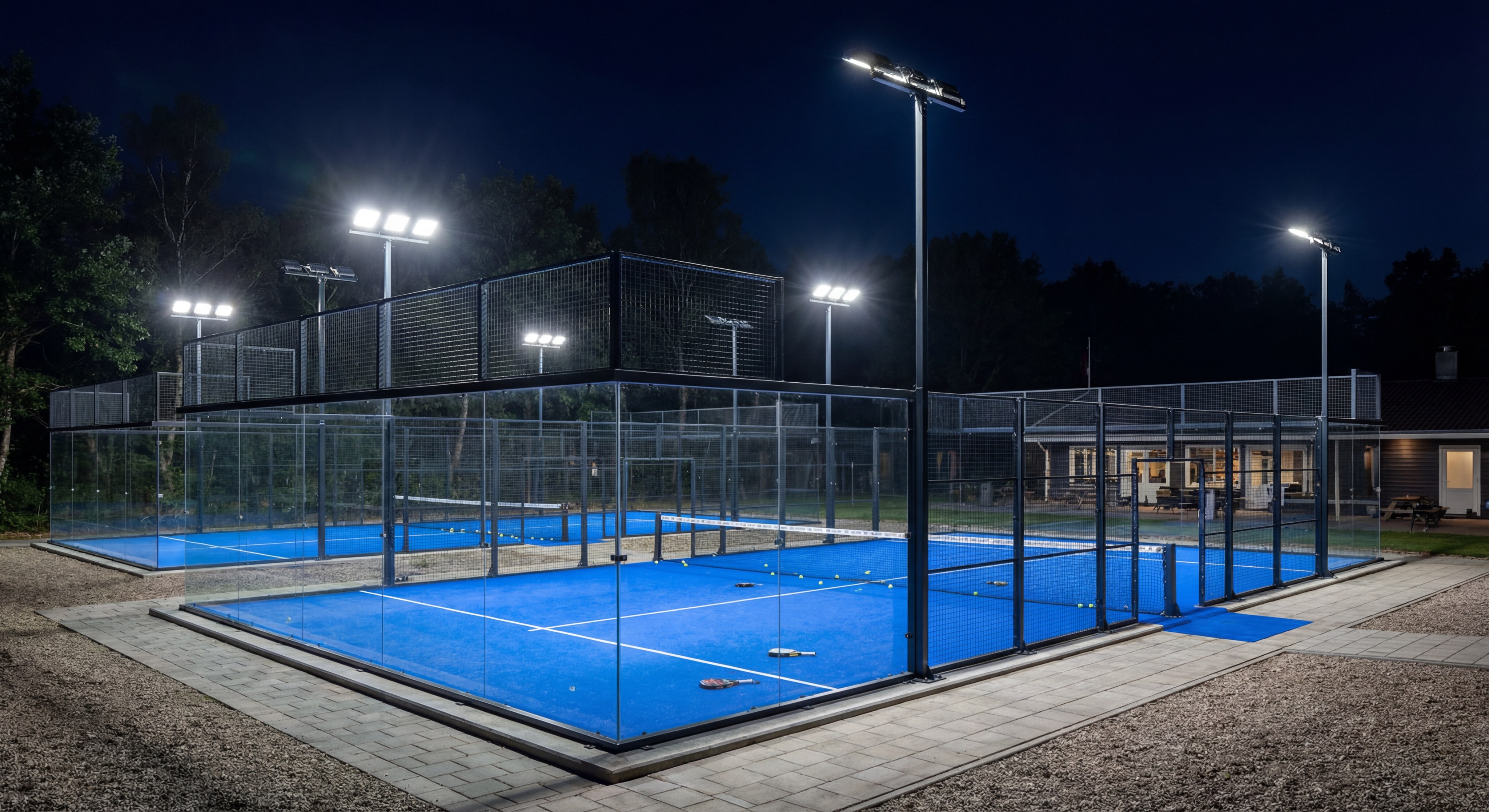
Professional lighting is essential for maximizing the utility of a court during evening hours. When playing padel at night, LED floodlights provide uniform brightness across the entire turf. This eliminates shadows that could interfere with the player’s ability to track the ball.
LED Advantages and Setup
Modern LED systems are energy-efficient and offer instant-on capabilities, unlike older metal-halide lamps. They are mounted on poles at a height of 6 to 8 meters to prevent glare for the players. High-quality lighting significantly increases the revenue potential of any commercial club.
Key Takeaway: LED lighting is a cost-effective investment that doubles the playable hours of your facility.
| Lighting Metric | Optimal Value |
|---|---|
| Brightness | 300 to 500 Lux for standard play. |
| Efficiency | 150W to 200W per LED fixture. |
| Durability | IP66 waterproof rating for outdoor use. |
Padel Construction FAQ
- Can I build a court in my own backyard? Yes, as long as you have a flat 10×20 meter space and a solid concrete foundation.
- What is the best turf for high-frequency use? Monofilament textured turf is highly recommended for commercial clubs due to its superior wear resistance.
- How long does it take to install a court? Once the concrete base is ready, a professional team can assemble the structure in 3 to 5 days.
- Is it possible to convert a tennis court? Absolutely, one standard tennis court provides enough space to fit two full-sized padel courts.
- What’s the best way to maintain the glass? Regularly clean the panels with non-abrasive tools and check that the mounting bolts remain tight.
Building a high-performance sports facility requires expert planning and premium materials. If you are ready to start your journey, contact us today for a customized project quotation.