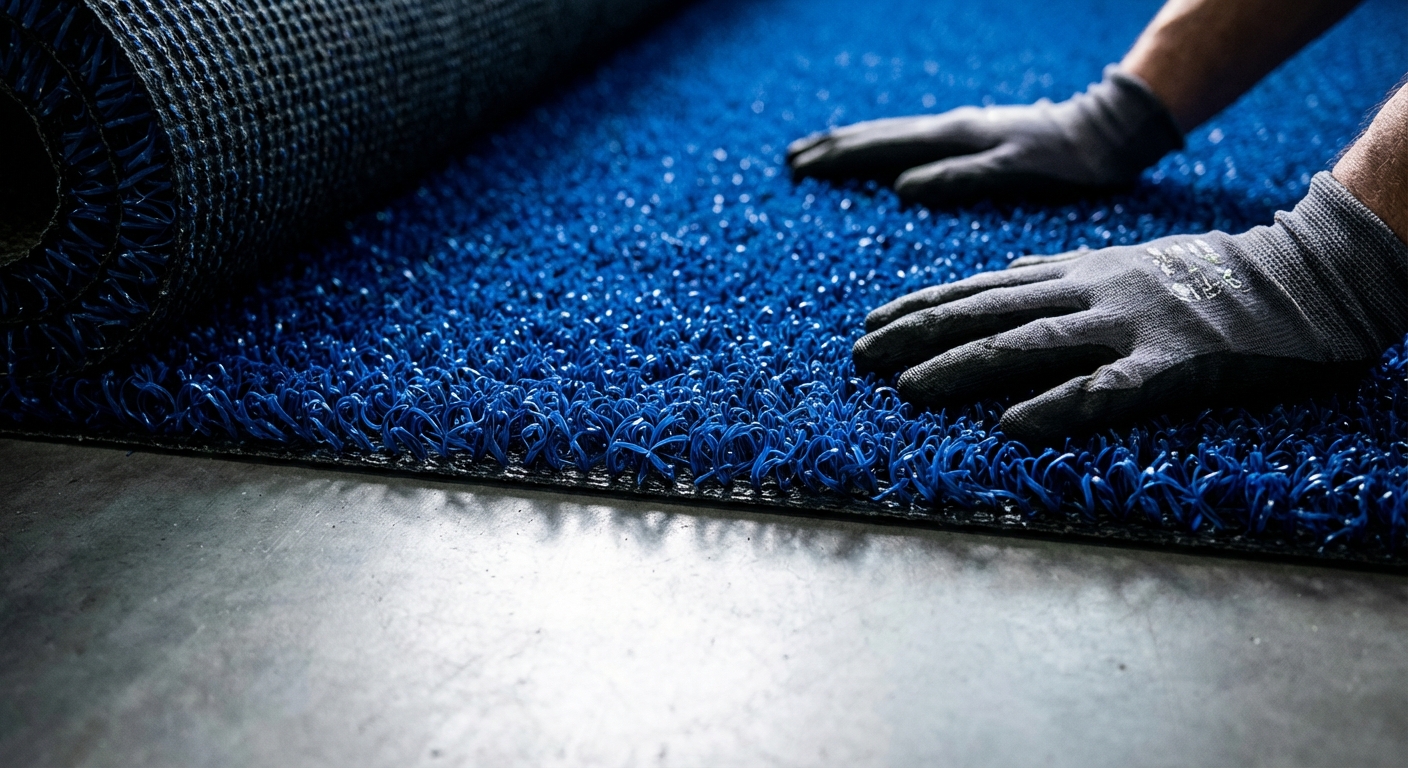
A padel haus is a premium, lifestyle-oriented sports facility that combines high-performance panoramic courts with luxury social amenities, and you build it by integrating modular steel structures with high-end hospitality design. You are likely facing a saturated fitness market where traditional gym memberships are declining and consumer interest in solitary workouts is fading. This lack of community engagement leads to high churn rates and diminishing returns on your commercial real estate investments. By investing in a padel haus, you pivot toward the world’s fastest-growing social sport, creating a high-yield destination that blends athletic excellence with a cosmopolitan social scene.
What defines the modern padel haus concept?
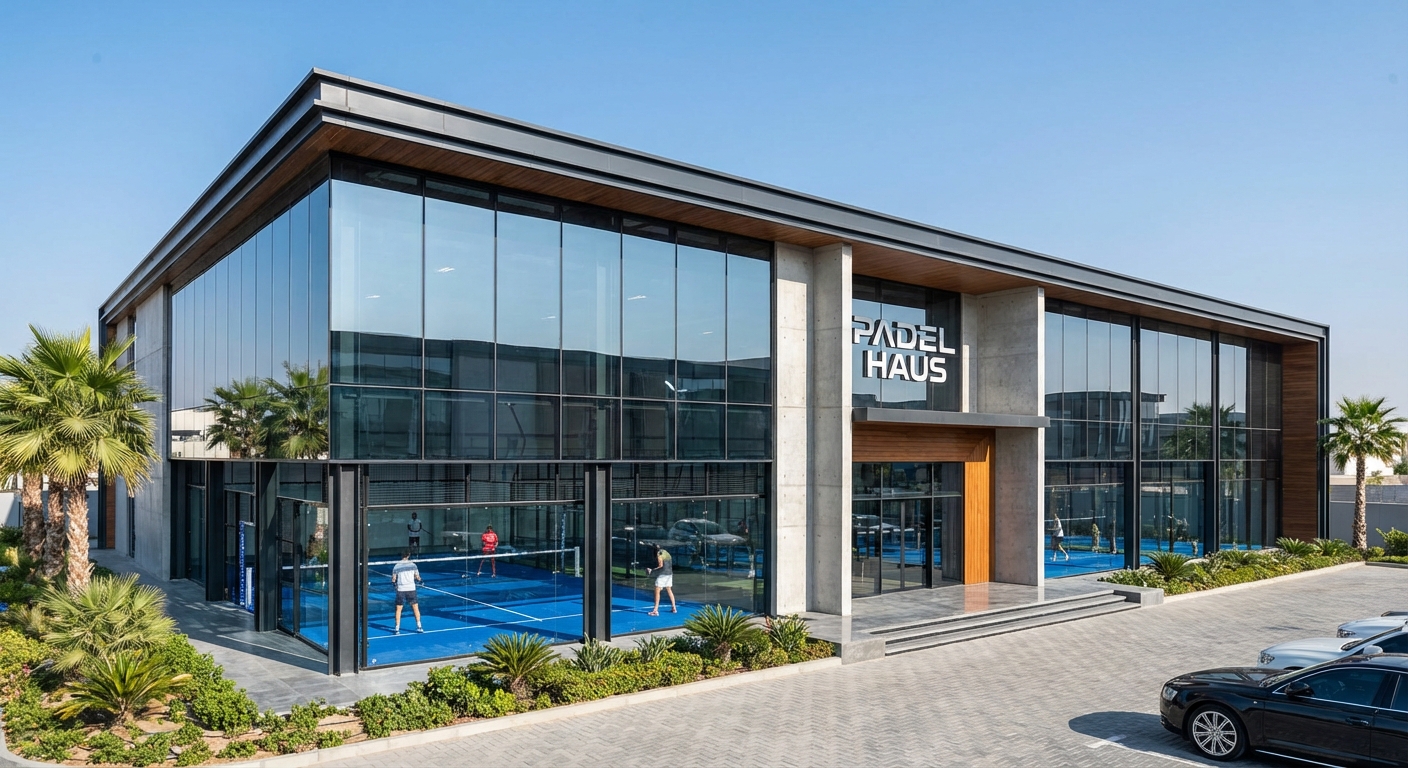
The modern padel haus concept is defined by its transition from a simple sports court to a comprehensive wellness and social destination. It prioritizes the “clubhouse” feel, ensuring that players spend as much time socializing as they do competing on the turf. You will find that these facilities serve as urban sanctuaries, catering to a professional demographic that values both physical health and high-level networking.
A premium sports and wellness lifestyle
A premium lifestyle is the core offering of this model, moving beyond the utility of sport into the realm of luxury hospitality. You are not just selling court time; you are selling a curated experience that includes high-end recovery zones and designer interiors.
But here is the kicker:
The design must feel more like a boutique hotel than a traditional sports hall.
- Custom acoustic treatments to manage sound levels.
- High-end furniture in player transition zones.
- Integrated wellness services like cryotherapy or sports massage.
Why is it the fastest growing global sport?
Padel is surging globally because it offers a lower barrier to entry than tennis while maintaining a high level of social interaction and strategic depth. You can master the basics in a single session, which encourages immediate player retention and rapid community growth.
Think about it:
- Four players per court increases social density per square foot.
- Shorter matches allow for higher daily turnover of unique visitors.
- The glass walls make the game highly “spectatable” for social guests.
Key Takeaway: The success of this model relies on the synergy between professional-grade sports equipment and a sophisticated social environment.
| Feature | Impact | Value |
|---|---|---|
| Social Density | 4 Players / 200sqm | High |
| Demographics | Urban Professionals | Premium |
| Revenue Mix | Bookings + F&B | Diversified |
Your project transforms from a sports venue into a lifestyle brand that commands premium membership fees.
How do you design a premium padel haus?
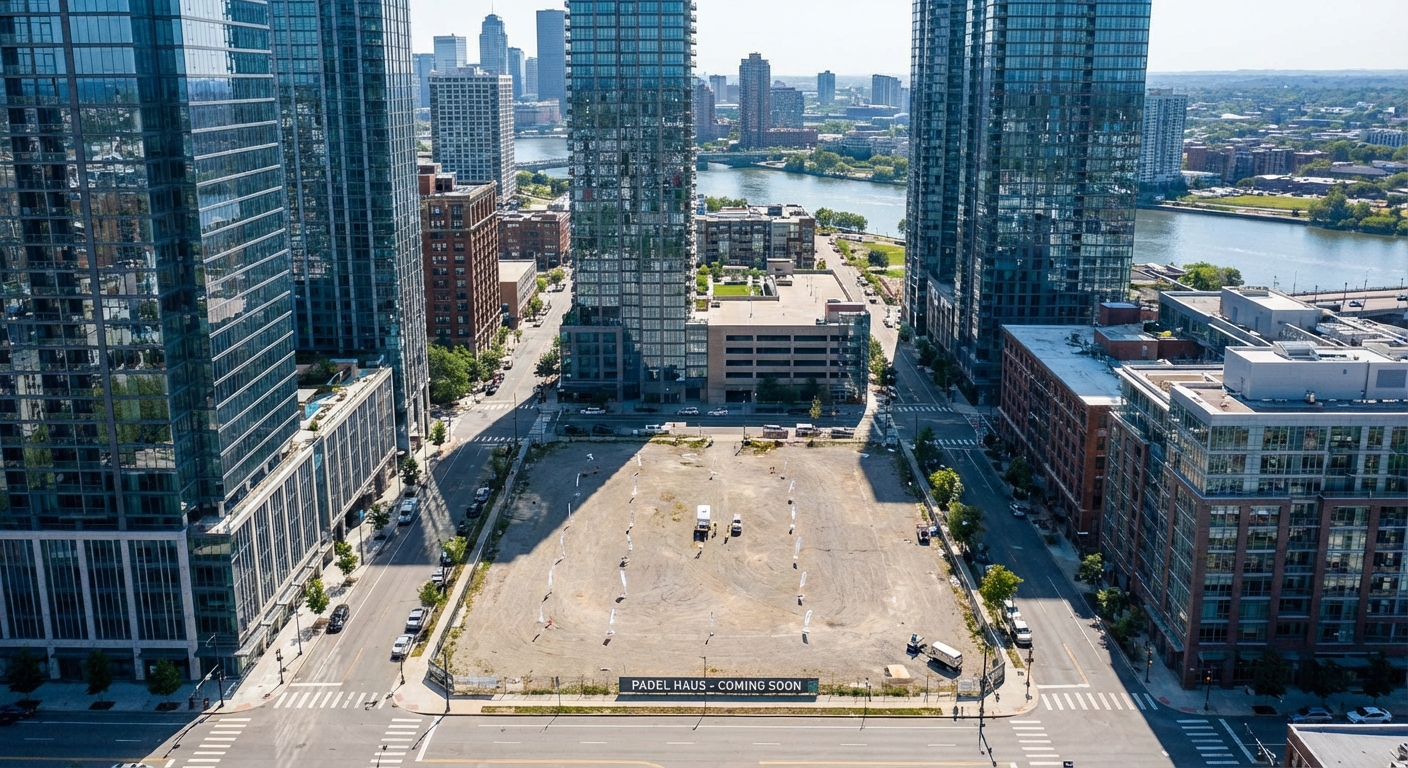
Designing a premium padel haus requires a focus on vertical clearance, unobstructed sightlines, and a seamless flow between the courts and the lounge areas. You must ensure that the structural architecture complements the high-speed nature of the game while providing a comfortable climate for spectators.
High-ceiling indoor facility requirements
Indoor facilities require a minimum clear height of 7 to 8 meters to allow for the “lob” shots that are essential to high-level play. You should prioritize warehouse-style conversions or custom-built hangars that offer wide spans without intrusive support pillars.
Make no mistake:
Height is the most critical structural metric for player satisfaction.
- Minimum 7 meters clear height across the entire playing area.
- Climate control systems that manage humidity during peak play.
- Industrial-grade ventilation to ensure fresh air circulation.
Integrating open-air panoramic courts
Integrating panoramic courts into your design provides a “stadium” feel that attracts elite players and brands looking for sponsorship opportunities. You should position these courts in central areas where the lack of structural posts allows for 360-degree visibility for your guests.
You see:
The visual appeal of a post-less glass structure is your best marketing tool.
- 12mm anti-explosion tempered safety glass is the industry standard.
- Hidden structural anchors for a seamless aesthetic finish.
- Strategic placement near the social bar to maximize spectator engagement.
Key Takeaway: Structural height and visual transparency are non-negotiable for any facility claiming a premium status in the B2B market.
| Design Element | Specification | Priority |
|---|---|---|
| Ceiling Height | >7 Meters | Critical |
| Glass Type | 12mm Tempered | High |
| Layout | Integrated Lounge | Essential |
Proper architectural planning prevents costly retrofits and ensures your facility meets international competitive standards from day one.
Where should you locate your padel haus?
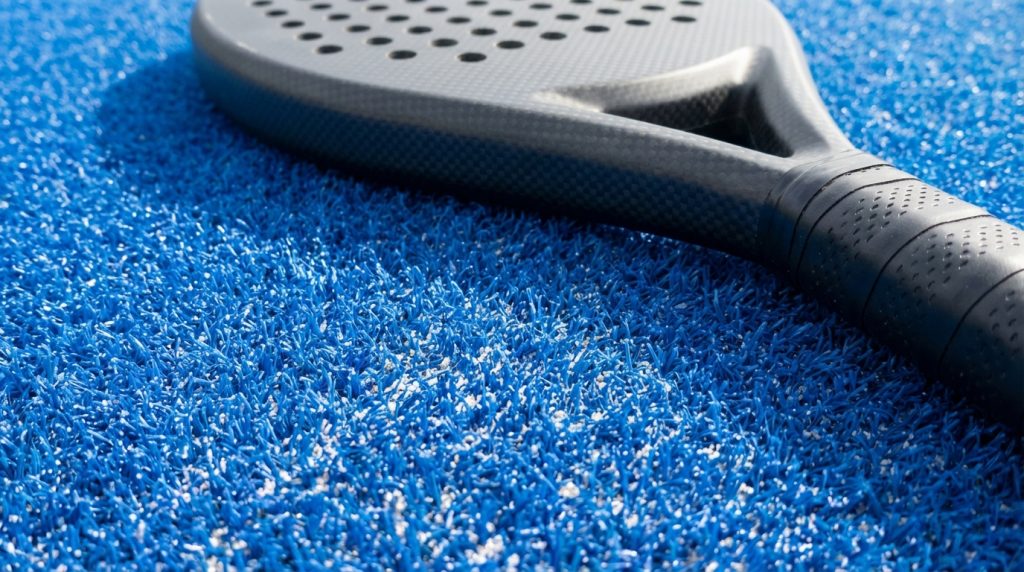
Choosing the right location for your padel haus involves identifying high-density urban areas where the target demographic of young professionals resides and works. You need to look for “path of progress” neighborhoods that value lifestyle amenities and have limited access to traditional country clubs.
Target urban hubs and trendy districts
Urban hubs provide the necessary foot traffic and corporate membership potential to sustain high occupancy rates during both weekdays and weekends. You should focus on districts known for their tech scenes, creative agencies, or luxury residential developments.
The reality is this:
Proximity to the workplace allows for “lunchtime play” and post-office social leagues.
- Search for zones with a high concentration of 25-45-year-old professionals.
- Evaluate the availability of parking and public transport links.
- Monitor the presence of high-end coffee shops and fitness boutiques nearby.
Proximity to parks and community centers
Locating near existing recreational nodes like parks or community centers helps you tap into an established “active” audience. You can leverage the natural flow of people seeking outdoor activities to drive awareness of your indoor facility.
Consider this:
An “active” neighborhood reduces your cost of customer acquisition significantly.
- Benefit from organic visibility to joggers and park-goers.
- Opportunities for cross-promotion with local sports leagues.
- Enhanced “lifestyle” appeal when surrounded by greenery and open space.
Key Takeaway: Your location should act as a bridge between the corporate workspace and the social leisure environment.
| Location Type | Primary Driver | Risk Level |
|---|---|---|
| Urban Hub | Corporate Leases | Low |
| Trendy District | Social F&B | Medium |
| Residential Node | Family Programs | Low |
Strategic site selection ensures that your court utilization remains high throughout the different day-parts of a standard business week.
What court tech does a padel haus require?
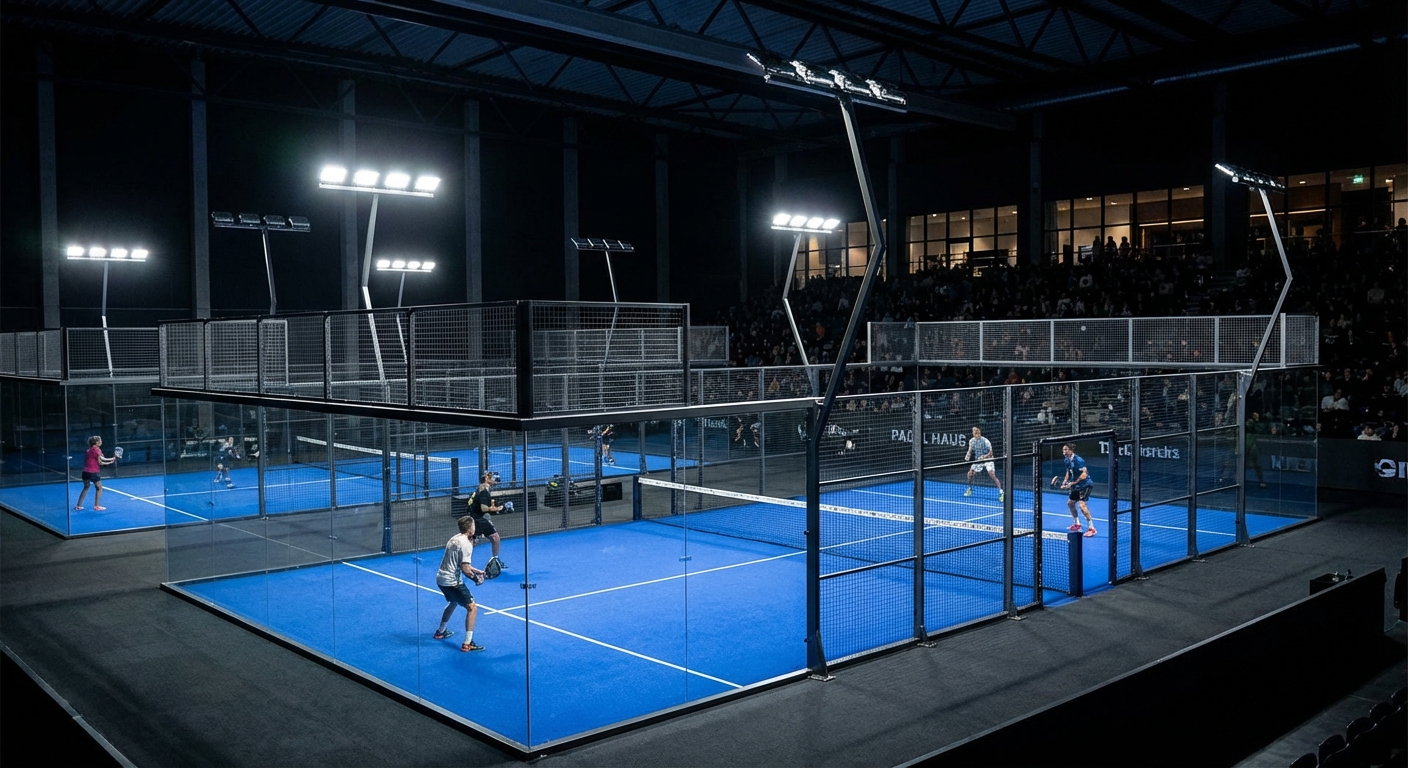
The court tech required for a padel haus includes advanced LED lighting systems, professional-grade turf, and reinforced glass that meets international safety standards. You must invest in technology that minimizes maintenance while maximizing the “playability” and safety of the environment for your members.
Selecting panoramic vs standard structures
Selecting the right structure depends on whether you are building a competitive centerpiece or a high-volume training facility. You should use panoramic models for your “show courts” and standard reinforced structures for secondary practice areas to balance costs.
The secret is:
Not every court needs to be panoramic, but your club needs at least one.
- Standard courts offer higher durability for intensive coaching sessions.
- Panoramic courts justify a 20-30% higher hourly booking rate.
- Modular steel frames allow for rapid installation and future scalability.
High-efficiency LED lighting systems
High-efficiency LED lighting is essential for creating a professional atmosphere and ensuring that players can track the ball during high-speed exchanges. You need to ensure a uniform distribution of light (lux levels) across the entire court to avoid “blind spots” near the glass.
It gets better:
Modern LEDs reduce your operational overhead by up to 50% compared to old halogens.
- IP66 waterproof rating for both indoor and outdoor applications.
- Instant-on capability for seamless transitions between booking slots.
- Flick-free technology required for high-quality video recording and streaming.
Key Takeaway: Investing in premium court components reduces long-term liability and significantly lowers your monthly utility bills.
| Tech Component | Benefit | Lifespan |
|---|---|---|
| LED Lighting | Energy Efficiency | 50,000 hrs |
| Panoramic Glass | Spectator Value | 20+ years |
| Galvanized Steel | Corrosion Resistance | 20+ years |
Utilizing factory-direct technology allows you to implement these high-end features while maintaining a competitive project budget.
Which amenities define a padel haus?
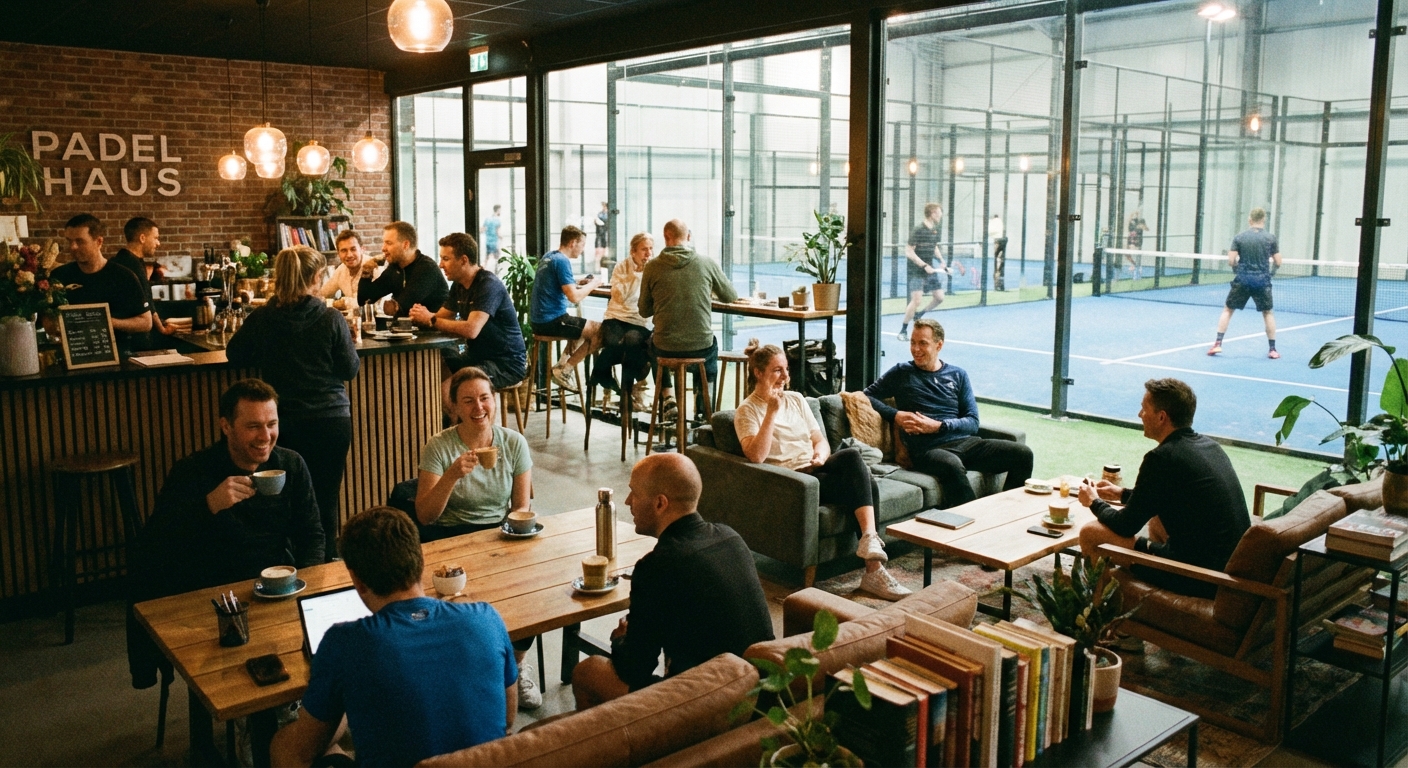
The amenities that define a padel haus are those that encourage guests to remain on-site long after their match has concluded. You are building a community hub, which means your food and beverage (F&B) offerings and locker room quality must match the standards of a high-end health club.
The signature ‘Juice Haus’ and social bars
A signature social bar or “Juice Haus” acts as the heart of the facility, providing a space for post-match debriefs and networking. You should design this area with a direct view of the courts to maintain the energy of the sport within the lounge environment.
But here is the kicker:
The F&B margin can often account for up to 30% of your total facility revenue.
- Focus on high-quality, health-conscious menus that appeal to athletes.
- Implement a cashless payment system integrated with your booking app.
- Offer “social hour” packages for corporate groups and league nights.
Premium locker rooms and rain showers
Premium locker rooms are a critical touchpoint for your members, especially those visiting during work hours or before evening social events. You must ensure that these spaces provide a “spa-like” experience with high-quality finishes and ample space.
Think about it:
If your showers aren’t better than the ones at home, your members won’t stay.
- Rain-style showerheads and organic toiletries as standard.
- Secure, digital locker systems for peace of mind.
- Dedicated grooming areas with high-end hair dryers and mirrors.
Key Takeaway: Amenities are the primary driver of member retention and the key to transforming a “visit” into a “habit.”
| Amenity | Role | Profit Center |
|---|---|---|
| Social Bar | Community Hub | High |
| Locker Rooms | Member Comfort | Indirect |
| Retail Shop | Gear & Apparel | Medium |
By focusing on these hospitality elements, you differentiate your facility from traditional municipal sports centers and justify premium pricing.
What are the padel haus building steps?
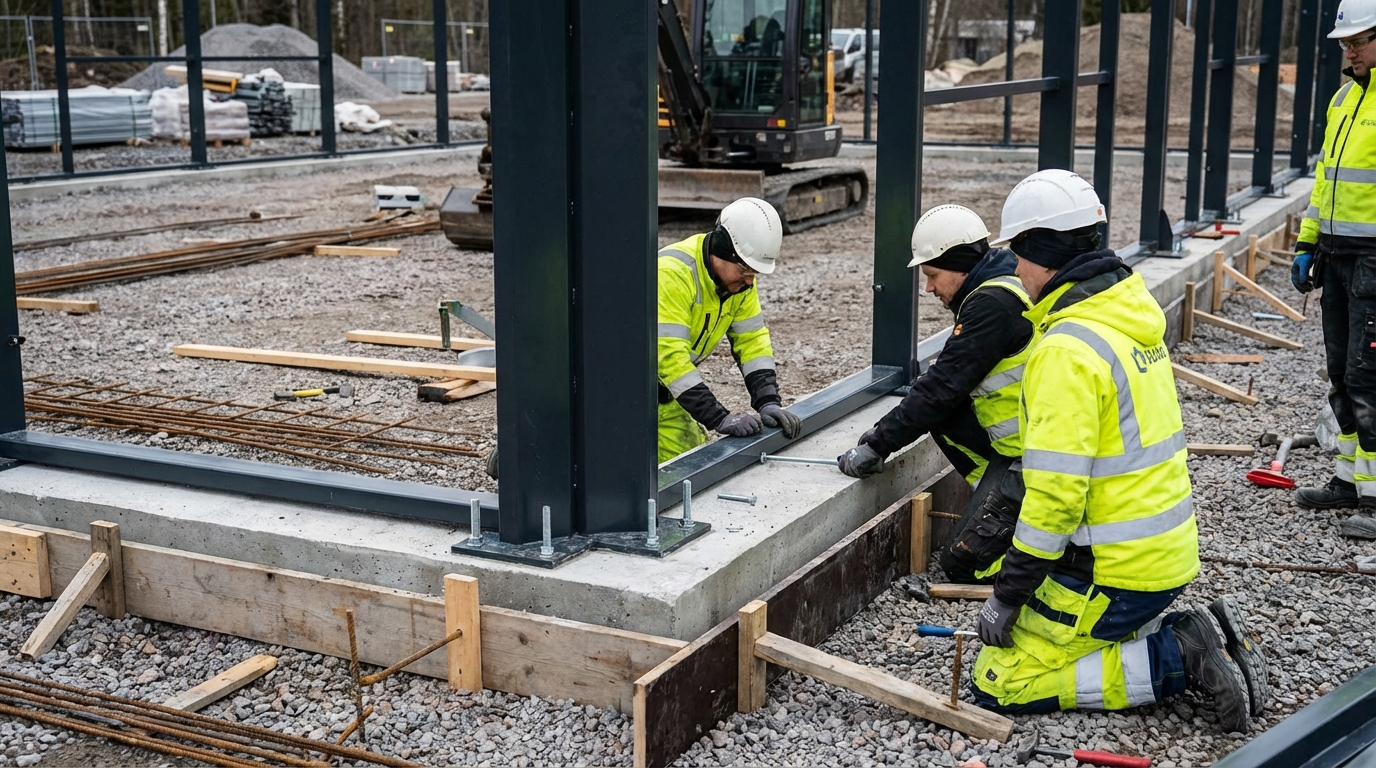
The building steps for a padel haus start with precise site preparation and move through the assembly of modular steel frames to the final installation of glass and turf. You must work with specialized engineers to ensure that the concrete foundation is perfectly level, as even a minor deviation can affect ball bounce.
Site preparation and structural engineering
Site preparation involves clearing the area and pouring a reinforced concrete slab that can handle the point loads of the steel structure and glass panels. You should involve a structural engineer early to assess soil stability and drainage requirements, especially for outdoor builds.
Make no mistake:
The foundation is the most expensive part to fix if done incorrectly.
- Laser-leveling of the concrete to within +/- 3mm over the court area.
- Integrated drainage channels to prevent water pooling on the turf.
- Perimeter reinforcement for the anchoring of the glass and fence posts.
Modular assembly of galvanized steel frames
Modular assembly allows for a rapid construction timeline, often taking only a few days per court once the foundation is cured. You should select hot-dip galvanized steel frames to ensure your structure is protected against corrosion for decades.
You see:
Factory-prefabricated components ensure a perfect fit every time.
- Use of high-tensile bolts for all structural connections.
- Precision alignment of glass supports before the tempered panels arrive.
- Systematic tensioning of the wire mesh to prevent “dead spots” during play.
Key Takeaway: A successful build relies on a “foundation-first” mentality and the use of precision-engineered modular components.
| Step | Focus | Duration |
|---|---|---|
| Foundation | Leveling & Load | 14-21 days |
| Steel Frame | Structural Integrity | 2-3 days |
| Glass & Turf | Playing Surface | 2-3 days |
Following a standardized construction sequence minimizes delays and ensures that your facility opens on schedule and within budget.
How does a padel haus build community?
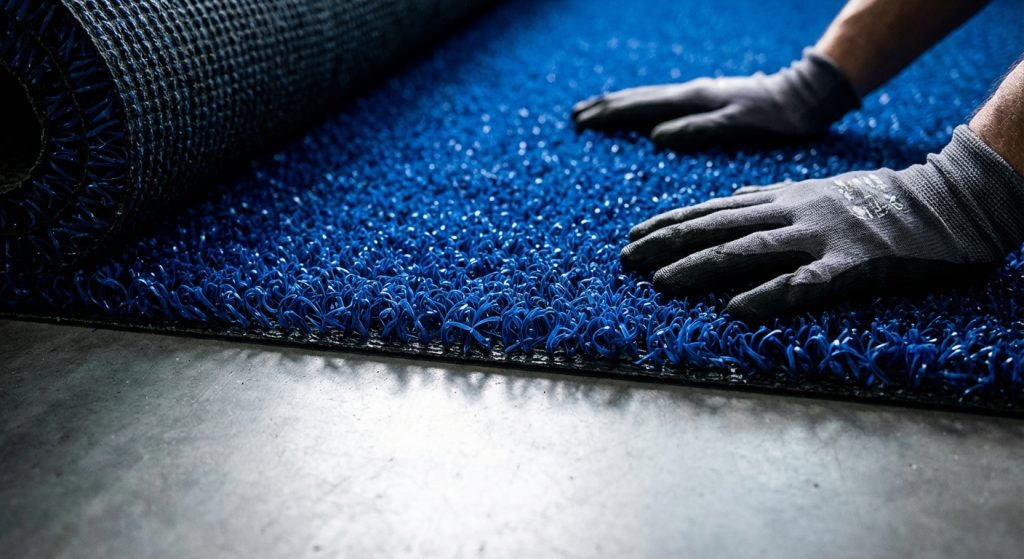
A padel haus builds community by using the sport as a social lubricant, facilitated by high-quality padel grass that allows for consistent, enjoyable play. You should implement a digital platform that makes it easy for players to find partners of a similar skill level and join organized social events.
Hosting tournaments and social ladders
Tournaments and social ladders provide the competitive framework that keeps players engaged and returning to your facility. You should organize “mix-in” sessions where individuals are randomly paired, helping new members integrate into the local player network.
The reality is this:
Competitive structures drive consistent weekly court bookings.
- Monthly “Open” tournaments to attract talent from other regions.
- Weekly ladders that allow players to climb ranks based on performance.
- Corporate challenge nights to secure bulk booking contracts.
Fostering a cosmopolitan player network
Fostering a cosmopolitan network involves creating an environment where business and leisure overlap naturally. You can facilitate this by hosting networking events, guest speaker series, or brand launch parties within your lounge area.
Consider this:
Your members are your best brand ambassadors within their professional circles.
- VIP membership tiers with exclusive access to lounge areas.
- Partnering with luxury brands for court-side activations.
- Maintaining a high standard of service that mirrors a private club.
Key Takeaway: The “social” in social sports is your most valuable asset for long-term business sustainability.
| Community Tool | Purpose | Impact |
|---|---|---|
| Match-making App | Ease of Play | High |
| Social Ladders | Retention | Critical |
| Networking Events | Brand Value | Premium |
By prioritizing the “human” element of the facility, you build a loyal member base that is resistant to competitors who only offer courts.
How do you maintain a padel haus?
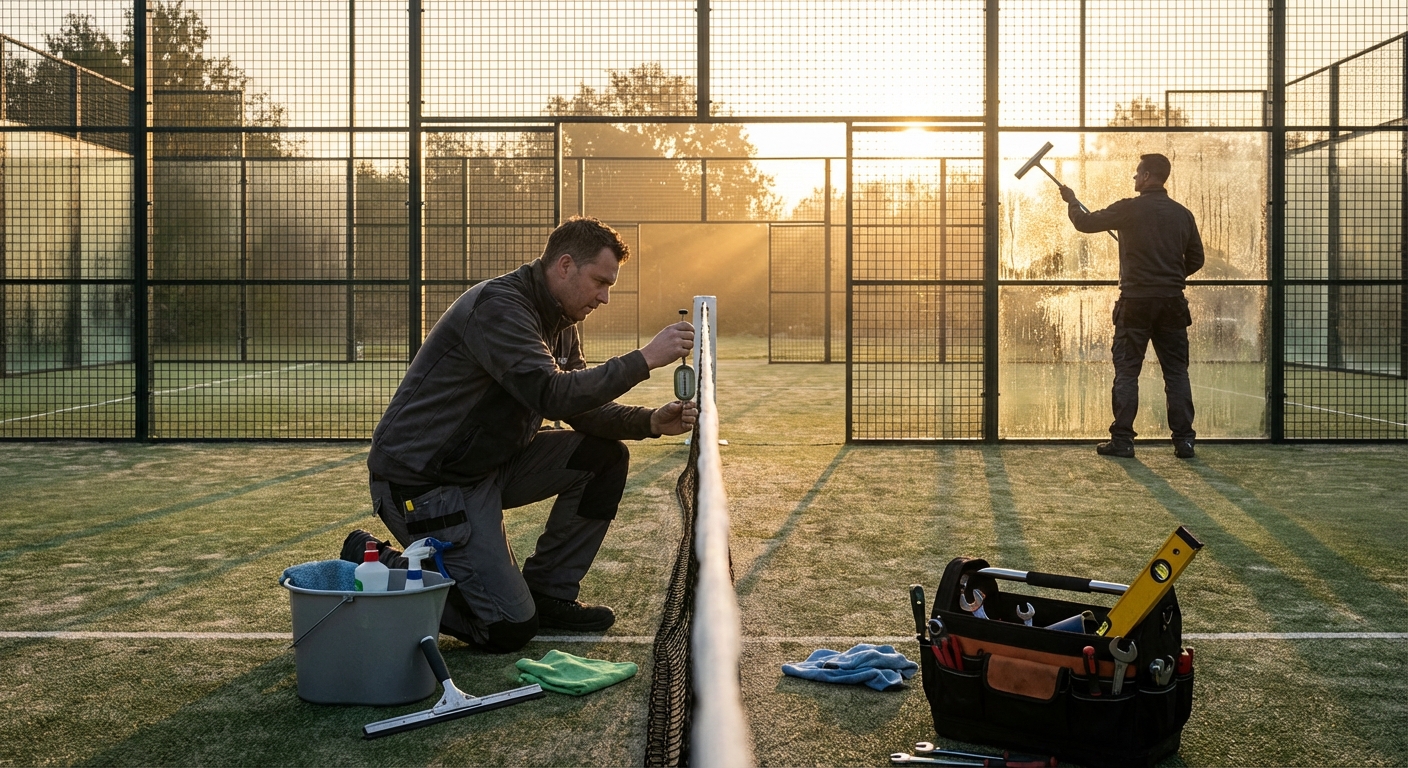
Maintaining a padel haus involves a daily routine of glass cleaning and a weekly schedule for turf brushing and structural inspection. You must ensure that the padel structure remains tight and secure to prevent vibration-induced glass breakage and maintain the aesthetics of the facility.
Caring for professional-grade turf
Professional-grade turf requires regular brushing to redistribute the silica sand infill and prevent the fibers from matting down. You should use specialized equipment to ensure the sand is evenly spread, which maintains the consistent ball bounce players expect.
The secret is:
Neglecting the turf for even a month can permanently damage the fibers.
- Weekly brushing to keep fibers upright and sand distributed.
- Removing debris and leaves immediately to prevent organic buildup.
- Annual deep-cleaning to refresh the infill and improve drainage.
Glass safety inspections and standards
Glass safety is paramount, as the tempered panels are subject to constant impact from players and balls. You must conduct monthly inspections of the glass anchors and plastic protectors to ensure no metal-on-glass contact occurs, which is the primary cause of spontaneous breakage.
It gets better:
A well-maintained glass wall provides better visibility for your spectators.
- Daily cleaning with non-abrasive solutions to maintain clarity.
- Checking the tension of all structural bolts every three months.
- Replacing worn-out net cables and hardware before they fail during a match.
Key Takeaway: Proactive maintenance extends the life of your investment and ensures a safe, premium experience for every guest.
| Task | Frequency | Focus |
|---|---|---|
| Glass Cleaning | Daily | Aesthetics |
| Turf Brushing | Weekly | Playability |
| Bolt Inspection | Quarterly | Safety |
Implementing a strict maintenance logbook helps you track the health of your facility and provides documentation for insurance and safety compliance.
Can you scale the padel haus model?
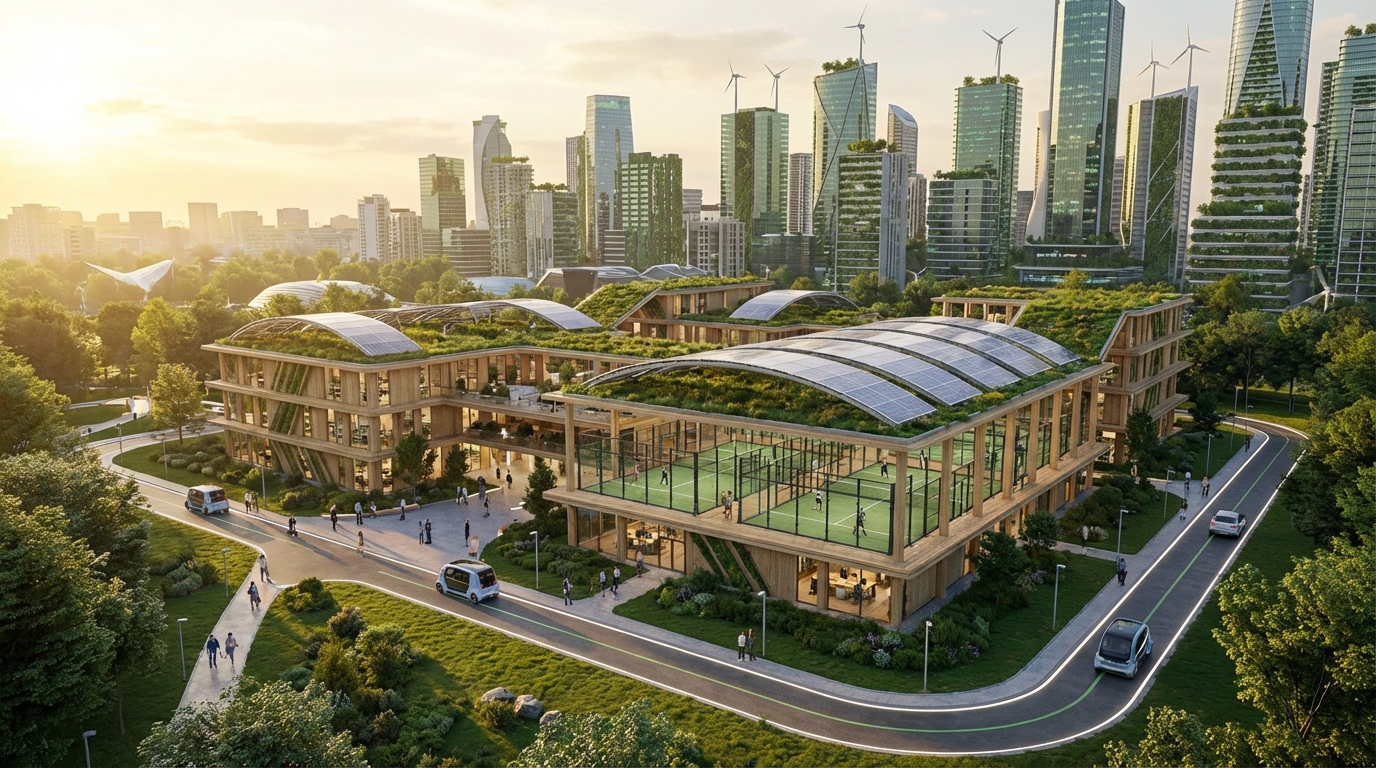
Scaling the padel haus model is highly achievable due to the modular nature of court construction and the high demand for social sports in urban markets. You should focus on creating a “standardized” operational manual that allows you to replicate the same high-quality experience across multiple cities.
Moving from NYC to national expansion
National expansion requires identifying “look-alike” markets that share the same demographic characteristics as your initial successful location. You should look for regions with high disposable income and a growing interest in wellness and lifestyle brands.
Make no mistake:
The first location proves the concept; the second proves the system.
- Standardize your interior design palette for brand recognition.
- Centralize your marketing and booking platform to manage multiple sites.
- Develop a regional management tier to oversee local operations.
Strategies for multi-site operation
Multi-site operation relies on your ability to leverage economies of scale in procurement and staffing. You can reduce your capital expenditure by ordering courts in bulk and utilizing a central training program for your coaches and hospitality staff.
You see:
Bulk procurement from the factory can save you up to 30% on court costs.
- Shared marketing resources across all locations in a region.
- Cross-location membership benefits to encourage loyalty.
- Utilizing data from one site to optimize the court layout of the next.
Key Takeaway: Scalability is built into the modular nature of the sport, provided you maintain a consistent brand identity.
| Scaling Factor | Strategy | Benefit |
|---|---|---|
| Procurement | Bulk Ordering | Lower CAPEX |
| Branding | Universal Design | Recognition |
| Operations | Centralized App | Efficiency |
Your ability to replicate the “social magic” of the first haus is what will define your success as a multi-unit operator in the sports industry.
What is the ROI of a padel haus project?
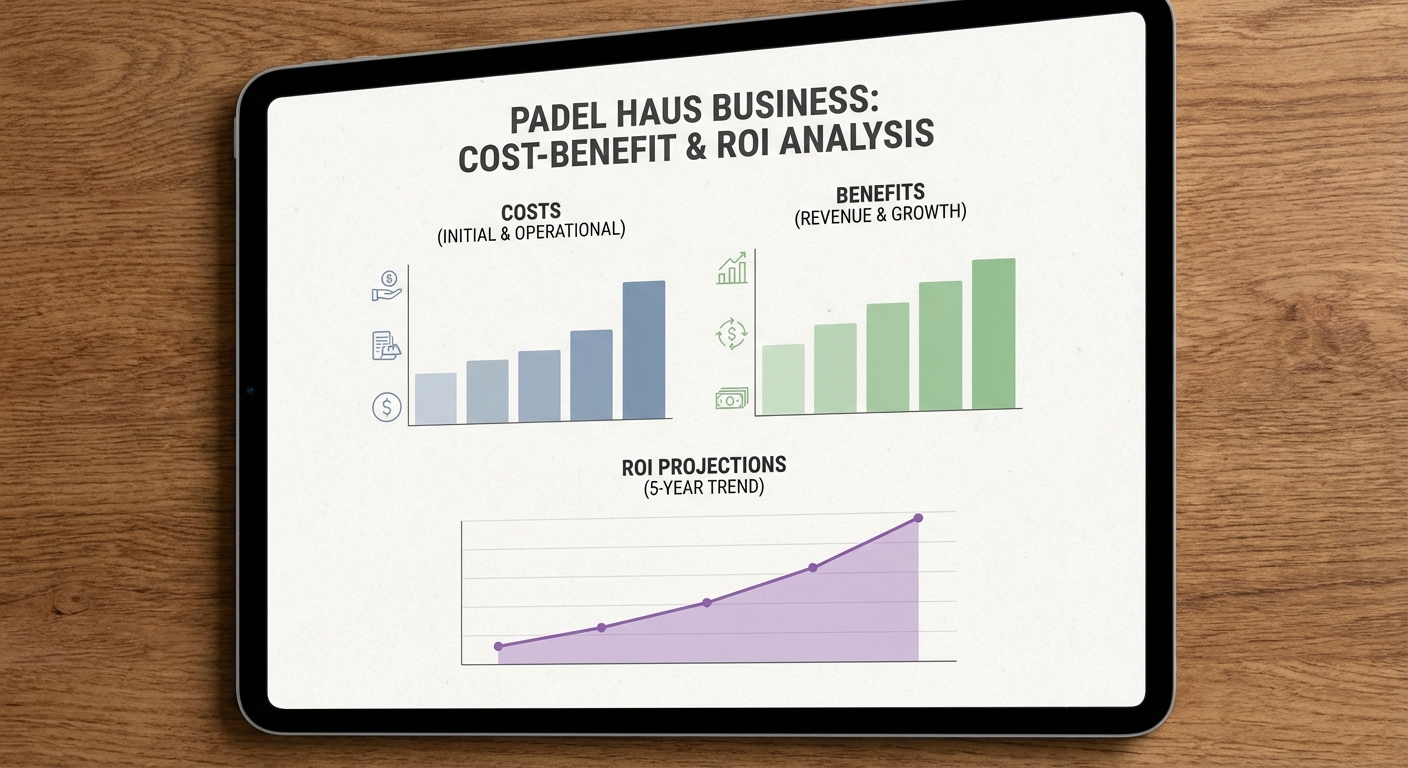
The ROI of a padel haus project is driven by a combination of high-density court bookings, premium membership fees, and secondary revenue from F&B and retail. You will find that the relatively low maintenance costs and high durability of the equipment allow for a faster payback period than traditional fitness centers.
Maximizing revenue via court bookings
Maximizing revenue involves optimizing your court schedule to ensure high occupancy during off-peak hours through student programs and senior leagues. You should use dynamic pricing models that adjust rates based on demand, similar to the airline or hotel industry.
The reality is this:
An empty court is a lost revenue opportunity that can never be recovered.
- Offer discounted rates for morning and early afternoon slots.
- Implement “block bookings” for corporate teams and local schools.
- Use automated booking reminders to reduce the rate of “no-shows.”
Long-term value of lifestyle branding
Long-term value is created when your facility becomes a “lifestyle destination” that brands want to be associated with. You can generate significant non-playing revenue through sponsorship deals, exclusive product launches, and high-end event rentals.
Think about it:
The most profitable clubs earn as much from their “vibe” as they do from their turf.
- Sell court-naming rights to local or national corporate partners.
- Build a retail segment that focuses on high-margin apparel and rackets.
- Leverage your social media presence to attract brand activations.
Key Takeaway: Diversified revenue streams protect your business from seasonal fluctuations and maximize your total return.
| Revenue Stream | Growth Potential | Margin |
|---|---|---|
| Court Bookings | Moderate | High |
| F&B Sales | High | Medium |
| Sponsorships | High | Very High |
The financial health of your project is secured by a balanced mix of “active” sports revenue and “passive” lifestyle branding.
*
Conclusion
Building a successful padel haus requires a strategic blend of precision engineering and high-end hospitality. From selecting the right urban location to implementing a “social-first” community model, every decision should aim to elevate the player experience. Our vision is to empower entrepreneurs to transform underutilized real estate into vibrant, high-yield sports destinations that define the future of urban wellness.
Ready to bring your vision to life with world-class courts and expert guidance? Contact us today to receive a custom quote and start your journey toward owning a premier padel destination.
*
FAQ
Can I build a padel haus in a cold climate?
Yes, you can absolutely build a padel haus in cold climates by utilizing indoor warehouse conversions or specialized roofed court systems. Indoor facilities allow for 365-day operation, ensuring that your revenue stream is not interrupted by seasonal weather changes.
What is the best grass for a padel haus?
The best grass is high-density, EU-standard compliant fibrillated turf because it offers the most consistent ball bounce and superior wear resistance. This professional-grade surface ensures that your players have a premium experience while you benefit from lower long-term replacement costs.
Can I customize the colors of my padel haus?
Yes, you can fully customize the structural RAL colors and integrate your logo into the court design. This OEM customization is essential for building a unique brand identity that stands out in a competitive market and fosters member loyalty.
How much space do I need for a padel haus?
A single court requires approximately 200 square meters, but for a full “haus” concept, you should aim for at least 1,500 to 2,000 square meters to accommodate multiple courts and social amenities. This scale ensures you have enough social density to create the “vibe” that defines the concept.
What is the lifespan of a padel haus structure?
A high-quality hot-dip galvanized steel structure has a design life of over 20 years, even in high-use commercial environments. By choosing premium materials from the start, you protect your capital investment and ensure the safety of your members for decades.