You step onto the court with high energy, but after thirty minutes, your elbow starts to ache and your shots are flying uncontrollably against the glass. It is incredibly frustrating when the game seems much harder than it looks on television. You might feel like your progress has hit a wall before you have even truly started.
Using the wrong equipment isn’t just a minor inconvenience; it is a recipe for disaster. You risk wasting hundreds of dollars on a “pro” racket that you cannot control, or worse, developing chronic tendonitis that keeps you off the court for months. To get a head start, you may want to learn how to select the best racchetta padel for your skill level.
1. Why is the best beginner padel racket vital for you?
Starting your journey with the correct equipment is the fastest way to see improvement in your game. A beginner-specific racket is designed to forgive your technical errors while protecting your joints from unnecessary strain. This allows you to focus on the joy of the sport rather than fighting against your own gear.
Think of your racket as the foundation of your future skills. By using a tool that emphasizes control, you develop the muscle memory needed for advanced shots later on. It ensures that every session is productive and, more importantly, keeps you injury-free so you can stay in the game longer.
| Feature | Beginner Racket | Professional Racket |
|---|---|---|
| Primary Goal | Control & Forgiveness | Maximum Power & Precision |
| Sweet Spot | Large / Central | Small / High |
| Material | Flexible (Fibreglass) | Rigid (Carbon Fibre) |
| Impact on Body | Low Vibration | High Feedback (Stiff) |
Key Takeaway: Starting with the right tool prevents “Padel Elbow” and ensures you stay in the game longer.
2. What shape defines the best beginner padel racket?
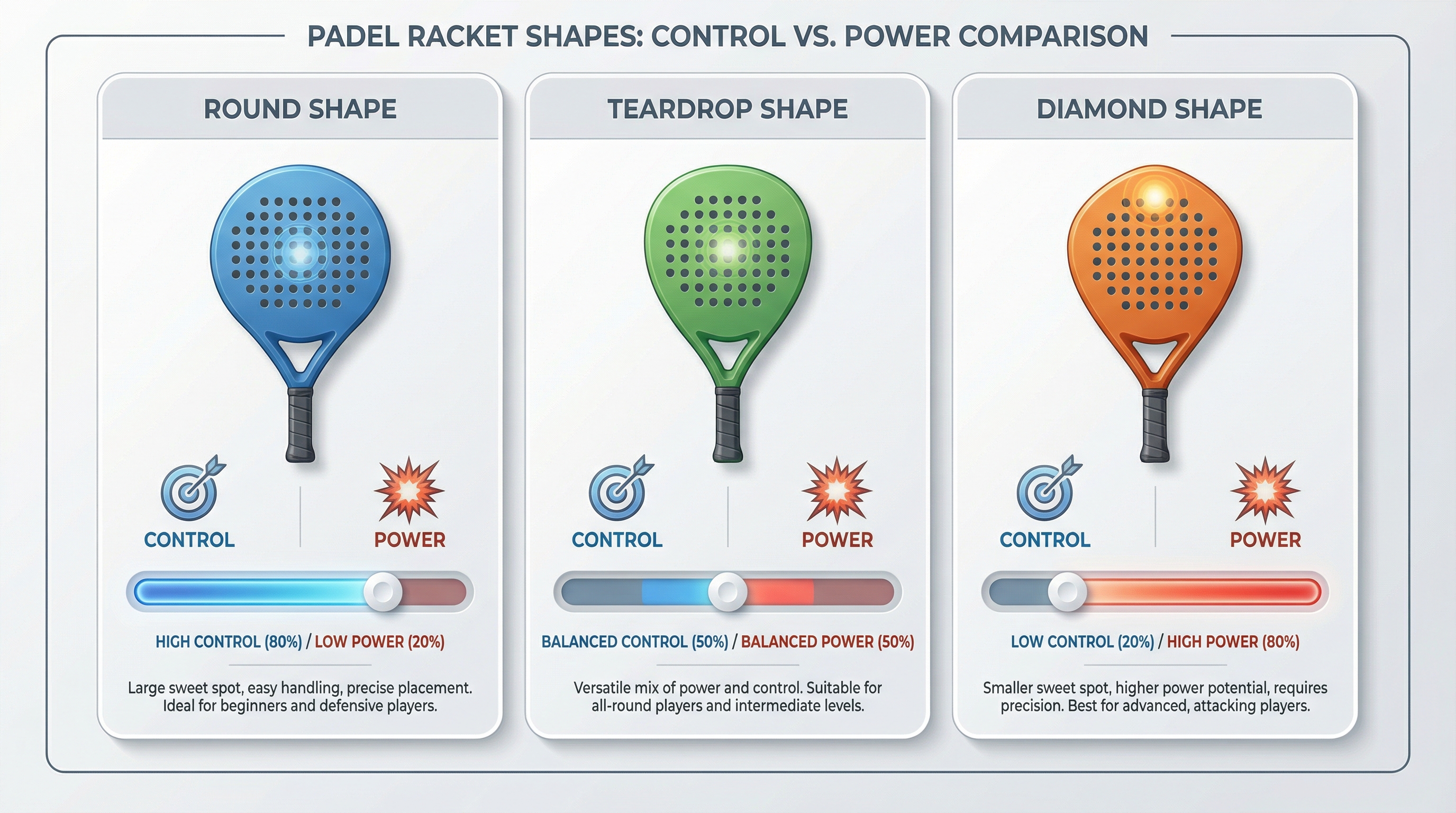
The shape of your racket dictates how much effort you need to put into every single shot. For novices, a round head shape is the gold standard because it offers the most stable platform. Understanding the industry standards for racket manufacturing can help you appreciate why these specific design choices are made for entry-level players.
But why is the round shape so effective? It places the “sweet spot” directly in the center of the racket face, providing maximum forgiveness for off-center hits. Unlike diamond-shaped rackets that require perfect timing, a round racket helps you keep the ball in play even when your technique isn’t quite perfect yet.
Key Takeaway: Always choose a round shape over diamond or teardrop when starting out.
3. How heavy should the best beginner padel racket be?
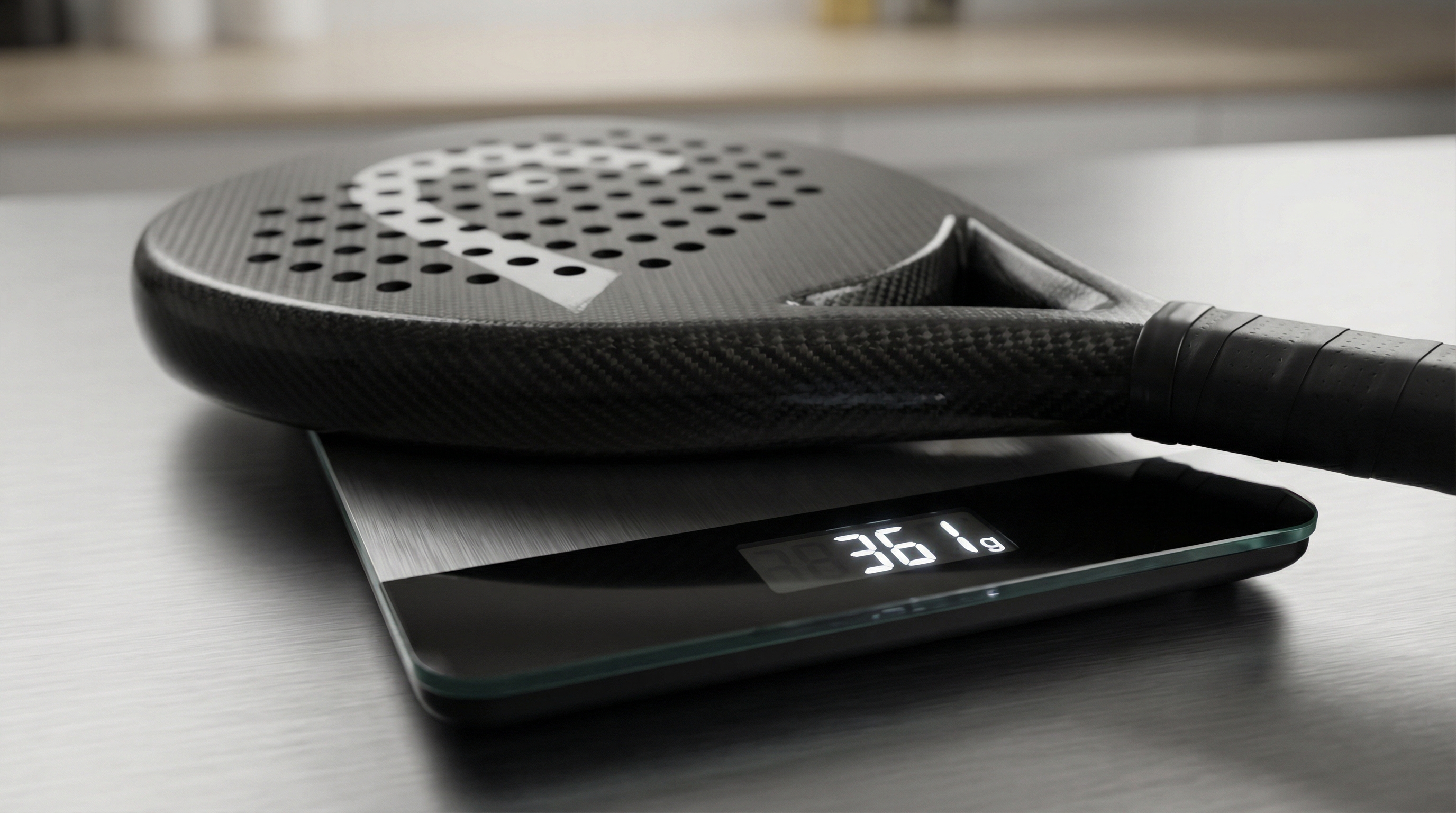
Weight is a critical factor that determines how quickly you can move your hand at the net. If a racket is too heavy, your reaction time slows down and your arm will tire before the match is over. Finding a weight that feels substantial but manageable is the key to maintaining a fast swing speed throughout your practice.
Most beginners find their “sweet spot” in the 350g to 365g range. This weight allows for enough mass to drive the ball forward without putting excessive torque on your wrist. Here is a quick breakdown of how weight impacts your performance on the court.
| Weight Class | Range (Grams) | Best For |
|---|---|---|
| Lightweight | 345g – 360g | Quick reactions, junior players, and injury prevention |
| Standard | 360g – 375g | Balanced play and steady progression |
| Heavy | 375g+ | Advanced power (not recommended for beginners) |
Key Takeaway: A lighter racket (under 365g) allows you to react faster at the net.
4. What balance is ideal for the best beginner padel racket?
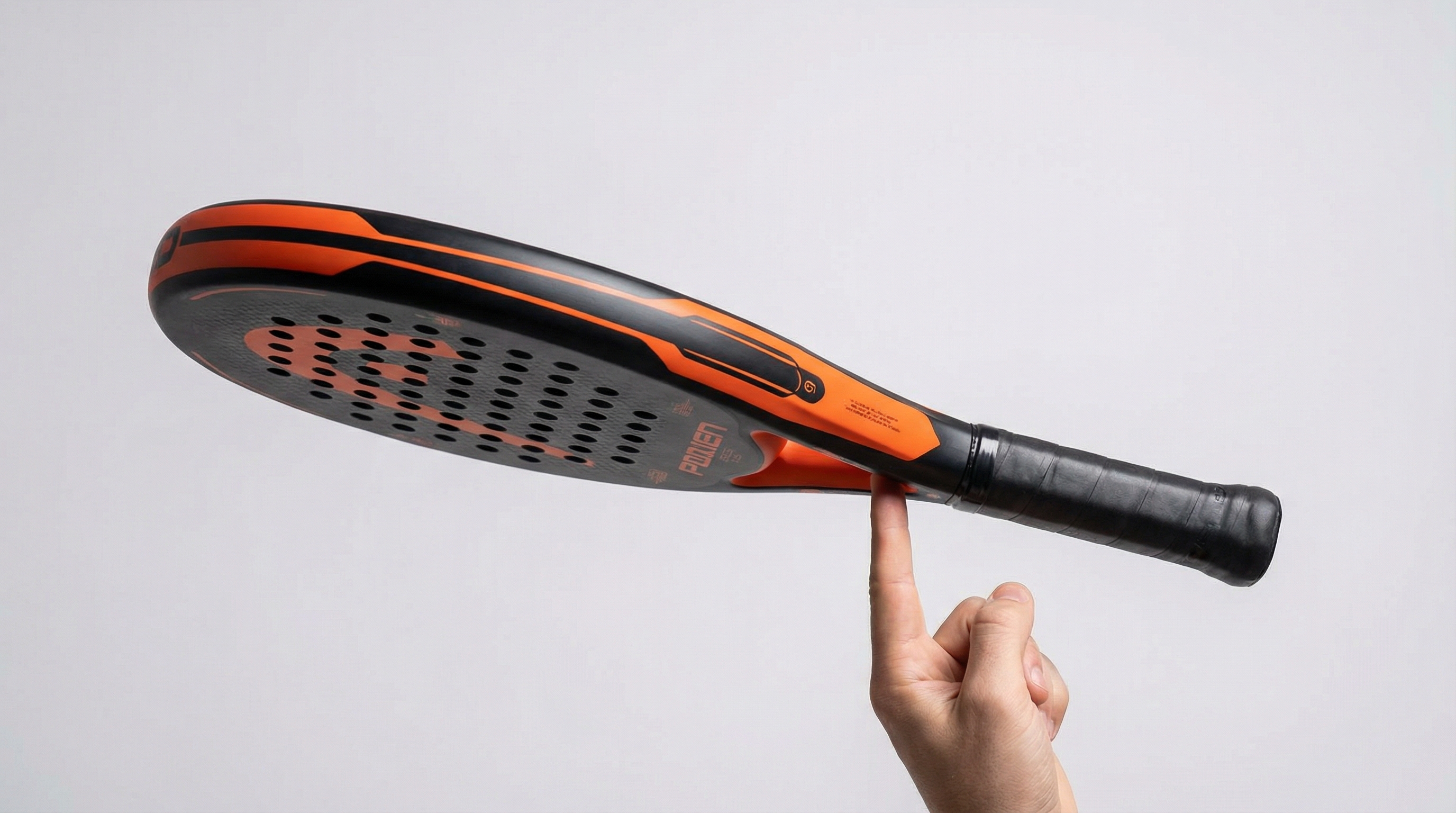
Balance refers to where the majority of the racket’s weight is distributed along the frame. As a beginner, you should strictly look for “head-light” balance, where the weight sits closer to the handle. Reviewing a case study of player progression shows that balance is the most influential factor in early comfort and maneuverability.
When the weight is concentrated near your hand, the racket feels lighter and much easier to control. Head-heavy rackets are designed for smashing, but they are difficult to swing and can quickly lead to shoulder fatigue. Stick to a low balance point to ensure the racket feels like a natural extension of your own arm.
Key Takeaway: “Head-light” balance puts the weight near the handle, making the racket feel like an extension of your arm.
5. Which core fits the best beginner padel racket?
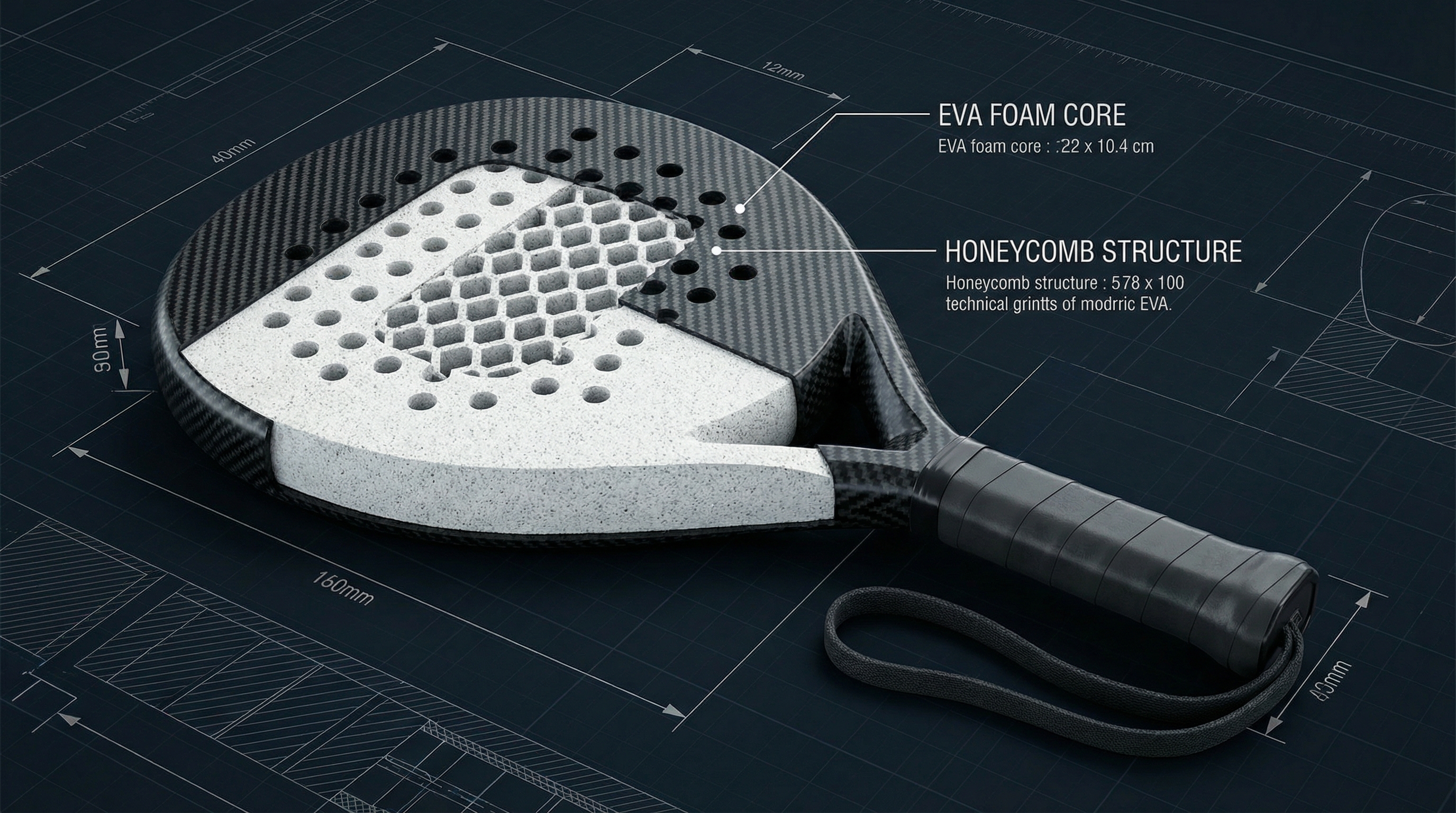
The internal core of the racket acts as its engine and shock absorption system. Soft EVA foam is the preferred choice for new players because of its elastic properties. It compresses slightly upon impact, which helps propel the ball across the net with minimal effort from your side.
Beyond just adding “easy power,” a soft core is vital for protecting your body. It absorbs the harsh vibrations that occur when you hit the ball, preventing those shocks from traveling up into your elbow. This soft interior makes the game feel much smoother and reduces the physical toll of long rallies.
| Core Material | Stiffness Level | Impact Feedback |
|---|---|---|
| Soft EVA | Low | High Comfort / Low Vibration |
| Hard EVA | High | High Power / High Vibration |
| Polyethylene | Medium | High Elasticity / Moderate Feedback |
Key Takeaway: A soft core acts as a shock absorber, protecting your joints from repetitive impact.
6. Why use fibreglass for the best beginner padel racket?
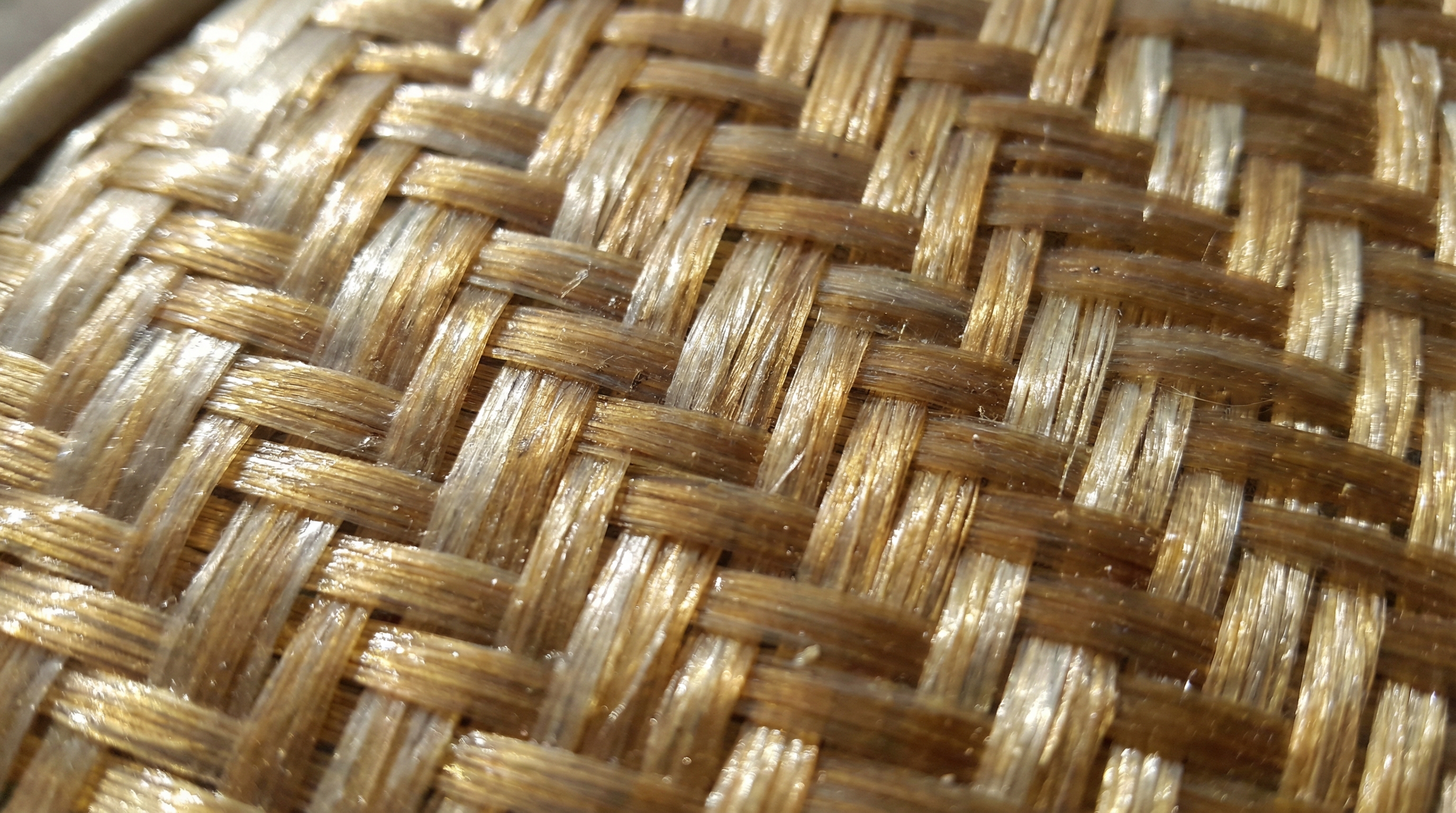
While professional players often demand carbon fibre for its stiffness, you will find that fibreglass is your best friend. Fibreglass is more flexible and elastic, providing a “trampoline effect” that assists your shots. Just as a court needs the right surface for play, your racket needs the right face material for optimal ball exit speed.
This elasticity means you don’t have to swing as hard to get the ball deep into the opponent’s territory. Carbon fibre can feel like hitting with a plank of wood if you don’t have the strength and technique to flex it. Fibreglass keeps the game fun by making it easier to generate pace on the ball.
Key Takeaway: Fibreglass is more elastic than carbon, helping you get the ball across the net with less effort.
7. How do you grip the best beginner padel racket?
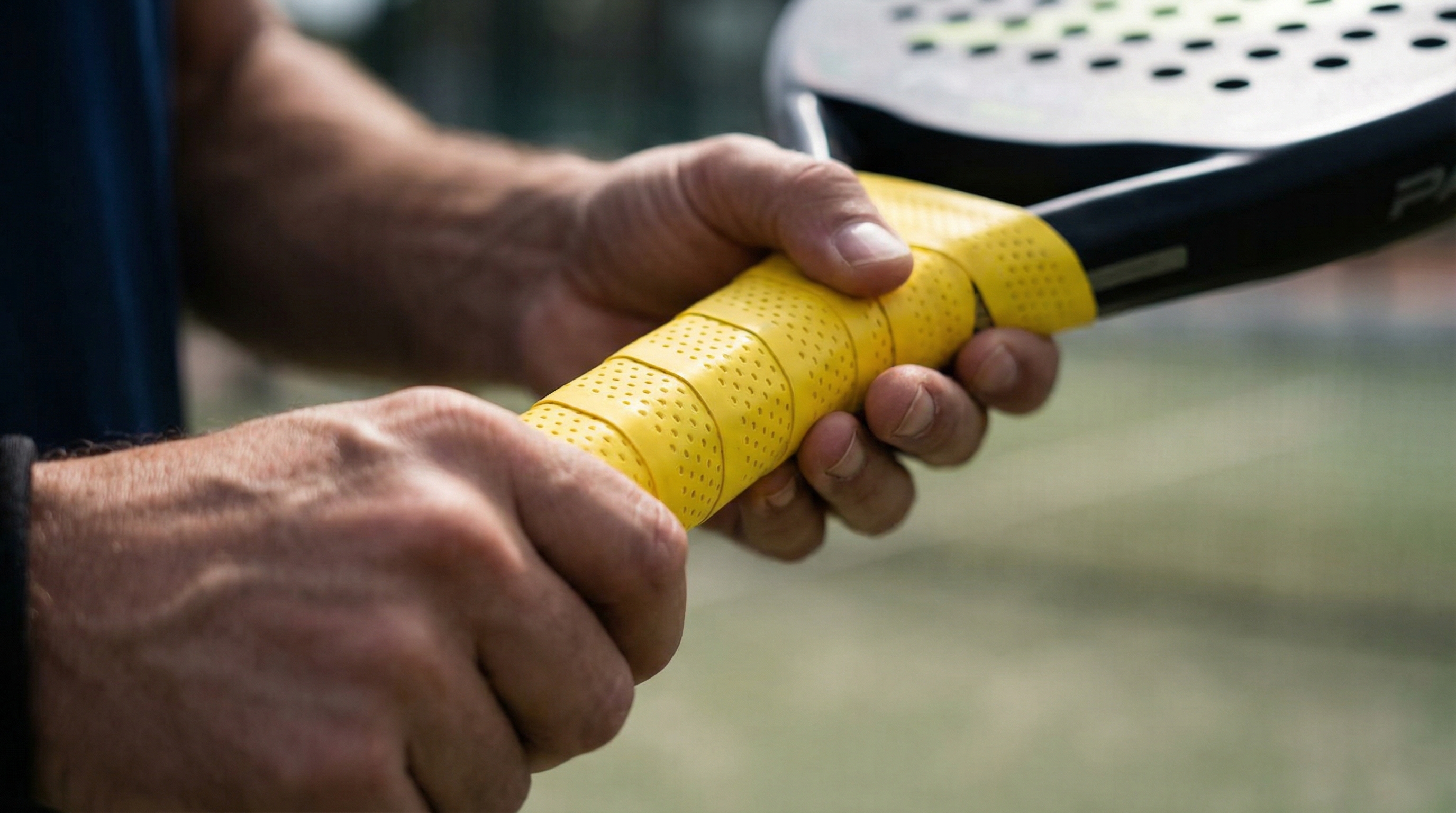
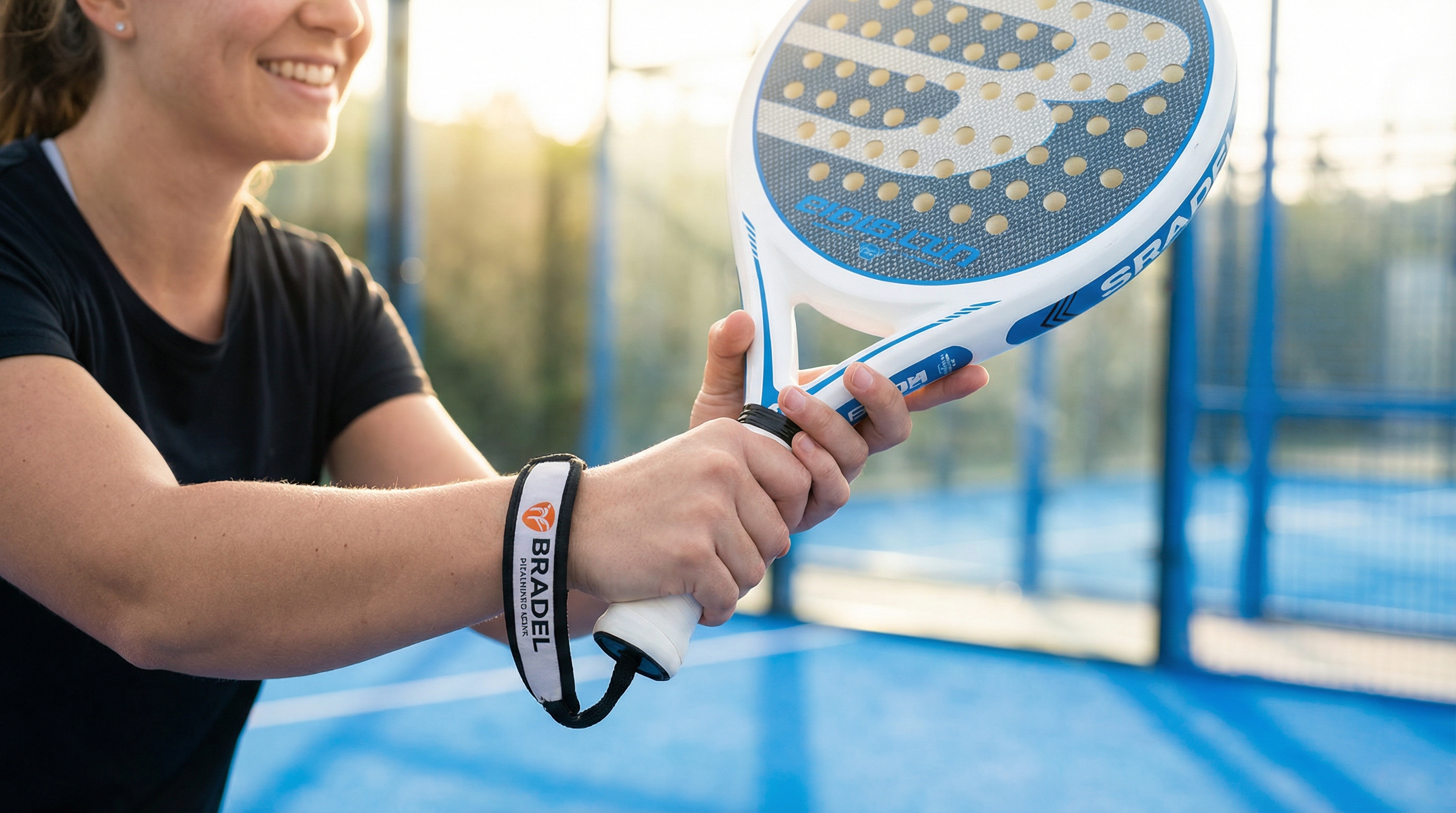
Most rackets come with a standard grip that is often too thin for the average adult hand. If the grip is too small, you will find yourself squeezing too hard, which leads to tension and poor shot control. Customizing your handle thickness with overgrips is an easy and affordable way to “build” the perfect fit.
Adding one or two overgrips increases the surface area, allowing your hand to rest comfortably while maintaining a secure hold. It also helps absorb sweat, ensuring the racket doesn’t slip during a crucial point. Use the guide below to determine if you need to adjust your current setup.
| Hand Size | Recommended Overgrips | Benefit |
|---|---|---|
| Small | 0 – 1 Overgrips | Maintains wrist snap and feel |
| Medium | 1 – 2 Overgrips | Balanced comfort and security |
| Large | 2 – 3 Overgrips | Prevents racket twisting on impact |
Key Takeaway: Adding one or two overgrips can prevent the racket from twisting in your hand.
8. What balls pair with the best beginner padel racket?
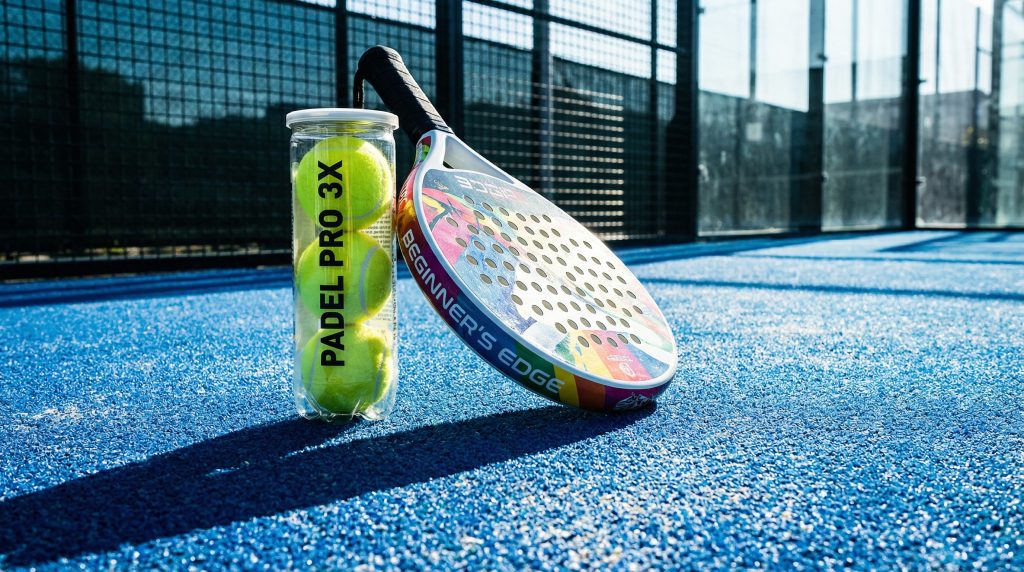
It might be tempting to grab a can of tennis balls from the garage, but this is a mistake that can ruin your experience. Padel balls are specifically designed with lower internal pressure and a smaller diameter. This allows the ball to bounce more predictably off the glass and prevents the game from becoming too fast to handle.
Using high-pressure tennis balls puts unnecessary stress on your beginner racket’s soft core. Over time, the extra impact can cause the foam to break down prematurely or even crack the frame. Investing in a proper sleeve of padel balls ensures your equipment lasts longer and your learning curve remains steady.
Key Takeaway: Never use tennis balls; they are too pressurized and can damage your beginner racket’s core.
9. How to budget for the best beginner padel racket?
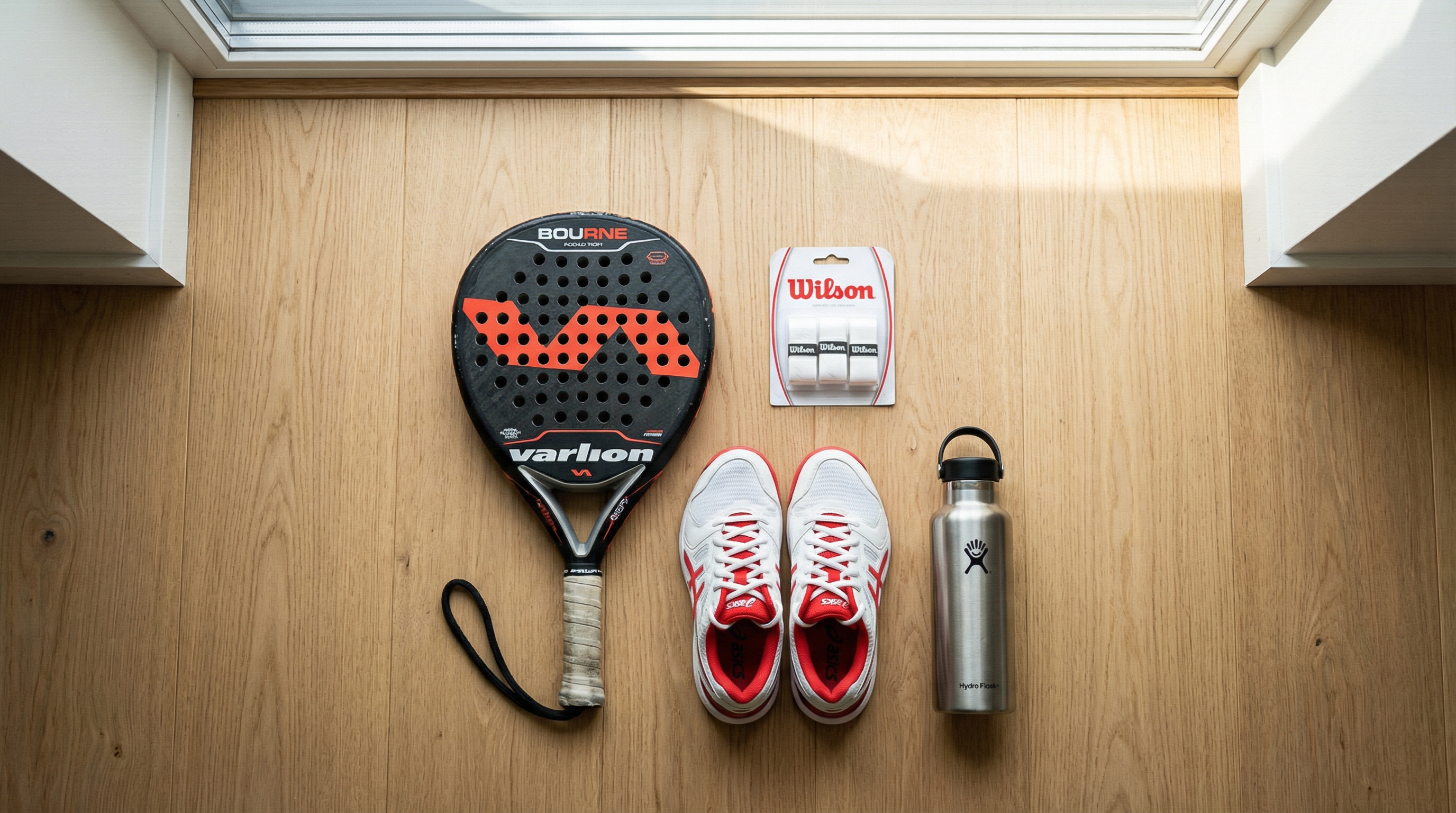
You do not need to spend a fortune to get a high-quality starting kit. However, you should avoid the “cheap import” trap often found on generic marketplaces, as these rackets lack the internal engineering to protect your arm. A modest investment in a reputable brand ensures that the core material is durable and the balance is accurate.
Focus your budget on the racket first, followed by a few overgrips and a frame protector. A frame protector is a simple adhesive strip that saves your racket from the inevitable scrapes against the court walls. Here is what a typical “builder” budget looks like for a complete entry-level setup.
| Item | Estimated Cost (USD) | Priority |
|---|---|---|
| Quality Beginner Racket | $80 – $130 | Essential |
| Overgrips (3-pack) | $10 – $15 | Essential |
| Frame Protector | $5 – $10 | Recommended |
| Padel Balls (3-pack) | $8 – $12 | Essential |
Key Takeaway: You don’t need to spend $300, but investing at least $80 ensures you get a core that won’t collapse.
10. When should you upgrade your best beginner padel racket?
Your beginner racket is a tool for growth, but eventually, your skills will outpace its capabilities. You will know it is time to upgrade when you can consistently hit the sweet spot and find yourself wanting more power on your smashes. If the racket starts to feel “mushy” or too light for your advancing swing, listen to those signals.
The natural progression is to move toward a teardrop shape with a mix of carbon and fibreglass. This intermediate step provides a boost in power while still retaining a reasonable level of control. Enjoy the journey with your first racket, as it is the bridge that leads you to becoming a competitive player.
Key Takeaway: Once you consistently hit the sweet spot and crave more power, it’s time to move to an intermediate model.
*
Building the best beginner padel racket setup is about prioritizing your body’s health and your game’s enjoyment over “pro” aesthetics. By selecting a round, lightweight, fibreglass frame with a soft core, you give yourself the best possible start in this rapidly growing sport. Once you have your gear ready, focus on your footwork and enjoy the process of improvement.
The right equipment removes the barriers between you and the game you want to play. If you have questions about specific gear configurations or need further assistance, please feel free to contact us today.