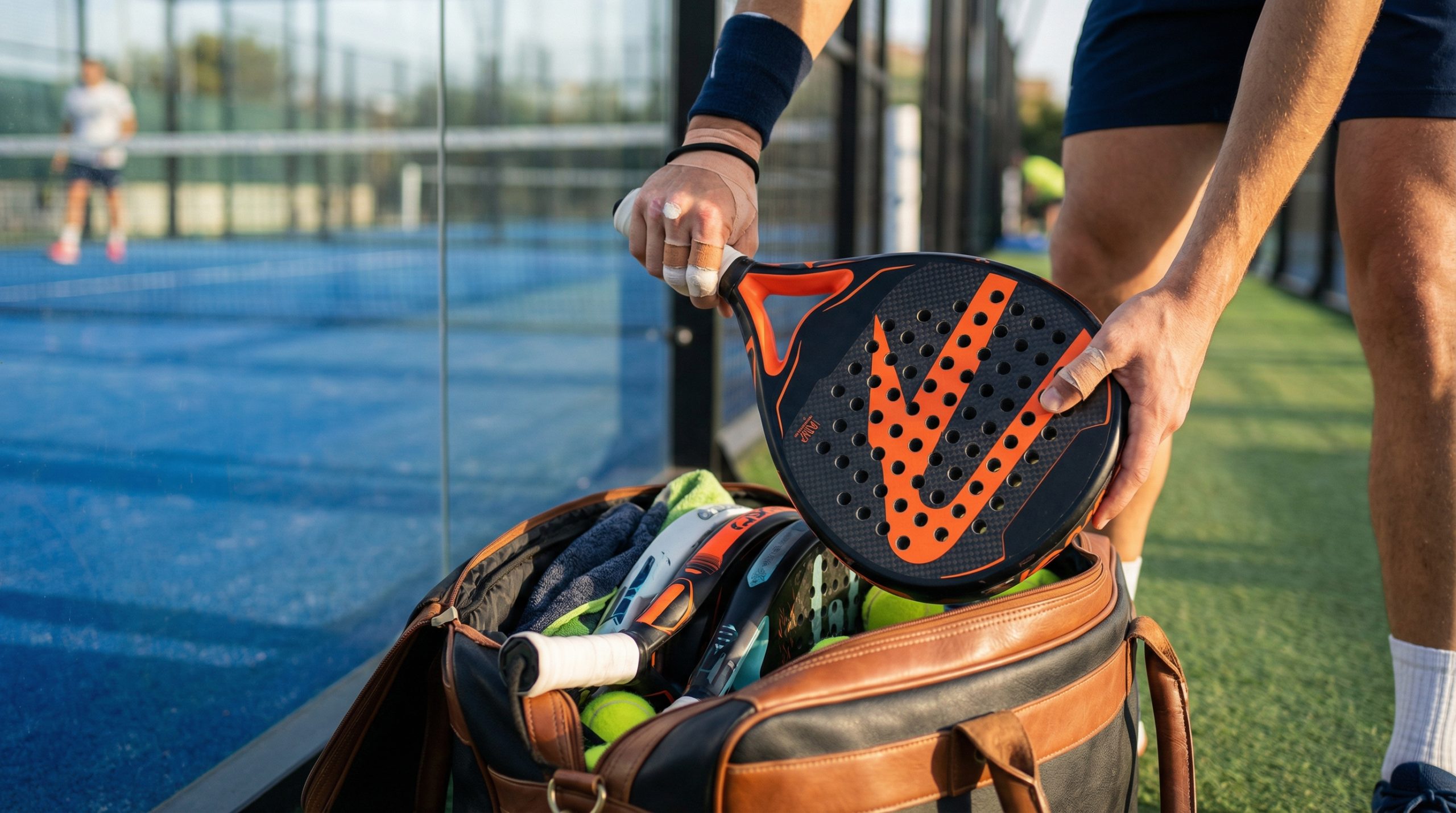
Building the best padel rackets for advanced players involves combining high-density carbon fibers, rigid EVA cores, and specialized aerodynamic shapes to maximize energy transfer and precision. You are hitting technical shots with increasing accuracy, yet your current gear feels unresponsive during high-intensity rallies. This lack of feedback leads to unforced errors and prevents you from dominating the net against elite competition. By investing in the best padel rackets for advanced players, you secure the professional-grade tools required to execute complex smashes and tactical volleys with absolute confidence.
Why move to an advanced racket setup?
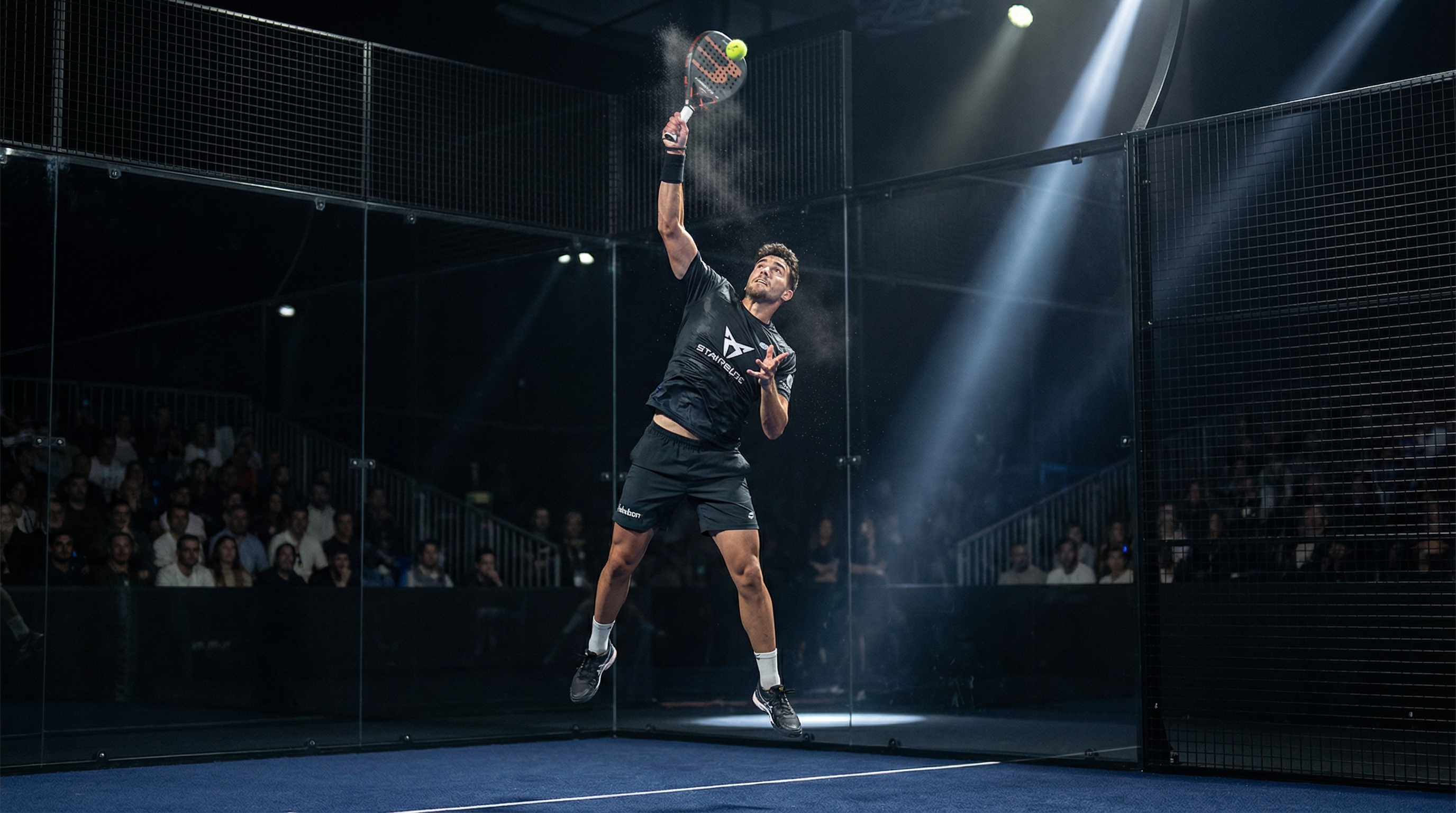
Advanced rackets provide the structural integrity and feedback necessary to handle the high swing speeds of professional-level play. Selecting the best padel rackets for advanced players ensures that your equipment does not flex excessively under the pressure of a powerful opponent’s strike.
Do you need more power or control?
Here is why: high-level play demands a frame that can withstand the force of a full-power smash without warping. You must decide if your game relies on defensive consistency or offensive aggression.
- Carbon frames reduce energy loss during impact.
- Rigid cores improve ball exit speed significantly.
- Aerodynamic profiles allow for faster reaction times at the net.
Think about it. A soft racket absorbs the energy you are trying to put into the ball.
| Aspect | Advanced Choice | Primary Benefit |
|---|---|---|
| Frame | Full Carbon | Structural Rigidity |
| Core | High-Density | Explosive Power |
| Weight | 370g+ | Stability |
Focusing on these three pillars allows you to dictate the tempo of every point.
Key Takeaway: Upgrading to expert-level gear eliminates the “mushy” feel of intermediate equipment, providing the direct feedback needed for tournament success.
What defines high-performance racket construction?
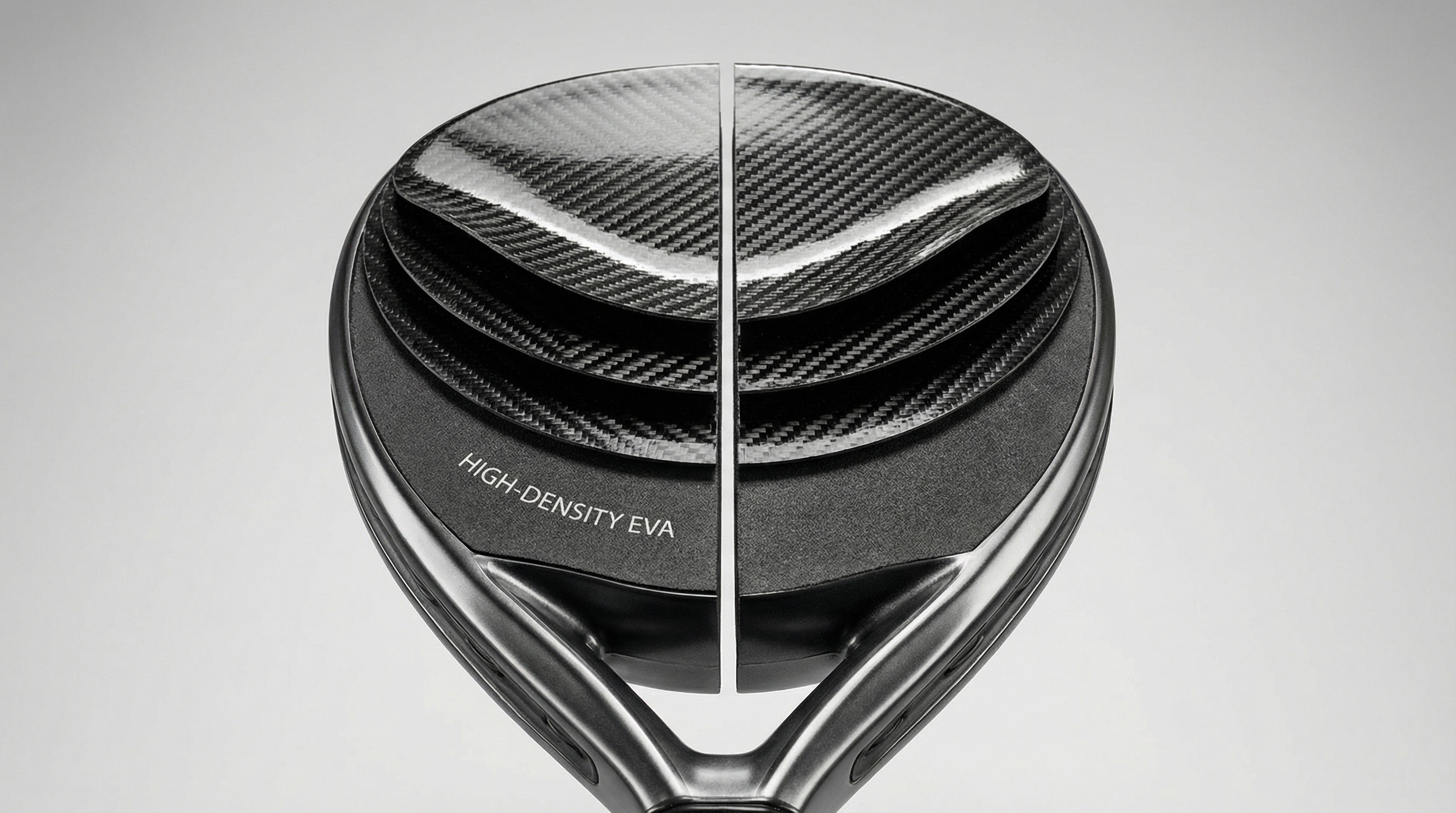
Elite construction is characterized by the use of multi-layered carbon fiber and high-recovery internal foams that resist deformation. Finding the best padel rackets for advanced players requires understanding how these technical materials interact during a high-impact strike.
Is carbon fiber better than fiberglass?
Make no mistake. You will feel the difference immediately when switching from a flexible composite to a 100% carbon frame.
- Carbon provides a much higher strength-to-weight ratio.
- It resists warping during high-temperature match conditions.
- The vibration dampening is far more predictable for technical players.
You need a tool that responds instantly to your input.
| Material | Durability | Precision | Energy Return |
|---|---|---|---|
| Carbon 18K | Elite | Maximum | High |
| Carbon 12K | High | Balanced | Very High |
| Fiberglass | Moderate | Low | Moderate |
Advanced weaves ensure that the racket face stays perfectly flat during the moment of impact.
Key Takeaway: Carbon fiber is the gold standard for expert play because it offers the durability and rigidity required for modern, high-speed padel.
How does head shape affect professional play?
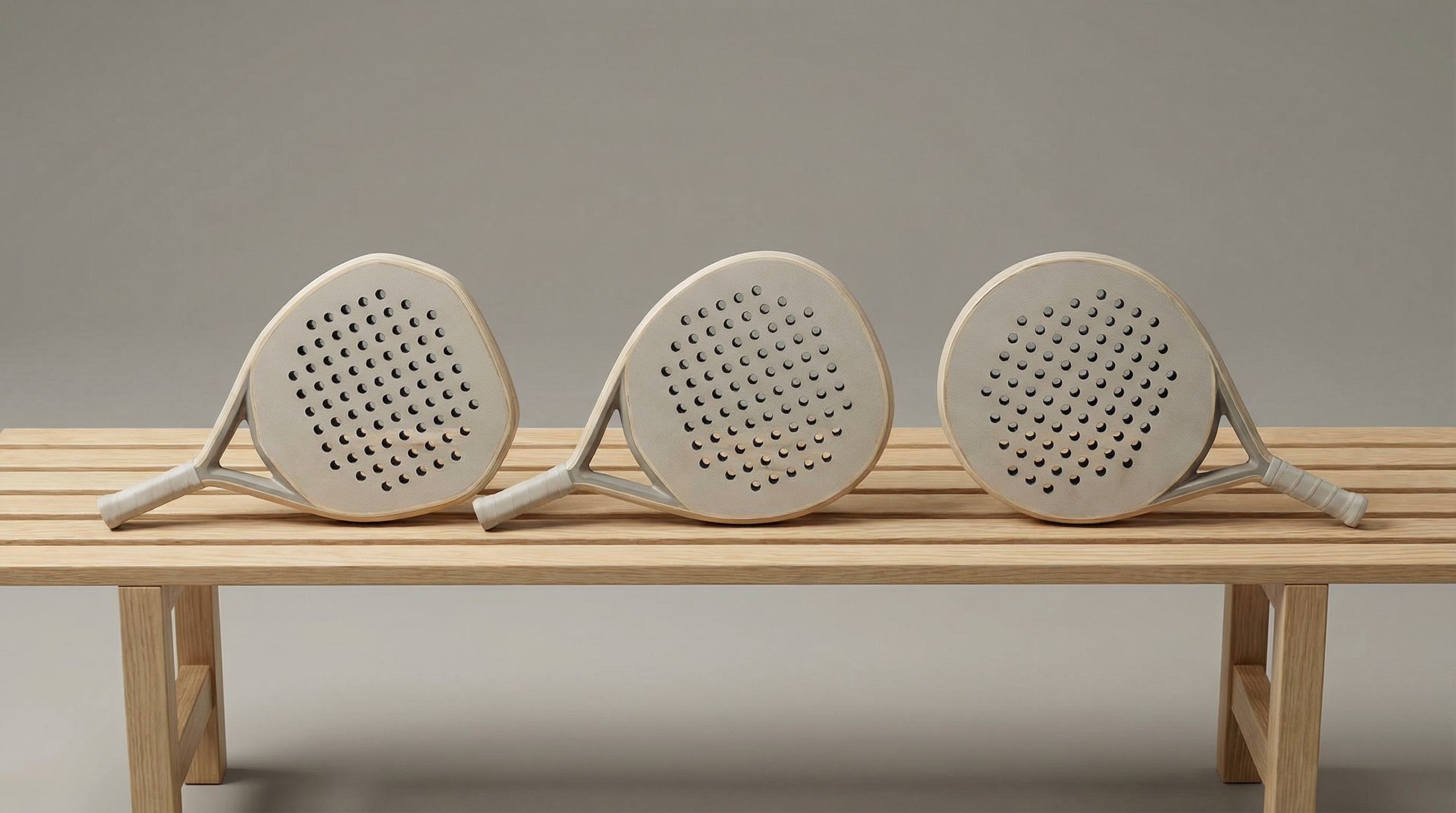
Head shape determines the location of the sweet spot and the aerodynamic balance of the frame during a swing. When selecting the best padel rackets for advanced players, you must match the geometry of the racket to your specific role on the court.
Should you choose Diamond or Teardrop?
The truth is: your choice depends on whether you prefer to finish points or build them. Diamond shapes shift the weight toward the tip, creating a “hammer” effect for smashes.
- Diamond: High sweet spot for maximum leverage.
- Teardrop: Centered sweet spot for versatile all-around play.
- Round: Low sweet spot for ultimate defensive control.
You will find that teardrop shapes are the most popular among modern hybrid players.
| Shape | Playing Style | Sweet Spot Location |
|---|---|---|
| Diamond | Aggressive | Top of head |
| Teardrop | Versatile | Upper Middle |
| Round | Defensive | Center/Lower |
Matching your racket geometry to your court position is the fastest way to improve technical efficiency.
Key Takeaway: Offensive players should prioritize diamond shapes for leverage, while defensive tacticians benefit from the control of rounder profiles.
Which balance offers the best swing efficiency?
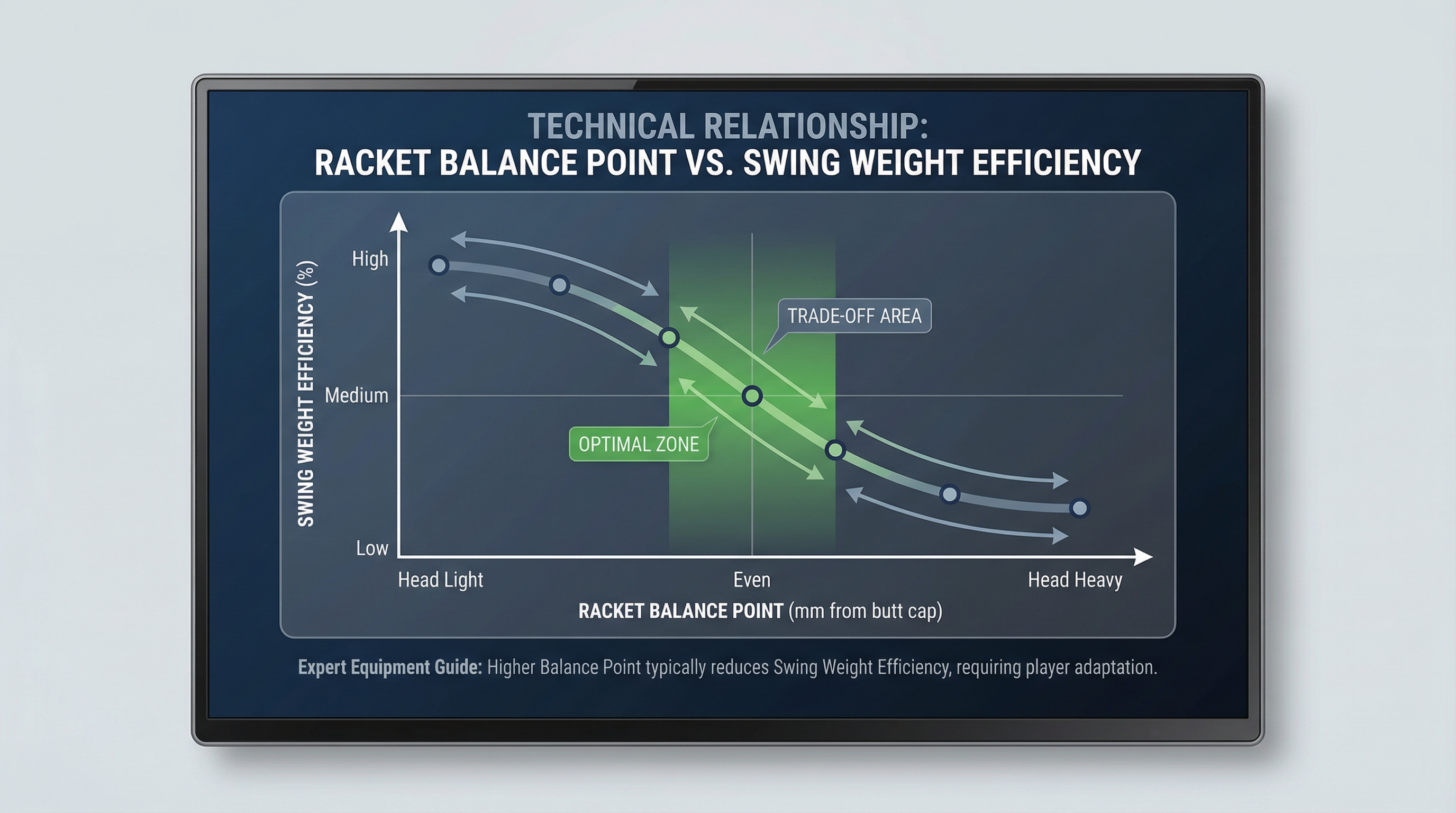
High balance points increase the swing weight and power potential, while low balance points favor maneuverability and speed. The best padel rackets for advanced players often feature a mid-to-high balance to assist in finishing shots during aggressive net transitions.
How does balance impact your wrist health?
It is a common struggle. You might think more weight in the head always equals more power, but it also increases leverage on your joints.
- High balance (Head heavy): More power, harder to move quickly.
- Mid balance (Even): Best for transition play and volleys.
- Low balance (Handle heavy): Extremely fast for defensive reactions.
Think about it. A racket that is too head-heavy will make you late on fast volleys.
| Balance Type | Millimeters | Ideal Outcome |
|---|---|---|
| High | 270mm+ | Maximum Smash Torque |
| Even | 260-265mm | Neutral Handling |
| Low | Under 255mm | Quick Defensive Digs |
Choosing a balance point within the “optimal zone” ensures you maintain speed without sacrificing the ability to crush the ball.
Key Takeaway: Advanced players should look for a balance that maximizes their specific strength, whether that is raw overhead power or lightning-fast net reflexes.
Why is carbon fiber density crucial for experts?
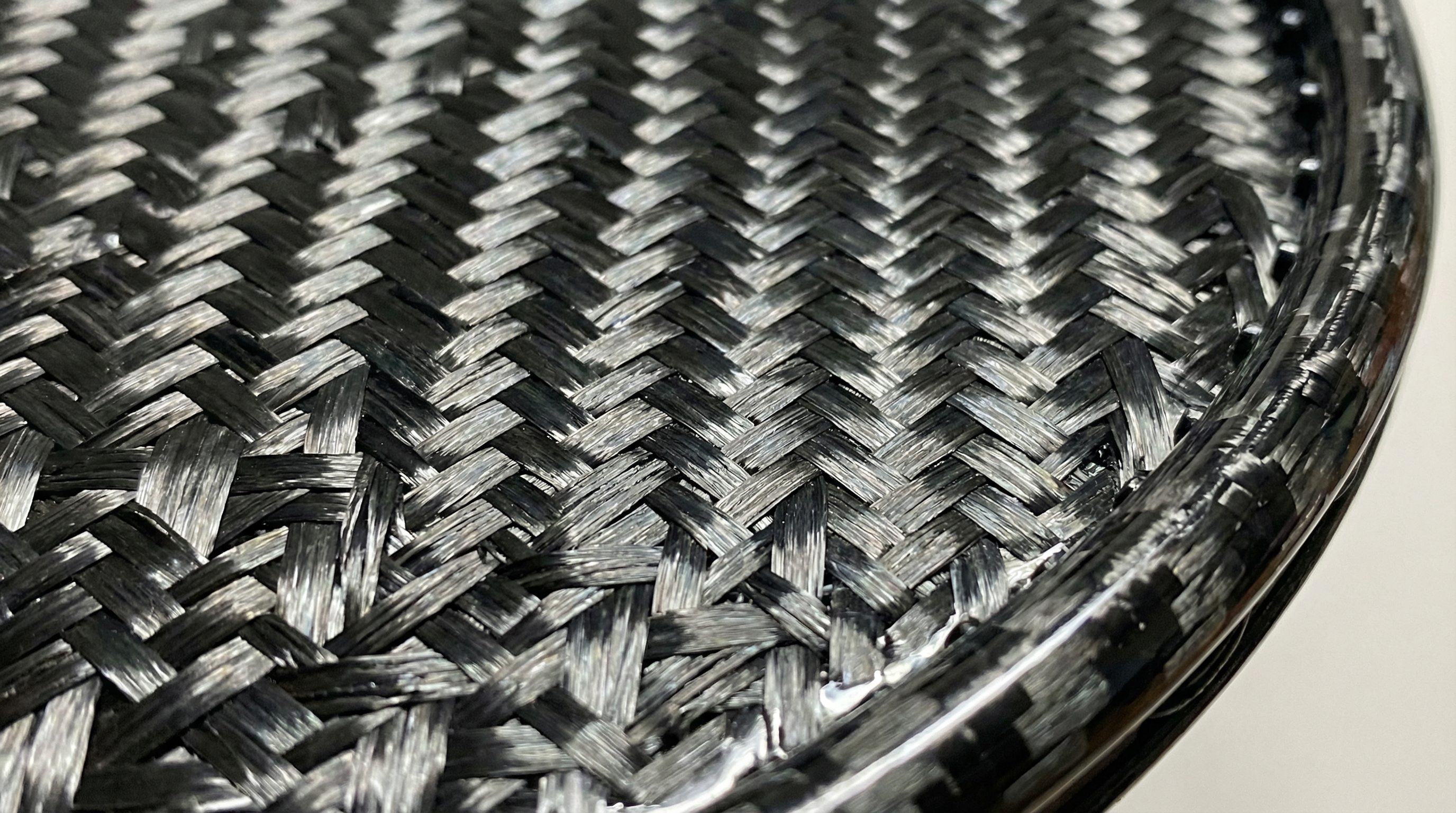
Higher carbon density, such as 12K or 18K weaves, provides a stiffer surface that generates more ball speed with less effort. The best padel rackets for advanced players use these dense weaves to ensure the frame does not lose its “pop” over months of heavy use.
What is the difference between 12K and 18K?
Here is the best part: the number refers to the thousands of filaments per thread. You will find that 18K is much stiffer and more responsive than 3K or 6K beginner versions.
- 12K Carbon: Offers a blend of comfort and explosive energy.
- 18K Carbon: The stiffest option for players with very high swing speeds.
- Higher density: Increases the longevity of the racket’s playing characteristics.
You need a surface that doesn’t “give” when you strike a high-velocity ball.
| Weave | Touch Feel | Power Level |
|---|---|---|
| 3K Carbon | Soft/Elastic | Moderate |
| 12K Carbon | Firm | High |
| 18K Carbon | Hard/Dry | Maximum |
Using a high-density weave allows you to use the opponent’s power against them with minimal vibration.
Key Takeaway: Dense carbon weaves like 18K are designed for experts who can generate their own power and want zero energy loss from the racket face.
What internal core provides the most explosive pop?
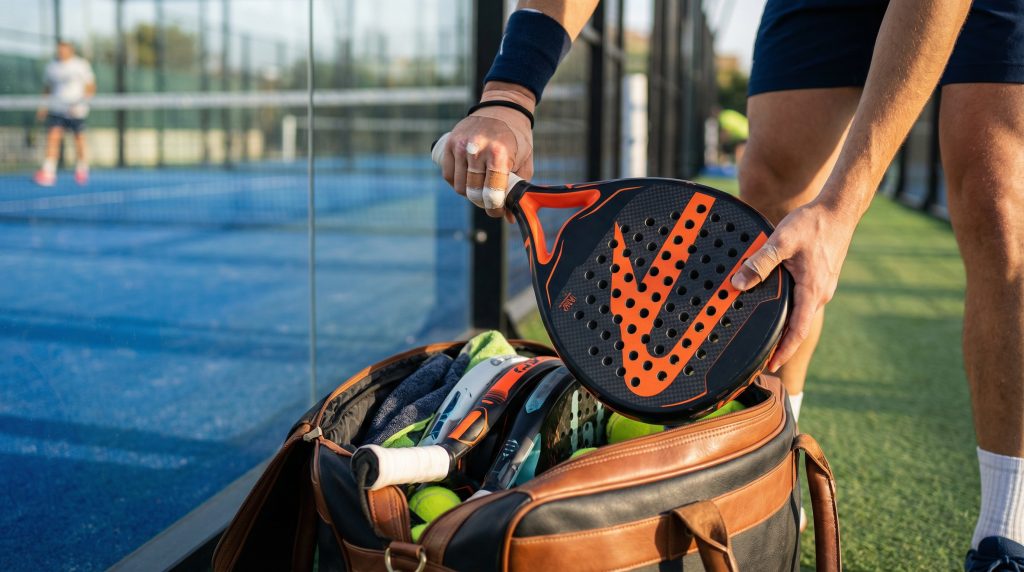
High-density EVA foam is the preferred core for advanced players because it provides a “hard” touch and maximum energy return. Selecting the best padel rackets for advanced players involves finding the right balance between core hardness and arm comfort for long matches.
Is hard foam better than soft foam?
Believe it or not. Hard foam requires you to provide the power on slow balls, but it is devastating when you swing fast.
- High-density EVA: Offers a dry, powerful hit for smashes.
- Soft EVA: Provides more “trampoline effect” for defensive lobs.
- Dual-density: Combines layers to offer control on slow shots and power on fast ones.
You will notice that soft cores can feel “mushy” during high-intensity tournament play.
| Core Type | Recovery Speed | Vibration Level |
|---|---|---|
| Hard EVA | Instant | High |
| Mid EVA | Moderate | Medium |
| Foam/Poly | Slow | Low |
A high-recovery core ensures the racket is ready for the next strike immediately after impact.
Key Takeaway: Advanced players should prioritize high-density EVA cores to gain the “dry” touch and finishing power required at the net.
How do surface textures maximize ball spin?
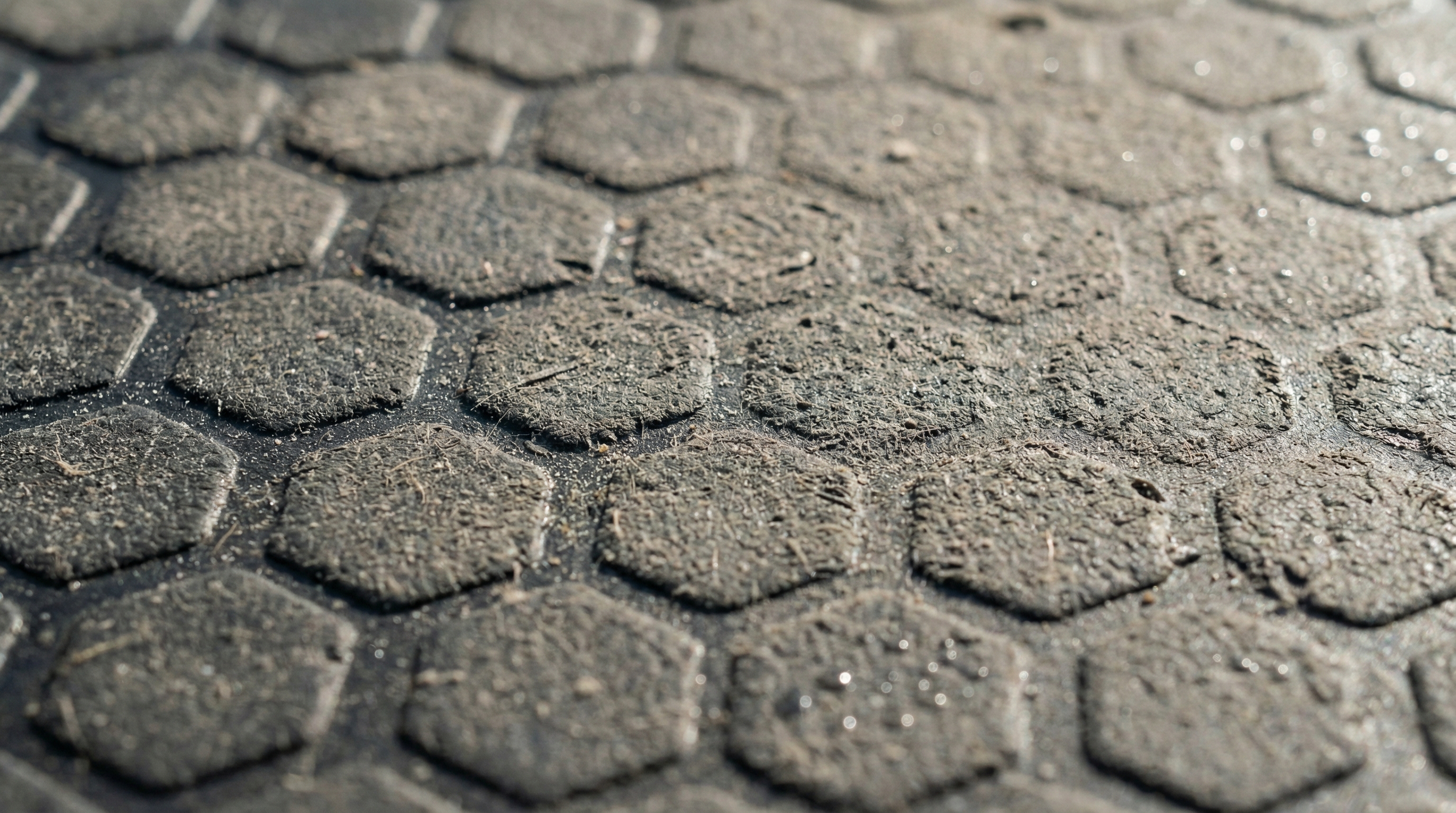
Surface textures like 3D grains or sand-blast finishes increase the friction between the racket and the ball for aggressive spin. The best padel rackets for advanced players use these technologies to help keep bendejas and volleys low after they hit the back glass.
Can texture actually change your game?
Here is why: a rough surface “bites” into the felt of the ball during a slice. Think about it. Without grip, your shots will slide off the face, resulting in less “kick” when the ball bounces.
- 3D Grain: Molded into the carbon for permanent grip.
- Sand-blast: A rough coating that provides the highest friction.
- Smooth face: Maximizes ball exit speed but offers zero spin assistance.
You need that extra friction to execute high-level tactical slices effectively.
| Texture Type | Spin Potential | Longevity |
|---|---|---|
| Molded 3D | High | Permanent |
| Sandpaper | Maximum | Temporary |
| Smooth | Low | Permanent |
Modern 3D hexagonal patterns are the preferred choice for long-term consistency in all weather conditions.
Key Takeaway: Integrated 3D textures are essential for advanced players who rely on spin to dictate ball height and bounce predictability.
Can handle customization improve your grip torque?
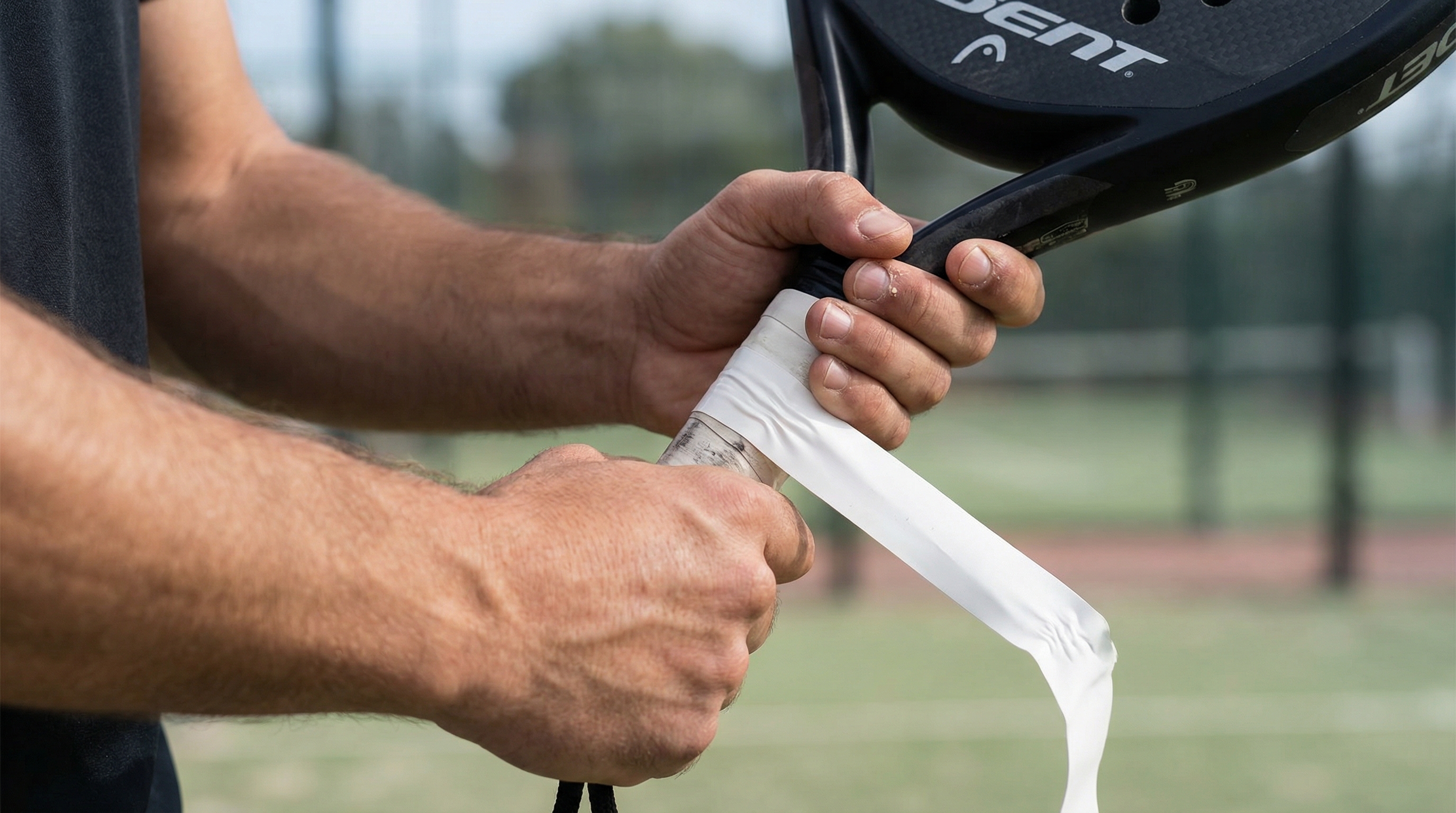
Customizing the grip thickness and adding vibration dampeners allows for better control and reduced fatigue during heavy hitting. Even the best padel rackets for advanced players often require the addition of high-quality overgrips to fit your specific hand size perfectly.
Why is grip size a technical factor?
Make no mistake. A grip that is too thin will cause the racket to twist in your hand during an off-center hit.
- Overgrips: Allow you to customize thickness and sweat absorption.
- Hesacore/Silicone grips: Reduce vibrations and improve anatomical hold.
- Weight strips: Can be added to the handle to lower the balance point.
You will find that most professionals use at least two overgrips for better torque.
| Modification | Primary Benefit | Skill Requirement |
|---|---|---|
| Extra Overgrip | Improved Torque | All levels |
| Silicone Inserts | Vibration Relief | High Intensity |
| Lead Tape | Balance Tuning | Technical Expert |
A properly sized handle allows you to relax your forearm, leading to more fluid swing mechanics.
Key Takeaway: Customizing your handle is a non-negotiable step for advanced players who want to eliminate racket twisting and wrist strain.
Why is weight distribution key for arm health?
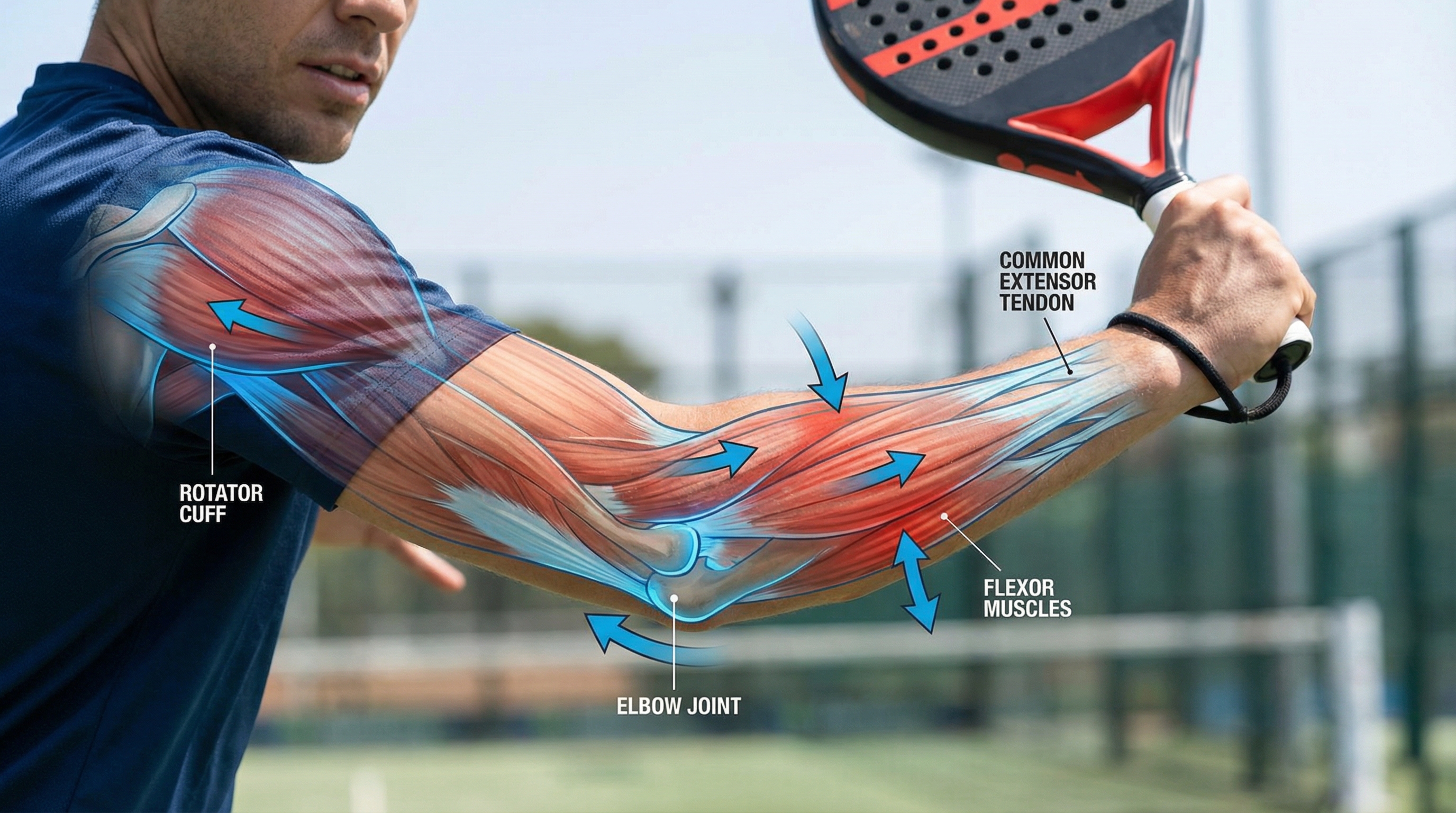
Managing the mass and balance of your racket prevents common injuries like tennis elbow while maintaining defensive speed. The best padel rackets for advanced players often incorporate bridge technologies that disperse vibrations before they reach your wrist and elbow joints.
How do you balance power and safety?
The truth is: higher weight provides more stability, but only if you have the strength to swing it. Think about it. A racket that is too heavy will cause you to hit the ball late, putting massive strain on your tendons.
- Integrated Bridge: Absorbs the shock of high-impact smashes.
- 365g – 375g Range: The “sweet spot” weight for most advanced males.
- 350g – 360g Range: Ideal for advanced female players or defensive specialists.
You must listen to your body and adjust your equipment weight accordingly.
| Feature | Health Benefit | Performance Impact |
|---|---|---|
| Vibration Dampers | Reduced Joint Shock | Less Fatigue |
| Lower Balance | Easier Maneuverability | Faster Reaction |
| Lighter Weight | Less Tendon Strain | Slower Ball Speed |
Focusing on ergonomic features ensures you can play at a high level for years without chronic pain.
Key Takeaway: Do not ignore vibration dampening; elite rackets must protect your arm while providing the rigidity needed for power.
How to assemble the perfect advanced kit?
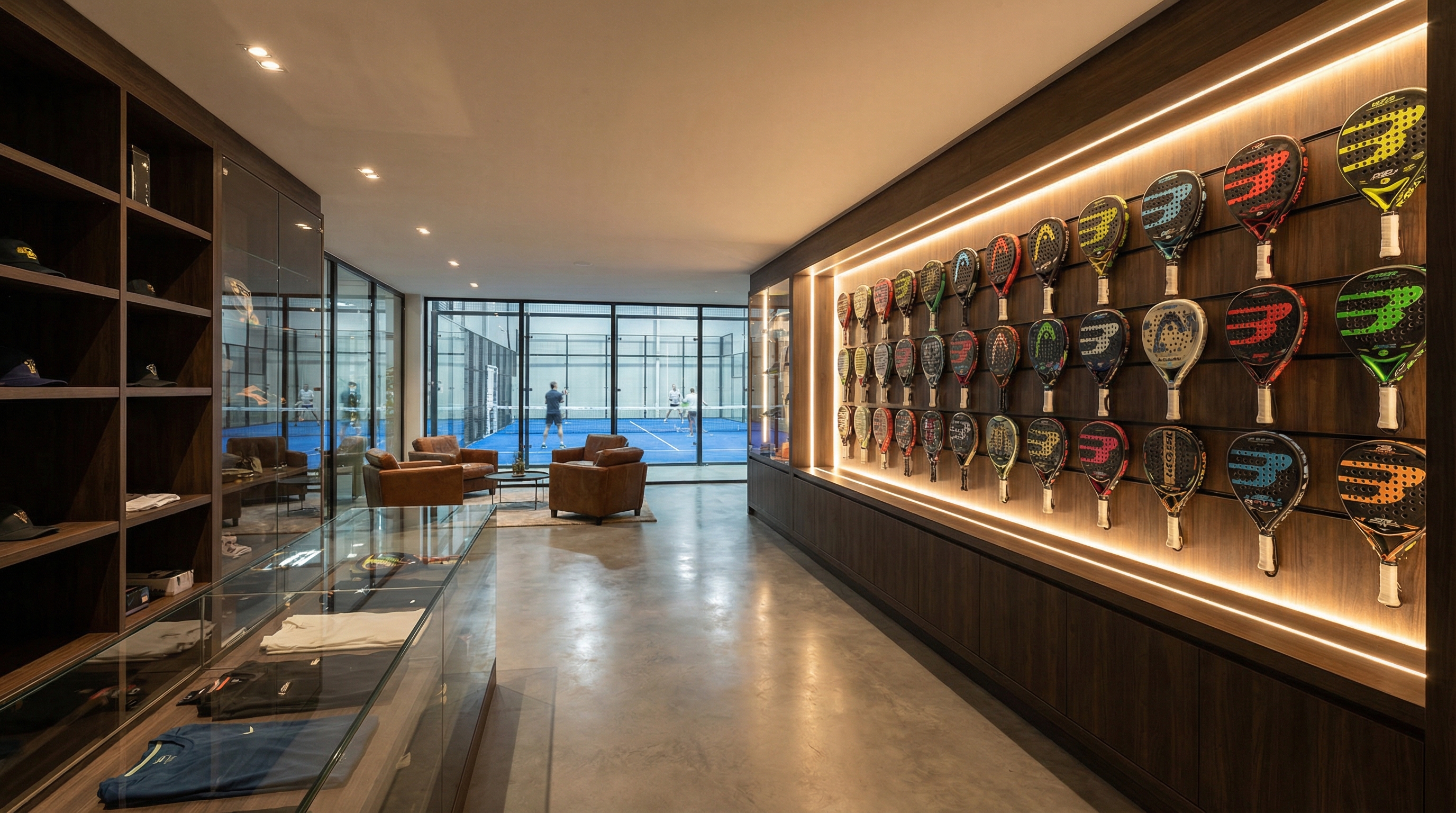
Assembling a professional setup requires matching your racket’s technical specifications to your specific court position and physical strengths. The best padel rackets for advanced players are only effective if they are supported by the right shoes, balls, and tactical knowledge.
What is the final checklist for experts?
Here is why: small details in your equipment setup can lead to big differences in tournament results.
- Racket Shape: Diamond for finishers, Teardrop for tacticians.
- Carbon Type: 18K for maximum stiffness, 12K for more feel.
- Maintenance: Replace your overgrips and frame protector every few weeks.
You must ensure every piece of your gear is optimized for high-performance conditions.
| Component | Professional Standard | Refresh Frequency |
|---|---|---|
| Main Racket | Carbon 12K/18K | 6-12 Months |
| Overgrip | High-Tack | Every 3-5 Matches |
| Frame Tape | Transparent/Protective | When Scuffed |
Consistency in your equipment leads to consistency in your technical execution on the court.
Key Takeaway: The ultimate advanced setup is a synergy of head-heavy carbon frames, anatomical grips, and a playing style that leverages these mechanical advantages.
*
Selecting a high-performance racket is the final step in transitioning from a casual enthusiast to a competitive athlete. By focusing on carbon density, core rigidity, and aerodynamic shape, you can eliminate the equipment limitations that have been holding your game back. Our guide has detailed the engineering behind professional gear to ensure you make an informed decision that enhances your power and precision. To secure your new competitive edge, we invite you to explore our curated selection and contact us today for personalized expert advice. We are dedicated to providing the world’s most innovative equipment to help you dominate the court.
*
FAQ
Can I use a professional racket if I am still improving?
It is not recommended because advanced rackets are less forgiving. If you do not strike the ball exactly in the center of the small sweet spot, you will lose control and increase the risk of arm vibration.
What’s the best way to determine my ideal racket weight?
Start with a mid-range weight of 365 grams and only move higher if you feel you have the forearm strength to maintain high swing speed. If your arm feels heavy after one set, your racket is likely too heavy for your current fitness level.
What’s the best carbon weave for defensive players?
A 12K carbon weave is typically better for defensive players because it offers a slightly softer touch. This allows for better control during lobs and delicate drop volleys where 18K might feel too “dead” or hard.
Can I add weight to my racket to change its performance?
Yes, you can use lead or tungsten tape on the top of the frame to increase power. Alternatively, adding weight to the handle will lower the balance point, making the racket feel more maneuverable for defensive rallies.
What’s the best indicator that my racket needs replacing?
Listen for a change in the sound of the ball impact, such as a hollow or “flat” thud. If the racket stops providing the “pop” it once had, the internal EVA core has likely lost its elasticity and needs to be retired.