Padel sports is a popular social racket game, and building it involves installing specialized 10x20m courts. Finding a lucrative sports investment remains quite challenging in today’s saturated recreation market. Business owners frequently watch capital sit idle in underperforming facilities while maintenance costs rise. This stagnation drains resources and allows competition to capture the local market share. The solution is simple: embracing padel sports offers a high-density revenue model with rapid global adoption and exceptional player retention.
1. What defines padel sports for commercial investors?

Padel sports represent a unique fusion of tennis and squash played on a 10-meter by 20-meter court. For the savvy facility owner, padel sports offer a way to maximize player density and hourly turnover. Because the game is played almost exclusively in a doubles format, you double the number of paying participants compared to traditional singles tennis.
The Hybrid Nature of Play
Think about it: the game uses the walls as active playing elements, creating longer rallies and more excitement. This structural design ensures that the ball remains in play longer, providing a more satisfying experience for amateurs.
- Small footprint (200 sqm)
- Glass and mesh enclosure
- Four players per match
Revenue Density Benefits
The best part? You can fit three of these courts in the same space as a single traditional tennis court. This allows you to generate triple the booking fees from the exact same real estate footprint.
- Higher utilization rates
- Lower land requirements
- Increased player social interaction
Key Takeaway: Investing in padel allows for three courts to fit in the space of one traditional tennis court, tripling your revenue potential per square meter.
The following data analysis highlights why the compact court footprint is the primary driver for high-density revenue models in urban clubs.
| Feature | Specification |
|---|---|
| Court Size | 10m x 20m |
| Playing Surface | Synthetic turf with sand |
| Enclosure | Tempered glass & steel |
2. Where did the history of padel sports begin?
The history of padel sports began in 1969 when Enrique Corcuera built the first-ever court at his home in Acapulco, Mexico. Padel sports were born from a desire to play tennis in a confined space, leading to the use of walls to keep the ball within reach. This backyard innovation eventually reached the royal courts of Spain before spreading across Europe and the Middle East.
From Private Estates to Global Clubs
But here is the kicker: what started as an elite hobby is now the fastest-growing sport in the world. Modern materials have replaced the original wooden rackets and concrete walls with carbon fiber and tempered glass.
- 1969: Invention in Mexico
- 1974: Introduction to Spain
- 1991: Foundation of the IPF
Evolution of Professional Equipment
Believe it or not: the transition from heavy wooden paddles to lightweight EVA foam cores revolutionized the speed of the game. You now see professional athletes performing incredible feats of agility that were impossible forty years ago.
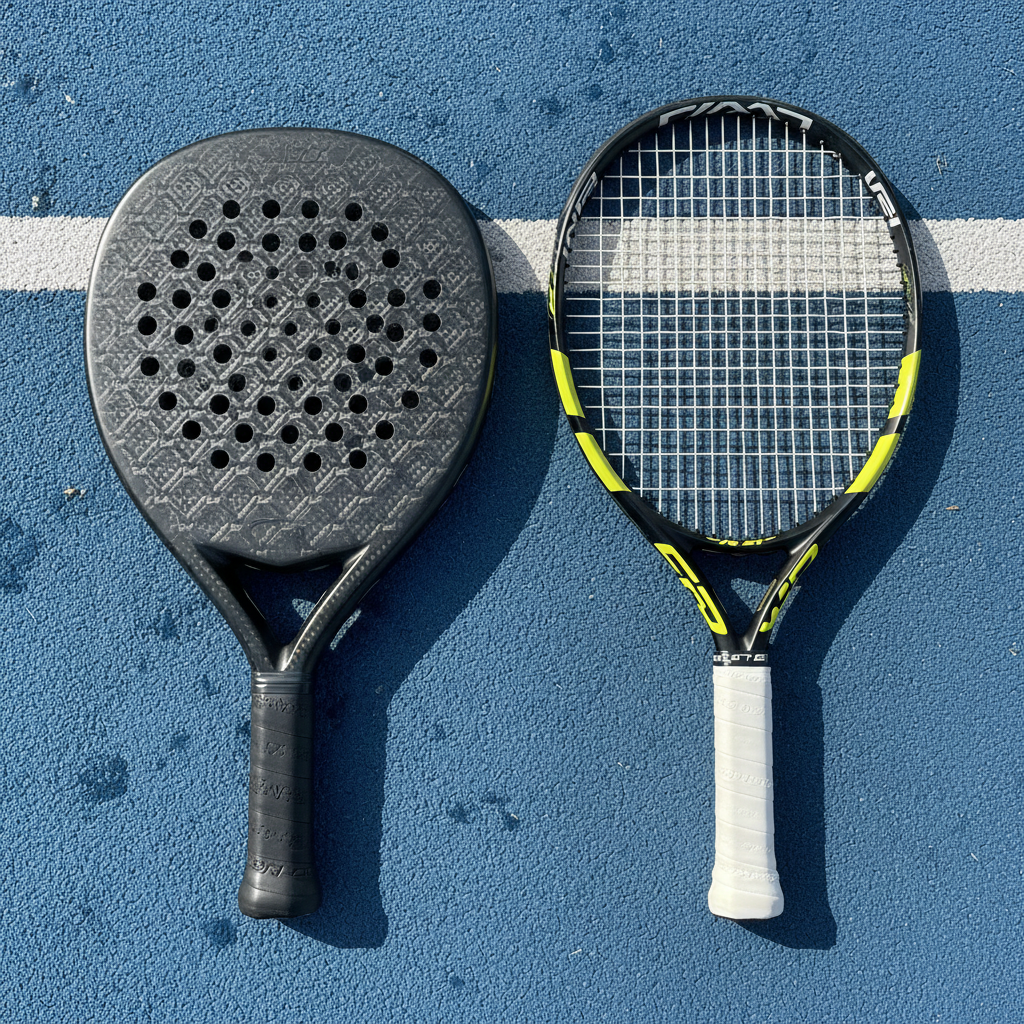
- Solid perforated rackets
- High-tension glass walls
- Professional-grade synthetic turf
Key Takeaway: The sport’s transition from an exclusive past-time to a mainstream commercial powerhouse proves its long-term viability for club owners.
The historical progression of the sport illustrates its staying power and its ability to adapt to modern commercial standards.
| Milestone | Historical Context |
|---|---|
| First Court | Acapulco, Mexico |
| Expansion | Marbella, Spain |
| Professionalism | Global Federation launch |
3. Why are padel sports gaining global momentum?
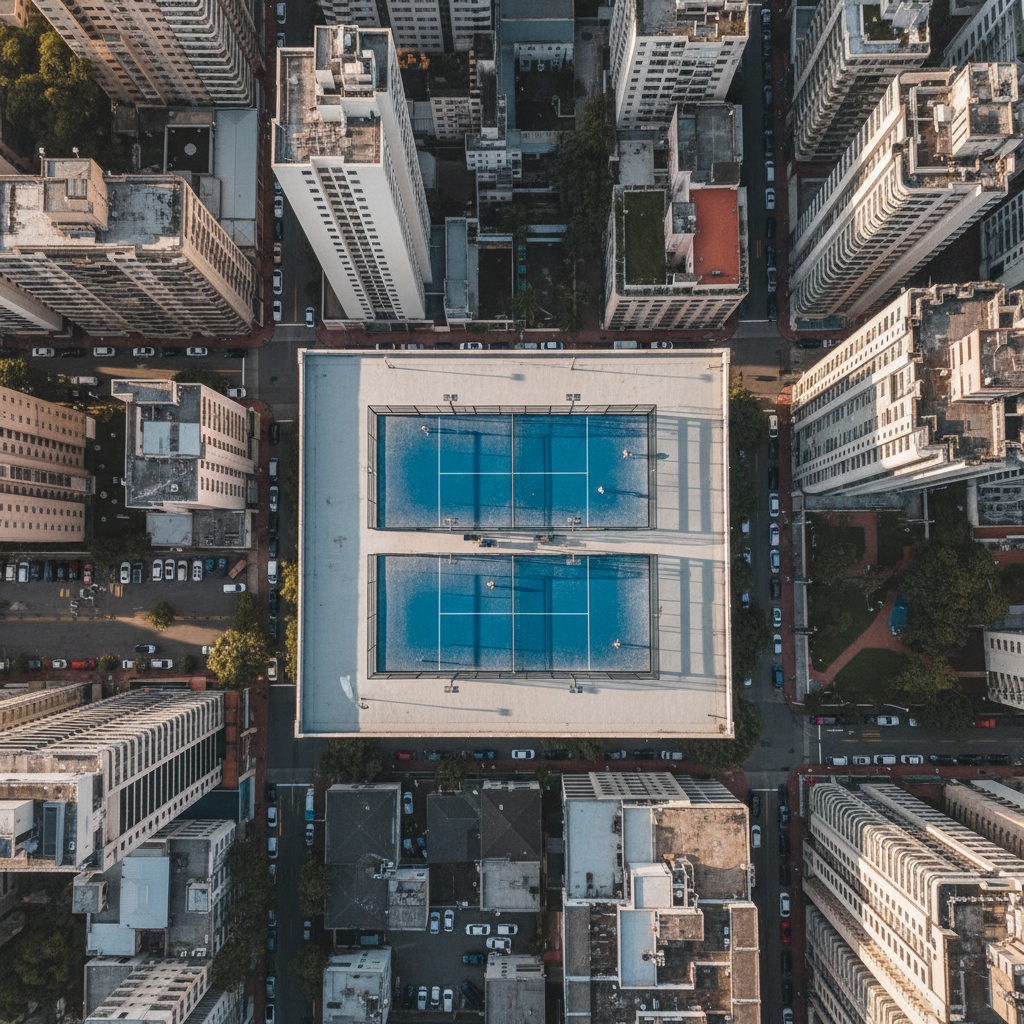
Padel sports are gaining momentum because they offer a low physical barrier to entry while maintaining a high level of social engagement. In many urban environments, padel sports are becoming the preferred networking activity for professionals due to the forced proximity of the doubles format. The ability to install a Standard Padel Court on rooftops or in tight city plots makes it incredibly versatile.
The Social Connectivity Factor
The best part? You don’t need years of training to enjoy a match, which keeps your court booking calendar full of recurring customers. This accessibility ensures a diverse demographic of players, from children to senior citizens.
- Short learning curve
- High social interaction
- All-weather playability
Urban Integration Versatility
Now consider this: the compact nature of these courts allows you to convert underutilized warehouses or parking lots into high-profit centers. You can effectively bring the sport to where the people already live and work.
- Small 200 sqm footprint
- Indoor and outdoor flexibility
- Modular assembly options
Key Takeaway: Low entry barriers for players translate directly into faster player retention and more consistent court rental income.
The integration of courts into high-density urban areas allows clubs to serve as central hubs for community and fitness.
| Driver | Impact on Club |
|---|---|
| Ease of Play | Higher booking frequency |
| Doubles Format | Social community building |
| Compact Design | Urban facility scalability |
4. What are the official rules of padel sports?
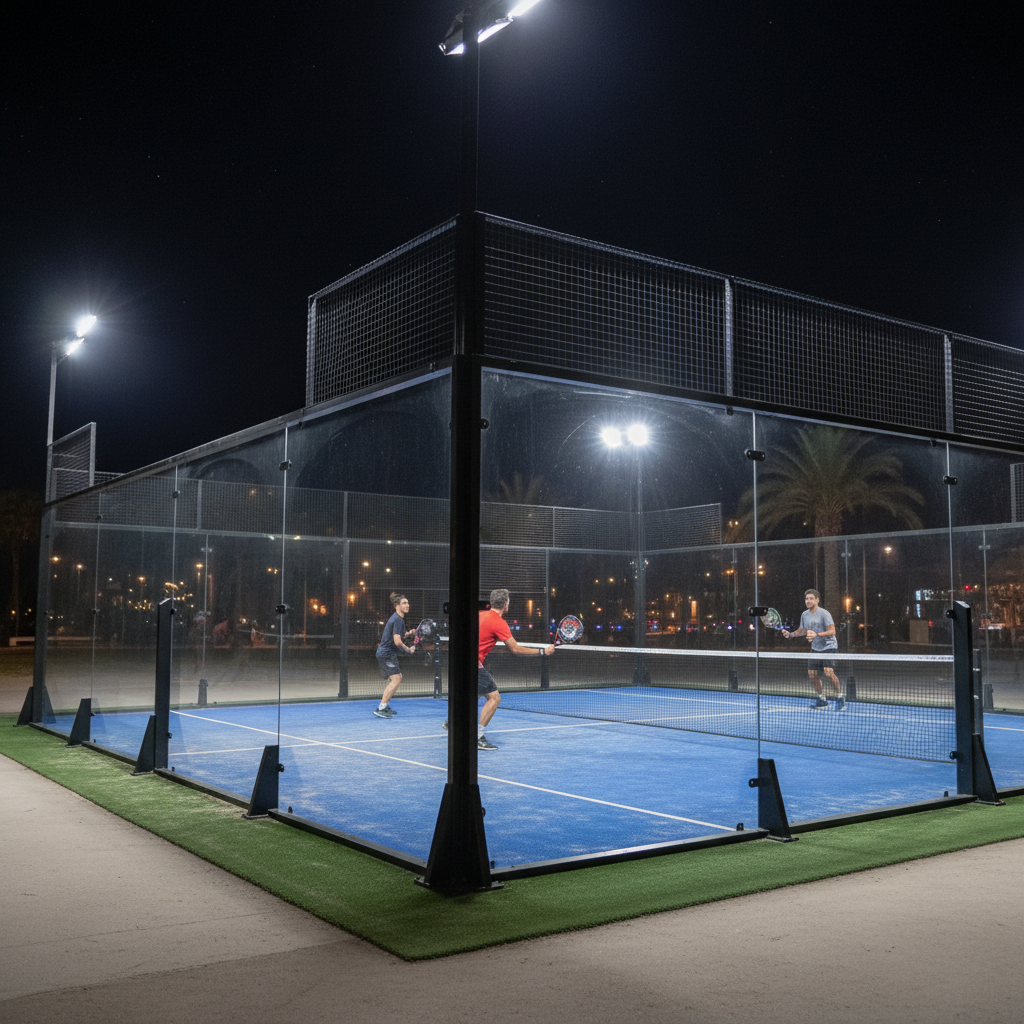
The official rules of padel sports dictate an underhand serve and the strategic use of the surrounding glass walls. While the scoring system in padel sports mirror tennis, the ball must hit the ground before touching any wall or fence to remain in play. This adds a layer of geometry and strategy that requires players to think several steps ahead of their opponents.
Mastering the Wall Dynamics
But wait, there is more: the back and side walls are not just boundaries; they are active tools used to return difficult shots. Players must learn how to let the ball pass them and bounce off the glass to execute a winning return.
- Underhand serve below the waist
- Ball must bounce on ground first
- Best of three sets structure
The Geometry of Strategy
Think about it: the 10x20m court is divided by a net, but the real game happens in the angles created by the glass enclosure. You win by outmaneuvering opponents rather than just hitting the ball with maximum power.
- Points use 15, 30, 40 system
- Double bounce results in point loss
- Touching the net is a fault
Key Takeaway: The inclusion of walls changes the tactical landscape, making the game more about placement and patience than sheer velocity.
Strategic wall play is the defining characteristic that separates this discipline from any other racket sport on the market.
| Rule Category | Requirement |
|---|---|
| Service | Cross-court, underhand |
| Wall Usage | Valid after ground bounce |
| Net Play | Crucial for finishing points |
5. How do you choose equipment for padel sports?
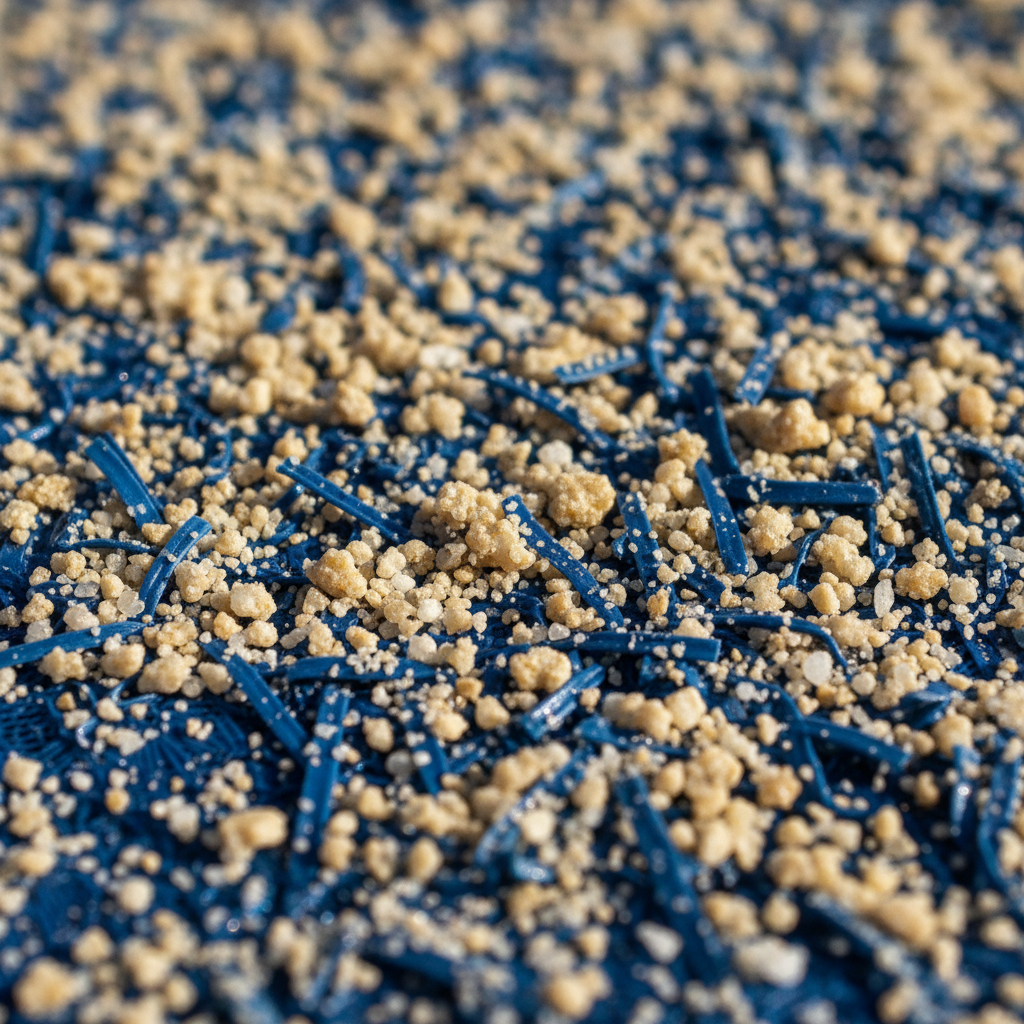
Choosing equipment for padel sports requires focusing on high-density turf and professional-grade solid carbon fiber rackets. In the world of padel sports, the quality of the Padel Grass is vital for preventing injuries and ensuring a consistent ball bounce. Unlike tennis, padel rackets are stringless and perforated, designed specifically for the unique aerodynamics of the game.
Selecting Premium Surfaces
Now consider this: the sand-filled synthetic turf must be evenly distributed to allow for controlled sliding and player comfort. Investing in high-grade monofilament fibers will significantly extend the lifespan of your facility under heavy use.
- Fibrillated or monofilament PE
- EVA foam core rackets
- Lower pressure padel balls
Racket and Ball Standards
Believe it or not: the density of the racket’s foam core determines the level of control and power available to the player. You need to provide a range of equipment in your pro shop to cater to both beginners and advanced hitters.
- Round shapes for control
- Diamond shapes for power
- Pressure-regulated padel balls
Key Takeaway: High-quality materials like textured turf and carbon fiber frames reduce maintenance costs and improve the overall player experience.
Using the right components from the start prevents the need for expensive surface replacements or structural repairs in the future.
| Equipment | Professional Standard |
|---|---|
| Racket | Carbon Frame / EVA Core |
| Turf | 12mm – 15mm height |
| Balls | Padel-specific (lower bar) |
6. What are the dimensions for padel sports courts?
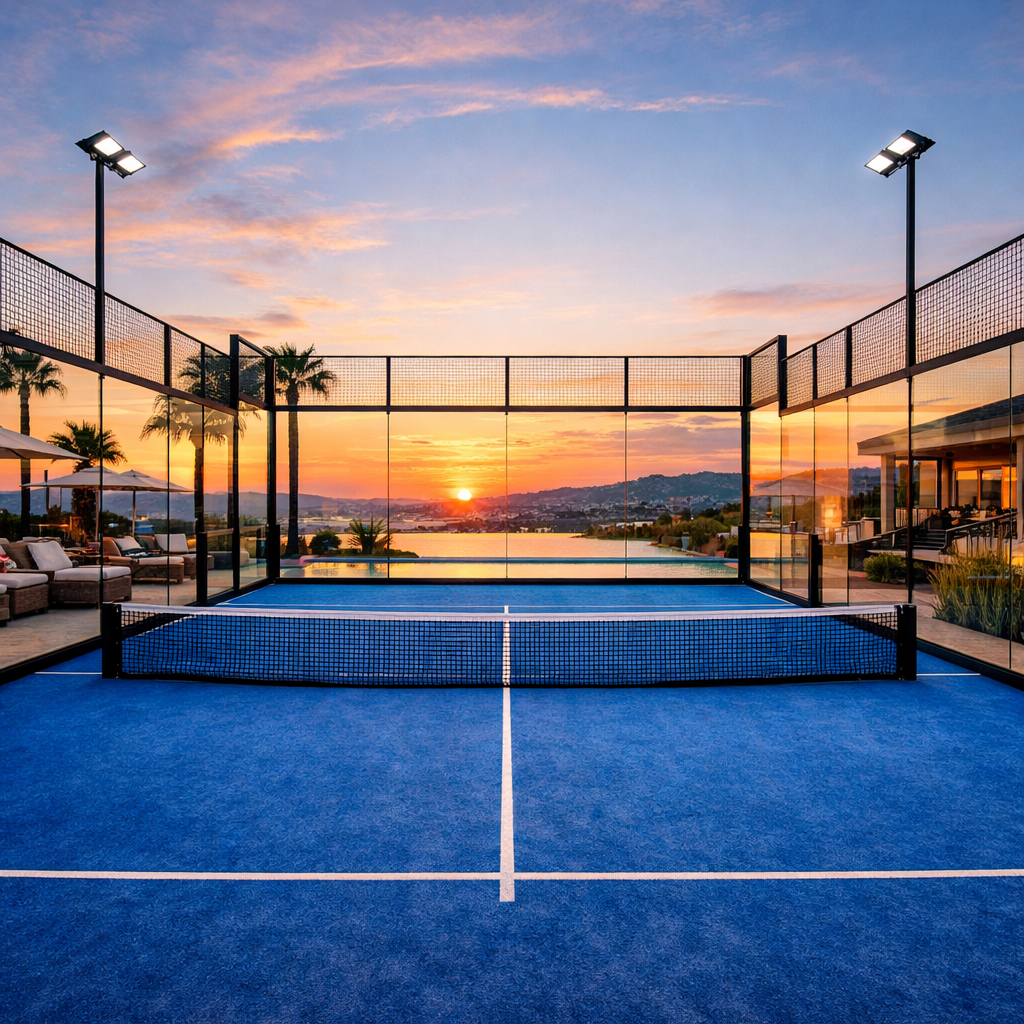
The dimensions for padel sports courts are strictly set at 10 meters wide by 20 meters long, enclosed by a combination of glass and mesh. These padel sports courts are roughly one-third the size of a tennis court, which is why they are so effective for maximizing urban land use. The enclosure stands 3 to 4 meters high, ensuring the ball stays within the field of play during intense rallies.
Structural Height Requirements
But here is the kicker: you must have a minimum ceiling height of 6 meters for indoor facilities to allow for high “lob” shots. If your building is too low, you will significantly limit the tactical options of your players.
- 10m width x 20m length
- 3m high side walls
- 4m high back walls
Playing Zone Specifications
Think about it: every millimeter counts when you are installing the tempered glass panels and the steel mesh. You need a level concrete foundation to ensure the synthetic grass remains flat and the bounce stays true.
- Service boxes are 5×6.85m
- Center net height is 88cm
- Post height is 92cm
Key Takeaway: Precision in court dimensions is non-negotiable for professional certification and player safety during high-speed matches.
The table below breaks down the spatial requirements you must communicate to your engineering and construction teams.
| Component | Standard Dimension |
|---|---|
| Total Area | 200 Square Meters |
| Glass Thickness | 10mm to 12mm |
| Net Width | 10 Meters |
7. How do you start building padel sports facilities?
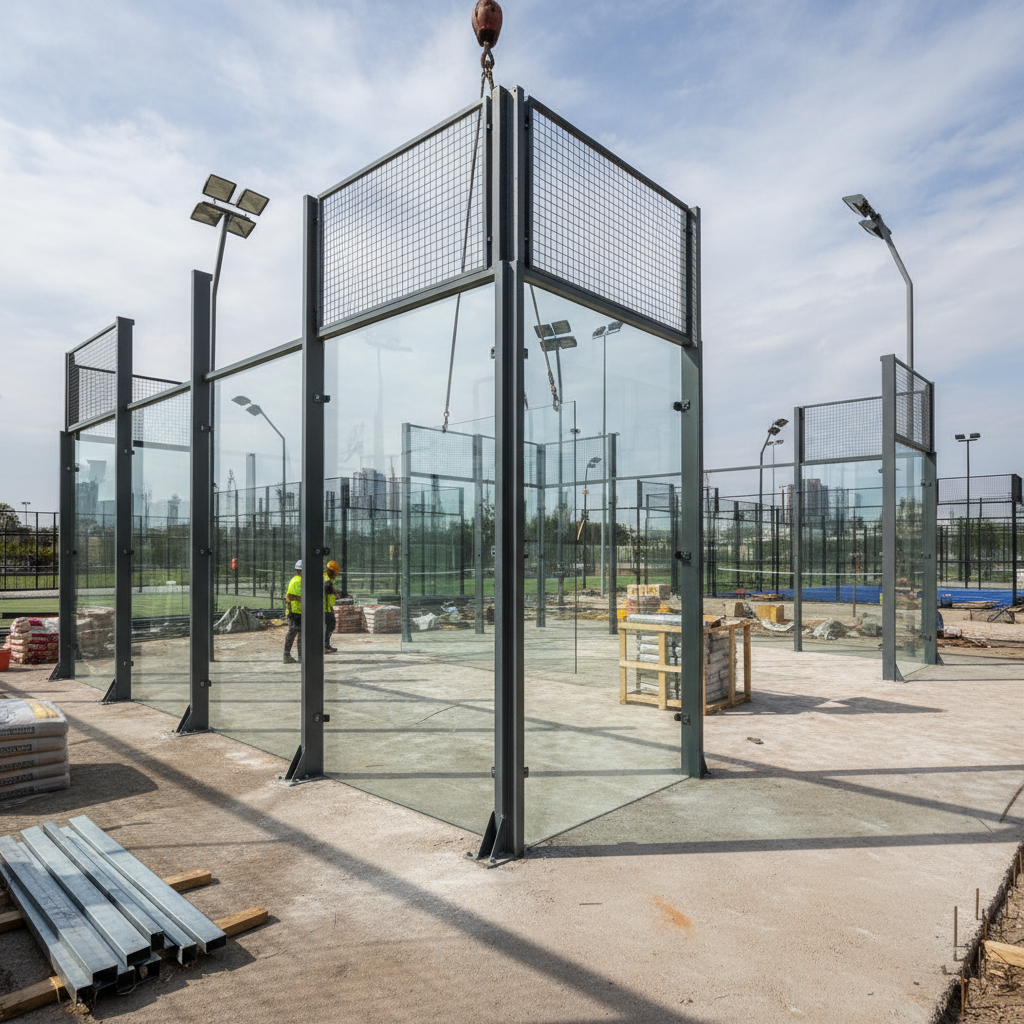
Building padel sports facilities starts with a reinforced concrete foundation and the selection of a certified Padel Structure manufacturer. To succeed with padel sports, you must ensure the ground is perfectly level to prevent water pooling and inconsistent ball behavior. The modular design of modern courts allows for rapid assembly, often taking as little as three to five days per court once the base is ready.
Foundation and Drainage
But wait, there is more: you cannot ignore the importance of a porous sub-base for outdoor courts to handle heavy rainfall. Without proper drainage, your investment will be sidelined every time a storm passes through.
- 15cm reinforced concrete slab
- Integrated drainage slopes
- Perimeter beam for glass posts
Modular Assembly Process
Now consider this: using a modular steel frame means you can easily replace individual panels if they become damaged. You should look for hot-dip galvanized steel to protect your structure from rust and corrosion over time.
- Pre-fabricated steel frames
- Tempered safety glass panels
- High-efficiency LED lighting
Key Takeaway: A solid foundation and high-quality galvanized steel are the two most critical factors in the long-term durability of your facility.
The construction phase requires careful coordination between ground works and the precision assembly of the court components.
| Stage | Focus Area |
|---|---|
| Phase 1 | Foundation & Drainage |
| Phase 2 | Steel Frame & Glass |
| Phase 3 | Turf & Lighting |
8. What maintenance is needed for padel sports courts?
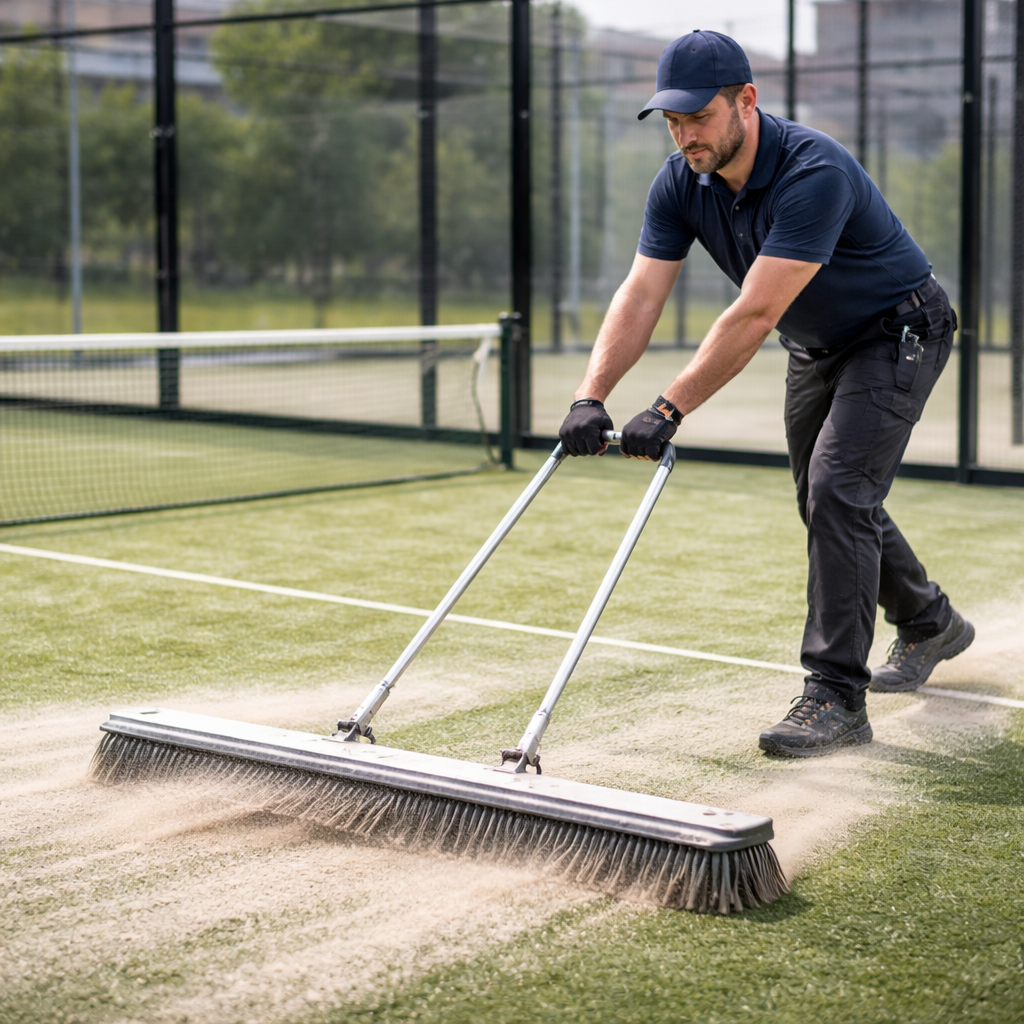
Maintenance for padel sports courts involves regular brushing of the synthetic turf and checking the tension of the glass mounting bolts. Because padel sports are played at high intensity, the sand infill tends to migrate to the corners of the court, leading to “bald” spots that affect the bounce. You must keep the sand evenly distributed to ensure a professional playing surface and protect the turf fibers from premature wear.
Surface Care Protocols
Believe it or not: spending just 15 minutes a week brushing the court can add years to the lifespan of your synthetic grass. You should also periodically clear debris and leaves to prevent organic matter from clogging the drainage.
- Weekly sand redistribution
- Monthly glass cleaning
- Annual sand replenishment
Structural Safety Checks
But here is the kicker: the vibration from balls hitting the glass can slowly loosen the hardware holding the enclosure together. You need a monthly checklist to ensure every bolt is tightened to the manufacturer’s torque specifications.
- Inspect net tension
- Check LED light alignment
- Verify glass stability
Key Takeaway: Preventative maintenance is significantly cheaper than replacing damaged turf or repairing cracked glass panels.
A disciplined maintenance schedule ensures that your facility remains the top choice for competitive players who demand perfection.
| Task | Frequency |
|---|---|
| Brushing | Every 10-15 hours of play |
| Glass Cleaning | Weekly or as needed |
| Bolt Inspection | Every 3 months |
9. How profitable is a padel sports club investment?
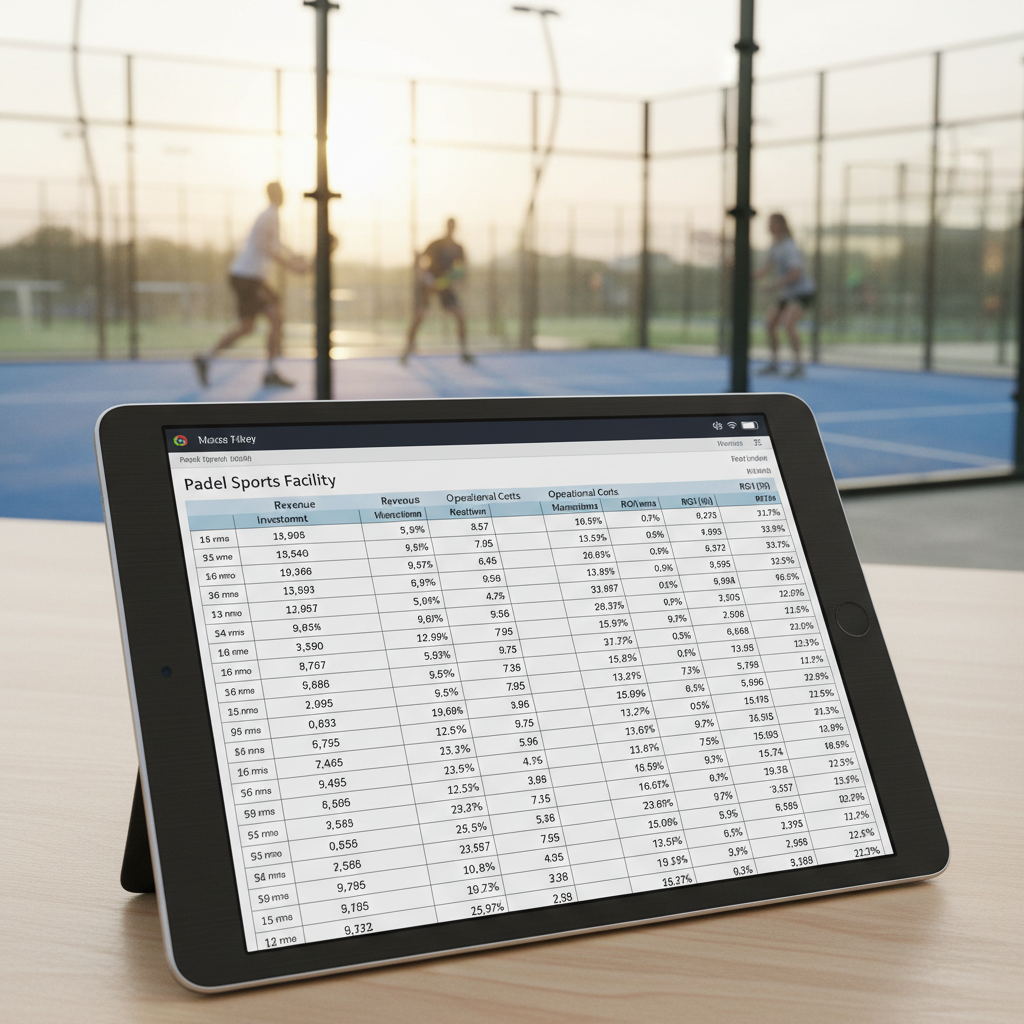
A padel sports club investment is highly profitable due to the ability to charge four players per hour on a very small footprint. In many regions, padel sports facilities achieve a break-even point within 18 to 24 months of operation. By offering Panoramic Padel Courts, you can command premium booking fees and attract corporate sponsors who want visibility at your events.
Multiple Revenue Streams
Think about it: you are not just selling court time; you are building a community that spends money on coaching, equipment, and social amenities. You can maximize your returns by integrating a small café or a pro shop within the facility.
- Court rental fees
- Professional coaching clinics
- Equipment sales and rentals
Scalability and Growth
The best part? Once you have established your first successful court, the modular nature of the business makes it easy to scale across multiple locations. You can leverage your existing brand to capture the growing local demand.
- Tournament hosting fees
- Membership subscriptions
- Corporate event packages
Key Takeaway: High player density and diverse revenue streams allow for a much faster return on investment than traditional tennis or gym facilities.
The financial metrics of padel facilities consistently outperform other sports investments in urban markets.
| Revenue Source | Potential Margin |
|---|---|
| Court Bookings | 70% – 85% |
| Pro Shop Sales | 25% – 40% |
| Coaching / Academy | 50% – 60% |
10. What is the future of the padel sports industry?
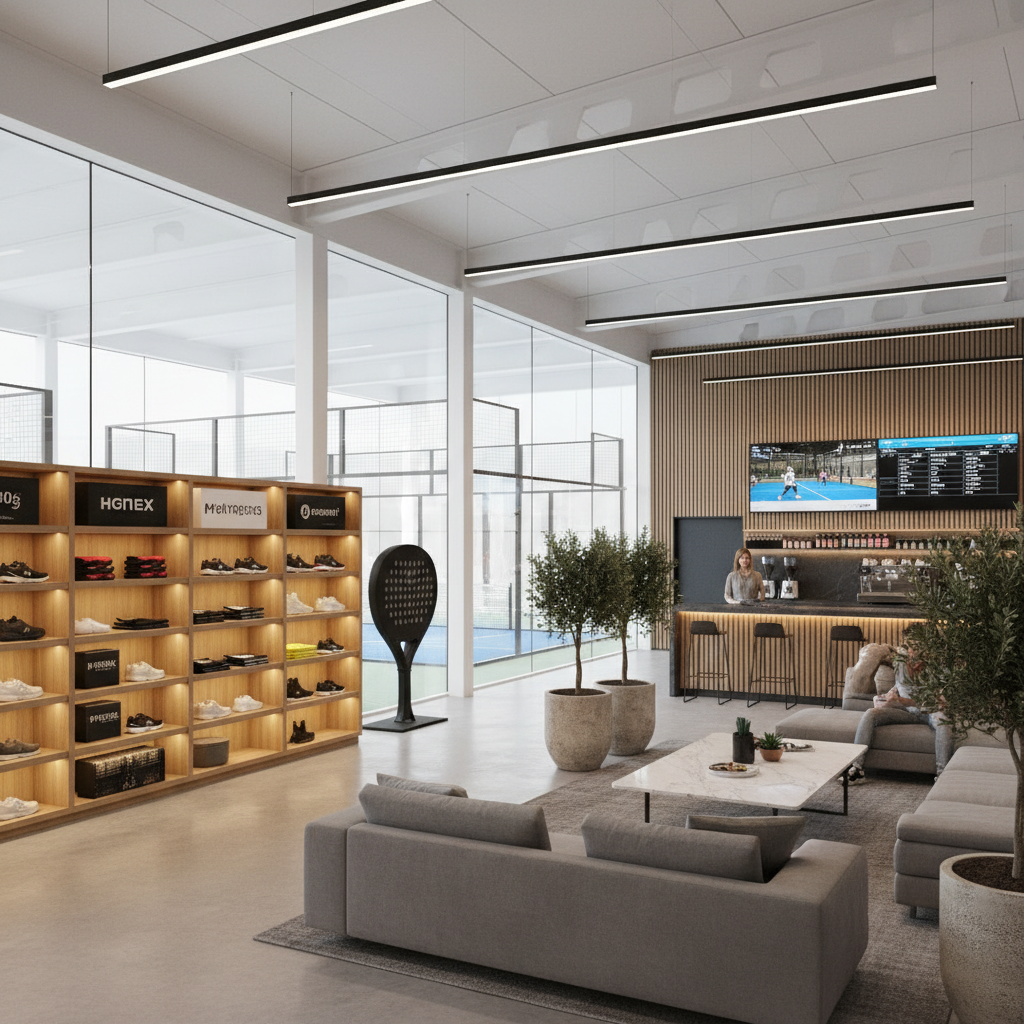
The future of the padel sports industry involves massive expansion into North America and Asia, driven by rising health consciousness and social trends. Padel sports are quickly moving from a niche activity to a standardized Olympic-contending discipline. As technology advances, you will see the introduction of smart courts with integrated video analysis and automated booking systems that require minimal staff.
Technological Integration
But wait, there is more: the next generation of courts will feature integrated sensors that track player movement and ball speed in real-time. This data-driven approach will help coaches provide better feedback and make the game more engaging for tech-savvy players.
- Automated gate access
- Smart LED energy management
- AI-powered match recording
Sustainable Development Trends
Now consider this: the industry is shifting toward eco-friendly materials, including recycled turf fibers and solar-powered lighting systems. You can position your club as a sustainable leader by choosing green building practices.
- Recyclable synthetic turf
- Low-energy LED solutions
- Solar-ready roof structures
Key Takeaway: The industry is evolving toward a high-tech, sustainable model that prioritizes player experience and operational efficiency.
The long-term outlook for the sector is exceptionally strong, with global participation expected to double in the next decade.
| Trend | Market Impact |
|---|---|
| Automation | Lower operational costs |
| Data Analytics | Enhanced coaching value |
| Eco-Materials | Improved brand reputation |
Whether you are looking to revitalize an existing sports club or launch a brand-new facility, the opportunity in the racket sports market has never been greater. For expert guidance on court selection, engineering, and factory-direct pricing, contact us today to start your journey.
FAQ
Can I build a padel sports court in my backyard?
Yes, you can install a court at home if you have at least 200 square meters of flat space and the necessary local building permits.
What’s the best surface for padel sports?
The industry standard is high-density synthetic turf filled with fine silica sand, which provides the perfect balance of grip and slide.
Can I customize the colors of my padel sports court?
You certainly can; most manufacturers offer a wide range of RAL colors for the steel structure and multiple turf colors like blue, green, or terracotta.
What’s the best way to maximize court ROI?
The most effective strategy is to ensure your courts are lit for night play and to maintain a high-quality social area that encourages players to stay after their match.
Can I install padel sports courts on a rooftop?
Yes, but you must consult with a structural engineer first to ensure the building can support the weight of the concrete base and the wind load of the glass walls.