A standard professional padel court measures 10 meters wide by 20 meters long. You might be looking to invest in a growing sports trend, but finding clear, technical details on the exact dimensions and construction requirements is often frustrating. If you get the measurements wrong, you risk building a facility that fails international standards or, worse, limits the safety and enjoyment of your players.
By understanding exactly how big is a padel court, you can maximize your available space and ensure a high return on investment. This guide provides the blueprint you need to move from a rough idea to a fully functional, professional-grade sports facility.
Just how big is a padel court for doubles?
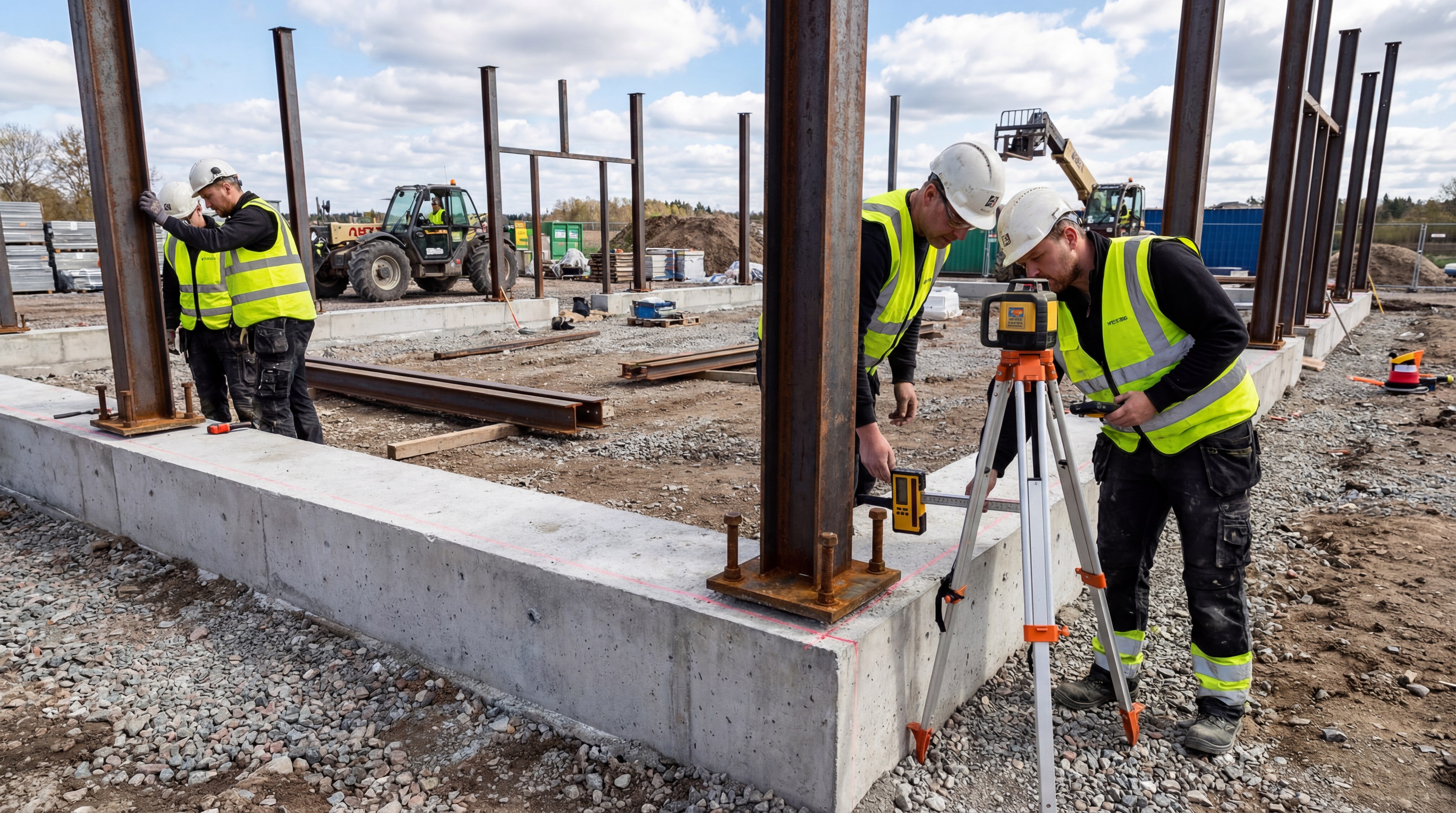
A construction-site photograph of a padel court being installed. The image shows the concrete ring foundation and the steel pillars being bolted down. Workers in safety vests are measuring the 20×10 meter perimeter with laser levels. Highly detailed textures of concrete, steel, and gravel.
The standard dimensions for a doubles court are 10 meters in width and 20 meters in length. When you are planning your project, knowing exactly how big is a padel court ensures you comply with the International Padel Federation (FIP) standards. This rectangular area is divided by a net in the center, creating two equal 10×10 meter squares.
Why is the 20×10 format the industry standard?
Most players prefer the doubles format because it emphasizes the social and strategic nature of the sport. Since you are working with walls and a smaller area than tennis, the doubles setup allows for fast-paced rallies. Here is the deal: nearly 90% of global tournament play occurs on this specific size.
- Consistent gameplay for traveling players.
- Standardized manufacturing for glass and steel components.
- Easier calculation for lighting and drainage systems.
Understanding the service line layout
You need to place the service lines 6.95 meters from the net on both sides. These lines help define the service boxes where your players must hit the ball to start a point. Look at this: the central line divides the service area into two equal rectangles, ensuring a fair start for every match.
Key Takeaway: Building to the 10m x 20m standard is essential for player satisfaction and tournament eligibility.
| Metric | Measurement |
|---|---|
| Total Length | 20 Meters |
| Total Width | 10 Meters |
| Service Line Distance | 6.95 Meters from net |
This table clearly shows that the doubles court is a perfectly symmetrical environment designed for high-intensity team play.
Exactly how big is a padel court for singles?
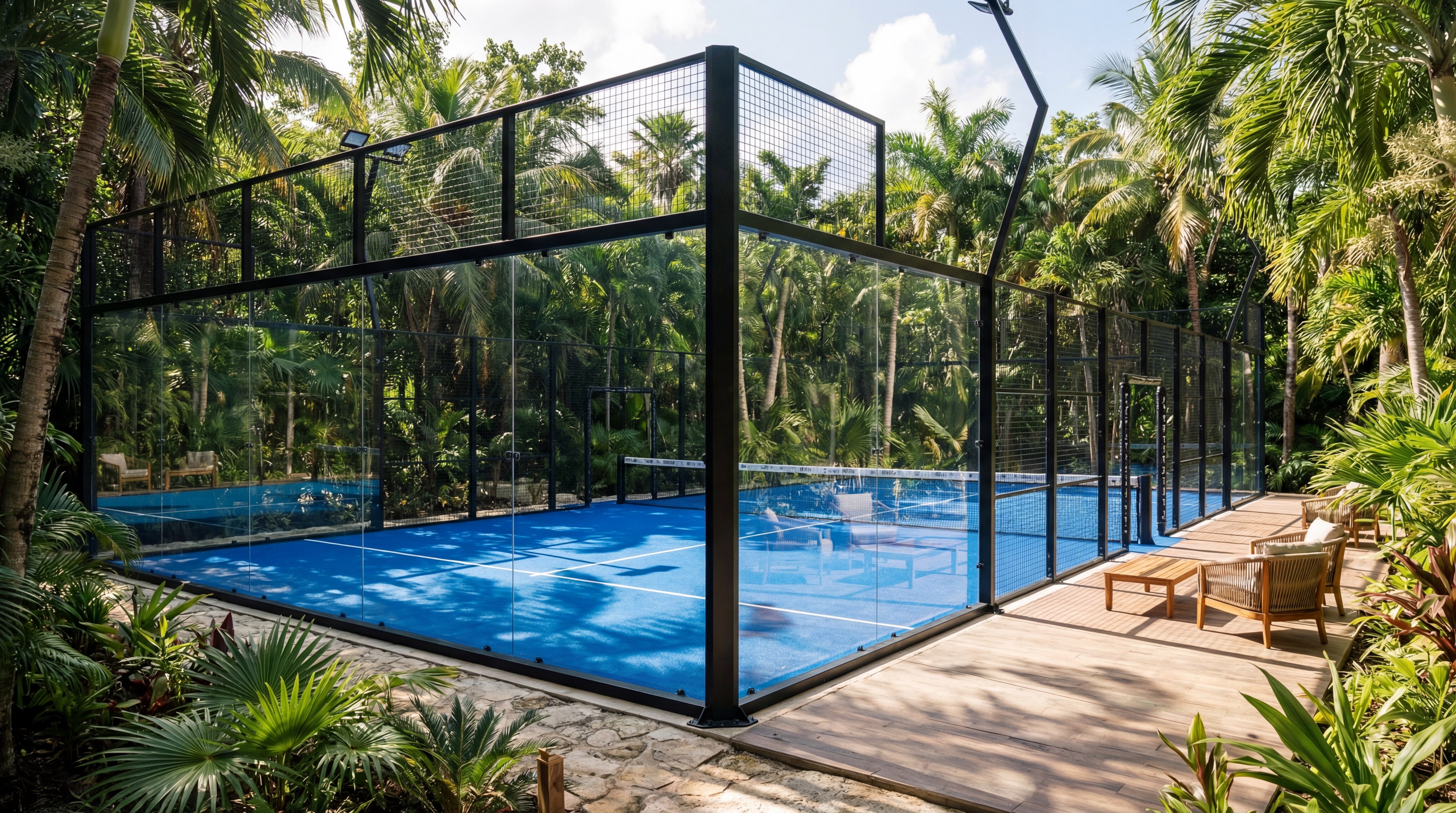
A wide-angle, eye-level photograph of a modern “Singles” padel court, measuring 6 meters wide. The court features vibrant blue artificial turf and crystal-clear tempered glass walls. Sunlight filters through a tropical canopy, creating realistic shadows on the court surface. High-end athletic aesthetic.
A singles padel court measures 6 meters wide by 20 meters long. While less common than the doubles version, understanding how big is a padel court for individual play is vital if you have limited space or want to offer specialized training. The length remains the same as a doubles court, but the width is significantly reduced.
How does the narrow width change your game?
Playing on a 6-meter wide surface forces you to improve your precision and fitness. You cannot rely on a partner to cover the angles, so your movement must be much more efficient. What does this mean for you? It is the perfect tool for coaches who want to drill technical skills into their students.
- Improved reaction times due to the proximity of walls.
- Enhanced cardiovascular workout for solo players.
- Better utilization of narrow or awkward land plots.
Cost benefits of the singles setup
If you are dealing with a tight budget or a small garden, the singles court offers a lower entry point. You will save money on artificial turf, glass panels, and the amount of concrete needed for the foundation. Here is the deal: it is a smart way to add variety to a sports club without the footprint of a full court.
Key Takeaway: The 6m x 20m singles court is an excellent space-saving solution for training and private residential use.
| Component | Singles Measurement | Doubles Comparison |
|---|---|---|
| Width | 6 Meters | 10 Meters |
| Length | 20 Meters | 20 Meters |
| Surface Area | 120 Square Meters | 200 Square Meters |
This table clearly shows that you can save 40% of the surface area by opting for a singles configuration.
Really how big is a padel court net setup?
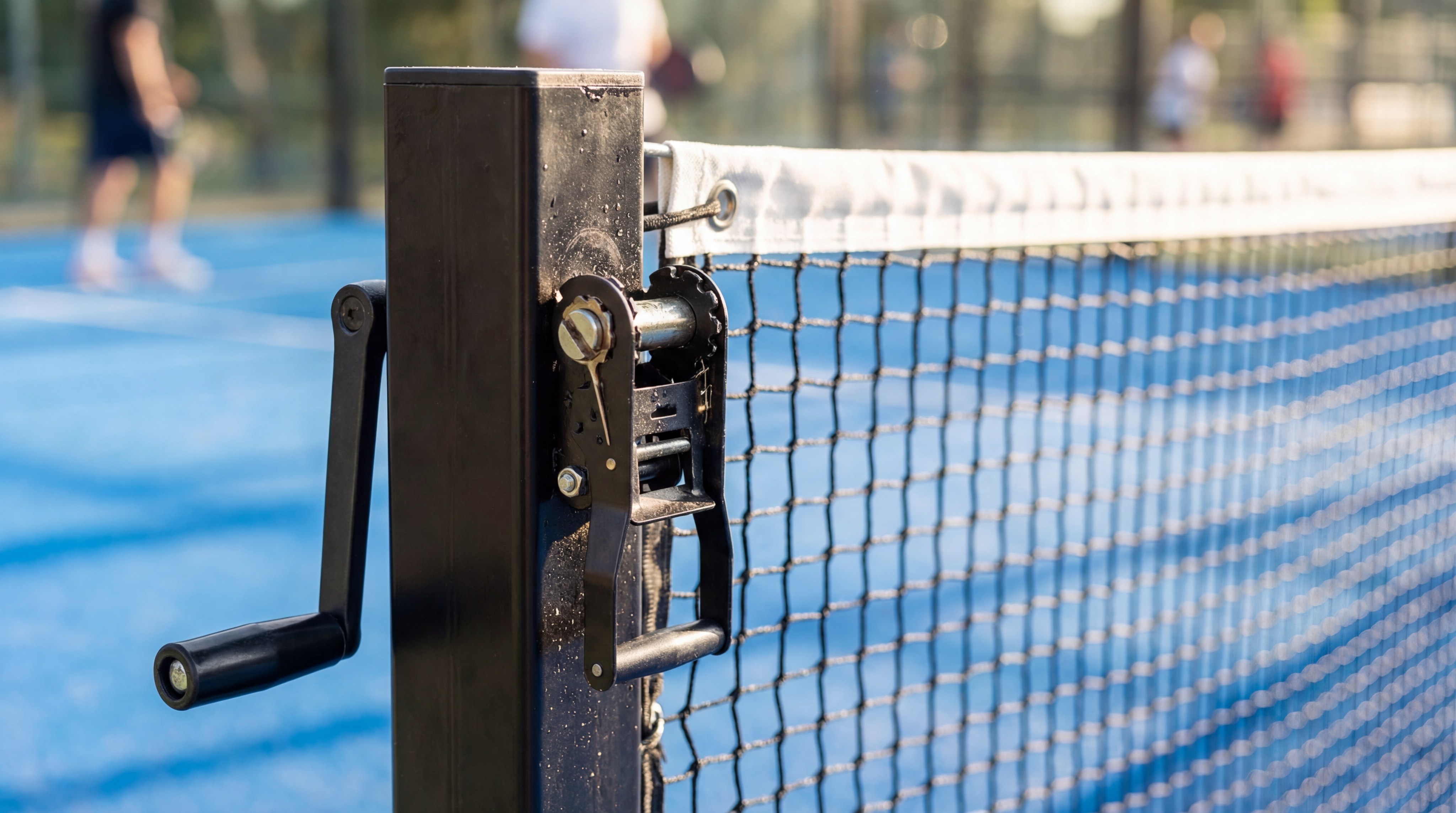
A macro close-up of a professional padel net and the tensioning mechanism on a black steel post. The branding is subtly visible on the net band. The mesh of the net is sharp and clear, with the background of the blue court softly blurred. Hyper-realistic sunlight glinting off the metal.
The net on a padel court is 10 meters long and has a maximum height of 0.92 meters at the posts. When you are verifying how big is a padel court, the net tension is a critical detail that affects the ball’s bounce and playability. In the center, the height must drop slightly to exactly 0.88 meters to meet official regulations.
Net tension and post placement
You must ensure the net is fully extended so that it occupies the entire width of the court. The posts are usually placed just outside the 10-meter width or integrated into the structural frame. Look at this: the net should be made of synthetic fibers with a mesh size small enough that the ball cannot pass through.
- Posts must be rounded or have protected edges for safety.
- The top band should be white and measure between 5 and 6.3 cm.
- An internal tensioning wire is required to maintain the 0.88m center height.
Why does the center height matter?
A net that is too high or too low changes the difficulty of the game. If you are building a court for competitive play, even a 2-centimeter difference can lead to player complaints. Here is the deal: professional installers always use a measuring stick to calibrate the center before every tournament.
Key Takeaway: Precise net measurements ensure your court feels “pro” and maintains the intended level of challenge for all players.
| Net Position | Required Height | FIP Tolerance |
|---|---|---|
| Center | 0.88 Meters | +/- 0.005m |
| At the Posts | 0.92 Meters | Max height allowed |
| Net Length | 10.00 Meters | Must span full width |
This table clearly shows that the net is not a uniform height across its span, which is a common mistake for beginners.
So how big is a padel court for social clubs?
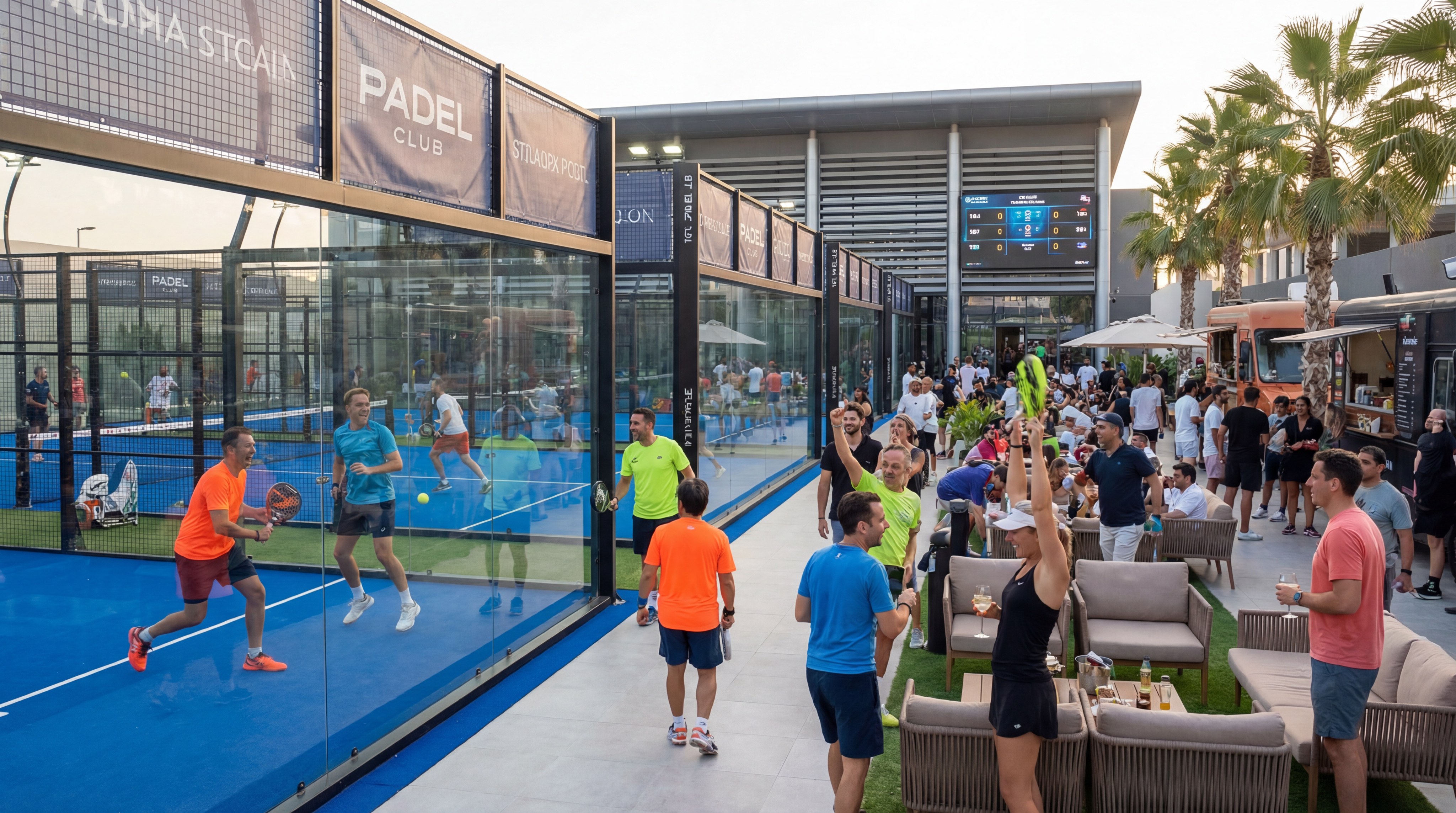
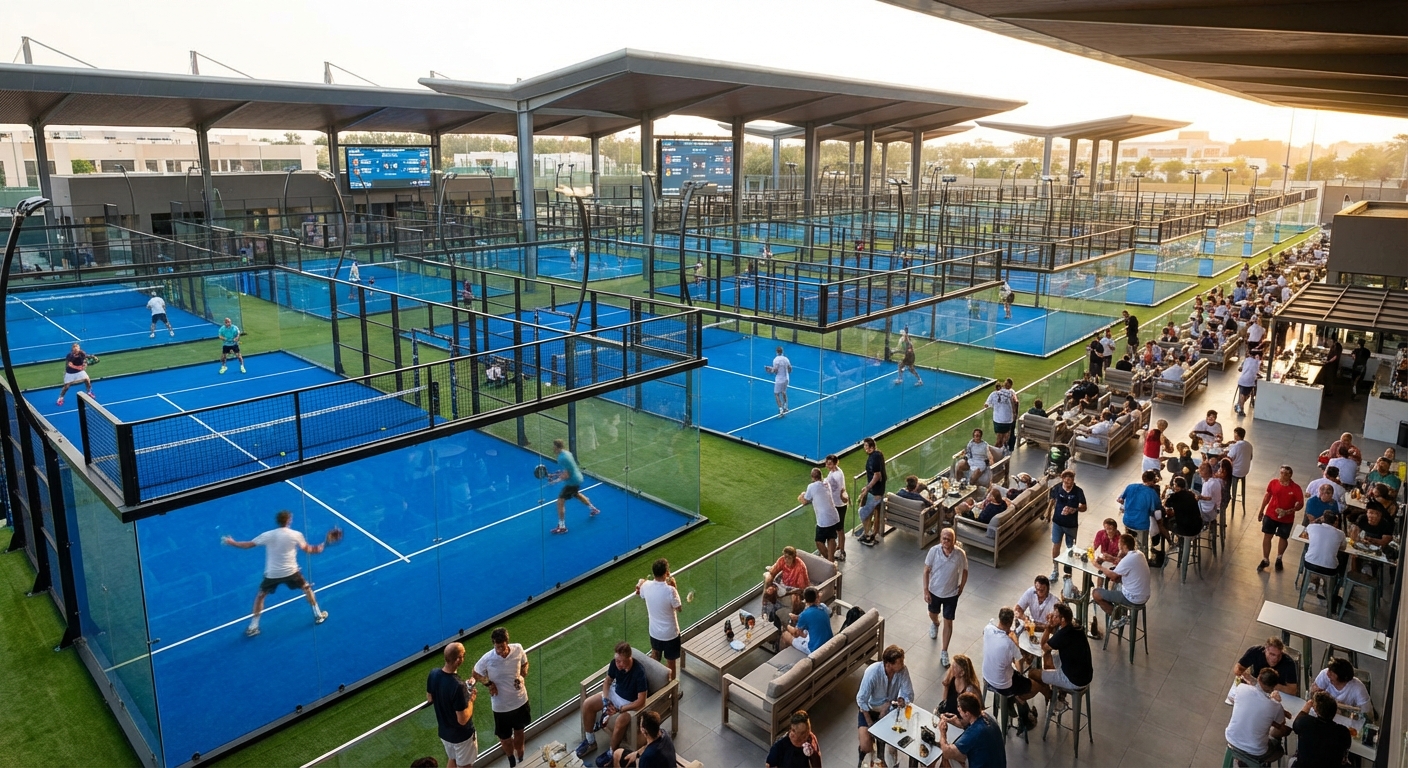
A bustling, high-energy scene at a luxury padel club with multiple courts in a row. Players are in the middle of matches, showcasing the social aspect of the sport. The perspective emphasizes how many courts fit into the space, highlighting business profitability. Vibrant colors, realistic motion blur.
A social club requires a total footprint of approximately 21 meters by 11 meters per court. While you focus on how big is a padel court playing area, you must also consider the paths and seating around it. If your goal is to build a vibrant community, you need to leave room for people to watch and interact between matches.
Maximizing court density for profit
You can fit roughly three padel courts into the same space as a single traditional tennis court. This allows you to host 12 players simultaneously in the space where only 2 or 4 tennis players would be. What does this mean for you? Your potential hourly revenue increases exponentially when you optimize your layout.
- Designate “social zones” between rows of courts.
- Ensure at least 1 meter of walking space between court walls.
- Group courts together to share lighting and drainage infrastructure.
The importance of the viewing experience
In a club setting, people love to watch the game. If you are planning the area, consider using panoramic glass walls that provide a 360-degree view. Look at this: a club with good visibility often sees higher bar and cafe sales because players stick around after their games.
Key Takeaway: Planning for a social club means looking beyond the 10x20m lines to include spectator space and traffic flow.
| Facility Type | Courts per 800sqm | Potential Players |
|---|---|---|
| Tennis Club | 1 Court | 4 Players |
| Padel Club | 3 Courts | 12 Players |
| Revenue Multiplier | N/A | 3x Increase |
This table clearly shows that the compact size of the court is its greatest commercial advantage for club owners.
Indoor height: how big is a padel court room?
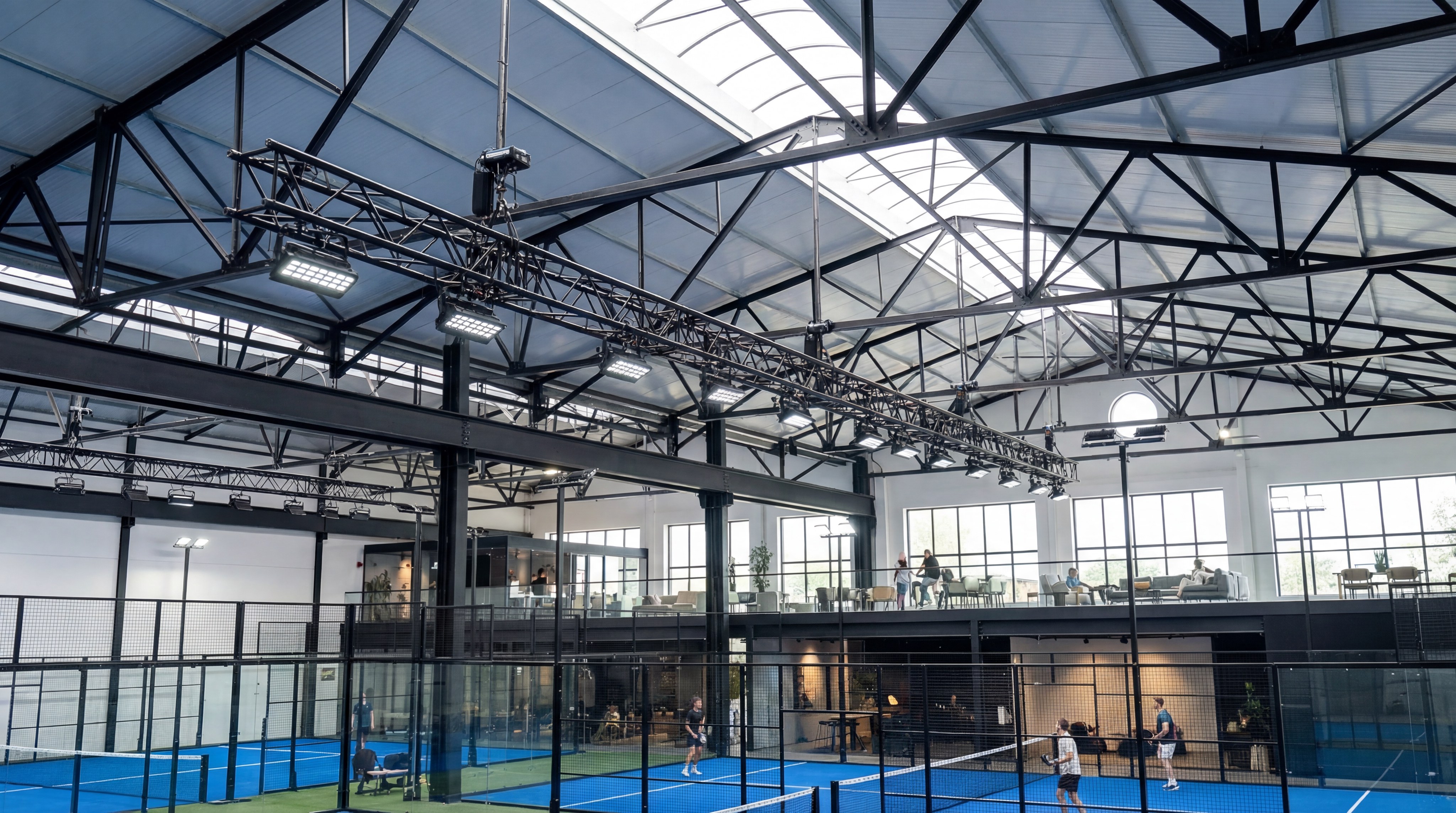
摘要: An interior view of a high-end indoor padel club converted from an industrial warehouse. The camera looks upward to emphasize the massive 12-meter ceiling height. Modern black steel beams are visible above, and professional lighting arrays hang from the ceiling. Airy, spacious atmosphere.
The minimum ceiling height for an indoor padel court is 6 meters, but 8 to 12 meters is highly recommended. When you are assessing how big is a padel court indoor facility, vertical space is just as important as the floor dimensions. If your ceiling is too low, players cannot effectively use the “lob,” which is one of the most important defensive shots in the game.
Why vertical clearance dictates play style
In competitive padel, a high lob forces opponents away from the net. If you build in a space with a 5-meter ceiling, the ball will hit the roof constantly, ruining the flow of the match. Here is the deal: a low ceiling effectively “breaks” the game’s mechanics and frustrates experienced players.
- 6 meters: Minimum for casual or recreational play.
- 8 meters: Standard for most commercial clubs.
- 10+ meters: Ideal for professional tournament venues.
Lighting and obstruction management
You must ensure that lights, beams, and ventilation ducts do not hang below the required height. If you are converting a warehouse, check the lowest point of the trusses. What does this mean for you? You might need to adjust the court’s position on the floor to avoid low-hanging structural elements.
Key Takeaway: Always prioritize ceiling height when selecting an indoor location to ensure your facility supports all styles of play.
| Ceiling Height | Playability Level | Recommendation |
|---|---|---|
| Under 6m | Poor | Avoid for commercial use |
| 6m – 7m | Acceptable | Good for beginners/kids |
| 8m – 9m | Professional | Standard for top-tier clubs |
| 10m+ | Elite | Perfect for world-class play |
This table clearly shows that height is a sliding scale of quality that directly impacts your club’s reputation.
Tennis vs how big is a padel court area?
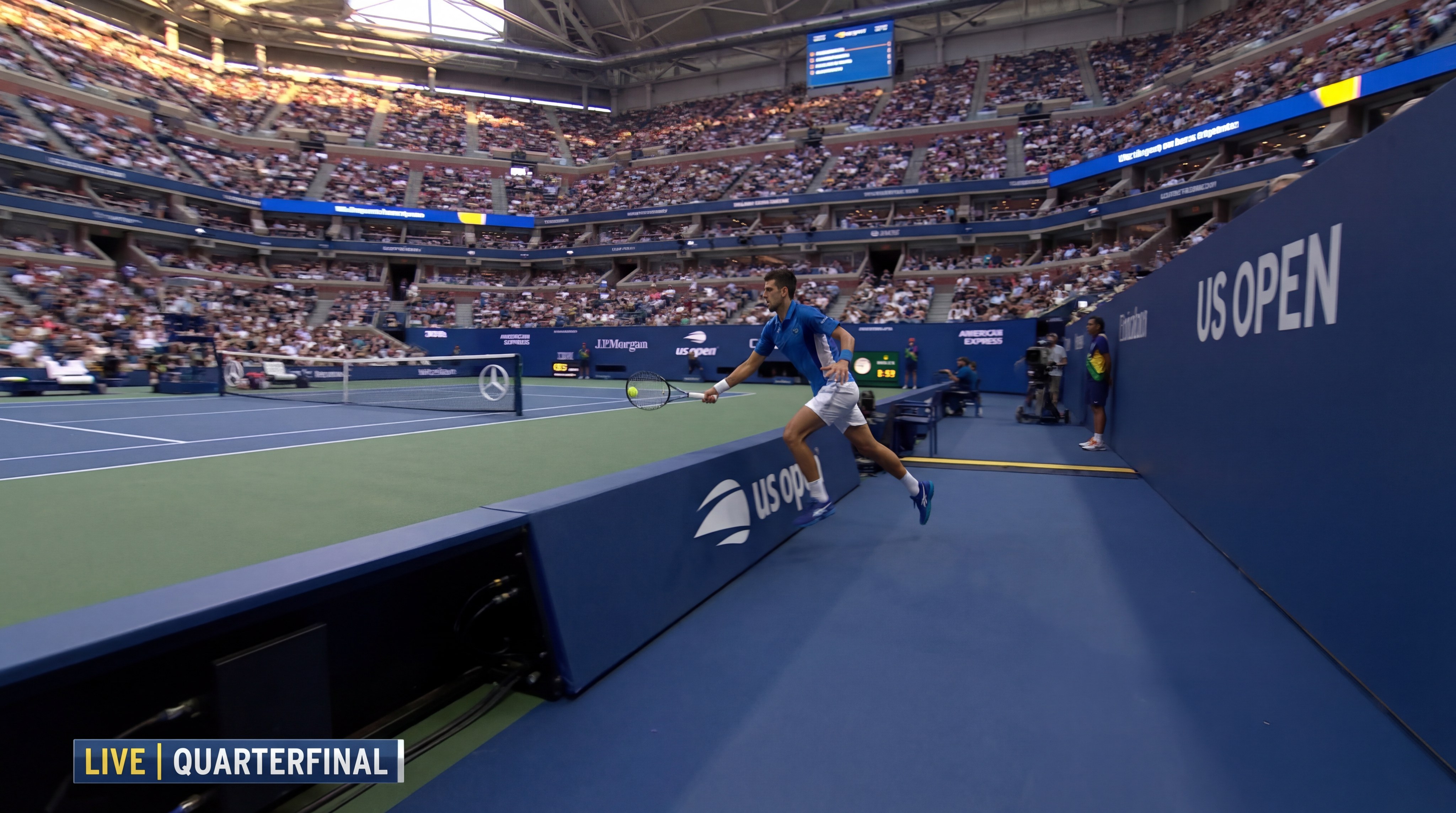
A professional tennis court action shot. The scale of the court is emphasized by the large run-off areas and the distance between the baseline and the back fence. The image highlights the significant space required for tennis compared to the more compact padel court.
A tennis court is more than double the size of a padel court, measuring roughly 23.77 meters by 10.97 meters. When comparing how big is a padel court to a tennis court, you also have to factor in the massive run-off areas tennis players need. This difference is why so many tennis clubs are now converting their underutilized courts into multiple padel stations.
The footprint comparison
A full tennis court area, including the out-of-bounds safety zones, occupies about 600 to 700 square meters. In that same footprint, you can easily install three padel courts with room to spare. Here is the deal: the efficiency of the padel court makes it a “no-brainer” for land-strapped urban environments.
- Tennis: ~650 square meters per unit.
- Padel: ~200 square meters per unit.
- Padel requires walls; Tennis requires wide open boundaries.
Converting old tennis courts
If you have a failing tennis court, the conversion process is relatively straightforward. You can use the existing concrete or asphalt base, though you may need to add a leveling layer. Look at this: by converting one court, you go from serving 4 people to serving 12, instantly tripling your engagement metrics.
Key Takeaway: Switching from tennis to padel allows you to triple your player capacity within the exact same land footprint.
| Feature | Tennis Court | Padel Court |
|---|---|---|
| Play Area | 260.7 sqm | 200 sqm |
| Total Footprint | ~650 sqm | ~220 sqm |
| Wall Structure | None (Fences only) | Glass & Mesh Walls |
This table clearly shows the massive difference in total land requirement between the two racket sports.
For youth: how big is a padel court for kids?
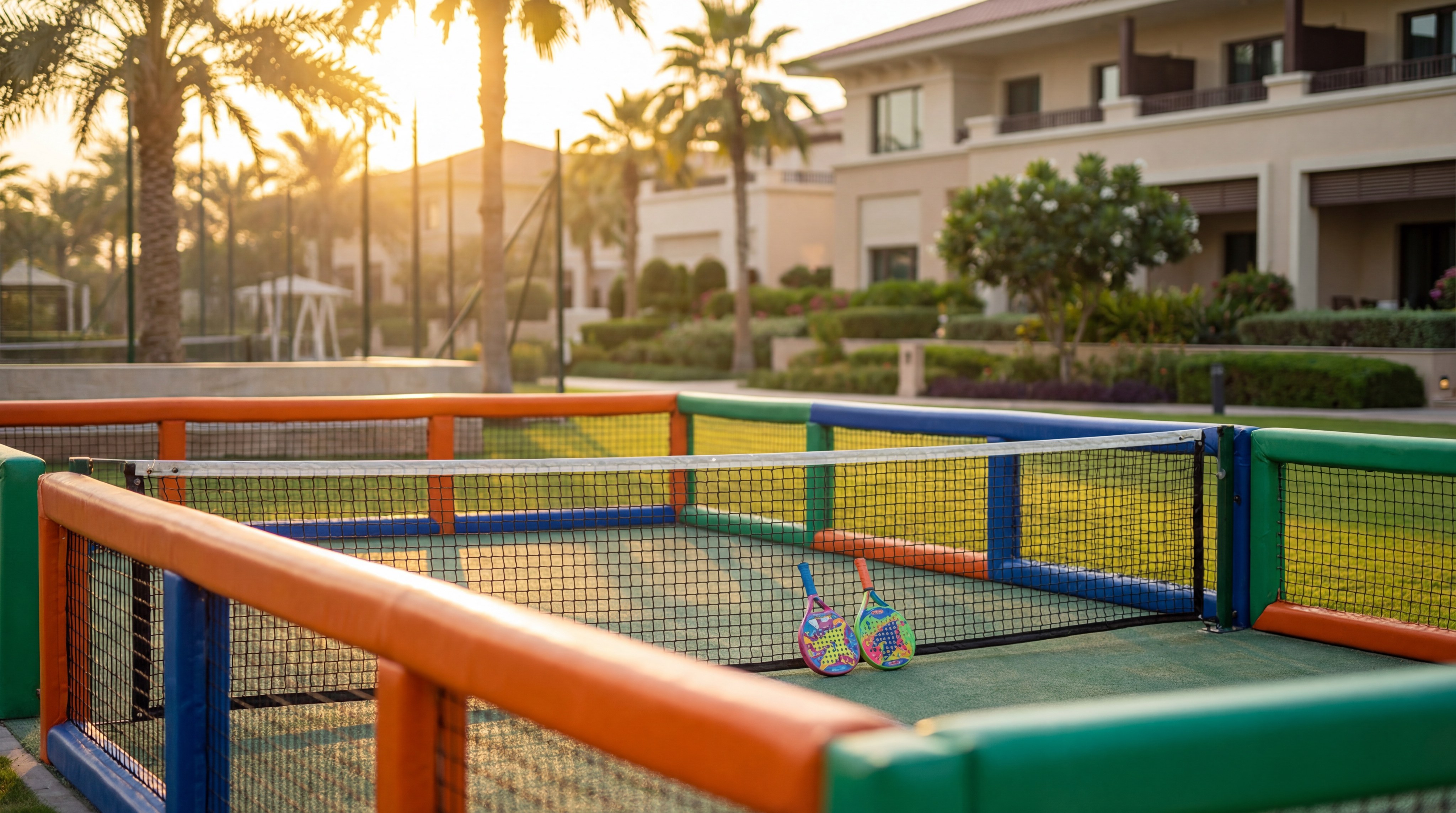
A ground-level shot of a “Kids” padel court at a luxury sports resort. The court is noticeably smaller (5x10m), with colorful padding on the metal mesh. Two sets of junior padel rackets lean against the net. Warm, golden hour sunlight illuminates the scene, 8k resolution, cinematic depth of field.
Junior courts for children under six years old measure 5 meters wide by 10 meters long. When you are looking at how big is a padel court for the next generation, these scaled-down versions are essential for skill development. If a child starts on a full-sized court, the distance and wall heights can be overwhelming, leading to a loss of interest.
Why smaller courts are better for learning
A 5×10 meter space allows children to reach the ball and interact with the walls much more easily. It builds confidence because they can actually complete rallies and understand the game’s physics. What does this mean for you? It is an investment in your club’s future membership base.
- Shorter walls allow for better supervision from coaches.
- Soft padding can be added to the mesh for extra safety.
- Smaller area means less running and more hitting.
Setting up a youth academy
If you want to run a successful academy, having at least one kids’ court is a huge differentiator. Parents love seeing specialized equipment designed for their children’s safety and success. Look at this: these courts are often used for “mini-padel” exhibitions which are great for marketing your facility.
Key Takeaway: Junior courts are the perfect gateway to get young children engaged with the sport in a safe, manageable environment.
| Age Group | Recommended Size | Racket Size |
|---|---|---|
| Under 6 | 5m x 10m | Junior (short) |
| 7 to 12 | 6m x 20m (Singles) | Standard/Lightweight |
| 13+ | 10m x 20m (Doubles) | Standard |
This table clearly shows the progression path for young athletes as they grow into the sport.
On paper: how big is a padel court blueprint?
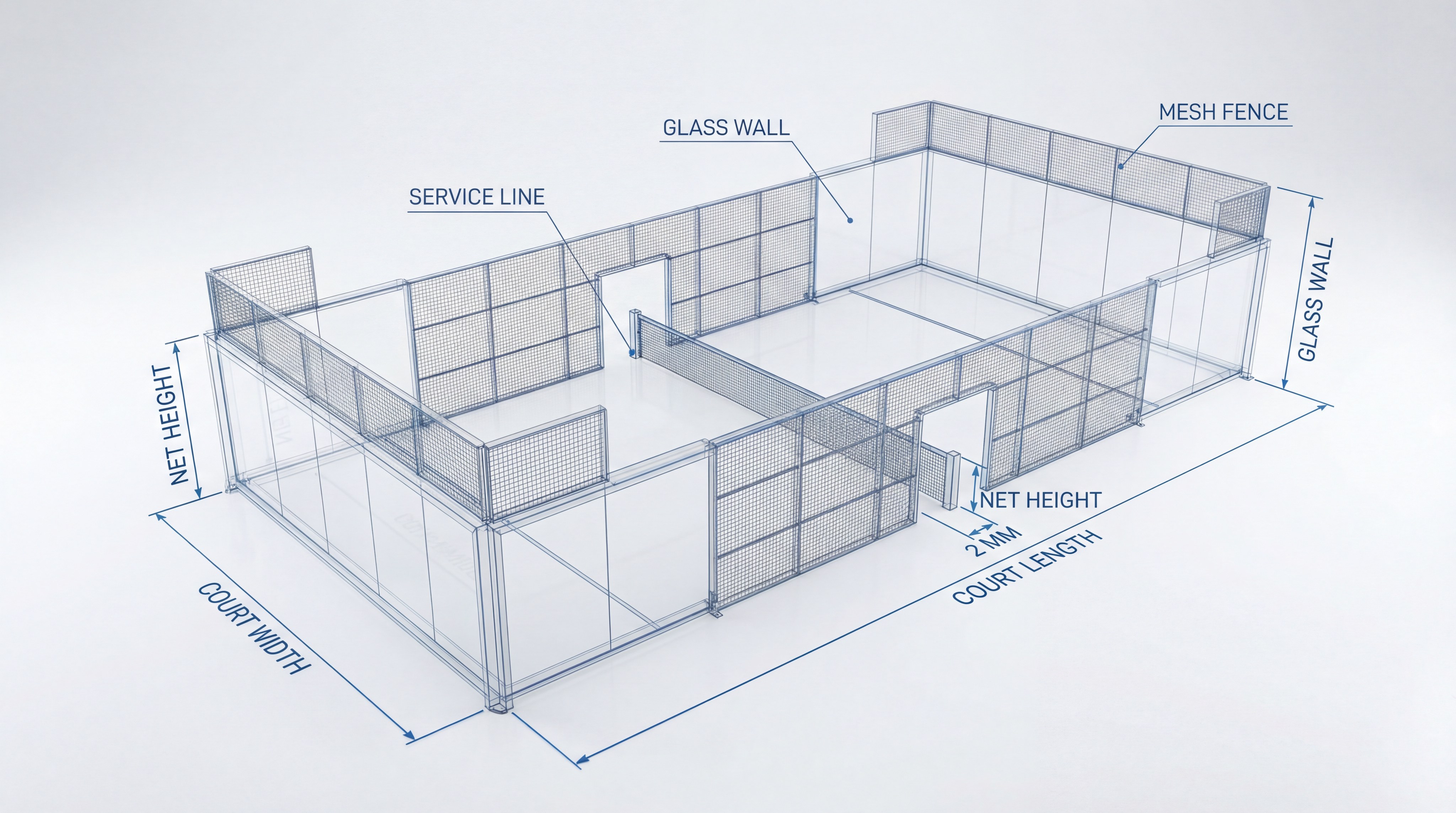
A high-resolution, photorealistic architectural blueprint 3D render of a professional padel court. The image clearly displays technical labels with text: “20 Meters” for length and “10 Meters” for width. The diagram shows the service lines and net with clear dimension lines. Soft studio lighting, white background, clean lines.
An architectural blueprint for a padel court must show the 10×20 meter playing area plus the 0.5-meter external pillar clearance. When you are drafting how big is a padel court on your site plan, you cannot forget the structural supports that sit outside the glass. If you only plan for exactly 10×20, your court won’t fit once the steel pillars are installed.
Technical details for the foundation
The concrete slab should ideally be slightly larger than the court itself to ensure stability for the anchor bolts. You need a 15-20cm thick reinforced concrete base with proper drainage slopes. Here is the deal: if the foundation is not perfectly level, your glass panels will shatter under the stress of the metal frame.
- Blueprint must include exact locations for lighting posts.
- Drainage channels should be marked around the perimeter.
- Anchor bolt patterns for steel pillars must be precise.
Why 3D renders help in planning
Before you break ground, a 3D render can help you visualize how multiple courts will look on your land. It allows you to check for shadows from nearby buildings or trees that might interfere with play. Look at this: a good blueprint is the difference between a smooth construction project and a costly set of errors.
Key Takeaway: Always include a “buffer zone” of at least 0.5 meters around the playing lines in your architectural drawings.
| Blueprint Item | Required Dimension | Purpose |
|---|---|---|
| Playing Area | 10m x 20m | Internal game limits |
| Foundation Slab | 11m x 21m | Structural support |
| Lighting Height | 6m (minimum) | Uniform court coverage |
This table clearly shows that the “on paper” size needs to be larger than the “in-game” size.
Under lights: how big is a padel court area?
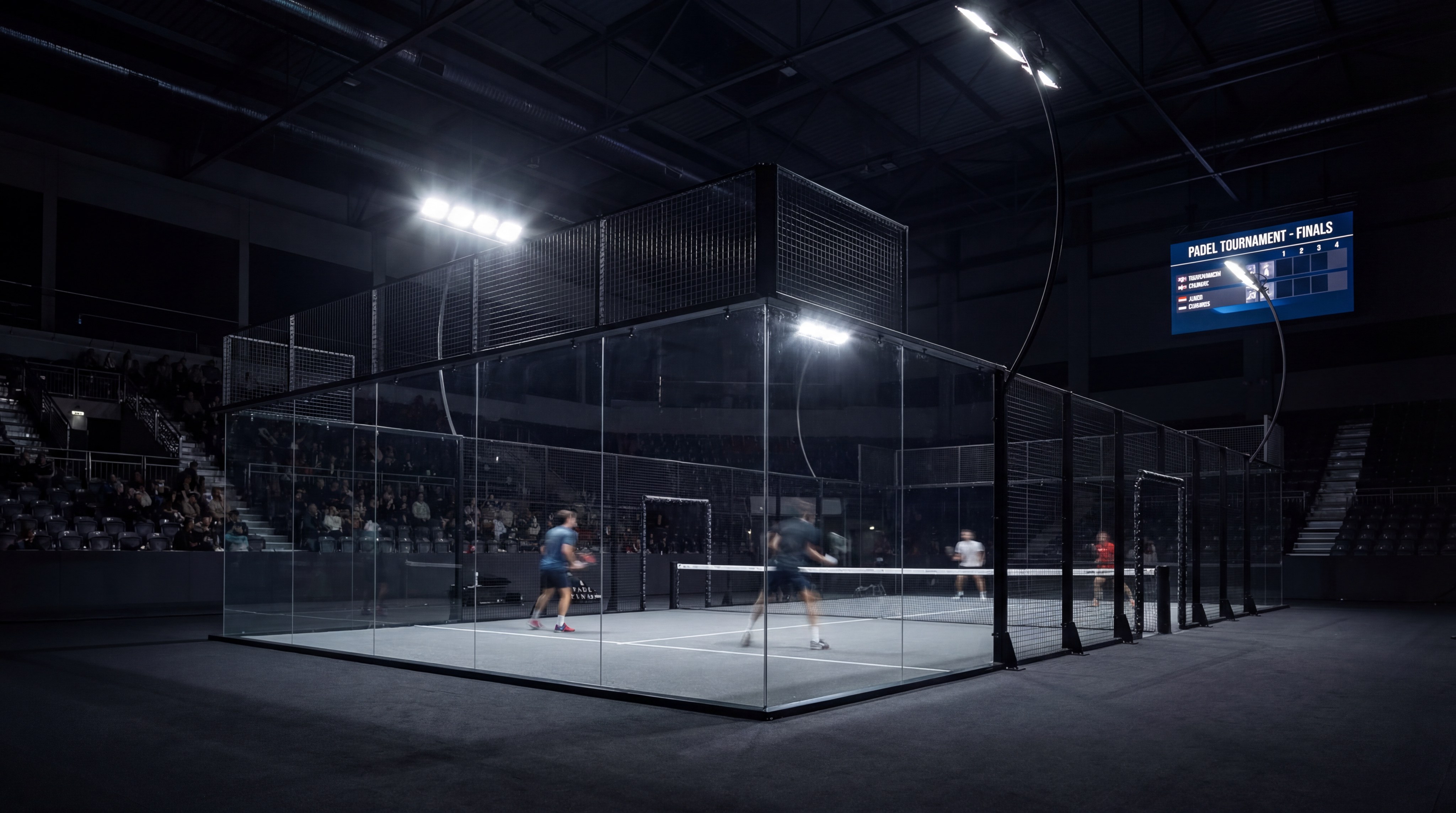
摘要: A dramatic interior shot of a Full Panoramic padel court at night. The focus is on the seamless glass walls that lack corner pillars, providing 360-degree visibility. Powerful LED floodlights create a high-contrast, professional tournament atmosphere. Reflections are visible on the polished glass surfaces.
Lighting for a 10×20 meter court usually requires 8 high-performance LED floodlights mounted on 6-meter posts. When you are determining how big is a padel court light spread, you need to ensure there are no dark spots in the corners or near the net. Poor lighting is a major safety hazard and will drastically reduce your court’s evening booking potential.
Calculating Lux levels for different play
For recreational play, you should aim for 300 Lux, but professional tournaments require 500 to 750 Lux. What does this mean for you? If you want to host televised matches or high-level leagues, you need to invest in premium IP66 waterproof LED projectors. Here is the deal: quality lighting allows your court to stay profitable for 5-6 extra hours every day.
- Mount lights at 6 meters to avoid glare.
- Use asymmetric lenses to focus light on the turf, not the sky.
- Ensure instant-on capability for power flickers.
Managing reflections on glass
At night, the glass walls can become like mirrors if your lighting is poorly positioned. You need to angle the floodlights so they illuminate the court surface without bouncing off the glass into the players’ eyes. Look at this: panoramic courts are especially sensitive to light placement because they have more glass surface area.
Key Takeaway: Professional lighting is the key to extending your court’s operating hours and ensuring player safety after dark.
| Play Level | Required Lux | Typical Wattage |
|---|---|---|
| Recreational | 200 – 300 Lux | 4 x 150W LED |
| Club/League | 300 – 500 Lux | 8 x 200W LED |
| Professional | 500+ Lux | 8 x 300W LED |
This table clearly shows that as the level of competition rises, so does your requirement for powerful, uniform lighting.
Layout: how big is a padel court total footprint?
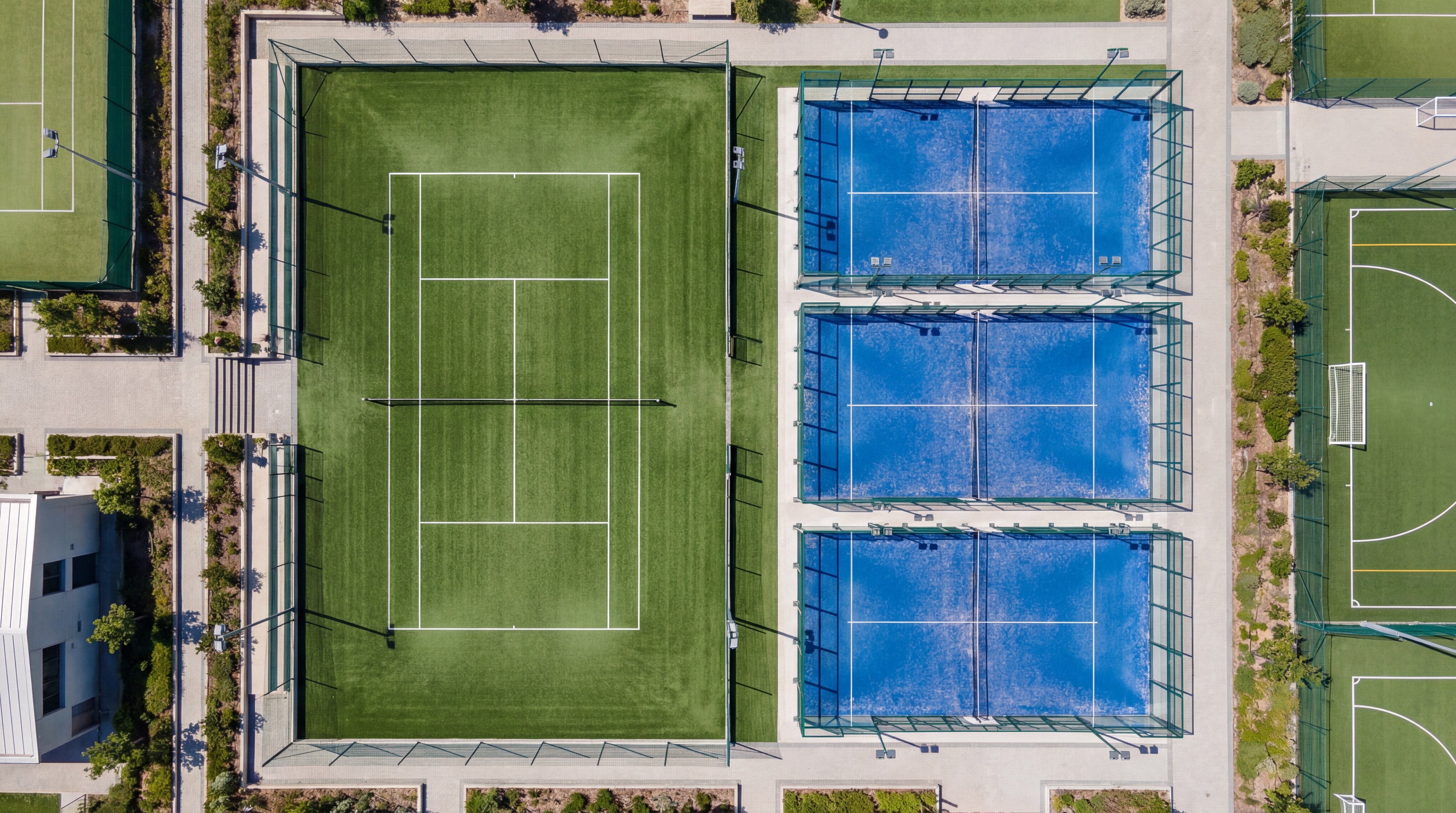
An aerial drone photograph looking straight down at a sports complex. A standard green tennis court is positioned directly next to three blue padel courts to highlight the size comparison. The textures of the different turfs are highly detailed. Sharp focus, natural daylight, professional sports photography style.
The total footprint for a single court should be approximately 231 square meters (11m x 21m). When you are finalizing how big is a padel court for your project, this extra meter of width and length accounts for the structural frame and a small safety walkway. If you are building a professional tournament court, this footprint expands significantly to include “out-of-court” play zones.
Incorporating out-of-court play zones
In professional matches, players are allowed to run out of the court through the side doors to return a ball that has bounced out. To allow for this, you need a 2-meter wide safety perimeter on each side of the court. What does this mean for you? If you plan to host “Premier Padel” style events, your total width requirement jumps from 11 meters to 15 meters.
- 2 meters of clear space next to each side door.
- 4 meters of total extra width for the “run-off” area.
- Safety padding on the door frames is mandatory.
Optimizing multi-court layouts
When building multiple courts, you can save space by placing them side-by-side with shared walkways. However, you must maintain at least 1 meter between the glass of one court and the glass of the next. Look at this: a smart layout reduces construction costs while making the facility feel spacious and professional.
Key Takeaway: Always decide early if you want to support “out-of-court” play, as it significantly changes your total land requirement.
| Feature | Standard Footprint | Tournament Footprint |
|---|---|---|
| Length | 21 Meters | 21 Meters |
| Width | 11 Meters | 15 Meters |
| Total Area | 231 Square Meters | 315 Square Meters |
This table clearly shows the added space required if you want to accommodate elite athletes who play outside the cage.
Conclusion
Building a world-class sports facility starts with mastering the technical details of the court’s dimensions. In this guide, we have solved the confusion surrounding standard sizes, vertical requirements, and the specific footprints needed for different play styles. Whether you are building a private court or a massive commercial club, adhering to these standards ensures safety, longevity, and a professional experience for every player.
At our core, we believe that padel is more than just a sport; it is a vehicle for community and health. Our vision is to empower developers and club owners with the most precise engineering and manufacturing standards in the industry. We are dedicated to helping you create spaces where people can connect, compete, and thrive.
Ready to start your project? We are here to help you navigate every step of the process, from initial blueprints to the final LED installation. contact us today to receive a customized quote and expert consultation for your new facility.
FAQ
Can I build a padel court on an existing tennis court?
Yes, you can. A standard tennis court has enough surface area to accommodate up to three padel courts, making it a highly efficient way to repurpose underutilized sports space.
What is the best ceiling height for a professional indoor facility?
It is 10 to 12 meters. While 6 meters is the absolute minimum allowed by regulations, higher ceilings are necessary for competitive play to allow for defensive lobs without hitting the roof.
How do I know if my land is big enough for a double court?
It depends on your total boundary. You need a minimum clear area of 11m x 21m for the structure itself, but we recommend a 15m x 25m plot to account for walkways, seating, and lighting maintenance.
Can I install a padel court without a concrete foundation?
No, you cannot. A stable, reinforced concrete slab is required to anchor the heavy steel pillars and protect the glass walls from shifting, which could cause them to shatter.