Problem
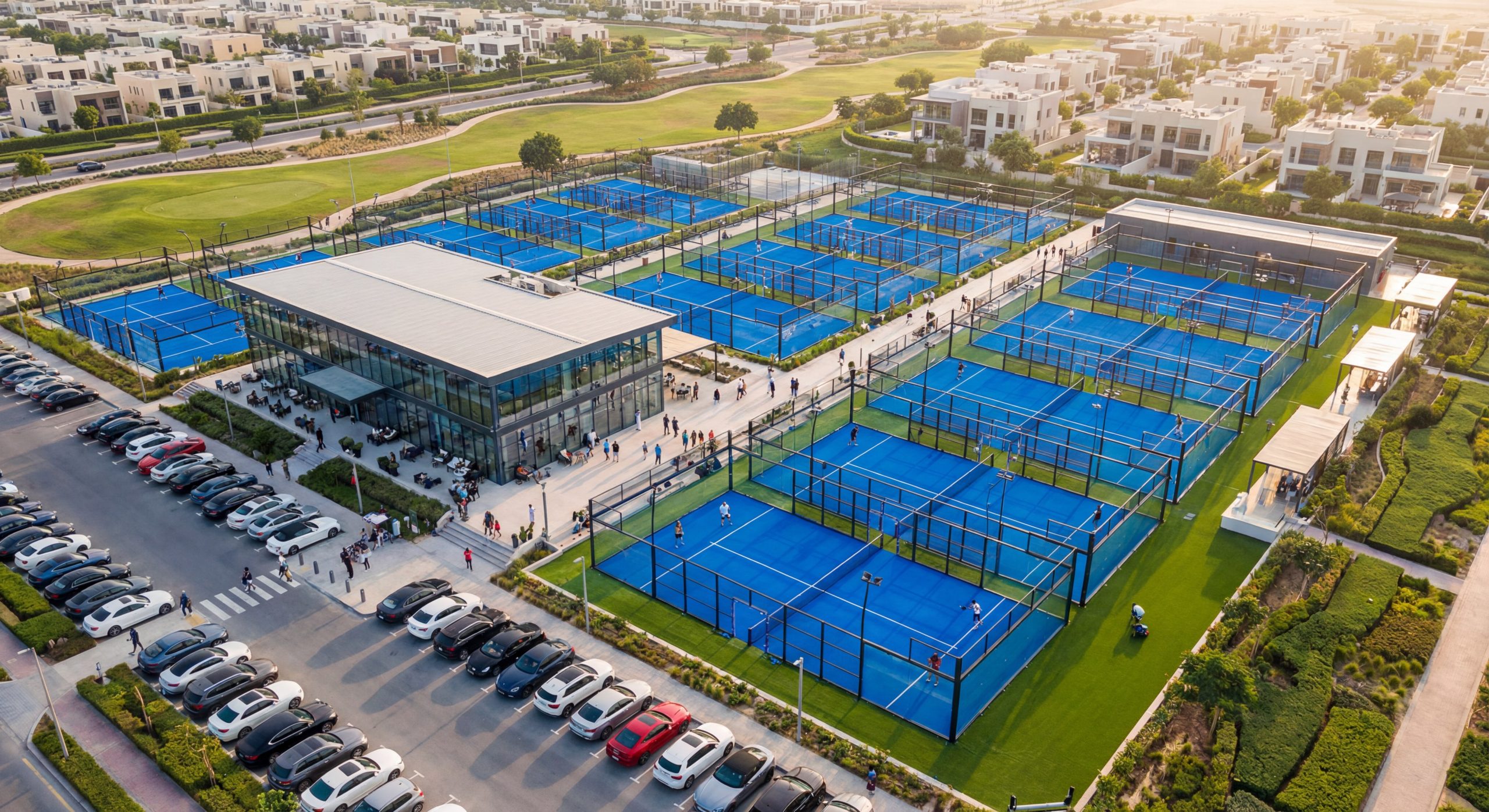
The explosive growth of racket sports has left many enthusiasts and property developers confused about the specific padel meaning and the technical requirements for building a professional facility. Without clear guidance, you might invest in a court that fails to meet international standards, leading to safety risks or a poor playing experience that drives users away.
Agitate
Imagine the frustration of spending a significant budget on a court only to find the glass panels are unstable or the turf doesn’t allow for the signature ball bounce. A misunderstanding of the game’s core mechanics doesn’t just waste money; it ruins the community atmosphere that makes the sport so profitable. The margin for error in construction is incredibly small, and a single mistake in dimensions can disqualify your club from hosting official tournaments.
Solution
This guide clarifies the padel meaning by defining its unique blend of tennis and squash and providing a blueprint for high-quality construction. By understanding the historical context and engineering requirements, you can build a high-performance hub that attracts players and ensures a long-lasting return on investment.
What is the official padel meaning in modern sports?
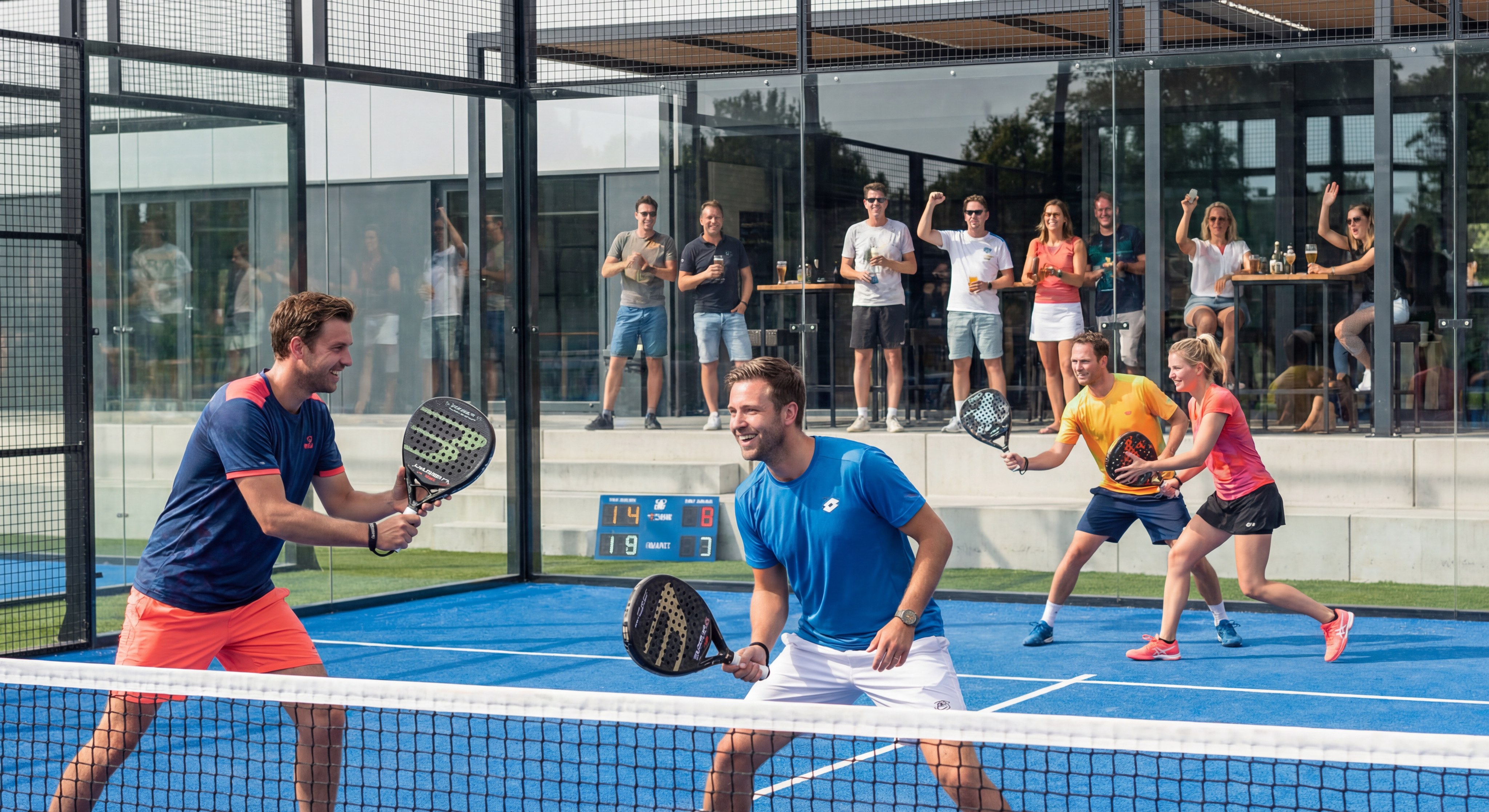
Padel is a racket sport typically played in doubles on an enclosed court that is approximately one-third the size of a traditional tennis court. Defining the padel meaning requires looking at its unique setup, where the surrounding glass walls are active participants in the game. You play with solid, perforated paddles rather than stringed rackets to maintain control over the depressurized ball.
Do you wonder why this sport has taken the world by storm so quickly? The answer lies in its accessibility and the close proximity of the four players, which fosters constant communication and a friendly atmosphere.
Look at this:
- Short court length encourages fast rallies.
- Doubles-only format emphasizes teamwork.
- Easy-to-learn rules attract all age groups.
Key Takeaway: The social nature of the sport is just as important as the physical activity, making it a perfect fit for community-focused sports clubs.
| Feature | Specification |
|---|---|
| Players | 4 (Doubles only) |
| Racket Type | Solid Carbon/Fiberglass Paddle |
| Ball Type | Low-pressure Tennis Ball |
This combination of equipment and court design ensures that rallies last longer, providing you with more active playing time.
How did the historical padel meaning evolve?
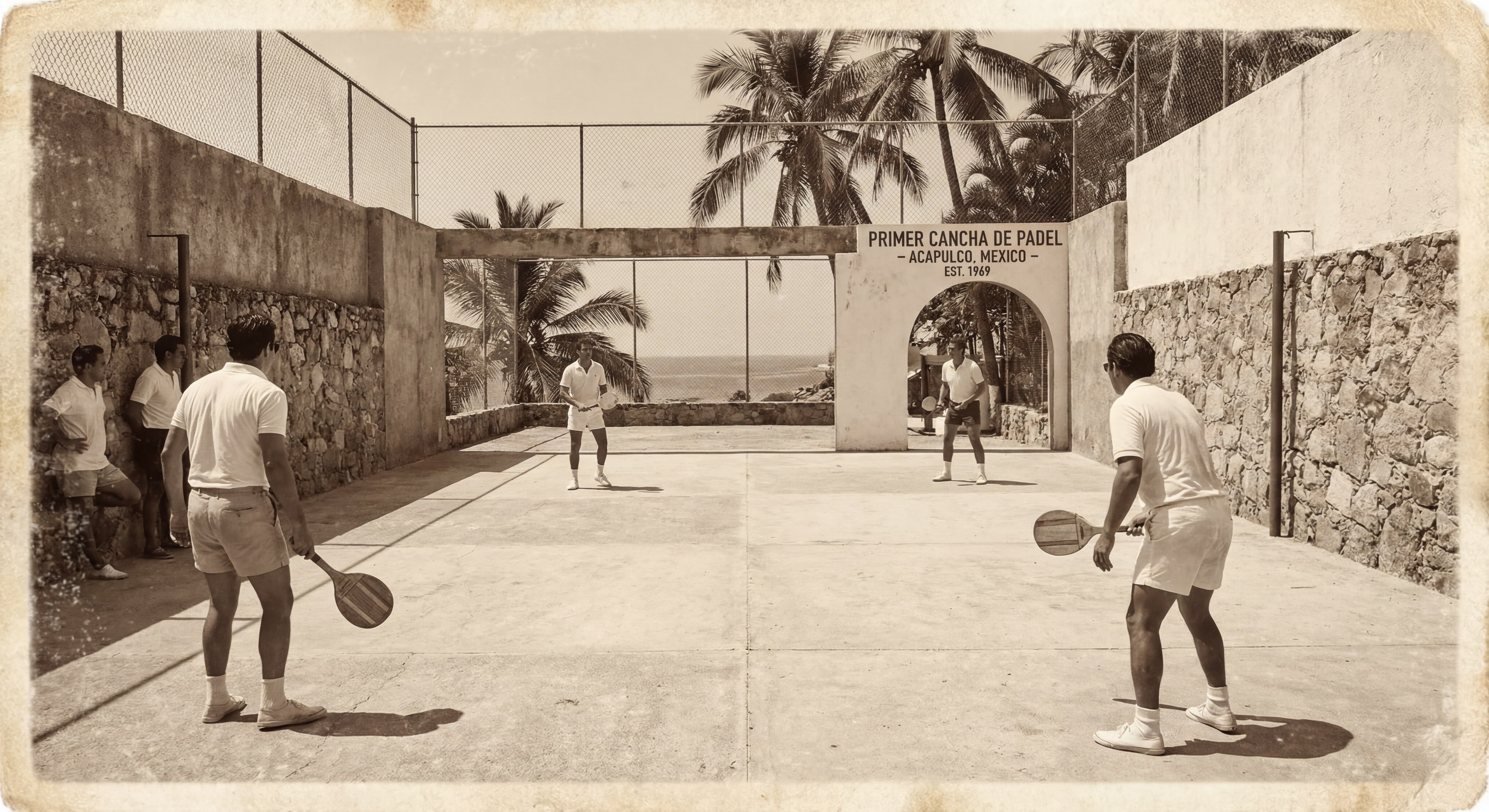
The sport originated in 1969 when Enrique Corcuera built the first court at his home in Acapulco, Mexico, after realizing he didn’t have enough space for a tennis court. Exploring the historical padel meaning shows how the inclusion of walls was a practical solution to keep the ball within the property. This accidental innovation created a new discipline that combined the net play of tennis with the rebounding strategies of squash.
How did the sport reach Europe?
Did you know that a Spanish entrepreneur was responsible for bringing the game across the Atlantic? Alfonso de Hohenlohe introduced the sport to Marbella in 1974, where it became a staple of the local elite before spreading to Argentina and the rest of the world.
But here is the kicker:
- First European courts were built in Spain.
- Argentina became the global powerhouse in the 1980s.
- Standardization of rules occurred in the early 1990s.
Key Takeaway: What started as a backyard adaptation for limited space evolved into a globally recognized professional sport with millions of active participants.
| Milestone | Year | Location |
|---|---|---|
| Invention | 1969 | Acapulco, Mexico |
| European Arrival | 1974 | Marbella, Spain |
| International Federation | 1991 | Madrid, Spain |
The transition from a private hobby to a public phenomenon highlights the universal appeal of the game’s unique mechanics.
Can specific dimensions define padel meaning?
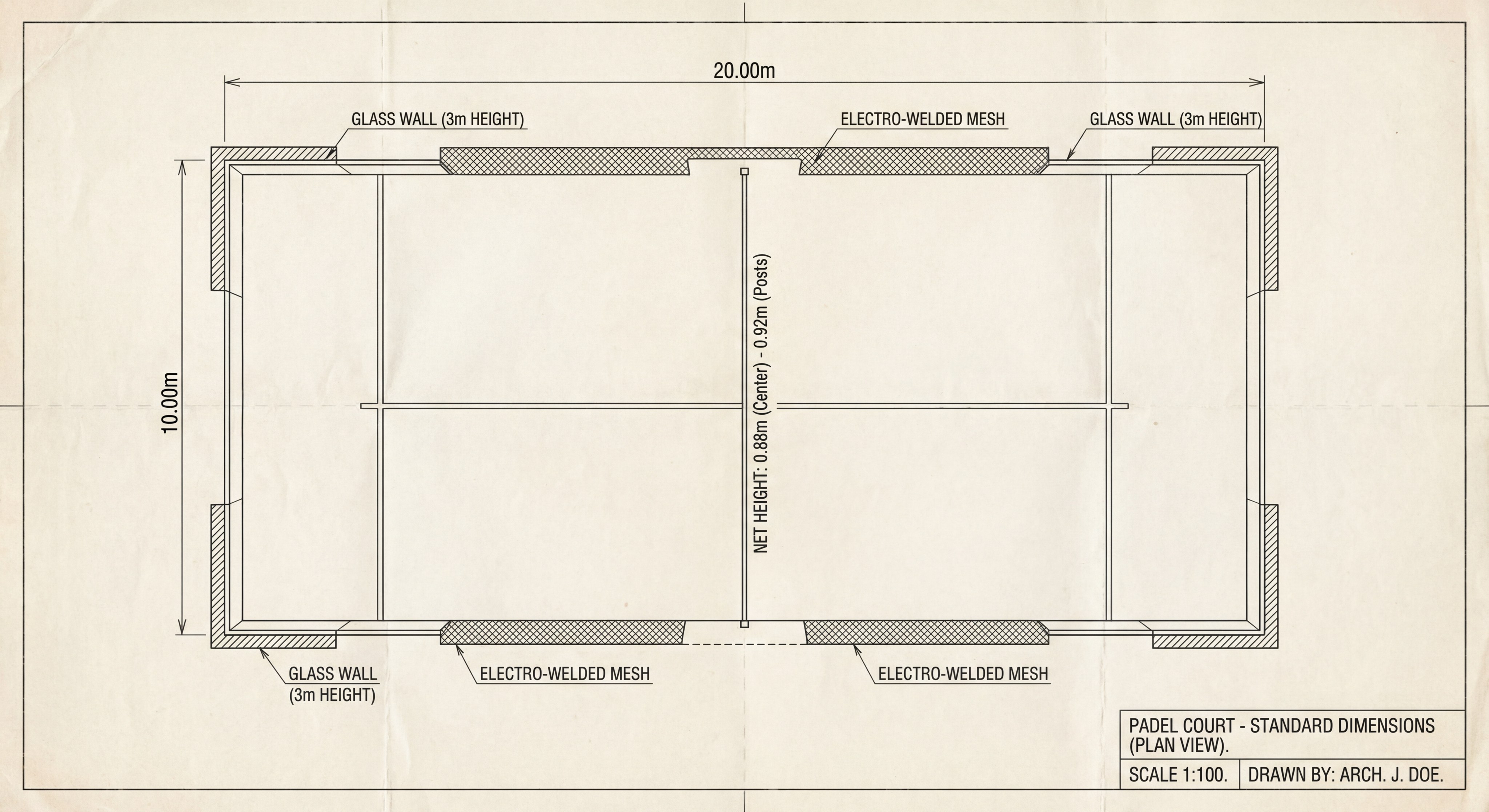
A standard court is precisely 10 meters wide and 20 meters long, enclosed by a combination of glass and metallic mesh. The technical padel meaning is tied to these exact dimensions, as the geometry determines how the ball rebounds during play. You must ensure the net is 88 centimeters high at the center and 92 centimeters at the posts to meet official regulations.
Why is the 10×20 meter area so strict?
Can you imagine trying to play a strategic game if the walls weren’t where you expected them to be? Precise measurements are vital because the sport relies on the “out-of-court” play and specific wall angles to maintain its competitive balance.
The best part?
- Total area is exactly 200 square meters.
- Internal clear height should be at least 6 meters.
- Service lines are located 6.95 meters from the net.
Key Takeaway: Adhering to the 10×20 meter standard is non-negotiable if you want to provide a professional experience for serious players.
| Dimension | Metric Value |
|---|---|
| Court Width | 10 Meters |
| Court Length | 20 Meters |
| Glass Height | 3 Meters (Back/Side) |
Correct sizing ensures that the ball’s trajectory remains predictable and fair for all players on the court.
Why does the industry grow the padel meaning?
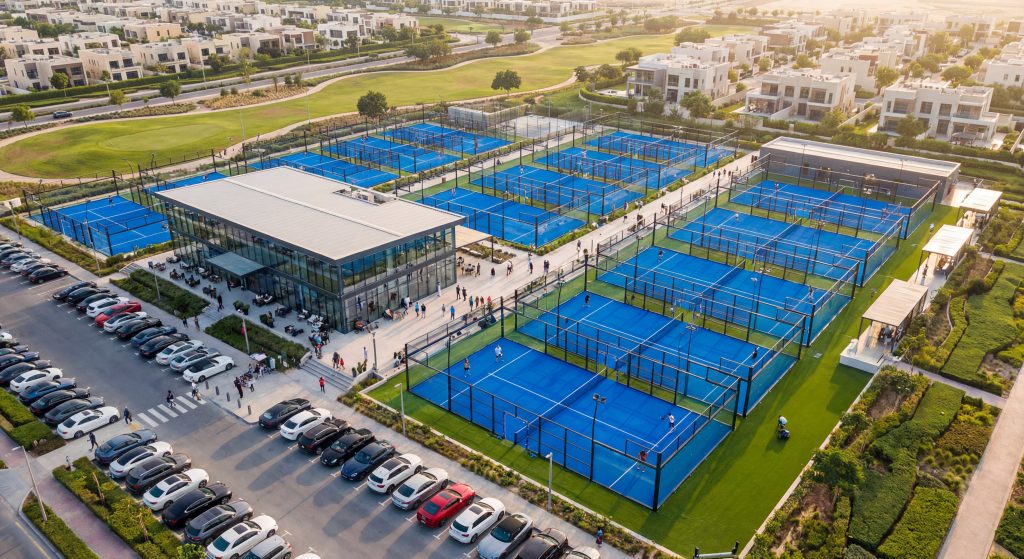
The commercial padel meaning is currently defined by its status as the world’s fastest-growing racket sport, offering a high return on investment for developers. Because four people play on a much smaller footprint than tennis, you can accommodate more users per hour on your property. This efficiency has led to a massive surge in private clubs and luxury residential installations across the globe.
Is this a viable business for you?
Are you looking for a way to maximize the revenue of your sports facility? The high density of players and the low maintenance costs of modern courts make this one of the most lucrative options in the leisure industry today.
It’s a game changer:
- Triple the players per square meter compared to tennis.
- Lower water usage than natural grass courts.
- Strong demand for evening and weekend bookings.
Key Takeaway: The industry growth is driven by the fact that the sport is as profitable for owners as it is fun for the players.
| Metric | Padel Value |
|---|---|
| Players per 800sqm | 16 (on 4 courts) |
| Maintenance Level | Low to Moderate |
| Typical ROI Period | 18 – 24 Months |
Strategic placement of courts in high-traffic areas can quickly turn a dormant plot of land into a thriving social hub.
Does the frame structure affect padel meaning?
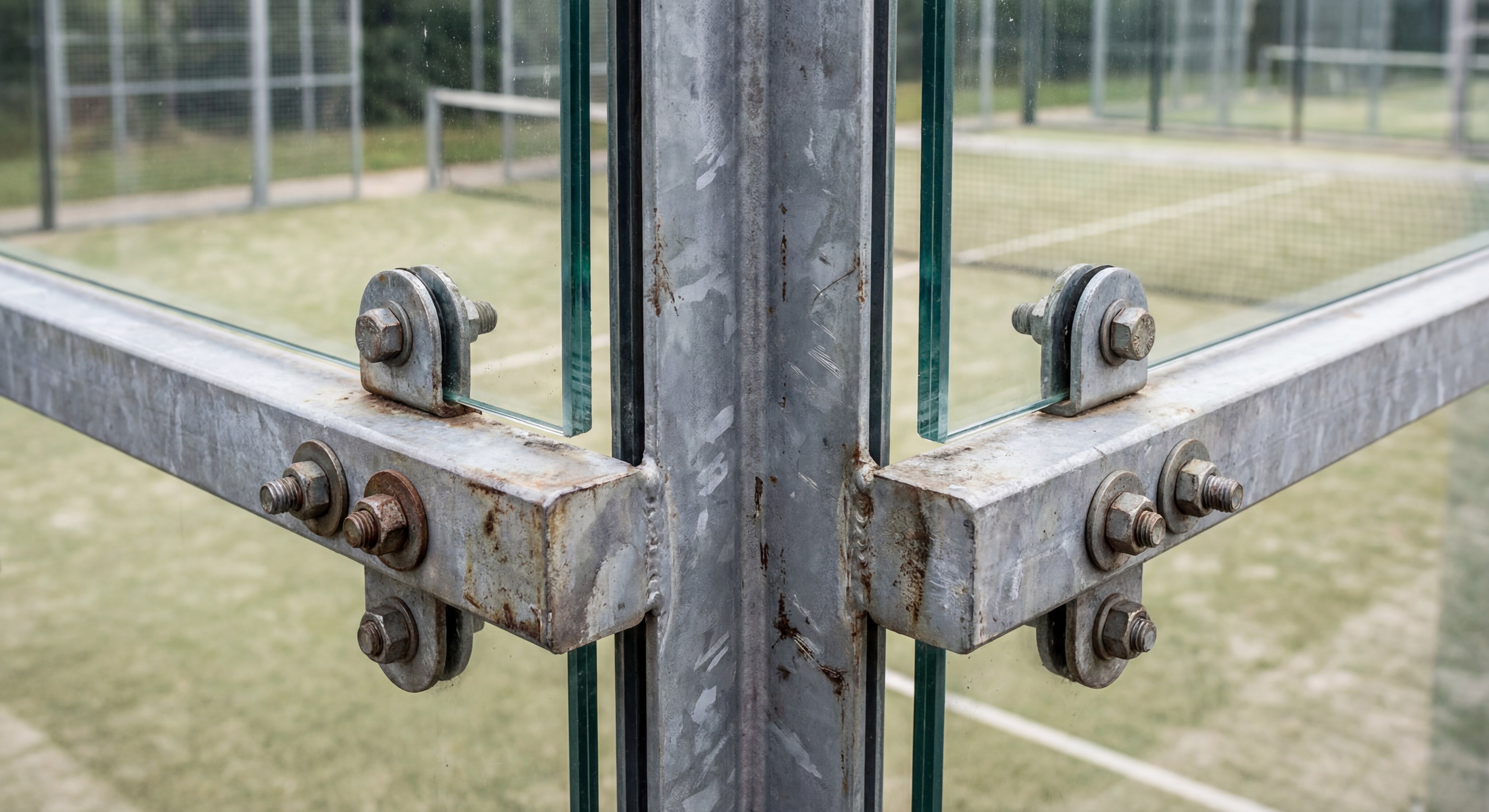
The structural frame provides the stability required for the glass walls to safely withstand high-velocity player impacts and ball strikes. The padel meaning in engineering terms refers to the use of galvanized steel and tempered safety glass to create a rigid yet transparent enclosure. You must select a frame that offers anti-corrosion protection, especially if you are building in a humid or coastal environment.
What components ensure court safety?
Do you know what keeps those massive glass panels from shattering during a heated match? High-quality courts use 10mm or 12mm tempered glass and specialized laser-cut steel plates to ensure every joint is perfectly aligned and secure.
Think about it:
- Tempered glass resists heavy physical pressure.
- Galvanized steel prevents rust and structural failure.
- Electro-welded mesh provides a consistent ball rebound.
Key Takeaway: A robust frame is the backbone of the court, ensuring that the walls remain a reliable part of the game for years.
| Component | Material Standard |
|---|---|
| Pillars | 100x100mm or 80x80mm Steel |
| Glass | 10mm or 12mm Tempered Safety |
| Coating | Thermosetting Polyester Powder |
Investing in high-grade structural materials reduces long-term repair costs and keeps your players safe.
How does artificial turf change padel meaning?
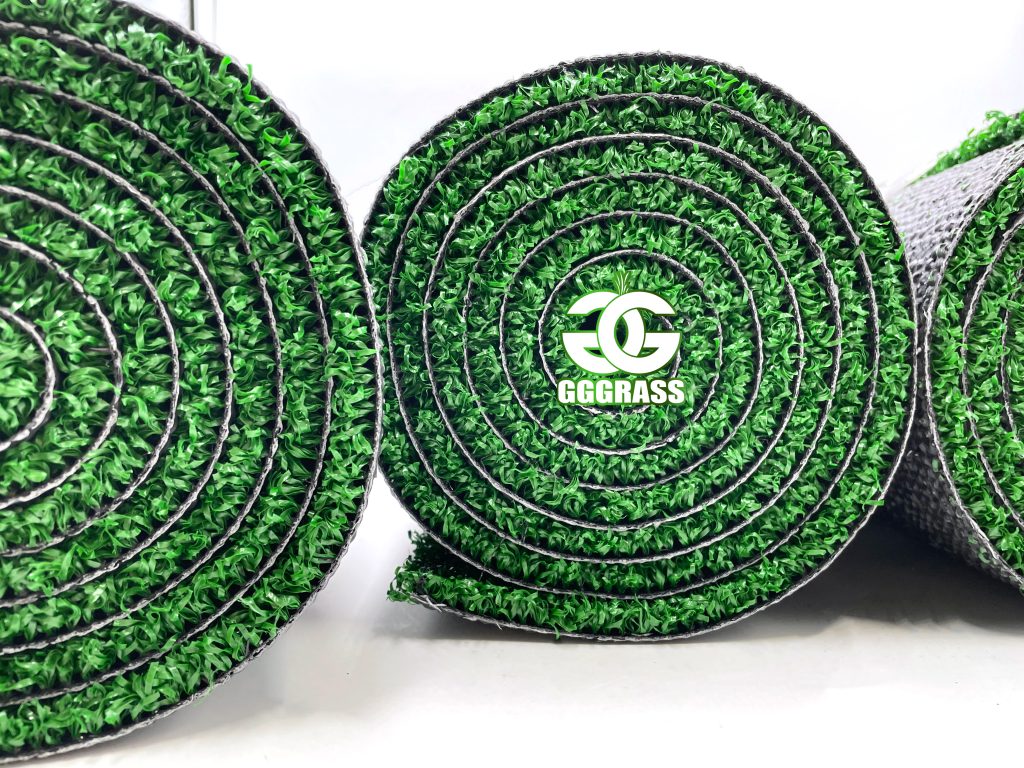
The specific padel meaning for the playing surface revolves around the use of specialized monofilament or fibrillated artificial turf. This grass is designed to hold a precise amount of silica sand, which allows you to slide safely while maintaining enough traction for explosive movements. Choosing the right turf density is critical because it dictates the speed of the game and the consistency of the ball bounce.
Which turf color is right for you?
Have you ever wondered why blue is the most common color on professional courts? While green is traditional, blue offers the best visual contrast for the yellow ball, making it easier for you and the spectators to follow the action.
Here is why:
- Monofilament fibers offer high durability.
- Sand infill protects the grass roots and provides grip.
- UV resistance prevents the color from fading in the sun.
Key Takeaway: The quality of the artificial turf is the most direct influence on how the game “feels” to the players under their feet.
| Turf Detail | Requirement |
|---|---|
| Fiber Material | Polyethylene (PE) |
| Pile Height | 10mm to 12mm |
| Infill | Kiln-dried Silica Sand |
Proper turf installation prevents dead spots on the court, ensuring every match is fair and high-speed.
Where do you find a blueprint for padel meaning?
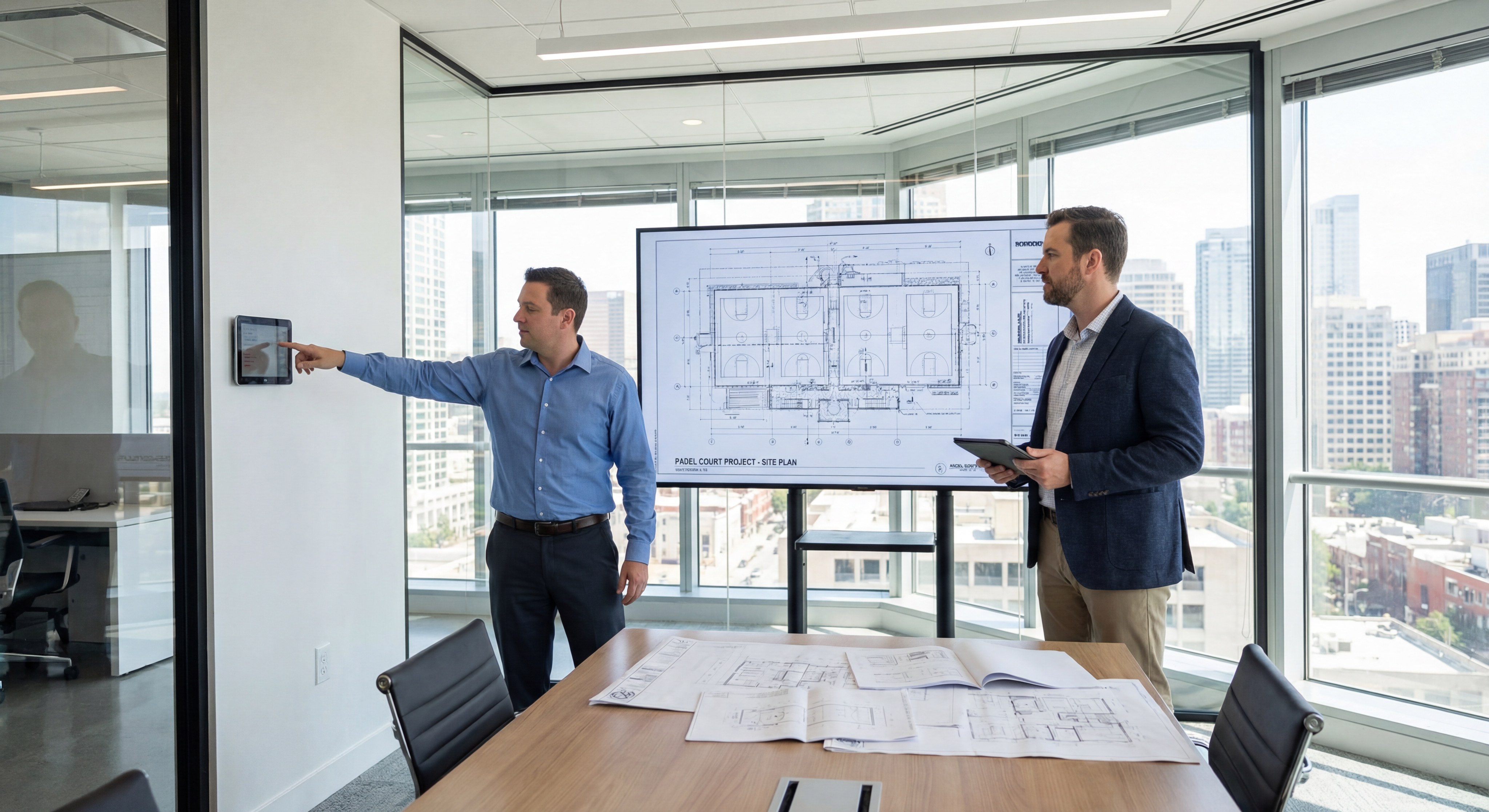
Building a court requires a detailed architectural plan that accounts for the concrete foundation, drainage systems, and electrical layouts for lighting. The padel meaning during the planning phase is about precision, as the base must be perfectly level to prevent water pooling or uneven glass installation. You should work with experts who understand the soil conditions of your specific site to avoid structural shifting over time.
Can you build on an existing surface?
Are you planning to convert an old tennis court or a parking lot into a new sports facility? While it is possible, you must ensure the existing sub-base can support the weight of the steel and glass structure without cracking.
Stay ahead of the curve:
- Perform a soil stability test before pouring concrete.
- Include a perimeter ring beam for structural anchoring.
- Install LED lighting masts at the correct heights.
Key Takeaway: Thorough pre-construction planning prevents the most common causes of court failure, such as sinking foundations or poor drainage.
| Planning Step | Goal |
|---|---|
| Site Survey | Identify drainage and leveling needs |
| Foundation | Reinforced concrete or porous asphalt |
| Permitting | Meet local zoning and noise regulations |
A well-prepared site is the only way to ensure the finished court meets the high standards required for competitive play.
Do the rules of the game define padel meaning?
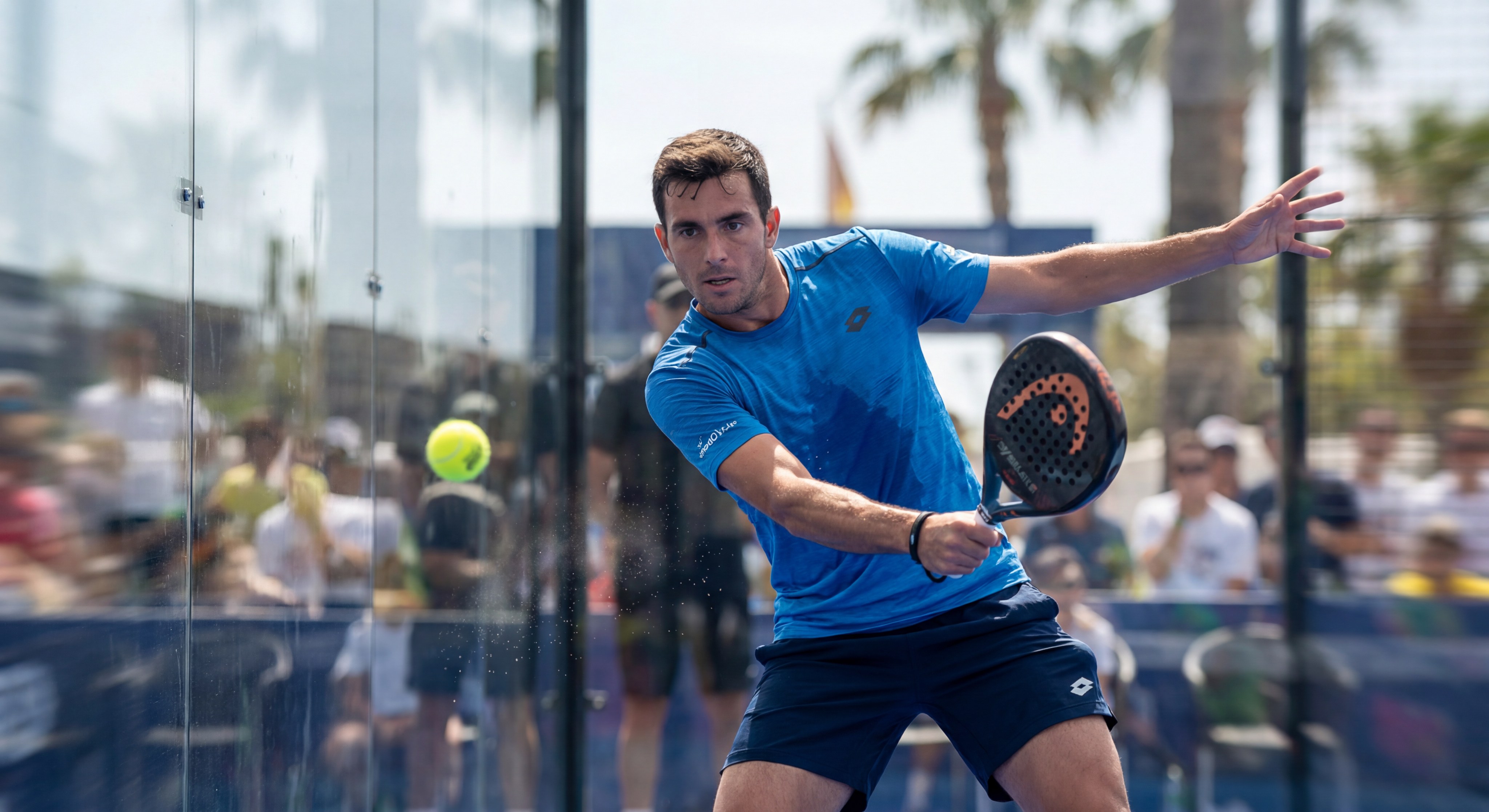
The unique padel meaning is cemented by rules that allow you to use the glass walls to return the ball to the opponent’s side. Unlike tennis, where the ball is “out” if it hits the fence, padel encourages you to let the ball bounce and hit the glass before you strike it. This creates a strategic, “chess-like” depth where power is often less important than positioning and patience.
How does the service rule work?
Did you know that all serves in this sport must be hit underhand at or below waist level? This rule ensures that the serve is merely a way to start the point rather than a dominant weapon, keeping the focus on the subsequent rally.
That’s the secret:
- The ball must bounce in the opponent’s service box.
- You have two attempts for every service point.
- Balls hitting the wire mesh after a bounce are in play.
Key Takeaway: Understanding the wall play and underhand service rules is essential for grasping the tactical soul of the sport.
| Rule Type | Padel Protocol |
|---|---|
| Serve Style | Underhand (Waist high) |
| Scoring | 15, 30, 40, Game (Tennis style) |
| Wall Contact | Legal after the ball bounces on the floor |
Mastering the use of the back glass will completely transform your defensive capabilities and overall game strategy.
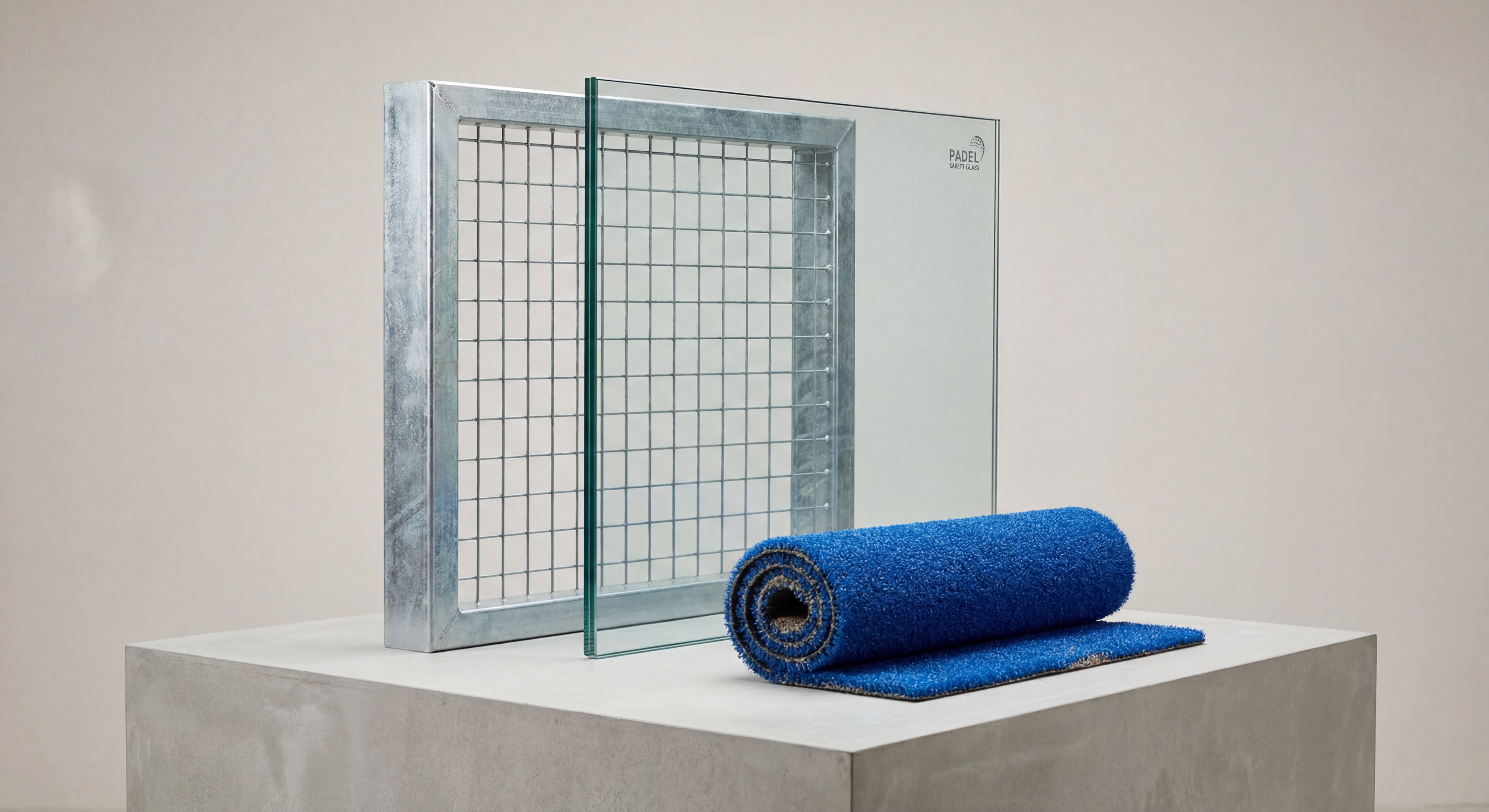
A high-quality court is defined by the synergy between its technical components, from the lighting systems to the net tensioners. The padel meaning of a “premium” installation involves using 200W or 300W LED floodlights that provide uniform visibility without blinding the players during overhead shots. You should also look for panoramic glass designs that remove the vertical steel pillars at the back of the court for maximum spectator visibility.
Why does component quality matter?
Do you want your facility to be the top choice for professional players in your area? Using high-end materials like textured monofilament turf and 12mm glass doesn’t just look better; it significantly improves the speed and safety of the matches.
Make it yours:
- Custom frame colors to match your brand.
- Anti-vibration systems for the glass panels.
- High-efficiency LED lighting for night matches.
Key Takeaway: Choosing premium components ensures your court remains a flagship facility that attracts high-value members and tournament organizers.
| Component | Professional Standard |
|---|---|
| Lighting | 8x 200W LED (minimum 500-750 lux) |
| Glass Type | Panoramic (no rear pillars) |
| Net | High-density knotless polyethylene |
Superior hardware translates into a better player experience, which is the foundation of a successful sports club.
Will future technology reshape padel meaning?
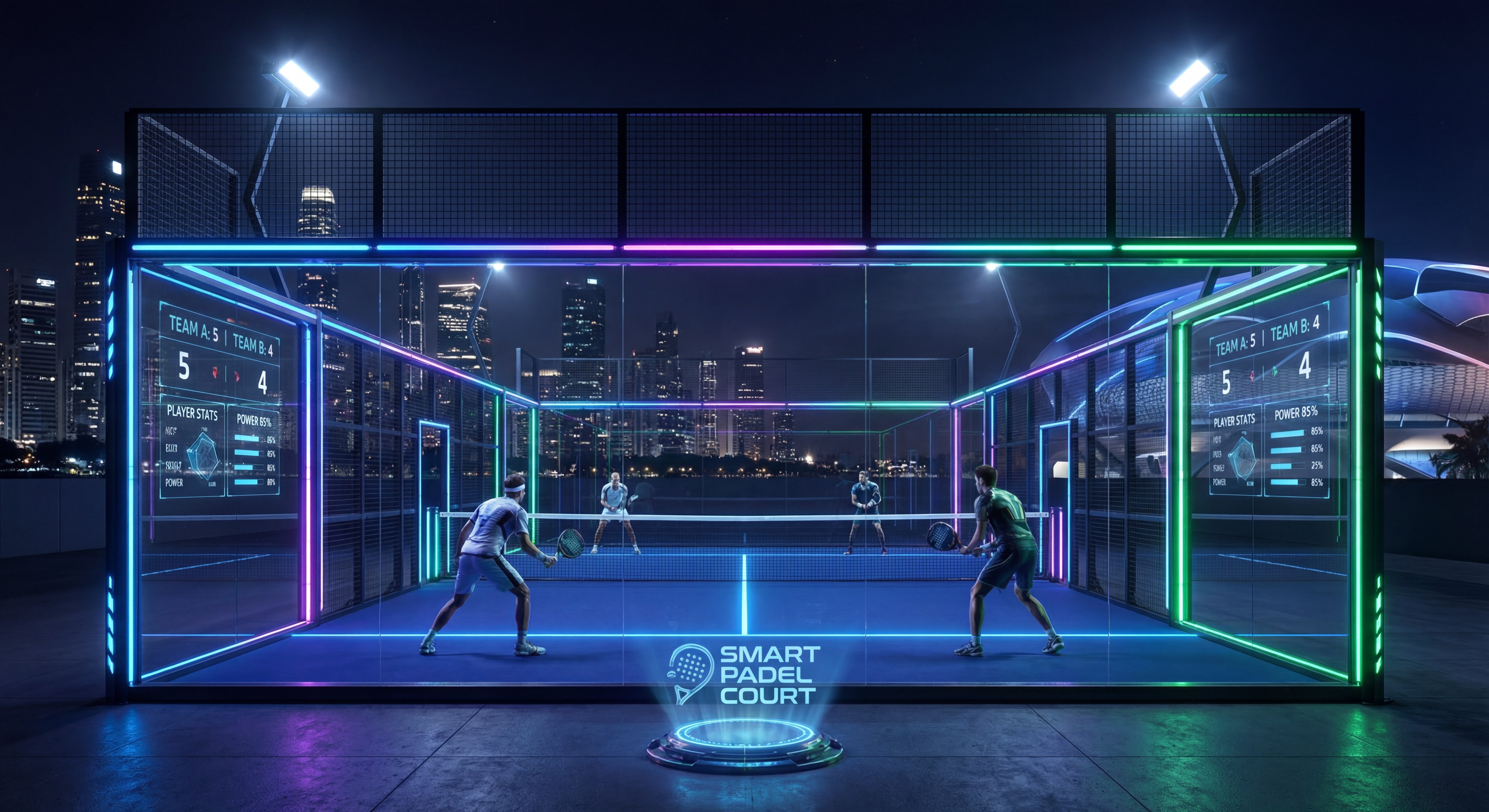
The future padel meaning is being redefined by smart court technology, which integrates cameras and sensors to track player performance. You can now install systems that automatically record your matches, providing instant video analysis and digital scoreboards that sync with mobile apps. These innovations are making the sport more interactive and data-driven, bridging the gap between physical exercise and digital entertainment.
Is your court ready for the future?
Are you considering how to stay ahead of the competition in the next decade? Incorporating energy-efficient sensors and automated booking systems will reduce your operational costs while providing a modern experience for tech-savvy players.
The future is bright:
- Integrated AI cameras for stroke analysis.
- Smart lighting that adjusts to natural light.
- Interactive digital screens for club news and scores.
Key Takeaway: Technology will not change the core rules, but it will significantly enhance how you manage your facility and track your progress.
| Tech Trend | Benefit to You |
|---|---|
| Match Recording | Improved player training and social sharing |
| Smart Lighting | Up to 60% reduction in energy costs |
| App Integration | Seamless booking and community building |
Embracing these advancements ensures your facility remains relevant and highly attractive to the next generation of athletes.
Frequently Asked Questions
Can I build a padel court on my own property?
Yes, as long as you have a flat 10×20 meter space and the necessary permits for the structure and lighting.
What’s the best way to keep the glass clean?
You should use a standard glass cleaner and a squeegee regularly to remove sweat marks and dust, ensuring maximum visibility for players.
Can I play padel if I have never played tennis?
Absolutely, because the shorter rackets and underhand serves make it much easier for beginners to start having long rallies immediately.
What’s the difference between indoor and outdoor construction?
Indoor courts require higher ceiling clearances (at least 6 meters), while outdoor courts need specialized drainage and UV-resistant materials.
Can I convert a tennis court into two padel courts?
Yes, a standard tennis court (approx. 18x36m) provides enough room to fit two padel courts, effectively doubling your player capacity.
Conclusion
Understanding the padel meaning is about more than just knowing the rules; it is about appreciating the engineering and social dynamics that make the sport unique. We have solved the common problems of technical confusion and construction uncertainty by highlighting the critical importance of dimensions, materials, and historical context. Whether you are building a private sanctuary or a commercial empire, the key to success is a commitment to professional quality and player safety. At Superb Padel, we specialize in delivering world-class facilities that stand the test of time and provide an unmatched playing experience. We can take your project from a simple concept to a finished masterpiece using the industry’s best steel, glass, and turf. Ready to elevate your game and your property? Contact us today to start your journey into the future of racket sports.