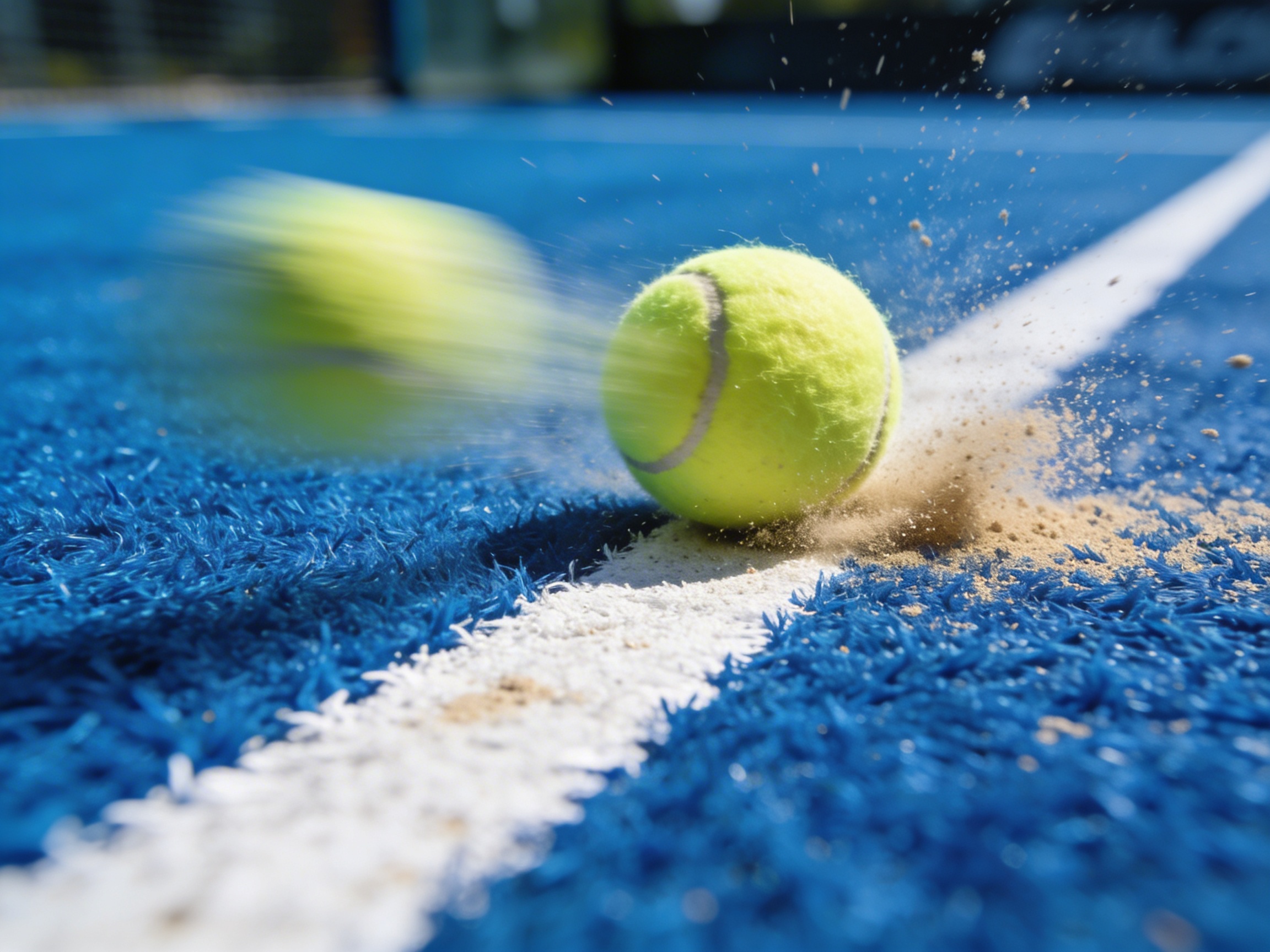
Padel is a high-speed racket sport played in doubles on an enclosed 10×20 meter court, constructed using galvanized steel frames, tempered safety glass, and specialized synthetic turf. Many investors face the challenge of entering this booming market without a clear understanding of technical requirements or the official padel rules. This knowledge gap can lead to costly construction errors that diminish player safety and reduce the long-term return on your investment. By mastering both the gameplay logic and industrial specifications, you can build a premium facility that attracts loyal members and dominates the local market.
What are the primary padel rules for scoring points?
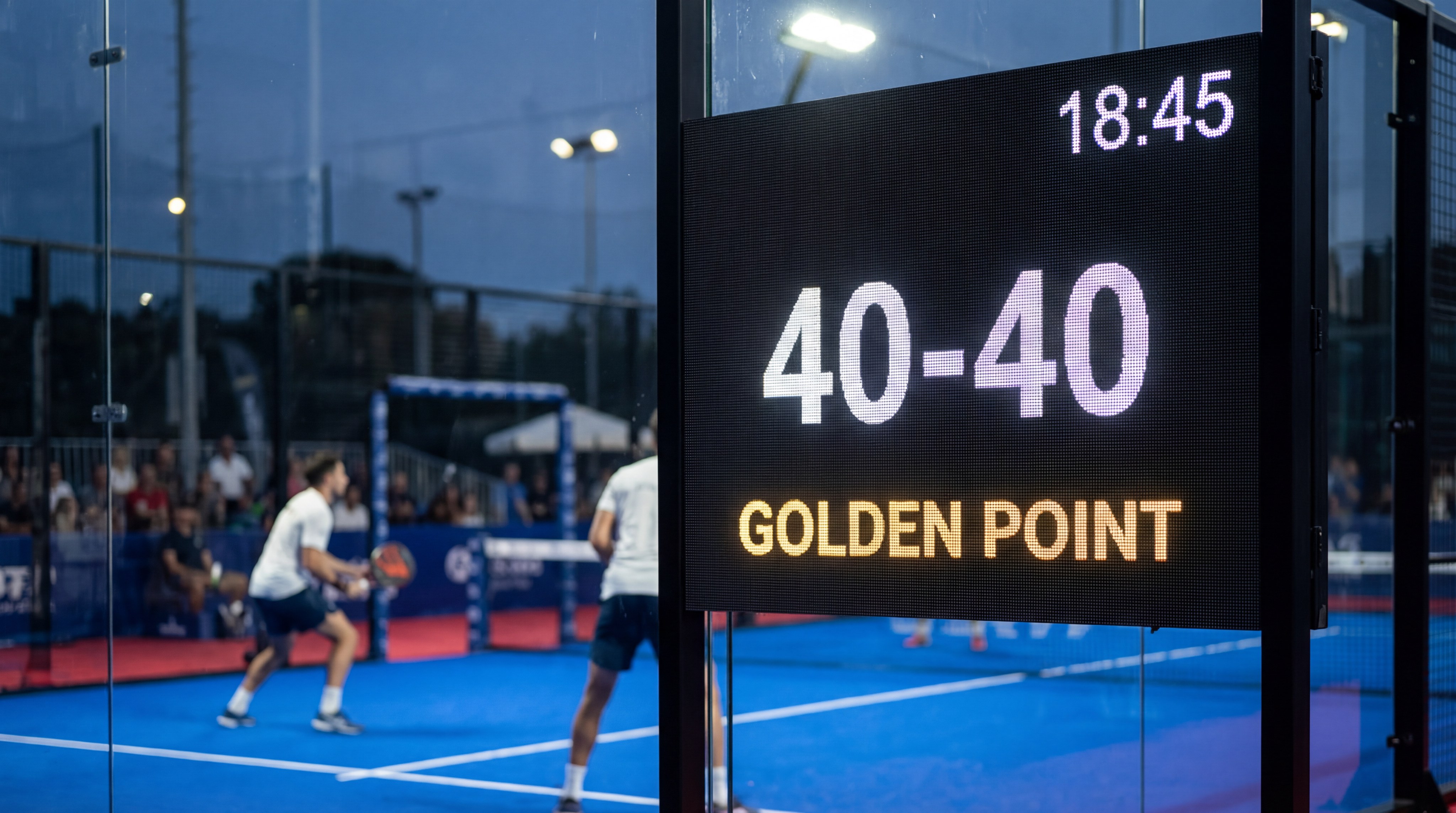
Scoring follows the traditional tennis format of 15, 30, 40, and game, with sets determined by the first team to reach six games. Understanding these padel rules is essential because they dictate the pacing and high-intensity nature of the matches your facility will host.
How does the Golden Point work?
Professional circuits often utilize the “Golden Point” at deuce to accelerate match times and increase spectator excitement. This sudden-death point means the receiving team chooses which side to return from to decide the game.
- The score must be 40-40.
- The winner of the next point takes the game.
- It eliminates long, repetitive deuce cycles.
Think about this.
It creates a “do or die” atmosphere that keeps players coming back for more high-stakes action.
What defines a winning set?
You win a set by being the first to reach six games with a two-game advantage over the opponents. If the score reaches a 6-6 tie, a seven-point tie-break is played to determine the set winner.
- Sets are typically played as best-of-three.
- Tie-breaks require a two-point margin.
- Switching sides occurs every odd game total.
The best part?
This structure ensures that matches remain competitive and balanced throughout the entire session.
Key Takeaway: Familiarity with tennis scoring makes the game accessible while the “Golden Point” adds a modern, fast-paced edge.
| Element | Rule Specification | Impact on Play |
|---|---|---|
| Game Scoring | 15, 30, 40, Game | Predictable progression |
| Set Duration | First to 6 games | Balanced match length |
| Tie-Break | 7 points at 6-6 | Clear winner determination |
Strategic scoring rules are only effective if the opening of the point is handled correctly through proper service techniques.
How do padel rules govern the serving process?
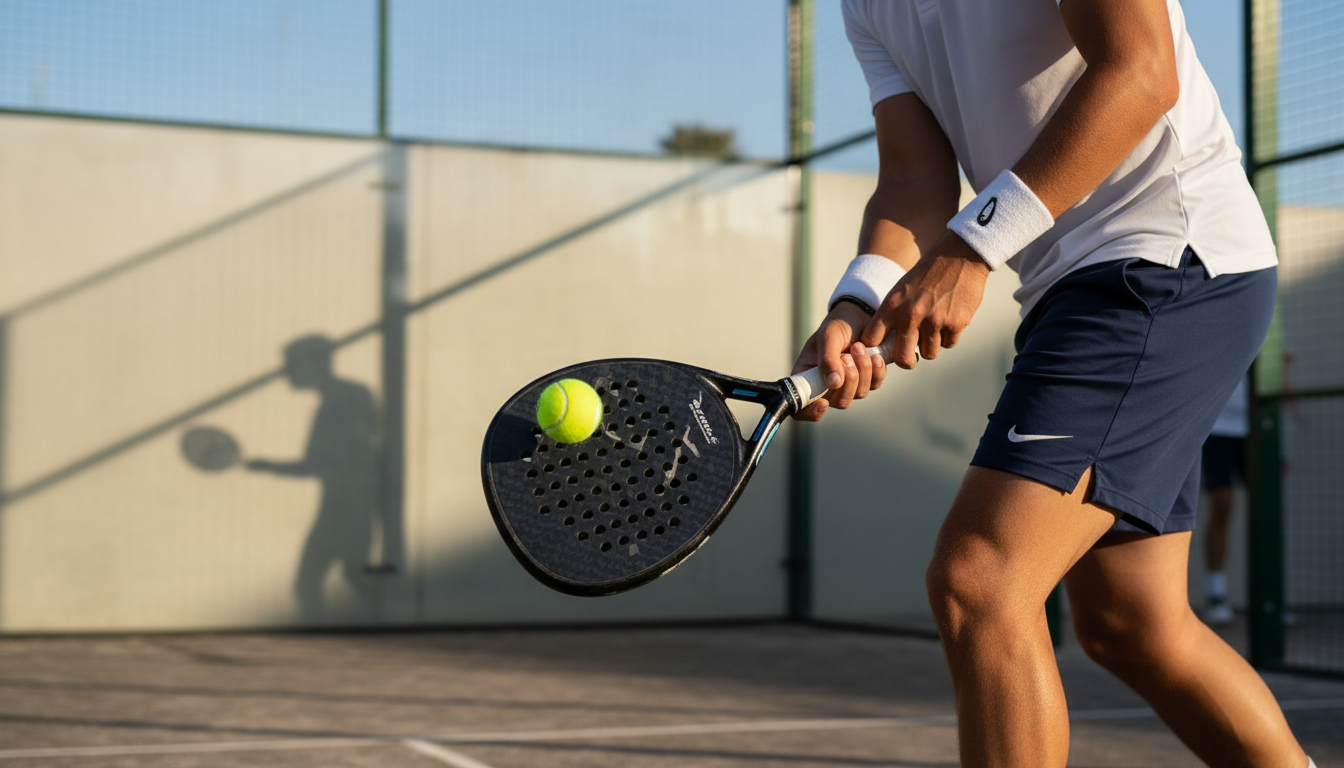
The serve must be hit underhand and at or below waist level after the ball has bounced once behind the service line. These padel rules ensure that the serve remains a way to start the rally rather than a dominant offensive weapon that ends points instantly.
Why is the underhand serve mandatory?
Restricting the serve to waist height prevents the high-velocity overhead serves seen in tennis, keeping the ball in play longer. You must ensure your players understand that the ball must be bounced before it is struck.
- The racket must stay below the waist.
- Both feet must be behind the service line.
- The ball must land in the diagonal box.
Here is the kicker.
This rule levels the playing field, making the sport more inclusive for all age groups and skill levels.
What are the service fault conditions?
A fault occurs if the ball touches the mesh fence after the bounce or fails to land in the correct diagonal service box. However, hitting the glass walls after a legal bounce in the box is considered perfectly valid play.
- Hitting the net is a “let” or fault.
- Touching the side fence is an immediate fault.
- Two serves are allowed per point.
It gets better.
Because the serve is less aggressive, the focus shifts to tactical positioning and court movement right from the start.
Key Takeaway: The underhand serve is a tactical equalizer that prioritizes strategy and rally length over raw power.
| Service Rule | Requirement | Purpose |
|---|---|---|
| Stroke Style | Underhand only | Reduces “ace” dominance |
| Impact Height | At or below waist | Ensures fairness |
| Target Area | Diagonal service box | Standardizes opening play |
Once the ball is in play, the interaction between the ball and the surrounding enclosure defines the unique tactical landscape of the sport.
What are padel rules regarding the glass walls?
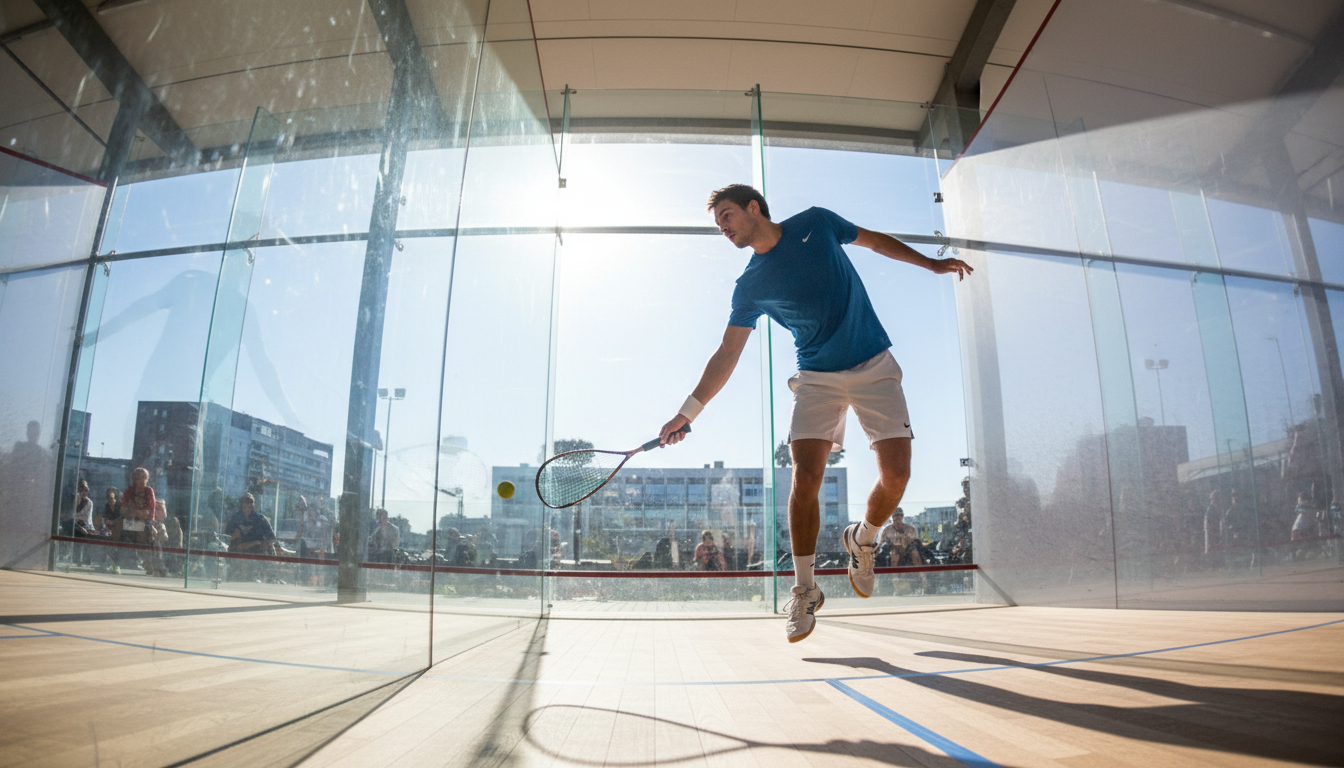
Players are permitted to hit the ball against their own glass walls to return it to the opponent’s side during a rally. These padel rules allow for creative defensive play, turning the enclosure into a strategic tool rather than just a boundary.
How do you use the “boast” shot?
The “boast” involves hitting the ball into your own back or side glass so that it rebounds over the net. This is often a last-resort defensive move that can catch opponents off guard by changing the ball’s trajectory.
- The ball must hit the glass first.
- It must then cross the net.
- It cannot hit the fence on your own side.
Wait, there’s more.
Mastering this shot allows players to defend seemingly impossible balls, lengthening the rallies significantly.
When does the glass cause a fault?
The ball is considered out if it hits the glass wall directly before bouncing on the opponent’s ground. You must teach players that the ground must always be the first point of contact for the ball to be “in.”
- Direct glass contact is a lost point.
- Bounce then glass is legal play.
- The fence is never used for rebounds.
Listen to this.
Understanding this distinction is the most important step for any beginner moving from tennis to the padel court.
Key Takeaway: The glass walls are active playing surfaces that reward defensive ingenuity and tactical awareness.
| Wall Interaction | Status | Tactical Value |
|---|---|---|
| Bounce then Glass | Legal | Extends defensive options |
| Direct Glass Hit | Fault | Defines court boundaries |
| Own Glass Boast | Legal | Strategic “last-resort” return |
The dynamic nature of wall play is made possible only by the specific and rigid physical dimensions of the court itself.
How do official padel rules define the court size?
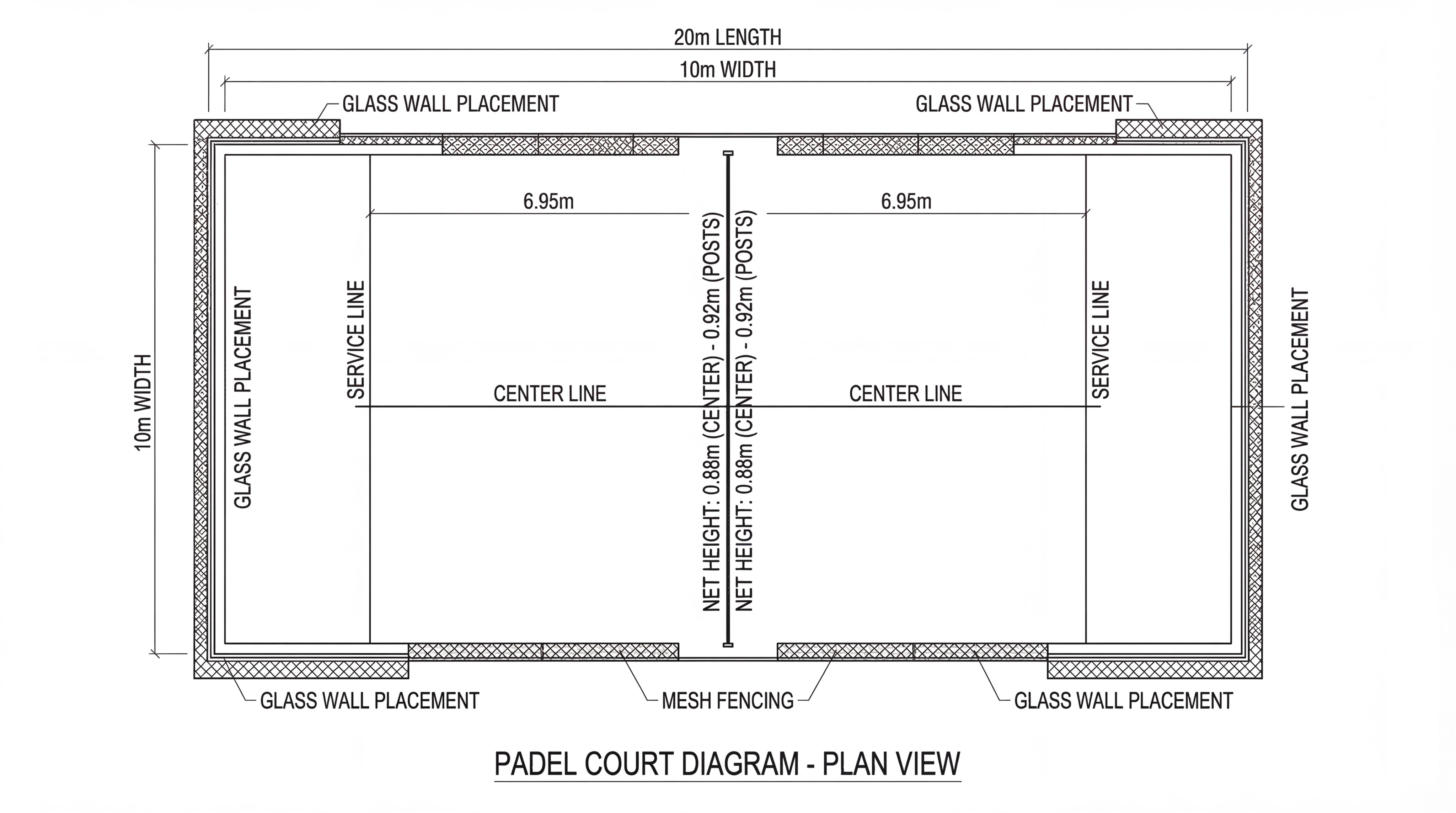
A standard court is precisely 10 meters wide by 20 meters long, enclosed by a combination of glass and metallic mesh. Following these padel rules during the padel court construction phase is non-negotiable for achieving official certification and player satisfaction.
Why is the 20x10m ratio important?
The dimensions are designed to create a tight, fast-paced environment where the ball is always within reach. If you build a court even slightly off-scale, the ball rebound angles will not match the standard game physics.
- Total area is 200 square meters.
- The net height is 88cm at the center.
- Service lines are 6.95m from the net.
Make no mistake.
Precision in measurement is the difference between a professional facility and a hobbyist setup that players will avoid.
What about the safety clearance zone?
Official regulations suggest leaving a perimeter of at least 2 meters around the court to allow for “out-of-court” play. This allows elite players to run through the side doors to return a ball that has bounced out of the enclosure.
- Doorways must be unobstructed.
- External play adds a “pro” feel.
- Safety zones prevent player injuries.
You will love this.
Providing this extra space elevates your facility’s status, making it suitable for hosting high-level tournaments.
Key Takeaway: Exact dimensions and safety buffers are the foundation of a high-performance court that meets international standards.
| Component | Standard Dimension | Importance |
|---|---|---|
| Court Width | 10 Meters | Core game geometry |
| Court Length | 20 Meters | Standard rally distance |
| Net Height | 88cm (Center) | Regulates shot difficulty |
Building the frame to scale is only the first step; the materials used for the walls must meet strict safety and performance codes.
What padel rules apply to structural safety glass?
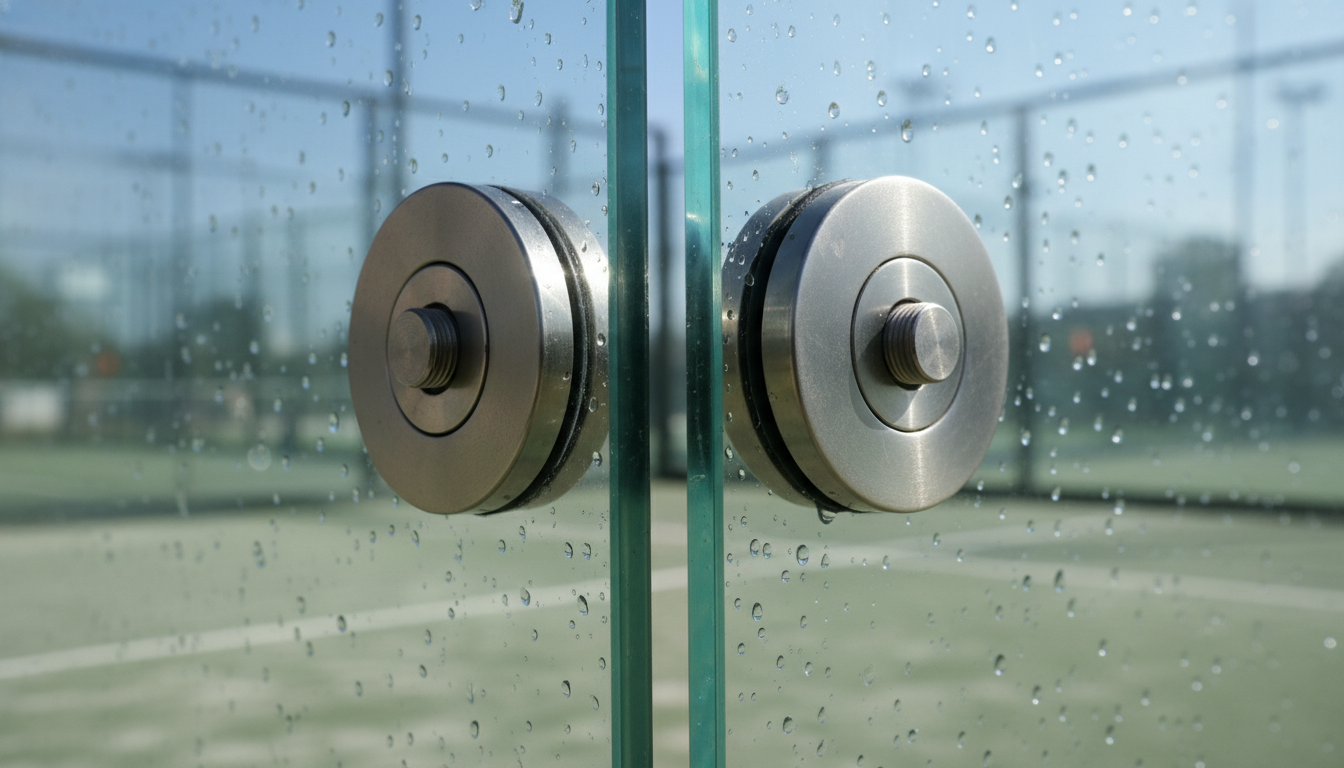
Padel regulations require the use of 10mm or 12mm tempered safety glass to withstand the impact of players and balls. These padel rules prioritize athlete safety, ensuring that the glass shatters into small, blunt granules rather than dangerous shards if broken.
Why is 12mm glass the industry gold standard?
While 10mm is acceptable for some indoor uses, 12mm glass provides superior stability and a more consistent ball bounce. You should invest in the thicker glass to reduce vibration and improve the overall premium feel of your court.
- It offers better impact resistance.
- It reduces the noise of the ball.
- It increases the structural lifespan.
Believe it or not.
Using high-quality Padel Glass significantly lowers your long-term maintenance costs and liability risks.
What is a Panoramic Padel Court?
A panoramic design removes the vertical steel pillars from the back walls to provide spectators with an unobstructed view. This style is increasingly popular because it transforms the game into a visual spectacle for club visitors.
- No rear structural posts.
- Enhanced viewing experience.
- Premium aesthetic for clubs.
Here is the best part.
Panoramic courts often command higher rental fees because players enjoy the elite, professional atmosphere they provide.
Key Takeaway: Safety-certified tempered glass is essential for protecting players and ensuring a high-quality, professional bounce.
| Glass Feature | Standard Requirement | Benefit |
|---|---|---|
| Thickness | 10mm or 12mm | Structural integrity |
| Material | Tempered Safety Glass | Enhanced player safety |
| Design | Panoramic Option | Maximum spectator visibility |
While the glass handles the vertical interaction, the horizontal playing surface must be engineered for perfect traction and bounce.
How do padel rules affect professional turf choice?
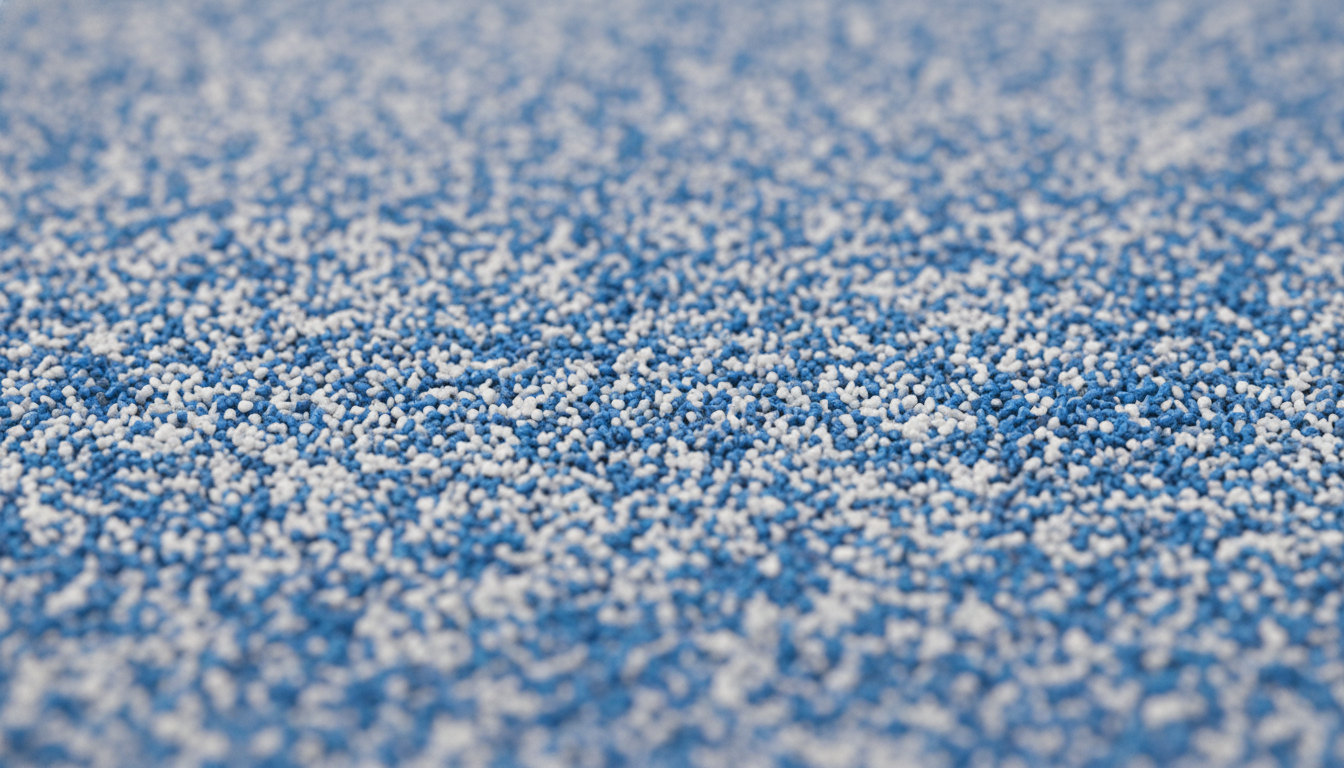
The playing surface must consist of high-density synthetic turf filled with specialized silica sand to ensure a uniform ball bounce. These padel rules are designed to prevent the ball from “skidding” or “dying” on the surface, which would ruin the flow of the game.
What is fibrillated versus monofilament turf?
Monofilament turf is highly durable and offers a natural feel, while fibrillated turf is often easier to maintain and holds sand more evenly. When selecting your Padel Grass, you must prioritize high Dtex ratings for maximum wear resistance.
- Monofilament is better for pro play.
- Fibrillated is excellent for clubs.
- High-density fibers prevent balding.
But that’s not all.
The right turf choice ensures your court remains playable and attractive even after thousands of hours of intense use.
How much silica sand is required?
Sand is not just for looks; it keeps the turf fibers upright and allows players to slide safely without catching their joints. You must ensure an even distribution of sand, typically between 2kg to 3kg per square meter depending on turf type.
- Prevents turf fiber flattening.
- Enables controlled player sliding.
- Ensures consistent ball height.
The result?
A perfectly sanded court provides the iconic “crunch” sound and professional feel that serious players look for in a facility.
Key Takeaway: High-density turf and precise sand infill are the secrets to a durable, professional-grade playing experience.
| Turf Factor | Specification | Player Impact |
|---|---|---|
| Fiber Type | Monofilament/Fibrillated | Traction and bounce |
| Sand Type | Kiln-dried Silica | Joint safety and sliding |
| Pile Height | 10mm to 12mm | Standardized play speed |
Surface quality is vital, but its effectiveness is severely limited if players cannot see the ball clearly during late-night sessions.
Which padel rules regulate lighting for facilities?
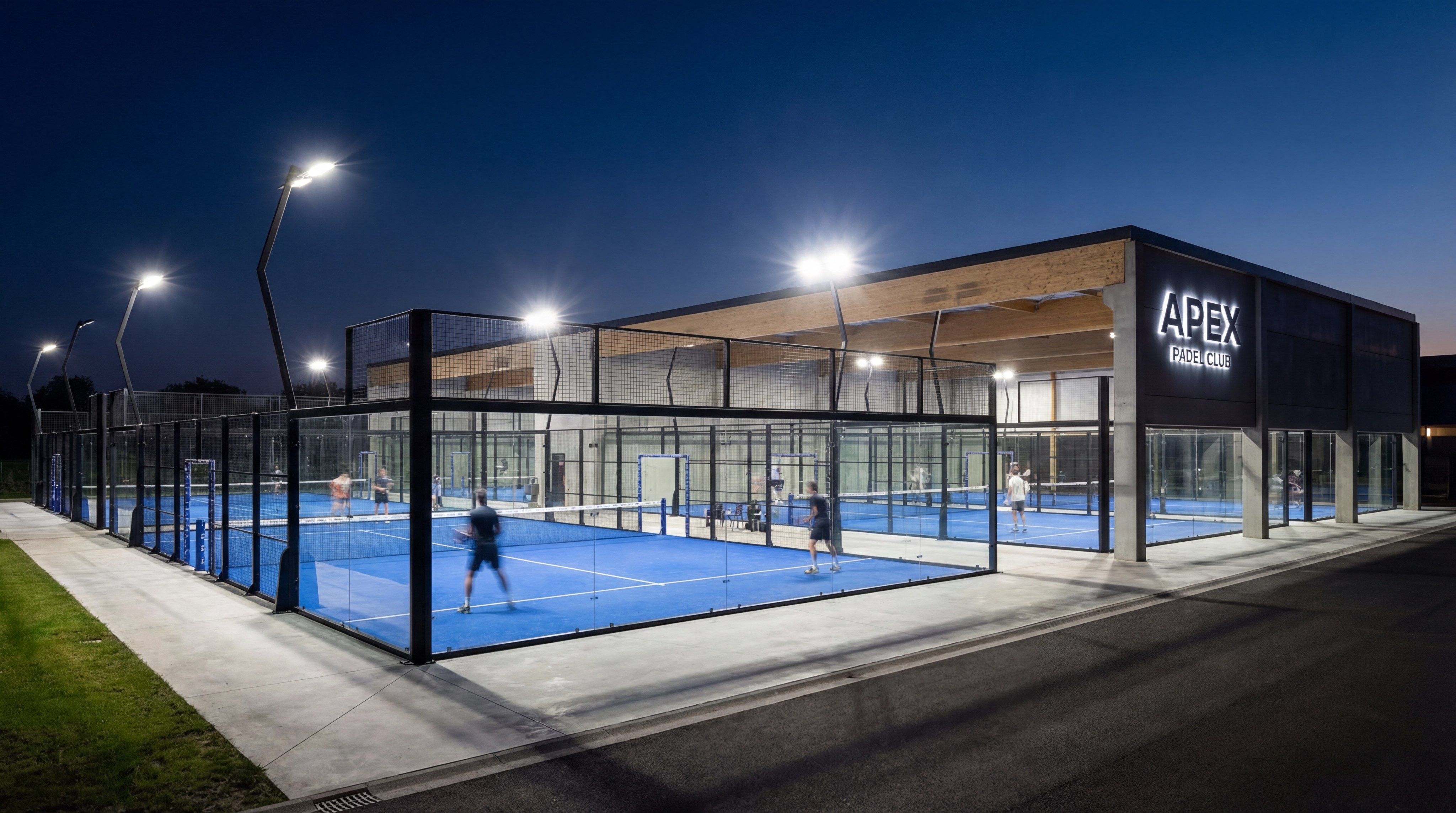
Official guidelines recommend a minimum lighting level of 300 to 500 lux for recreational play and up to 1000 lux for televised events. Following these padel rules ensures that players can track high-speed balls and lobs without struggling against shadows or glare.
Why is uniformity more important than brightness?
If one corner of the court is dimmer than the center, players will lose sight of the ball during critical moments. You must install a high-quality Padel LED Lighting system that distributes light evenly across the entire 200sqm surface.
- Prevents “shadow pockets” on court.
- Reduces eye strain for players.
- Enhances video recording quality.
Now, consider this.
Uniform lighting allows your facility to operate at 100% capacity well after sunset, maximizing your booking revenue.
How do you prevent player glare?
The floodlights must be positioned at a height of at least 6 meters and angled away from the direct line of sight of a player looking up for a lob. Using asymmetric lenses in your LEDs can help direct light onto the turf while keeping it out of the players’ eyes.
- 4 or 8-pole configurations.
- Flicker-free LED technology.
- Waterproof IP66 rated fixtures.
You see.
Thoughtful lighting design turns a standard court into a premium night-time destination that players will prefer over poorly lit competitors.
Key Takeaway: Consistent, glare-free lighting is the key to extending your facility’s operational hours and increasing profitability.
| Lighting Spec | Recommended Level | Benefit |
|---|---|---|
| Lux Level | 300 – 500 (Rec) | Clear ball visibility |
| Pole Height | 6 Meters Minimum | Reduces direct glare |
| Technology | LED Floodlights | Low energy, high output |
With the court perfectly lit and built, the final layer of understanding involves how players actually interact within this space.
How do padel rules manage player court movements?
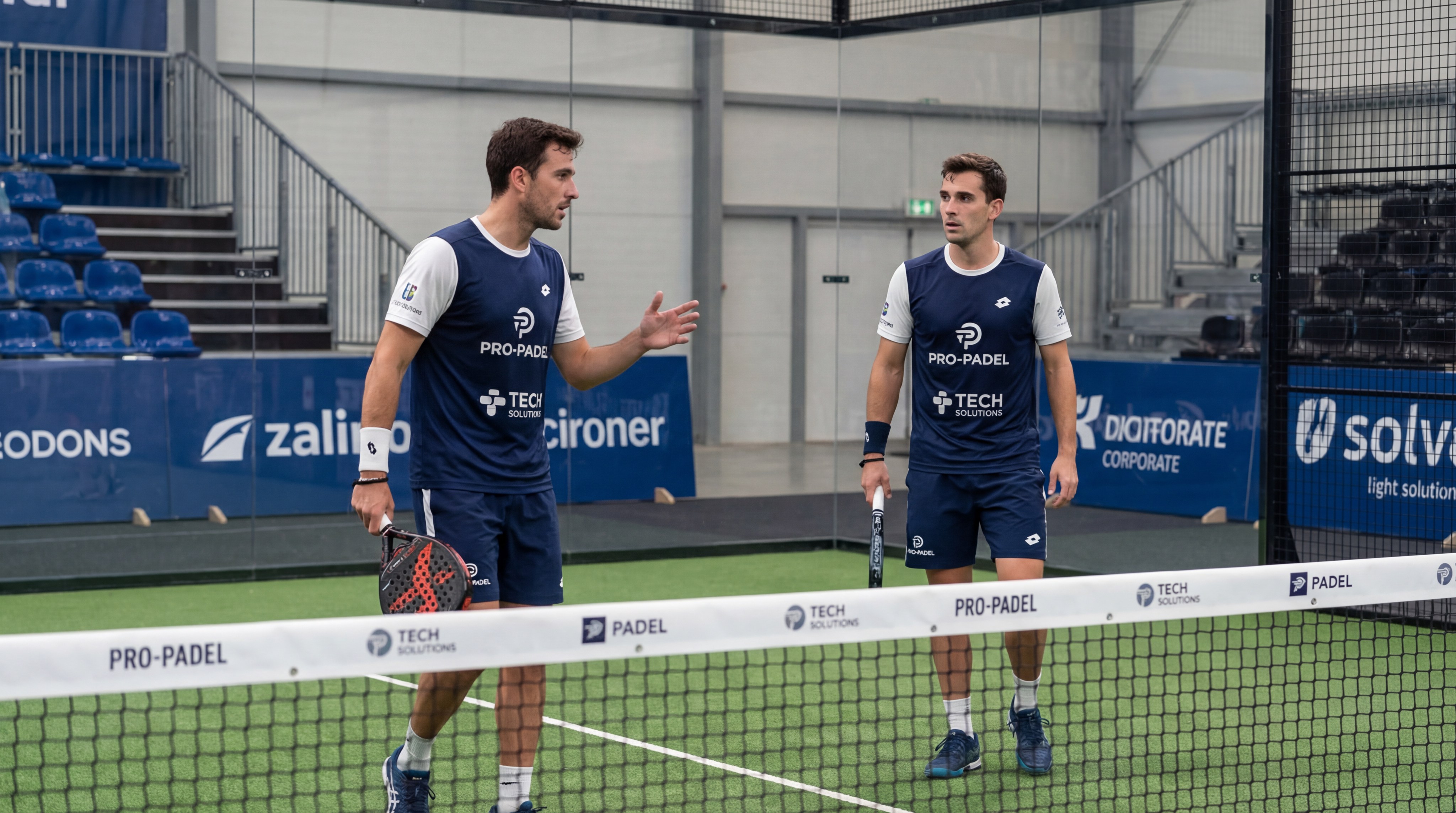
Padel is almost exclusively a doubles sport, and the rules require players to switch sides of the court on every odd game total. These padel rules promote fairness regarding environmental factors like sun position or wind and ensure a balanced competitive experience.
Why is side-switching mandatory?
By changing ends at totals like 1-0, 2-1, or 3-2, no team gains a permanent advantage from court-specific conditions. In your facility, this rule keeps the game dynamic and ensures that both sides of your courts receive equal wear and tear.
- Fairness for sun and wind.
- Standardized break intervals.
- Strategic planning periods.
Just think.
These short breaks are perfect opportunities for players to rest, hydrate, and prepare for the next tactical phase of the match.
Can players touch the net or the opponent’s side?
Players are strictly prohibited from touching the net or invading the opponent’s space with their racket or body. A point is immediately lost if any part of the player or their equipment makes contact with the net during a live ball.
- Net contact equals point loss.
- Racket cannot cross the net.
- Players must stay on their side.
Check this out.
This rule prevents physical interference and ensures that the focus remains entirely on the flight and bounce of the ball.
Key Takeaway: Movement and positioning rules emphasize doubles cooperation and maintain the integrity of the court’s physical boundaries.
| Movement Rule | Requirement | Strategic Value |
|---|---|---|
| Side Switching | Every odd game (1, 3, 5) | Neutralizes environment |
| Net Interaction | No touching allowed | Prevents interference |
| Player Entry | Through side doors only | Enables pro-level play |
The final technical aspect to master is the specific interaction between the ball and various court elements during play.
What padel rules exist for game ball interactions?
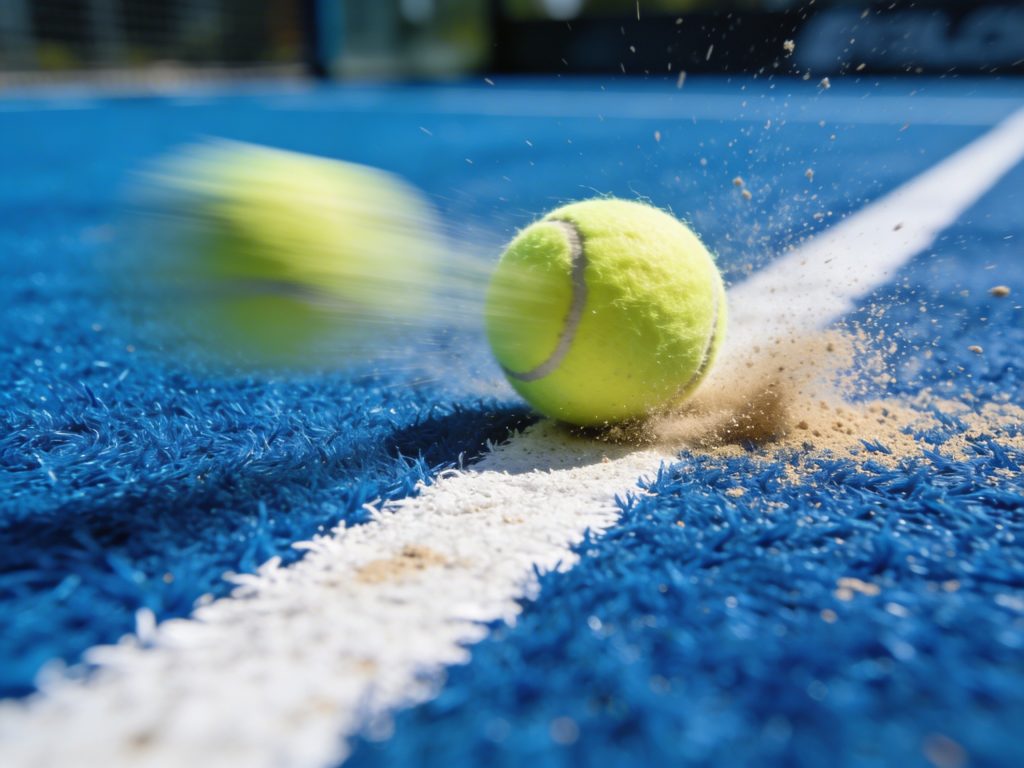
A point is lost if the ball bounces twice on one side or hits a player’s body directly before bouncing. These padel rules define the boundaries of “fair play” and are the most frequent points of discussion during a match.
When is the ball considered “dead”?
The ball is out of play the moment it touches any part of the enclosure—glass or fence—without first bouncing on the opponent’s turf. This fundamental rule distinguishes padel from squash, where hitting the wall first is the primary goal.
- Bounce first, then wall is “In.”
- Wall first, then bounce is “Out.”
- Hitting the ceiling is always “Out.”
You won’t believe it.
This single rule creates the high-speed, “chess-like” strategy that makes padel addictive for millions of players.
What happens if the ball hits a player?
If the ball strikes an opponent’s body or clothing directly, the hitting team wins the point immediately. This encourages players to maintain quick reflexes and stay alert, as “body shots” are a legitimate tactical choice at the net.
- Direct body hits lose the point.
- Touching the ball twice is illegal.
- Racket-only contact is required.
It’s simple.
Proper ball interaction rules ensure that every point is decided by skill and placement rather than accidental contact.
Key Takeaway: The ball must always strike the ground first to be live, making court geometry the most important skill to master.
| Interaction | Result | Gameplay Logic |
|---|---|---|
| Double Bounce | Point Ends | Rewards quick movement |
| Body Hit | Loss of Point | Emphasizes racket skill |
| Direct Wall Hit | Out of Bounds | Defines play boundaries |
Understanding these granular rules allows you to see the bigger picture: how a well-built facility generates long-term business value.
How do padel rules influence facility ROI?
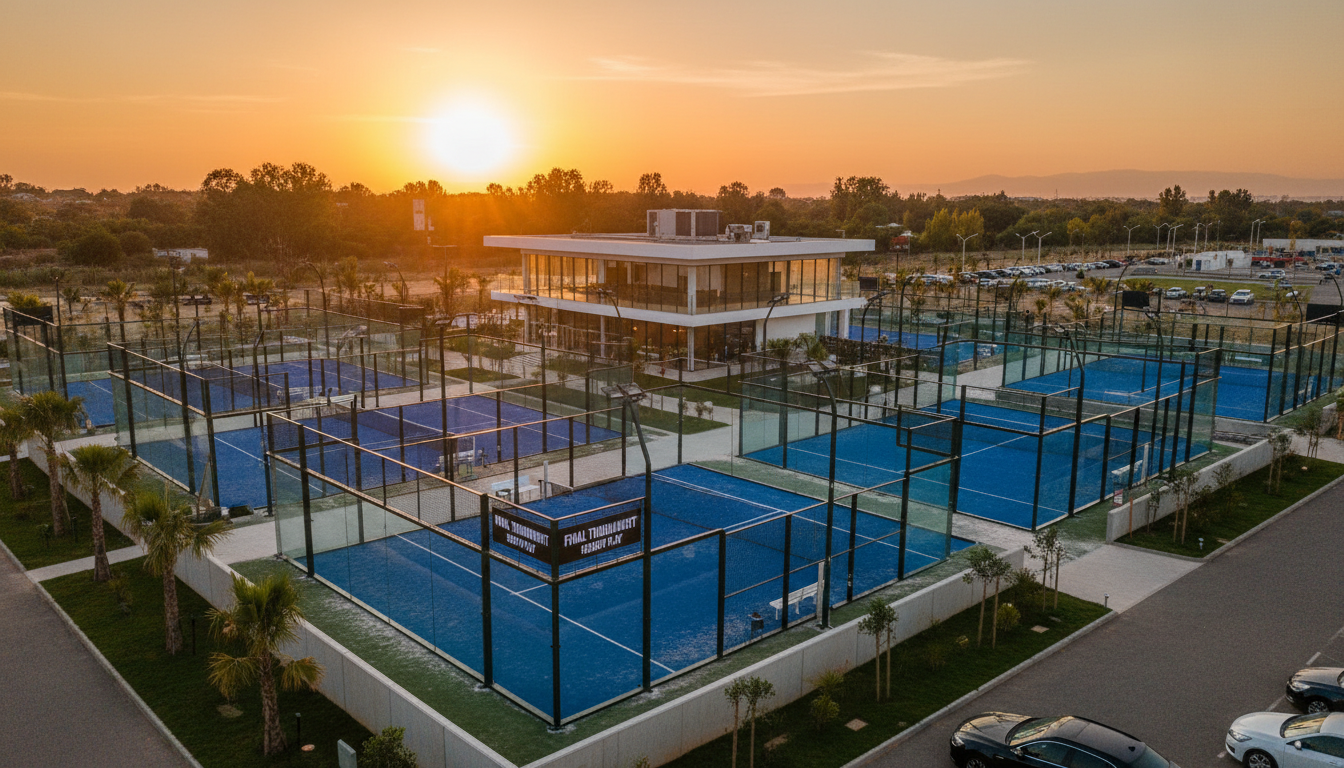
Building a court that strictly follows international padel rules ensures your facility is eligible for high-profile tournaments and attracts serious, paying members. A facility built to pro standards has a much higher resale and rental value than one using substandard materials or incorrect dimensions.
How does court variety boost revenue?
By offering a mix of Standard Padel Courts for practice and Panoramic models for finals, you cater to both casual players and competitive athletes. This variety allows you to segment your pricing and maximize the occupancy of every square meter.
- Attracts different player levels.
- Allows for tiered court pricing.
- Creates a professional club image.
Here is the bottom line.
A diverse court offering makes your facility the go-to destination for the entire local padel community.
Why is factory-direct procurement better?
Purchasing your courts directly from the manufacturer allows you to customize the colors, branding, and lighting to match your vision while saving up to 30% on costs. You can invest these savings back into marketing or amenities like a pro shop or café.
- OEM/ODM customization options.
- Lower procurement overhead.
- Direct technical support.
The truth is.
Smart investment in the right structure from day one is the most effective way to ensure your business remains profitable for decades.
Key Takeaway: Adhering to professional standards and buying direct are the most reliable strategies for maximizing your sports facility ROI.
| ROI Driver | Construction Focus | Business Outcome |
|---|---|---|
| Facility Prestige | Panoramic & Pro courts | Higher booking rates |
| Operational Hours | Advanced LED systems | 24/7 revenue potential |
| Longevity | Galvanized steel & 12mm glass | Lower maintenance costs |
Building a world-class padel facility requires a deep understanding of the sport’s unique dynamics and the industrial precision needed to support them. From the “Golden Point” to the grade of tempered glass, every detail contributes to the player’s experience and your facility’s reputation. At Superbpadel, we are dedicated to providing the highest quality, factory-direct court solutions that meet every international standard. We empower club owners and investors to build not just courts, but thriving sports communities. To begin your journey into the world of padel, contact us today for a comprehensive consultation and a personalized quote.
Frequently Asked Questions
Can I build a padel court on an existing tennis court?
Yes. You can typically fit two to three padel courts within the footprint of a single standard tennis court, significantly increasing your revenue per square foot.
What’s the best way to maintain the court glass?
Generally, a standard glass cleaner and a soft squeegee are all you need to maintain transparency and hygiene. Regular checks on the structural fixings are also recommended.
Can I customize the color of the court frame?
Absolutely. We offer full RAL color customization for all galvanized steel structures, allowing you to align the facility with your brand identity.
What is the minimum ceiling height for indoor padel?
At least 6 meters is required, though 8 to 9 meters is preferred by professional players to allow for high defensive lobs.
How long does it take to install a single court?
Usually, a professional team can complete the assembly of a modular padel court in 3 to 4 days, provided the concrete sub-base is already prepared.