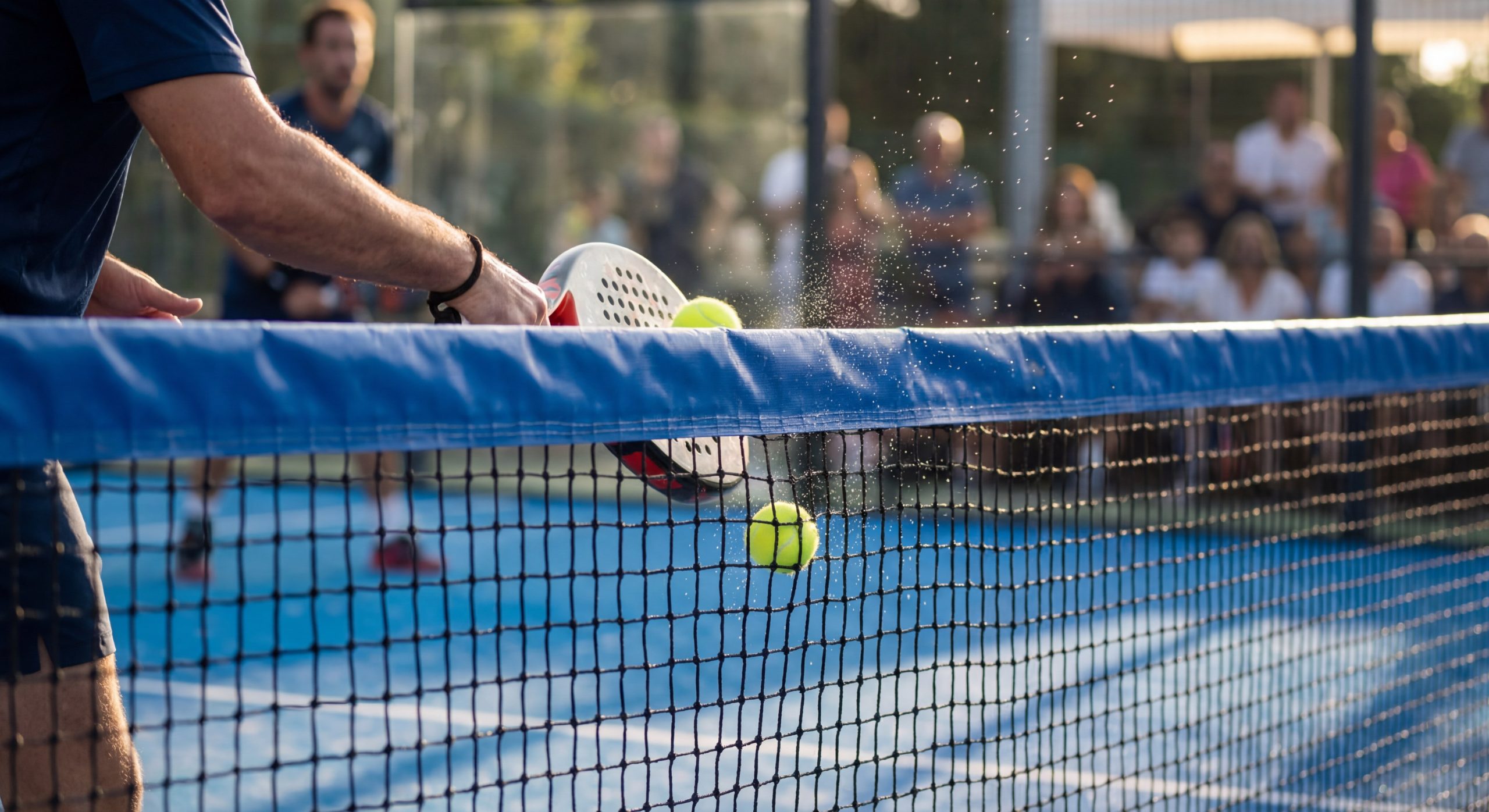
What are the fundamental pelregels padel for beginners?
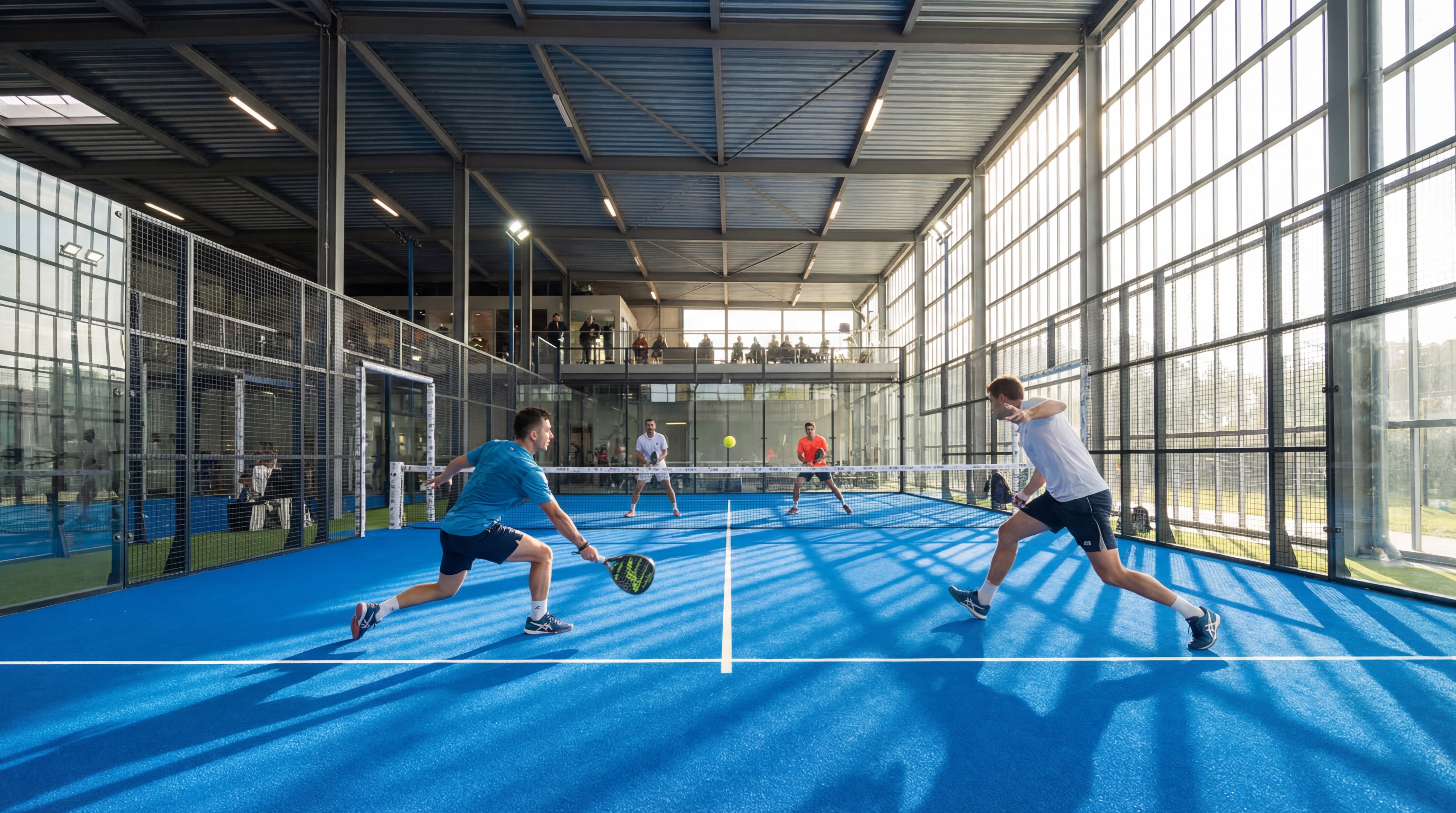
The fundamental rules of padel require matches to be played in a doubles format on an enclosed court where the walls are an active part of the game. Beginners must understand that the sport is designed for social interaction and strategic positioning rather than raw power. Learning the basic pelregels padel involves mastering the balance between using the enclosure and maintaining court boundaries.
The essential doubles format
Padel is almost exclusively a four-player game, which dictates the court’s 10×20 meter dimensions. This format encourages communication and teamwork, making it distinct from tennis.
- Players must always play in teams of two.
- Positions can change, but the server must remain consistent for the game.
- Team coordination is vital for covering the net and the backcourt.
Look at it this way:
Teamwork is your greatest asset.
Basic ball play and court boundaries
The ball must always bounce on the opponent’s turf before hitting any part of the enclosure to be considered “in.” If the ball hits the glass or fence directly without a bounce, it is out.
How to use the walls effectively?
You are allowed to let the ball hit the glass walls after it has bounced on your side. This provides a second chance to return difficult shots that would be unreachable in other sports.
Key Takeaway: Understanding these basic rules allows you to sustain longer rallies and enjoy the tactical depth of the game from day one.
| Element | Rule Specification |
|---|---|
| Player Count | Exactly 4 players (2 vs 2) |
| Boundary Type | Glass and metallic mesh walls |
| Ball Contact | Must bounce on turf first |
Mastering the enclosure is the first step toward competitive proficiency.
How does the scoring system work in pelregels padel?
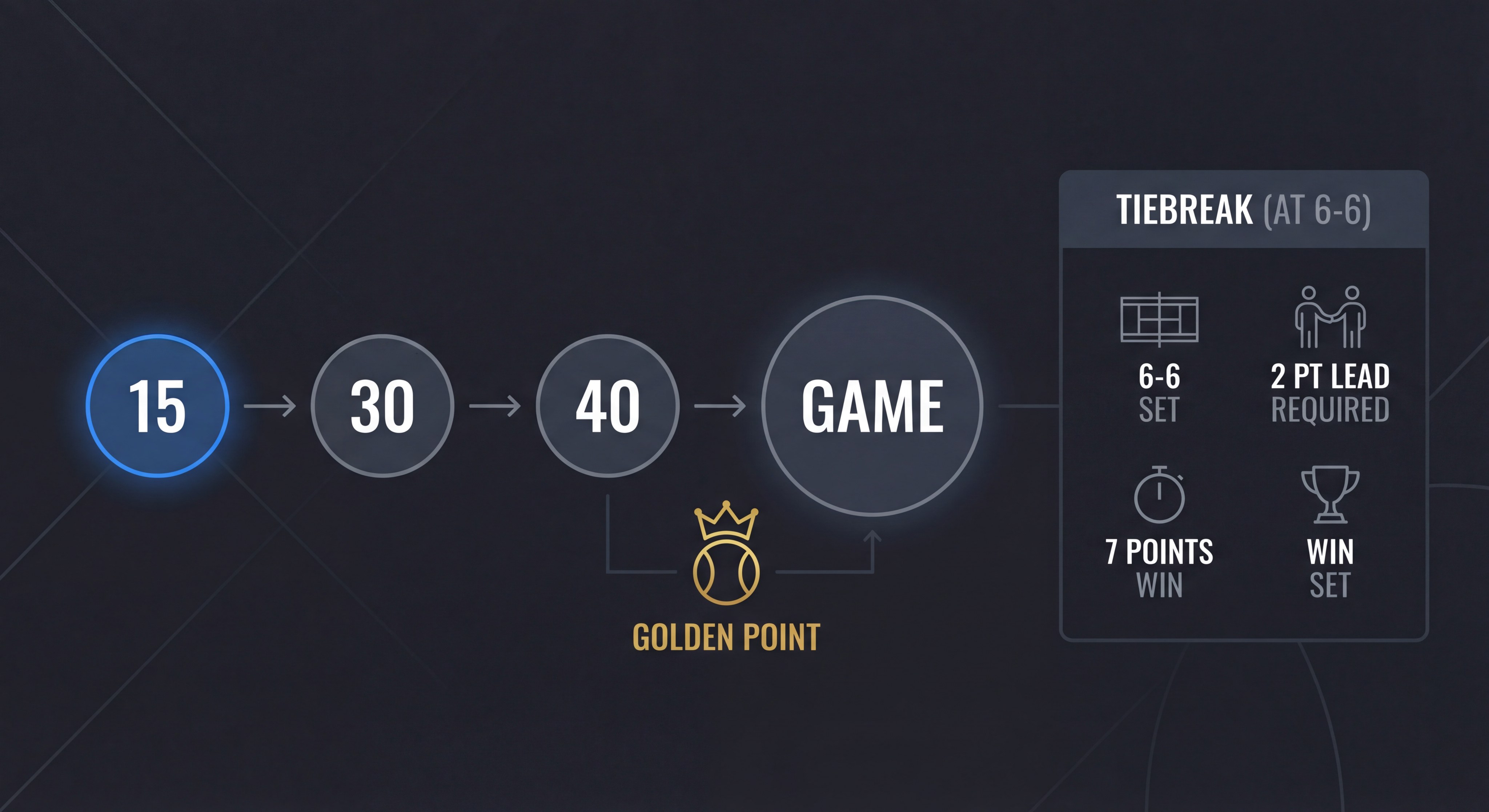
Padel follows a scoring structure identical to tennis—15, 30, 40, and game—with the frequent addition of a “Golden Point” at deuce. Following the official pelregels padel scoring ensures that matches remain fast-paced and exciting for both players and spectators.
Understanding points, games, and sets
Matches are usually played as the best of three sets, where a set is won by the first team to reach six games with a two-game lead. This traditional structure provides a familiar rhythm for racket sport enthusiasts.
- 15: The first point won.
- 30: The second point won.
- 40: The third point won.
Here is the kicker:
Consistency often beats power in scoring.
How to play the golden point?
The Golden Point is used when the score reaches 40-40 (deuce), where the next point decides the game winner. The receiving team chooses which side they wish to receive the serve from.
Winning the match with a tiebreak
If a set reaches a 6-6 score in games, a tiebreak is played to seven points. You must win by a margin of at least two points to take the set.
Key Takeaway: Accurate scoring tracking prevents disputes and maintains the competitive integrity of your facility’s tournaments.
| Score Level | Description |
|---|---|
| Game Point | 40-40 leads to Golden Point |
| Set Point | First to 6 games (with 2-game lead) |
| Match Point | Best of 3 sets to win |
Standardized scoring makes the sport accessible and professionally recognized.
Where do you serve according to pelregels padel?
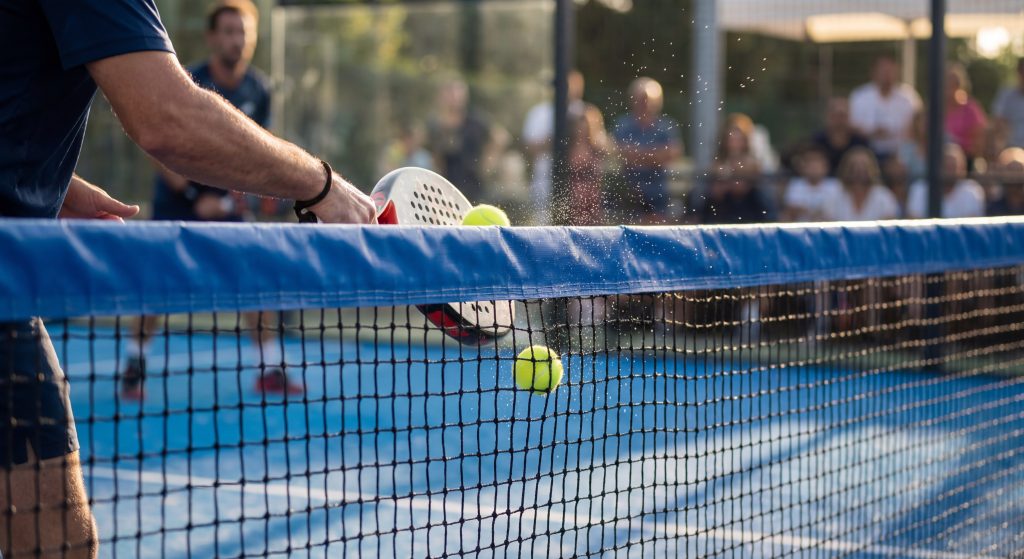
You must serve underhand, striking the ball at or below waist height after bouncing it once behind the service line. The pelregels padel specify that the serve is the only time the ball is not allowed to touch the metallic fence.
The rules of the underhand serve
Unlike tennis, an overhead serve is illegal; the racket must make contact with the ball below the waist. You must keep at least one foot on the ground while serving.
- Bounce the ball once before hitting it.
- Keep the racket head below the hip.
- Stand behind the service line and between the center mark.
Believe it or not:
A well-placed underhand serve is harder to return than a fast one.
Mastering the diagonal service
The serve must travel diagonally across the net into the opponent’s service box. It is considered “in” if it bounces within the lines of that box.
When is a service considered a fault?
A fault occurs if the ball bounces in the box and then hits the metallic fence before the second bounce. It is also a fault if the ball misses the service box entirely.
Key Takeaway: Mastering the legal service ensures you start every point with a tactical advantage and avoid giving away free points.
| Serve Rule | Requirement |
|---|---|
| Contact Point | Below waist height |
| Foot Position | Behind the service line |
| Target | Diagonal service box |
Precision in serving defines the transition from beginner to intermediate play.
Why is the glass used differently in pelregels padel?
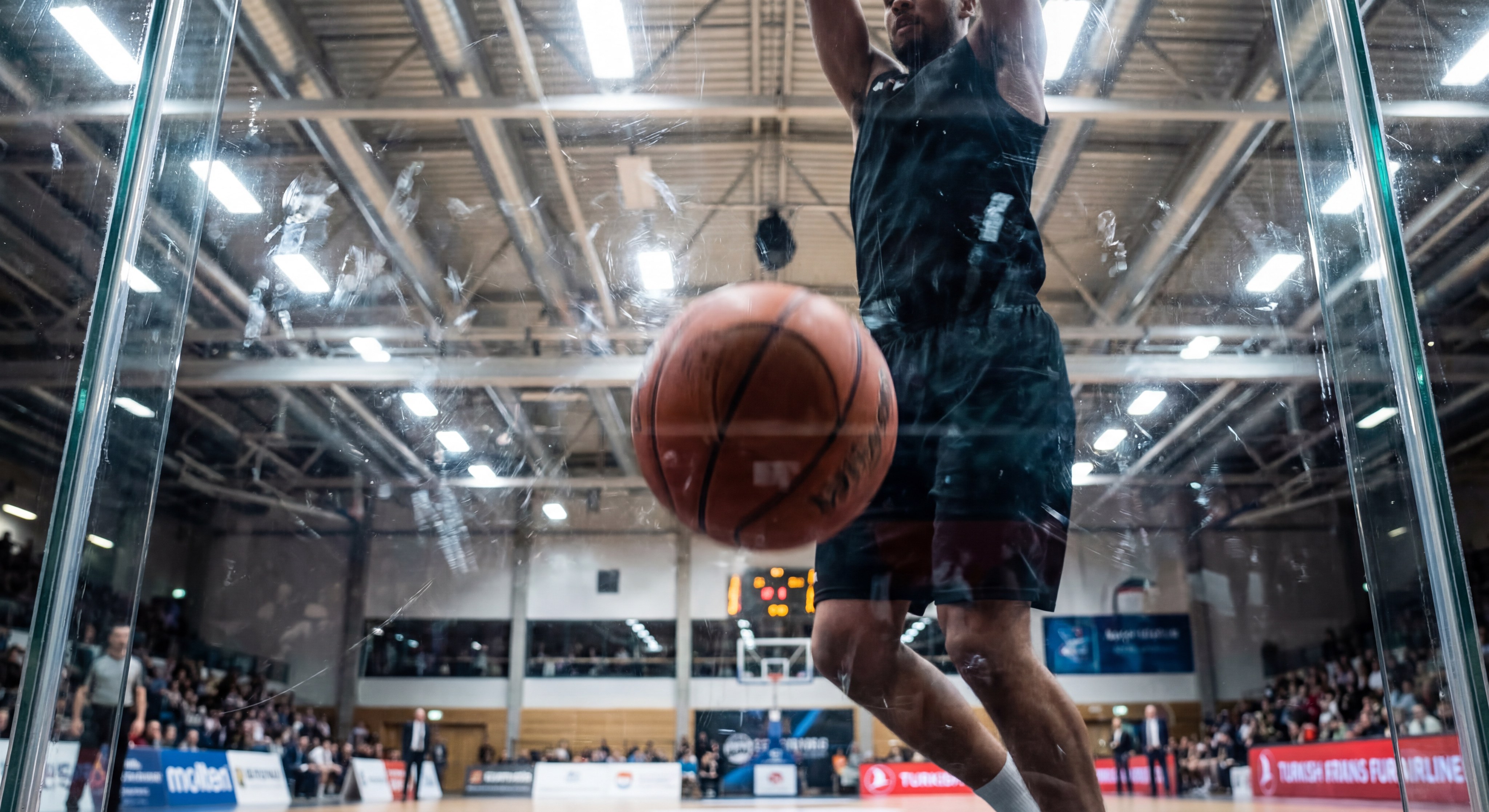
Players use the glass walls to keep the ball in play, allowing it to bounce on the turf first and then hit the glass before being returned. According to pelregels padel, the glass is considered an extension of the court, enabling creative defensive and offensive angles.
Rebounding the ball off the glass
If the opponent hits a deep shot that bounces and then strikes the back glass, you can wait for the rebound to hit the ball back. This adds a unique dimension of timing to the game.
- Let the ball hit the glass to slow it down.
- Position yourself for the rebound path.
- Use the wall to lob the ball over opponents at the net.
The truth is:
The glass is your best teammate.
Using your own wall for defense
You are legally allowed to hit the ball against your own glass wall to send it over the net to the opponent’s side. This is often used when you are trapped deep in the corner.
When does the ball count as out?
The ball is out if it hits the glass directly without bouncing on the floor first. It is also out if it bounces on your side and then hits your own glass without crossing the net.
Key Takeaway: Learning to play off the glass transforms the court from a box into a 3D arena of strategic possibilities.
| Glass Action | Result |
|---|---|
| Bounce then Glass | Ball is in play |
| Direct Hit on Glass | Ball is out |
| Hit Own Glass to Return | Legal maneuver |
Glass play separates padel from every other racket sport on the market.
When is playing off the fence allowed in pelregels padel?
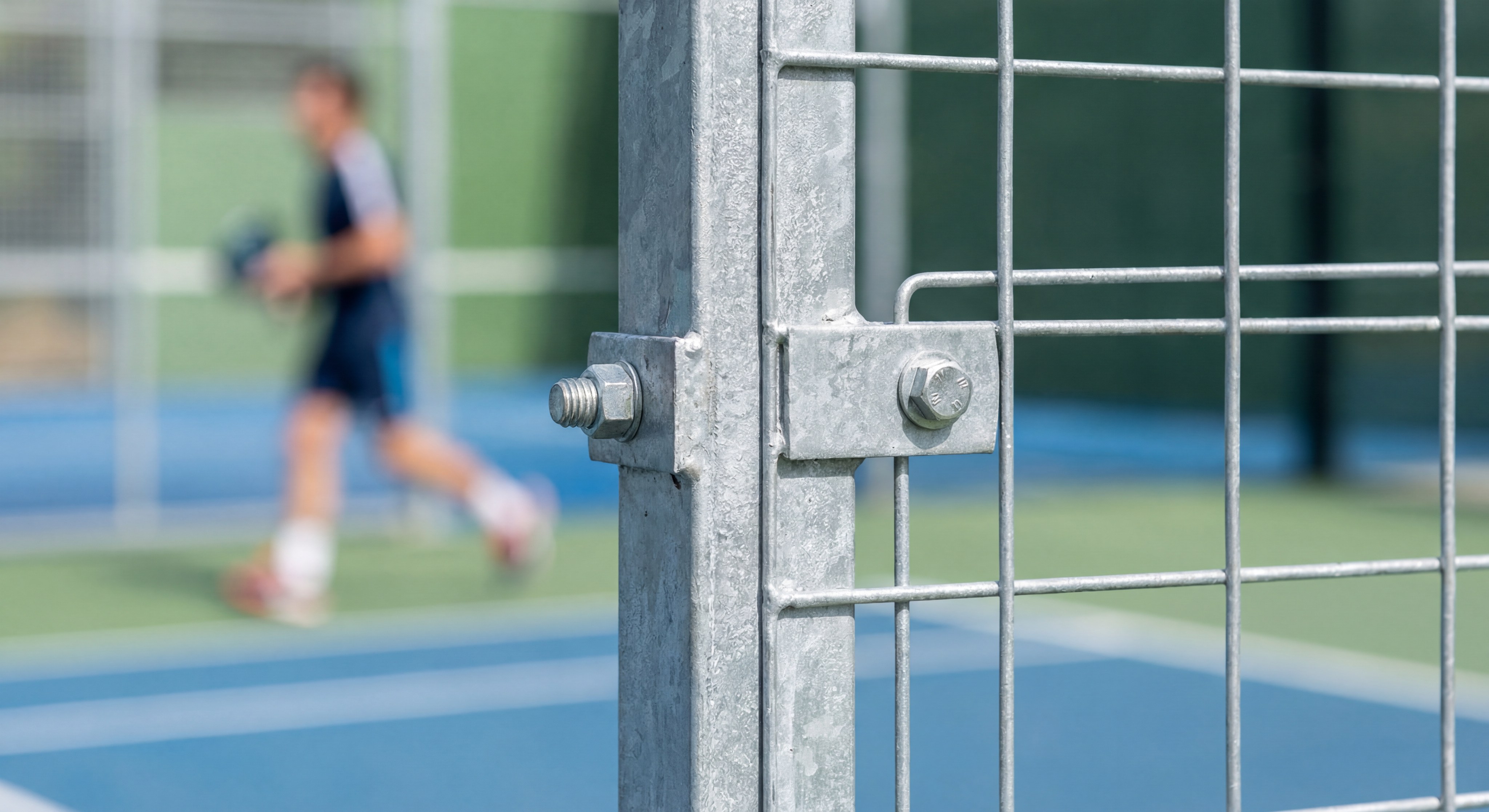
Playing off the metallic fence is permitted during a rally if the ball bounces on the opponent’s side first and then hits the mesh. The pelregels padel highlight the fence as a source of unpredictable bounces that can catch opponents off guard.
Rally rules for metallic fencing
During a rally, hitting the fence after a bounce is a valid strategy to create difficult returns. The mesh causes the ball to deviate in unexpected directions.
- Aim for the fence to create “dead” bounces.
- Use the side mesh to force opponents out of position.
- Be careful: the bounce is unpredictable for you too.
Don’t forget:
The fence is the “wild card” of the court.
Why the fence is forbidden during service?
If a served ball bounces in the box and then touches the fence, it is a fault. This rule ensures that the return of serve remains relatively predictable for the receiving team.
Safety guidelines for the mesh area
Quality construction uses hot-dip galvanized steel to ensure the fence remains taut and safe. Sharp edges or loose wires can cause injury during high-speed play.
Key Takeaway: Utilizing the fence strategically adds a layer of complexity to rallies that rewards tactical thinking over brute force.
| Mesh Rule | Context |
|---|---|
| Service | Prohibited (Fault) |
| Rally | Allowed (Strategic) |
| Material | Galvanized Steel Mesh |
Understanding the “unpredictable” fence is essential for advanced defensive positioning.
Which net rules are critical for pelregels padel?
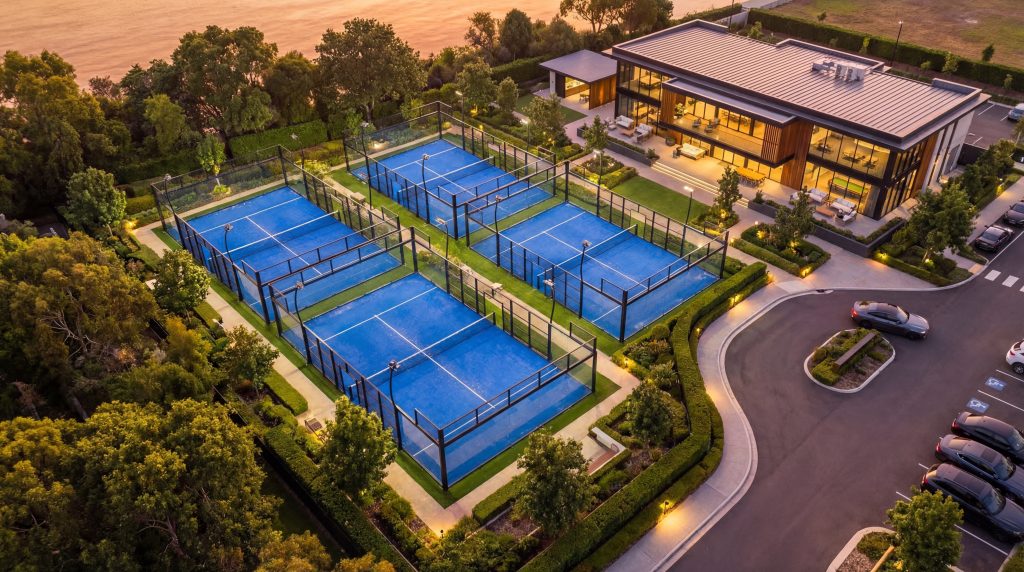
Critical net rules prohibit any part of your body or racket from touching the net during play, as this immediately awards the point to the opponent. Adhering to these pelregels padel prevents unfair interference and maintains a clear boundary between the teams.
Crossing the net plane with the racket
You generally cannot hit the ball on the opponent’s side of the net. However, if the ball bounces on your side and spins back over the net, you can reach over to hit it.
- Wait for the ball to cross the net to your side.
- Avoid follow-through contact with the net.
- Use volleys to keep opponents away from the net.
Bottom line:
Distance from the net is safety.
Why you must never touch the net?
Touching the net with your racket, clothing, or any part of your body results in an automatic loss of the point. This applies even if the point seemed already decided.
Playing attacking volleys near the net
The area near the net is where most points are won in padel. Players strive to maintain a “net position” to control the pace of the game.
Key Takeaway: Strict net discipline ensures fair play and prevents the chaotic physical contact that can occur in high-intensity matches.
| Net Violation | Consequence |
|---|---|
| Racket touches net | Point lost |
| Foot touches net base | Point lost |
| Reaching over (unprovoked) | Point lost |
Mastering net play is the key to transitioning from defense to offense.
What materials are required to follow pelregels padel?
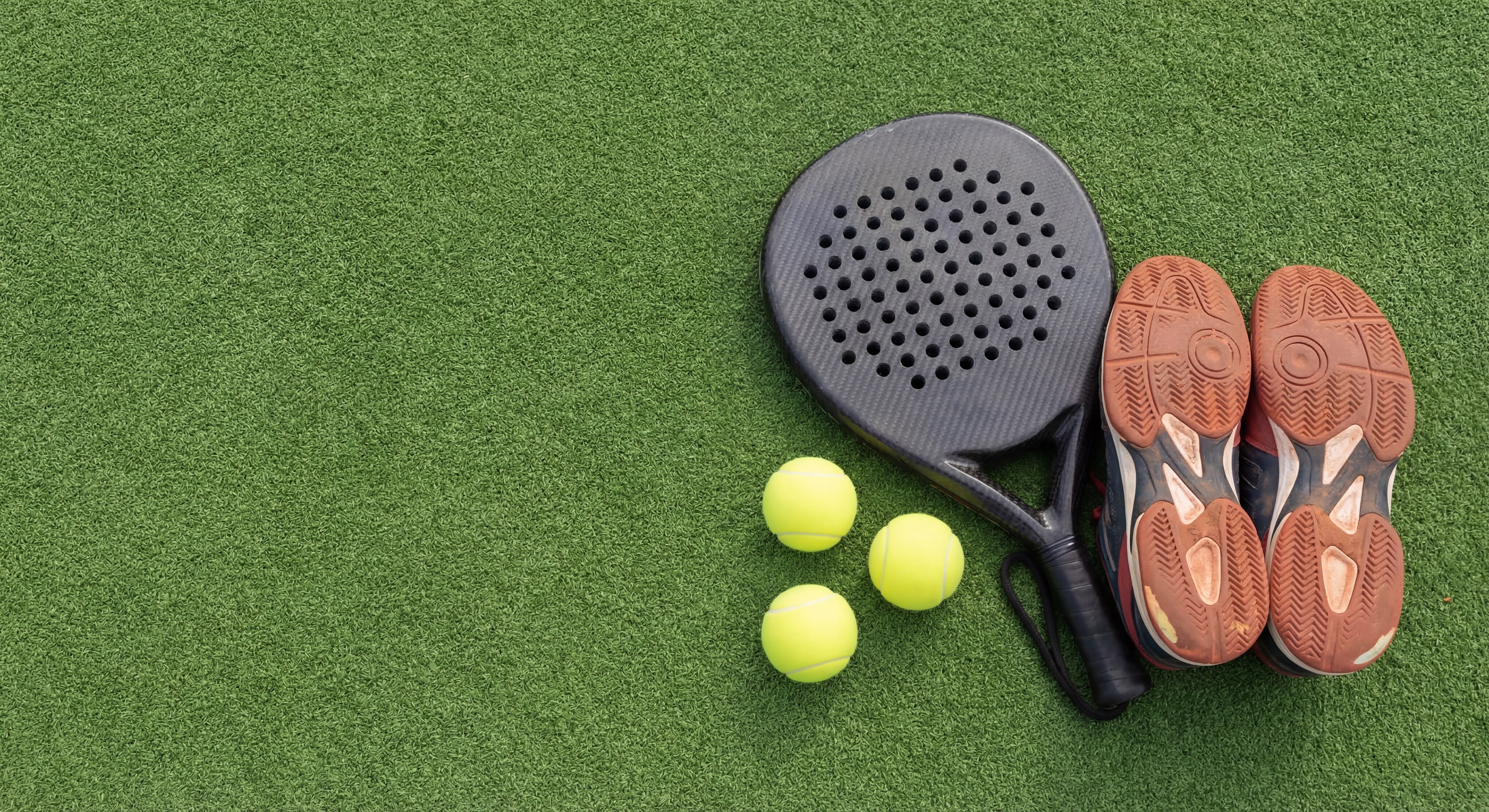
Following the official requirements involves using stringless, perforated rackets and high-density, low-pressure balls designed specifically for the sport. These pelregels padel ensure that the equipment matches the speed and rebound characteristics of the court.
Choosing a professional padel racket
Padel rackets are made of composite materials like carbon fiber and feature a foam core. They are shorter and thicker than tennis rackets, providing better control for close-range volleys.
- Look for a teardrop shape for balanced power.
- Ensure the weight suits your swing speed.
- Use a wrist strap; it is mandatory for safety.
Make no mistake:
The right racket changes your game.
Why use specific low-pressure balls?
While they look like tennis balls, padel balls have less internal pressure. This makes them bounce lower and stay in play longer, fitting the smaller court size. High-quality Padel Grass also affects how these balls respond upon impact.
Essential grips and footwear needs
Proper footwear with “herringbone” or clay-court soles is essential for grip on the sand-filled turf. Overgrips help maintain racket control during sweaty, high-intensity matches.
Key Takeaway: Using certified equipment protects you from injury and ensures your performance isn’t hindered by sub-standard gear.
| Equipment | Requirement |
|---|---|
| Racket | Perforated, no strings |
| Ball | Specific low-pressure |
| Shoes | High-grip “clay” soles |
Quality materials are the silent partners in every winning match.
How can you build a court following pelregels padel?
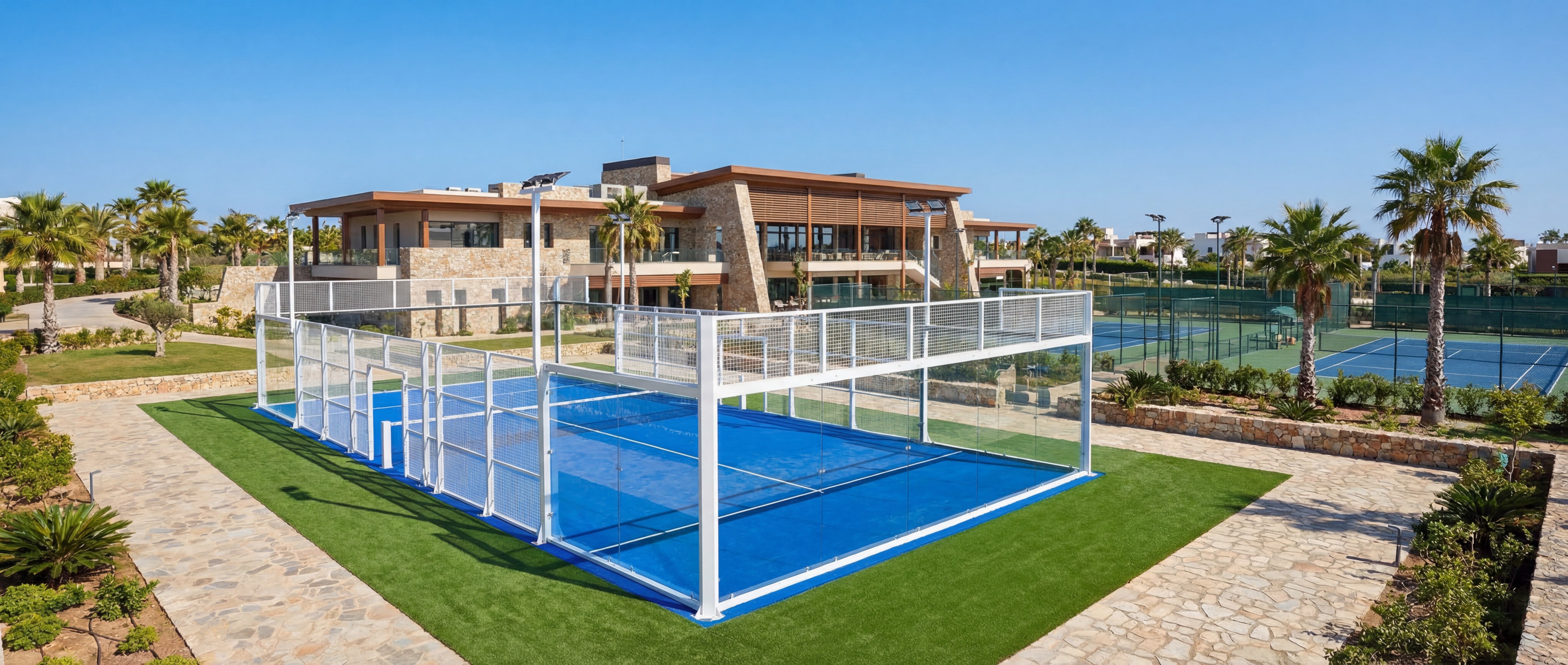
Building a court involves installing a 10×20 meter structure with tempered glass panels and a specific synthetic turf surface. To comply with pelregels padel, you must use a professional Padel Structure that can withstand high impact and weather conditions.
Standard court design and dimensions
The Standard Padel Court features a 10-meter width and 20-meter length, divided by a net. The back walls are 3 meters high, typically made of 10mm or 12mm tempered glass.
- Dimensions must be precise for official play.
- Glass must be certified for safety and rebound.
- The turf needs silica sand infill for consistent play.
Here’s the deal:
Precision in construction saves maintenance costs.
The benefits of panoramic views
A Panoramic Padel Court removes the vertical steel pillars from the back glass, offering a clear view for spectators. This is the gold standard for high-end clubs and televised tournaments.
Ensuring structural safety standards
Every court must be built to resist wind loads and player impact. Using hot-dip galvanized steel prevents rust and ensures the structure lasts for decades.
Key Takeaway: Professional construction ensures your facility meets international standards, attracting more players and reducing long-term liability.
| Construction Element | Specification |
|---|---|
| Inner Dimensions | 10m x 20m |
| Glass Thickness | 10mm – 12mm Tempered |
| Metal Finish | Hot-dip Galvanized |
A well-built court is a long-term asset for any sports facility.
Why should you install a roof for pelregels padel?

Installing a roof is highly recommended for commercial facilities to ensure playability during rain or extreme heat, maximizing total court uptime. Modern pelregels padel facilities often integrate a Roofed Padel Court to guarantee revenue regardless of the season.
All-weather playing solutions
A roof protects the turf from moisture, which can make it slippery and dangerous. It also prevents the glass from fogging up during cold or humid mornings.
- Eliminate cancellations due to rain.
- Protect players from intense UV rays.
- Extend playing hours into the late evening.
Think about it:
Zero downtime equals maximum profit.
Integrated roofing design for facilities
Modern roofs are designed to be high enough (at least 6-8 meters) to allow for lobs. They often feature LED lighting systems integrated into the structure for night play.
How to maximize year-round revenue?
By providing a sheltered environment, your facility becomes the preferred choice for local leagues and casual players during the winter months.
Key Takeaway: Roofing turns a seasonal sport into a year-round business opportunity, significantly increasing your return on investment.
| Benefit | Impact |
|---|---|
| Playability | 365 days a year |
| Turf Life | Reduced weather wear |
| Revenue | Stable monthly income |
Climate control is the ultimate upgrade for any serious padel club.
Who can help you build courts for pelregels padel?
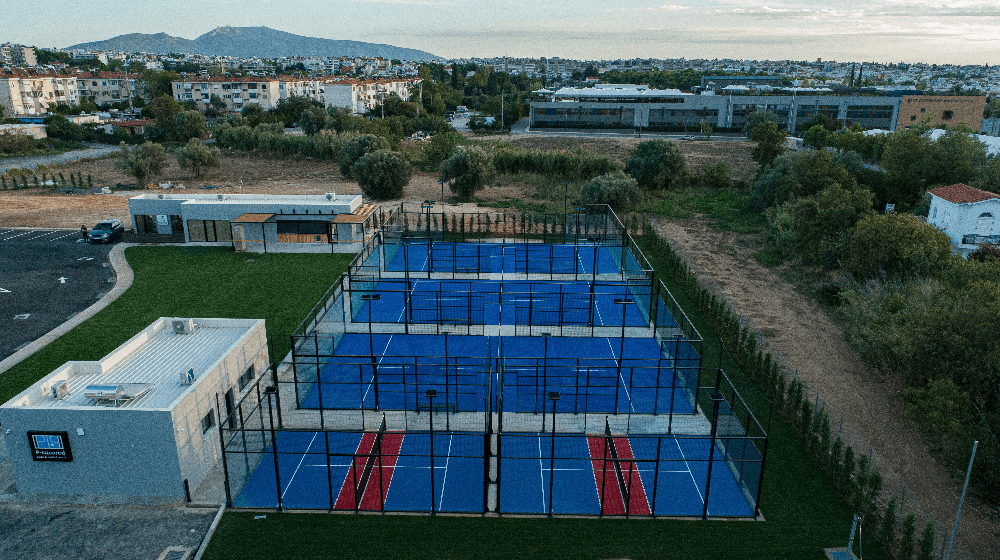
Professional manufacturers and certified installers are the best choice for ensuring your facility meets all international safety and playability standards. Navigating pelregels padel during construction requires an expert partner who understands the nuances of materials and local regulations.
Factory direct sourcing advantages
Sourcing directly from a factory ensures you get the highest quality materials at a competitive price. It also allows for greater customization in colors and branding.
- Control the quality of the steel and glass.
- Reduce middleman costs for better ROI.
- Ensure all components arrive simultaneously.
The bottom line is:
Direct sourcing equals better quality control.
Professional installation and support
Expert installers ensure that the glass is perfectly aligned and the turf is correctly sanded. This prevents common issues like uneven bounces or premature structural wear.
Custom branding for your facility
You can customize the frame colors and turf to match your club’s brand identity. This creates a professional look that attracts premium sponsors and members.
Key Takeaway: Choosing the right partner for your project ensures that your investment is protected by warranties and industry-leading expertise.
| Partner Criteria | Importance |
|---|---|
| Factory Direct | High (Cost & Quality) |
| Certification | Mandatory (Safety) |
| Support | Ongoing (Maintenance) |
Expert guidance is the bridge between a simple court and a world-class facility.
Conclusion
Understanding and applying pelregels padel solves the complexity of both competitive play and professional facility management. We specialize in transforming these technical requirements into high-performance realities, offering everything from standard court construction to advanced panoramic and roofed solutions. Our goal is to provide you with the most durable, safe, and visually striking padel courts on the market. Our vision is to empower facility owners and players with elite sports environments that foster community and athletic excellence. To start your journey toward a world-class padel facility, contact us today for a personalized consultation.
FAQ
Can I play padel singles according to official rules?
It depends. While 1v1 play is possible for training, official pelregels padel dictate that competitive matches must be played in doubles on a standard 10x20m court.
Is it mandatory to wear the racket strap?
Yes. For safety reasons, the strap must be worn around the wrist at all times to prevent the racket from flying out of your hand and injuring other players.
What is the best type of glass for a commercial court?
12mm tempered glass. This thickness provides the best balance of safety, structural integrity, and consistent ball rebound for high-traffic facilities.
Can the ball hit the net and still be in?
Yes. During a rally, if the ball hits the net and lands in the opponent’s court, play continues; however, during a serve, it results in a “let” and must be replayed.
How often does the court turf need maintenance?
It depends on usage. Generally, you should brush the sand and check for consistency every 2-4 weeks to ensure the turf follows pelregels padel for playability.