The best intermediate padel racket is a teardrop-shaped hybrid that balances power and control through a carbon fiber frame and a soft EVA foam core. You have likely noticed that your beginner equipment is no longer keeping up with your evolving game. Your defensive lobs fall short, and your smashes lack the bite needed to end points quickly.
It is a frustrating stage in any player’s journey.
Continuing to play with low-end gear can stunt your technical development or, worse, lead to chronic elbow fatigue from poor vibration damping. You need a solution that offers the forgiveness of a round racket with the aggressive potential of a diamond frame.
The path to improvement is clear.
By selecting or manufacturing the best intermediate padel racket, you equip yourself with a professional-grade tool tailored for mid-level precision. This guide explores the engineering behind these rackets and how they elevate your performance on the court.
What defines the best intermediate padel racket?
Versatility and a generous sweet spot are the two most critical characteristics of the best intermediate padel racket. Unlike professional models that demand perfect contact, these rackets are designed to be forgiving while still providing a significant power boost.
Why is versatility non-negotiable?
Intermediate players often oscillate between defensive baseline play and aggressive net attacks. You need a racket that doesn’t force you into a single style of play.
- Adaptability in fast-paced rallies.
- Stability during off-center hits.
- Precision for drop-shot execution.
Is the sweet spot truly larger?
Most mid-tier rackets utilize a “medium-large” sweet spot located slightly above the center of the face. This provides a safety net when your timing isn’t perfect.
Think about this:
A centered sweet spot reduces the “dead” feeling of a mis-hit ball, allowing you to maintain control under pressure.
Key Takeaway: A well-designed racket at this level prioritizes a balance of features that allows a player to explore all facets of the game without technical limitations.
The following data illustrates the fundamental requirements for this level of play.
| Feature | Intermediate Standard | Player Benefit |
|---|---|---|
| Versatility | High | Multi-style capability |
| Sweet Spot | Medium-Large | Forgiveness on mis-hits |
| Response | Balanced | Predictable ball exit |
Why choose the best intermediate padel racket shape?
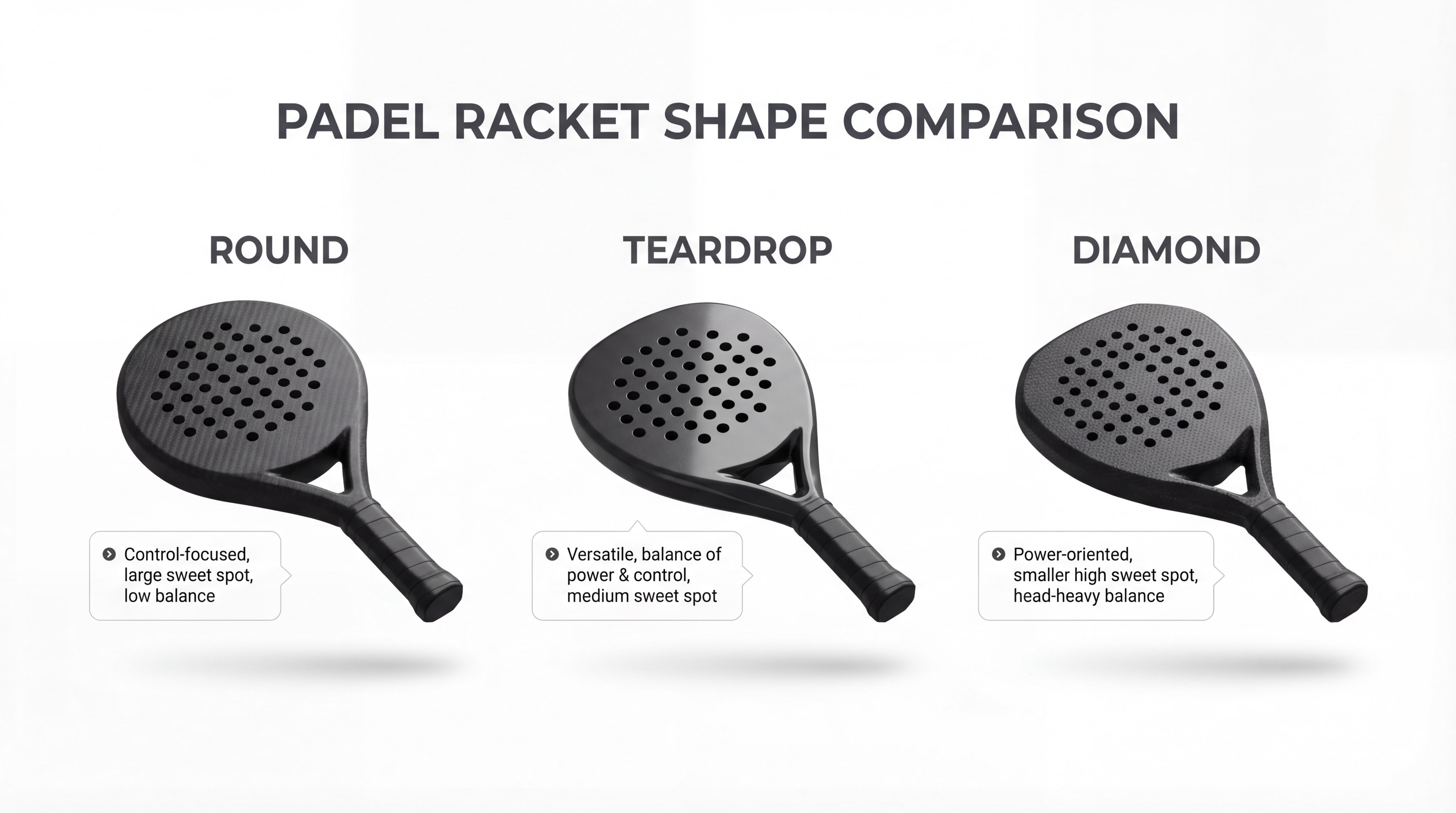
The teardrop shape is widely considered the best intermediate padel racket geometry because it offers a hybrid performance profile. It moves the center of gravity higher than a round racket for power, but not as high as a diamond shape, which can feel unwieldy.
Can a teardrop shape solve your power issues?
If you find your smashes lacking depth, the teardrop shape provides the necessary head-weight to accelerate the ball. It acts as a bridge between the defensive round shape and the offensive diamond shape.
- Increased lever effect for overheads.
- Stable feel during defensive blocks.
- Enhanced swing speed.
Why avoid the diamond shape for now?
Diamond rackets are often too “head-heavy” for players who haven’t yet mastered their wrist technique. You might find that the smaller sweet spot leads to more unforced errors.
But that’s not all:
The wrong shape can also lead to premature fatigue during a long three-set match.
Key Takeaway: Choosing a teardrop shape ensures you have the power to finish points while retaining the control needed to stay in the rally.
This comparison highlights why specific shapes dominate the mid-tier market.
| Shape | Power Potential | Control Level | Skill Match |
|---|---|---|---|
| Round | Low | High | Beginner/Intro |
| Teardrop | Medium-High | Medium-High | Intermediate |
| Diamond | High | Low | Advanced/Pro |
How heavy is the best intermediate padel racket?
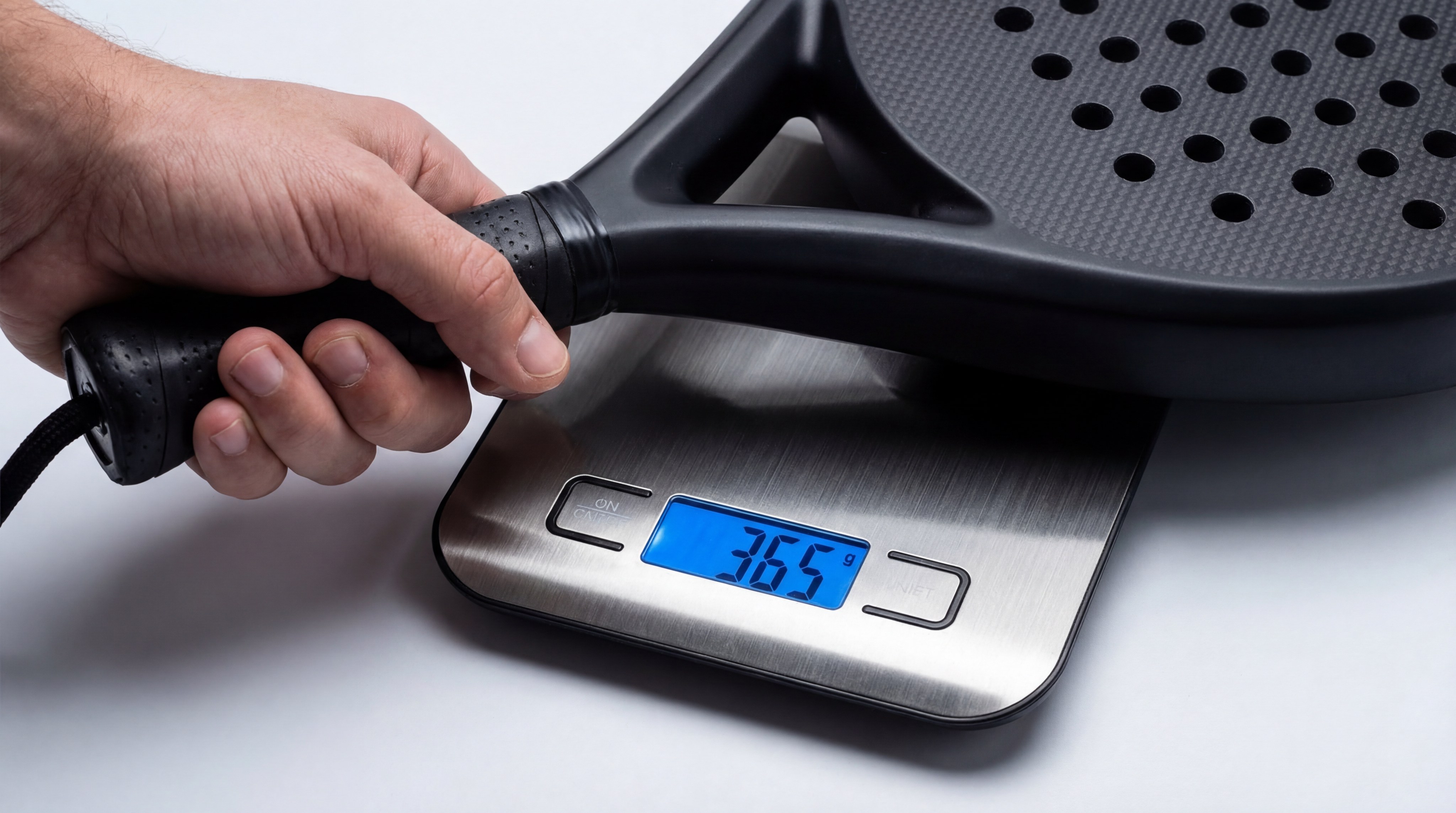
The best intermediate padel racket typically weighs between 360 and 375 grams to balance maneuverability with structural stability. A racket that is too light will vibrate excessively upon impact, while one that is too heavy will slow down your reactions at the net.
Is a 365g racket the sweet spot for you?
Most male intermediate players find that 365 grams offers the best blend of speed and “plow-through” momentum. For female players, the ideal range usually shifts slightly lower, toward 350 to 360 grams.
- Better reaction time for volleys.
- Reduced risk of epicondylitis (tennis elbow).
- Consistent swing weight across sessions.
Should you consider adding weight?
Some players use lead tape to customize their racket’s feel, but this is rarely necessary for the mid-level. You should focus on finding a factory weight that feels natural in your hand.
Here is the kicker:
Even a five-gram difference can significantly change how the racket feels after an hour of intense play.
Key Takeaway: Target a weight that allows you to swing freely without feeling “drag” in the air or instability when meeting a fast ball.
The metrics below define the optimal weight range for injury prevention and performance.
| Weight (g) | Category | Impact on Play |
|---|---|---|
| 350 – 360 | Light | High maneuverability |
| 360 – 375 | Standard | Balanced performance |
| 375+ | Heavy | Maximum power/low speed |
What is the best intermediate padel racket core?
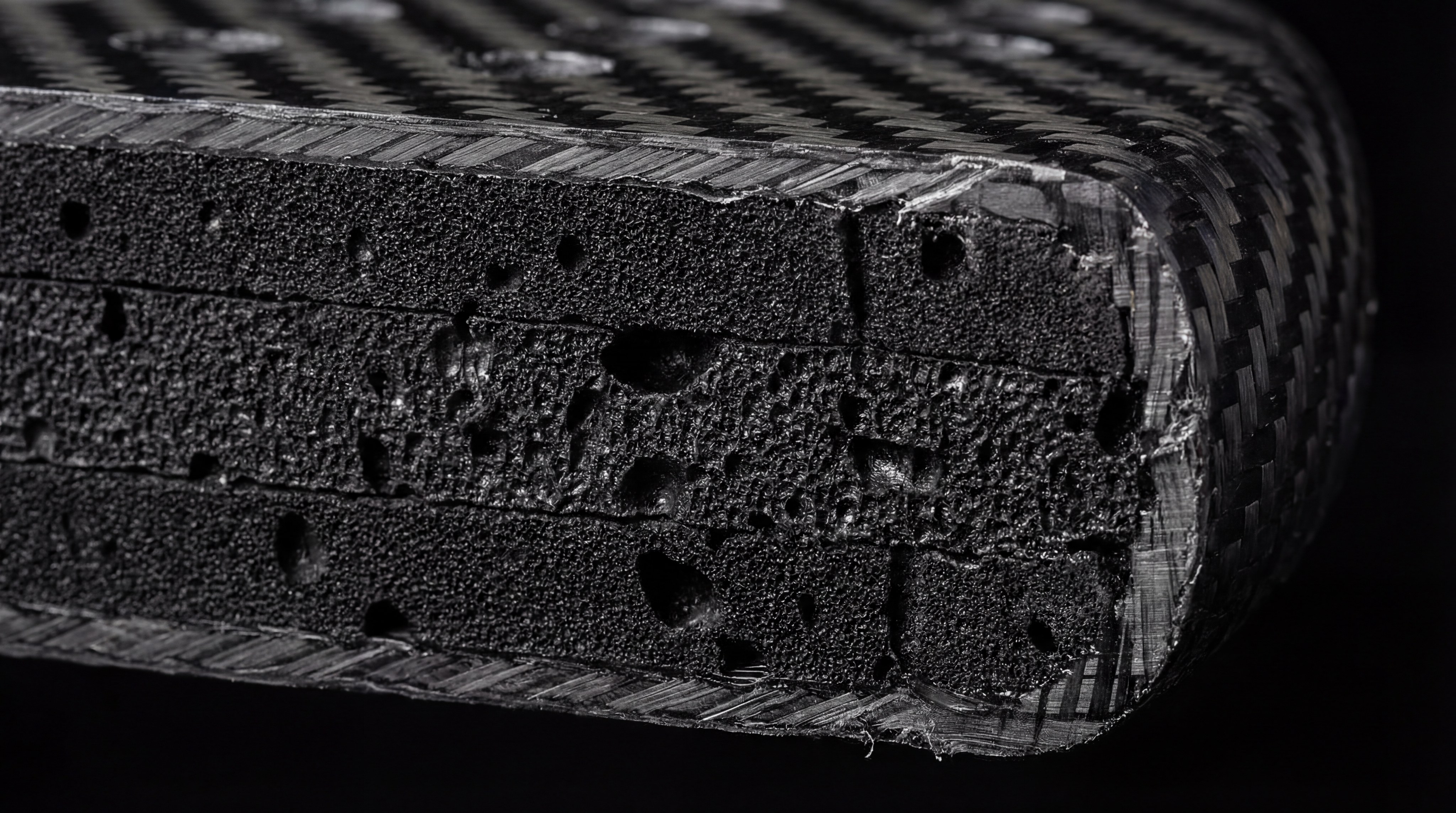
A soft or medium-density EVA foam core is the engine inside the best intermediate padel racket. This material provides a “trampoline effect” that helps launch the ball with less physical effort from the player.
Why is EVA Soft preferred over High Memory foam?
Intermediate players benefit from the increased dwell time that soft EVA provides. This allows for better “feel” and control over the ball’s direction during slow-to-medium speed exchanges.
- Excellent vibration dampening.
- High ball exit speed (Salida de bola).
- Comfortable impact sensation.
Does the core affect your defensive game?
When you are pinned at the back of the court, a soft core does most of the work for you. You don’t need a full-blooded swing to get the ball back over the net.
You might be wondering:
Does a softer core lose its effectiveness over time? Yes, but for intermediate play, the comfort benefits far outweigh the longevity of stiffer foams.
Key Takeaway: Prioritize an EVA Soft core to ensure your racket helps you generate depth and protects your arm during long rallies.
The internal materials significantly dictate the “feel” of every shot you take.
| Core Type | Density | Primary Benefit |
|---|---|---|
| EVA Soft | Low | Ball exit/Comfort |
| EVA Medium | Mid | Balanced power |
| Polyethylene | Low | Maximum damping |
Where is the best intermediate padel racket balance?
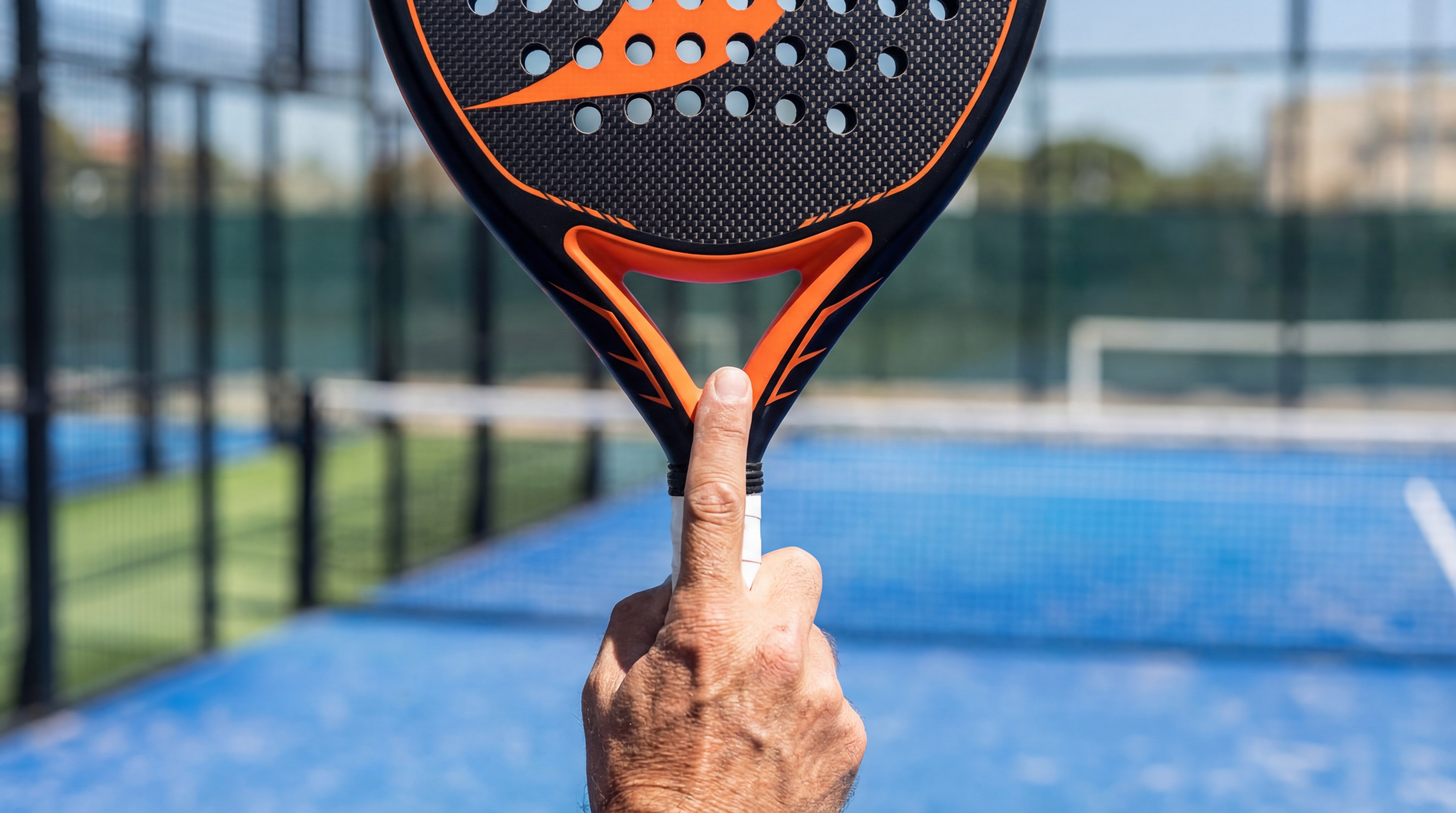
A medium balance, usually measured between 265mm and 270mm from the handle, defines the best intermediate padel racket. This neutral weight distribution ensures that the racket doesn’t feel overly “heavy” in the head or too “whippy” in the handle.
How does balance affect your wrist health?
Rackets with a high balance (head-heavy) put immense strain on the tendons in your wrist and forearm. For a developing player, a medium balance provides enough stability for smashes without the physical toll.
- Faster transitions at the net.
- Easier to “reset” the point defensively.
- Improved accuracy on overheads.
Can you feel the difference in balance?
If you hold the racket horizontally on your finger, the balance point is where it remains level. You want that point to be as close to the center of the racket face as possible.
Believe it or not:
A racket’s balance can be more influential on its “felt weight” than the actual number of grams on a scale.
Key Takeaway: A medium balance provides the most consistent performance across all areas of the court, from baseline lobs to net volleys.
Understanding the pivot point of your gear is essential for technical mastery.
| Balance Type | Measurement | Performance Focus |
|---|---|---|
| Low | < 260mm | Control / Defense |
| Medium | 265 – 270mm | All-around / Hybrid |
| High | > 275mm | Power / Attack |
Can the best intermediate padel racket use carbon?
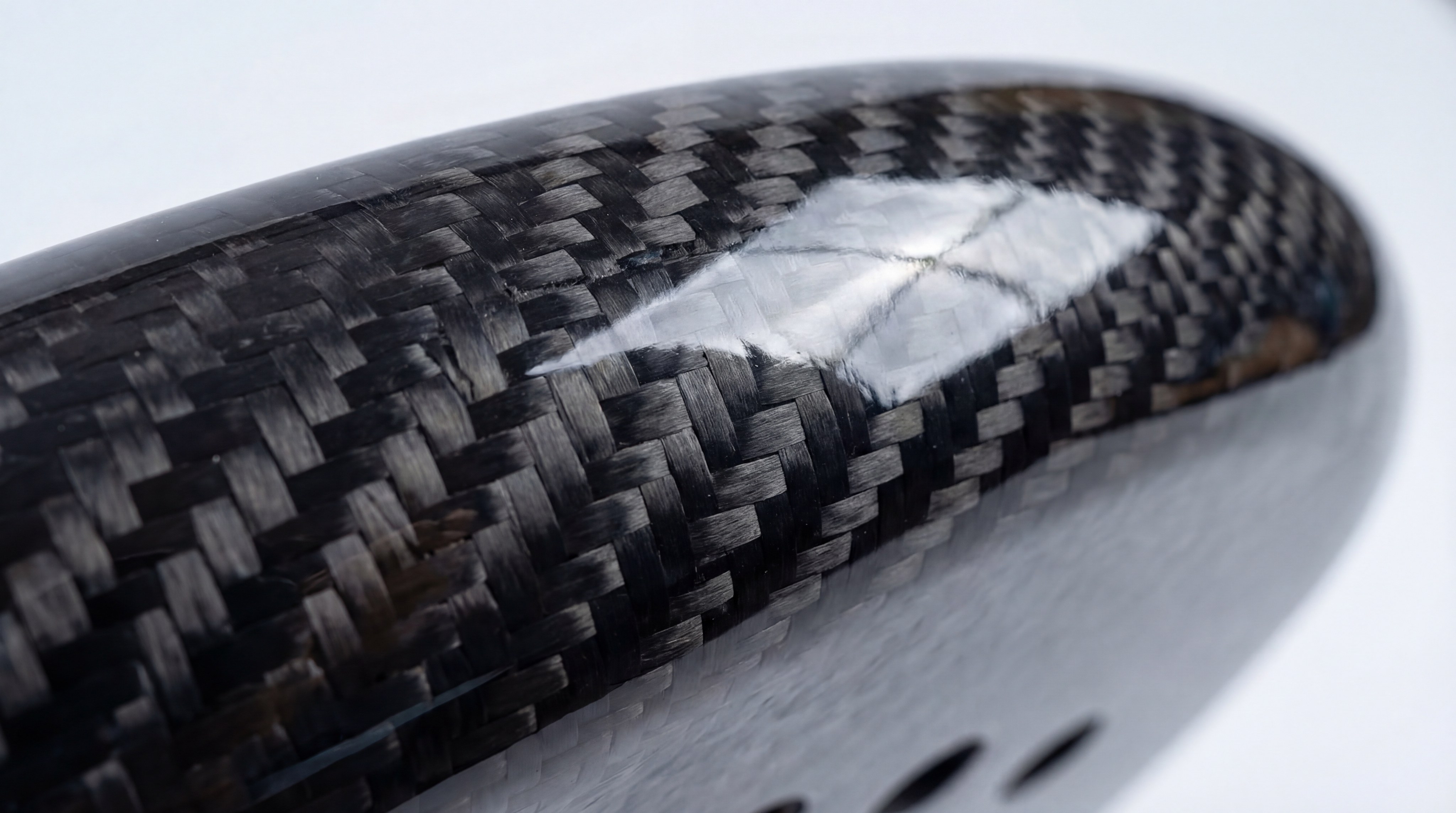
High-quality carbon fiber is essential for the frame of the best intermediate padel racket to ensure durability and rigidity. While the face might use a hybrid of fiberglass and carbon, the structural frame must be robust enough to withstand the rigors of competitive play.
Why is 3K carbon often the best choice?
Carbon “K” refers to the number of filaments in each weave; 3K carbon is perfect for intermediates because it is less stiff than 12K or 18K. It provides a crisp feel without being too punishing on the arm.
- Resistance to frame cracking.
- Better energy transfer to the ball.
- Lightweight structural integrity.
Should you use fiberglass on the face?
Fiberglass is more elastic than carbon, making the racket more forgiving. A hybrid face—mixing carbon for power and fiberglass for feel—is a hallmark of the mid-tier category.
Here is the kicker:
Carbon is what gives the racket its “pop,” but fiberglass is what gives you the confidence to hit through the ball.
Key Takeaway: A carbon frame with a hybrid face provides the longevity of a professional racket with the playability required for intermediate progress.
Material selection determines how long your racket will maintain its original performance characteristics.
| Material | Location | Advantage |
|---|---|---|
| Carbon Fiber | Frame | Structural Strength |
| 3K Carbon | Face | Balanced Power |
| Fiberglass | Face | Elasticity/Feel |
Does the best intermediate padel racket need grit?
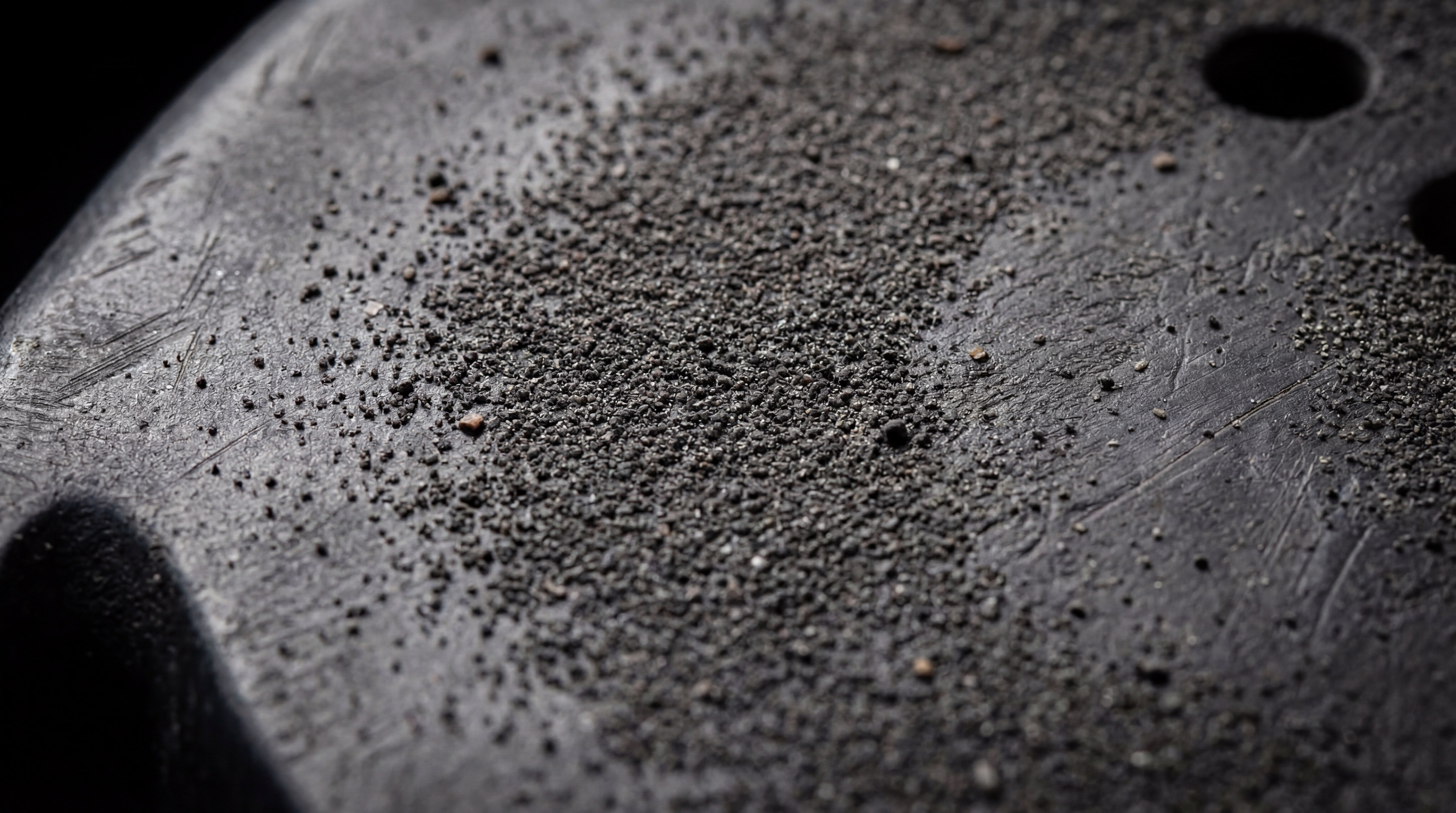
A textured or “gritty” surface is a highly recommended feature for the best intermediate padel racket to enhance spin potential. As you advance, learning to slice your volleys and add “kick” to your smashes becomes a vital part of winning points.
How does a rough surface improve your game?
Texture increases the friction between the racket face and the ball’s felt. This “grip” allows you to impart more rotations, making your shots harder for opponents to return after the bounce.
- Better “Vibora” and “Bandeja” execution.
- Lower ball bounce on sliced volleys.
- Improved control in humid conditions.
Is sand-grit better than 3D molding?
Sand-grit (like sandpaper) provides the maximum amount of spin but can wear down over time. 3D patterns molded into the carbon are more permanent but offer a slightly different feel.
Think about this:
If you are struggling to keep your volleys from “floating” high off the glass, a textured surface can help you pull the ball down.
Key Takeaway: Adding texture to your racket face is the fastest way to add a sophisticated, professional dimension to your shot variety.
Surface finishes are the final touch in optimizing a racket for competitive play styles.
| Surface Type | Spin Level | Durability |
|---|---|---|
| Smooth | Low | Very High |
| Sand Grit | Very High | Medium |
| 3D Molded | Medium-High | High |
How to test the best intermediate padel racket?
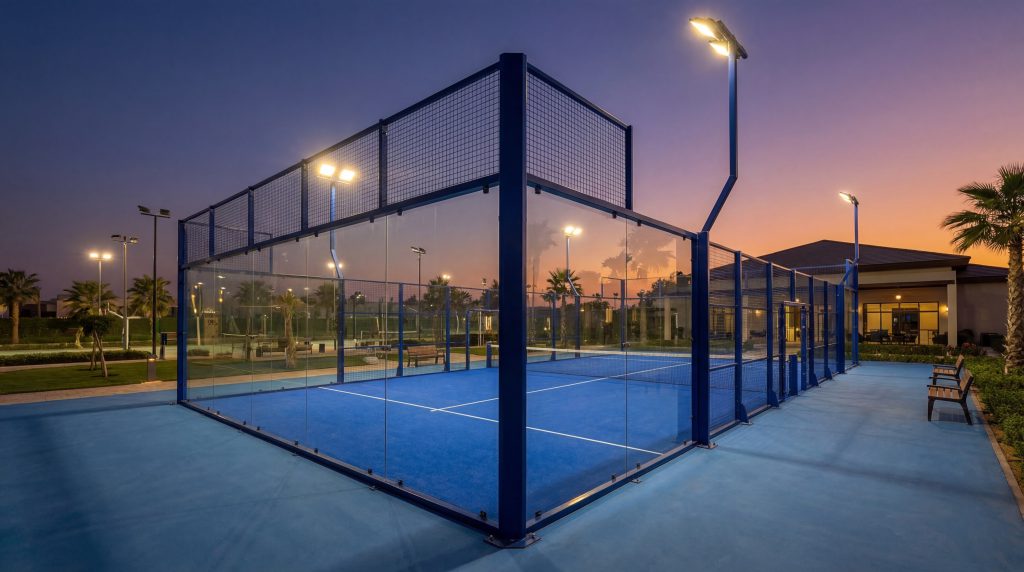
You should always test your best intermediate padel racket on a professional court