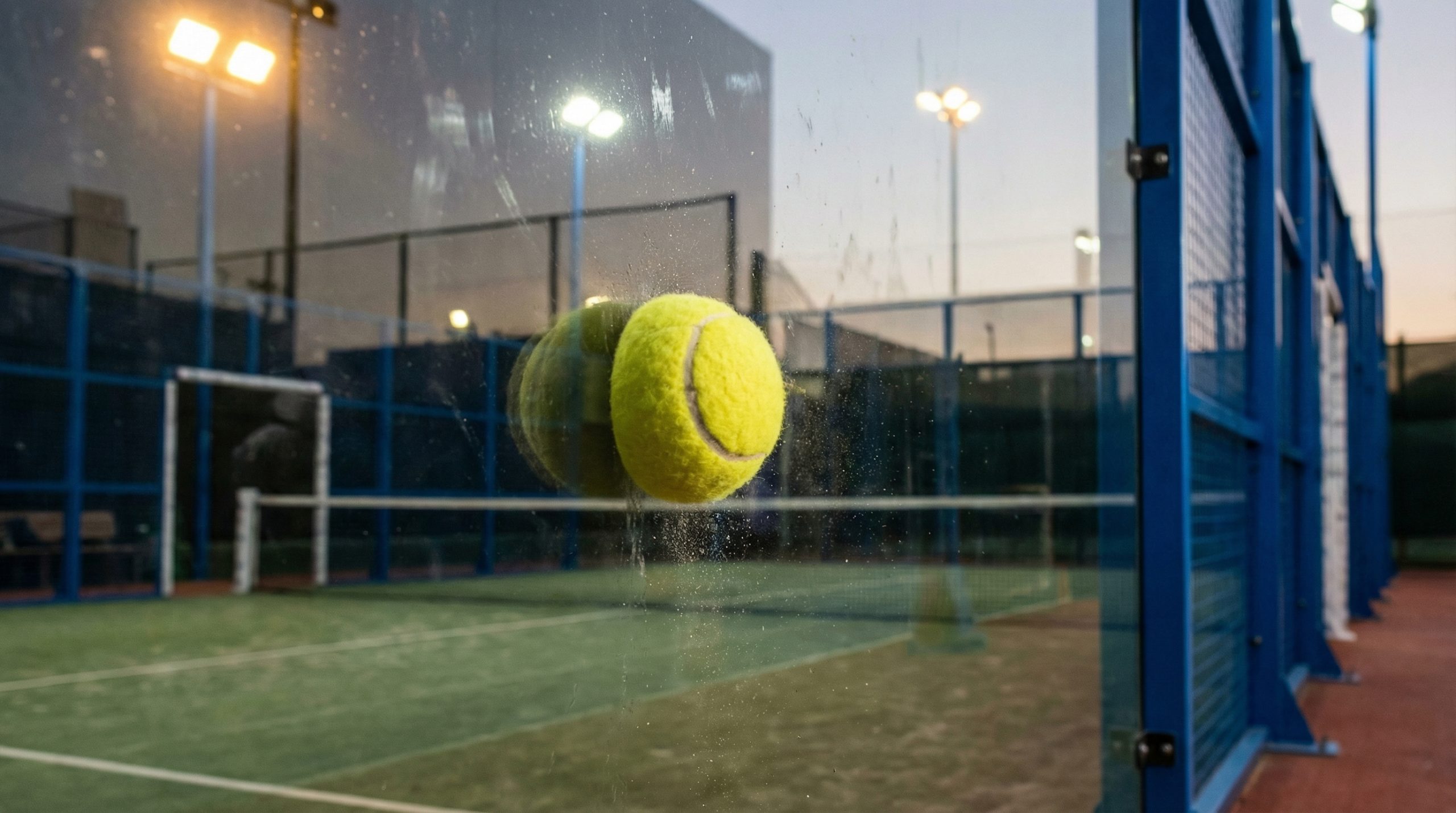
Padel ball rules define the regulatory framework for gameplay, equipment standards, and the technical specifications required to construct a professional-grade court. You step onto the court ready to dominate, but a single scoring mistake or an illegal serve halts your momentum instantly. It is incredibly frustrating to lose points not because of your skill level, but because you are unfamiliar with the complex nuances of padel ball rules. By mastering the technicalities of the game and the infrastructure requirements, you can ensure every match is played with professional integrity.
What are the primary scoring padel ball rules?
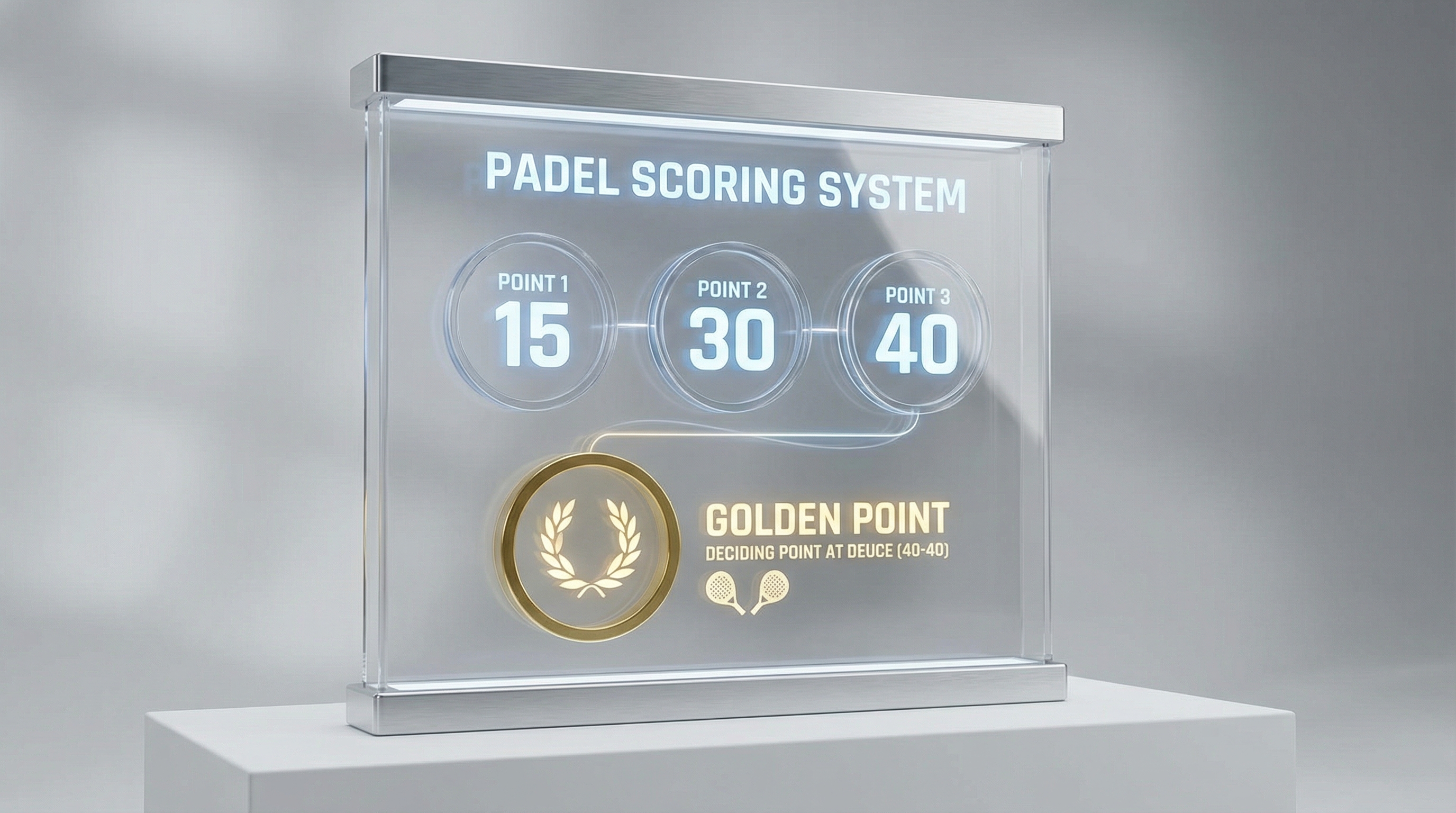
Primary scoring revolves around a point system identical to tennis but modified by the specific padel ball rules governing tournament play. Matches are typically played in a best-of-three sets format to determine the overall winner.
How does the golden point system work?
Think about it: the golden point eliminates long deuce battles to keep matches fast-paced and television-friendly. When the score reaches 40-40, the next point wins the game instantly without needing a two-point lead.
- The receiving team selects the service side.
- Only one point is played at deuce.
- It is used primarily in professional circuits.
What is the match set structure?
Here is the deal: most matches follow the best-of-three format where a team must win two sets to claim victory. A set is won when a team reaches six games with a two-game advantage over the opponent.
- Tie-breaks occur at six games all.
- The tie-break is played to seven points.
- Teams switch sides every six points during the tie-break.
Key Takeaway: Understanding the progression from points to sets ensures that players can manage their stamina and strategy effectively throughout a match.
| Component | Standard Rule |
|---|---|
| Points | 15, 30, 40, Game |
| Set Winner | First to 6 games (2-game lead) |
| Match Winner | Best of 3 sets |
This structure provides a clear roadmap for tracking match momentum and determining winners in competitive play.
How do padel ball rules regulate the serve?

Service regulations dictate that all serves must be performed underhand with the ball struck at or below the waistline. These padel ball rules ensure that the serve remains a way to start the point rather than an overwhelming offensive weapon.
Where must the ball be struck?
The truth is, your contact point determines the legality of the entire play. You must bounce the ball behind the service line and strike it while it is at or below your waist.
- The ball must bounce once before impact.
- One foot must remain on the ground.
- The strike must occur behind the service line.
Can the ball hit the fence?
Believe it or not, hitting the side metal fence after the serve results in an immediate fault. The ball must land in the opponent’s diagonal service box and may only hit the glass wall after the bounce.
- Contact with glass is legal after the bounce.
- Contact with the fence is a fault.
- The ball must clear the net completely.
Key Takeaway: A legal serve requires precision in height and placement, focusing on the diagonal box rather than raw power or speed.
| Service Element | Legal Status |
|---|---|
| Strike Height | Waist level or below |
| Initial Bounce | Behind service line |
| Post-Bounce Fence | Illegal (Fault) |
Mastering these specific service constraints is the first step toward avoiding unnecessary point losses in your games.
Which padel ball rules cover court wall usage?
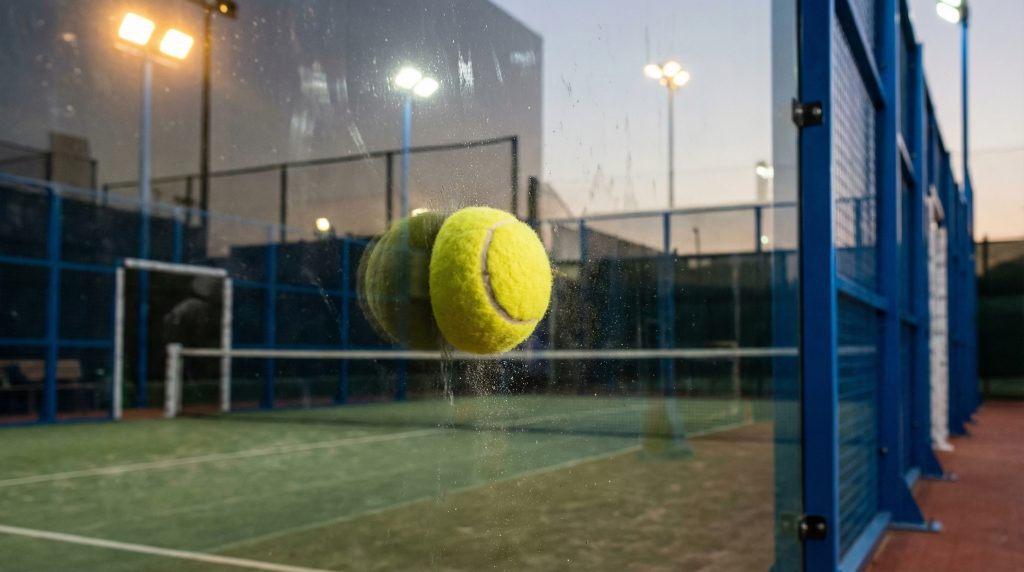
Legal play involves a sophisticated understanding of how the ball interacts with the tempered glass and metal mesh. According to padel ball rules, a ball is still in play if it hits the glass after bouncing on the opponent’s turf.
Is hitting the glass permitted?
The best part? You can use the glass to your advantage to create difficult angles for your opponents. If the ball hits the ground first and then the glass, it is considered live and must be returned.
- The ball can hit multiple glass walls.
- It must not hit the ground twice.
- Directly hitting the opponent’s glass is “out.”
Can you play off your own wall?
Here is a pro tip: you are allowed to hit the ball against your own glass walls to send it over the net to the other side. This is often used as a defensive lob or a way to clear the net when you are out of position.
- Only the glass wall can be used this way.
- The ball must go over the net afterward.
- You cannot hit the metal mesh on your side.
Key Takeaway: The walls are active participants in the game, allowing for creative defensive and offensive maneuvers that are unique to this sport.
| Wall Type | Interaction Rule |
|---|---|
| Opponent Glass | Legal after ground bounce |
| Own Glass | Legal to hit ball against |
| Metal Mesh | Illegal to hit on your own side |
Analyzing these wall dynamics reveals why positioning is often more critical than pure physical strength.
What are the equipment-specific padel ball rules?
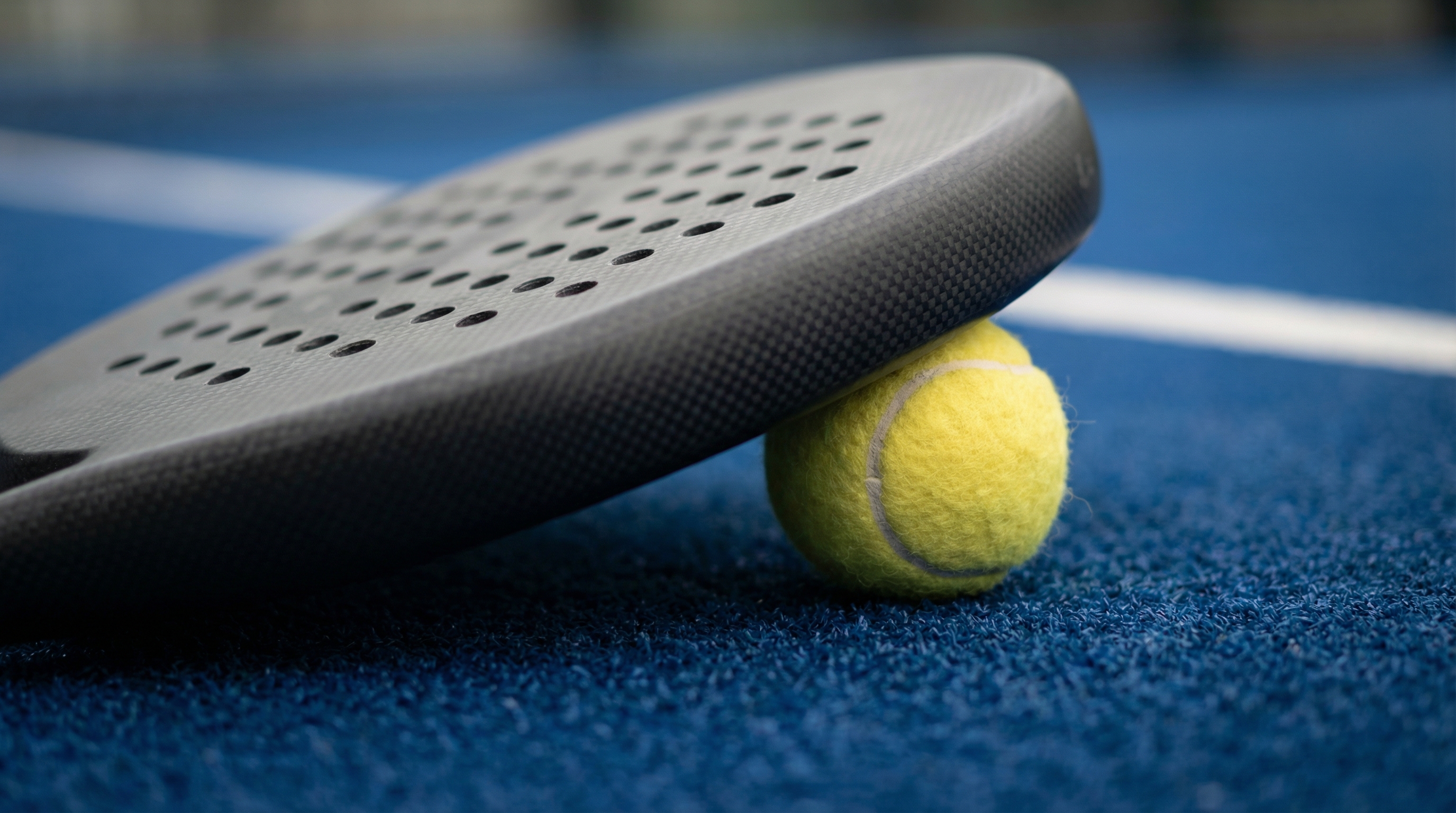
Official regulations specify that rackets must not exceed 45.5 centimeters in length and must feature a safety cord for the wrist. These padel ball rules also mandate specific ball diameters and internal pressures to ensure consistent flight.
What are the racket requirements?
You might wonder: does the surface of the racket matter? The rules state the hitting surface must be perforated by holes and the frame must be made of rigid materials like carbon fiber.
- A safety wrist strap is mandatory.
- The maximum thickness is 38mm.
- The surface can be smooth or rough.
How should the ball be weighted?
It gets better: the balls used are pressurized and designed to weigh between 56 and 59.4 grams. You should learn how to choose the right padel tennis ball for matches to ensure compliance.
- Diameter is between 6.35 and 6.77 cm.
- Internal pressure is highly regulated.
- The outer felt must be uniform.
Key Takeaway: Using certified equipment is not just about performance; it is a safety and regulatory requirement for any sanctioned match.
| Equipment | Standard Specification |
|---|---|
| Racket Length | Max 45.5 cm |
| Ball Weight | 56.0 – 59.4 grams |
| Racket Thickness | Max 38 mm |
Standardized gear ensures a level playing field for all participants regardless of the professional venue.
How do padel ball rules handle let situations?
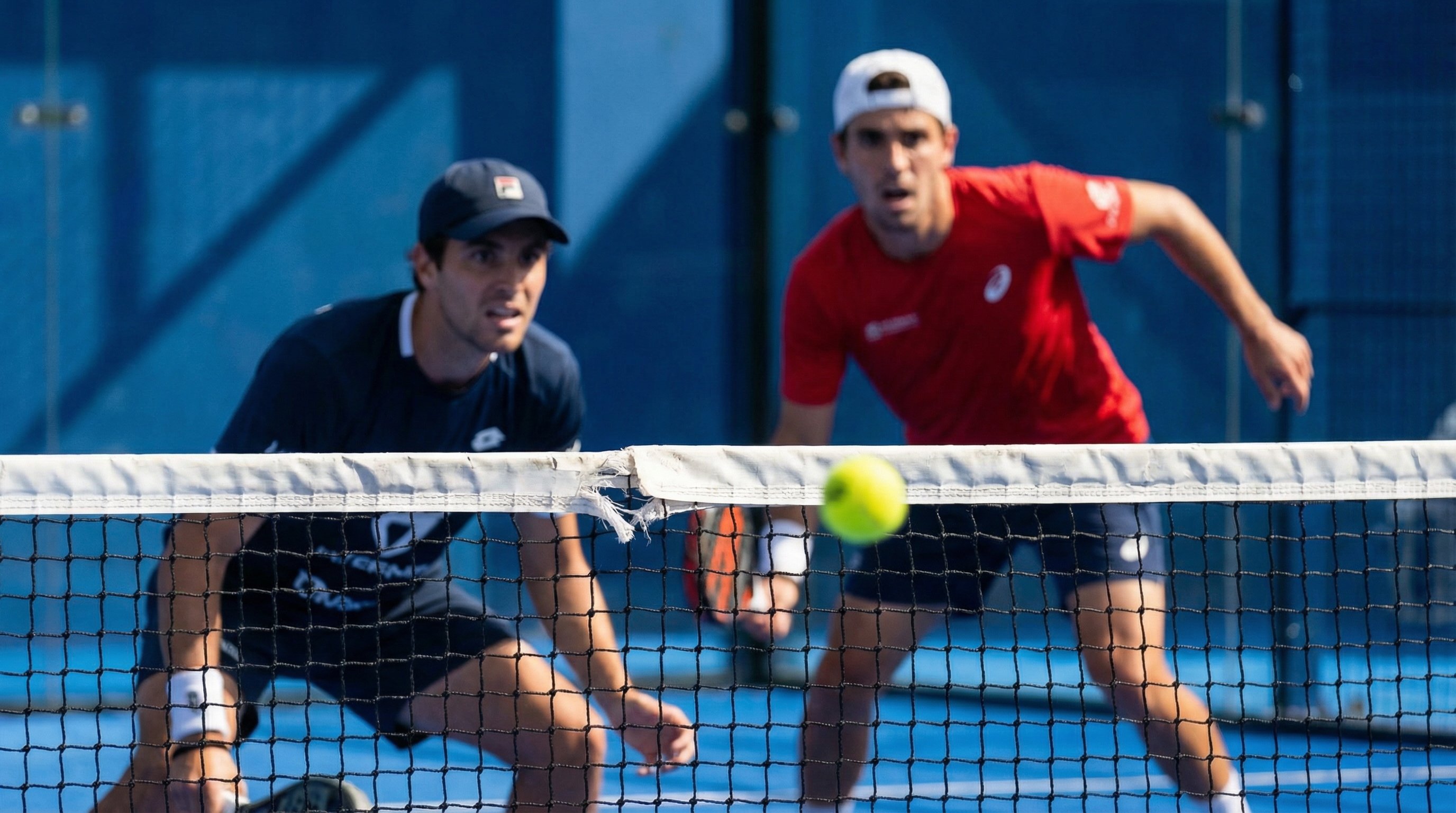
A “let” is called to replay a point when an unforeseen event or a net touch during service occurs. Specific padel ball rules define these interruptions to prevent unfair advantages during high-stakes play.
Does a net touch count as a let?
Think about it: if your serve clips the net and lands in the correct service box, it is a let. However, if it clips the net and hits the metal fence after the bounce, it is considered a fault.
- The ball must land in the box.
- If it lands out, it is a fault.
- There is no limit to service lets.
What about external interference?
Here is the deal: any outside object or person entering the court during a point triggers a let. This ensures that the players’ focus and the physical path of the ball are never compromised.
- A ball from another court is a let.
- Spectator interference counts as a let.
- Broken balls require replaying the point.
Key Takeaway: Let rules preserve the fairness of the game by allowing points to be replayed whenever the environment becomes unpredictable.
| Situation | Outcome |
|---|---|
| Service Net + Box | Let (Re-serve) |
| Service Net + Fence | Fault |
| Foreign Object on Court | Let (Replay Point) |
Understanding these disruptions helps players maintain intense focus even when the unexpected happens on court.
What are the doubles positioning padel ball rules?
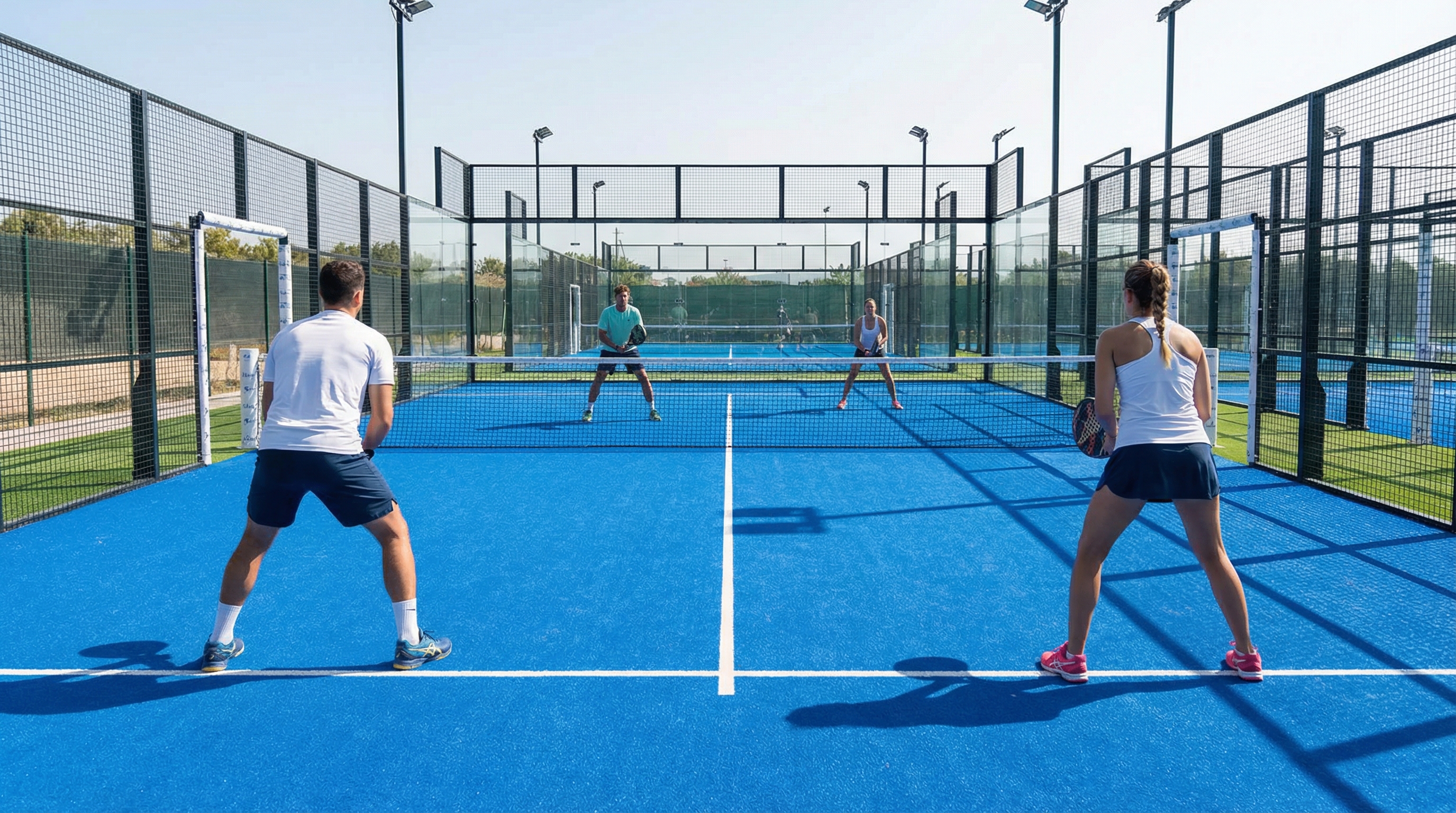
Padel is traditionally played in pairs, and the rules require players to maintain specific positions during the serve and return. These padel ball rules prevent players from obstructing their partners or gaining an illegal head start.
Where should the receiver stand?
The truth is, you can stand anywhere on your side of the court, but tactical logic usually dictates a position behind the service line. You must learn how to play better doubles in the game of padel to optimize your results.
- The partner usually stands near the net.
- The receiver stays back for the bounce.
- Movement is free after the strike.
How does rotation work?
You might be surprised: players do not rotate positions during a game like in volleyball; they only switch sides of the court when the total games are odd. Within a game, the service order remains fixed per team.
- Teams switch sides on odd game totals.
- The serving order remains fixed per set.
- Partners can switch sides between sets.
Key Takeaway: Strategic positioning in doubles is about covering the “center” and communicating movements to prevent gaps in the defense.
| Positioning Event | Rule |
|---|---|
| Changing Ends | After 1st, 3rd, 5th games |
| Service Order | Fixed for the duration of the set |
| Receiving Side | Fixed for the duration of the set |
Correct positioning is the foundation of a strong doubles defense and effective transition play during matches.
How does pressure impact padel ball rules?
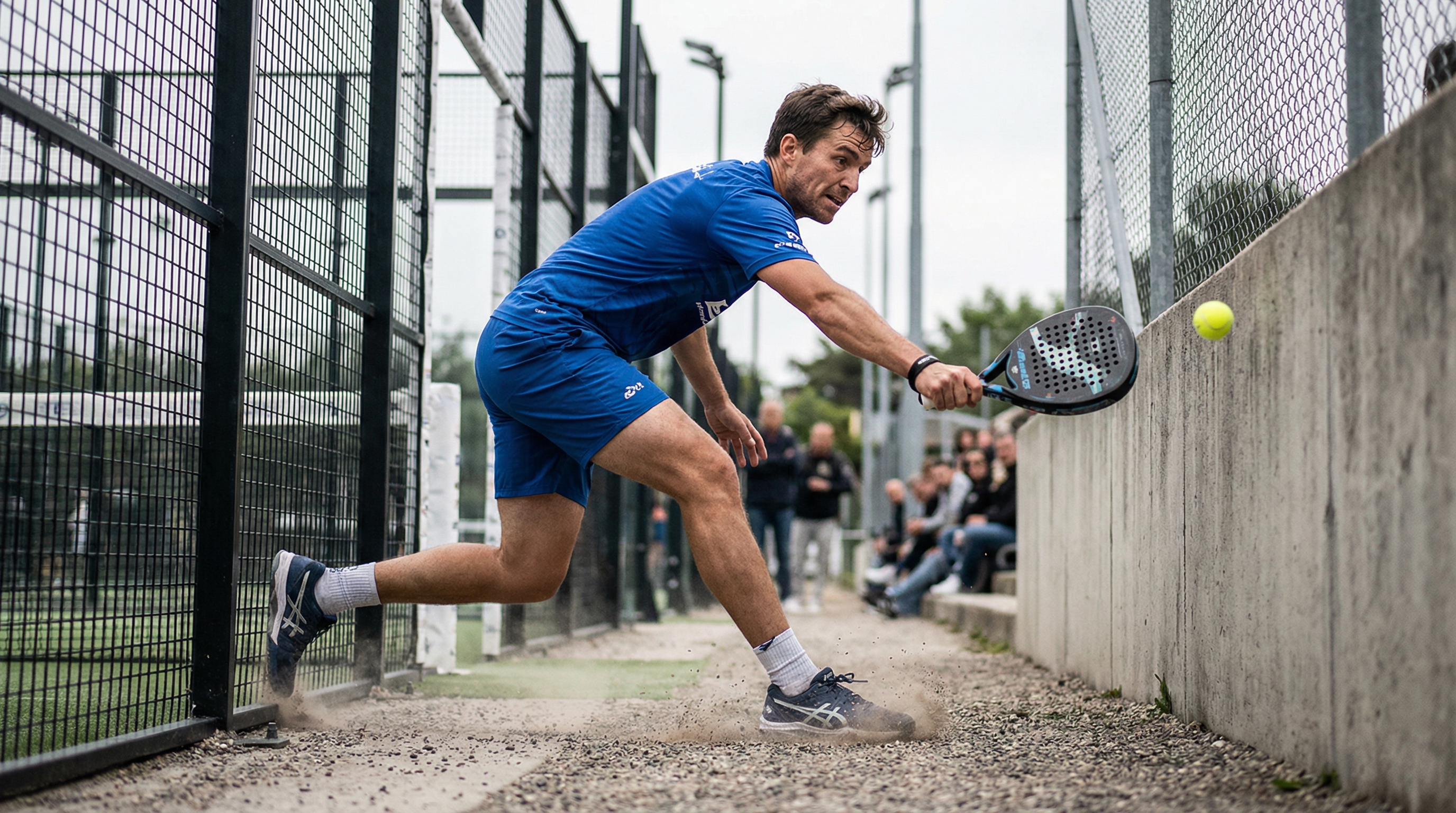
Internal ball pressure is a critical component of padel ball rules because it dictates the height of the bounce and the speed of the game. At sea level, a ball dropped from 2.54 meters must bounce between 135 and 145 centimeters.
What is the ideal internal pressure?
Think about it: a ball with too much pressure becomes uncontrollable, while a “dead” ball makes it impossible to smash. The internal pressure is generally set between 4.6kg and 5.2kg per unit of area.
- Pressure drops over time during play.
- Balls are changed every 7 or 9 games.
- Atmospheric pressure affects the bounce.
Does altitude change the game?
Here is a pro tip: at high altitudes, the air is thinner, causing the ball to fly faster and bounce higher. To compensate, specialized “high-altitude” balls with lower internal pressure are often used to maintain standards.
- Thin air reduces aerodynamic drag.
- Bounce height increases significantly.
- Players must adjust their swing speed.
Key Takeaway: Environmental factors like altitude and humidity require players to adapt their equipment and technique to stay within regulatory standards.
| Factor | Impact on Ball |
|---|---|
| High Altitude | Higher bounce/Faster flight |
| High Humidity | Heavier feel/Lower bounce |
| New Ball | Maximum pressure/Consistent spin |
Monitoring ball quality is essential for maintaining the intended pace and quality of a professional match.
What are the tournament-level padel ball rules?
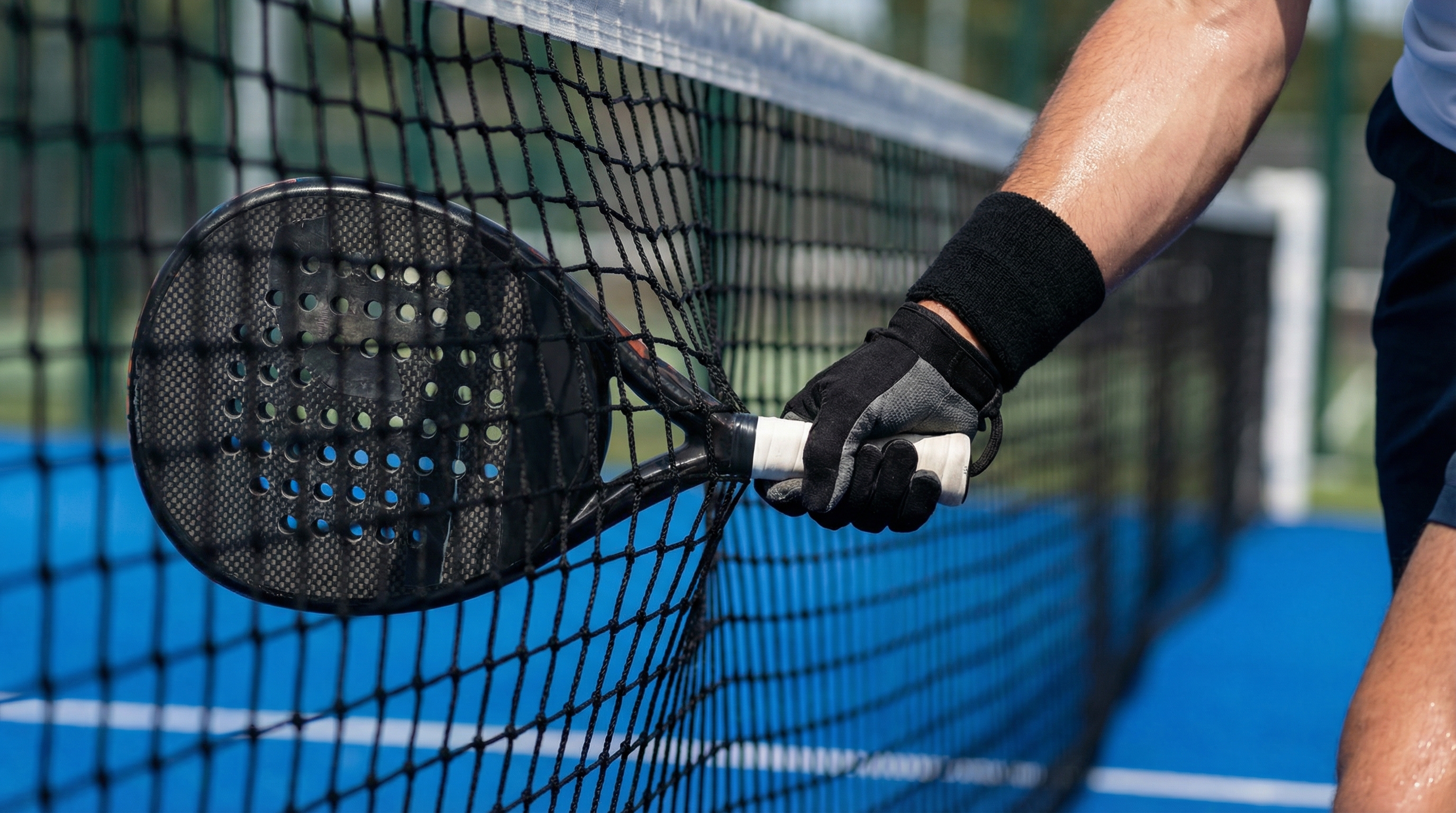
Tournament rules introduce strict time limits for changeovers and medical breaks to maintain the flow of the competition. These padel ball rules also include a code of conduct that penalizes players for unsportsmanlike behavior.
Are there specific time limits?
The best part? You always know exactly how much time you have to recover between games. Players are allowed 90 seconds during changeovers and 120 seconds between sets to rest.
- Warm-ups are limited to 5 minutes.
- Point intervals are max 20 seconds.
- Medical breaks are usually 3 minutes.
What about disciplinary codes?
Believe it or not, a player can lose a game or even the match for repeated behavioral violations. The “Point Penalty Schedule” moves from a warning to a point loss, then a game loss.
- Warning for the first offense.
- Point loss for the second offense.
- Disqualification by the tournament referee.
Key Takeaway: Professionalism is enforced through strict timing and conduct rules, ensuring the sport remains respectful and efficient for all.
| Violation Type | Penalty Level |
|---|---|
| Ball Abuse | Warning / Point |
| Racket Abuse | Point / Game |
| Verbal Abuse | Game / Disqualification |
Adhering to the code of conduct is just as important as mastering the physical aspects of the game.
How to build a court via padel ball rules?
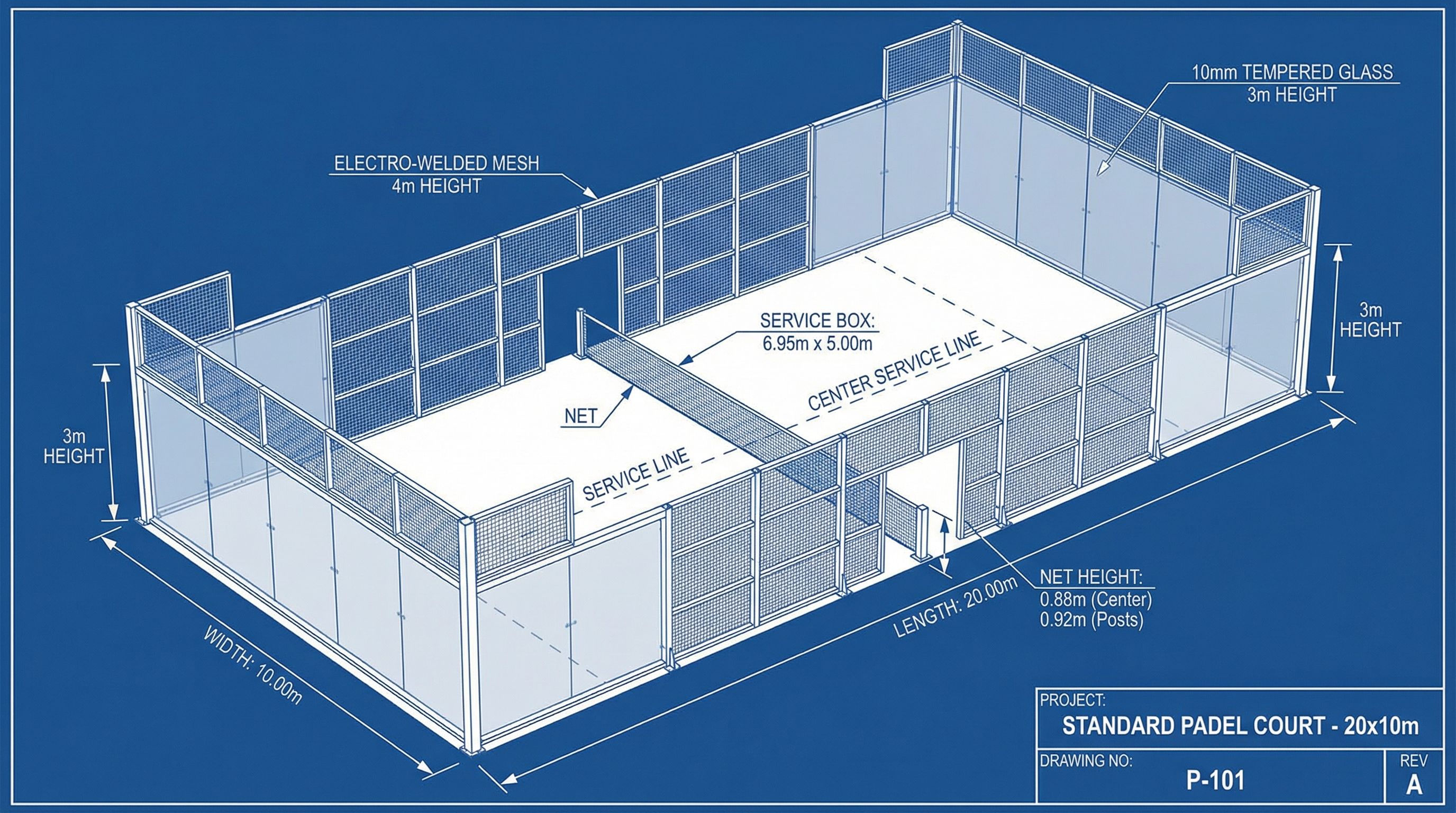
Building a court requires adhering to precise padel ball rules regarding dimensions, which specify an internal area of 10 meters wide by 20 meters long. The structure must include a combination of tempered glass and metallic mesh.
What are the standard dimensions?
The truth is, even a few centimeters of error can make a court unofficial for tournament play. The net height should be 88 centimeters at the center and up to 92 centimeters at the posts.
- The court is a 10×20 meter rectangle.
- The service line is 6.95 meters from the net.
- The center line divides the service area.
How do you install the glass?
Think about it: the glass is not just for viewing; it is a structural component that must withstand high-impact hits. Most courts use 10mm or 12mm tempered glass panels secured with specialized hardware.
- Tempered glass resists shattering under impact.
- Panels must be installed perfectly vertical.
- The mesh must be flush with the glass.
Key Takeaway: Professional court construction is a high-precision engineering task that balances player safety with official gameplay regulations.
| Court Component | Required Specification |
|---|---|
| Internal Length | 20 Meters |
| Internal Width | 10 Meters |
| Glass Thickness | 10mm – 12mm |
The structural integrity of your court directly influences the quality and safety of every single match played.
Why must beginners learn padel ball rules first?

Learning the rules early prevents the development of bad habits that can lead to penalties in competitive settings. These padel ball rules provide a roadmap for beginners to understand the etiquette required inside the cage.
How to avoid common foot faults?
Here is the deal: many beginners lose points simply because they step on or over the service line during their delivery. You should read how to explain what is the game padel to beginners to simplify these concepts.
- One foot must be on the ground.
- Neither foot can touch the service line.
- The bounce must be behind the line.
What is proper cage etiquette?
You might wonder: how do I behave in such a confined space? Respecting your partner’s space and acknowledging the “net cord” luck are essential parts of the social fabric of the game.
- Always apologize for net-cord points.
- Return balls to the server gently.
- Communicate clearly with your partner.
Key Takeaway: Mastering the rules and etiquette early allows you to focus on improving your skills rather than worrying about technical violations.
| Beginner Focus | Importance Level |
|---|---|
| Serve Legality | High (Avoid Faults) |
| Wall Boundaries | High (In-Play Logic) |
| Court Etiquette | Medium (Sportsmanship) |
Focusing on these fundamentals will accelerate your transition from a novice to a confident, high-level competitor.
Frequently Asked Questions
Can I hit the ball before it bounces on my side?
No, the ball must bounce once on your side of the court during a service return. In general play, you can volley the ball before it bounces as long as you do not touch the net.
What’s the best way to handle a ball hitting the mesh?
Expect an unpredictable bounce when the ball strikes the metallic mesh. You should shorten your swing and stay low to react to the sudden change in the ball’s trajectory.
How do I know if my racket is tournament legal?
A legal racket must have a safety wrist strap and should not exceed 45.5cm in length or 38mm in thickness. Most professional-grade gear is manufactured specifically to meet these dimensions.
Can I play a ball that hits the light poles?
Any ball that hits the light poles, ceiling, or external structure is considered out. The point ends immediately, and the score is awarded to your opponents.
What happens if the ball hits my body?
If the ball touches your body, clothing, or even your hand (not the racket), you lose the point. Only the racket is allowed to make contact with the ball during a live point.
Conclusion
To ensure your facility or gameplay meets the highest international standards, we provide the expertise needed to navigate the complexities of court construction and equipment selection. Our mission is to elevate the sport by providing players and facility owners with the most accurate, professional insights available today. We envision a world where every player has access to high-quality courts and standardized rules that foster competitive growth. For personalized consulting on equipment or court specifications, contact us today to speak with a specialist.