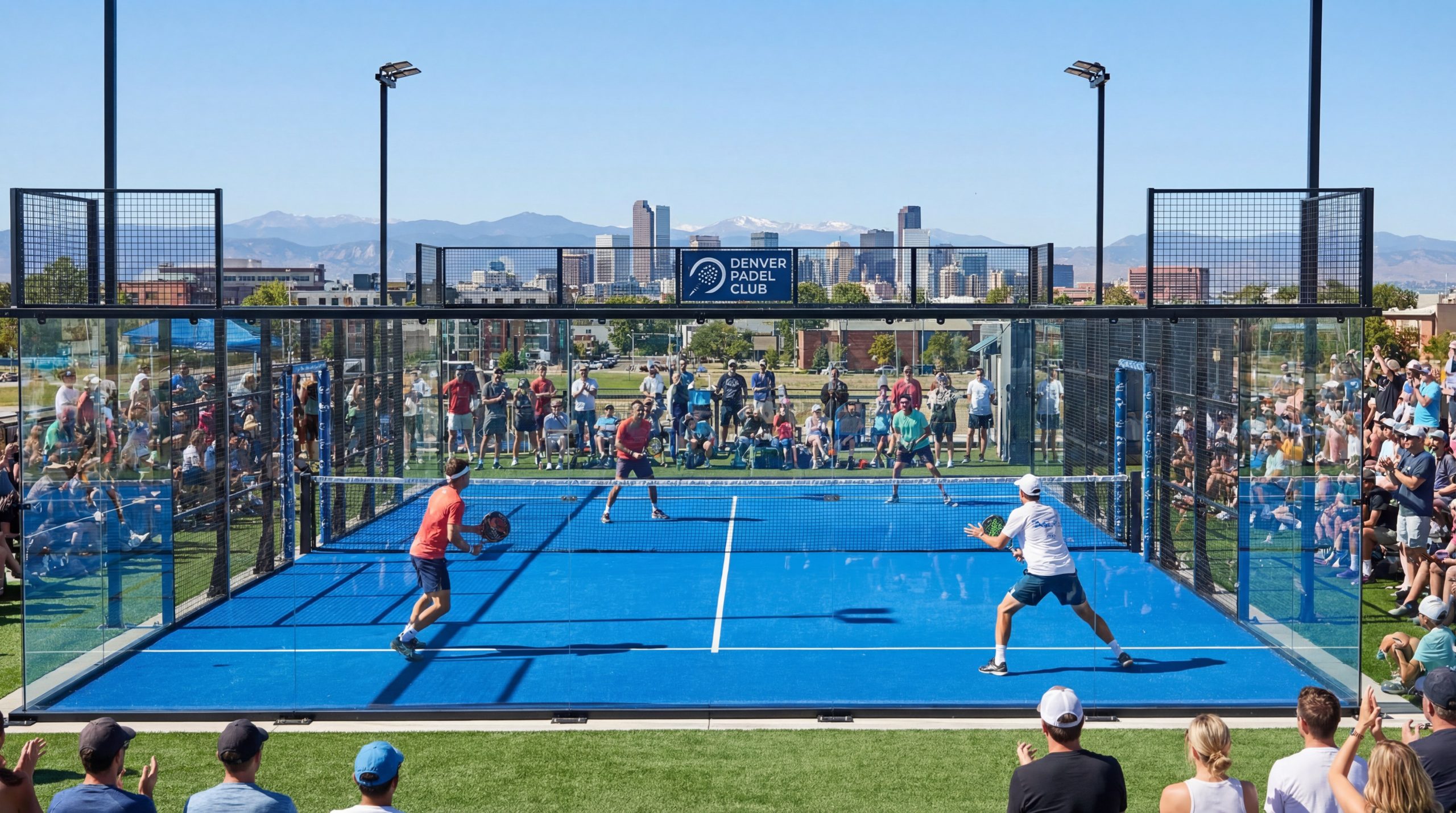
Padel denver is a high-action racket sport played in a glass-enclosed court that combines the strategic elements of tennis with the close-quarters intensity of squash. Many investors and club owners face the challenge of finding high-quality court manufacturers who understand the technical nuances required for a premium facility. By focusing on professional-grade construction for padel denver, you can create a premier destination for athletes and capitalize on a rapidly growing market.
What lighting systems work for padel denver?
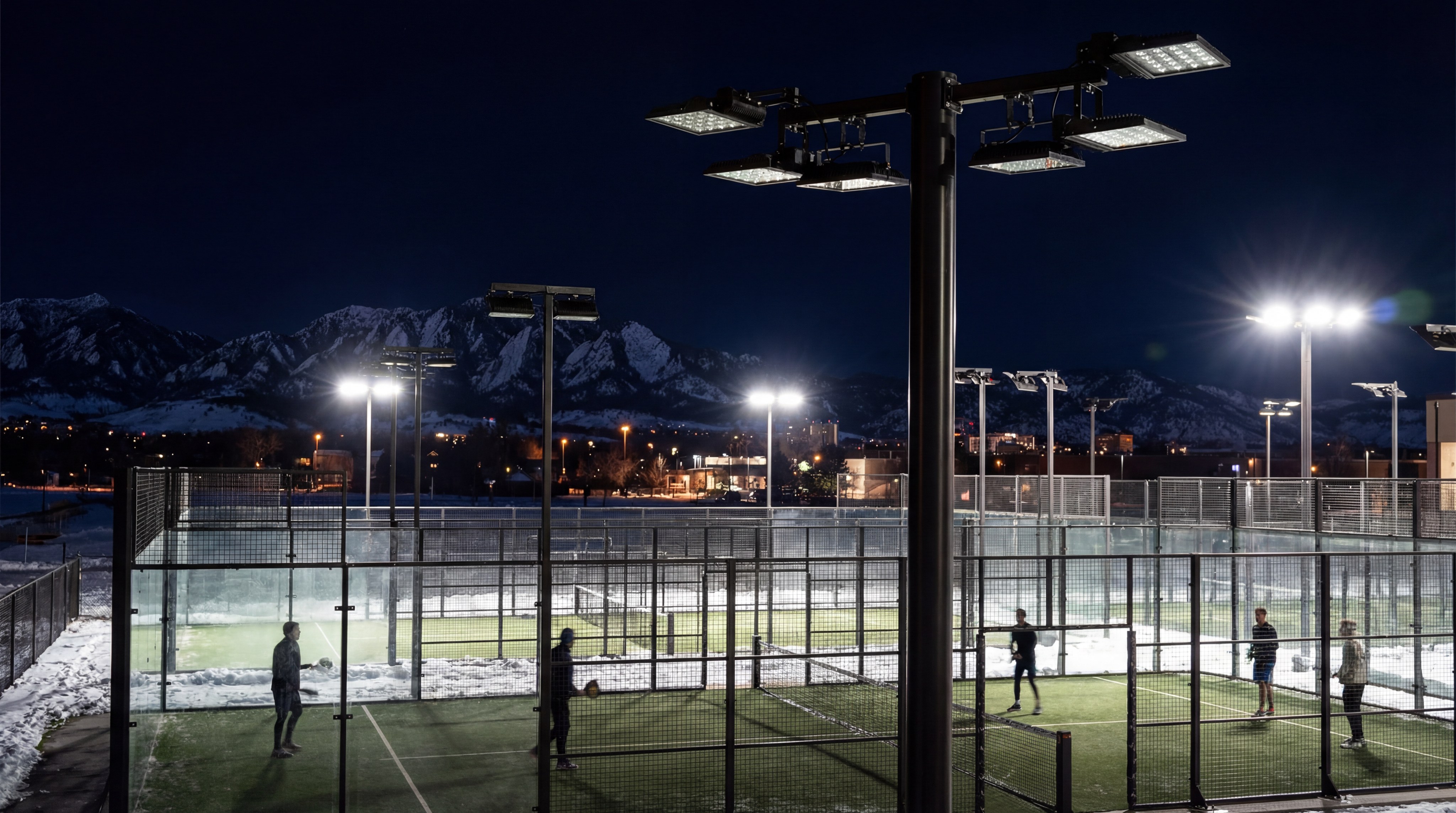
High-efficiency LED systems with a minimum of 300 to 500 lux are standard for any professional padel denver installation. You must ensure the light poles are positioned to provide uniform coverage without creating glare for the players during fast-paced matches.
Modern LED fixtures are essential because they reduce energy consumption while providing the instant-on capability required for commercial clubs. Optimizing your lighting setup ensures you can operate your facility during evening hours, significantly increasing your potential revenue.
Key Takeaway
| Performance Level | Required Lux | Application |
|---|---|---|
| Recreational | 300 Lux | Casual night play |
| Club Competition | 500 Lux | League and tournament play |
| Televised Matches | 750+ Lux | Professional broadcasting |
What size is a regulation court for padel denver?
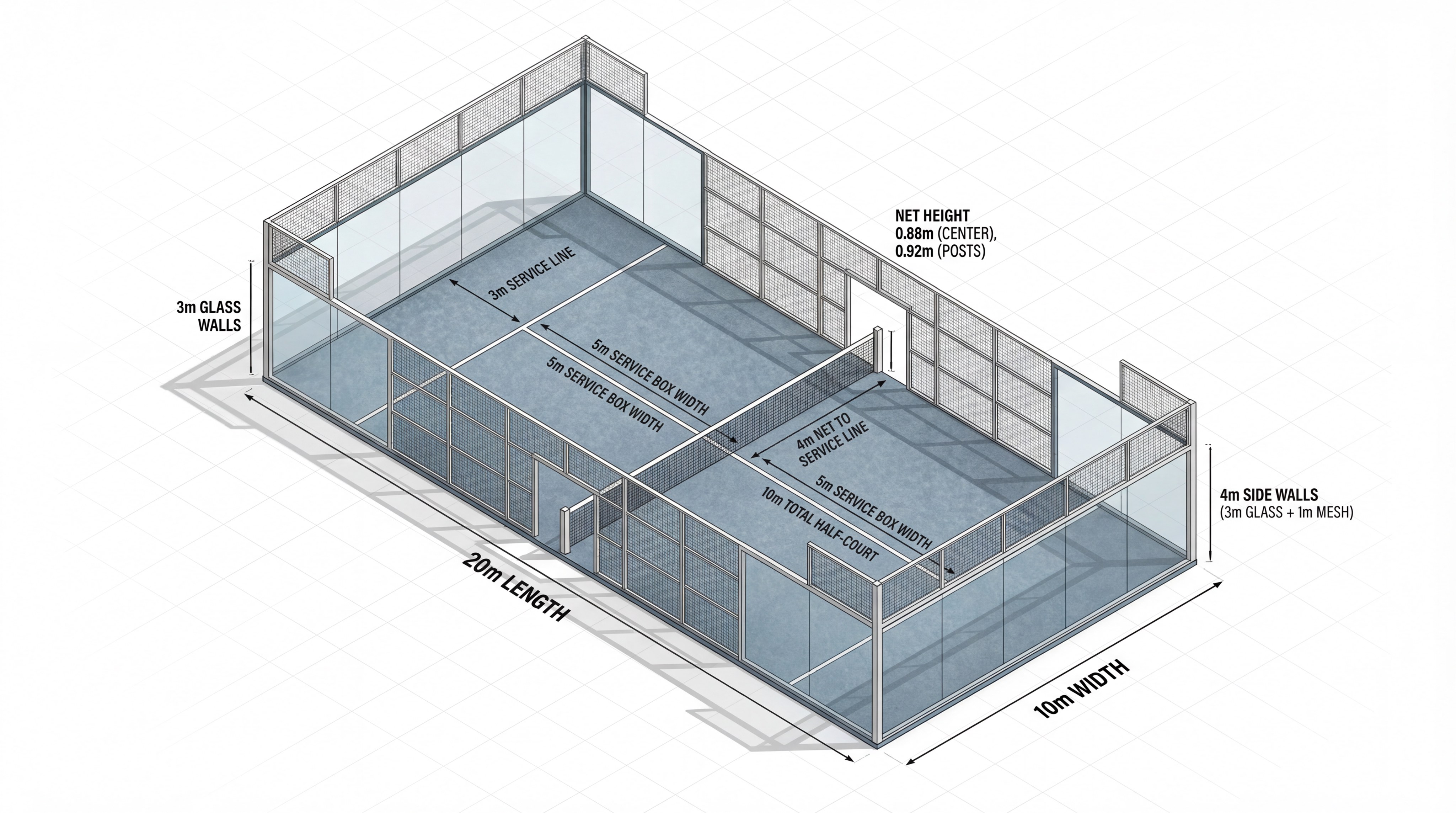
A regulation court for padel denver must measure exactly 20 meters in length and 10 meters in width to meet international competition standards. Setting up these dimensions requires precision engineering to ensure the glass walls and metallic mesh are positioned correctly.
You must also account for additional clearance around the perimeter if you plan to host sanctioned tournaments. Accurate measurements are the foundation for a professional build that ensures you provide a safe and consistent playing environment.
Key Takeaway
| Component | Metric Measurement | Imperial Equivalent |
|---|---|---|
| Interior Length | 20 Meters | 65.6 Feet |
| Interior Width | 10 Meters | 32.8 Feet |
| Total Area | 200 Square Meters | 2,152 Square Feet |
What permits are needed for padel denver projects?
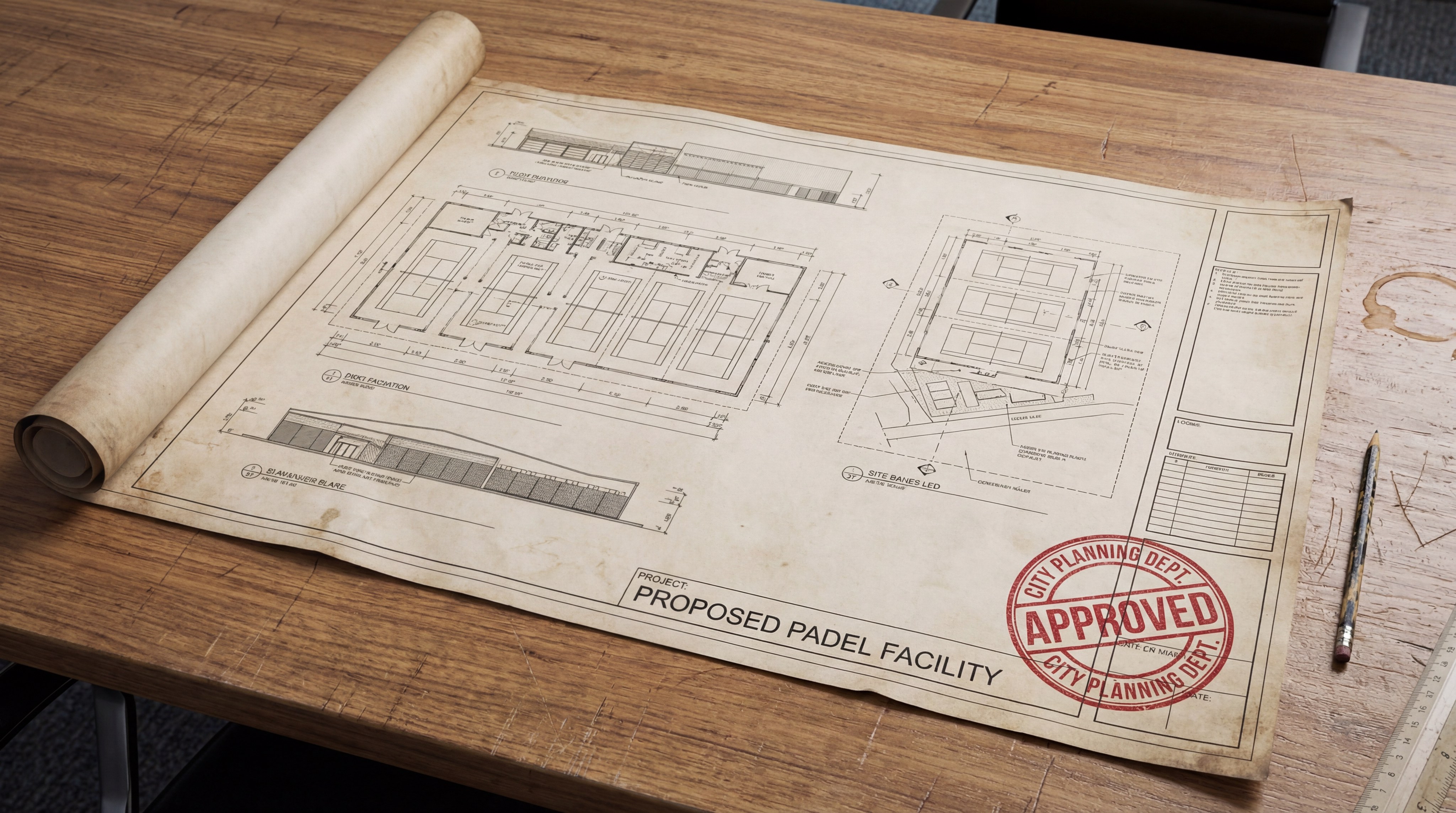
Permits for padel denver projects typically include zoning approval, structural engineering stamps, and electrical permits for lighting systems. You must consult with local municipalities to ensure your facility complies with noise ordinances and height restrictions before breaking ground.
Securing the correct permits early in the process prevents costly delays and ensures your facility is fully compliant with local regulations. You should also verify if a drainage plan or environmental impact study is required for your specific site.
Key Takeaway
| Permit Type | Responsible Department | Primary Concern |
|---|---|---|
| Building Permit | Local Building Department | Structural safety and slab integrity |
| Electrical Permit | City Power/Utility Board | LED wiring and safety |
| Zoning Use | Planning and Development | Land use and noise compliance |
Which materials are best for padel denver surfaces?
The best surfaces for padel denver are made of monofilament or textured synthetic turf that allows for optimal slide and pivot movements. When building outdoor padel courts, you should select UV-resistant fibers to ensure the color and texture remain consistent under intense sun exposure.
High-quality installations prioritize turf density to prevent premature wear in high-traffic areas like the service line. Selecting the right turf ensures you minimize the risk of player injury while maximizing the lifespan of the court surface.

Key Takeaway
| Turf Type | Best Use Case | Maintenance Level |
|---|---|---|
| Monofilament | Professional clubs and high traffic | Moderate |
| Textured | Low-maintenance residential courts | Low |
| Fibrillated | Entry-level commercial facilities | High |
How does weather affect padel denver construction?
Weather affects padel denver construction through temperature fluctuations that impact the expansion of steel frames and the drainage requirements of the turf. For indoor padel courts, humidity control is essential to prevent moisture buildup on the glass walls.
In outdoor settings, you must include a robust drainage system to handle heavy rain and snowmelt efficiently. Building with weather-resilient materials ensures you spend less on repairs and keep your courts open throughout the changing seasons.
Key Takeaway
| Weather Element | Necessary Feature | Prevention Strategy |
|---|---|---|
| Intense Sun | UV-Resistant Turf | Prevents fiber degradation |
| Rain/Ice | Porous Concrete Base | Ensures rapid drainage |
| Temperature Shifts | Expansion Joints | Prevents glass and frame cracking |
How do you find a contractor for padel denver?
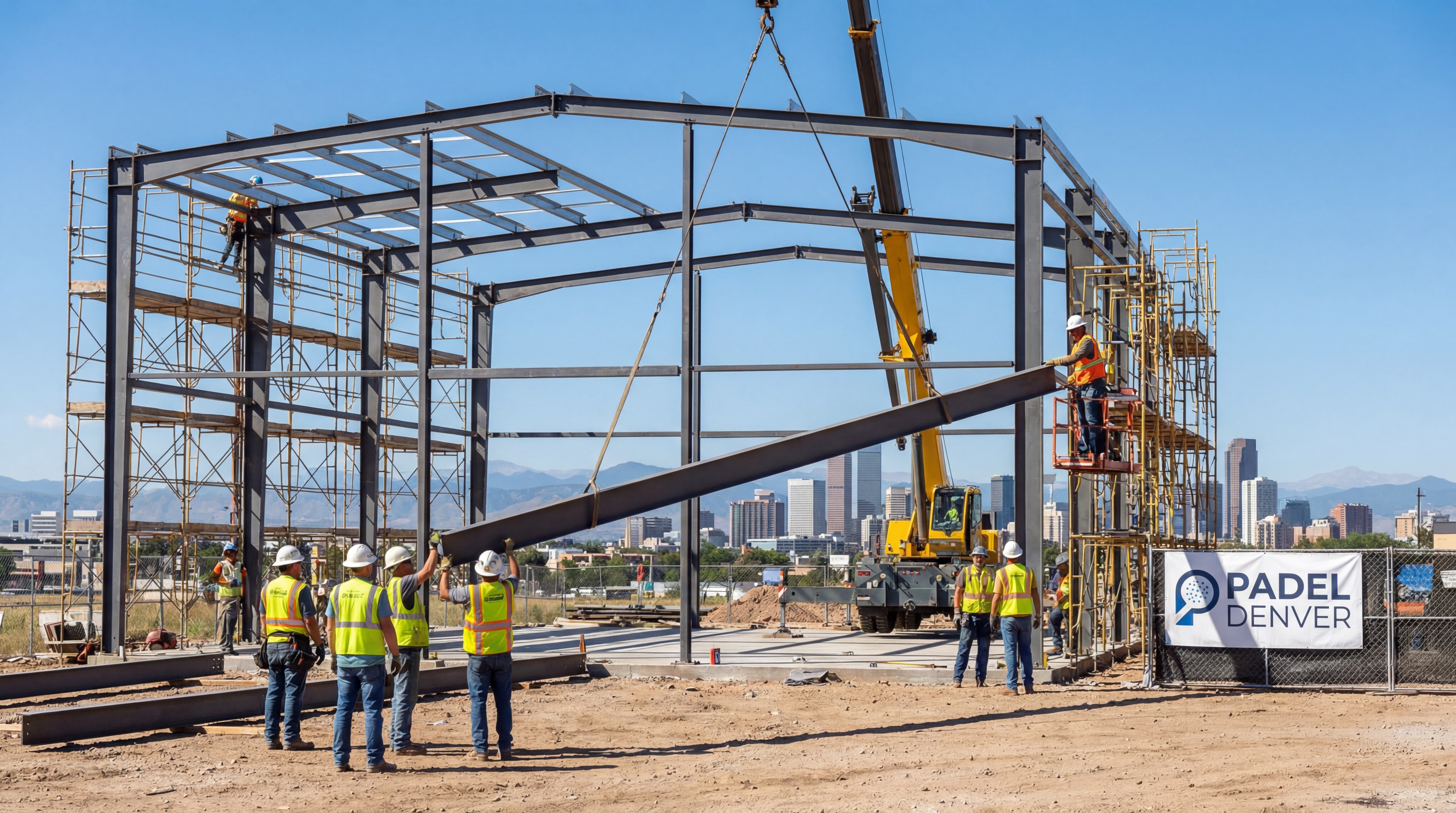
Finding a contractor for padel denver requires looking for specialized firms with experience in tempered glass assembly and synthetic turf installation. You should always request a portfolio of previous builds and check references to verify the durability of their past installations.
A specialized contractor ensures your project is completed on time and meets the high standards required for competitive play. Working with a dedicated professional ensures that all components are engineered to fit together perfectly for long-term use.
Key Takeaway
| Selection Criteria | Professional Standard | Importance |
|---|---|---|
| Experience | Minimum 5 successful installs | High |
| Warranty | 5+ years on structure | Essential |
| Support | Local maintenance availability | Moderate |
How much does it cost to install padel denver?
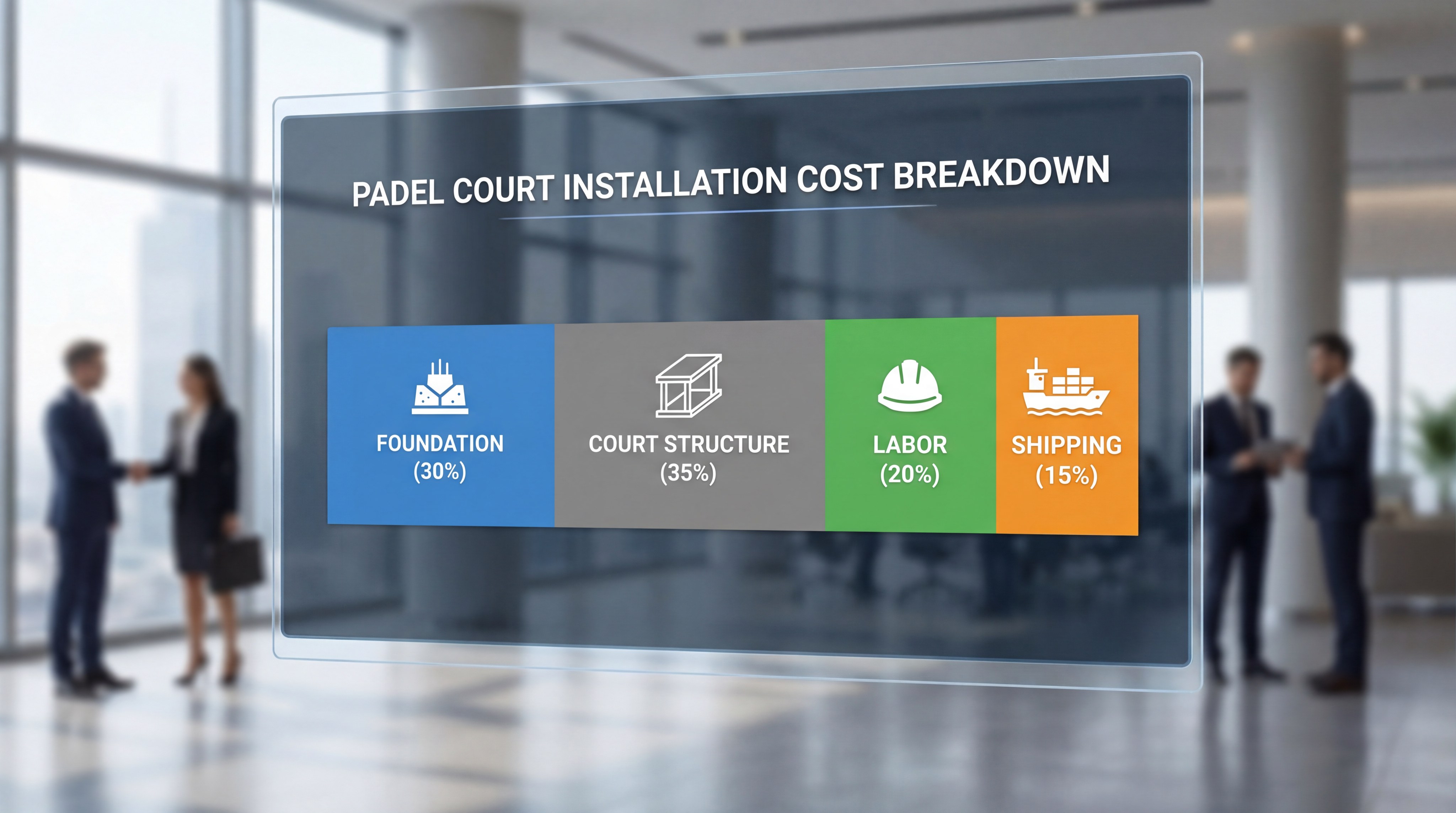
The padel court cost typically ranges from $25,000 to $50,000 per court, depending on glass thickness and lighting choices. You must also budget for the concrete base and professional installation labor to ensure structural longevity.
While the initial investment is significant, the high utilization rate often leads to a faster return on investment than traditional tennis courts. By balancing upfront material quality with installation efficiency, you can ensure your project remains within a financial framework.
Key Takeaway
| Expense Category | Estimated Share | Value Driver |
|---|---|---|
| Foundation | 30-35% | Long-term stability |
| Court Hardware | 35-50% | Playing experience |
| Labor & Shipping | 15-20% | Professional assembly |
Can you build padel denver in small urban spaces?
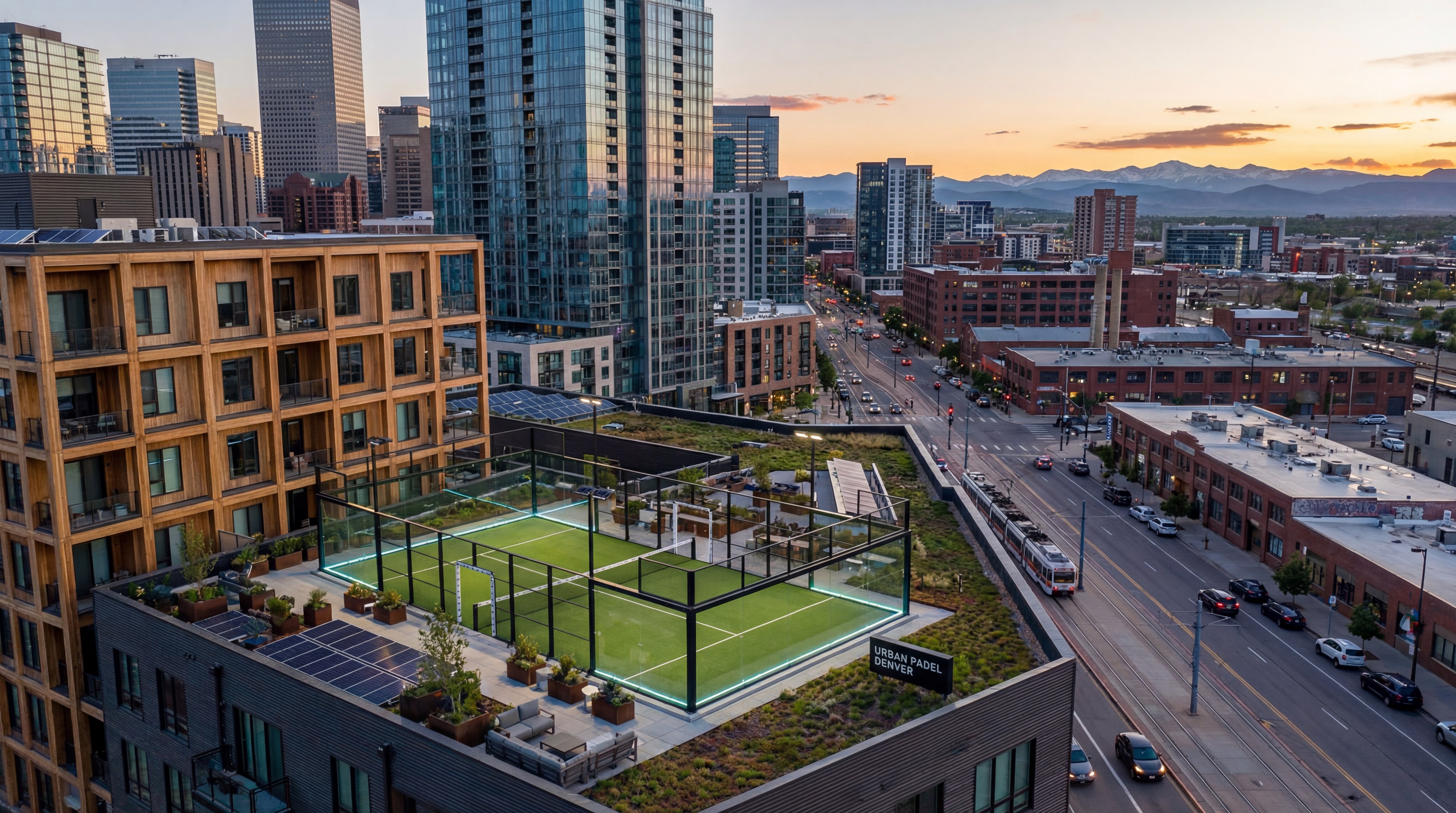
Yes, you can build padel denver in small urban spaces because the footprint is approximately 25% to 30% smaller than a standard tennis court. This efficiency makes it an ideal choice for urban sports centers or rooftop installations where space is at a premium.
Developing padel in dense areas allows you to maximize land utility and increase the number of players per square foot. You can often fit three padel courts in the same area occupied by a single tennis court, tripling your potential capacity.
Key Takeaway
| Sport | Dimensions | Player Density (per 800m²) |
|---|---|---|
| Padel | 20m x 10m | 12-16 players |
| Tennis | 23.77m x 10.97m | 2-4 players |
| Pickleball | 13.4m x 6.1m | 12-16 players |
Why is glass quality vital for padel denver?
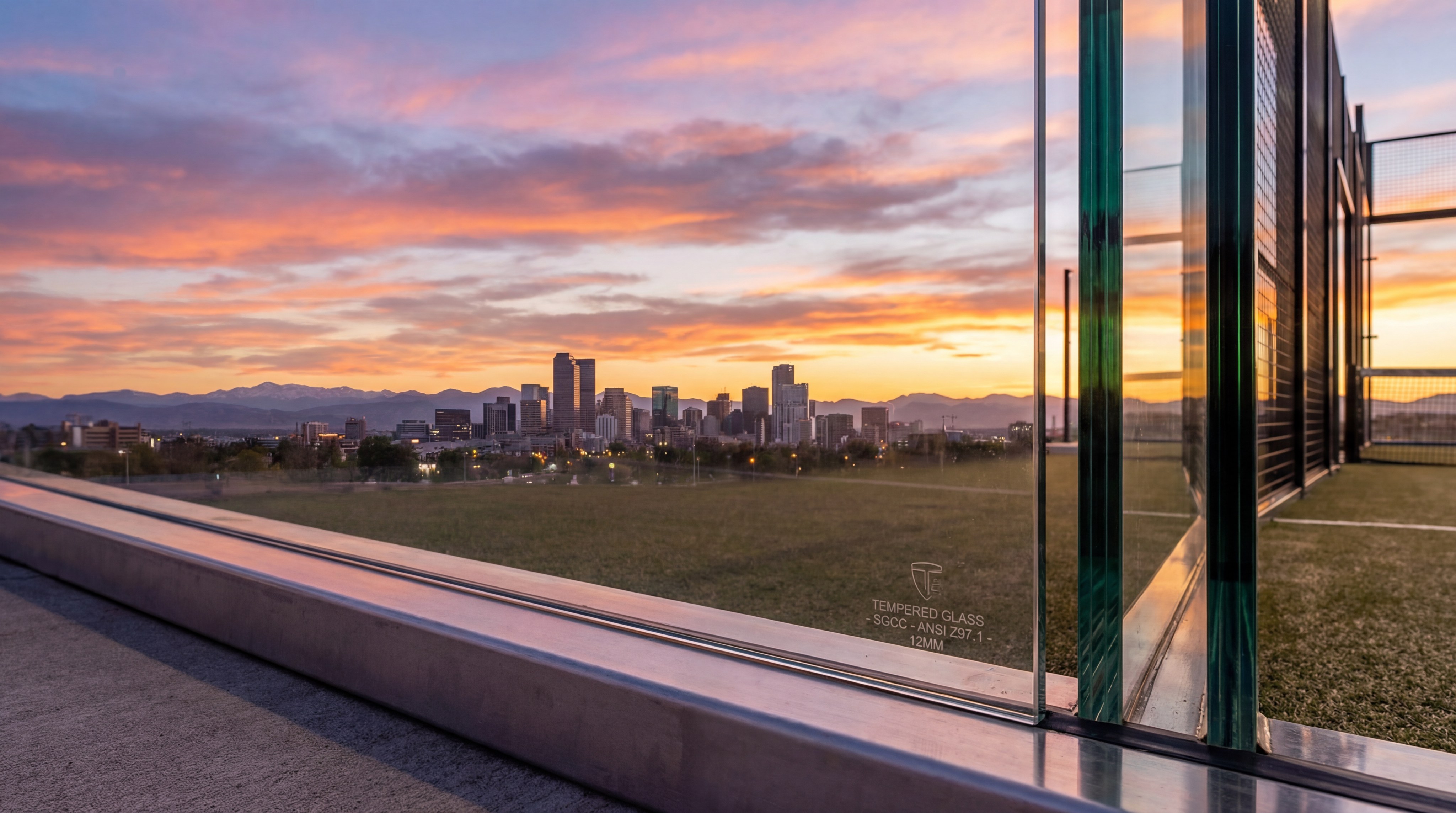
Glass quality is vital for padel denver because it dictates both the safety of the players and the predictability of the ball bounce. Using tempered safety glass is non-negotiable, as it is designed to withstand high-impact hits without shattering into dangerous shards.
You should look for 10mm or 12mm thickness to provide the necessary structural rigidity for your court design. Choosing high-grade tempered glass protects you from liability and ensures the longevity of the most expensive component of your facility.
Key Takeaway
| Glass Type | Thickness | Performance Rating |
|---|---|---|
| Standard Tempered | 10mm | Good (Club level) |
| Reinforced Tempered | 12mm | Excellent (Pro level) |
| Laminated Safety | 12.38mm | Maximum Safety |
Why is padel denver gaining popularity so quickly?
Padel denver is surging because it offers a highly social, easy-to-learn alternative to traditional racket sports for players of all skill levels. Professional padel court construction creates an environment where the game is almost always played in doubles, encouraging high engagement.
The learning curve is significantly shorter than tennis, allowing beginners to enjoy competitive games almost immediately. This social nature ensures higher retention rates and consistent foot traffic for your fitness-based business model.

Key Takeaway
| Feature | Social Impact | Business Benefit |
|---|---|---|
| Doubles Format | Mandatory teamwork | Higher court utilization |
| Enclosed Walls | Longer rallies | Enhanced player satisfaction |
| Compact Layout | Proximity for chat | Vibrant community feel |
Investing in a high-quality venue is the most effective way to capitalize on the growing demand for racket sports in your area. Our mission is to provide the engineering excellence and premium materials necessary to build world-class courts that stand the test of time. To begin your journey and receive a custom quote for your facility, contact us today.
FAQ
Can I build a padel denver court in my backyard?
Yes, you can build a court on private property provided you have at least 200 square meters of flat land and meet local zoning requirements.
What’s the best way to clean the glass walls?
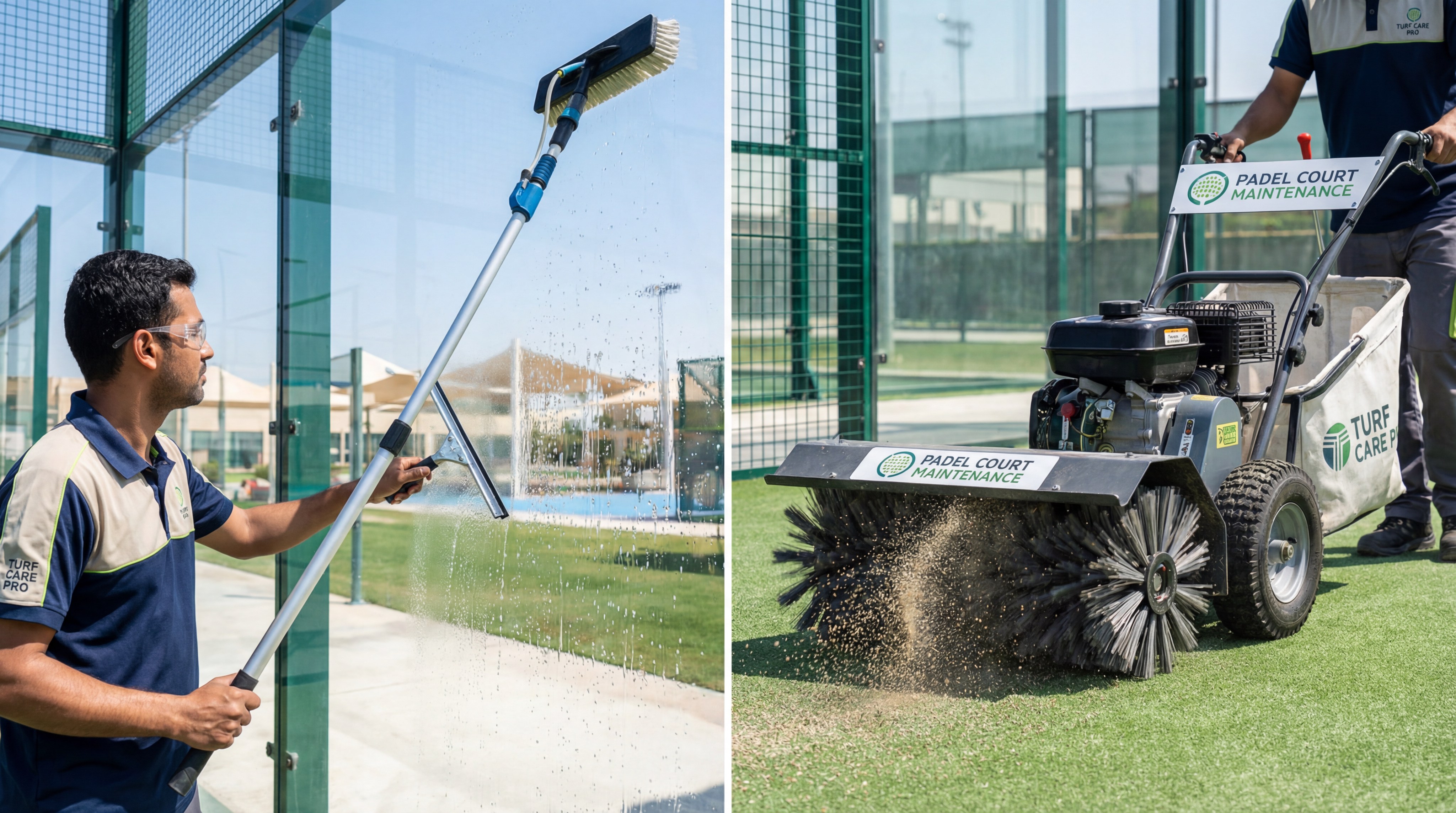
The best way is to use a standard squeegee and mild soap regularly to prevent water spots and maintain crystal-clear visibility.
How do I know if my soil is suitable for a foundation?
You should conduct a soil compaction test to ensure the ground can support the weight of the concrete slab and the steel court structure.
Is it possible to convert a tennis court into padel denver courts?
Yes, it is possible and highly efficient, as one standard tennis court area can typically accommodate up to three full-sized padel courts.
How long does the installation process take?
The installation of the court hardware usually takes between 5 to 7 days once the concrete base has fully cured and is ready for assembly.