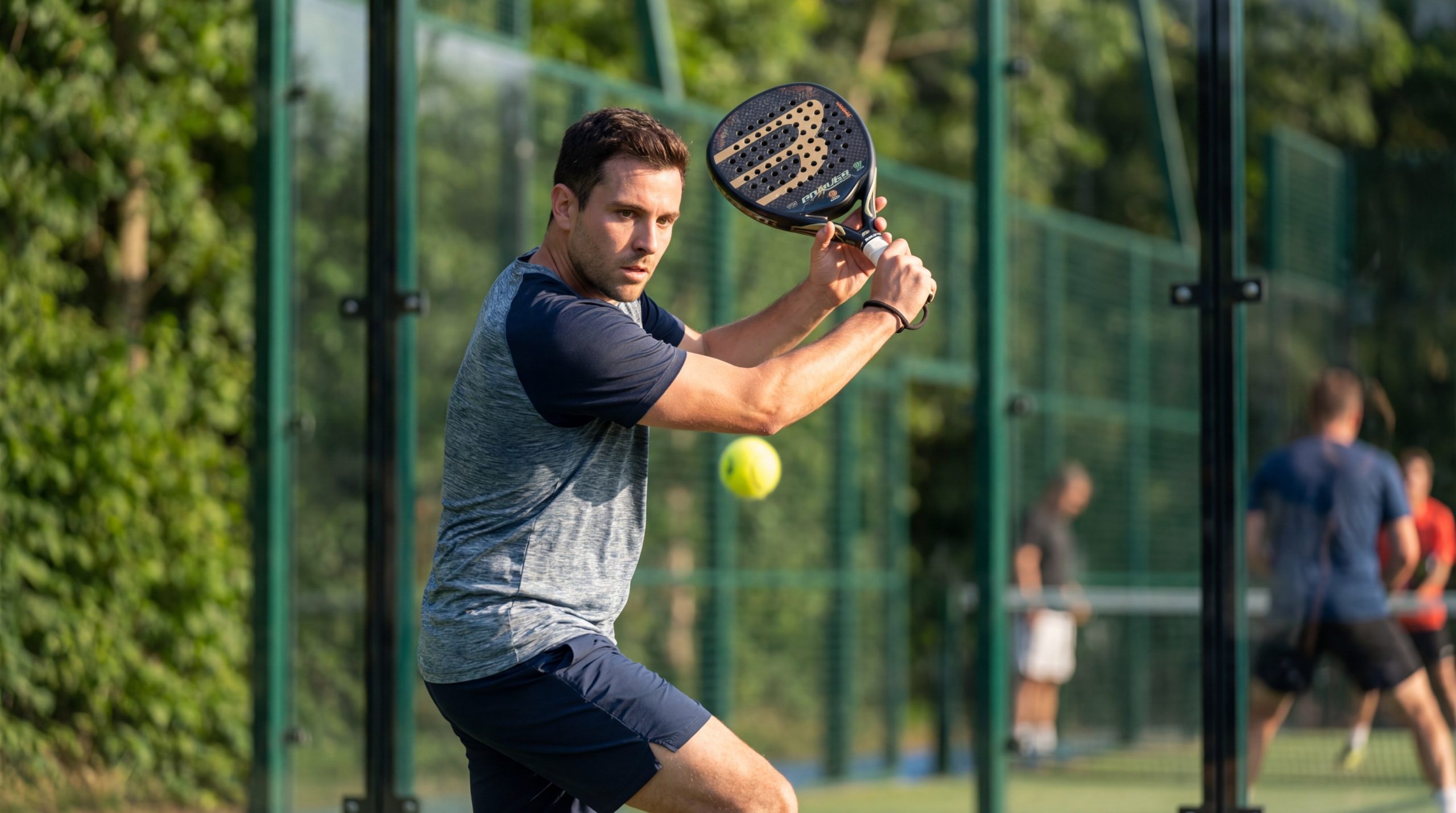
A padel racket nox is a precision-engineered sports tool that combines advanced carbon fiber composites with specialized EVA foam cores to deliver a specific balance of power, control, and vibration dampening. Choosing a low-quality or mismatched racket is the fastest way to stall your progress and develop chronic injuries like padel elbow. You struggle with inconsistent shots, feel every jarring vibration in your wrist, and eventually lose the joy of the game because your equipment is working against you. By mastering the technical anatomy of a premium build, you can select or customize a tool that feels like an extension of your arm and transforms your performance on the court.
What exactly is a padel racket nox?
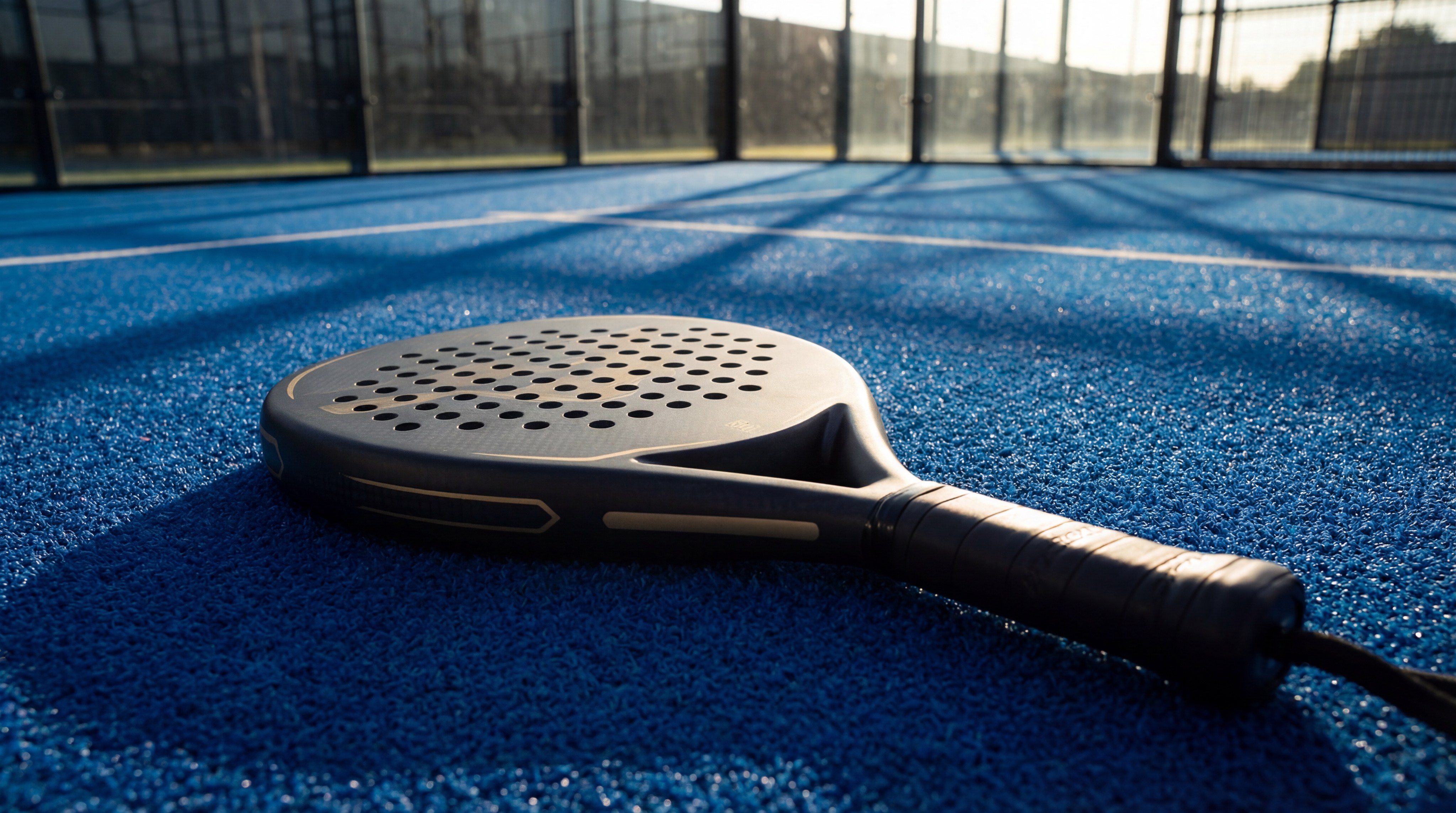
A padel racket nox is defined by its structural sophistication, utilizing a solid frame without strings and a perforated surface designed to manipulate aerodynamics and ball impact. This specific category of equipment focuses on a “total coating” philosophy where the frame and face work as a single unit to minimize energy loss.
The Science of the Perforated Face
The hole pattern on the face is not random but is scientifically mapped to reduce air resistance and stabilize the sweet spot. By strategically removing material, engineers can dictate how the frame flexes during high-velocity impacts.
Here is the kicker:
- 13mm to 15mm hole diameters are standard for optimal airflow.
- Linear patterns increase stiffness for power players.
- Curved patterns enhance the sweet spot for defensive control.
This layout ensures that when you swing, the racket moves through the air with minimal drag. It also prevents the “parachute effect” that can slow down your overhead smashes during critical match points.
Aerodynamic Bridge Engineering
The bridge is the area between the handle and the face, and it is responsible for the overall stability of the build. A reinforced bridge prevents the frame from twisting when you hit the ball off-center.
But that’s not all.
- Anti-vibration systems are often embedded directly into this junction.
- Dual-column bridges provide a stiffer feel for aggressive hitters.
- Open-bridge designs maximize maneuverability at the net.
You will find that a well-designed bridge reduces the torque felt in your forearm. This structural integrity is what allows for the high-speed transitions required in modern, fast-paced padel.
Ergonomic Handle Integration
The handle is the primary interface between your body and the racket, requiring a specific circumference to prevent muscle fatigue. Most professional builds utilize a standard length that accommodates various grip styles and overgrip layers.
Believe it or not:
- Longer handles allow for a two-handed backhand if needed.
- Integrated safety straps are a mandatory safety feature for all builds.
- Tapered designs help in distributing the weight toward the head or handle.
If the handle is too thin, you will squeeze too hard, leading to tension. If it is too thick, you lose the “feel” for delicate drop shots or technical volleys.
Key Takeaway: Understanding the technical components of the frame and face allows you to identify a racket that balances structural stiffness with aerodynamic speed.
| Feature | Technical Purpose | Performance Impact |
|---|---|---|
| Hole Pattern | Aerodynamic Drag Reduction | Increased Swing Speed |
| Bridge Design | Structural Stability | Reduced Frame Torque |
| Handle Length | Ergonomic Lever | Improved Maneuverability |
Analysis: The synergy between hole geometry and bridge reinforcement determines the racket’s “swing weight,” which is often more important than the actual static weight.
Which materials define the padel racket nox construction?
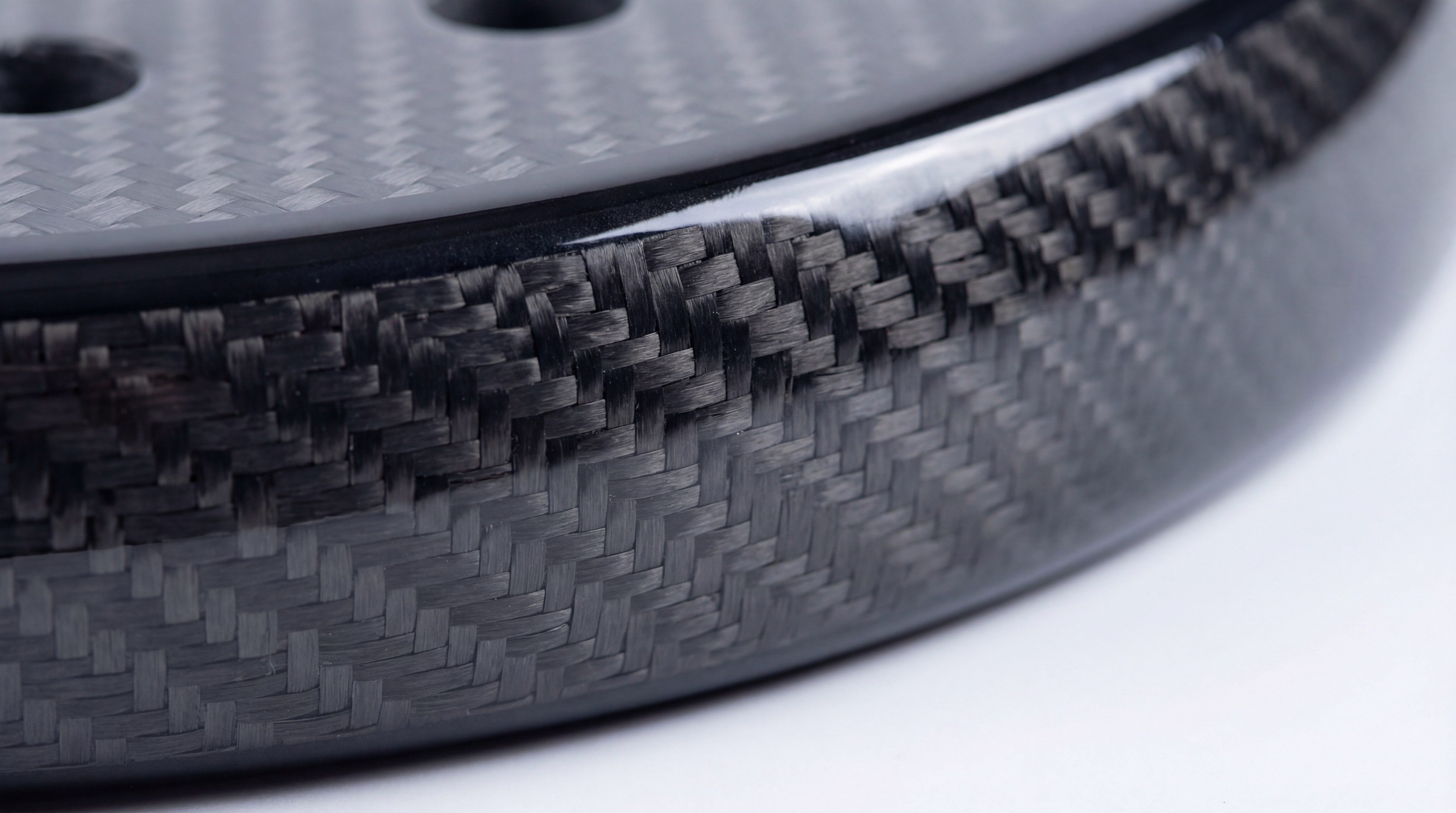
The materials used in a padel racket nox include various grades of carbon fiber, fiberglass, and epoxy resins that determine the frame’s lifespan and responsiveness. To ensure you are making a long-term investment, you should learn how to choose the right padel udstyr for your level before selecting high-modulus materials.
The Hierarchy of Carbon Fiber
Carbon fiber is categorized by the number of filaments in each thread, commonly referred to as the “K” count. A 3K weave is softer and more flexible, whereas an 18K weave is extremely stiff and reactive.
The best part?
- 12K carbon is the “goldilocks” choice for balanced play.
- 18K carbon provides maximum energy return for pro-level smashes.
- Carbon-aluminized layers offer unique heat resistance and durability.
You should choose your carbon grade based on your swing speed. High-K carbon requires a faster swing to “activate” the material’s elastic properties effectively.
The Role of Fiberglass Layers
Fiberglass is often used in the inner layers or for beginner rackets because it is more elastic than carbon. This elasticity provides a “softer” feel and helps the ball rebound with less effort from the player.
Here’s the deal:
- Fiberglass absorbs more shock than pure carbon.
- Hybrid faces combine carbon and fiberglass for a versatile feel.
- It is significantly more affordable for those just entering the sport.
While carbon is more durable over time, fiberglass offers an immediate sense of comfort. Most intermediate builds use a strategic mix to give you the best of both worlds.
Epoxy Resins and Bonding Agents
The resin is the “glue” that holds the carbon layers together and dictates the final hardness of the racket. High-quality resins prevent delamination, which is when the layers start to peel apart after heavy use.
You won’t believe this:
- Nano-resins can fill microscopic gaps in the carbon weave.
- Heat-treated resins ensure the racket doesn’t soften in the sun.
- Impact-resistant additives prolong the frame’s structural life.
If the resin quality is poor, the racket will lose its “pop” or responsiveness within a few months. Premium builds focus on chemical bonding that remains stable under extreme temperature fluctuations.
Key Takeaway: The “K” count of the carbon fiber and the quality of the bonding resin are the primary drivers of both price and performance longevity.
| Material | Stiffness Level | Ideal Player Type |
|---|---|---|
| 3K Carbon | Medium | Intermediate / All-round |
| 12K Carbon | High | Advanced / Power |
| 18K Carbon | Very High | Professional / Attacking |
Analysis: Using a carbon grade that is too stiff for your level can lead to “arm lag,” where the ball leaves the racket before you have finished your stroke.
How does core density affect a padel racket nox?
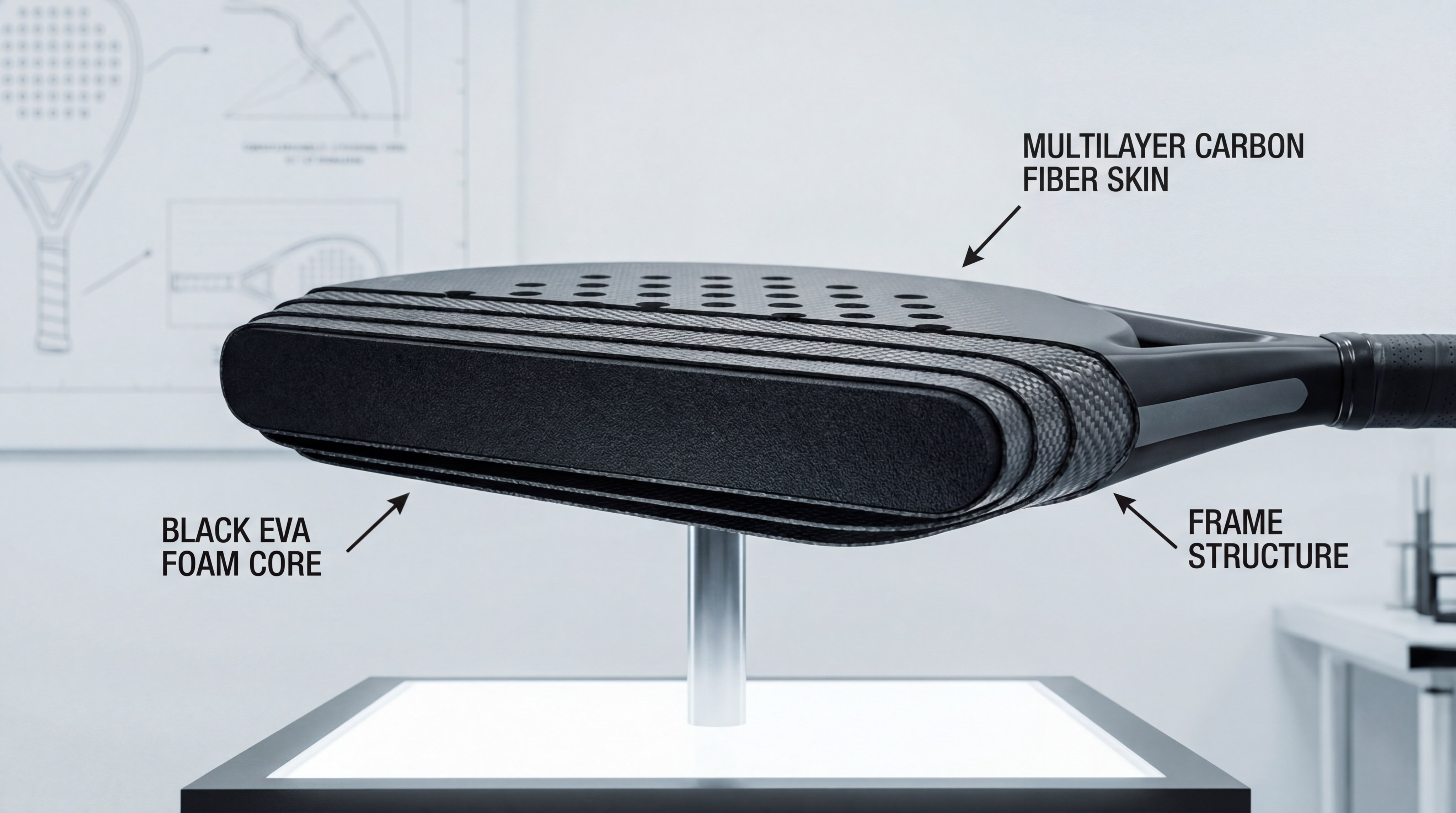
The core of a padel racket nox is typically made from EVA (Ethylene Vinyl Acetate) foam, which acts as the engine of the racket. Its density determines how much energy is absorbed by the racket versus how much is reflected back into the ball.
High-Density EVA for Control
High-density foam, often called “Hard EVA,” is designed for players who have plenty of their own power and want maximum precision. Because the foam is stiff, it does not compress much, giving you a direct and “dry” feel on every hit.
Think about it:
- Harder cores offer better “memory” and recovery speed.
- They are less affected by high temperatures on outdoor courts.
- Precision is vastly improved during technical volleys and lobs.
When you use a hard core, you have to do more of the work. However, the reward is a racket that behaves exactly the same way every time you strike the ball.
Soft Foam for Power and Comfort
Softer cores, such as FOAM or Soft EVA, are designed to create a “trampoline effect” that launches the ball with high speed even on slow swings. This is excellent for players who want to save energy or who suffer from joint pain.
But wait, there’s more:
- Soft cores provide a larger perceived sweet spot.
- They are much quieter upon impact than hard cores.
- Vibration absorption is at its peak with lower-density materials.
The trade-off for this easy power is a slight loss in control at very high speeds. If you swing too hard with a very soft core, the ball might “bottom out” against the frame.
Multi-Layer Core Innovation
Some advanced builds now use “sandwich” cores that feature different densities of foam in a single racket. This allows the racket to behave softly on slow shots and stiffly on hard smashes.
It gets even better:
- Outer layers are often denser for immediate feedback.
- The inner core remains soft to soak up heavy impact vibrations.
- This technology bridges the gap between attacking and defensive styles.
You get a versatile tool that adapts to the situation on the court. It is the ultimate solution for the “all-round” player who needs to defend and attack with equal efficiency.
Key Takeaway: Core density is the most important factor in determining the “touch” of the racket, influencing everything from power to injury prevention.
| Core Type | Density | Primary Benefit |
|---|---|---|
| Hard EVA | High | Surgical Precision |
| Mid EVA | Medium | Balanced Performance |
| Soft EVA | Low | Effortless Power |
Analysis: Temperature significantly impacts foam density; a “hard” racket in winter may feel perfect, but in summer, it could become too soft for aggressive play.
Why is balance essential for a padel racket nox?
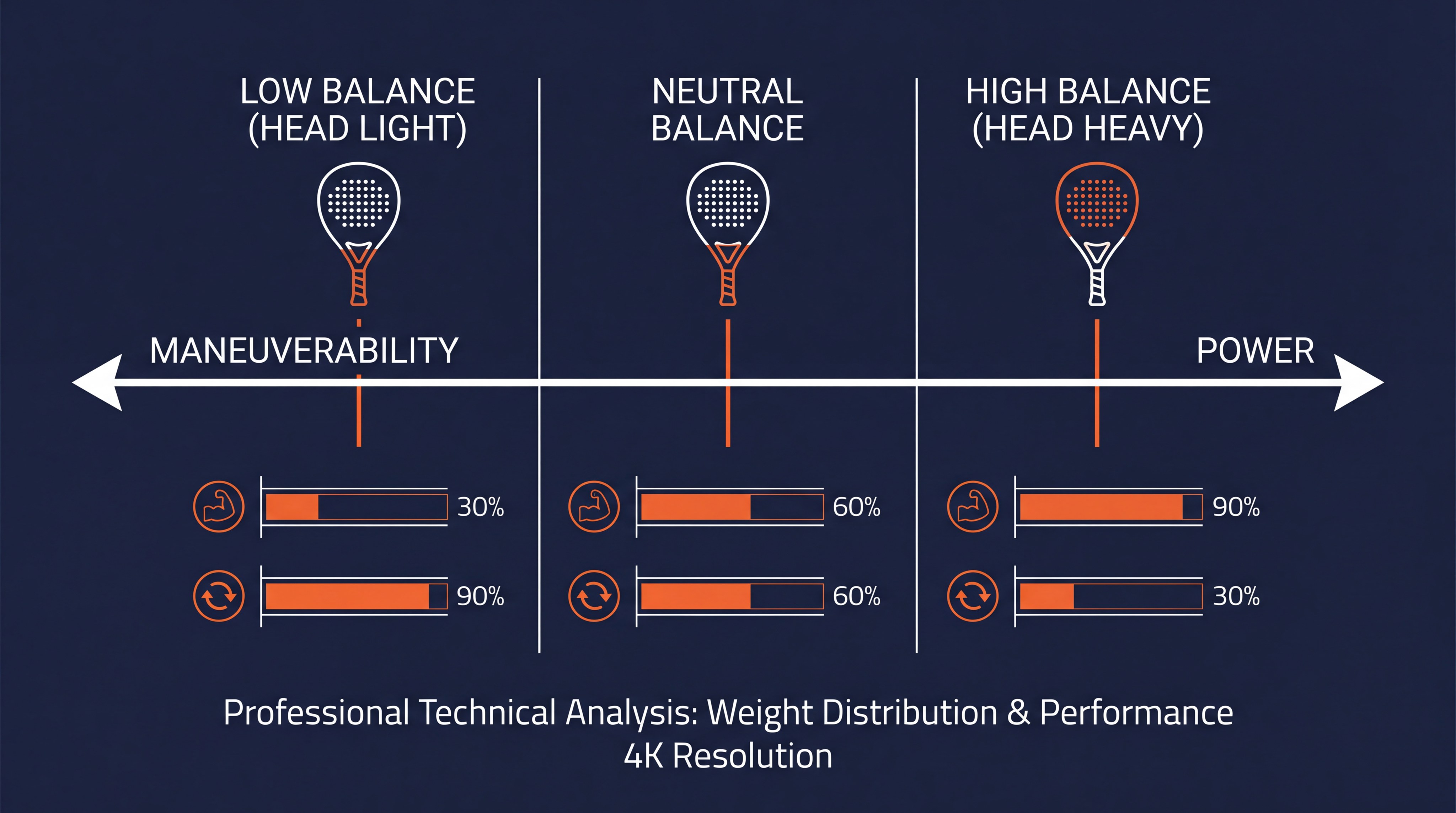
Balance describes the weight distribution along the length of the padel racket nox, and it fundamentally dictates how heavy the racket “feels” during a swing. To understand how these physics play out in a real match, you should how to perform a proper padel racket test to see which distribution matches your wrist strength.
Head-Heavy Distribution (High Balance)
A head-heavy racket has its center of gravity toward the top of the face, acting like a hammer to generate massive momentum. This is the preferred setup for aggressive players who live for the smash and the vibora.
Make no mistake:
- High balance provides the most leverage for power shots.
- It requires stronger forearm muscles to maneuver quickly.
- Defense can be more difficult due to the slower “lag” in the tip.
If you are an attacking player, this weight distribution helps you “heavy” the ball. However, be careful, as a balance that is too high can lead to shoulder strain over long matches.
Handle-Heavy Distribution (Low Balance)
A low-balance racket shifts the weight toward the grip, making the head feel incredibly light and nimble. This is the ideal configuration for defensive specialists who need to react instantly to fast balls at the net.
Check this out:
- Maneuverability is at its maximum with a low balance.
- It is the safest choice for players prone to “padel elbow.”
- You gain more control over the “angle” of your shots.
While you lose some raw power on smashes, you gain the ability to “flick” the racket with your wrist. This is essential for digging out difficult balls that bounce low against the back glass.
Neutral or Even Balance
An even balance places the weight in the center, offering a compromise that doesn’t lean too heavily toward power or control. Most professional-grade “all-round” rackets utilize this neutral geometry.
The best part?
- It offers a predictable feel in all areas of the court.
- Neutral balance is the best starting point for intermediate players.
- It allows you to develop a well-rounded game without equipment bias.
You won’t feel restricted in any specific shot type. It is the most versatile option for players who haven’t yet committed to a strictly attacking or defensive role.
Key Takeaway: Weight distribution is a personal preference that should align with your physical strength and your tactical role on the team.
| Balance Category | Gravity Center | Player Focus |
|---|---|---|
| High Balance | Toward Head | Power / Smashing |
| Even Balance | Middle | Versatility / All-round |
| Low Balance | Toward Handle | Control / Defense |
Analysis: Small additions, like a frame protector or an extra overgrip, can shift the balance point by several millimeters, significantly altering the racket’s feel.
Can you customize the build of a padel racket nox?
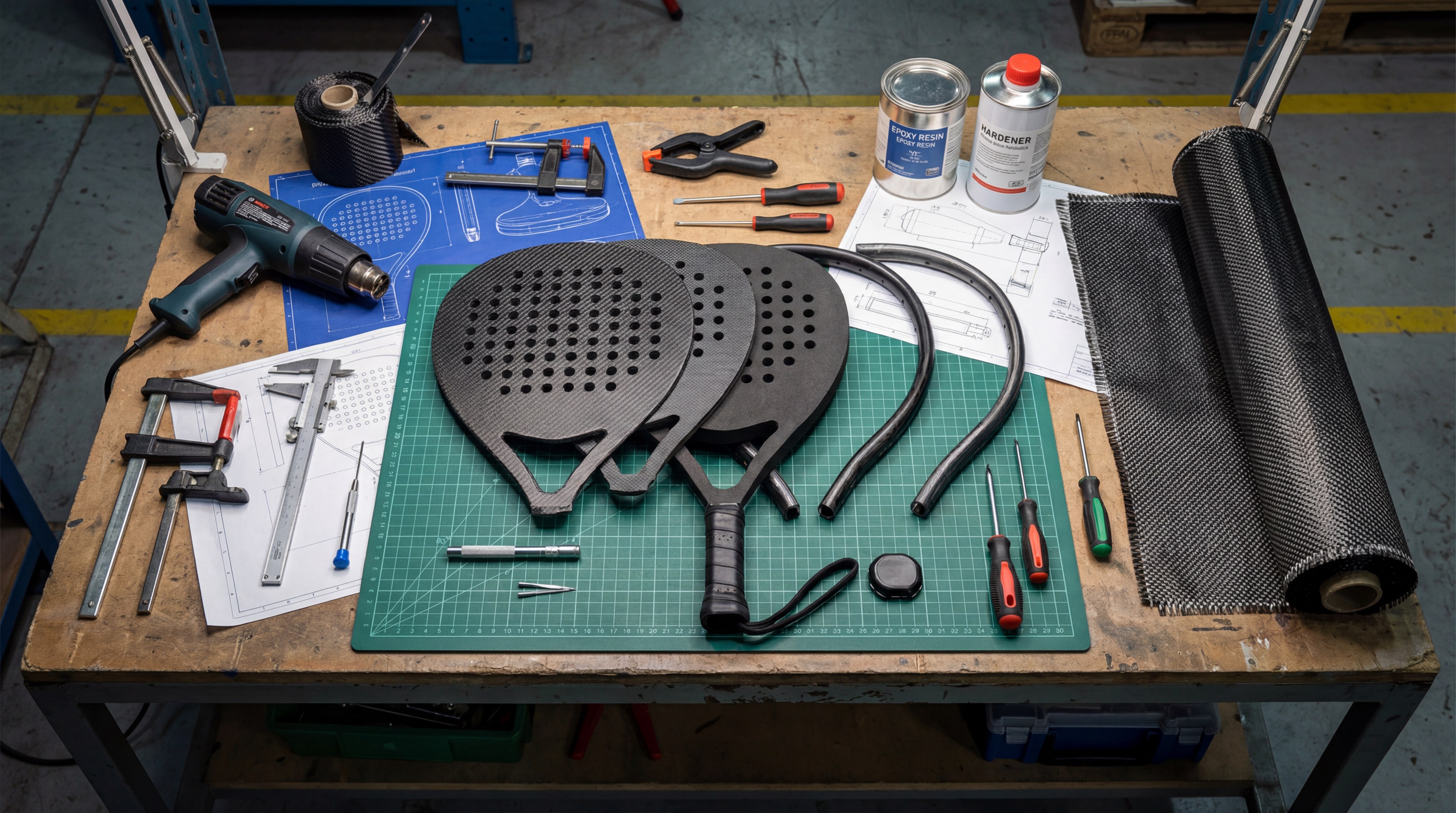
While you usually buy a finished padel racket nox, the “build” can be heavily customized through aftermarket modifications to suit your specific hand size and playing style. Customization is about more than just looks; it is about optimizing the ergonomics for your unique biology.
Customizing Grip Thickness and Texture
The standard grip that comes from the factory is often too thin for the average adult male hand. Building up the grip with overgrips or specialized “under-grips” can reduce the strain on your tendons.
Here’s the deal:
- A thicker grip reduces the need to squeeze the handle tightly.
- Hexagonal or “honeycomb” under-grips improve airflow and reduce sweat.
- Specialized vibration-dampening grips can cut shock by 30%.
You should be able to fit one finger between your palm and your fingertips when holding the racket. If you can’t, your grip is likely too small, which is a leading cause of tennis elbow.
Adding Weights and Protectors
You can technically “re-build” the balance of your racket by adding lead or tungsten tape to specific areas of the frame. This allows you to fine-tune the swing weight without buying a brand-new model.
But wait, there’s more:
- Adding weight to the top increases smash power.
- Adding weight to the throat or handle improves stability and control.
- Frame protectors add “head weight” while shielding the carbon from cracks.
Most pro players customize their rackets this way to ensure every piece of gear in their bag feels identical. It is a cost-effective way to evolve your racket as your game improves.
Changing the Safety Cord and Butt Cap
The safety cord is a required part of the build, but standard cords can sometimes be uncomfortable or too loose. Upgrading to a padded, adjustable wrist strap is a small change that significantly improves comfort.
You won’t believe this:
- Some butt caps are designed to further dampen internal vibrations.
- Replaceable cords allow you to match your team colors.
- Adjustable sliders ensure the racket never slips from your hand.
This might seem like a minor detail, but a comfortable wrist strap prevents distractions during high-pressure points. It ensures you can focus entirely on the ball and your positioning.
Key Takeaway: Customization allows you to tailor a mass-produced racket to your specific physiological needs, improving both comfort and performance.
| Component | Modification | Primary Benefit |
|---|---|---|
| Handle | Extra Overgrips | Reduced Muscle Tension |
| Frame | Protector Tape | Impact Durability |
| Weight | Lead/Tungsten Tape | Shifted Balance Point |
Analysis: Over-customizing by adding too much weight can lead to a “dead” feeling in the racket, where the natural elasticity of the carbon is muted.
What surface technology improves a padel racket nox?
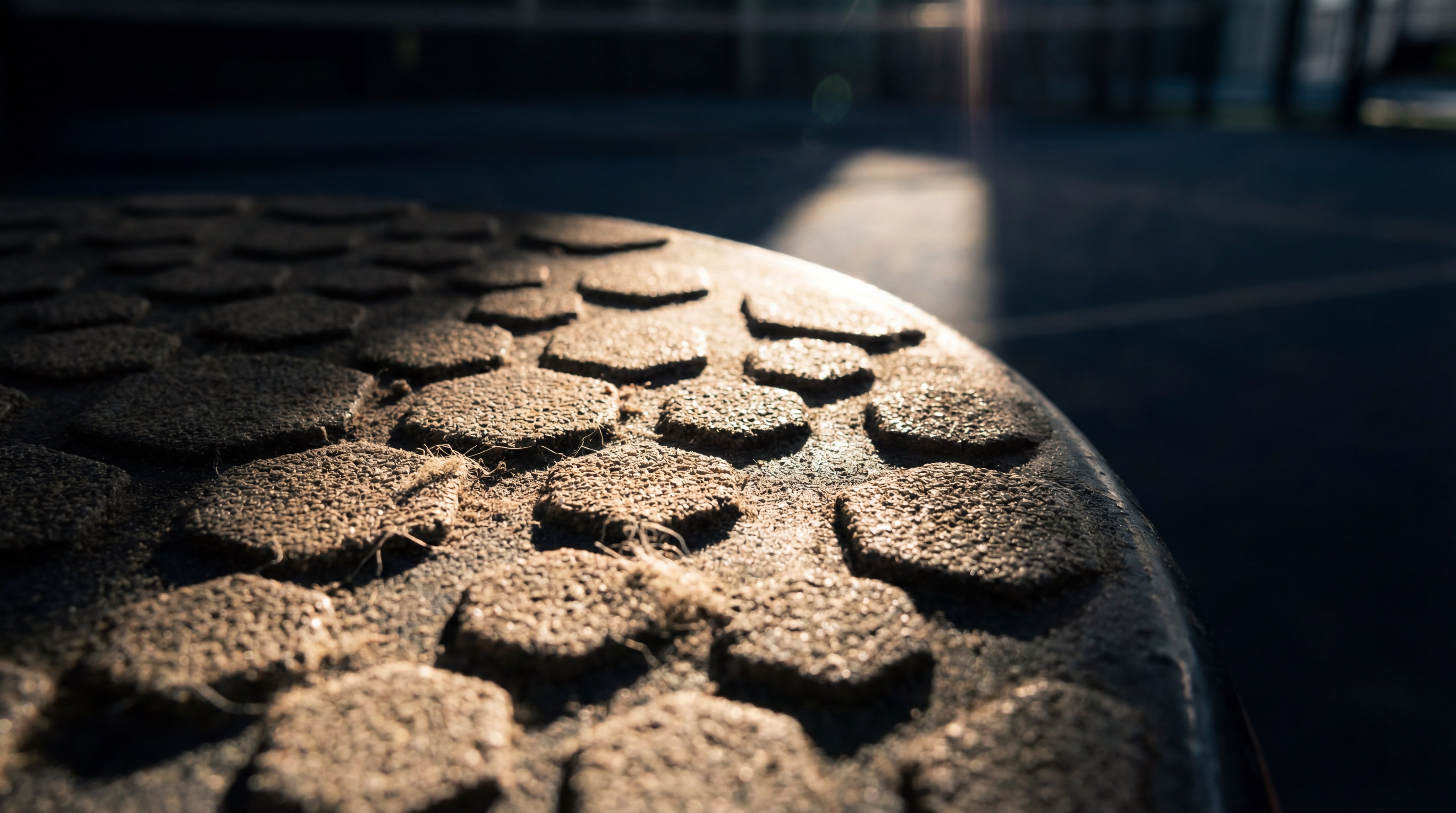
The surface texture of a padel racket nox is what allows you to “grip” the ball and impart spin, which is vital for advanced technical shots. Understanding how long these surfaces maintain their efficacy is key to knowing how long does a padel racket last before the texture wears down.
Sand-Blasted Rough Finishes
A sand-like texture is applied to the final resin layer to create high friction when the ball strikes the face. This is particularly effective for “slicing” the ball, making it stay low and move unpredictably after it hits the glass.
Let’s dive deeper:
- Sand finishes provide the maximum amount of “bite” on the ball.
- They are ideal for the bandeja to prevent the ball from bouncing high.
- The rough surface helps in humid conditions where the ball might slip.
The downside is that sand finishes can wear off over several months of intense play. You will notice your spin potential dropping as the center of the racket becomes smooth.
3D Molded Hexagonal Patterns
Unlike sand, 3D patterns are molded directly into the carbon face during the manufacturing process. These hexagonal or relief patterns are permanent and do not wear out, providing a consistent feel for the life of the racket.
Think about it:
- Molded patterns offer a more subtle but consistent grip.
- They do not add any extra weight to the racket face.
- Aerodynamics are slightly improved compared to “gritty” sand finishes.
You get a reliable tool that feels the same in month twelve as it did on day one. For many players, this consistency is more valuable than the extreme (but temporary) grip of sand.
Smooth Gloss vs. Matte Finishes
Some rackets feature a completely smooth finish, either in a high-gloss or a sleek matte style. These are designed for players who prioritize raw speed and power over technical spin.
The best part?
- Smooth surfaces allow the ball to leave the racket faster.
- They are easier to clean and maintain over time.
- Matte finishes often feel slightly “stiffer” than gloss ones.
If you are a power-focused player who hits the ball flat, a smooth surface is often the best choice. It ensures that no energy is lost to friction as the ball leaves the face.
Key Takeaway: Surface texture is a tactical choice; choose rough for spin and technical control, or smooth for maximum ball exit speed.
| Surface Type | Durability | Spin Potential |
|---|---|---|
| Sand Finish | Medium-Low | Extremely High |
| 3D Molded | Very High | High |
| Smooth | High | Low |
Analysis: Spin in padel is more about “controlling the bounce” than “curving the flight,” making surface grip a primary defensive tool.
How do you select a padel racket nox by level?
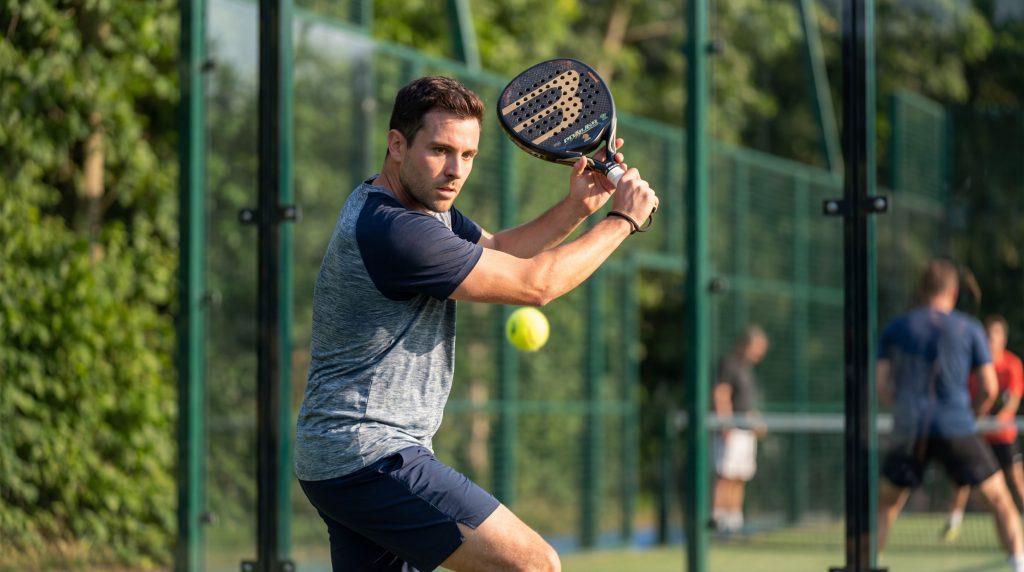
Selecting a padel racket nox requires an honest assessment of your current technical skills to avoid buying a tool that is too demanding. A professional racket is like a race car; it is faster, but it is also much harder to control if your timing is not perfect.
Intermediate Builds for Growth
Intermediate players need a “hybrid” build that offers a mix of carbon for durability and fiberglass for comfort. This ensures that as you start hitting the ball harder, the racket can handle the stress without being unforgiving on off-center hits.
Believe it or not:
- Teardrop shapes are the standard for intermediate growth.
- A medium-soft core helps you learn to control the ball’s depth.
- These rackets usually feature a 3K or 12K carbon face.
You want a racket that “helps” you. An intermediate build will give you a little extra power when you’re out of position, allowing you to stay in the point longer.
Advanced and Pro-Level Specifications
Advanced players should look for 18K carbon, high-density cores, and diamond shapes. These rackets are designed for “surgical” precision and the ability to hit the ball out of the court (Por Tres).
Here’s the deal:
- Professional builds have a very small, very intense sweet spot.
- They are designed to withstand the high impact of tournament play.
- Advanced technology like graphene reinforcements is common here.
If you have the technique, these rackets are incredible. However, if your footwork is slow, the stiffness of a pro build will punish you with short, weak returns.
Specialized Coaching Rackets
Some rackets are built specifically for coaches or players who play several hours every single day. These prioritize vibration dampening and lightweight maneuverability above all else to prevent repetitive strain injuries.
But wait, there’s more:
- Over-sized frames provide the ultimate forgiveness during lessons.
- Softest available cores protect the coach’s elbow over 40-hour weeks.
- They often feature neutral balances to allow for easy ball-feeding.
You don’t need to be a pro to benefit from a coach’s racket. If you play four or more times a week, prioritizing joint health over raw power is a very smart move.
Key Takeaway: Your skill level dictates the “forgiveness” you need; beginners need high forgiveness, while pros need high reactivity.
| Skill Level | Recommended Shape | Key Material |
|---|---|---|
| Intermediate | Teardrop | 12K Carbon / Hybrid |
| Advanced | Diamond | 18K Carbon / Hard EVA |
| Coach / Frequent | Round / Oversize | Soft EVA / Anti-Vibration |
Analysis: A common pitfall is buying an “Advanced” racket too early, which actually slows down skill development due to the lack of forgiveness.
Is there a padel racket nox for beginners?
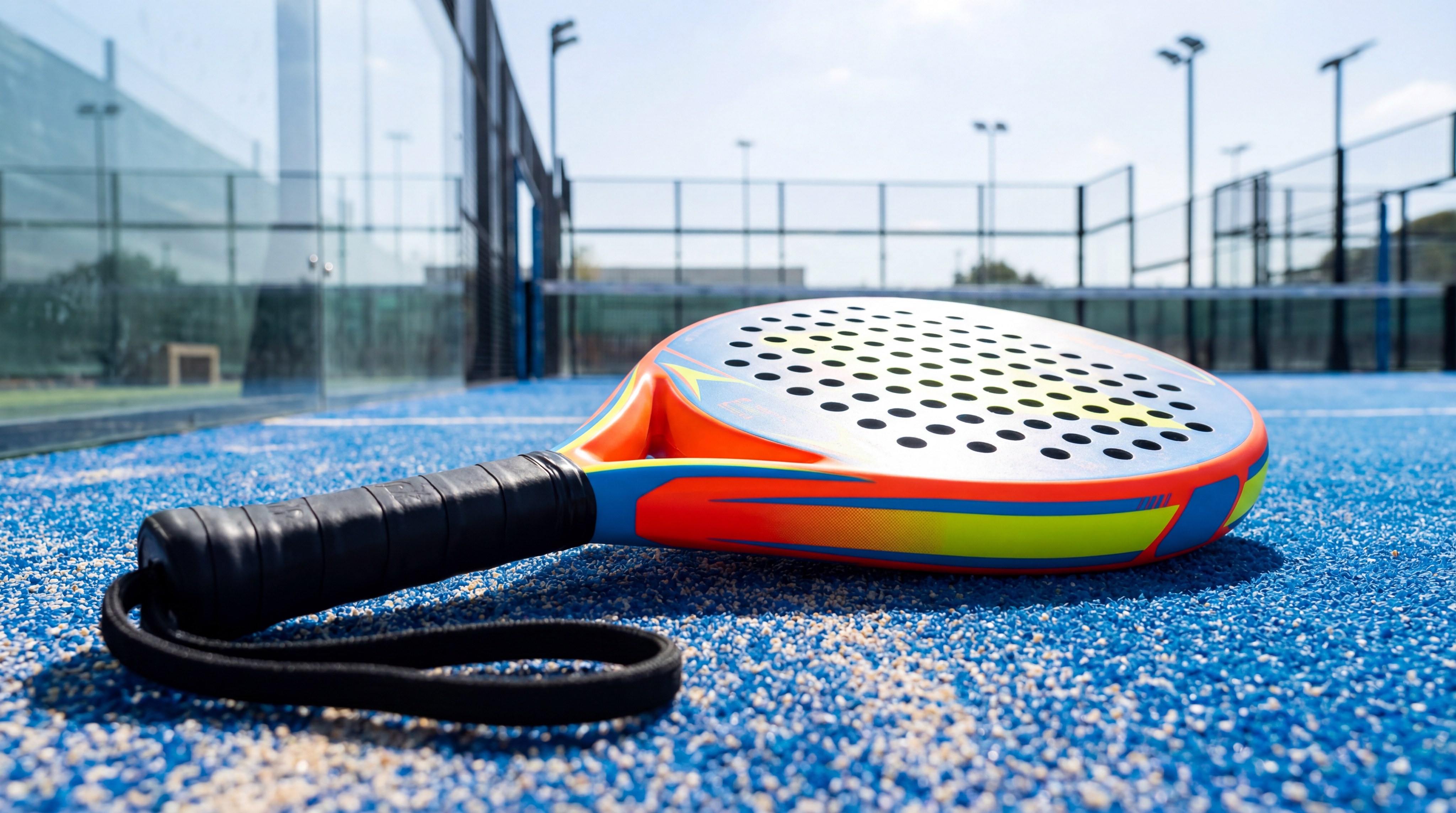
There is a specific padel racket nox designed for new players that prioritizes a large sweet spot and low weight. When starting out, it is highly recommended to look for the best padel racket for beginners to ensure your first experience on the court is successful and pain-free.
The Round Shape Advantage
Beginner rackets are almost always round, placing the sweet spot directly in the center of the face. This makes the racket very stable and prevents it from twisting in your hand when you don’t hit the ball perfectly.
Make no mistake:
- Round rackets are the easiest to control for lobs and volleys.
- The balance is low, making the racket feel light in your hand.
- They offer the highest level of “forgiveness” for technical errors.
You will find that a round racket helps you build confidence. Once you can consistently hit the sweet spot, you can then consider moving to more “aggressive” shapes.
Lightweight Materials for Ease of Use
Beginners often haven’t developed the specific forearm and shoulder muscles used in padel. A lightweight build (typically 350g to 360g) allows you to play for two hours without feeling fatigued or risking injury.
It gets even better:
- Fiberglass faces are common in beginner builds for a softer feel.
- Ultra-soft cores help the ball clear the net with minimal effort.
- Thicker frame protectors help survive the inevitable hits against the glass.
The best part?
- You can focus on your footwork rather than wrestling with a heavy racket.
- Your recovery between points is faster because your arm isn’t tired.
- These rackets are generally the most affordable entry point.
Using a lighter tool allows you to develop the “wrist snap” needed for advanced shots later on. It is much easier to learn proper form with a racket that doesn’t feel like a heavy weight.
Visibility and Aesthetics
While not a technical feature, beginner rackets often use bright colors and high-contrast designs. This helps new players track the racket head in their peripheral vision as they learn the geometry of the court.
Check this out:
- High-visibility colors help in low-light indoor clubs.
- Large branding often indicates the center of the sweet spot.
- Modern aesthetics make the entry-level gear look just as good as pro gear.
You don’t have to sacrifice style when you’re starting out. A great-looking racket can be a big motivation to get onto the court more often.
Key Takeaway: For beginners, a round, lightweight, fiberglass-faced racket is the gold standard for rapid skill acquisition and safety.
| Feature | Beginner Spec | Why it Matters |
|---|---|---|
| Shape | Round | Maximum Sweet Spot |
| Weight | 350-360g | Easy Maneuverability |
| Material | Fiberglass | High Comfort & Rebound |
Analysis: The primary goal for a beginner’s equipment is to minimize the “barrier to entry” by making the game feel as easy and rewarding as possible.
How can you test the quality of a padel racket nox?
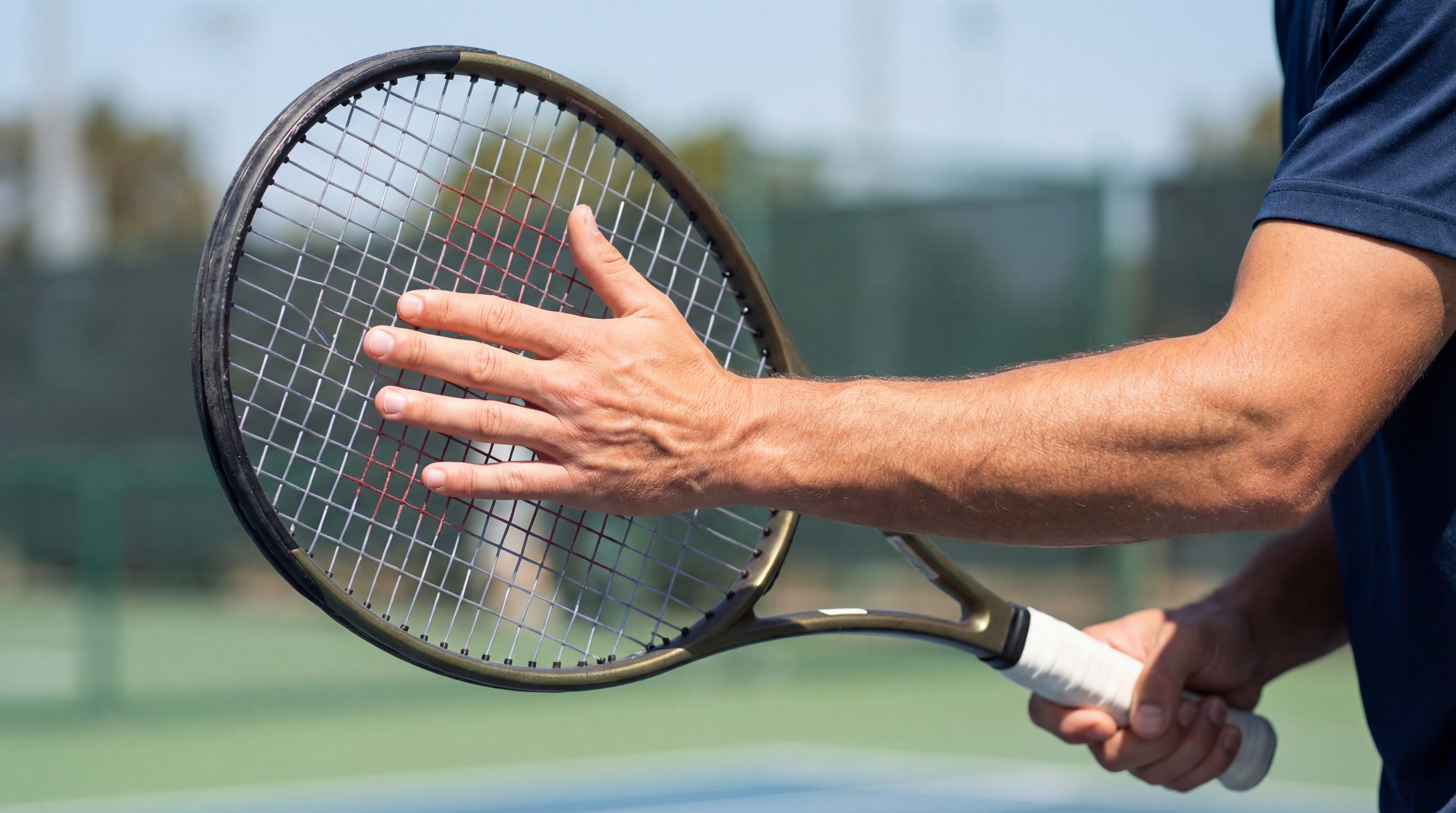
You should never buy a padel racket nox without performing a few basic quality checks to ensure the internal construction is sound. A high-quality build has distinct physical and auditory “tells” that separate it from cheap imitations.
The Sound and Vibration “Tap Test”
You can check the integrity of the core and the carbon bonding by tapping the face of the racket with your palm. A healthy racket should produce a “solid” and consistent sound across the entire hitting surface.
Think about it:
- A “hollow” or “cracking” sound indicates internal delamination.
- Vibrations should die out almost instantly in the handle.
- If the sound changes drastically near the edges, the sweet spot is poorly engineered.
This is the fastest way to check for manufacturing defects. If you feel a “sting” in your hand just from tapping it, imagine what a 100km/h smash will do to your elbow.
Inspecting the Finish and Drilled Holes
The quality of the drilling and the final resin coating tells you a lot about the factory’s attention to detail. In a premium build, every hole should be perfectly smooth with no visible “fraying” of the carbon fibers.
Here’s the deal:
- Rough edges inside the holes can lead to premature frame cracks.
- The paint should be uniform with no air bubbles or “orange peel” texture.
- The alignment of the bridge and handle should be perfectly straight.
Poorly drilled holes act as “stress concentrators.” A single jagged edge can become the starting point for a crack that ruins the entire racket within weeks.
Assessing the Grip and Butt Cap Stability
The handle should feel like a single, solid piece of the frame. If there is any “play” or “creaking” when you twist the handle, the internal bonding is weak, and the racket may fail under the stress of a high-power shot.
But wait, there’s more:
- The butt cap should be securely fastened with no movement.
- The safety cord should be deeply anchored into the handle’s core.
- The grip should be perfectly centered with no gaps in the wrapping.
A loose handle not only ruins your control but can be a serious safety hazard if the racket head flies off during a swing. Always check the “structural feel” of the handle before hitting the court.
Key Takeaway: Auditory and visual inspections are your first line of defense against poor manufacturing quality and potential equipment failure.
| Inspection Step | What to Look For | Warning Sign |
|---|---|---|
| Tap Test | Solid, resonant thud | Hollow, buzzing vibration |
| Hole Check | Smooth, clean edges | Frayed carbon / jagged resin |
| Handle Twist | Zero movement/noise | Creaking or “play” in the grip |
Analysis: Rackets that pass these tests are much more likely to maintain their “factory feel” for the duration of their lifespan, providing better value for money.
Where can you get expert advice on a padel racket nox?
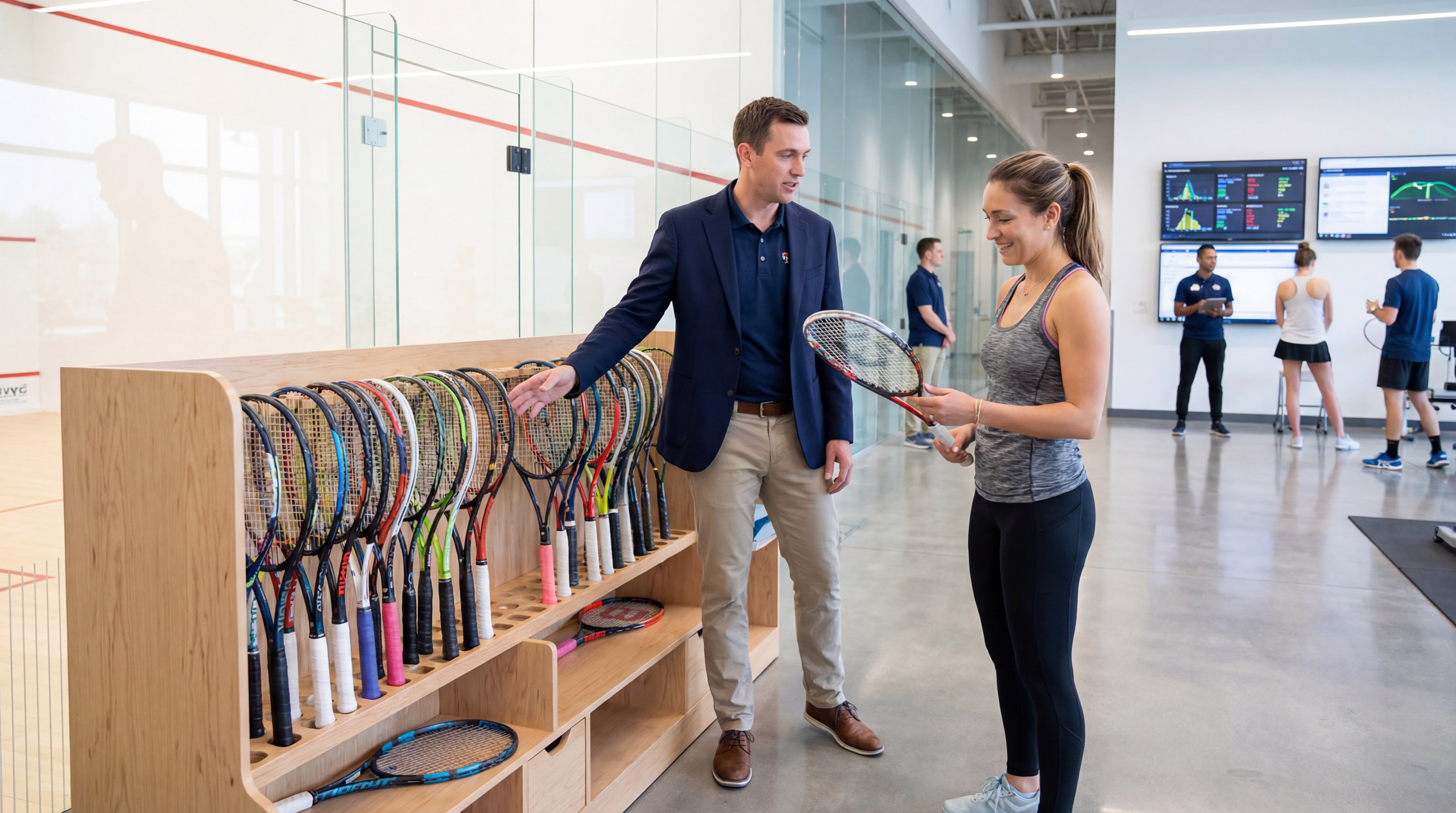
The technology behind a padel racket nox is constantly evolving, making it difficult for the average player to keep track of every new resin, fiber, and core innovation. Seeking expert guidance is the best way to ensure your gear remains a competitive advantage.
Consulting with Certified Padel Pro-Shops
Professional shops employ technicians who understand the biomechanics of the game and how different rackets interact with various swing types. They can often provide “demo” rackets so you can feel the technology for yourself before committing to a purchase.
Check this out:
- Pro-shops have specialized tools to measure exact weight and balance.
- They can provide custom re-gripping services on the spot.
- Many experts have direct lines to manufacturers for technical data.
Nothing replaces the value of a physical test. An expert can watch you hit a few balls and immediately tell if your racket is too heavy or too stiff for your technique.
Online Communities and Technical Reviews
The global padel community is incredibly active, with forums and video reviews providing deep-dive analyses of every new model. You can find high-speed camera footage that shows exactly how a frame flexes under load.
It gets even better:
- Real-world “long-term” reviews reveal how materials age.
- You can find comparison charts between different years of the same model.
- Community feedback often highlights quirks not mentioned in marketing.
Be sure to look for reviewers who have a similar playing style to yours. A pro’s “favorite” racket might be a nightmare for a club-level defensive player.
Direct Manufacturer Support and Clinics
Many premium brands host “Demo Days” at local clubs where you can try the entire lineup for free under the supervision of brand ambassadors. This is the ultimate way to see how the latest builds feel in a real match scenario.
Here’s the kicker:
- You get to hear the “why” behind specific design choices.
- Ambassadors can help you fine-tune your customization.
- It’s a great way to meet other enthusiasts and find playing partners.
If you are still confused about which specs are right for you, the best thing you can do is ask. Our experts are always ready to help you find your perfect match—simply contact us today for a personal consultation.
Key Takeaway: Combining hands-on testing with expert technical advice is the only foolproof way to find a racket that elevates your game.
| Advice Source | Best For | Level of Detail |
|---|---|---|
| Pro-Shop | Immediate Feel / Fitting | Very High (Tactile) |
| Online Reviews | Comparisons / Durability | High (Analytical) |
| Demo Days | Testing Multiple Models | Extremely High (Practical) |
Analysis: Expert advice often uncovers “hidden” features, like specific vibration-frequency dampening, that aren’t obvious from a spec sheet alone.
*
Conclusion
A high-quality padel racket nox is more than just a piece of sporting gear; it is a complex assembly of carbon engineering and ergonomic design. By understanding the core density, frame materials, and balance points, you solve the most common problems on the court: inconsistent power, lack of spin, and the dreaded padel elbow. Whether you are a beginner seeking the forgiveness of a round fiberglass build or a professional demanding the stiffness of 18K carbon, the right technical knowledge ensures you never waste money on the wrong tool. Take control of your game by selecting equipment that matches your unique physical capabilities. For personalized recommendations and the latest in premium padel technology, contact us today and let our experts build your perfect match.
FAQ
Can I use a tennis overgrip on my padel racket?
Yes, you can use tennis overgrips, but padel-specific ones are often shorter and more absorbent to handle the high-intensity sweat and frequent grip changes typical of the sport.
What is the best way to store my racket to prevent it from breaking?
The best way is to keep it in a thermal-lined bag and avoid leaving it in a hot car, as extreme heat can soften the epoxy resins and degrade the EVA foam core.
How often should I replace the protector on the frame?
You should replace it as soon as you see deep scratches or cracks in the plastic, as a damaged protector no longer effectively absorbs the shock of hitting the glass or floor.
Can a heavier racket actually help prevent injuries?
Sometimes, yes; a slightly heavier racket with a low balance can absorb more ball vibration than an ultra-light one, provided you have the muscle strength to swing it correctly.
What is the difference between matte and gloss finishes for spin?
Generally, the finish itself (gloss vs. matte) has less impact on spin than the physical texture (sand or 3D molding), though some matte finishes feel slightly “grittier” than high-gloss ones.