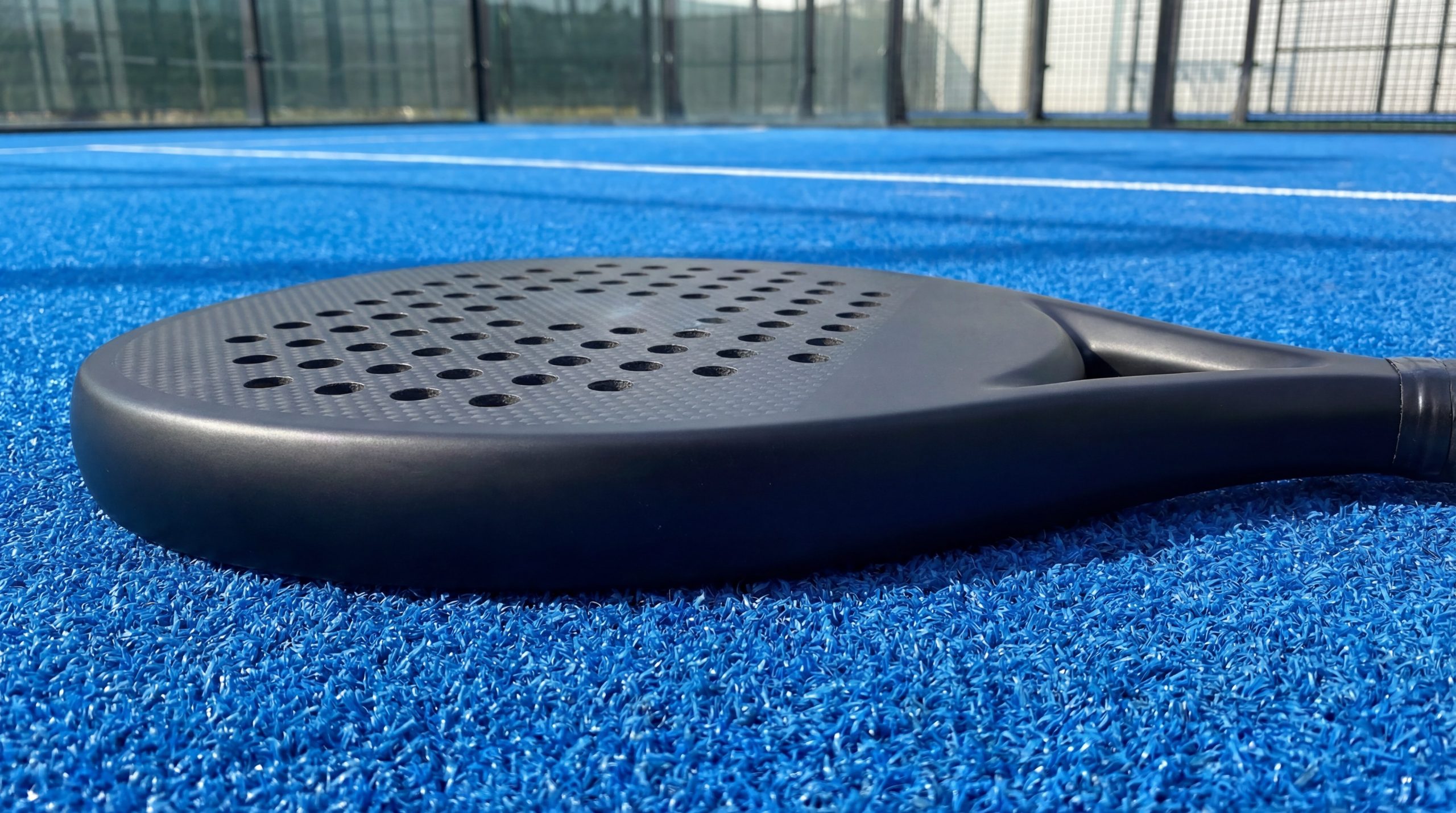
A padel tennis bat is a solid-surface, stringless implement used to play the fast-paced game of padel. You are tired of heavy tennis rackets that leave your arm vibrating after every single hit. The weight and string tension of traditional gear can often lead to fatigue before the match is even over.
By choosing a high-quality bat, you gain better control and a softer impact on your joints.
What exactly is a padel tennis bat?
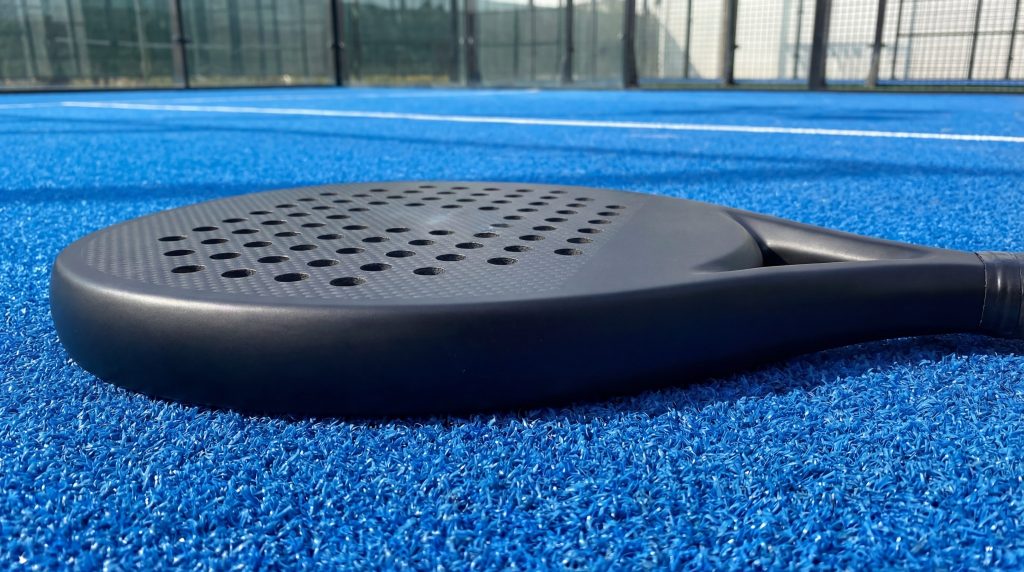
A padel tennis bat serves as the primary tool in one of the world’s fastest-growing sports. Unlike traditional rackets, these tools use a solid construction with a perforated face to move through the air efficiently. This design is engineered specifically for the dimensions and rules of a padel court.
Is it a racket or a bat?
The distinction is simple: because there are no strings, it is technically classified as a bat. You are using a solid, perforated face to strike the ball rather than a woven net.
But here is the kicker:
- No strings to break during a match.
- Solid core provides consistent power.
- Perforations allow for better airflow.
What sets it apart from tennis?
Padel bats are shorter and have a much thicker profile than their tennis counterparts. This design allows for the incredible maneuverability needed in a sport played within glass walls.
You might be wondering:
- Shorter handles improve reaction time.
- Thicker cores absorb high-speed impacts.
- Composite surfaces generate extreme spin.
Key Takeaway: A padel bat is a stringless, solid-core tool built for speed and precision on the court.
What materials form a padel tennis bat?
The padel tennis bat relies on a specific combination of technical materials to balance durability and performance. You need gear that stands up to the rigors of aggressive play without losing its structural integrity. Selecting the wrong material can lead to a “dead” feel or premature cracking.
Is carbon fiber the best choice?
Carbon fiber provides the ultimate level of stiffness and energy return. It is the preferred choice for players who want a “dry” hit and maximum power output.
It gets better:
- High tensile strength for longevity.
- Lightweight properties for fast swings.
- Superior power transfer on smashes.
Does fiberglass offer more flex?
Fiberglass is significantly more elastic, which translates to a larger “trampoline effect” and better comfort. It is the ideal choice for beginners who need the bat to do more of the work.
Believe it or not:
- Better vibration dampening for sensitive elbows.
- Cost-effective for entry-level players.
- Forgiving nature on off-center hits.
Key Takeaway: Material choice dictates whether you play with raw power or smooth, forgiving control.
| Material | Primary Benefit | Skill Level |
|---|---|---|
| Carbon Fiber | Maximum Power | Advanced |
| Fiberglass | Greater Comfort | Beginner |
| Hybrid | Balanced Feel | Intermediate |
The chemical bond between these fibers determines the overall longevity and response time of the face during high-impact rallies.
Which shape defines your padel tennis bat?
Choosing the right padel tennis bat shape is a strategic decision that affects your “sweet spot” and balance. If your bat is too head-heavy, your wrist will tire quickly during long defensive sets. Conversely, a bat with the wrong balance can make your attacking shots feel weak.
Why choose a round shape?
Round bats are the ultimate safety net for players focusing on defense. With a massive sweet spot right in the center, you will hit consistent shots even when your timing is slightly off.
The best part is:
- Excellent maneuverability near the net.
- Reduced risk of unforced errors.
- Lower balance point for easier handling.
Is the diamond shape for pros?
Diamond shapes are built for the heavy hitters who want to end points early. You get all the weight at the top, allowing you to smash the ball out of the park with ease.
Check this out:
- Higher center of gravity for “lever” power.
- Optimized for the overhead smash.
- Narrower sweet spot requiring precise technique.
Key Takeaway: Match the bat shape to your playstyle to unlock your full potential on the court.
| Shape | Sweet Spot Position | Main Advantage |
|---|---|---|
| Round | Center | Control |
| Teardrop | Middle-Top | Versatility |
| Diamond | Top | Power |
Selecting a geometry that aligns with your physical strength ensures you don’t overextend your forearm muscles during intensive match play.
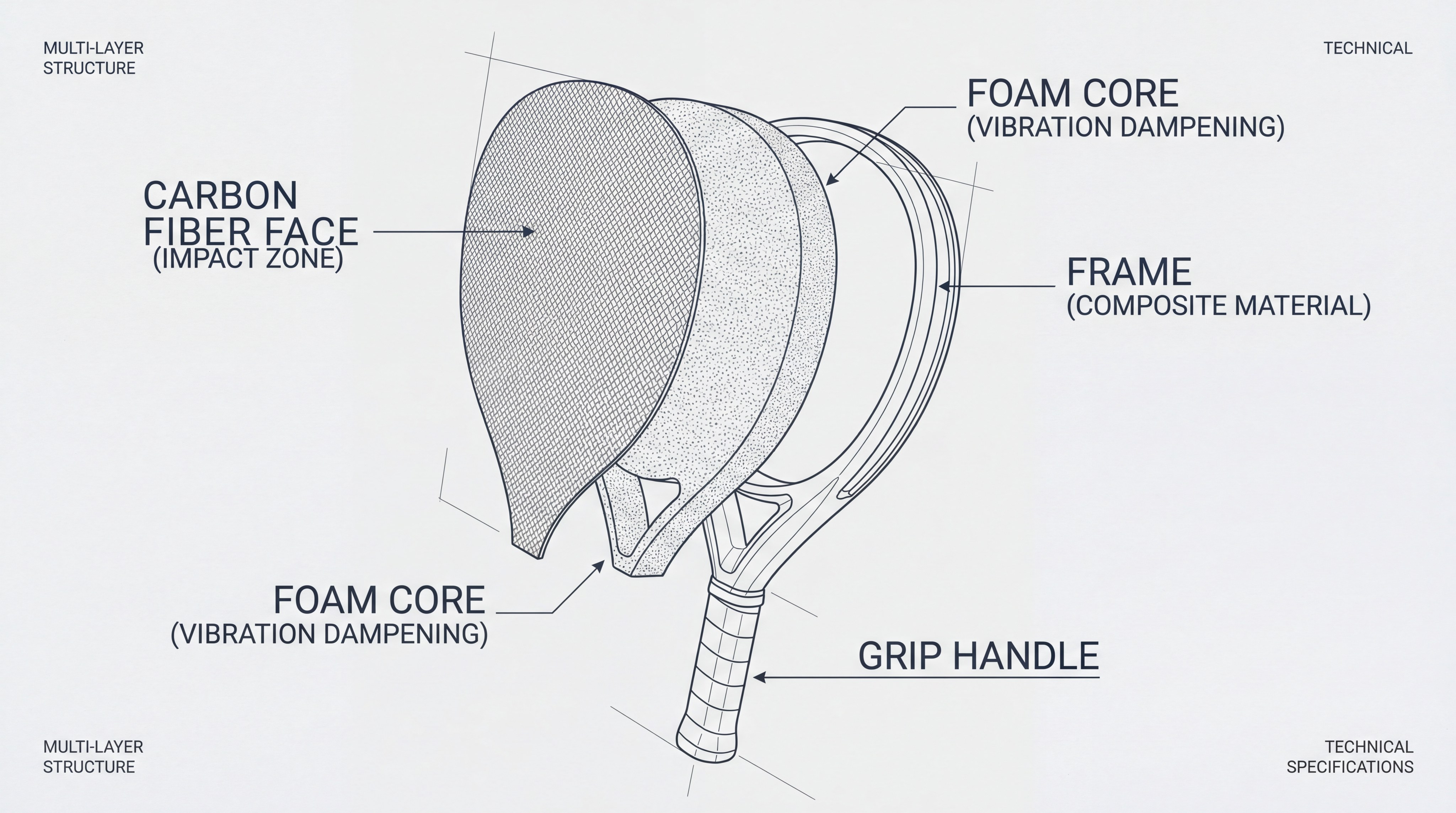
What is inside your padel tennis bat?
The core of your padel tennis bat is the silent engine that determines the ball’s exit speed. You might not see it, but the foam inside dictates how much energy is absorbed or returned. A core that is too hard can lead to injury, while one that is too soft loses power.
Is EVA foam the industry standard?
EVA foam is the king of durability and consistency across all professional tiers. You get a firm feel that helps you direct the ball exactly where you want it to go with clinical accuracy.
And here is the kicker:
- Long-lasting shape memory.
- High resistance to temperature changes.
- Direct feedback from the ball to the hand.
Does soft foam offer more comfort?
Soft foam, often made of polyethylene, acts as a shock absorber for every strike. This is a total lifesaver if you are prone to “tennis elbow” or chronic wrist strain.
But wait, there’s more:
- Increased ball “dwell time” on the face.
- Effortless power on slow-paced shots.
- Significant reduction in frame vibration.
Key Takeaway: The internal foam core manages energy transfer and protects your arm from impact shock.
| Core Type | Density | Impact Feel |
|---|---|---|
| EVA High Power | High | Hard/Fast |
| EVA Soft | Low | Soft/Comfortable |
| Polyethylene | Medium | Elastic |
The density of the internal foam serves as the primary filter for the mechanical vibrations that travel from the ball to your nervous system.
How do you build a padel tennis bat?
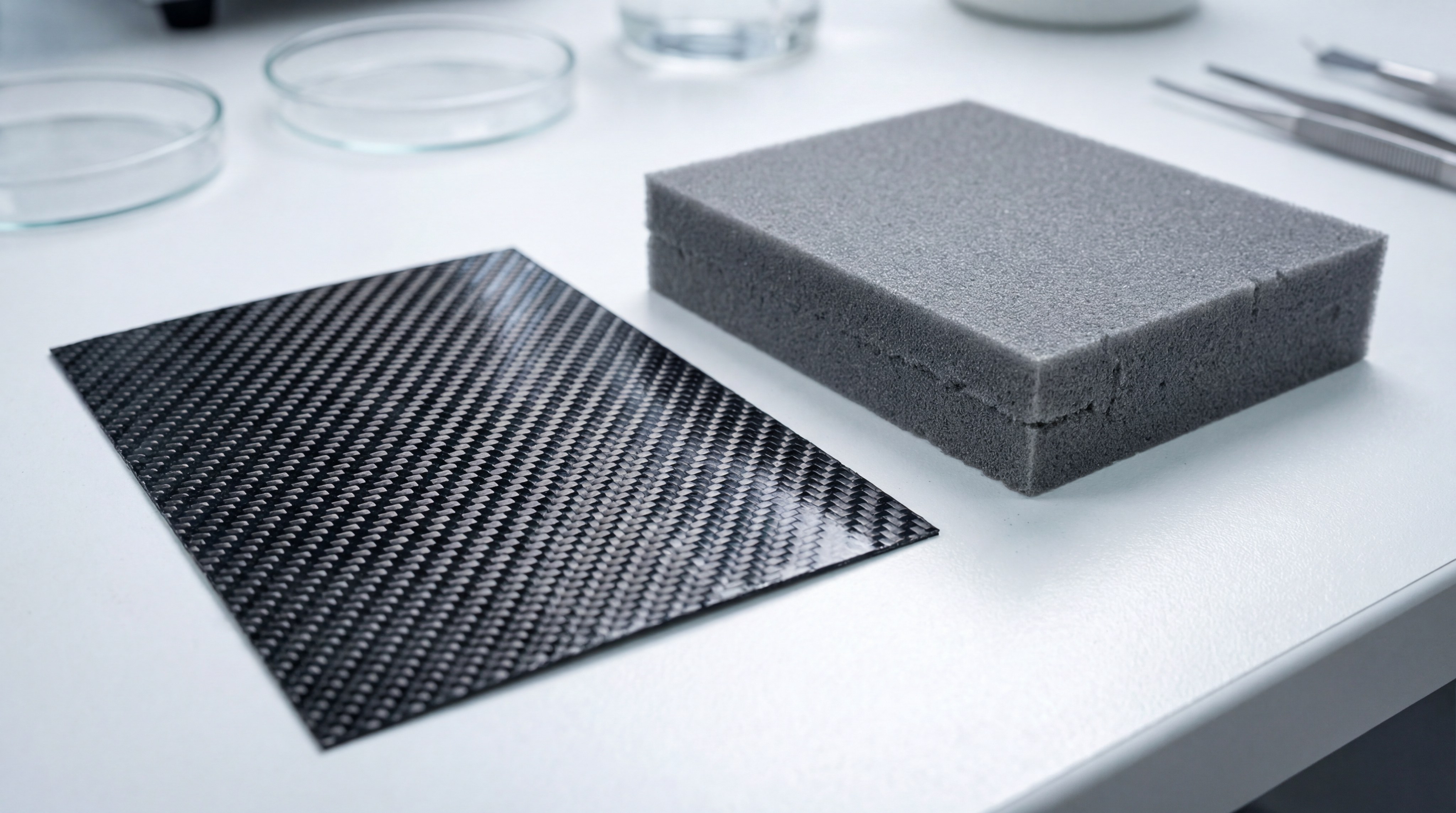
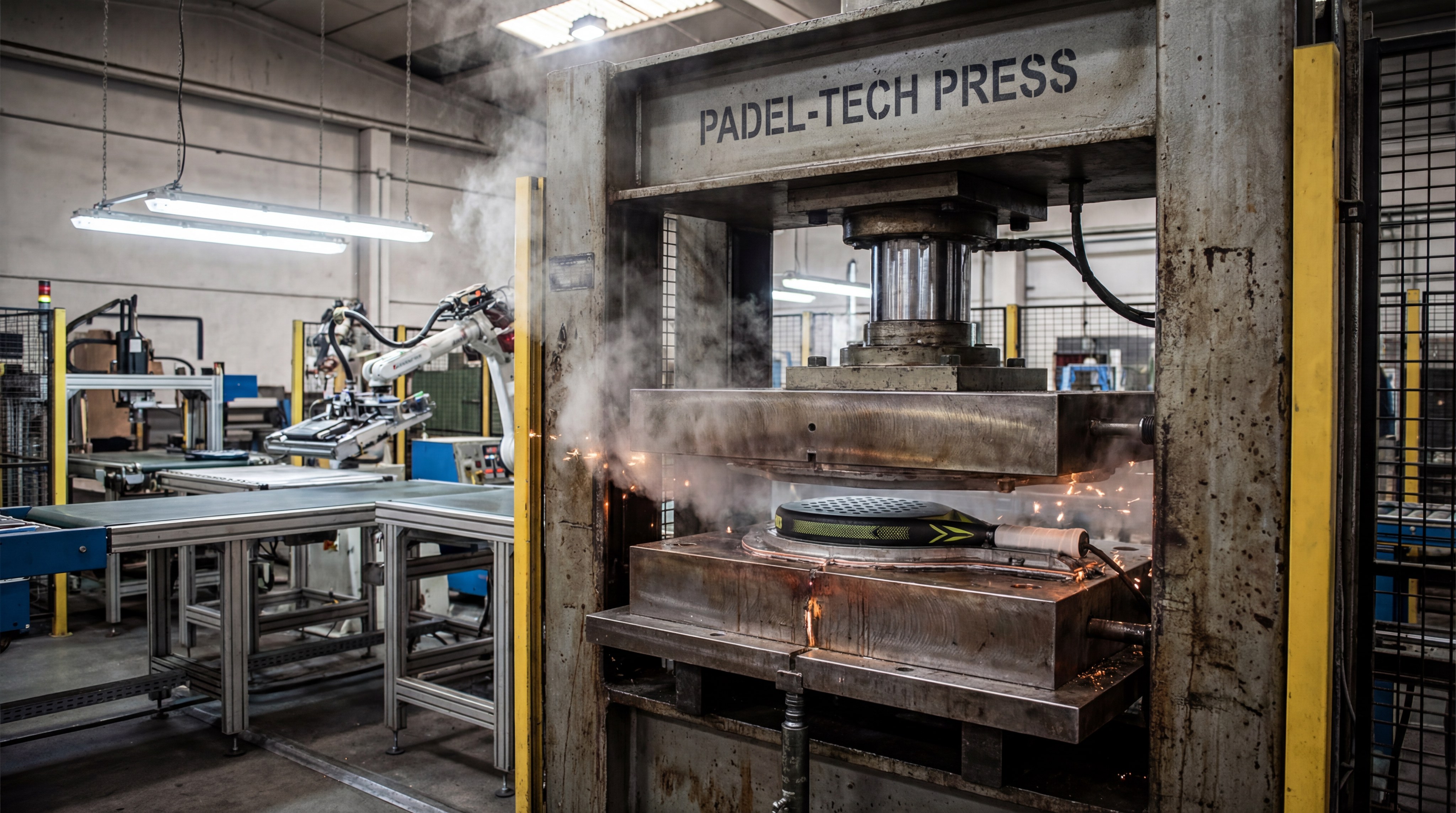
Building a padel tennis bat is a high-tech ritual involving advanced chemistry and manual precision. Manufacturers must ensure that every layer is perfectly bonded to avoid internal delamination. If the process fails, the bat will lose its “pop” and become useless within weeks.
How are the layers laminated?
Technicians stack layers of carbon or glass fiber by hand over the foam core using high-strength resins. You are looking at a sandwich of high-performance materials designed for multi-directional impact.
You might be wondering:
- Hand-layering ensures zero air bubbles.
- Resin ratios determine the final stiffness.
- Reinforcements are added to the “bridge” area.
Is heat necessary for the mold?
The assembled bat goes into a high-pressure mold at intense temperatures to cure. This fuses the individual components into a single, indestructible unit that can withstand high-speed ball collisions.
But here is the secret:
- Heat activates the bonding agents.
- Compression creates a uniform surface density.
- Precision cooling prevents frame warping.
Key Takeaway: Lamination and heat molding create the structural integrity needed for high-velocity play.
| Production Step | Purpose | Outcome |
|---|---|---|
| Layering | Strength | Multi-directional durability |
| Molding | Fusion | Solid, one-piece construction |
| Cooling | Stability | Final shape retention |
The marriage of thermal energy and mechanical pressure transforms raw carbon sheets into a rigid, high-performance sports implement.
Why are padel tennis bat holes vital?
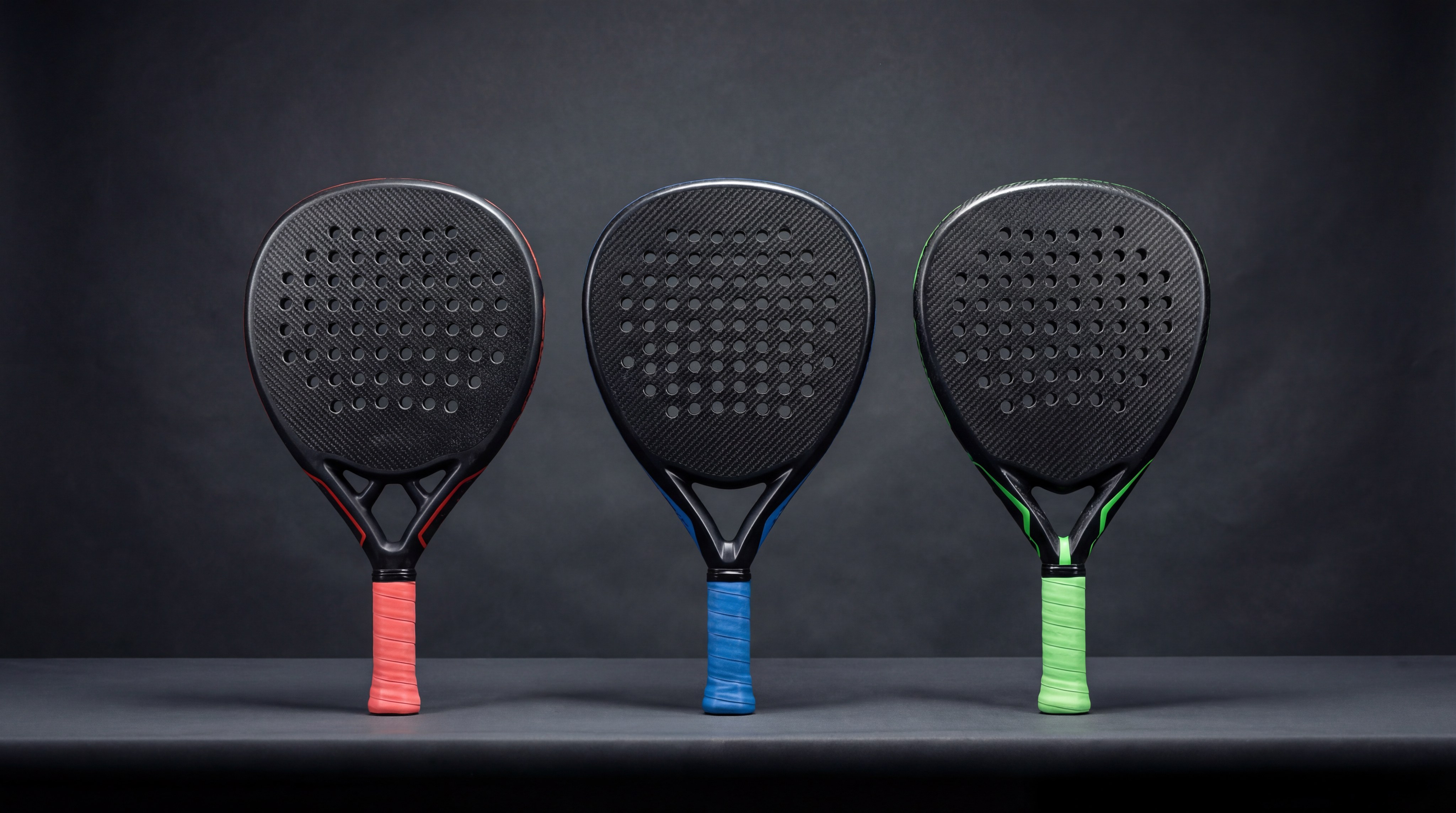
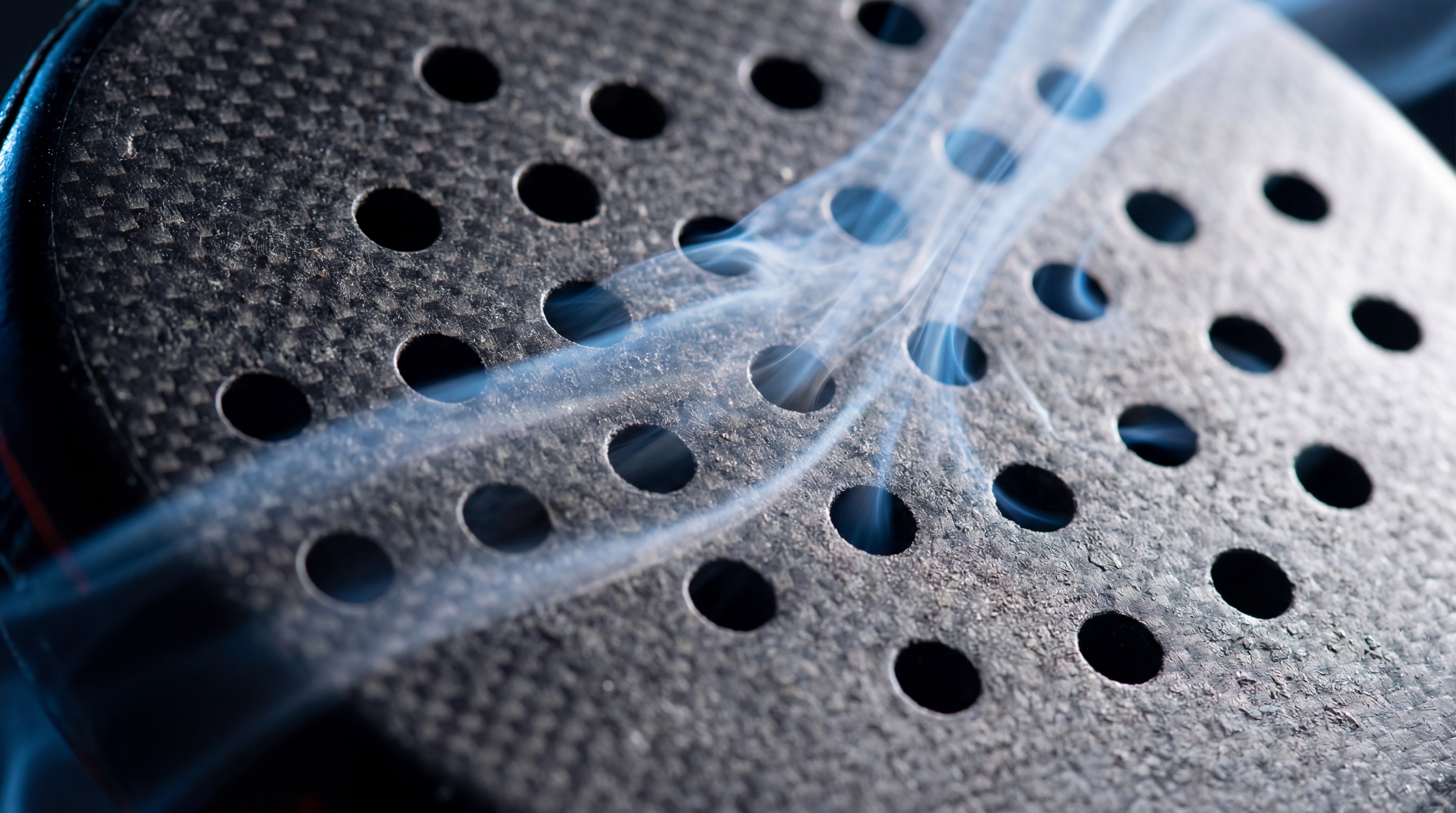
The holes in a padel tennis bat are a calculated engineering requirement rather than a stylistic choice. Without these perforations, the bat would act like a sail, creating immense drag during your swing. You need that aerodynamic advantage to reach fast volleys at the net.
Do holes reduce wind resistance?
The holes make your bat aerodynamic by allowing air to pass through the frame during a swing. This reduction in drag allows you to generate more head speed with significantly less physical effort.
Believe it or not:
- Faster swings lead to more power.
- Less strain on the shoulder muscles.
- Better stability during fast defensive movements.
How does the pattern affect play?
The hole pattern is designed to maintain the structural strength of the face while optimizing the sweet spot. A poor layout can cause the face to crack prematurely along the lines of the perforations.
But here is the kicker:
- Variable diameters can change the feel.
- Perimeter holes help with stability.
- Central patterns dictate the “bite” on the ball.
Key Takeaway: Perforation reduces drag and allows you to swing faster with less physical effort.
| Hole Feature | Benefit | Effect on Game |
|---|---|---|
| Diameter | Airflow | Faster swing speed |
| Distribution | Balance | Controlled vibrations |
| Total Number | Weight | Lighter overall feel |
Strategic hole placement ensures the bat remains structurally sound while minimizing the aerodynamic resistance encountered during high-speed overheads.
How to coat your padel tennis bat?
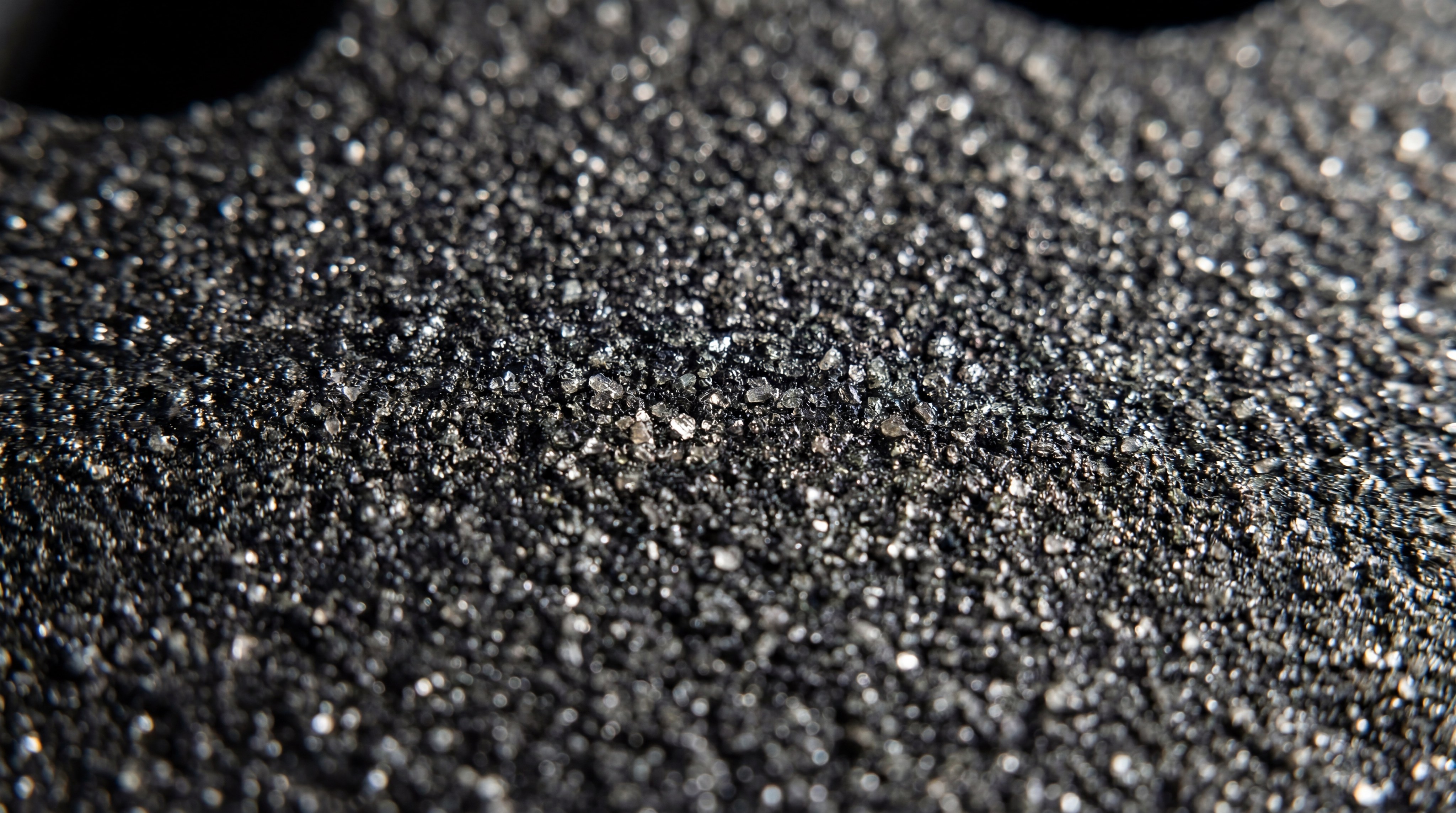
The finish on your padel tennis bat is where the magic of spin happens. When you are using the correct ball, the surface texture dictates how much “bite” you get during a slice. A smooth surface will result in a flatter, faster ball trajectory.
Does grit improve your spin?
A sand-like grit texture on the bat face grips the felt of the ball upon impact. This allows you to “slice and dice” your shots, making them dive toward the floor after hitting the glass.
The best part is:
- Increased friction for heavy backspin.
- Better control on drop shots.
- Visual feedback on where you hit the ball.
Is a smooth finish better for speed?
Smooth finishes are all about the rebound and maximum velocity. You get a clean hit that launches the ball quickly, keeping your rivals on their toes during fast rallies.
Check this out:
- Maximum energy return on flat hits.
- Easier to clean and maintain.
- Classic feel preferred by many traditionalists.
Key Takeaway: Surface texture is your primary tool for manipulating ball rotation and trajectory.
| Surface Type | Texture | Shot Style |
|---|---|---|
| Rough/Sand | Gritty | Maximum Spin |
| 3D Pattern | Raised | Balanced Control |
| Smooth | Flat | Speed and Power |
The interaction between the bat’s surface coating and the ball’s felt determines the degree of rotational energy you can impart on every strike.
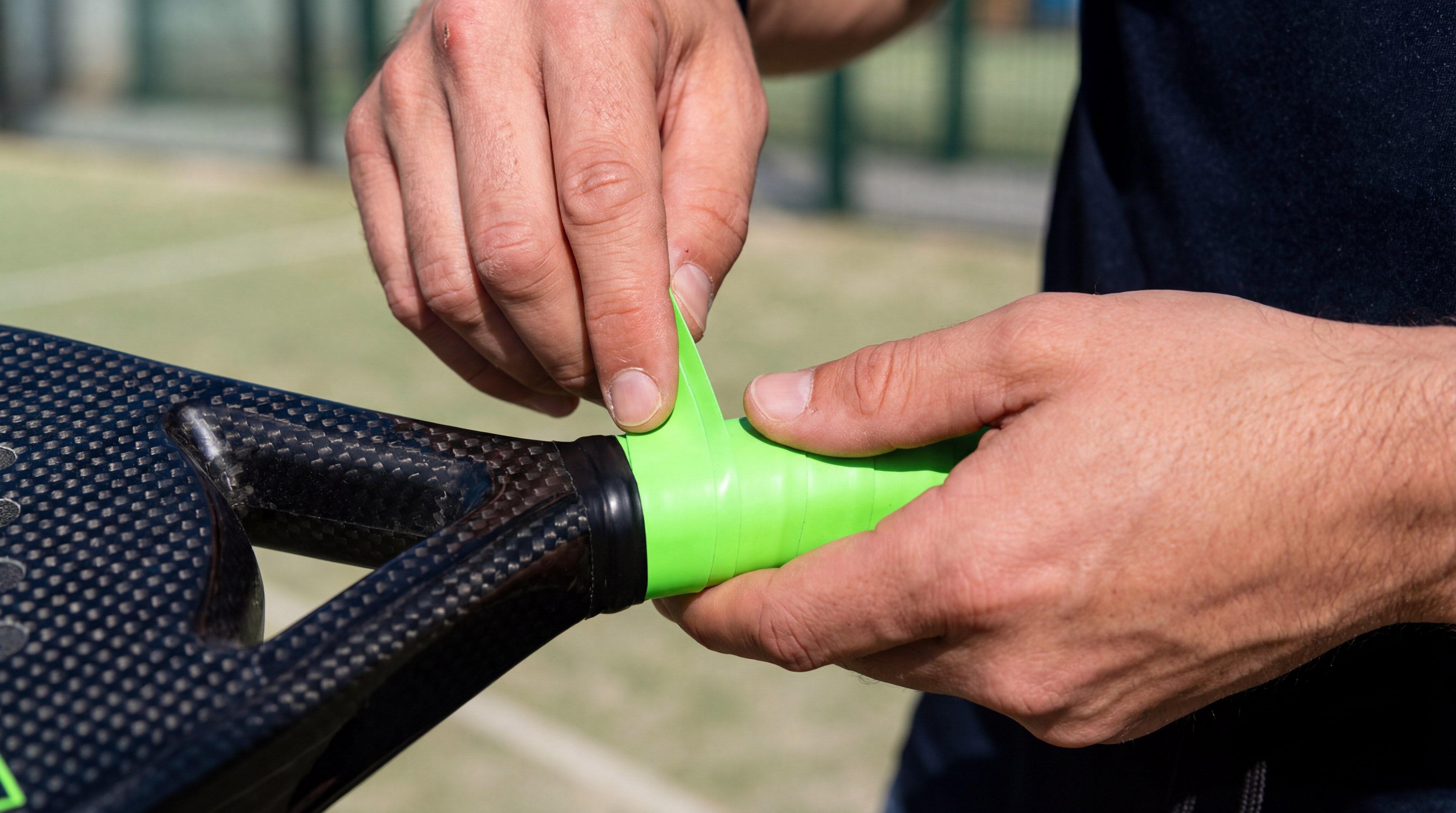
How to finish your padel tennis bat handle?

The handle is your only physical connection to the padel tennis bat during a match. You need to ensure your grip is customized to your hand size to maintain total control. A handle that is too small will rotate in your palm, causing errors and potential injury.
Is the safety strap mandatory?
Safety first! The strap is strictly required by the rules of the sport to ensure your bat doesn’t fly out of your hand and injure another player.
You might be wondering:
- Prevents accidents during sweaty matches.
- Can be customized for comfort.
- Provides a “tethered” feel for confidence.
How much grip tape is enough?
You can stack overgrips to perfectly fit your hand size and sweat levels. A thicker handle gives you more stability, while a thinner one allows for more aggressive wrist flicking.
But wait, there’s more:
- Overgrips absorb moisture for better traction.
- Frequent changes keep the handle hygienic.
- Colors allow for personalized bat styling.
Key Takeaway: A customized grip prevents bat slippage and reduces the risk of long-term wrist injury.
| Grip Component | Function | Customization |
|---|---|---|
| Base Grip | Original cushion | Permanent |
| Overgrip | Sweat absorption | Replaceable/Stackable |
| Safety Strap | Security | Essential |
Proper handle maintenance ensures that the mechanical leverage you apply to the bat is translated directly into ball speed without any energy loss.
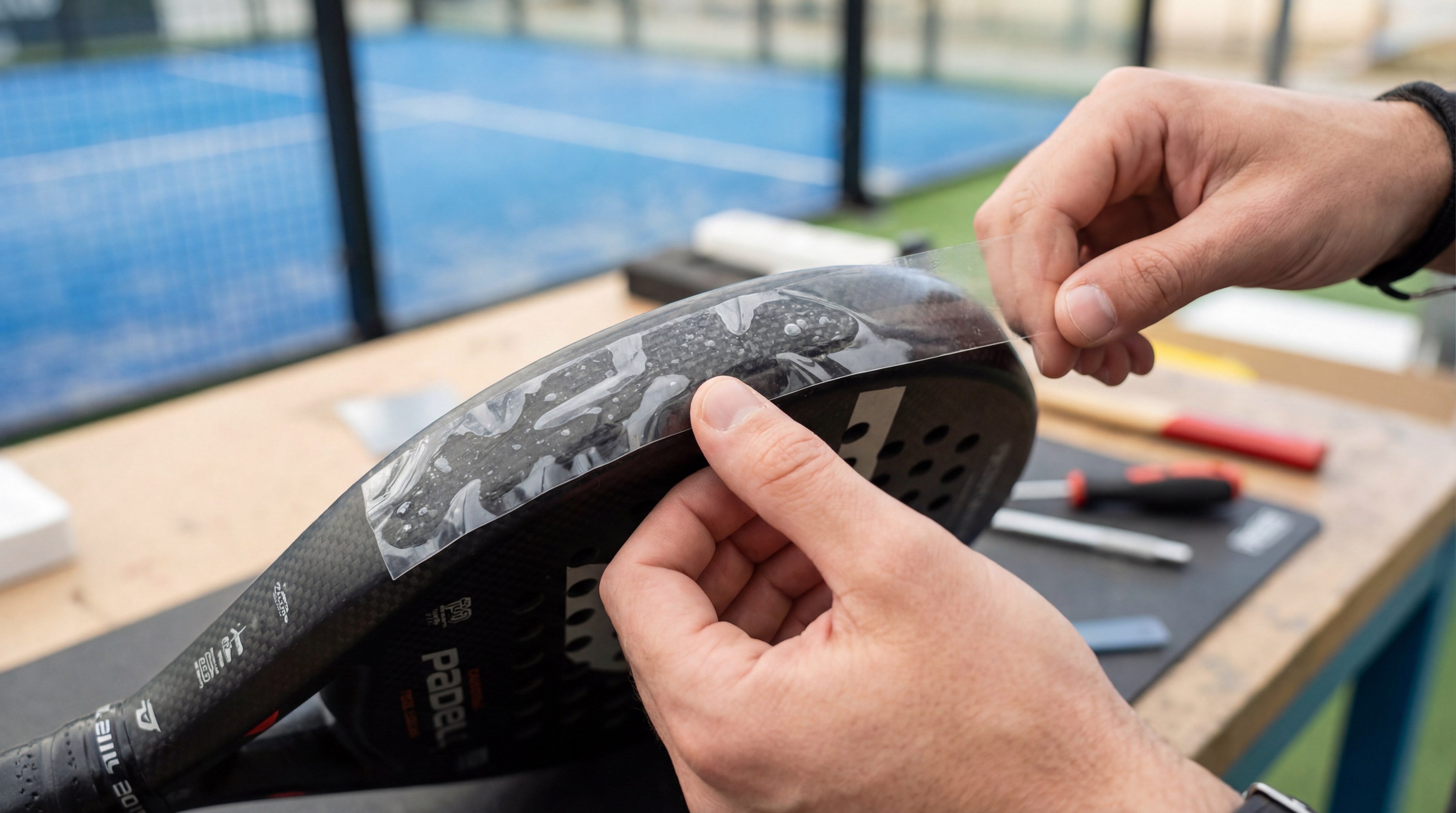
Can you protect a padel tennis bat?
Padel is a contact sport, and your padel tennis bat often bears the brunt of collisions with walls and floors. Protecting your investment is vital if you want to avoid buying a new bat every few months. Simple maintenance habits can extend the life of your gear significantly.
Does a protector strip work?
A plastic or carbon protector strip on the top of the frame is a total lifesaver. It takes the impact when you scrape the glass or the ground, saving your expensive frame from structural cracks.
It gets better:
- Absorbs the energy of wall scrapes.
- Maintains the aesthetic look of the bat.
- Cheap and easy to replace when worn.
How to avoid frame cracks?
Avoid extreme heat at all costs. Leaving your bat in a hot car can ruin the resin bonding the layers together, leading to internal separation and a loss of power.
Believe it or not:
- Thermal bags protect against sun damage.
- Drying the bat after use prevents rot.
- Regular inspections catch micro-cracks early.
Key Takeaway: Simple protection and temperature control can double the lifespan of your bat.
| Threat | Solution | Impact |
|---|---|---|
| Wall Scrapes | Frame Protector | No structural cracks |
| Heat | Thermal Bag | Core integrity |
| Moisture | Dry Storage | Grip and glue longevity |
Implementing a rigorous care routine prevents the gradual degradation of the composite materials, ensuring consistent performance over hundreds of matches.
Your top padel tennis bat questions?
Selecting the right padel tennis bat often leads to many technical questions for new and intermediate players alike.
Can I use a padel bat for pickleball?
No, the weight and surface materials are completely different, and you will find a padel bat far too heavy and dense for the pickleball court.
What is the best weight for a beginner?
You should aim for something between 350g and 360g, as it is light enough to move quickly but has enough mass to clear the net easily.
How do I know if my bat is dead?
Listen for a “hollow” or “dull” sound upon impact; if the crisp pop is gone and you see visible cracks, it is time for a replacement.
Why does my bat feel so heavy?
It might be “head-heavy,” which is great for power but difficult for beginners; you may need an “even-balanced” bat for better control.
Where can I get expert advice?
You should talk to the pros who understand the latest tech. If you are ready to upgrade your game, contact us today for a personalized recommendation.
Strategic Conclusion:
Choosing and building the right padel tennis bat is about matching engineering science with your unique style. Don’t settle for gear that holds you back. Ready to find the ultimate weapon for your next match? Visit our homepage to browse the latest tech and contact us today for a personalized recommendation that will change your game forever.