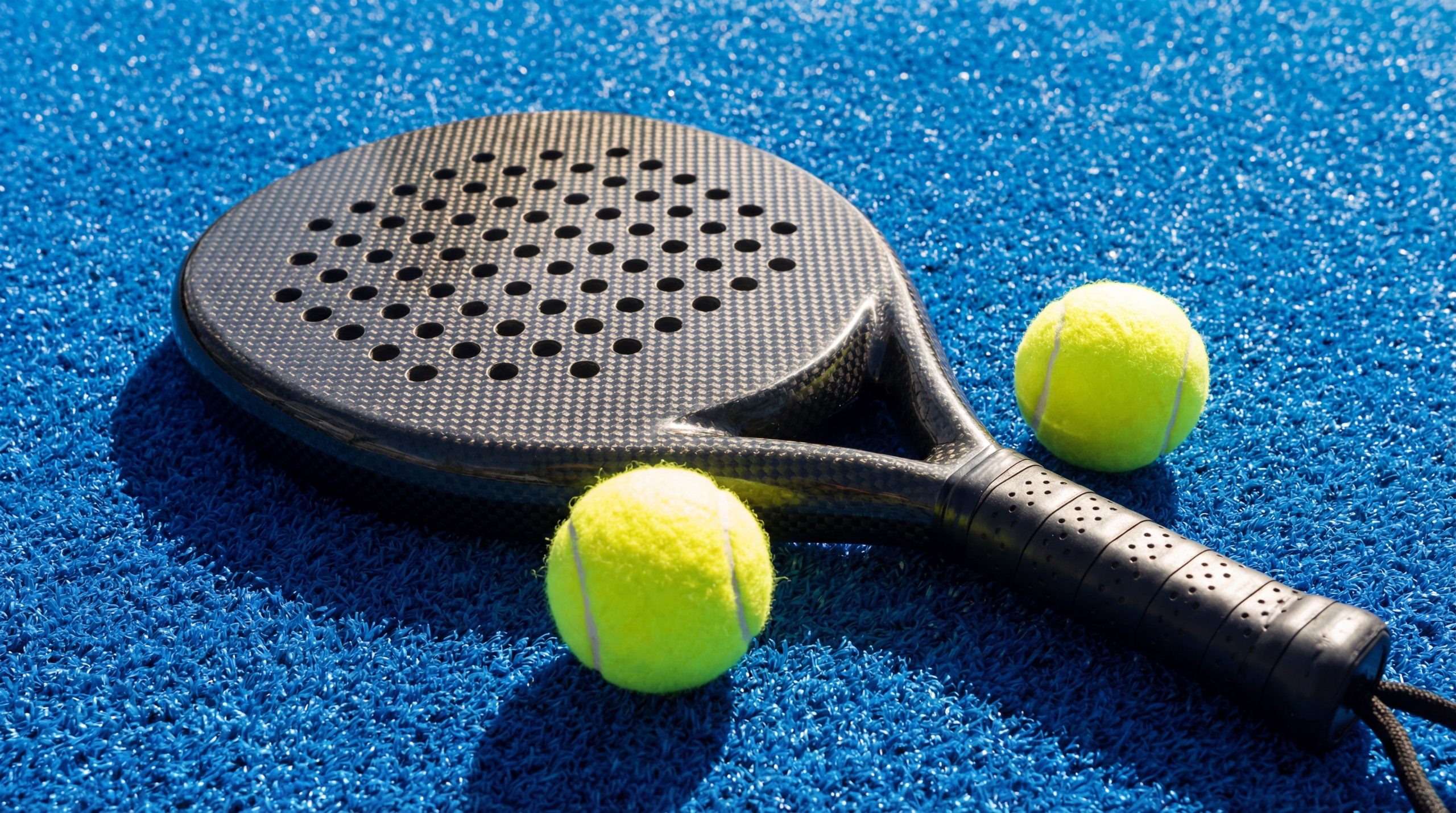
Padel udstyr refers to the specialized ecosystem of rackets, pressurized balls, and technical footwear engineered for the unique geometry of a glass-walled court. Many players feel plateaued because their current gear fails to match their evolving skill level, resulting in inconsistent shots and premature fatigue. Using mismatched equipment often transforms a high-energy social match into a frustrating struggle that increases the risk of chronic joint strain. Selecting professional-grade padel udstyr allows you to execute technical strokes with precision while ensuring your body remains protected during intense rallies.
Why is selecting the right padel udstyr vital for your game?
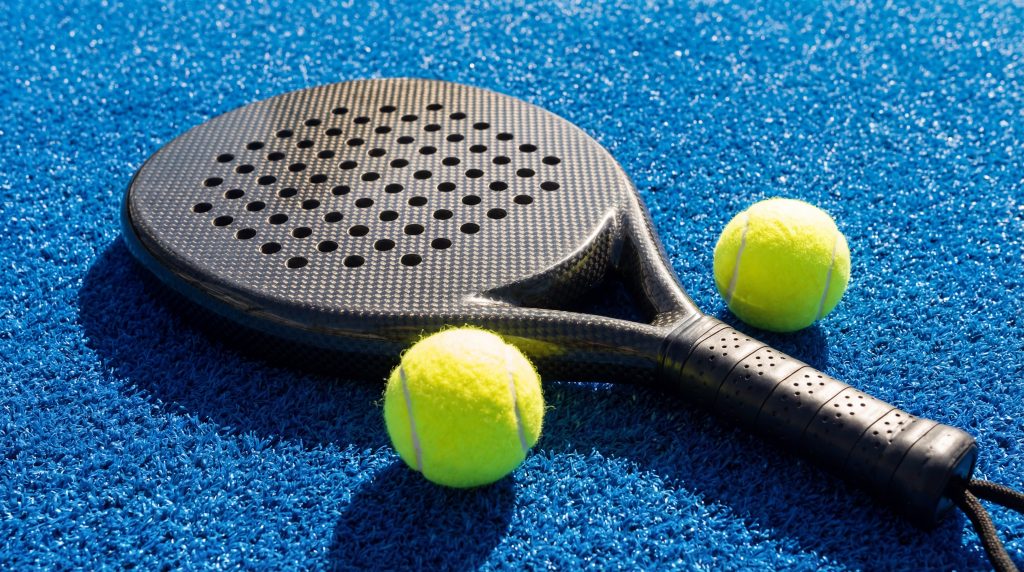
Selecting the correct gear is the foundation of technical consistency and injury prevention on the court. It determines how effectively you can translate your physical movement into ball speed and placement. High-quality padel udstyr is specifically designed to handle the rapid-fire transitions between defense and offense.
Essential gear for every player
The core of your setup begins with a composite racket and specialized balls that maintain consistent bounce. Unlike tennis, these components must facilitate play within a confined space where the walls are active participants. Investing in gear designed for these specific physics ensures you don’t fight against your equipment.
- Composite rackets for shock absorption.
- Pressurized balls for consistent flight.
- Technical apparel for moisture management.
- Padel-specific bags for equipment longevity.
Let’s dive in.
Key Takeaway: Professional equipment aligns your physical intent with court performance.
| Component | Importance | Primary Function |
|---|---|---|
| Racket | Critical | Controls power and accuracy |
| Balls | High | Ensures predictable bounce |
| Bags | Medium | Protects gear from damage |
Can your choice of padel udstyr prevent common court injuries?
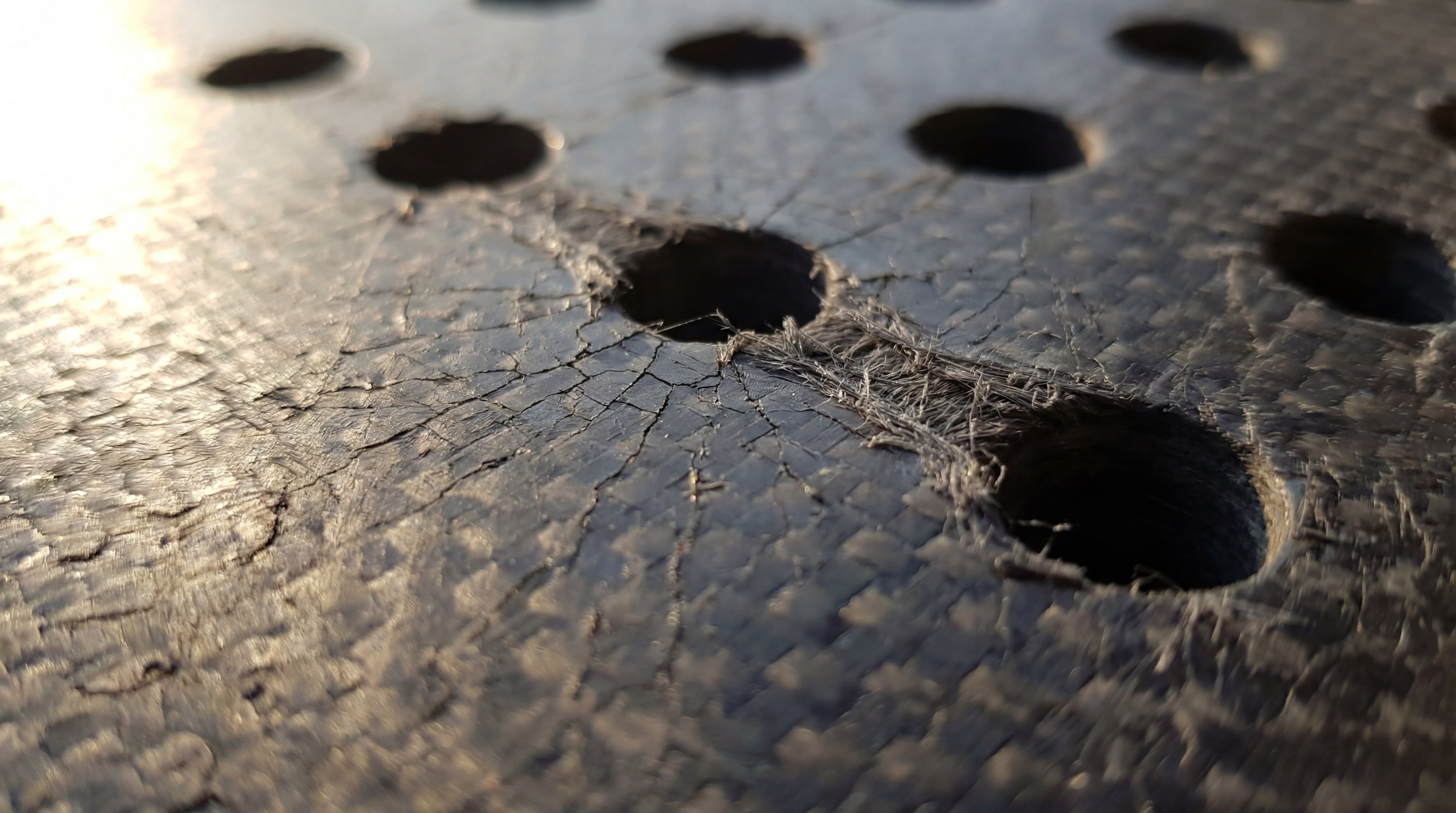
Yes, advanced equipment acts as a mechanical buffer between the high-impact ball and your musculoskeletal system. Specialized materials are engineered to dampen the vibrations that typically cause “tennis elbow” or wrist strain. Without these protective features, the repetitive nature of padel strokes can lead to long-term inflammatory issues.
Why quality equipment matters?
Modern rackets utilize internal foam cores, such as EVA or polyethylene, to absorb the kinetic energy of every hit. This technology prevents the shock from traveling up your arm and into your joints. Furthermore, the textured surfaces on premium gear allow for better spin control without requiring excessive grip strength.
- Vibration dampening foam cores.
- Ergonomic handle designs for wrist safety.
- Lightweight frames to reduce shoulder fatigue.
- High-traction surfaces for effortless spin.
Think about this.
Key Takeaway: Technical safety features are as important as power metrics in professional gear.
| Feature | Protective Benefit | Target Area |
|---|---|---|
| Soft EVA Core | Vibration reduction | Elbow / Wrist |
| Anti-Shock System | Impact absorption | Shoulder |
| Specialized Grip | Slip prevention | Hand / Wrist |
How does footwear function as essential padel udstyr?
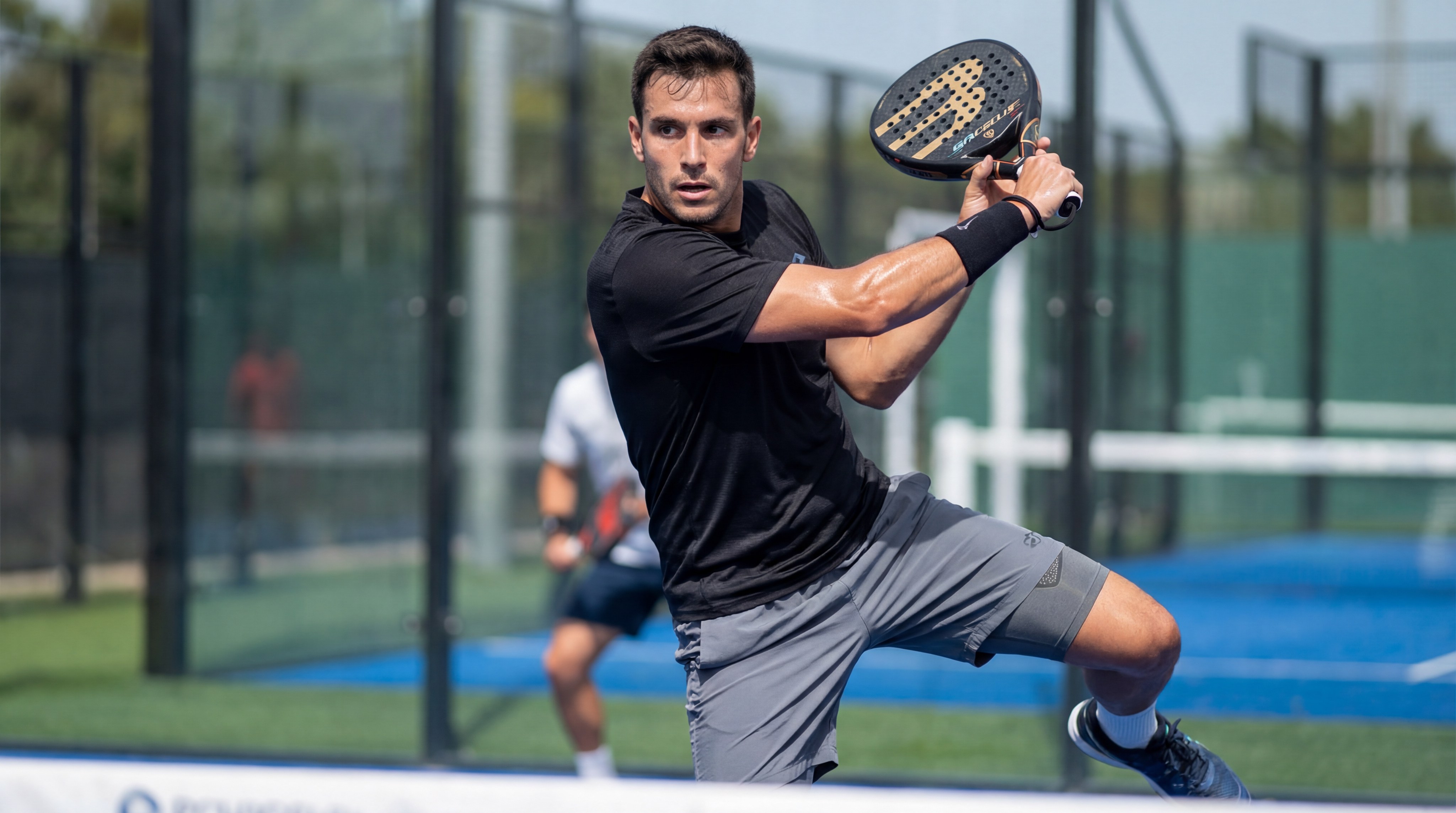
Footwear is the most critical interface between your body and the synthetic turf, providing the lateral stability required for sudden changes in direction. Proper padel udstyr includes shoes with specific tread patterns designed for the sand-filled surfaces of most courts. Using standard running shoes often leads to slips and potential ankle rolls due to inadequate grip.
Choosing the right shoes
Technical padel shoes feature reinforced heels and midfoot stabilizers to support high-intensity multi-directional movements. The outsoles are typically made of durable rubber that can withstand the abrasive nature of court sand. This specialized construction ensures you can pivot and sprint with total confidence.
- Herringbone or Omni-court tread patterns.
- Lateral stabilizers for ankle support.
- Gel cushioning for impact protection.
- Breathable upper materials for cooling.
You might be wondering.
Key Takeaway: Court-specific traction is mandatory for safety and explosive movement.
| Shoe Feature | Benefit | Surface Match |
|---|---|---|
| Herringbone Sole | High grip | Sand-heavy turf |
| Omni Sole | Balanced slide | Low-sand turf |
| Midsole Cushion | Joint relief | Hard courts |
Why is racket balance a critical factor in padel udstyr?
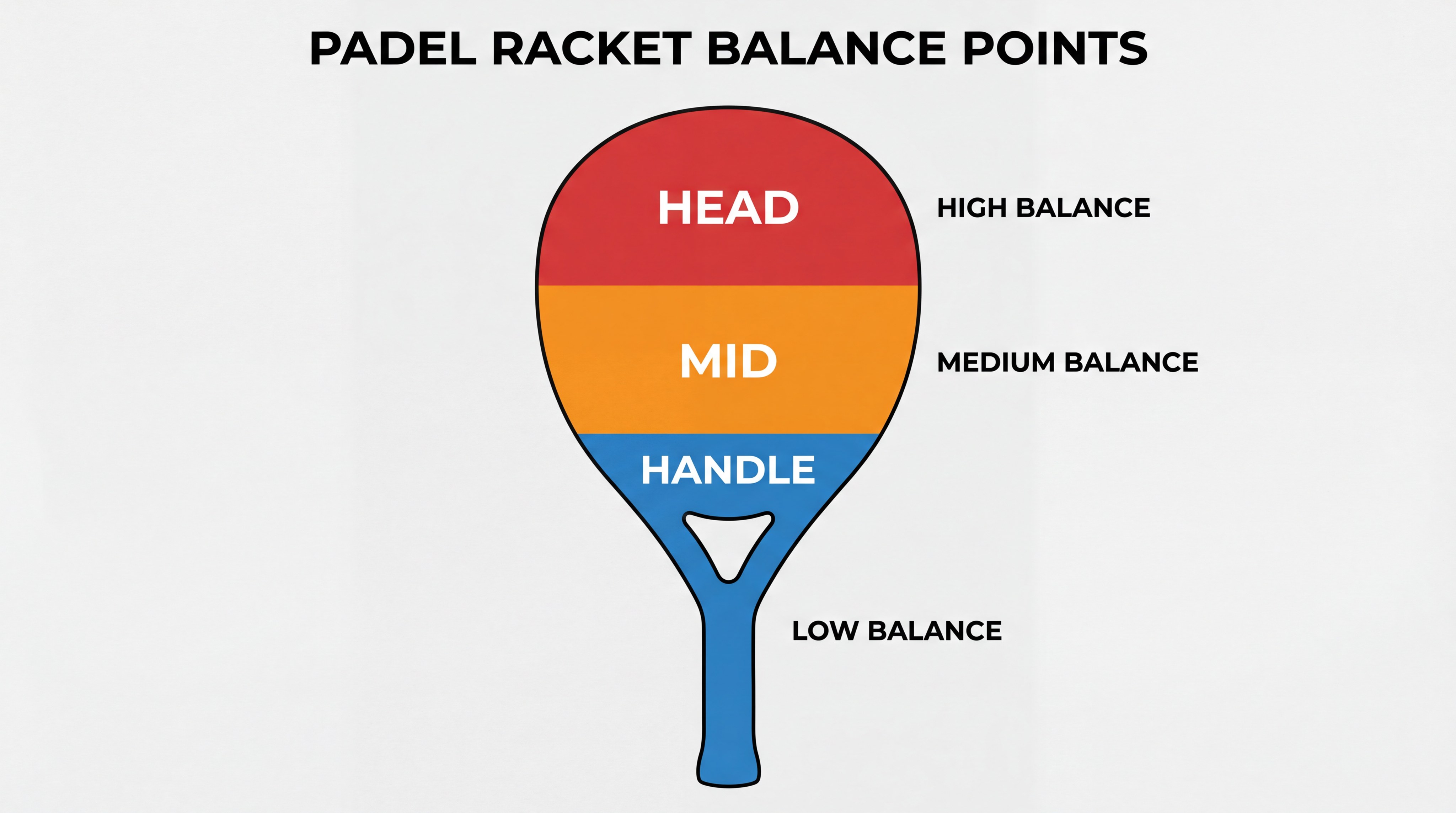
Racket balance dictates where the weight is concentrated, which fundamentally changes how the tool feels in your hand during a swing. A head-heavy balance provides massive power for smashes but requires more strength to maneuver quickly at the net. Conversely, a handle-heavy balance offers superior control for defensive lobs and quick volleys.
Understanding balance and maneuverability
Intermediate players often find the best results with a “medium” or “neutral” balance, which sits in the center of the racket. This configuration offers a versatile hybrid performance that doesn’t sacrifice too much power or agility. Understanding your own playing style is the first step in selecting the right weight distribution.
- High balance (Head) for aggressive power.
- Low balance (Handle) for defensive control.
- Medium balance for all-round versatility.
- Weight range between 350g and 390g.
Best of all.
Key Takeaway: Balance shifts the racket’s personality from defensive shield to offensive weapon.
| Balance Type | Best For | Maneuverability |
|---|---|---|
| Head Heavy | Smashes / Power | Low |
| Handle Heavy | Volleys / Defense | High |
| Center Balanced | Hybrid Play | Medium |
Does a quality bag protect your investment in padel udstyr?
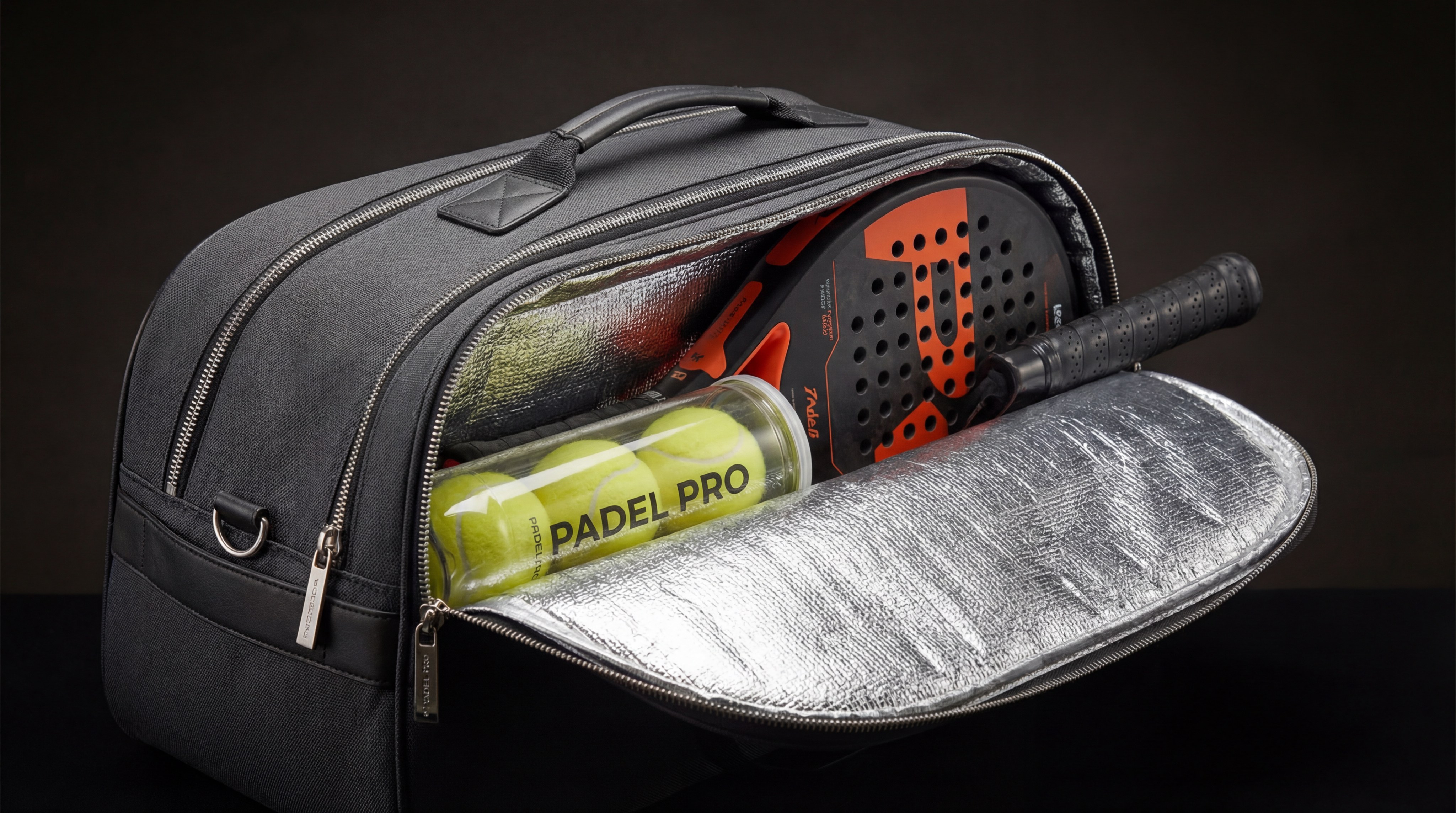
Yes, a dedicated bag is essential for maintaining the structural integrity of your rackets and the internal pressure of your balls. Professional padel udstyr utilizes thermal-lined compartments to shield gear from extreme temperature fluctuations. Exposure to high heat can degrade the internal foam core of a racket, permanently reducing its “pop” and responsiveness.
Temperature control and storage
Advanced bags also feature ventilated pockets for shoes and used clothing, preventing moisture buildup that can lead to bacterial growth. By keeping your gear dry and organized, you extend the lifespan of every component in your kit. Organized storage also ensures you never forget essential accessories like overgrips or wristbands.
- Thermal-insulated racket sections.
- Dedicated ventilated shoe compartments.
- Ergonomic padded backpack straps.
- Water-resistant exterior fabrics.
Here is the deal.
Key Takeaway: Climate-controlled storage is the secret to extending equipment lifespan.
| Bag Feature | Protection Type | Benefit |
|---|---|---|
| Thermal Lining | Temperature Shield | Preserves foam core |
| Ventilated Pocket | Moisture Control | Prevents odors/mold |
| Padded Shell | Impact Protection | Prevents frame cracks |
How do grip types influence your control of padel udstyr?
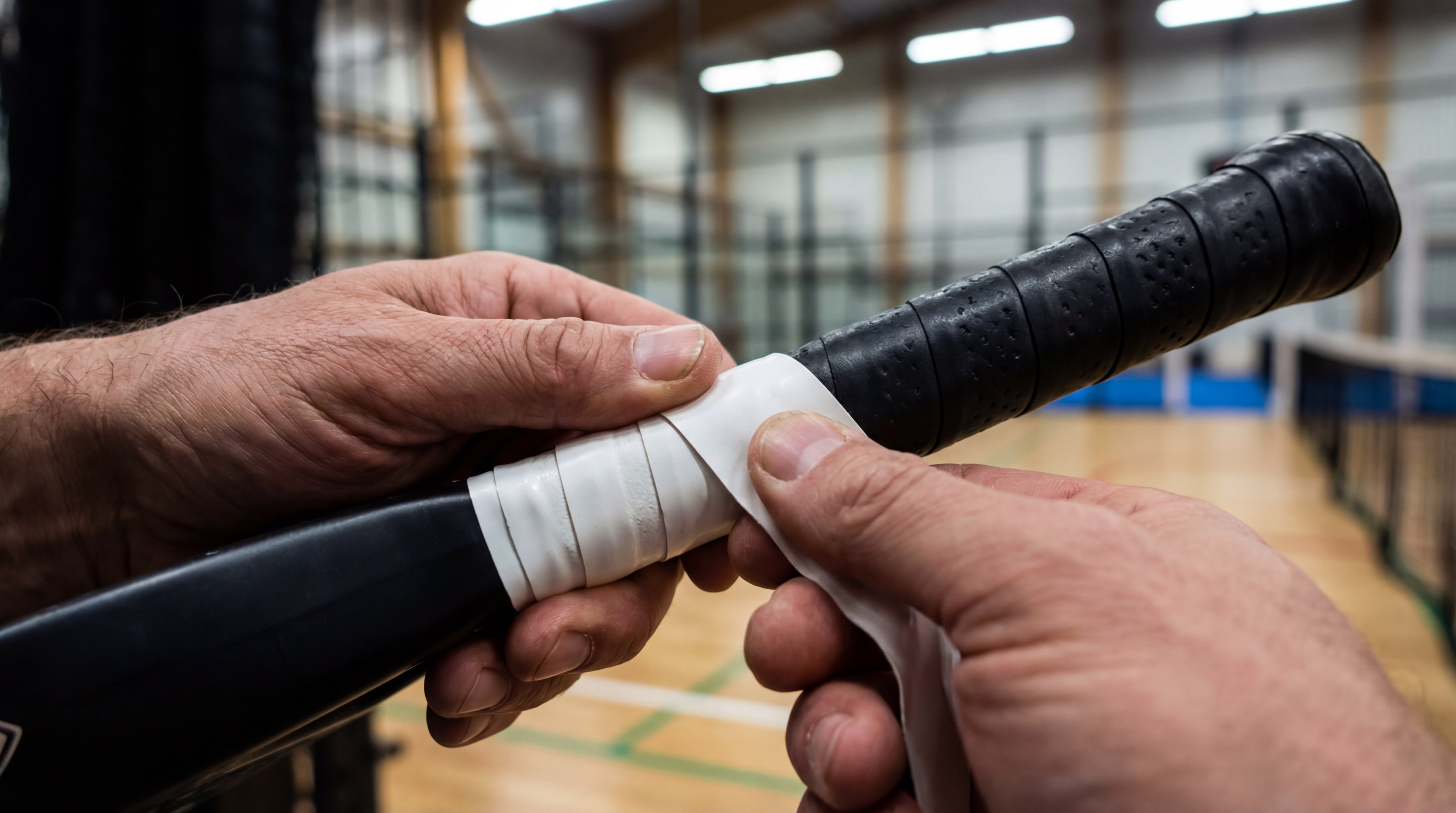
Grips are the primary contact point between the player and the racket, making them vital for fine-tuning your control. Applying overgrips allows you to adjust the thickness of the handle to perfectly match your hand size, reducing the need for excessive squeezing. This adjustment minimizes the risk of muscle strain in the forearm during long matches.
Adding overgrips for better control
Overgrips come in various textures, ranging from “tacky” for maximum stickiness to “perforated” for high sweat absorption. Most professional players replace their overgrip every few matches to ensure they maintain a consistent feel on the ball. This simple maintenance step can drastically improve your confidence during high-speed net exchanges.
- Tacky grips for dry hands.
- Perforated grips for sweaty conditions.
- Adjustable thickness via multiple layers.
- Vibration-reducing under-grips.
Now, let’s look closer.
Key Takeaway: A customized grip thickness reduces forearm fatigue and improves shot accuracy.
| Grip Type | Hand Condition | Primary Advantage |
|---|---|---|
| Tacky | Normal / Dry | Maximum security |
| Perforated | Sweaty | Moisture wicking |
| Comfort | Sensitive | Shock reduction |
When should you replace the balls in your padel udstyr?
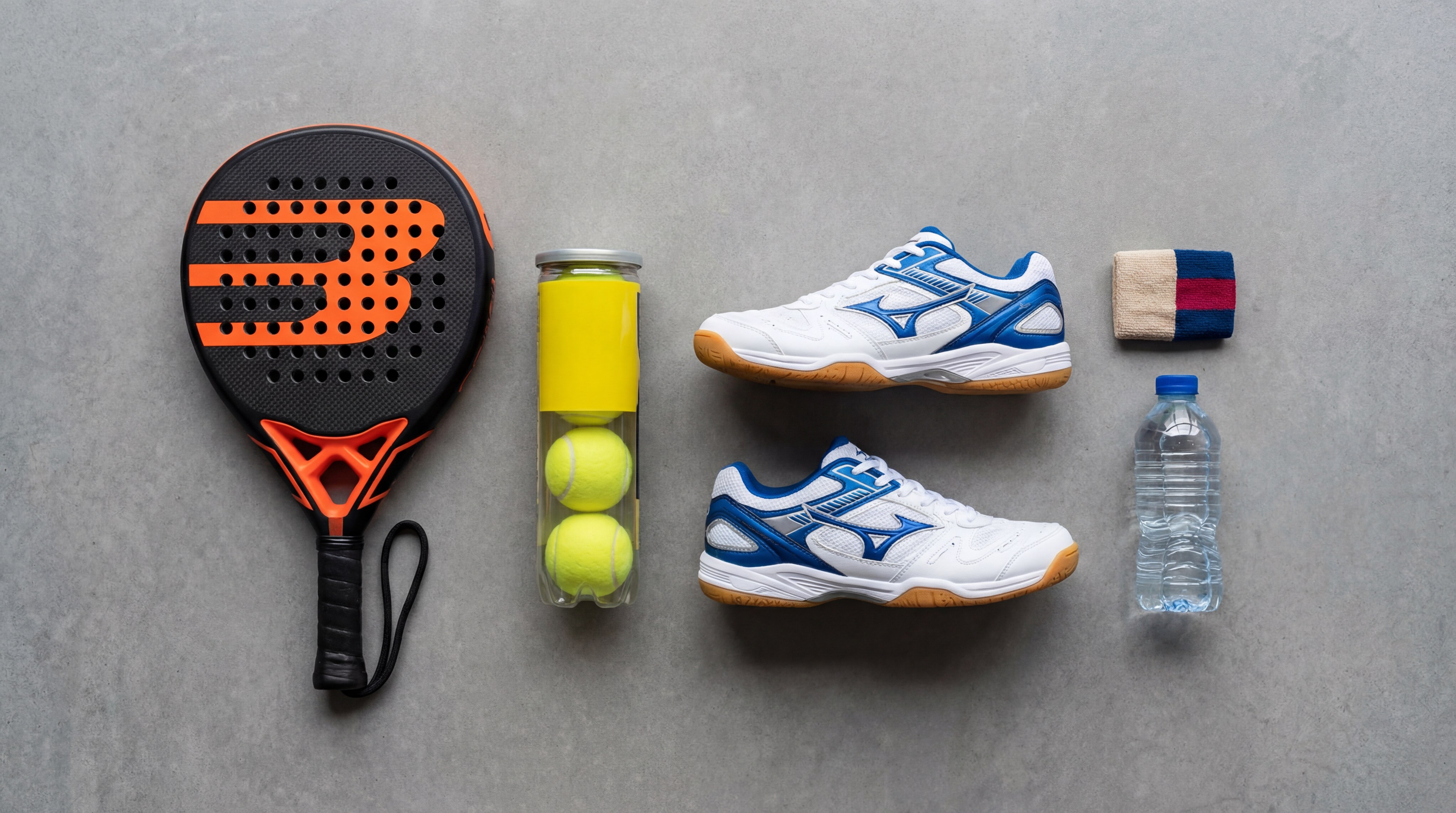
Padel balls are pressurized, and they begin to lose their internal gas the moment the tube is opened. To maintain professional standards, you should replace the balls in your padel udstyr every two to four matches. Playing with “dead” balls alters the timing of your shots and makes it nearly impossible to defend against wall rebounds correctly.
Keeping your padel balls fresh
You can identify worn-out balls by checking the felt condition and performing a simple bounce test. If the felt becomes excessively fluffy, it will create more air resistance, slowing the ball down significantly. Furthermore, if the ball feels soft when squeezed, the internal pressure is too low for competitive play.
- Check for felt thinning or pilling.
- Listen for a “hollow” sound on impact.
- Perform a drop test from shoulder height.
- Use pressurized storage tubes to extend life.
The bottom line.
Key Takeaway: Consistent bounce is required to master the technical timing of padel.
| Usage Level | Ball Condition | Recommended Action |
|---|---|---|
| 1-2 Matches | Fresh / High bounce | Ideal for matches |
| 3-5 Matches | Losing pressure | Practice use only |
| 6+ Matches | Dead / Soft | Replace immediately |
Can advanced frame materials improve your padel udstyr performance?
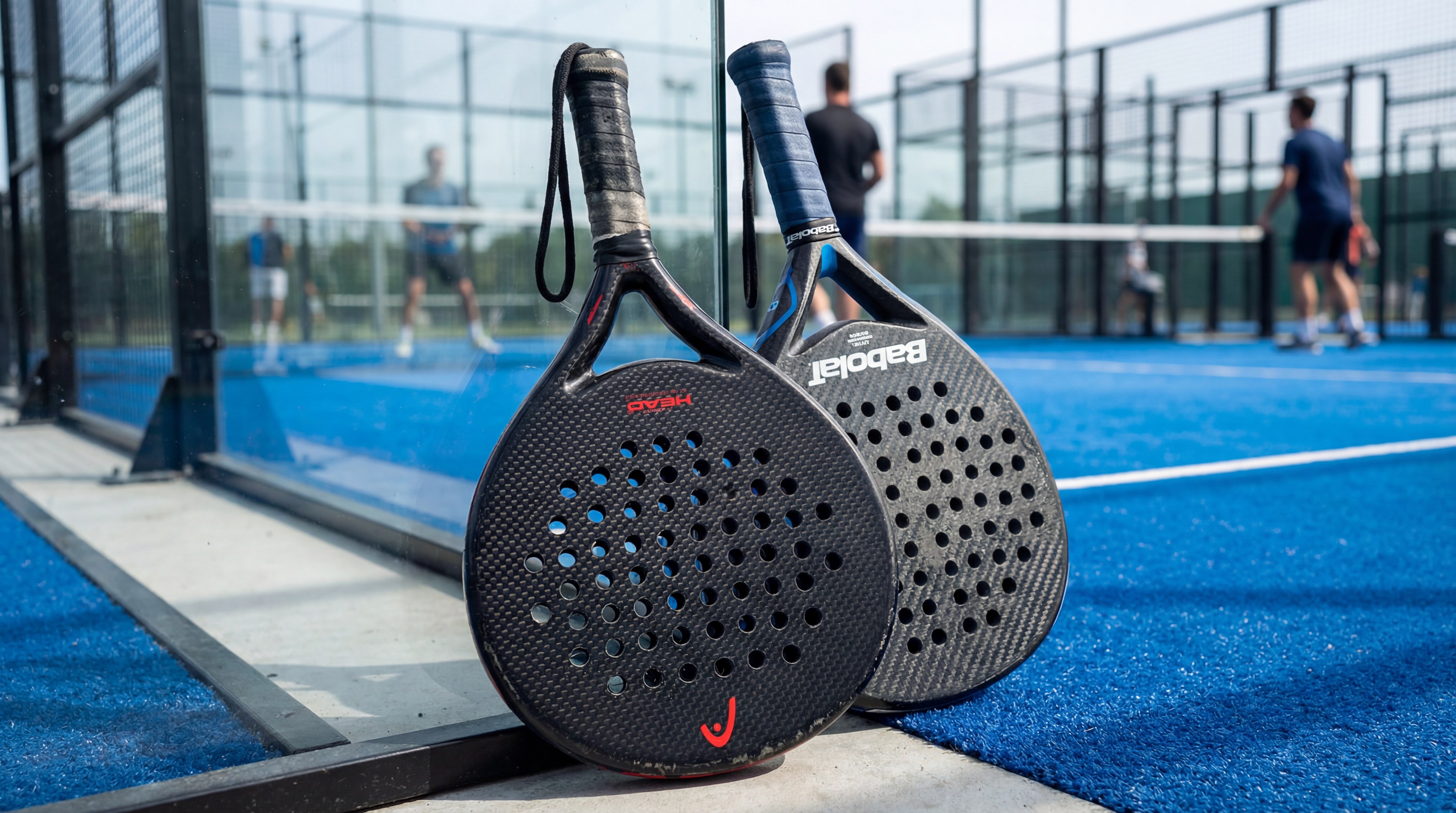
Modern manufacturing utilizes carbon fiber and fiberglass to fine-tune the stiffness and weight of the racket frame. Carbon fiber (often rated 3K, 12K, or 18K) offers extreme durability and a “stiff” feel that rewards powerful, technical hitters. Fiberglass is more flexible, providing a “softer” touch that is often more forgiving for beginners or intermediate players.
Light vs. heavy rackets
The choice of material also affects the overall weight, which typically ranges from 350g to 390g for adults. Lighter frames are easier to move during quick reflex volleys but require more swing speed to generate power. Heavier frames use their mass to plow through the ball, offering stability during high-speed smashes.
- Carbon fiber for stiffness and power.
- Fiberglass for elasticity and comfort.
- Graphene for lightweight structural strength.
- Kevlar reinforcements for durability.
It gets better.
Key Takeaway: Material density and stiffness must match your physical strength and swing speed.
| Material | Feel | Best For |
|---|---|---|
| Fiberglass | Soft / Elastic | Beginners |
| 3K Carbon | Balanced | Intermediate |
| 12K/18K Carbon | Hard / Stiff | Professionals |
How do court surfaces dictate your needs for padel udstyr?
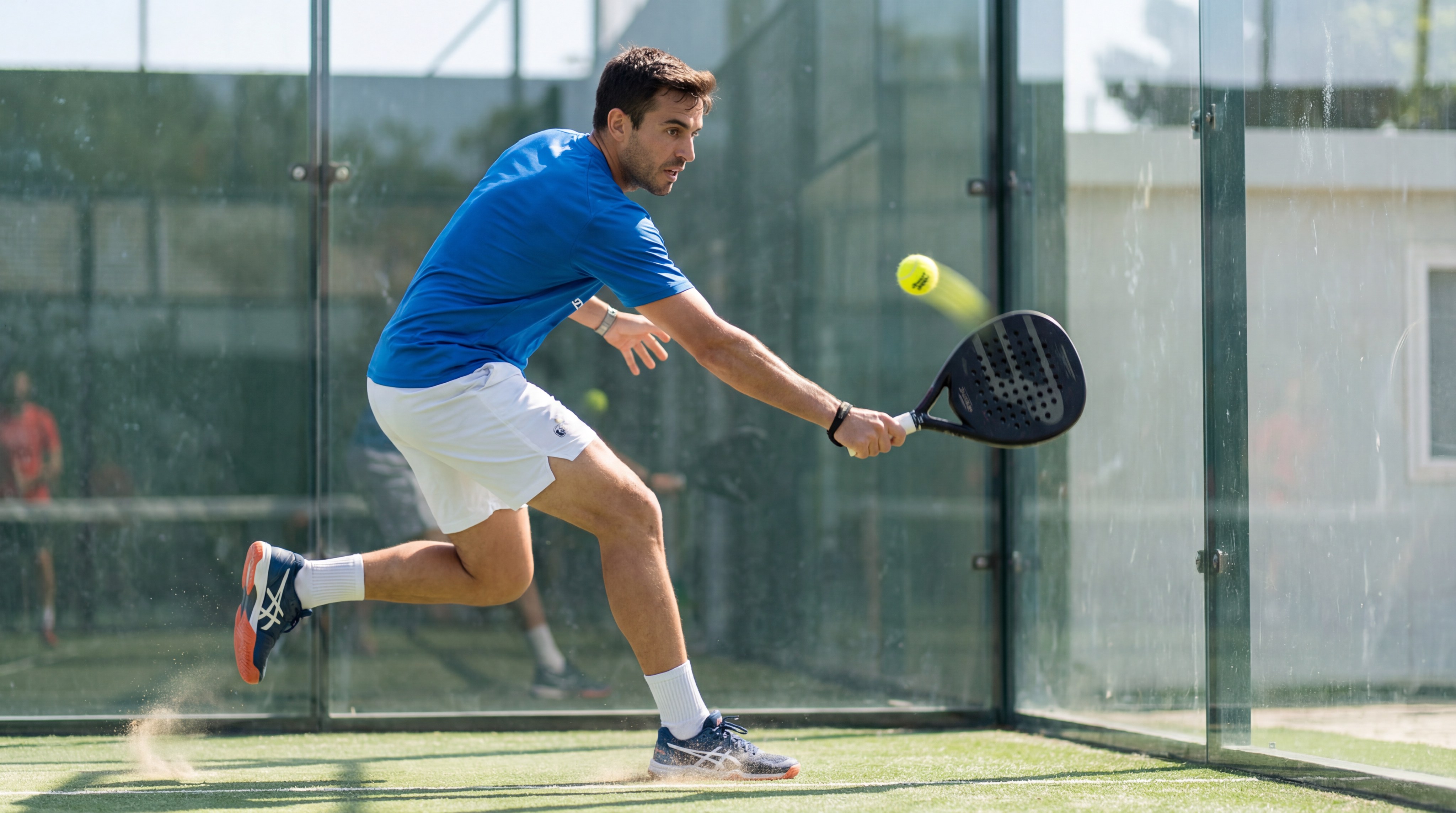
The amount of sand on a court surface significantly impacts your movement and how your padel udstyr interacts with the turf. On “traditional” courts with visible sand, you need deep-tread shoes to prevent sliding during explosive starts. On “World Padel Tour” style monofilament turf, the sand is less visible, requiring a different outsole for optimal pivot control.
Mastering the basic strokes
A court’s surface also influences ball speed and bounce height, which should dictate your choice of racket. On slower, high-sand courts, a more powerful racket can help you finish points that would otherwise be prolonged. Faster, low-sand surfaces might favor a control-oriented racket to help manage the increased pace of the game.
- Match shoe tread to sand density.
- Adjust racket power for surface speed.
- Consider frame guards for wall impacts.
- Select clothing for specific climate humidity.
Believe it or not.
Key Takeaway: Understanding the court environment allows you to optimize your kit for specific conditions.
| Surface Type | Pace | Gear Recommendation |
|---|---|---|
| High Sand | Slow | Power Racket / Deep Tread |
| Low Sand | Fast | Control Racket / Omni Tread |
| Indoor Turf | Consistent | Standard Hybrid Setup |
Why do professional players customize their padel udstyr?
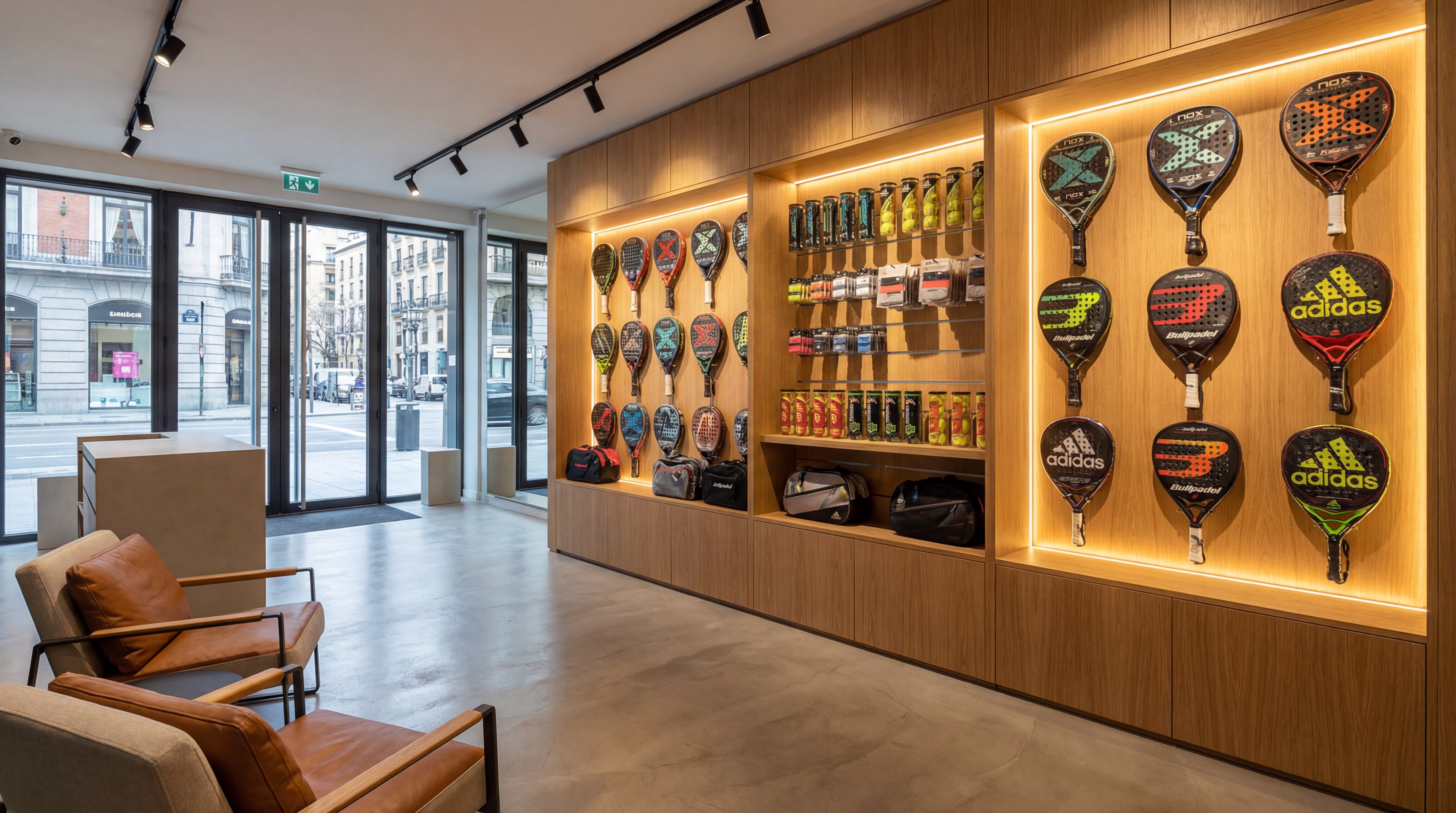
Customization allows elite athletes to bridge the gap between “off-the-shelf” performance and their specific anatomical needs. Professionals often add weighted tape to the head of the racket to increase their “smash” potential or near the handle to improve agility. These small adjustments can shift the balance point by several millimeters, significantly changing the racket’s swing weight.
Transitioning from hobbyist to pro
Beyond weight, professionals use frame guards to protect their equipment during aggressive play near the glass walls. They also select specialized technical socks that prevent blisters and provide additional arch support during high-torque movements. Personalizing your gear ensures that every component is working in harmony with your unique playing style.
- Weighted lead or tungsten tape.
- Protective frame guards.
- Custom-molded grip systems.
- High-compression technical socks.
Simply put.
Key Takeaway: Personalization transforms a generic tool into a precision instrument tailored to your body.
| Customization | Goal | Impact |
|---|---|---|
| Weighted Tape | Balance shift | More power/control |
| Frame Guard | Protection | Prevents wall damage |
| Custom Socks | Stability | Blister prevention |
Summary and Next Steps
Finding the perfect balance in your equipment resolves the common struggle of inconsistent play and physical discomfort. By selecting a racket that matches your skill level and maintaining it properly, you ensure that every hour spent on the court is productive and enjoyable. Ready to upgrade your game and find the perfect kit? Contact us today to get expert advice on building your ultimate setup.
Frequently Asked Questions
- Can I use a tennis racket for padel? No, padel rackets are solid, shorter, and have no strings, making them fundamentally different from tennis rackets.
- What’s the best weight for a beginner’s racket? Most beginners should look for a racket between 350g and 365g to ensure easy maneuverability.
- Can I play padel in regular running shoes? It is not recommended, as running shoes lack the lateral support and specific tread needed for the sand-filled turf.
- How often should I change my overgrip? You should change it whenever it feels slippery or loses its “tackiness,” usually every 3 to 5 matches.
- What’s the best way to clean my padel racket? Wipe it with a damp cloth after play and ensure it is completely dry before storing it in its bag.