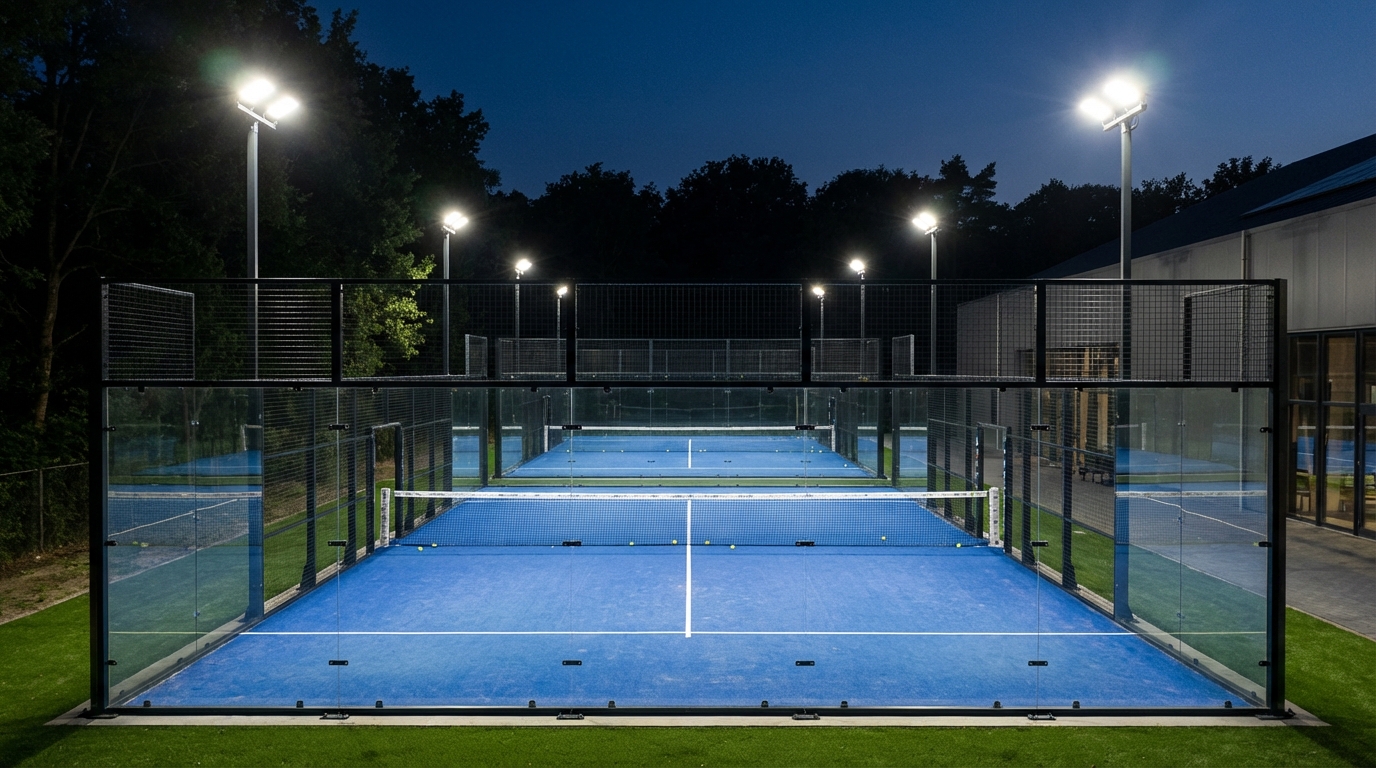
Padel is a fast-paced racket sport played in a glass enclosure with a solid racket, while platform tennis is a winter-focused American sport played on a raised, heated aluminum deck. As a facility owner, you might be torn between these two lucrative options, unsure which structure will maximize your square footage. Investing in the wrong infrastructure leads to high maintenance costs and low player retention, effectively draining your capital. This guide provides the definitive breakdown of padel vs platform tennis so you can make an informed construction decision.
What are the origins of padel vs platform tennis?
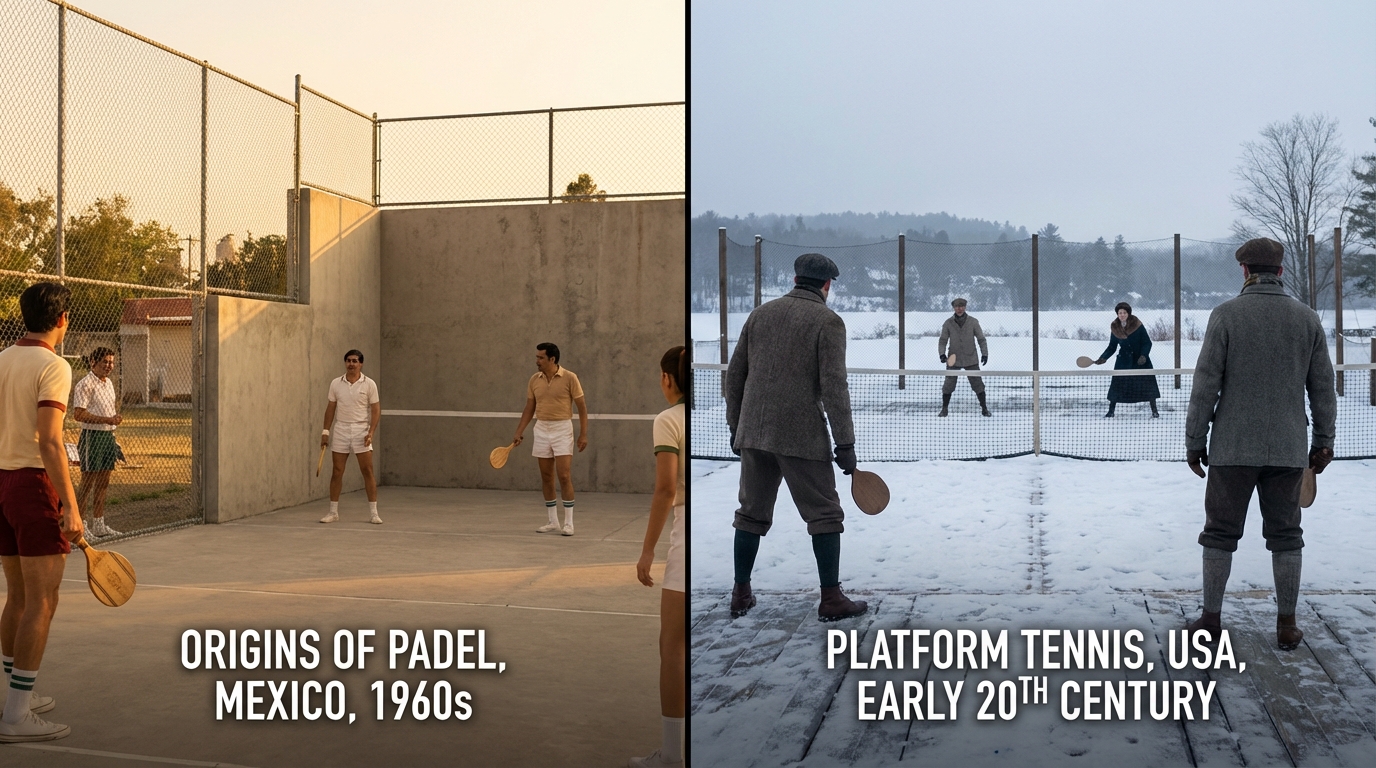
Padel originated in Mexico as a social adaptation of tennis using walls, whereas platform tennis was created in New York to facilitate outdoor winter play. Understanding the cultural roots of padel vs platform tennis helps facility managers target the right demographic. While one is a global phenomenon, the other remains a prestigious niche in North American country clubs.
When were these sports first built?
Platform tennis was first constructed in 1928 to solve the problem of frozen tennis courts. Padel followed later in 1969, utilizing existing walls to create a more compact, high-energy game.
Look:
The timeline of these sports dictates the materials used in their construction.
- Platform tennis: 1920s (Wood and wire).
- Padel: 1960s (Concrete and glass).
- Evolution: Both have transitioned to modern steel and aluminum.
How did they spread to clubs?
Padel moved from Mexico to Spain, becoming the second most popular sport in the country. Platform tennis stayed primarily in the Northeastern United States, catering to cold-weather enthusiasts.
The best part?
Both sports utilize significantly less space than a traditional tennis court.
Key Takeaway
Padel is built for year-round social play across the globe, while platform tennis is a specialized winter solution for northern climates.
| Feature | Padel | Platform Tennis |
|---|---|---|
| Origin Year | 1969 | 1928 |
| Primary Region | Global / Europe | USA (Northeast) |
| Construction Focus | Social / Performance | Winter Playability |
The historical data suggests that Padel has a much higher potential for international expansion compared to the regional focus of platform tennis.
How do court sizes vary in padel vs platform tennis?
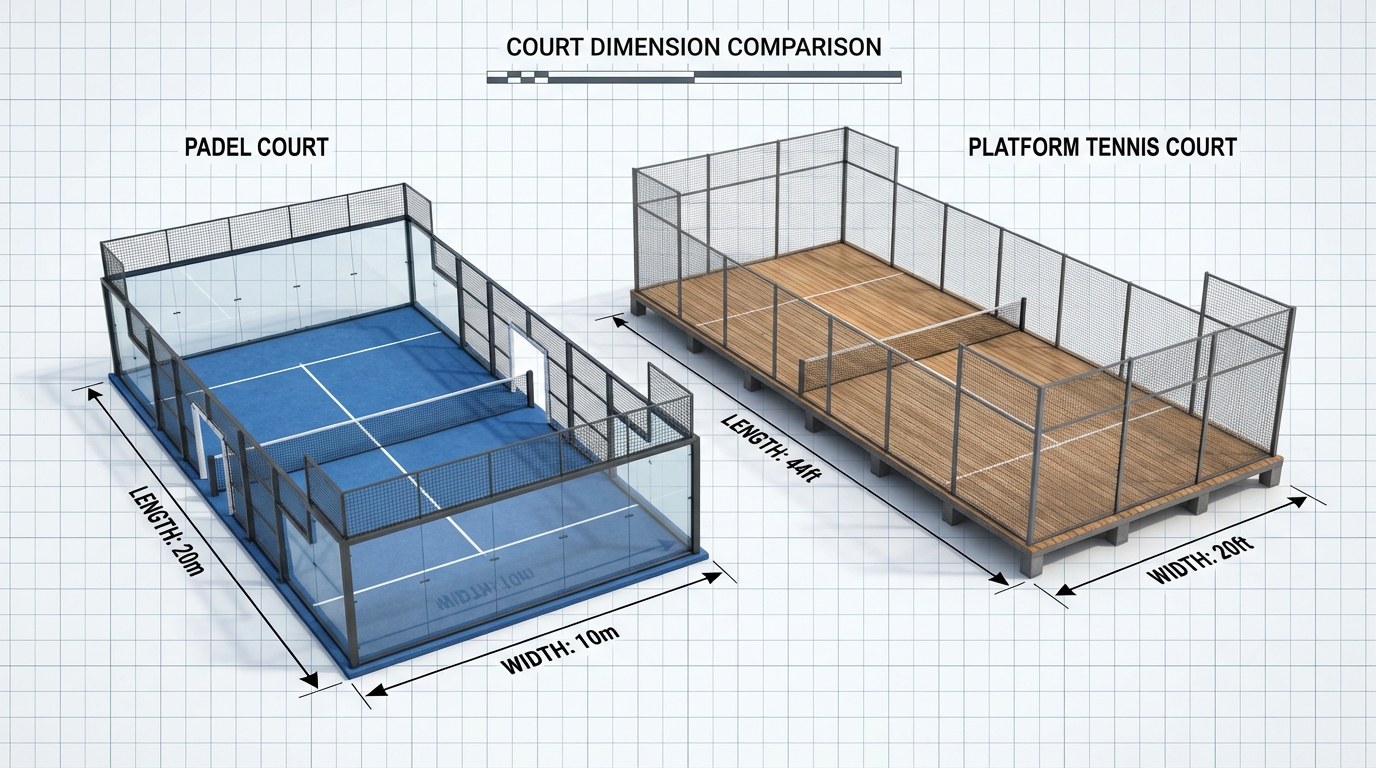
Padel courts are consistently larger than platform tennis courts, measuring 10 meters by 20 meters. When comparing the footprint of padel vs platform tennis, you must account for the specific out-of-bounds play areas. Padel requires a total of 200 square meters per court.
What are the exact dimensions for building?
A standard padel court is roughly 33 feet wide and 66 feet long. Platform tennis courts are significantly smaller at 20 feet wide and 44 feet long.
Here is the deal:
The smaller size of platform tennis allows for higher court density in tight urban spaces.
- Padel: 10m x 20m.
- Platform Tennis: 6.1m x 13.4m.
- Height: Enclosures usually reach 3 to 4 meters.
Key Takeaway
Choosing between the two depends heavily on your available land and the desired density of your sports complex.
| Metric | Padel Court | Platform Tennis Court |
|---|---|---|
| Length | 20 meters | 13.4 meters |
| Width | 10 meters | 6.1 meters |
| Total Area | 200 sq. meters | ~82 sq. meters |
This size difference means you can almost fit two platform tennis courts in the space required for one padel court.
What foundations support padel vs platform tennis?
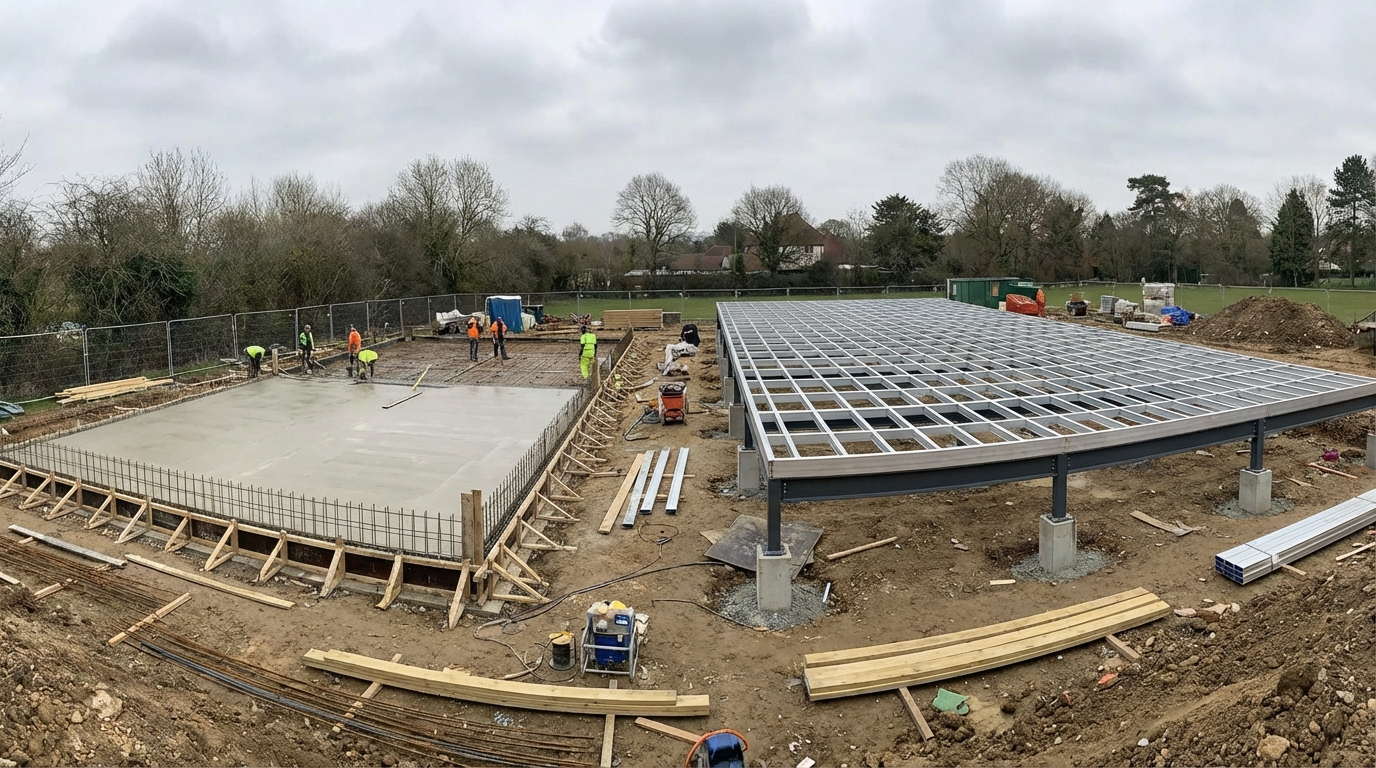
Padel courts typically require a reinforced concrete slab, while platform tennis is built on a raised superstructure. The foundation requirements for padel vs platform tennis represent one of the largest cost variables in the construction process. Ground preparation is key to ensuring a level playing surface for either sport.
Is a concrete slab always required?
For padel, a level concrete slab with specific drainage is the industry standard for durability. Platform tennis uses concrete piers to support a heavy-duty aluminum or wooden deck.
Believe it or not:
The foundation dictates the entire lifespan of the facility.
- Padel: Concrete slab (15-20cm thickness).
- Platform: Pier and beam system.
- Drainage: Sloped for runoff or porous for absorption.
Key Takeaway
Padel foundations are permanent and ground-based, whereas platform tennis foundations are modular and elevated.
| Requirement | Padel Foundation | Platform Foundation |
|---|---|---|
| Material | Reinforced Concrete | Concrete Piers / Aluminum |
| Elevation | Ground Level | Raised (Heated) |
| Installation Time | 2-4 Weeks | 1-2 Weeks |
Foundational differences highlight that padel is an integrated site build, while platform tennis functions as a standalone modular unit.
How is the framing built for padel vs platform tennis?
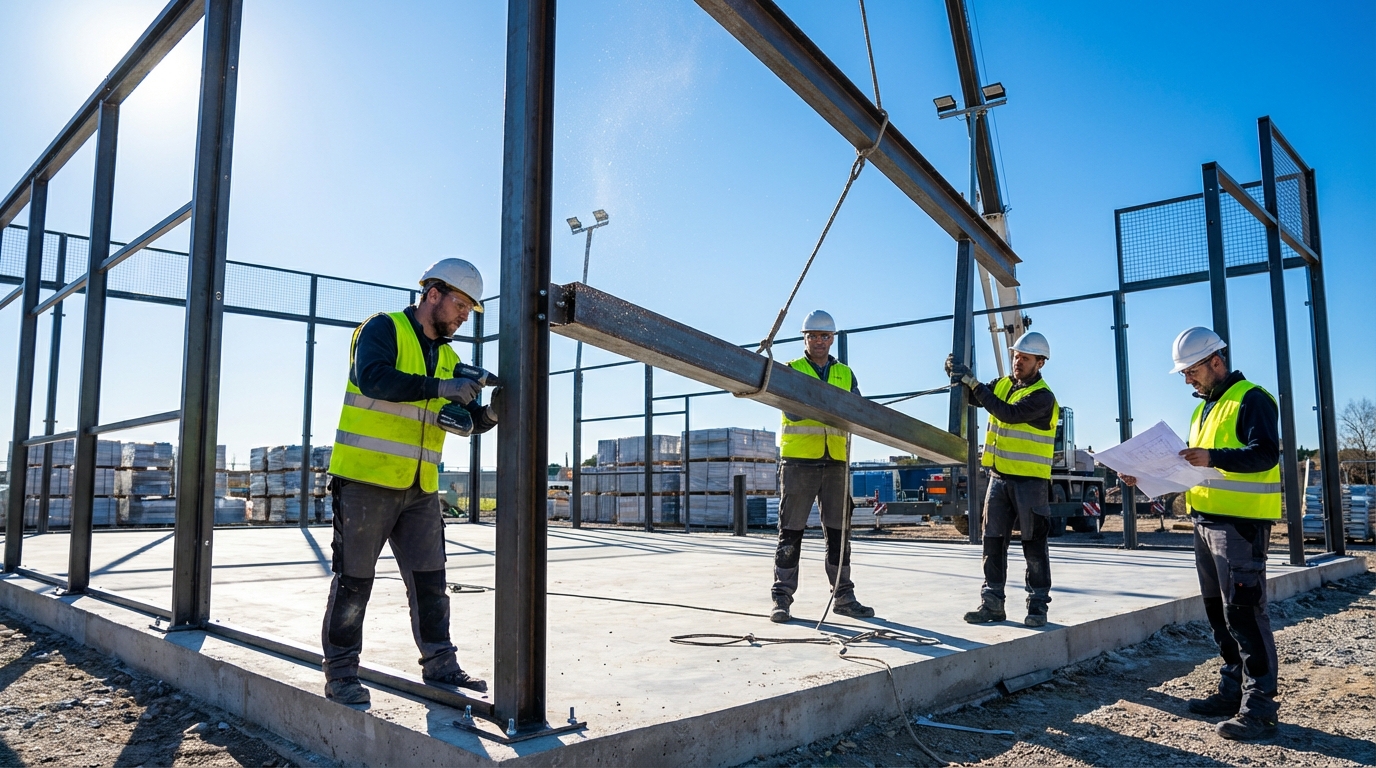
Padel framing utilizes heavy-duty galvanized steel pillars to support massive glass panels. In the construction of padel vs platform tennis, the structural integrity must withstand both high wind loads and player impact. Platform tennis structures are usually lighter but include complex tensioning systems for the wire screens.
How do materials differ for the framing?
Padel frames are often powder-coated steel designed for aesthetic appeal and corrosion resistance. Platform tennis structures are almost entirely aluminum to facilitate the heating of the court surface from below.
Here is the kicker:
The framing must support the specific “rebound” mechanics of each sport.
- Padel: 80x80mm or 100x100mm steel pillars.
- Platform: Aluminum beams and tensioned poles.
- Coating: Anti-corrosion treatments are mandatory for outdoor builds.
Key Takeaway
Padel structures prioritize glass support and rigidity, while platform tennis frames prioritize weight and heating conduction.
| Material | Padel Frame | Platform Frame |
|---|---|---|
| Metal | Galvanized Steel | Structural Aluminum |
| Finish | Electrostatic Powder Coating | Anodized Aluminum |
| Function | Glass/Mesh Support | Screen Tensioning |
The choice of steel for padel ensures a rigid frame that doesn’t vibrate when the ball strikes the heavy glass walls.
Can grass be used for padel vs platform tennis?
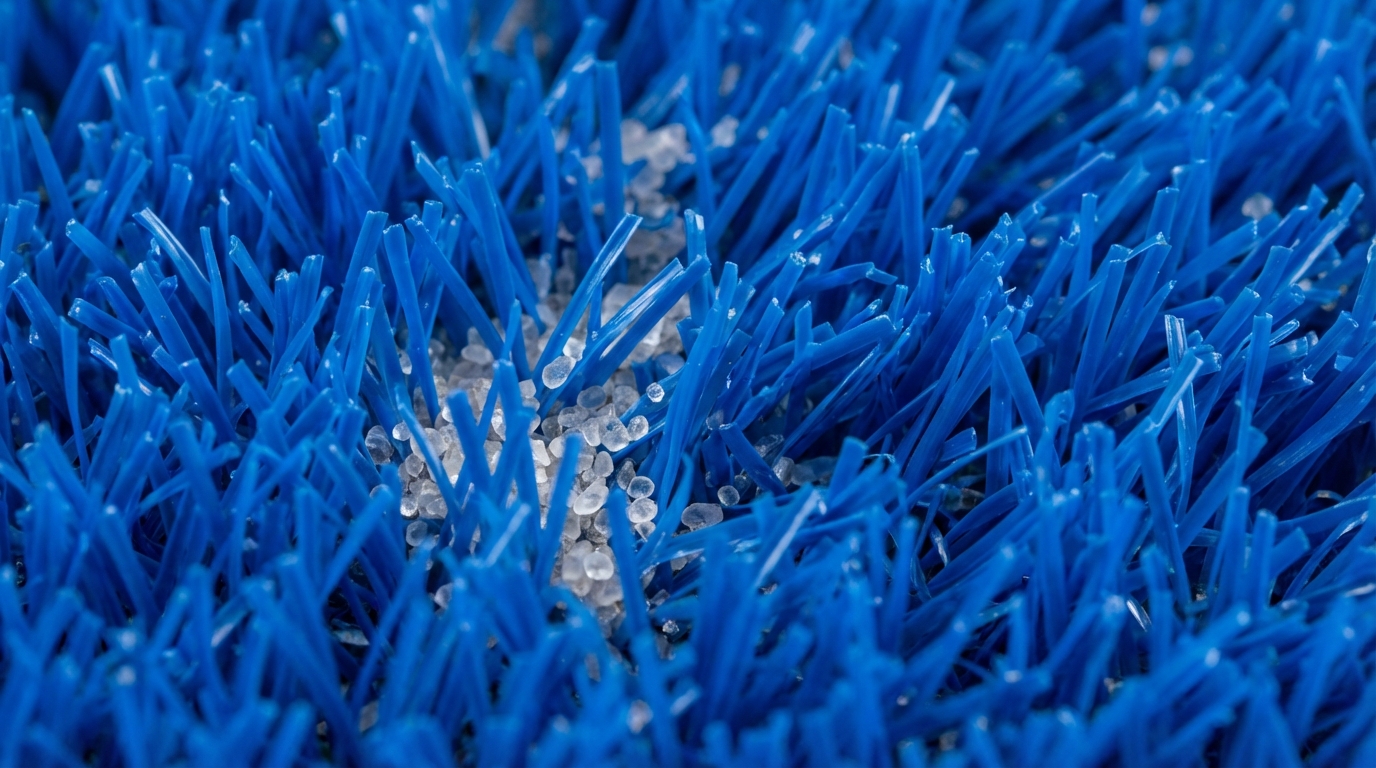
Padel is exclusively played on artificial turf, but you cannot use a natural lawn or padel vs platform tennis on grass without a solid sub-base. The playing surface is what defines the player experience and safety. Platform tennis requires a gritty, non-slip aluminum surface instead of turf.
Why is artificial turf essential for padel?
Artificial turf provides the consistent bounce and slide required for high-level padel play. The monofilament or fibrillated fibers are filled with silica sand to stabilize the carpet.
Think about it:
The turf is the most frequently replaced part of a padel court.
- Padel: Polyethylene artificial grass.
- Infill: 2-3 tons of specialized silica sand.
- Platform: Sand-grit paint on aluminum.
Key Takeaway
Padel construction focuses on turf performance, while platform tennis focuses on “grit” friction for winter traction.
| Surface Factor | Padel Surface | Platform Surface |
|---|---|---|
| Material | Artificial Grass (Turf) | Gritty Aluminum |
| Infill | Fine Silica Sand | None |
| Player Impact | Soft / Forgiving | Hard / High Friction |
Padel’s use of sand-filled turf allows for controlled sliding, significantly reducing the risk of knee and ankle injuries.
What lighting is required for padel vs platform tennis?
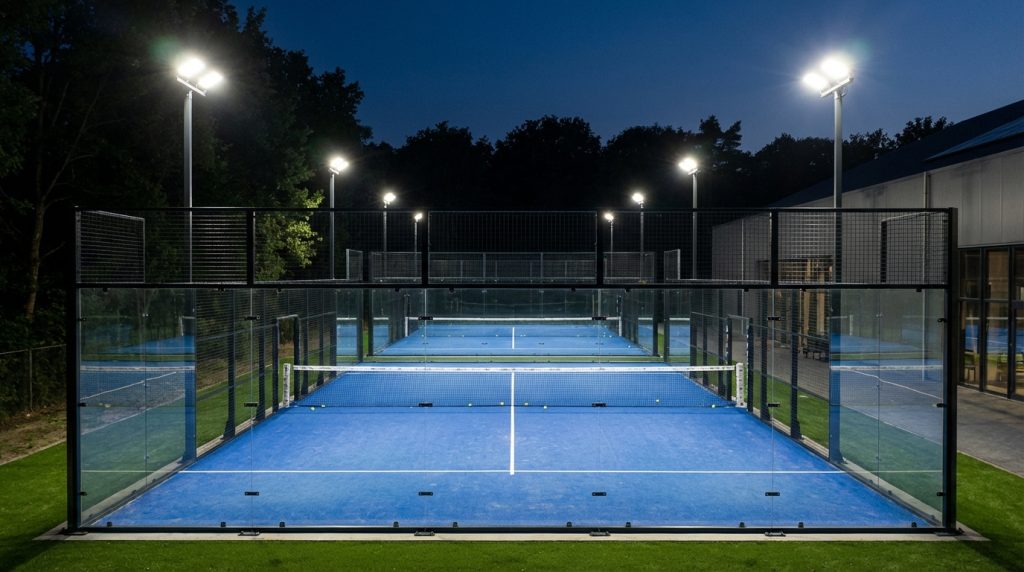
Both sports require professional-grade LED illumination to allow for evening and night play. When designing lighting for padel vs platform tennis, you must ensure 300 to 500 lux levels for recreational use. High-masted lights are standard to prevent shadows and glare on the glass or wire.
How are the lights positioned?
Padel courts typically use four masts at 6 meters high, positioned at the corners or center points. Platform tennis lighting is often integrated into the corner poles that also support the screen tensioning.
The best part?
Modern LEDs reduce energy consumption by up to 60% compared to traditional bulbs.
- Padel: 4x 200W or 300W LED projectors.
- Height: Masts reach 6 meters for clear vertical play.
- Uniformity: Must avoid dark spots on the turf.
Key Takeaway
Standardized LED lighting is a non-negotiable requirement for court ROI, regardless of the sport chosen.
| Lighting Spec | Padel Requirement | Platform Requirement |
|---|---|---|
| Lux Level | 300 – 750 Lux | 300 – 500 Lux |
| Mast Height | 6 Meters | 5 – 6 Meters |
| Bulb Type | High-Efficiency LED | LED or Metal Halide |
Proper lighting ensures your facility can operate during peak evening hours when most club members are active.
What wall materials define padel vs platform tennis?
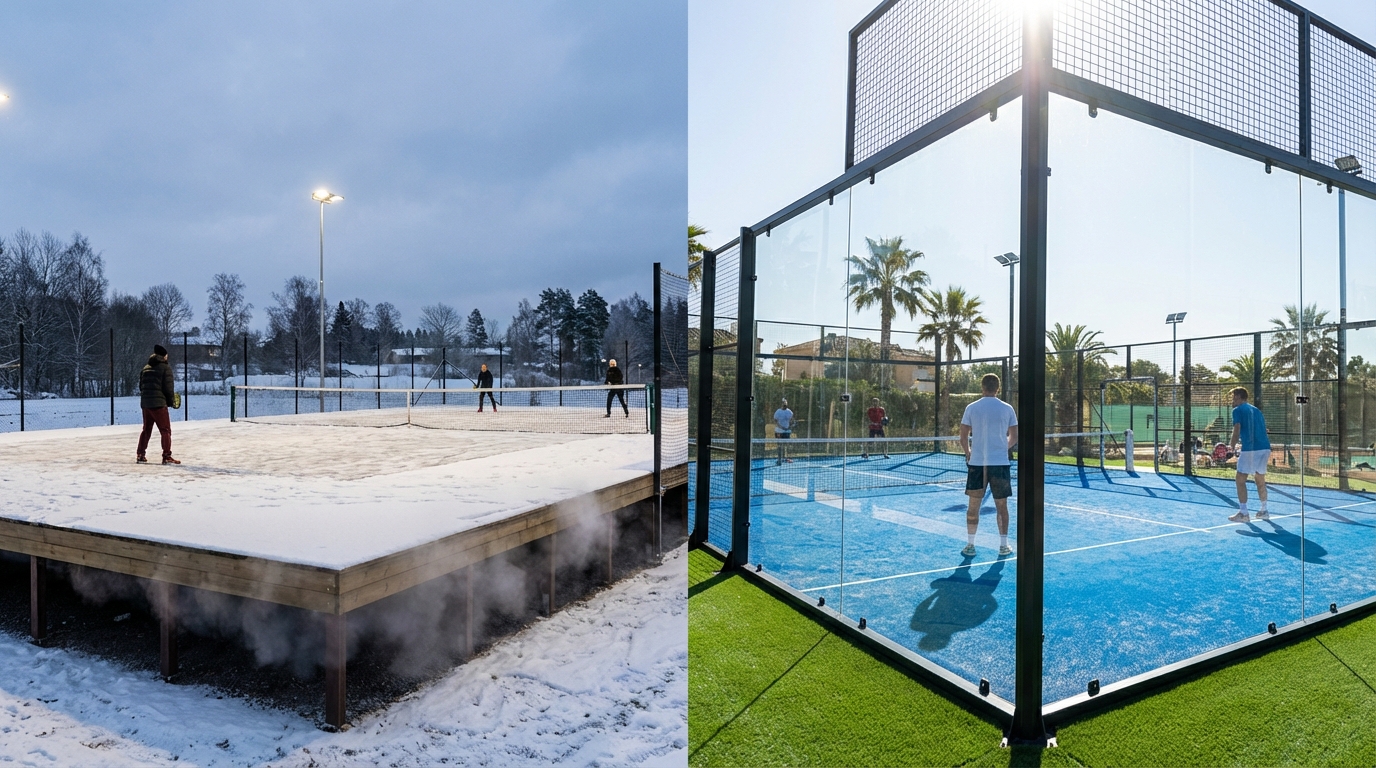
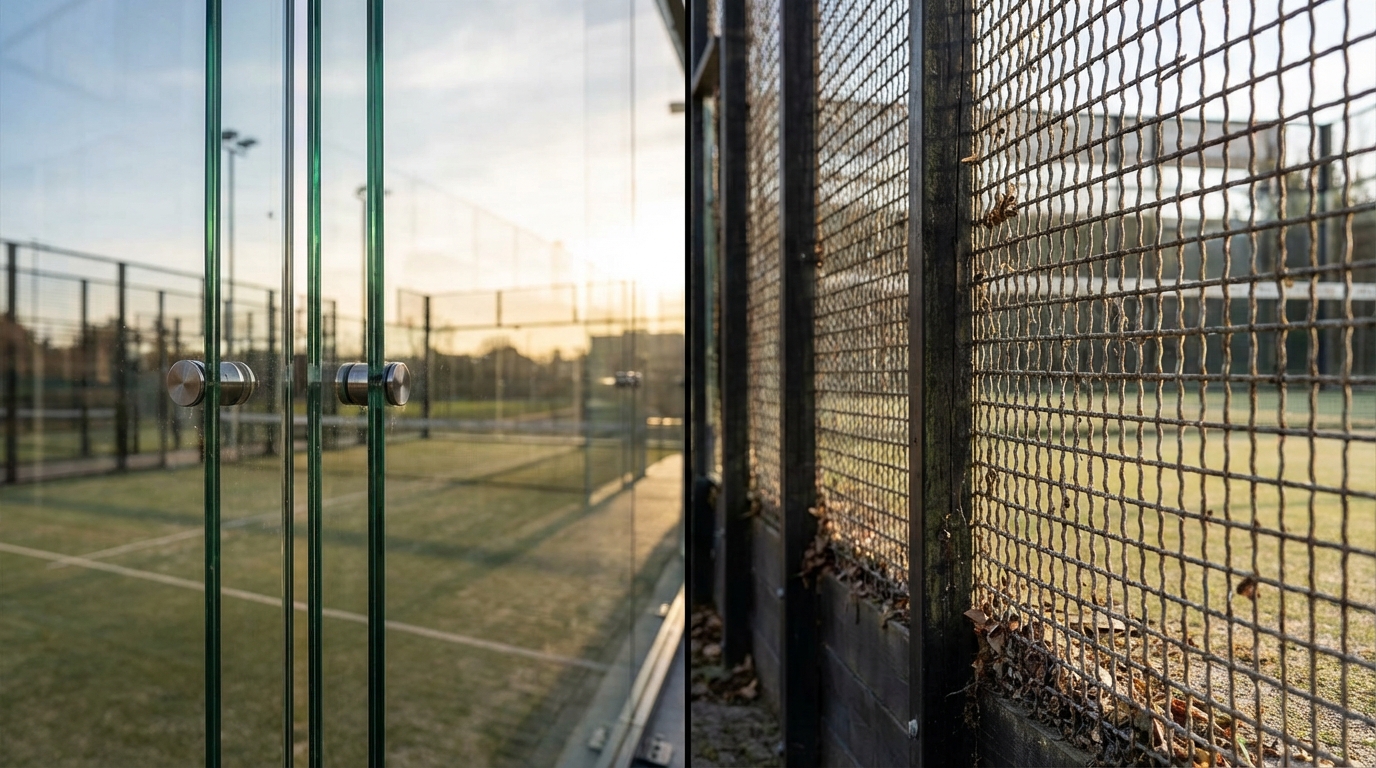
Padel relies on 10mm or 12mm tempered glass for rebounds, while platform tennis uses “chicken wire” fencing. The choice between glass and wire in padel vs platform tennis fundamentally changes the physics of the game. Glass provides a true bounce, whereas wire mesh creates an unpredictable “take” on the ball.
Is tempered glass safer than wire?
Tempered glass is incredibly durable and designed to crumble into small nuggets if it ever breaks. Platform tennis wire is galvanized and tensioned to act like a trampoline for the ball.
Keep in mind:
Spectator visibility is significantly better through padel glass.
- Padel: 10/12mm Tempered Glass.
- Platform: 12-foot high wire screens.
- Mesh: Steel mesh used on padel side-walls only.
Key Takeaway
Padel offers a premium “stadium” feel through glass, while platform tennis offers a rugged, traditional mesh experience.
| Material | Padel Enclosure | Platform Enclosure |
|---|---|---|
| Primary | Tempered Glass | Galvanized Wire |
| Rebound | Predictable / True | High Tension / Variable |
| Visibility | Excellent (Transparent) | Moderate (Mesh) |
Glass walls not only improve playability but also allow for better sponsorship placement and social media content creation.
How does surfacing differ in padel vs platform tennis?
Padel surfacing is designed for traction and sliding, whereas platform tennis surfacing is designed for pure grip in icy conditions. The architectural requirements for padel vs platform tennis flooring are polar opposites. One involves soft fibers and sand, while the other involves a hard metal deck coated in abrasive grit.
How do you maintain these surfaces?
Padel turf requires weekly brushing to redistribute the silica sand infill and prevent compaction. Platform tennis decks require periodic repainting with a sand-infused mixture to maintain their non-slip properties.
Here is the deal:
Maintenance costs vary significantly based on your local climate.
- Padel: Brush sand every 10-15 hours of play.
- Platform: Recoat grit every 2-3 years.
- Replacement: Turf lasts 5-7 years; aluminum decks last 20+.
Key Takeaway
Padel requires more frequent light maintenance, while platform tennis requires less frequent but more expensive major repairs.
| Maintenance | Padel Surface | Platform Surface |
|---|---|---|
| Weekly | Sand Brushing | Surface Sweeping |
| Yearly | Sand Top-up | Heater Check |
| 5-Year Task | Turf Replacement | Total Recoating |
The soft nature of padel turf makes it far more appealing to older players who are concerned about joint impact.
What equipment defines padel vs platform tennis?
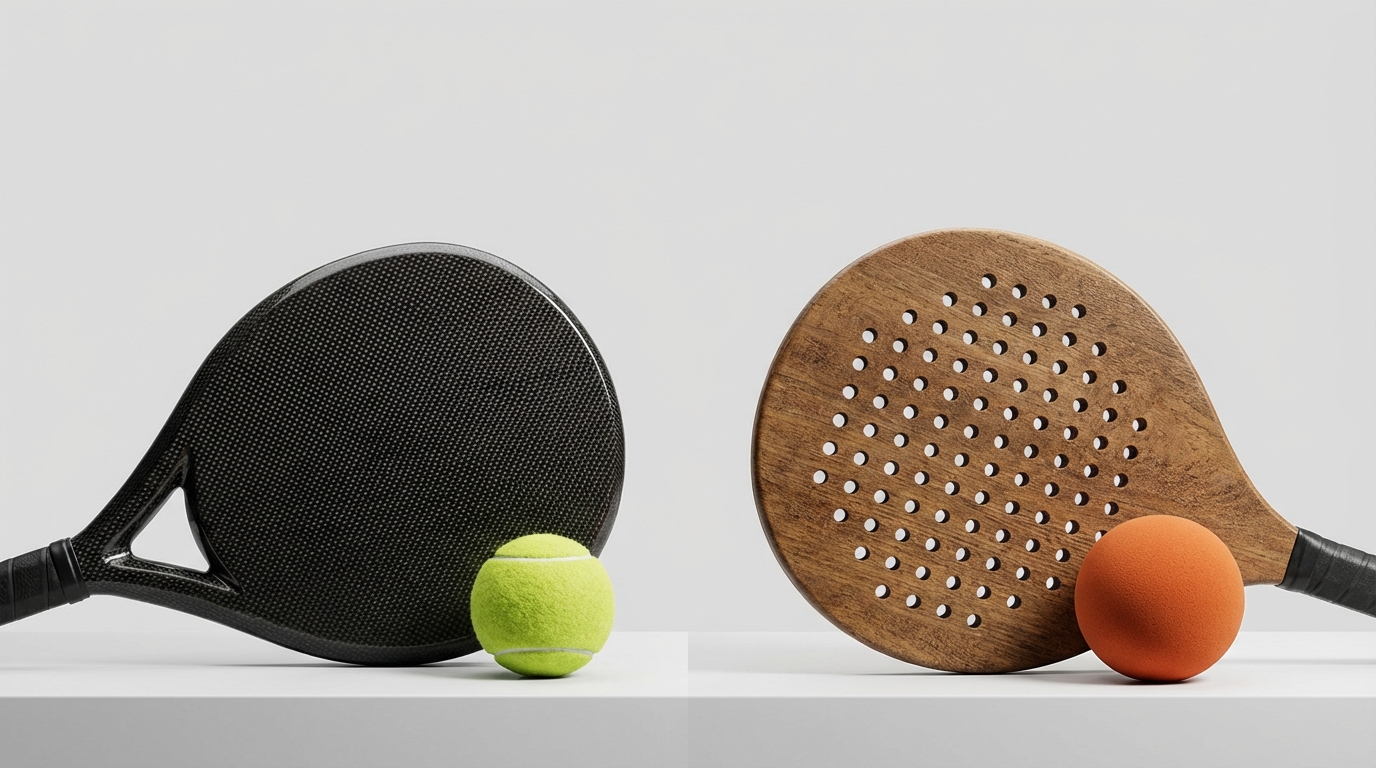
Padel uses a thick, perforated composite racket, while platform tennis uses a solid paddle that is often textured with grit. The equipment costs for padel vs platform tennis are comparable, but the ball technology is entirely different. Padel balls are pressurized like tennis balls, whereas platform balls are solid sponge rubber.
Are the rackets interchangeable?
You cannot use a padel racket for platform tennis because the sponge balls would damage the carbon fiber face. Platform paddles are heavier and designed to strike a dense, non-pressurized rubber ball.
Look:
Racket sales are a primary revenue stream for clubs.
- Padel Racket: 38mm thickness, carbon/fiberglass.
- Platform Paddle: Solid wood or composite with holes.
- Padel Ball: Low-pressure felt.
- Platform Ball: Solid yellow/orange sponge.
Key Takeaway
Padel equipment is more varied and consumer-focused, driving higher retail sales for the facility.
| Equipment | Padel | Platform Tennis |
|---|---|---|
| Racket Material | Carbon / EVA Foam | Composite / Wood |
| Ball Type | Pressurized (Soft) | Solid Rubber (Heavy) |
| Retail Potential | High (Fashion/Tech) | Moderate (Functional) |
The diversity in padel racket designs allows for a more personalized player experience, encouraging repeat purchases.
What is the ROI of padel vs platform tennis?

Padel currently offers a higher return on investment due to its massive global growth and high player density. When analyzing padel vs platform tennis for a business case, padel courts often show 80% utilization within the first six months. Platform tennis remains a steady but slower-growing asset, typically tied to seasonal club memberships.
Why is Padel seeing explosive growth?
The social aspect and ease of learning make Padel accessible to all age groups, leading to constant court bookings. Platform tennis is often restricted by its winter-only appeal in many regions, limiting year-round revenue.
The best part?
Padel courts can be built indoors or outdoors to maximize 365-day income.
- ROI: Padel usually pays back in 18-24 months.
- Growth: Padel is growing at 20%+ annually in many markets.
- Demographics: Padel attracts a wider age and gender mix.
Key Takeaway
Padel represents a high-growth commercial opportunity, while platform tennis is a specialized value-add for cold-climate clubs.
| Metric | Padel ROI | Platform ROI |
|---|---|---|
| Payback Period | 1.5 – 2 Years | 3 – 5 Years |
| Utilization | Year-round | Seasonal (Winter) |
| Market Trend | Explosive Global | Niche / Regional |
The global upward trend of padel makes it the safer bet for investors looking for scalable racket sport facilities.
Conclusion
Choosing between these sports requires balancing your local climate with your financial goals. Padel offers a high-growth, globally recognized sport that fits nearly any facility with the right glass and turf infrastructure. Platform tennis remains the gold standard for dedicated winter play but carries higher installation costs due to its raised, heated deck.
Building a facility without expert guidance leads to structural failures and poor court performance. You deserve a partner that understands the nuances of modern racket sport manufacturing. At Superb Padel, our mission is to deliver professional-grade courts that drive member engagement and long-term profitability. If you are ready to transform your facility, contact us today to start your construction journey.
FAQ
Can I build a padel court on a wooden deck?
No, you cannot build a standard padel court on wood. The weight of the glass walls requires a reinforced concrete slab to prevent structural shifting and glass breakage.
What’s the best way to melt snow on a court?
Platform tennis is best for this because it features built-in heaters under the aluminum deck. Padel courts in snow zones usually require a roof or indoor installation.
Can I use tennis balls for platform tennis?
No, you should not use tennis balls. Platform tennis requires solid sponge rubber balls that are designed to withstand freezing temperatures and bounce off wire screens.
What is the minimum height for a court enclosure?
Both sports generally require a 3 to 4-meter high enclosure. Padel walls are typically 3 meters of glass with an additional 1 meter of mesh on the ends.
Is padel easier to learn than platform tennis?
Padel is generally considered easier for beginners. The underhand serve and predictable glass rebounds make it more accessible than the overhand serve and irregular wire bounces of platform tennis.