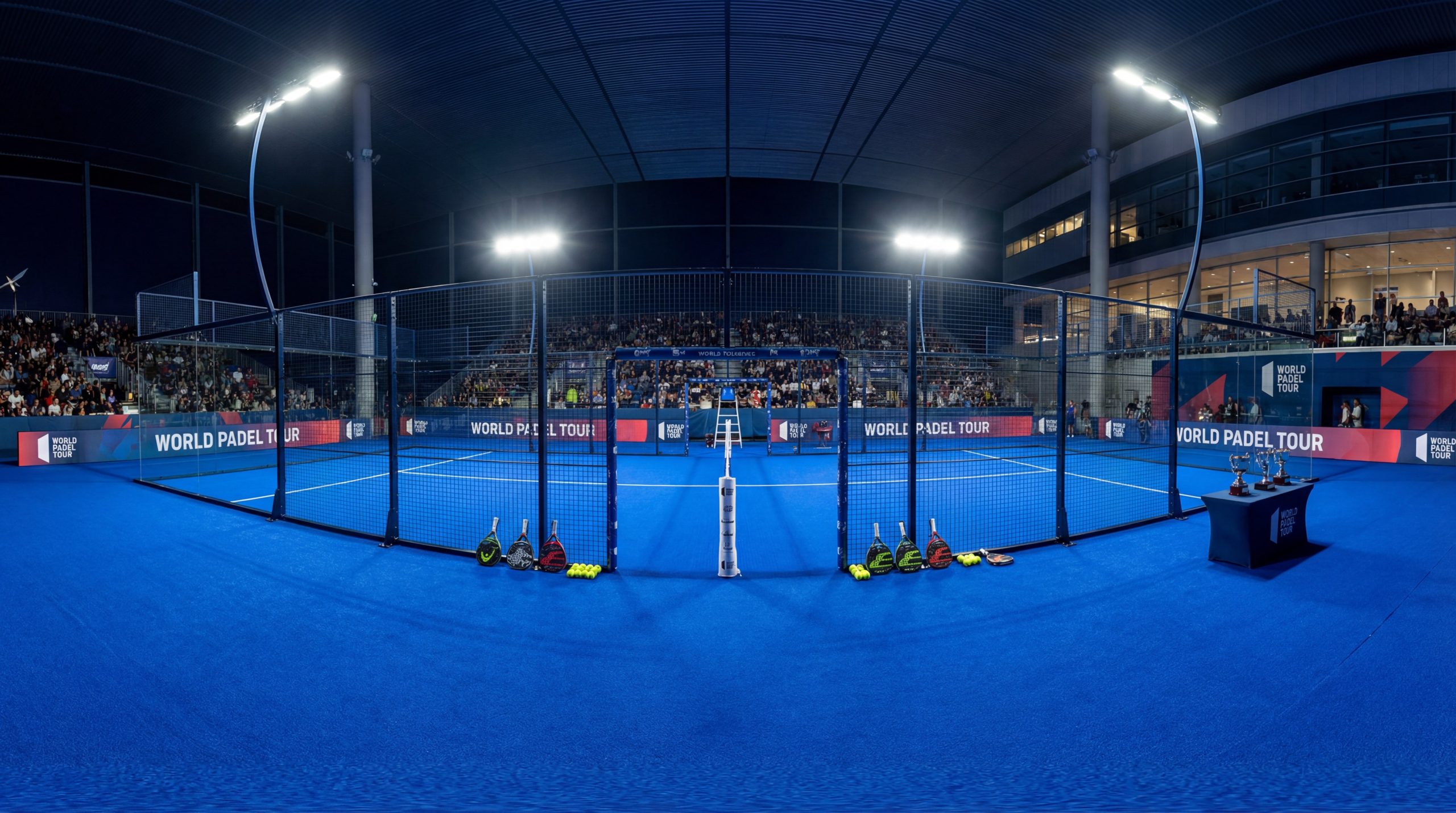
Padel courts in San Diego are high-performance sporting facilities designed for a fast-paced, social racket sport that is currently revolutionizing the Southern California athletic landscape. You may have noticed that traditional racket sports are often seen as too exclusive or physically demanding for the average enthusiast. This perception creates a significant barrier for facility owners looking to maximize engagement and community retention. By integrating padel courts san diego into your development plan, you provide a high-ROI, accessible solution that appeals to the region’s premium lifestyle and fitness-forward demographic.
Why are padel courts san diego trending in 2026?
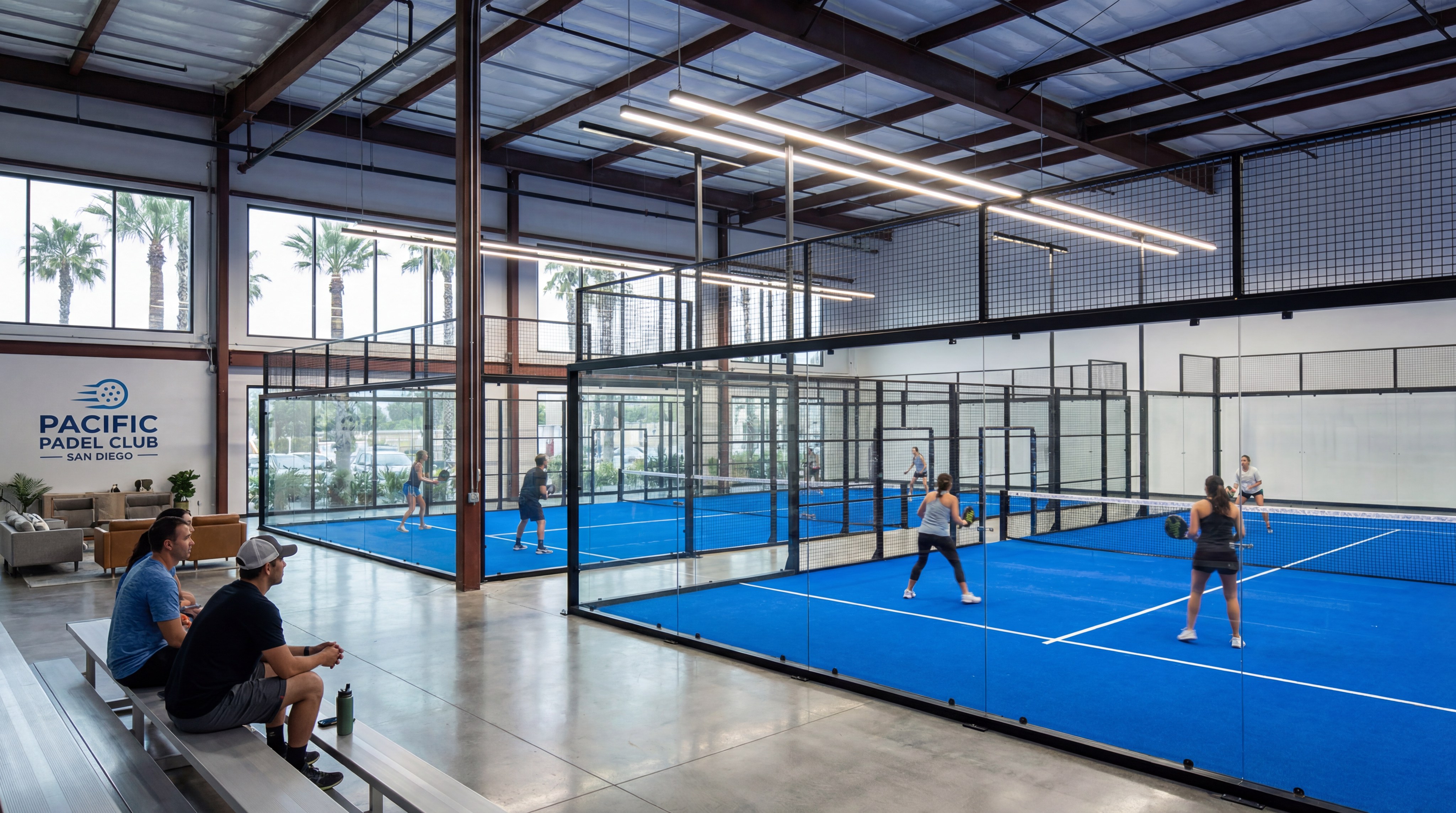
The trend is primarily driven by the unique combination of San Diego’s temperate climate and a local culture that prioritizes high-end social fitness. Investors are increasingly looking at padel courts san diego as the cornerstone of modern athletic clubs because they require less space than tennis while accommodating more players.
This growth reflects a global shift toward “sport-tainment” where the athletic experience is as important as the social networking that follows. You will find that these courts attract a diverse demographic ranging from corporate professionals to younger athletic influencers.
What is the deal with the social aspect?
Here is the deal:
The sport is designed to be played in doubles within an enclosed glass environment, which naturally fosters constant communication. This setup makes the game incredibly approachable for beginners while remaining challenging for experts.
- Smaller court dimensions facilitate easier conversation.
- Enclosed glass walls keep the ball in play longer for exciting rallies.
- Social mixers are easily organized around the four-player format.
The social dynamics of the game ensure high player retention rates and consistent court bookings.
Key Takeaway: The trend is fueled by the sport’s high density of players and its inherent social appeal, making it a lucrative addition to any facility.
| Factor | Description |
|---|---|
| Space Efficiency | Three padel courts fit into the footprint of one tennis court. |
| Player Count | Always played as 4 players (doubles), maximizing usage. |
| Climate Fit | Ideal for San Diego’s coastal and inland temperatures. |
This data indicates that maximizing square footage through padel leads to higher revenue per square foot compared to traditional sports.
Where can you play on padel courts san diego today?
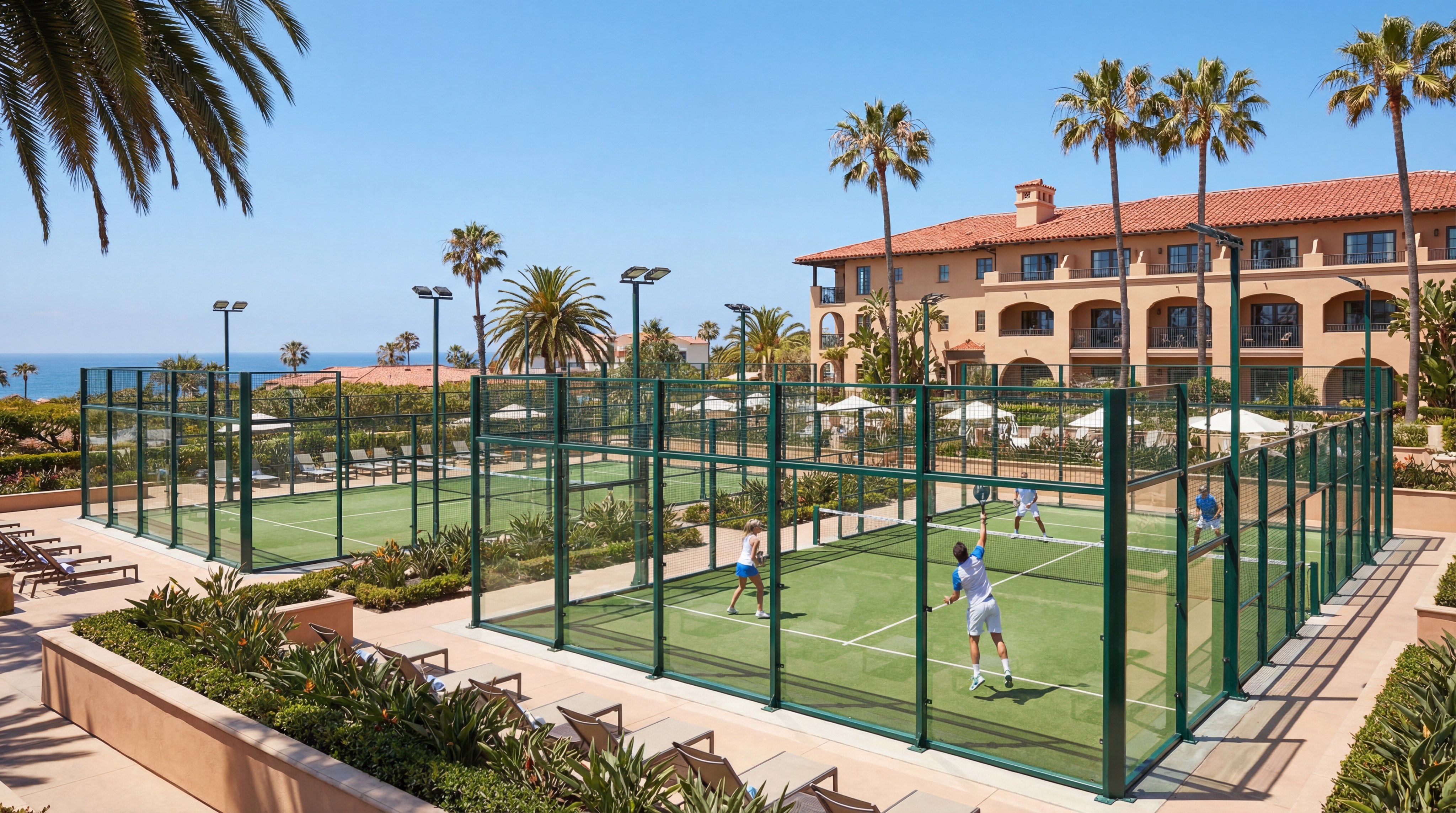
You can find professional-grade padel courts san diego across a variety of settings, ranging from expansive indoor hubs in industrial zones to boutique outdoor coastal setups. These venues serve as the benchmark for quality, featuring monofilament turf and high-clarity tempered glass.
The diversity of locations allows players to choose between climate-controlled environments and scenic outdoor matches. Most facilities have transitioned to 24/7 automated booking systems to meet the rising demand.
What are the top venue categories?
Think about this:
The choice of venue often dictates the level of play and the amenities available to you. While indoor facilities offer consistency, outdoor resorts provide a lifestyle experience that is hard to match.
- Indoor Hubs: Focus on competitive leagues and weather independence.
- Luxury Resorts: Focus on high-end service and post-match wellness.
- Public Racket Centers: Focus on accessibility and youth development.
Choosing the right venue depends on whether you value technical consistency or a scenic social atmosphere.
Key Takeaway: San Diego offers a robust mix of indoor and outdoor venues, catering to both competitive athletes and casual social players.
| Venue Type | Primary Benefit | Target Audience |
|---|---|---|
| Indoor Facility | Climate control & 24/7 play | Competitive players |
| Outdoor Resort | Coastal views & luxury service | Tourists & high-end members |
| Community Center | Lower entry cost & lessons | Beginners & local residents |
The variety in venue types demonstrates a mature market that caters to every segment of the local population.
How do elite resorts manage padel courts san diego?
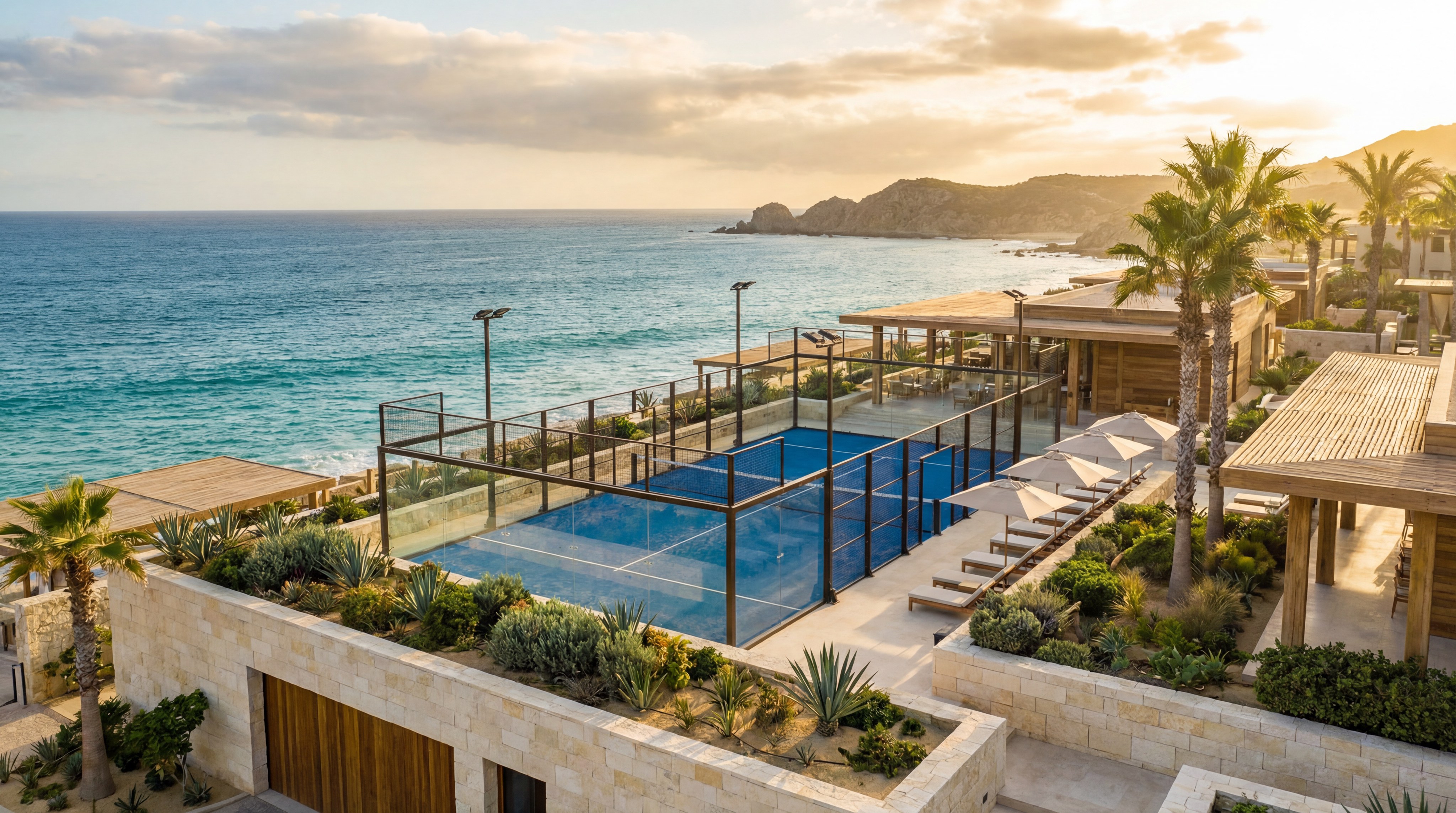
Elite resorts manage padel courts san diego by integrating them into a holistic “stay and play” philosophy. These installations often feature panoramic glass designs to ensure that the beauty of the resort remains visible from every angle.
Maintenance is handled with a white-glove approach, ensuring the silica sand levels are perfectly balanced for optimal slide. This attention to detail preserves the professional reputation of the resort’s athletic offerings.
How is the guest experience elevated?
It gets better:
Resorts go beyond just the court by offering curated experiences that turn a simple match into a full-day event. This includes professional coaching clinics and high-end equipment rentals on-site.
- Concierge Booking: Seamless reservation through resort apps.
- Pro-Exhibitions: Hosting professional players for guest entertainment.
- Wellness Integration: Recovery sessions at the spa following intense play.
Elevating the sport to a luxury service justifies higher membership tiers and attracts premium tourism.
Key Takeaway: Luxury resorts leverage padel to enhance their amenity portfolio, focusing on aesthetic integration and elite guest services.
| Management Element | Strategy | Result |
|---|---|---|
| Visual Design | Panoramic glass walls | Unobstructed views & prestige |
| Coaching | Certified resident pros | Improved player skill & loyalty |
| Events | Corporate tournaments | Increased group booking revenue |
Focusing on the intersection of sport and luxury creates a unique market position that traditional gyms cannot replicate.
What defines public access to padel courts san diego?
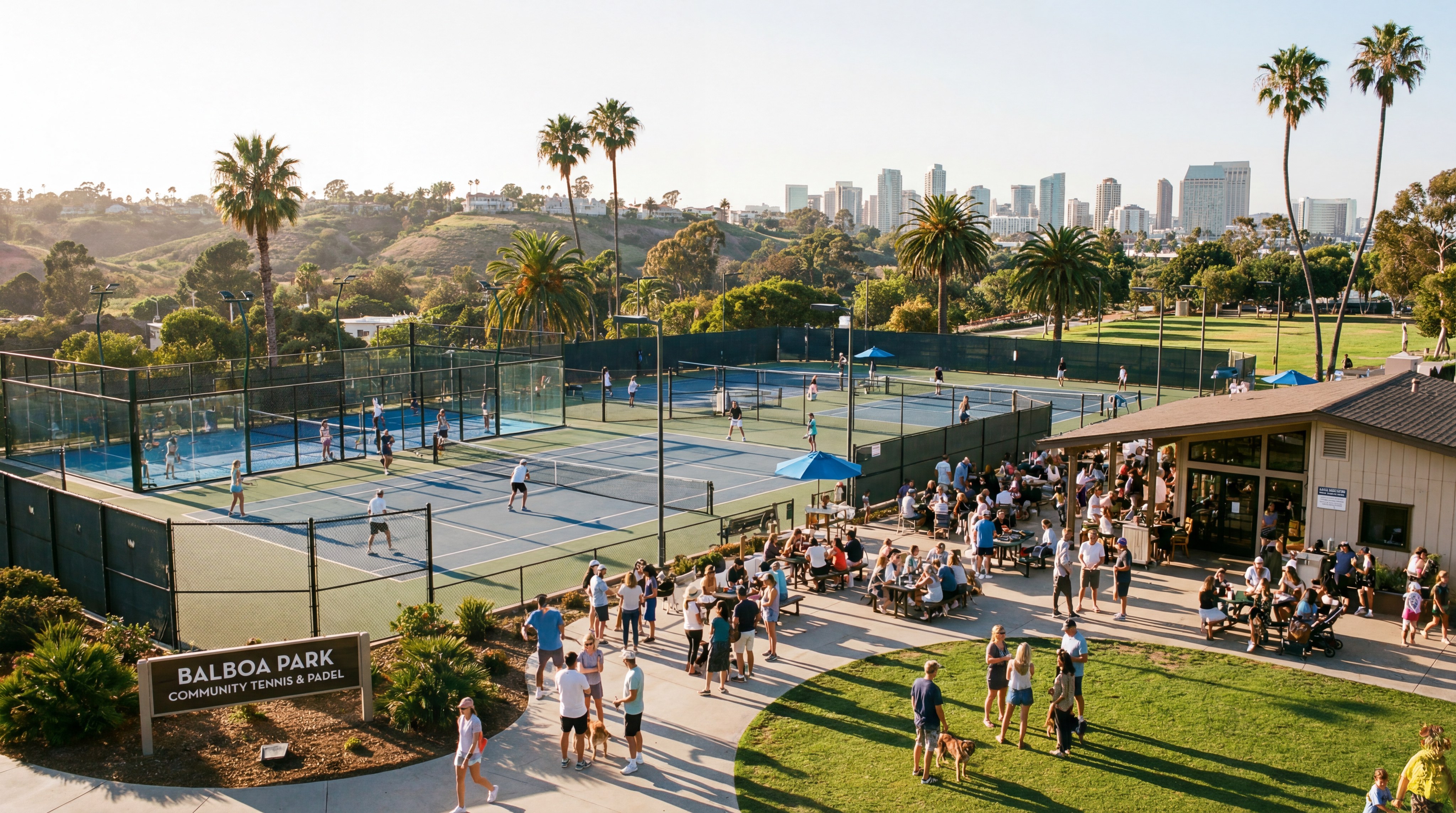
Public access to padel courts san diego is defined by “pay-as-you-play” models that lower the barrier to entry for the general population. These centers often repurpose underutilized tennis areas to install multiple padel courts, creating a vibrant racket sports ecosystem.
The goal is to provide high-quality infrastructure without the requirement of a long-term membership contract. This approach has been instrumental in building a massive local player base quickly.
Why does public accessibility matter?
You might wonder:
Why would a facility choose a public model over an exclusive membership? The answer lies in the volume of traffic and the potential for auxiliary revenue from rentals and cafe sales.
- Low Barrier: Open to anyone with an online booking.
- Community Growth: Hosting local school programs and youth camps.
- Resource Sharing: Utilizing existing locker rooms and parking.
A public model ensures the courts are busy during off-peak hours by catering to students and retirees.
Key Takeaway: Public access facilities are the engine of growth for the sport, focusing on high volume and community-wide engagement.
| Public Model Feature | Implementation | Community Impact |
|---|---|---|
| Hourly Rentals | Dynamic pricing based on time | High court utilization |
| Equipment Shop | Rental paddles and balls | Accessible for first-timers |
| Open Play | Match-making services | Social networking for locals |
The success of public centers proves that the demand for padel transcends exclusive club memberships.
Are luxury padel courts san diego worth the investment?
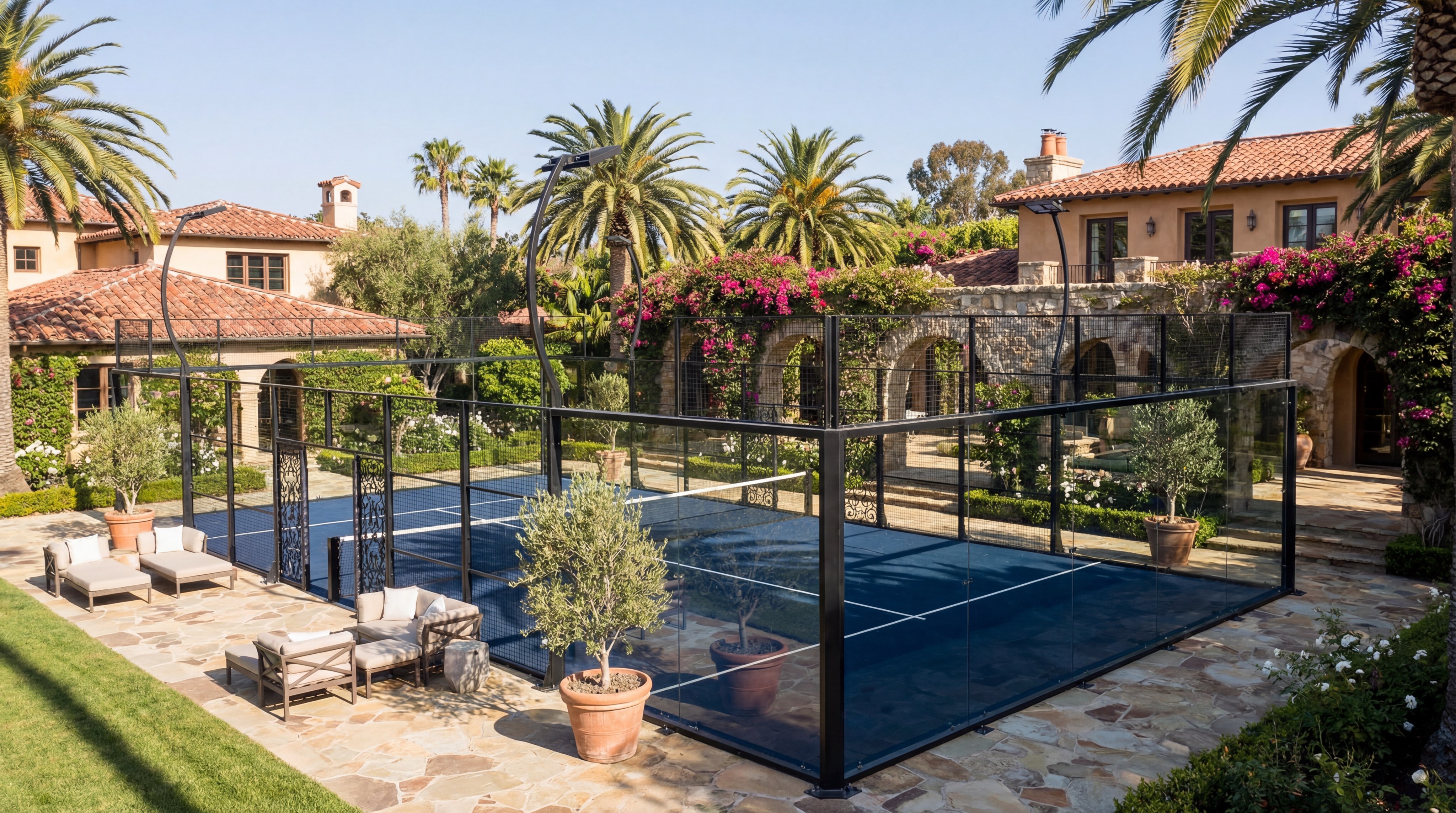
Investing in padel courts san diego is highly lucrative due to the small footprint and high occupancy rates of the sport. A single luxury installation can generate more revenue than several tennis courts combined because of the four-player requirement for every match.
The durability of modern materials ensures that the initial capital expenditure is spread over a 20-year lifespan. This makes the long-term ROI particularly attractive for private developers and homeowners.
What is the financial reality of ownership?
Let’s face it:
The upfront cost of a luxury court is significant, but the operational costs are remarkably low compared to swimming pools or large-scale gyms. Once the foundation is poured, the maintenance is minimal.
- High Revenue Density: Four paying players per 200 square meters.
- Low Maintenance: Minimal grooming and occasional sand topping.
- Property Value: Increases the appraisal value of residential and commercial estates.
The financial performance of these courts often exceeds expectations in high-income regions.
Key Takeaway: The high density of players and low operational overhead make padel one of the most profitable athletic investments available.
| Investment Metric | Estimate | Business Impact |
|---|---|---|
| Footprint | 10m x 20m | Maximizes land use |
| Operating Cost | Minimal electricity & cleaning | High profit margins |
| Asset Lifespan | 15–20 years with proper care | Sustainable long-term growth |
This financial structure allows owners to achieve break-even faster than most other sports infrastructure.
What makes a hub for padel courts san diego successful?
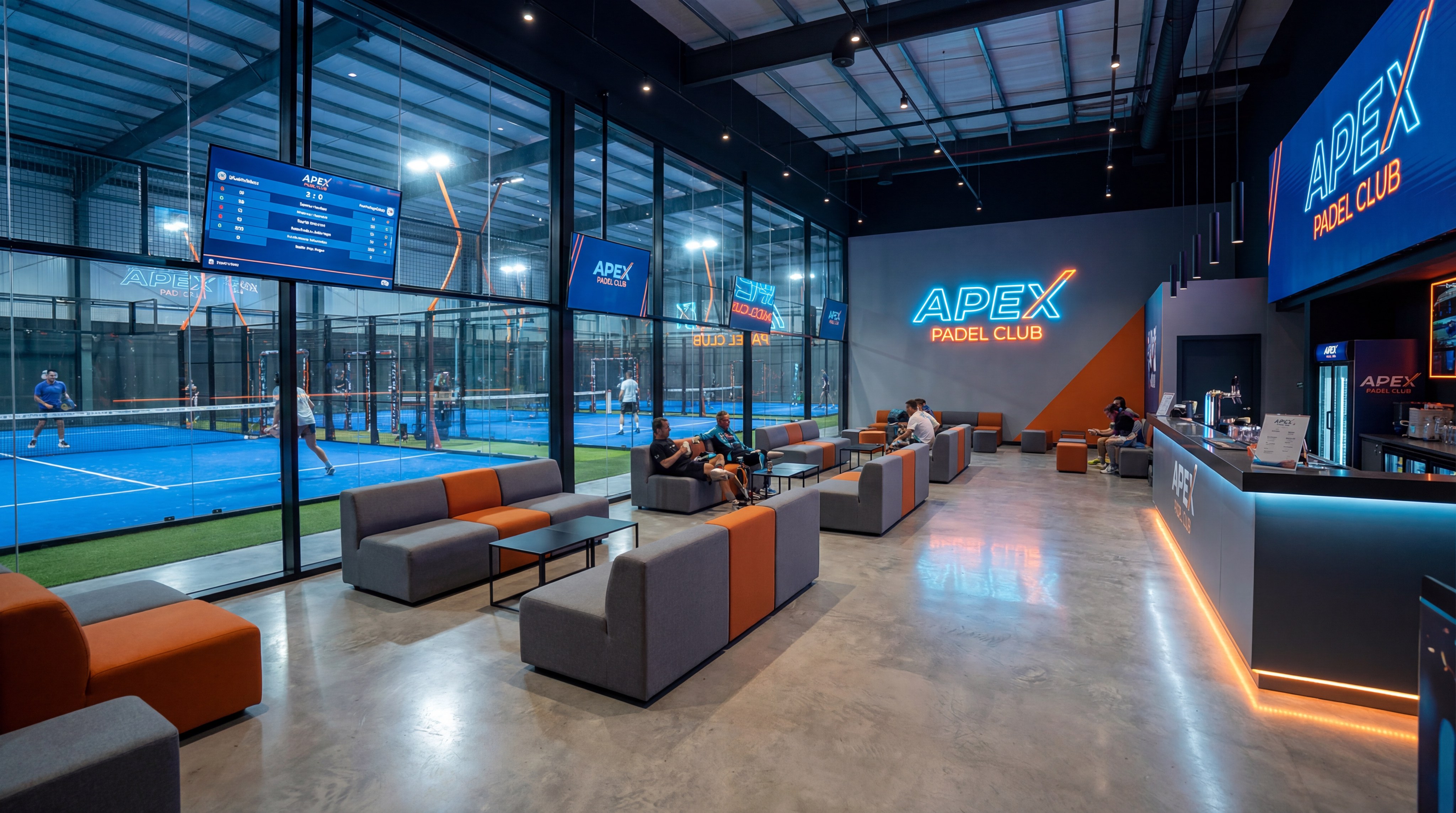
A successful hub for padel courts san diego combines elite athletic facilities with a strong social infrastructure, such as cafes and lounge areas. It is not just about the game; it is about the community that forms around the court.
Successful hubs prioritize lighting and court surface quality to ensure a professional experience. They often serve as the “third place” for members—a home away from home and work.
How do you build a social community?
That’s not all:
A hub thrives when it facilitates connections between its members through organized activities and networking events. The environment must feel inclusive yet premium.
- On-site Dining: Healthy cafes and juice bars for post-game recovery.
- Corporate Events: Hosting team-building sessions on the court.
- Themed Nights: Social mixers that pair players by skill level.
Providing these social layers increases member loyalty and creates multiple revenue streams.
Key Takeaway: The most successful facilities are those that treat padel as a lifestyle, not just a sport, by investing in social amenities.
| Hub Component | Role | Player Benefit |
|---|---|---|
| Premium Courts | Core product | Safe, consistent gameplay |
| Social Lounge | Secondary product | Networking & community |
| Pro-Shop | Retail branch | Access to latest gear & repairs |
Integrating these components ensures that the facility remains a destination rather than just a utility.
How do historic clubs integrate padel courts san diego?
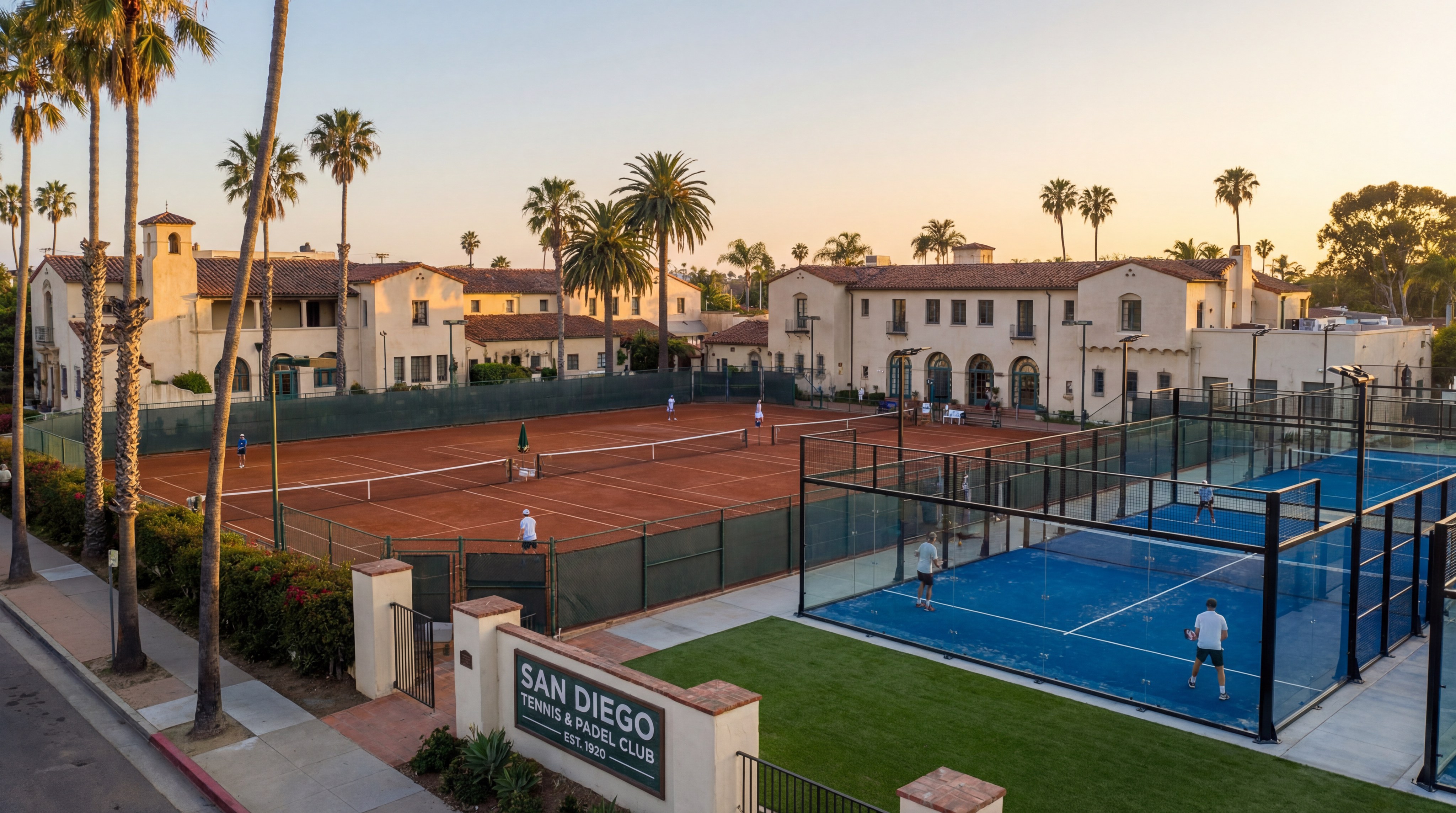
Historic clubs integrate padel courts san diego by modernizing their existing footprint while respecting the architectural legacy of their site. Many long-standing institutions are finding that adding padel attracts a younger, more active membership base.
This transition often involves removing a single underused tennis court to make room for three state-of-the-art padel installations. This move preserves the club’s tradition while ensuring its future relevance.
Why is heritage a competitive advantage?
Look at the history:
Established clubs have a built-in community and a sense of prestige that new facilities lack. By adding padel, they offer the best of both worlds—old-school service and new-school sport.
- Built-in Audience: Instant access to an existing membership.
- Established Brand: Higher trust and recognized service standards.
- Scenic Locations: Often located in prime, historic neighborhoods.
The synergy between a historic setting and a modern sport creates a unique “prestige” factor.
Key Takeaway: Historic clubs use padel as a strategic tool for modernization, blending their storied past with current sporting trends.
| Integration Step | Challenge | Solution |
|---|---|---|
| Land Use | Limited space | Converting old tennis courts |
| Aesthetics | Matching historic style | Custom frame colors & landscaping |
| Culture | Traditionalist pushback | Demonstrating social & health benefits |
Successfully blending history with modern sports tech revitalizes the club’s brand and financial health.
What space is needed for padel courts san diego?
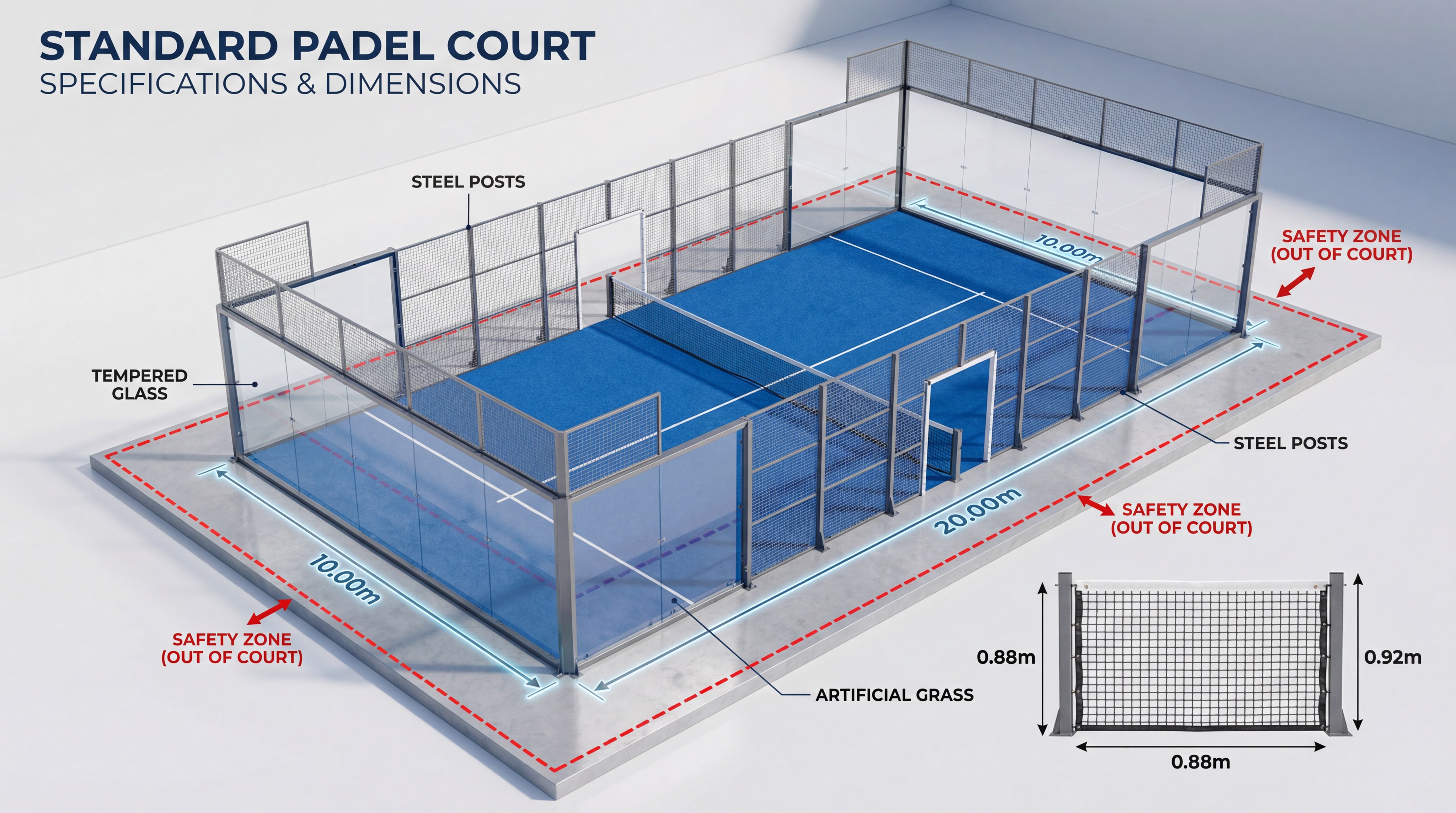
To build padel courts san diego, you need a minimum clear area of 200 square meters for the playing surface itself, measuring 10 meters by 20 meters. However, a professional installation also requires buffer zones for player safety and spectator seating.
Vertical clearance is equally critical, as professional standards require at least 6 to 8 meters of unobstructed height. This ensures that high “lob” shots do not interfere with the ceiling or overhead structures.
What are the site preparation basics?
First things first:
You cannot simply place a court on any flat ground; the foundation must be a perfectly level, reinforced concrete slab. Poor ground preparation leads to glass breakage and uneven ball bounce.
- Precision Leveling: Laser-leveled concrete for true ball behavior.
- Drainage Systems: Essential for outdoor courts to prevent flooding.
- Utility Access: Proper electrical routing for high-intensity LED lighting.
Getting the foundation right is the most important step in the entire construction process.
Key Takeaway: Exact dimensions and a high-quality concrete foundation are non-negotiable requirements for a professional-grade court.
| Site Requirement | Specification | Importance |
|---|---|---|
| Playing Area | 10m x 20m | Standard regulation size |
| Total Footprint | ~230 sq meters | Includes safety and viewing zones |
| Ceiling Height | 6m – 8m | Allows for professional lob shots |
Adhering to these specifications ensures the court is eligible for sanctioned tournaments and high-level play.
Which materials build premium padel courts san diego?
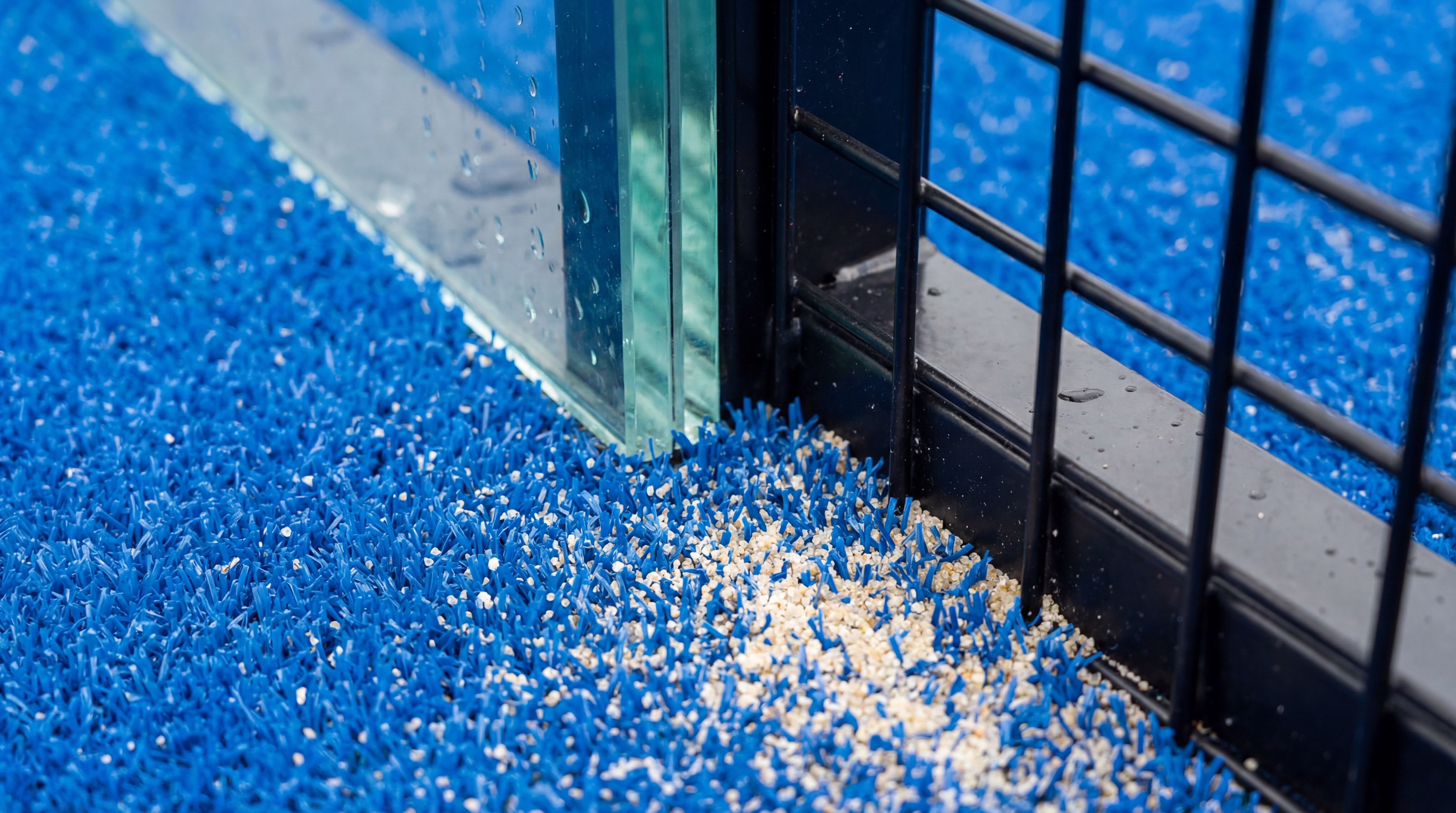
Premium padel courts san diego are built using architectural-grade tempered glass and anti-corrosion galvanized steel frames. The glass must be between 10mm and 12mm thick to withstand the high-velocity impact of both players and balls.
The playing surface is typically made of specialized texturized monofilament turf. This material is designed to hold a precise amount of silica sand, providing the perfect balance of grip and slide.
Why is material quality a safety issue?
Believe it or not:
Using inferior glass or steel can lead to catastrophic failures during intense matches. High-quality materials are not just about aesthetics; they are about protecting the players.
- Tempered Safety Glass: Breaks into small, harmless grains if shattered.
- UV-Resistant Turf: Prevents fading and fiber breakdown in the sun.
- Zinc-Rich Primers: Prevents rust in San Diego’s salty coastal air.
Investing in top-tier materials reduces long-term maintenance costs and insurance liabilities.
Key Takeaway: Using professional-grade glass, steel, and turf is essential for safety, durability, and a true playing experience.
| Material | Standard | Function |
|---|---|---|
| Tempered Glass | 12mm thickness | Durability & spectator safety |
| Steel Frame | Hot-dip galvanized | Structural integrity & rust proofing |
| Monofilament Turf | Texturized fiber | Optimal ball bounce & player joints |
High-specification materials ensure the court remains a premium asset for decades with minimal intervention.
How do you start building padel courts san diego?
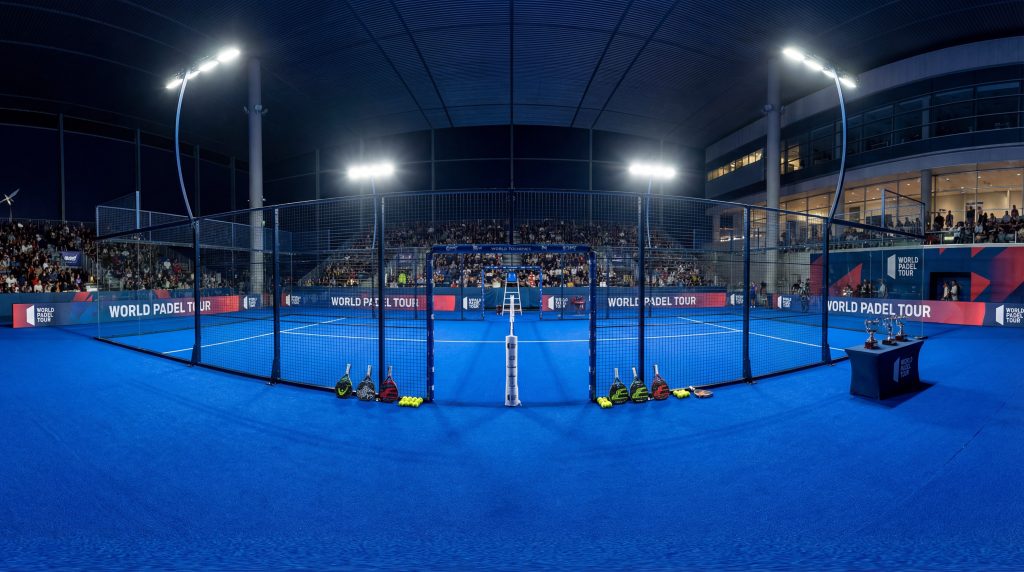
The process of building padel courts san diego begins with a comprehensive feasibility study that considers local zoning laws and soil conditions. You must secure the correct permits for lighting and noise mitigation before any ground is broken.
Once permitted, the project moves through the phases of foundation pouring, steel framework installation, and glass mounting. The final step is the precise application of the turf and sand infill.
How do you manage the logistics?
Here is the kicker:
Sourcing the components from a specialized manufacturer ensures that every part of the court fits together with engineering precision. Logistics must be timed so that the concrete cures exactly as the materials arrive.
- Permitting: Navigating local building codes and coastal commissions.
- Foundation: Pouring the slab to exact sub-millimeter tolerances.
- Assembly: Using specialized crews for glass and turf installation.
A well-managed construction timeline prevents costly delays and ensures a perfect finish.
Key Takeaway: Professional construction requires a synchronized approach between local permitting, site prep, and specialized installation.
| Construction Phase | Critical Task | Potential Risk |
|---|---|---|
| Planning | Zoning and Permit Approval | Project delays or fines |
| Foundation | Concrete Slab Pouring | Uneven surface or cracking |
| Installation | Glass & Turf Assembly | Improper bounce or safety issues |
Successful projects rely on expert project management to balance technical requirements with local regulations.
FAQ regarding padel courts san diego
Can I build a padel court in my backyard in San Diego?
Yes, provided you have the space and meet local setback requirements. You will need to check your specific neighborhood zoning, but many residential estates in the area are now adding private courts as luxury amenities.
What’s the best surface for an outdoor San Diego court?
Texturized monofilament artificial turf is the industry standard. It handles the Southern California sun and coastal moisture much better than other options while providing professional-level playability.
Are there specific lighting requirements for night play?
Most certainly. You should use high-lumen LED systems that minimize glare and light spill to keep neighbors happy while providing perfect visibility for the players.
How much maintenance do these courts actually require?
Very little compared to other sports. You generally only need to brush the sand once a week and clean the glass walls periodically to maintain transparency and performance.
Why should I choose a panoramic design for my facility?
Judgment: It is the superior choice for high-end venues. Explanation: Panoramic courts eliminate vertical pillars at the back, offering spectators a much better view and giving the facility a modern, elite aesthetic.
As a leader in professional court manufacturing, we are committed to helping you bring world-class athletic infrastructure to Southern California. Our team provides end-to-end support, from initial design to final installation, ensuring your project meets the highest global standards. To get started on your vision or for more information on our custom solutions, contact us today for a professional consultation.