Shoes for padel are specialized athletic footwear engineered specifically to manage the high-intensity lateral shifts, frequent rotations, and unique traction requirements of synthetic turf courts. You may have noticed that using standard running or even general tennis shoes often leads to unpredictable sliding or, worse, painful ankle rollovers during a match. This lack of specialized equipment doesn’t just hinder your performance; it actively puts your physical safety at risk. The solution is a technically superior build that combines a deep herringbone grip with rigid lateral stabilizers. By investing in the right technical construction, you transform your game from a struggle for balance into a display of explosive speed and precision on the superbpadel.com court.
What are the primary features of shoes for padel?
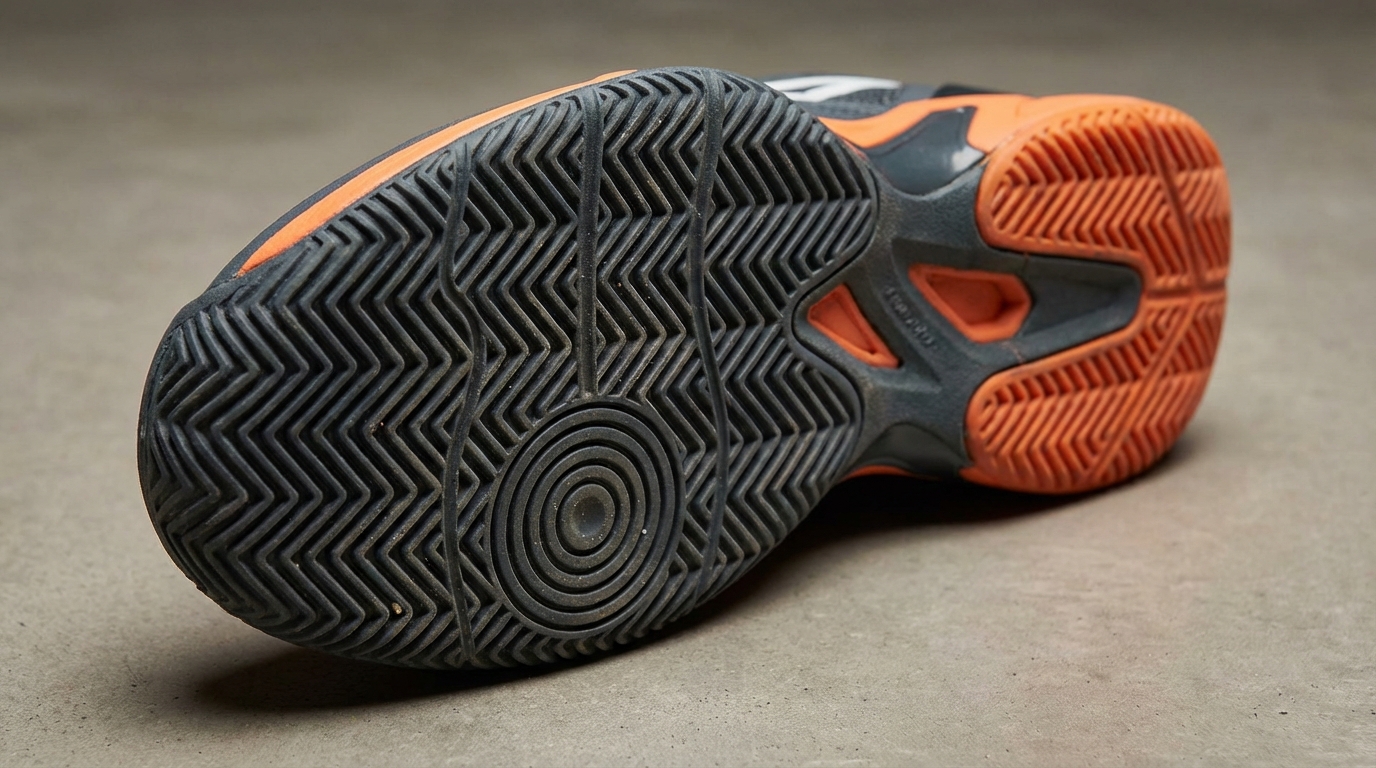
Shoes for padel are defined by three core pillars: traction, stability, and impact absorption. Because the sport involves constant stopping and starting on a sand-filled surface, the outsole must provide a “bite” that standard shoes simply cannot match. You will find that the upper materials are also reinforced to prevent the foot from sliding off the footbed during hard lunges.
Why is the outsole pattern so specific?
The deep zig-zag or herringbone pattern is designed to channel sand away from the contact points. This ensures that the rubber maintains direct contact with the monofilament fibers of the turf. Have you ever felt like you were ice skating on a court? That is usually the result of a shallow tread that has become clogged with sand.
Proper tread depth allows for a controlled slide. Padel players often need to slide into a shot, similar to clay-court tennis, but with more vertical jumping involved.
- Deep herringbone grooves for sand displacement.
- High-abrasion rubber compounds for longevity.
- Pivot points to assist in quick turns.
- Reinforced toe caps for dragging feet.
How does the upper construction provide support?
The upper part of the shoe must be breathable yet rigid enough to lock the heel in place. Manufacturers use a mix of technical mesh and synthetic overlays to create a cage-like structure.
Think about it:
The lateral movements in this sport are far more frequent than in running. Without these overlays, the mesh would simply tear or stretch, leading to a loss of control.
Can the weight of the shoe impact your speed?
While stability is key, a shoe that is too heavy will cause premature fatigue in the later stages of a match. Modern designs aim for a “light-but-sturdy” profile by using lightweight Phylon midsoles. This balance ensures you stay fast on your toes without sacrificing the protection your joints need.
Key Takeaway: The primary features of these shoes focus on a synergy between specialized traction for sand-filled turf and a reinforced upper structure that prevents foot slippage during lateral movements.
| Feature | Technical Benefit | Performance Impact |
|---|---|---|
| Herringbone Sole | Sand Displacement | Maximum Grip |
| Pivot Zone | Rotational Ease | Faster Direction Changes |
| TPU Stabilizer | Lateral Rigidity | Reduced Ankle Injury |
This combination of features ensures that the player remains grounded and agile, regardless of the intensity of the rally or the amount of sand on the court.
Where can you buy the best shoes for padel?
Finding high-quality shoes for padel requires looking at specialized retailers that understand the biomechanical needs of the sport. While general sporting goods stores carry many options, they often lack the technical depth required to help you choose between different rubber densities or cushioning technologies.
Are specialized retailers better than general stores?
Specialized outlets provide a curated selection that focuses on the durability needed for the grit of the court. You will often find expert staff who can analyze your gait and movement patterns.
The best part?
They stock shoes that are specifically tested on synthetic turf rather than just multi-court alternatives that might wear out in weeks.
What should you look for in online listings?
When browsing online, you must pay close attention to the technical specifications of the outsole and the “drop” of the shoe. Look for detailed descriptions that mention lateral “claws” or reinforced sidewalls.
- High-definition images of the tread pattern.
- Customer reviews focusing on “durability on sand.”
- Clear sizing guides for athletic fits.
- Information on the midsole energy return.
Why is product availability often limited?
Because the sport is growing so rapidly, the highest-performing models often sell out as soon as they are released. It is wise to follow specific collections to ensure you get the latest technology before it disappears.
Key Takeaway: Purchasing through specialized channels ensures access to footwear designed with the correct rubber compounds and structural reinforcements necessary for the abrasive nature of the sport.
| Channel Type | Pros | Cons |
|---|---|---|
| Specialized Pro Shop | Expert advice, niche models | Often higher price points |
| Online Collection | Wider variety, easy comparison | Cannot try on before buying |
| General Sports Store | Lower prices, accessible | Often lacks padel-specific tech |
Selecting the right purchasing channel is the first step in ensuring your equipment matches the high demands of your competitive play style.
Why is grip so important in shoes for padel?
The grip on shoes for padel serves as the literal foundation of your ability to play the game effectively. Without a reliable connection to the ground, every explosive first step is dampened by a micro-slip that wastes energy and slows your reaction time.
How does the herringbone pattern interact with sand?
The zig-zag grooves act as miniature plows that push the sand into the valleys of the sole. This allows the peaks of the rubber to reach the actual turf fibers.
Believe it or not:
Even a few millimeters of sand can act like ball bearings under your feet if your shoes have a flat or shallow sole.
Is there a difference between “clay” and “omni” soles?
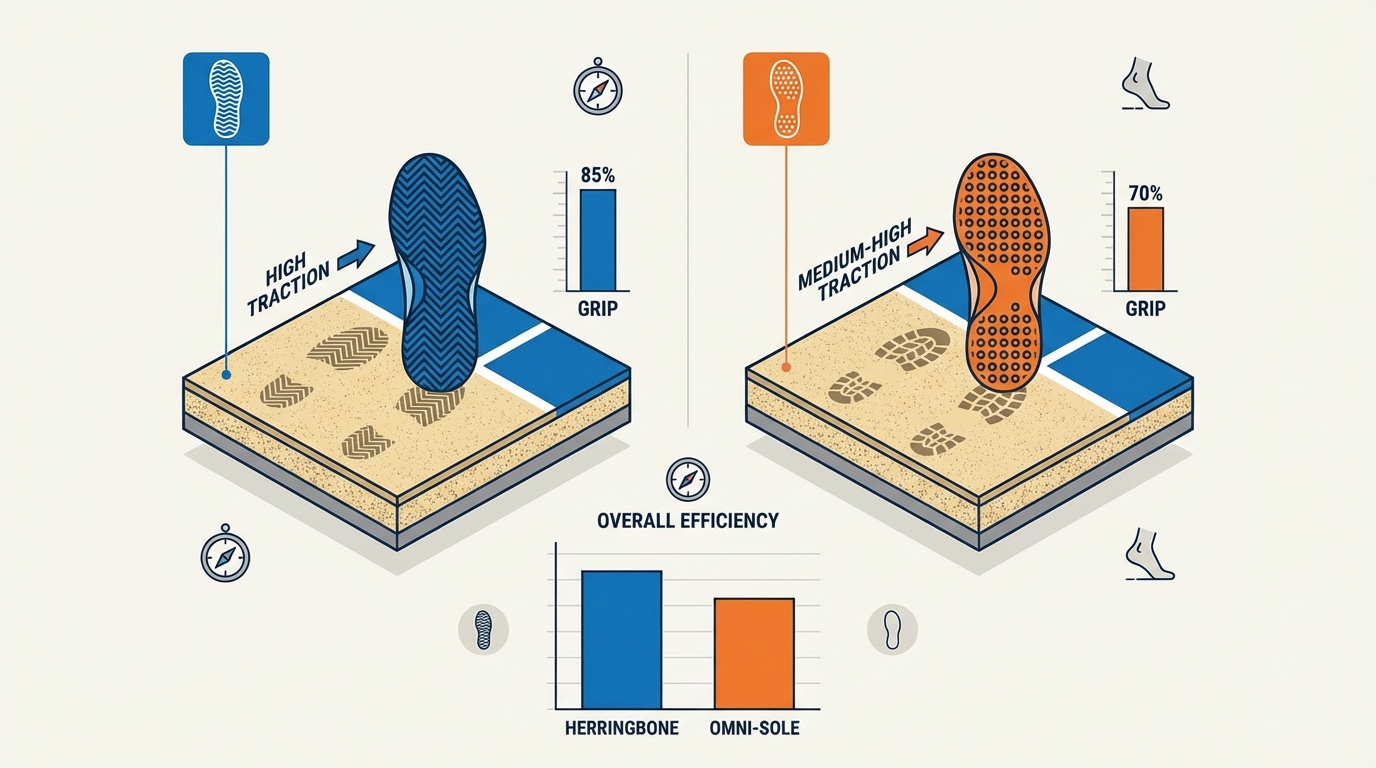
Clay soles are generally better for courts with a lot of surface sand, while omni soles feature small dots for courts with less sand. Most modern professionals prefer the herringbone (clay) style because it offers more predictable sliding.
- Herringbone: Best for sand displacement and sliding.
- Omni: Best for “stopping” power on low-sand courts.
- Hybrid: A mix of both for versatile court conditions.
- Rubber Density: Harder rubber lasts longer but offers slightly less “stick.”
Can a worn-out grip lead to chronic injuries?
Yes, because your muscles have to work twice as hard to stabilize your body when the ground is “moving” beneath you. Over time, this leads to fatigue in the calves and strain on the plantar fascia.
Key Takeaway: Grip is not just about speed; it is a critical safety feature that prevents unpredictable slips and reduces the muscular fatigue associated with constant stabilization on sandy surfaces.
| Sole Type | Surface Match | Grip Style |
|---|---|---|
| Herringbone | High Sand | Controlled Slide |
| Omni-Dot | Low Sand | Immediate Stop |
| Hybrid | Mixed | Versatile Performance |
A deep understanding of grip mechanics allows you to choose a shoe that complements both the court conditions and your personal movement style.
What is the latest news regarding shoes for padel?
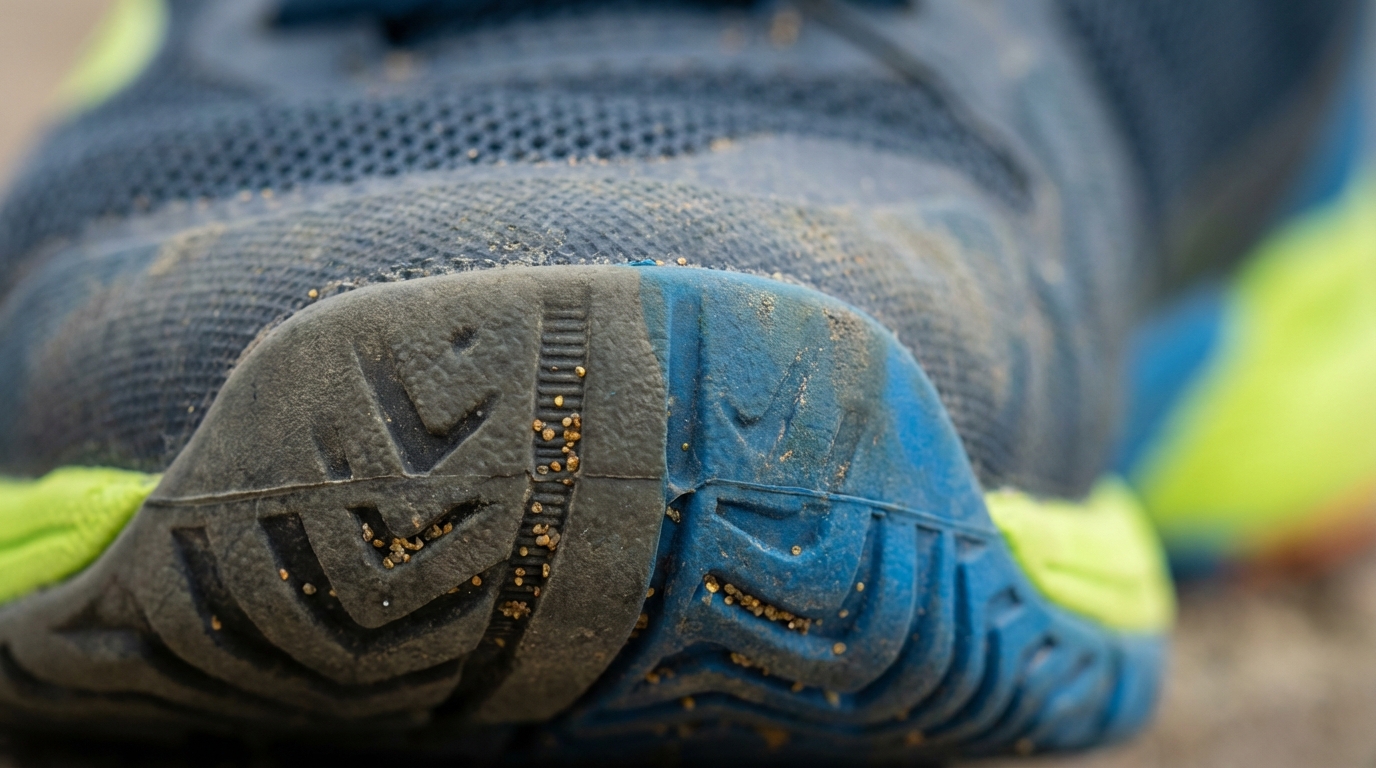
Innovation in shoes for padel is moving at a breakneck pace as manufacturers compete to create the lightest and most durable options. Recent updates in material science have led to the development of uppers that are virtually indestructible while remaining as flexible as a sock.
How are sustainable materials changing the industry?
Many brands are now using recycled ocean plastics and bio-based foams to create their high-performance midsoles. These materials are being tested to ensure they provide the same energy return as traditional petroleum-based EVA.
You might be wondering:
Does eco-friendly mean less durable? Current testing suggests that bio-polymers can actually be engineered to resist heat and friction better than older plastics.
What is the “smart shoe” movement?
Some of the latest news involves the integration of sensors within the insole to track footwork patterns and pressure distribution. This data can be synced to your phone to show you where you are losing balance or where your technique could improve.
- Real-time footwork analysis.
- Pressure map tracking.
- Durability alerts when the sole wears thin.
- Heat mapping for breathability optimization.
Why is 3D printing becoming relevant?
3D-printed midsoles allow for “tuned” cushioning where different areas of the foot receive different levels of support. This level of customization was impossible with traditional injection molding.
Key Takeaway: The latest industry news highlights a shift toward sustainability and digital integration, ensuring that the next generation of footwear is both environmentally conscious and data-driven.
| Innovation | Benefit | Current Status |
|---|---|---|
| Bio-Foam | Eco-friendly cushioning | Widely available |
| Smart Sensors | Performance data | Emerging market |
| 3D Printing | Custom fit | High-end/Pro only |
Staying informed about these trends allows you to invest in technology that will stay relevant and effective for multiple seasons of play.
How does comfort affect your shoes for padel?
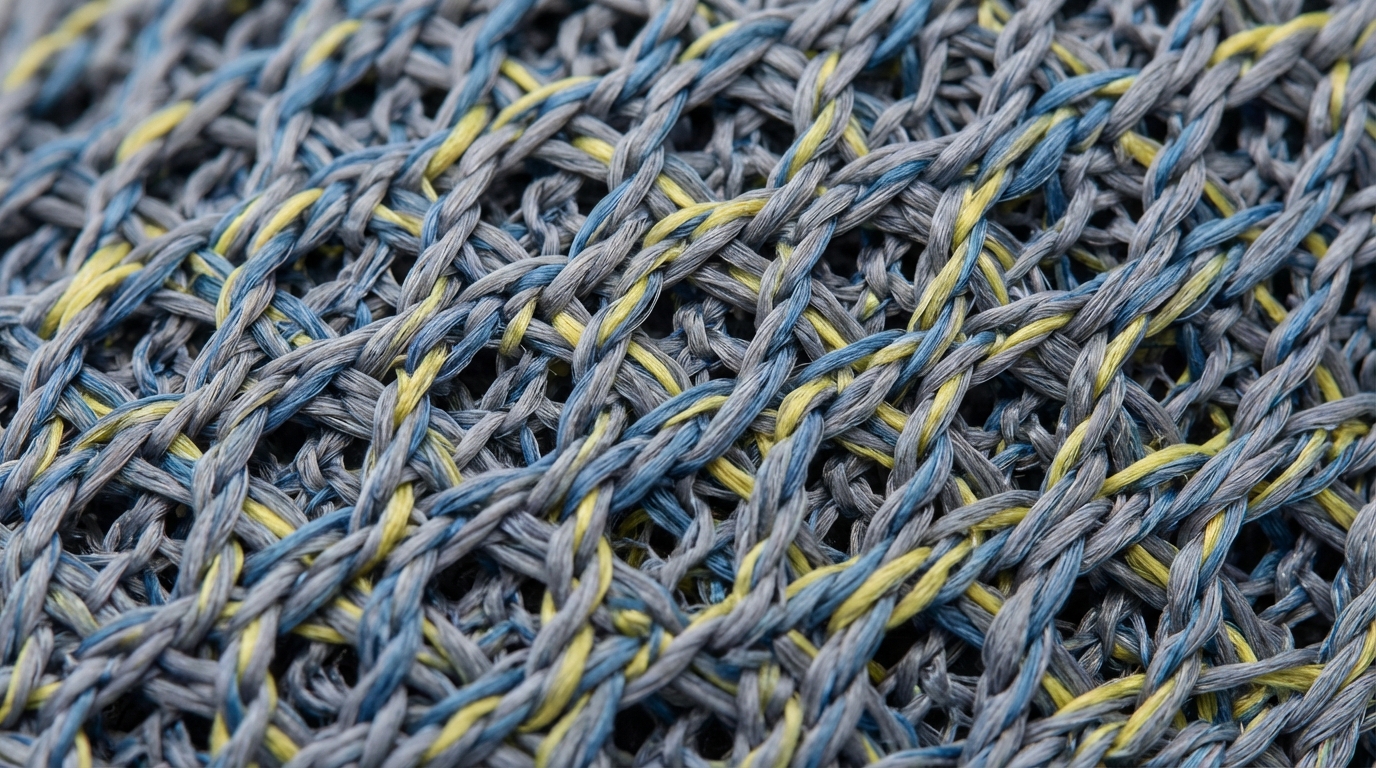
In the context of shoes for padel, comfort is not a luxury; it is a fundamental performance metric. A shoe that causes hotspots or blisters will inevitably distract you from the game, leading to poor decision-making and reduced intensity.
Why does “energy return” matter for comfort?
When you jump for a smash, the midsole must absorb the impact and then “push back” to help you move to the next position. This reduces the jarring force that travels up through your ankles to your knees and lower back.
Here is the kicker:
The more energy the shoe returns, the less your muscles have to work, meaning you stay fresher for the third set.
How does breathability prevent blisters?
Sweat is the primary cause of friction-related injuries on the court. High-quality technical mesh allows heat to escape, keeping the foot dry and preventing the skin from softening.
- Open-weave mesh for maximum airflow.
- Moisture-wicking internal linings.
- Seamless construction to reduce friction.
- Padded tongues to prevent lace bite.
Is the insole as important as the midsole?
The insole provides the immediate “step-in” comfort and arch support that keeps the foot in a neutral position. Many players choose to replace standard insoles with orthopedic versions for even better alignment.
Key Takeaway: Comfort is a synergy of thermal regulation, energy-returning foams, and anatomical support that prevents distractions and physical fatigue during long matches.
| Component | Comfort Role | Failure Symptom |
|---|---|---|
| Midsole Foam | Impact attenuation | Joint pain |
| Mesh Upper | Temperature control | Blisters/Hotspots |
| Heel Collar | Ankle stability | Friction burns |
Focusing on these comfort elements ensures that your footwear supports your body rather than working against it during high-pressure points.
Who designs the technology in shoes for padel?
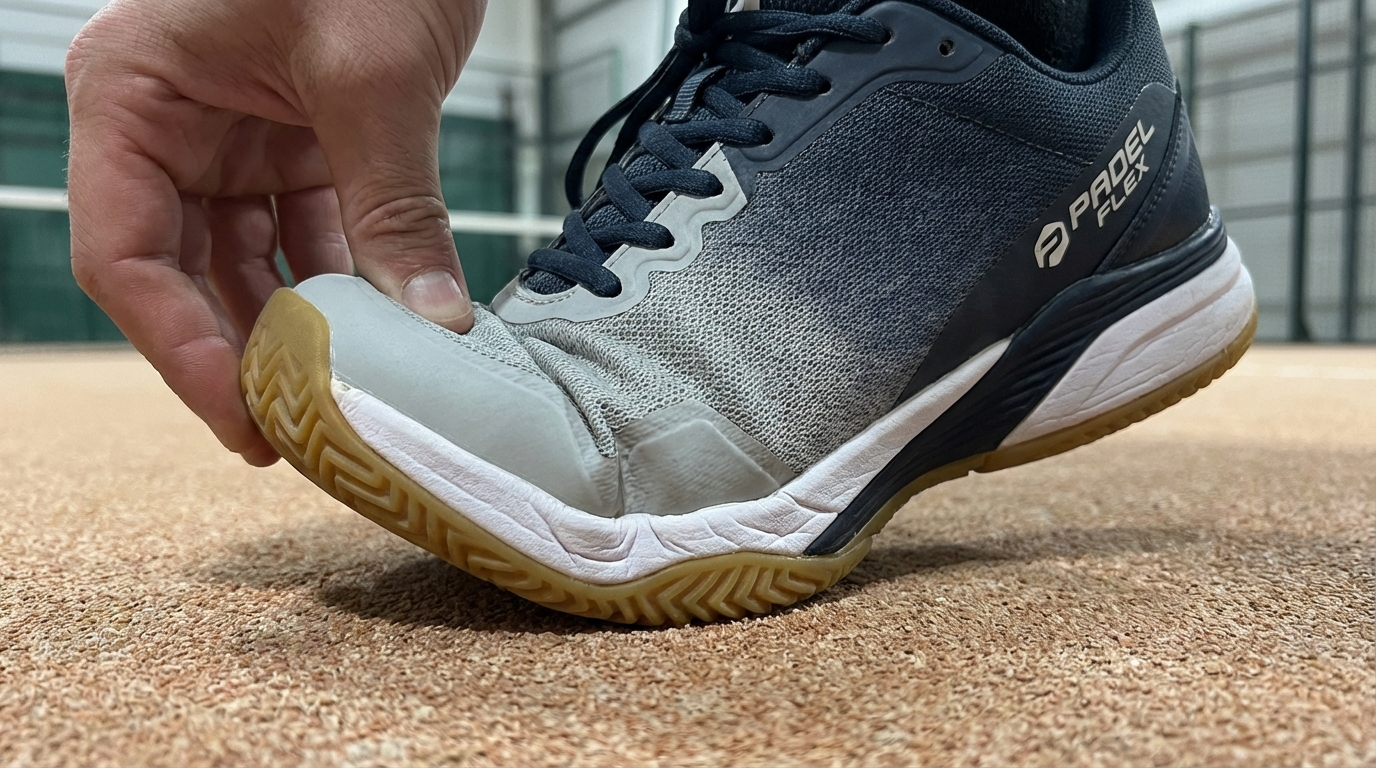
The engineering behind shoes for padel is a collaborative effort between biomechanical experts, material scientists, and professional players. This multi-disciplinary approach ensures that every design choice is rooted in the actual physical demands of the sport.
How do professional players influence design?
Pros provide real-world data on how a shoe performs under extreme stress, such as 120km/h lunges and constant pivoting. Their feedback often leads to specific reinforcements in areas like the inner toe or the lateral sidewall.
It is quite simple:
If a design cannot survive a professional tournament, it certainly won’t provide the longevity a regular player expects.
What is the role of a biomechanical engineer?
These experts study the gait cycle and the specific shear forces generated during a padel match. They use motion capture technology to see how the foot moves inside the shoe, leading to better “lockdown” systems.
- Motion capture analysis of lateral lunges.
- Pressure plate testing for landing impact.
- Torsion testing for midfoot stability.
- Heat mapping for ventilation design.
Why are material scientists essential?
They are the ones developing the rubber compounds that provide the perfect balance between “grip” and “glide.” They also work on the bonding agents that prevent the sole from delaminating during high-heat conditions.
Key Takeaway: The technology is born from a rigorous cycle of laboratory testing and professional feedback, ensuring that every component serves a specific biomechanical purpose.
| Expert Type | Contribution | Primary Goal |
|---|---|---|
| Biomechanist | Structural geometry | Injury prevention |
| Material Scientist | Rubber/Foam chemistry | Durability & Grip |
| Pro Player | Real-world testing | Performance validation |
This level of expertise ensures that the footwear you wear is the result of thousands of hours of research and development.
How can you maintain your shoes for padel?
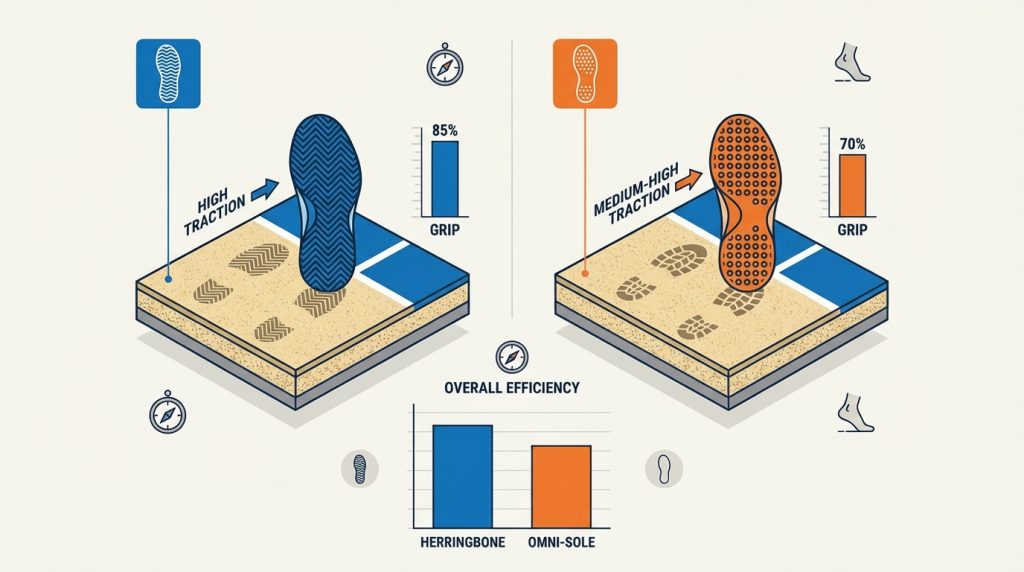
Maintaining your shoes for padel is the only way to ensure they remain safe and effective over their intended lifespan. Because the environment is so abrasive, neglecting basic care can lead to a premature loss of grip and structural integrity.
Should you wear your padel shoes off the court?
You should never wear these shoes on asphalt or concrete, as the rough surface will act like sandpaper on the specialized rubber. The herringbone pattern is relatively soft to provide grip on turf, and walking on the street will flatten it in days.
The best part?
By only putting them on when you reach the court, you double the life of the tread.
How do you clean sand out of the mesh?
After every match, you should tap the shoes together to dislodge any loose sand from the tread and the upper. For deeper cleans, a soft brush and cool water are better than a washing machine, which can destroy the adhesives.
- Tap out sand after every session.
- Use a soft brush for the outsole.
- Air dry away from direct heat.
- Remove insoles to let them breathe.
When is it time to replace your footwear?
Even if the upper looks perfect, the cushioning in the midsole will eventually lose its “rebound” capability. If you start feeling more impact in your knees after a game, it is usually a sign that the foam has compressed permanently.
Key Takeaway: Proper maintenance involves strictly limiting the shoes to court use and performing regular cleaning to prevent sand from abrading the technical fibers and rubber.
| Maintenance Task | Frequency | Benefit |
|---|---|---|
| Sand Removal | After every match | Prevents mesh tearing |
| Visual Grip Check | Monthly | Ensures safety on court |
| Midsole Test | Every 6 months | Protects joints from impact |
A disciplined approach to maintenance protects your investment and ensures your performance never dips due to gear failure.
Can court types change your shoes for padel?
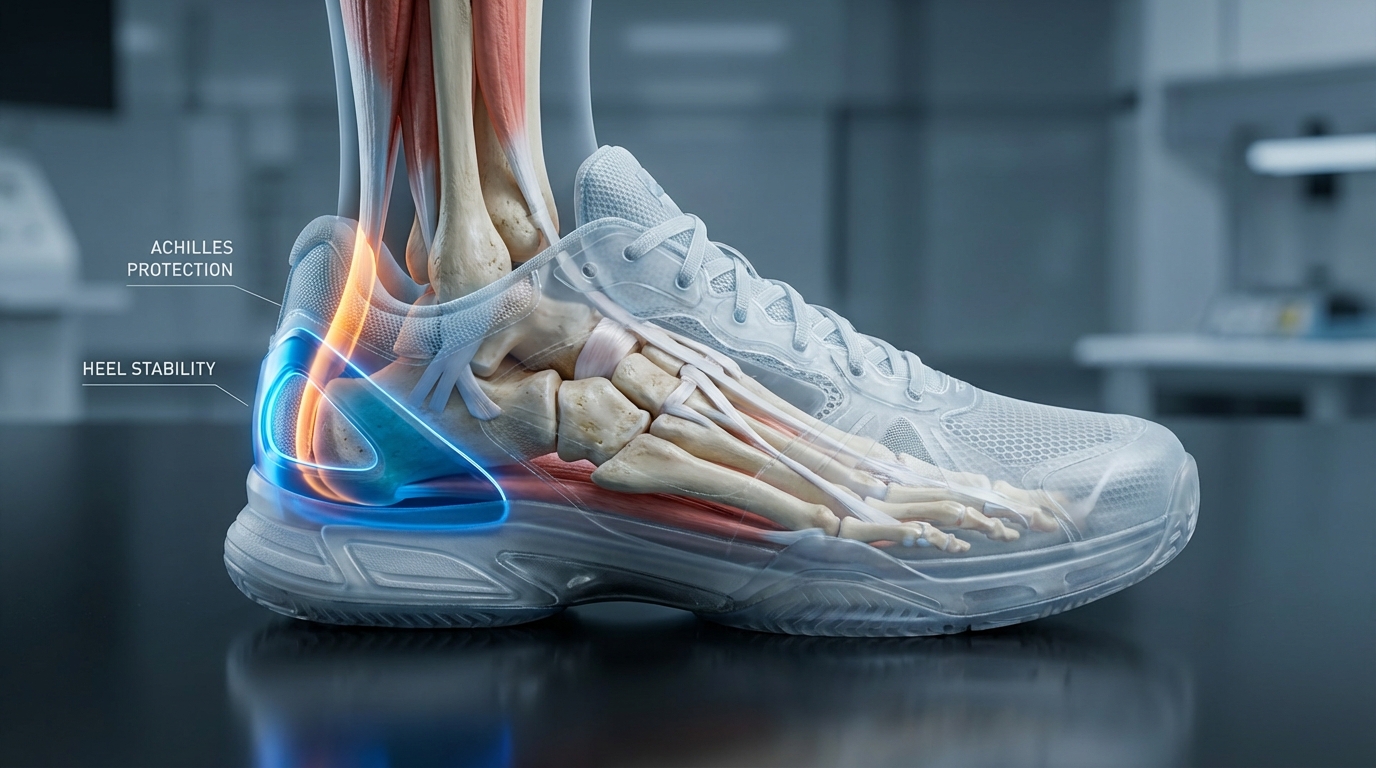
The specific court surface you play on dictates exactly what kind of shoes for padel you should be wearing. Playing on a classic sand-heavy court requires a much more aggressive tread than the newer, professional-style monofilament courts.
Do sand-filled courts require more grip?
Yes, because the sand acts as a layer that reduces friction between your shoe and the carpet. On these surfaces, a deep herringbone sole is non-negotiable if you want to avoid slipping during a serve or a quick turn.
Wait, there’s more:
On courts with “visible” sand, the rubber compound also needs to be slightly harder to resist the constant grinding of the grains.
How do newer, “World Tour” style courts differ?
These modern courts use a different fiber density that requires less sand, often making them “stickier.” On these surfaces, you might prefer a hybrid sole that offers a bit more stopping power without the risk of “blocking” your foot and twisting a knee.
- High sand: Deep herringbone is essential.
- Low sand/Pro turf: Hybrid or Omni soles work well.
- Indoor vs Outdoor: Humidity can change how the rubber reacts.
- New vs Old turf: Worn turf is often much slicker.
Can humidity affect how your soles perform?
In humid conditions, the sand can clump together, and the rubber can feel “greasier.” You may need to clean your soles more frequently during a match to maintain consistent traction.
Key Takeaway: Your footwear choice must be adapted to the specific sand density and fiber type of the court to ensure a balance between sliding and stability.
| Court Condition | Best Sole Pattern | Grip Priority |
|---|---|---|
| High Sand Density | Deep Herringbone | Displacement |
| Professional (Low Sand) | Hybrid / Omni | Immediate Traction |
| Wet/Humid Turf | Harder Rubber | Clog Prevention |
Evaluating the court before you play allows you to choose the equipment that will give you the most significant competitive advantage.
What materials are used in shoes for padel?
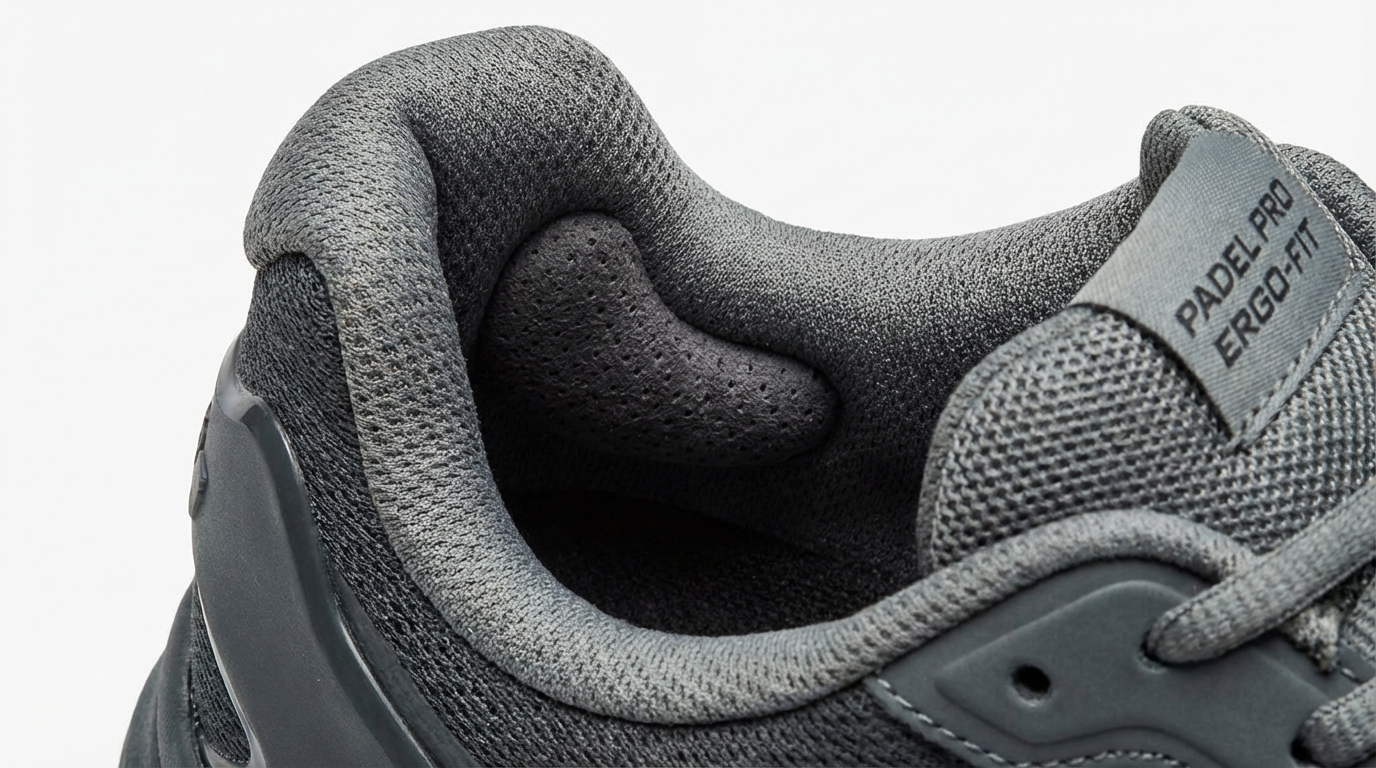
Building high-performance shoes for padel involves a complex recipe of synthetic polymers and technical fabrics. Every material is chosen for its ability to withstand the unique heat and friction generated by the sport’s rapid directional changes.
Why is KPU or TPU used for the uppers?
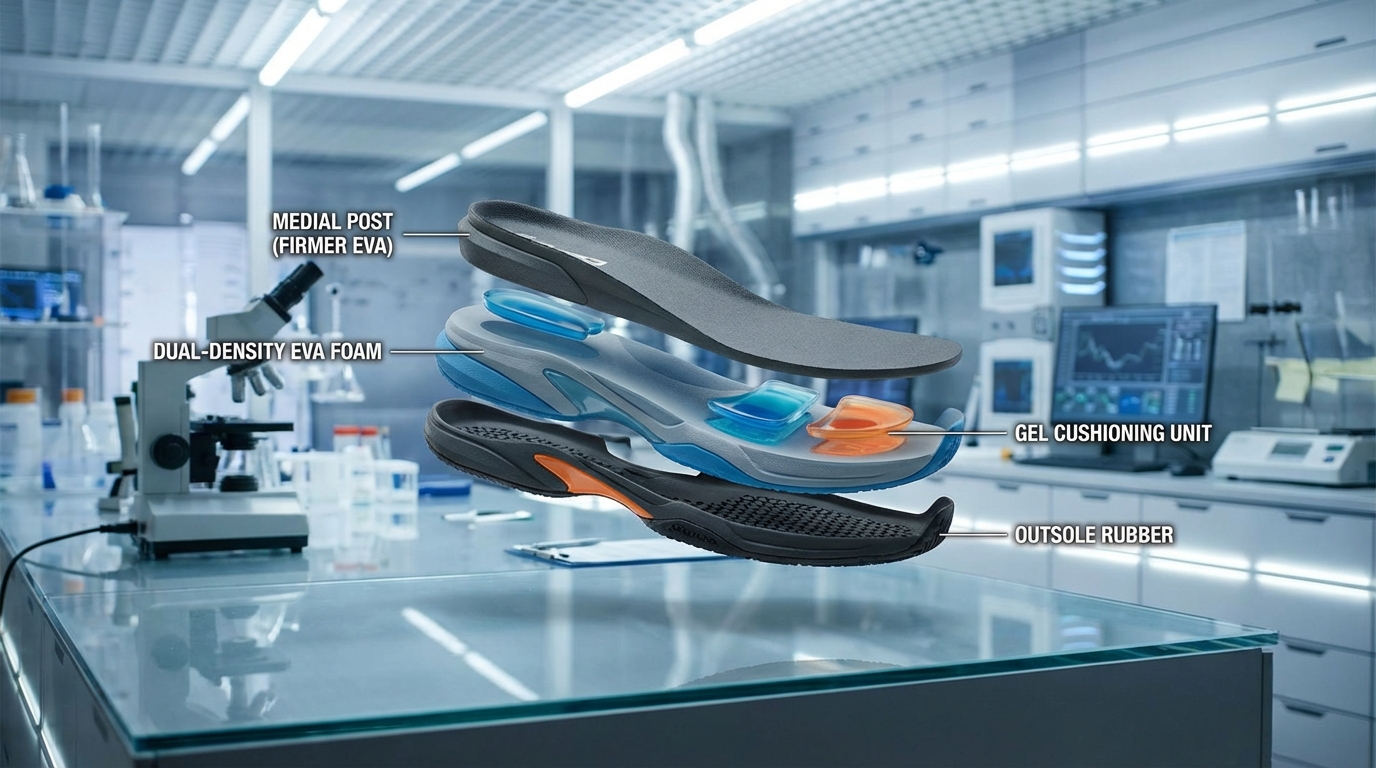
These thermoplastic materials are heat-molded onto the mesh to provide structural “skeletons.” They offer the rigidity of leather but are much lighter and do not stretch out over time, ensuring a consistent fit.
Here is why:
Without these reinforcements, the sheer force of a lateral stop would cause your foot to slide right over the edge of the sole.
What makes the rubber outsoles so durable?
Manufacturers use high-density rubber compounds that are specifically rated for abrasion resistance. This rubber must remain flexible enough to grip the turf but hard enough not to wear down after just a few matches.
- TPU (Thermoplastic Polyurethane) for stability.
- EVA (Ethylene Vinyl Acetate) for lightweight cushioning.
- High-abrasion rubber for the outsole.
- Technical mesh for breathability and flex.
How do modern adhesives prevent delamination?
Because padel involves so much “dragging” and “twisting,” the glue holding the sole to the upper is under immense stress. Industrial-strength bonding agents are applied in multiple layers to ensure the shoe doesn’t literally fall apart mid-match.
Key Takeaway: The material composition focuses on a “high-strength, low-weight” philosophy, using advanced thermoplastics and abrasion-resistant rubber to survive the rigors of the court.
| Material | Location | Primary Benefit |
|---|---|---|
| TPU | Midfoot/Heel | Torsional Stability |
| Phylon | Midsole | Energy Return |
| Technical Mesh | Upper | Breathability |
The synergy of these materials results in a shoe that is both a protective shield for your feet and a high-precision tool for your game.
Why is lateral support critical in shoes for padel?
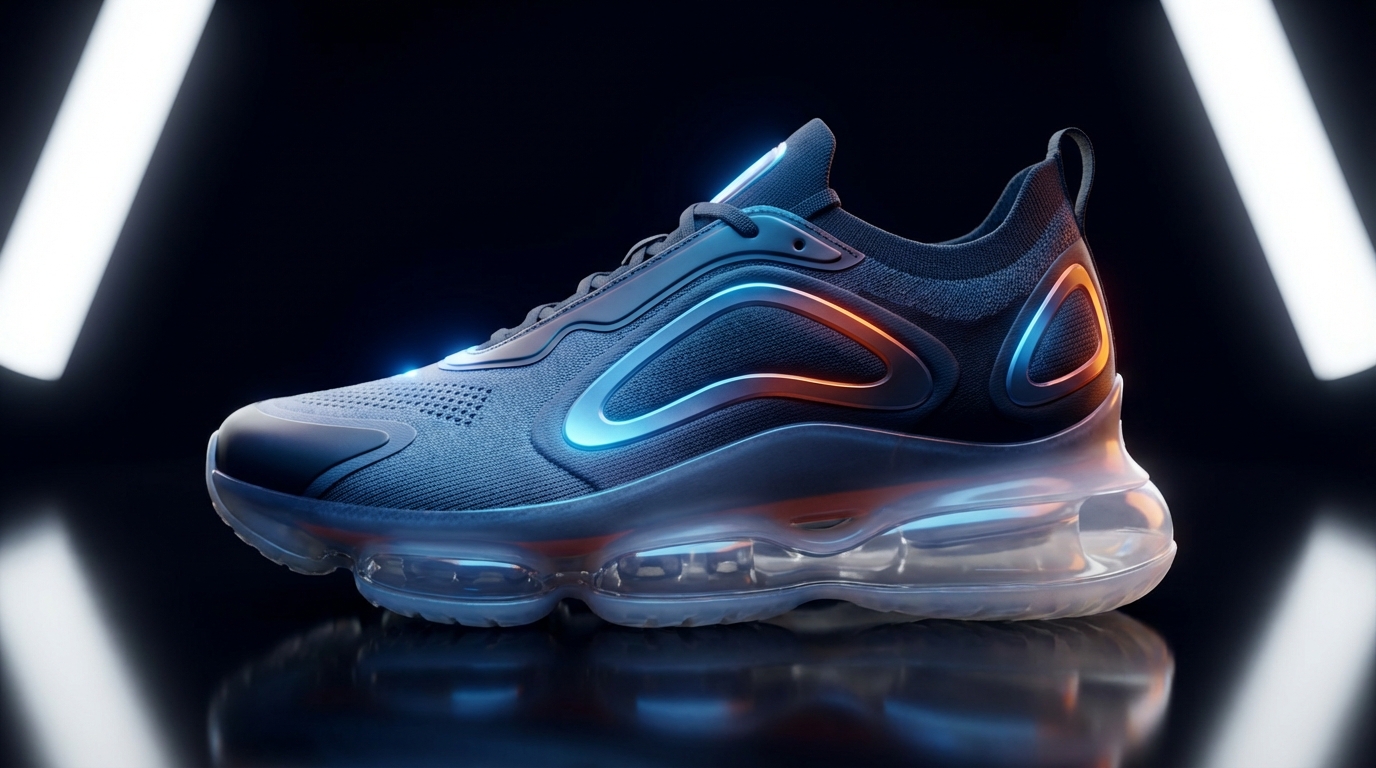
Lateral support is perhaps the most vital safety feature in shoes for padel. Unlike running, where the movement is primarily forward, padel is almost entirely composed of side-to-side lunges and diagonal sprints.
How do “outriggers” prevent ankle rolls?
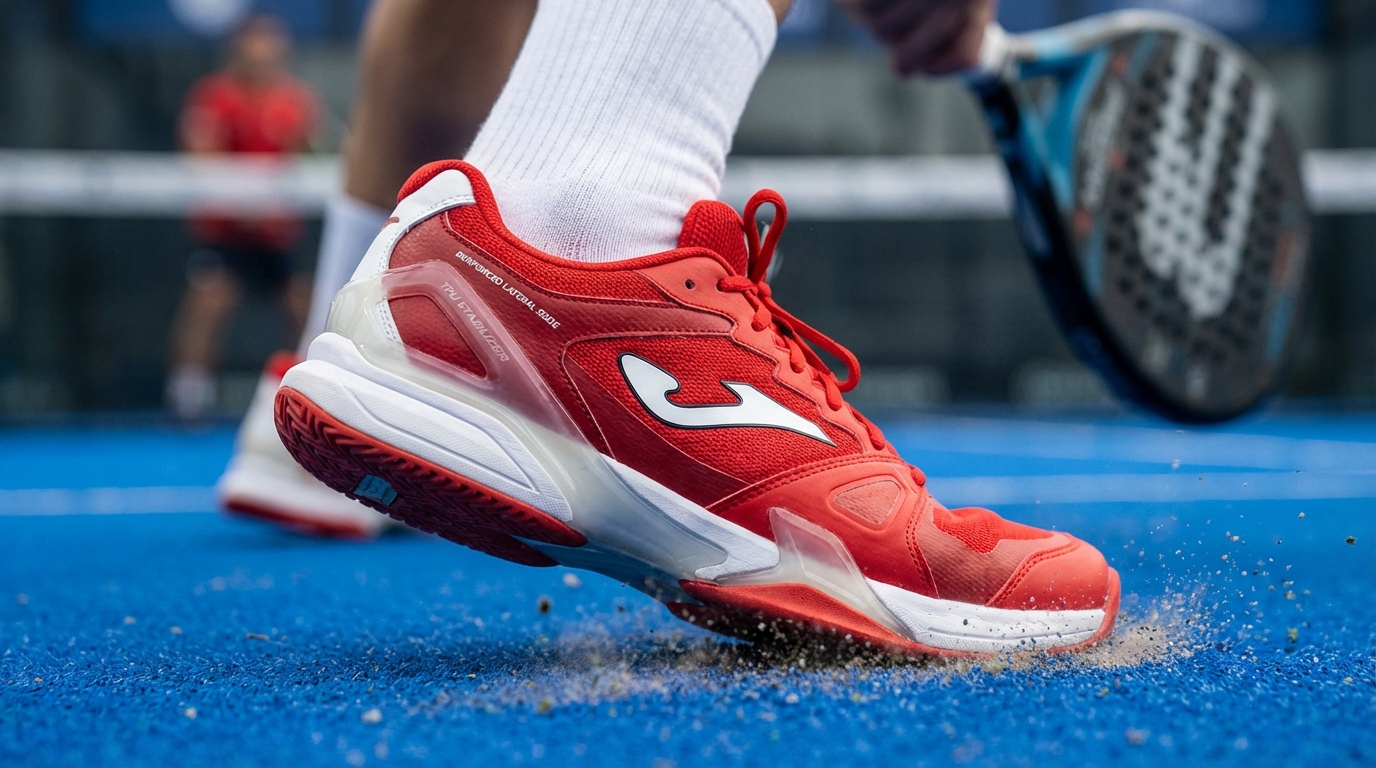
An outrigger is a small extension of the outsole on the lateral side of the shoe. This creates a wider base of support, making it physically much harder for the shoe to tip over during a hard cut.
Think about it:
A wider foundation is always more stable than a narrow one, especially when you are moving at full speed.
What is the role of the midfoot shank?
The shank is a rigid piece of material—often carbon fiber or hard plastic—embedded in the arch of the shoe. It prevents the shoe from twisting (torsion) while allowing the forefoot to flex naturally.
- Prevents midfoot collapse.
- Stabilizes the arch during jumps.
- Directs energy toward the forefoot for takeoff.
- Protects the plantar fascia from over-stretching.
Why is heel lockdown so important?
If your heel slides inside the shoe, you lose the ability to transmit force effectively to the ground. A rigid heel counter ensures that your foot and the shoe move as a single unit, providing the confidence to move aggressively.
Key Takeaway: Lateral support is a combination of a wide base, torsional rigidity in the arch, and a secure heel lockdown, all working together to prevent ankle injuries during rapid shifts.
| Support Feature | Mechanism | Injury Prevented |
|---|---|---|
| Outrigger Sole | Wider footprint | Lateral ankle sprain |
| Torsion Shank | Rigid arch bridge | Midfoot strain |
| Heel Counter | Molded plastic cup | Heel slippage/instability |
By prioritizing lateral support, you ensure that your footwear can handle the most aggressive movements your game requires without compromising your physical health.
*
Summary and Conclusion
Designing and selecting the perfect shoes for padel is a journey that bridges the gap between material science and athletic performance. You now understand that every groove in the herringbone sole, every TPU reinforcement in the upper, and every gram of energy-returning foam in the midsole is there for a specific reason. The sport demands gear that can handle the grit of the sand and the intensity of the “padel drag” without failing. As the sport continues to evolve with smarter sensors and more sustainable materials, the core requirement remains the same: a shoe that moves as fast as you do while keeping you grounded. To ensure your facility or personal kit is equipped with the very best in court technology, contact us today to explore how our vision for the future of the sport can elevate your game to the next level.
*
FAQ: Expert Insights on Padel Footwear
Can I use running shoes for padel?
Absolutely not. Running shoes are designed for forward motion and lack the lateral stability and deep herringbone grip required for the sandy, multi-directional nature of padel, posing a high risk for ankle injuries.
What’s the best way to extend the life of my outsoles?
The most effective method is to wear them strictly on the padel court; walking on abrasive surfaces like asphalt or concrete will grind down the specialized rubber patterns in a matter of days.
Can I play padel in tennis shoes?
Only if they have a “clay court” (herringbone) sole. Standard hard-court tennis shoes usually have a pattern that is too shallow, which will cause you to slip uncontrollably on a sand-filled padel court.
What’s the best material for breathability and durability?
Look for shoes that utilize a “KPU” or “TPU” cage over a technical mesh. This combination provides the airflow needed to prevent blisters while maintaining the structural integrity required for lateral lunges.
How do I know if my shoes have lost their cushioning?
A good rule of thumb is to check if you feel increased soreness in your knees or lower back after a match; if the midsole no longer feels “bouncy” when pressed with your thumb, the foam has likely reached its compression limit.