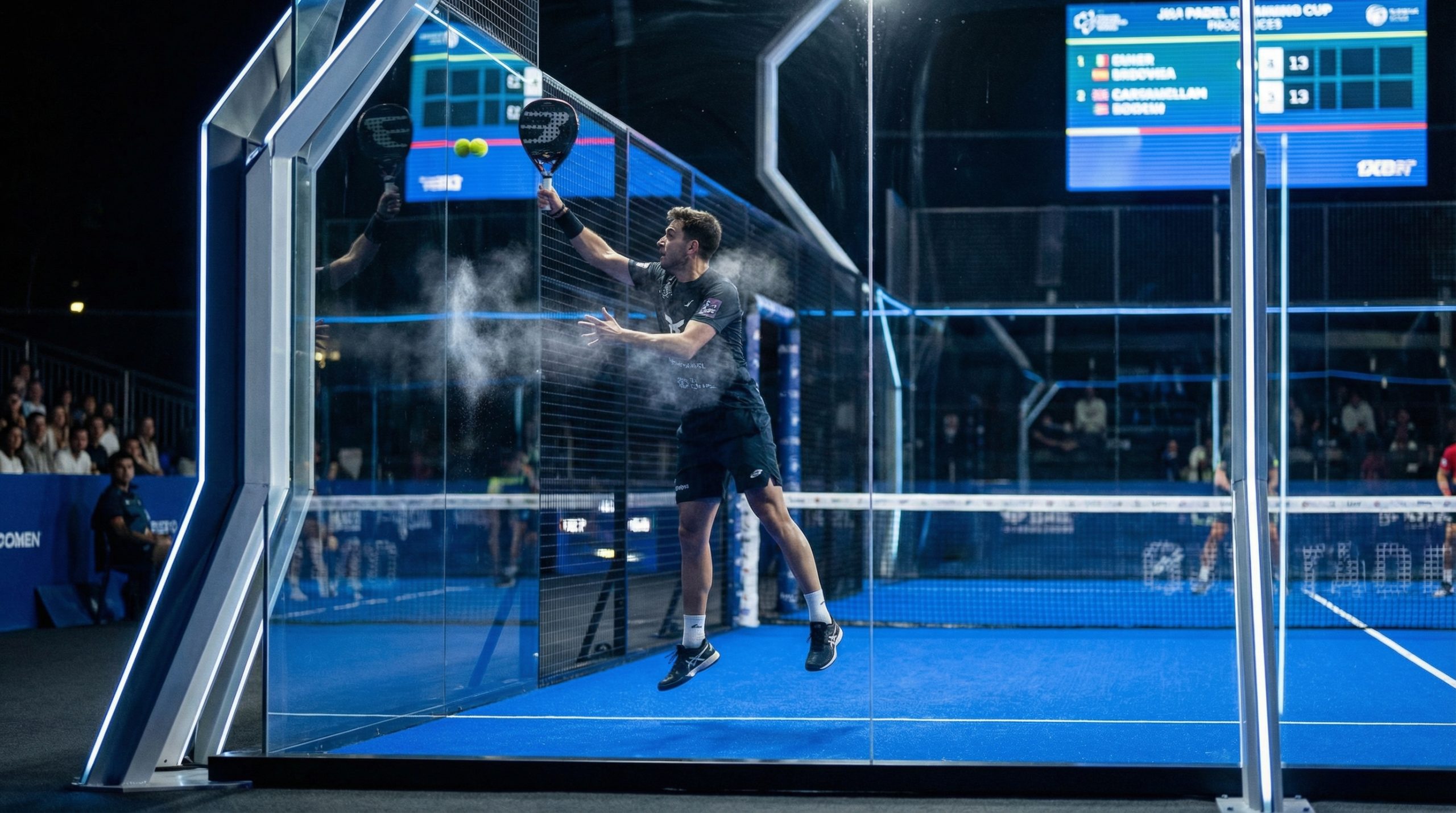
Padel vs paddle tennis are distinct racket sports defined by their specific court dimensions, equipment requirements, and historical trajectories. Many investors mistakenly treat them as interchangeable, leading to expensive structural failures and regulatory non-compliance during the build phase. This technical guide clarifies the padel vs paddle tennis divide to help you engineer a world-class sports facility that maximizes player engagement and long-term durability.
2. What are the historical origins of padel vs paddle tennis?
Padel was established in 1969 in Mexico by Enrique Corcuera, while paddle tennis emerged in the early 20th century in the United States. Understanding the padel vs paddle tennis lineage is essential for recognizing why their structural needs diverged so significantly over the last century.
The evolution of wall play
You might be surprised to learn how a simple home modification in Acapulco birthed a global phenomenon. When you analyze the early 1900s American recreational scene, you see paddle tennis serving as a miniature tennis variant for city parks. Padel, however, integrated existing walls into the field of play, fundamentally changing the physics of the game.
Think about it:
- Paddle tennis focused on space efficiency in urban areas.
- Padel prioritized tactical depth through rebound mechanics.
- Both sports adapted traditional tennis rules to smaller footprints.
But that is not all: the shift from wooden paddles to carbon fiber technology redefined how you must approach court enclosure tension and safety standards.
Key Takeaway: Historical differences dictate that Padel requires active rebound surfaces like glass, whereas paddle tennis relies on traditional out-of-bounds boundaries.
| Feature | Paddle Tennis Origin | Padel Origin |
|---|---|---|
| Year | Circa 1915 | 1969 |
| Region | United States | Mexico |
| Primary Driver | Space Efficiency | Tactical Innovation |
The historical split highlights why Padel construction requires high-impact glass panels to support its wall-integrated gameplay.
2. Is padel vs paddle tennis better for beginners?
Padel is widely considered the more accessible option for beginners due to its intuitive use of walls and focus on doubles play. When comparing padel vs paddle tennis, you will find that the learning curve for Padel is exceptionally shallow, allowing new players to enjoy long rallies almost immediately.
Accessibility for new players
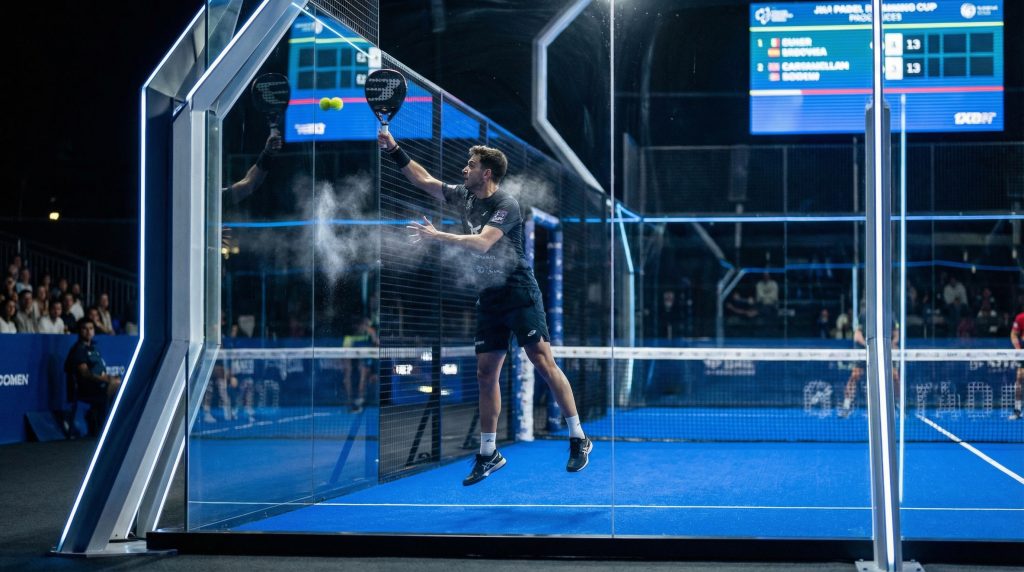
You can expect higher player retention rates when installing Padel courts because the social nature of the sport is built into its DNA. Because the walls keep the ball in play longer, you don’t need the pinpoint accuracy required in traditional tennis or even paddle tennis.
Here is the kicker:
- The ball rarely goes “dead” on a Padel court.
- You spend more time hitting and less time fetching.
- The underhand serve removes the most difficult technical hurdle for novices.
If you are building a commercial facility, this accessibility translates directly into higher court occupancy rates across all age groups.
Key Takeaway: Padel’s forgiving mechanics and wall-play features make it a superior choice for clubs targeting a broad, multi-generational demographic.
| Metric | Paddle Tennis | Padel |
|---|---|---|
| Initial Skill Barrier | Moderate | Very Low |
| Rally Length | Short to Moderate | High |
| Physical Intensity | Variable | High (Dynamic) |
The increased playability of Padel often results in higher recurring revenue for facility owners due to the lower frustration threshold for new members.
2. How does court design differ between padel vs paddle tennis?
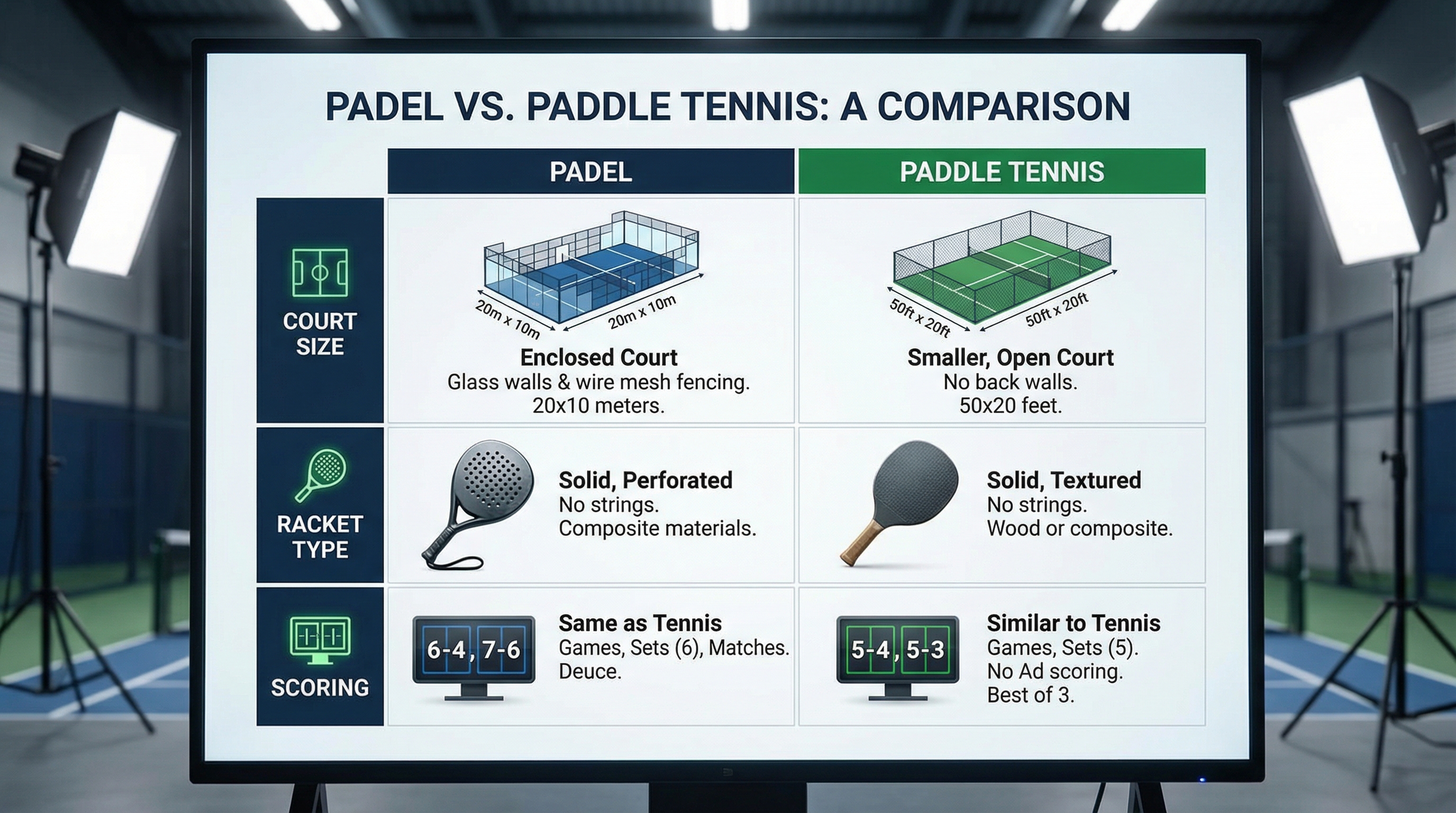
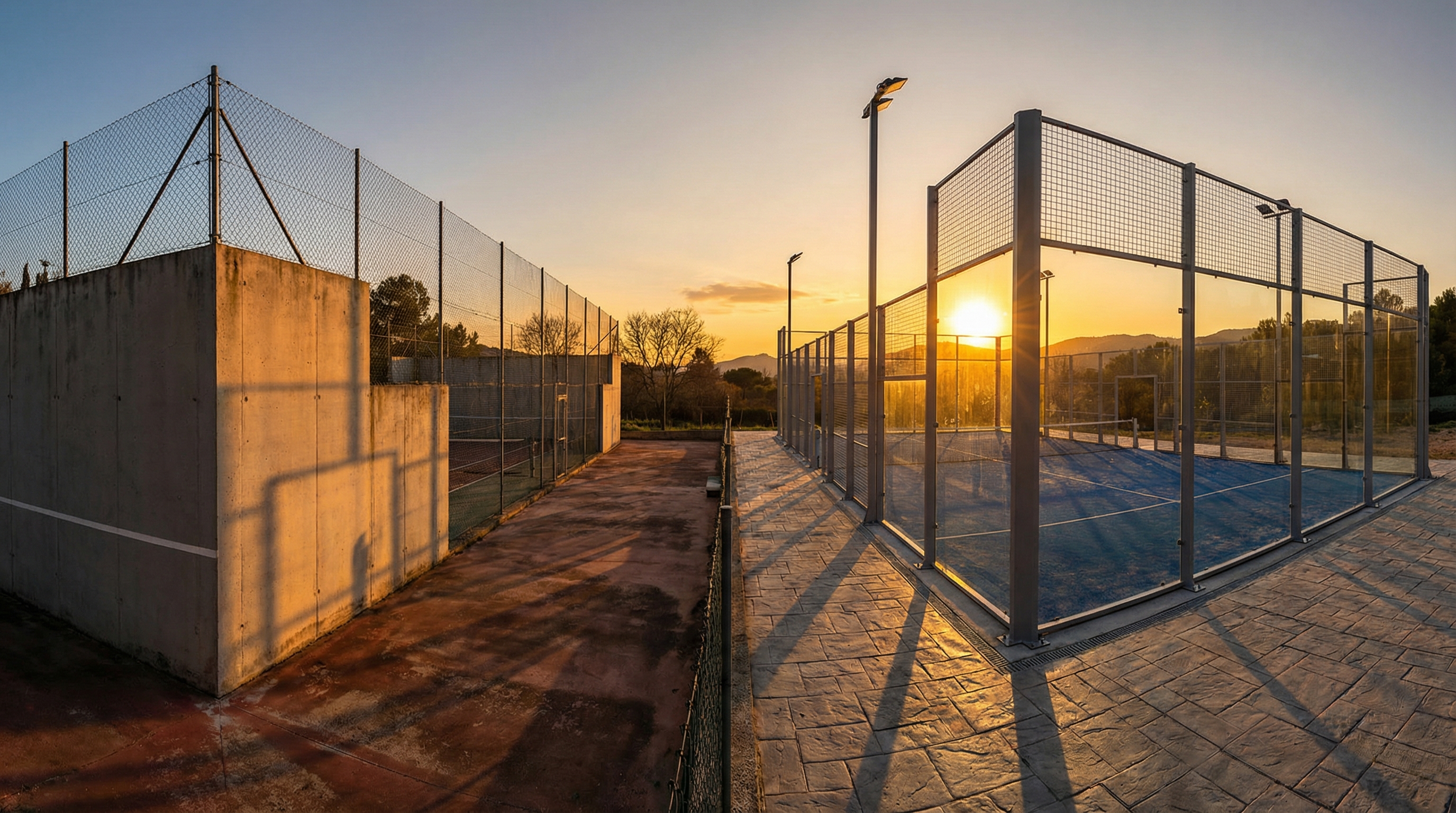
Padel courts are 10m x 20m enclosures featuring 12mm tempered glass, while paddle tennis courts are smaller and typically use mesh fencing. Distinguishing padel vs paddle tennis geometry is the most critical step in the architectural planning phase of your project.
Mastering the geometry
You must ensure your foundation can handle the specific load-bearing requirements of 10-12 tons of glass. Unlike paddle tennis, which follows a more traditional tennis layout, Padel requires a seamless integration of steel pillars and glass panels to ensure a consistent bounce.
But that is not all:
- Padel courts require a strictly level 200 square meter footprint.
- You need to account for specific net heights (88cm at center).
- Lighting must be positioned to avoid glare on the glass surfaces.
Think about it: if your court is even slightly out of alignment, the glass panels could shatter under the thermal expansion or mechanical stress of gameplay.
Key Takeaway: Padel construction is a high-precision engineering task that relies on the interaction between tempered glass and structural steel.
| Specification | Paddle Tennis | Padel |
|---|---|---|
| Court Size | ~50′ x 20′ | 10m x 20m |
| Enclosure | Mesh / Open | Glass & Mesh |
| Wall Play | Prohibited | Integral |
Precision in court geometry is the deciding factor between a professional-grade facility and a liability-prone installation.
2. Which equipment is required for padel vs paddle tennis?
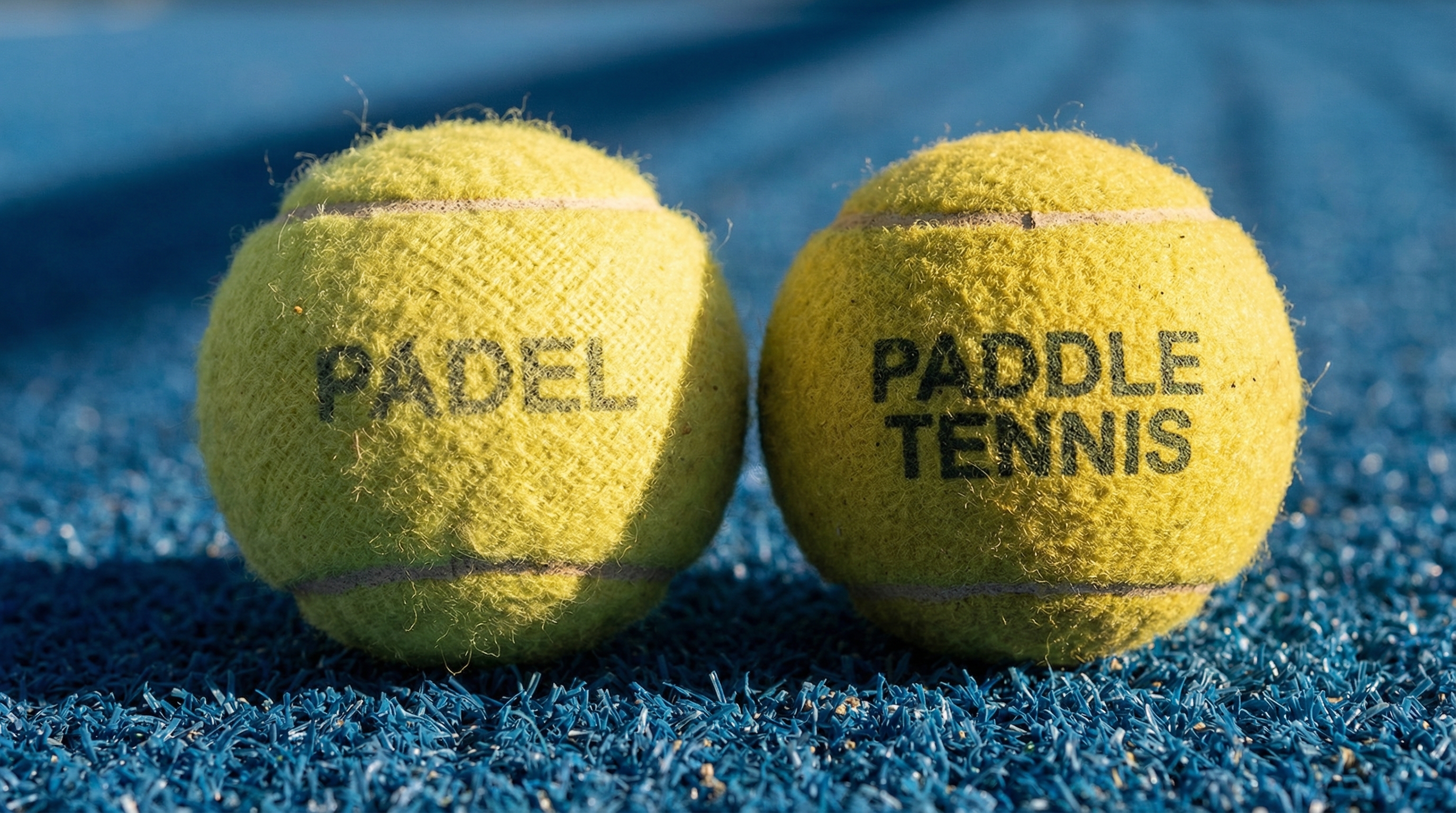
Padel requires perforated, stringless composite rackets and low-pressure balls, whereas paddle tennis equipment varies but often involves different weight distributions. When you evaluate padel vs paddle tennis gear, you must consider how the surface materials affect the lifespan of the equipment you provide or sell at your facility.
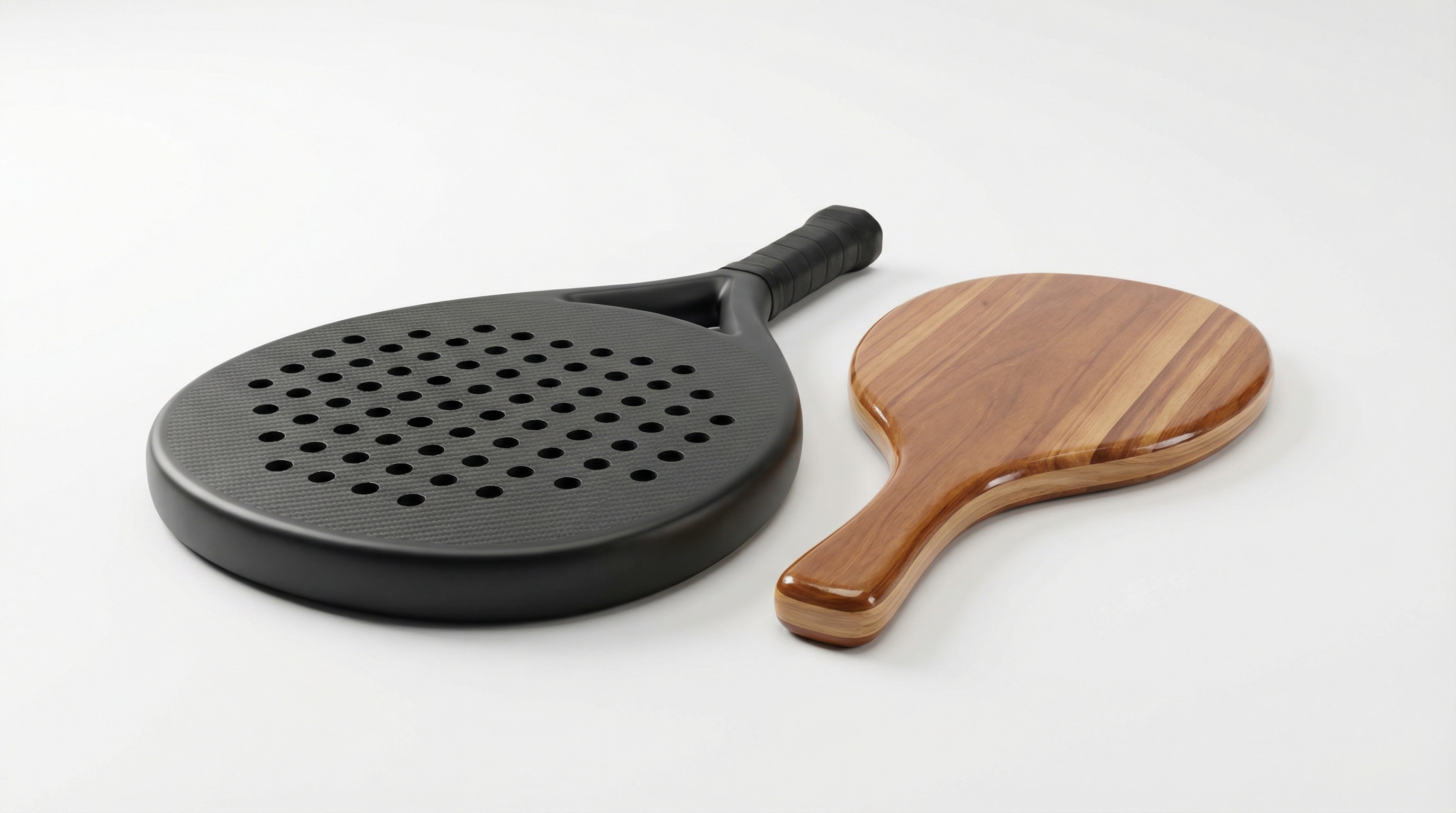
Gear for high performance
You need to stock specialized carbon fiber rackets if you want to cater to the modern Padel market. These “palas” are designed with an EVA foam core to absorb impact while providing the necessary power for wall-assisted shots.
Here is the kicker:
- Padel balls have less internal pressure to control the rebound speed.
- You must use specific monofilament turf to prevent premature racket wear.
- Footwear must offer lateral stability for the frequent pivots required in the cage.
When you invest in high-quality court materials, you effectively reduce the friction and abrasive wear on the players’ expensive gear.
Key Takeaway: Equipment for Padel is highly specialized; you cannot simply substitute tennis or paddle tennis gear without ruining the game physics.
| Equipment Item | Paddle Tennis | Padel |
|---|---|---|
| Racket Material | Wood / Composite | Carbon Fiber / EVA |
| Ball Type | Depressurized Tennis | Low-Pressure Padel |
| Surface | Hard / Acrylic | Artificial Turf |
Matching the court surface to the specific equipment requirements of the sport is vital for maintaining professional play standards.
2. What are gameplay rule differences in padel vs paddle tennis?
Padel is defined by mandatory underhand serves and the “let it pass” strategy, while paddle tennis follows rules more closely aligned with traditional tennis. The padel vs paddle tennis rulebooks diverge most sharply when it comes to the interaction between the player and the perimeter walls.
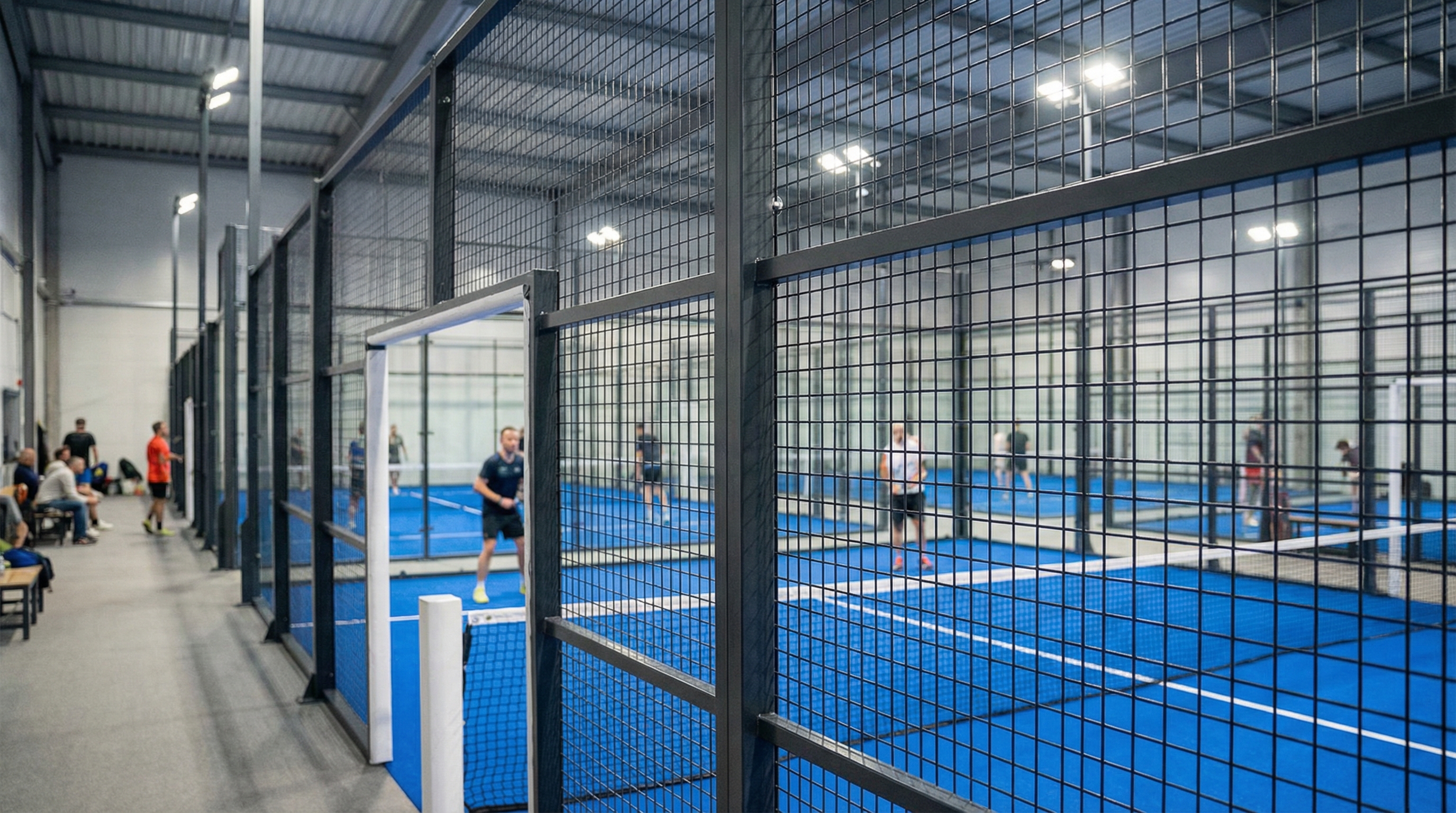
Rules of engagement
You will find that the tactical depth of Padel relies entirely on your ability to use the glass as a defensive tool. In paddle tennis, hitting the fence is a lost point, but in Padel, the wall is your best friend for resetting the pace of a rally.
Think about it:
- The ball must hit the ground before hitting a wall on the serve.
- You can strike the ball against your own glass to send it over the net.
- Scoring usually follows the standard 15-30-40 system.
But that is not all: the “Golden Point” rule is frequently used in professional Padel to speed up matches and increase spectator excitement.
Key Takeaway: Padel’s rules transform the enclosure into an active playing field, creating a 360-degree tactical environment that paddle tennis lacks.
| Rule Category | Paddle Tennis | Padel |
|---|---|---|
| Serving | Underhand/Overhand | Strictly Underhand |
| Wall Usage | Out of Bounds | Active Surface |
| Match Style | Singles/Doubles | Primarily Doubles |
Understanding these rules is essential for coaching and ensuring your court dimensions accommodate the wide-ranging movements of Padel athletes.
2. How do you plan construction for padel vs paddle tennis?
Padel construction requires a 10m x 20m reinforced concrete slab with less than 3mm of deviation, whereas paddle tennis has more flexible foundation requirements. Successfully navigating padel vs paddle tennis builds requires you to prioritize the sub-base quality to prevent glass misalignment.
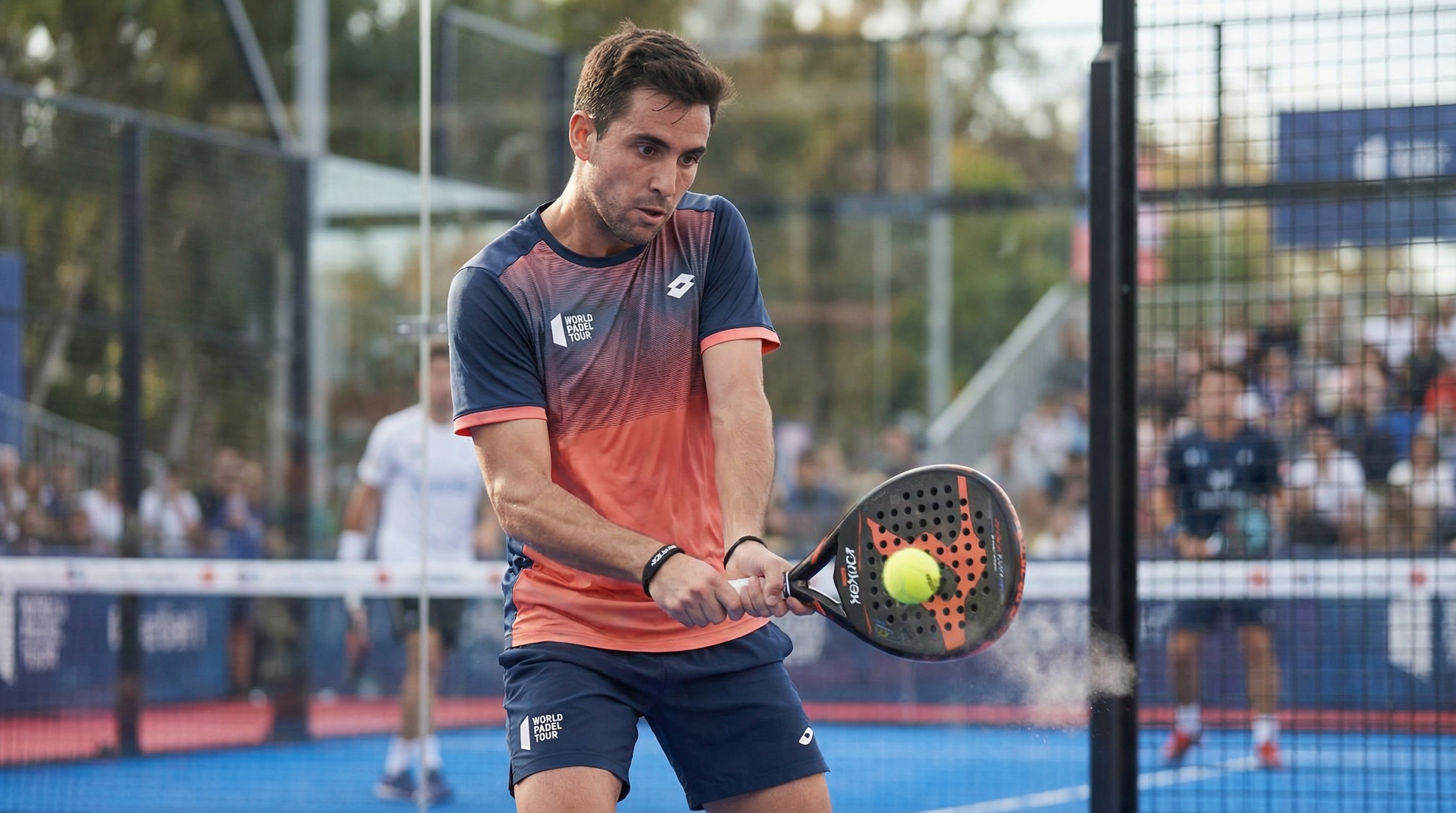
Foundation and site prep
You must ensure your site has adequate drainage and a laser-leveled surface before any steel is bolted down. For Padel, the slab must be thick enough to support the localized pressure of the glass mounting brackets without cracking over time.
Here is the kicker:
- Poor leveling leads to “dead spots” in the ball bounce.
- You need 12mm glass for high-traffic commercial environments.
- Wind load calculations are mandatory for outdoor installations.
If you ignore the soil compaction phase, you risk the entire structure shifting, which can cause catastrophic glass failure.
Key Takeaway: A Padel court is only as good as its foundation; precision leveling is the non-negotiable first step of construction.
| Phase | Priority Task | Quality Metric |
|---|---|---|
| Earthworks | Soil Compaction | 95% Proctor |
| Foundation | Concrete Slab | < 3mm Variance |
| Anchoring | Steel Fixings | Stainless Steel Grade |
Investing in high-grade foundation work ensures the structural integrity of the glass walls throughout years of intensive use.
2. What materials are used in the padel vs paddle tennis structure?
Padel structures are built from hot-dip galvanized steel and 10-12mm tempered safety glass, while paddle tennis often utilizes lighter aluminum or mesh. Selecting the right padel vs paddle tennis materials determines whether your facility will withstand environmental corrosion.
You should prioritize thermosetting powder coatings for all steel elements to prevent rust in humid climates. When you specify glass, ensure it carries CE or ASTM certification to handle the high-velocity impacts of competitive play.
Think about it:
- EPDM gaskets are required to buffer the glass-to-steel contact.
- You need high-density polyethylene turf for optimal traction.
- Silica sand infill must be rounded to prevent turf fiber abrasion.
But that is not all: the mesh panels must be electro-welded to ensure they do not lose tension and “bulge” after repeated player contact.
Key Takeaway: Material quality in Padel is focused on impact resistance and weatherproofing, utilizing a combination of heavy steel and safety glass.
| Material | Paddle Tennis | Padel |
|---|---|---|
| Frame | Aluminum / Light Steel | Galvanized Heavy Steel |
| Enclosure | Chain-link Mesh | Tempered Glass |
| Fasteners | Standard Bolts | Stainless + EPDM |
High-spec materials reduce long-term maintenance costs and provide a safer environment for your players.
2. How does weather affect padel vs paddle tennis maintenance?
Weather impacts Padel more significantly through glass condensation and turf saturation, whereas paddle tennis hard courts are generally more resilient to moisture. When managing padel vs paddle tennis facilities, you must implement specialized maintenance routines to handle humidity and UV exposure.
Protecting your investment
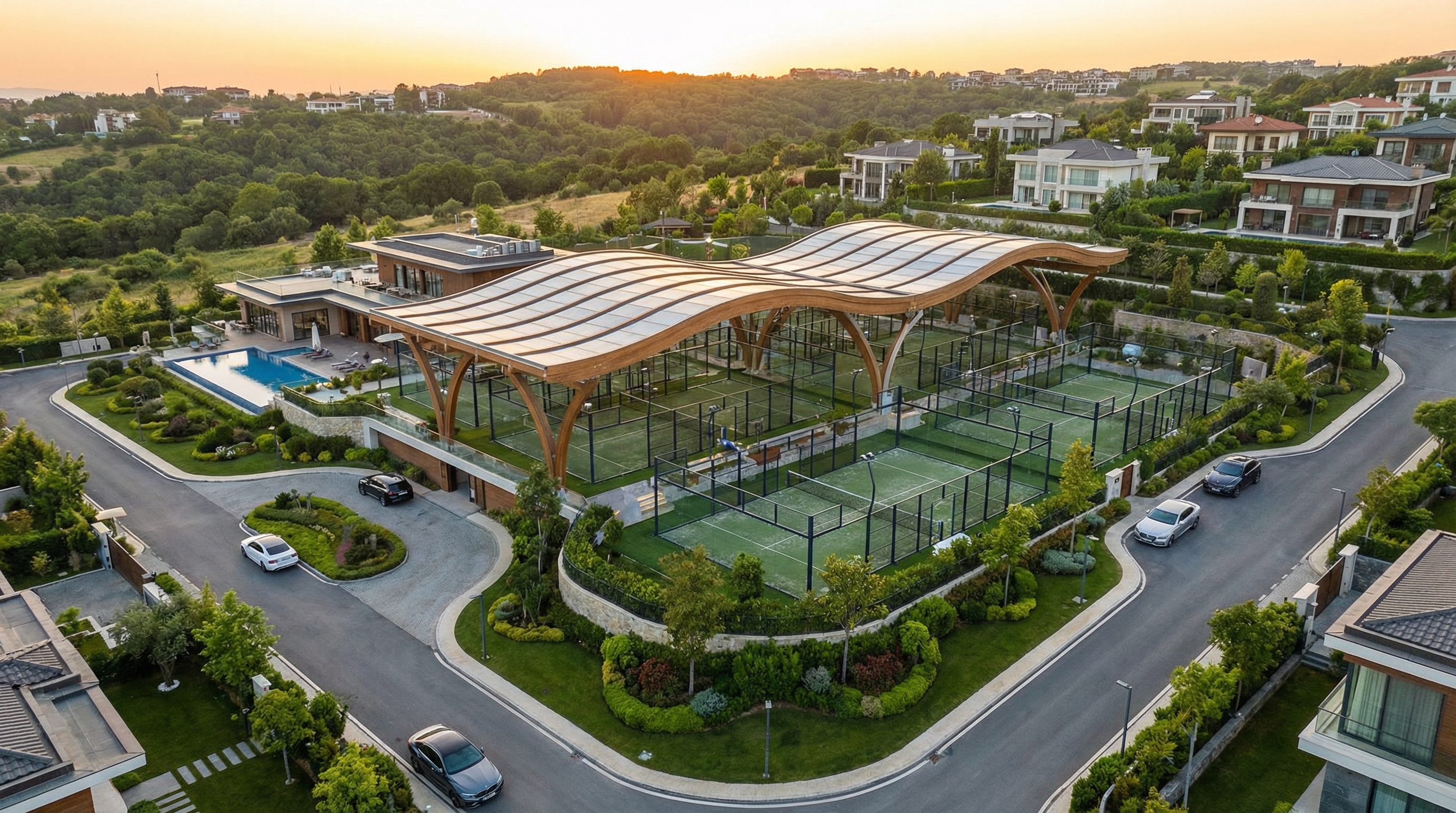
You can significantly extend the life of your courts by installing a roof structure to mitigate the “skidding” effect of wet turf. In high-humidity areas, the glass walls will require daily cleaning to prevent mineral buildup and maintain the panoramic views.
Here is the kicker:
- UV rays can degrade non-stabilized turf fibers in months.
- You must check expansion joints in the slab annually.
- High winds require reinforced “W-shaped” structural pillars.
Maintaining the proper sand level in the turf is your best defense against moisture retention and premature carpet wear.
Key Takeaway: Weatherproofing through roofing or high-quality coatings is essential for maintaining 365-day playability and protecting your CAPEX.
| Condition | Impact | Mitigation Strategy |
|---|---|---|
| Rain | Turf saturation | Porous asphalt / Roof |
| Humidity | Slippery glass | Anti-fog coatings |
| UV Exposure | Color fading | UV-stabilized materials |
A proactive maintenance schedule ensures that environmental factors do not degrade the premium experience of your sports club.
2. What is the investment cost for padel vs paddle tennis?
Padel typically requires a higher initial investment due to glass and turf costs, but it offers a faster ROI through its four-player-per-court density. Analyzing the padel vs paddle tennis financial model reveals that Padel’s popularity drives higher hourly rental rates.
Calculating the bottom line
You need to weigh the higher CAPEX of Padel against its massive global demand and scalability. While a paddle tennis court might be cheaper to bolt down, the market momentum is currently favoring Padel facilities by a wide margin.
Think about it:
- Padel courts fit four players in 200 square meters.
- You can charge premium rates for panoramic or roofed models.
- Maintenance is predictable with weekly brushing routines.
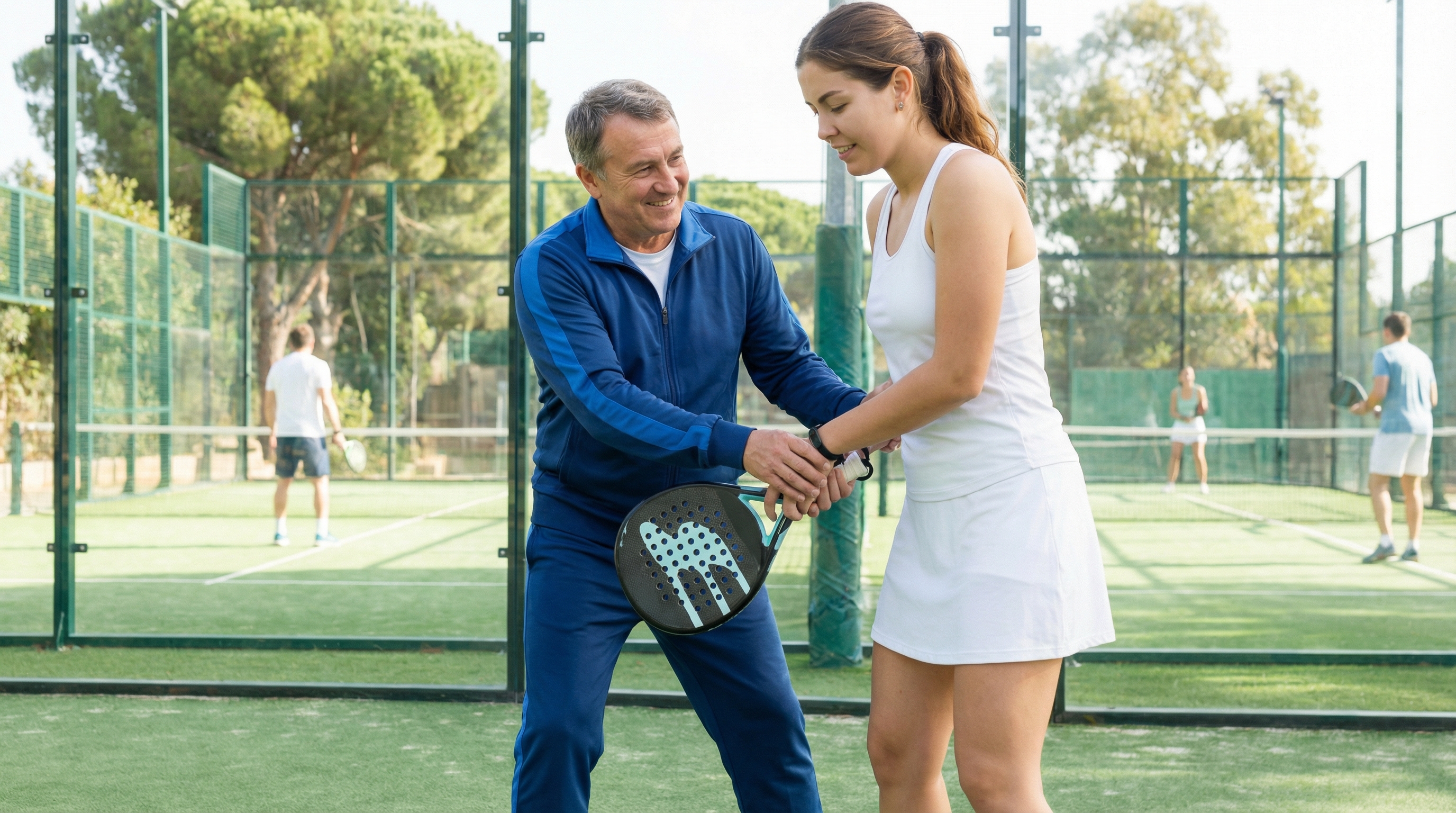
But that is not all: Padel clubs often see significant secondary revenue from pro-shops, coaching, and café services due to the sport’s social nature.
Key Takeaway: Padel is a premium investment with a high-performance ROI model driven by social engagement and efficient land use.
| Cost Element | Paddle Tennis | Padel |
|---|---|---|
| Initial CAPEX | Moderate | High |
| Land Efficiency | High | Very High |
| Revenue Potential | Moderate | Very High |
The financial viability of Padel is bolstered by a global ecosystem of equipment manufacturers and organized tournament circuits.
2. What is the global market trend for padel vs paddle tennis?
Padel is currently the world’s fastest-growing racket sport, while paddle tennis remains a stable but niche market primarily in North America. When deciding between padel vs paddle tennis for your next development, the global expansion data clearly points toward Padel dominance.
Future-proofing your facility
You should align your project with the global trend to ensure long-term relevance and resale value. In regions like Europe and the Middle East, Padel has already reached market maturity, while the US market is currently in an exponential growth phase.
Here is the kicker:
- International federations are pushing for Padel’s Olympic inclusion.
- You see more professional athletes investing in Padel clubs.
- Standardization makes it easy to host sanctioned tournaments.
Choosing Padel allows you to tap into a massive network of players who are already familiar with the sport’s rules and court requirements.
Key Takeaway: Market momentum is overwhelmingly in favor of Padel, making it the strategic choice for developers looking for growth and scalability.
| Region | Paddle Tennis Trend | Padel Trend |
|---|---|---|
| Middle East | Very Low | Hyper-Growth |
| Europe | Stable | Market Mature |
| USA | Niche | Exponential Growth |
The global surge in Padel interest ensures that your facility will remain a competitive asset in the evolving landscape of racket sports.
*
Summary Analysis
Selecting between these two sports requires a deep understanding of your target demographic and regional market trends. While paddle tennis offers a simplified tennis experience, Padel provides a high-tech, social, and wall-integrated gameplay model that is currently sweeping the global sports industry. By focusing on precision construction—from the laser-leveled foundation to the high-impact tempered glass—you can build a facility that stands the test of time and delivers exceptional value to your community. To start your journey toward a premier sports destination, contact us today for expert guidance and world-class construction solutions.
*
Frequently Asked Questions
Can I build a Padel court on an existing tennis court?
Yes. You can typically fit two standard Padel courts into the footprint of one traditional tennis court, though you must verify that the existing slab can support the specific anchoring requirements of the glass walls.
What is the best glass thickness for a commercial Padel court?
12mm is the industry standard. While 10mm glass is available and cheaper, it lacks the rigidity and safety margin required for high-traffic facilities where players frequently collide with the walls.
How do I know if I need a panoramic or standard court?
It depends on your audience. If you plan to host tournaments or want a premium “theatre” feel for spectators, panoramic courts are the better choice; for high-volume practice facilities, standard courts with pillars are more cost-effective.
Can I play Padel with a regular tennis ball?
No. Padel balls are specifically designed with lower internal pressure to accommodate the rebound physics of the glass walls; using a high-pressure tennis ball will make the game too fast and uncontrollable.
How long does the construction process take?
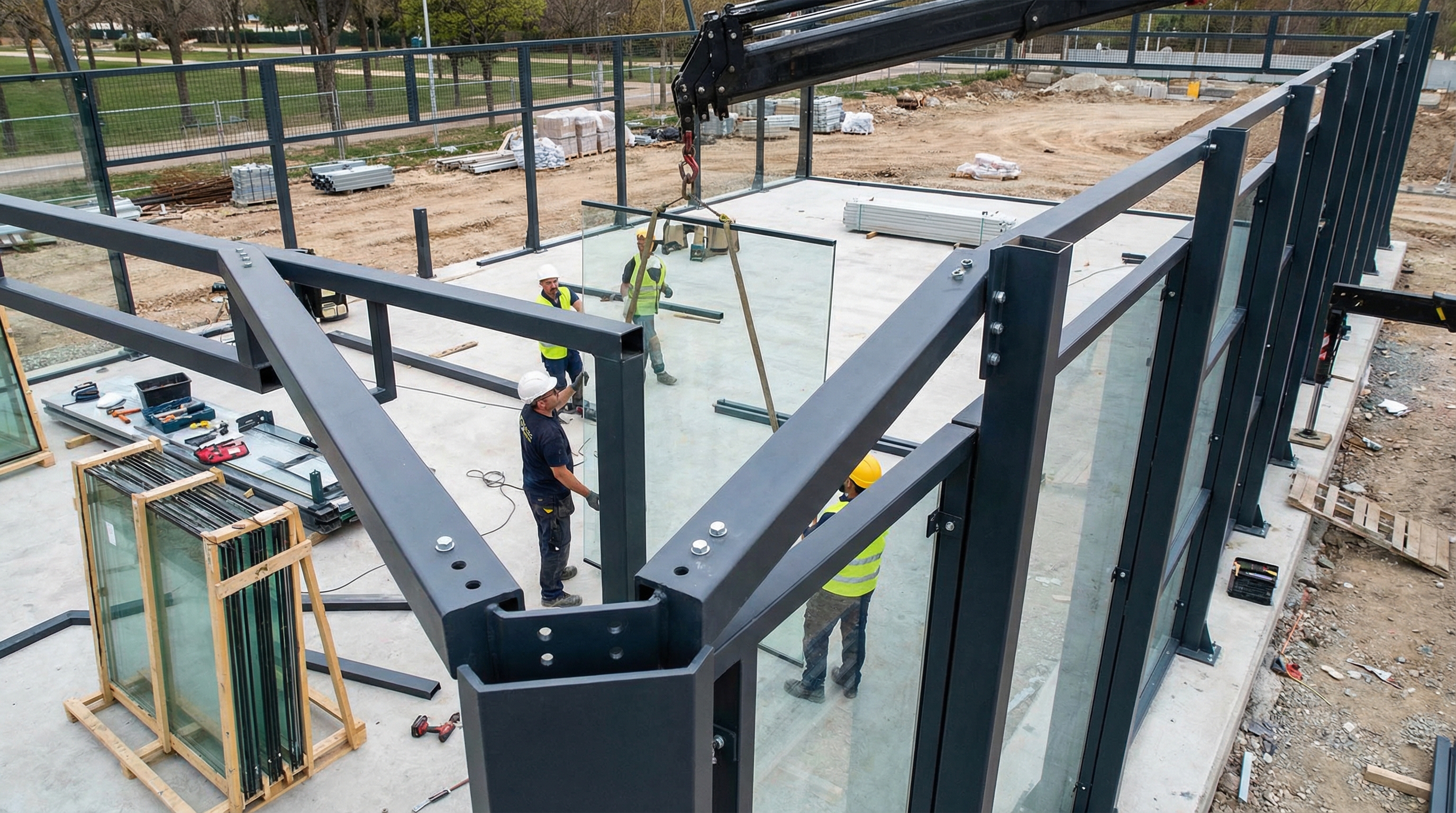
Typically 7 to 10 days. This timeline assumes the concrete foundation is already cured and level, allowing the installation team to focus on the steel framework, glass placement, and turf laying.