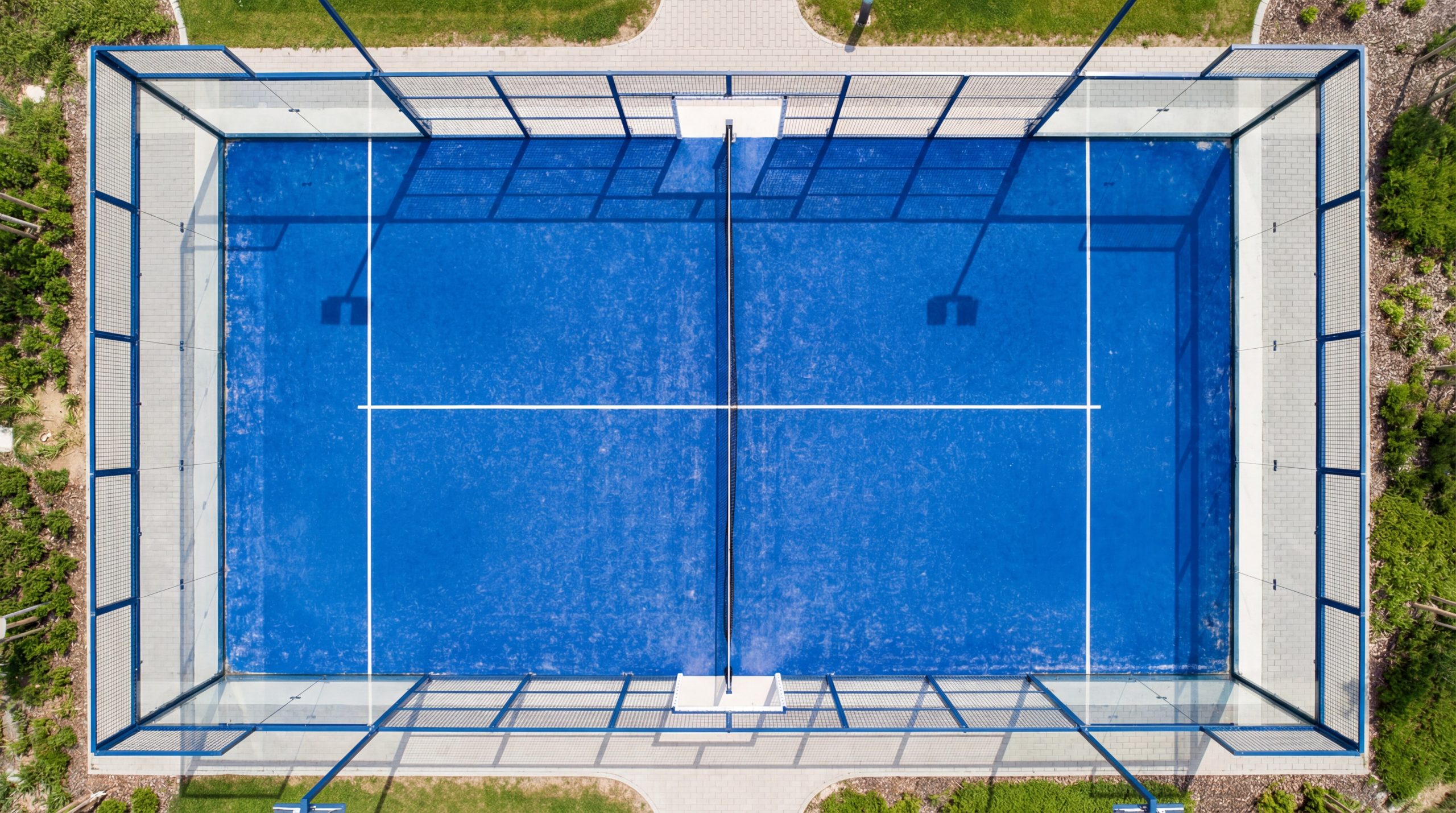
Canchas de padel cerca de mi are high-performance, enclosed sport facilities specifically engineered for padel play, requiring a mix of structural durability and adherence to FIP international standards. You may find that as the sport explodes in popularity, local demand for premium courts often exceeds available supply. Without a professional construction strategy, your investment could face high maintenance costs or safety failures. By partnering with a dedicated manufacturer, you can transition from a simple search to owning a lucrative, top-tier athletic facility at superbpadel.com.
What is the fundamental structure of a modern padel court?
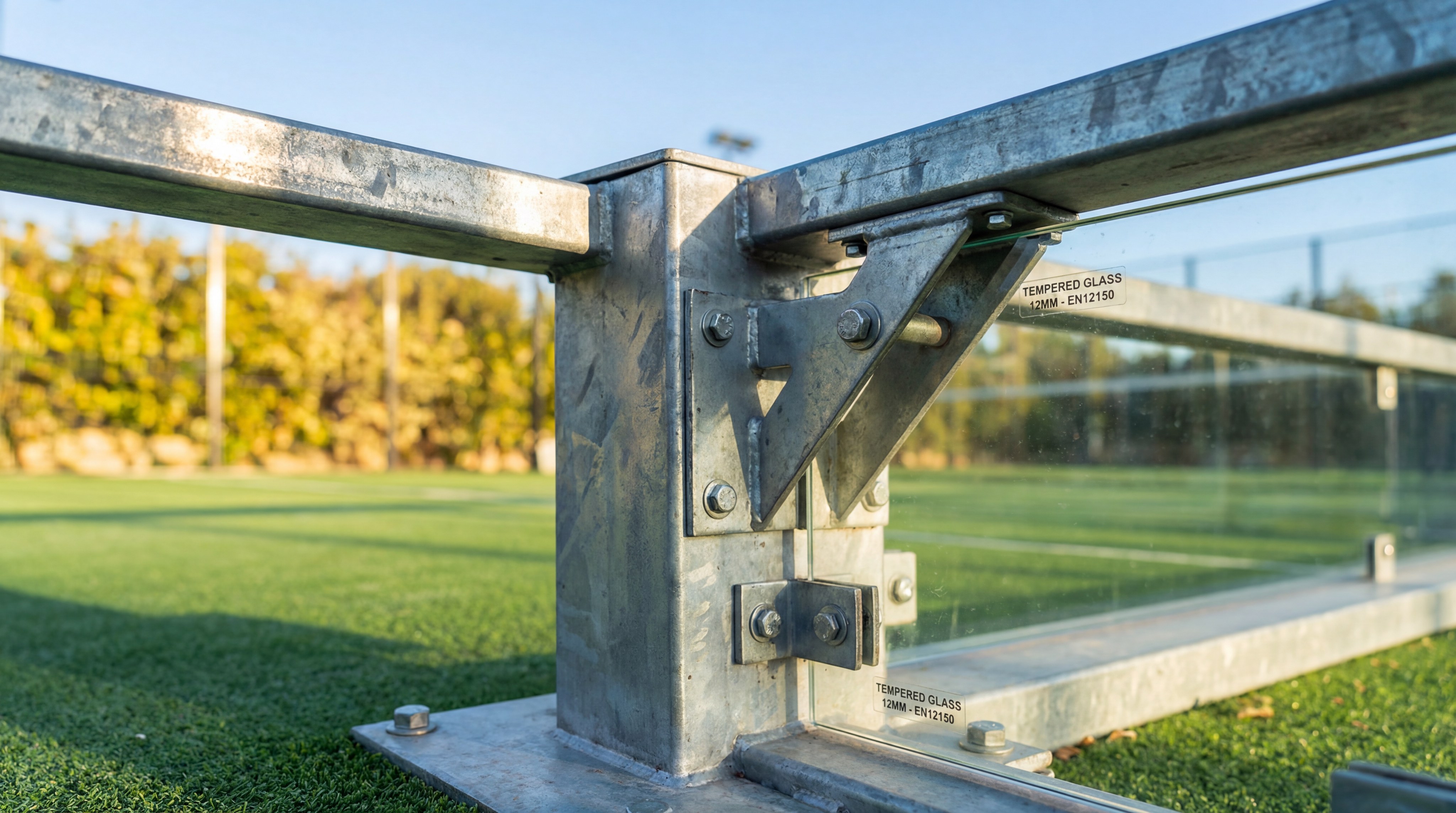
The fundamental structure of a modern padel court is a specialized glass-and-steel enclosure designed to allow for the unique “off-the-wall” gameplay that defines the sport. These canchas de padel cerca de mi utilize a combination of heavy-duty galvanized steel frames and tempered safety glass to ensure structural integrity.
Here is the deal: you cannot simply use standard fencing if you want a professional-grade result. The frame must support the weight of the glass while withstanding the constant impact of players and balls.
H3: Essential Structural Components
The core components of the court must meet rigorous safety and performance specifications to provide a consistent rebound.
- Steel Frame: Usually 80x80mm or 100x100mm galvanized tubes.
- Glass Panels: 10mm or 12mm tempered safety glass is the industry standard.
- Electro-Welded Mesh: Used in specific zones to allow for different ball reactions.
| Component | Standard Specification | Purpose |
|---|---|---|
| Frame | Galvanized Steel | Structural Stability |
| Glass | 12mm Tempered | Ball Rebound & Safety |
| Mesh | 50x50x4mm | Gameplay Variation |
Key Takeaway: A professional court is defined by its ability to integrate structural safety with consistent ball rebound, requiring high-grade materials that withstand both player impact and environmental stressors.
What are the official dimensions required for professional canchas de padel cerca de mi?
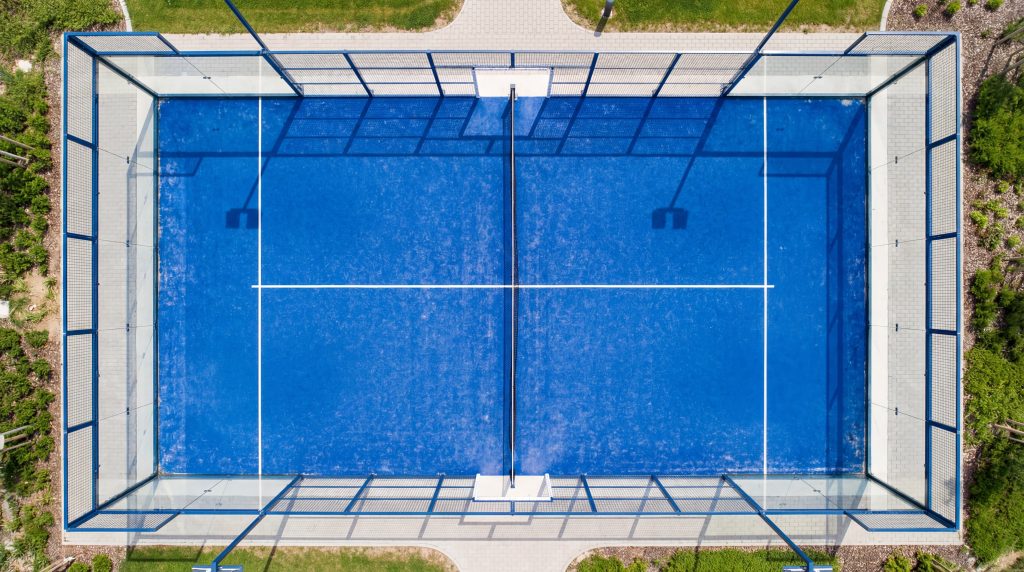
A professional padel court must measure exactly 20 meters in length and 10 meters in width to comply with International Padel Federation (FIP) standards. When you are planning canchas de padel cerca de mi, precision in these measurements is critical for hosting official tournaments and providing a fair playing field.
Think about it: even a few centimeters of deviation can ruin the geometry of the game. You must also account for the external structural footprint, which typically adds an extra 0.5 to 1 meter around the perimeter.
H3: Interior and Clearance Standards
Beyond the floor dimensions, vertical clearance and line placements are essential for a high-quality facility.
- Clear Height: A minimum of 6 meters is required, though 8 meters is preferred for professional play.
- Service Lines: These are placed 6.95 meters from the net on both sides.
- Net Height: 88 centimeters at the center and up to 92 centimeters at the posts.
| Dimension | FIP Standard | Importance |
|---|---|---|
| Length | 20 Meters | Official Regulation |
| Width | 10 Meters | Official Regulation |
| Ceiling Height | 6m – 8m | Lob Playability |
Key Takeaway: Precision in measurements is non-negotiable; even a few centimeters of deviation can disqualify a court from official competitions and negatively impact gameplay ergonomics.
Why is site selection the most critical factor in construction?
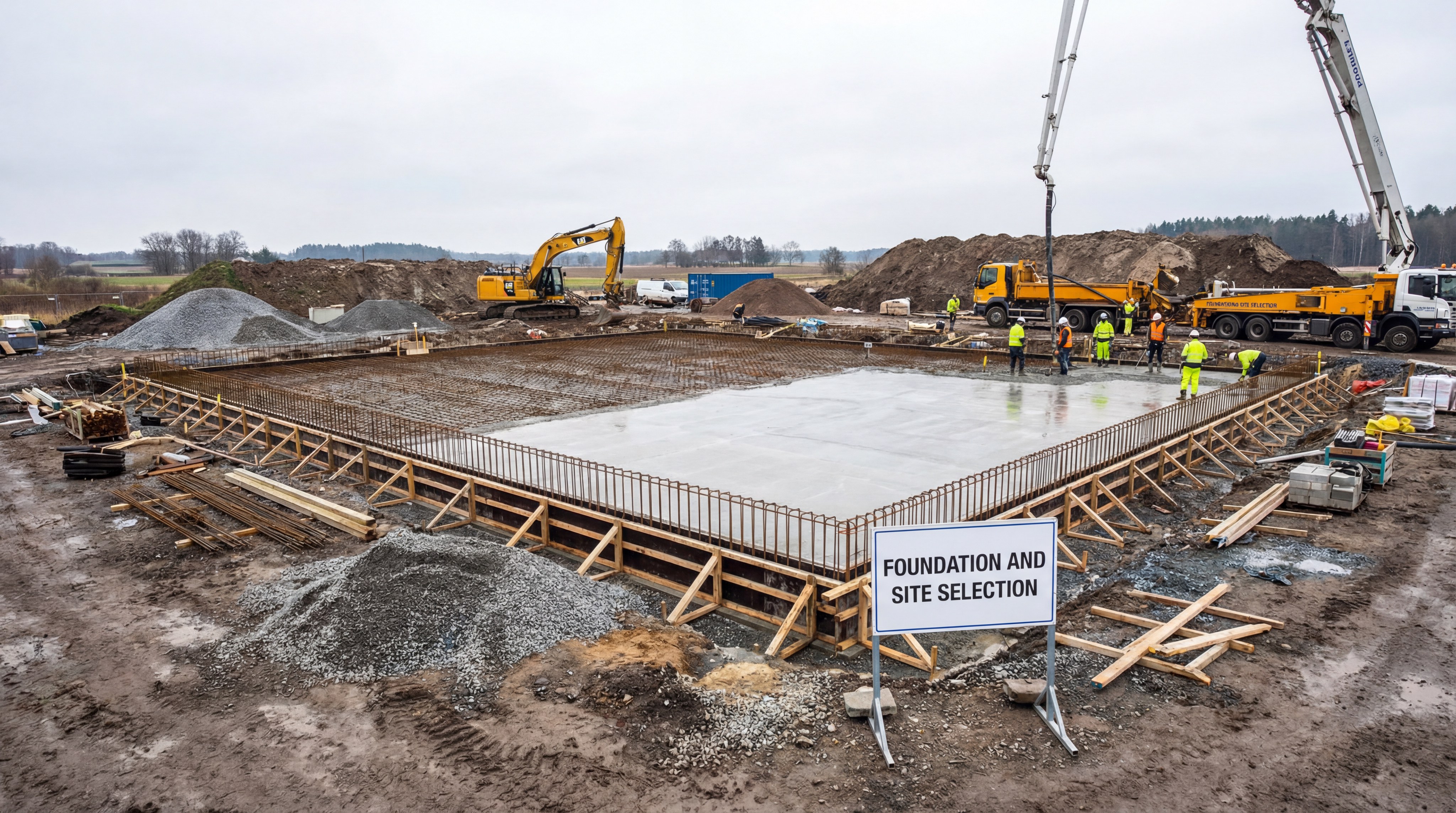
Site selection is the most critical factor because the longevity of your canchas de padel cerca de mi depends entirely on the stability and drainage of the underlying ground. You must choose a location that can support a reinforced concrete slab without risk of shifting or sinking over time.
Why does this matter? If the foundation is uneven, the glass panels will experience stress, potentially leading to spontaneous shattering.
H3: Foundation and Soil Requirements
The sub-base must be engineered to handle both the static weight of the court and the dynamic loads of active play.
- Slab Thickness: Typically 15cm to 25cm of reinforced concrete.
- Drainage: A 1% to 2% slope is necessary for outdoor courts to prevent water pooling.
- Soil Testing: Professional geological surveys prevent future structural failures.
| Factor | Requirement | Impact |
|---|---|---|
| Slab Level | < 3mm deviation | Prevents glass stress |
| Drainage | Integrated slope | Surface longevity |
| Soil Type | Compacted/Stable | Structural integrity |
Key Takeaway: The “invisible” part of the court—the foundation—is where most construction failures occur, making geological assessment a mandatory first step.
How much does it cost to build professional canchas de padel cerca de mi?
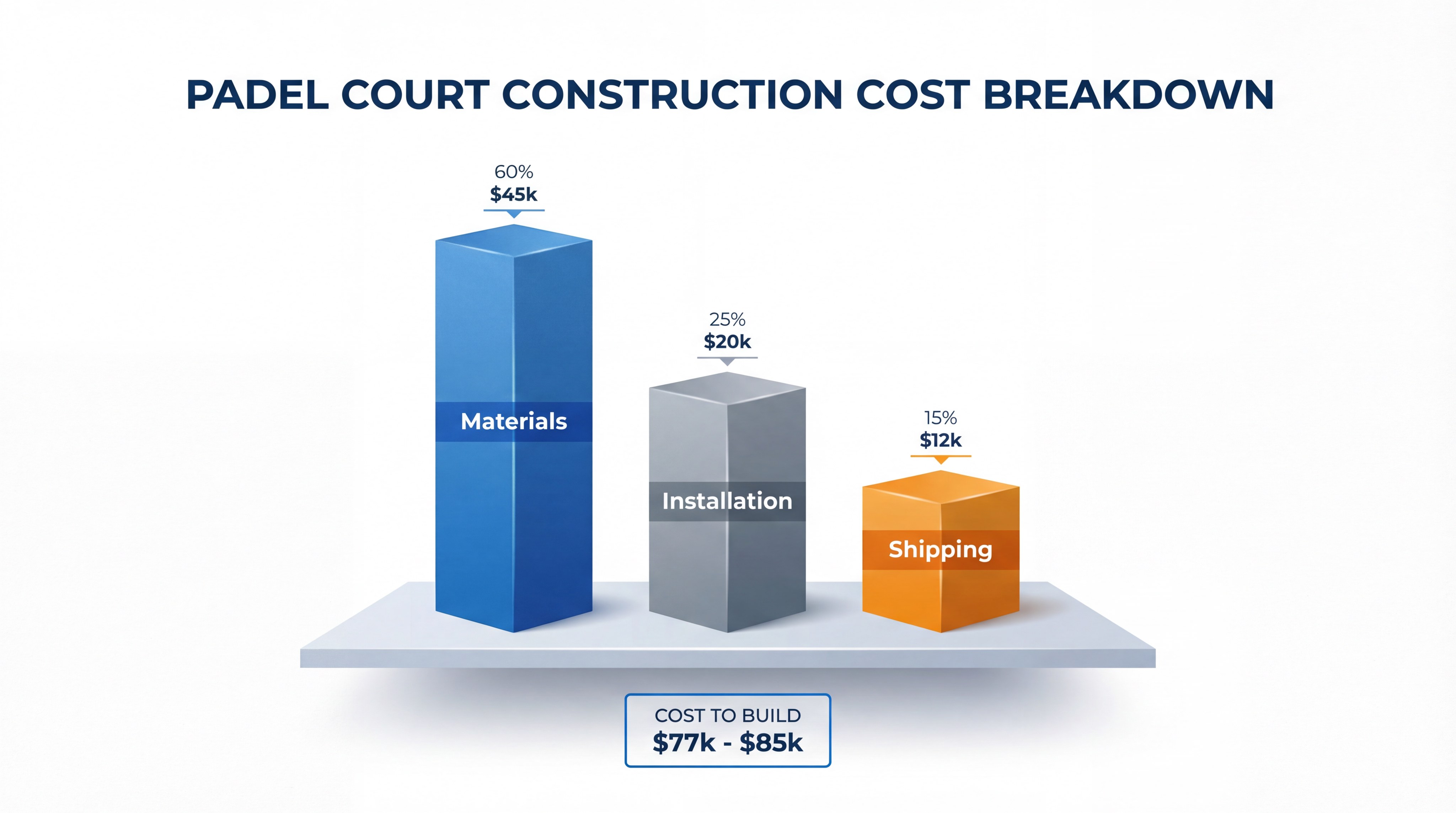
Building professional canchas de padel cerca de mi typically costs between $77,000 and $85,000 depending on the design complexity and location. You must balance the initial capital expenditure with the long-term ROI provided by high-quality, durable materials.
The best part? Factory-direct sourcing can often save you up to 30% compared to local distributors or middle-men.
H3: Breaking Down the Budget
Understanding where your money goes allows you to optimize your investment without sacrificing quality.
- Materials (60%): Steel frame, tempered glass, and professional turf.
- Installation (25%): Specialized labor for glass alignment and turf seaming.
- Shipping & Logistics (15%): Transporting heavy components from the factory to your site.
| Category | Estimated Cost | Percentage |
|---|---|---|
| Materials | $45,000 – $50,000 | 60% |
| Installation | $18,000 – $22,000 | 25% |
| Logistics | $10,000 – $13,000 | 15% |
Key Takeaway: While premium materials have a higher upfront cost, they drastically reduce maintenance expenses and increase the court’s lifespan, leading to a faster break-even point.
What are the differences between Panoramic and Standard court designs?
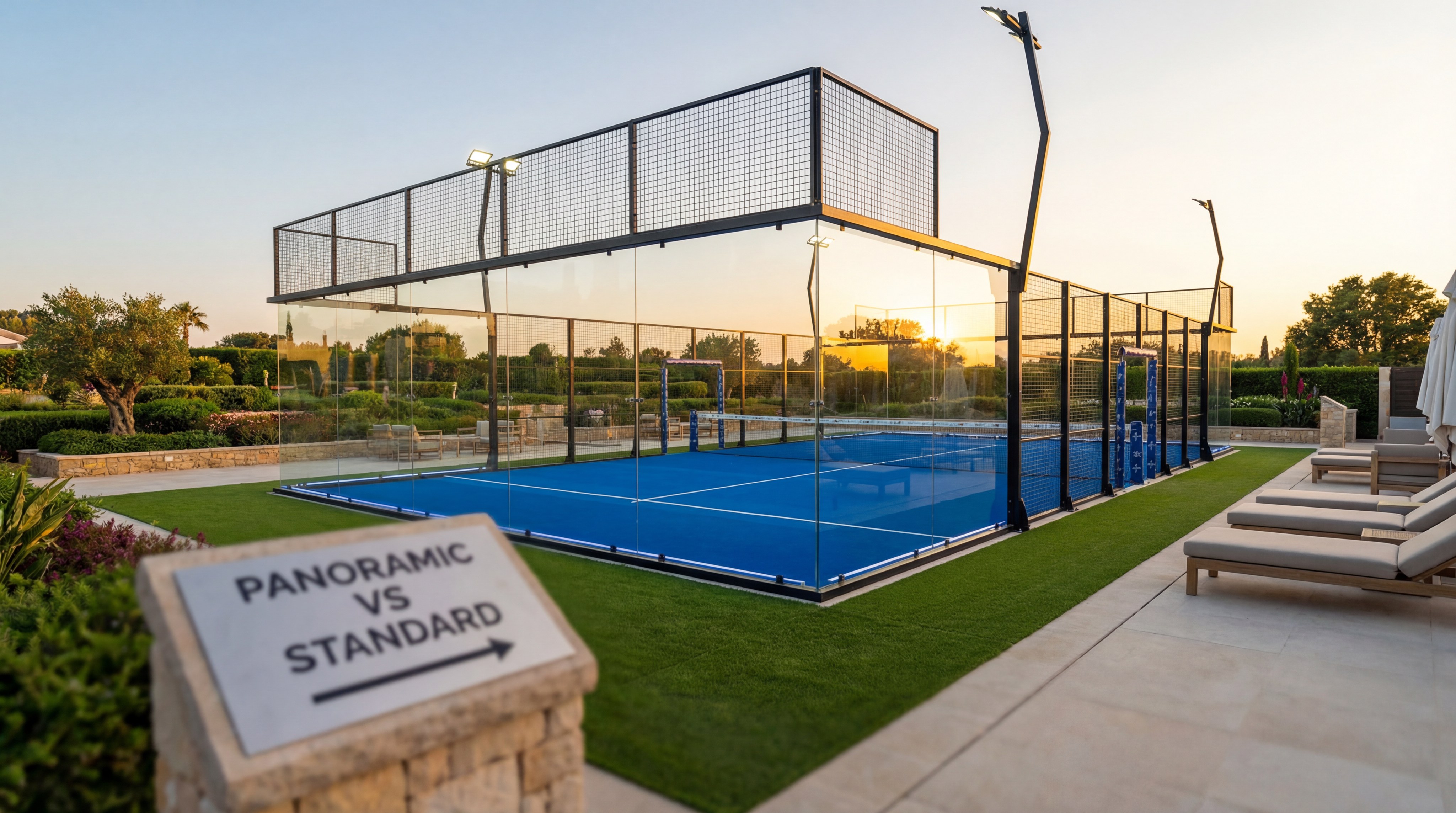
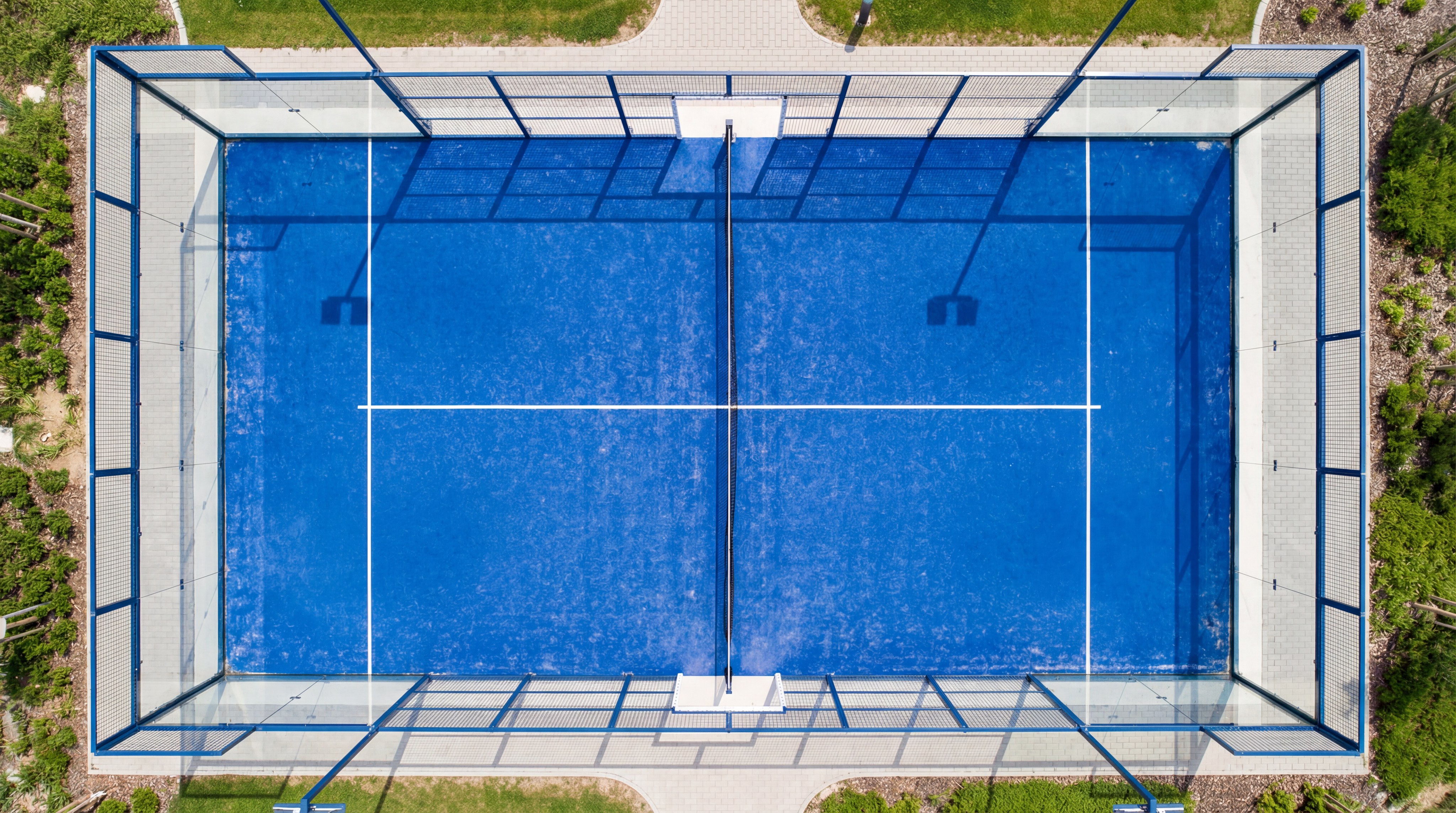
The primary difference between panoramic and standard canchas de padel cerca de mi lies in the visibility and structural support system used for the glass walls. Standard courts use vertical steel pillars every few meters, while panoramic designs utilize reinforced beams to provide a seamless view.
But wait, there’s more. While panoramic courts offer a “stadium” feel, they require thicker glass and more robust engineering to maintain stability without those pillars.
H3: Structural Comparison and Aesthetic Value
Choosing the right design can significantly impact your club’s branding and player experience.
- Standard Design: More cost-effective and easier to install in most environments.
- Panoramic Design: Preferred for high-end clubs and televised matches due to unobstructed views.
- Material Needs: Panoramic courts often require 12mm glass compared to the 10mm sometimes used in standard builds.
| Feature | Standard Court | Panoramic Court |
|---|---|---|
| Support | Vertical Pillars | Reinforced Base/Top Beams |
| Visibility | Interrupted by Steel | Unobstructed View |
| Price | Entry-level | Premium |
Key Takeaway: Panoramic courts are the gold standard for prestige clubs, offering superior visibility that justifies higher booking fees.
Why is hurricane-rated engineering essential for outdoor courts?
Hurricane-rated engineering is essential for outdoor canchas de padel cerca de mi to ensure the structure can withstand extreme wind loads without collapsing. If you are building in coastal or high-wind regions, your steel frame must be specially reinforced to prevent the glass panels from acting like sails.
You might be wondering: is it worth the extra cost? Absolutely, as it is often a legal requirement for commercial insurance and public safety.
H3: Wind Load and Material Strength
Engineering for extreme weather involves more than just thicker steel; it requires specialized fasteners and glass treatments.
- Hot-Dip Galvanization: Prevents rust in humid, salty coastal air.
- High-Tensile Fasteners: Stainless steel bolts that won’t shear under pressure.
- Heat-Soaked Glass: Reduces the risk of spontaneous breakage during temperature fluctuations.
| Engineering Factor | Specification | Benefit |
|---|---|---|
| Wind Resistance | Up to 150+ mph | Storm survival |
| Steel Coating | Hot-Dip Galvanized | Corrosion resistance |
| Fasteners | Grade 8.8+ Steel | Structural security |
Key Takeaway: Engineering for extreme weather is not just a safety requirement; it is a legal and insurance necessity for commercial sports facilities.
How does lighting impact the profitability of your court?
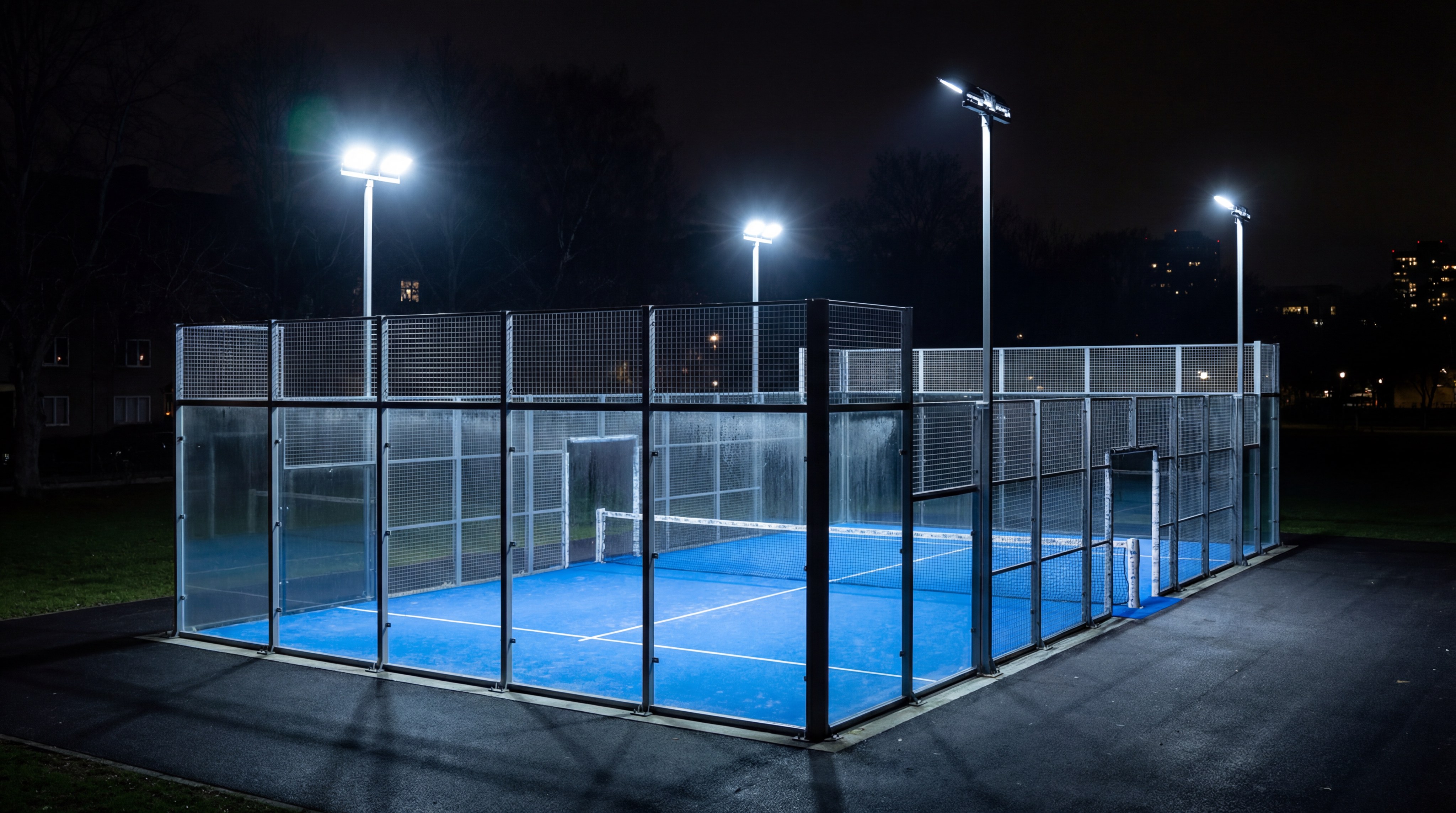
Lighting directly impacts the profitability of canchas de padel cerca de mi by extending the playable hours into the late evening and night. You can increase your daily revenue by up to 40% simply by offering high-quality LED systems that allow for after-work matches.
Let’s dive in: you need a system that provides uniform brightness without creating glare for players looking up at high lobs.
H3: Lux Levels and Energy Efficiency
Choosing the right LED configuration ensures professional playability while keeping operational costs low.
- Standard Lighting: 4 LED poles per court, usually 200W each.
- Pro Lighting: 8 LED poles or high-output 400W fixtures for tournament-grade lux levels.
- Uniformity: Aim for a 0.7 uniformity ratio to eliminate shadows on the turf.
| Lighting Grade | Lux Level | Typical Use |
|---|---|---|
| Club Level | 300 – 500 Lux | Social Play |
| Competition | 500 – 750 Lux | Regional Tournaments |
| Professional | 750 – 1000 Lux | Televised Events |
Key Takeaway: High-quality lighting extends playable hours into the late evening, directly increasing the daily revenue potential of each court.
What are the maintenance requirements for long-term durability?
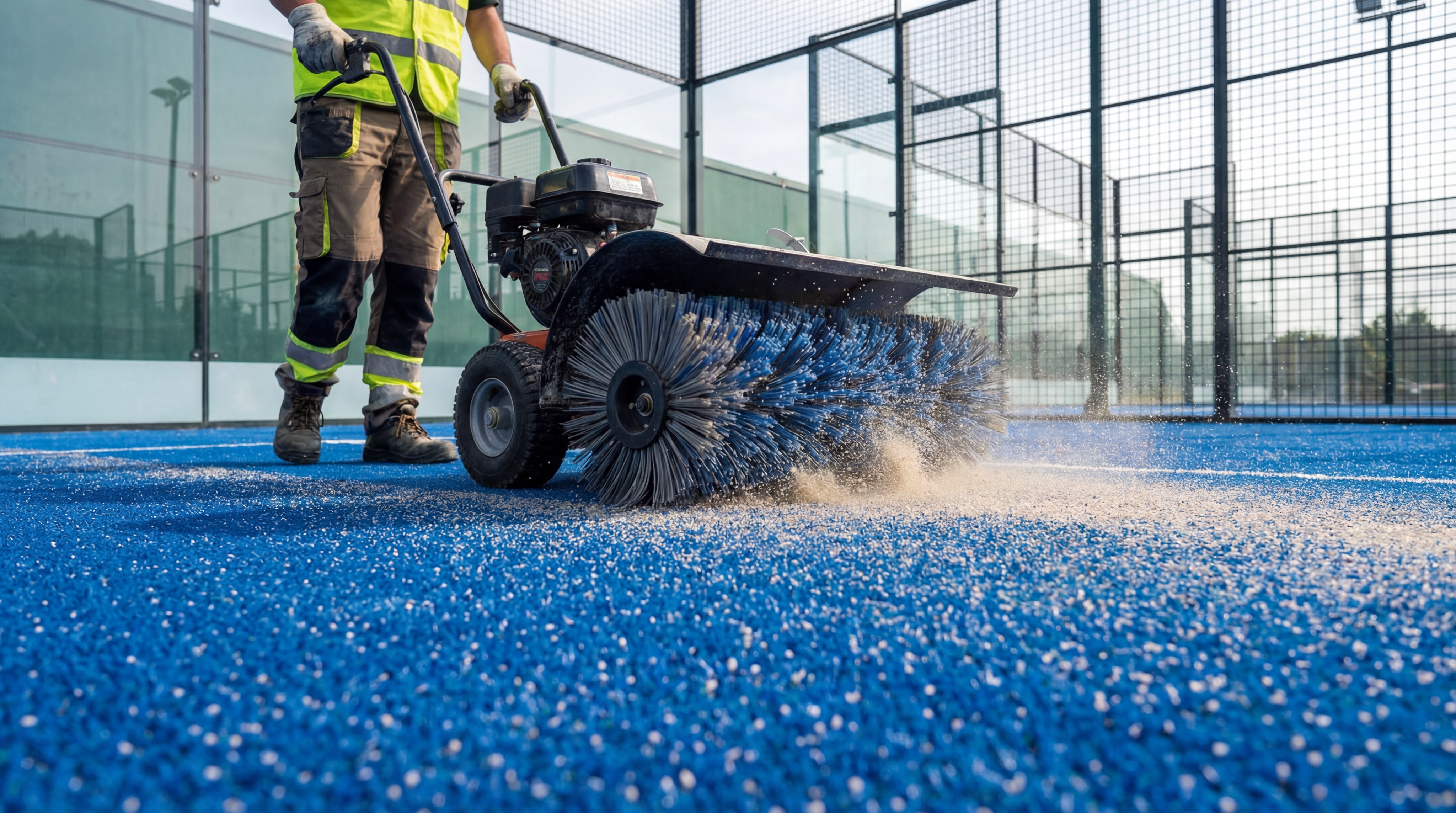
Maintaining canchas de padel cerca de mi requires a consistent schedule of brushing the turf and inspecting the glass fasteners. You must ensure the silica sand is evenly distributed to prevent the synthetic fibers from matting down and losing their grip.
It gets better: a well-maintained court can last over 15 years, significantly improving your long-term return on investment.
H3: Routine Upkeep Procedures
A proactive approach to maintenance prevents minor wear from turning into expensive structural repairs.
- Weekly Brushing: Redistributes sand and keeps the turf fibers upright.
- Monthly Cleaning: Removing dust and sweat from glass panels to maintain clarity.
- Annual Inspection: Checking all structural bolts and net tension for safety.
| Maintenance Task | Frequency | Focus Area |
|---|---|---|
| Turf Brushing | Weekly | Grip & Surface life |
| Glass Cleaning | Monthly | Aesthetics & Visibility |
| Bolt Tightening | Every 6 Months | Structural Safety |
Key Takeaway: A well-maintained court lasts 10-15 years, whereas a neglected one may require expensive turf or glass replacement within just three years.
How do you navigate the permits and regulations for new builds?
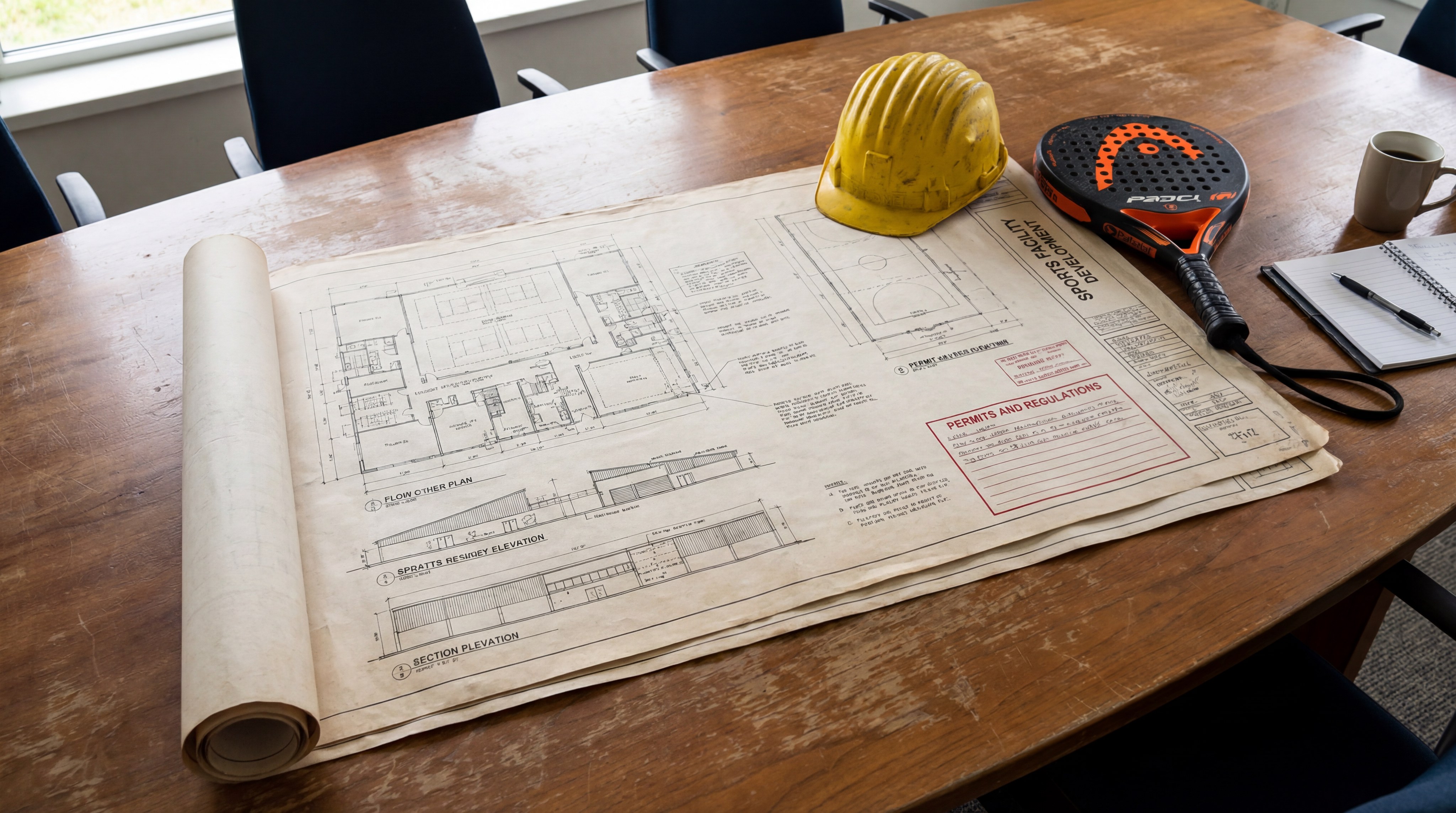
Navigating permits for canchas de padel cerca de mi involves coordinating with local zoning boards regarding noise ordinances and building codes. You must provide detailed engineering stamps and site plans to prove the structure is safe for public use.
The secret is: early consultation with your manufacturer can provide you with the exact technical drawings needed to speed up the approval process.
H3: Regulatory Compliance Checklist
Ensuring your facility meets all local requirements prevents costly construction delays or legal fines.
- Zoning: Verify the land is approved for “Commercial Recreation” use.
- Noise Mitigation: Consider acoustic barriers if building near residential areas.
- ADA Access: Ensure your facility includes ramps and accessible entry points.
| Requirement | Description | Outcome |
|---|---|---|
| Engineering Stamp | Professional Certification | Legal approval |
| Zoning Permit | Land use verification | Construction rights |
| ADA Compliance | Universal accessibility | Public inclusivity |
Key Takeaway: Early consultation with a manufacturer who provides technical drawings can streamline the permit process and prevent costly construction delays.
How do you choose the right manufacturer for your project?
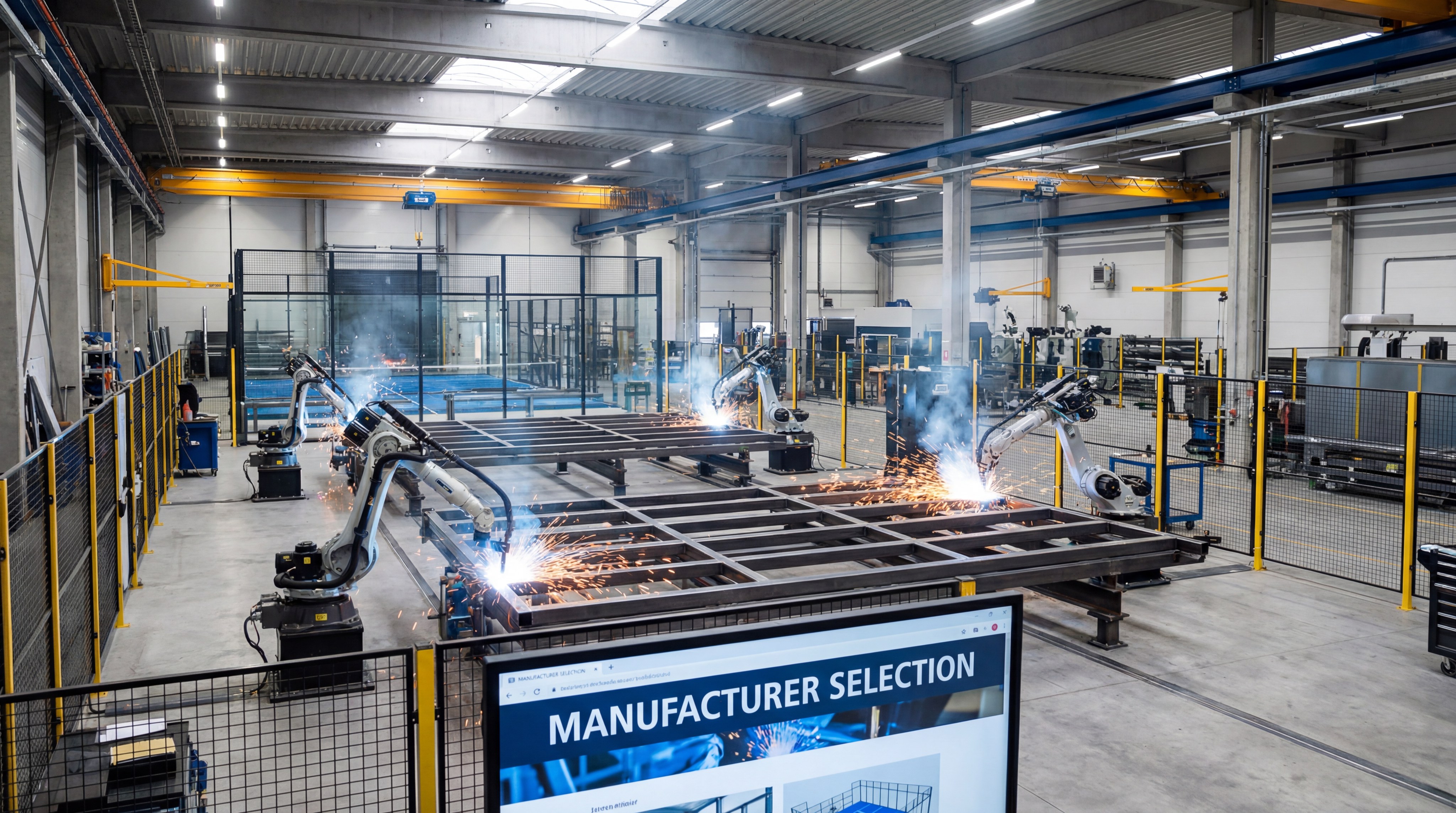
Choosing the right manufacturer for canchas de padel cerca de mi means finding a partner that offers factory-direct pricing, custom engineering, and comprehensive logistics support. You should look for a company with a proven track record of installations in your specific climate.
To wrap it up: your manufacturer should be more than a supplier; they should be a technical consultant who helps you optimize every dollar spent.
H3: Evaluation Criteria for Factory Partners
Selecting the right partner ensures your facility is built to last and complies with all international standards.
- OEM Capabilities: Look for the ability to customize colors and add your own branding.
- Certifications: Ensure all glass and steel meet CE and FIP requirements.
- Technical Support: Choose a team that offers 24-hour response times for your engineering queries.
| Criteria | Ideal Standard | Benefit |
|---|---|---|
| Experience | 15+ Years | Proven reliability |
| Customization | Full OEM/ODM | Brand identity |
| Logistics | Door-to-Door | Hassle-free delivery |
Key Takeaway: Your manufacturer is your most important stakeholder; their ability to provide factory-direct savings and precision engineering determines your facility’s ultimate success.
*
Summary and Strategic Recommendations
Building professional padel infrastructure is a high-reward investment that requires careful attention to detail, from foundation stability to hurricane-rated engineering. By focusing on factory-direct sourcing and adhering to FIP standards, you can create a durable facility that attracts premium members and maximizes revenue through extended hours and low maintenance costs. Whether you choose a standard or panoramic design, ensure your project is supported by expert technical drawings and high-quality 12mm tempered glass.
Ready to transform your vision into a world-class athletic facility? Contact us today for a custom quote and expert guidance on your construction project.
FAQ
Can I build a padel court on an existing tennis court?
Yes, but you must verify the foundation thickness. Padel courts exert more concentrated pressure on the slab than tennis courts. Typically, you can fit two to three padel courts in the space of one standard tennis court.
What is the best type of glass for a commercial padel court?
For high-traffic commercial facilities, 12mm tempered safety glass is the gold standard. It provides superior resistance to player impact and can better withstand environmental stress like high winds.
How long does the construction process take?
Once the foundation slab is cured and ready, a professional crew can typically install the steel frame, glass, and turf in 7 to 10 days per court. Manufacturing and global shipping times usually range from 4 to 8 weeks.
Is it better to build indoor or outdoor courts?
Indoor courts provide 365-day playability and consistent revenue, but they require significant ceiling height (8m+). Outdoor courts are more cost-effective but are subject to weather interruptions unless a roofed structure is added.
Do padel courts require a lot of water for maintenance?
No, padel courts use synthetic turf that does not require watering. Maintenance is primarily mechanical, involving regular brushing of the silica sand and cleaning the glass walls.