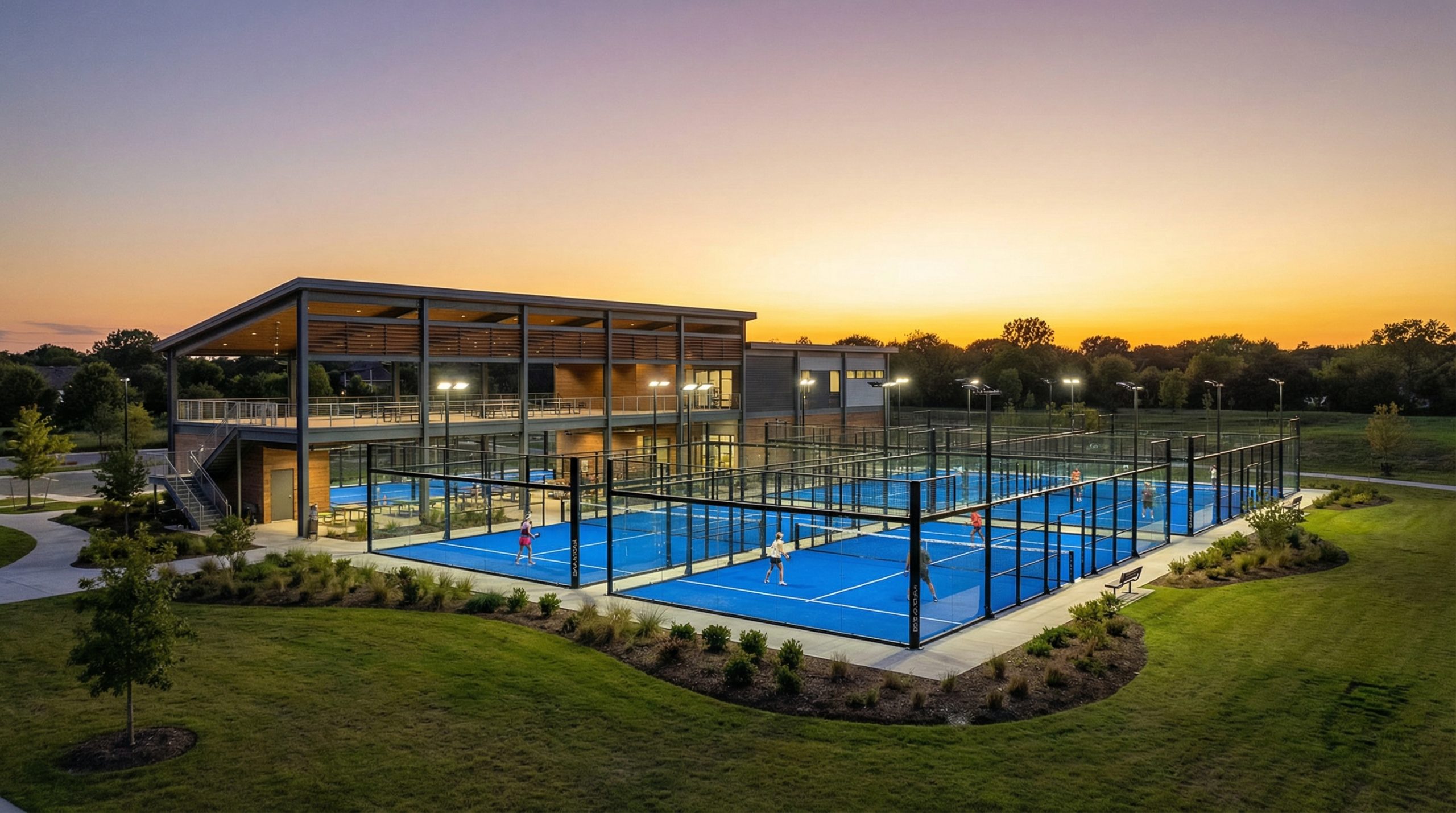
A pickleball padel court is a specialized sports facility that merges the strategic, enclosed environment of a padel court with the fast-paced, social gameplay dynamics of pickleball. You are likely looking to capitalize on the rapid growth of racquet sports but find the technical specifications for court construction overwhelming. Investing in a facility without a precise blueprint often leads to costly regulatory errors and poor player experiences.
Imagine the frustration of completing a high-end project only to realize the glass thickness or net height fails to meet international standards. This not only devalues your investment but also poses significant safety risks for your club members or clients. This comprehensive guide breaks down everything you need to know about the hybrid build to ensure your project is built to last. From soil preparation to final lighting installation, you will find the expert insights required for a professional-grade facility.
What exactly is pickleball padel?
You will find that pickleball padel represents a unique fusion of strategic net play and high-energy enclosure dynamics. This hybrid concept often refers to the installation of high-quality padel structures within multi-sport facilities to accommodate various skill levels. By utilizing solid paddles and a pressurized ball within a glass cage, it offers a distinct athletic challenge.
Defining the sport’s hybrid nature
Think about it: the game combines the best elements of tennis, squash, and badminton into one footprint. You play in an enclosed area where the walls are part of the game, allowing for long, strategic rallies.
- Strategic court positioning is essential.
- Underhand serving rules simplify entry for beginners.
- Enclosed play creates a “never-say-die” defensive style.
Is it growing in commercial popularity?
Here is the kicker: the demand for these courts is skyrocketing among club owners who want to maximize their square footage. You can achieve a higher player density per square meter compared to traditional tennis courts.
- High ROI per square meter of facility space.
- Multi-generational appeal for all ages and fitness levels.
- Rapid skill acquisition keeps players coming back.
Key Takeaway: Understanding the hybrid nature of the sport allows you to market your facility to a wider range of athletes effectively.
| Feature | Specification |
|---|---|
| Player Count | Typically 4 (Doubles) |
| Equipment | Solid paddles and perforated or pressurized balls |
| Court Type | Enclosed hybrid structure with glass walls |
A clear understanding of the sport’s identity is the first step toward a successful commercial construction project.
What are the dimensions for pickleball padel?
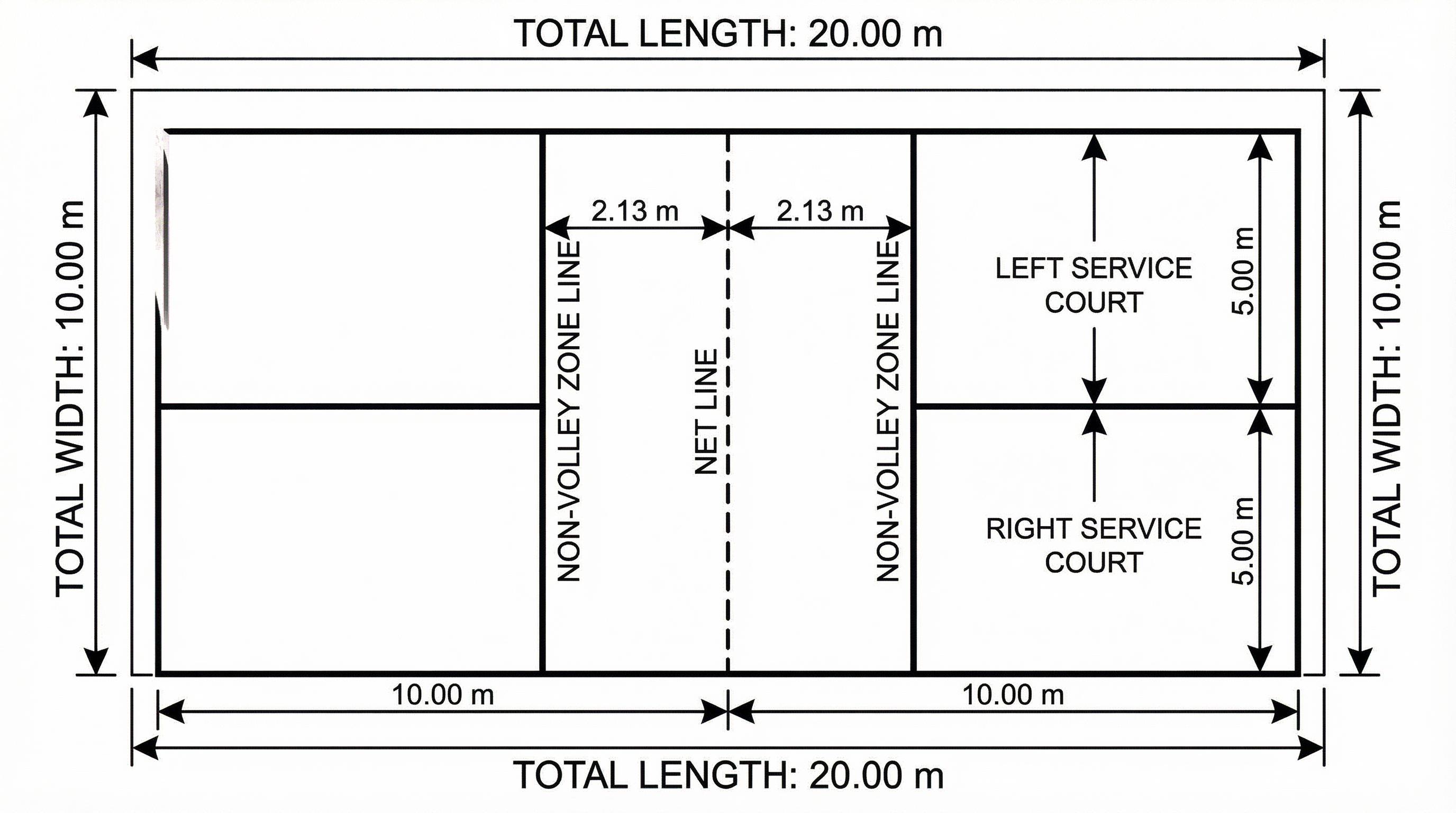
To build a professional court, you must adhere to the 20-meter length and 10-meter width requirements for a pickleball padel facility. These interior measurements ensure that the 200-square-meter play area provides the symmetrical experience players expect during competitive matches. Any deviation larger than the 0.5% tolerance margin can lead to regulatory rejection or poor ball physics.
Standard court measurements
Believe it or not, every centimeter matters when you are marking the service lines 6.95 meters from the net. You must ensure the lines are exactly 5 cm wide and contrast sharply with the floor color for visibility.
- Length: 20 meters interior.
- Width: 10 meters interior.
- Service line: 6.95m from the net line.
- Center line: Divides the service area into two 5m zones.
Planning the safety zone
Now, get this: you must also account for the “juego exterior” or out-of-court play area if you intend to host sanctioned tournaments. This requires an additional clear space of at least 2 meters wide by 4 meters long on each side of the net.
- Safety width: 2 meters on each side.
- Safety length: 4 meters centered on the net.
- Obstacle-free zone: Essential for professional tournament certification.
Key Takeaway: Precise 10x20m dimensions are non-negotiable for ensuring your court meets international competitive standards and provides fair play.
| Dimension | Metric |
|---|---|
| Total Play Area | 200 m² |
| Line Width | 5 cm (White or Black) |
| Tolerance | 0.5% max deviation |
Strict adherence to these blueprints prevents structural errors that are nearly impossible to fix after the concrete has cured.
How to select a net for pickleball padel?
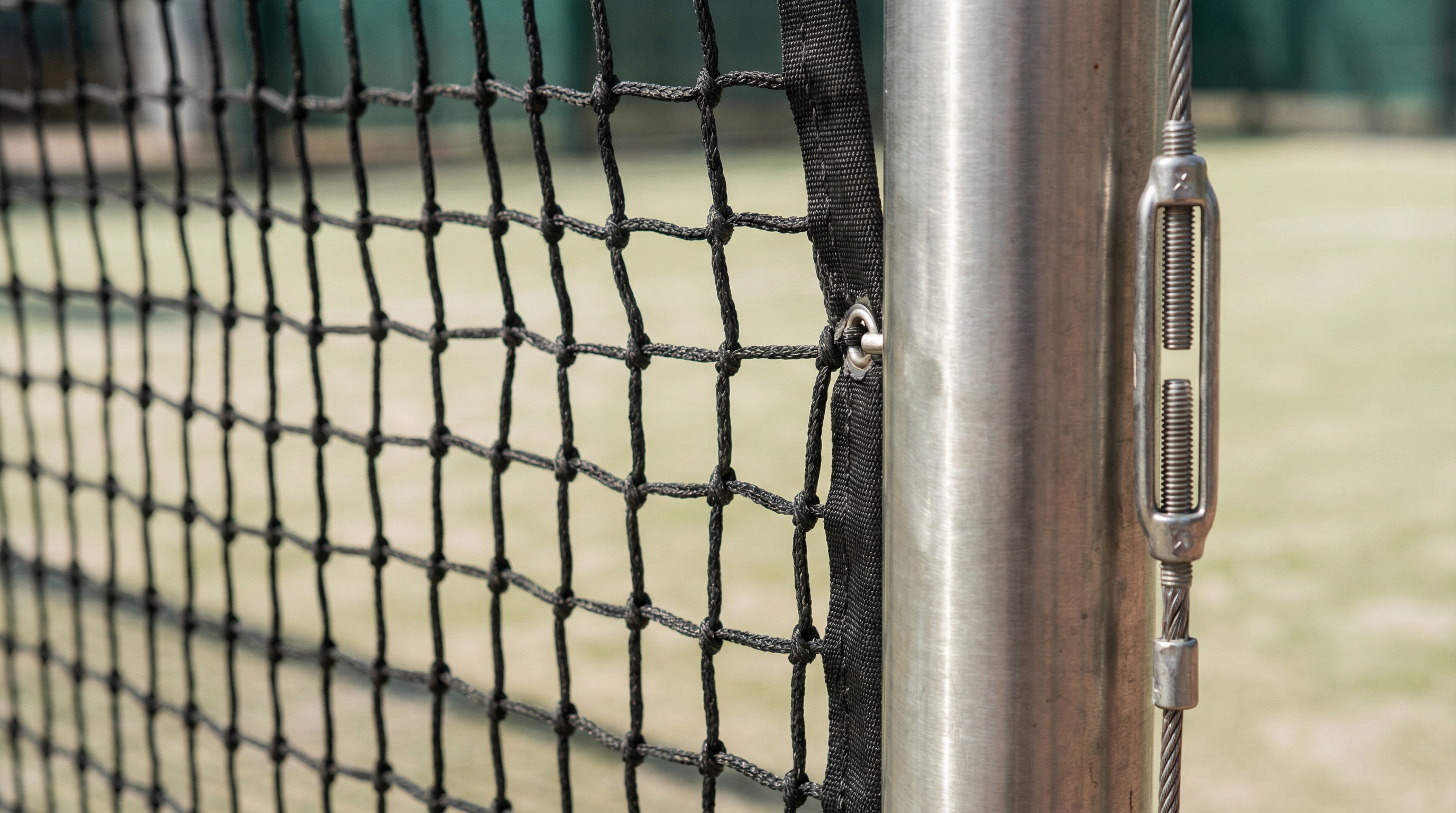
When constructing your pickleball padel facility, the net must be exactly 10 meters long to span the entire width of the court. You must set the center height at 0.88 meters, while the posts should not exceed 1.05 meters in height. Proper tension is critical to ensure the ball reacts correctly during a “let” or when skimming the top band.
Optimal net height and tension
Make no mistake: the net is the most active piece of equipment on the court and requires high-quality synthetic fibers. You should choose a net with a top band between 5.0 and 6.3 cm wide to house the metallic cable.
- Center height: 0.88 meters.
- Post height: 1.05 meters maximum.
- Cable diameter: 0.01 meters maximum.
- Net material: UV-stabilized synthetic fiber.
Selecting durable net posts
Let’s face it: the posts are critical for maintaining structural integrity under the high tension required for a professional setup. You should choose posts with rounded edges to prevent player injury during fast-paced exchanges near the center.
- Internal tensioning system for easy adjustment.
- Weather-resistant powder coating for outdoor longevity.
- Rounded safety edges on all metal components.
Key Takeaway: Correct net tension and center height directly influence the flow of the game and must be checked regularly.
| Net Component | Standard Specification |
|---|---|
| Band Width | 5.0 cm to 6.3 cm |
| Post Alignment | Coincident with lateral limits |
| Cable Material | Metallic with protective sheath |
High-quality nets and posts are small investments that significantly impact the professional feel of your sports club.
Why are enclosures vital for pickleball padel?
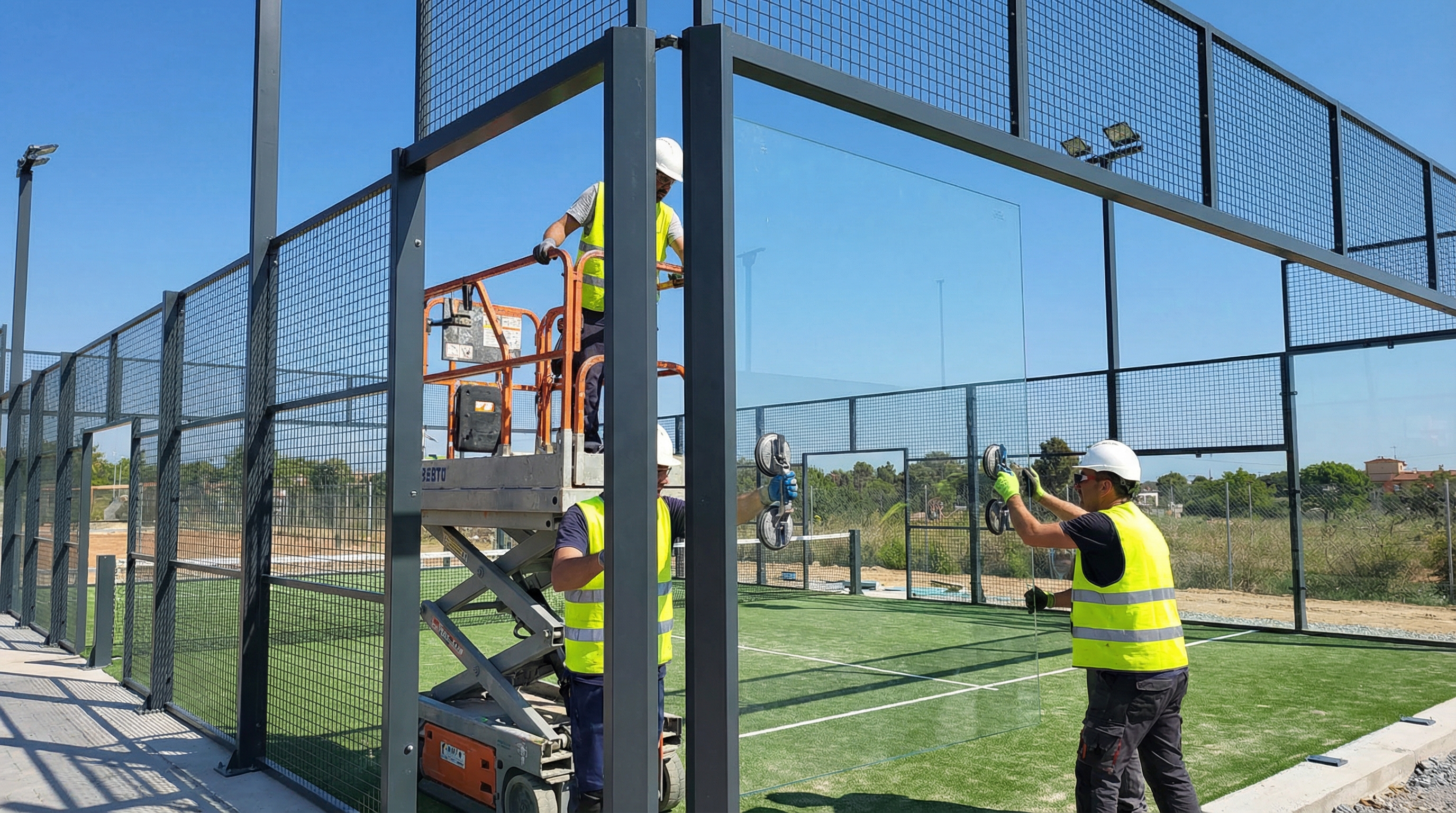
The walls are the heart of the game, requiring high-quality pickleball padel glass to ensure a regular and uniform bounce. You should install tempered glass that meets strict safety standards to ensure both transparency and extreme durability against high-velocity impacts. Without these enclosures, the strategic element of “playing the walls” would be completely lost.
Glass wall specifications
The best part? Using 10mm or 12mm tempered glass provides the perfect rebound while allowing spectators to view the match clearly. You must ensure the panels are perfectly aligned with the interior edge of the court to avoid irregular ball paths.
- Material: Tempered safety glass (EN 12150-1).
- Thickness: 10mm (Standard) or 12mm (Premium).
- Height: 3 meters at the back walls.
- Fasteners: Recessed stainless steel bolts for safety.
Choosing the right metal mesh
You might be wondering: why use mesh instead of all glass? The metal mesh allows for irregular bounces, which adds a layer of tactical complexity to defensive play and provides ventilation for outdoor courts.
- Mesh type: Electrosoldered or simple torsion.
- Opening size: 5cm to 7.08cm maximum.
- Wire diameter: 1.6mm to 3mm for durability.
- Coating: Anti-corrosion galvanized finish.
Key Takeaway: A combination of tempered glass and high-tensile mesh creates the essential “rebound” environment required for elite gameplay.
| Enclosure Part | Height | Material |
|---|---|---|
| Back Walls | 4 meters total | 3m Glass + 1m Mesh |
| Lateral Walls | Stepped or flat | Glass and Metal Mesh |
| Tolerance | High impact resistant | Tempered safety glass |
Choosing high-specification glass ensures player safety and reduces long-term maintenance costs for your facility.
What lighting is needed for pickleball padel?
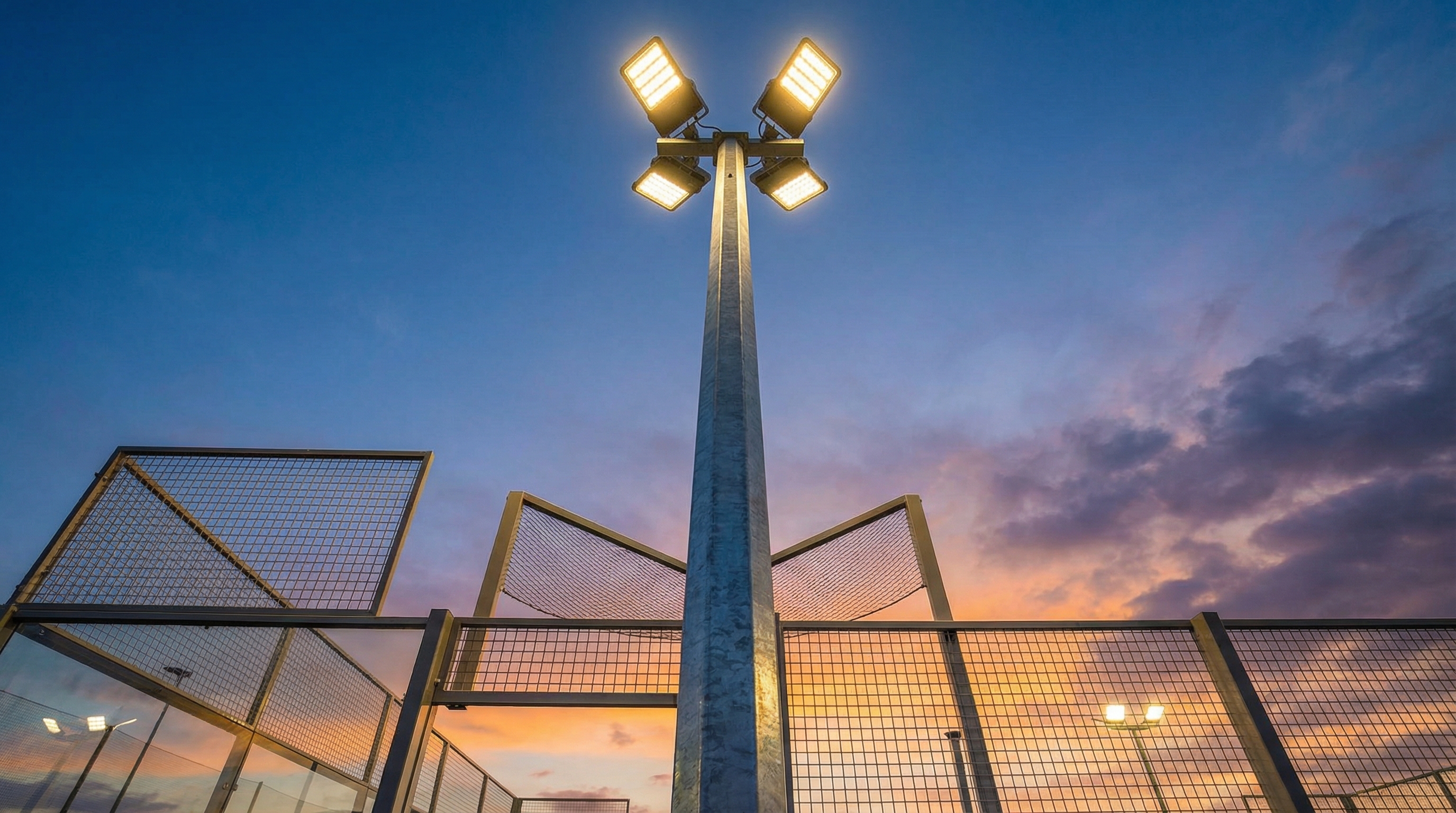
Proper lighting ensures that pickleball padel can be played safely at night or in indoor settings without compromising ball visibility. You should aim for a minimum of 500 to 750 Lux for professional competition to ensure the ball is visible at high speeds from all angles. Poor lighting creates dangerous shadows that can lead to player injury and a frustrating sporting experience.
Lux levels for professional play
In short: the goal is uniformity across the entire 200-square-meter surface. You need a lighting system with a color rendering index higher than 80 to provide the most natural visual environment for the athletes.
- Professional Lux: 500-750.
- Recreational Lux: 200-300.
- Uniformity ratio: Minimum 0.7.
- Technology: Energy-efficient LED floodlights.
Pole placement and height
Keep this in mind: to avoid player glare, you must install the lights at a minimum height of 6 meters above the play surface. For new constructions, the industry suggests a height of 8 meters to provide a more expansive and softer light cone.
- Minimum height: 6 meters.
- Suggested height: 8 meters.
- Position: Outside the vertical projection of the walls.
- Configuration: 4 or 8 pole systems for maximum coverage.
Key Takeaway: High-quality LED systems reduce shadows and glare, significantly improving the safety and quality of night play at your club.
| Lighting Parameter | Requirement |
|---|---|
| Color Rendering (CRI) | > 80 |
| Flicker Rate | < 5% (TV compatible) |
| Mounting Height | 6m to 8m |
Precision lighting design turns your court into a 24-hour revenue generator by enabling comfortable evening and night matches.
Which turf works best for pickleball padel?
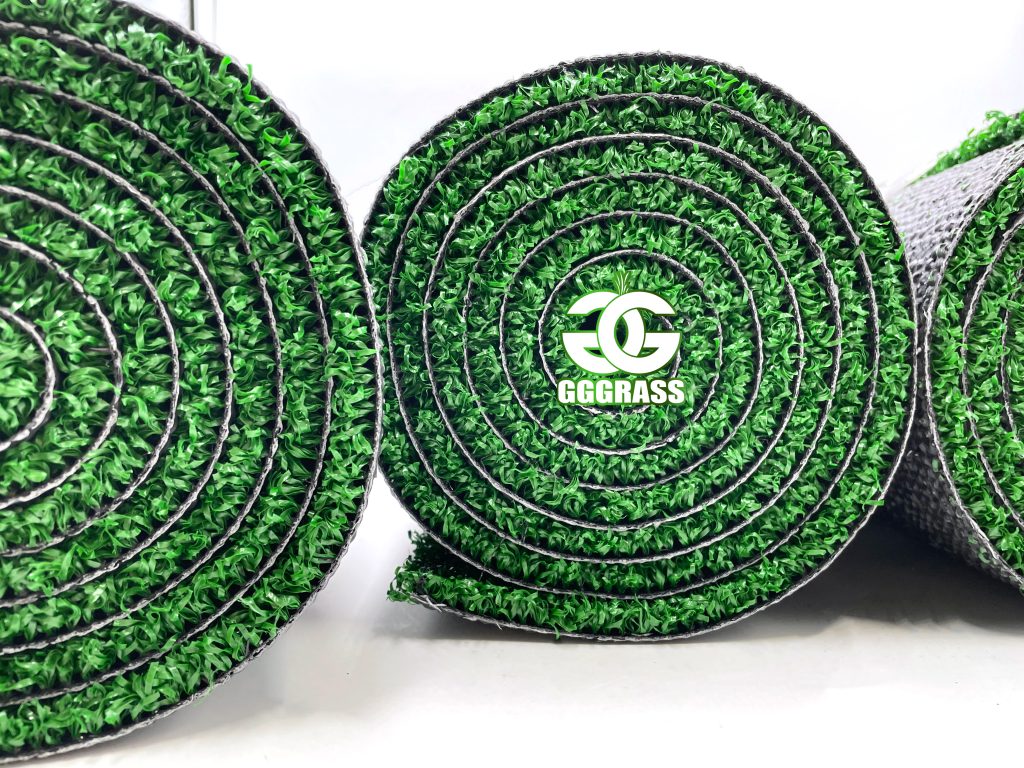
While you can build a court on porous concrete, specialized pickleball padel turf is the gold standard for player comfort and joint protection. Monofilament or textured fibers provide the best balance between grip and the controlled slide that players need during intense lateral movements. Choosing the wrong surface can lead to inconsistent ball bounces and increased injury risk.
Artificial grass versus concrete
Think about it: your choice of surface defines the speed of the game. High-density polyethylene fibers are preferred because they withstand UV exposure and heavy foot traffic without losing their texture.
- Fiber type: Monofilament or Fibrillated.
- Pile height: 10mm to 12mm.
- Density: High stitches per m² for longevity.
- Drainage: 60 liters per minute per m² minimum.
Sand infill requirements
Now, get this: you must use kiln-dried silica sand to stabilize the turf fibers and provide a consistent bounce across the court. This infill prevents the carpet from shifting and protects the player’s joints from excessive friction during pivots.
- Grain size: 0.2mm to 0.8mm for smoothness.
- Purity: > 95% Silica to avoid clumping.
- Weight: Approximately 10-15kg per square meter.
- Distribution: Must be brushed evenly into the pile.
Key Takeaway: Specialized artificial turf combined with the correct silica sand ratio reduces injury risk and ensures a consistent ball response.
| Surface Factor | Standard Requirement |
|---|---|
| Color Options | Blue, Green, or Clay Red |
| Flatness | < 3mm under a 3m straight edge |
| Base Type | Porous concrete or asphalt |
Investing in premium turf ensures your players enjoy a professional feel that mimics the world’s leading racquet clubs.
Can you design a pickleball padel access?
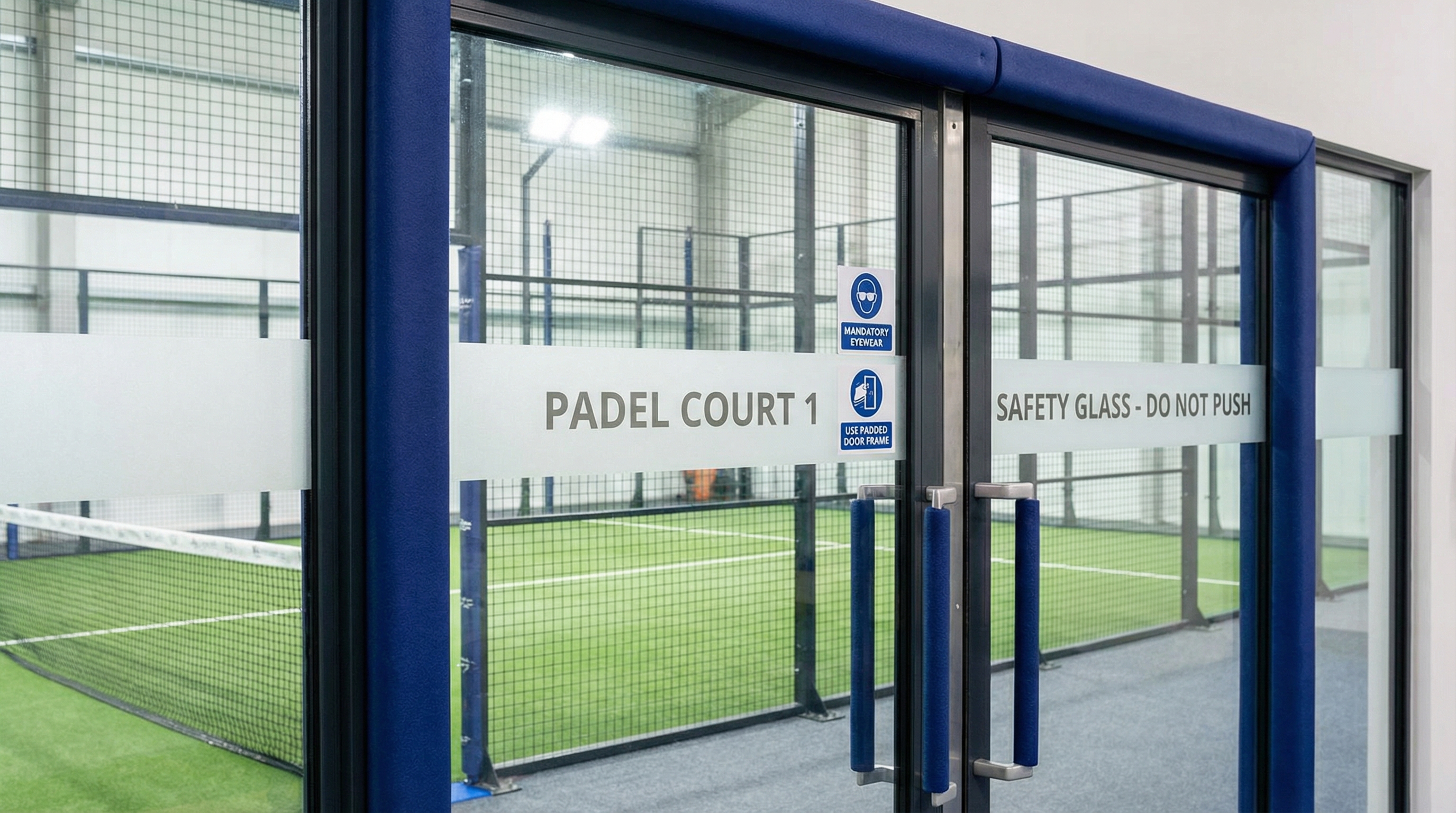
When planning your pickleball padel court, you can choose between one or two access points per side to facilitate entry and exit. If you opt for two openings, each must be at least 0.72 meters wide to comply with safety and tournament regulations. Proper access design is not just about convenience; it is a critical safety requirement for high-level competitive play.
Single versus double doors
Believe it or not, the layout of your entrances can change how the game is officiated. A single door must be at least 1.05 meters wide, providing enough space for players to move quickly without hitting the frame.
- Single door: 1.05m minimum width.
- Double doors: 0.72m minimum width each.
- Height: 2.00m to 2.20m.
- Placement: Must be symmetrical relative to the center.
Safety padding for entrances
Here is the kicker: because players often sprint toward the doors during out-of-court play, you must protect the frames with shock-absorbing materials. You should use neoprene or foam padding that is at least 2 cm thick to prevent impact-related injuries.
- Padding thickness: 2cm minimum.
- Coverage: Lateral and superior edges of the frame.
- Attachment: High-strength Velcro or professional straps.
- Impact: Crucial for preventing head and shoulder injuries.
Key Takeaway: Regulatory door dimensions and protective padding are essential for safety and for facilitating sanctioned out-of-court play.
| Access Detail | Requirement |
|---|---|
| Door Clearance | 2.0m height minimum |
| Padding Material | Neoprene or high-density foam |
| Symmetry | Required for tournament play |
Careful planning of the entrance areas ensures your court is inclusive, safe, and ready for professional tournament sanctioning.
How to orient your pickleball padel court?
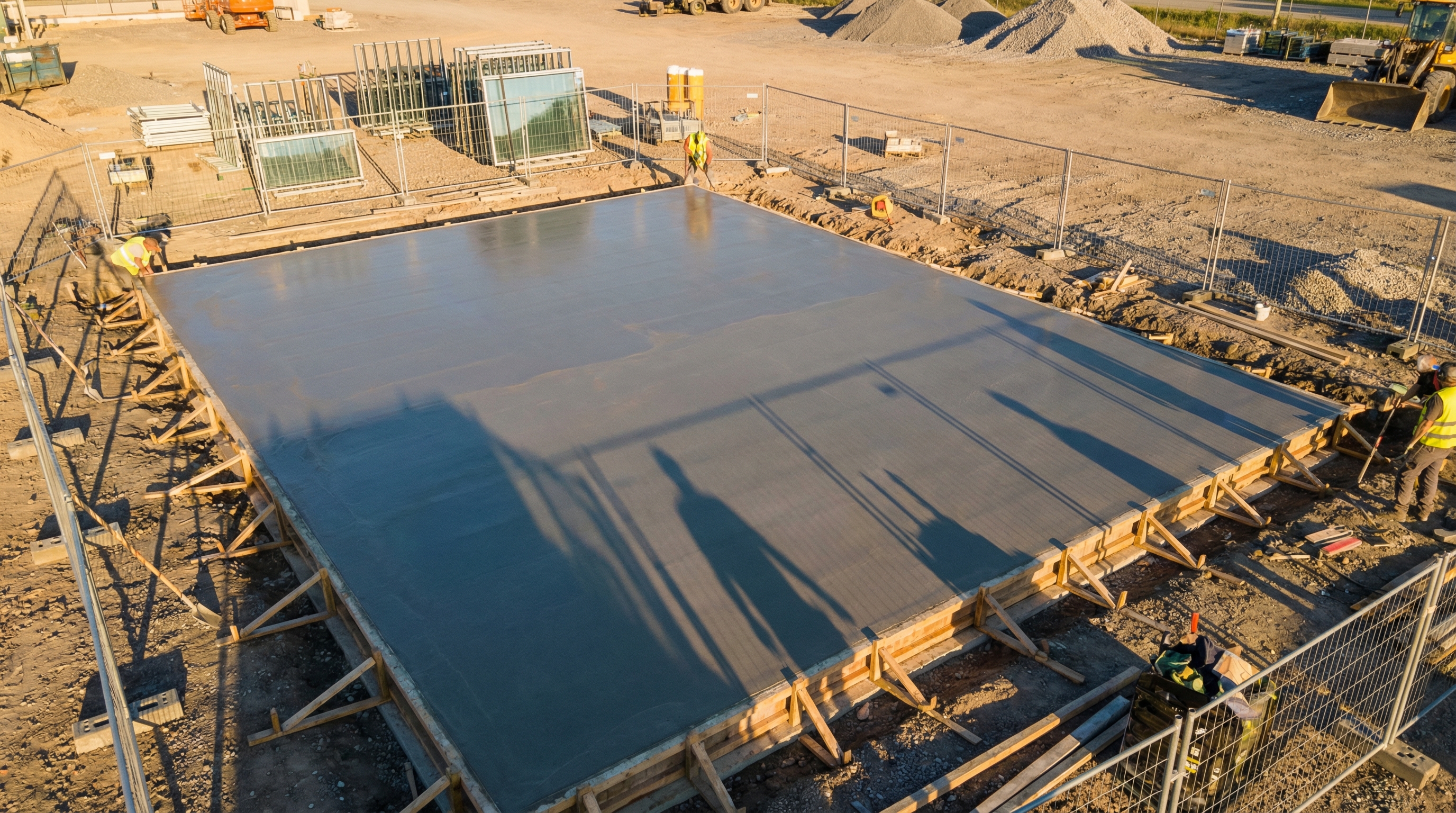
For outdoor facilities, you should ideally align the longitudinal axis of your pickleball padel court in a North-South direction. This orientation minimizes the time that the sun is directly in the players’ eyes during the most popular playing hours of the day. Proper court orientation is one of the most cost-effective ways to improve the user experience from the very beginning.
The North-South alignment rule
Think about it: a poorly oriented court will be unusable for several hours a day due to extreme sun glare. By following the North-South axis, you ensure that the sun passes over the side of the court rather than the ends.
- Primary axis: North-South.
- Tolerance: Variations between N-NE and N-NW are acceptable.
- Impact: Increases “playable hours” for your facility.
- Benefit: Reduces eye strain and improves safety.
Managing sun glare for players
The best part? If you cannot achieve a perfect North-South alignment, you can use specialized glass coatings to manage reflections. You should also consider the placement of surrounding trees or structures that might cast uneven shadows across the play area.
- Anti-reflective glass coatings for lateral walls.
- Natural shading from existing topography.
- Windbreak considerations for outdoor comfort.
Key Takeaway: Correct court orientation is a low-cost strategy to significantly enhance the long-term playability and comfort of an outdoor facility.
| Orientation Factor | Recommended Strategy |
|---|---|
| Ideal Axis | North-South |
| Sun Angle | Managed through side wall height |
| Shadowing | Uniform across the whole surface |
Getting the orientation right during the site preparation phase prevents player complaints and lighting issues that are impossible to fix later.
Is indoor pickleball padel construction easy?
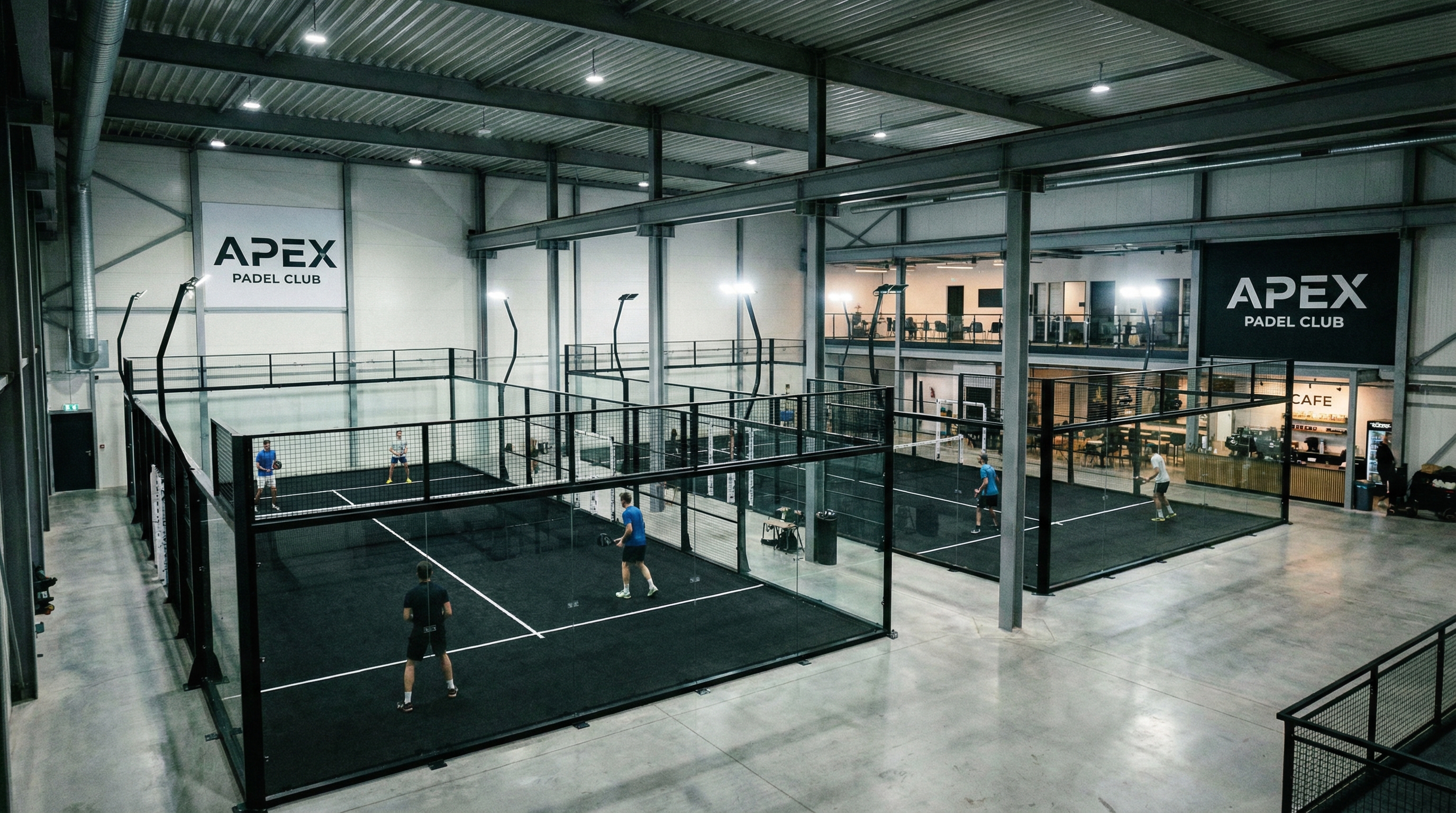
Building pickleball padel courts indoors requires a clear height of at least 6 meters across the entire play surface to accommodate high lobs. However, modern club standards suggest 8 meters to ensure that the ball never hits structural beams or hanging lights. Indoor construction offers the advantage of year-round play, but it presents unique challenges regarding acoustics and ventilation.
Minimum ceiling height requirements
Make no mistake: a low ceiling will frustrate players and ruin the tactical depth of the game. You must ensure that every point of the ceiling is obstacle-free, including fire sprinklers and ventilation ducts.
- Minimum height: 6 meters.
- Recommended height: 8 meters.
- Obstacle-free: Must include lighting and structural beams.
- Verticality: Walls must be perfectly perpendicular to the floor.
Indoor flooring options
You might be wondering: can I skip the drainage systems required for outdoor courts? Yes, indoor facilities allow you to use a flat concrete sub-base without the 1% slope needed for water runoff.
- Sub-base: Polished concrete or leveled asphalt.
- Turf color: Black and grey are popular for a “modern” indoor aesthetic.
- Moisture barrier: Recommended to prevent turf peeling.
- Acoustics: Consider sound-absorbing panels for a premium feel.
Key Takeaway: Ceiling height is the most critical factor for indoor courts; anything under 6 meters will severely limit the quality of play.
| Indoor Factor | Requirement |
|---|---|
| Min Clear Height | 6.0 Meters |
| Suggested Height | 8.0 Meters |
| Air Exchange | High-volume HVAC required |
Indoor facilities provide a controlled environment that allows for consistent tournament conditions regardless of the weather outside.
How to maintain your pickleball padel court?
You must periodically check the bolts and tension cables of your pickleball padel structure to ensure the facility remains safe for all users. Over time, high-impact play and environmental factors can loosen the hardware holding the heavy glass panels in place. A consistent maintenance schedule extends the life of your investment and ensures a premium experience for your members.
Regular structural inspections
Let’s face it: neglecting structural checks can lead to catastrophic glass failure or mesh detachment. You should perform a deep audit every six months to verify that the foundation hasn’t shifted and that all joints are secure.
- Bolt tightening: Every quarter.
- Mesh tension: Semi-annual checks.
- Foundation leveling: Annual inspection.
- Net cable: Monthly tension adjustment.
Glass and turf care routines
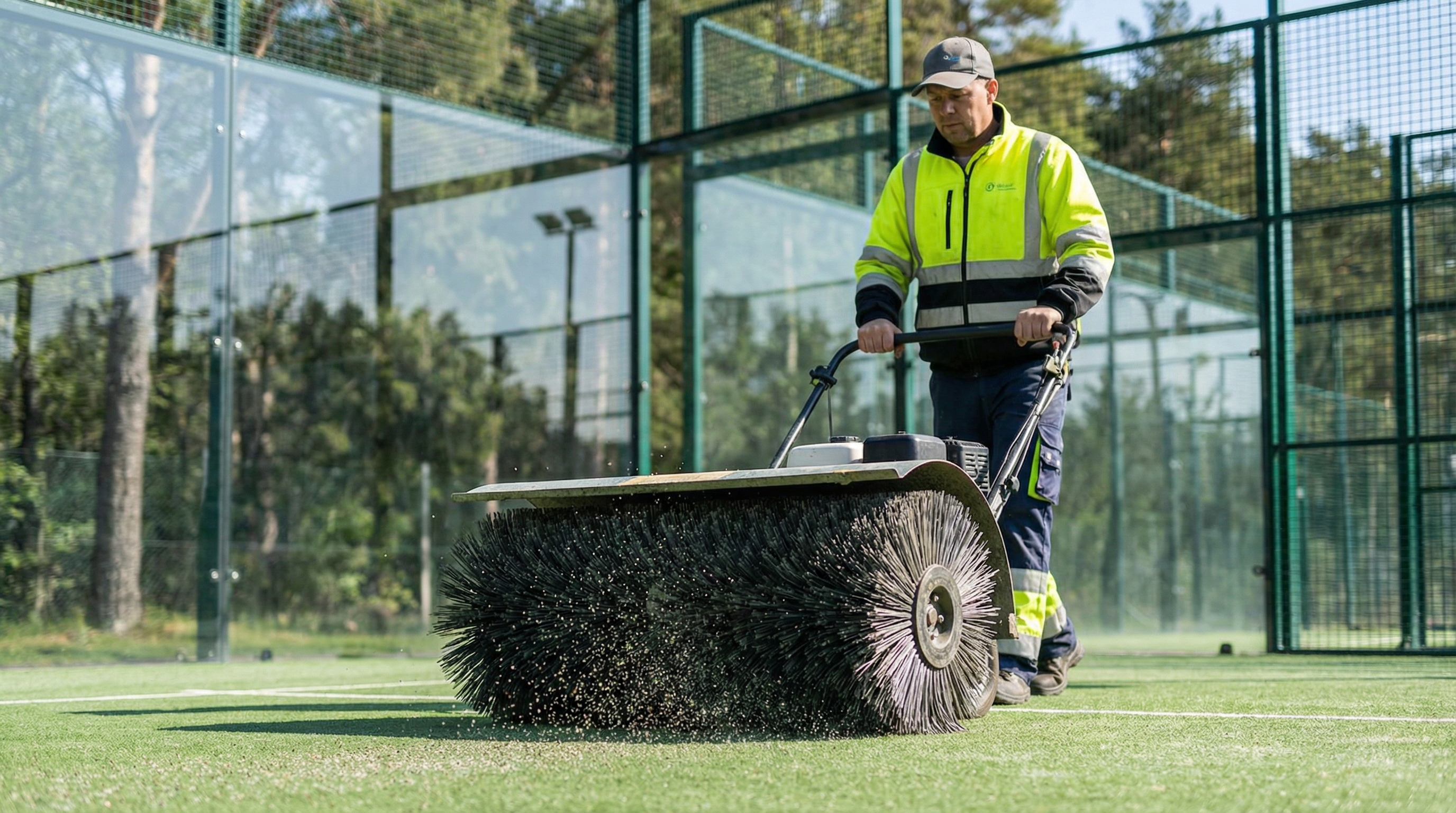
The best part? Keeping the court in top shape only takes a few hours of work each week. You must brush the artificial grass regularly to redistribute the silica sand and prevent the fibers from flattening, which ruins the bounce.
- Glass cleaning: Weekly for maximum transparency.
- Turf brushing: Every 2-3 weeks to prevent sand compaction.
- Sand top-up: Once a year to maintain levels.
- Algae treatment: Bi-annual application for outdoor courts.
Key Takeaway: A consistent maintenance schedule protects your capital investment and ensures a high-quality surface for elite player performance.
| Maintenance Task | Frequency |
|---|---|
| Brushing Turf | Every 15 days |
| Cleaning Glass | Weekly |
| Structural Audit | Every 6 months |
Proper care not only keeps the court looking professional but also prevents minor issues from turning into expensive structural repairs.
Frequently Asked Questions
- Can I build a court on an existing tennis court space?
Yes, a standard tennis court can usually accommodate two padel-sized courts if the sub-base is reinforced and properly leveled for the new structure. - What’s the best material for the court walls?
Tempered glass is the industry standard for visibility and rebound, though solid brick walls are still used in some traditional residential designs for durability. - Can I install these courts in a residential area?
Yes, but you should check local noise ordinances and consider using 12mm glass or acoustic panels to minimize the sound impact on neighbors. - What’s the best way to prevent water pooling on outdoor courts?
You must ensure a 1% slope from the center toward the exterior or use a porous concrete sub-base that allows for vertical water drainage. - How do I know if my ceiling is high enough for an indoor court?
You must measure the distance from the finished floor to the lowest hanging object; if it is less than 6 meters, the court will not meet official standards.
Conclusion
Building a professional racquet facility requires meticulous attention to international standards, from the 10x20m dimensions to the precise lux levels of your LED lighting. By prioritizing high-quality tempered glass, monofilament turf, and proper structural orientation, you ensure a facility that attracts elite players and resists the elements. We believe that every sports facility should be a landmark of quality and safety, providing a world-class environment for athletes of all levels. If you are ready to start your construction project or need a custom technical quote, please Contact us today to speak with our court engineering experts.