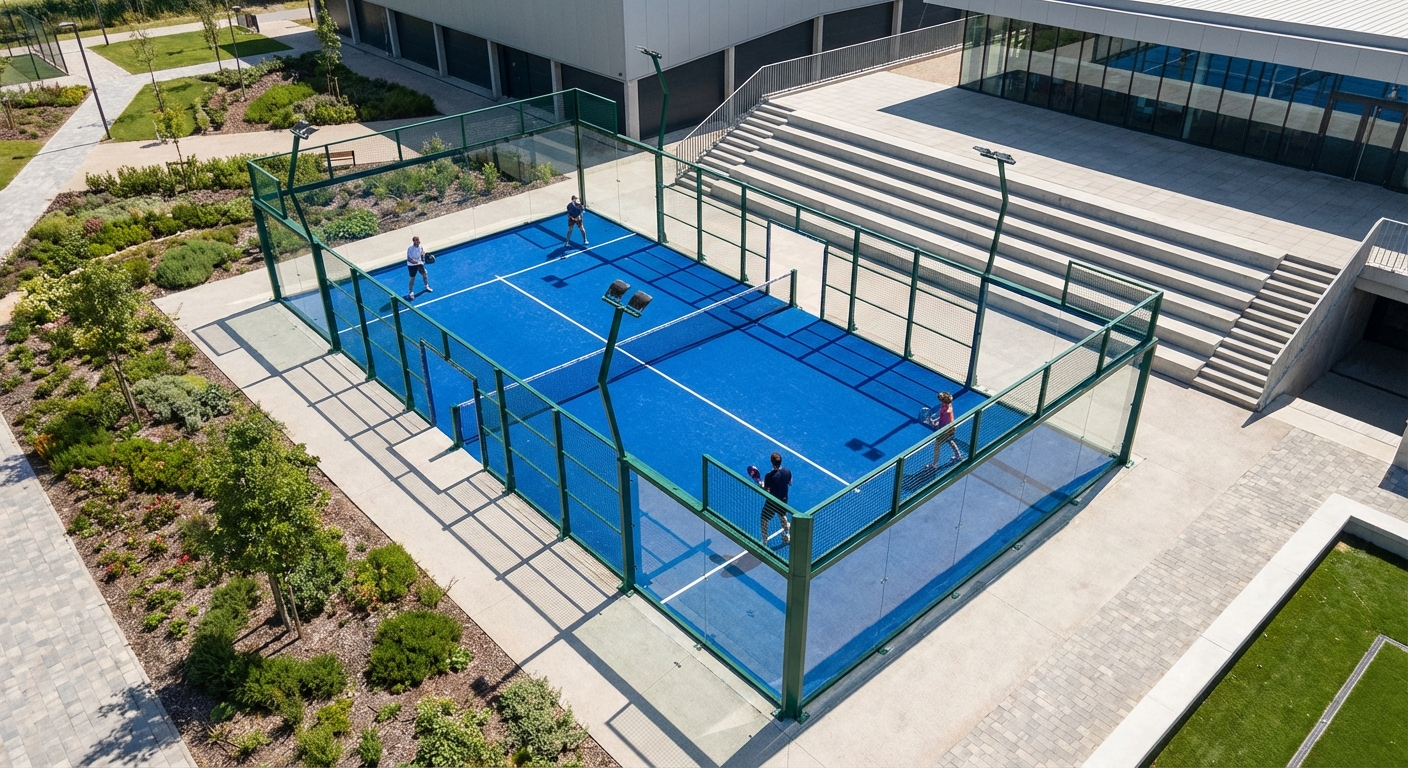
You may have dreamed of transforming an underutilized space into a thriving sports hub, only to find yourself buried under conflicting technical specifications and unpredictable cost estimates. It is frustrating to realize that a single error in floor leveling or glass mounting can compromise the safety of the entire facility. This guide serves as your comprehensive blueprint, stripping away the complexity to show you exactly how to execute a professional padel. installation from the ground up.
What exactly is padel. and its history?
Padel. is a social racket sport that originated in 1969, blending the best tactical elements of tennis and squash into a fast-paced doubles game. This sport transitioned from a private backyard curiosity to a global phenomenon recognized for its accessibility and high engagement.
How did the game begin?
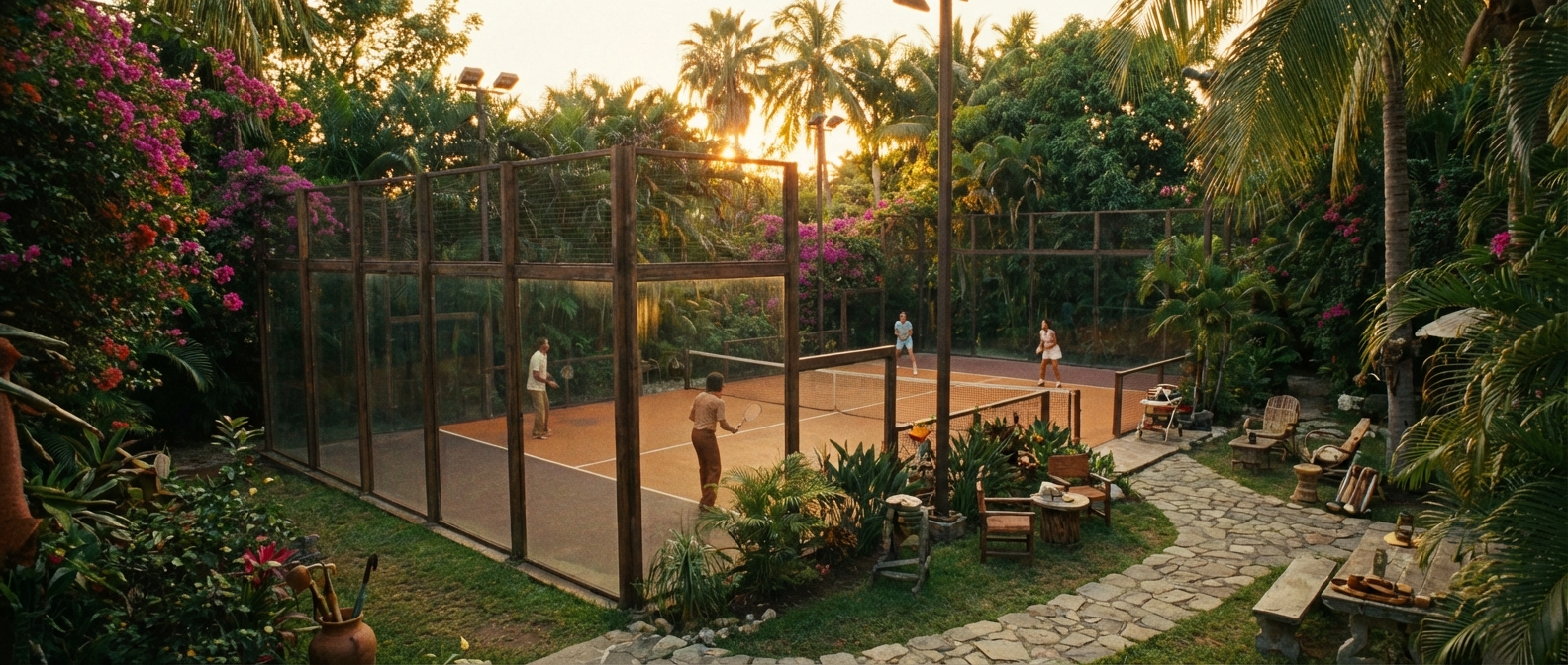
The game started when walls were added to a small court to keep balls from leaving the property. You might be wondering how the mechanics changed.
- Players began using the walls as part of the active play area.
- Rackets evolved from traditional strings to solid, perforated paddles.
- The social nature of the sport encouraged the growth of the doubles format.
Is the scoring easy to learn?
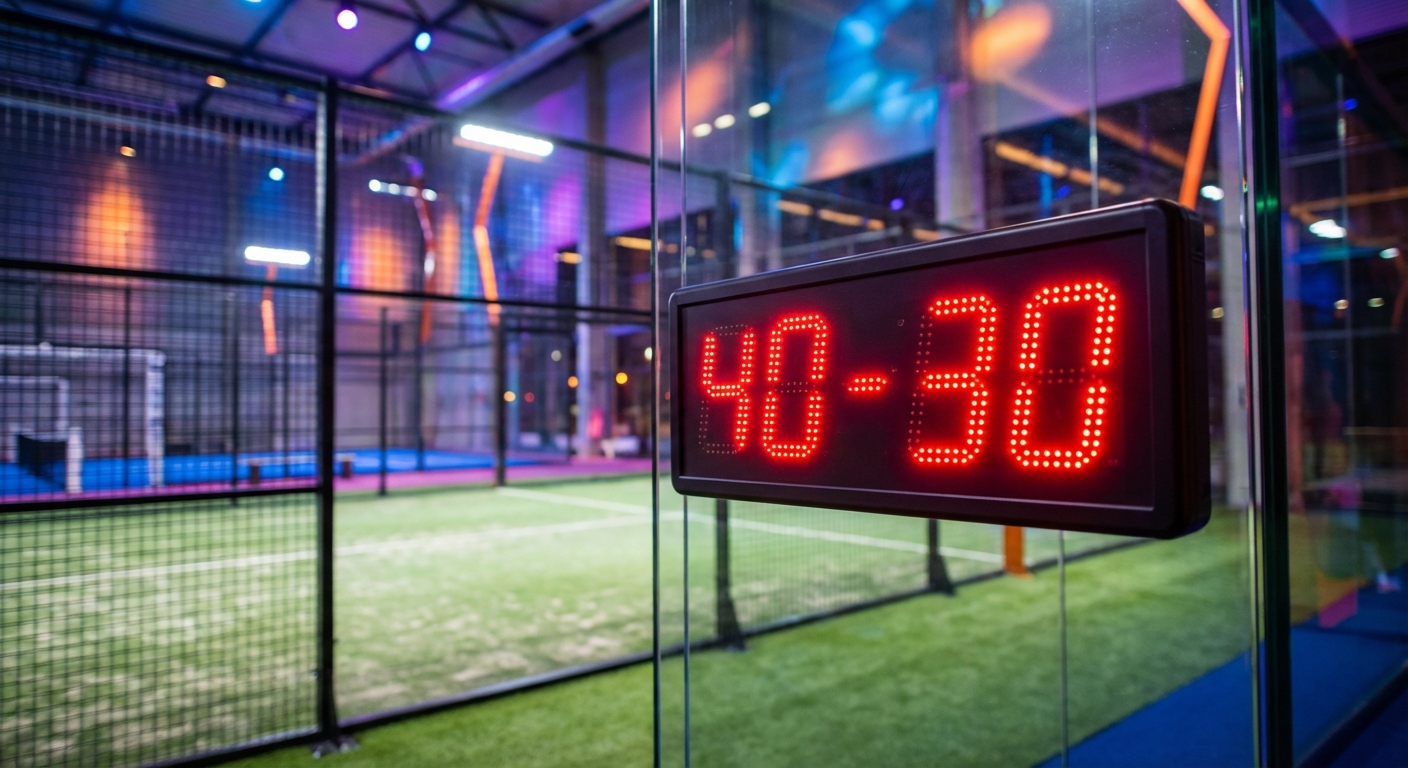
Scoring is identical to tennis, using the 15, 30, and 40 systems to determine games and sets. Think about it:
- If you know tennis, you can step on a court today and play.
- The addition of the “Golden Point” at deuce has accelerated professional matches.
- Matches are typically played as the best of three sets.
Key Takeaway: The historical evolution of the sport from Mexico to Europe has created a game that is as much about strategy and wall-play as it is about physical power.
| Metric | Detail |
|---|---|
| Origin Year | 1969 |
| First Location | Acapulco, Mexico |
| Scoring Format | Tennis-style (15, 30, 40) |
Understanding the roots of the game helps you appreciate why specific court dimensions and enclosures are non-negotiable for authentic play.
Where did the concept of padel. start?
The concept of padel. started at the home of Enrique Corcuera in Acapulco, Mexico, where he built the first court to adapt racket sports to a limited residential space. His innovation was born out of necessity, using existing walls to create a self-contained playing environment.
Who was the primary inventor?
Enrique Corcuera is the man responsible for the “Paddle Corcuera” design that eventually became the global standard. Here is the kicker:
- He didn’t want his tennis balls flying into his neighbor’s yard.
- He enclosed a 20×10 meter area with high walls and metallic fences.
- This forced players to use the rebounds, creating a brand new set of tactics.
How did it reach Europe?
The sport moved to Spain in 1974 after Alfonso de Hohenlohe visited Mexico and brought the idea to the Marbella Club. But that’s not all.
- Professional tennis players quickly adopted the game for its tactical depth.
- Argentina became the next major hub in 1975, leading to millions of players.
- The name was officially changed to its current spelling in 1993 for linguistic consistency.
Key Takeaway: What began as a backyard solution in Mexico successfully migrated to Spain and Argentina, forming the modern foundation of the industry.
| Figure | Role | Impact |
|---|---|---|
| Enrique Corcuera | Inventor | Built the first enclosed court in Mexico. |
| Alfonso de Hohenlohe | Promoter | Introduced the sport to the European market. |
| Manolo Santana | Pioneer | Validated the sport within the professional tennis community. |
The transition from a private hobby to a public sport required the standardization of equipment and court specifications.
Why is padel. court construction a smart investment?
Building a padel. court is a smart investment because it occupies only one-third the space of a tennis court while accommodating four players per session, significantly increasing the revenue per square meter. In the modern sports market, padel. facilities are outperforming traditional clubs in both player retention and hourly booking rates.
What is the ROI potential?
The Return on Investment is exceptionally high due to the sport’s massive popularity and the ability to fit multiple courts in a small footprint. You might be wondering…
- Can I fit three courts on one old tennis court?
- Yes, and that means 12 paying customers instead of two.
- The social nature of the game also drives high secondary spending in cafes and pro-shops.
Why is the demand growing?
The demand is surging because the game is easy to learn for beginners but offers deep strategic complexity for advanced athletes. Here is the deal:
- It is the fastest-growing racket sport in the world.
- Low physical barriers allow seniors and children to play together.
- Corporate leagues and social tournaments keep courts booked throughout the week.
Key Takeaway: From a business perspective, the high density of players and the growing global demand make this the most lucrative racket sport to develop today.
| Investment Factor | Advantage |
|---|---|
| Space Efficiency | 3 courts per 1 tennis court area. |
| Player Density | Always played 2v2 (4 players). |
| Maintenance | Low ongoing costs with high-quality turf. |
Maximizing your return requires a deep understanding of the technical dimensions that define a professional venue.
What are the standard dimensions for padel. ?
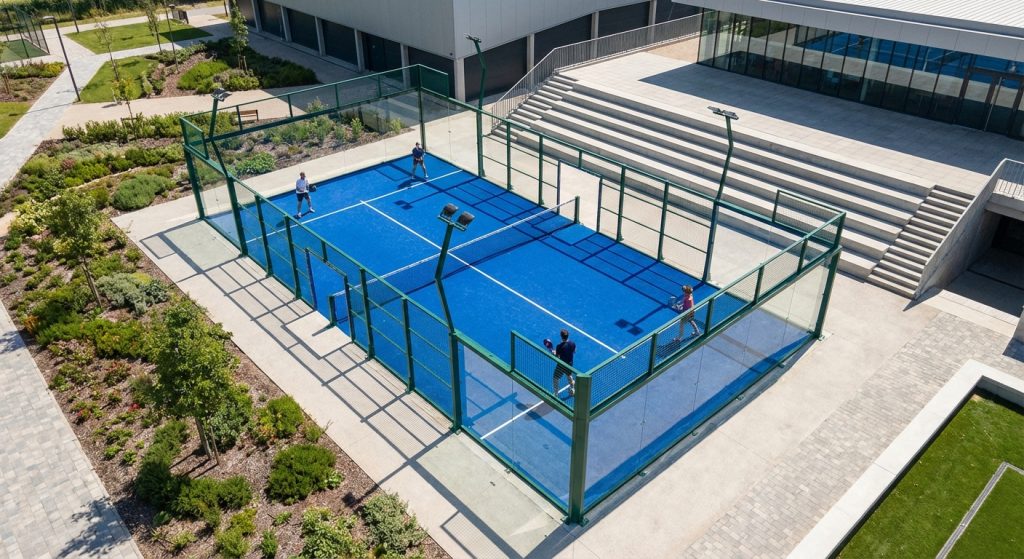
The standard dimensions for padel. are a rectangular area measuring exactly 10 meters in width and 20 meters in length, enclosed by a combination of glass and mesh. Adhering to these measurements is vital for ensuring the ball physics remain consistent during competitive match play.
How high are the walls?
The back walls must be 3 meters high, typically supplemented by an additional 1 meter of metallic mesh above the glass. Think about it:
- A total height of 4 meters prevents most lobs from leaving the court.
- The sidewalls use a “stepped” design between the glass and the mesh.
- Accurate wall heights are necessary for the integrity of the defensive game.
Where are the service lines?
The service lines are positioned 6.95 meters from the net on both sides of the court. It gets better:
- These lines divide the court into boxes for the underhand serve.
- A center service line divides the area into two equal halves.
- The net itself is 0.88 meters high at the center and 0.92 meters at the posts.
Key Takeaway: Precision in the 10×20 meter footprint and a 4-meter total enclosure height is the only way to meet international playing standards.
| Component | Standard Dimension |
|---|---|
| Length | 20 Meters |
| Width | 10 Meters |
| Net Height (Center) | 0.88 Meters |
| Back Wall Height | 3 Meters (Glass) + 1 Meter (Mesh) |
Once you have defined the dimensions, your focus must shift to the literal foundation of the build.
Which foundation is best for padel. courts?
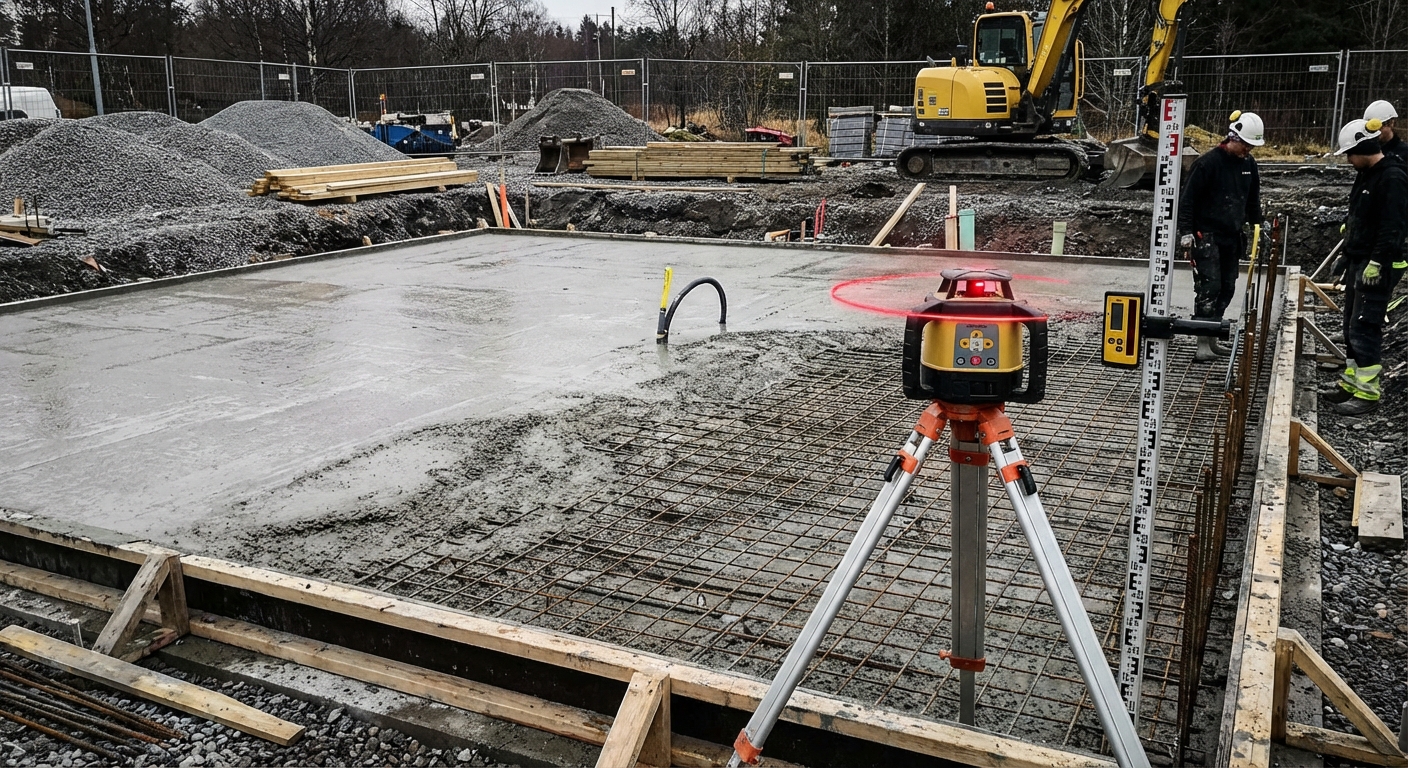
The best foundation for padel. courts is a laser-leveled, reinforced porous concrete slab that allows for rapid water drainage and prevents surface cracking over time. Using high-quality padel. foundation materials ensures that your court remains perfectly flat, which is essential for a predictable ball bounce.
Why use porous concrete?
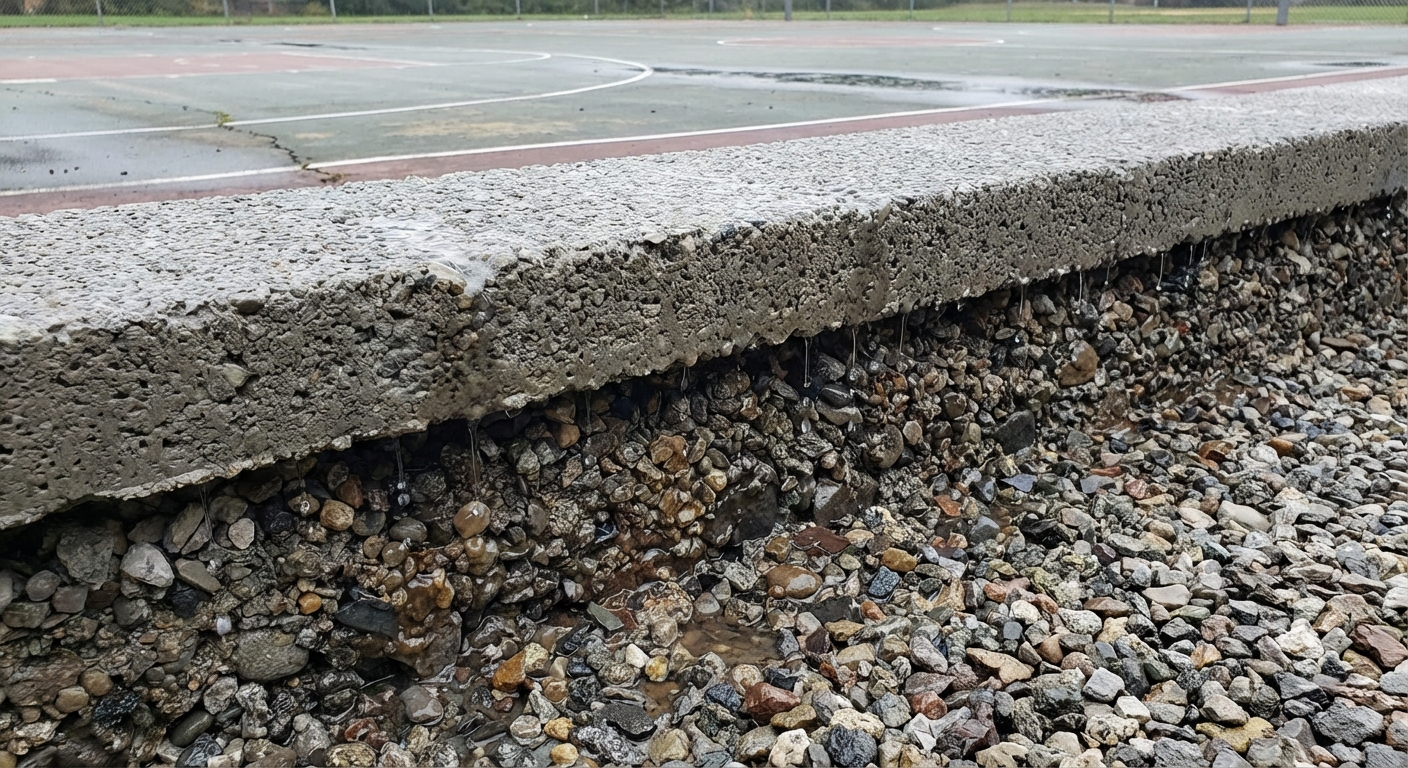
Porous concrete is superior because it mitigates the risk of water pooling under the synthetic turf during heavy rain. Here is the deal:
- It allows water to pass through the slab into the drainage system.
- This prevents the “slushy” feel that occurs on non-porous surfaces.
- It protects the glue used to secure the turf from premature failure.
Is a ring beam necessary?
A reinforced concrete ring beam is mandatory around the perimeter to anchor the heavy steel and glass structure. Believe it or not:
- The structure can weigh several tons and faces high wind loads outdoors.
- Without a ring beam, the weight distribution could cause the slab to heave.
- Bolts must be set deep into the beam to ensure the glass panels remain stable.
Key Takeaway: A 15-20cm reinforced concrete slab with a perimeter ring beam is the gold standard for long-term structural stability.
| Construction Layer | Material Type | Function |
|---|---|---|
| Sub-Base | Crushed Stone/Gravel | Stability and Drainage |
| Main Slab | Porous Concrete (3000 PSI) | Level Playing Surface |
| Perimeter | Reinforced Ring Beam | Structural Anchoring |
Proper ground preparation is the only way to avoid the catastrophic cost of glass breakage due to foundation shifting.
Is tempered glass essential for padel. safety?
Tempered glass is absolutely essential for padel. because it offers superior impact resistance and is designed to shatter into small, blunt fragments should a catastrophic failure occur. The safety of the players depends entirely on the quality and thickness of these transparent panels.
What thickness is required?
Standard courts typically use 10mm tempered glass, though 12mm is highly recommended for high-usage commercial clubs. You might be wondering…
- Does 2mm really make a difference?
- Yes, 12mm glass is significantly more rigid and provides a better rebound.
- It also reduces the vibration of the structure when players collide with the wall.
How is the glass mounted?
Glass panels are mounted using specialized stainless steel bushings and gaskets to prevent direct contact with the steel frame. That’s not all:
- Rubber gaskets absorb the shock of impacts.
- Countersunk holes allow the bolts to sit flush with the glass surface.
- Professional installers use laser levels to ensure every panel is perfectly vertical.
Key Takeaway: Never compromise on 10mm or 12mm tempered safety glass, as it is the primary safety barrier between the play area and the spectators.
| Glass Detail | 10mm Standard | 12mm Premium |
|---|---|---|
| Impact Resistance | High | Superior |
| Vibration Level | Moderate | Low |
| Recommended Use | Private/Residential | Commercial/Professional |
Beyond the walls, the quality of light determines whether your facility can operate profitably after sunset.
What turf specs define a professional padel. court?
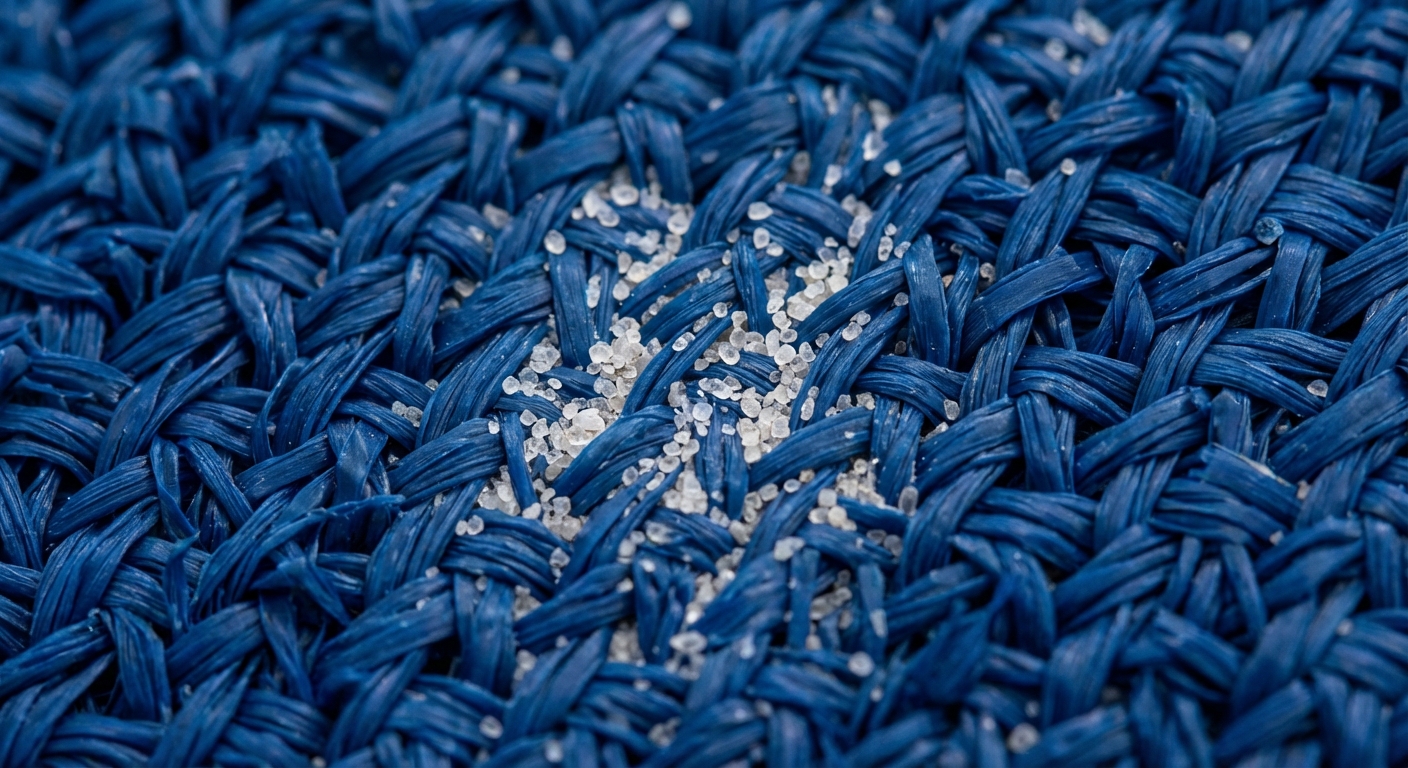
Professional padel. turf is defined by high-density polyethylene fibers, a pile height of 10-12mm, and a consistent infill of kiln-dried silica sand. Selecting high-grade padel. turf ensures that players experience optimal traction and a consistent ball bounce throughout every match.
What is monofilament turf?
Monofilament grass consists of single, robust blades that stand upright more effectively than older, fibrillated styles. Here is the deal:
- It offers better durability under high-frequency lateral movement.
- The fibers don’t “mat down” as easily, reducing maintenance time.
- It provides a more natural aesthetic that mimics luxury lawn surfaces.
Why is silica sand used?
Kiln-dried silica sand is used to weigh down the turf and provide the specific friction needed for the ball to spin. It gets better:
- The sand must be evenly distributed to prevent “dead spots.”
- It acts as a protective layer for the base of the grass fibers.
- Proper sand levels prevent players from slipping during aggressive lunges.
Key Takeaway: High-density monofilament turf with a 10mm pile height is the industry standard for durability and professional-grade performance.
| Turf Component | Specification | Benefit |
|---|---|---|
| Fiber Material | Polyethylene (PE) | UV Resistance and Softness |
| Stitch Rate | 45,000+ per sqm | Long-term Durability |
| Infill | Silica Sand (0.3-0.8mm) | Consistent Ball Bounce |
The versatility of this turf and the steel structure allows for installation in a variety of environments, including indoors.
Can padel. be installed in indoor facilities?
Padel. can be successfully installed in indoor facilities provided the ceiling height is at least 7 meters and the ventilation system is capable of managing humidity for the players. Moving the sport indoors eliminates weather delays and allows for a 24/7 revenue stream.
What is the minimum ceiling height?
A minimum clear height of 7 meters is required to accommodate the high lobs that are central to the game’s strategy. Think about it:
- If the ceiling is too low, the tactical lobs become impossible.
- Many professional clubs aim for 8 or 9 meters for a premium feel.
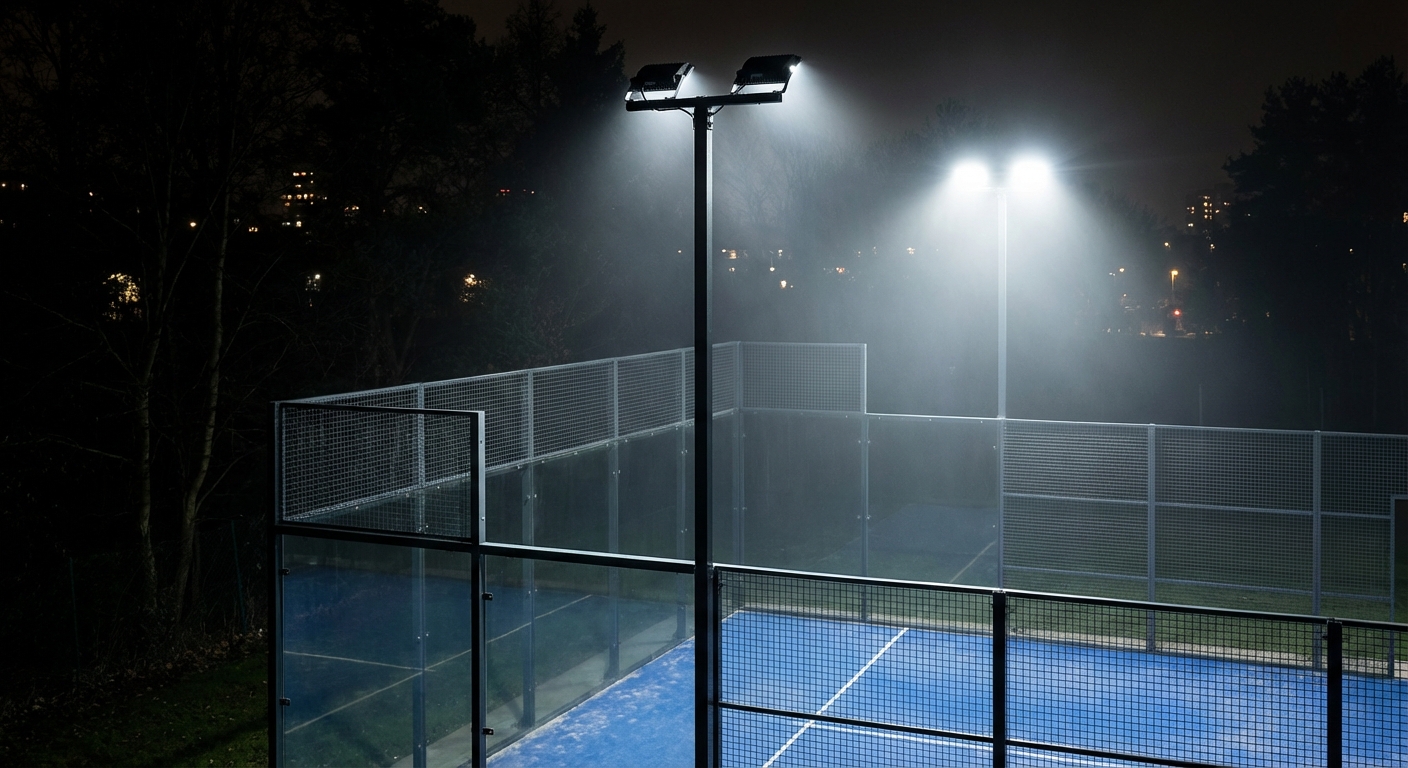
- Lighting fixtures must be positioned to avoid creating shadows at this height.
Are indoor acoustics a problem?
The sound of the ball hitting the glass and the carbon fiber rackets can be loud in an enclosed warehouse space. But that’s not all.
- Acoustic panels can be installed on walls and ceilings to dampen the noise.
- The social atmosphere is actually enhanced by the acoustic energy of an indoor club.
- Proper spacing between courts helps manage the sound overlap during peak hours.
Key Takeaway: Indoor installations offer the highest profitability by ensuring the courts are playable 365 days a year, regardless of external conditions.
| Indoor Factor | Requirement | Impact |
|---|---|---|
| Clear Height | 7m – 9m | Enables tactical lobbing. |
| Lighting | 500-750 Lux | Ensures high-speed ball tracking. |
| Ventilation | High Exchange Rate | Maintains player comfort and turf health. |
While indoor setups avoid weather risks, the total project budget is still the most significant hurdle for new investors.
How much does a full padel. installation cost?
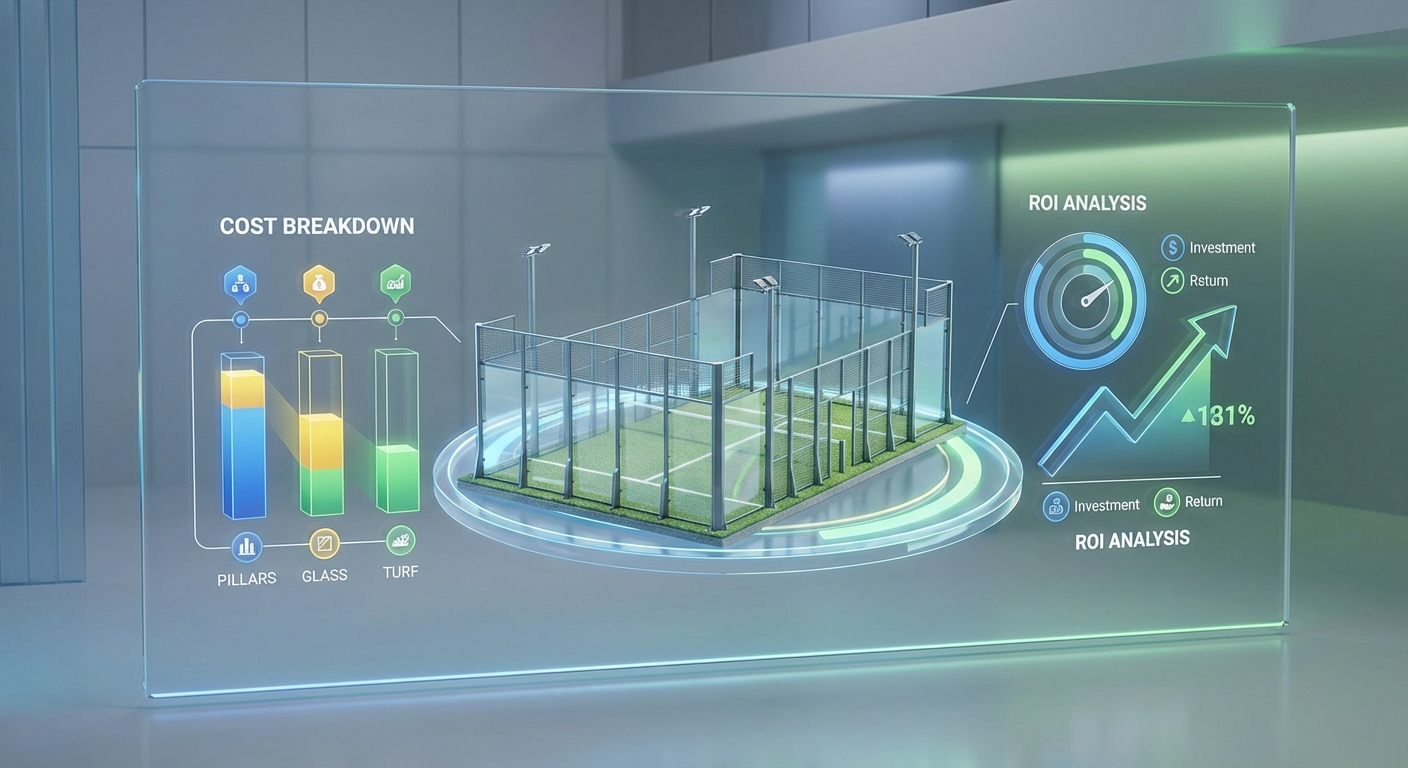
A full padel. installation typically costs between $25,000 and $50,000 per court, covering the structure, glass, turf, and lighting. Investing in a padel. setup requires a careful balance between initial capital expenditure and long-term maintenance savings.
What drives the price up?
The primary cost drivers are the thickness of the glass, the type of steel galvanization, and the quality of the LED lighting system. Here is the kicker:
- Panoramic designs are more expensive because they use thicker glass and lack vertical pillars.
- Hot-dip galvanization is a premium feature that prevents rust in coastal areas.
- High-efficiency LED lamps reduce long-term electricity bills but cost more upfront.
Are there hidden costs?
Ground preparation, shipping, and professional installation labor are the most common “hidden” expenses in a project. Let’s dive in:
- Leveling an uneven site can cost several thousand dollars before a slab is poured.
- Importing courts requires logistics expertise to avoid customs delays.
- Using certified installers is essential to maintain the manufacturer’s warranty.
Key Takeaway: While a standard court starts at $25,000, choosing a panoramic model and high-efficiency lighting is a better long-term strategy for premium clubs.
| Cost Category | Estimated Range | Note |
|---|---|---|
| Standard Build | $25k – $30k | Best for high-volume public clubs. |
| Panoramic Build | $35k – $45k | Best for tournaments and viewing. |
| Lighting/Turf | Included | Always specify LED and Monofilament. |
Building the court is only half the battle; the other half is ensuring it lasts for a decade of heavy use.
How do you maintain padel. courts for longevity?
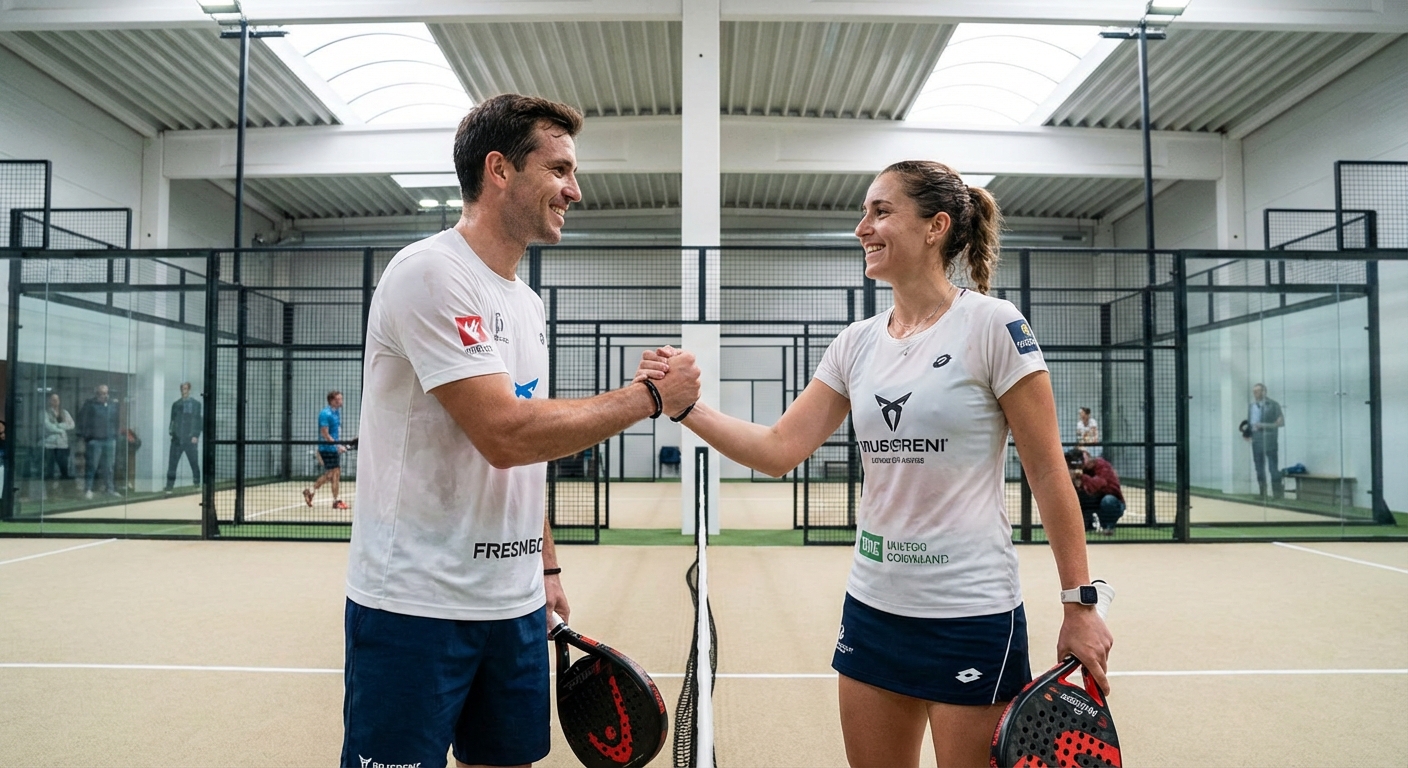
Maintaining padel. courts for longevity involves a weekly routine of brushing the silica sand, cleaning the glass panels, and checking the tension of the net. Consistent care prevents the sand from compacting and ensures the glass remains crystal clear for spectators.
How often should I brush?
You should brush the turf at least once a week to redistribute the silica sand and keep the fibers upright. Think about it:
- High-traffic areas like the service boxes lose sand quickly.
- Brushing prevents the turf from becoming slippery and dangerous.
- It also ensures an even bounce across the entire 200 square meter surface.
What about glass cleaning?
The glass panels should be cleaned with water and a squeegee to remove sweat marks and environmental dust. That’s not all:
- Clean glass is essential for the “premium” feel of your facility.
- Regularly inspect the mounting bolts for any signs of loosening.
- Check the gaskets to ensure they are still providing a soft barrier between the glass and steel.
Key Takeaway: A simple weekly maintenance schedule can extend the life of your turf by years and keep your glass walls safe and beautiful.
| Task | Frequency | Purpose |
|---|---|---|
| Sand Brushing | Weekly | Even bounce and player safety. |
| Glass Cleaning | Bi-Weekly | Spectator visibility and hygiene. |
| Bolt Inspection | Quarterly | Structural integrity and safety. |
By following these maintenance steps, you protect your investment and ensure that every player who steps onto your court has a world-class experience.
*
Frequently Asked Questions
Can I build a court in my private backyard?
Yes, you can install a court on any flat 10×20 meter surface, provided you have local building permits for the structure. The compact footprint makes it an ideal luxury addition to private estates.
What’s the best way to prevent rust on the structure?
Specify hot-dip galvanized steel for the frame to ensure maximum corrosion resistance, especially in humid or coastal climates. This treatment creates a permanent bond that prevents oxidation from the inside out.
How do I know if my court is tournament-ready?
Ensure your court meets International Padel Federation dimensions and features a panoramic glass back for spectator viewing. Professional courts also require high-intensity lighting between 500 and 750 lux.
Can I convert an old tennis court into padel. courts?
Absolutely, as one standard tennis court provides enough square footage to accommodate up to three professional-sized courts. this is the most common way for legacy clubs to modernize their facilities.
What’s the best turf color for visibility?
Blue is the industry standard because it provides the highest contrast against the yellow ball, making it easier for both players and cameras to track the action. Other colors like green or clay-red are available but are less common in professional settings.
*
Navigating the technicalities of foundation pouring, glass safety, and turf density can be the difference between a failing project and a thriving sports community. We have solved the problem of fragmented information by providing a unified technical standard that guarantees a world-class venue. From the initial 1969 Mexican garden to today’s panoramic indoor hubs, the path to a successful build is now clear. You can take the next step in your investment journey by reaching out to our engineering team to contact us today for a custom site assessment. Let’s build more than just a court—let’s build the future of social sports together. The game is evolving; your infrastructure should too.