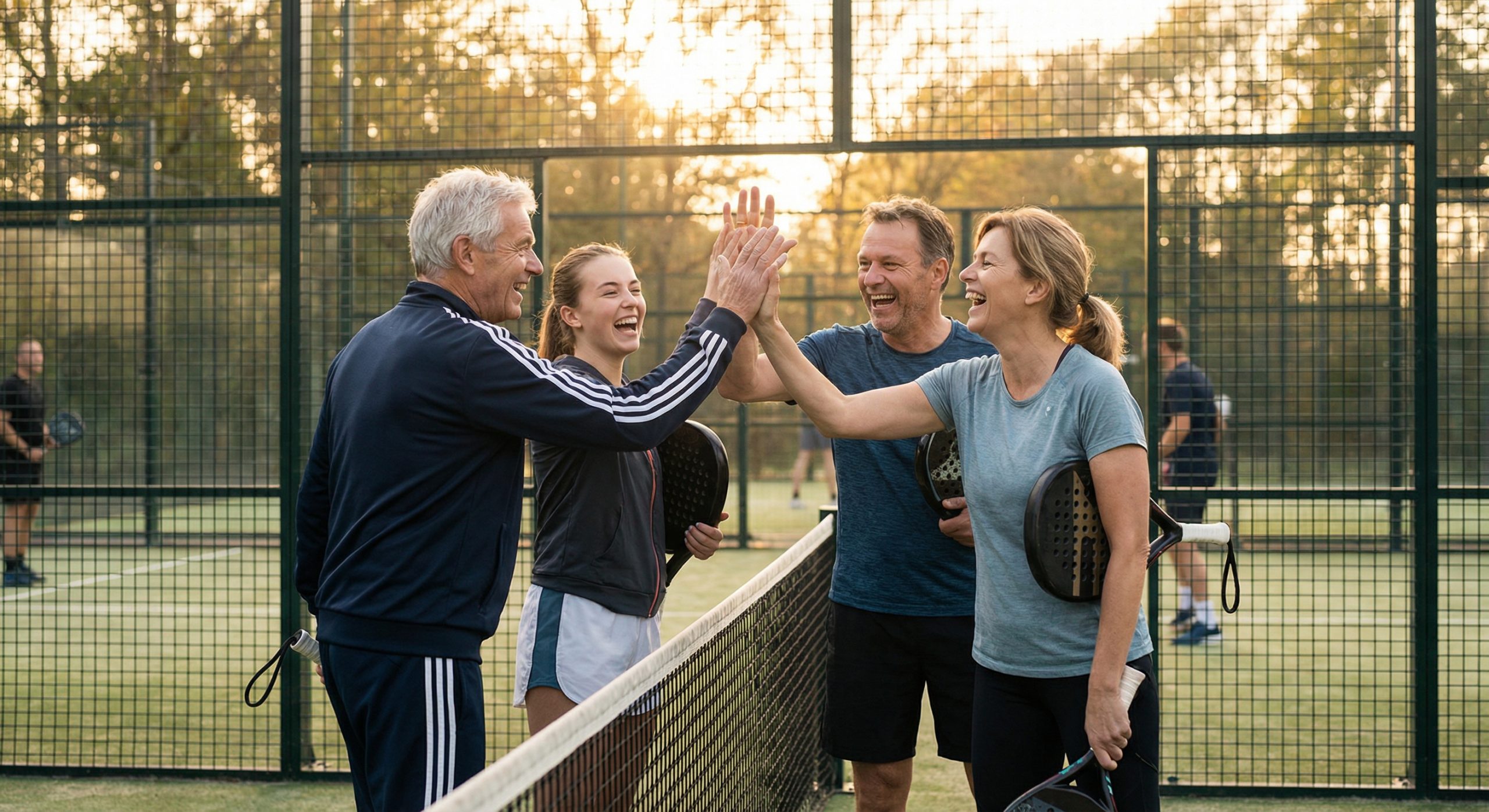
Padel is a fast-paced racquet sport played on an enclosed court that is approximately one-third the size of a standard tennis court. You might find yourself frustrated by sports that require years of training just to sustain a basic rally. This steep barrier to entry often leaves potential players feeling sidelined or bored by the repetitive nature of traditional exercise. However, learning what is padel? provides an immediate solution through its unique blend of social interaction and intuitive gameplay mechanics.
How did the first court define what is padel?
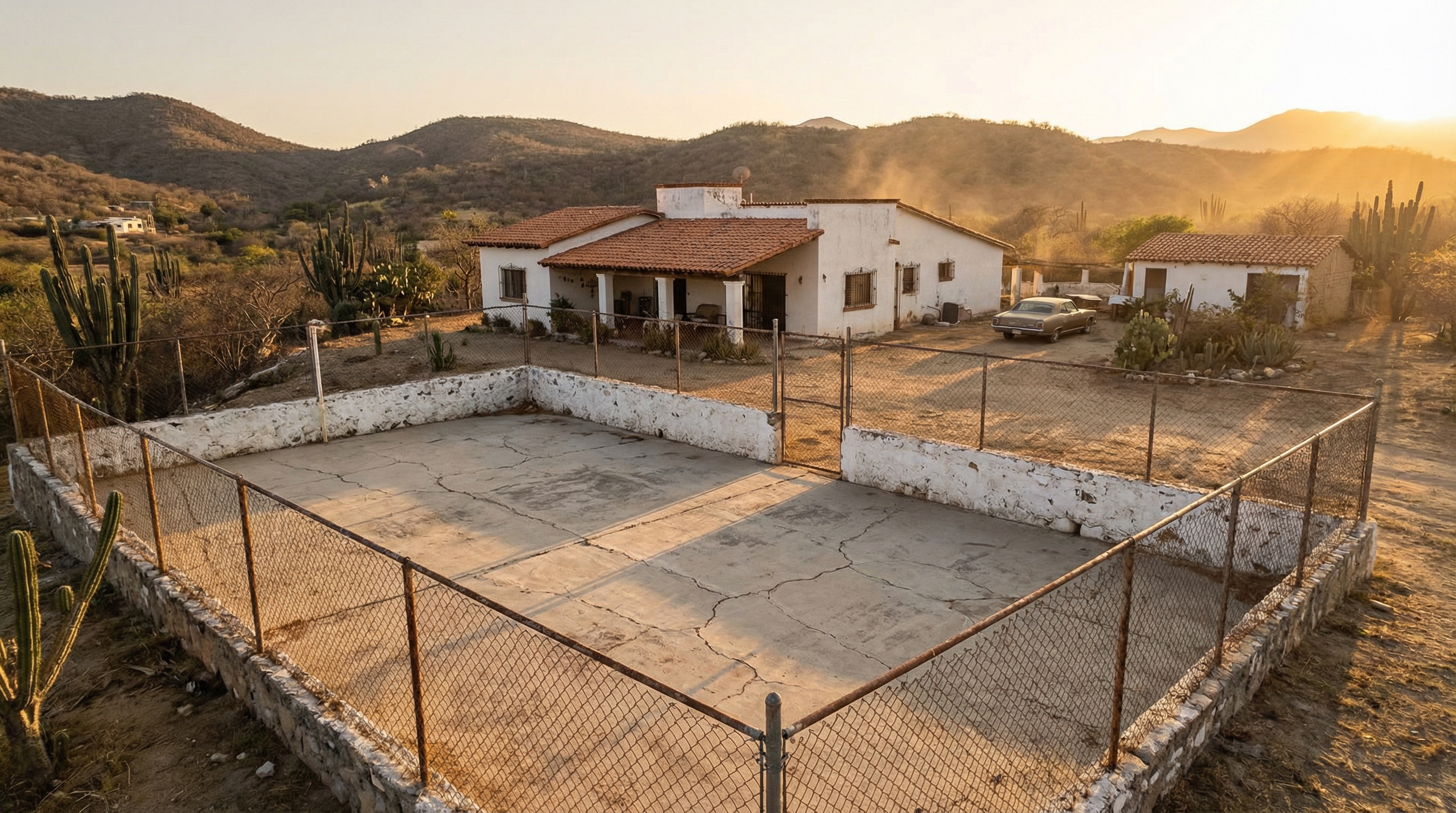
The sport was born in 1969 when a Mexican homeowner sought to maximize the utility of his limited backyard space. By building a smaller court and surrounding it with walls, he fundamentally altered the trajectory of racquet sports. You can see how this early adaptation answered the question of what is padel? by creating a game where the environment is part of the strategy.
Was it a happy accident?
The invention relied on the necessity of keeping the ball within the confines of a residential garden. Here is the reality: the founder simply didn’t want to spend his holiday chasing balls down the street or into the neighbors’ bushes. This practical problem led to the creation of the world’s first enclosed racquet court.
Why were walls essential?
Initially, the walls were made of cement to ensure durability and a consistent rebound. These boundaries changed the physics of every point, allowing for long, tactical exchanges that aren’t possible on an open court.
- Enclosed spaces reduce downtime.
- Walls enable defensive recovery.
- Rebounds create new offensive angles.
Key Takeaway
Understanding the history shows you that the sport was designed specifically for maximum playability in compact spaces.
| Aspect | Historical Feature |
|---|---|
| Origin Year | 1969 |
| Founder | Enrique Corcuera |
| First Walls | Cement and Stone |
The evolution from a private garden hobby to a global phenomenon highlights the sport’s enduring structural appeal.
How do unique court rules shape what is padel?
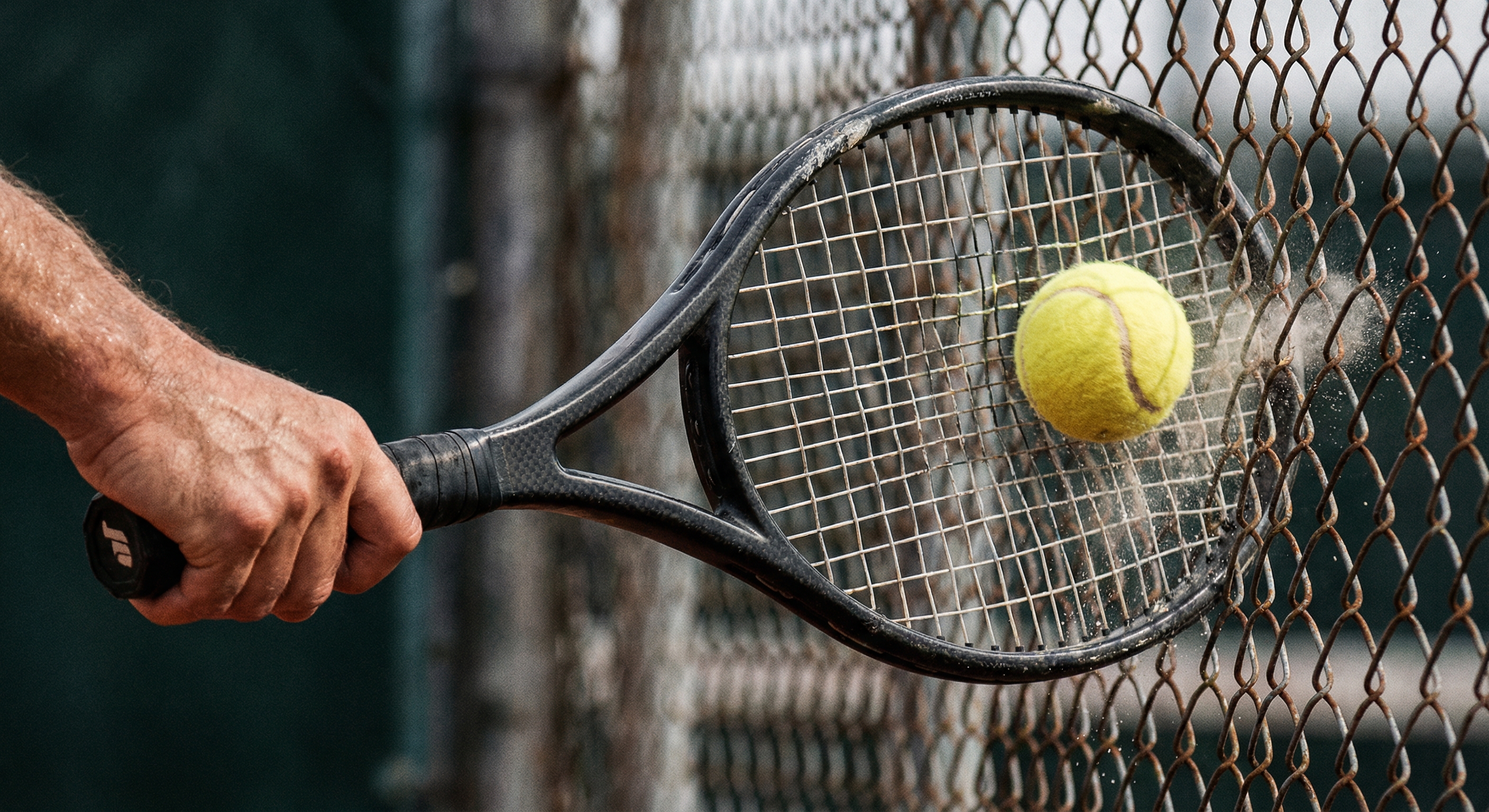
Padel is governed by a set of rules that emphasize tactical positioning and patience over the raw power often seen in tennis. While the scoring remains familiar, the ability to play the ball off the walls after a bounce is a game-changer. Mastering what is padel? involves learning to use these surroundings to your advantage.
Is the service difficult?
Unlike the high-velocity overhead serves found in other sports, you must deliver every serve underhand. This rule ensures that the start of every point is balanced and accessible for players of all levels.
- Serve must be below waist level.
- Ball must bounce once before serving.
- Contact happens behind the service line.
Why play strictly doubles?
The standard game is played in a two-on-two format to account for the smaller court size. The best part? This setup forces you to communicate constantly with your partner to cover the net and baseline effectively.
Key Takeaway
The rules are specifically designed to equalize the playing field, making strategy more important than physical stature.
| Rule Type | Padel Protocol |
|---|---|
| Service Style | Underhand only |
| Wall Play | Allowed after one bounce |
| Standard Format | Doubles (2v2) |
These regulations create a rhythmic flow that rewards clever placement rather than just hitting the ball hard.
Where do court dimensions fit for what is padel?
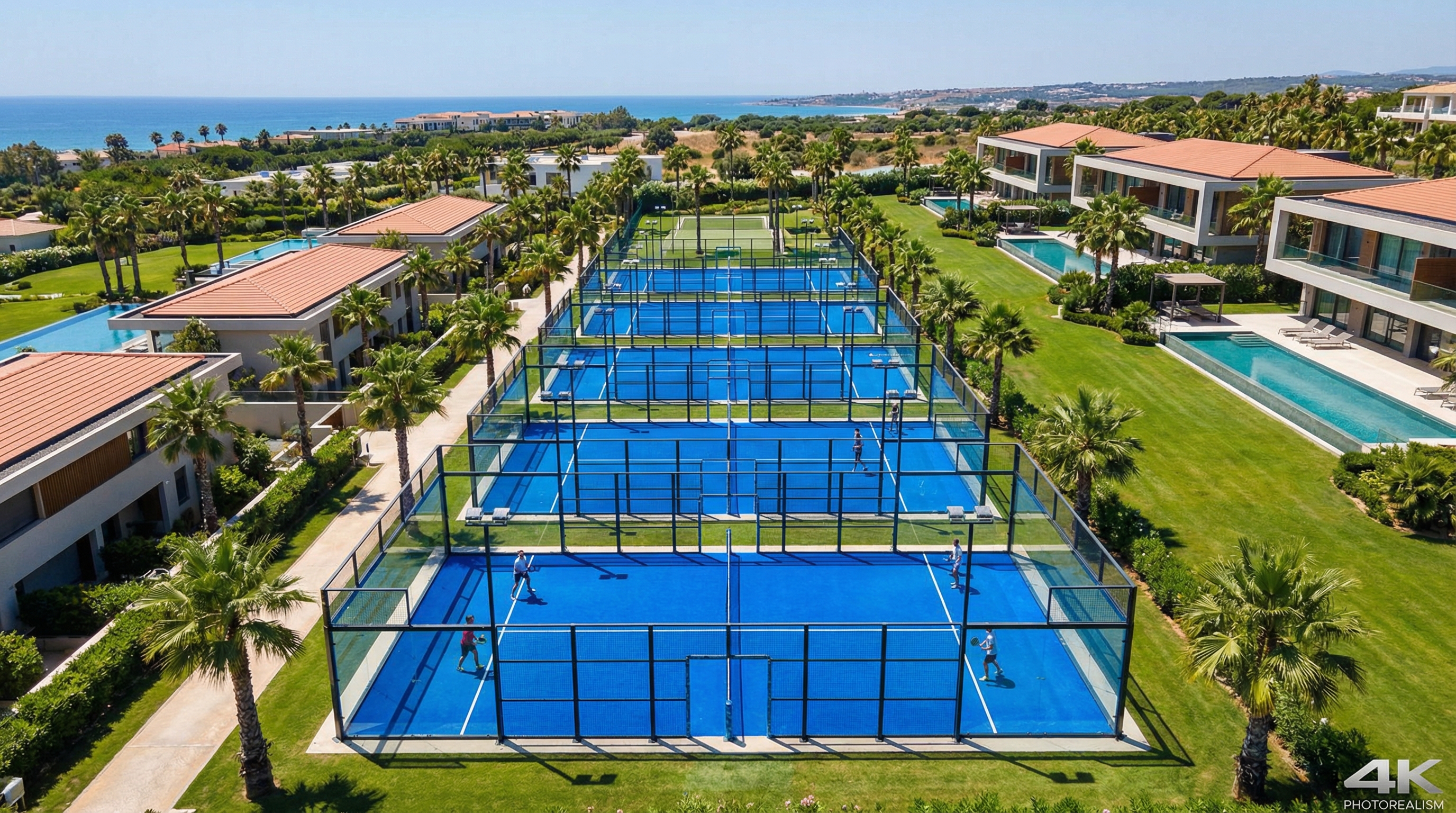
A standard court measures exactly 20 meters long by 10 meters wide, making it much easier to install in urban areas. This compact footprint is one of the primary reasons you are seeing more facilities appearing in city centers. When clubs ask what is padel?, they are often looking at the high density of players they can accommodate in a small area.
Is the court size fixed?
The 20×10 meter layout is the international standard for both professional and amateur play. But wait, there is more: the smaller dimensions mean you don’t have to be a marathon runner to enjoy a competitive match.
- Total area is 200 square meters.
- Courts are 25% smaller than tennis.
- High-density layouts are possible.
What about the height?
Indoor facilities must provide a minimum ceiling height to allow for the “lob,” which is a vital tactical shot. Most modern clubs aim for at least 6 to 8 meters of clearance to ensure the ball doesn’t hit the roof during play.
Key Takeaway
The compact nature of the court makes it the ideal sports solution for space-constrained urban environments.
| Metric | Dimension |
|---|---|
| Length | 20 Meters |
| Width | 10 Meters |
| Total Area | 200 sqm |
Such precise measurements ensure a consistent experience whether you are playing at a luxury resort or a local community club.
Why is the global growth of what is padel? so fast?
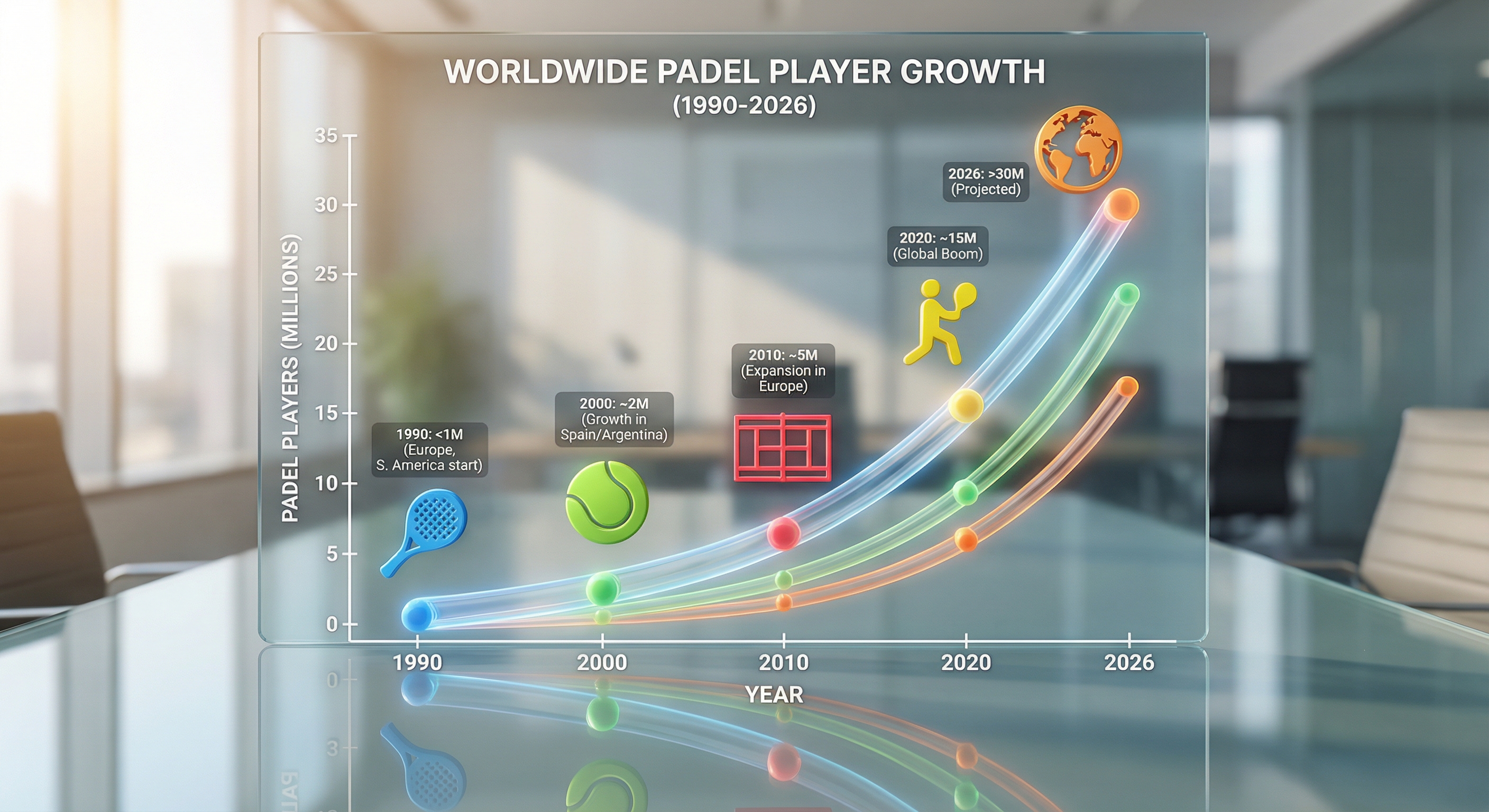
The sport is currently the fastest-growing racquet game in the world, with over 30 million active participants across various continents. This explosion in popularity is driven by its low entry barrier and high social engagement. Investors investigating what is padel? are increasingly funding new builds to keep up with this unprecedented demand.
Which regions are leading?
Spain and Argentina remain the cultural hearts of the sport, but Northern Europe and the Middle East are catching up rapidly. Think about this: thousands of new courts are being commissioned every year to satisfy a growing community of enthusiasts.
- Europe: Massive expansion in the UK and Sweden.
- Middle East: Luxury clubs booming in the UAE.
- Americas: Renewed interest in the US market.
Do celebrities play it?
High-profile athletes and public figures have played a major role in bringing the game into the mainstream spotlight. Seeing professionals from other sports enjoy the court has validated the game as a serious yet fun athletic pursuit.
Key Takeaway
The rapid expansion of the sport provides a secure opportunity for club owners and developers to invest in new facilities.
| Year | Estimated Players |
|---|---|
| 1990 | < 1 Million |
| 2020 | ~15 Million |
| 2026 (Projected) | > 30 Million |
This upward trajectory reflects a shift toward sports that prioritize community and accessibility over exclusivity.
Which essential gear is needed for what is padel?
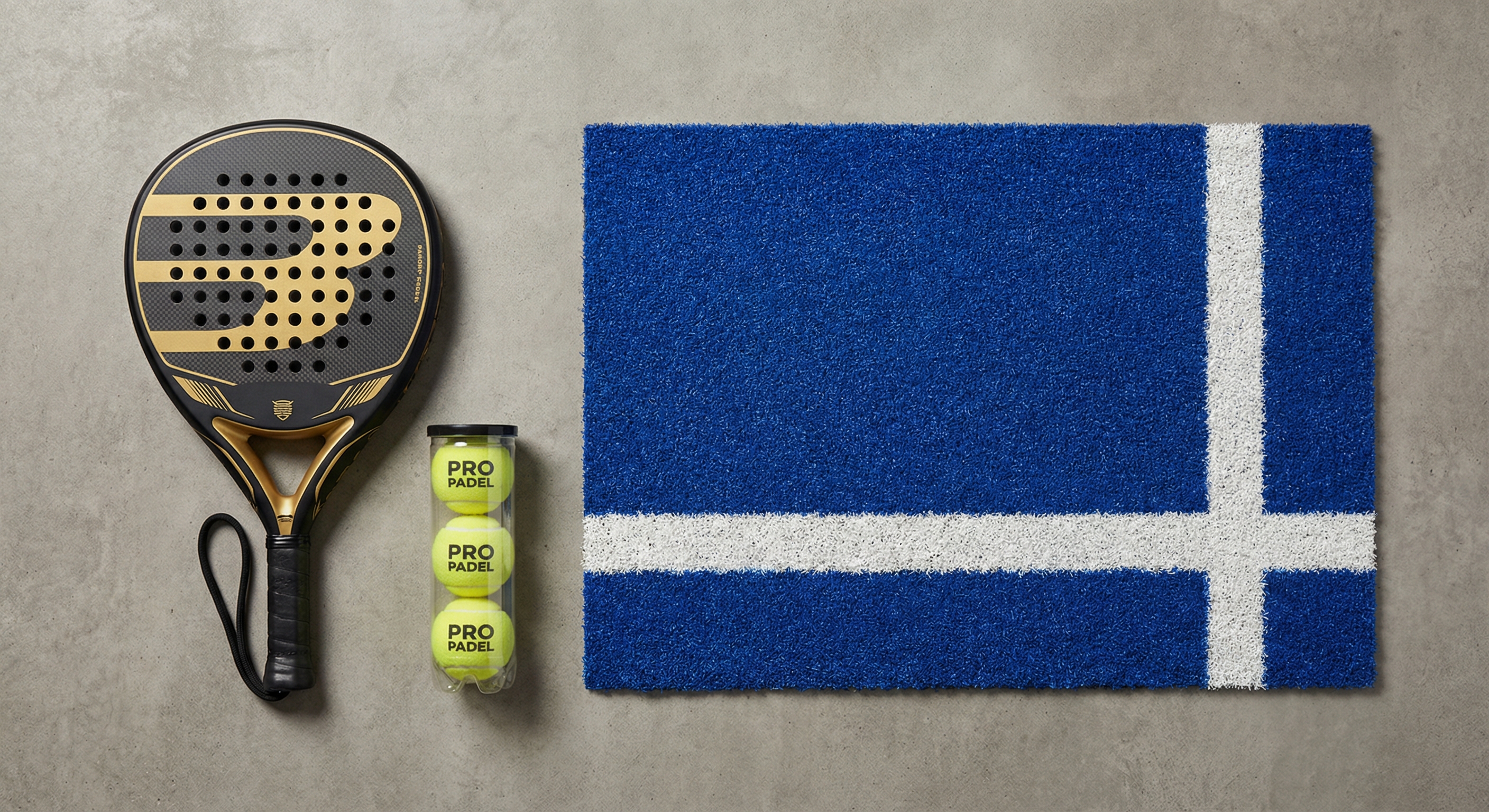
You do not need a vast array of equipment to get started, but the items you do use are highly specialized for the court. The most notable difference is the racquet, which lacks strings and is much shorter than a tennis racquet. When you first ask what is padel?, the unique look of the solid carbon-fiber bat is often what catches your eye.
Why use a solid racquet?
The racquet is constructed from composite materials with an EVA foam core to provide a balance of power and vibration dampening. Here is the deal: the holes in the face are not just for aesthetics; they reduce air resistance to help you swing faster.
- Solid face with drilled holes.
- Short handle for better control.
- Safety wrist strap is mandatory.
Are the balls different?
While they look like tennis balls, they actually have lower internal pressure to accommodate the walled environment. This prevents the ball from bouncing uncontrollably high and keeps the game focused on strategy rather than pure height.
Key Takeaway
Investing in specialized gear improves your control and ensures you can play the game as it was intended.
| Equipment | Primary Material |
|---|---|
| Racquet | Carbon Fiber/EVA |
| Balls | Low-Pressure Rubber |
| Surface | Synthetic Turf |
Proper equipment ensures a safer experience while allowing you to develop the “touch” required for high-level play.
Who is the ideal demographic for what is padel?
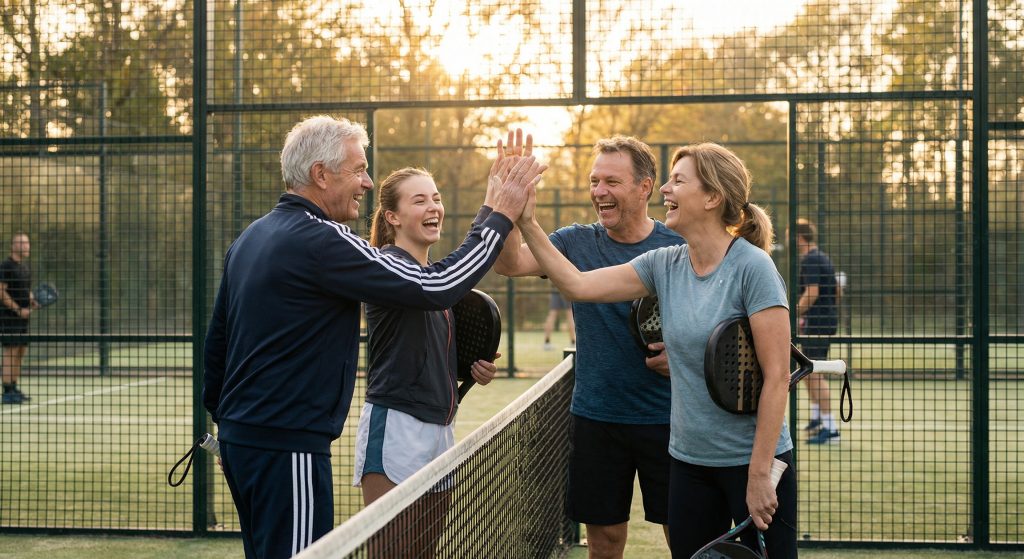
One of the most beautiful aspects of the game is its ability to bring together people of all ages and athletic backgrounds. You don’t need to be a professional athlete to start enjoying matches with your friends or family. In fact, many people discover what is padel? specifically because they want a sport that allows for multi-generational play.
Can children play?
The shorter racquet and smaller court make it much easier for kids to develop hand-eye coordination without feeling overwhelmed. The result? They spend more time hitting the ball and less time frustrated by the scale of the court.
- Short racquets fit smaller hands.
- Underhand serves are easy to learn.
- Enclosed courts keep balls close.
Is it good for seniors?
Because the sport relies on positioning and teamwork rather than raw sprinting speed, it is a favorite for older adults looking to stay active. It provides a great cardiovascular workout while being significantly easier on the joints than other high-impact sports.
Key Takeaway
The sport’s inherent accessibility makes it the perfect choice for community building and family health.
| Group | Key Benefit |
|---|---|
| Children | Quick skill acquisition |
| Adults | Social networking |
| Seniors | Low-impact cardio |
Whether you are five or seventy-five, the court offers a level playing field for everyone involved.
How does the scoring system work in what is padel?
The scoring system is largely borrowed from tennis, using the traditional 15, 30, and 40-point increments. Matches are usually played as the best of three sets, which provides a familiar rhythm for seasoned sports fans. If you are learning what is padel?, you will find that the scoring is the easiest part to master if you have ever picked up a racquet before.
What is the Golden Point?
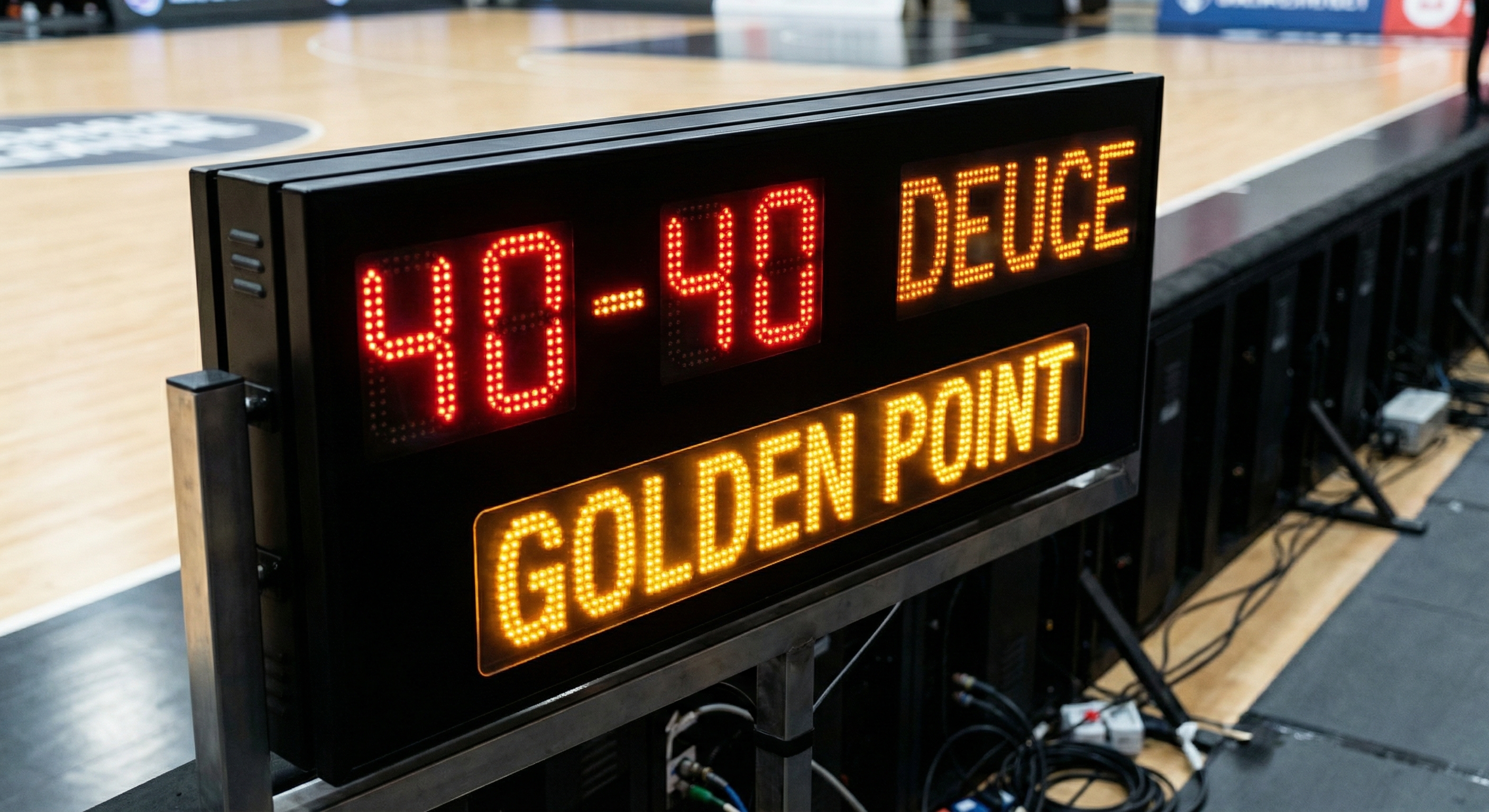
To keep matches moving and increase the drama, many modern tournaments use a sudden-death point at deuce. Here is how it works: the receiving team chooses the side, and whoever wins that single point wins the entire game.
- Eliminates long deuce cycles.
- Increases pressure and excitement.
- Standardizes match duration.
How do sets finish?
A set is typically won by the first team to reach six games with a two-game lead. If you reach a six-all tie, a seven-point tie-break is played to decide the winner of the set, maintaining high tension until the final shot.
Key Takeaway
Familiar scoring combined with modern innovations like the Golden Point ensures that every match is both exciting and efficient.
| Score | Meaning |
|---|---|
| 15, 30, 40 | Standard progression |
| Deuce | Tied at 40-40 |
| Golden Point | Deciding point at deuce |
This structure keeps the game moving quickly, which is perfect for players with busy schedules.
Why is the social aspect vital to what is padel?
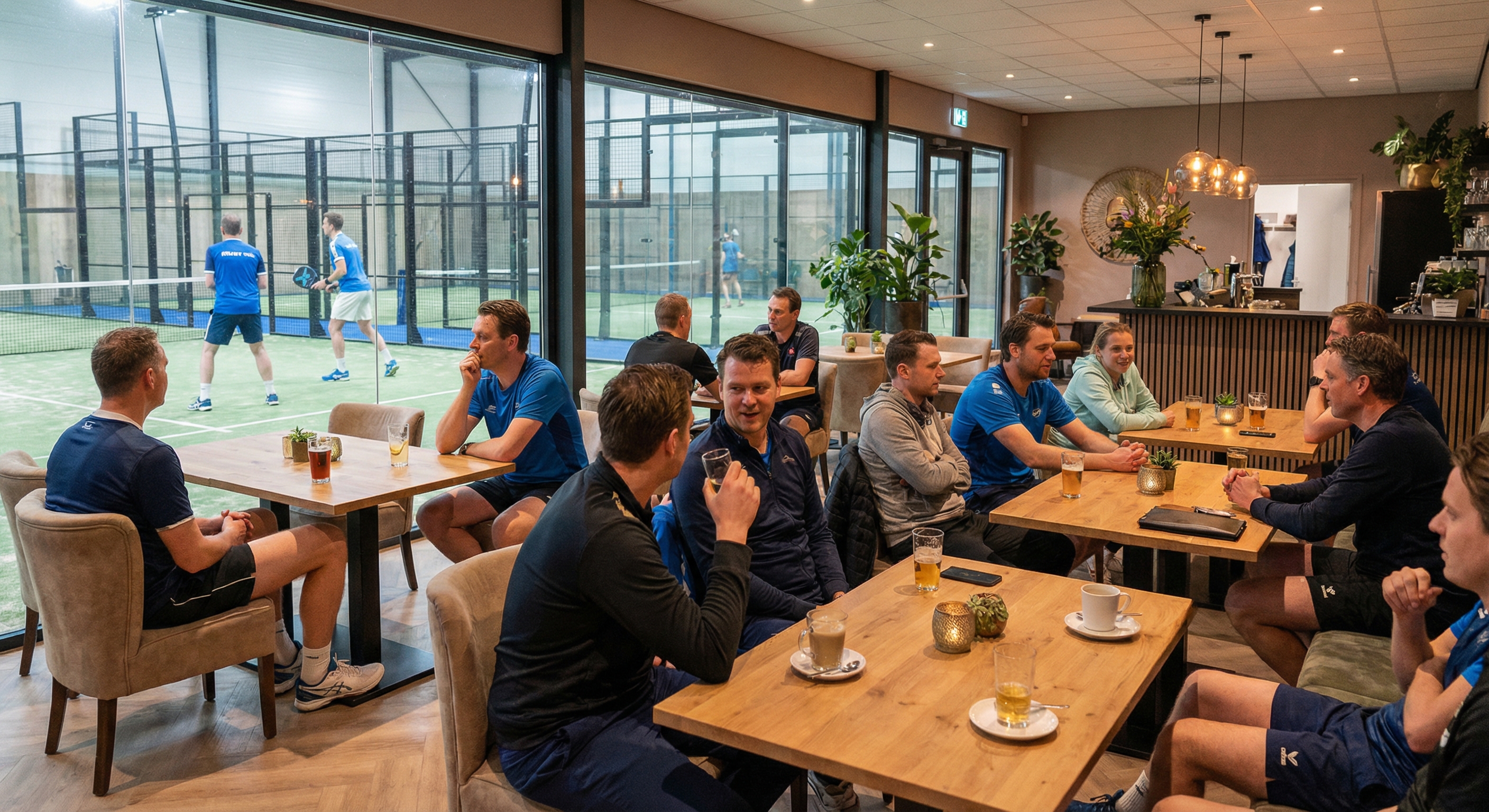
The sport is fundamentally designed to be a social experience rather than an isolated workout. Because you are playing in a small, enclosed space with three other people, conversation and laughter are as much a part of the game as the points themselves. Many enthusiasts define what is padel? as “socializing through sport,” emphasizing the community feel of the local club.
Does it help with networking?
The doubles format is a fantastic way to meet new people or strengthen bonds with colleagues and friends. Think about this: many business deals and lifelong friendships have started during the post-match drinks at the club lounge.
- Constant interaction with partner.
- Easy to organize group games.
- Post-match culture is standard.
Is it a gym alternative?
For those who find the treadmill boring, the interactive nature of a match provides a rigorous workout without it feeling like a chore. You are so focused on the strategy and the social dynamic that you often don’t realize how much energy you are burning.
Key Takeaway
Choosing this sport gives you a high-intensity workout while simultaneously expanding your social circle.
| Social Element | Impact |
|---|---|
| Player Count | 4 players per match |
| Proximity | Close-quarters interaction |
| Club Vibe | Lounge and cafe focus |
The community-centric design of the sport ensures that you will keep coming back for the people as much as the points.
What materials define construction for what is padel?
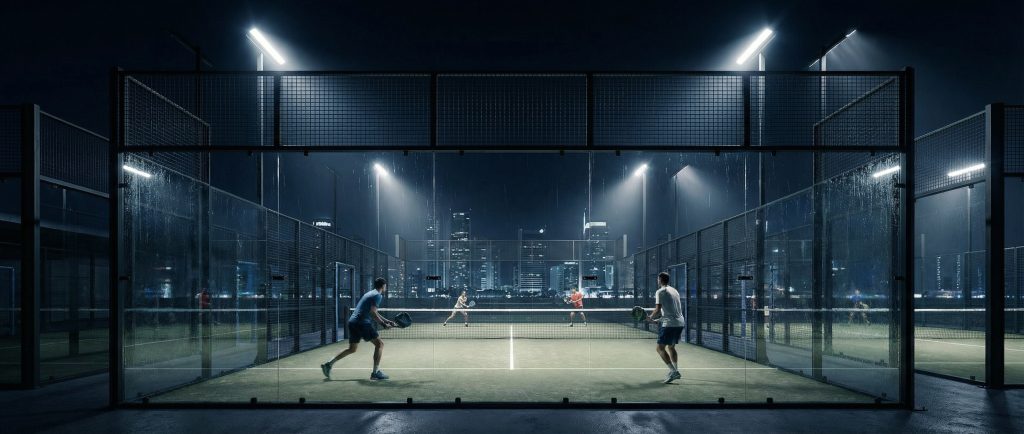
High-quality construction is essential to ensure a safe and professional playing experience for everyone involved. A modern court requires tempered safety glass, galvanized steel frames, and specialized synthetic turf. When you dive into the technical side of what is padel?, you’ll see that the quality of these materials determines the speed and consistency of the game.
Why is glass so important?
The walls must be strong enough to withstand player impact while providing the perfect rebound for the ball. Don’t forget: clear panoramic glass also allows spectators to watch the action from any angle without obstruction.
- 10mm or 12mm tempered glass.
- High transparency for viewers.
- Critical for safety and durability.
What about the lighting?
Specialized LED systems are required to provide uniform illumination without creating glare during high lobs. Proper lighting ensures that the sport can be played long into the night, maximizing the utility of the facility.
Key Takeaway
Using premium materials in construction guarantees a longer lifespan for the court and a better experience for the players.
| Component | Professional Standard |
|---|---|
| Walls | Tempered Safety Glass |
| Frame | Galvanized Steel |
| Lighting | Anti-glare LED |
A well-built court is a long-term investment that serves as the foundation for a thriving local sports community.
Which tactical skills master the game of what is padel?
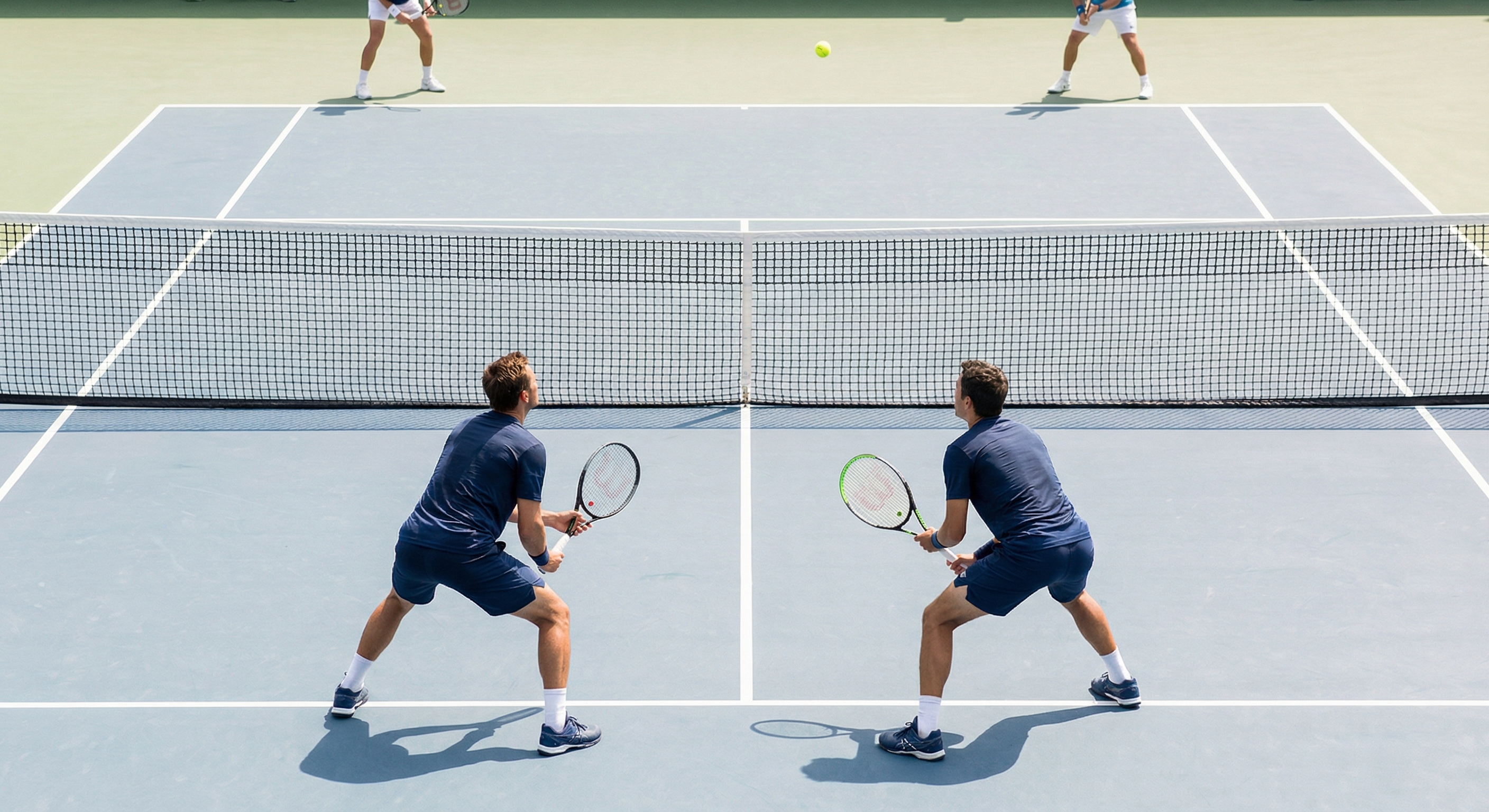
Success on the court is determined by your ability to work with your partner and control the “net zone.” Unlike tennis, where you can often win with a powerful baseline game, here you must be comfortable moving forward to finish points. Truly mastering what is padel? requires a shift in mindset from pure power to thoughtful placement.
How important is the lob?
The lob is perhaps the most important defensive shot in the game because it forces your opponents away from the net. The secret is simple: if you can hit a deep, high lob, you gain the time needed to transition from defense to offense.
- Forces opponents back.
- Resets the pace of the point.
- Creates space for a winning volley.
What about teamwork?
You and your partner must move like they are connected by a string. If one player moves to the net, the other must follow to ensure there are no gaps in your defensive coverage that the opposition can exploit.
Key Takeaway
Focusing on positioning and teamwork will allow you to beat more powerful opponents who lack tactical discipline.
| Skill | Tactical Importance |
|---|---|
| Lobbing | Defensive transition |
| Volleying | Offensive dominance |
| Communication | Court coverage |
Developing these “soft skills” makes the game deeply rewarding and intellectually stimulating for players of all levels.
*
You no longer have to worry about finding a sport that is too difficult to learn or too lonely to play. By understanding the unique history, rules, and construction requirements of this global phenomenon, you have discovered a path to better health and a stronger community. Whether you are a club owner looking to build a world-class facility or a player ready to pick up your first racquet, we are here to provide the premium glass, turf, and structural expertise you need to succeed. Our vision is to empower every community with high-performance courts that stand the test of time. To start your journey or discuss your project, contact us today.
*
Frequently Asked Questions
Can I build a court in my own backyard?
Yes, provided you have a flat surface of at least 200 square meters and the necessary local planning permissions. The compact size makes it a very popular choice for residential installations compared to traditional tennis courts.
What’s the best surface for a professional court?
It depends on your climate and usage, but monofilament synthetic turf is generally considered the gold standard. It provides the best balance of player comfort, consistent ball bounce, and drainage for outdoor facilities.
How do I know if I need a panoramic court?
It depends on whether your facility will host tournaments or have a high spectator count. Panoramic designs remove the corner pillars to provide an unobstructed view, which is essential for televised matches or high-end club centerpieces.
Can I play padel if I have never played tennis?
Yes, and you will likely find it much easier to pick up. The underhand serve and the ability to use the walls mean that even complete beginners can start enjoying long rallies within their very first hour of play.
How long does it take to build a standard court?
It depends on the site preparation required, but the actual assembly of the steel frame, glass, and turf typically takes between 3 to 5 days for an experienced crew. Professional manufacturing ensures that all components fit together perfectly on-site.