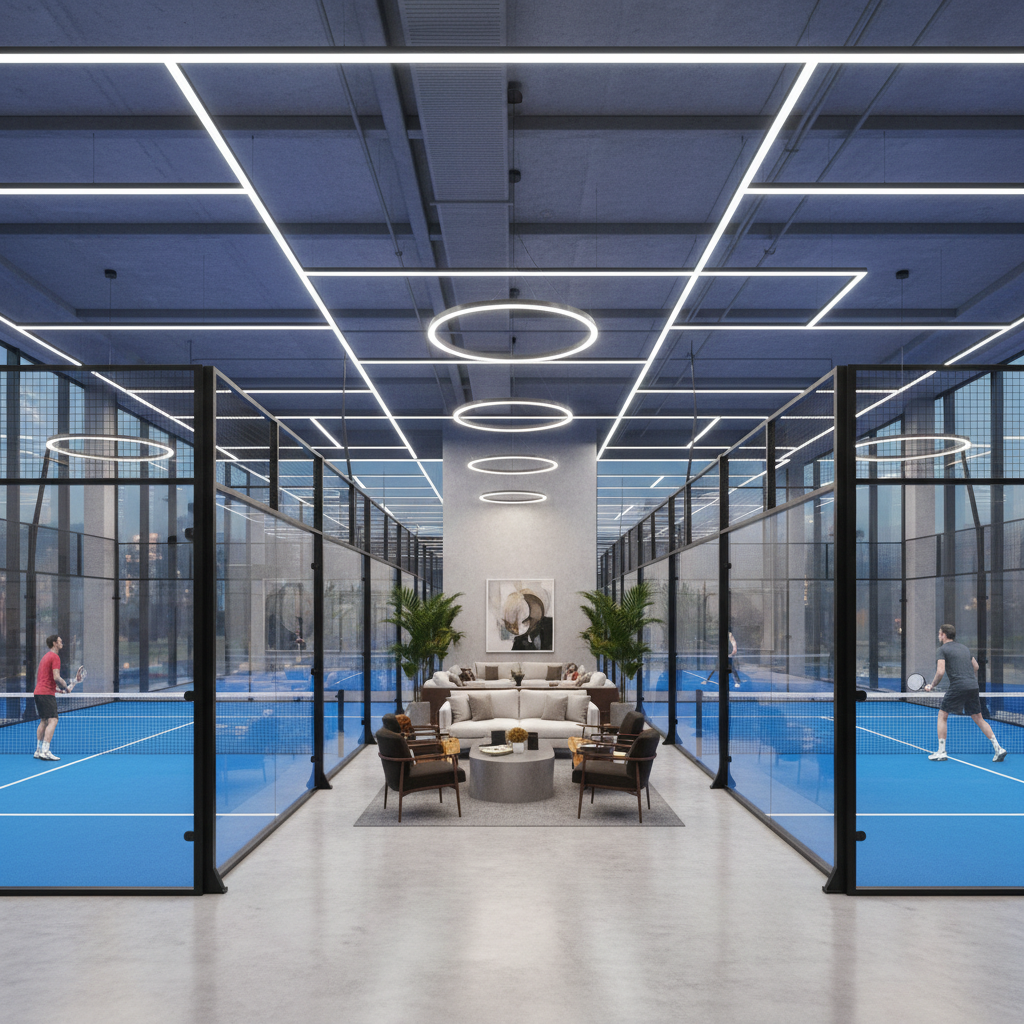
A padel haus is a premium, all-weather sports destination designed for social racket play, and you build it by integrating high-specification 10x20m courts with lifestyle amenities through a factory-direct construction model. You are likely noticing the massive surge in racket sports demand but feel frustrated by the lack of local facilities that offer a true community experience. This lack of supply forces players to travel long distances or settle for subpar court conditions, which ultimately leaves your market wide open for a more savvy competitor. Building a professional sports hub solves this problem by providing a high-revenue, space-efficient solution that keeps players returning every single week.
What exactly defines a modern padel haus?
A modern padel haus is defined as a specialized athletic facility that blends the competitive nature of doubles racket sports with a luxury social lounge environment. This concept prioritizes high-density play by fitting multiple courts into a footprint that would typically only accommodate a single traditional tennis court.
The social atmosphere is a core requirement because the sport is designed specifically for four-player interactions and community networking.
Wait, there is more:
- Integrated juice bars and lounges increase the average player’s stay.
- Community events turn a simple booking into a recurring lifestyle habit.
- Networking zones attract high-value members looking for social wellness.
Think about this: without a dedicated space for players to gather after a match, your facility is just a court rather than a destination.
Does it require specific technical standards?
Technical standards for a professional facility include 10x20m court dimensions and specialized glass-and-mesh enclosures for ball rebound.
Here is the deal:
- Certified tempered safety glass is mandatory for commercial liability.
- Professional LED lighting must ensure zero-glare play for evening matches.
- High-density synthetic turf is necessary for consistent ball behavior.
| Feature Type | Standard Requirement | User Experience Impact |
|---|---|---|
| Court Layout | 10m x 20m | International play standard |
| Social Zone | Lounge & Cafe | Increased dwell time and ROI |
| Infrastructure | Climate Control | Year-round booking stability |
The integration of high-end social amenities with precise technical engineering ensures the facility functions as a profitable lifestyle hub.
Key Takeaway
Defining your venue as a community-centric hub rather than a basic sports hall allows you to charge premium rates while maintaining higher member retention.
Why should you invest in a padel haus now?
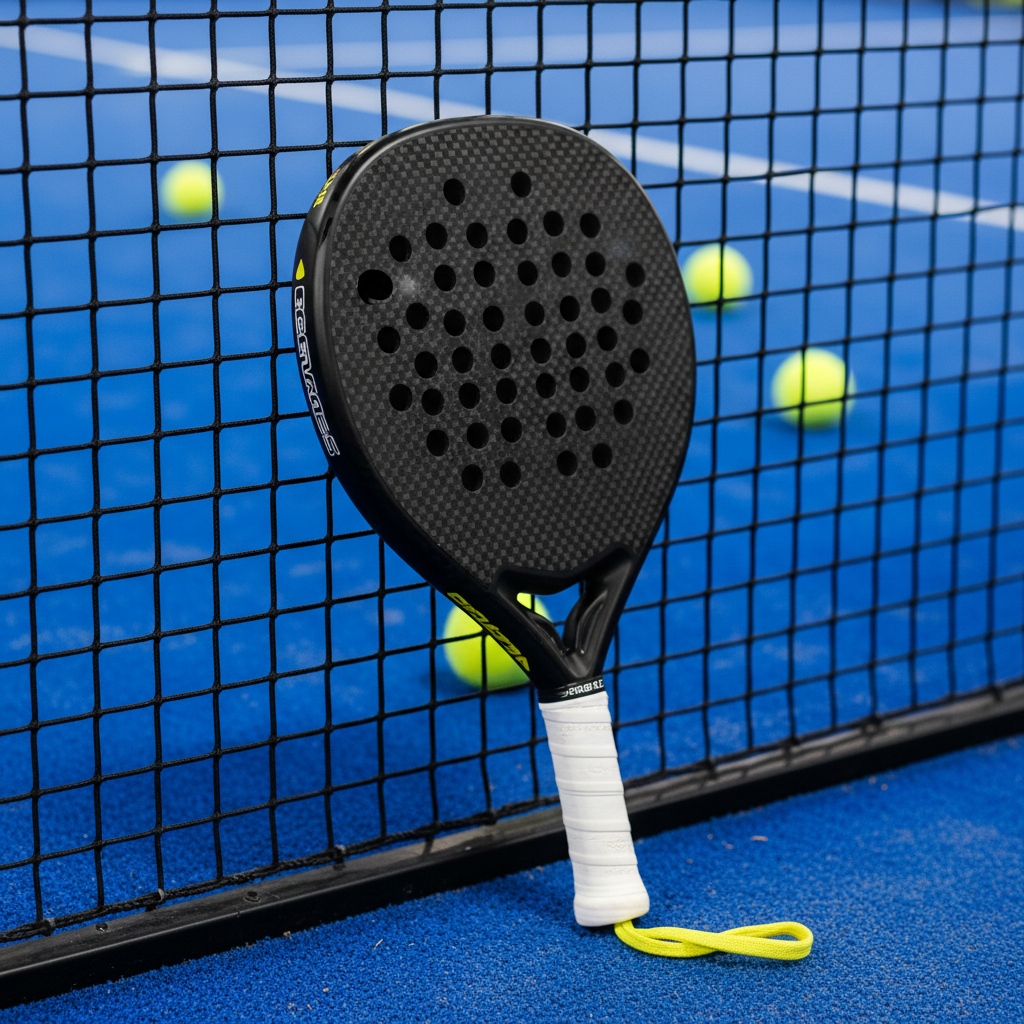
You should invest in a padel haus now because the market is currently experiencing a massive supply-demand gap that offers early adopters high profit margins. The sport is the fastest-growing in the world, yet many urban areas still lack the professional infrastructure needed to support the surging player base.
What are the financial benefits?
The primary financial benefit is the high revenue per square meter achieved by fitting four players on a compact court footprint.
Ready for the good part?
- Booking fees are typically higher than traditional fitness classes.
- Low maintenance requirements reduce your monthly operational overhead.
- Secondary revenue from equipment rentals and cafes boosts your bottom line.
Think about this: three courts can generate revenue from twelve players simultaneously in the same space as one tennis court.
How does it protect your investment?
Building a specialized facility protects your investment by creating a “sticky” community that is resistant to typical fitness industry churn.
The real story is:
- High barriers to entry for competitors ensure your local market dominance.
- Multi-year member loyalty is driven by league and tournament play.
- Durable court materials mean you face minimal replacement costs over time.
| Investment Metric | Padel Facility | Traditional Gym |
|---|---|---|
| Revenue per SqM | Very High | Moderate |
| Maintenance Cost | Low | High (Equipment wear) |
| Retention Rate | 80% + | 40% – 60% |
Data indicates that the community-driven nature of this sport results in significantly higher customer lifetime value compared to individual-focused fitness models.
Key Takeaway
Investing today allows you to secure prime real estate and build a loyal player community before the market reaches saturation.
What are the standard dimensions of a padel haus?
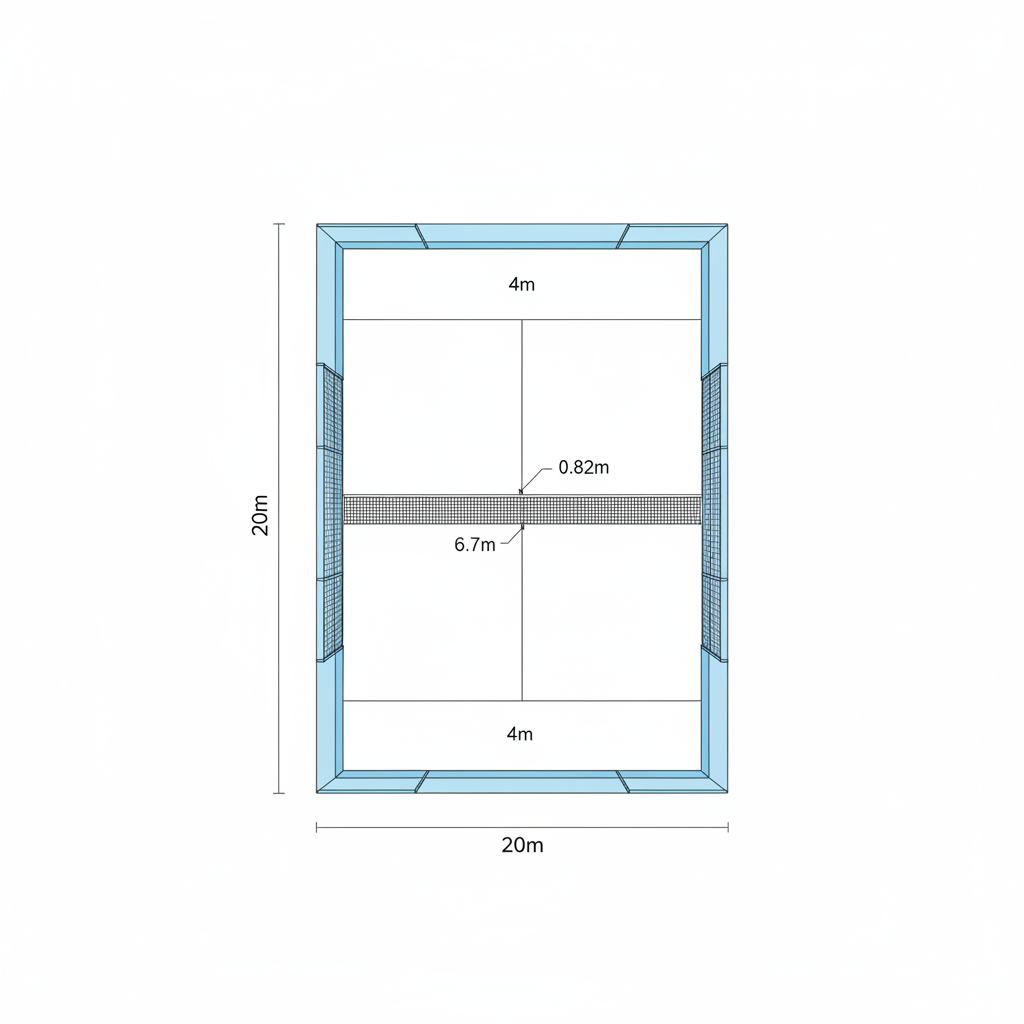
The standard dimensions for a padel haus court are exactly 10 meters wide by 20 meters long, with a vertical clearance requirement of at least 6 meters. Adhering to these strict measurements is essential for the facility to be certified for professional league play and international tournaments.
Is the ceiling height significant?
Ceiling height is significant because the tactical “lob” shot requires a minimum of 6 to 8 meters of clear vertical space to stay in play.
But that is not all:
- Higher ceilings improve the acoustics within a large indoor sports hall.
- 10 meters of clearance is the gold standard for professional facilities.
- Obstructions like low-hanging lights can ruin the competitive integrity of a match.
Wait, there is more: providing ample vertical space prevents ball damage and allows for more advanced player strategies.
What are the surrounding safety zones?
Safety zones require an additional 1 to 2 meters of space around the perimeter of the 10x20m court for structural anchors and player movement.
The real story is:
- Foundation slabs must extend beyond the court lines to secure steel pillars.
- Spectator walkways need at least 1.5 meters for safe traffic flow.
- Emergency exits must remain unobstructed by court hardware.
| Dimension | Minimum Requirement | Professional Standard |
|---|---|---|
| Width | 10 Meters | 10 Meters |
| Length | 20 Meters | 20 Meters |
| Height | 6 Meters | 8 – 10 Meters |
Strict technical precision during the foundation phase prevents expensive structural corrections and ensures the ball bounces predictably during matches.
Key Takeaway
Maintaining a minimum 6m clear height and a precise 10x20m footprint is non-negotiable for anyone building a commercial-grade sports destination.
How do you choose a location for a padel haus?
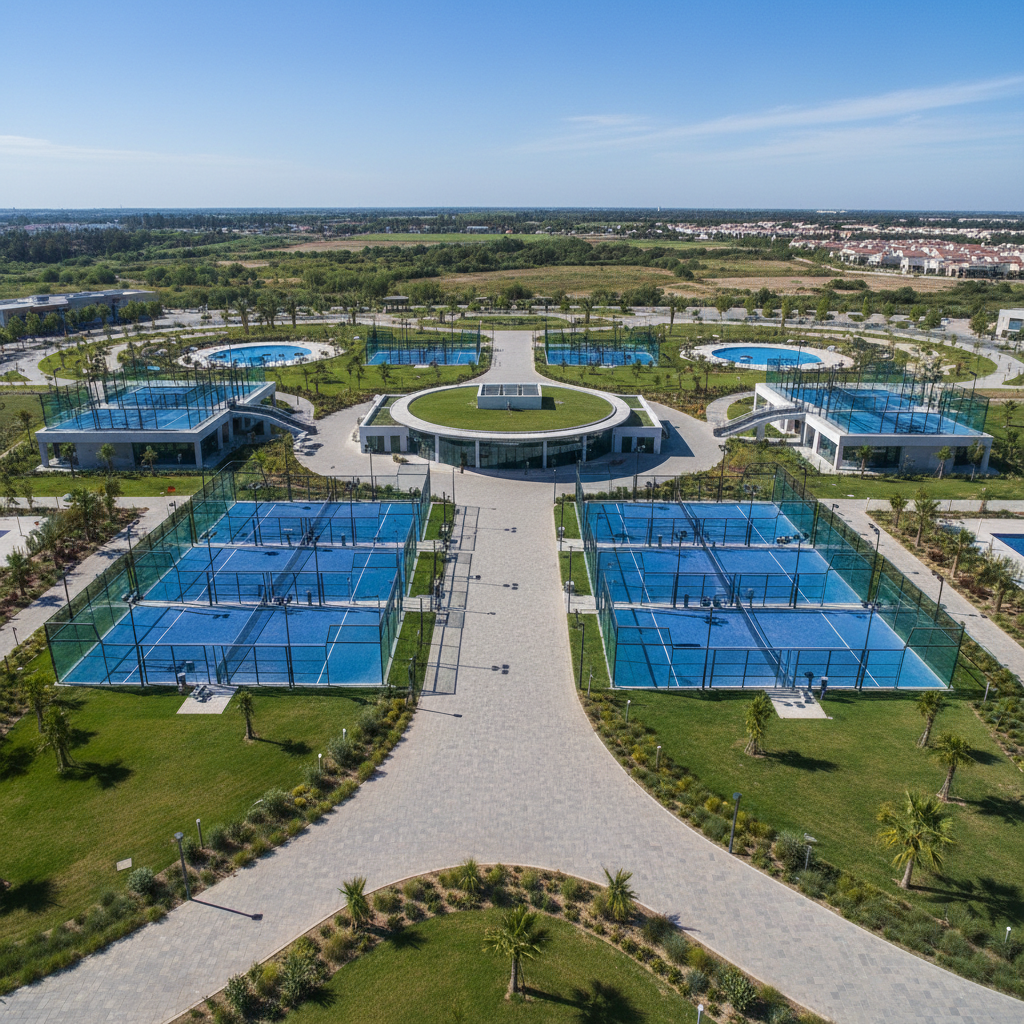
Choosing a location for a padel haus requires identifying urban areas with high population density and at least 8 meters of internal vertical clearance. You should prioritize industrial warehouses or repurposed commercial spaces that can accommodate the footprint of multiple courts while providing easy access for commuters.
Why is transit accessibility vital?
Transit accessibility is vital because players often visit the facility before or after work, requiring close proximity to major roads or public transport.
Here is the deal:
- Locations within a 15-minute commute of business districts attract corporate bookings.
- Ample parking is a major competitive advantage for urban sports clubs.
- High-visibility storefronts reduce your long-term marketing and acquisition costs.
Think about this: a hidden location might save on rent but will cost you significantly more in digital advertising to find new players.
Does the local climate matter?
The local climate matters because it dictates whether you should build a fully indoor hall or an outdoor facility with a specialized roofing system.
Ready for the good part?
- Roofed courts allow for year-round revenue even in rainy or hot climates.
- Indoor facilities offer the best acoustic and climate control for luxury members.
- Outdoor venues are more cost-effective but suffer from weather-related cancellations.
| Location Factor | Requirement | Benefit |
|---|---|---|
| Internal Height | 8m+ | Competitive lob play |
| Zoning | Commercial/Sport | Legal compliance and safety |
| Foot Traffic | High | Organic member growth |
Selecting a site with high vertical clearance and excellent visibility ensures the facility remains both functional and highly profitable.
Key Takeaway
A location that combines 8m of vertical space with easy commuter access is the single biggest predictor of long-term facility success.
What materials are required for a padel haus frame?
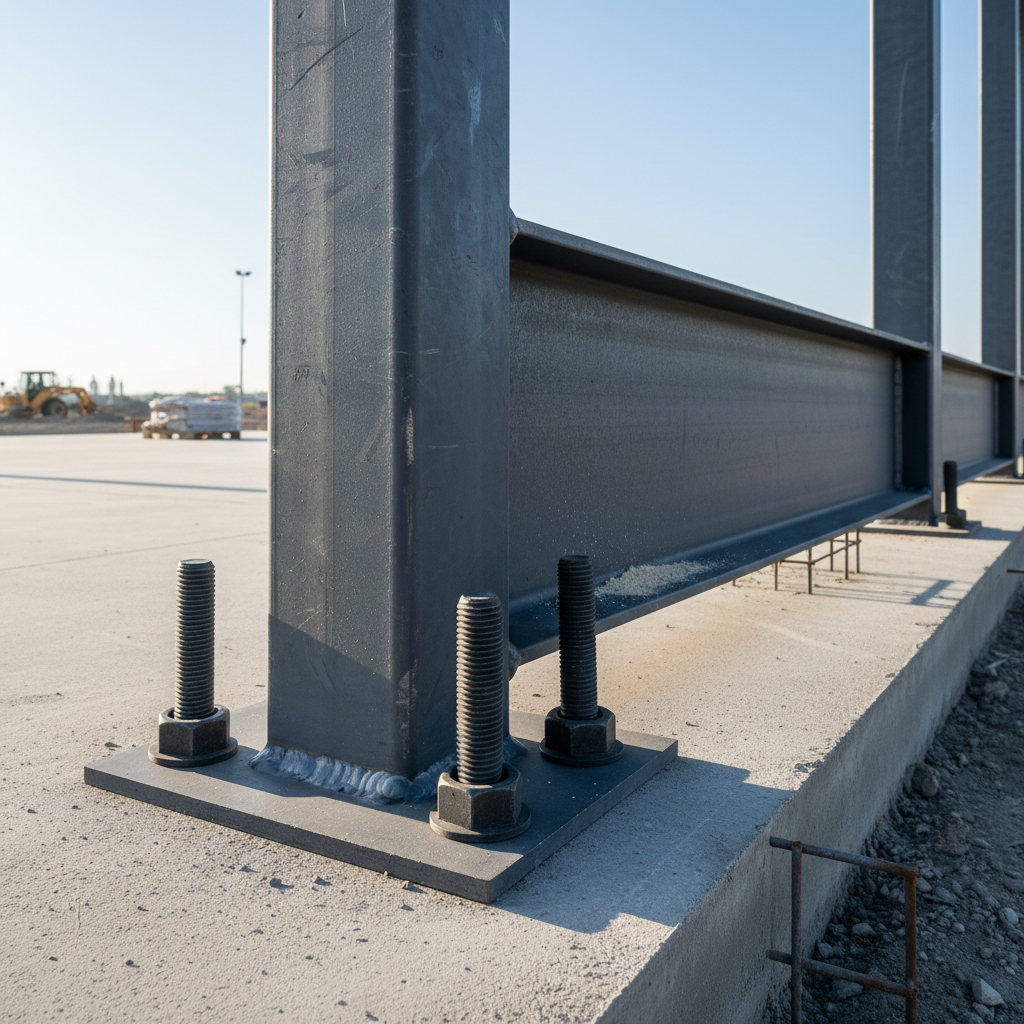
The materials required for a padel haus frame include hot-dip galvanized steel pillars and electro-welded mesh panels designed for extreme impact resistance. These components must be treated with anti-corrosion coatings to ensure the structure lasts for over 20 years in high-traffic commercial environments.
Why is galvanization necessary?
Galvanization is necessary because it prevents the steel structure from rusting in the humid environments often found in indoor sports halls.
But that is not all:
- Hot-dip galvanized steel offers a maintenance-free lifespan of two decades.
- Anti-abrasive finishes protect players from injuries during wall-scraping shots.
- Structural stability is critical for holding 12mm glass panels in place.
Wait, there is more: using low-quality painted steel will lead to structural failure and safety hazards within just a few years.
How does mesh quality affect play?
Mesh quality affects the game by providing a specific rebound that is different from the glass walls, adding a layer of tactical complexity to the sport.
The real story is:
- Electro-welded mesh prevents the wires from loosening or sagging over time.
- Smooth finishing ensures that the ball does not take “weird” bounces off the wire.
- High-tensile steel keeps the enclosure rigid during high-speed player collisions.
| Material | Specification | Benefit |
|---|---|---|
| Frame Steel | Hot-Dip Galvanized | 20-year rust protection |
| Mesh Panels | Electro-welded | Consistent rebound quality |
| Fasteners | Stainless Steel | Maximum structural safety |
Prioritizing certified galvanized steel and high-tensile mesh ensures the court remains safe, durable, and competitive for years to come.
Key Takeaway
Never compromise on hot-dip galvanized steel, as it is the only way to protect your capital investment from rust and structural degradation.
Which turf provides the best padel haus experience?
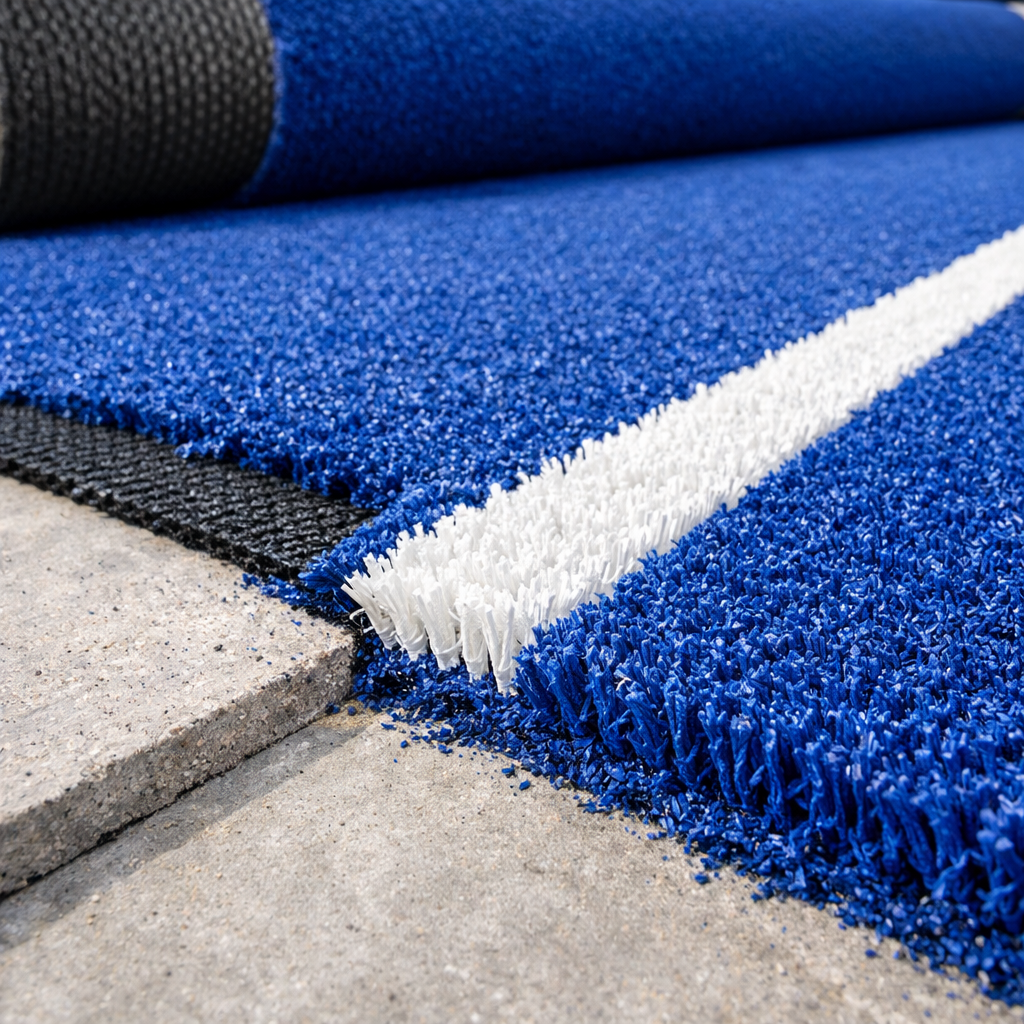
The best turf for a padel haus is a high-density, monofilament synthetic grass that uses specialized silica sand infill for player grip and ball consistency. This type of surface is engineered to handle constant pivots and slides without wearing down or causing joint fatigue for the athletes.
What are monofilament fibers?
Monofilament fibers are single strands of high-quality polyethylene that stand upright more effectively than older, fibrillated styles.
Think about this:
- They provide a more natural ball bounce that mimics professional tournament play.
- Higher stitch density ensures the turf remains plush and supportive for years.
- UV-resistant treatments prevent the vibrant blue or green colors from fading.
Here is the deal: monofilament turf is the industry standard for all clubs aiming to attract competitive and high-level players.
Why do you need silica sand?
You need rounded silica sand to fill the gaps between the turf fibers, which keeps the grass upright and allows players to slide safely.
Ready for the good part?
- Rounded sand grains prevent the turf fibers from being shredded over time.
- Proper sand distribution eliminates “dead spots” where the ball won’t bounce.
- Anti-compaction sand ensures the surface remains porous for drainage.
| Turf Quality | Stitch Density | Durability |
|---|---|---|
| Monofilament | 50,000+ per m2 | 8 – 10 Years |
| Fibrillated | 40,000 per m2 | 5 – 7 Years |
| Texturized | 60,000+ per m2 | 10+ Years (Premium) |
A high-density monofilament surface paired with rounded silica sand provides the ultimate balance of player safety and surface longevity.
Key Takeaway
Using high-density monofilament turf is the most effective way to provide a professional-grade surface that minimizes long-term replacement costs.
How do you install the glass for a padel haus?
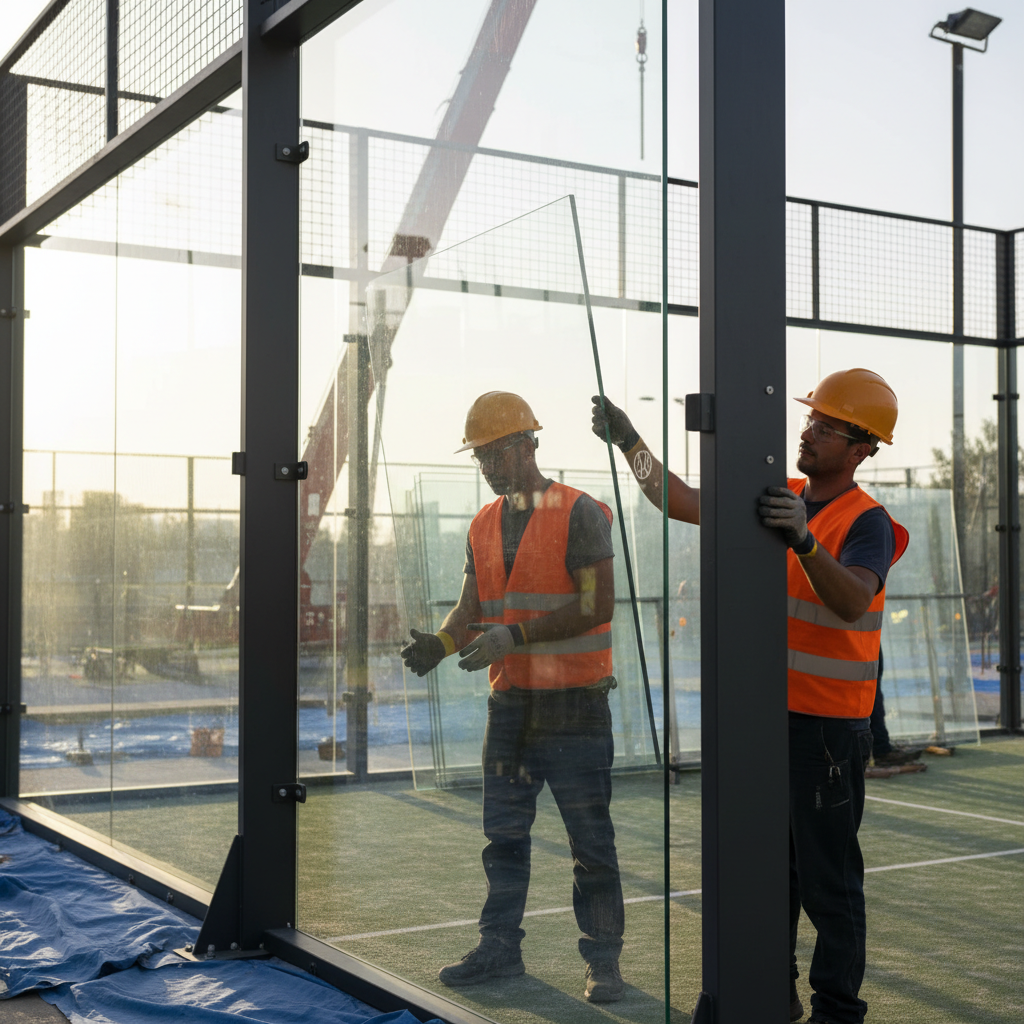
Installing glass for a padel haus involves mounting 12mm tempered safety panels into the steel frame using specialized rubber gaskets and stainless steel fasteners. This process must be performed with high precision to ensure the walls are perfectly flush, as any misalignment will cause unpredictable ball bounces.
Why is 12mm glass preferred?
12mm glass is preferred over 10mm because it offers superior impact resistance and a much more consistent rebound for the players.
But that is not all:
- It meets international EN 12150-1 safety certifications for commercial use.
- The increased weight provides better acoustic dampening in indoor facilities.
- Thicker panels are far less likely to shatter during high-speed player collisions.
Wait, there is more: the professional “ping” sound of a ball hitting 12mm glass is a hallmark of a high-quality sports club.
What is a panoramic design?
A panoramic design removes the vertical steel pillars from the back walls to offer spectators and cameras an unobstructed view of the action.
Here is the kicker:
- It creates a stadium-like atmosphere that justifies higher court booking fees.
- Panoramic glass requires reinforced structural beams to maintain safety standards.
- This design is essential for clubs looking to host filmed matches or tournaments.
| Glass Feature | Standard (10mm) | Premium (12mm) |
|---|---|---|
| Safety Rating | Standard | Certified Industrial |
| Rebound Quality | Moderate | Professional Grade |
| Structural Load | Light | Heavy/Stable |
Using 12mm tempered safety glass is a critical safety investment that also significantly enhances the professional quality of the playing experience.
Key Takeaway
12mm tempered glass is the only choice for a commercial facility, providing the durability and safety required for heavy daily usage.
What lighting is needed for an indoor padel haus?
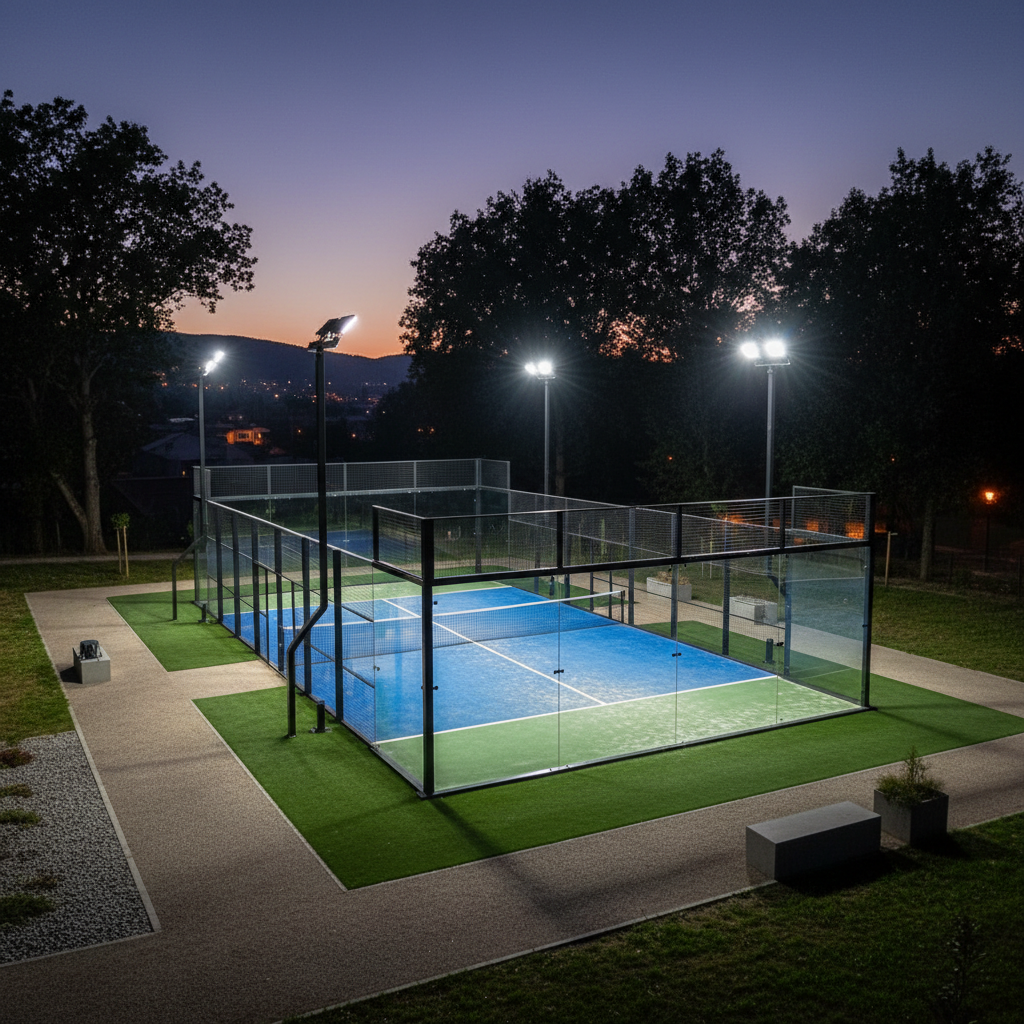
An indoor padel haus needs a flicker-free LED lighting system that provides at least 500 lux of uniform illumination across the entire court surface. This lighting must be asymmetric to ensure that players are never blinded when looking up for high lobs or overhead smashes.
How do you eliminate player glare?
You eliminate player glare by using asymmetric optics that focus the light beam directly on the court rather than dispersing it into the players’ eyes.
The real story is:
- Fixtures should be mounted at a height of 6 meters or more for better spread.
- Flicker-free drivers are essential for facilities that record matches for social media.
- 5000K daylight color temperature provides the most natural visibility for fast play.
Think about this: poor lighting leads to player errors and safety risks, which will quickly damage your club’s reputation.
Can LEDs reduce your overhead?
LEDs can reduce your monthly energy costs by up to 70% compared to traditional metal-halide bulbs used in older sports facilities.
Wait, there is more:
- Instant-on technology allows you to turn lights off between bookings to save money.
- Modern LED fixtures have a lifespan of 50,000 hours, reducing maintenance labor.
- Lower heat output from LEDs reduces the strain on your indoor HVAC system.
| Lighting Grade | Lux Level | Application |
|---|---|---|
| Recreational | 300 Lux | Social Play / Training |
| Competition | 500 Lux | Leagues / Club Finals |
| Broadcast | 750 – 1000 Lux | Filmed Tournaments |
High-efficiency, asymmetric LED lighting ensures a premium, glare-free experience while significantly lowering the long-term operational costs of your sports hub.
Key Takeaway
Asymmetric LED systems at 500 lux provide the professional, glare-free visibility required to maintain a safe and elite-tier playing environment.
How do you manage the costs of a padel haus?
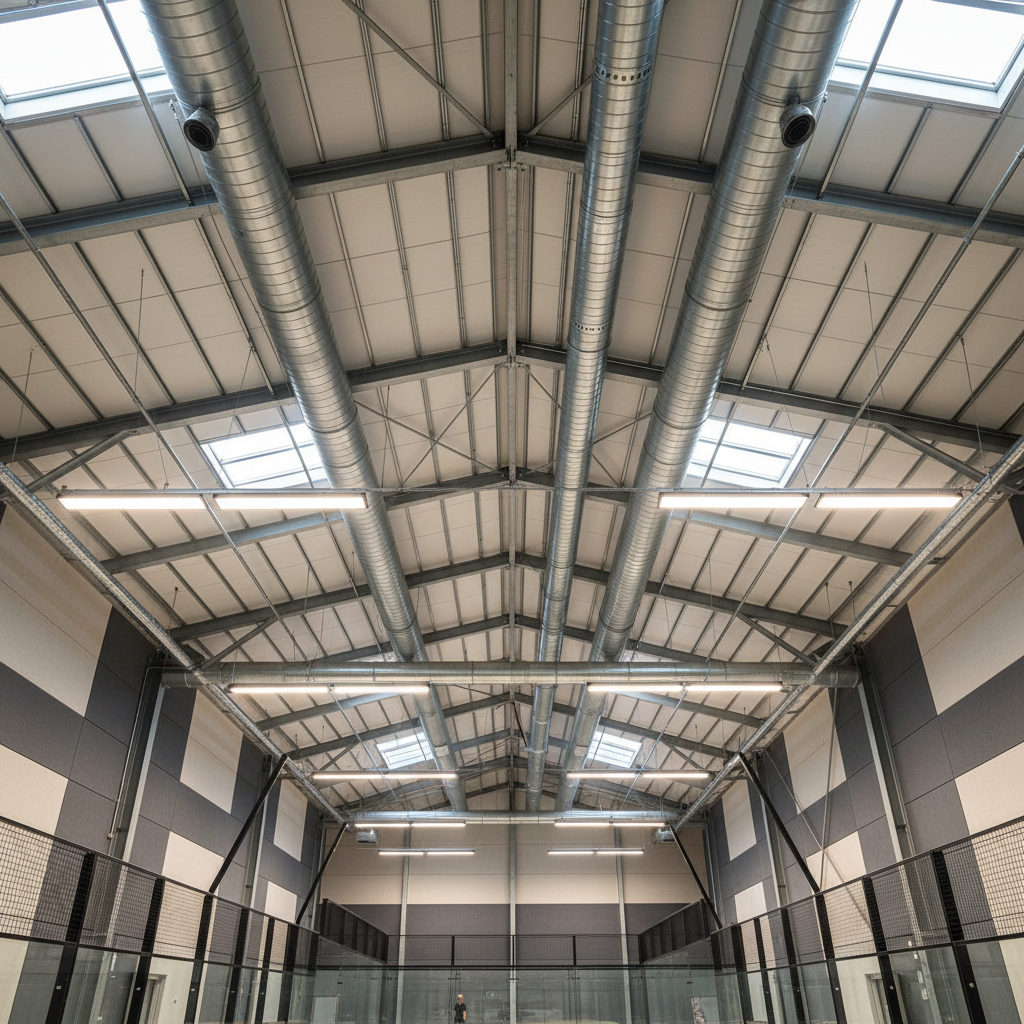
You manage the costs of a padel haus by sourcing hardware directly from the manufacturer to eliminate the significant markups typically added by local distributors. This factory-direct approach can reduce your total court procurement expenses by up to 30%, allowing you to reallocate those funds into social amenities.
What is the biggest cost driver?
The biggest cost driver is typically the site preparation, including the construction of a perfectly level concrete foundation slab with proper drainage.
But that is not all:
- Purchasing a complete court kit (frame, glass, turf, lights) is more efficient than buying parts.
- Shipping logistics and customs duties must be calculated into your initial budget.
- Local labor for modular assembly is more cost-effective than custom builds.
Wait, there is more: a perfectly level foundation prevents expensive glass breakage during the installation phase.
How do you shorten your ROI?
You shorten your return on investment by maximizing court occupancy through automated booking systems and diverse secondary revenue streams.
The real story is:
- Pro shops and cafes can account for 20% or more of your total facility revenue.
- Organizing corporate tournaments fills off-peak hours during the work week.
- Monthly membership tiers provide a stable, predictable cash flow for your business.
| Cost Category | % of Investment | Saving Strategy |
|---|---|---|
| Court Hardware | 50% – 60% | Factory-Direct Sourcing |
| Site Foundation | 20% – 30% | Use Local Civil Contractors |
| Labor/Logistics | 10% – 15% | Modular Kit Assembly |
Strategic cost management through direct sourcing and optimized site selection is the key to achieving a faster return on your capital investment.
Key Takeaway
Buying your hardware directly from the factory is the most effective way to launch your facility with professional quality while staying under budget.
How do you start building your padel haus today?
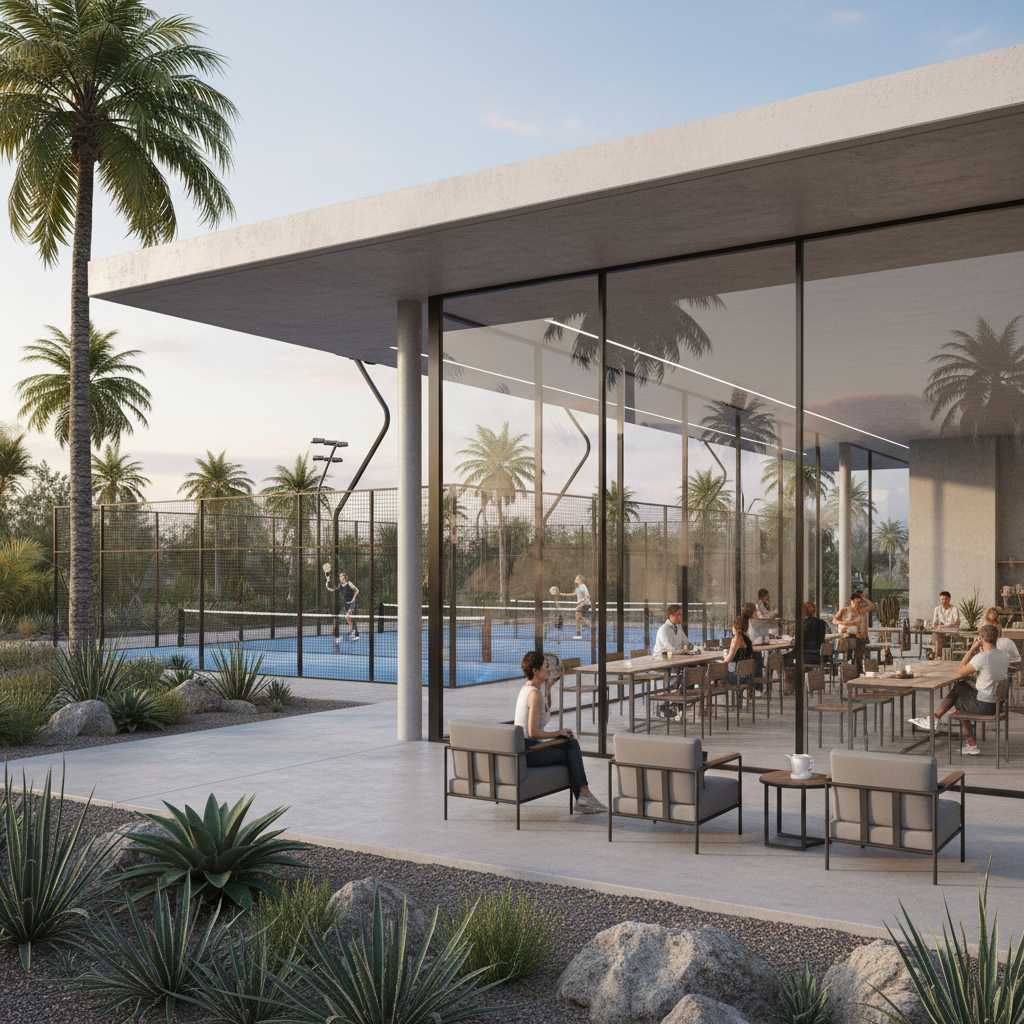
You start building your padel haus today by securing a site and requesting a technical quotation from a full-service manufacturer. Taking the initiative to finalize your court layout now allows you to customize the branding and colors to fit your local market’s preferences before the peak season begins.
Why is a pilot court a good idea?
A pilot court is a good idea because it allows you to test the local market demand with a smaller initial investment before scaling to a multi-court facility.
Think about this:
- Manufacturers with “No MOQ” allow you to order just a single court to start.
- You can build your initial community of players while the rest of the site is prepared.
- A pilot court generates immediate cash flow to help fund further expansion.
Ready for the good part? Many successful clubs start with two courts and expand to six within the first year of operation.
What technical support is available?
Technical support is available in the form of detailed installation manuals, foundation drawings, and remote video guidance from the factory’s engineering team.
But that is not all:
- Factory-provided blueprints are essential for obtaining local building permits.
- Modular designs allow a local general contractor to complete the build in 4 days.
- 24-hour support ensures any shipping or assembly questions are resolved instantly.
| Startup Phase | Action Item | Goal |
|---|---|---|
| Planning | Site Audit & Permits | Secure legal workspace |
| Procurement | Order Factory Kit | Secure premium materials |
| Execution | Slab & Assembly | Launch revenue operations |
Collaborating with a dedicated manufacturing partner provides the hardware and expertise needed to transform your vision into a high-revenue athletic destination.
Key Takeaway
Success begins with a clear technical plan and a partnership with a manufacturer that provides end-to-end support for your project.
FAQ
Q1: Can I build a padel haus in my own backyard?
Yes, you can install a court as long as you have a level area of at least 11×21 meters and local residential zoning permits.
Q2: What’s the best way to maintain the glass walls?
Ideally, you should clean the panels weekly with a soft squeegee and non-abrasive soap to maintain perfect clarity and safety.
Q3: How do I know if my ceiling is high enough?
Check for a minimum of 6 meters of clear vertical space, though 8 to 10 meters is the professional standard for competitive play.
Q4: Can I customize the court colors for my brand?
Yes, we offer full OEM customization where you can choose specific RAL colors for the frame and add your club logo to the turf.
Q5: How do I check if the foundation is ready?
Ideally, ensure the concrete is level within 3mm and has cured for at least 21 days before you begin anchoring the steel structure.
Building a world-class sports destination requires the right hardware and a strategic vision for community growth. If you are ready to secure your place in the racket sports market, contact us today to receive a custom quotation and expert project guidance.